

Unit 116/117 Maintenance- 1st lesson

Presentation
•
Other
•
10th Grade
•
Easy

Courtney Sweet
Used 2+ times
FREE Resource
11 Slides • 2 Questions
1
Tool & Equipment Maintenance in Animal Care
By Courtney Sweet

2
Lesson Objectives
By the end of this lesson, you will be able to:
Explain why we must always follow instructions when using or cleaning tools.
Identify common hand tools and how to use them safely.
State the correct PPE (Personal Protective Equipment) for maintenance tasks.
Describe why regular maintenance is essential for animal safety and cost-saving.

3
Starter Task: "What’s the Risk?"
Look at the following items often found in a tool shed:
A rusty pair of wire cutters.
A wheelbarrow with a flat tyre.
A shovel with a loose, splintered wooden handle.
Pick one item and discuss what could go wrong if you tried to use it to repair an animal enclosure.

4
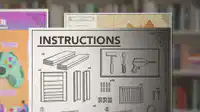
Following Instructions (Criteria 1.1)
In animal care, equipment often comes with a Manufacturer’s Manual or a Standard Operating Procedure (SOP).
Why is it important to follow these?
Safety: To prevent injury to yourself or the animals.
Warranty: Using equipment wrongly can break it and mean the shop won't fix it for free.
Efficiency: Tools work better and last longer when used exactly as designed.
Chemical Safety: Instructions tell you the correct "dilution rate" for cleaning fluids so you don't burn an animal's paws.
5
Reflect: If you find a power tool but the manual is missing, what should be your very first step?

6
Hand Tools and Materials (Criteria 1.2)
You will use various tools to keep animal housing secure. Using the wrong tool is a common cause of accidents.
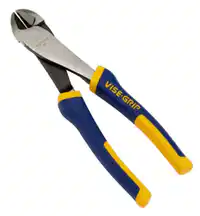
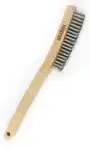
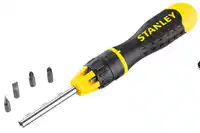
Tool | Correct Use | Material it works with |
Screwdriver | Tightening or loosening screws on gates/latches. | Metal screws, wood, plastic. |
Pliers/Wire Cutters | Cutting or bending fencing wire or mesh. | Metal wire, cable ties. |
Hammer | Driving nails into wooden fencing or enclosures. | Nails and wood. |
Wire Brush | Scrubbing rust off metal or dried mud off shovels. | Metal, hard plastic, stone. |
Oil/Lubricant | Keeping hinges and locks moving smoothly. | Metal hinges and gates. |


7
Personal Protective Equipment - PPE (Criteria 1.3)
Maintenance can be messy and dangerous. You must wear the right gear to stay safe.
Gloves (Heavy Duty): Protects hands from splinters, sharp wire, and blisters.
Eye Protection (Goggles): Prevents metal shards, dust, or chemicals from splashing into your eyes.
Steel Toe-Cap Boots: Protects your feet if you drop a heavy tool or a piece of timber.
Overall/Apron: Protects your skin and clothes from oils, grease, and cleaning chemicals.

8
Multiple Select
Why must PPE be worn?
Legal Requirement: Under Health and Safety laws (HASWA), you must wear PPE provided by your employer.
Injury Prevention: To prevent long-term damage (like eye injuries) or short-term pain (like cuts).
To keep your Manager happy and keep boxes ticked.
Incase you have a health and safety inspection.
9
Why Undertake Maintenance? (Criteria 2.1)
Maintenance isn't just about cleaning; it’s about prevention.
Reasons for Maintenance:
Animal Welfare: A broken fence can cut an animal or allow them to escape onto a road.
Biosecurity: Dirty tools can carry diseases from one animal pen to another.
Saving Money: It is cheaper to oil a hinge than to replace a whole broken gate.
Professionalism: A well-kept workplace is a safer workplace for staff and visitors


10
Preparing the Work Area:
Before you even touch a tool, you must prepare your environment. In animal care, this is extra important because animals are curious and may try to "help" you!
Animal Safety: Move animals to a different pen or area so they don't ingest small parts (like screws) or get injured by tools.
Clear the Floor: Remove bedding, hay, or water bowls to prevent slipping and to keep your tools clean.
Signage: Put up a "Maintenance in Progress" sign so other staff don't let animals back into the area.
Checking Tools: Before starting, check that your tools aren't broken. A cracked handle on a hammer is a major hazard.

11
Maintenance & The Law (Criteria 2.1)
Under the Animal Welfare Act 2006, owners have a "Duty of Care" to provide a safe environment.
If you fail to maintain equipment:
Injury: A jagged edge on a water trough can cause deep cuts.
Escape: A rusty latch that snaps allows an animal to get out.
Disease: Cracked plastic bowls can hide bacteria in the cracks that soap can't reach.
The Golden Rule: Maintenance is cheaper and easier than a vet bill!
12
Multiple Choice
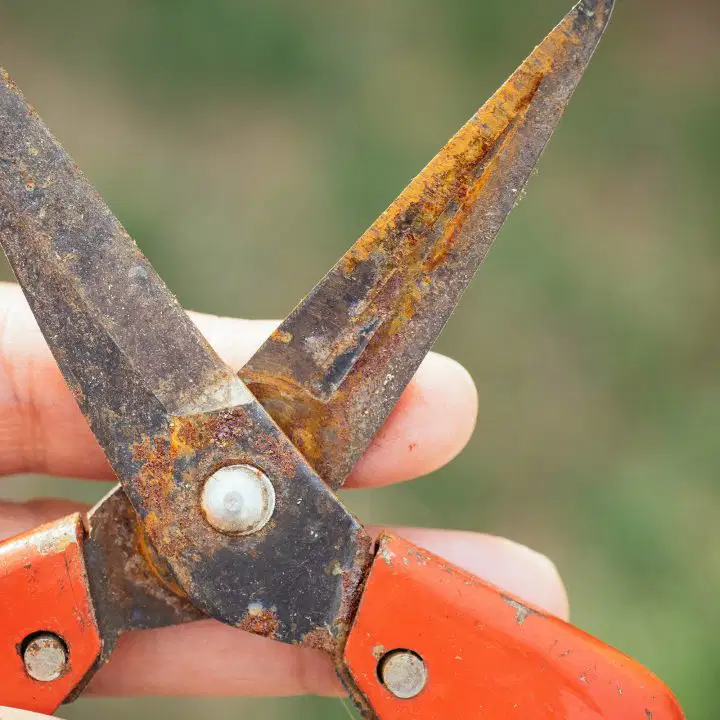
Is this equipment safe and well maintained?
Yes
No
13
Main Task: The "Tool Tech" Expert Presentation Time: 20–30 Minutes
The Challenge
Choose 5 tools from the list below:
Hammer, Screwdriver, Wire Cutters, Wire Brush, Shovel, Pliers, or Spirit Level, Broom
For each tool, you must create a quick presentation or a series of "Instruction Cards" covering the following 4 points:
Safe Use: What is the tool's specific job? What is one "Never Do" for this tool?
PPE Needed: Which specific gear must you wear when using or cleaning it?
Cleaning Instructions: How do you clean it after use (e.g., removing rust, dirt, or disinfectants)?
Maintenance Instructions: How do you keep it in "as new" condition (e.g., oiling, sharpening, or checking for cracks)?
Tool & Equipment Maintenance in Animal Care
By Courtney Sweet
Show answer
Auto Play
Slide 1 / 13
SLIDE
Similar Resources on Wayground

11 questions
A day in the life of a teacher
Presentation
•
10th - 11th Grade
7 questions
3a1.Prokaryote vs Eukaryote
Presentation
•
9th - 10th Grade
10 questions
Johann Sebastian Bach - G9
Presentation
•
10th Grade
10 questions
Computer Science: Systems Architecture
Presentation
•
10th Grade
11 questions
Tener
Presentation
•
10th Grade
9 questions
Reading Strategies
Presentation
•
6th - 8th Grade
12 questions
ADVERBS OF DEGREE
Presentation
•
10th Grade
Popular Resources on Wayground
16 questions
Grade 3 Simulation Assessment 2

Quiz
•
3rd Grade
19 questions
HCS Grade 5 Simulation Assessment_1 2526sy
Quiz
•
5th Grade
10 questions
Cinco de Mayo Trivia Questions

Interactive video
•
3rd - 5th Grade
17 questions
HCS Grade 4 Simulation Assessment_2 2526sy
Quiz
•
4th Grade
24 questions
HCS Grade 5 Simulation Assessment_2 2526sy
Quiz
•
5th Grade
13 questions
Cinco de mayo
Interactive video
•
6th - 8th Grade
20 questions
Math Review
Quiz
•
3rd Grade
30 questions
GVMS House Trivia 2026
Quiz
•
6th - 8th Grade
Discover more resources for Other
5 questions
A.EI.1-3 Quizizz Day 1
Quiz
•
9th - 12th Grade
10 questions
Cinco De Mayo
Presentation
•
10th Grade
20 questions
Figurative Language Review
Quiz
•
10th Grade
210 questions
Unit 1 - 4 AP Bio Review
Quiz
•
9th - 12th Grade
100 questions
Biology EOC Review
Quiz
•
9th - 12th Grade
5 questions
A.EI.1-3 Quizizz Day 2
Quiz
•
9th - 12th Grade
5 questions
A.EI.1-3 Quizizz Day 4
Quiz
•
9th - 12th Grade
16 questions
AP Biology: Unit 1 Review (CED)
Quiz
•
9th - 12th Grade