
Astronomy 1A: Earth in Space
Authored by Eric Glagowski
Science
6th Grade
NGSS covered
Used 28+ times


AI Actions
Add similar questions
Adjust reading levels
Convert to real-world scenario
Translate activity
More...
Content View
Student View
25 questions
Show all answers
1.
MULTIPLE CHOICE QUESTION
0 sec • 5 pts
What do we call the study of the moon, stars, and objects in space?
Astrology
Astronomy
Starology
Skyonomy
Tags
NGSS.MS-ESS1-1
NGSS.MS-ESS1-2
2.
MATCH QUESTION
3 mins • 4 pts
Match the movements with their time!
6 Hours
35 Minutes
One Day of School at Carrigan
29.5 Days
One Revolution of Earth Around the Sun
365 Days
One Lunar (Moon) Cycle
24 Hours
One Rotation of Earth on its Axis
3.
FILL IN THE BLANKS QUESTION
2 mins • 5 pts
What do you call the PATH that Earth follows as it completes its journey around the sun?
(a)
Tags
NGSS.MS-ESS1-2
4.
FILL IN THE BLANKS QUESTION
2 mins • 5 pts
What do we call the SYSTEM of organizing time that defines the beginning, end, and divisions or the year?
(a)
5.
CATEGORIZE QUESTION
5 mins • 6 pts
Match the changes to the modern calendar to the group that made each change!
Groups:
(a) Ancient Egyptians
,
(b) Romans
,
(c) Pope Gregory XIII

Created a calendar that was "off" by about 11 minutes each year!
Created "Leap Year" so that the calendar was more accurate!
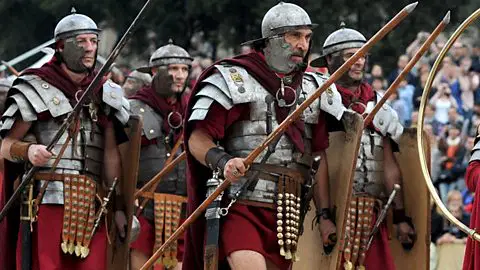
Created one of the 1st calendars!

Decided to make a calendar 12 "moonths" long with 30 days in each month!
Counted the number of days between the first appearance of the star, Sirius!
6.
DROPDOWN QUESTION
3 mins • 2 pts
The Earth experiences seasons because of (a)
Tags
NGSS.MS-ESS1-1
7.
MULTIPLE CHOICE QUESTION
0 sec • 5 pts
What does the word EQUI-NOX mean?
EQUAL NIGHT
EQUAL DAY
EQUAL LIGHT
EQUAL TIME
EQUAL SEASONS
Tags
NGSS.MS-ESS1-1
Access all questions and much more by creating a free account
Create resources
Host any resource
Get auto-graded reports

Continue with Google

Continue with Email

Continue with Microsoft
or continue with

%20(1).png)
Apple

Others
By signing up, you agree to our Terms of Service & Privacy Policy
Already have an account?


