
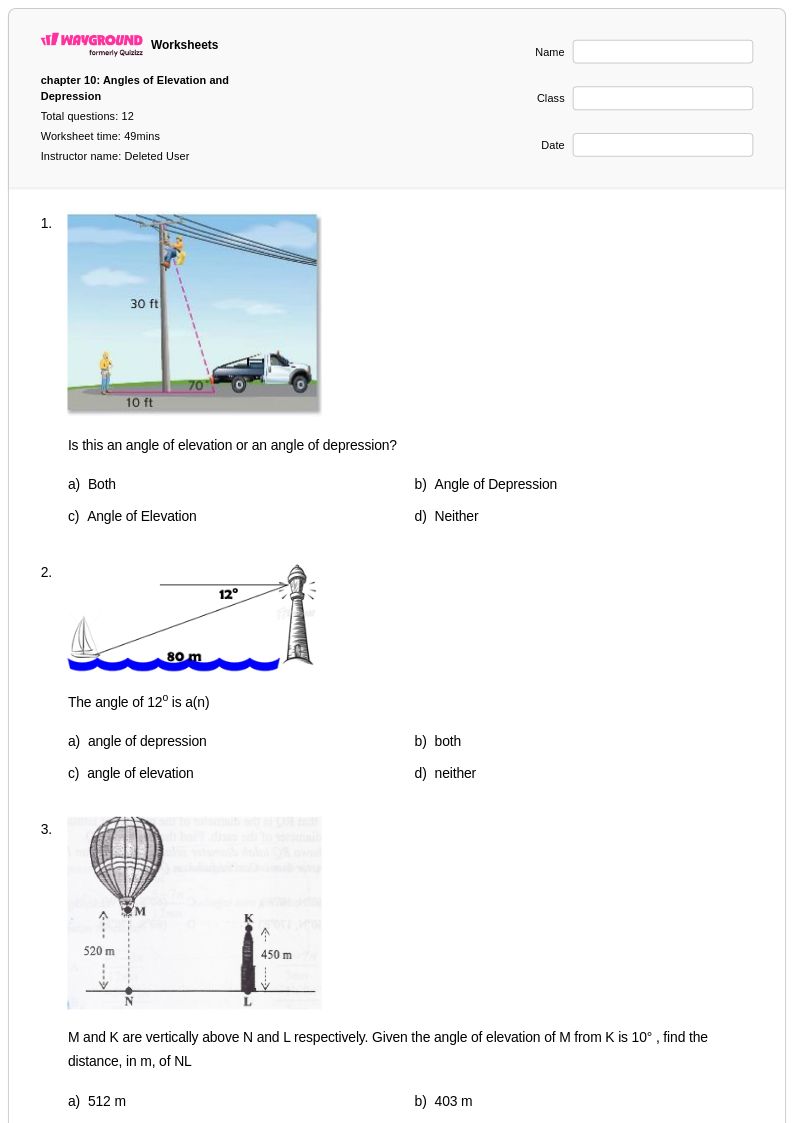
12 Q
4th - 7th
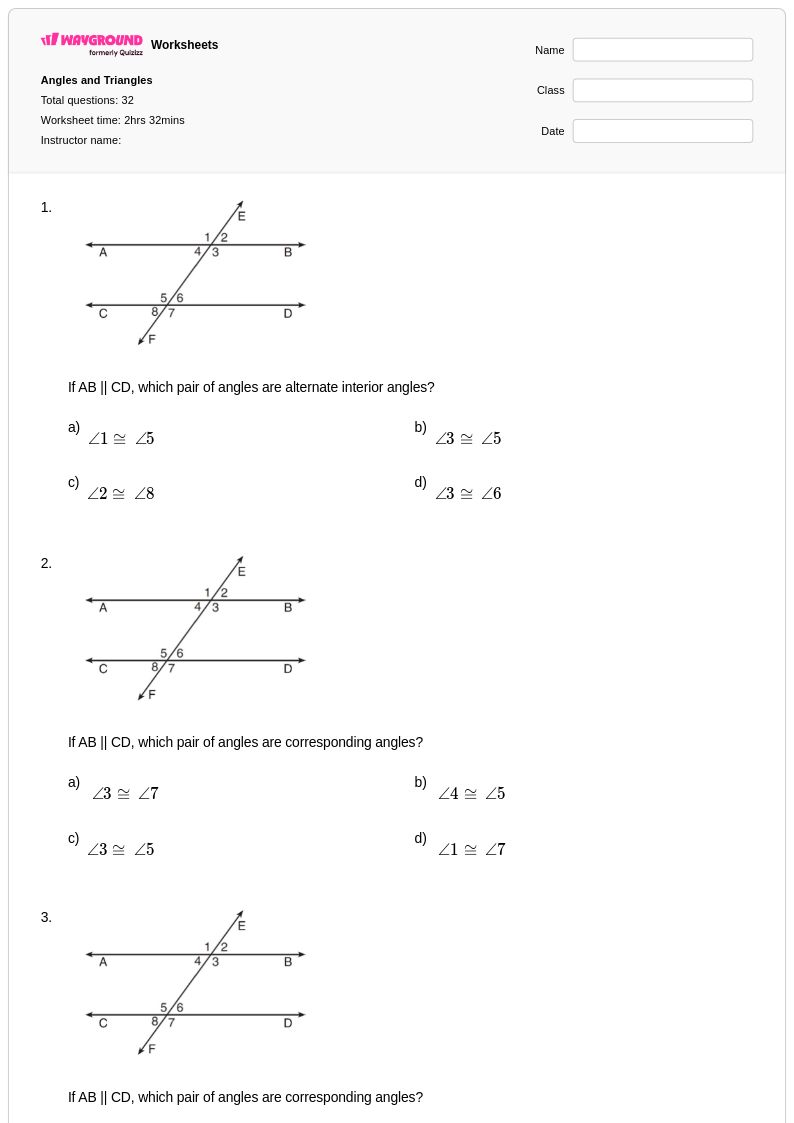
32 Q
5th - 9th
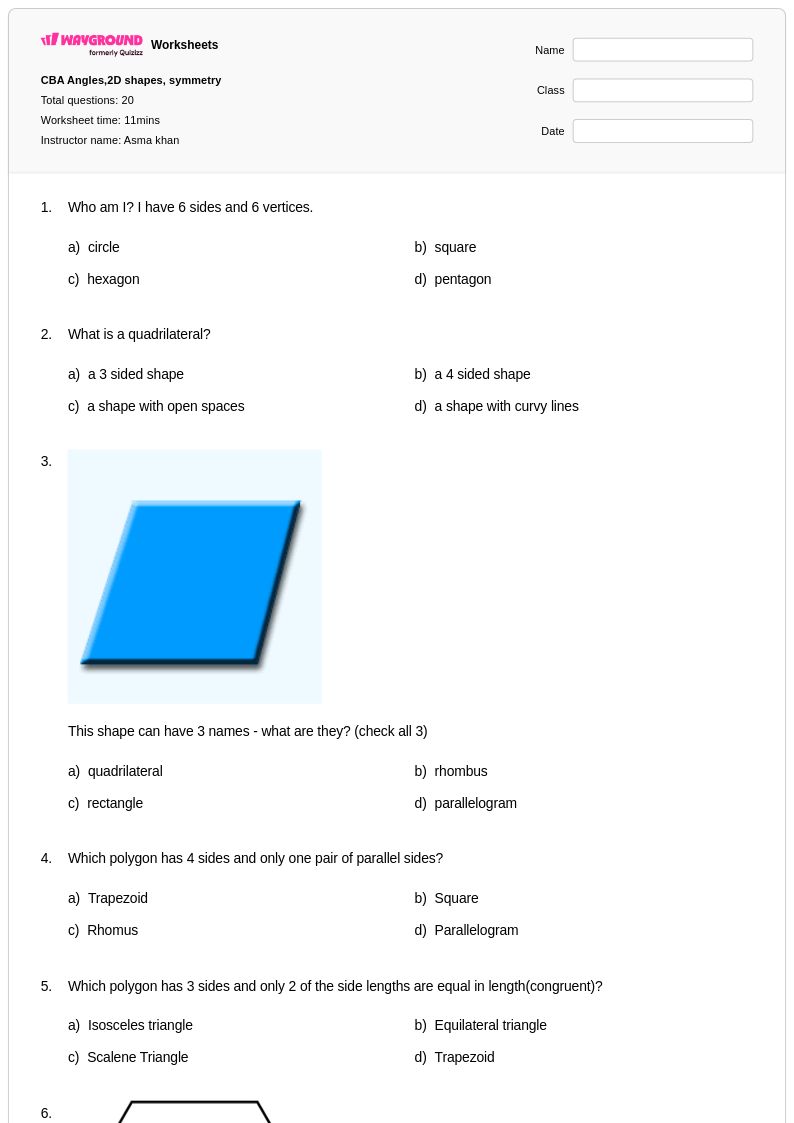
20 Q
6th
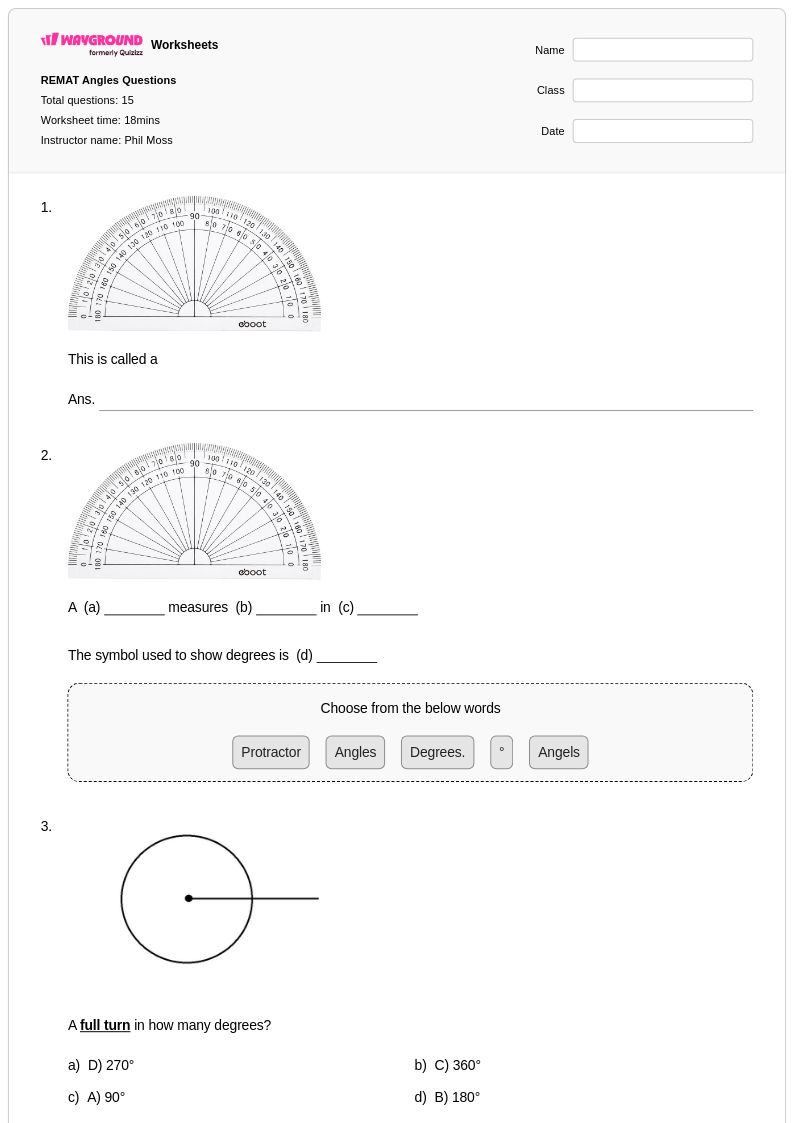
15 Q
6th
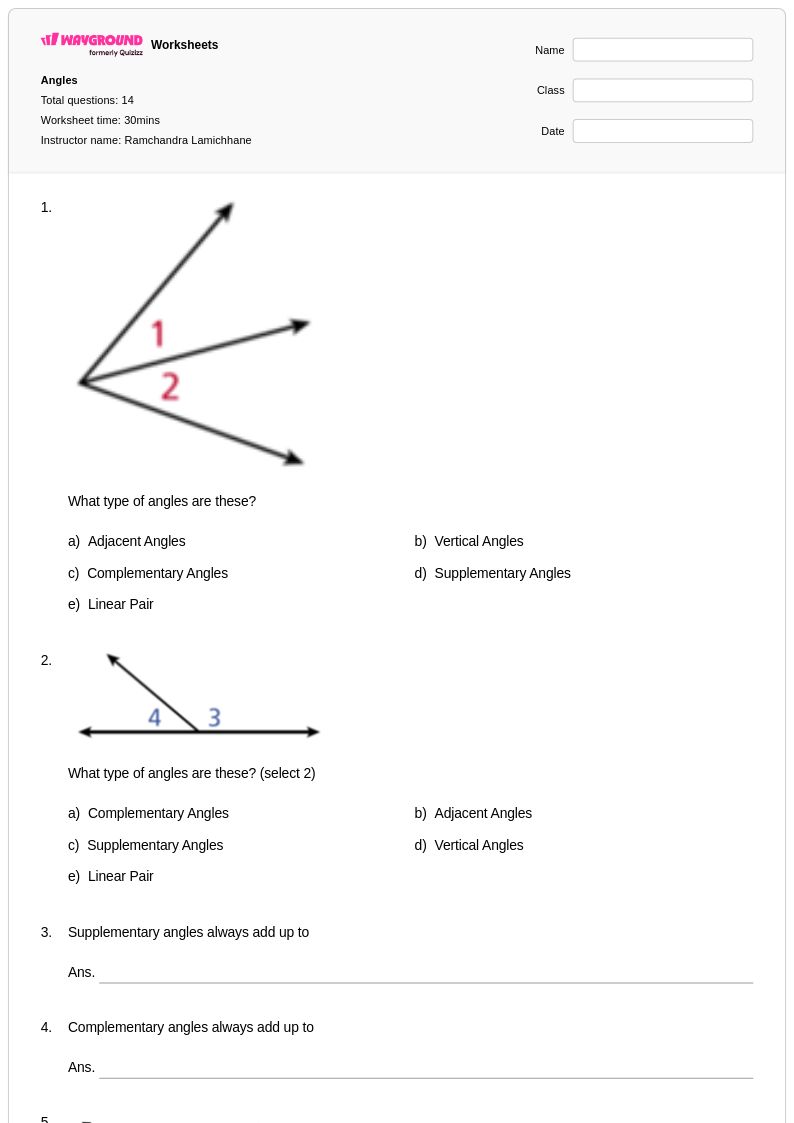
14 Q
6th - 8th
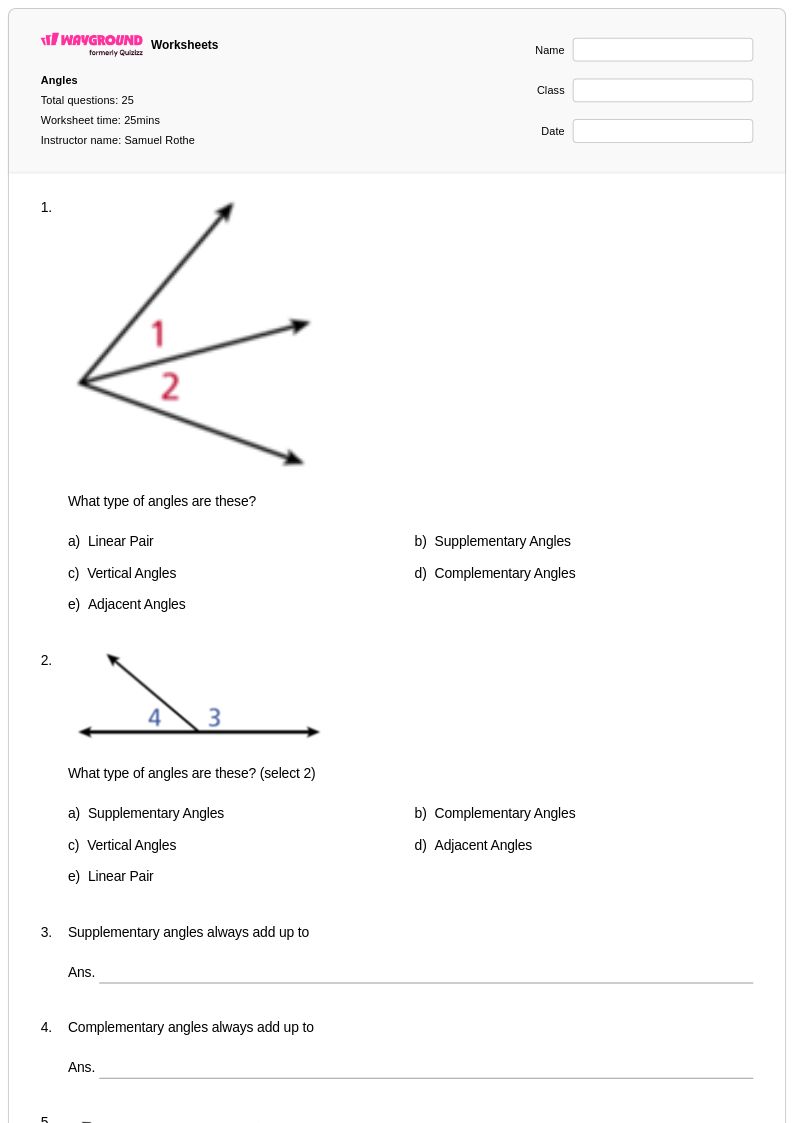
25 Q
6th - 8th
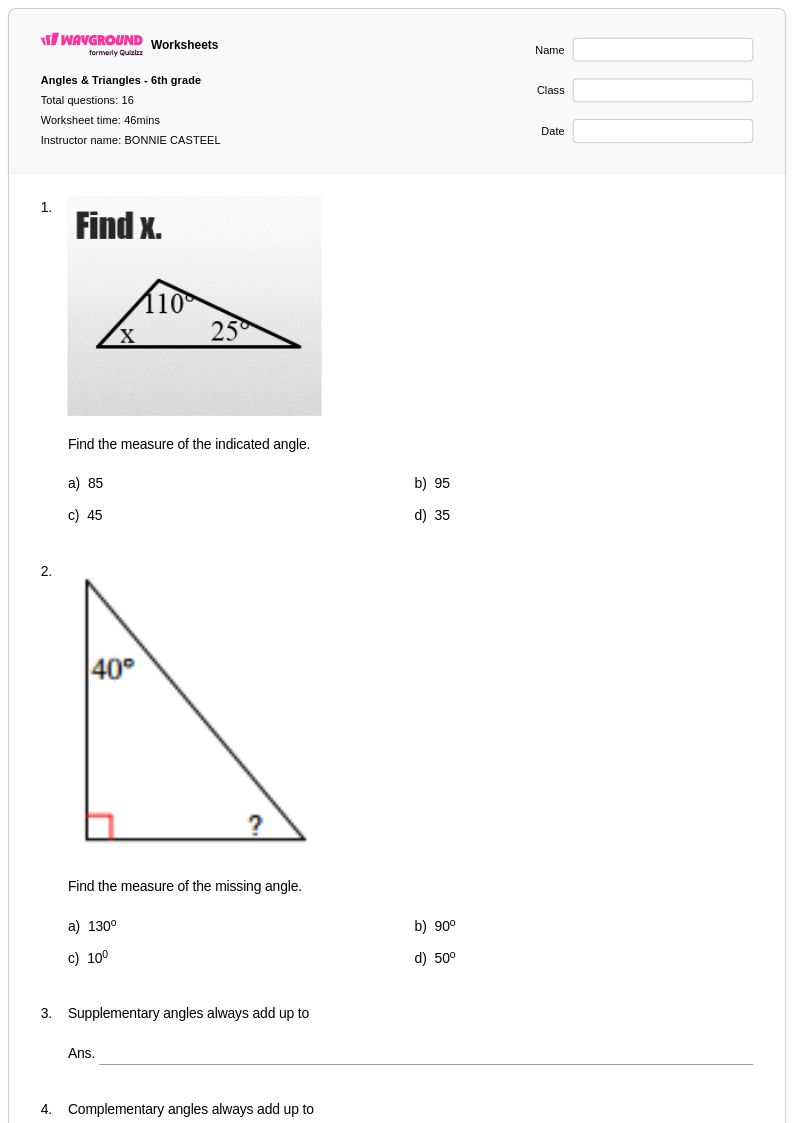
16 Q
6th
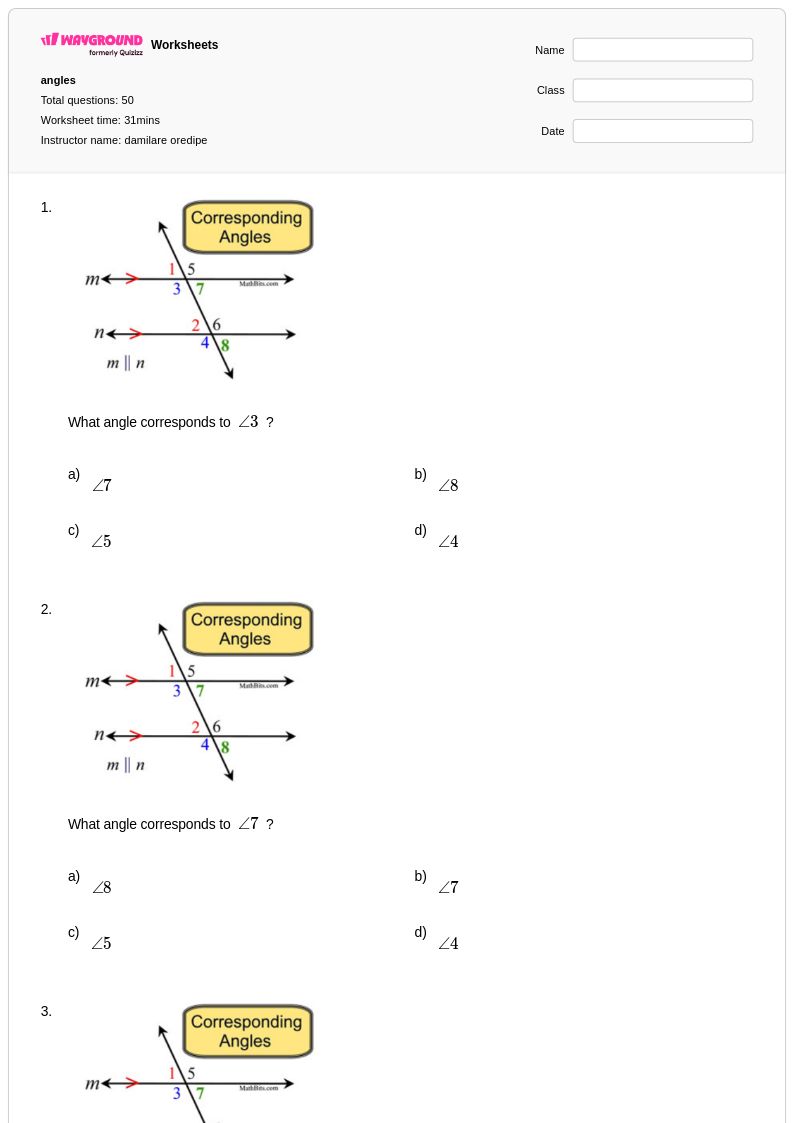
50 Q
6th
22 Q
6th - 10th
25 Q
5th - 10th
17 Q
6th - 7th
50 Q
6th
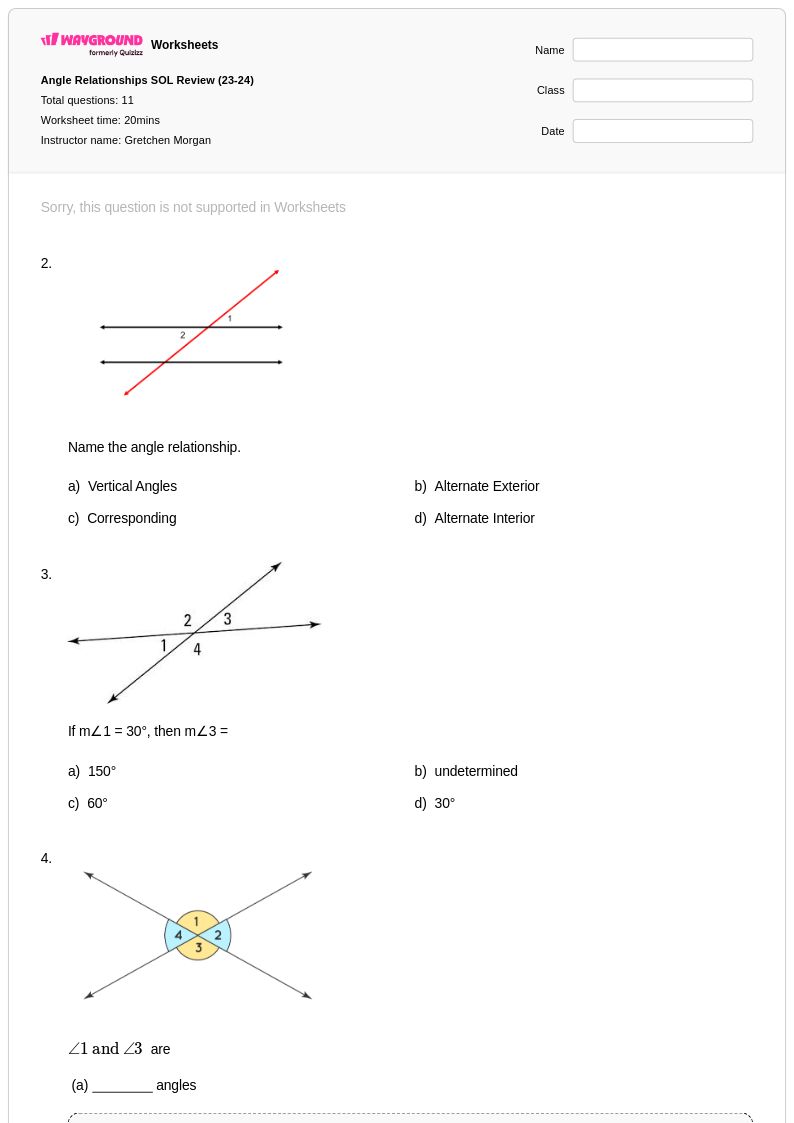
21 Q
6th - 8th
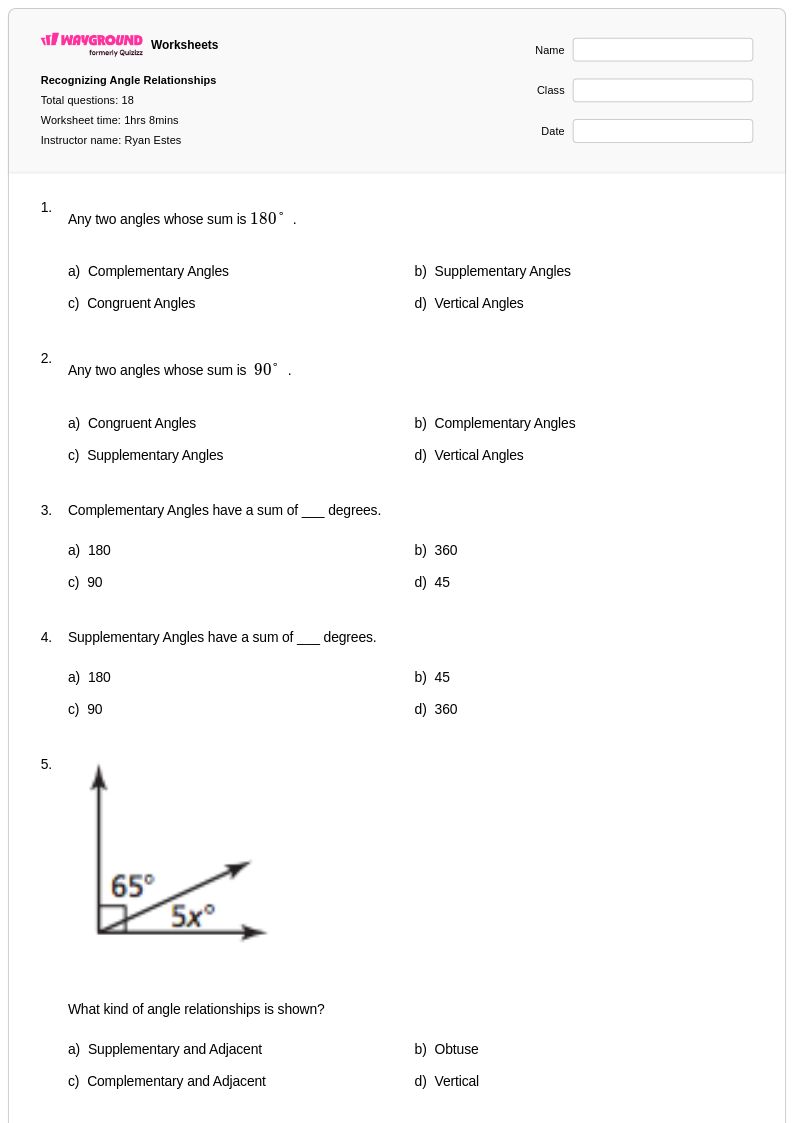
18 Q
6th - 8th
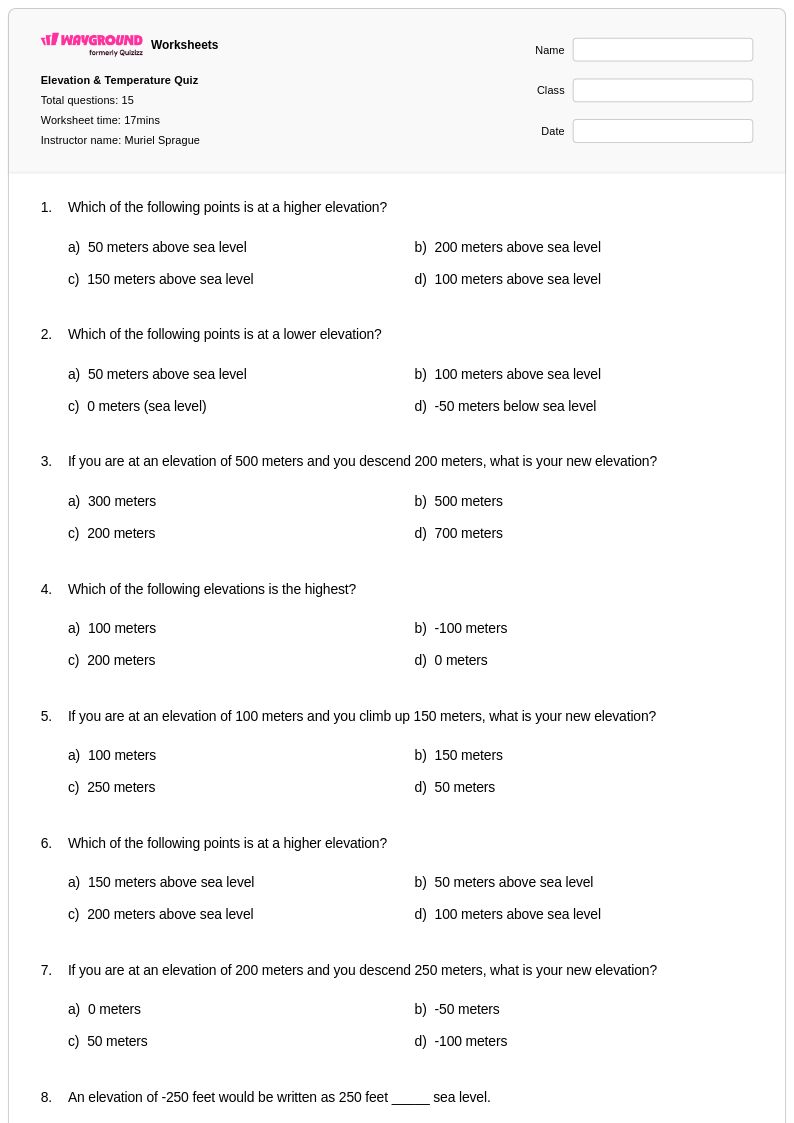
15 Q
6th
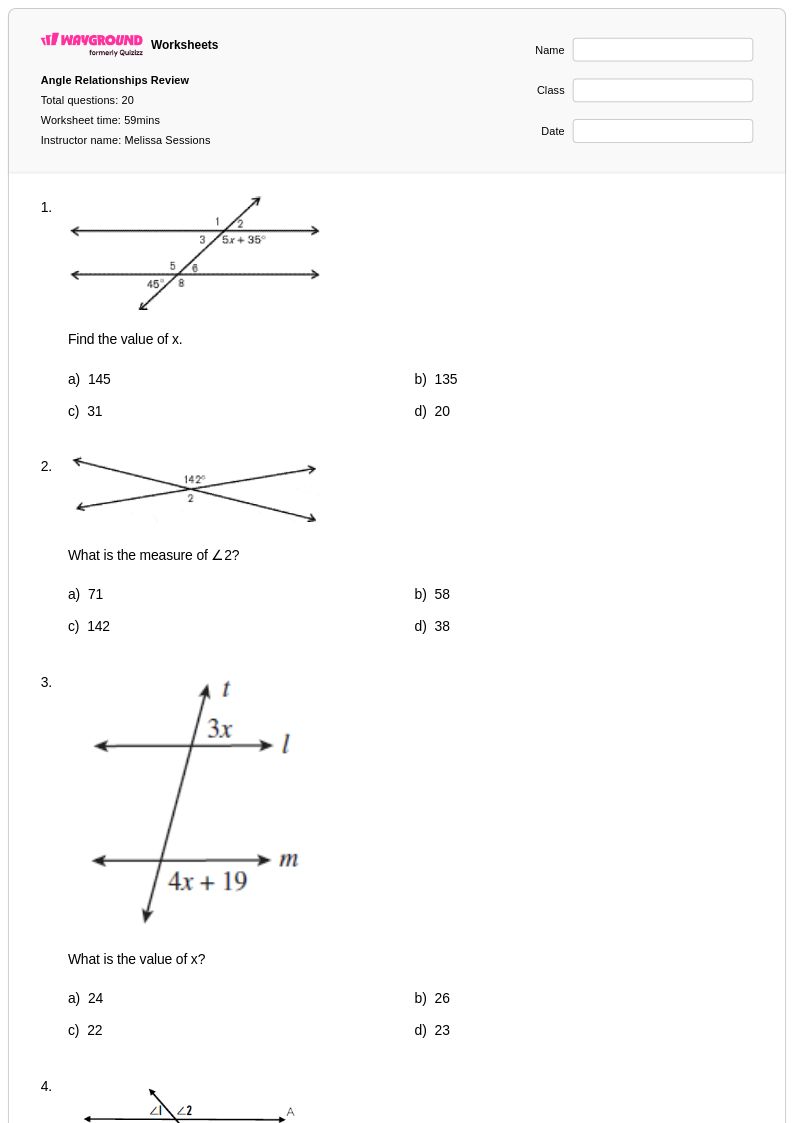
20 Q
6th - 8th
26 Q
6th - 8th
20 Q
5th - 8th
15 Q
6th
11 Q
5th - 8th
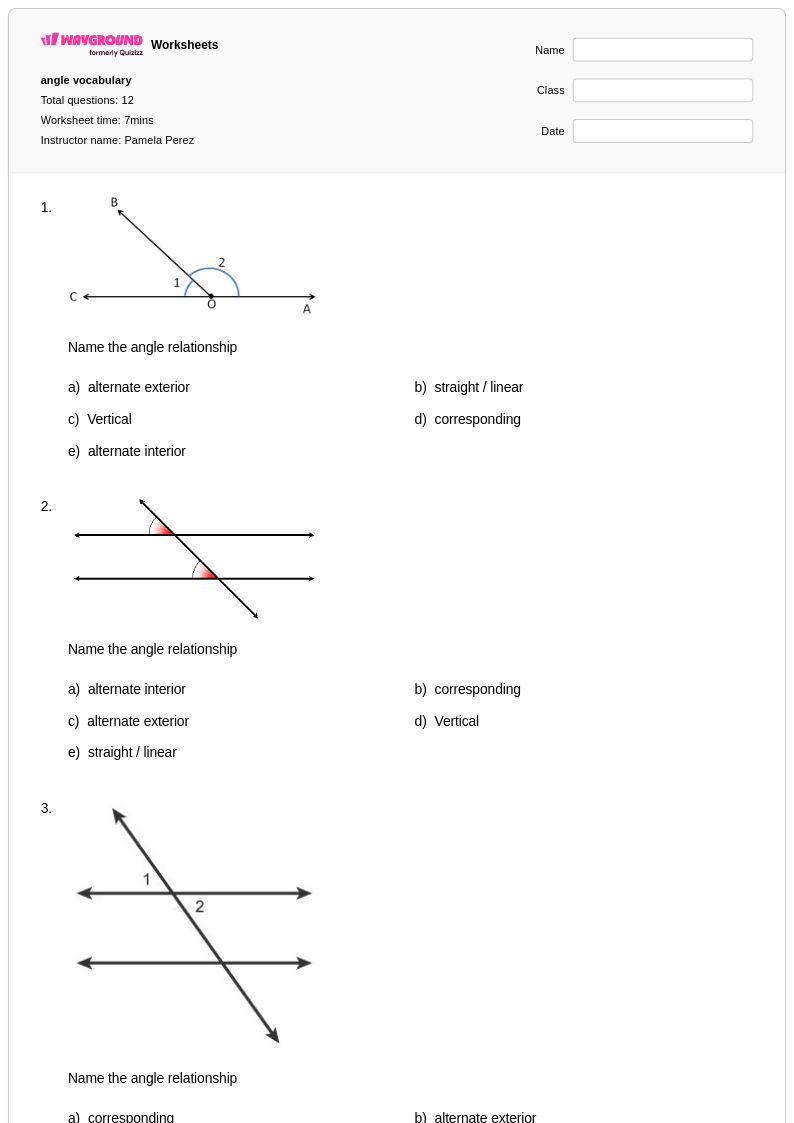
12 Q
6th - 10th
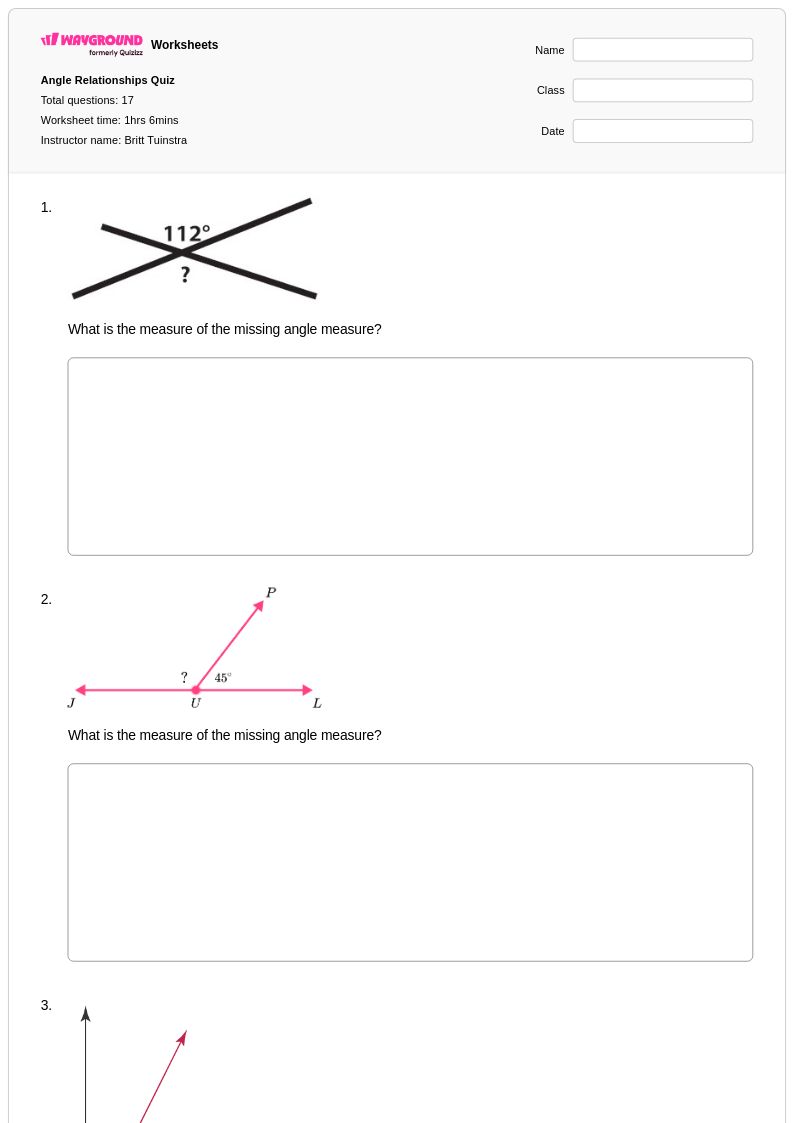
17 Q
6th - 8th
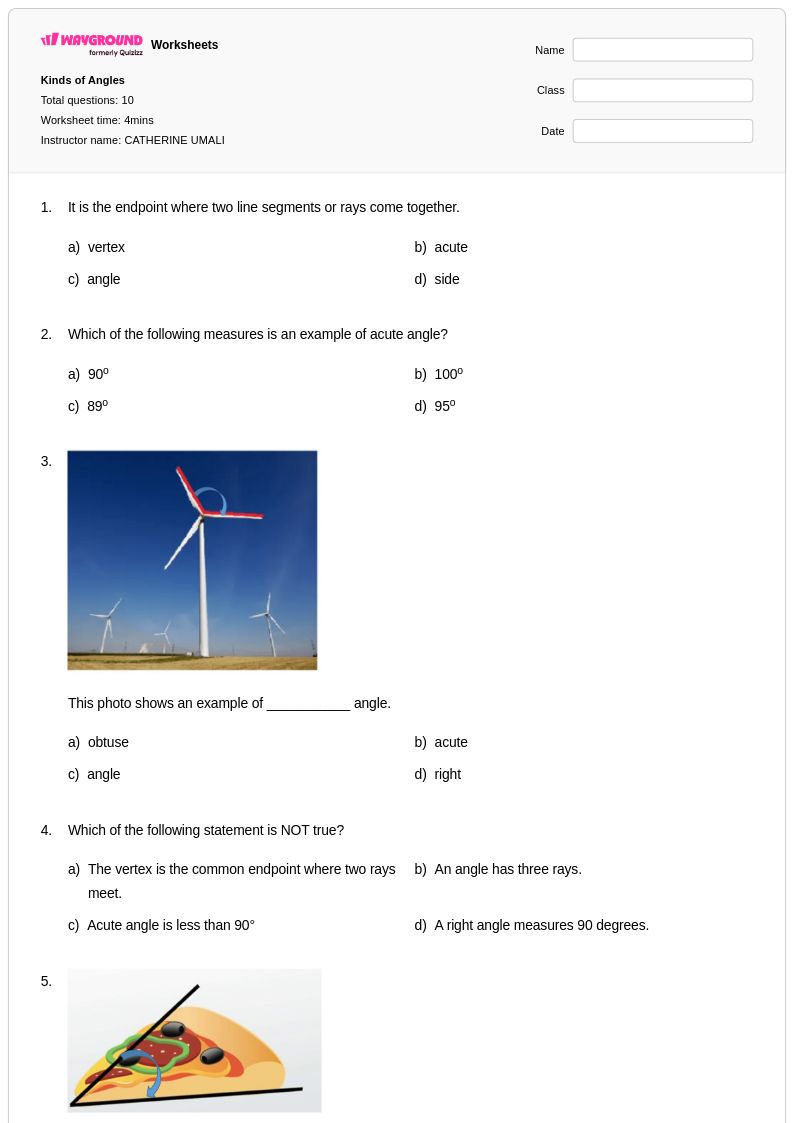
10 Q
4th - 7th
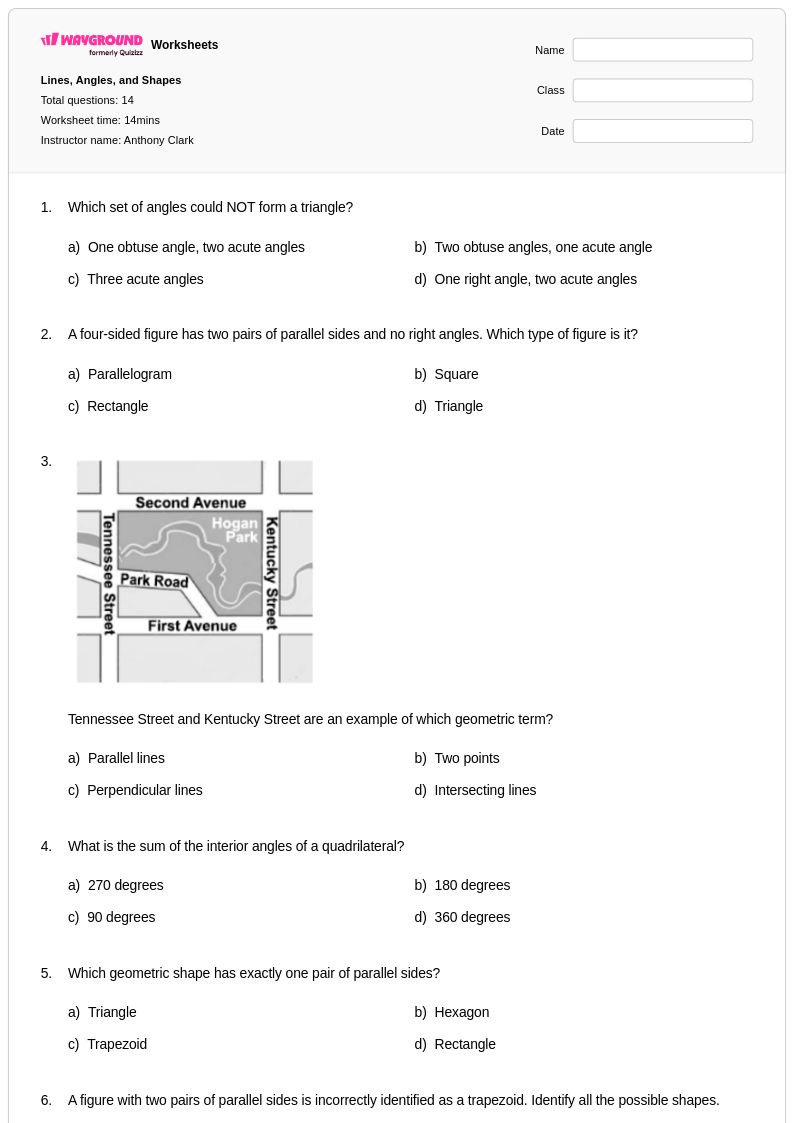
14 Q
4th - Uni
Explore Angle of Elevation and Depression Worksheets by Grades
Explore Other Subject Worksheets for year 6
Explore printable Angle of Elevation and Depression worksheets for Year 6
Angle of elevation and depression worksheets for Year 6 mathematics provide students with essential foundational practice in understanding how angles relate to real-world observation scenarios. These comprehensive worksheet collections available through Wayground (formerly Quizizz) introduce sixth-grade students to the fundamental concepts of measuring angles above and below the horizontal line of sight, preparing them for more advanced trigonometric studies in later grades. Each worksheet features carefully structured practice problems that guide students through identifying angles of elevation when looking up at objects like buildings, trees, or aircraft, and angles of depression when observing objects below their eye level, such as looking down from a hill or bridge. The printable pdf formats include detailed answer keys that allow students to check their work independently, while the free accessibility ensures all learners can engage with these critical mathematical concepts through systematic skill-building exercises.
Wayground (formerly Quizizz) empowers educators with millions of teacher-created resources specifically designed to support Year 6 trigonometry instruction, including extensive collections of angle of elevation and depression materials that align with mathematical standards and learning objectives. The platform's robust search and filtering capabilities enable teachers to quickly locate worksheets that match their specific classroom needs, whether for initial concept introduction, skill reinforcement, or assessment preparation. Advanced differentiation tools allow educators to customize practice problems for diverse learning levels within their classrooms, ensuring both struggling students receive appropriate support and advanced learners encounter suitable challenges. The flexible digital and printable formats facilitate seamless integration into various instructional approaches, from individual practice sessions to collaborative group work, while comprehensive planning resources help teachers design effective lesson sequences that build student confidence in analyzing angular relationships and applying geometric reasoning to practical measurement scenarios.
FAQs
How do I teach angles of elevation and depression to sixth graders?
What exercises help Grade 6 students practice angles of elevation and depression?
What mistakes do students make with angles of elevation and depression?
How can I use a Grade 6 angle of elevation and depression worksheet in class?
How can I differentiate angle of elevation and depression practice in Grade 6?
What grade level are these angle of elevation and depression worksheets for?