
12 Q
9th - 12th
20 Q
9th - Uni
20 Q
6th - Uni
20 Q
7th - Uni
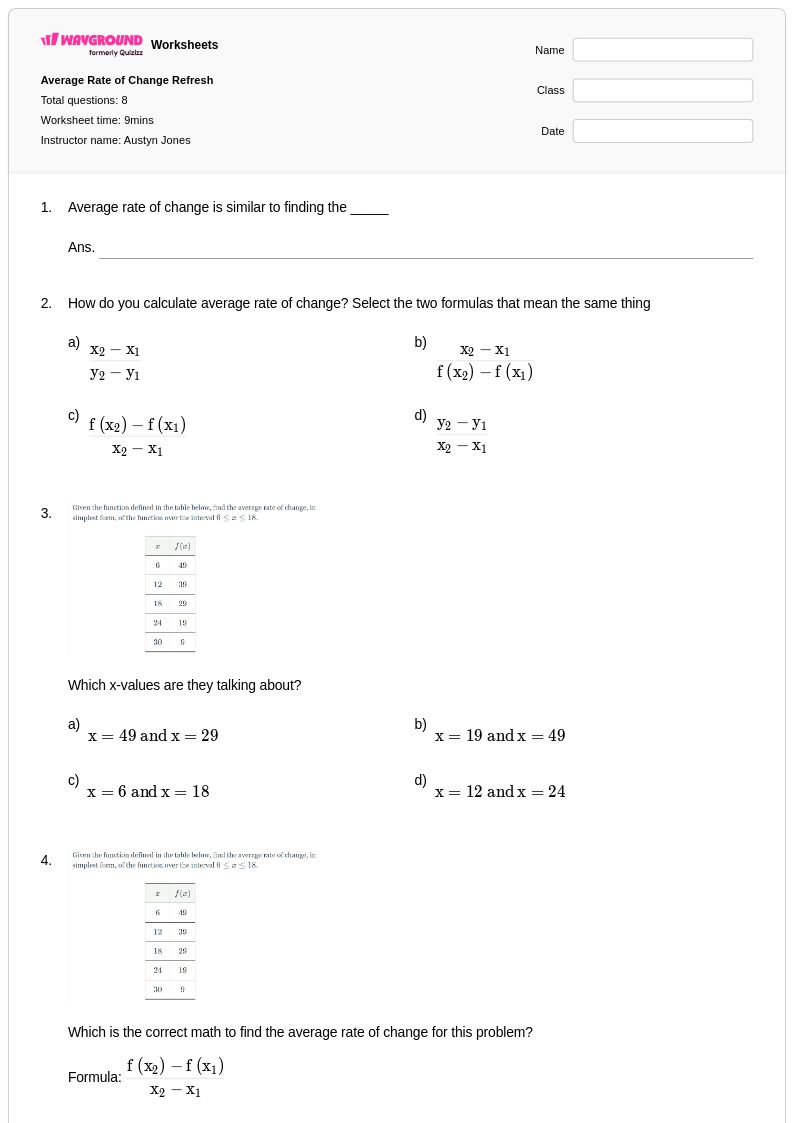
8 Q
9th - 12th

20 Q
9th - 12th
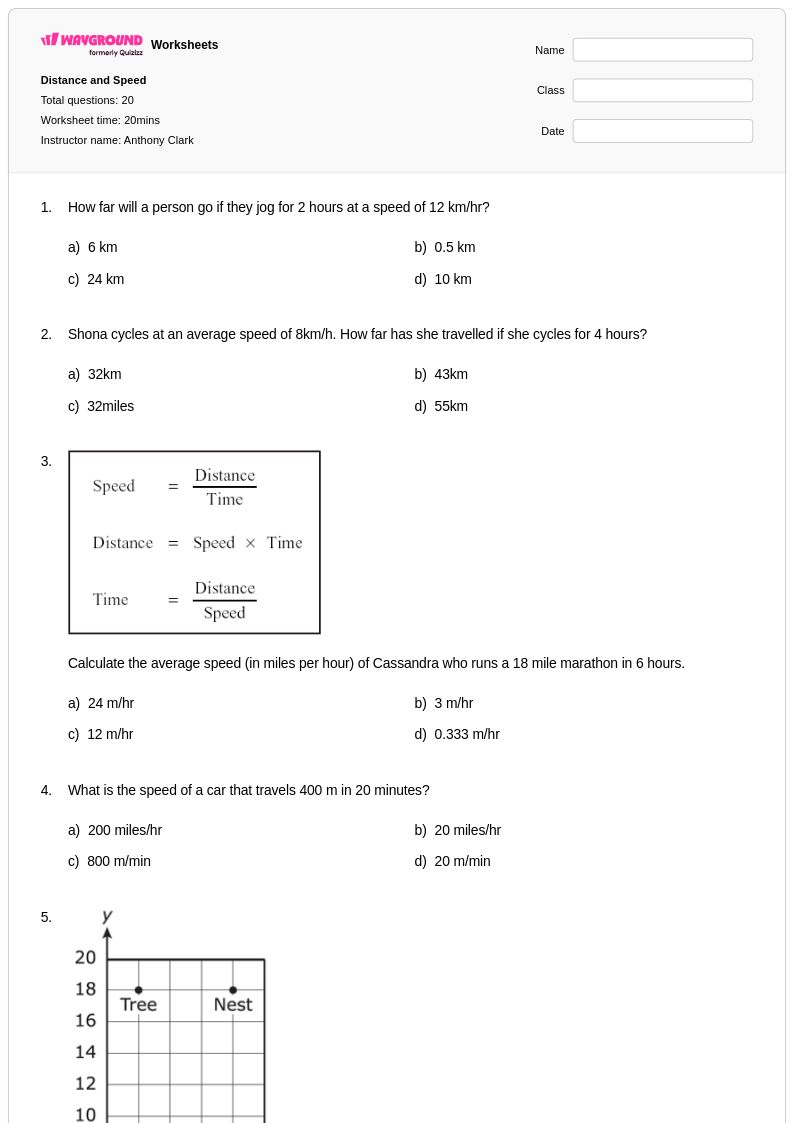
20 Q
6th - Uni
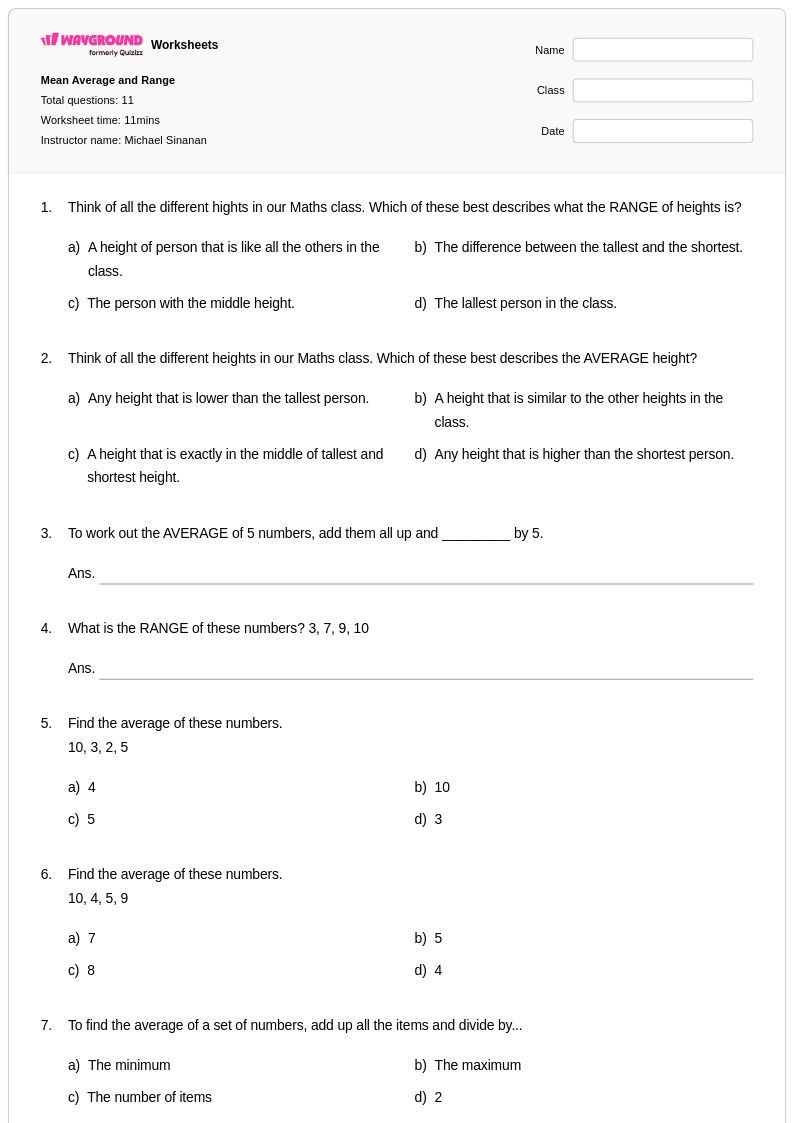
11 Q
4th - 10th
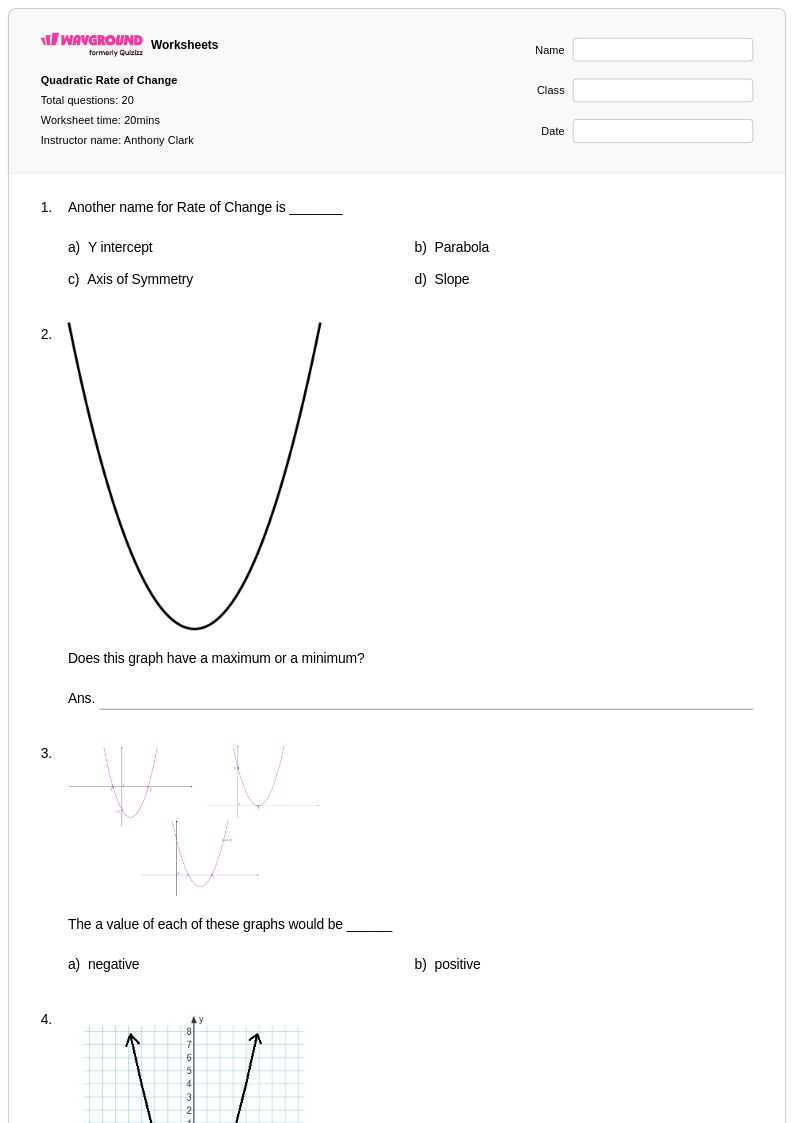
20 Q
9th - Uni
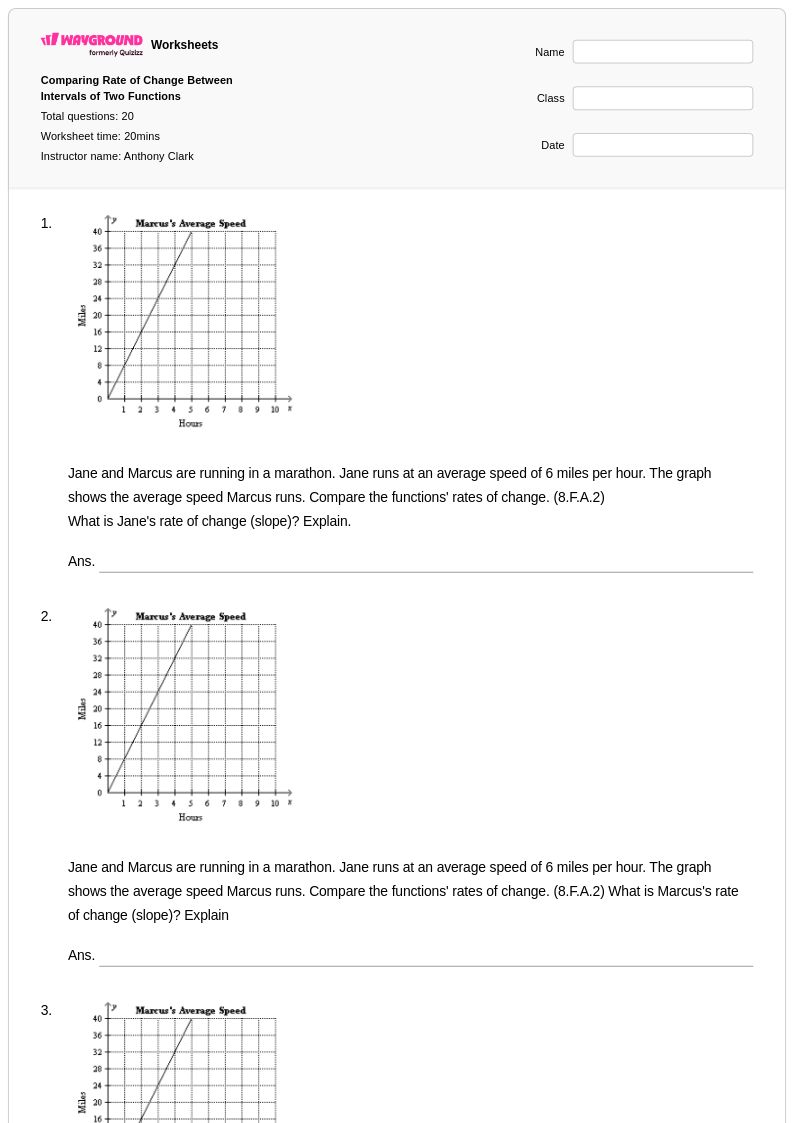
20 Q
8th - Uni
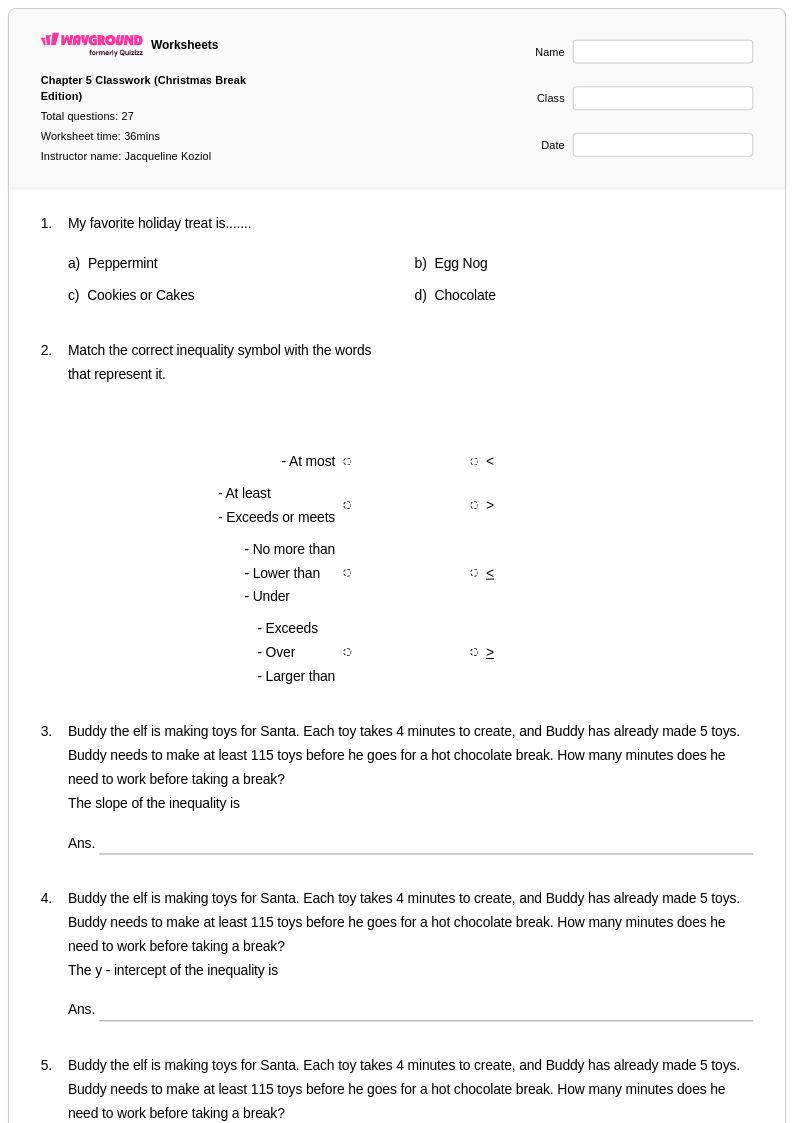
27 Q
9th
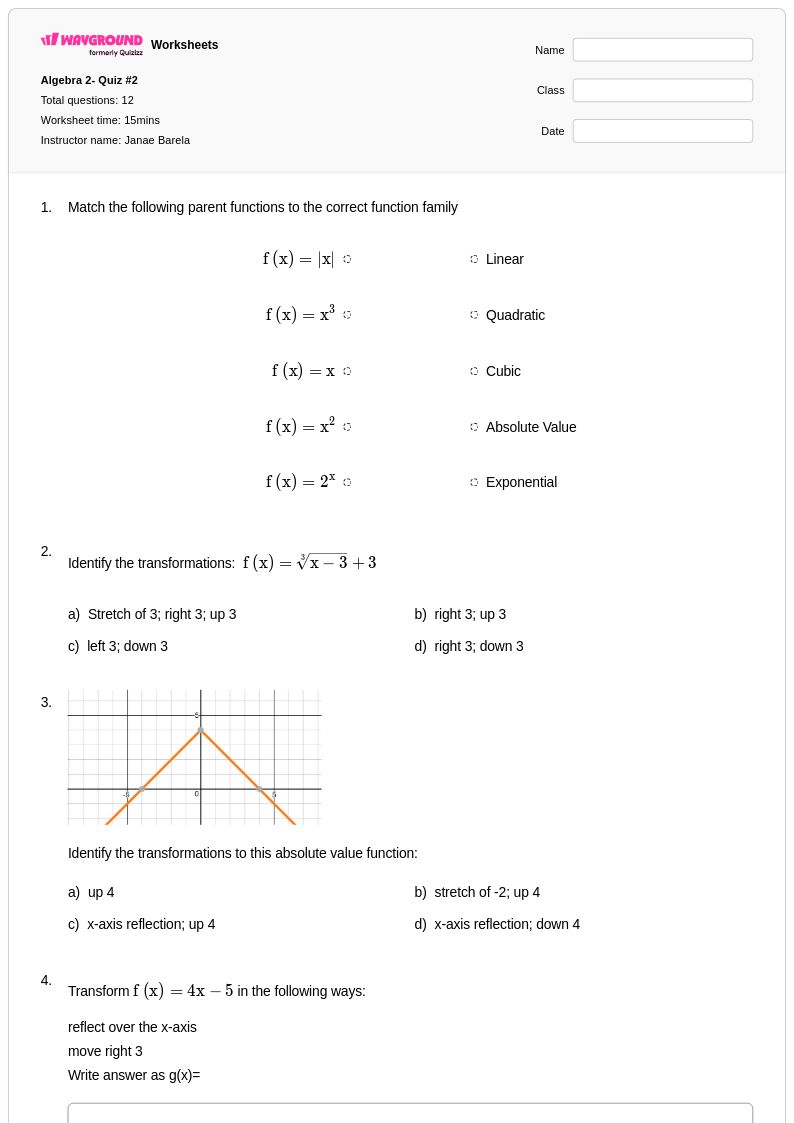
12 Q
9th - 12th
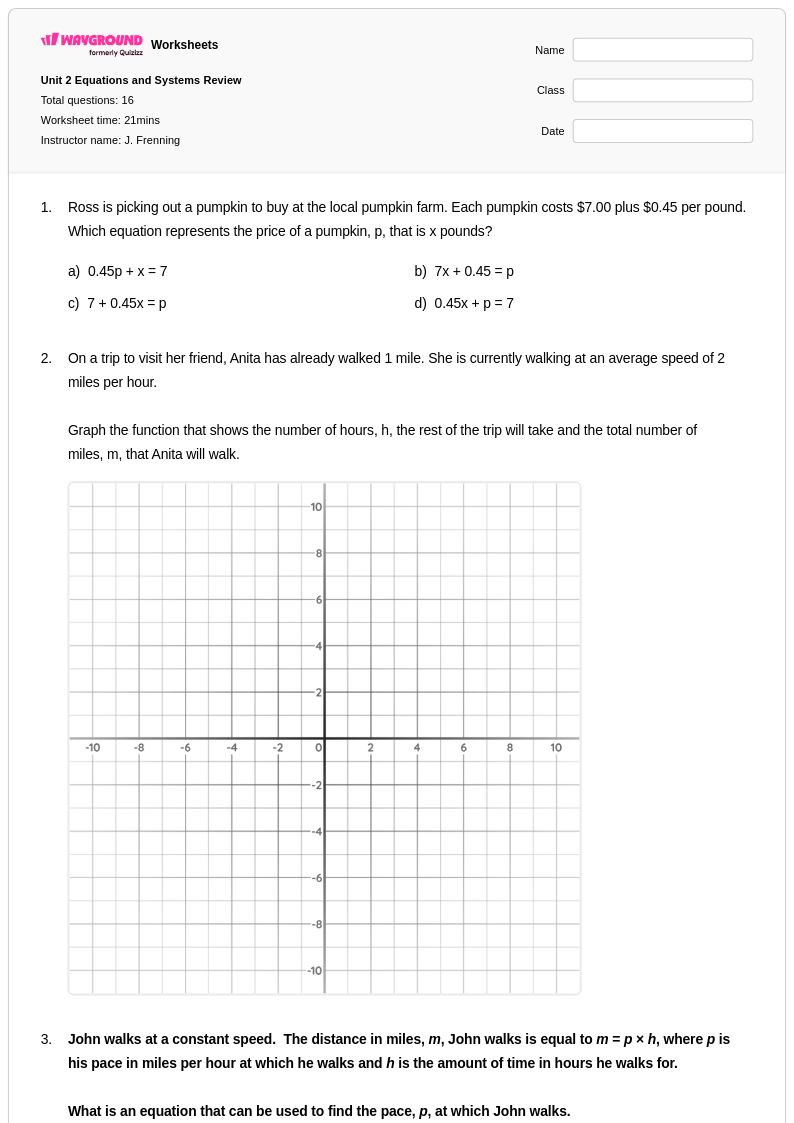
16 Q
9th - 12th
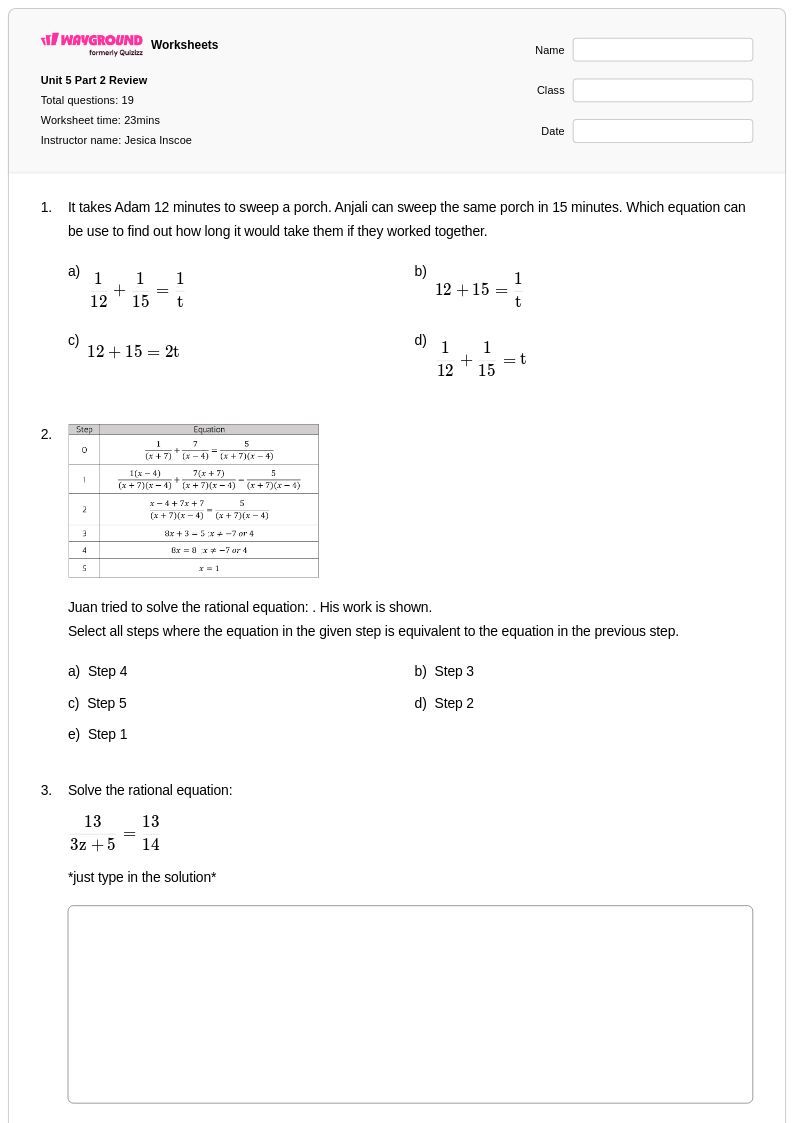
19 Q
9th - 12th
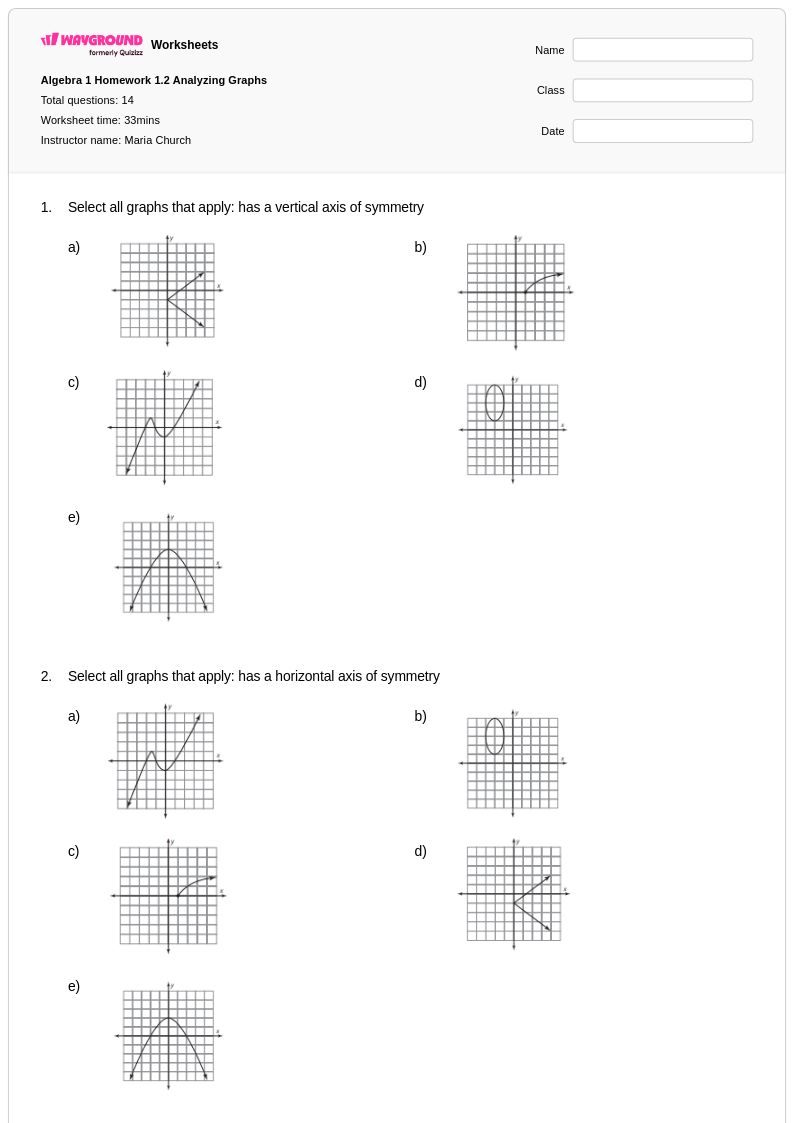
14 Q
8th - 10th
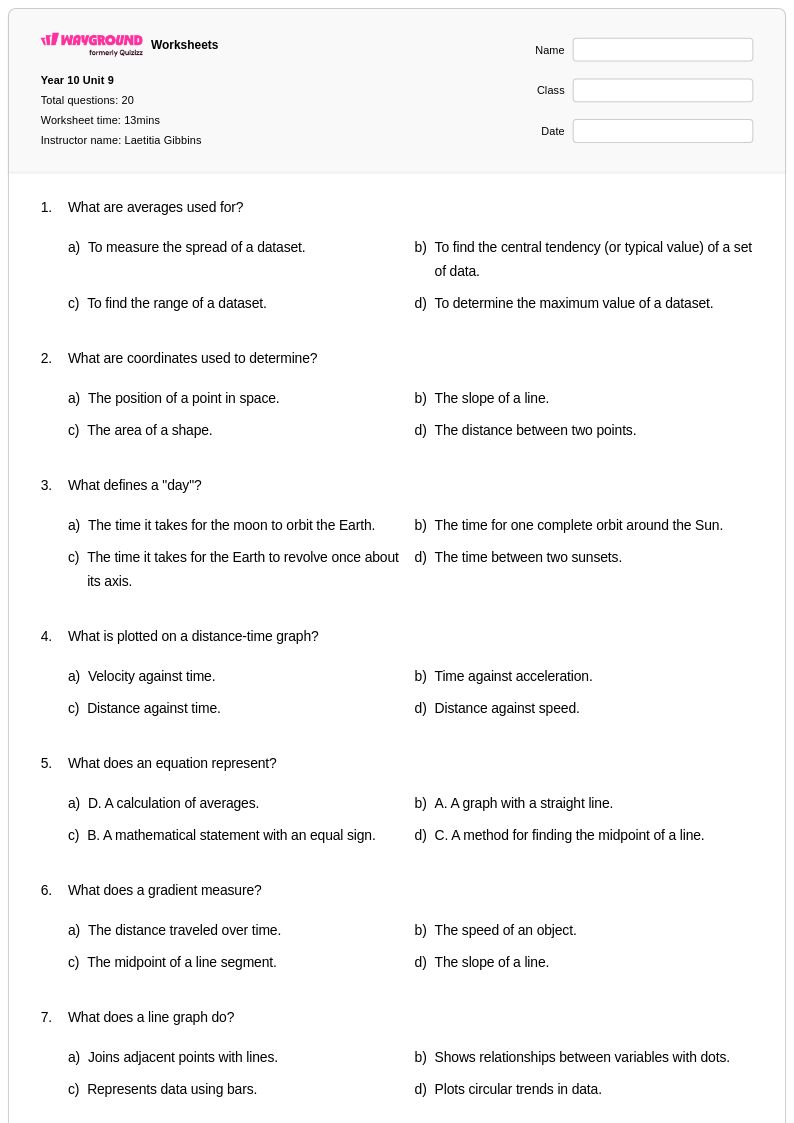
20 Q
9th
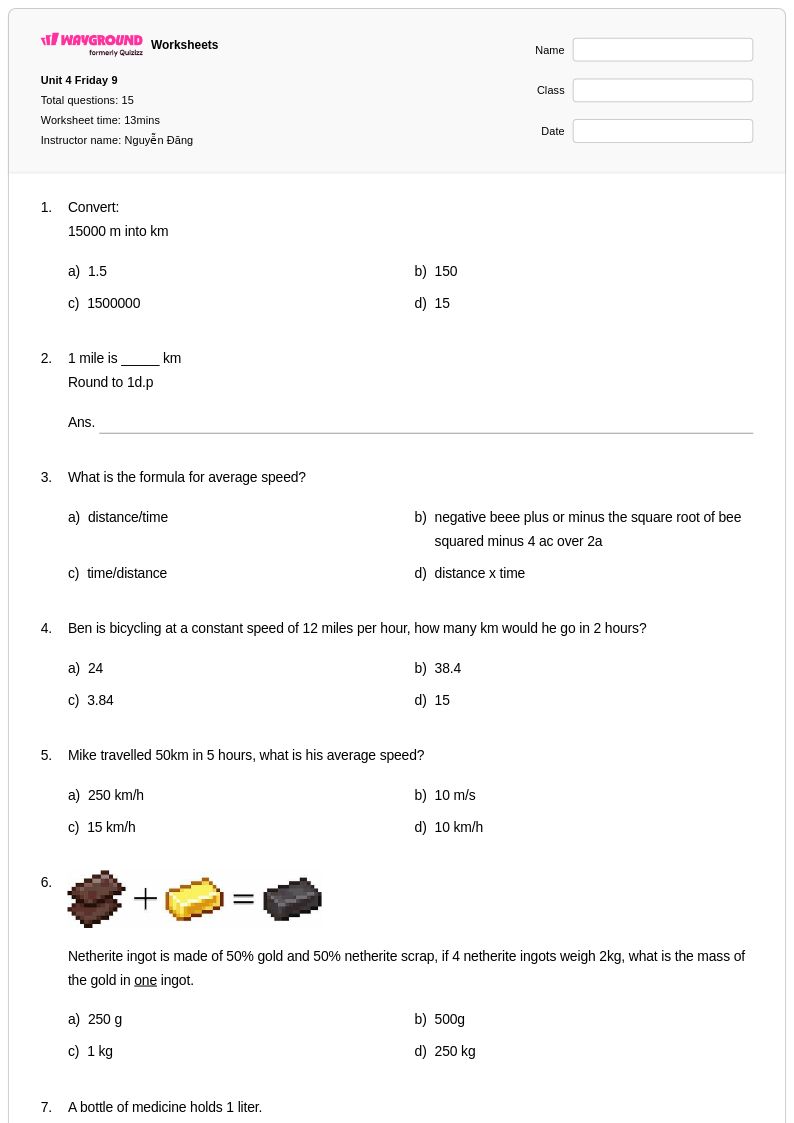
15 Q
6th - 9th
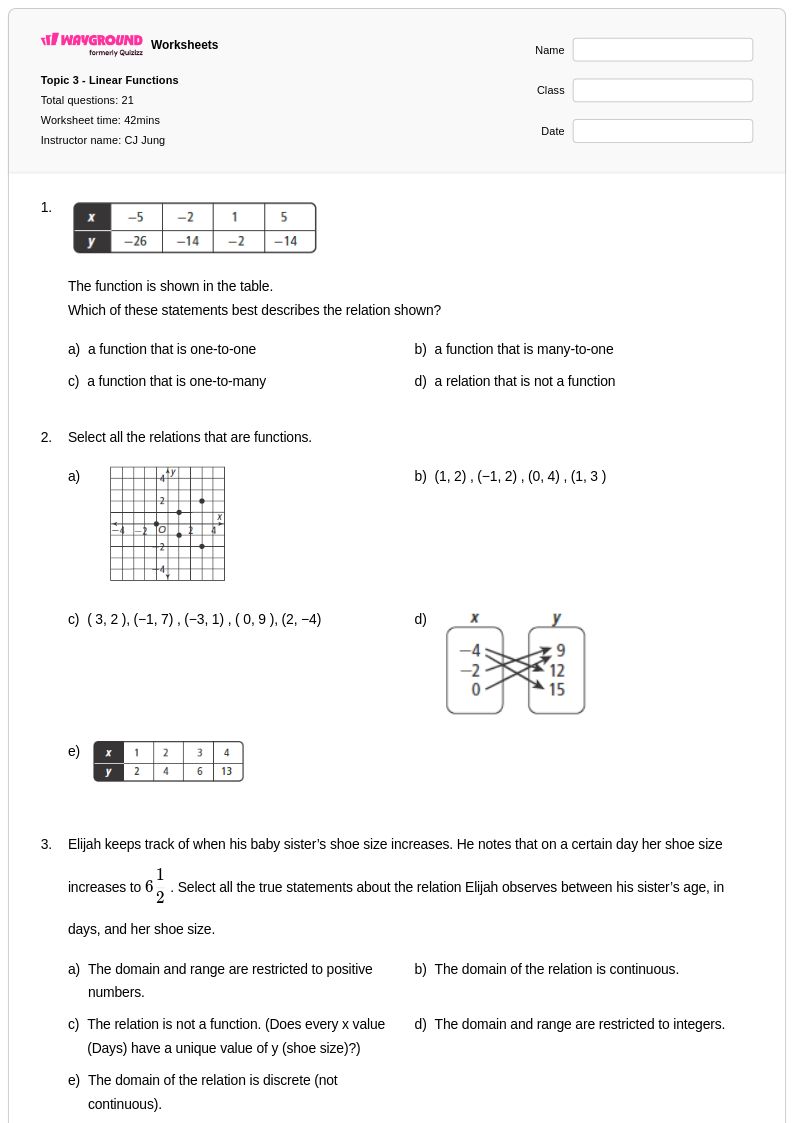
21 Q
9th - 12th
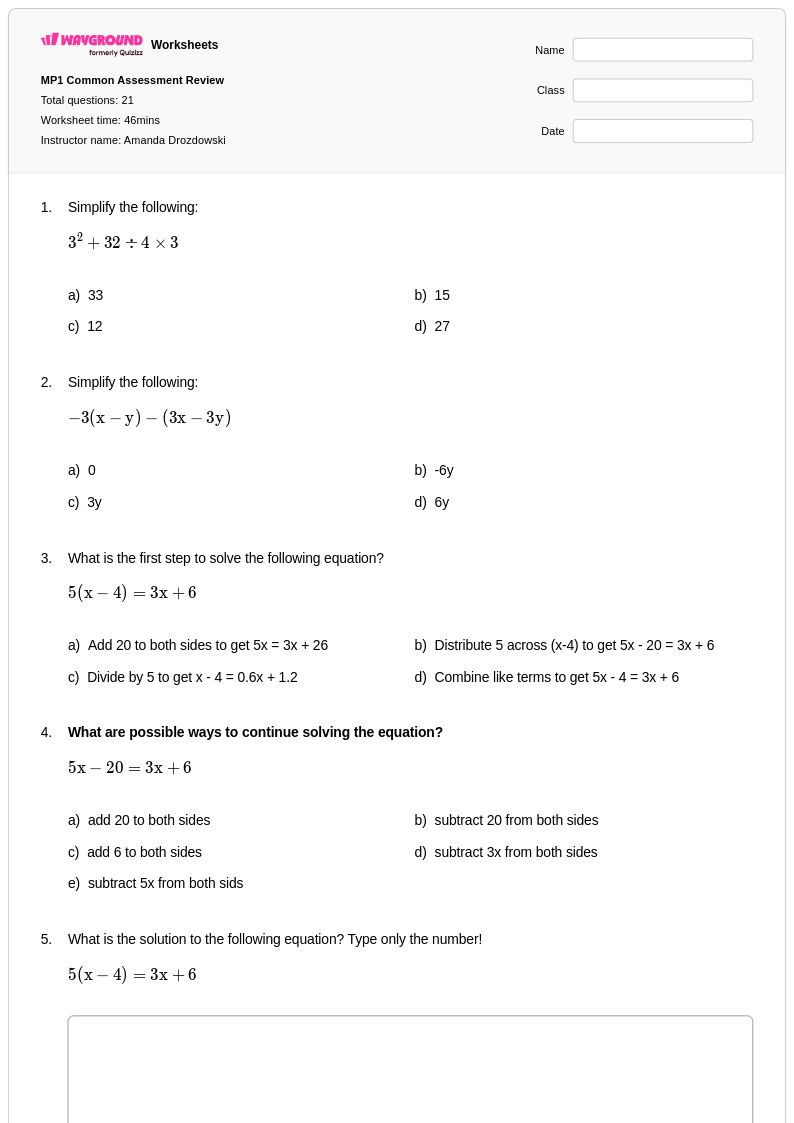
21 Q
9th - 12th
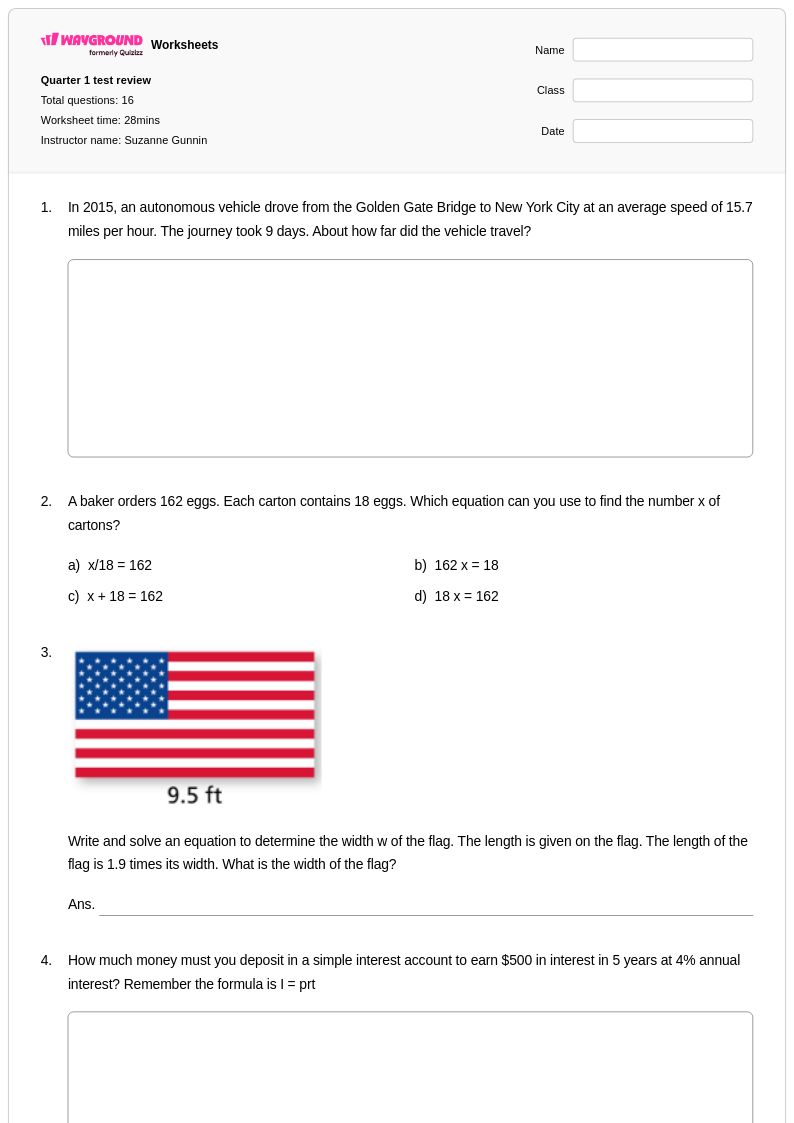
16 Q
9th - 12th
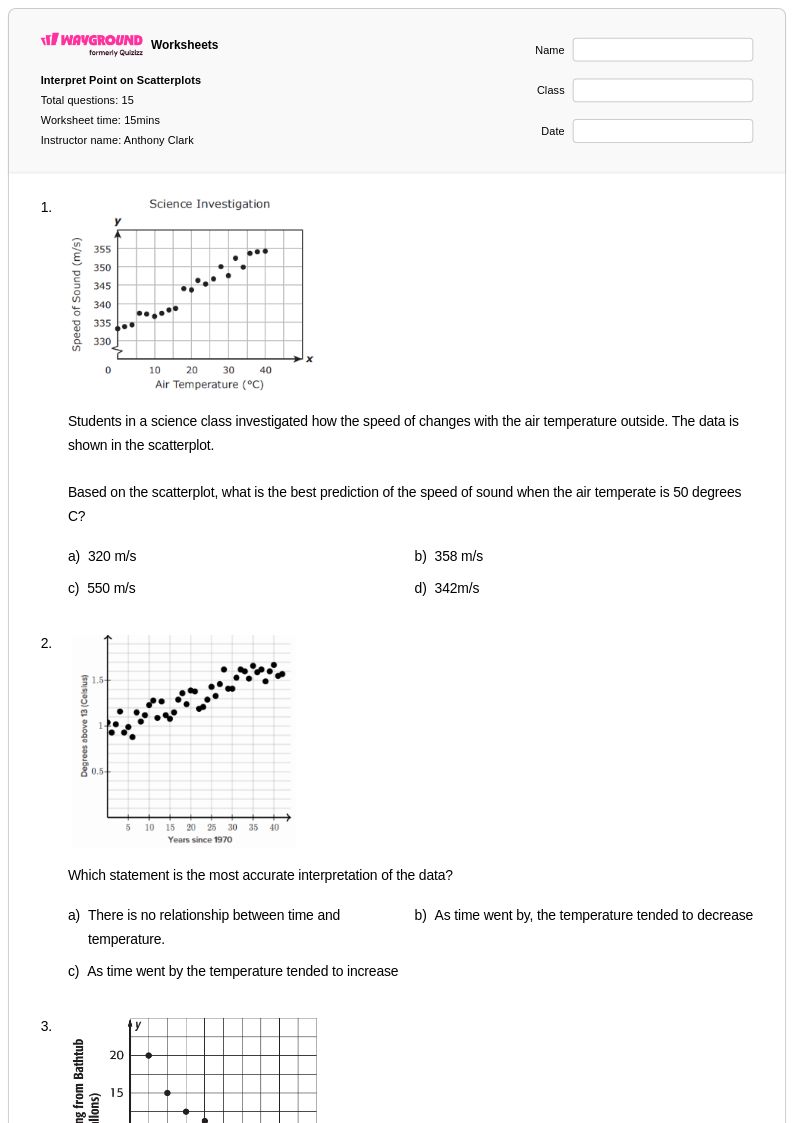
15 Q
8th - Uni
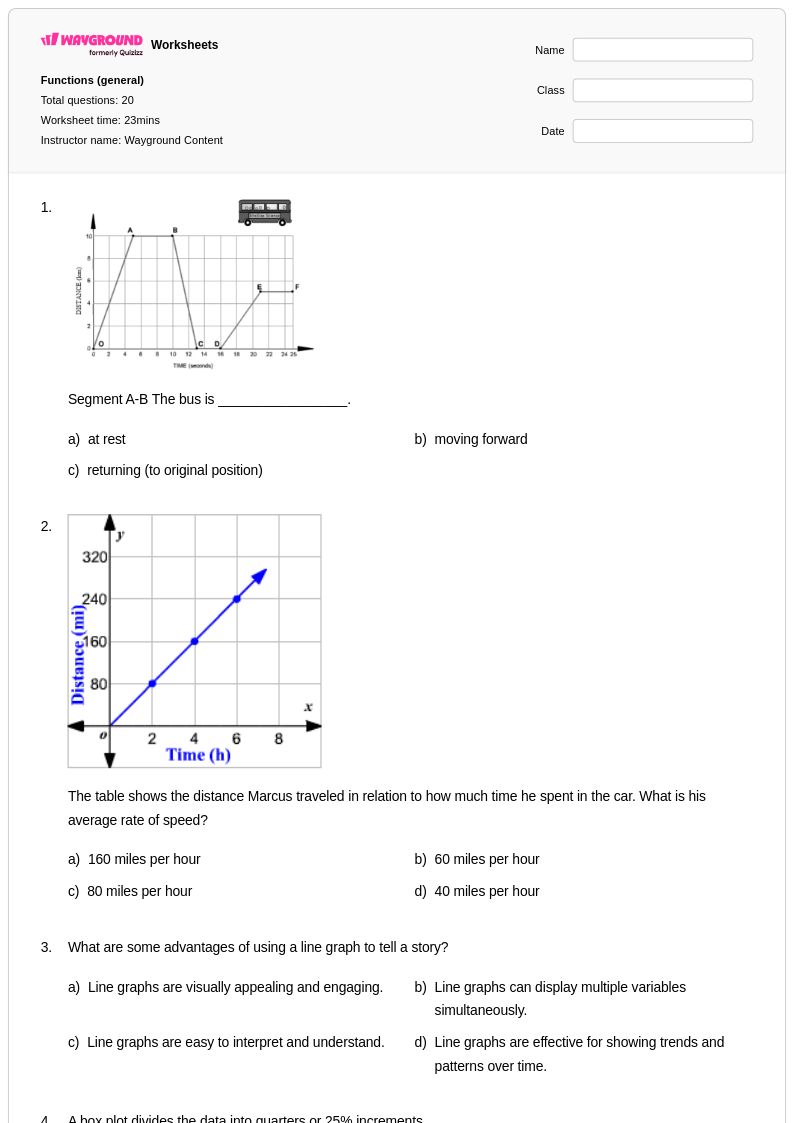
20 Q
9th - 12th
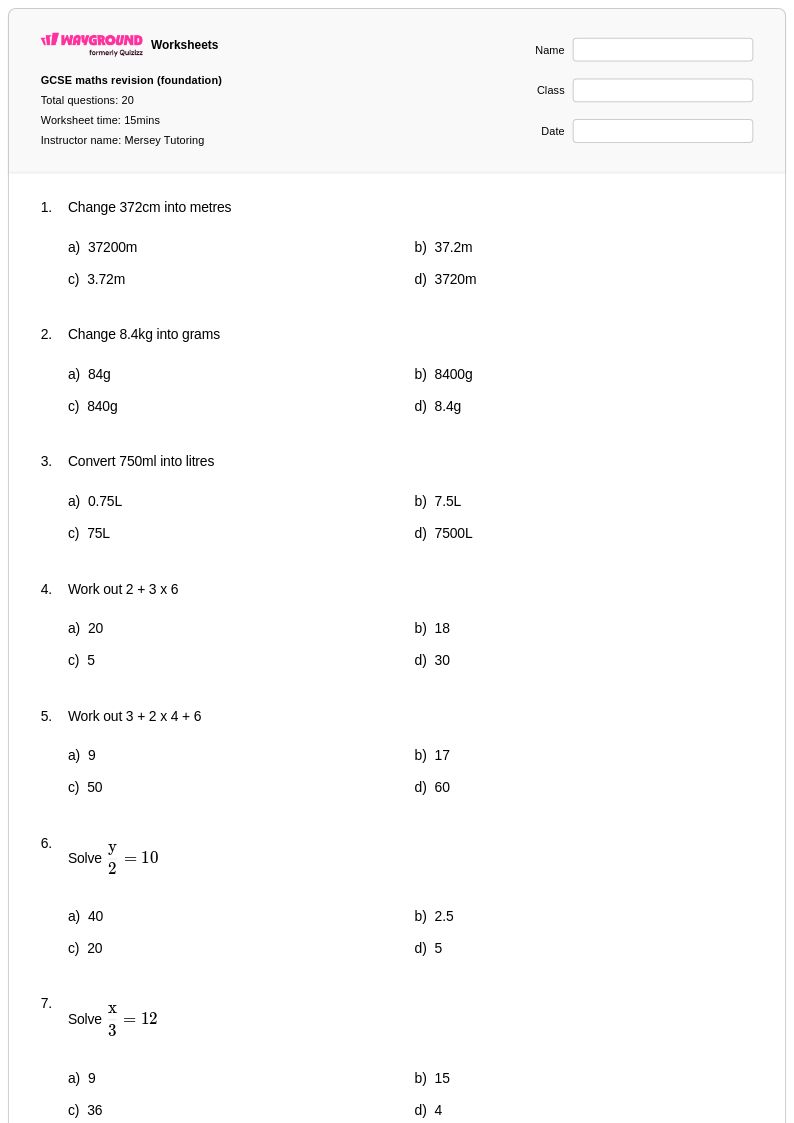
20 Q
7th - 12th
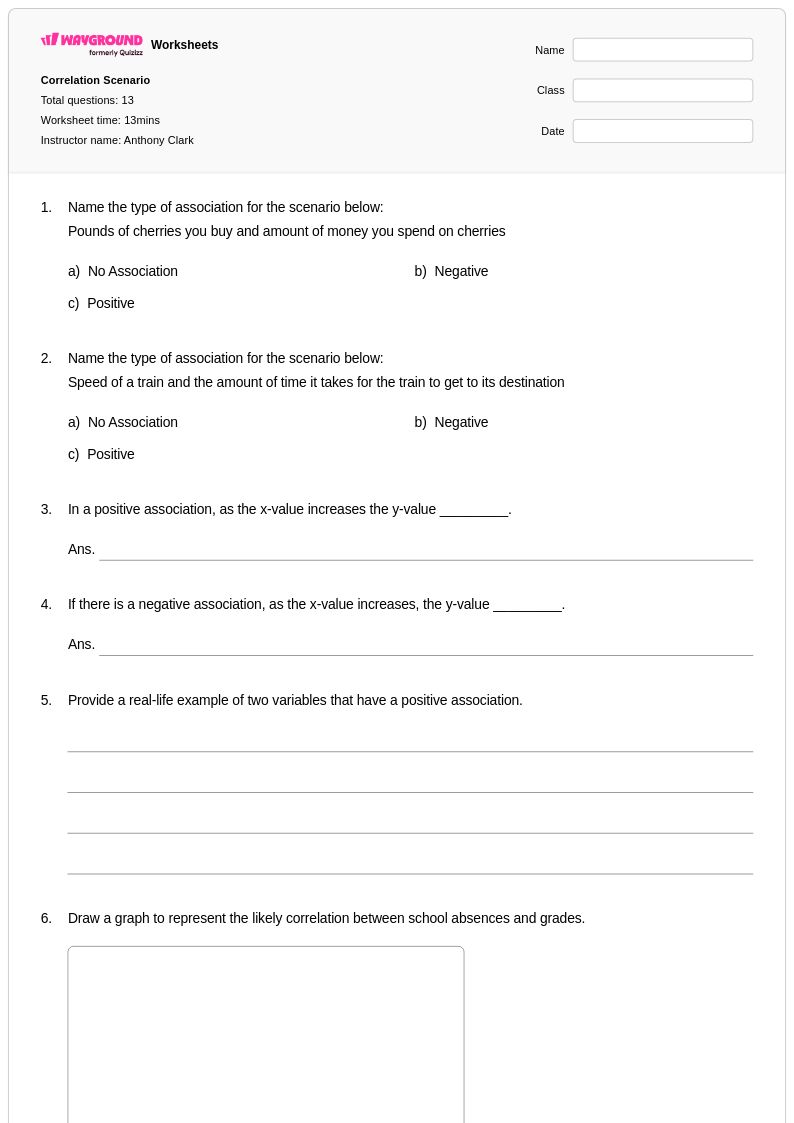
13 Q
9th - Uni
Explore Other Subject Worksheets for year 9
Explore printable Average Speed worksheets for Year 9
Average speed worksheets for Year 9 students available through Wayground (formerly Quizizz) provide comprehensive practice with this fundamental measurement concept that bridges basic arithmetic and advanced physics principles. These carefully crafted resources help students master the relationship between distance, time, and velocity through systematic problem-solving exercises that progress from simple calculations to complex multi-step scenarios. Students strengthen their analytical thinking skills while working through practice problems that involve converting units, interpreting graphs, and applying average speed formulas in real-world contexts such as transportation, sports, and scientific investigations. Each worksheet collection includes detailed answer keys and step-by-step solutions, making these free printables invaluable for both guided instruction and independent study, while the pdf format ensures easy distribution and consistent formatting across different devices and printing systems.
Wayground (formerly Quizizz) empowers educators with millions of teacher-created average speed worksheet resources that can be seamlessly integrated into Year 9 mathematics curriculum planning and daily instruction. The platform's robust search and filtering capabilities allow teachers to quickly locate materials that align with specific learning standards and match their students' diverse skill levels, while built-in differentiation tools enable customization of difficulty levels and problem types to support both remediation and enrichment objectives. These worksheets are available in both printable and digital formats, including downloadable pdf versions, giving teachers the flexibility to adapt their delivery method based on classroom needs, technology availability, and individual student preferences. The extensive collection supports targeted skill practice through varied problem formats, from basic computational exercises to complex application scenarios, helping teachers address learning gaps while building student confidence in measurement concepts that form the foundation for advanced mathematical and scientific studies.
FAQs
How should average speed be taught in Grade 9?
What practice problems help ninth graders master average speed?
What errors should I look for in Grade 9 average speed work?
How do I use Wayground's Grade 9 average speed worksheets?
How does average speed fit into the high school Common Core math progression?
How can I differentiate average speed problems for Grade 9 students?
What grade is average speed taught in?