
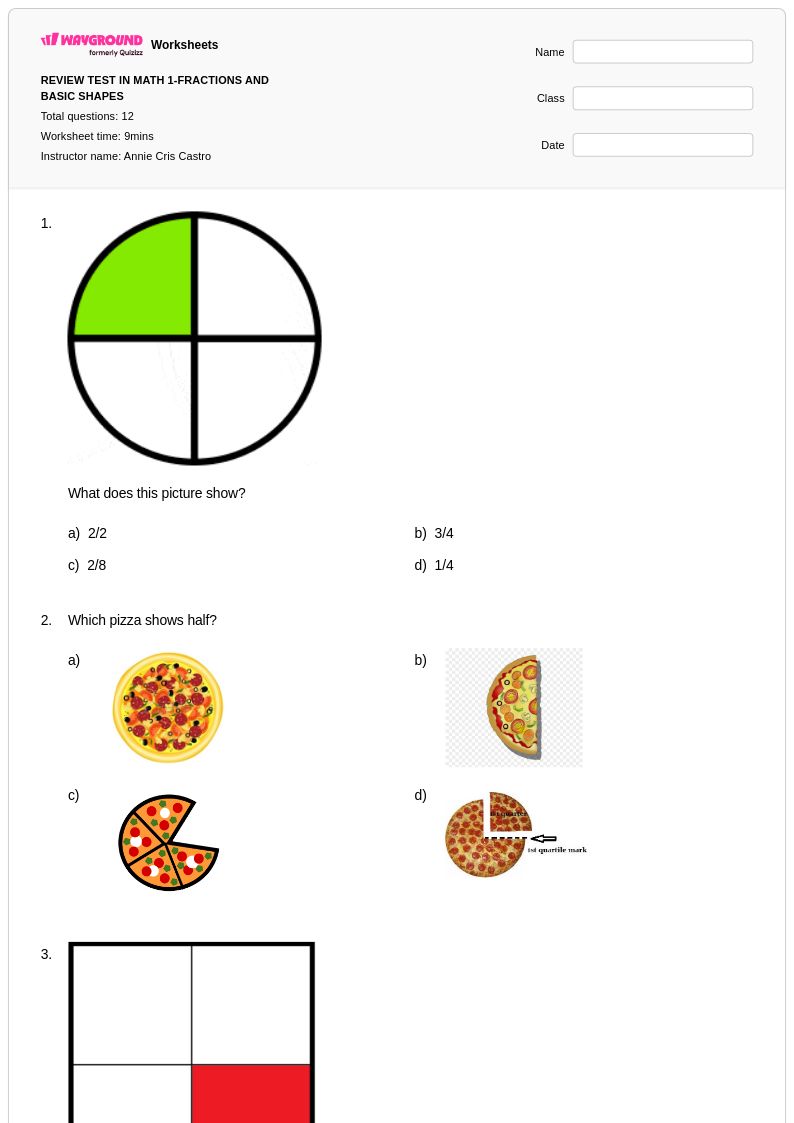
12 T
1st
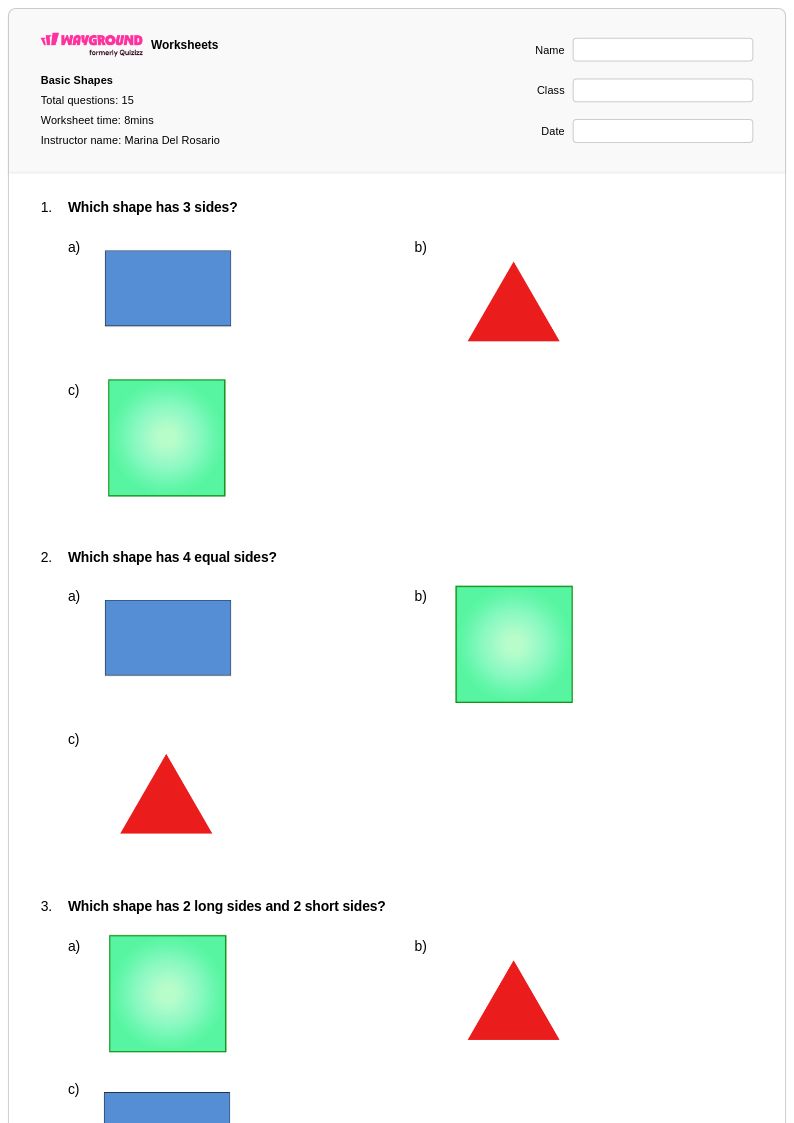
15 T
1st
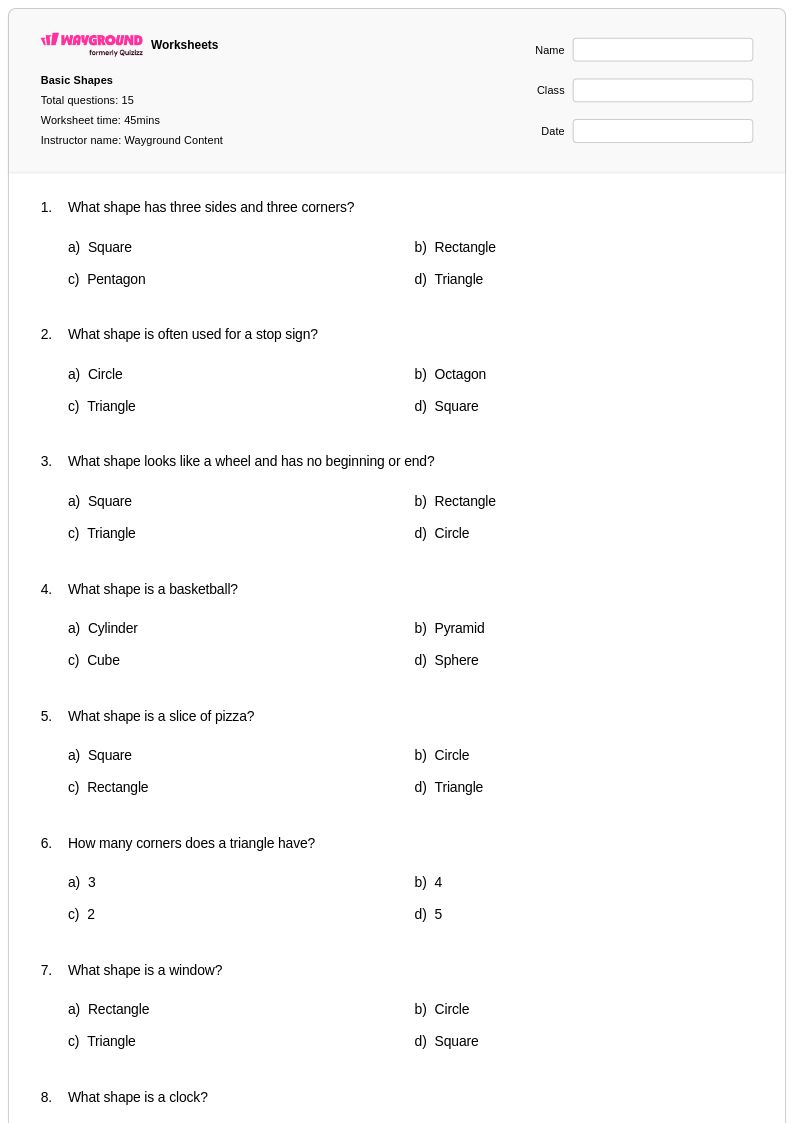
15 T
1st
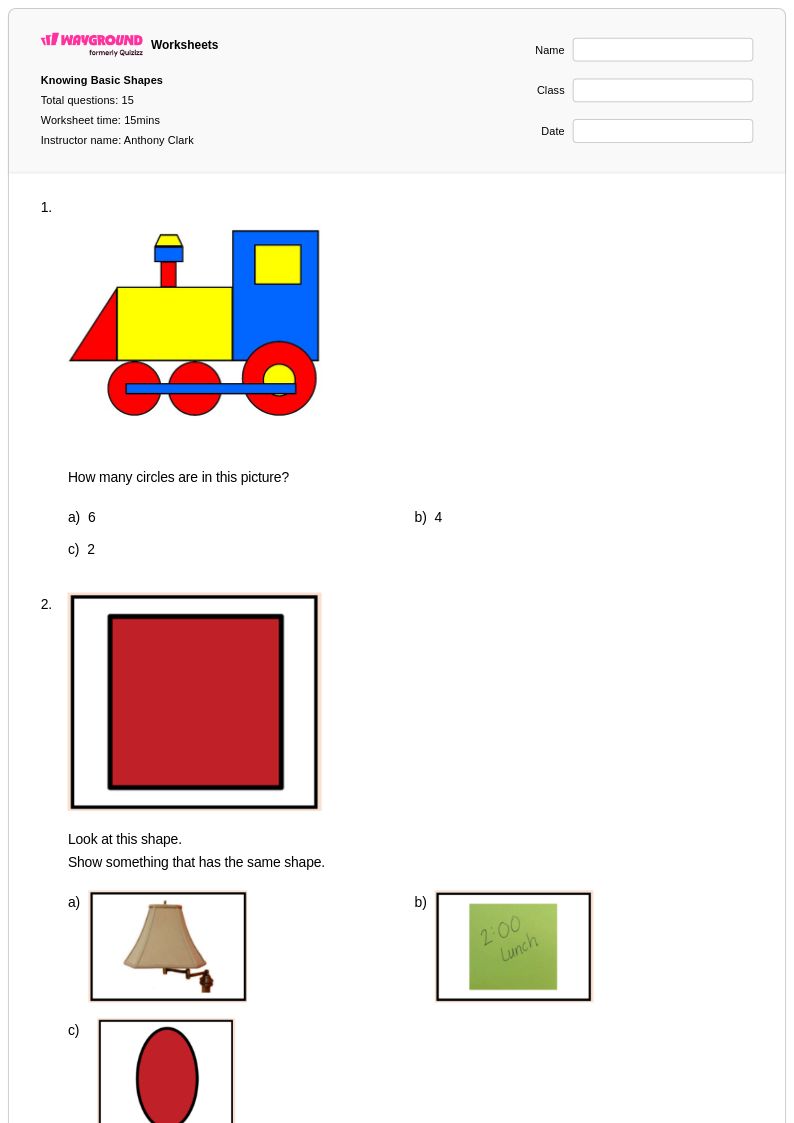
15 T
1st - Uni
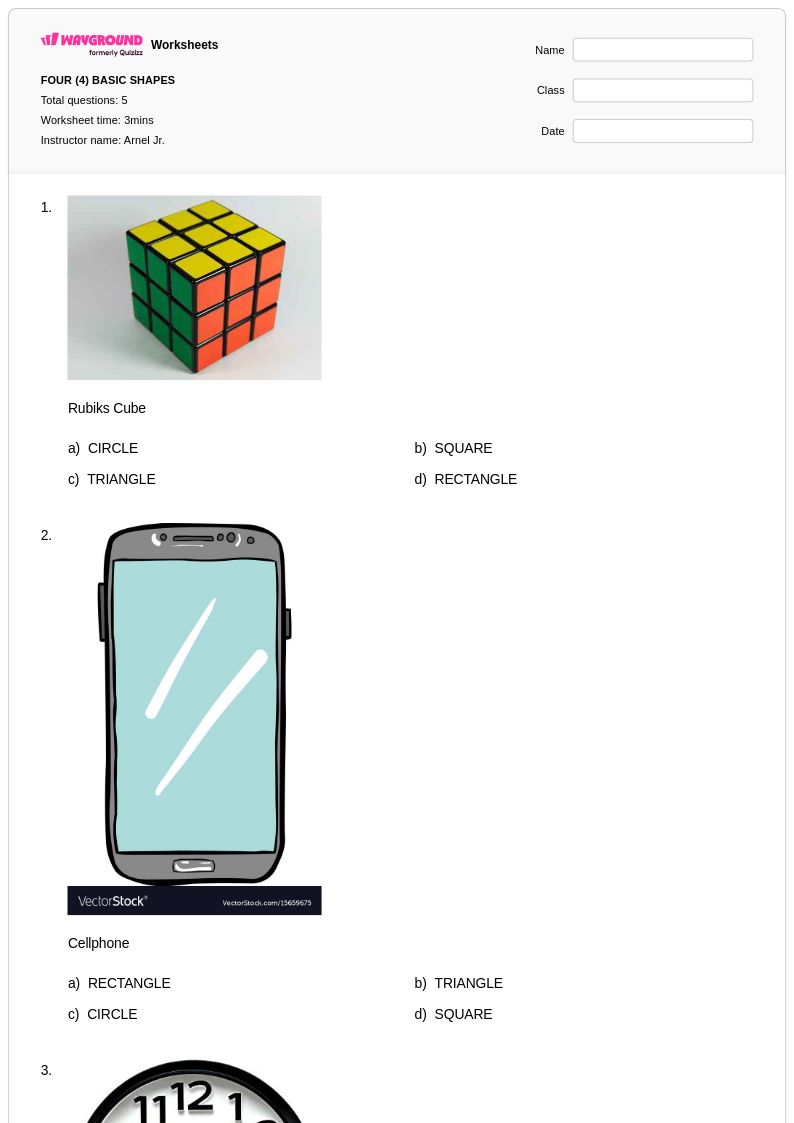
5 T
1st
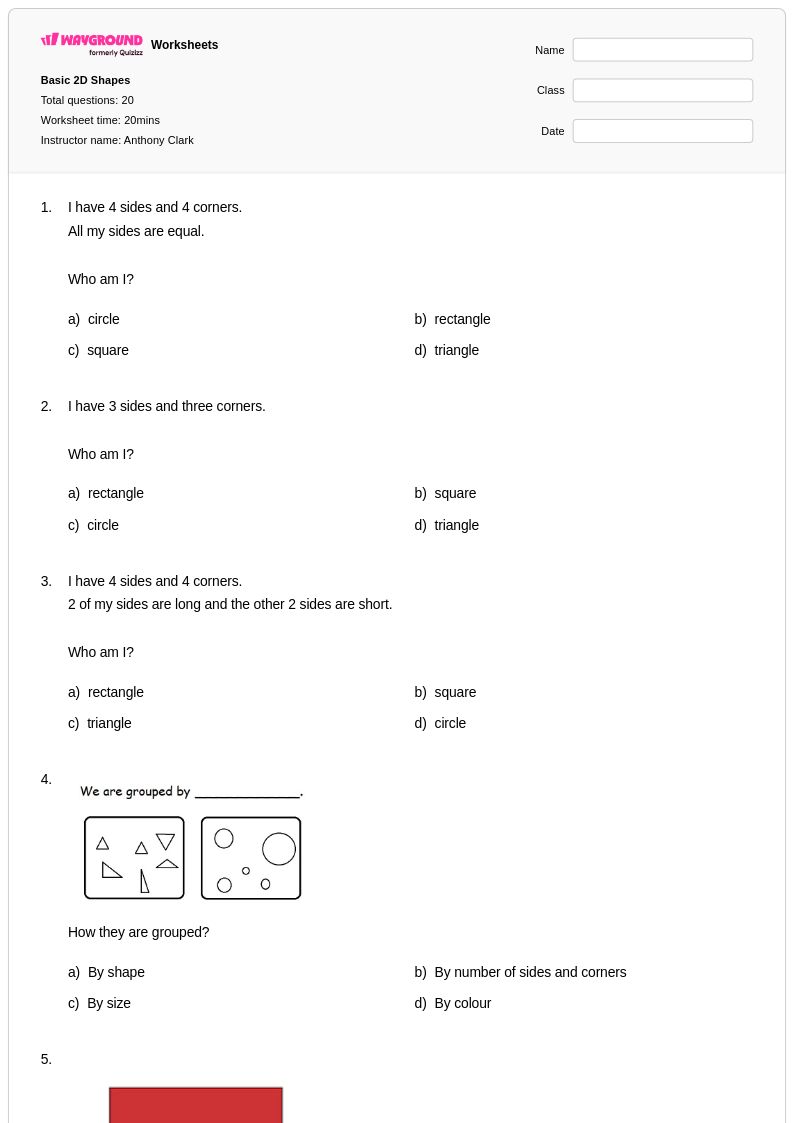
20 T
1st - Uni
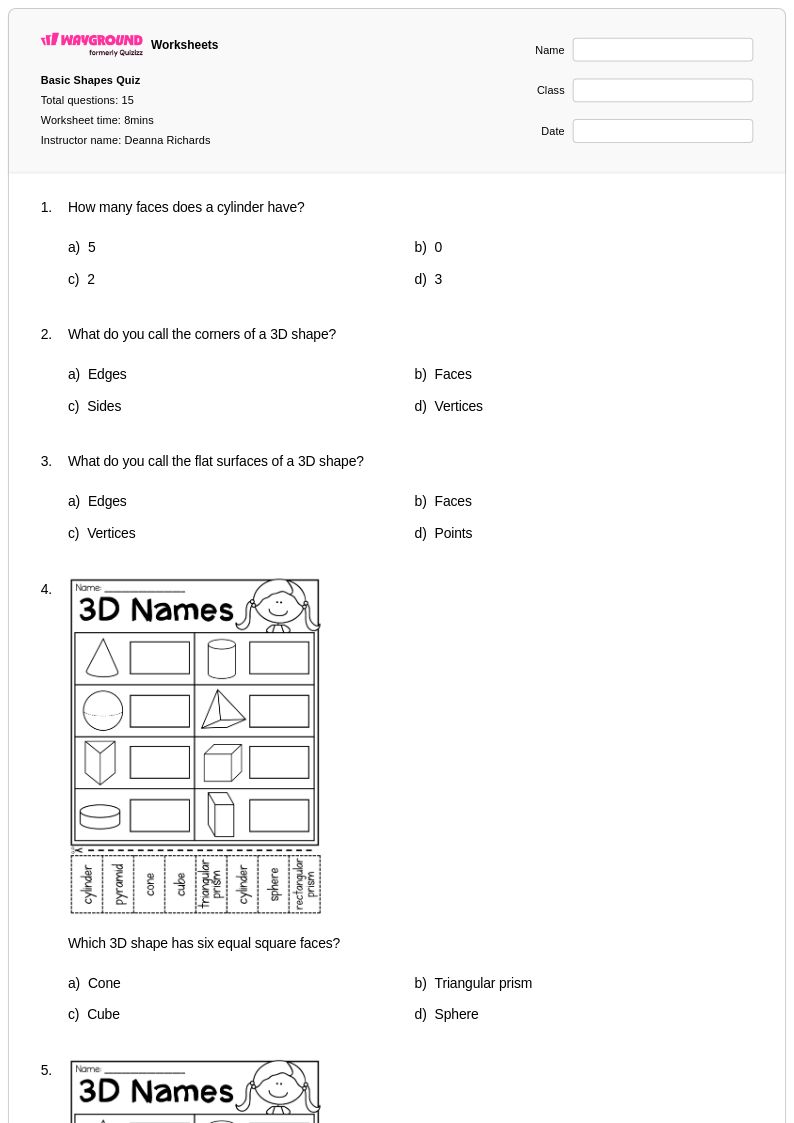
15 T
1st
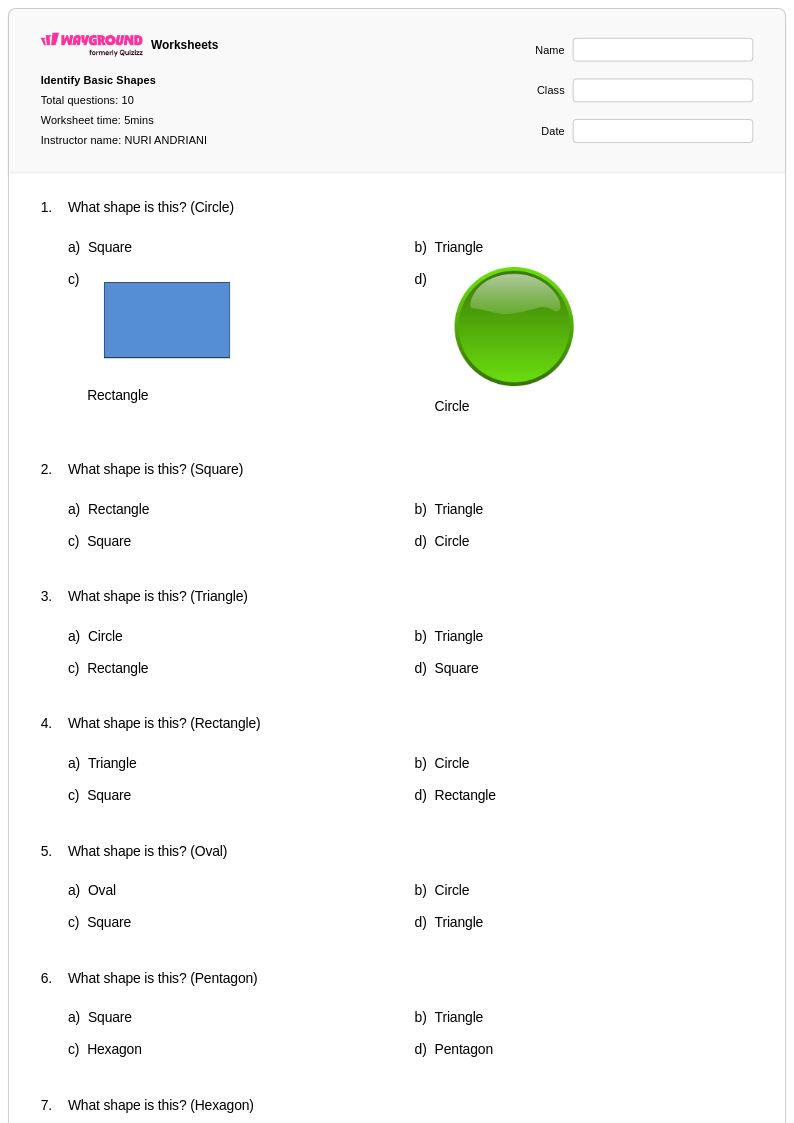
10 T
1st
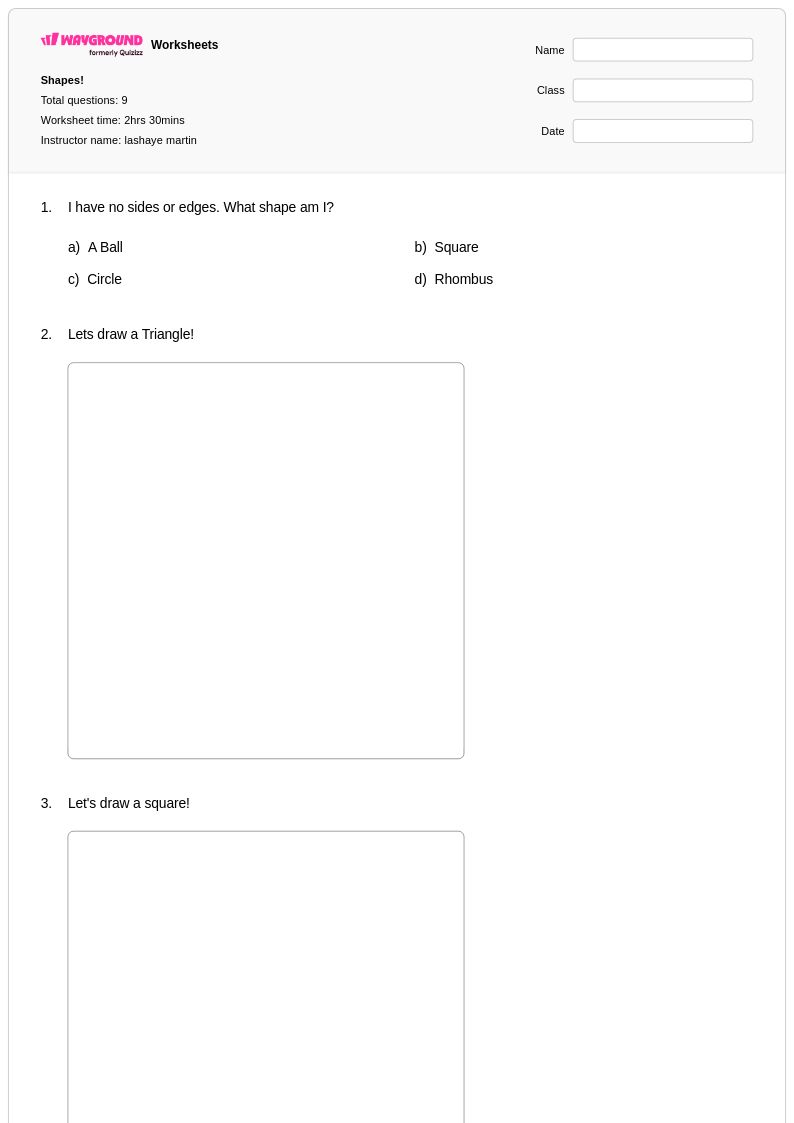
9 T
1st
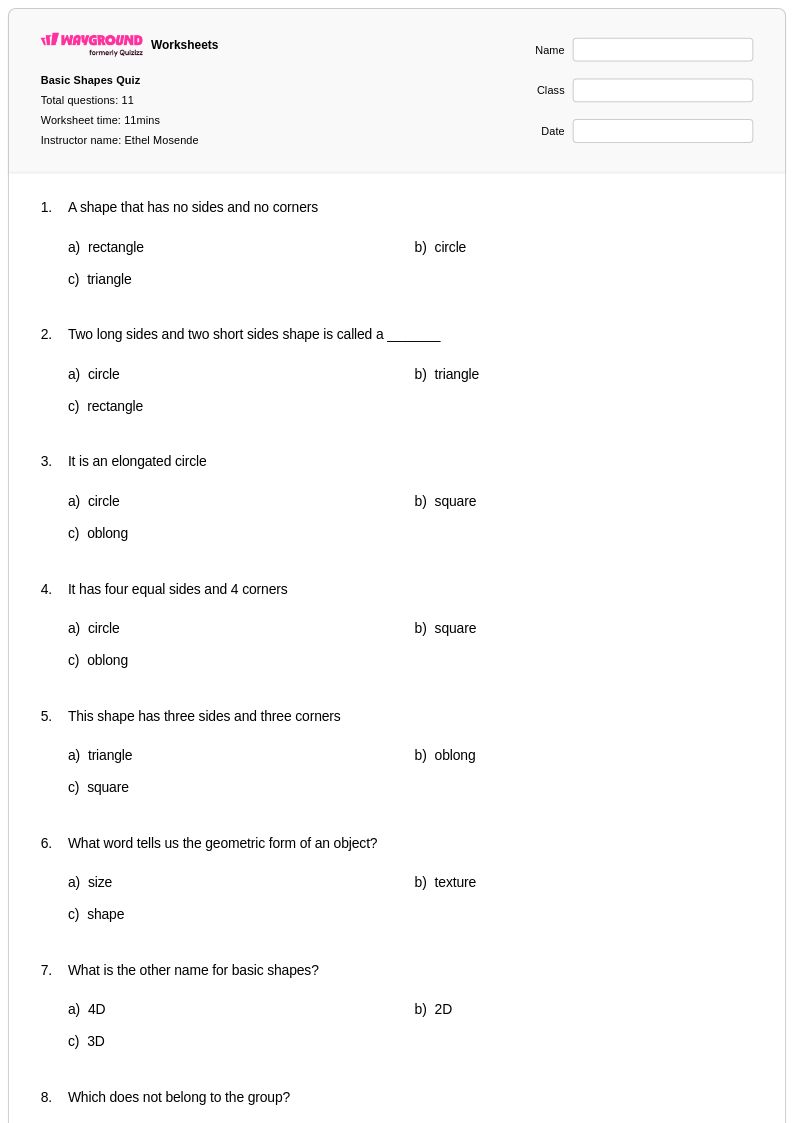
11 T
1st
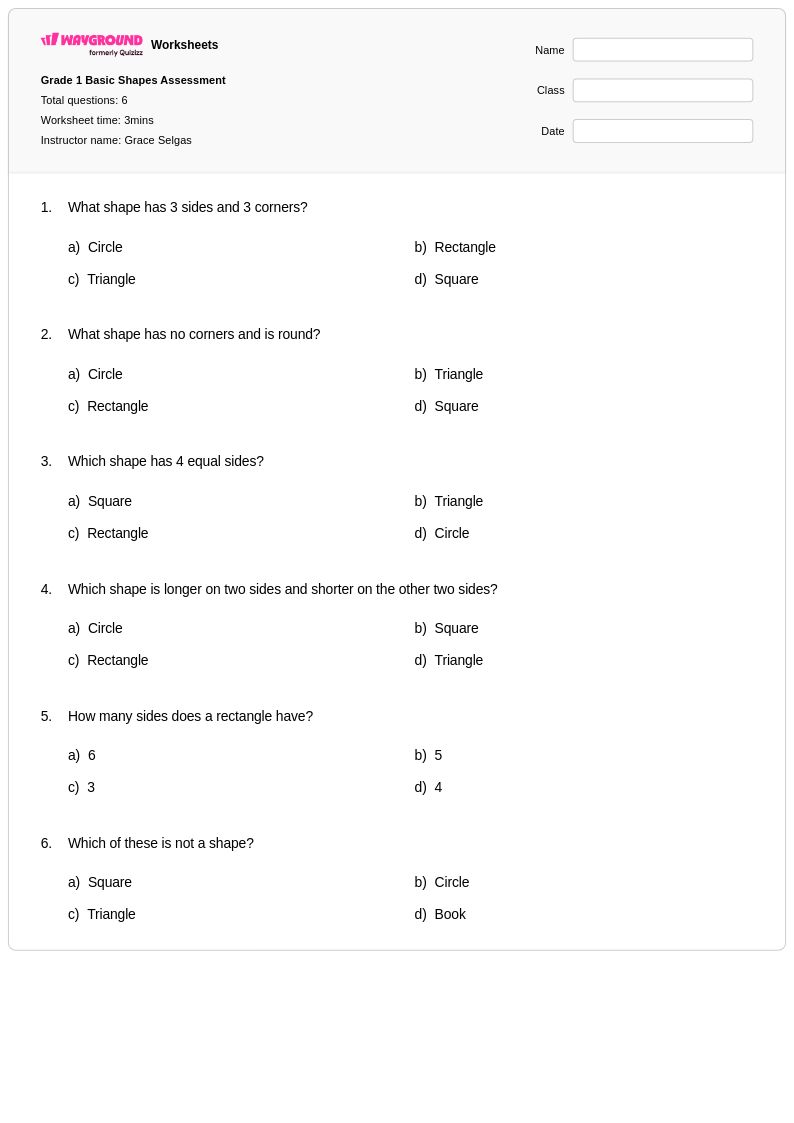
6 T
1st
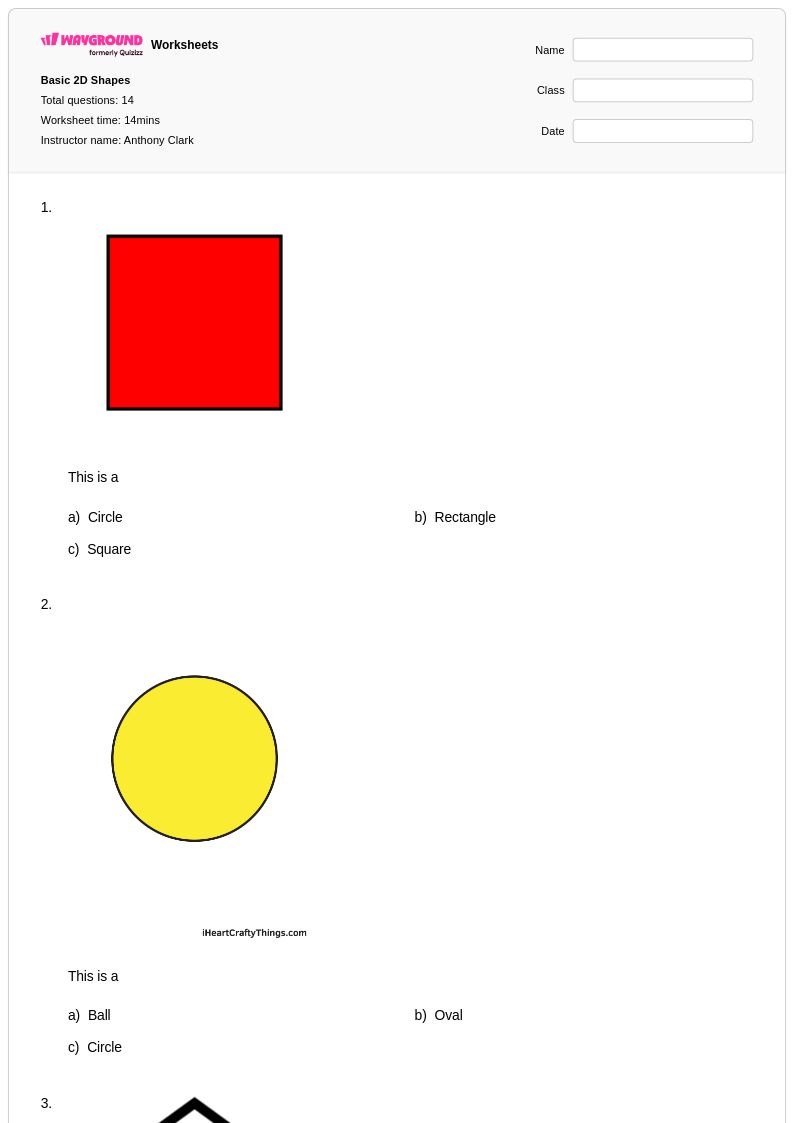
14 T
1st - Uni
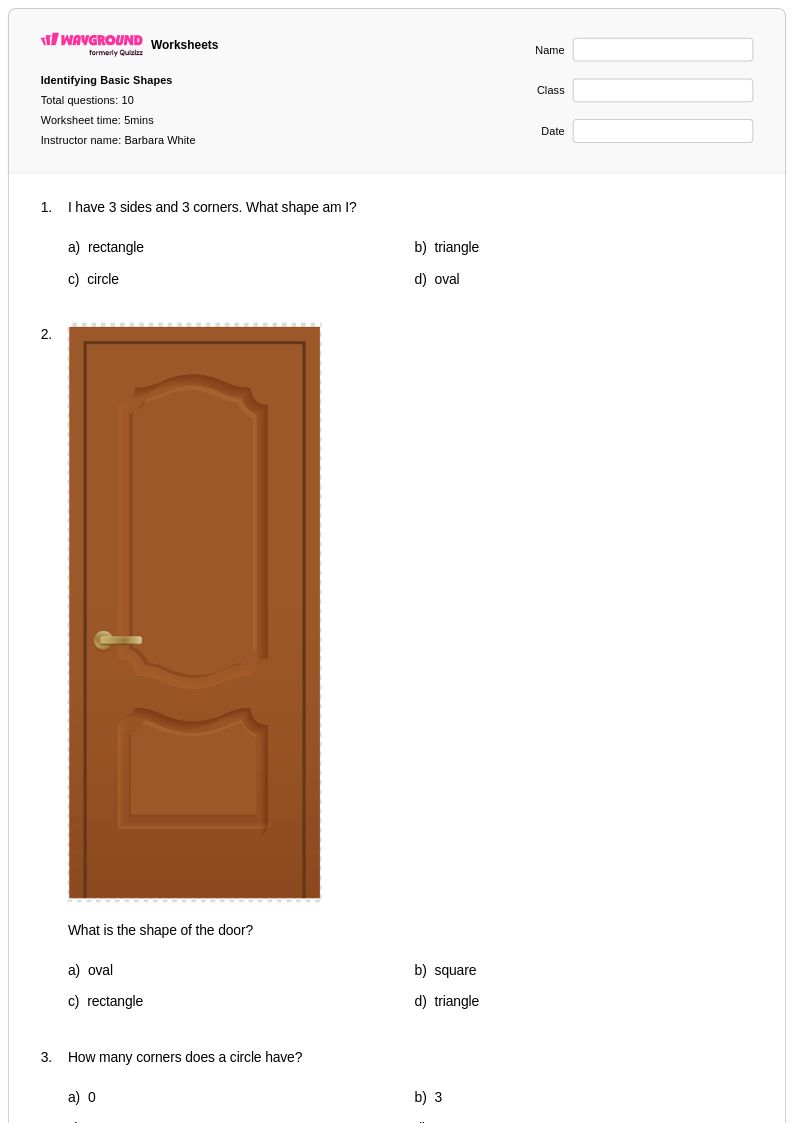
10 T
1st
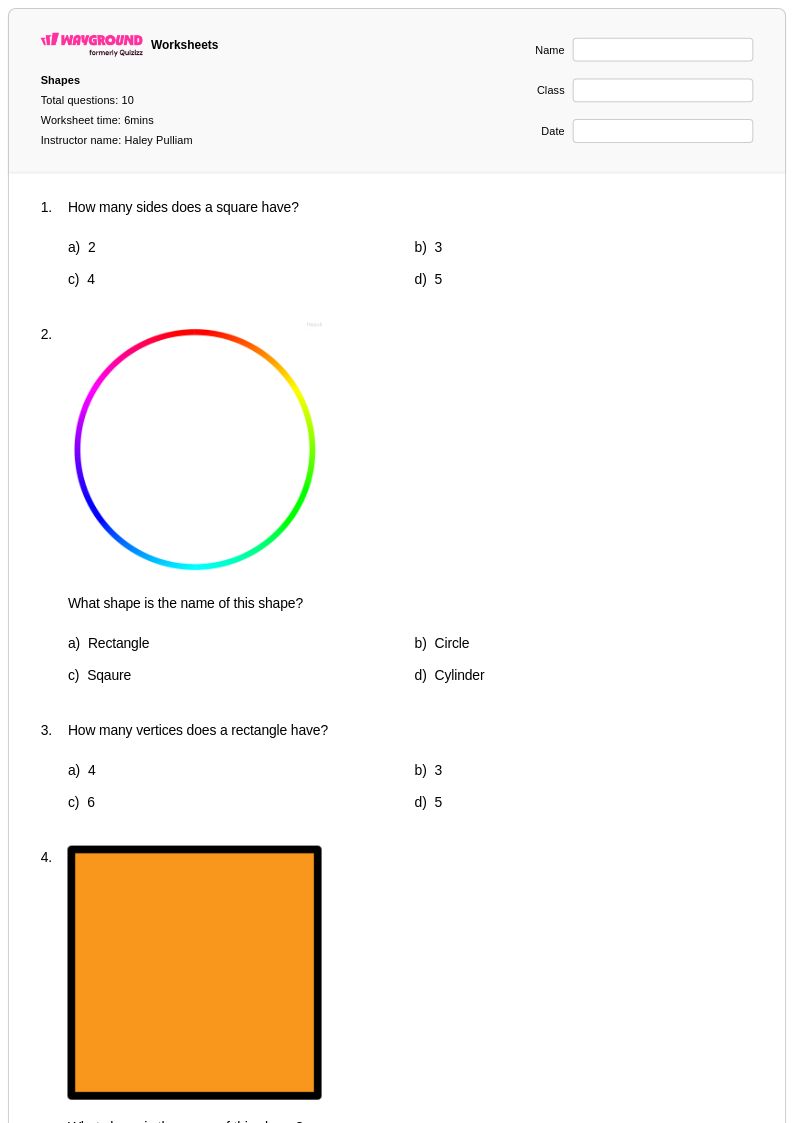
10 T
1st
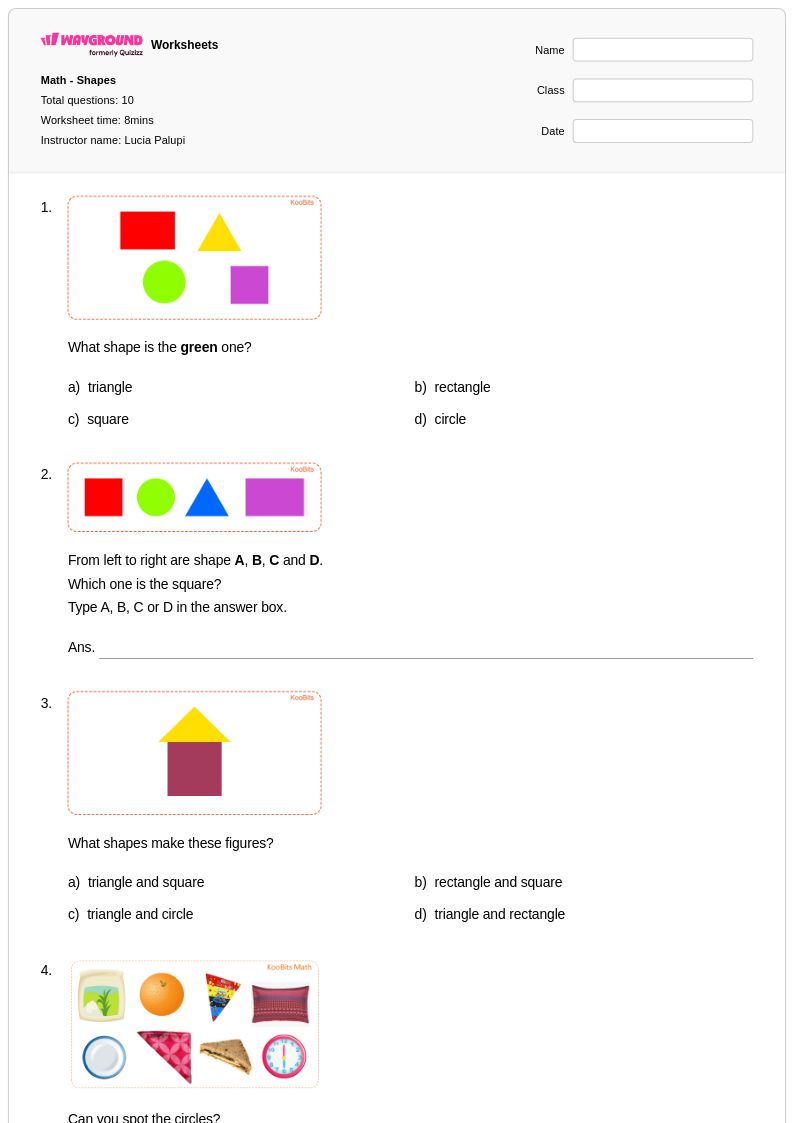
10 T
1st
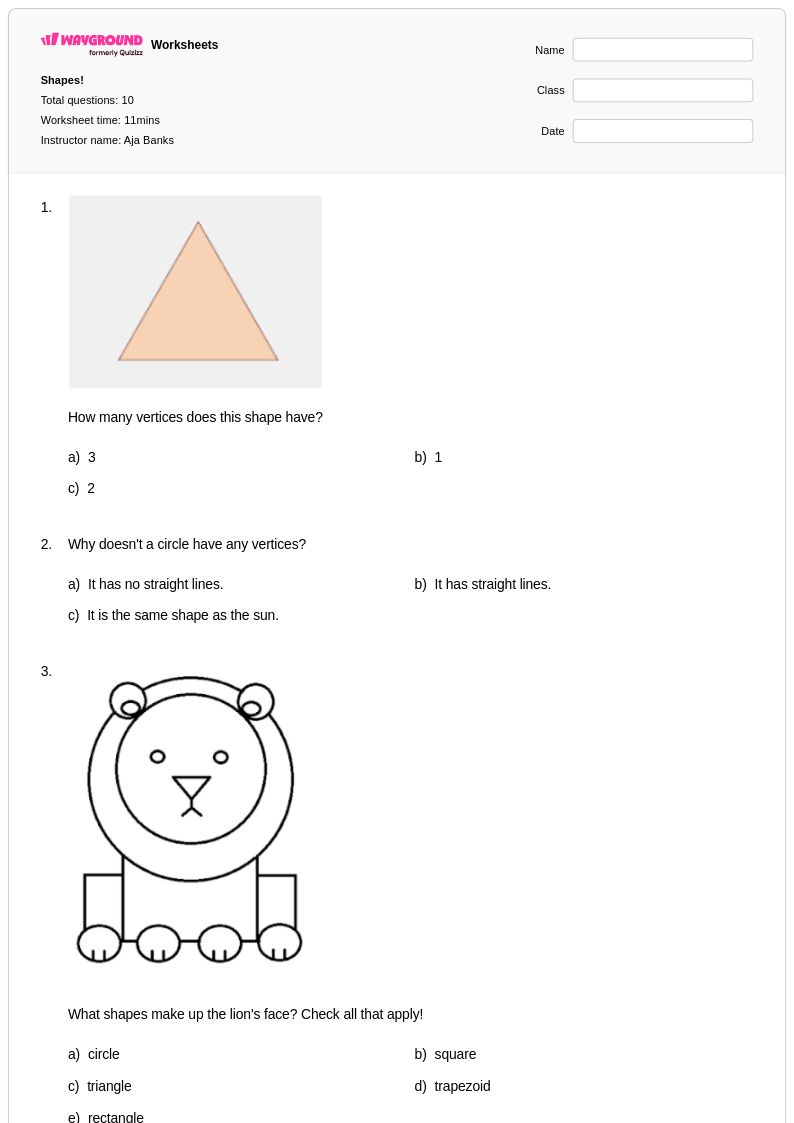
10 T
1st - 2nd
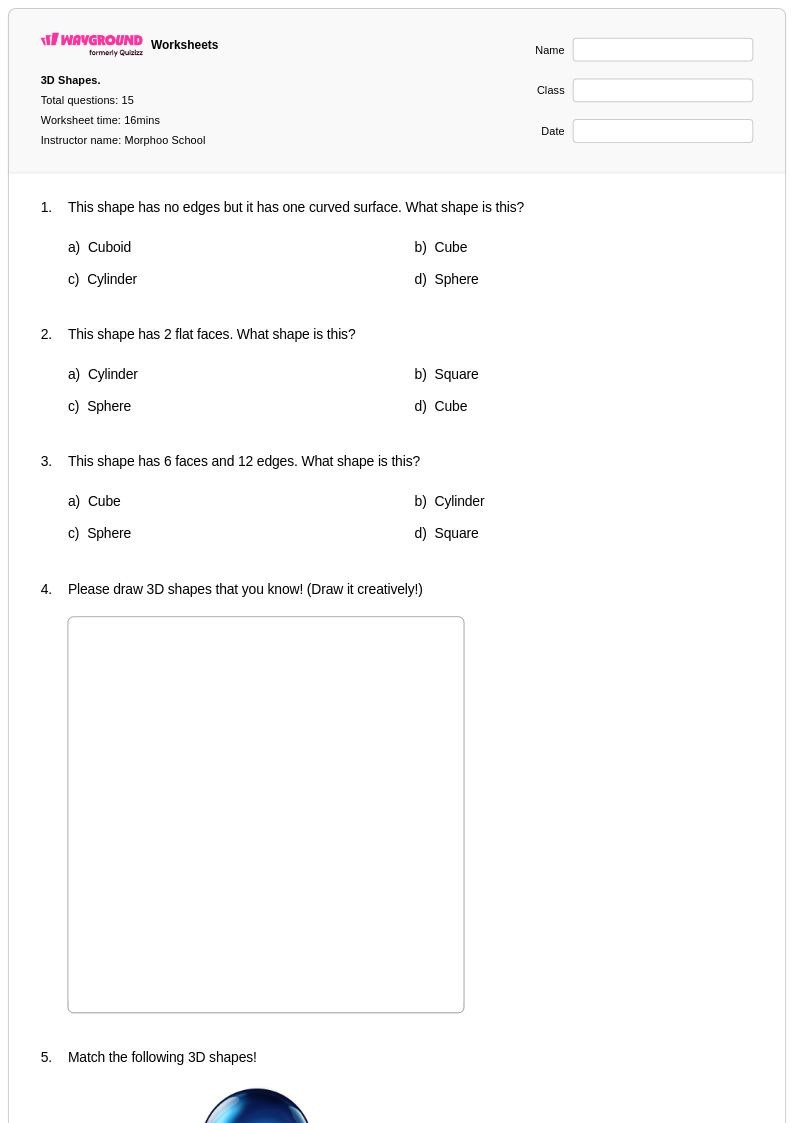
15 T
1st
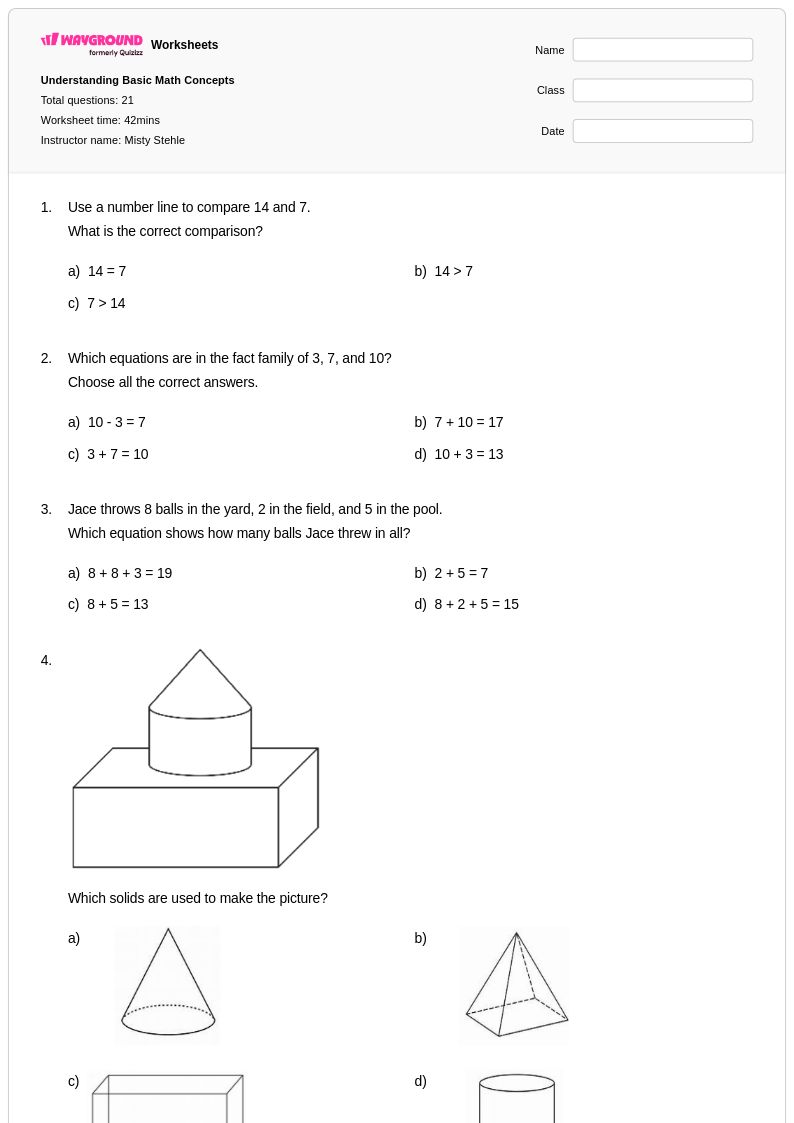
21 T
1st
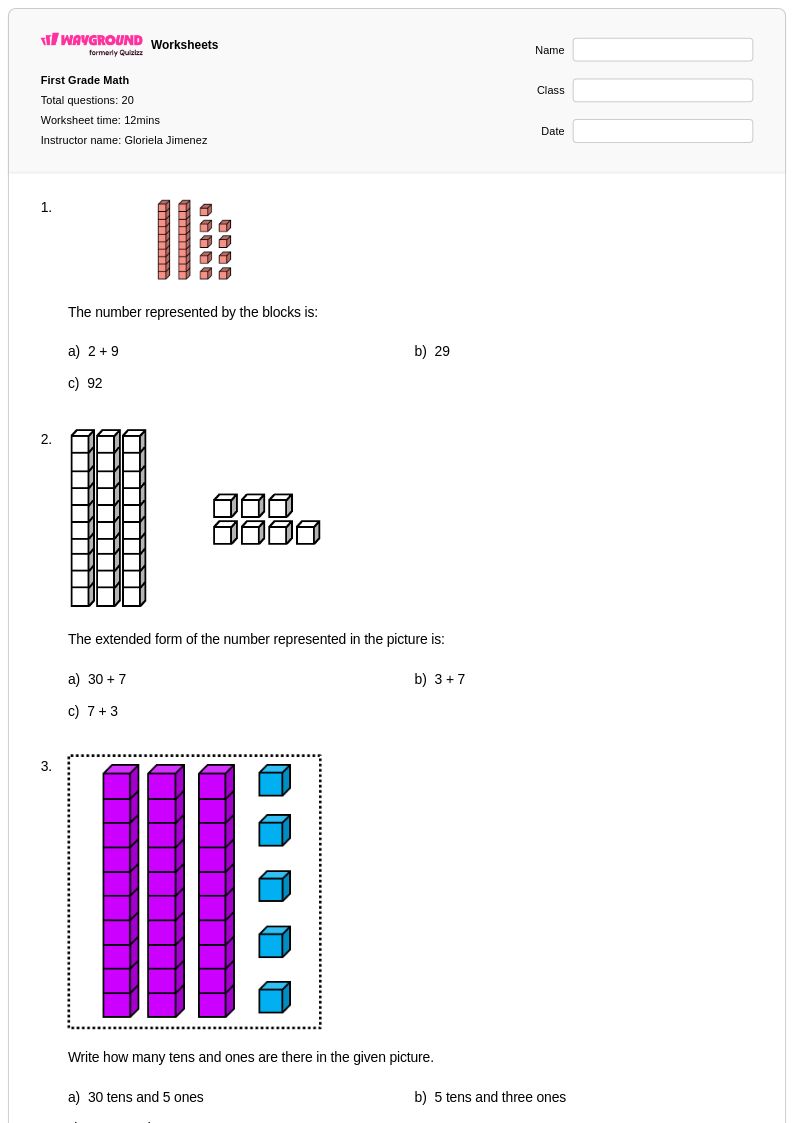
20 T
1st
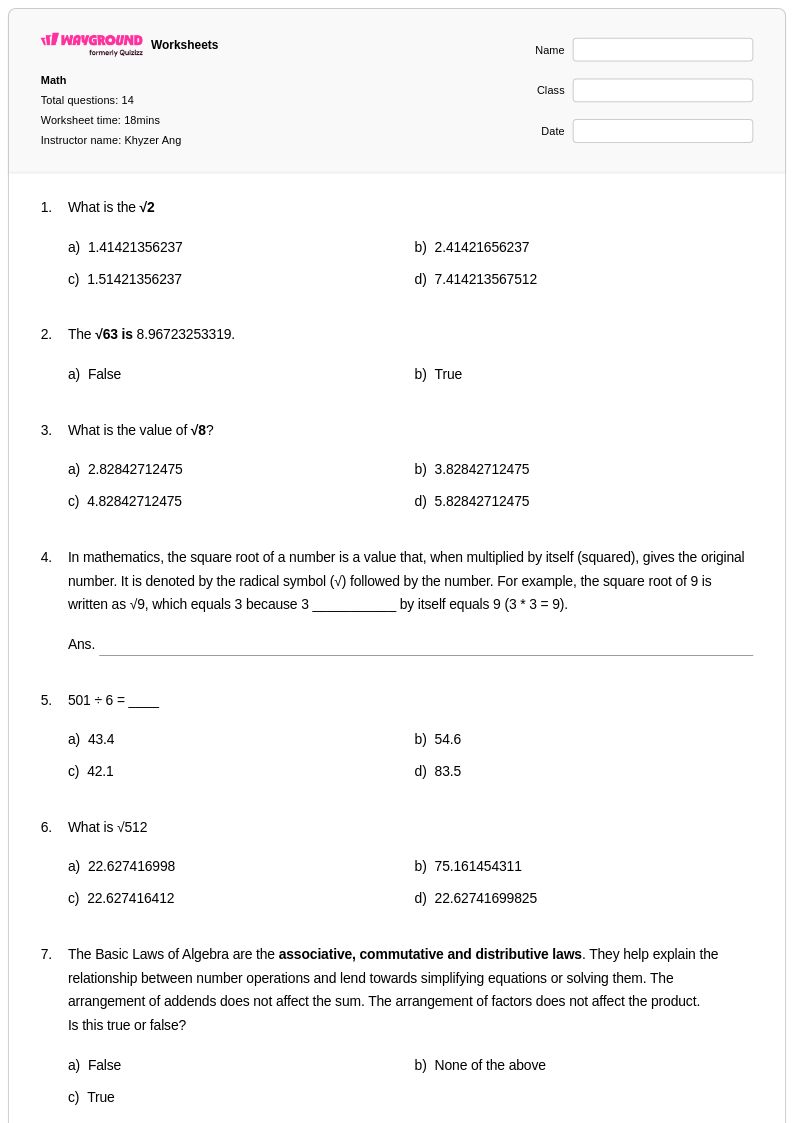
19 T
1st - 5th
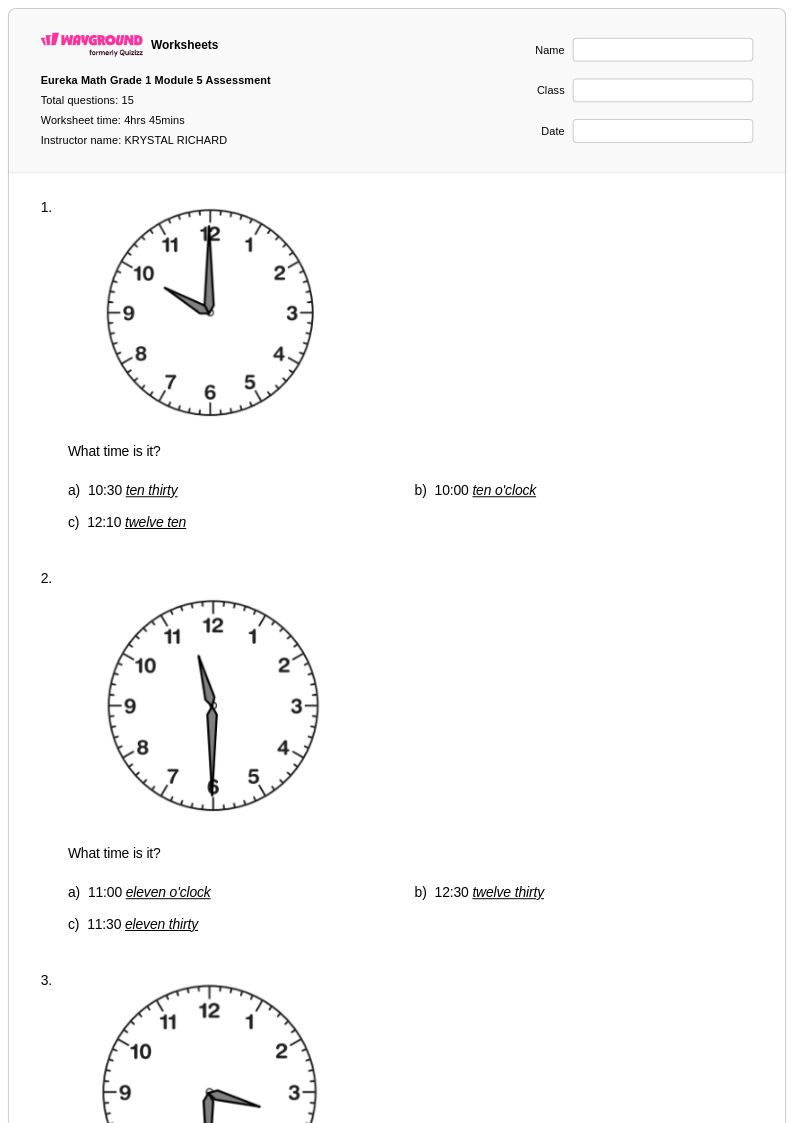
15 T
1st
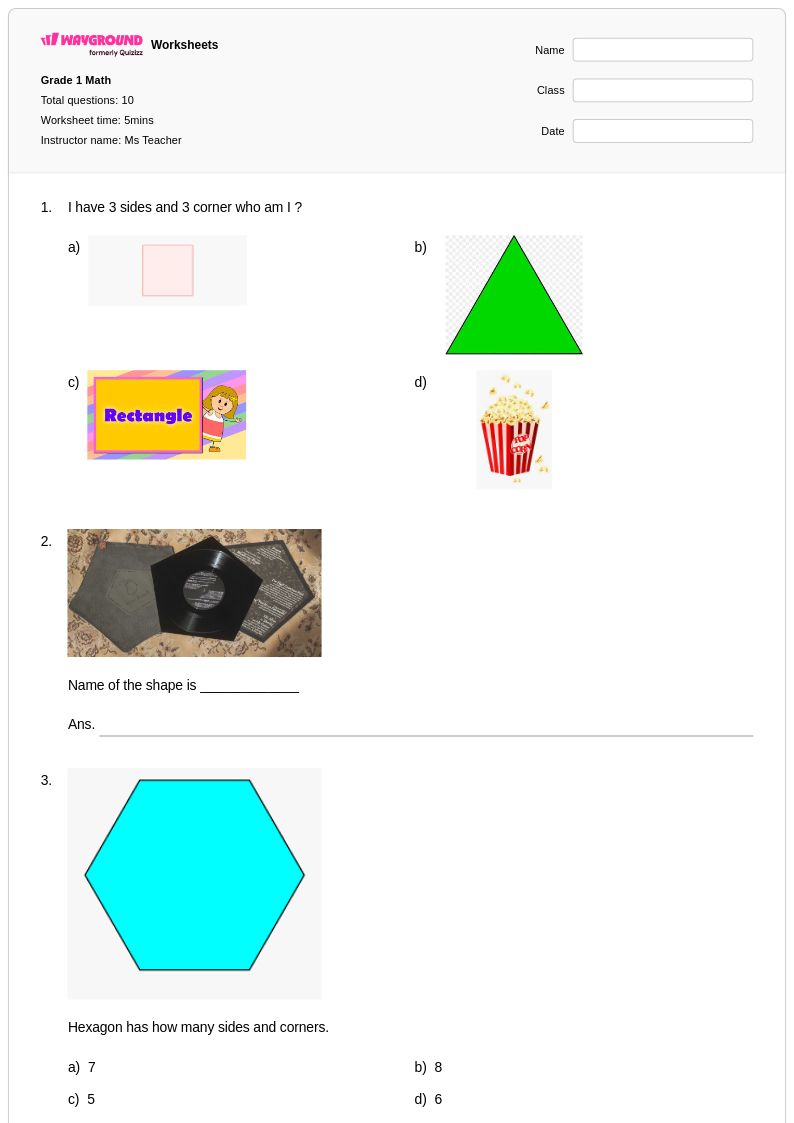
10 T
1st
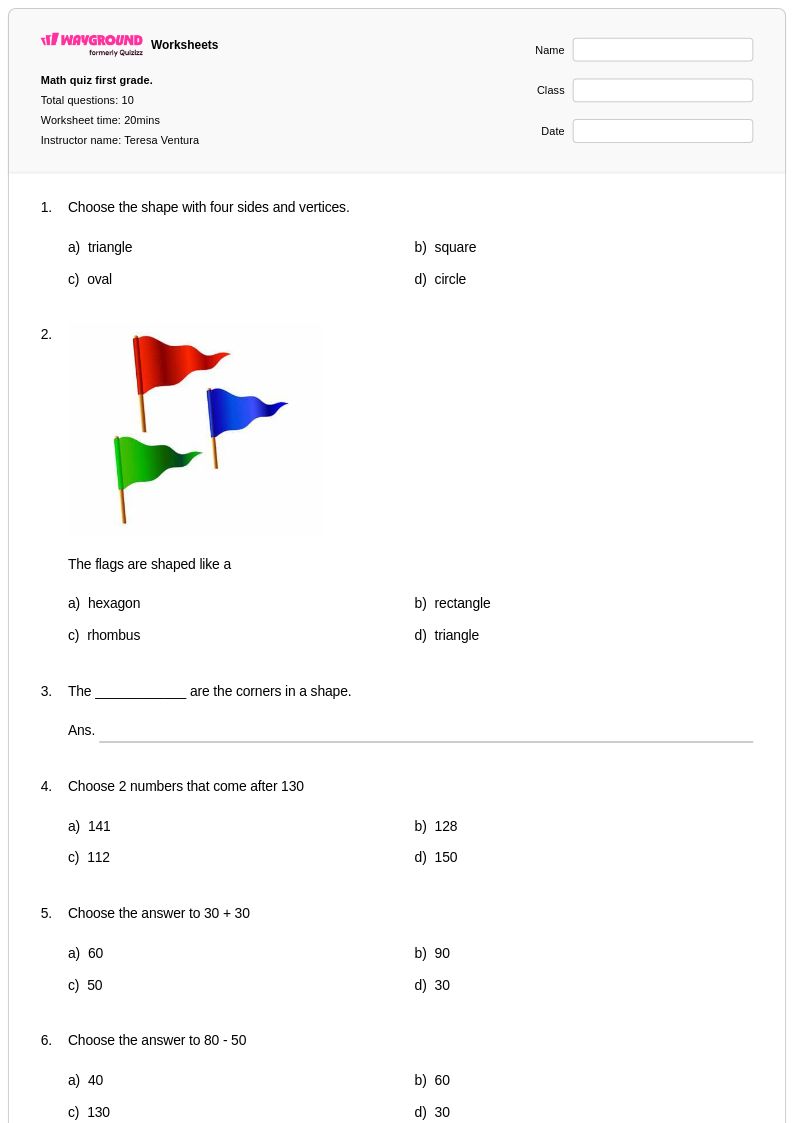
10 T
1st
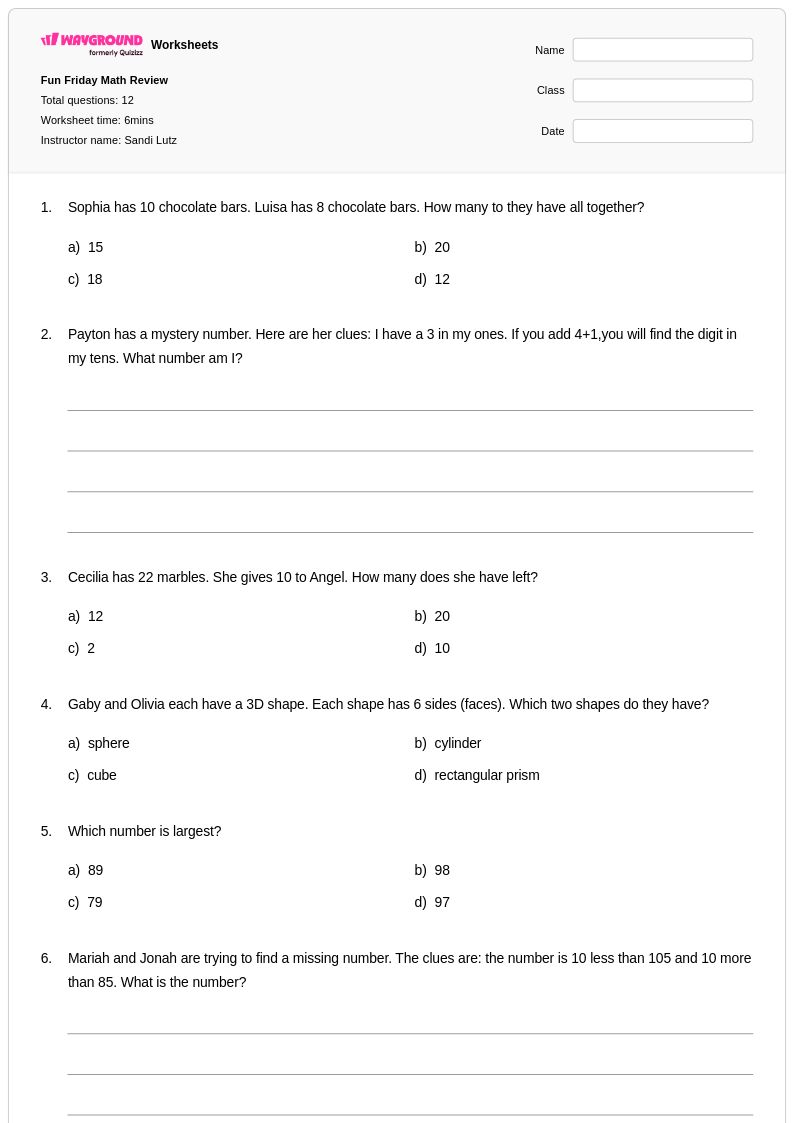
12 T
1st
Jelajahi Lembar Kerja Mata Pelajaran Lainnya untuk year 1
Explore printable Basic Shapes worksheets for Year 1
Basic shapes worksheets for Year 1 students available through Wayground (formerly Quizizz) provide foundational geometry instruction that introduces young learners to essential spatial concepts and visual recognition skills. These carefully designed practice problems help first-grade students identify, name, and distinguish between fundamental geometric forms including circles, squares, rectangles, triangles, and other common shapes found in their everyday environment. Each worksheet strengthens critical mathematical thinking abilities such as pattern recognition, spatial reasoning, and visual discrimination while building vocabulary essential for future geometry learning. Teachers can access comprehensive collections that include answer keys for efficient grading, free printables for classroom distribution, and pdf formats that ensure consistent formatting across different devices and printing systems.
Wayground (formerly Quizizz) empowers educators with an extensive library of millions of teacher-created basic shapes resources specifically designed for Year 1 mathematics instruction. The platform's robust search and filtering capabilities allow teachers to quickly locate worksheets that align with specific curriculum standards and match their students' developmental needs. Advanced differentiation tools enable educators to customize difficulty levels, modify visual complexity, and adjust problem types to support diverse learning styles within the same classroom. These flexible resources are available in both printable and digital formats, making them ideal for traditional worksheet-based instruction, homework assignments, remediation sessions, and enrichment activities that extend learning beyond basic shape recognition into early geometric reasoning and spatial awareness development.
FAQs
How do I teach basic shapes in first grade?
What exercises help first graders practice basic shapes?
What mistakes do first graders make with basic shapes?
How can I use a Grade 1 basic shapes worksheet from Wayground?
Are Grade 1 basic shapes worksheets aligned with Common Core?
How can I adapt basic shapes worksheets for mixed-ability first-grade classes?
What shapes should a first grader be able to identify?