
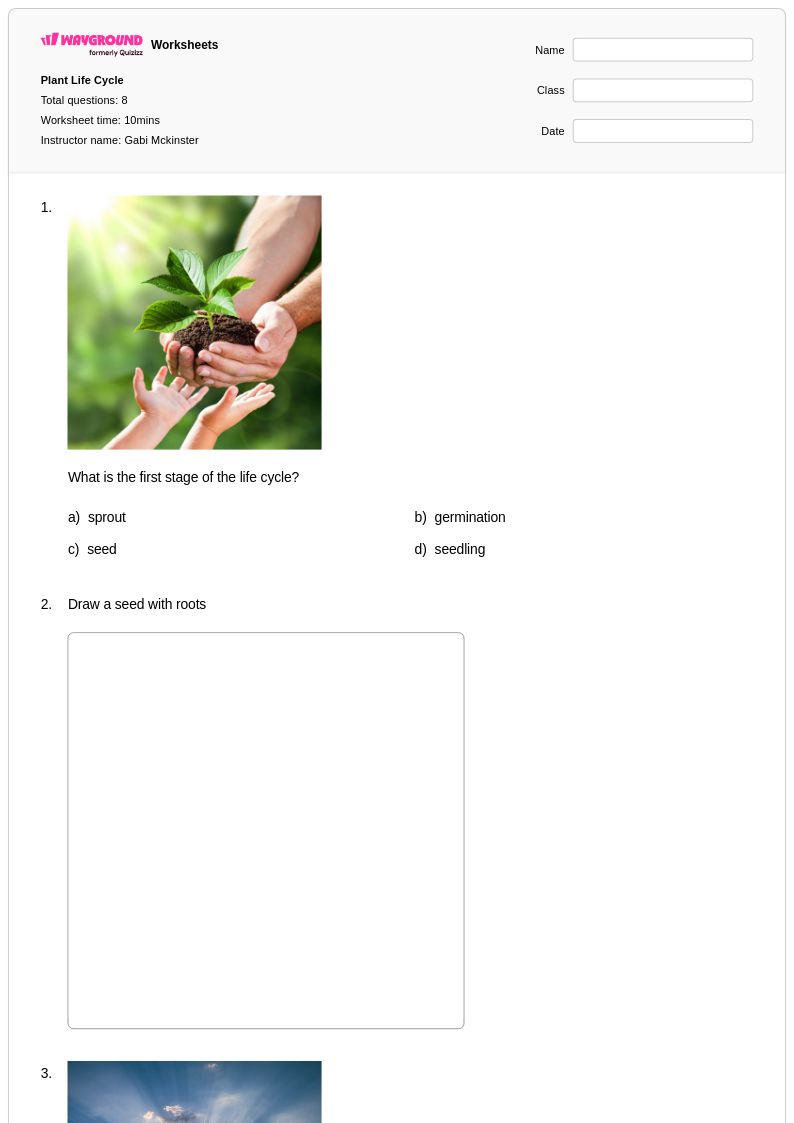
8 Q
2nd
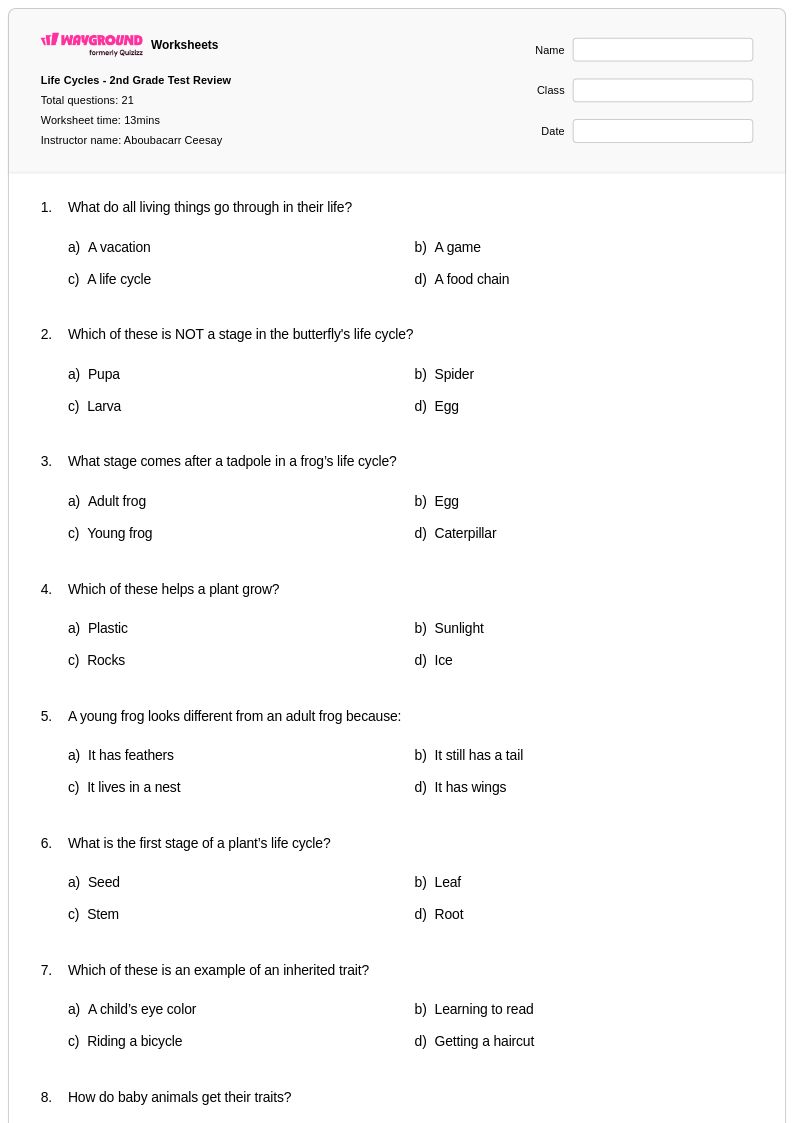
21 Q
2nd - Uni
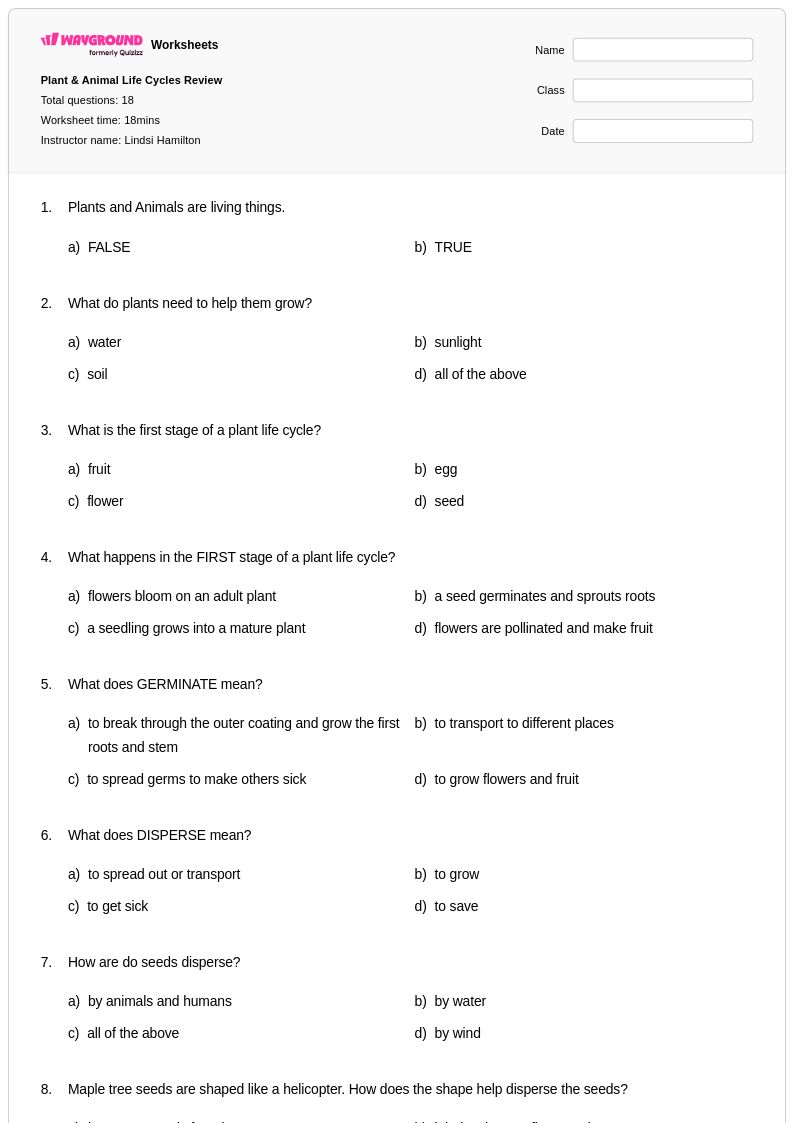
18 Q
2nd
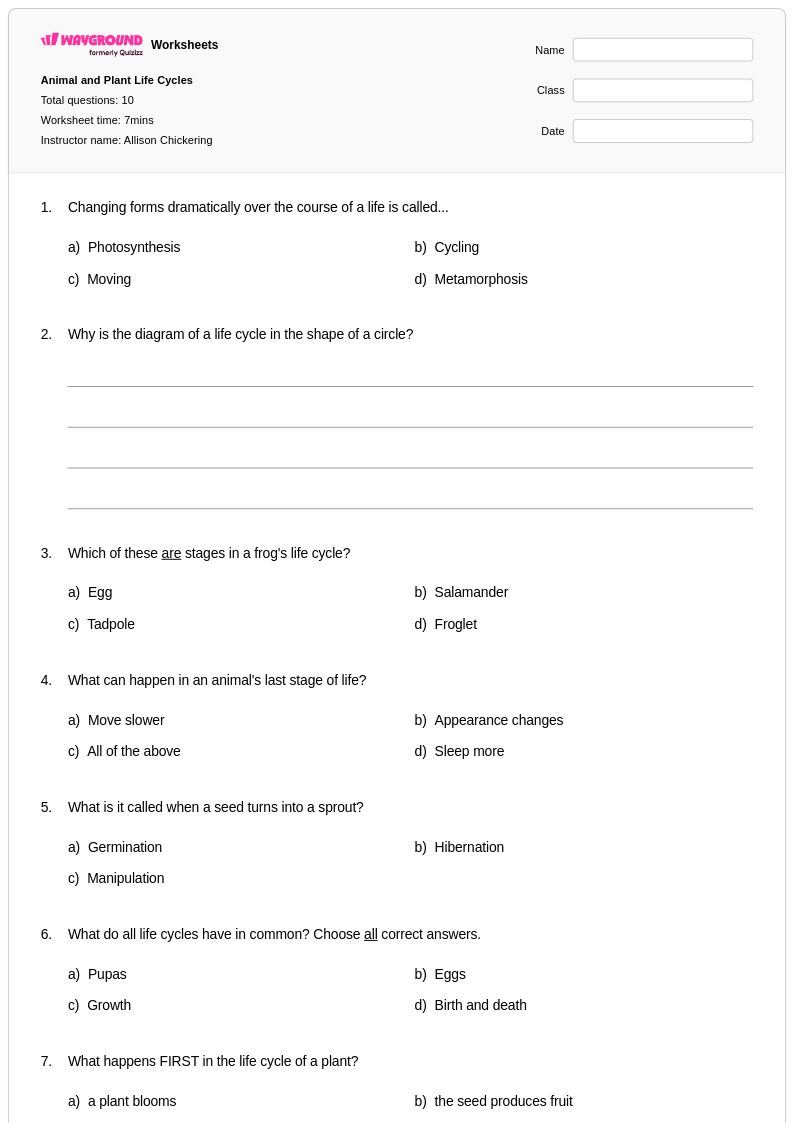
10 Q
2nd - 4th
21 Q
2nd
10 Q
2nd
14 Q
2nd
10 Q
2nd
10 Q
2nd
20 Q
2nd - 3rd
11 Q
2nd
6 Q
2nd
11 Q
2nd
17 Q
1st - 5th
10 Q
2nd
11 Q
2nd
17 Q
1st - 5th
20 Q
2nd
18 Q
2nd
10 Q
2nd
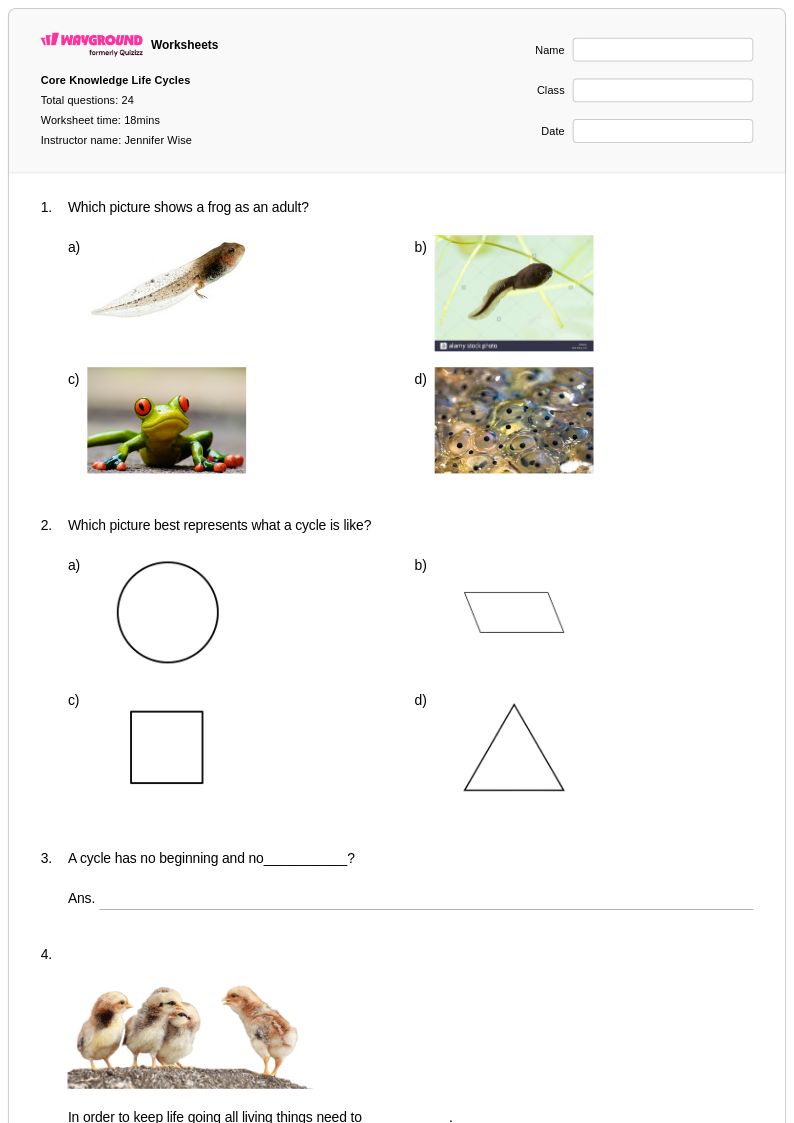
24 Q
2nd
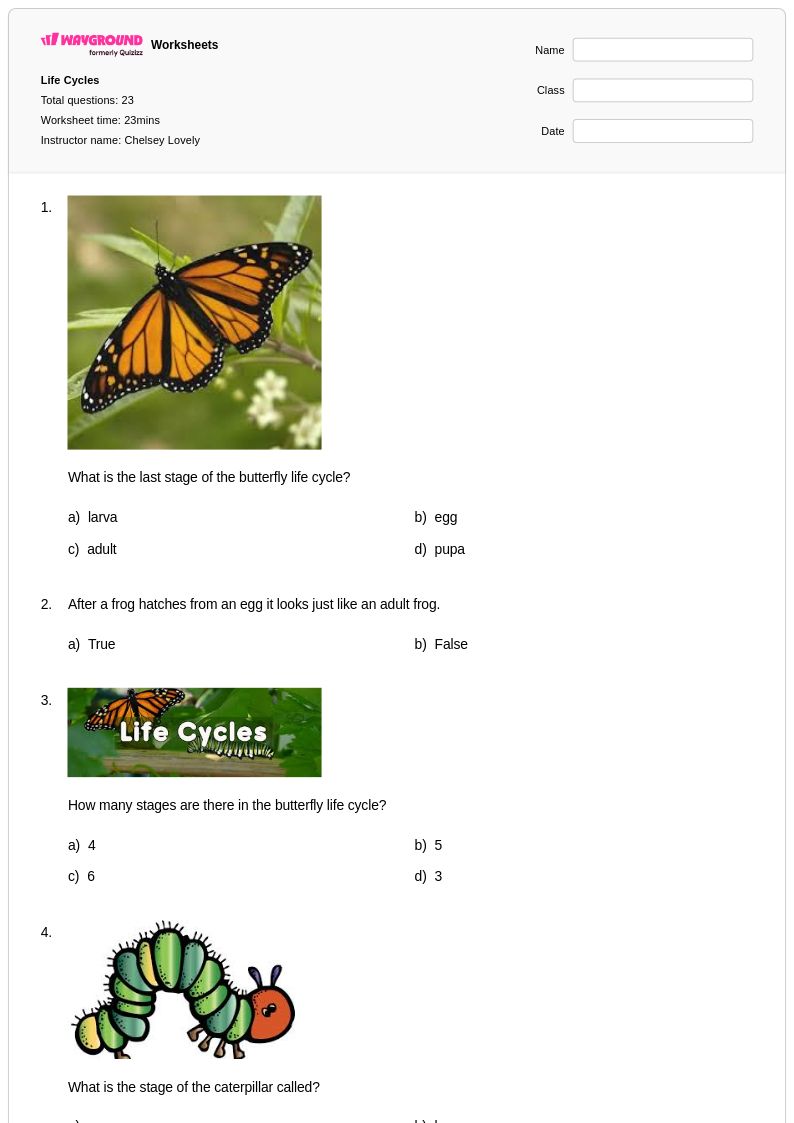
23 Q
2nd - 3rd
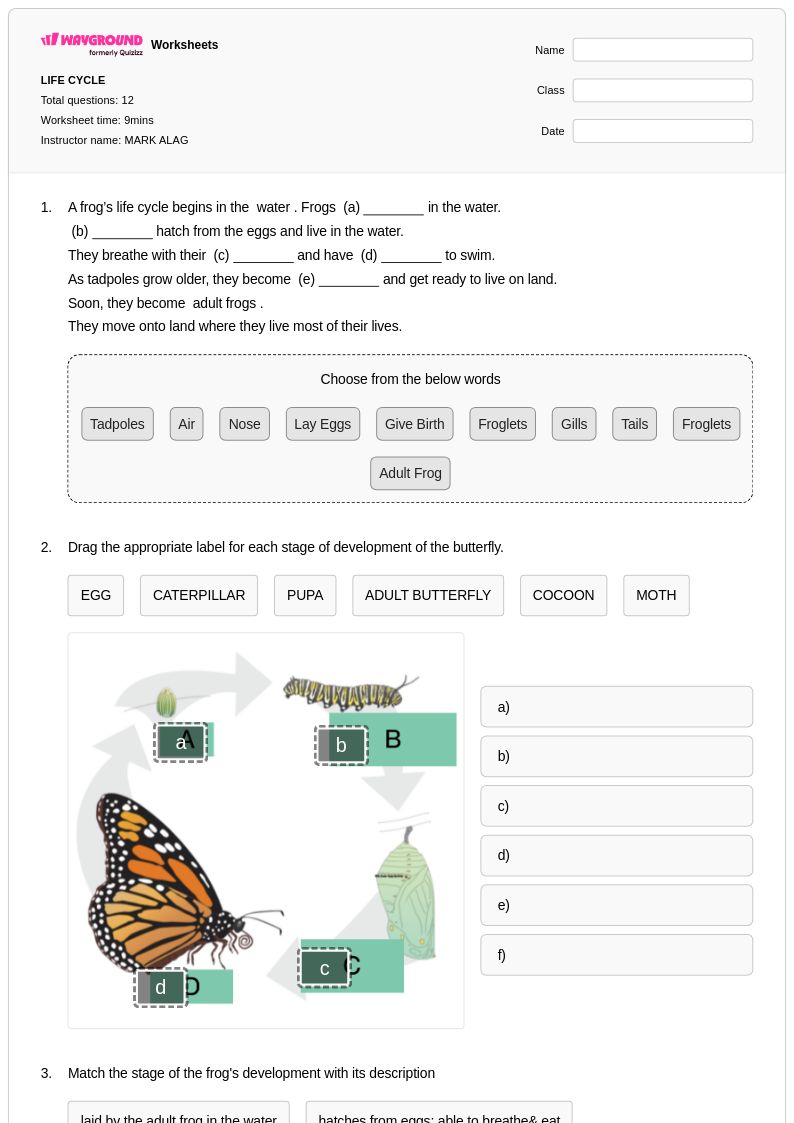
12 Q
2nd
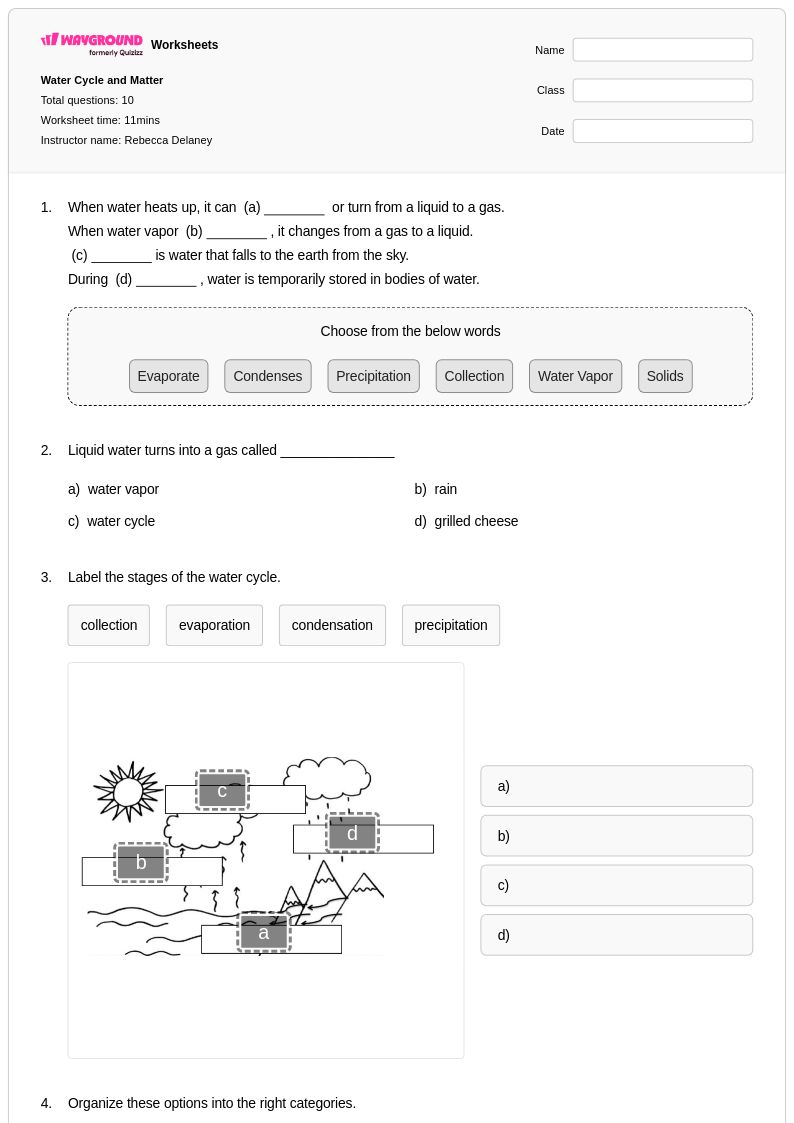
10 Q
2nd
Explore Other Subject Worksheets for year 2
Explore printable Bee Life Cycle worksheets for Year 2
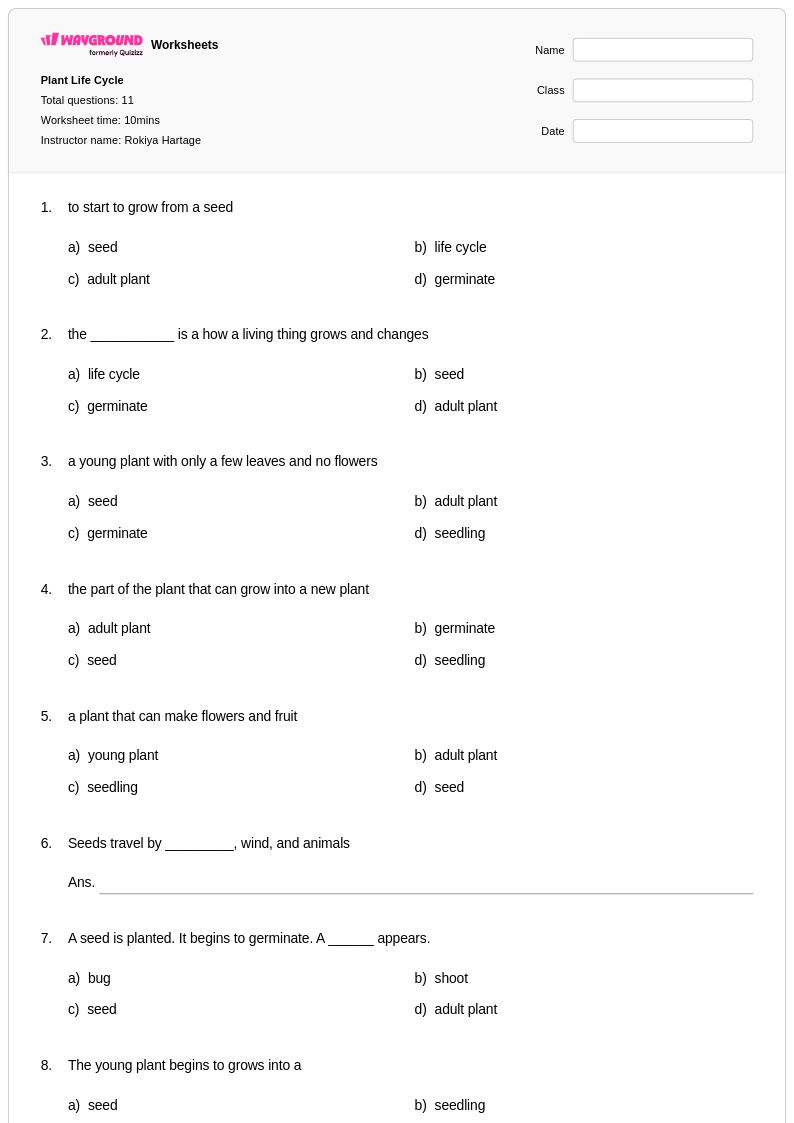
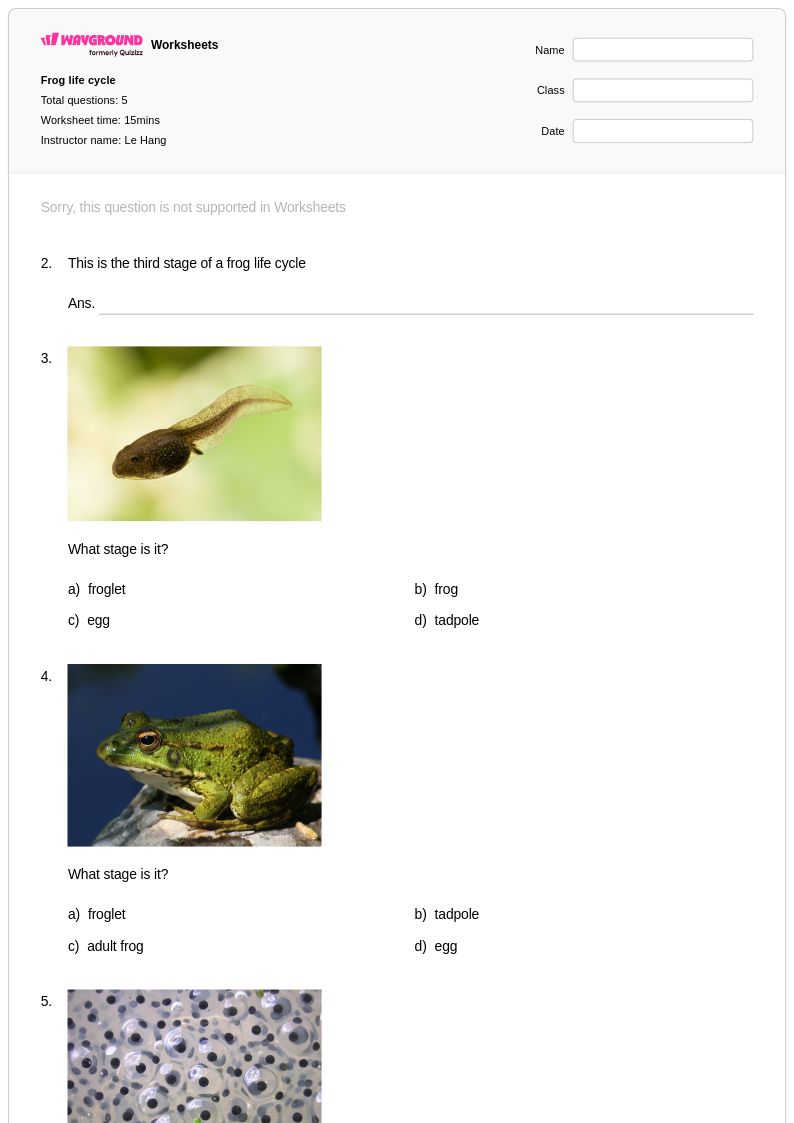
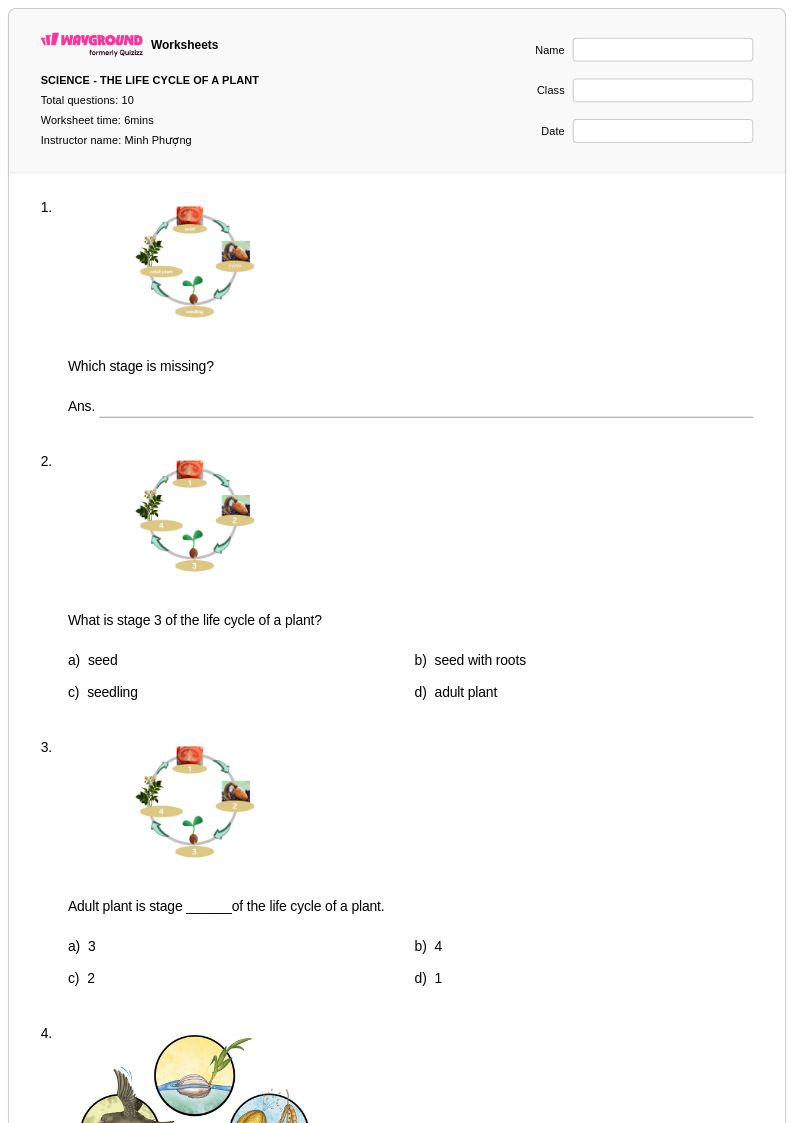
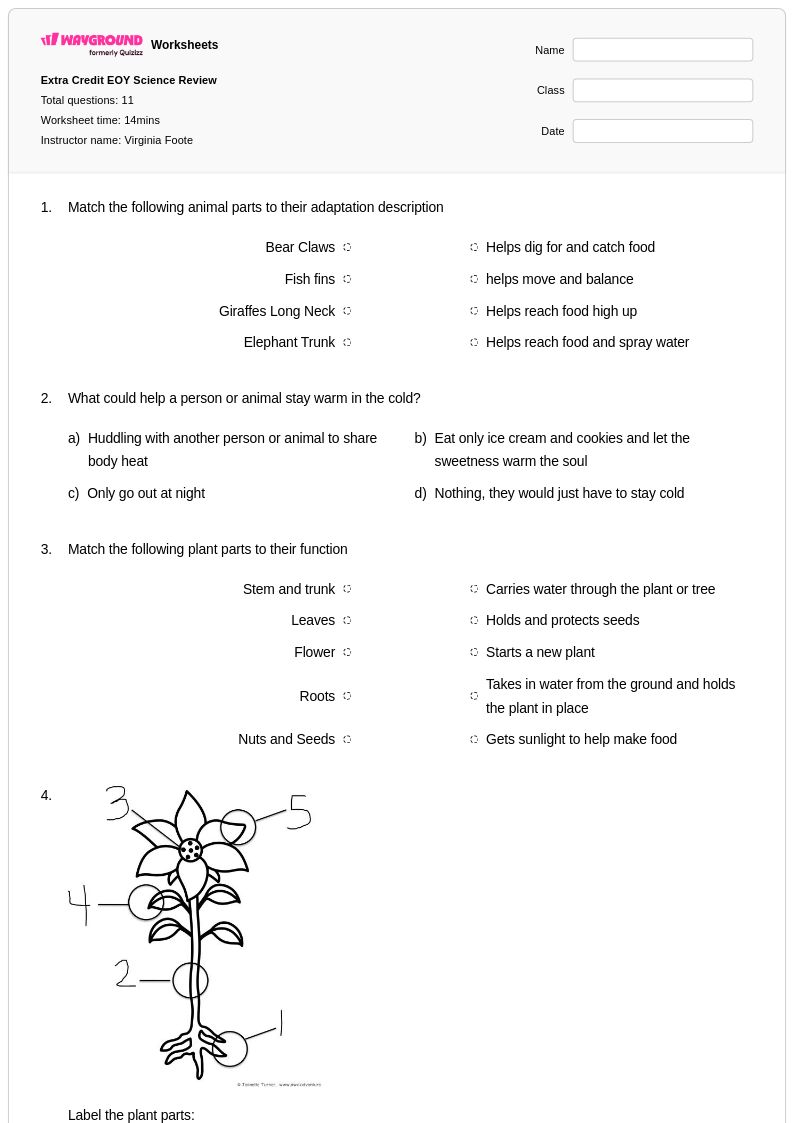
Year 2 bee life cycle worksheets available through Wayground provide young learners with engaging materials to explore the fascinating transformation of bees from egg to adult. These educational resources strengthen foundational life science skills by guiding students through the four distinct stages of metamorphosis: egg, larva, pupa, and adult bee. The worksheets incorporate visual learning through diagrams, sequencing activities, and labeling exercises that help second graders understand biological processes in an age-appropriate manner. Teachers can access comprehensive practice problems that reinforce vocabulary development and scientific observation skills, with many resources including detailed answer keys to support effective instruction. These free printables offer versatile learning opportunities that can be used for independent work, small group activities, or whole-class instruction in both printable pdf format and interactive digital versions.
Wayground supports educators with an extensive collection of teacher-created bee life cycle resources specifically designed for Year 2 science instruction. The platform's robust search and filtering capabilities allow teachers to quickly locate materials that align with specific learning objectives and curriculum standards for life science education. With millions of educational resources available, instructors can easily differentiate instruction by selecting worksheets that match varying student ability levels and learning preferences. The flexible customization tools enable teachers to modify existing materials or combine multiple resources to create comprehensive lesson plans for planning purposes, targeted remediation, or enrichment activities. Both printable pdf formats and digital interactive versions ensure that these bee life cycle worksheets can be seamlessly integrated into any classroom environment, whether for traditional paper-based learning or technology-enhanced instruction that supports diverse student needs and preferences.
FAQs
How do I teach the bee life cycle to elementary students?
What activities help students practice the stages of a bee's life cycle?
What common mistakes do students make when learning about the bee life cycle?
How can I differentiate bee life cycle instruction for students at different skill levels?
How do I use Wayground's bee life cycle worksheets in my classroom?