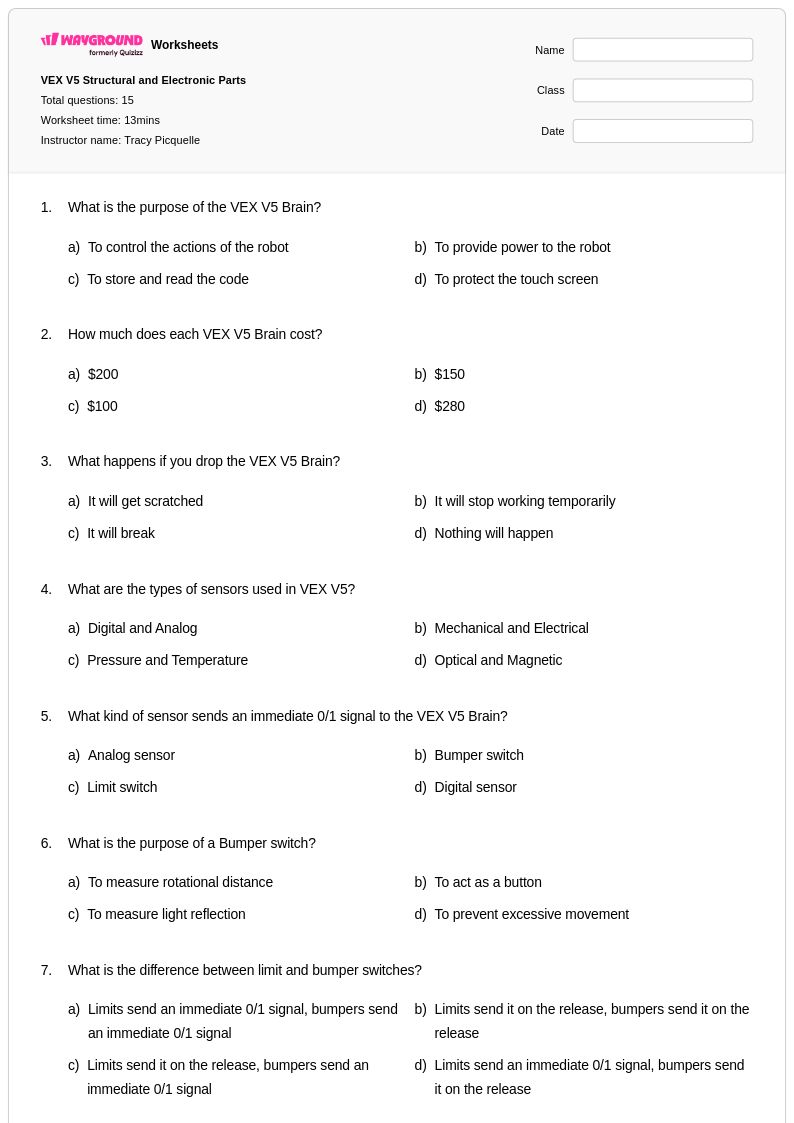
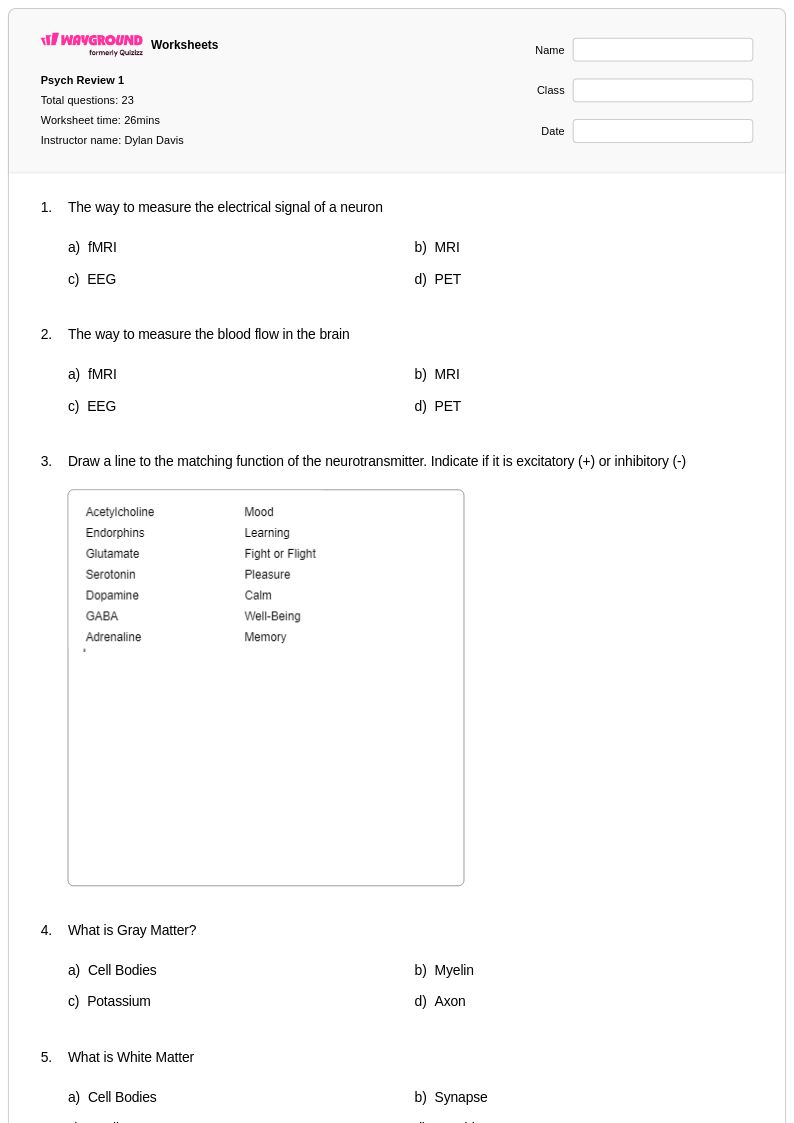
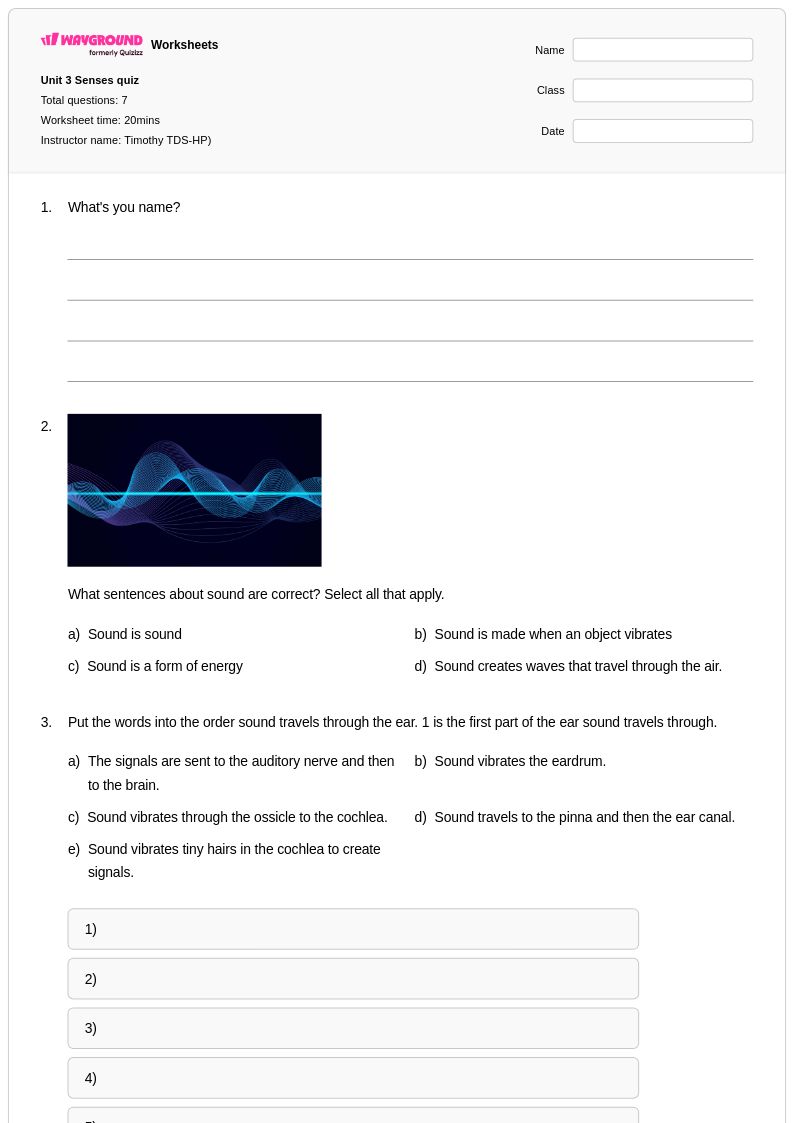
Discover free kindergarten brain worksheets and printables that help young students explore basic brain functions and body awareness through engaging practice problems with answer keys.
Explore printable Brain worksheets for Kindergarten
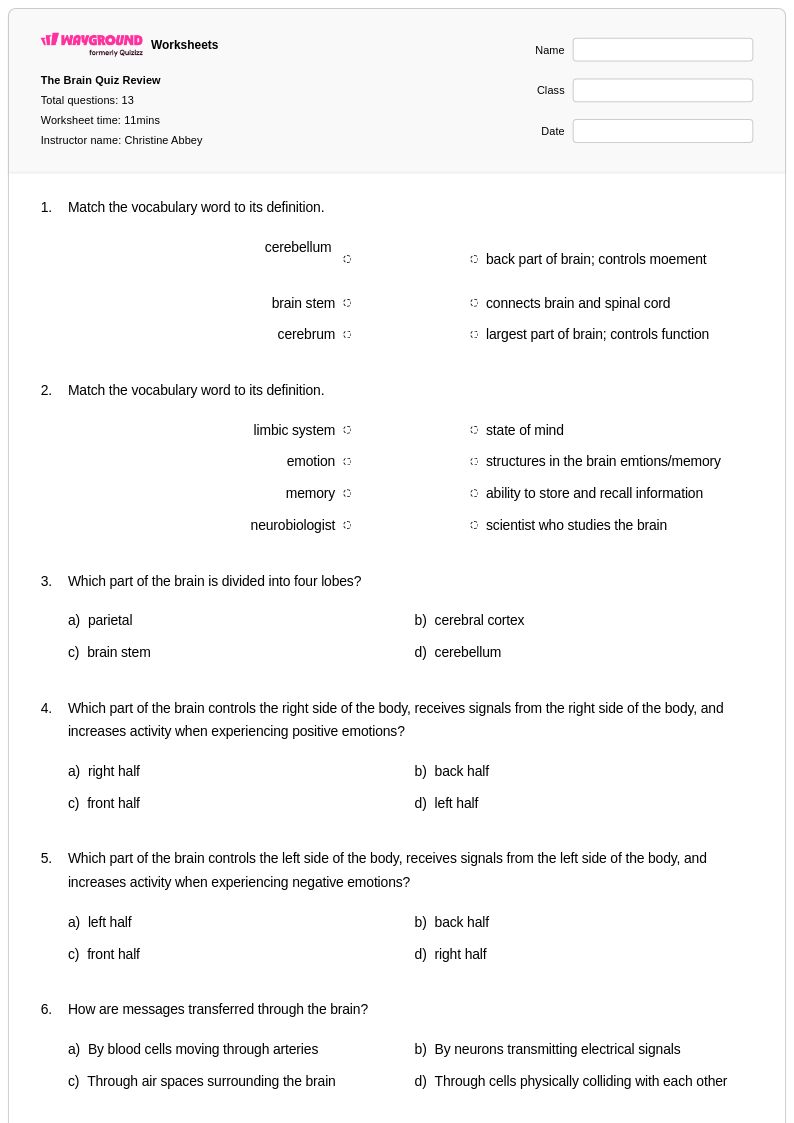
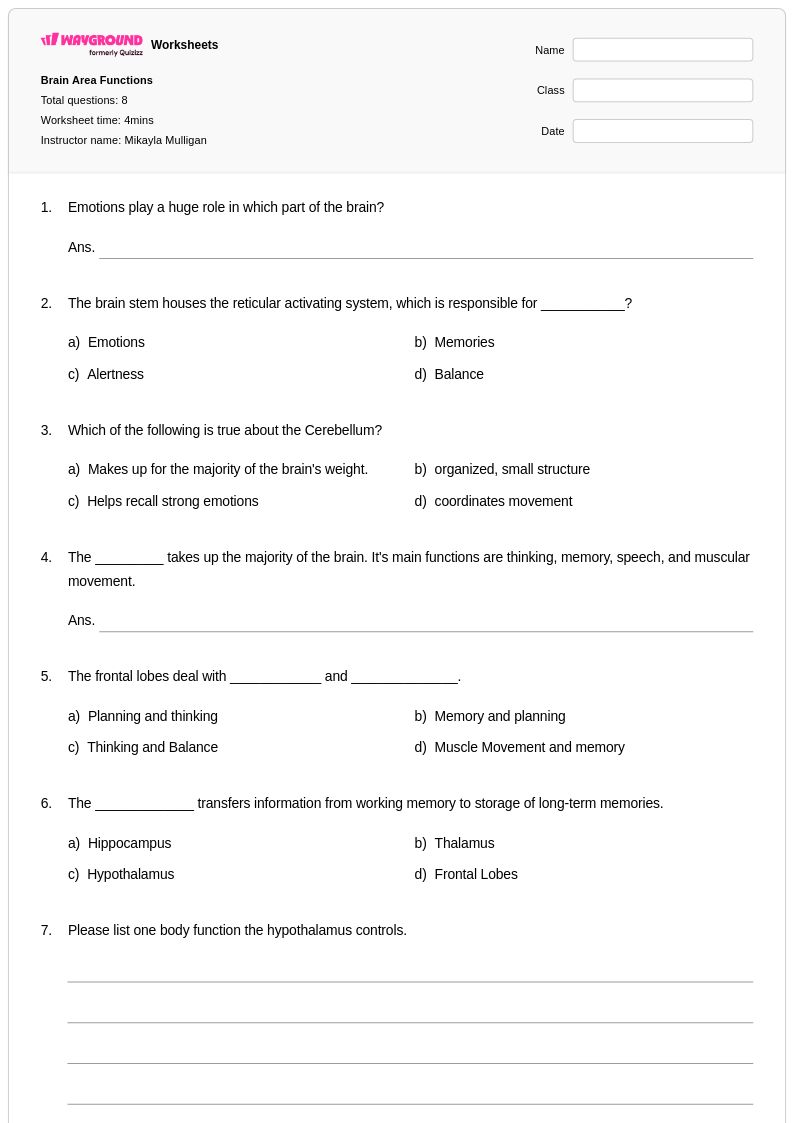
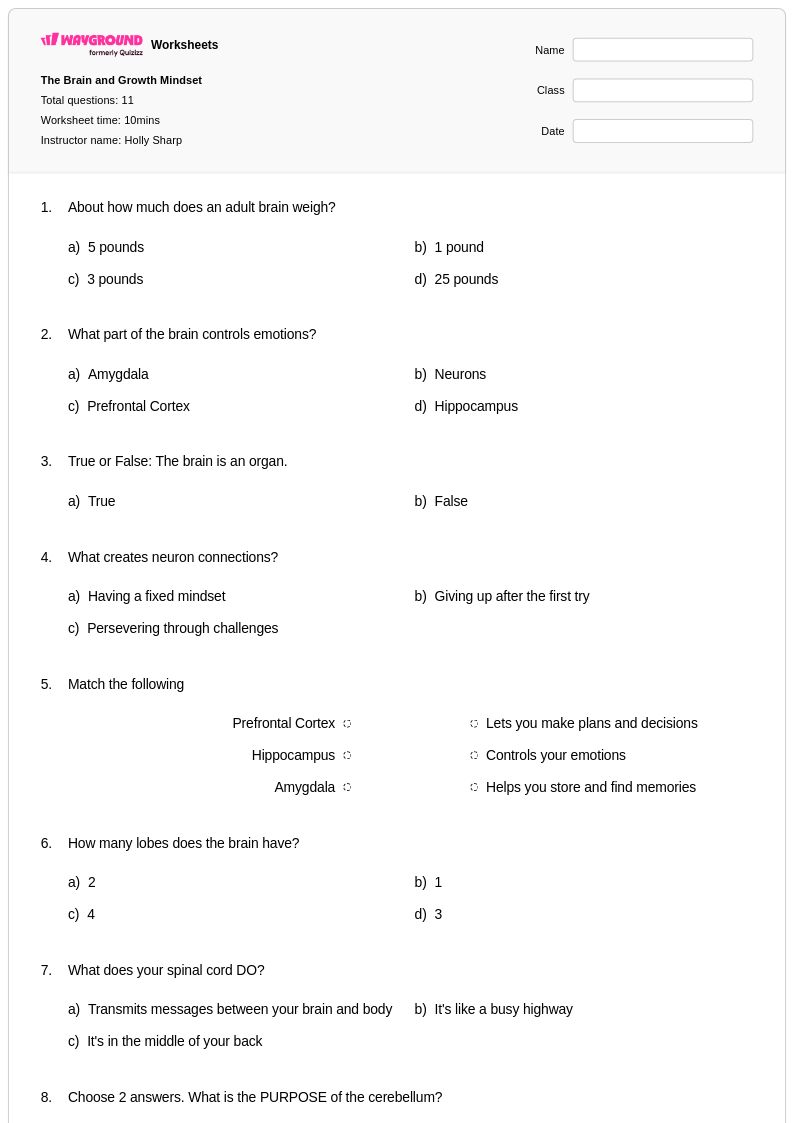
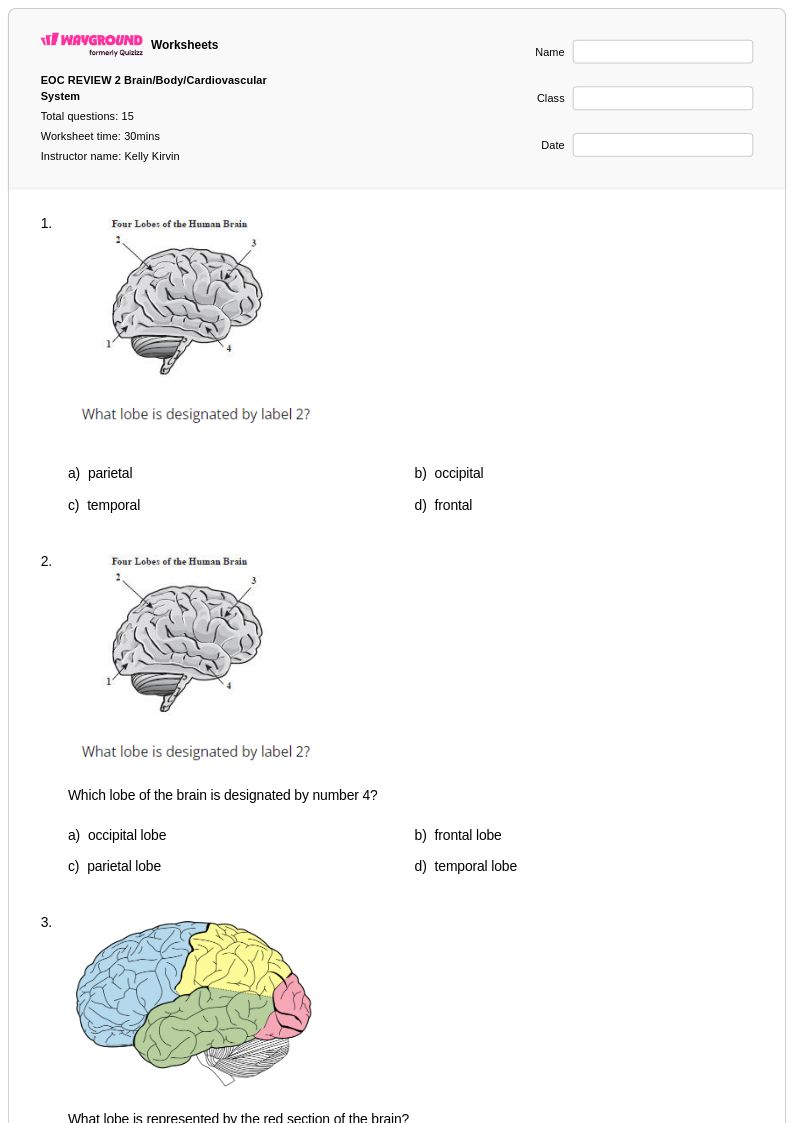
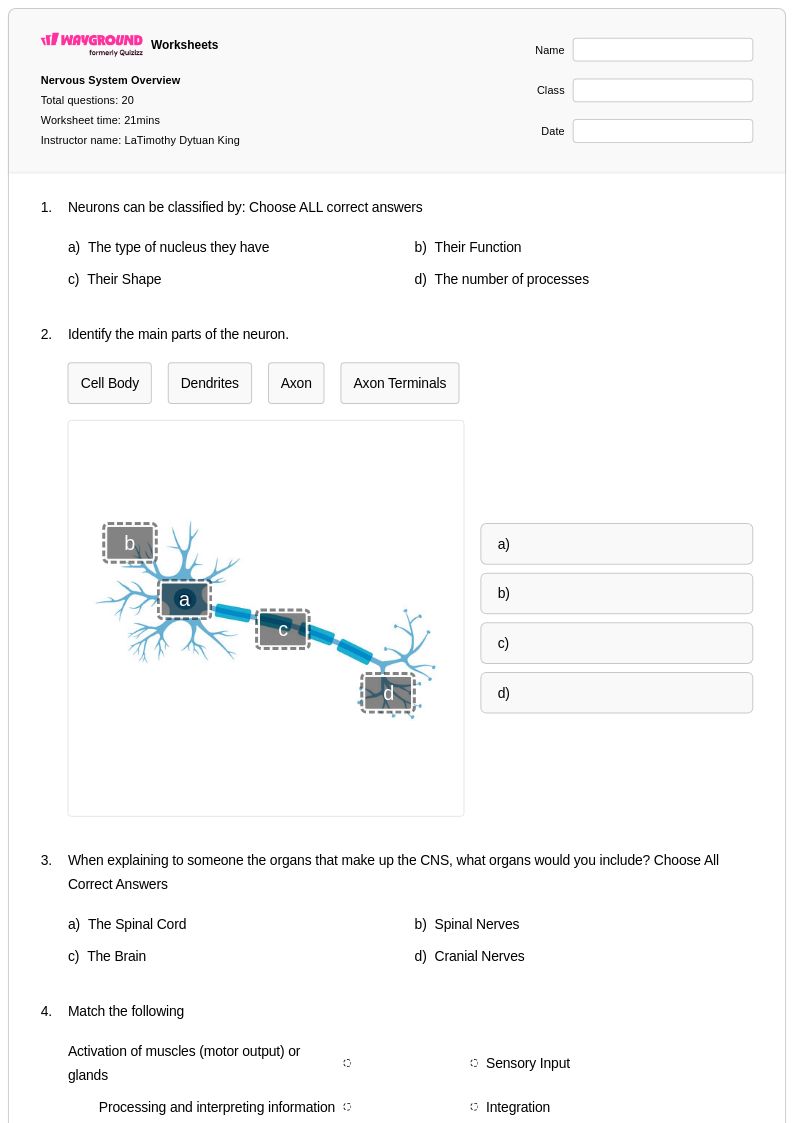
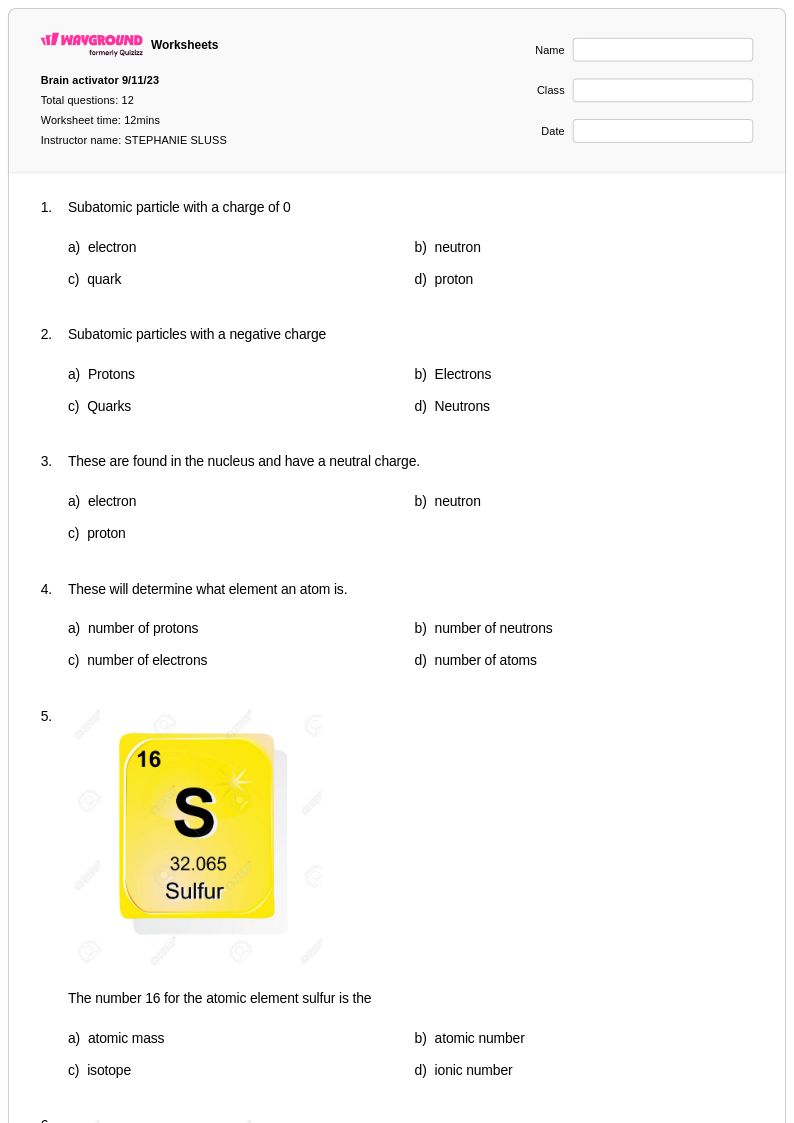
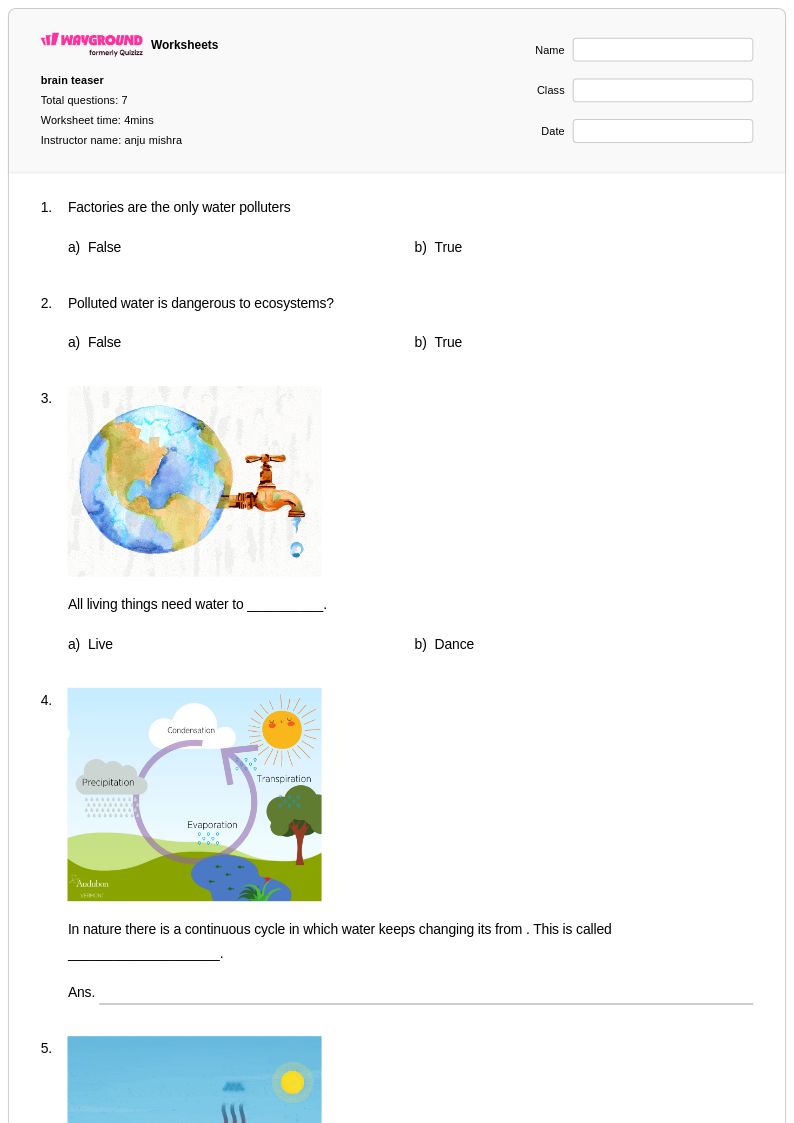
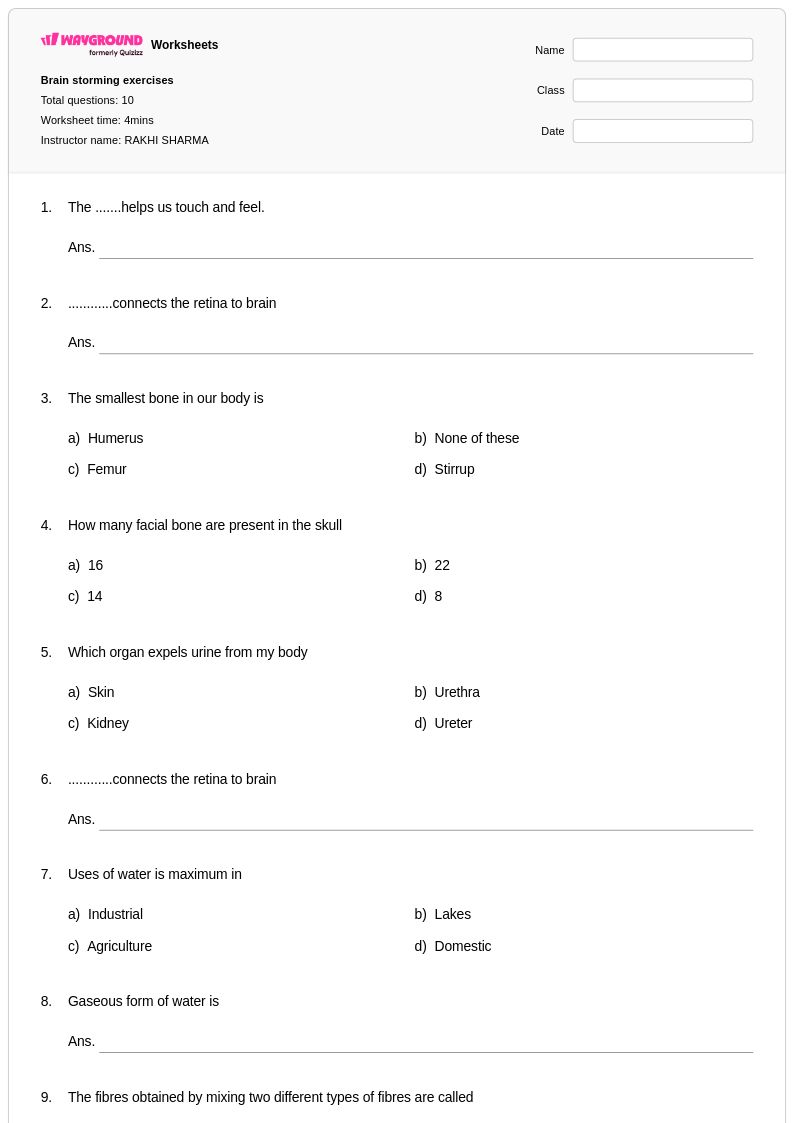
Brain worksheets for kindergarten students available through Wayground (formerly Quizizz) introduce young learners to fundamental concepts about the human brain through age-appropriate activities and visual exercises. These carefully designed printables help kindergarteners develop early scientific observation skills while building vocabulary related to basic brain functions, senses, and how the brain controls different parts of the body. Each worksheet incorporates engaging illustrations and simple practice problems that encourage students to identify brain locations, match senses to brain functions, and understand basic concepts like thinking and learning. Teachers can access comprehensive materials including detailed answer keys and free pdf downloads that support hands-on learning experiences, making complex neurological concepts accessible to developing minds through interactive exercises and foundational skill-building activities.
Wayground (formerly Quizizz) empowers educators with millions of teacher-created brain science resources specifically aligned with kindergarten learning standards and developmental milestones. The platform's robust search and filtering capabilities allow teachers to quickly locate worksheets that match their students' diverse learning needs, from basic brain identification activities for beginning learners to more challenging differentiation exercises for advanced kindergarteners. These flexible materials are available in both printable and digital pdf formats, enabling seamless integration into classroom instruction, homework assignments, and assessment practices. Teachers utilize these comprehensive worksheet collections for strategic lesson planning, targeted skill remediation, enrichment opportunities for gifted learners, and consistent practice reinforcement that builds students' confidence in understanding how their brains work and connect to their daily experiences.
FAQs
How do I teach brain anatomy to students effectively?
Teaching brain anatomy is most effective when students move from the whole structure to its parts, beginning with the three major divisions (cerebrum, cerebellum, and brainstem) before exploring specific lobes and regions. Labeling diagrams helps students connect spatial location to function, while case studies linking brain injuries to behavioral changes make abstract neuroanatomy concrete. Pairing visual resources with discussion of real neurological examples reinforces why each region matters.
What exercises help students practice identifying brain regions and their functions?
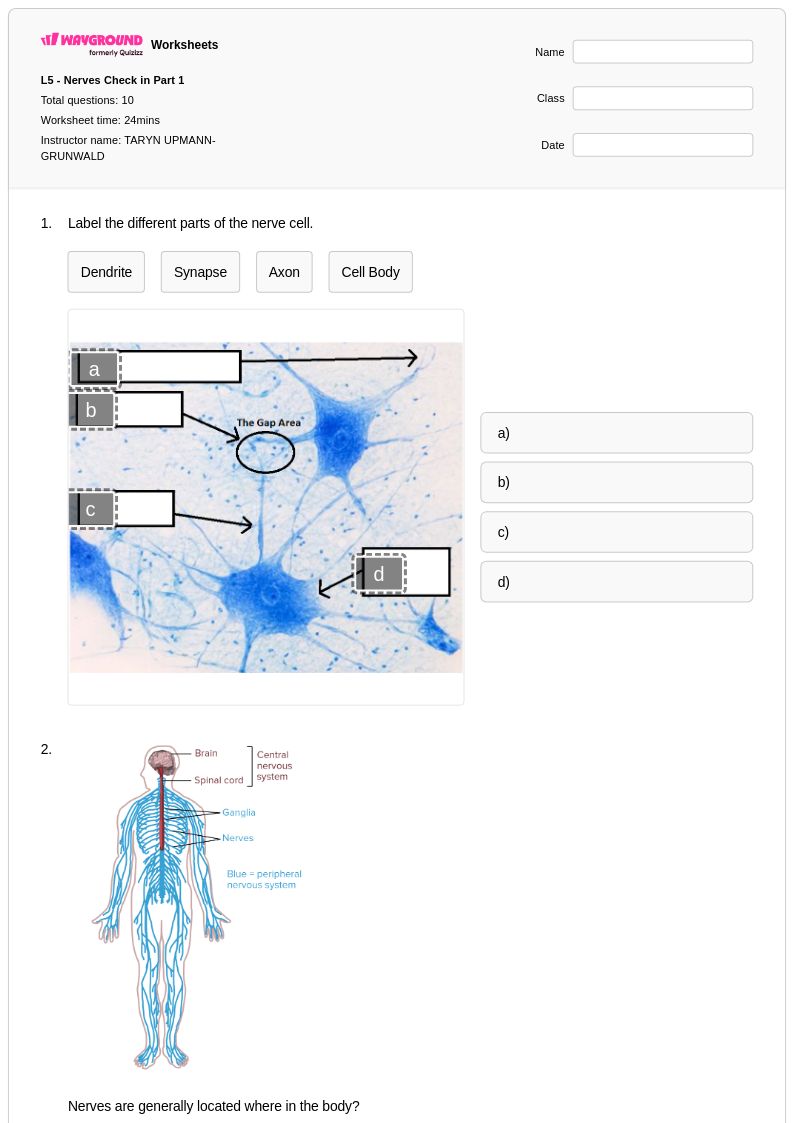
Labeling diagrams of the brain's lobes, regions, and major structures is one of the most effective practice formats because it requires students to recall both location and function simultaneously. Matching exercises that pair brain areas with their associated cognitive or motor functions reinforce retrieval, while comparative analysis activities asking students to contrast regions deepen conceptual understanding beyond simple memorization.
What common mistakes do students make when learning about the brain?
One of the most frequent errors is conflating the cerebrum with the entire brain, leading students to misattribute functions that belong to the cerebellum or brainstem. Students also commonly confuse the roles of the brain's two hemispheres, often overstating the left-brain/right-brain divide beyond what neuroscience supports. Mixing up the terms 'neuron' and 'nerve' is another persistent misconception that should be addressed explicitly early in instruction.
How can I differentiate brain anatomy worksheets for students with different learning needs?
For students who need additional support, providing partially completed diagrams or reducing the number of structures to label can lower the cognitive load while keeping the learning objective intact. On Wayground, teachers can apply student-level accommodations including Read Aloud for students who benefit from audio support, reduced answer choices to simplify identification tasks, and extended time for assessments. These settings can be configured per student and reused across sessions without affecting the experience of other learners in the class.
How do I use Wayground's brain worksheets in my classroom?
Wayground's brain worksheets are available as printable PDFs for traditional classroom use and in digital formats for technology-integrated learning environments, so they work whether students are at desks or on devices. Teachers can also host the worksheets as a quiz directly on Wayground, turning a labeling or multiple-choice activity into an interactive session with immediate feedback. Each worksheet includes a complete answer key, supporting both teacher-led review and independent student self-assessment.