Free Printable Calculations Worksheets for Year 11
Enhance Year 11 science skills with free printable worksheets and practice problems focused on units and measurement calculations, complete with answer keys and PDF formats for comprehensive learning.
Explore printable Calculations worksheets for Year 11
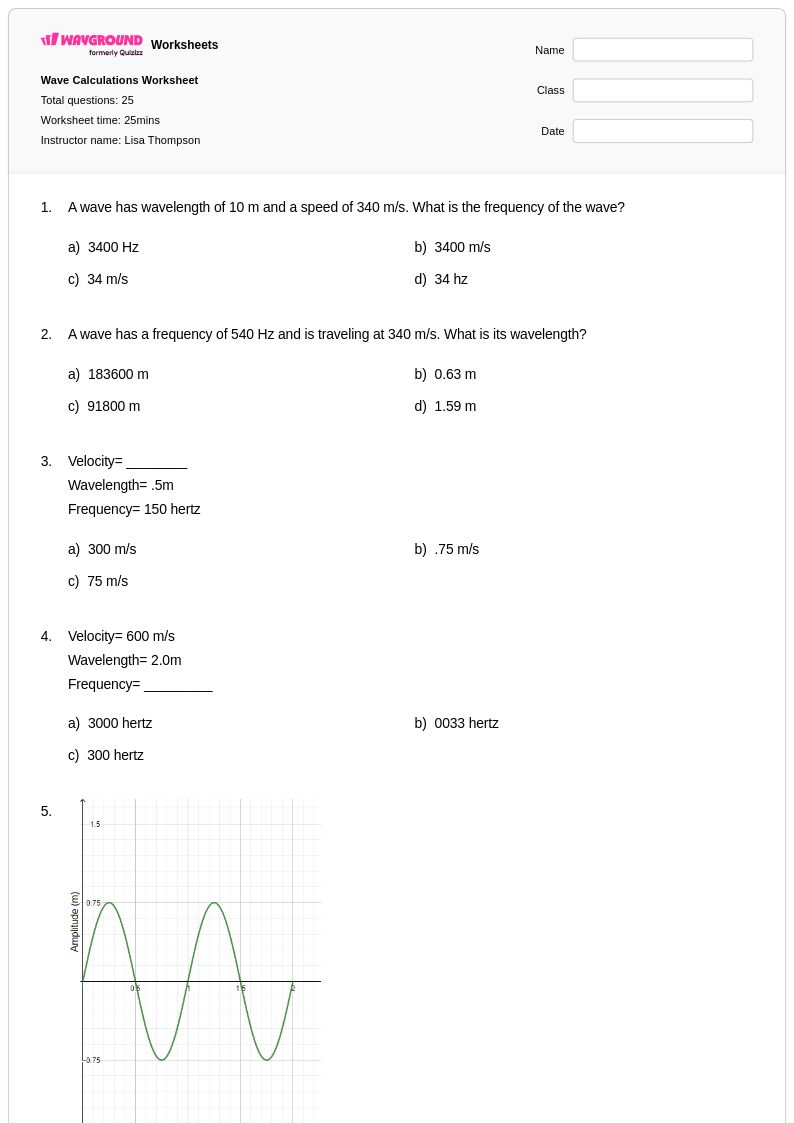
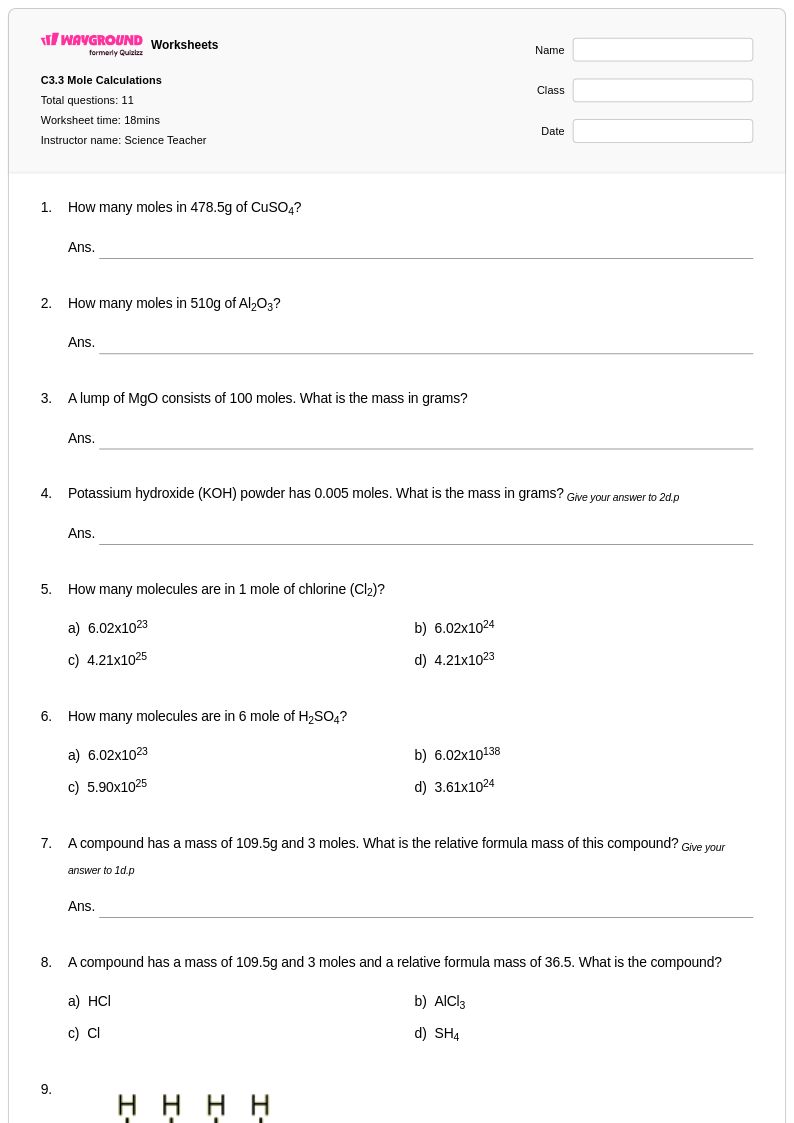
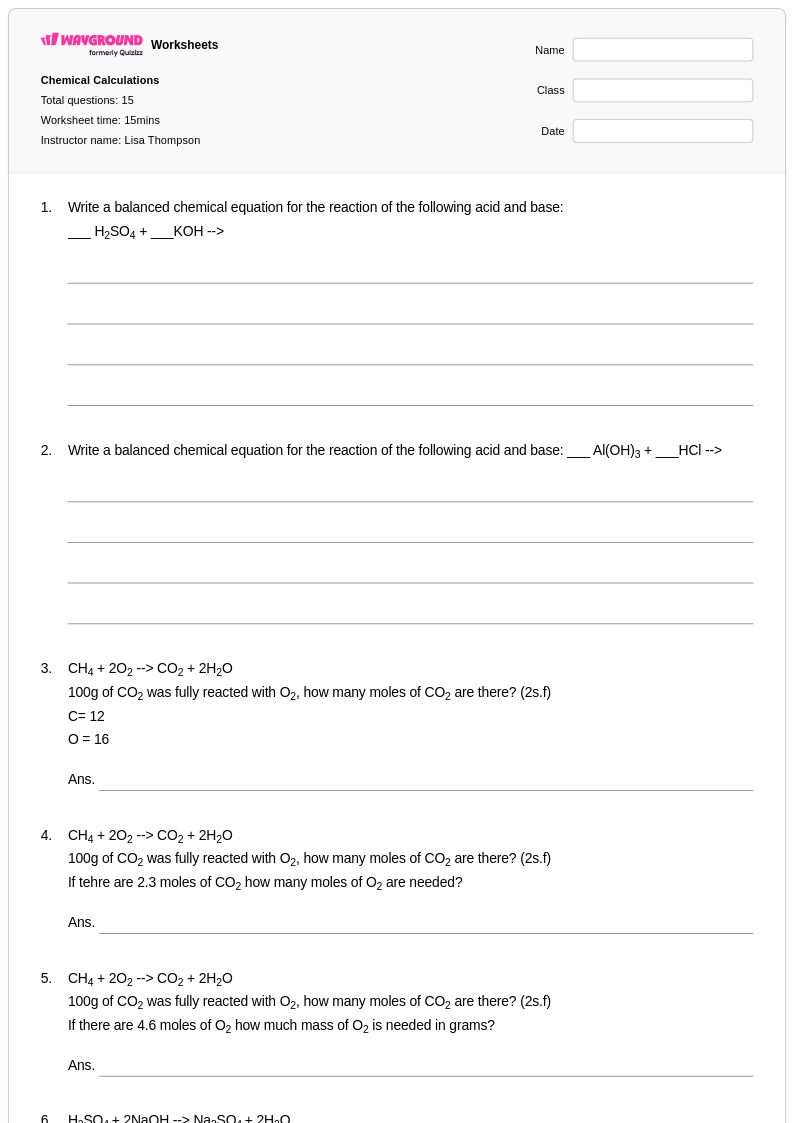
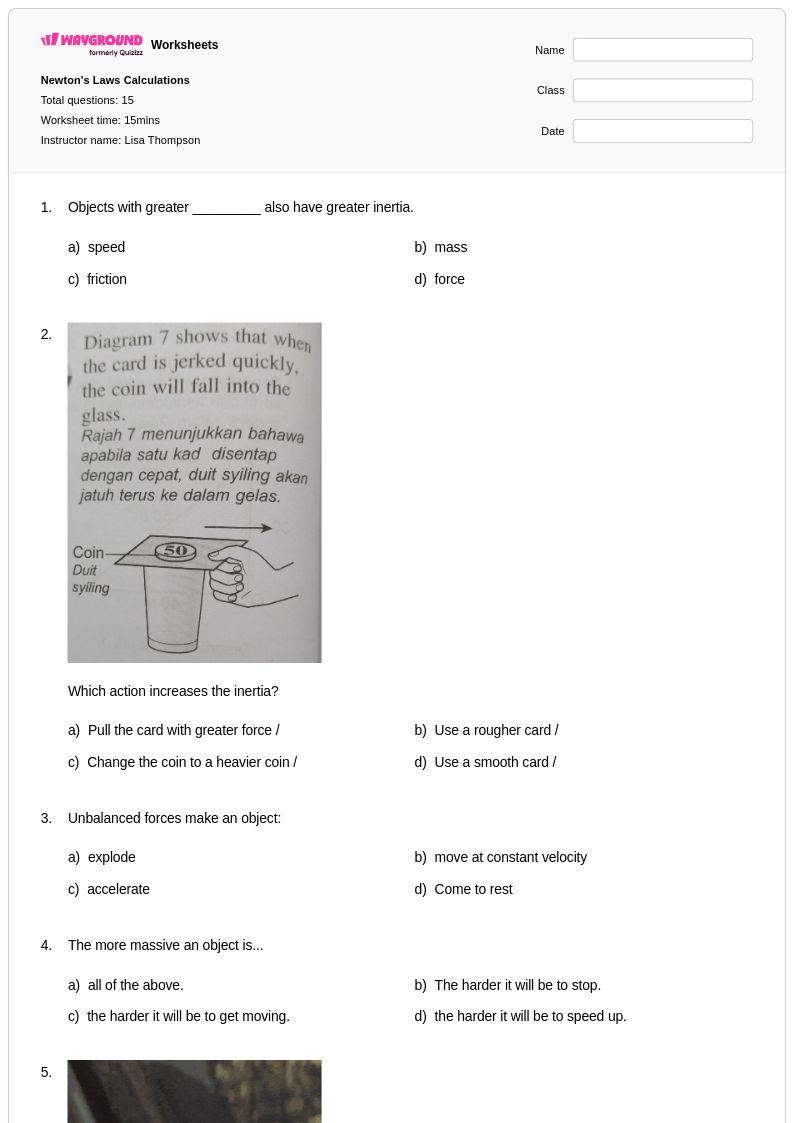
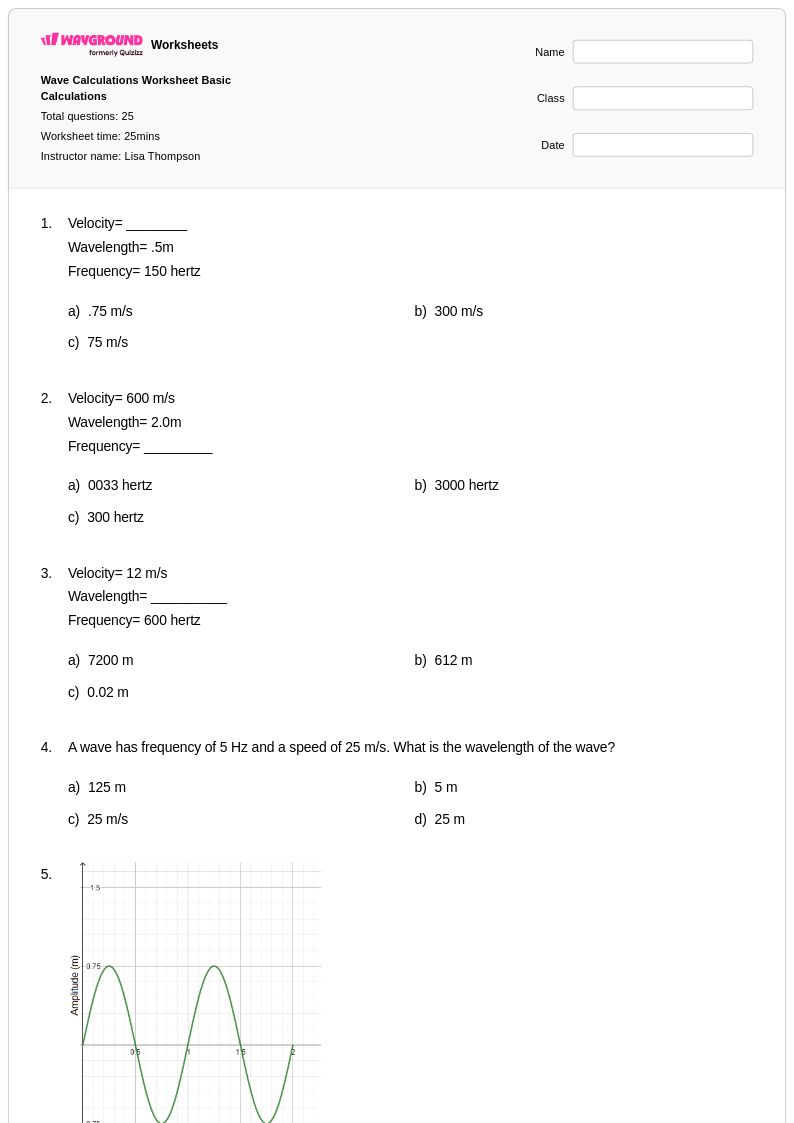
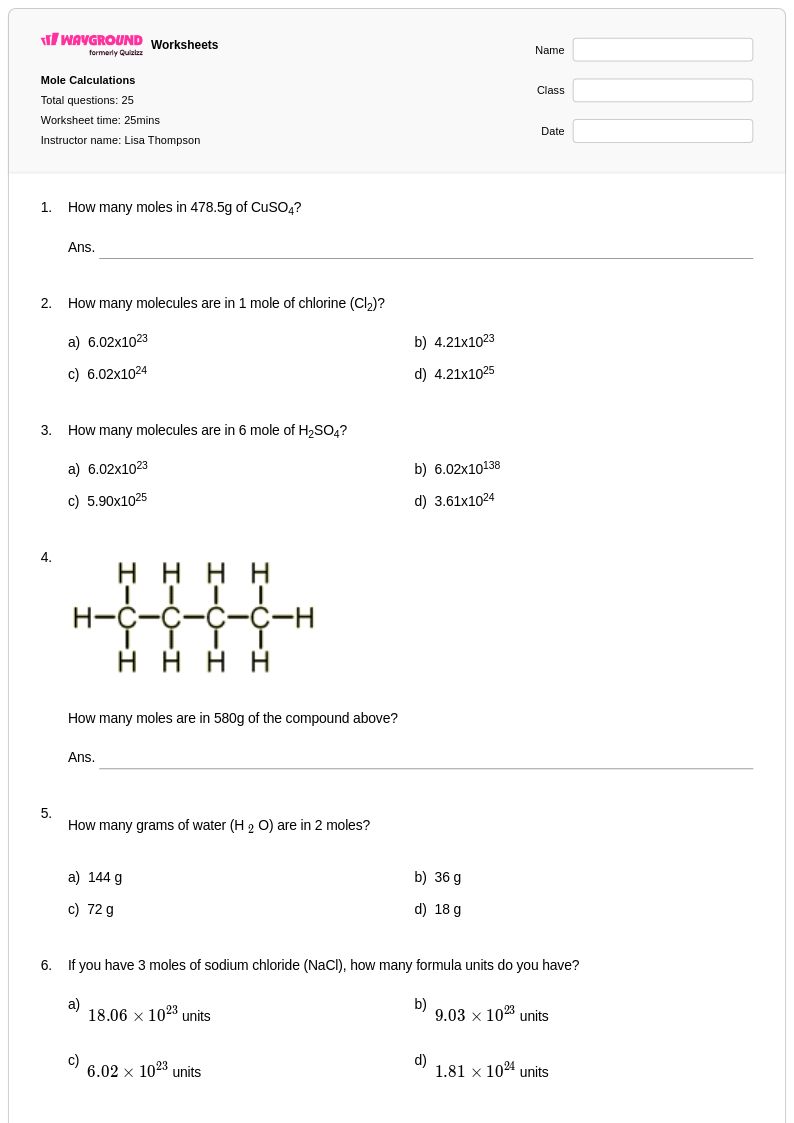
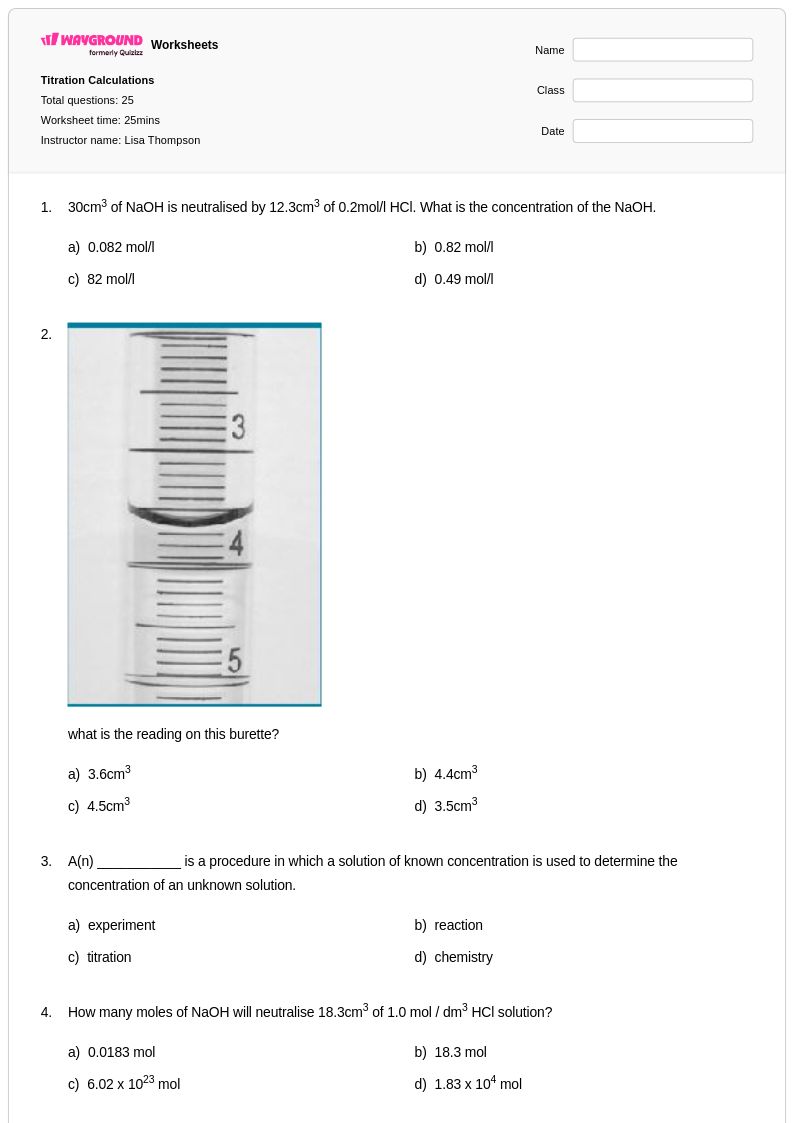
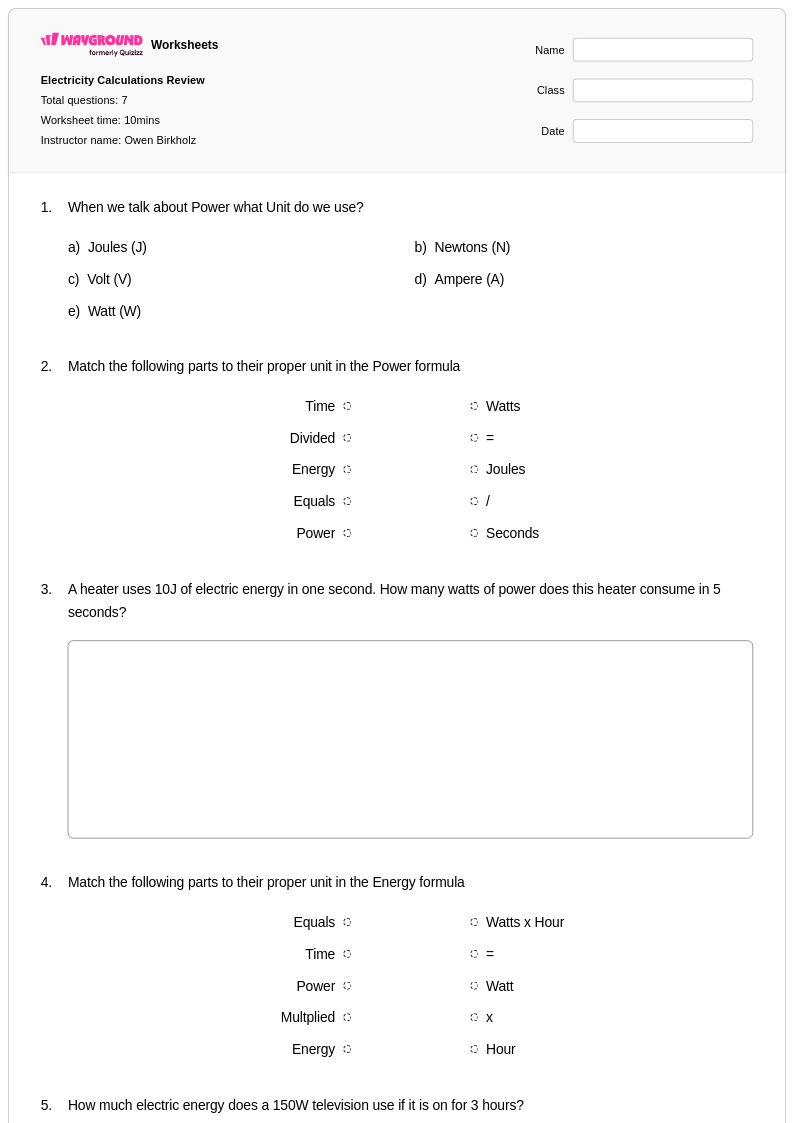
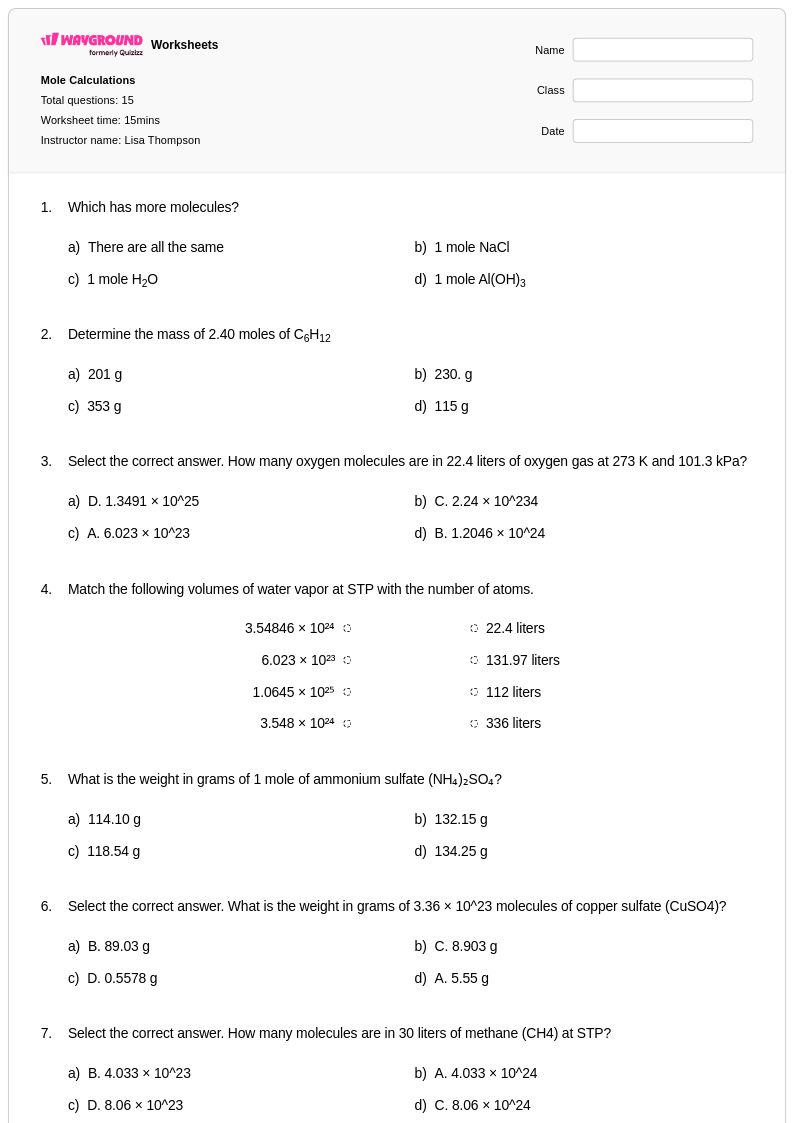
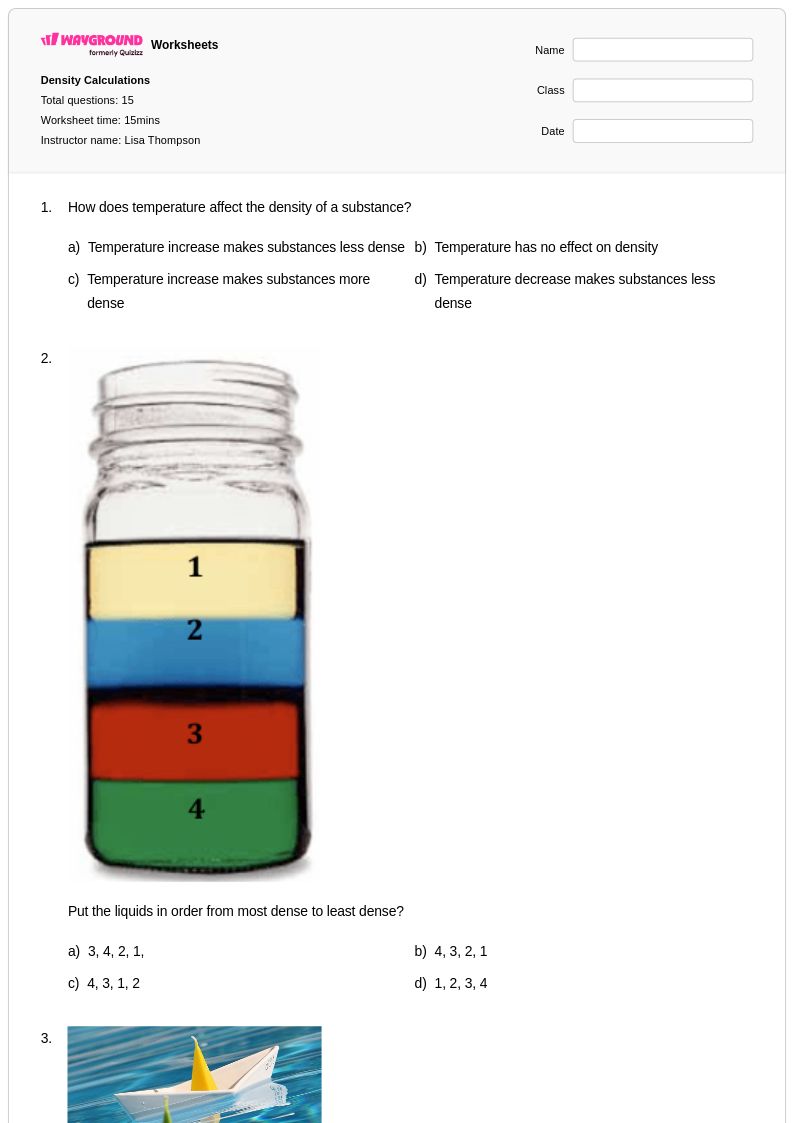
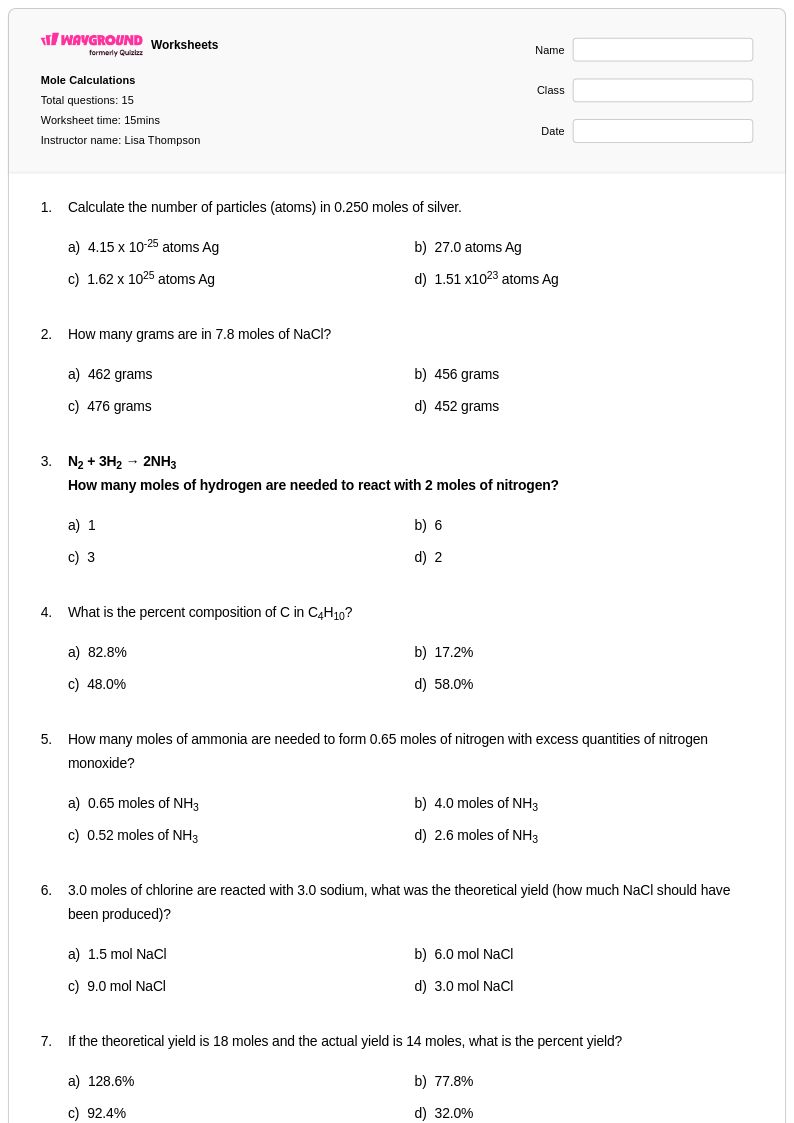
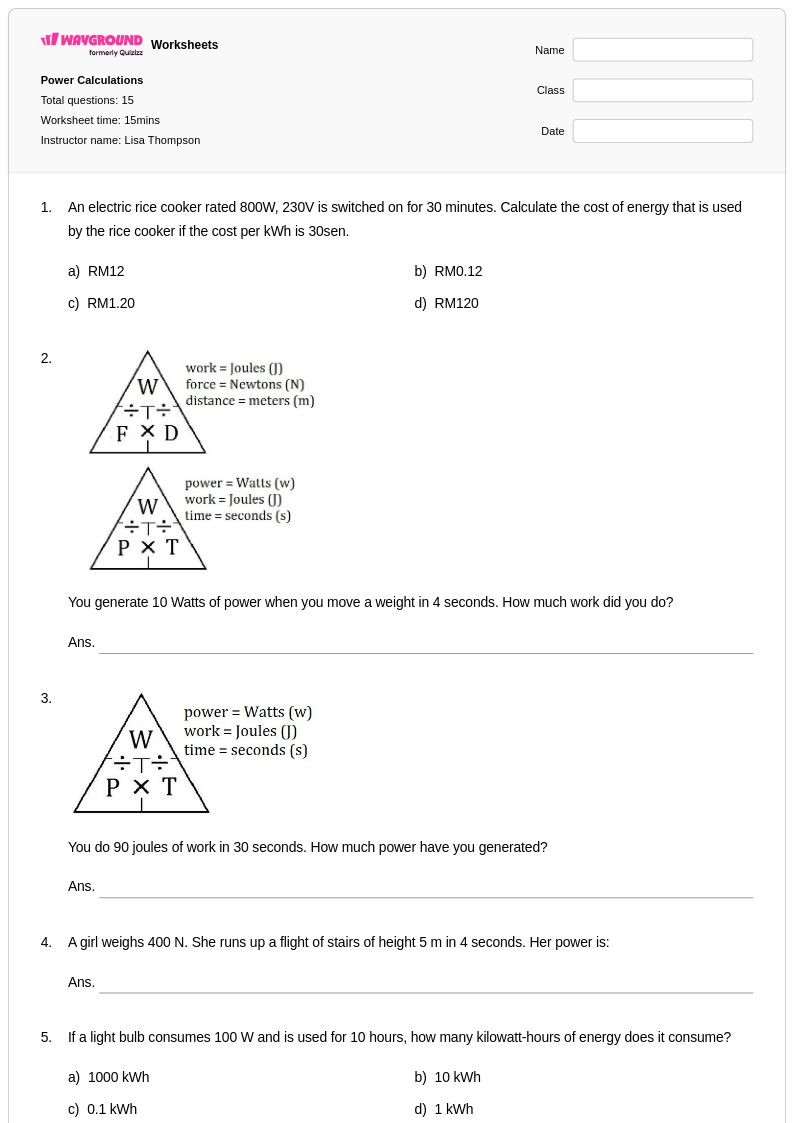
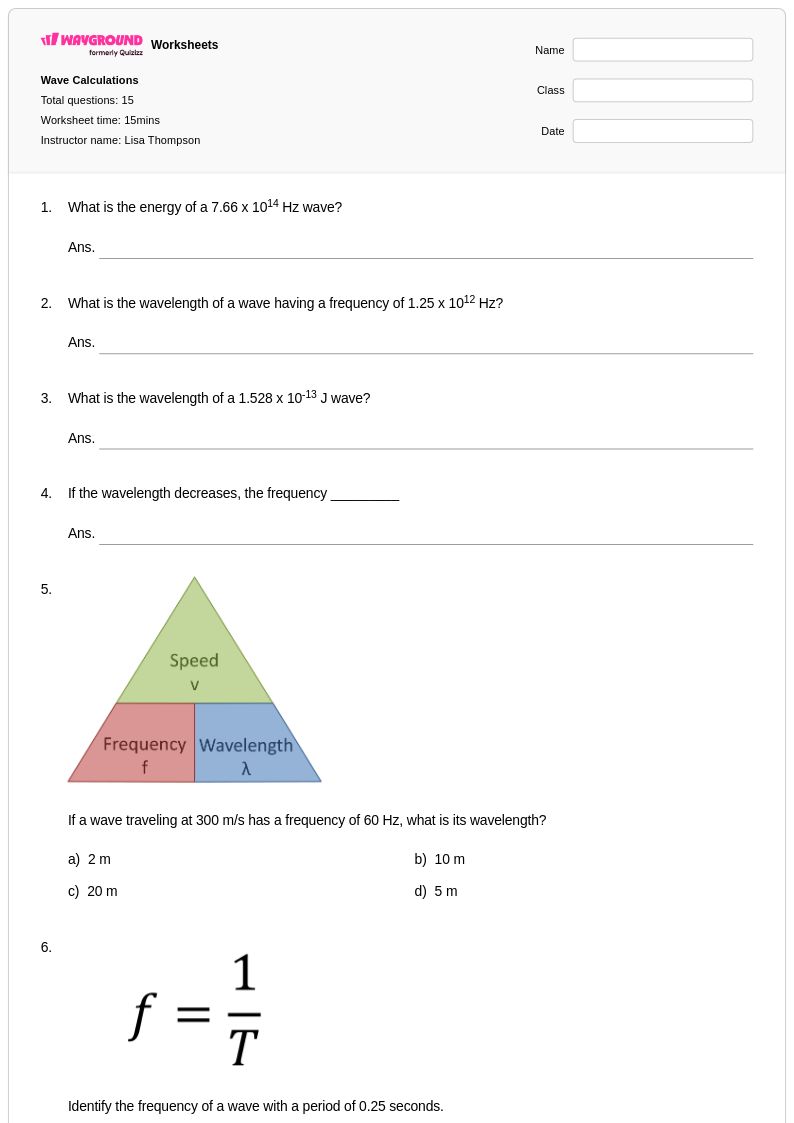
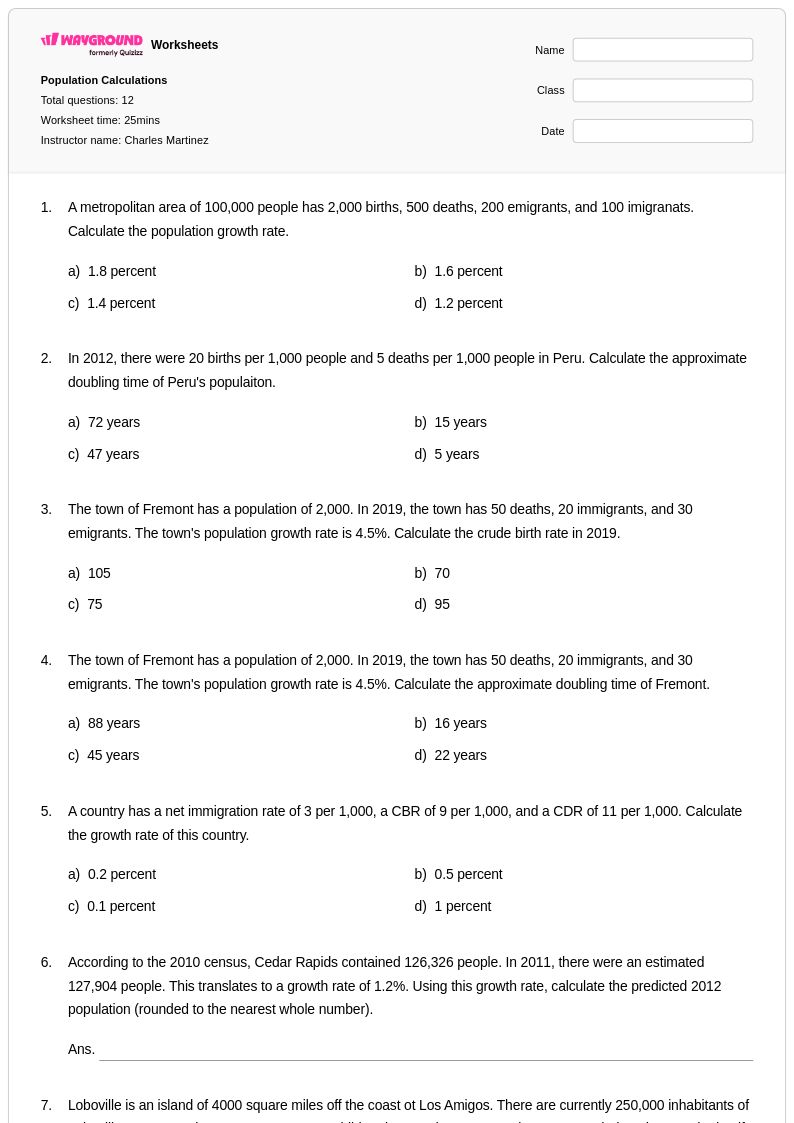
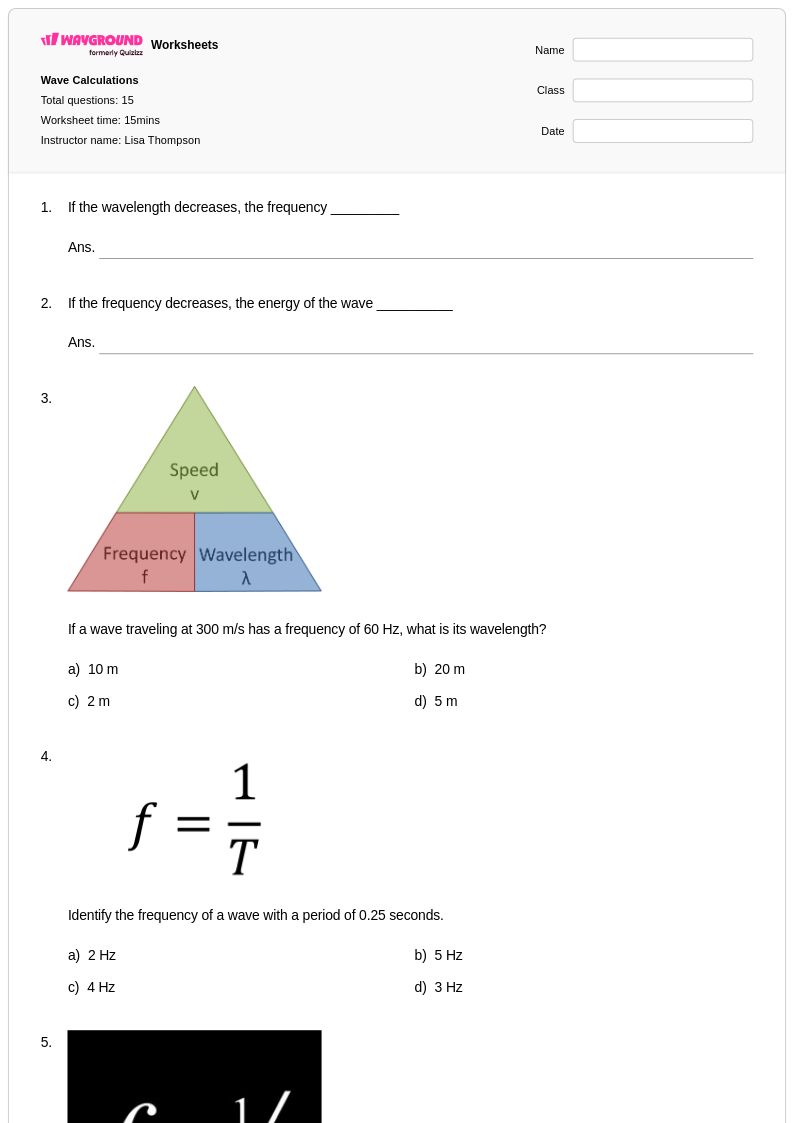
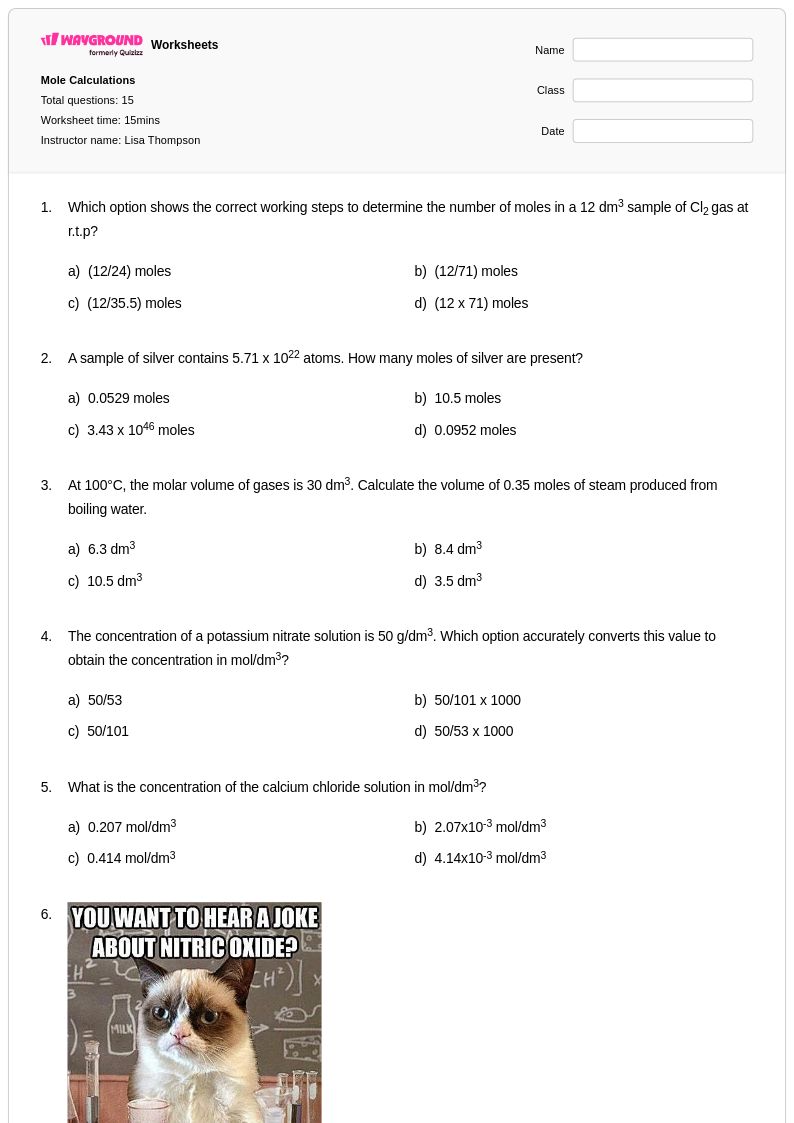
Year 11 calculations in units and measurement require students to master complex mathematical operations involving dimensional analysis, unit conversions, and scientific notation across multiple measurement systems. Wayground's comprehensive worksheet collection focuses specifically on these calculation skills, providing students with structured practice problems that build proficiency in converting between metric and imperial units, performing multi-step dimensional analyses, and calculating derived quantities with proper significant figures. These printable resources include detailed answer keys that allow students to verify their problem-solving approaches and identify common calculation errors, while the free pdf format ensures accessibility for both classroom instruction and independent study sessions.
Wayground, formerly Quizizz, empowers educators with millions of teacher-created worksheet resources specifically designed for units and measurement calculations, featuring robust search and filtering capabilities that allow teachers to locate materials aligned with specific curriculum standards and learning objectives. The platform's differentiation tools enable instructors to customize calculation complexity levels, modify problem sets for remediation or enrichment purposes, and adapt worksheets to meet diverse student needs within Year 11 science courses. Available in both printable pdf formats and interactive digital versions, these resources streamline lesson planning while providing flexible options for skill practice, formative assessment, and targeted intervention in areas where students struggle with measurement calculations and unit conversion processes.
FAQs
How do I teach unit conversions and dimensional analysis in science class?
Dimensional analysis is most effectively taught by anchoring every conversion in a visible chain of unit fractions, so students see exactly how unwanted units cancel and target units remain. Start with single-step conversions using familiar measurements like meters to centimeters before progressing to multi-step problems involving derived units such as g/mL or km/h. Requiring students to write out every conversion factor explicitly, rather than relying on shortcuts, builds the procedural fluency they need for advanced science courses.
What exercises help students practice scientific notation and measurement calculations?
Effective practice sequences begin with converting between standard and scientific notation in isolation, then move to performing operations, addition, subtraction, multiplication, and division, on numbers already expressed in scientific notation. Structured worksheet problems that progress from foundational single-step conversions to complex multi-step scenarios closely mirror the problem types students encounter in real scientific investigations. Regular, scaffolded repetition with immediate answer-key feedback is critical for students to self-correct errors before they become ingrained habits.
What mistakes do students commonly make with unit conversions and dimensional analysis?
The most frequent error is inverting the conversion factor, placing the given unit in the numerator instead of the denominator, so units fail to cancel correctly. Students also commonly confuse prefix values, for instance misremembering that milli means 1/1000, which produces answers that are off by several orders of magnitude. A third persistent mistake is dropping units entirely and treating calculations as pure arithmetic, which makes it impossible to catch setup errors through unit analysis alone.
How can I use calculations worksheets to prepare students for science assessments?
Worksheet practice is most effective for assessment preparation when problems are sequenced to match the cognitive demand of the actual test, moving from recall-level conversions to multi-step application problems. Using the included answer keys, students can score their own work immediately and identify specific conversion types or formula applications where they need additional practice. Targeting remediation to individual error patterns, rather than re-teaching entire units, is the most efficient use of limited review time before assessments.
How do I use Wayground's calculations worksheets in my classroom?
Wayground's calculations worksheets are available as free printable PDFs for traditional classroom use and in digital formats for technology-integrated environments, giving teachers flexibility for in-class practice, homework, or remediation sessions. You can also host a worksheet directly as a quiz on Wayground, allowing you to assign it digitally and collect student responses in one place. For students who need additional support, Wayground's accommodation tools, such as extended time and read-aloud settings, can be applied to individual students without disrupting the experience of the rest of the class.
How do I differentiate calculations practice for students at different ability levels?
Differentiation in calculations practice works best when foundational students work on single-step conversions with unit scaffolding, while advanced students tackle multi-step problems involving derived quantities and scientific notation together. On Wayground, teachers can apply student-level accommodations such as reduced answer choices to lower cognitive load for struggling learners, or extended time for students who need it, without other students being aware of these adjustments. These settings are saved per student and carry forward to future sessions, reducing the setup burden for teachers managing diverse classrooms.