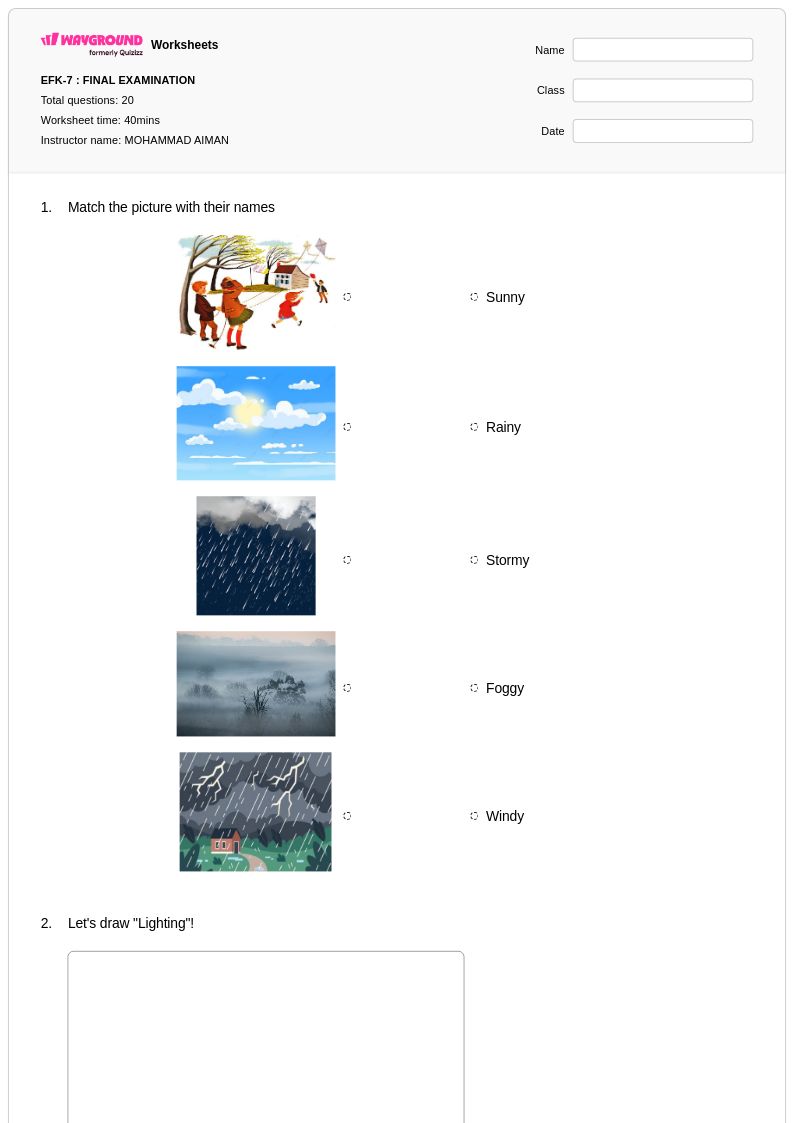
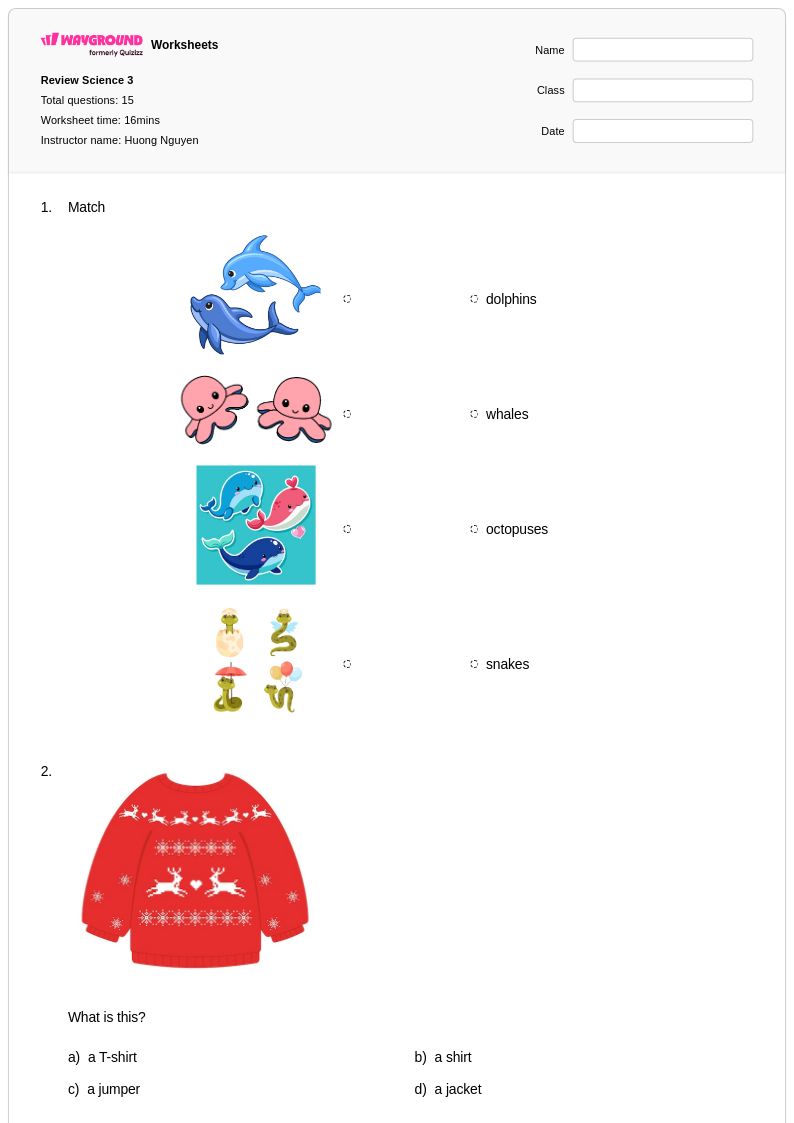
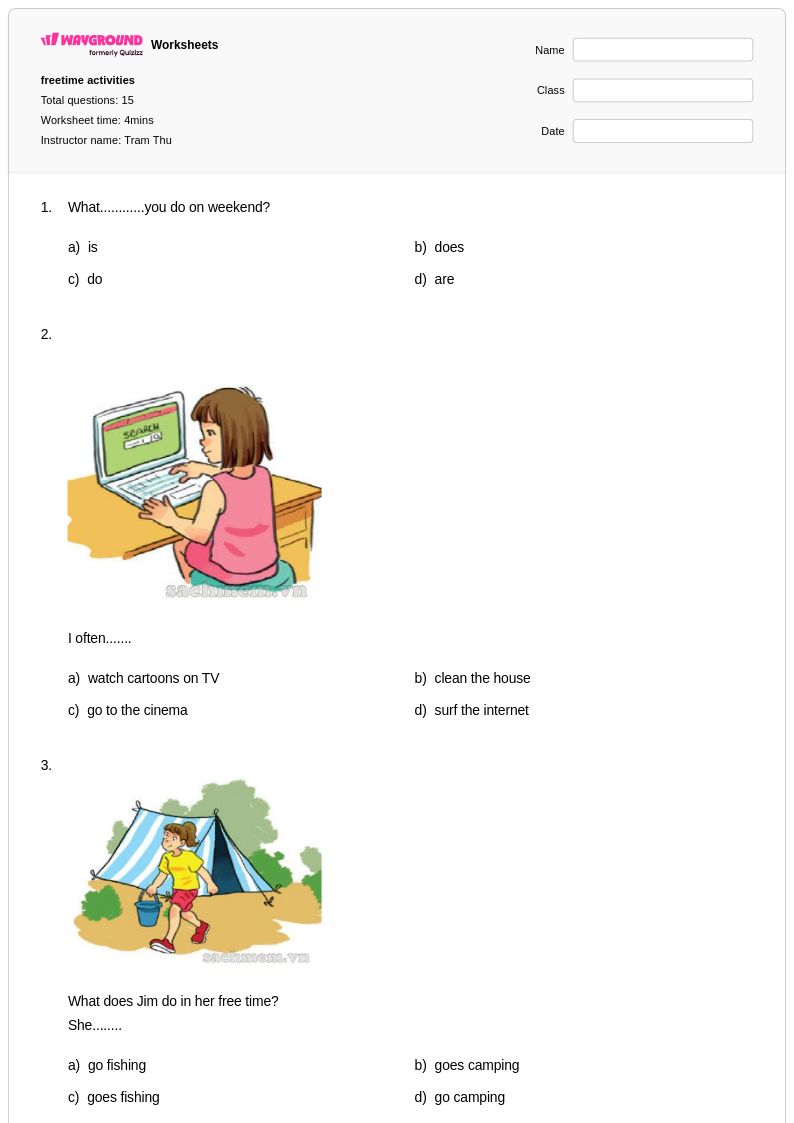
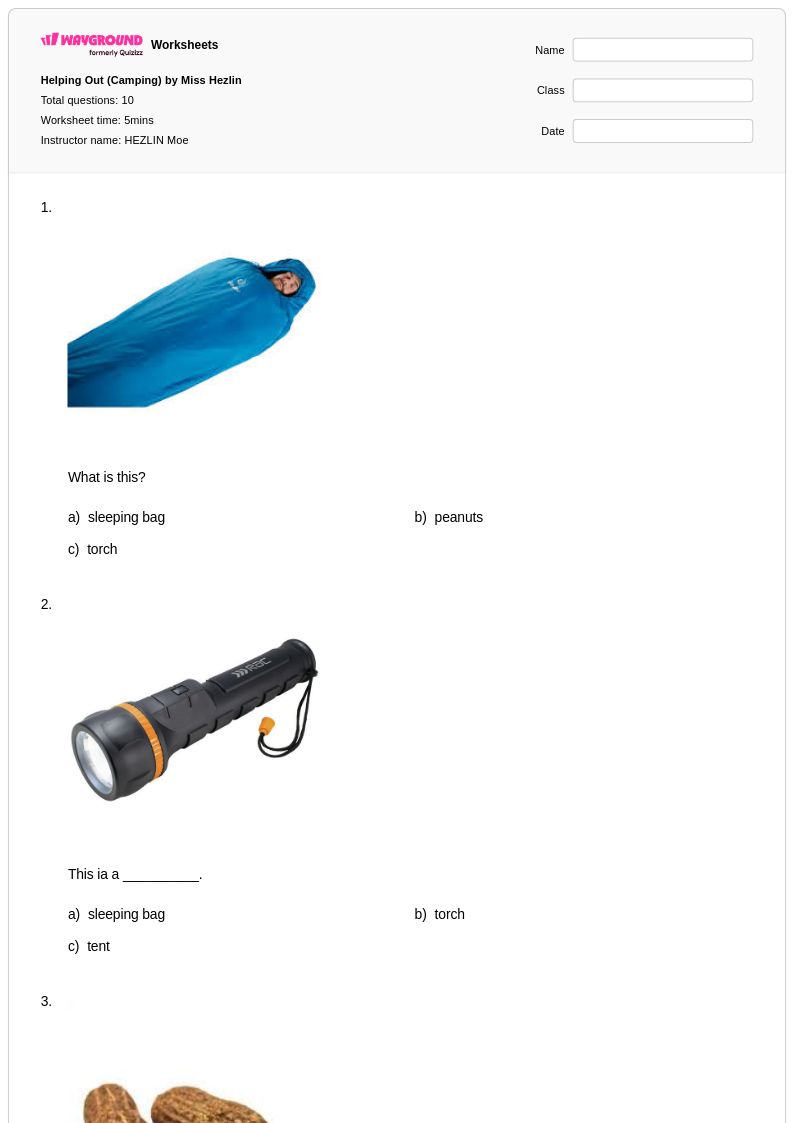
Year 4 camping worksheets and printables help students explore outdoor safety, equipment preparation, and nature skills through engaging practice problems with comprehensive answer keys available as free PDF downloads.
Camping worksheets for Year 4 students through Wayground (formerly Quizizz) provide comprehensive educational resources that transform outdoor adventure learning into structured academic experiences. These expertly designed materials help fourth-grade students develop essential outdoor skills including campsite safety protocols, equipment identification, basic navigation techniques, and Leave No Trace principles. The worksheets strengthen critical thinking abilities as students work through practice problems involving meal planning calculations, weather pattern recognition, and emergency preparedness scenarios. Each printable resource includes detailed answer keys that enable both independent learning and guided instruction, while the free pdf format ensures accessibility for diverse classroom and home learning environments.
Wayground (formerly Quizizz) empowers educators with millions of teacher-created camping and outdoor education resources specifically curated for Year 4 physical education instruction. The platform's advanced search and filtering capabilities allow teachers to quickly locate standards-aligned materials that match their specific curriculum requirements and student skill levels. Robust differentiation tools enable instructors to customize worksheets for varying learning needs, supporting both remediation for struggling learners and enrichment opportunities for advanced students. Available in both printable and digital formats including downloadable pdfs, these versatile resources streamline lesson planning while providing flexible options for skill practice, formative assessment, and reinforcement of camping safety concepts essential for developing confident outdoor adventurers.
FAQs
How do I teach camping skills to students who have never been outdoors?
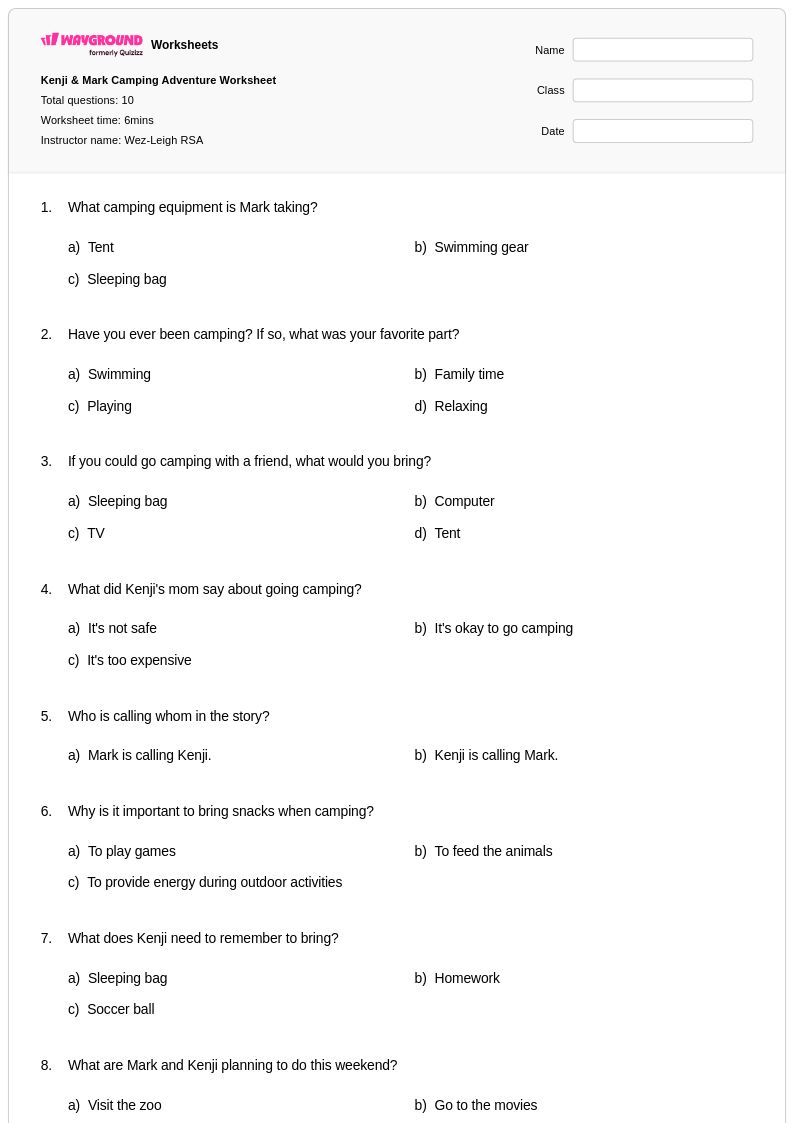
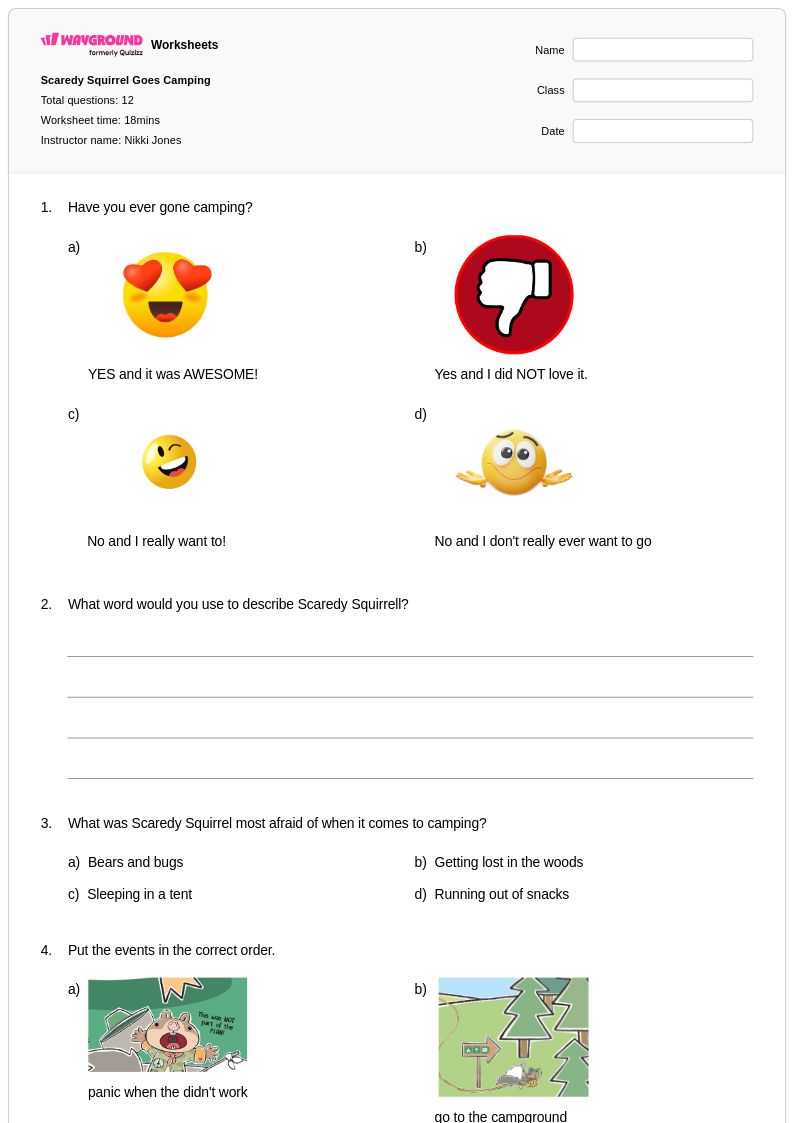
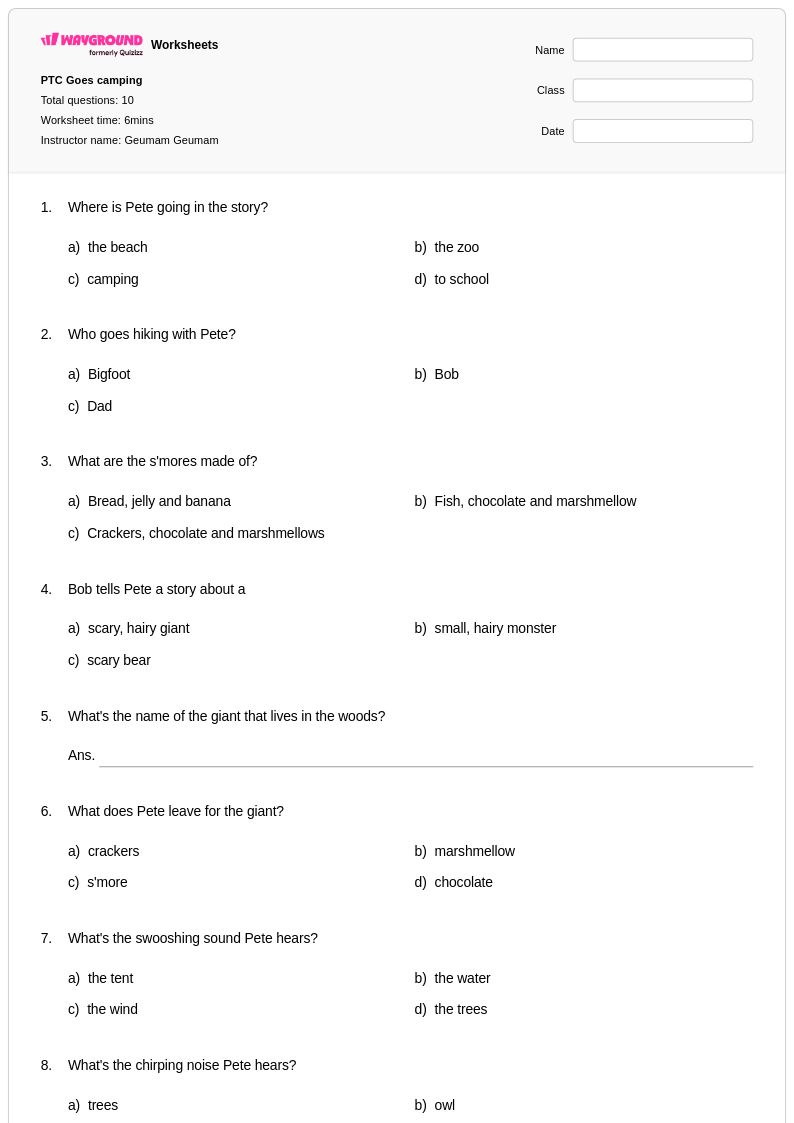
Start by grounding students in concrete, relatable scenarios before introducing technical skills. Use supply list planning activities to build decision-making skills, then layer in safety protocols, navigation basics, and Leave No Trace principles. Simulated camping scenarios on worksheets help students internalize real-world choices, like what to pack or how to respond to weather changes, before they ever set foot on a trail.
What topics should a camping unit cover in physical education?
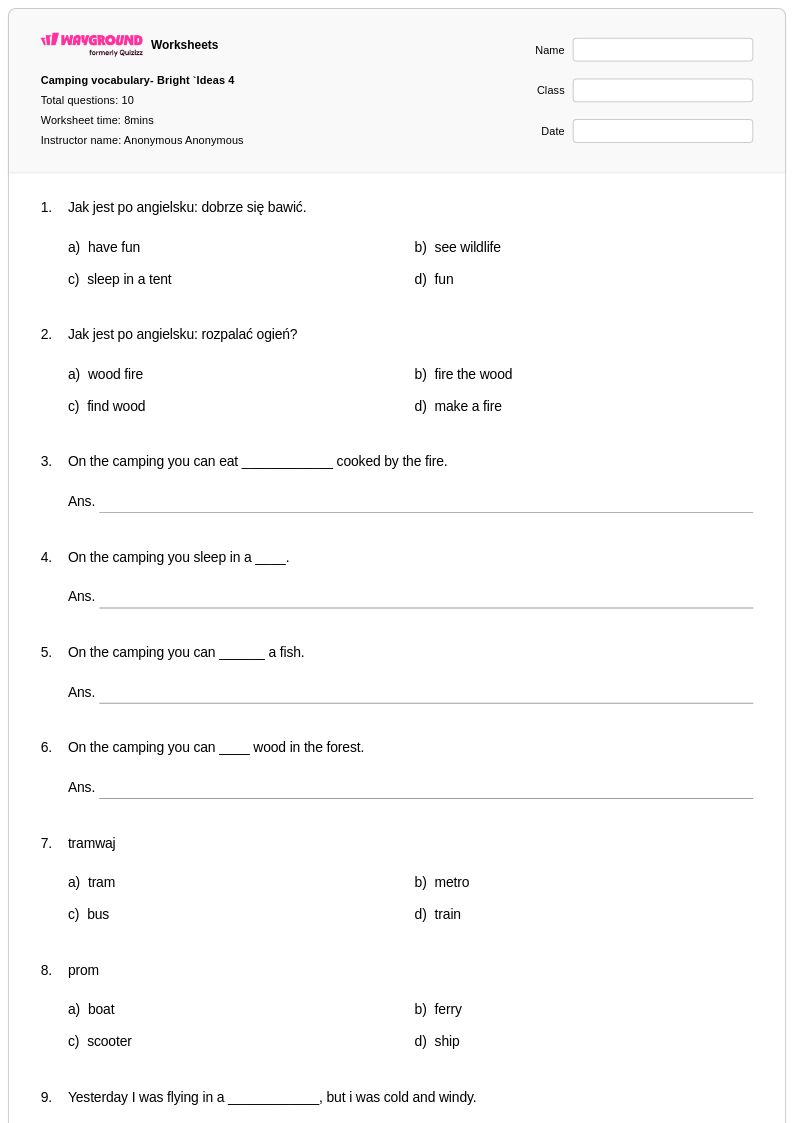
A well-rounded camping unit should cover equipment selection and use, outdoor safety protocols, basic navigation methods, outdoor cooking techniques, and environmental stewardship principles such as Leave No Trace. Connecting each topic to a practical scenario, like planning a two-day supply list or identifying safe campsite features, helps students apply knowledge rather than just recall it.
What exercises help students practice outdoor safety and camping preparedness?
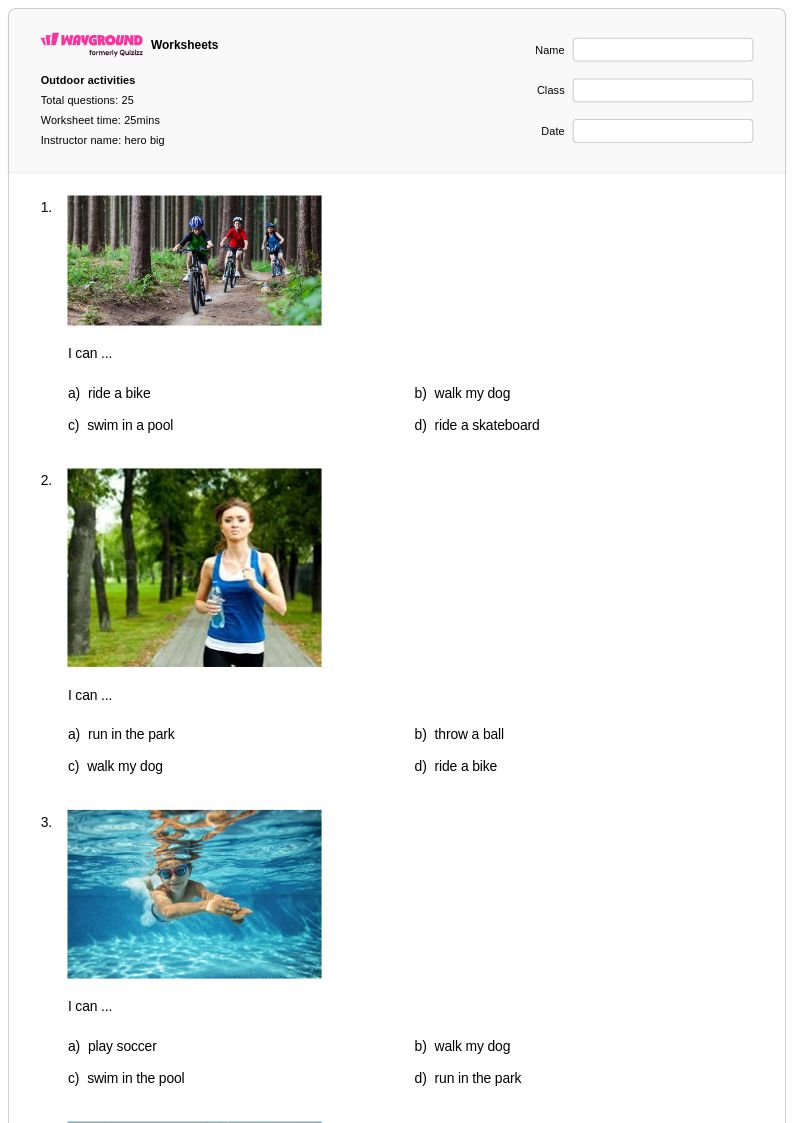
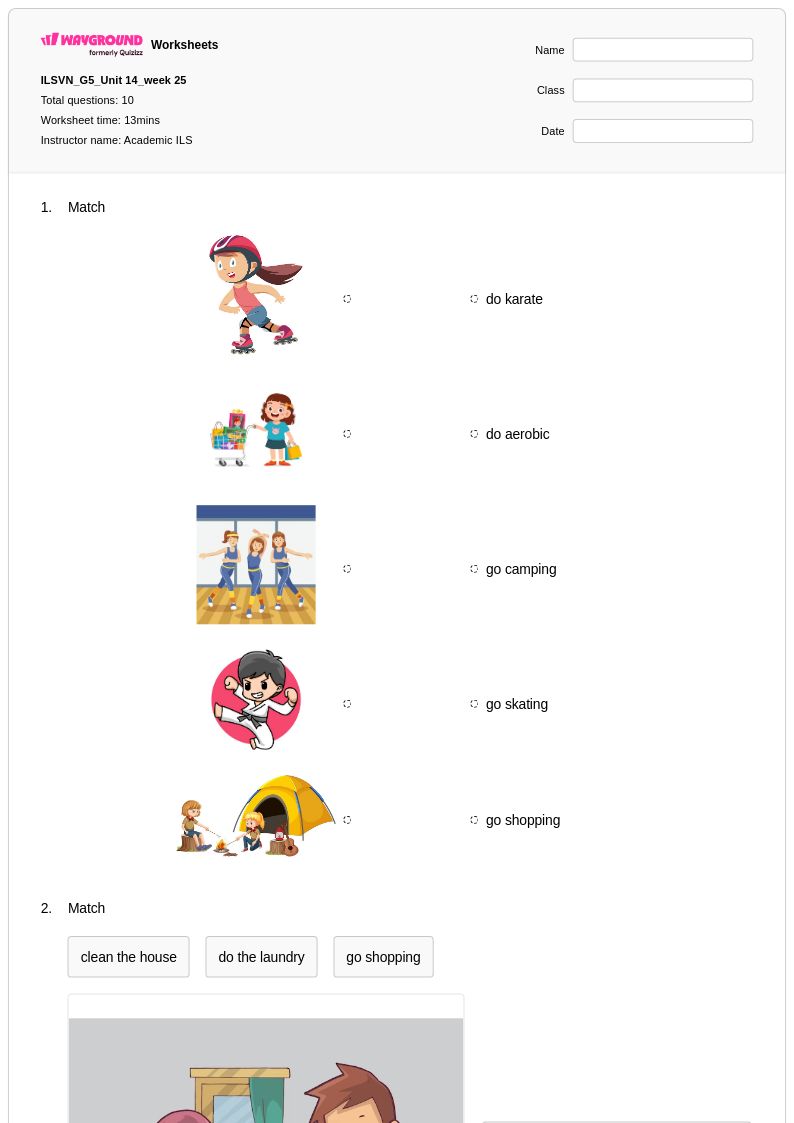
Scenario-based practice problems are most effective, asking students to identify hazards, select appropriate gear, or plan a safe route. Supply list activities that require prioritization build critical thinking alongside content knowledge. Worksheets that simulate real camping decisions, from food storage to emergency response, give students structured practice that transfers to actual outdoor situations.
What mistakes do students commonly make when learning camping and outdoor safety concepts?
Students frequently underestimate the importance of Leave No Trace principles, treating environmental stewardship as optional rather than essential. They also tend to overpack or select gear without considering weight, weather, or terrain. Another common error is conflating general safety awareness with specific outdoor protocols, such as assuming standard first aid applies identically in remote settings without modification for access and resource limitations.
How can I differentiate camping worksheets for students at different skill levels?
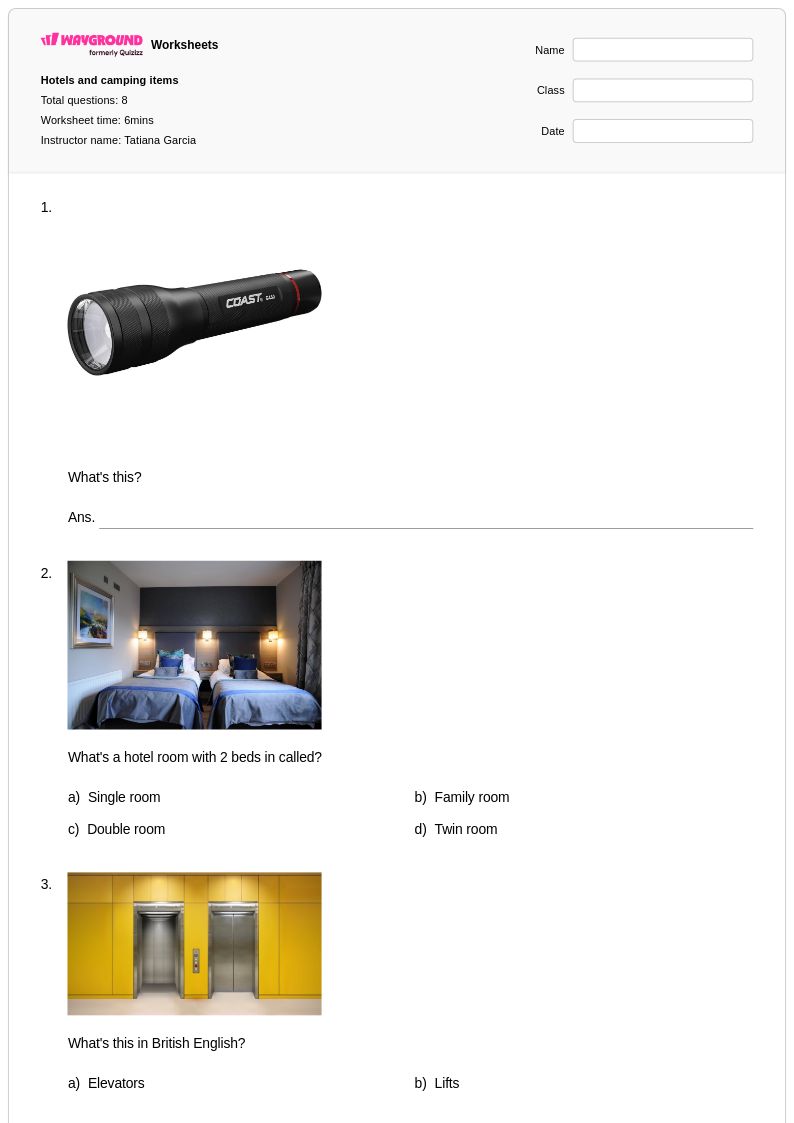
For students who need additional support, focus on foundational concepts like basic gear identification and simple safety rules before introducing complex scenarios. Advanced learners can tackle multi-step adventure planning problems that require synthesizing equipment, navigation, and environmental knowledge together. On Wayground, teachers can apply accommodations such as reduced answer choices or read-aloud support to individual students, allowing the rest of the class to work with default settings without disruption.
How do I use Wayground's camping worksheets in my classroom?
Wayground's camping worksheets are available as printable PDFs for traditional classroom use and in digital formats for technology-integrated environments, making them suitable for in-person, hybrid, or remote instruction. Teachers can also host worksheets as a quiz directly on Wayground. All materials include complete answer keys, which support both independent student practice and teacher-led instruction without requiring additional prep work.

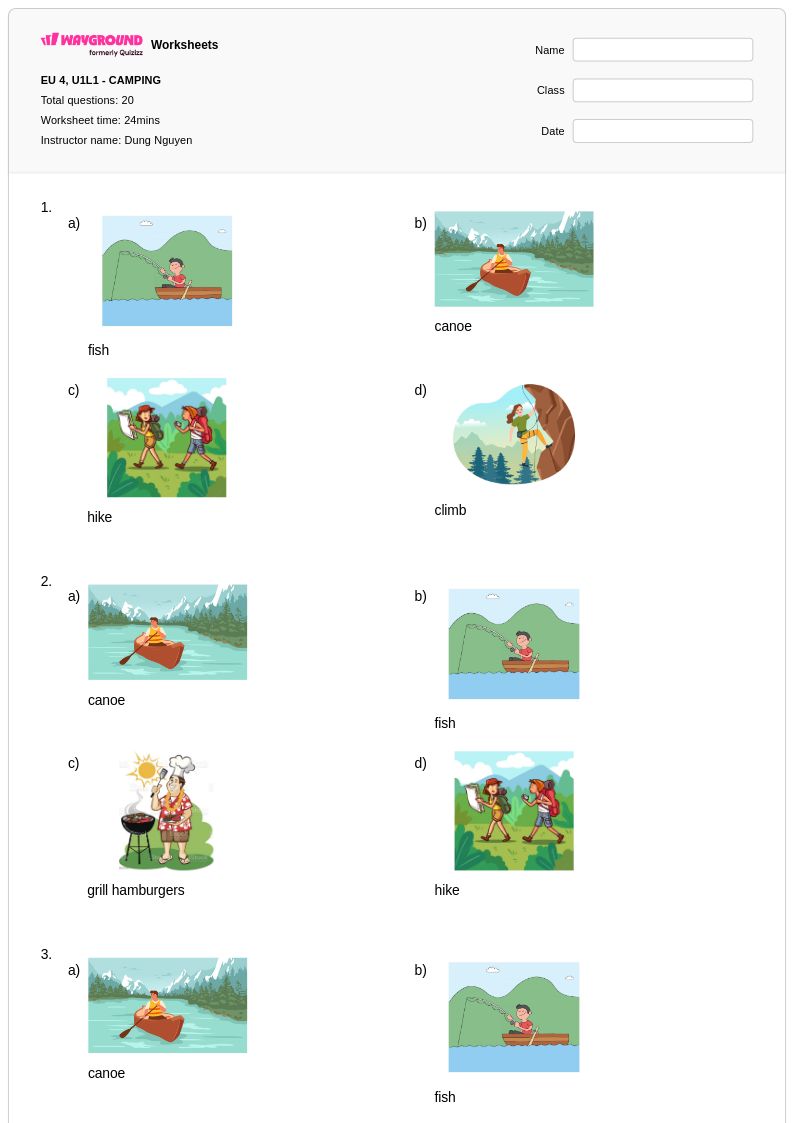
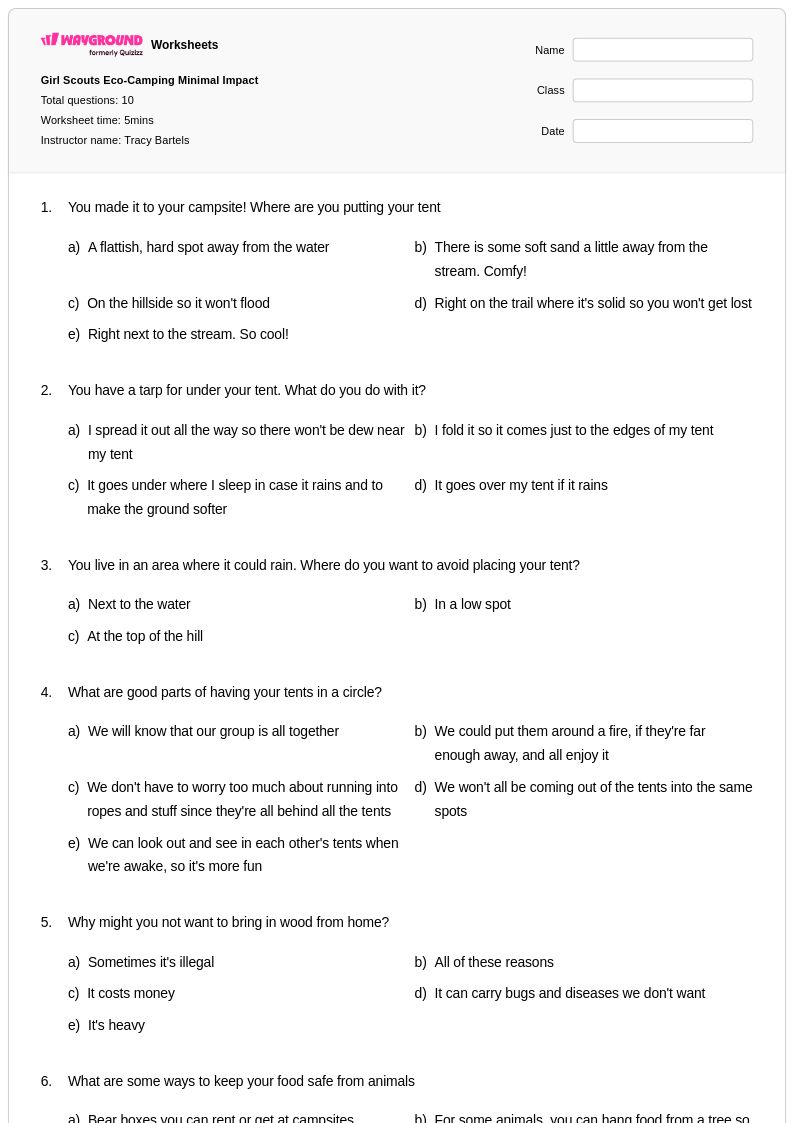
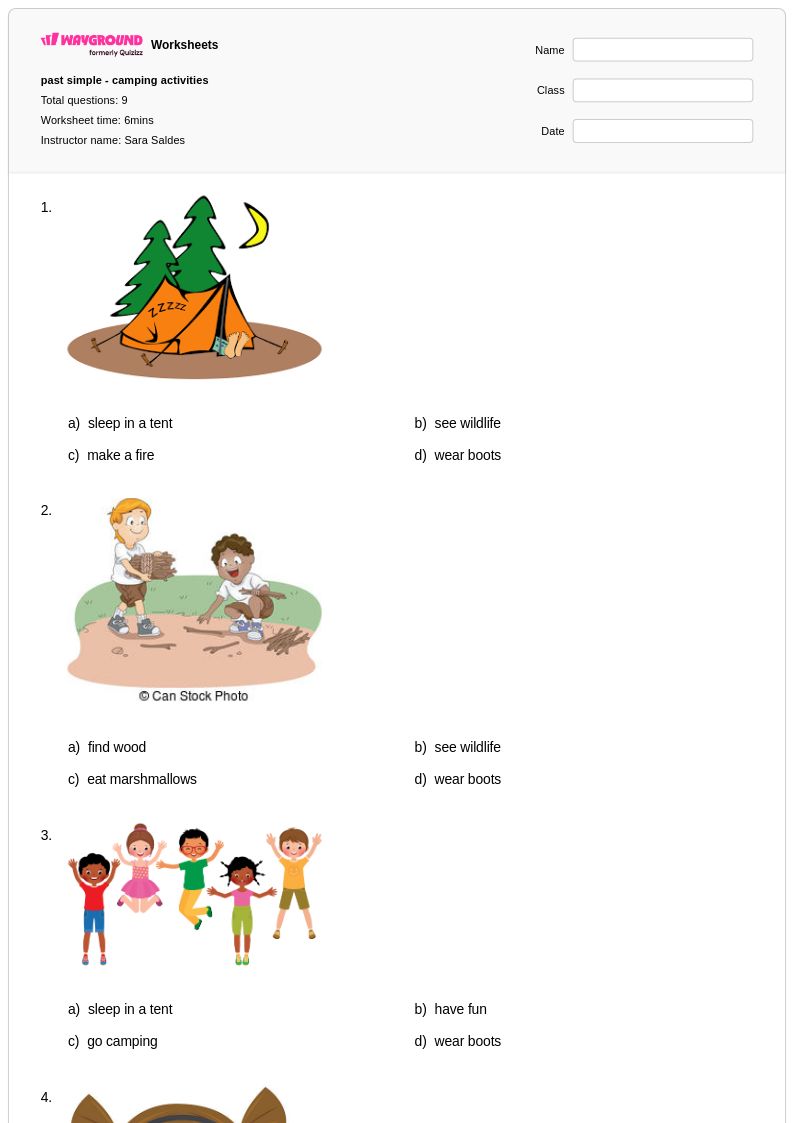
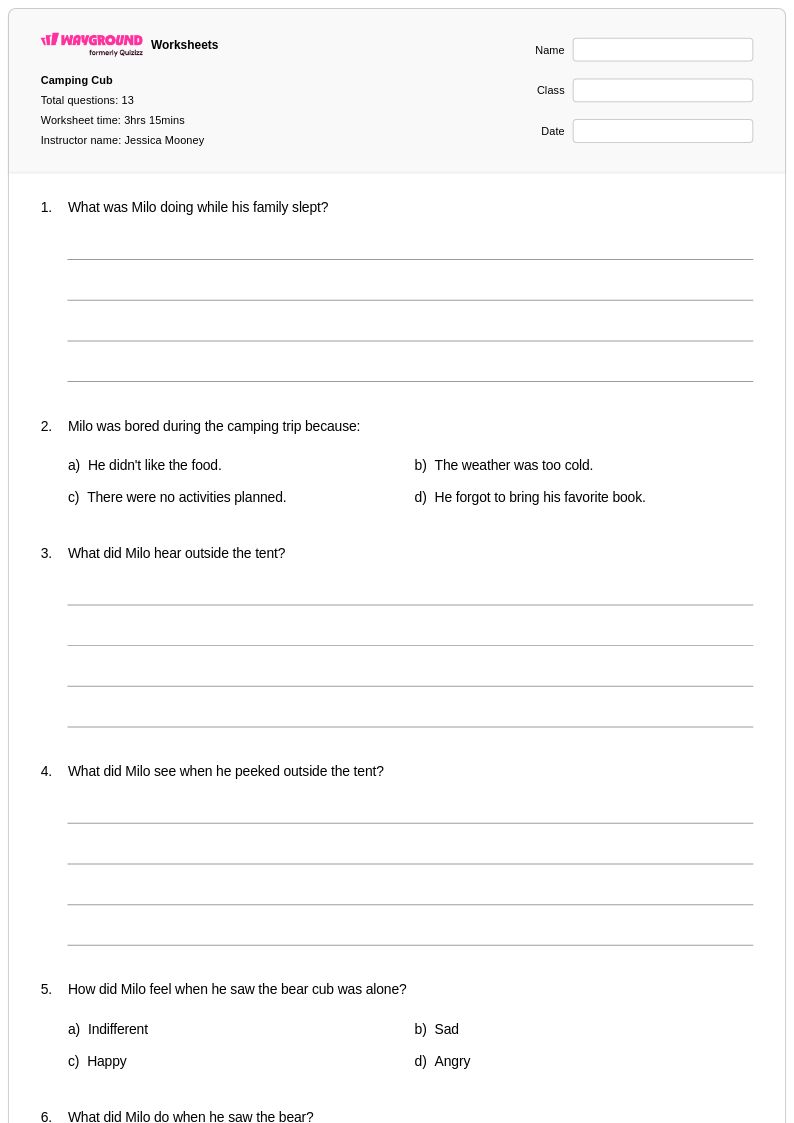
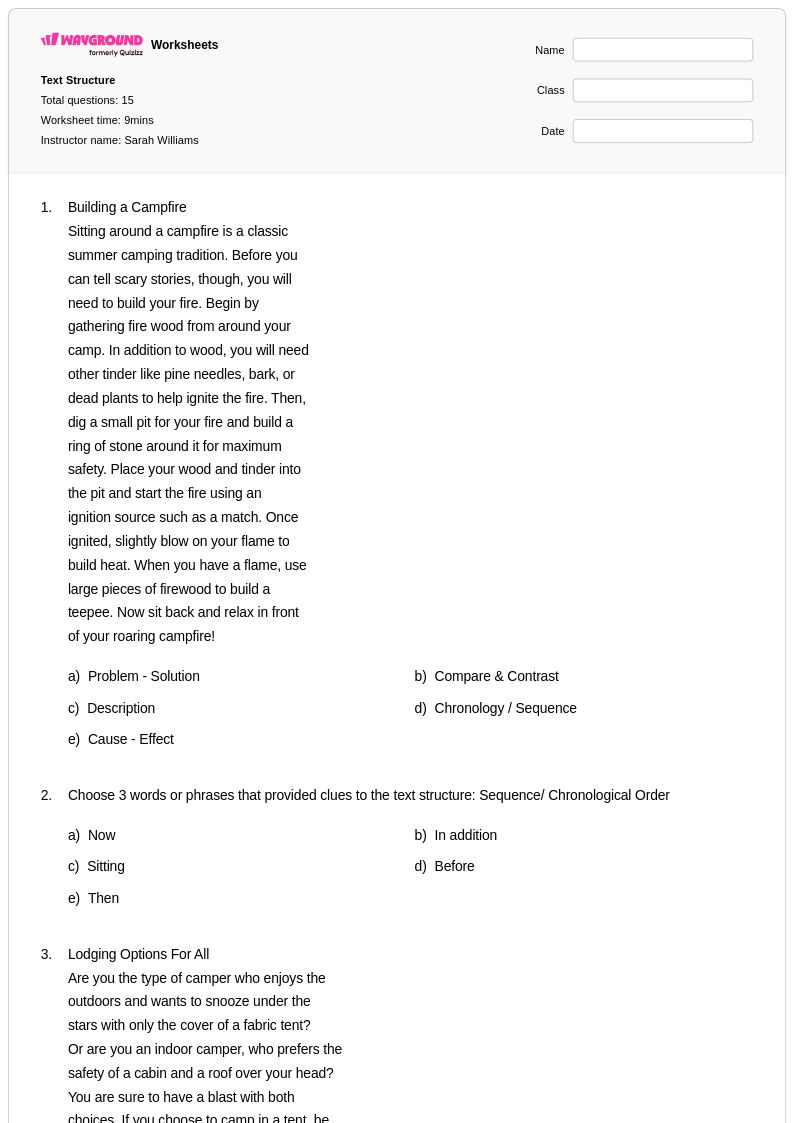
![[IIG] Summer Course _Grade 4_Review_Viet - Printable Camping Worksheets Year 4 - Wayground](https://quizizz-static.s3.amazonaws.com/_media/worksheets-new/64ef204b29cc4dda5b00a81b-iig-summer-course-grade-4reviewviet)

![[IIG]Summer Course_Grade 4_On the Mountain - Printable Camping Worksheets Year 4 - Wayground](https://quizizz-static.s3.amazonaws.com/_media/worksheets-new/64c9acfe492ff300088401ec-iig-summer-coursegrade-4on-the-mountain)