Free Printable Character Creation Worksheets for Year 9
Year 9 character creation worksheets help students develop compelling fictional characters through printable exercises and practice problems that explore personality traits, backstories, and motivations with comprehensive answer keys.
Explore printable Character Creation worksheets for Year 9
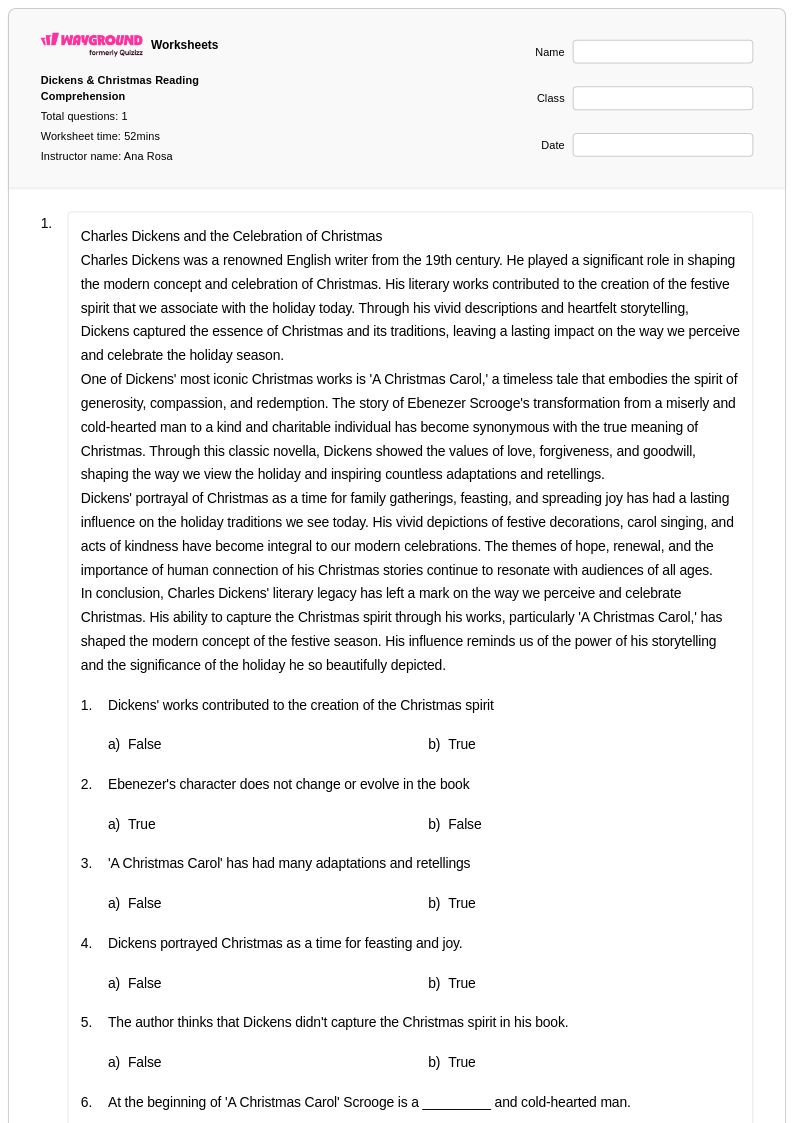
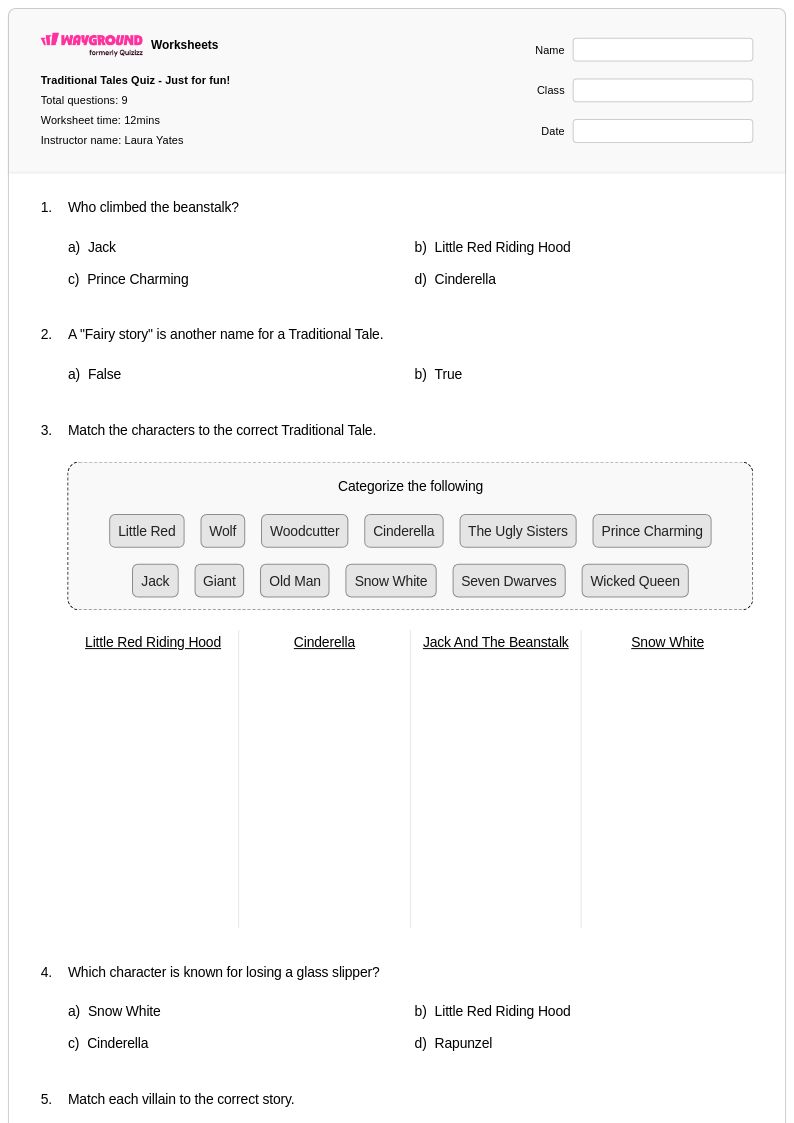
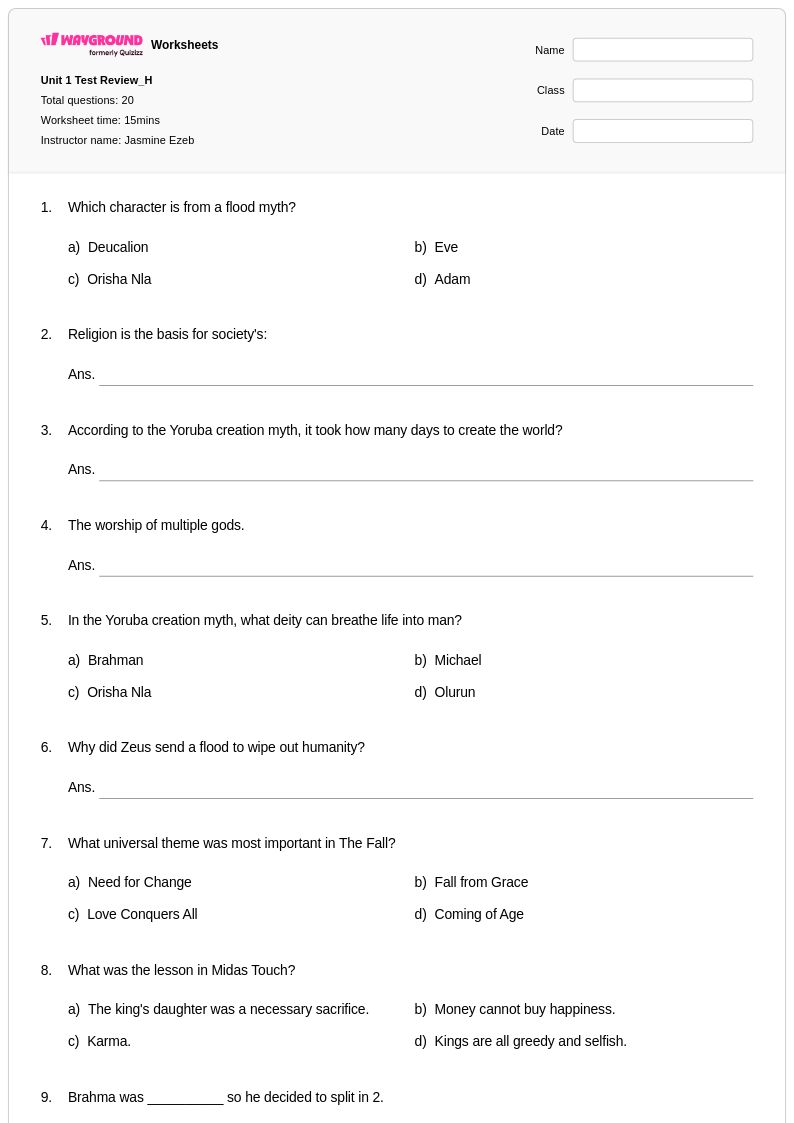
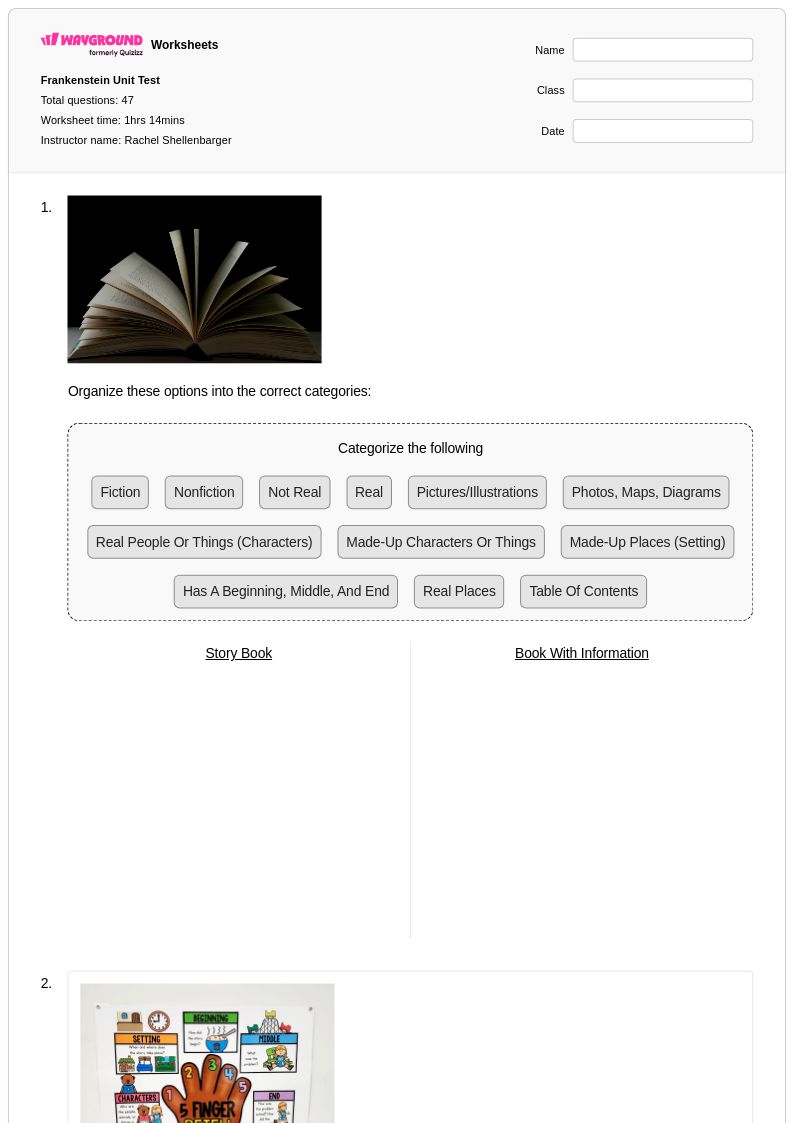
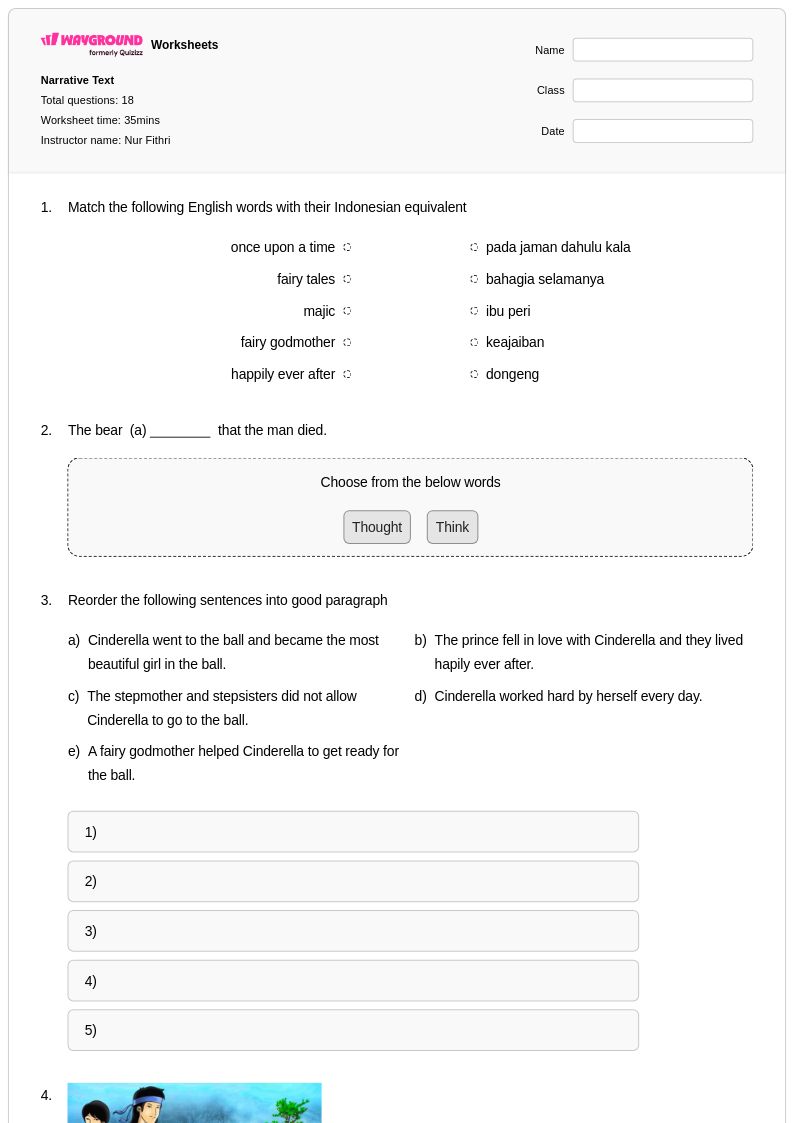
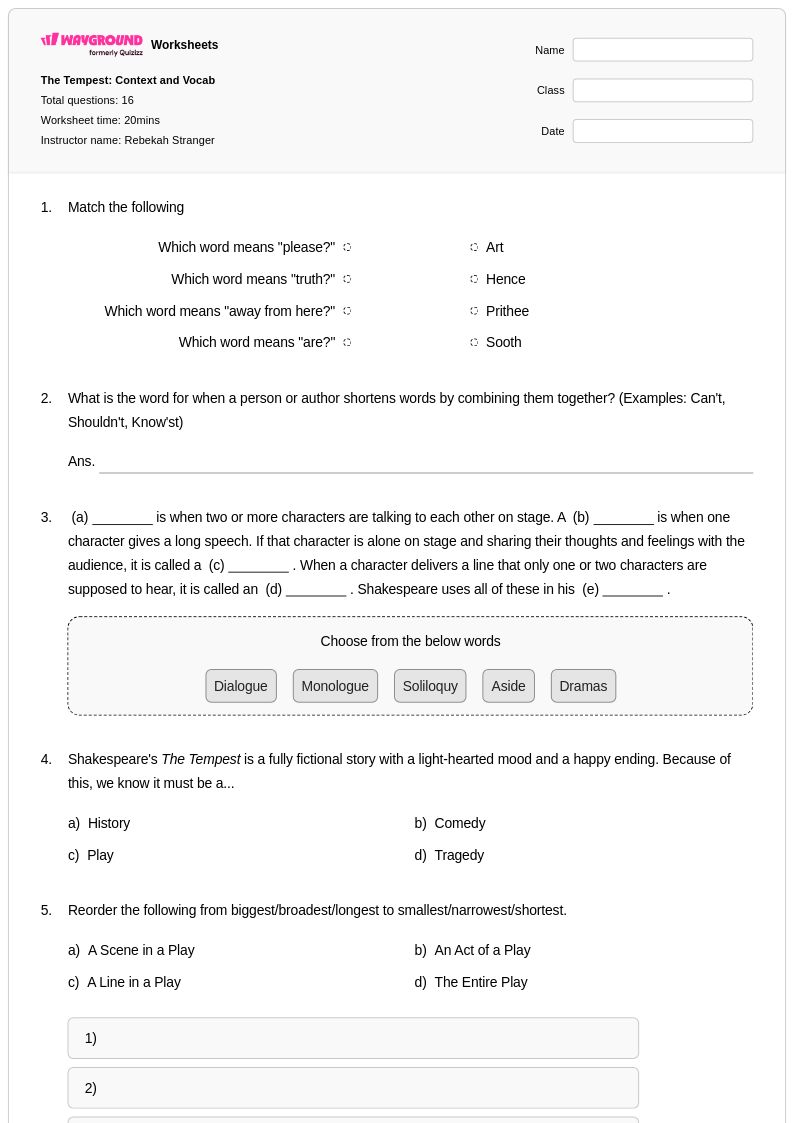
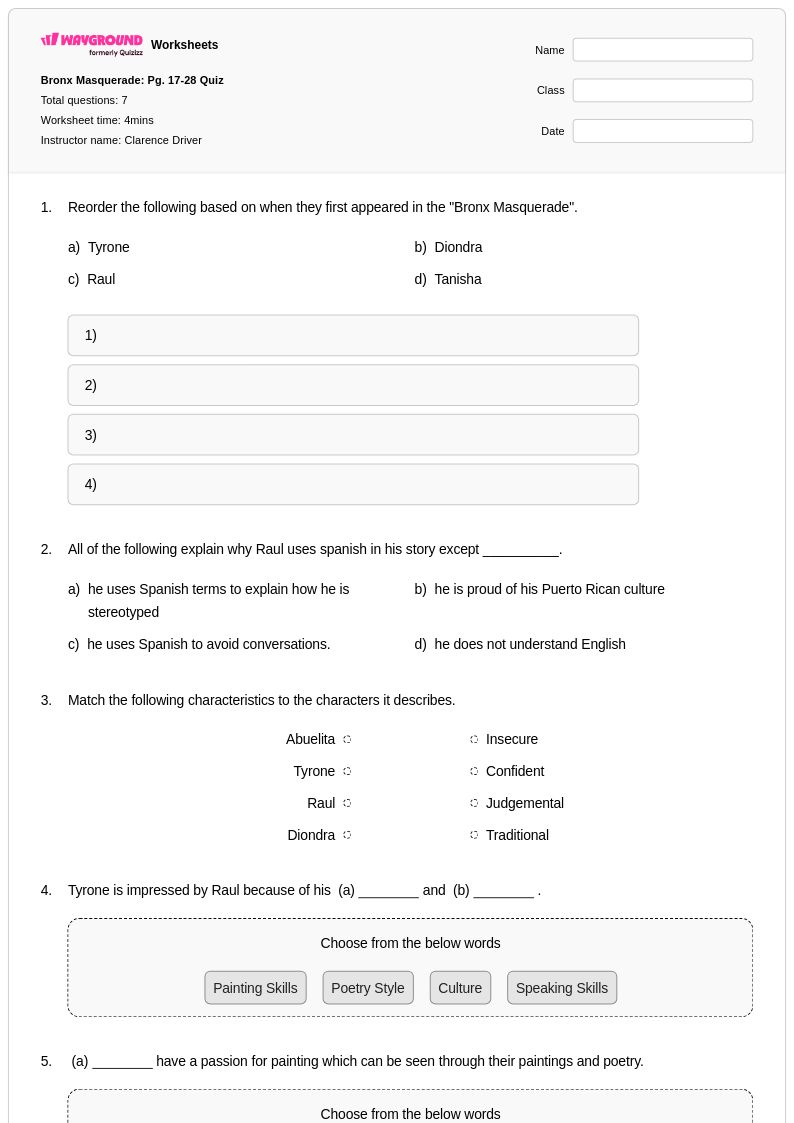
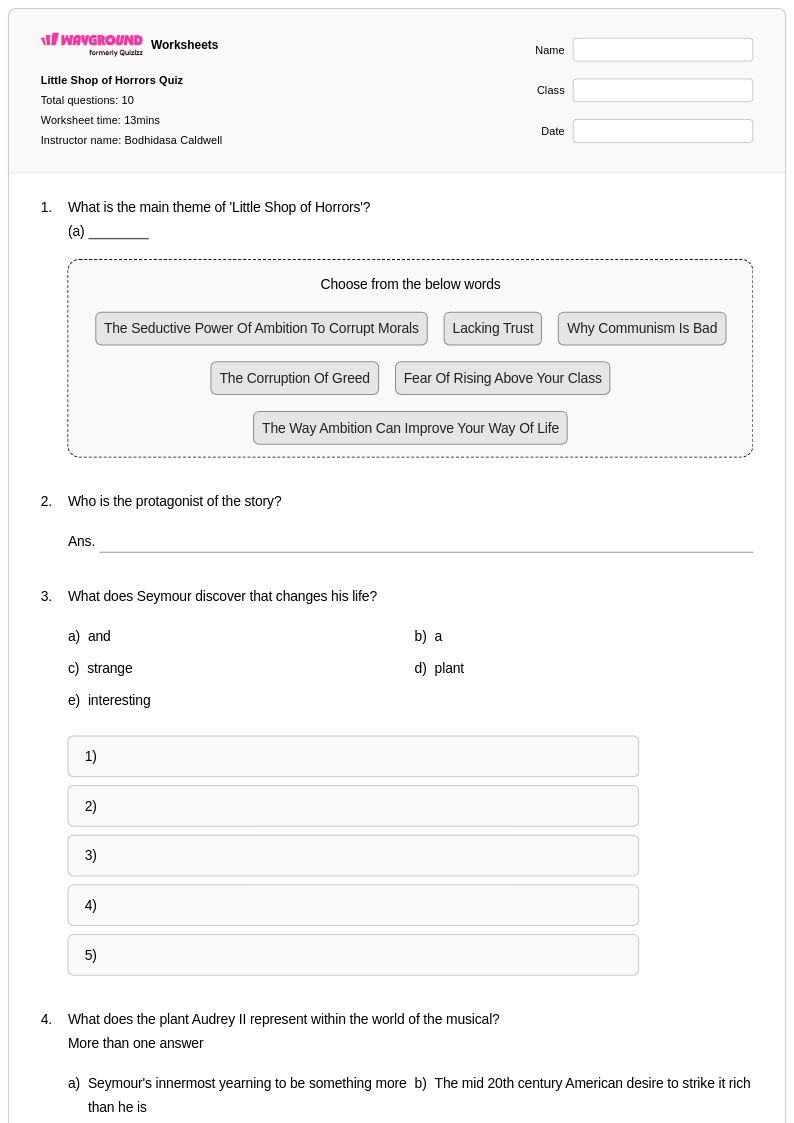
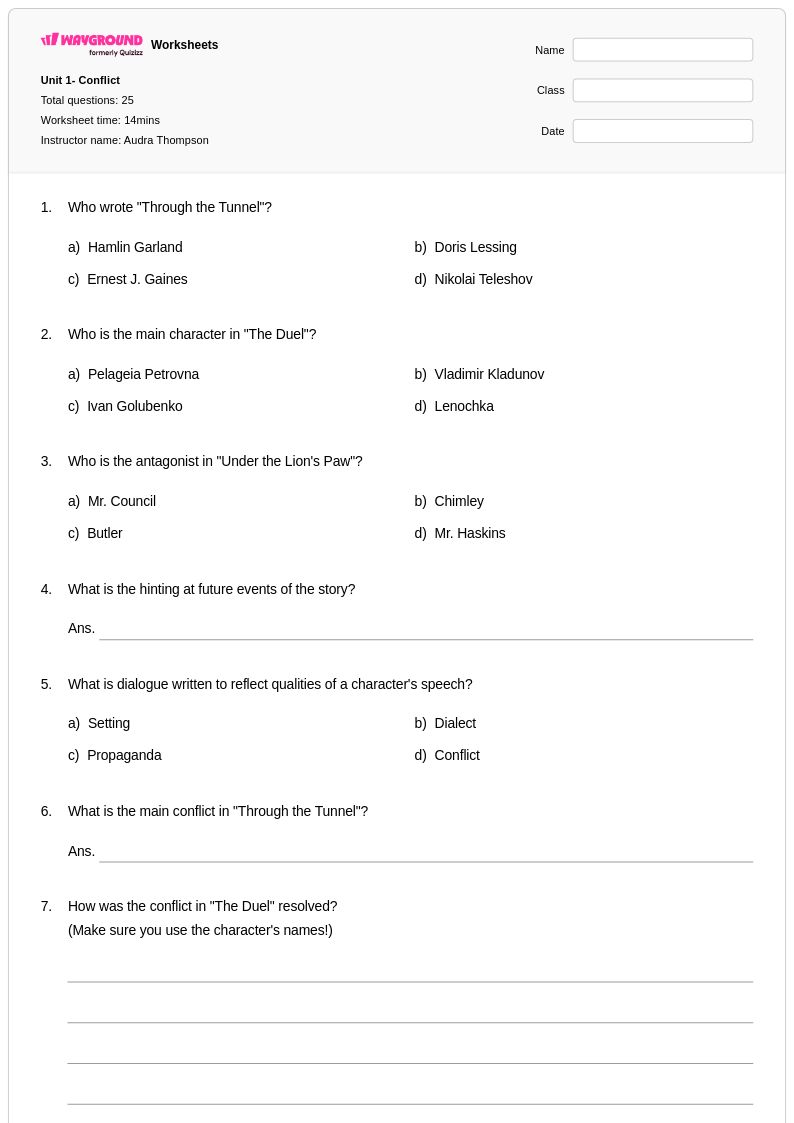
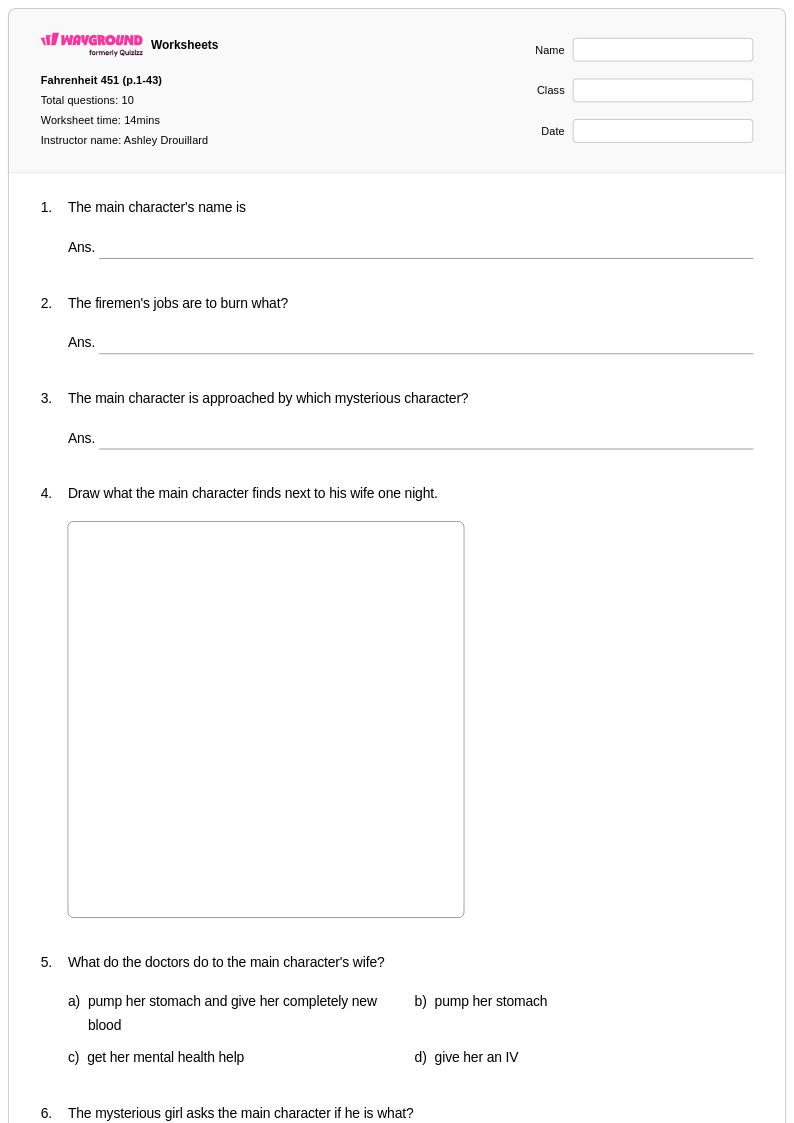
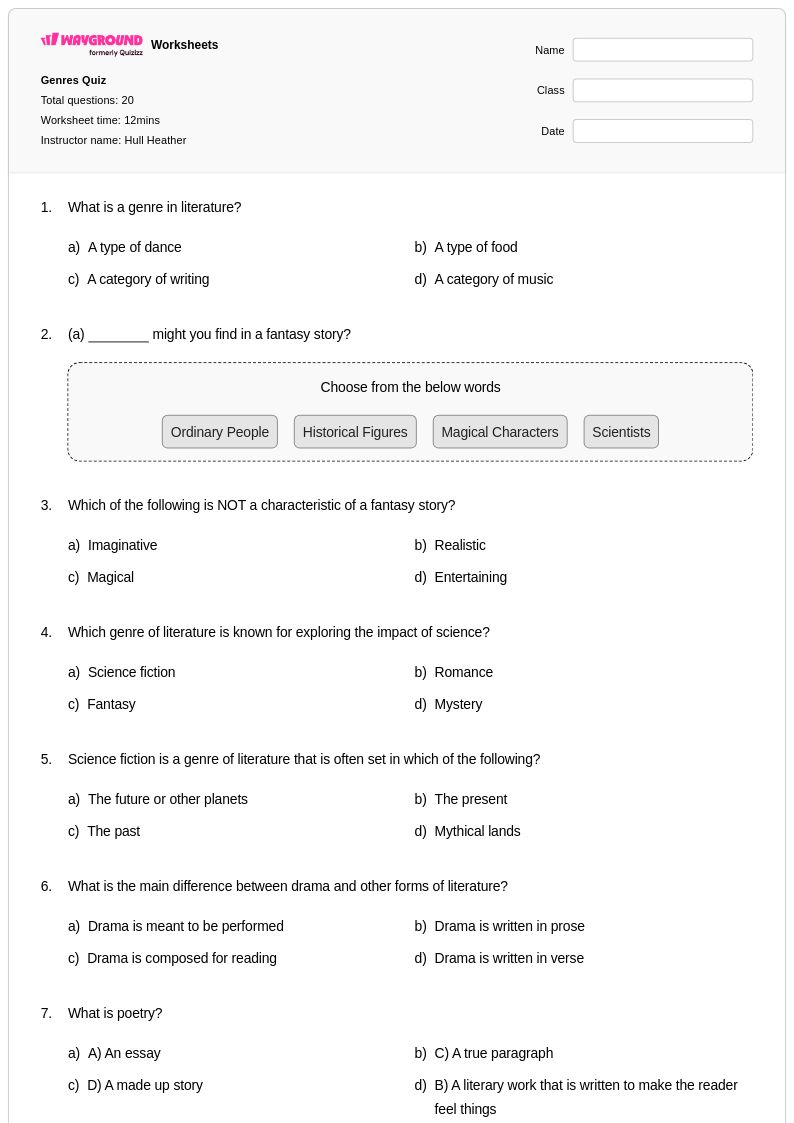
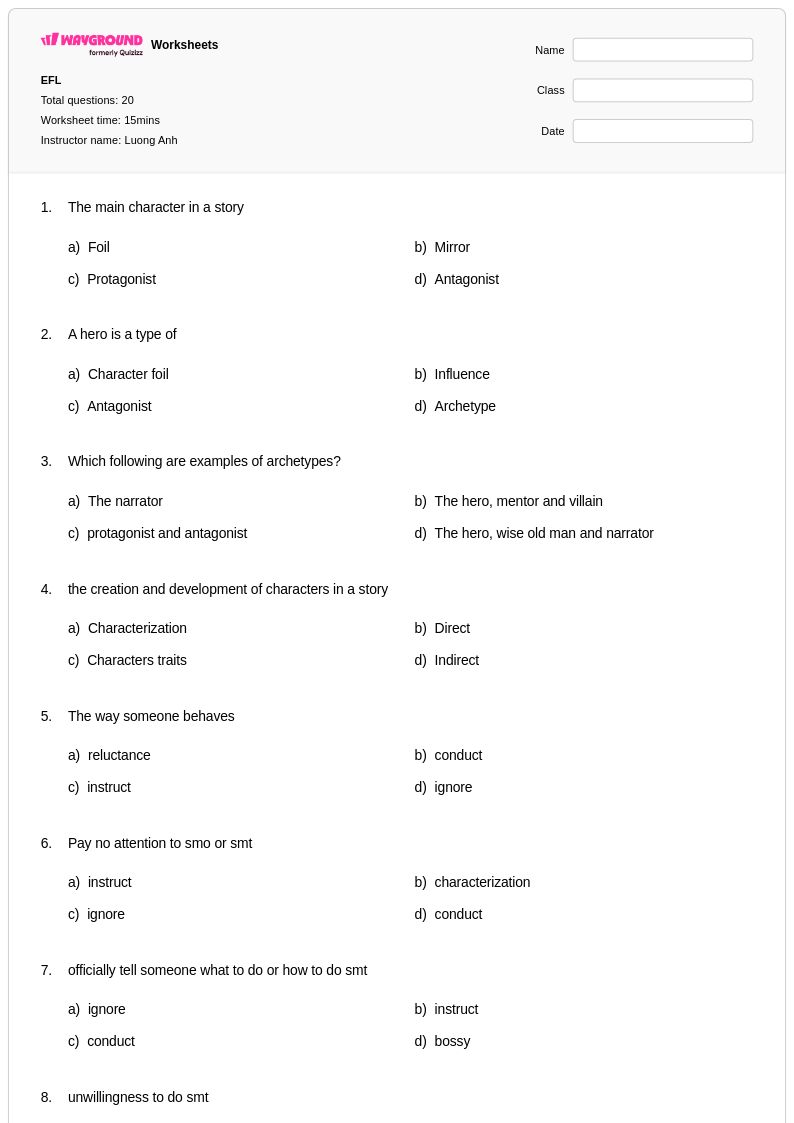
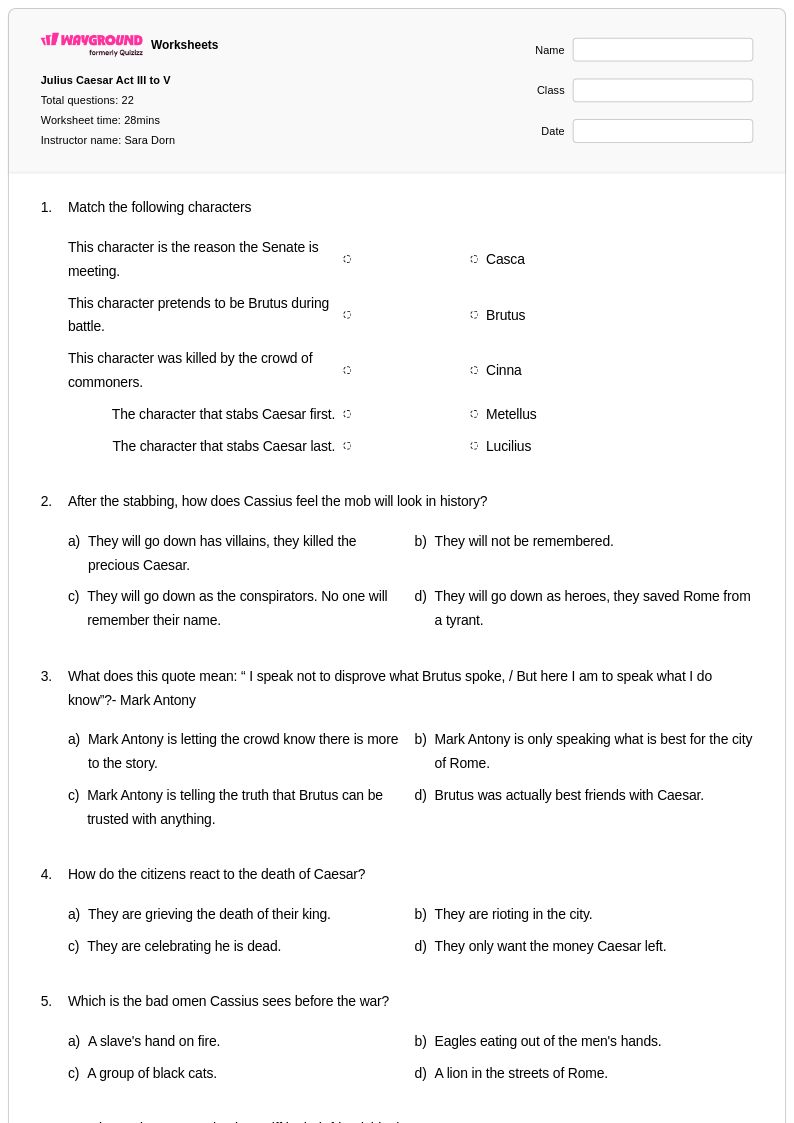
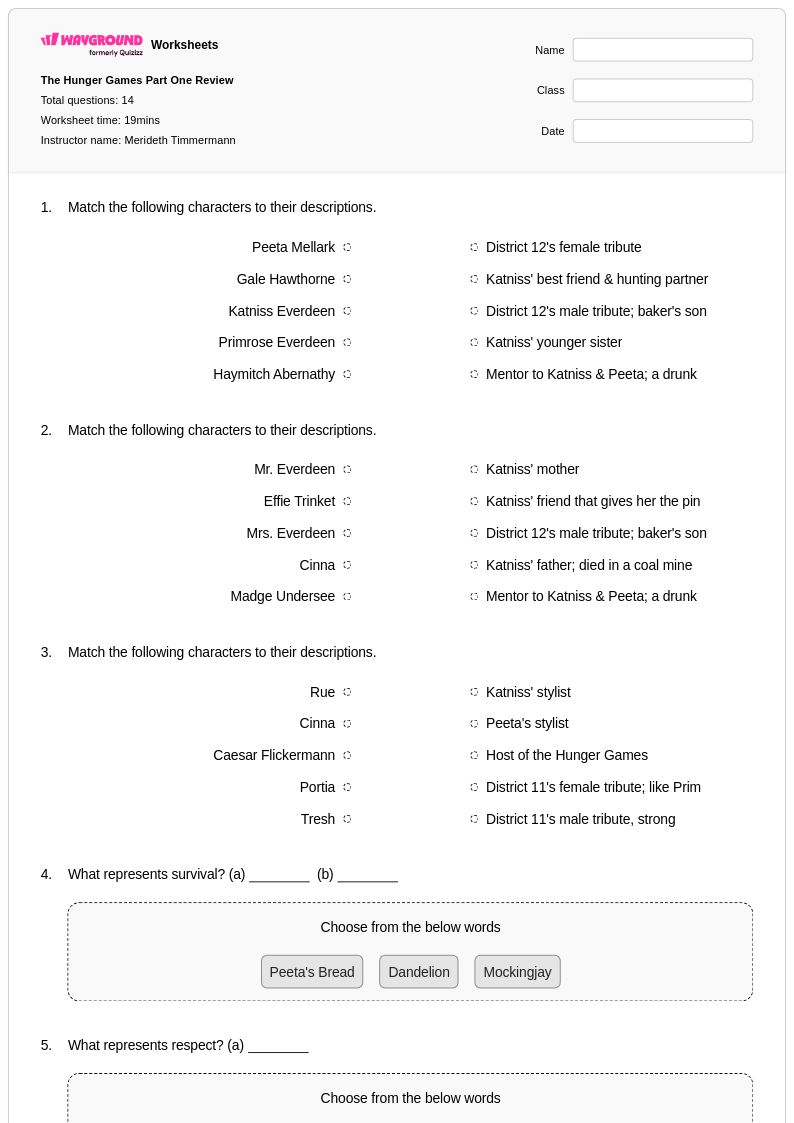
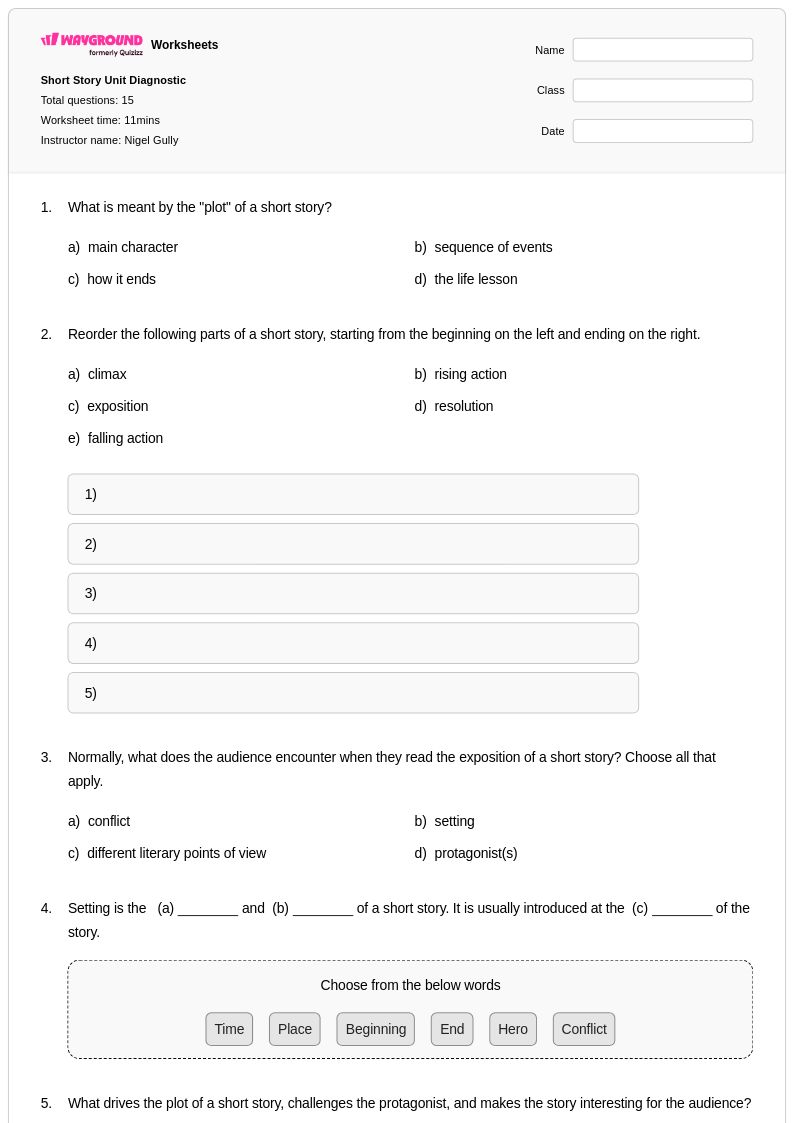
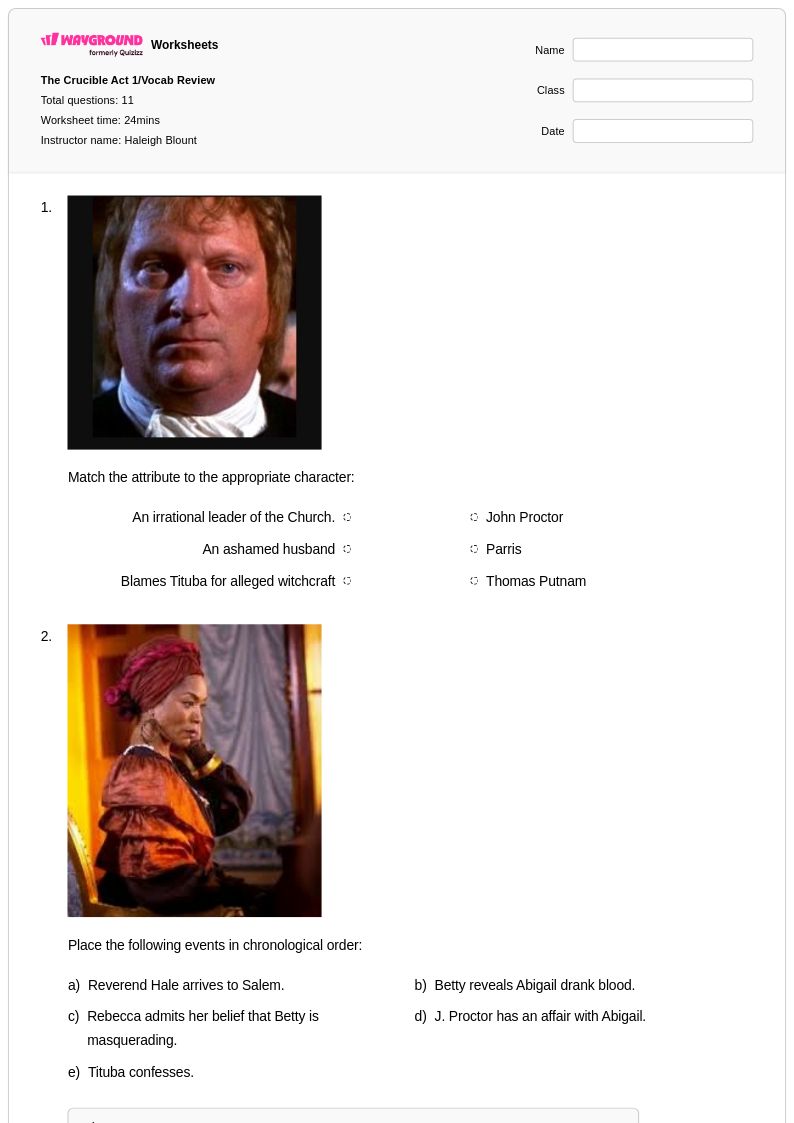
Character creation worksheets for Year 9 fiction writing provide students with structured frameworks to develop compelling, multi-dimensional characters that drive engaging narratives. These comprehensive resources guide ninth-grade writers through essential character development techniques, including creating detailed character profiles, establishing believable motivations, and crafting authentic dialogue that reflects distinct personality traits. Students strengthen critical creative writing skills by exploring character archetypes, developing backstories, and understanding how character flaws and strengths create narrative tension. The worksheets feature practice problems that challenge students to analyze character relationships, design character arcs, and experiment with different points of view. Each resource includes detailed answer keys that help students self-assess their character development choices, while printable pdf formats ensure easy access for both classroom and independent writing practice.
Wayground's extensive collection of character creation worksheets supports Year 9 English teachers with millions of educator-developed resources specifically designed for fiction writing instruction. The platform's robust search and filtering capabilities allow teachers to quickly locate materials aligned with specific learning standards and differentiate instruction based on individual student needs. Teachers can customize worksheets to match their curriculum pacing and learning objectives, while the availability of both digital and printable pdf formats provides flexibility for various classroom environments. These comprehensive tools streamline lesson planning by offering ready-to-use practice materials for skill development, targeted remediation for students struggling with character consistency, and enrichment opportunities for advanced writers ready to explore complex characterization techniques. The diverse worksheet collection ensures teachers have access to engaging, standards-aligned resources that help students master the fundamental elements of effective character creation in fiction writing.
FAQs
How do I teach character creation in a writing class?
Effective character creation instruction starts with breaking the process into concrete, teachable components: physical description, personality traits, motivation, backstory, and character flaws. Teachers often begin with mentor texts, asking students to reverse-engineer how published authors built a memorable character before attempting original creation. Scaffolded worksheets that guide students through each layer systematically help writers avoid flat, underdeveloped characters and build toward fully realized fictional people.
What exercises help students practice developing fictional characters?
Practice exercises that work well for character development include character profile sheets, motivation mapping, dialogue writing from a character's perspective, and backstory construction prompts. Relationship mapping activities, where students chart how one character connects to and influences others, are especially effective for building narrative depth. Guided worksheets that ask students to identify and justify a character's flaws and growth trajectory push writers beyond surface-level description toward psychological complexity.
What mistakes do students commonly make when creating fictional characters?
The most common error is creating characters who are purely good or purely evil, without the contradictions and flaws that make people believable. Students also frequently confuse physical description with characterization, producing detailed appearance notes but shallow motivation and personality. A related mistake is failing to connect a character's backstory to their present behavior, which leaves the character feeling arbitrary rather than psychologically grounded.
How can I differentiate character creation instruction for struggling and advanced writers?
For struggling writers, simplified character profile templates with sentence starters and word banks reduce the cognitive load of open-ended creative tasks and give them a structured entry point. Advanced students benefit from enrichment prompts that require internal contradictions, unreliable self-perception, or multi-character relationship dynamics. On Wayground, teachers can apply accommodations such as read aloud support and reduced answer choices to individual students, so differentiation happens invisibly without disrupting the rest of the class.
How do I use character creation worksheets on Wayground?
Character creation worksheets on Wayground are available as printable PDFs for traditional classroom use and in digital formats for online or hybrid instruction, giving teachers flexibility regardless of their learning environment. Teachers can also host worksheets as a quiz directly on Wayground, allowing students to complete them interactively while the platform tracks responses. Wayground's search and filtering tools make it straightforward to locate worksheets targeting specific skills, such as dialogue development, motivation analysis, or character arc construction.
How do I help students write believable character motivations?
Believable motivation requires connecting what a character wants to why they want it, rooted in their backstory and personality rather than plot convenience. A useful classroom strategy is the 'want versus need' framework, where students identify a character's surface goal and the deeper emotional need driving it. Worksheets that prompt students to justify every major character decision against their stated motivation help writers develop internal consistency, which is what makes fictional characters feel real.