Free Printable Character Perspective Worksheets for Year 11
Master character perspective analysis with our comprehensive Year 11 reading comprehension worksheets featuring engaging printables, practice problems, and detailed answer keys to help students understand multiple viewpoints in literature through free PDF resources.
Explore printable Character Perspective worksheets for Year 11
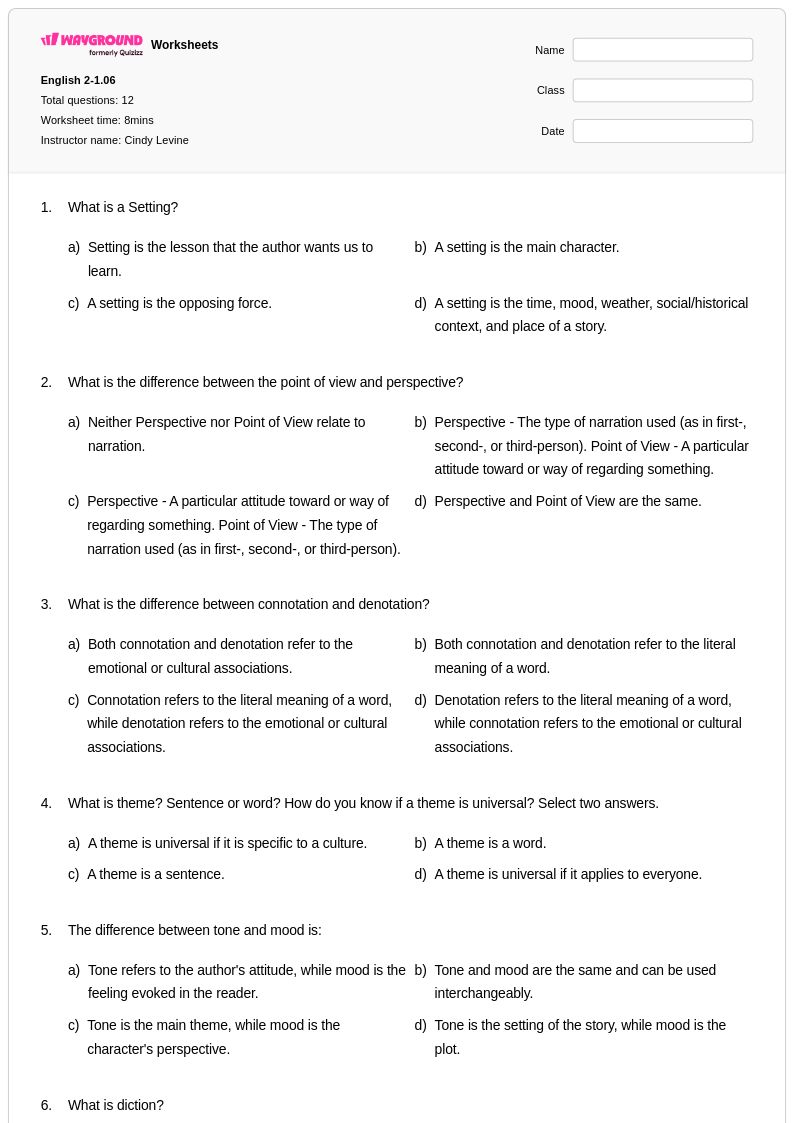
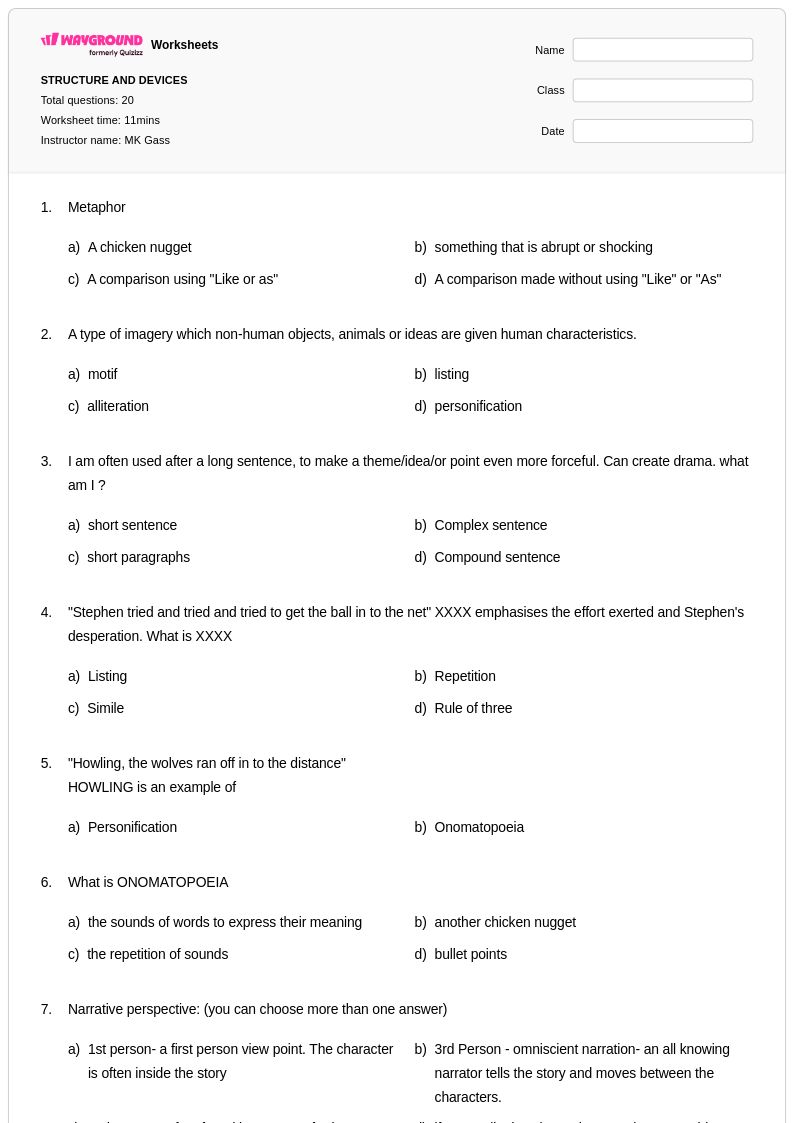
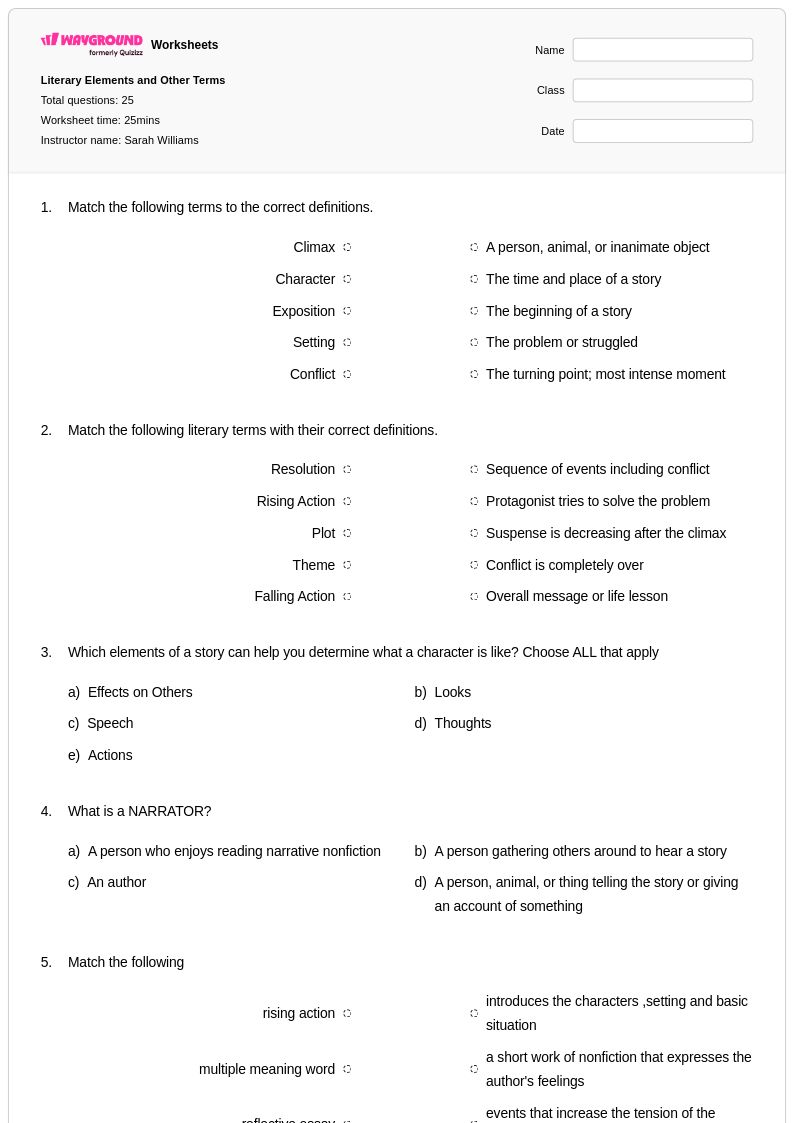
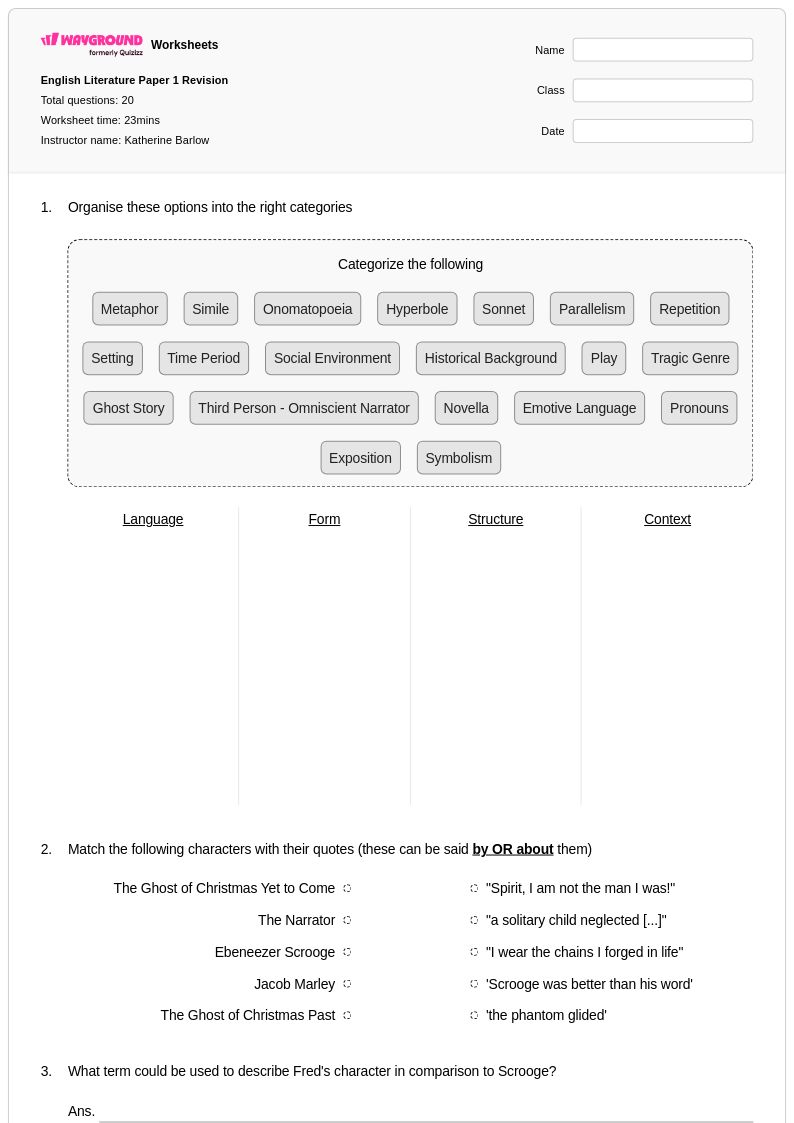
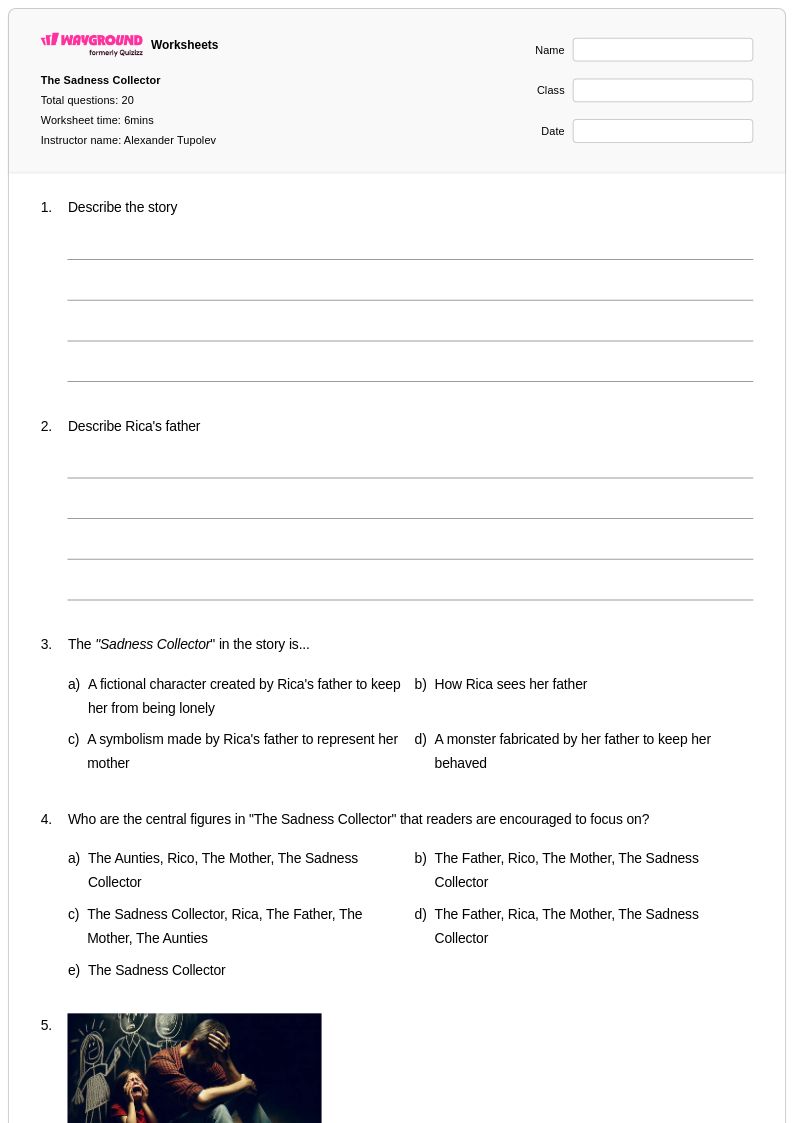
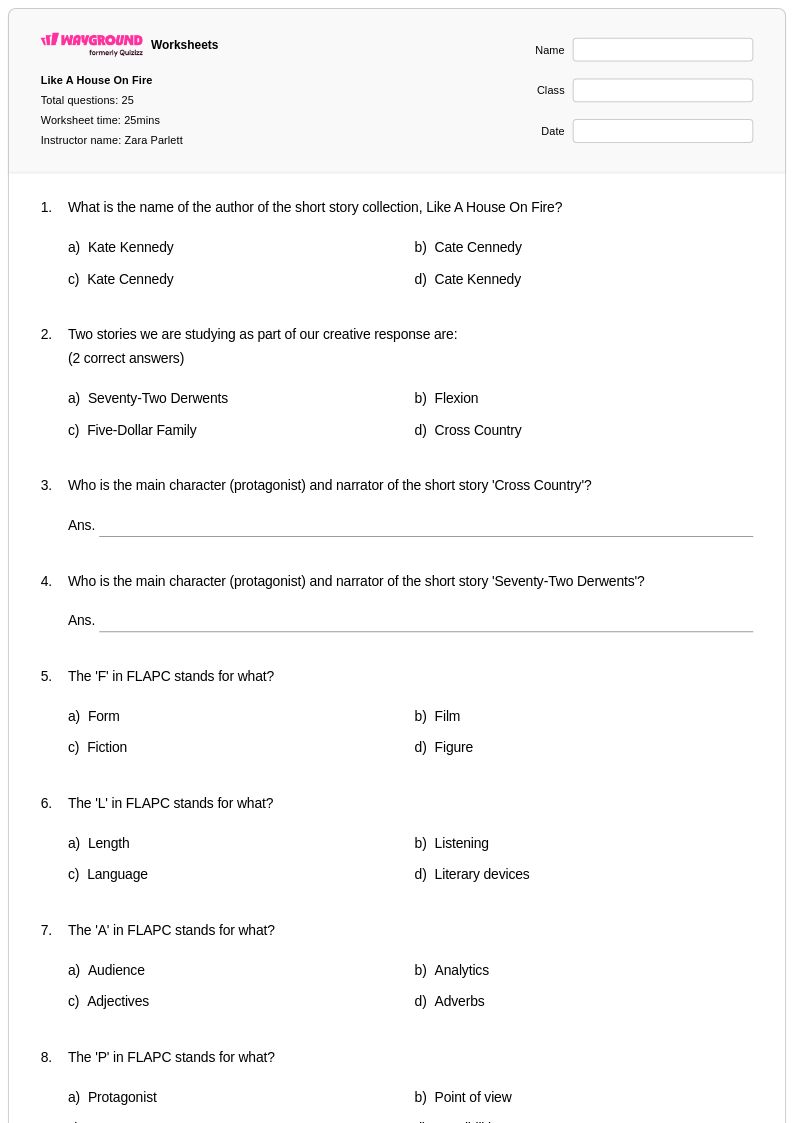
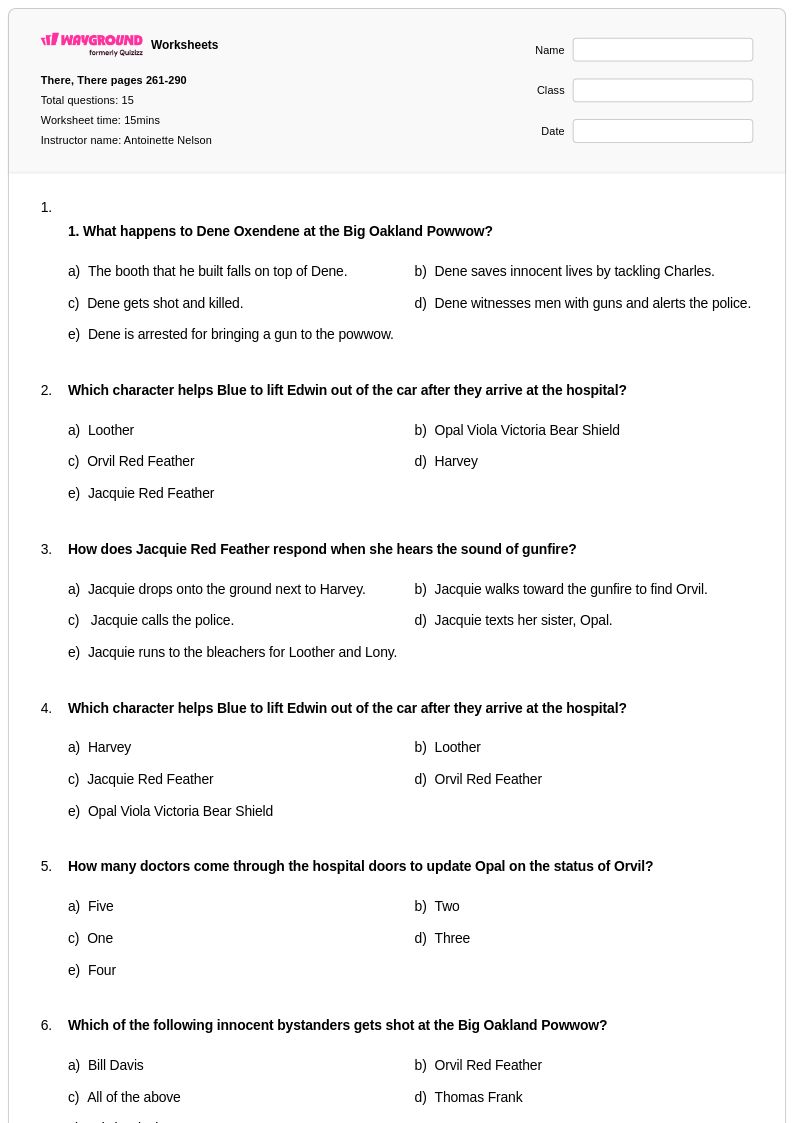
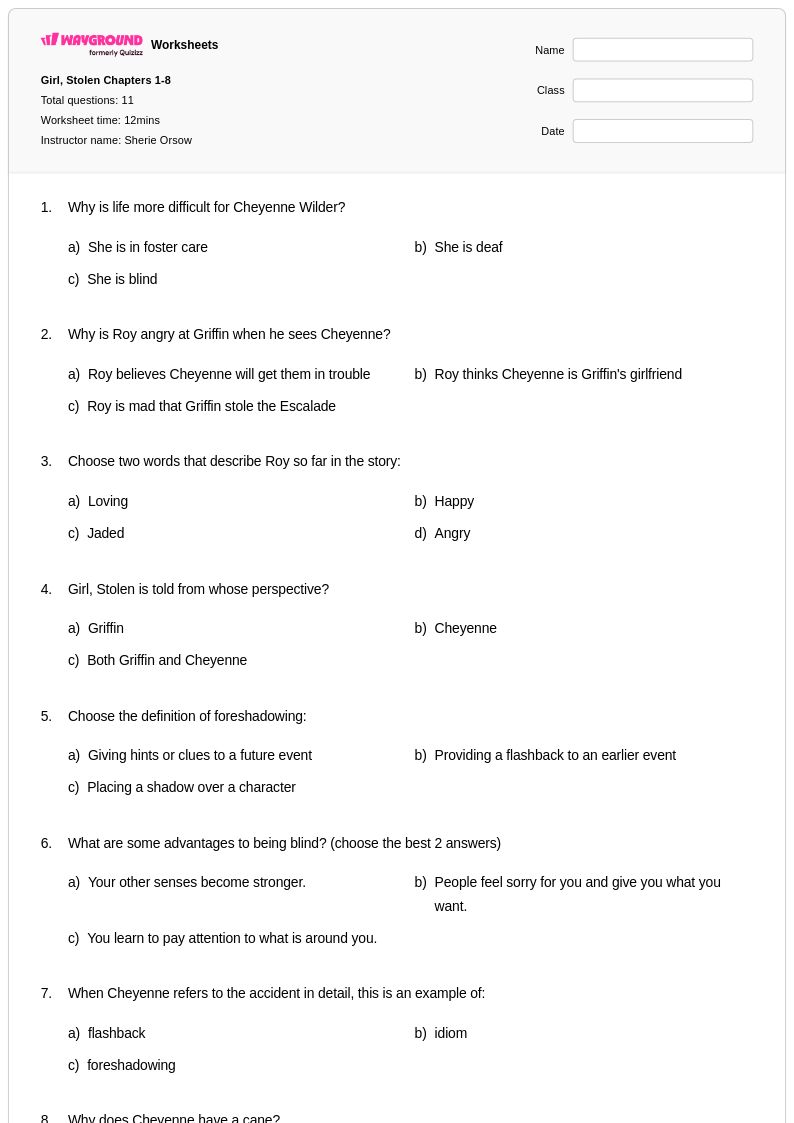
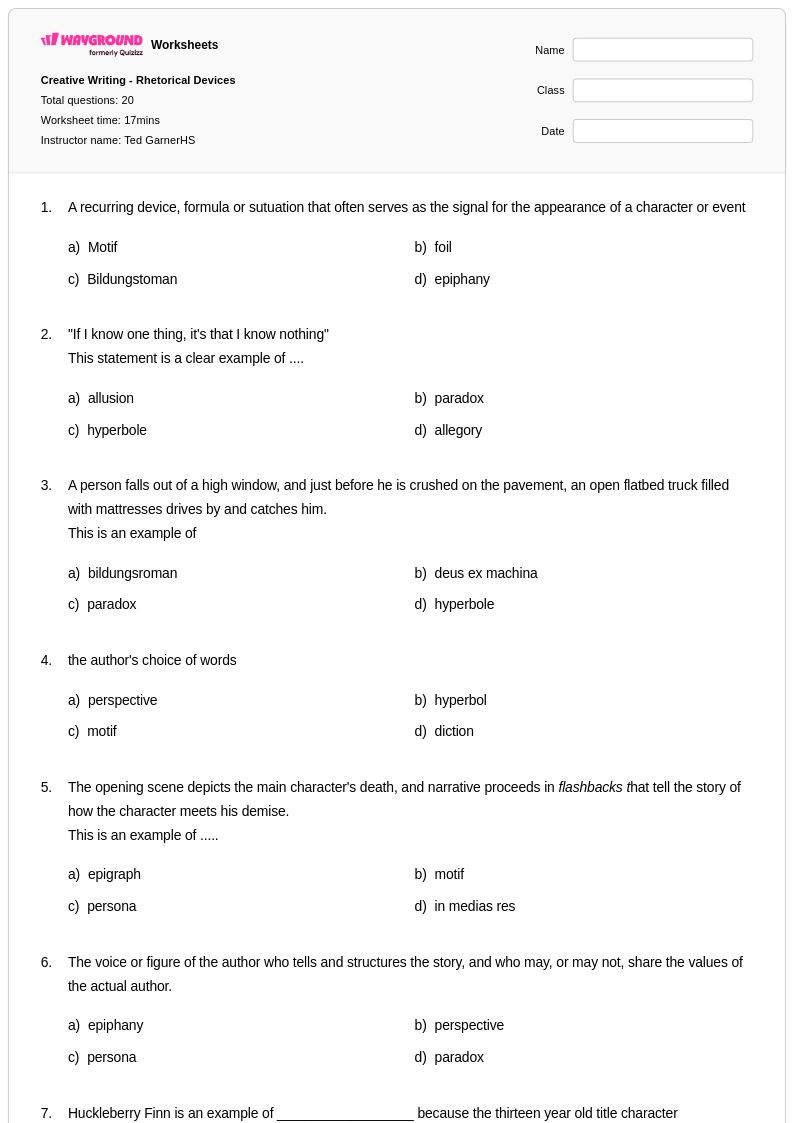
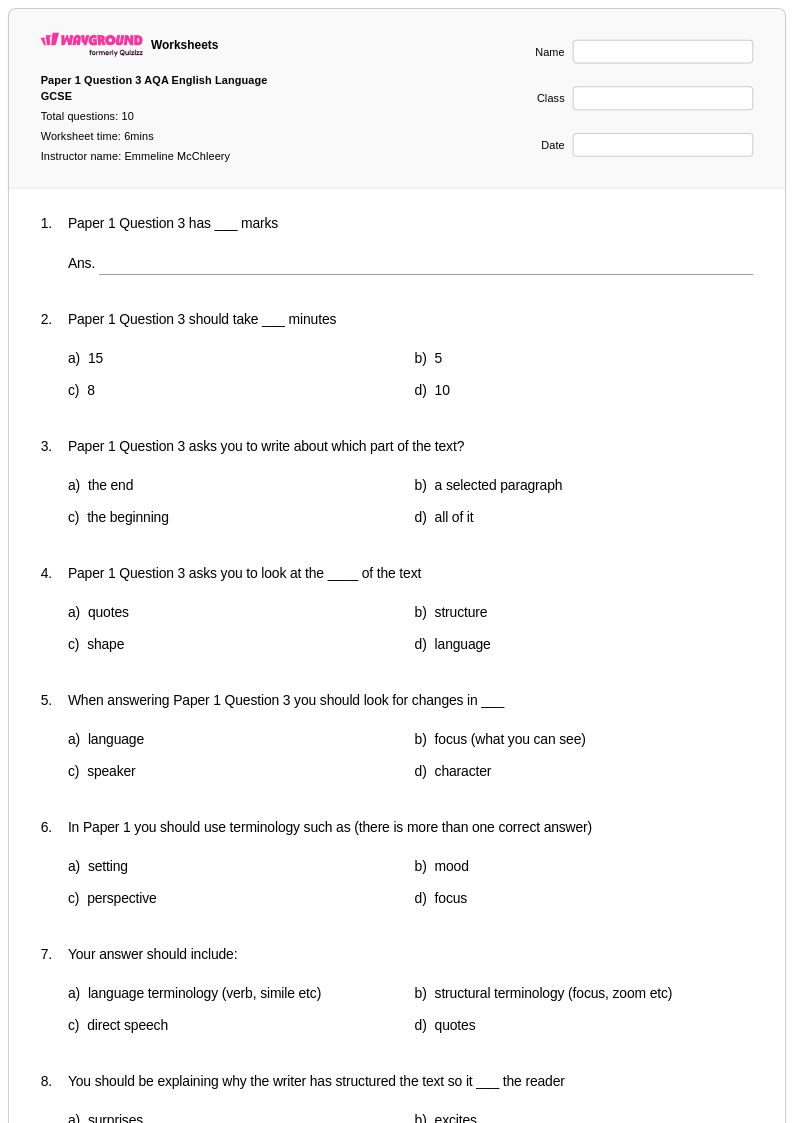
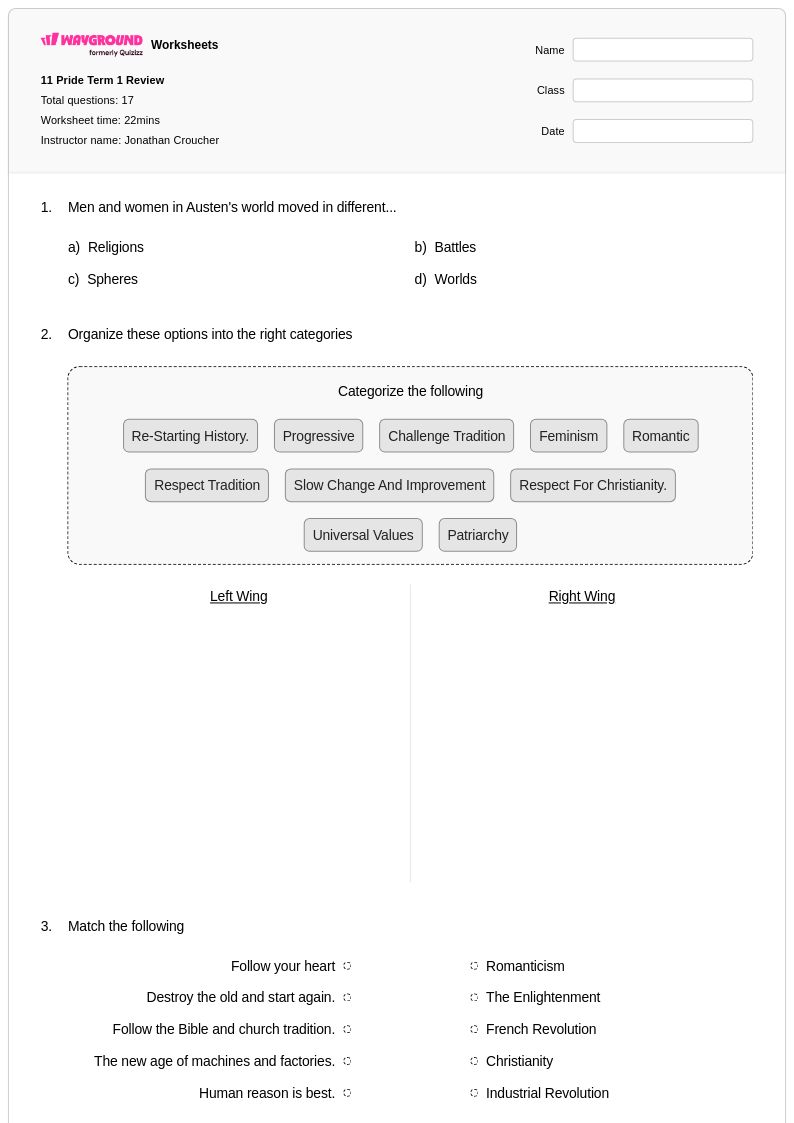
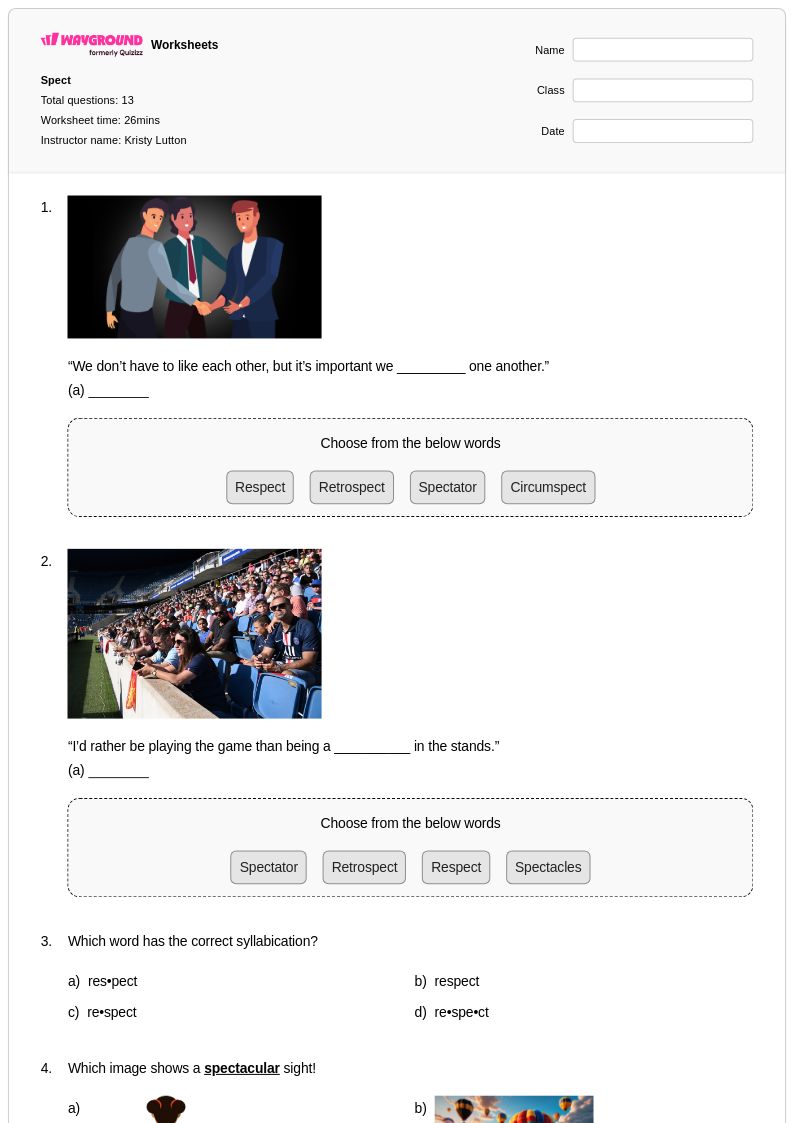
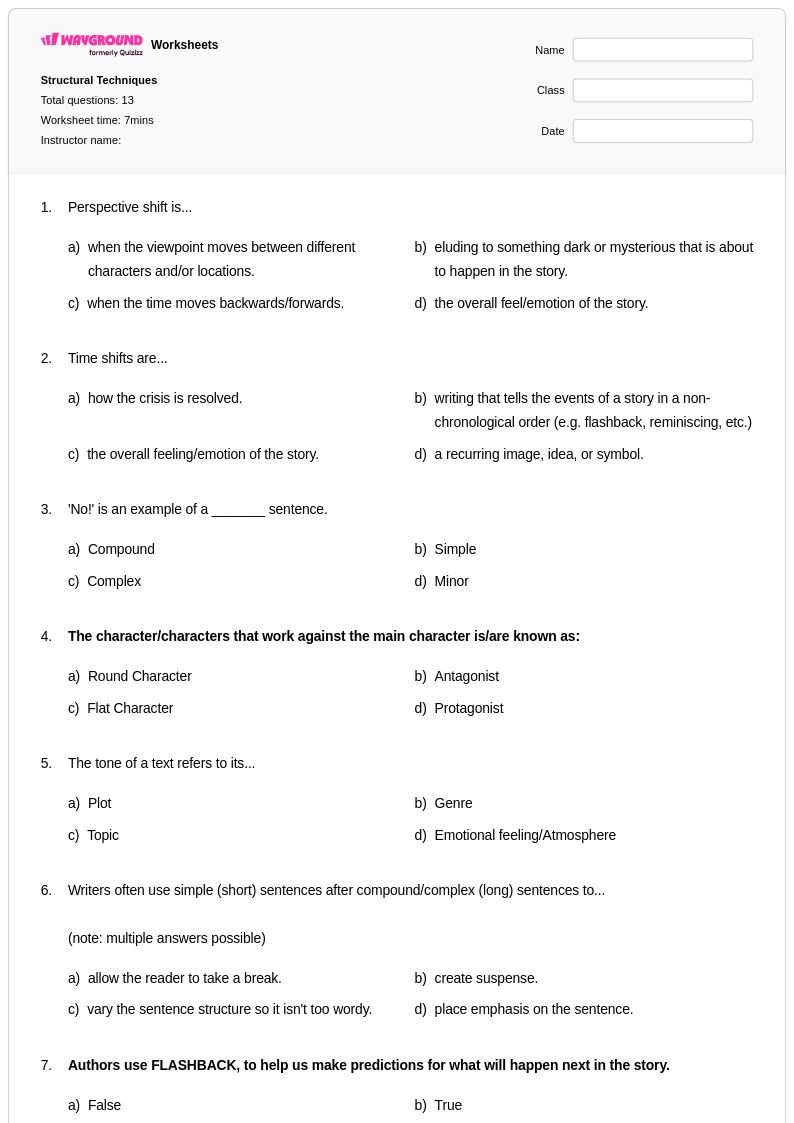
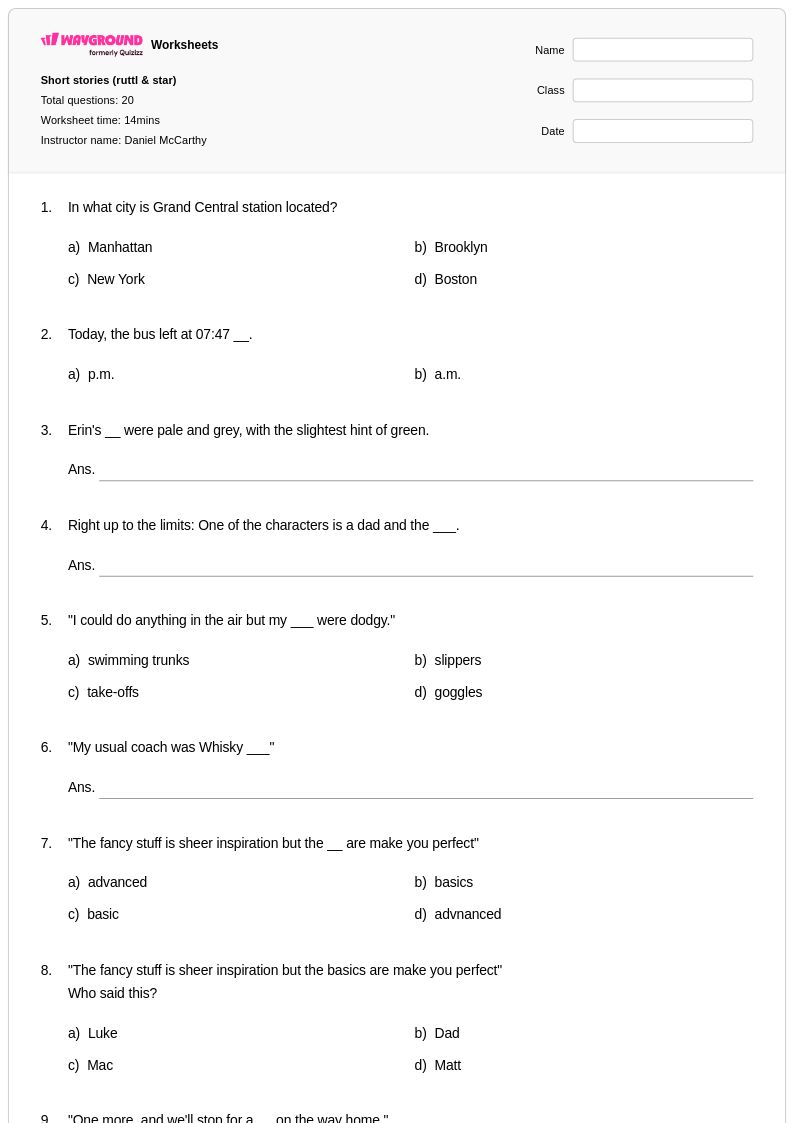
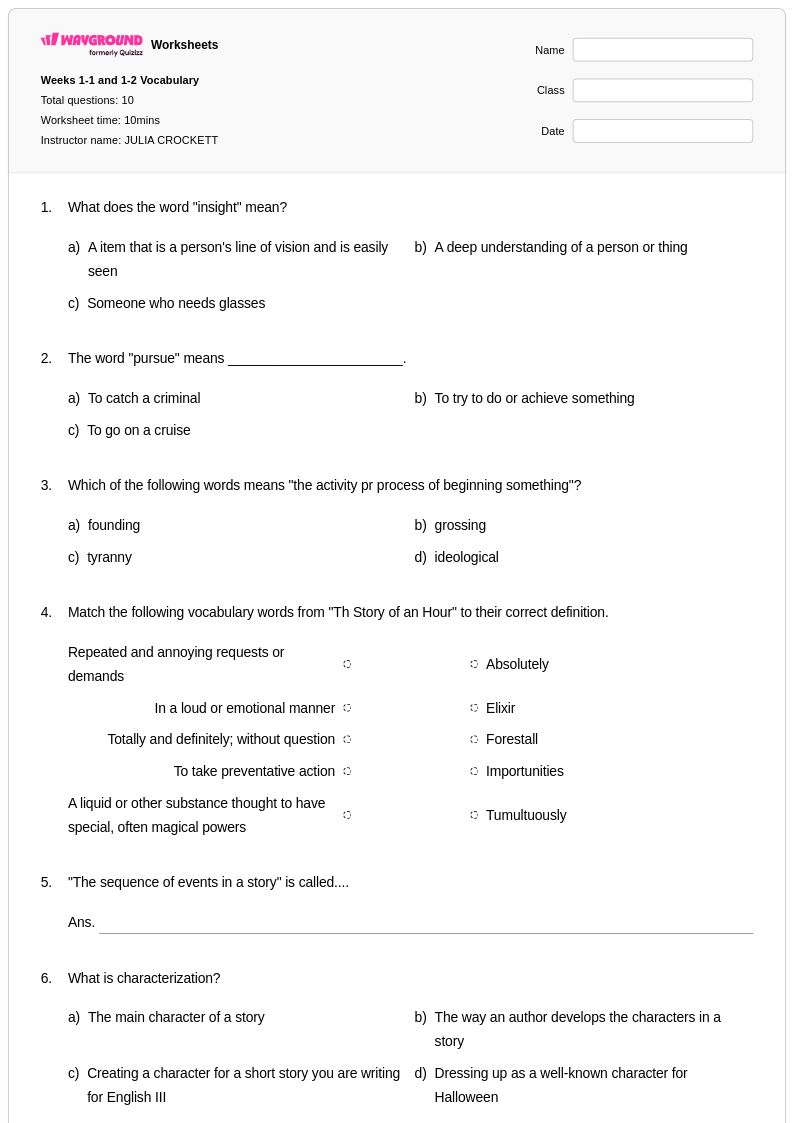
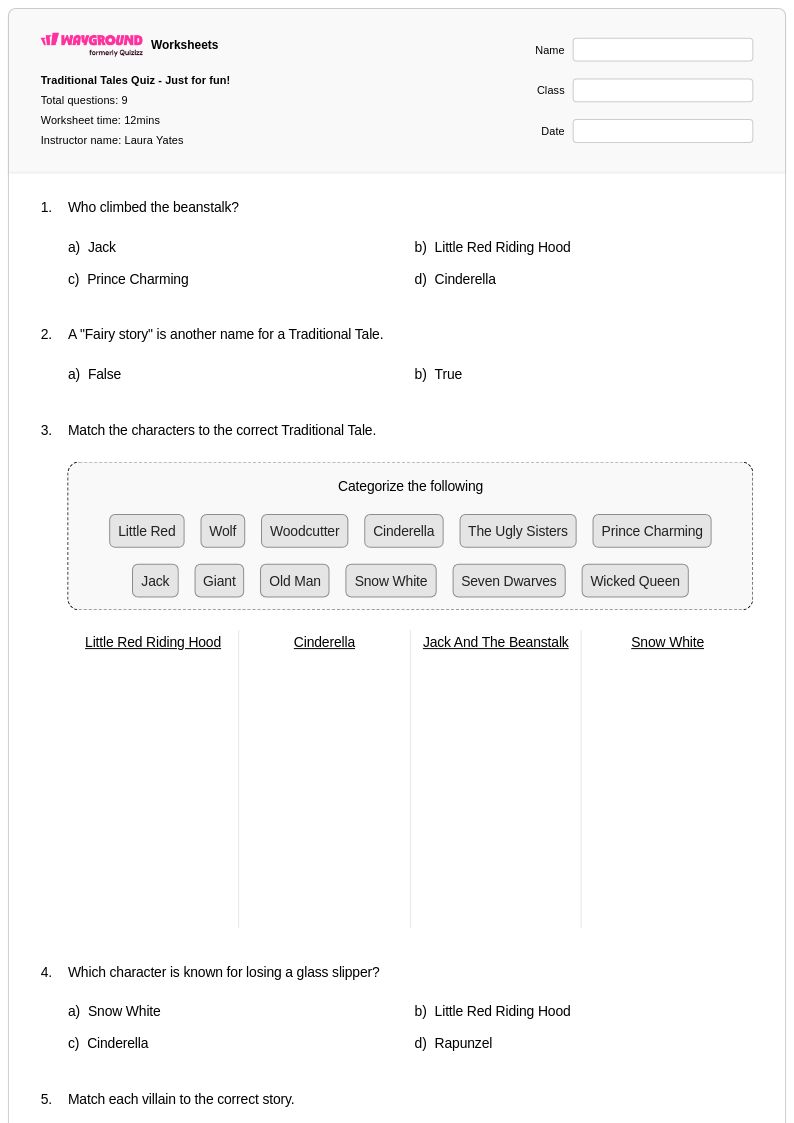
Character perspective worksheets for Year 11 students available through Wayground (formerly Quizizz) provide comprehensive practice in analyzing how different viewpoints shape narrative meaning and reader interpretation. These expertly designed resources strengthen students' ability to identify narrative voice, distinguish between first-person, third-person limited, and omniscient perspectives, and examine how character bias influences story events and themes. The worksheets include diverse literary excerpts paired with targeted practice problems that challenge students to evaluate unreliable narrators, compare multiple character viewpoints within single texts, and analyze how perspective shifts affect plot development and thematic understanding. Each resource comes with detailed answer keys and is available as free printables in convenient pdf format, making them accessible for both classroom instruction and independent study.
Wayground (formerly Quizizz) supports Year 11 English teachers with millions of teacher-created character perspective worksheets that can be easily located through robust search and filtering capabilities aligned with state and national reading standards. The platform's differentiation tools allow educators to customize content difficulty levels and modify practice problems to meet diverse learning needs, while flexible formatting options provide both printable pdf versions for traditional classroom use and digital formats for online learning environments. These comprehensive worksheet collections streamline lesson planning by offering ready-made resources for skill practice, targeted remediation for struggling readers, and enrichment activities for advanced students, enabling teachers to efficiently address varying proficiency levels while maintaining rigorous focus on sophisticated character analysis skills essential for college-level literary interpretation.
FAQs
How do I teach character perspective in reading comprehension?
Teaching character perspective begins with helping students distinguish between who is telling the story and what that narrator can actually know. Start by comparing first-person accounts with third-person omniscient narration using the same scene, so students can see how the same events look different depending on whose eyes the reader is looking through. From there, move into analyzing how a character's background, motivations, and biases shape what they notice, report, and omit. Anchor each lesson in specific textual evidence so students learn to justify perspective claims rather than simply assert them.
What exercises help students practice analyzing character perspective?
The most effective practice exercises ask students to compare two characters' accounts of the same event and identify where those accounts diverge and why. Tasks that require students to rewrite a passage from a different character's point of view build both empathy and analytical precision. Worksheets that prompt students to evaluate narrator reliability, detect bias in character observations, and explain how an omniscient versus limited perspective changes reader understanding give targeted, skill-specific practice that transfers directly to standardized reading assessments.
What mistakes do students commonly make when analyzing character perspective?
The most common error is conflating the narrator's perspective with the author's intent, leading students to treat every narrative statement as objective fact. Students also frequently confuse point of view as a grammatical label (first person, third person) with the deeper analytical task of examining how a character's viewpoint shapes the information the reader receives. A related misconception is assuming that a first-person narrator is always reliable, when in reality limited knowledge, emotional involvement, or deliberate deception can all compromise a narrator's account.
How do I use character perspective worksheets with students at different reading levels?
Character perspective worksheets on Wayground can be assigned digitally, which allows teachers to apply individual accommodations directly to specific students. For struggling readers, enabling the Read Aloud feature ensures that question text and passages are read to students who need auditory support, while reduced answer choices can lower cognitive load on multiple-choice items without changing the underlying skill being assessed. Advanced students can receive the same worksheet with default settings, meaning no student is aware of the accommodations applied to their peers. These settings are saved and reusable, so differentiation does not require rebuilding configurations for every new assignment.
How can I use Wayground's character perspective worksheets in my classroom?
Wayground's character perspective worksheets are available as downloadable PDF printables for traditional classroom use and in digital formats for technology-integrated or remote learning environments. Teachers can also host any worksheet as a live or asynchronous quiz directly on Wayground, giving students interactive practice while automatically collecting response data. The included answer keys support efficient grading whether the worksheet is used for independent practice, small-group instruction, or formative assessment.
How does character perspective connect to broader reading comprehension skills?
Understanding character perspective is foundational to reading comprehension because it determines what information is available to the reader and how reliably that information reflects events in the story. When students can identify a narrator's limitations or biases, they are better equipped to make inferences, draw conclusions, and evaluate an author's craft choices. This skill also directly supports work with argument and informational texts, where recognizing perspective and bias is essential to evaluating source credibility and authorial purpose.