Free Printable Circle of Influence Worksheets for Year 4
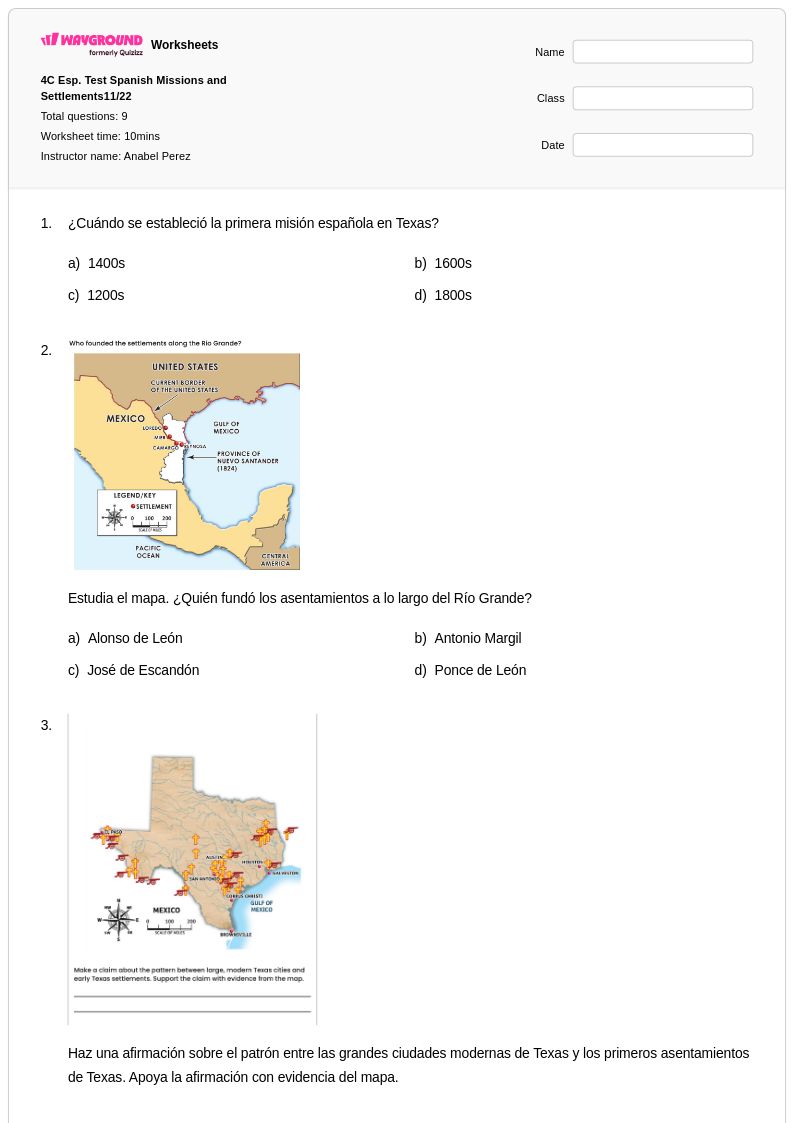
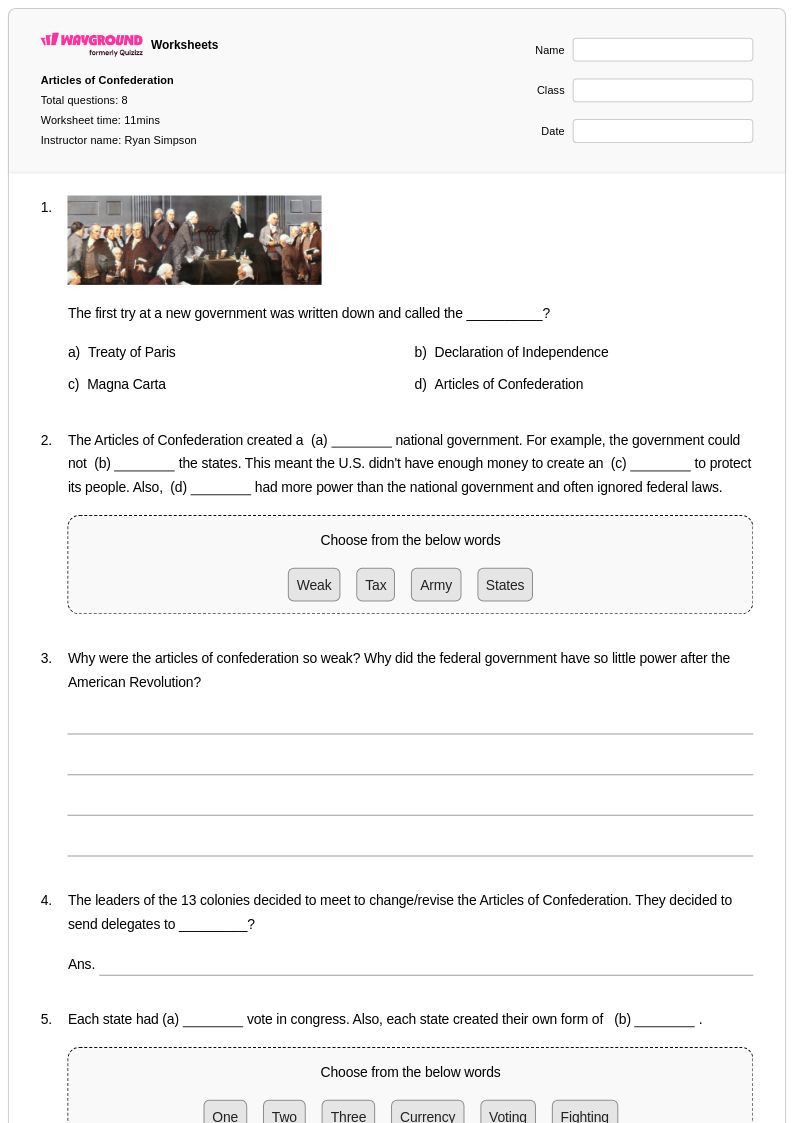
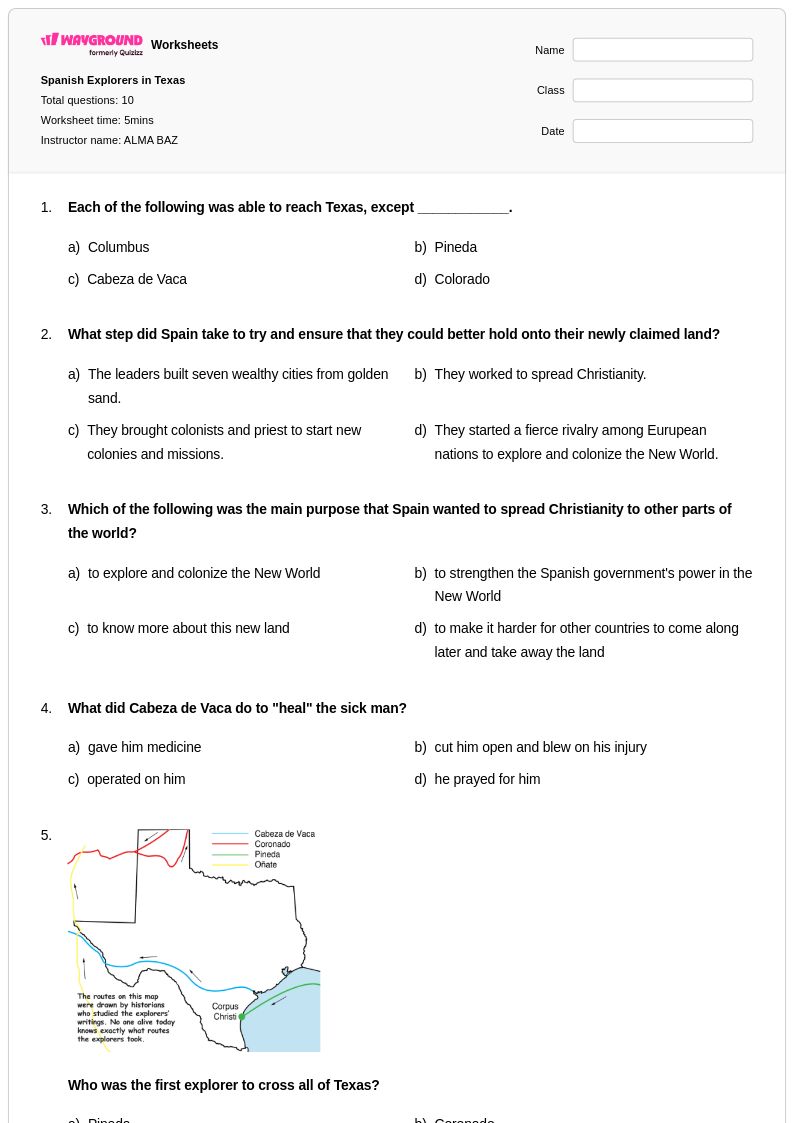
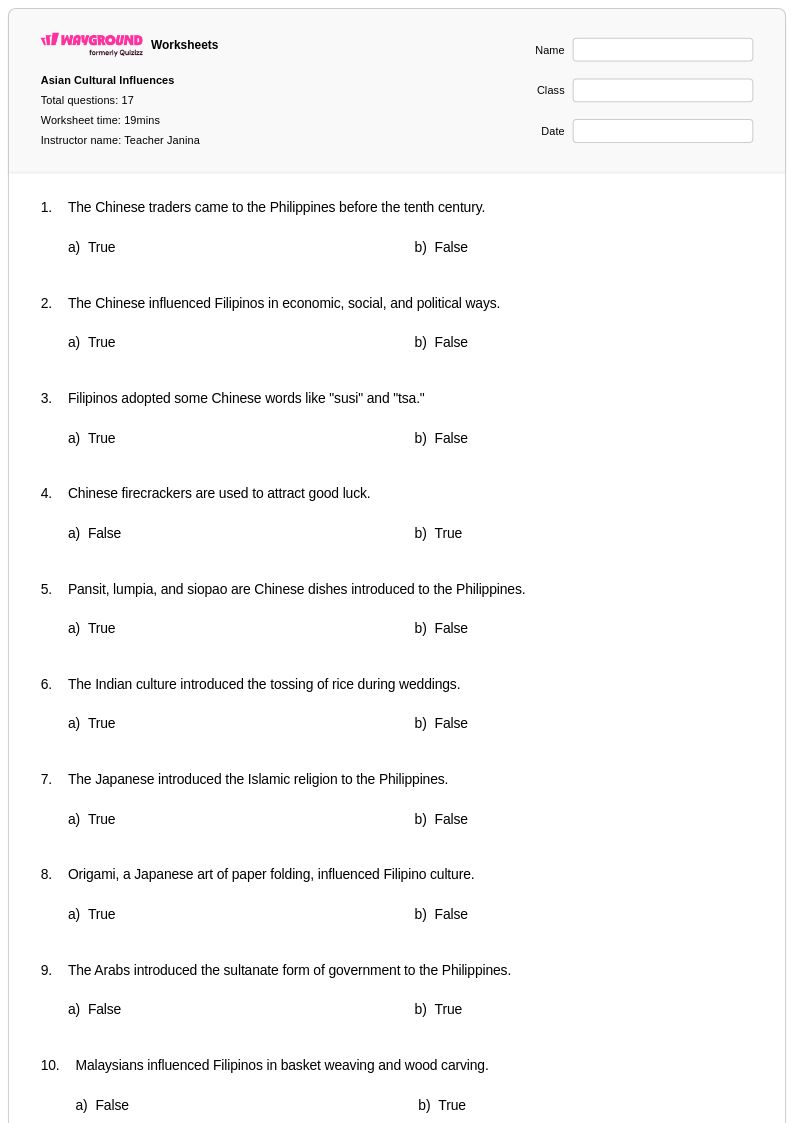
Explore Wayground's free Year 4 Circle of Influence worksheets and printables that help students understand how they can impact their communities through engaging civics activities, practice problems, and comprehensive answer keys.
Explore printable Circle of Influence worksheets for Year 4
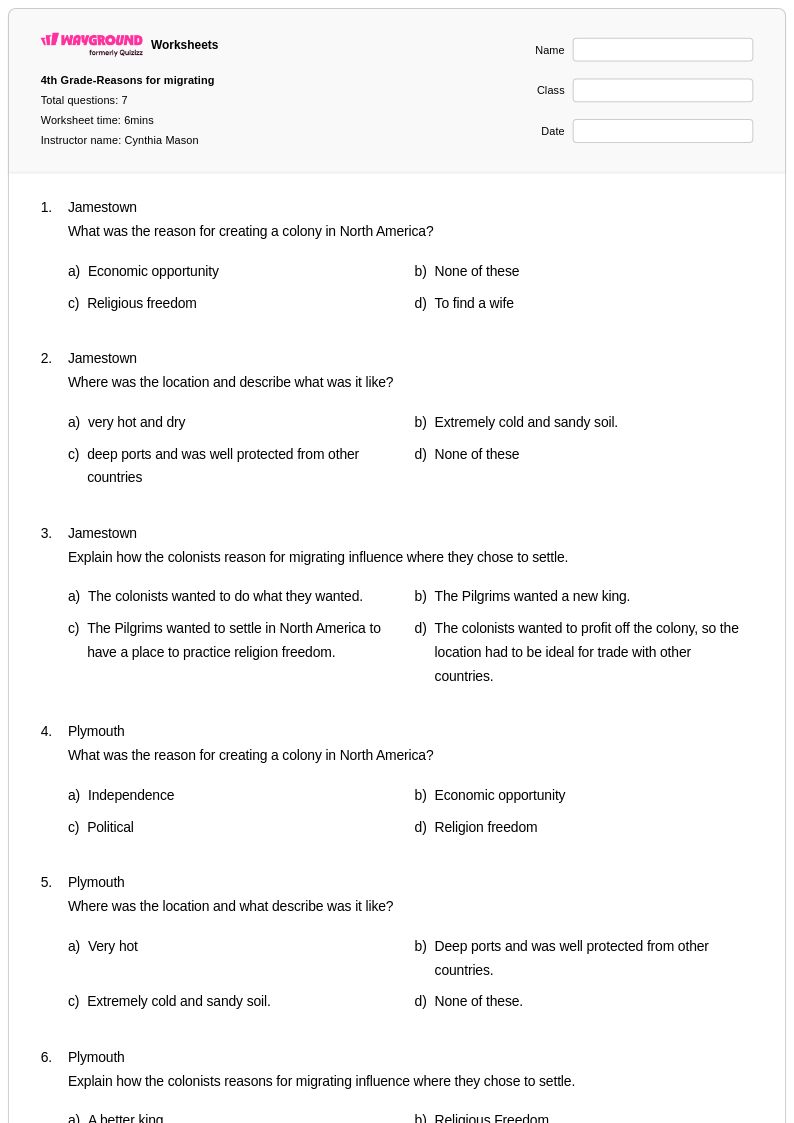
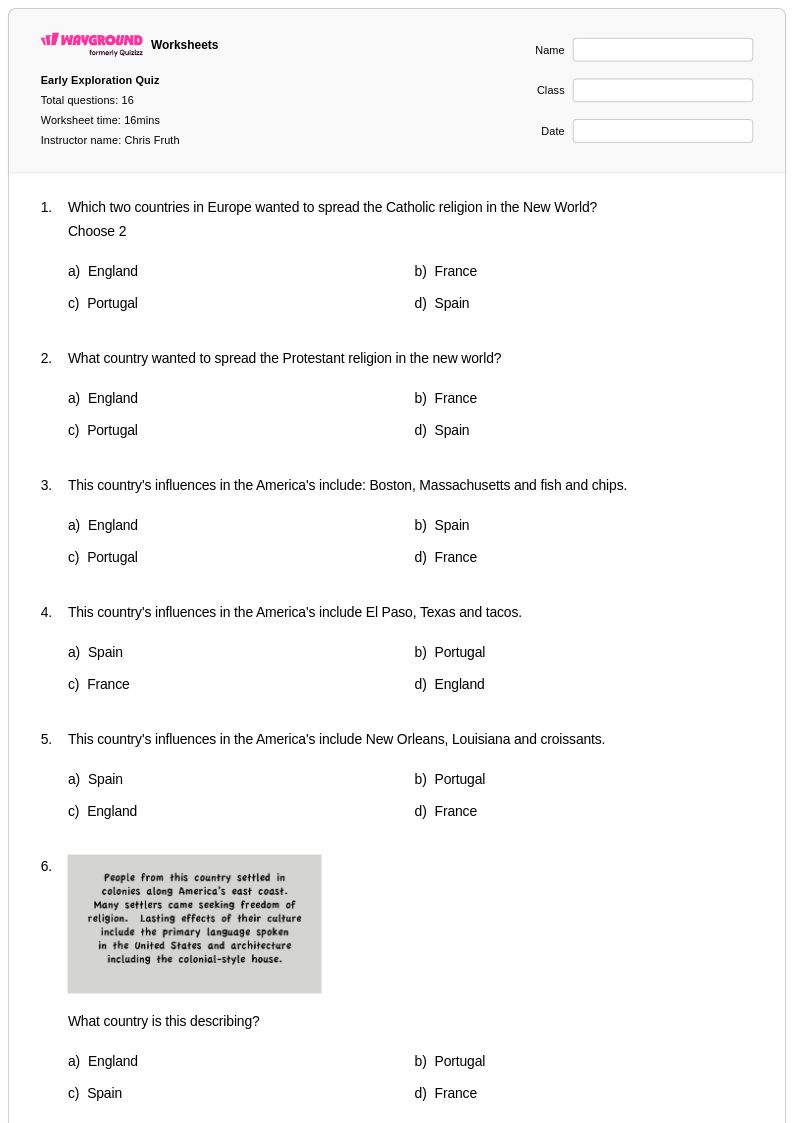
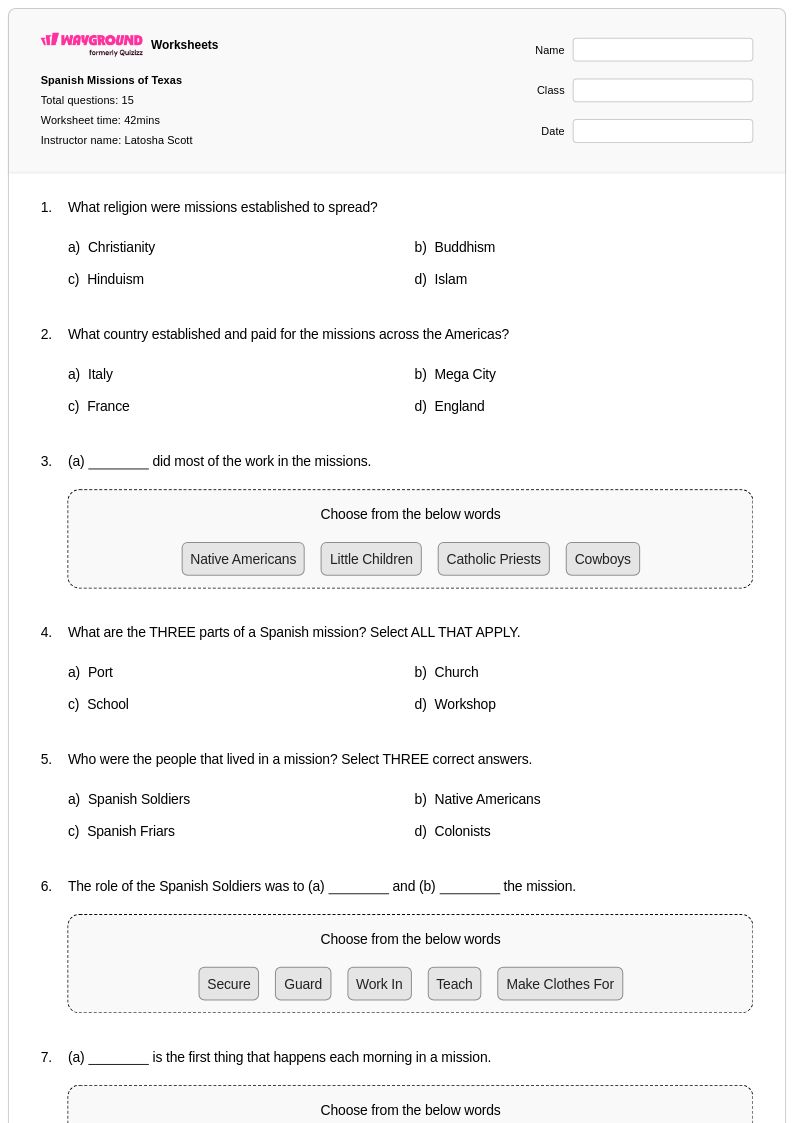
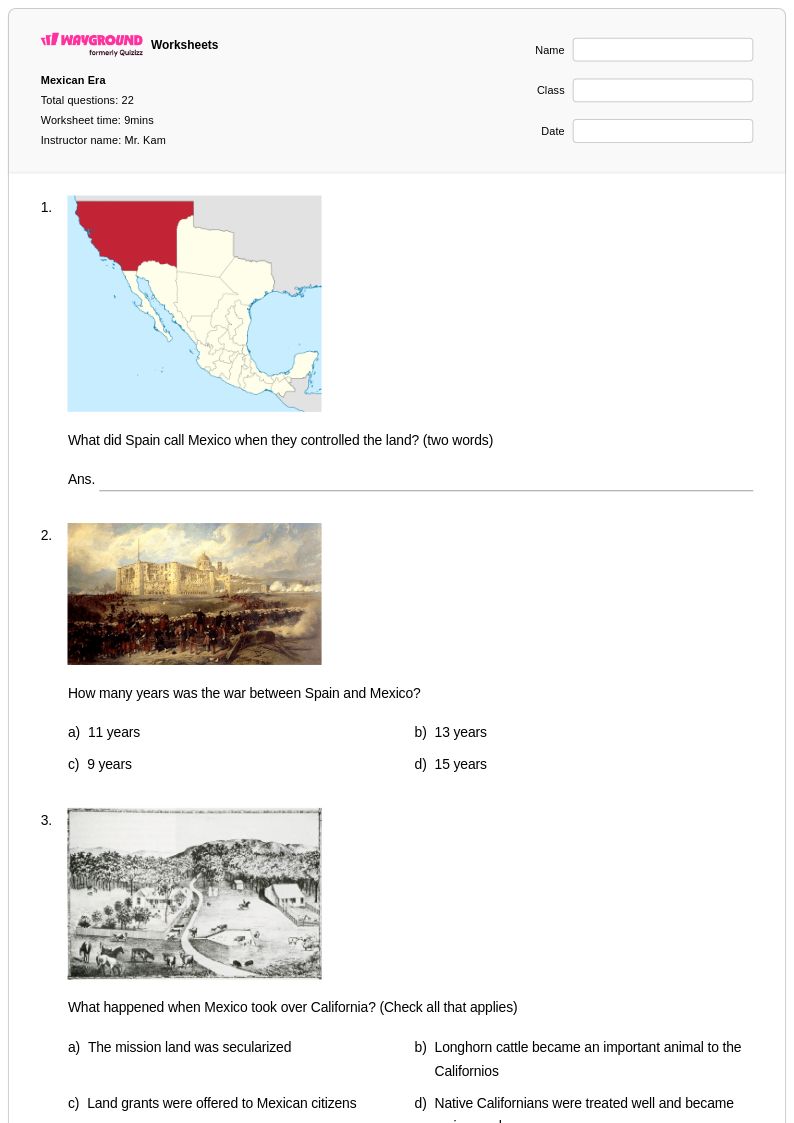
Circle of Influence worksheets for Year 4 students through Wayground (formerly Quizizz) provide essential foundational understanding of how individuals can impact their communities and society. These comprehensive practice problems help young learners distinguish between what they can and cannot control, developing critical thinking skills about personal responsibility and civic engagement. Students work through scenarios that illustrate their sphere of influence within family, school, and community contexts, strengthening their grasp of democratic participation and citizenship concepts. The collection includes printable resources with answer keys, offering free access to structured activities that build students' ability to identify actionable steps they can take to create positive change while recognizing the limits of individual influence.
Wayground (formerly Quizizz) empowers educators with millions of teacher-created Circle of Influence resources specifically designed for Year 4 civics instruction. The platform's robust search and filtering capabilities allow teachers to quickly locate materials aligned with curriculum standards, while differentiation tools enable customization for diverse learning needs and ability levels. These flexible worksheet collections are available in both digital and printable PDF formats, supporting various classroom environments and teaching preferences. Teachers can seamlessly integrate these resources into lesson planning for skill practice, use them for targeted remediation with struggling students, or deploy them as enrichment activities for advanced learners, ensuring comprehensive coverage of this fundamental civics concept across all instructional contexts.
FAQs
How do I teach the Circle of Influence concept to students?
Teaching the Circle of Influence starts by helping students distinguish between two zones: things they can directly control or change, and things that happen around them but are outside their power. Introduce the framework using concrete, relatable scenarios such as household rules, friendships, or school policies before expanding to community and civic issues. Structured practice where students sort real-life situations into 'influence' versus 'concern' categories builds the habit of thinking before reacting and reinforces personal agency.
What exercises help students practice the Circle of Influence?
Effective practice exercises include scenario-sorting activities where students classify situations by whether they fall inside or outside their circle of influence, as well as reflection prompts that ask students to identify one concrete action they can take on an issue they care about. Role-play discussions around school or community problems also help students apply the framework to authentic contexts. Worksheets that walk students through multiple scenarios across settings — home, school, and community — give repeated, structured practice that builds transferable thinking skills.
What common mistakes do students make when learning the Circle of Influence?
The most frequent misconception is that students conflate 'caring about something' with 'being able to change it,' leading them to place nearly everything inside their circle of influence. Conversely, some students place too much in the 'outside my control' zone as a way of disengaging from civic responsibility. Teachers should watch for binary thinking and prompt students to ask not just 'can I control this?' but 'what small part of this can I influence?' — a nuance the concept is specifically designed to develop.
How does the Circle of Influence connect to civic education and social studies standards?
The Circle of Influence is directly relevant to social studies standards around civic participation, community responsibility, and personal agency. It provides a conceptual scaffold for discussing how individuals interact with systems — from family structures to local government — which aligns with civic engagement learning objectives at multiple grade levels. Using it as a lens for analyzing current events or community issues helps students see themselves as active participants rather than passive observers.
How do I use Circle of Influence worksheets in my classroom?
Circle of Influence worksheets on Wayground are available as printable PDFs for traditional classroom use and in digital formats for technology-integrated or remote learning environments, and teachers can also host them as a quiz directly on Wayground. Each worksheet includes a comprehensive answer key, making them suitable for independent practice, guided group work, or self-assessment. For students who need additional support, Wayground's accommodation tools — including read aloud and reduced answer choices — can be applied individually so that all learners can access the content without disruption to the rest of the class.
How can I differentiate Circle of Influence instruction for students at different levels?
Differentiation for this topic works well when lower-level learners work with familiar, concrete scenarios (e.g., resolving a conflict with a sibling) while higher-level learners analyze more abstract or systemic issues (e.g., environmental policy or school reform). On Wayground, teachers can apply individual accommodations such as extended time, read aloud, or reduced answer choices to specific students while the rest of the class works with default settings — keeping differentiation seamless and private.