Free Printable Classification and Changes Worksheets for Year 1
Discover free Year 1 science worksheets and printables focused on classification and changes, featuring engaging practice problems with answer keys to help young learners explore how objects can be grouped and transformed through Wayground's comprehensive PDF collection.
Explore printable Classification and Changes worksheets for Year 1
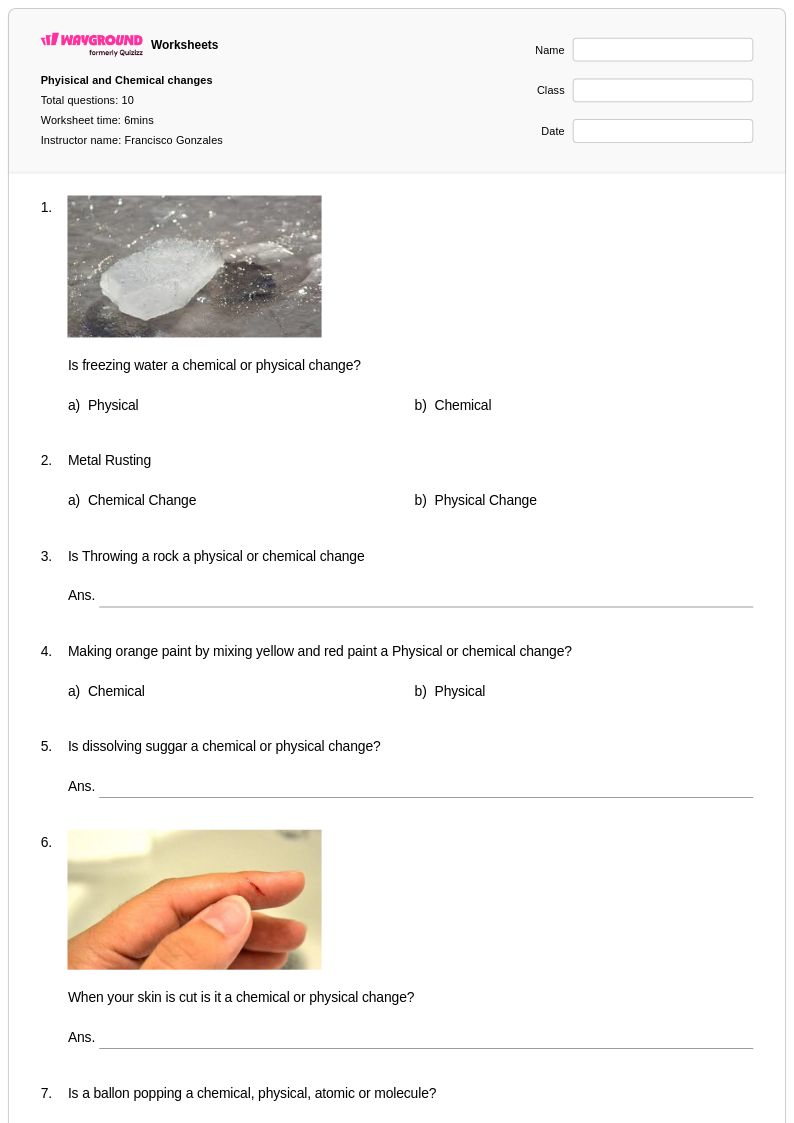
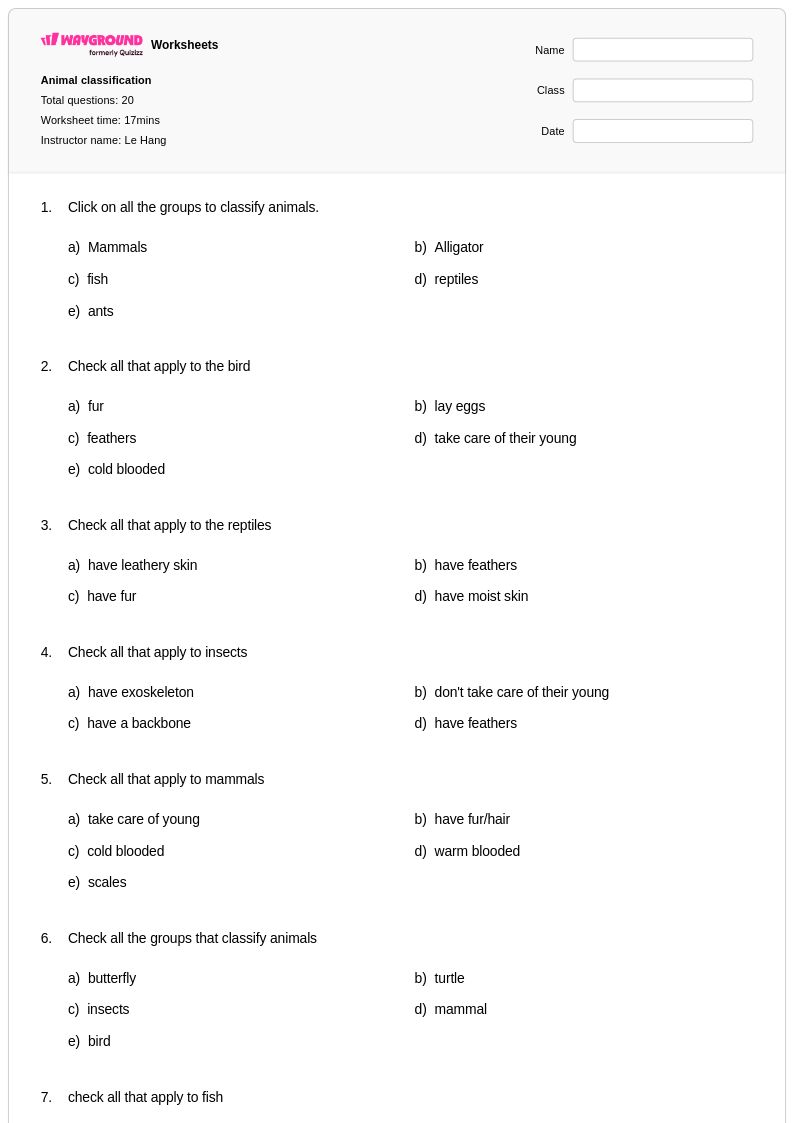
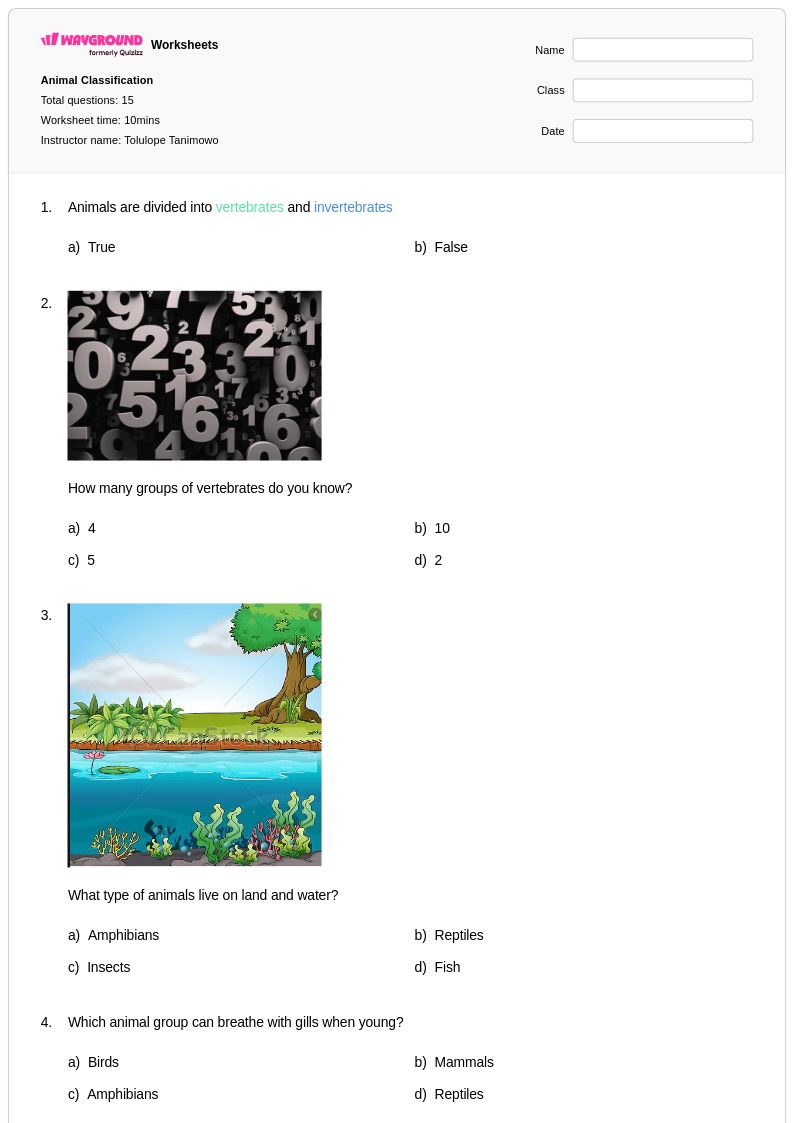
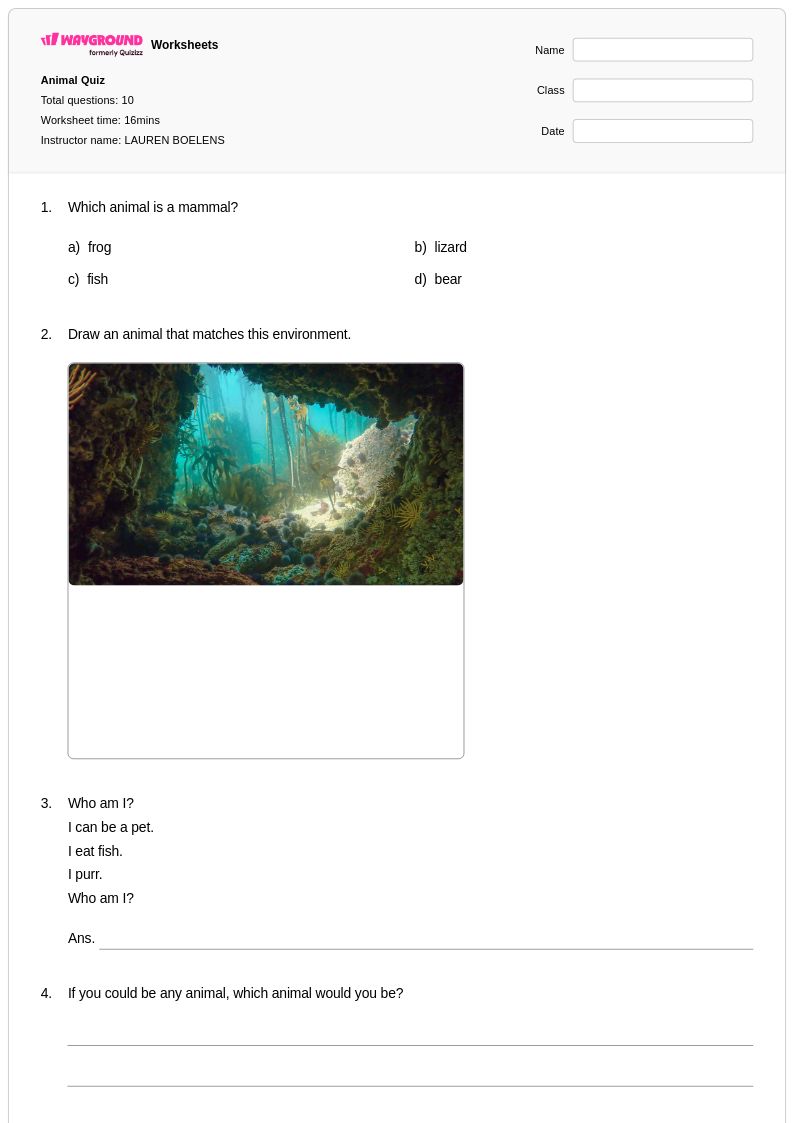
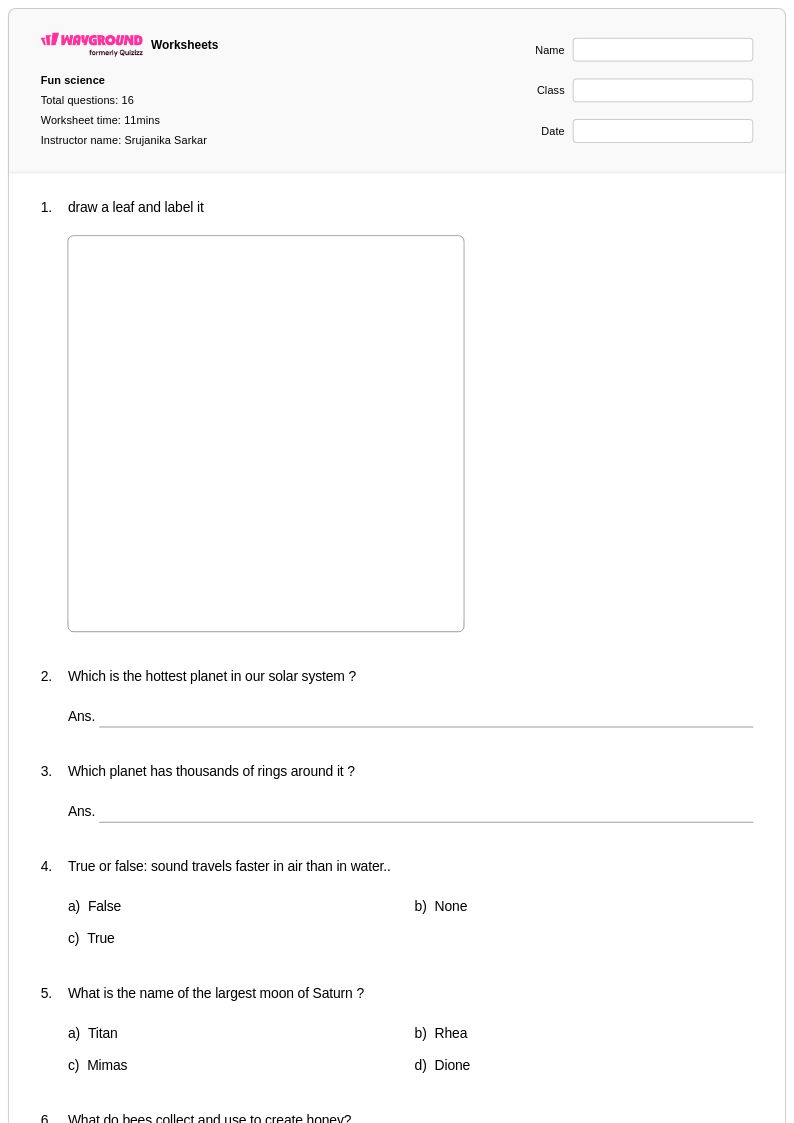
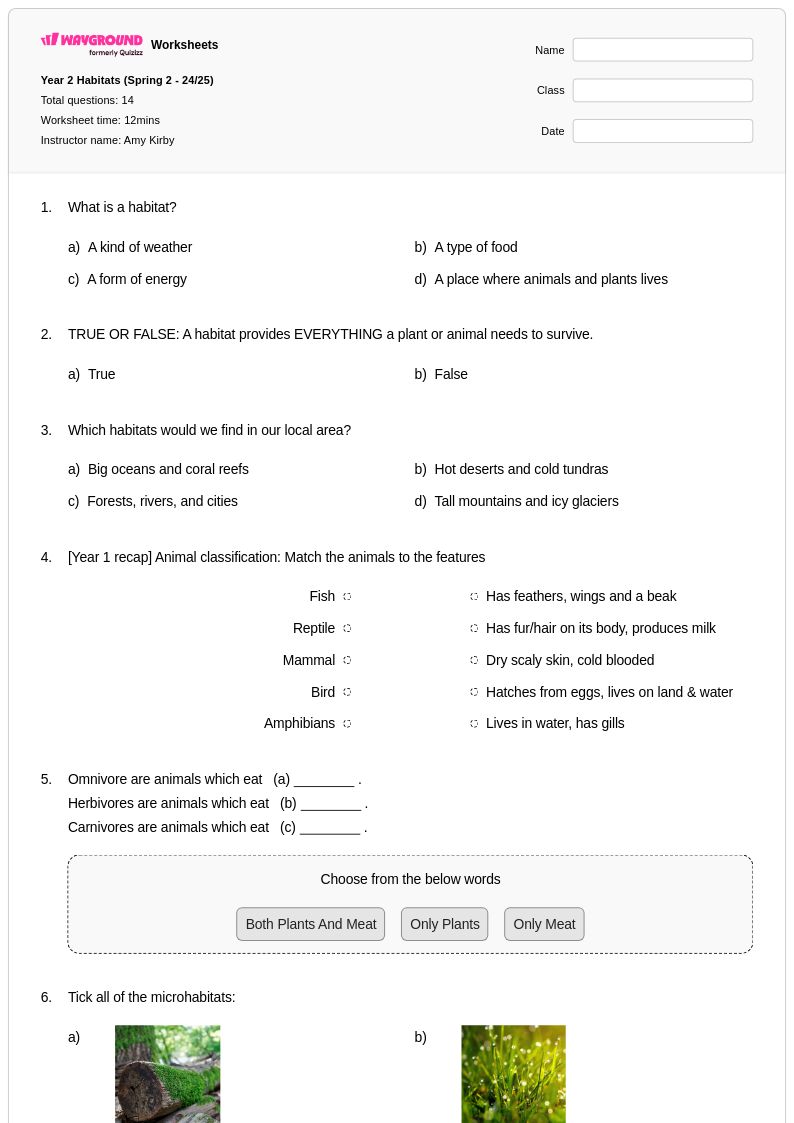
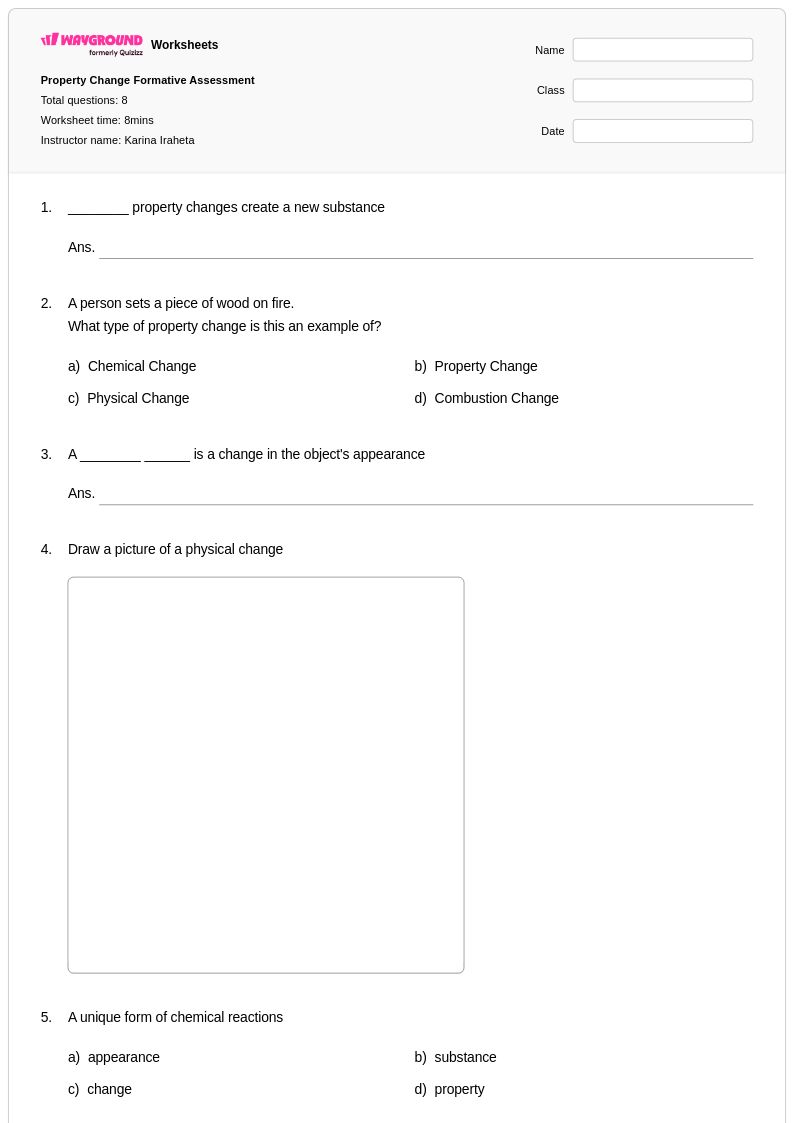
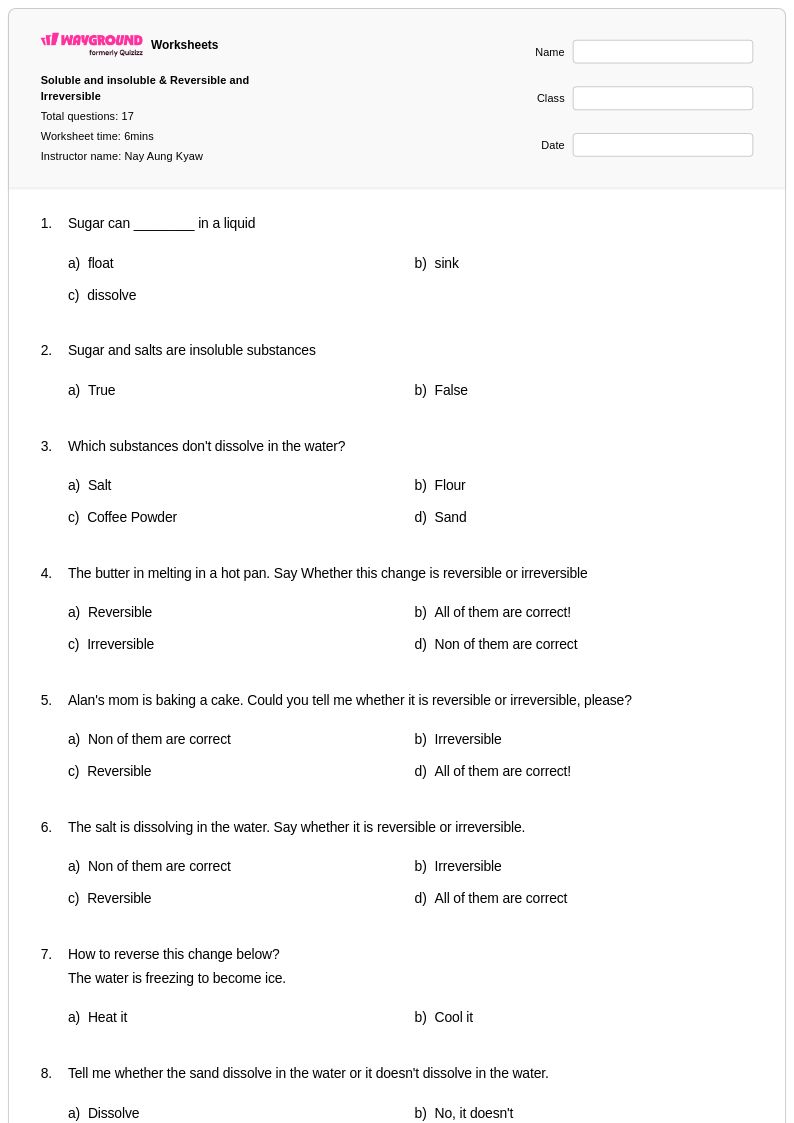
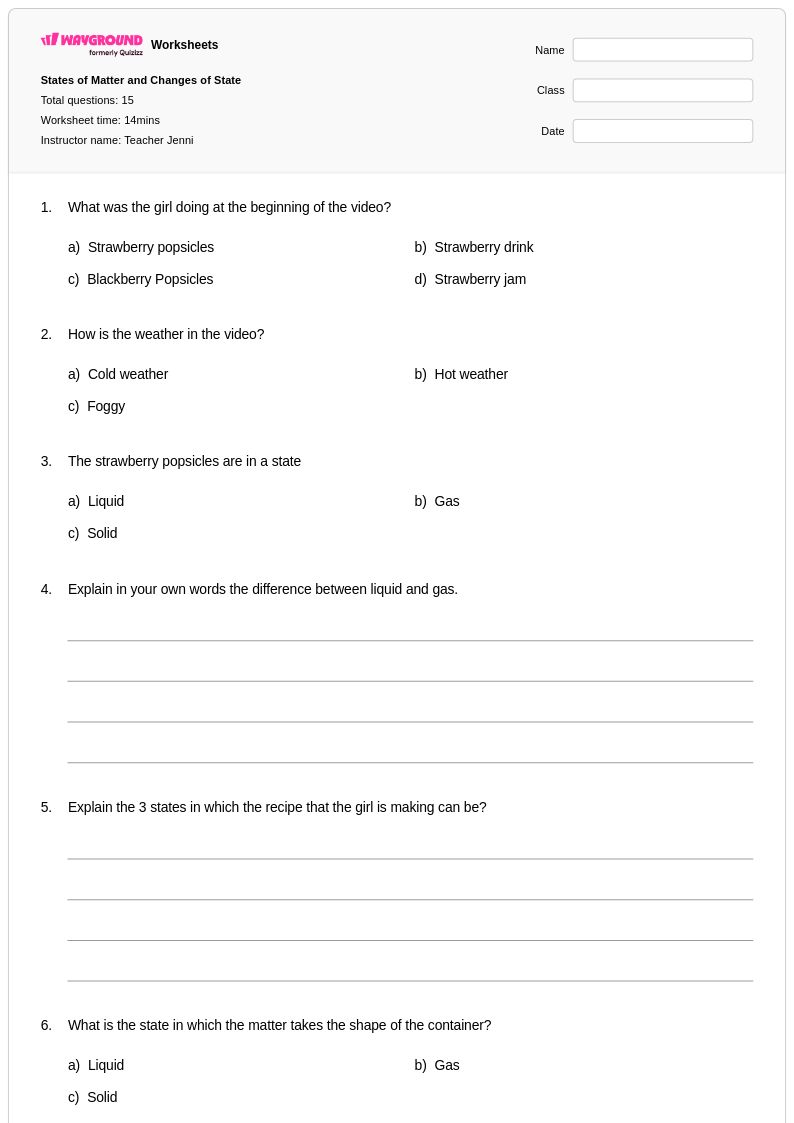
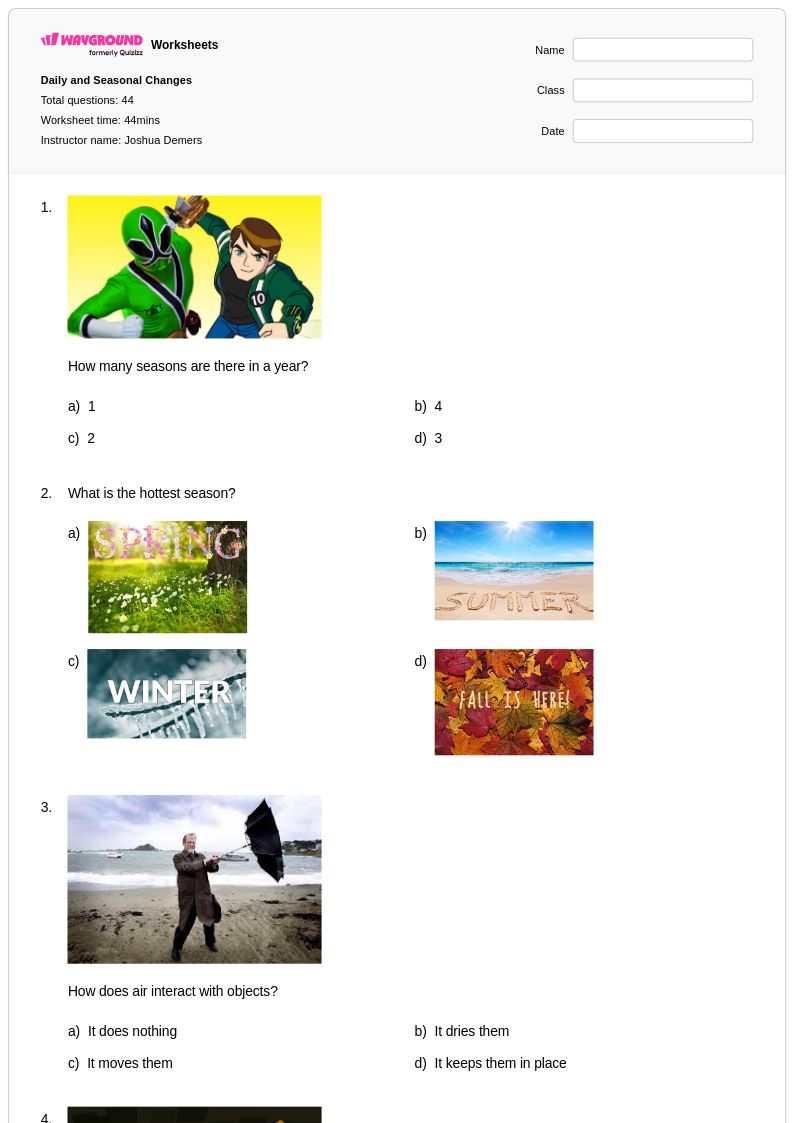
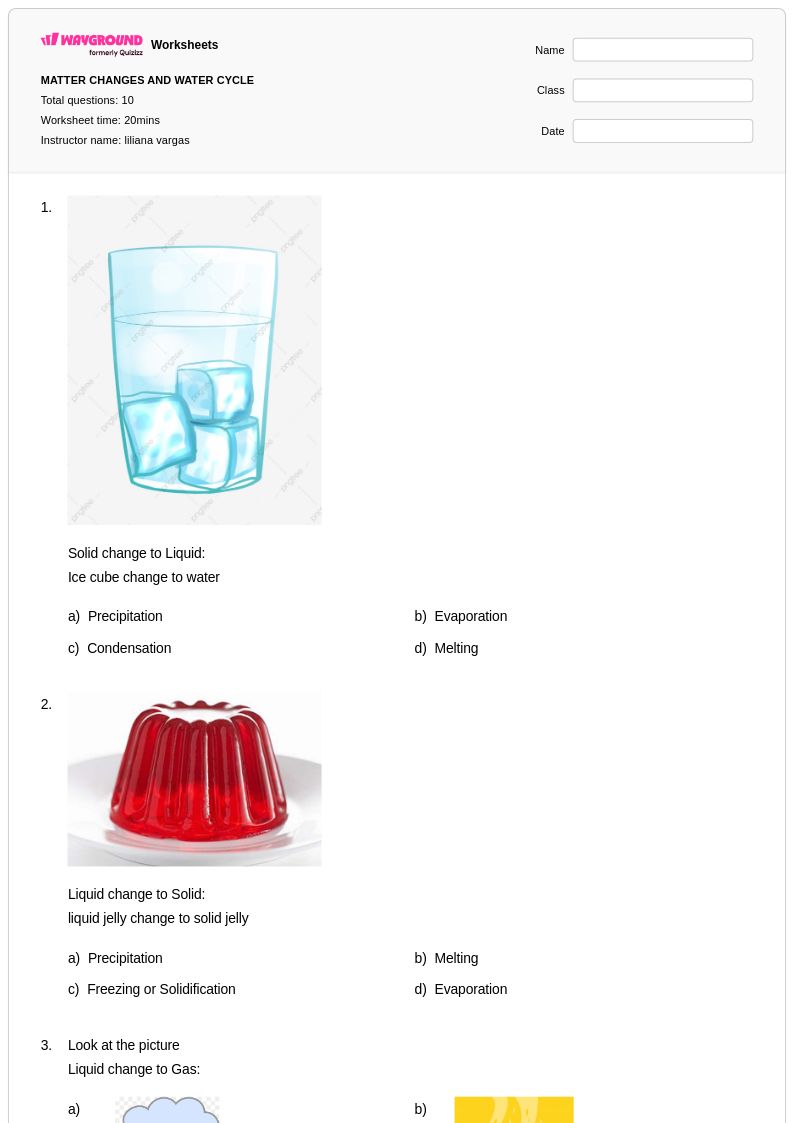
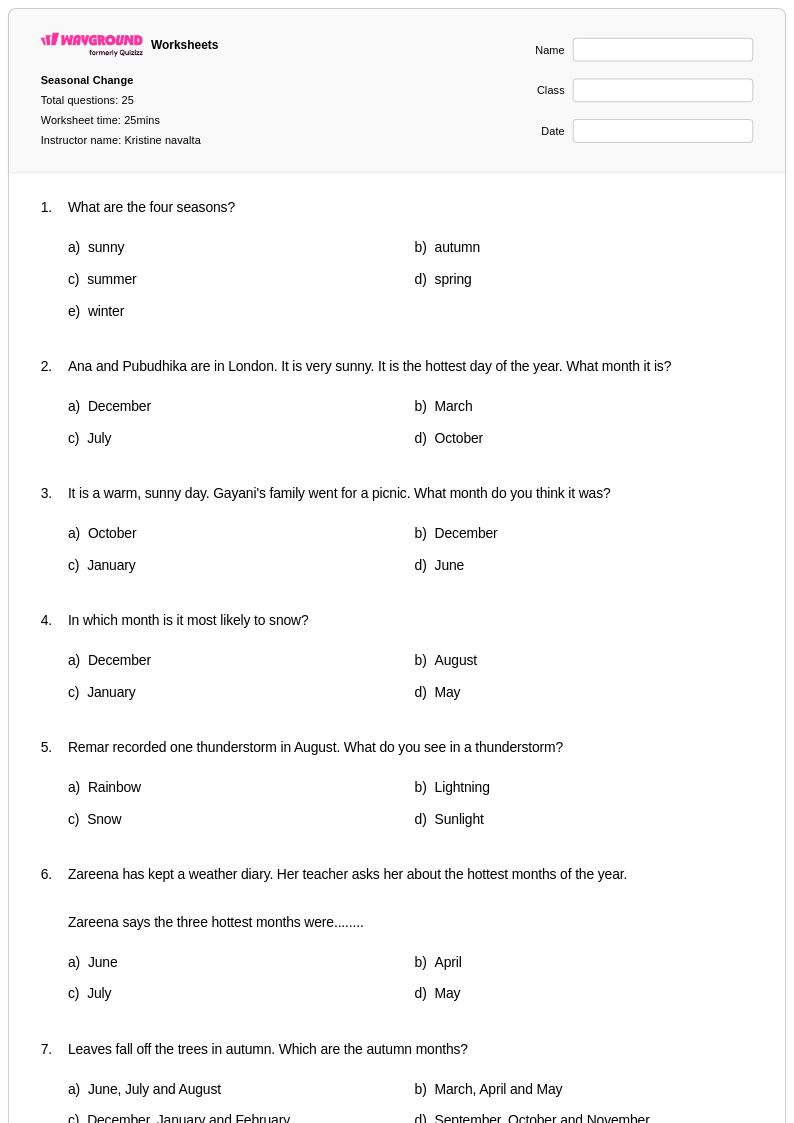
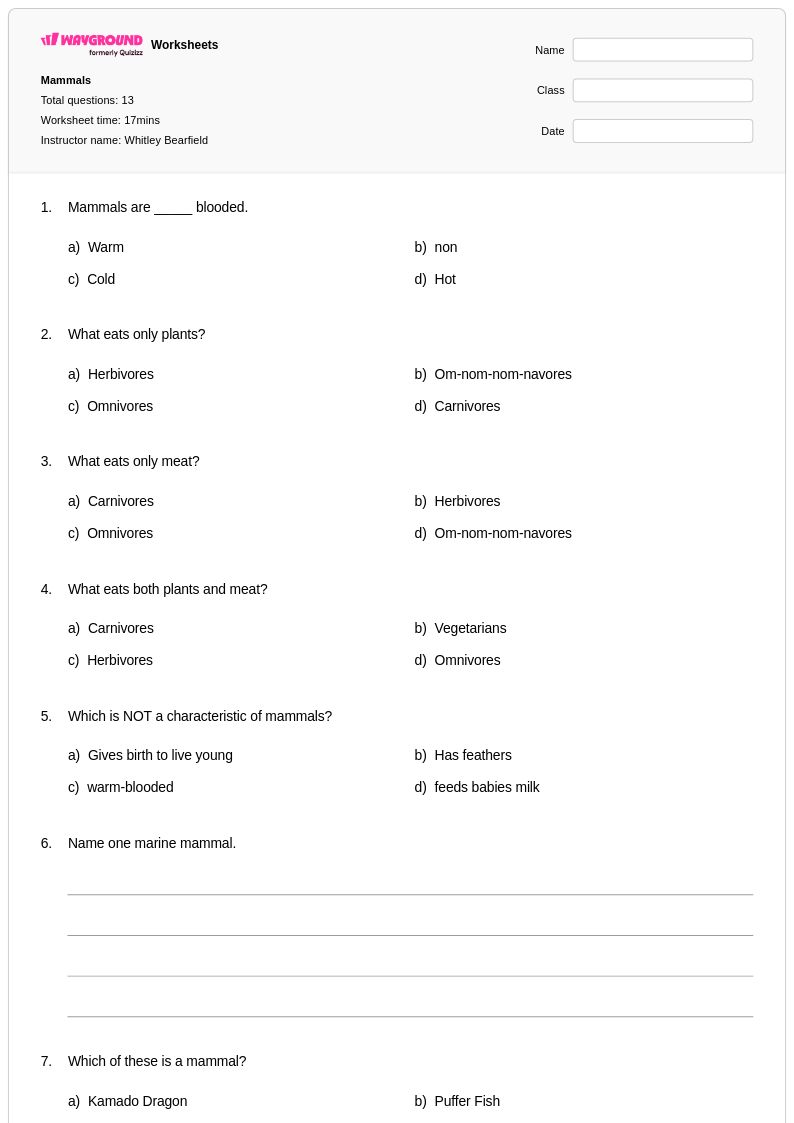
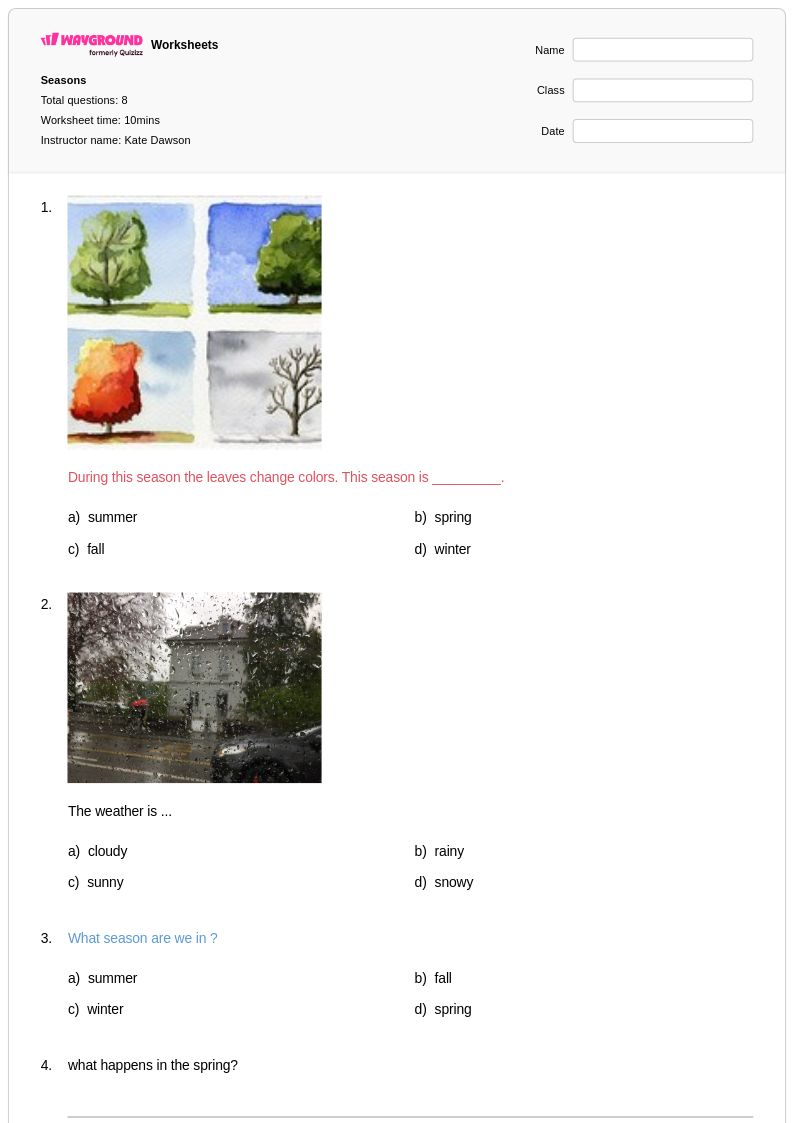
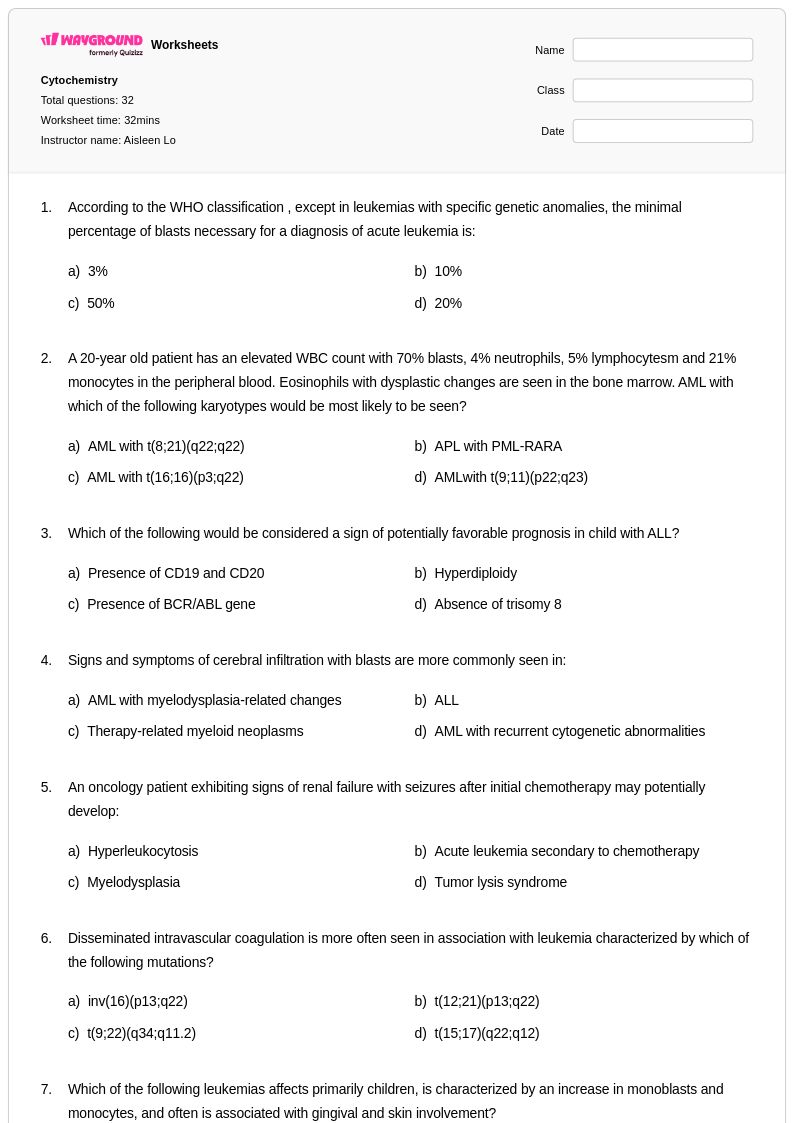
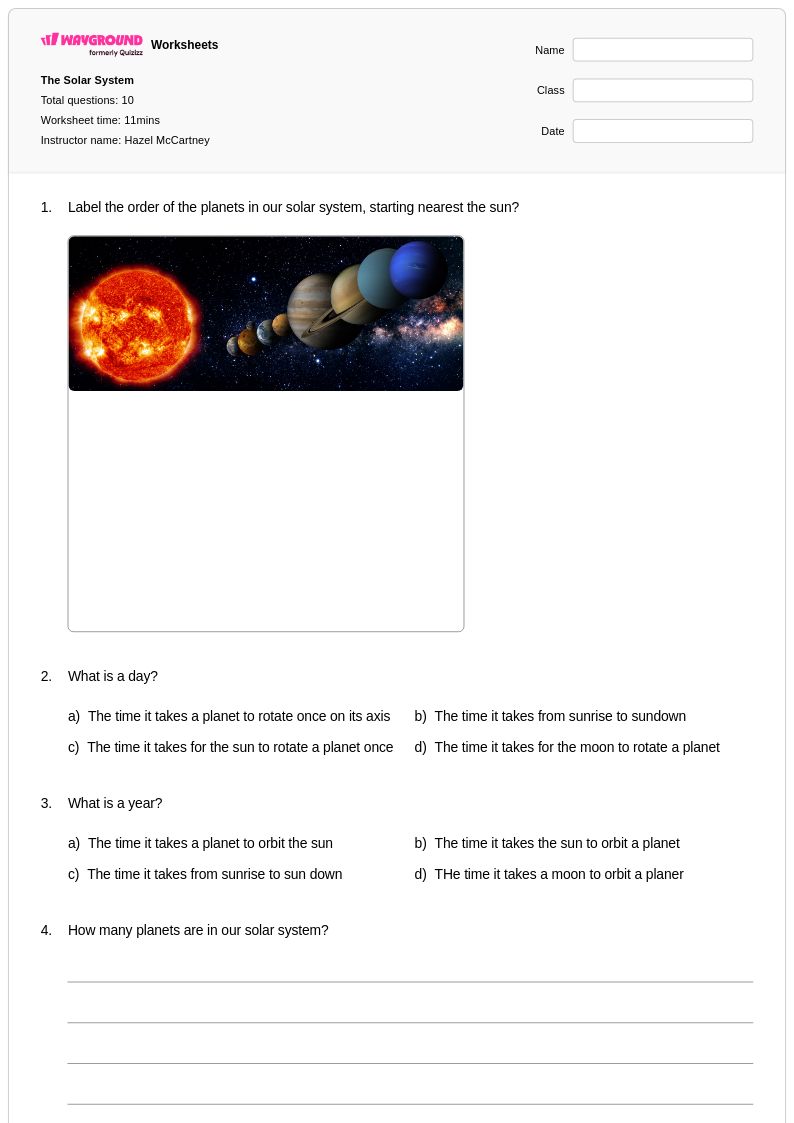
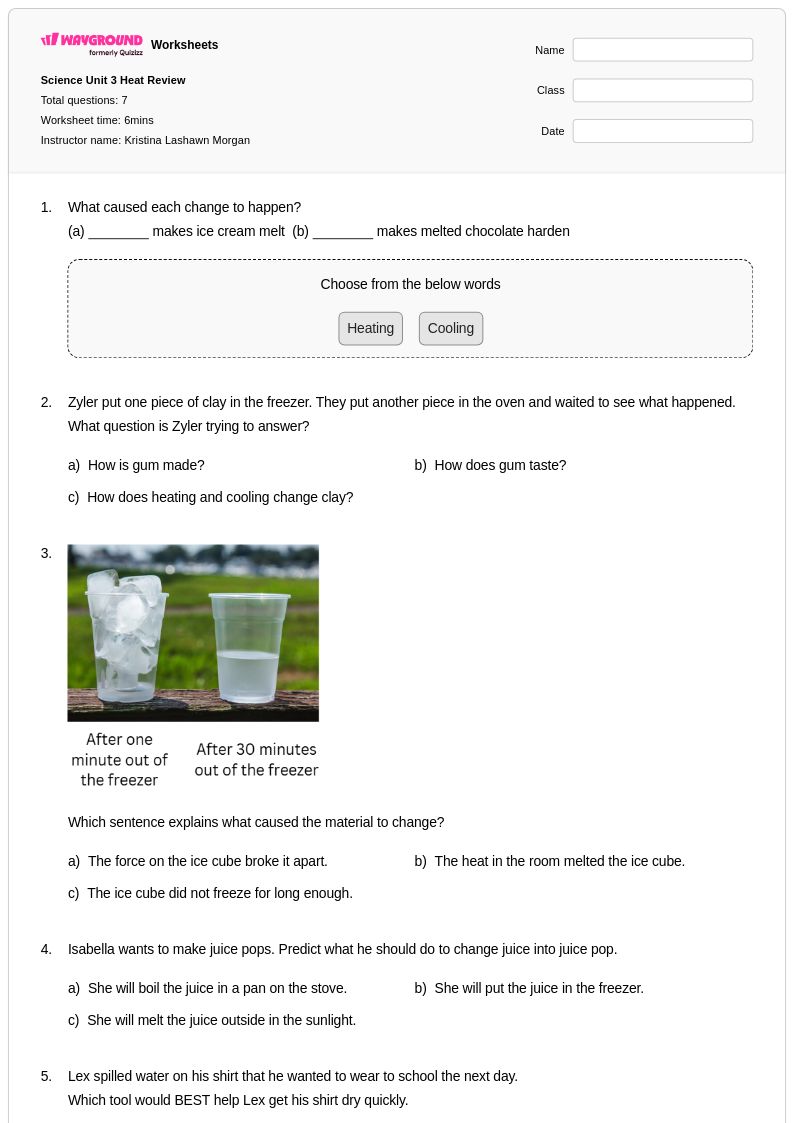
Classification and Changes worksheets for Year 1 students available through Wayground (formerly Quizizz) introduce young learners to fundamental scientific concepts about how objects can be grouped and how materials transform around them. These carefully designed printables help first-grade students develop critical observation and categorization skills by exploring how everyday items can be sorted by properties like color, shape, size, and texture, while also discovering simple changes such as melting ice or mixing colors. The worksheets feature age-appropriate practice problems that encourage hands-on thinking and visual learning, with each resource including a comprehensive answer key to support both independent work and guided instruction. Teachers can access these free educational materials in convenient pdf format, making them ideal for classroom use, homework assignments, or supplemental learning activities that reinforce core scientific thinking skills.
Wayground (formerly Quizizz) empowers educators with an extensive collection of millions of teacher-created resources specifically designed to support Year 1 Classification and Changes instruction across diverse learning environments. The platform's robust search and filtering capabilities allow teachers to quickly locate worksheets that align with curriculum standards and match their students' specific skill levels, while built-in differentiation tools enable seamless customization for learners with varying abilities and learning styles. These versatile materials are available in both printable and digital formats, including downloadable pdf versions, giving teachers the flexibility to implement them during whole-class instruction, small group work, or individual practice sessions. Whether used for initial concept introduction, targeted remediation, advanced enrichment, or ongoing skill reinforcement, these thoughtfully curated worksheet collections streamline lesson planning while providing students with engaging opportunities to master essential scientific classification and observation concepts.
FAQs
How do I teach students to distinguish between physical and chemical changes?
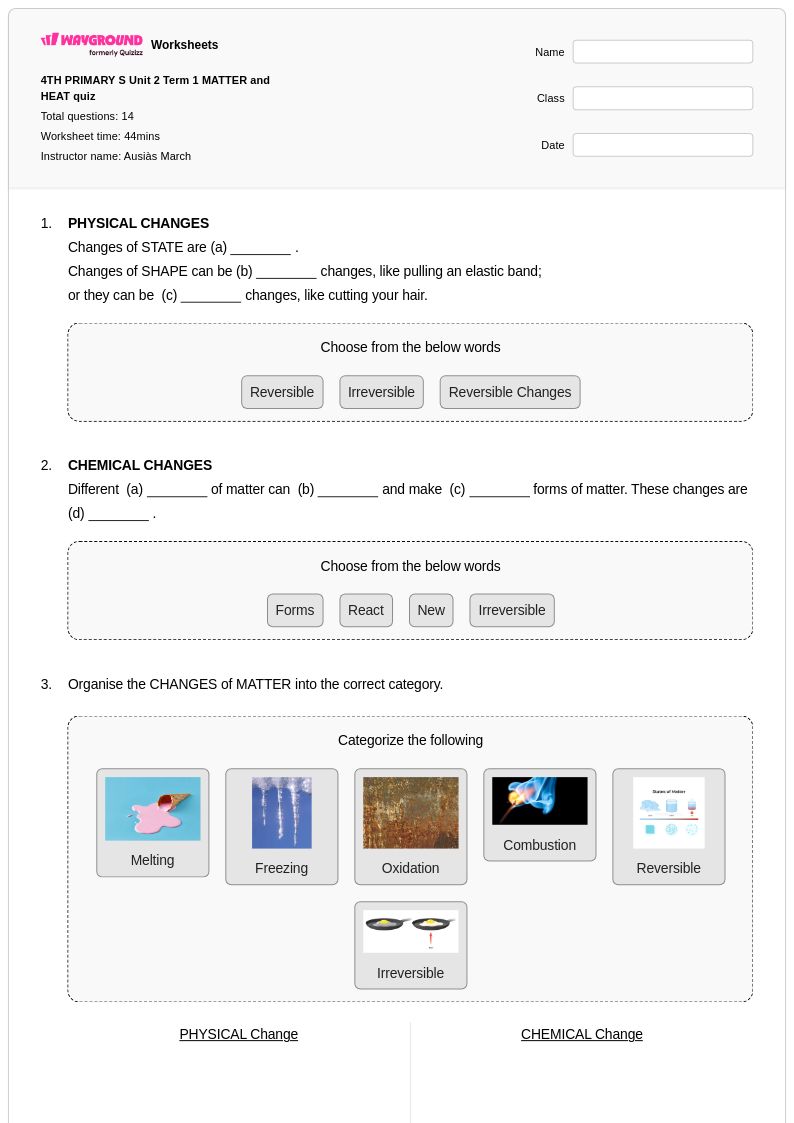
Start by anchoring instruction in observable evidence: physical changes alter the form or appearance of a substance without producing a new substance, while chemical changes result in one or more new substances with different properties. Teach students to look for indicators of chemical change such as gas production, color change, temperature change, or precipitate formation. Using concrete examples like tearing paper (physical) versus burning paper (chemical) helps students build reliable mental models before applying the distinction to less familiar scenarios.
What are the most common mistakes students make when classifying matter as elements, compounds, or mixtures?
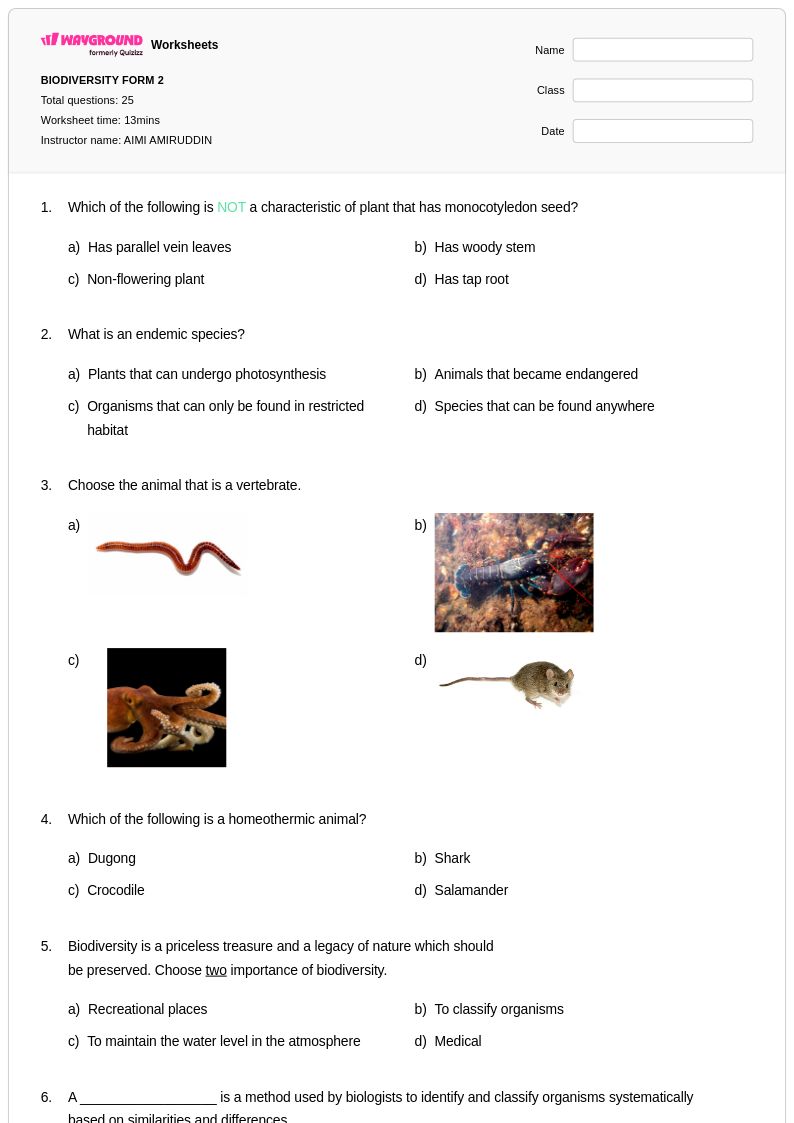
The most frequent error is conflating compounds with mixtures because both contain more than one type of substance. Students need explicit instruction that compounds are chemically bonded substances with fixed ratios and distinct properties, while mixtures retain the individual properties of their components and can be separated by physical means. Another common misconception is assuming all mixtures are heterogeneous; teachers should specifically address homogeneous mixtures like saltwater to prevent this overgeneralization.
What exercises help students practice identifying physical and chemical properties of matter?
Effective practice exercises ask students to sort property lists into physical (mass, color, density, boiling point) versus chemical (flammability, reactivity, toxicity) categories, then justify their reasoning. Scenarios where students must predict whether a described change is physical or chemical — and cite specific evidence — build the analytical thinking this concept requires. Classification and changes worksheets that pair practice problems with answer keys allow students to self-check and correct misconceptions independently.
How can I use classification and changes worksheets to support students at different ability levels?
Differentiation for this topic works best when lower-level tasks focus on identifying and sorting familiar examples, while higher-level tasks ask students to analyze unfamiliar substances or design scenarios that illustrate a specific type of change. On Wayground, teachers can apply per-student accommodations such as reduced answer choices to lower cognitive load for struggling learners, or enable Read Aloud for students who benefit from audio support. These settings can be applied to individual students without affecting the rest of the class, making seamless differentiation practical in a single-session workflow.
How do I use classification and changes worksheets from Wayground in my classroom?
Wayground's classification and changes worksheets are available as printable PDFs for traditional classroom use and in digital formats for technology-integrated or remote learning environments. Teachers can also host worksheets as a live quiz on Wayground, enabling real-time student responses and immediate feedback. This flexibility makes them suitable for direct instruction, independent practice, homework assignments, or formative assessment checkpoints throughout a chemistry unit.
How do I sequence instruction on matter classification and changes across a unit?
Begin with physical versus chemical properties of matter before moving to states of matter and phase changes, then introduce classification of pure substances and mixtures as a culminating concept. This sequence ensures students can describe and compare materials before they are asked to classify them into hierarchical categories. Regularly revisiting prior concepts through short practice problems prevents the fragmented understanding that often occurs when these closely related topics are taught in isolation.