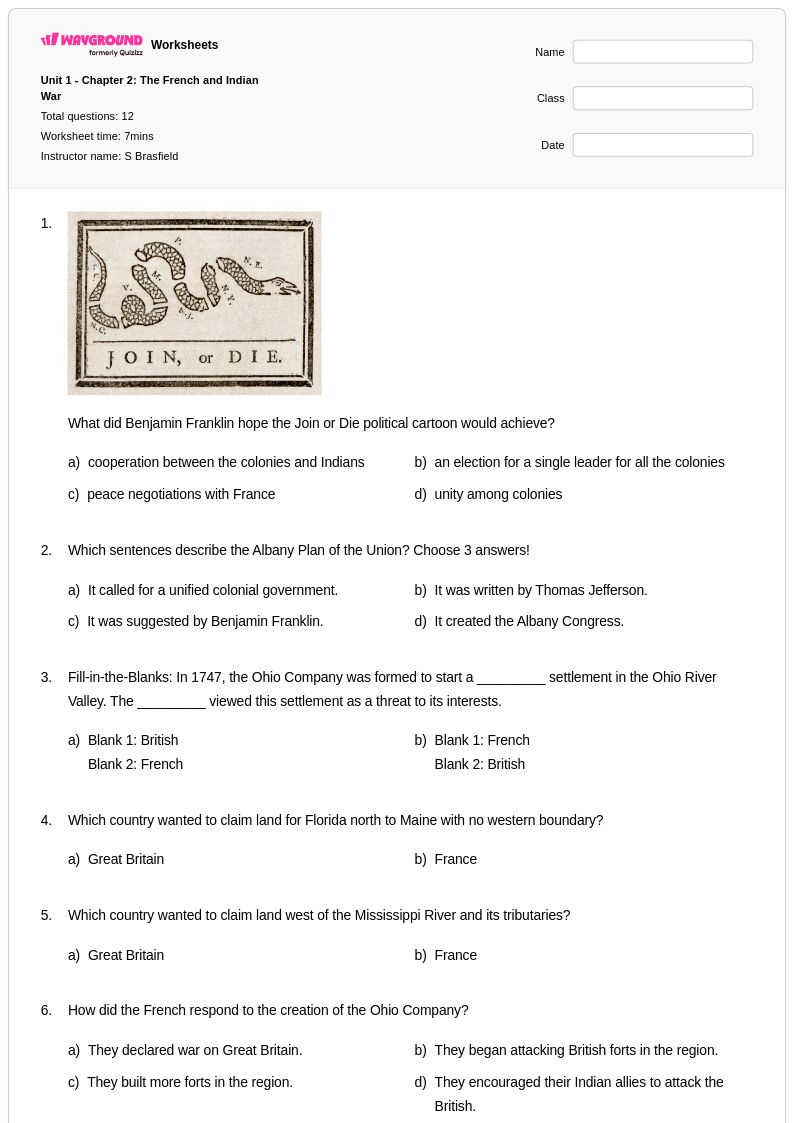
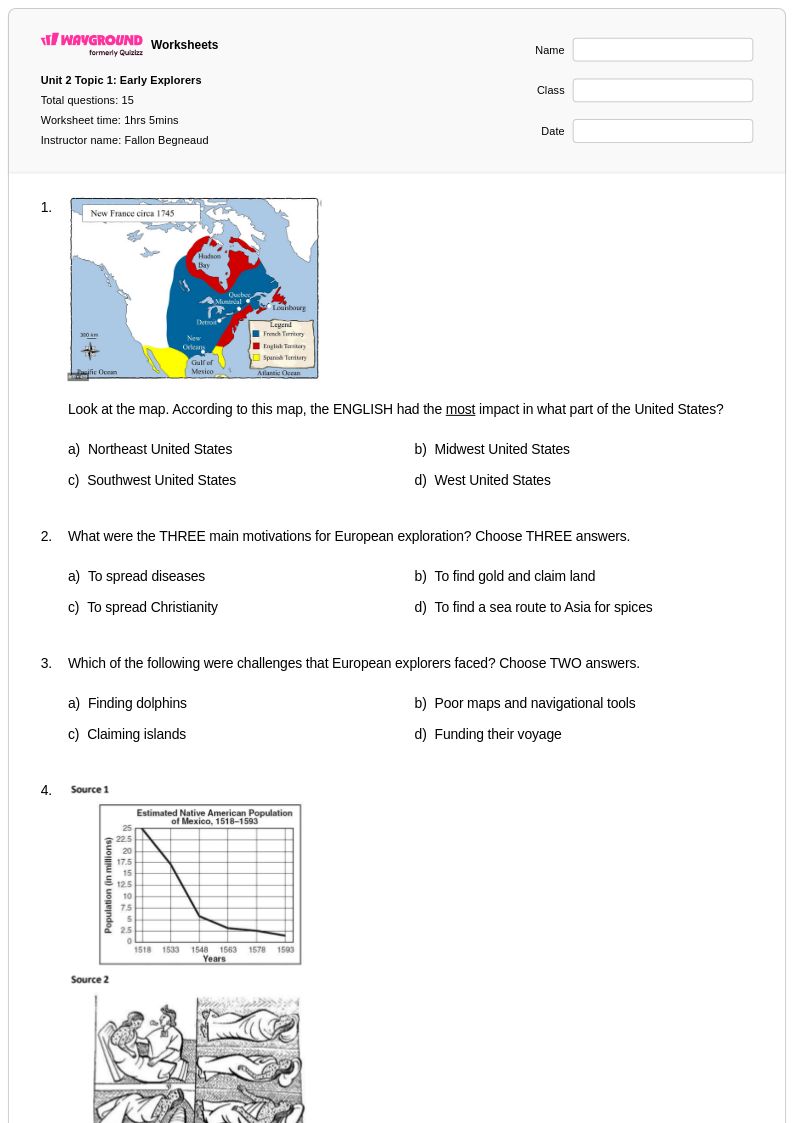
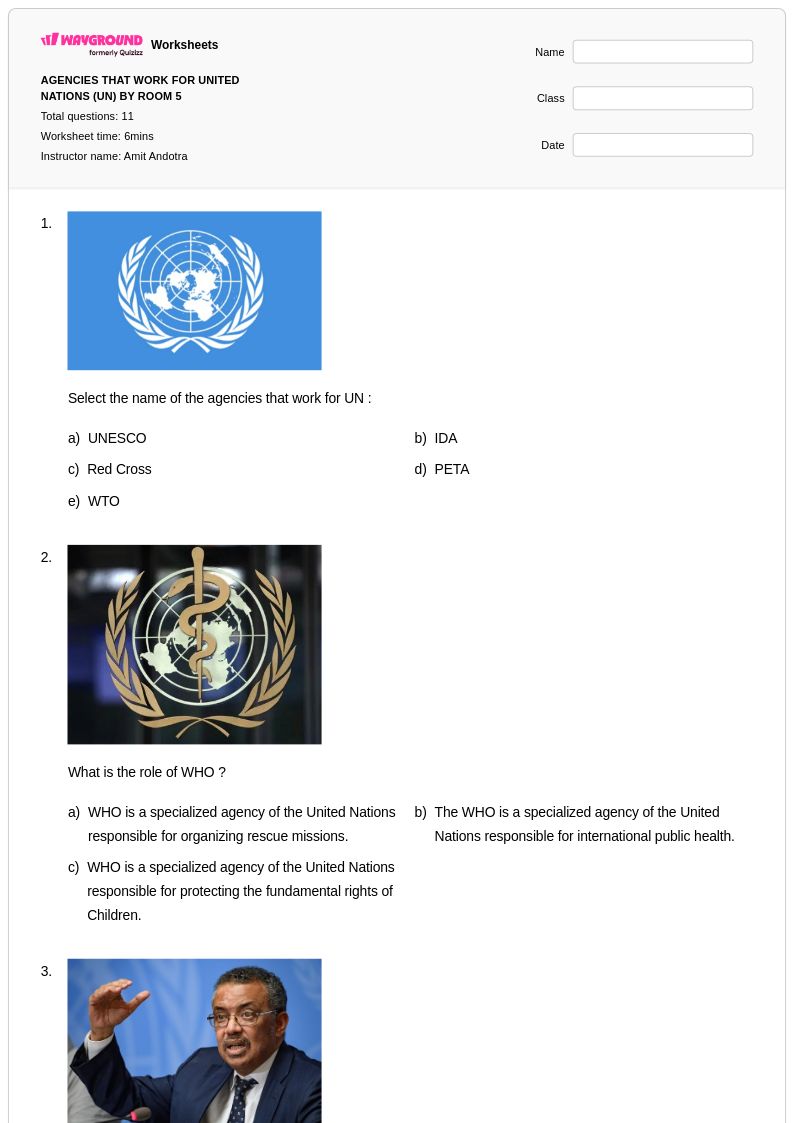
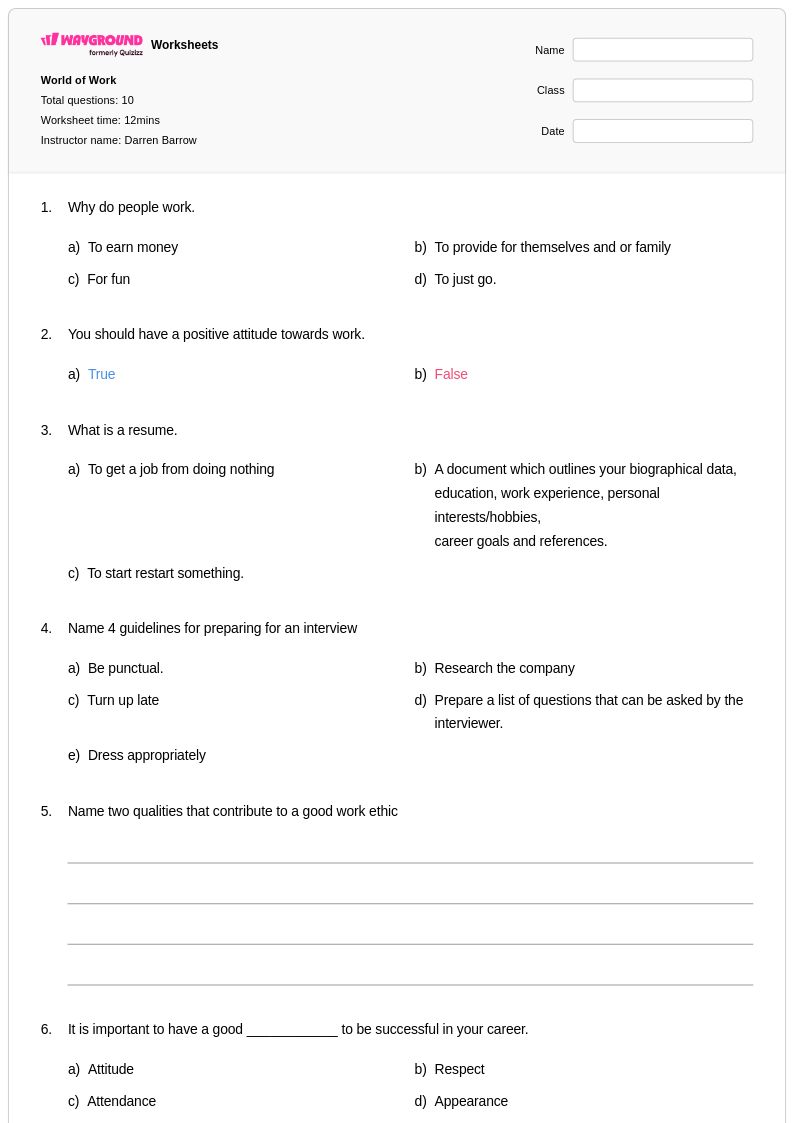
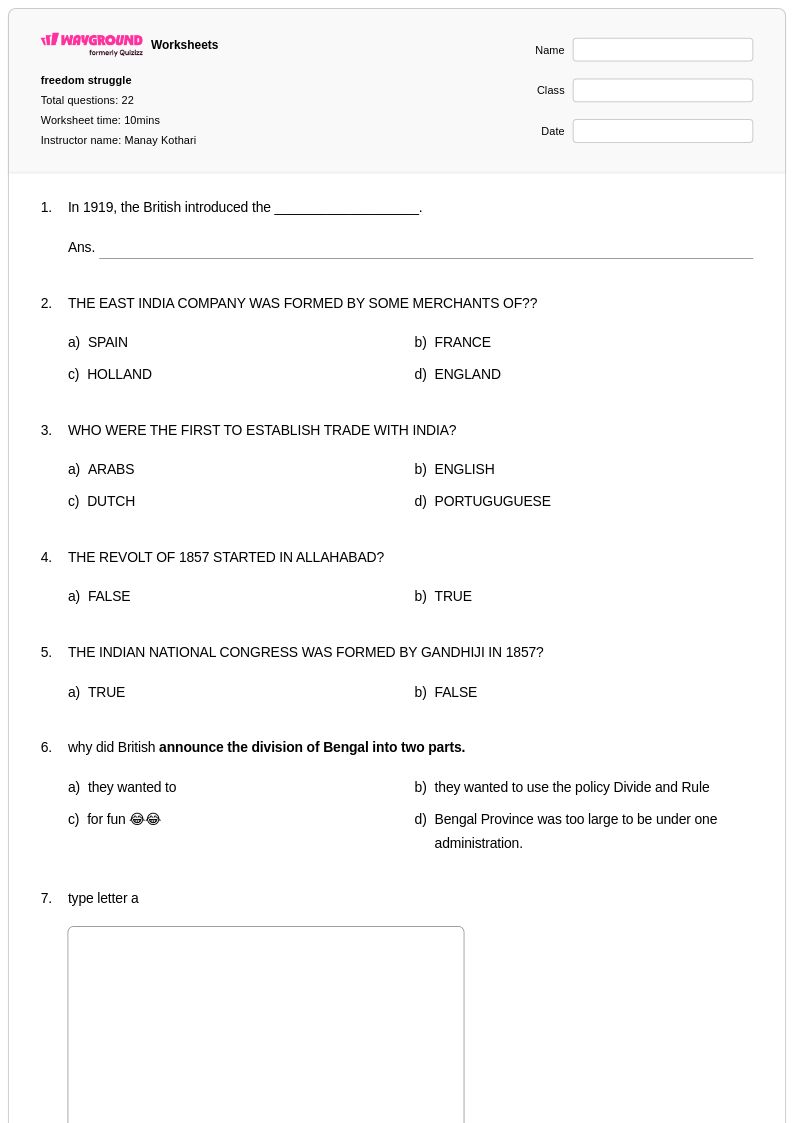
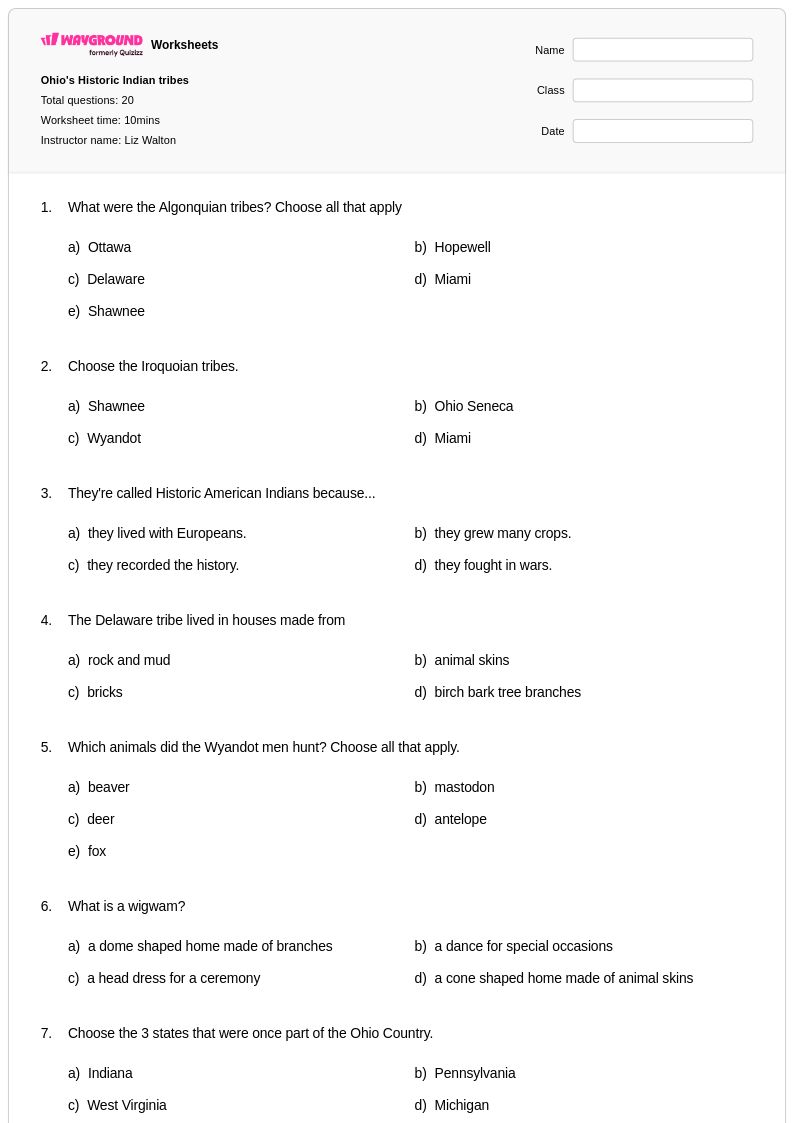
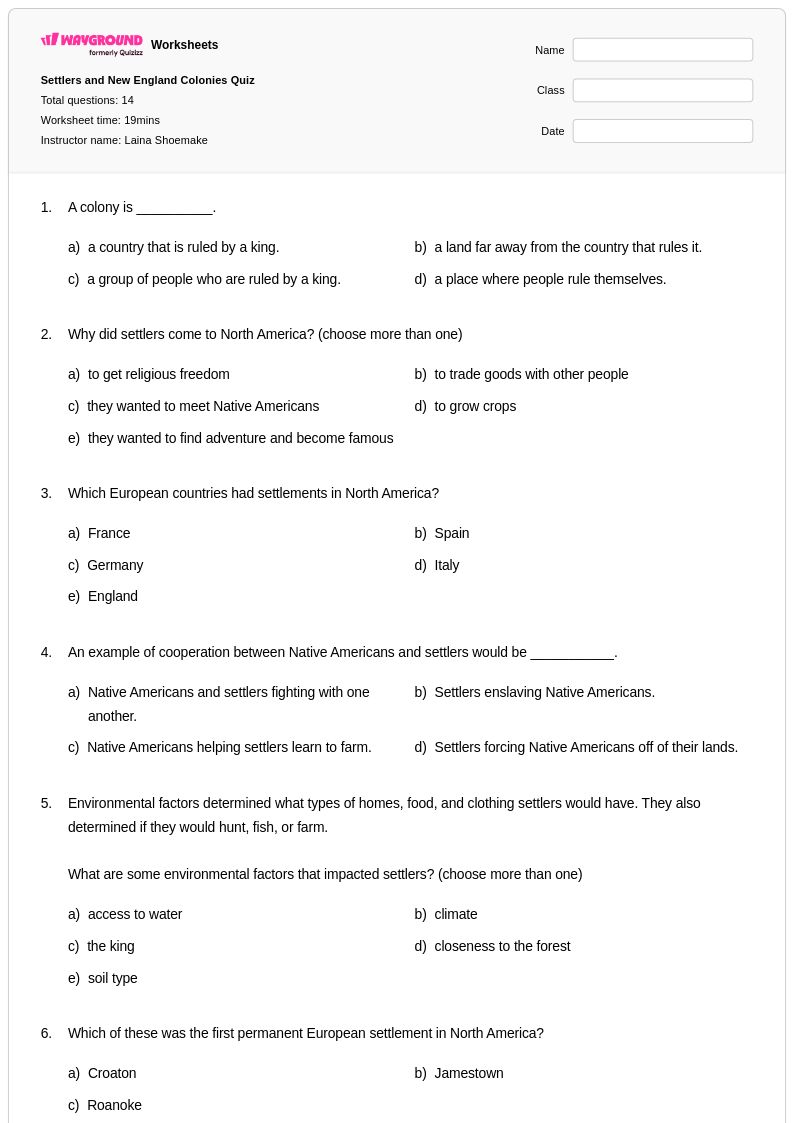
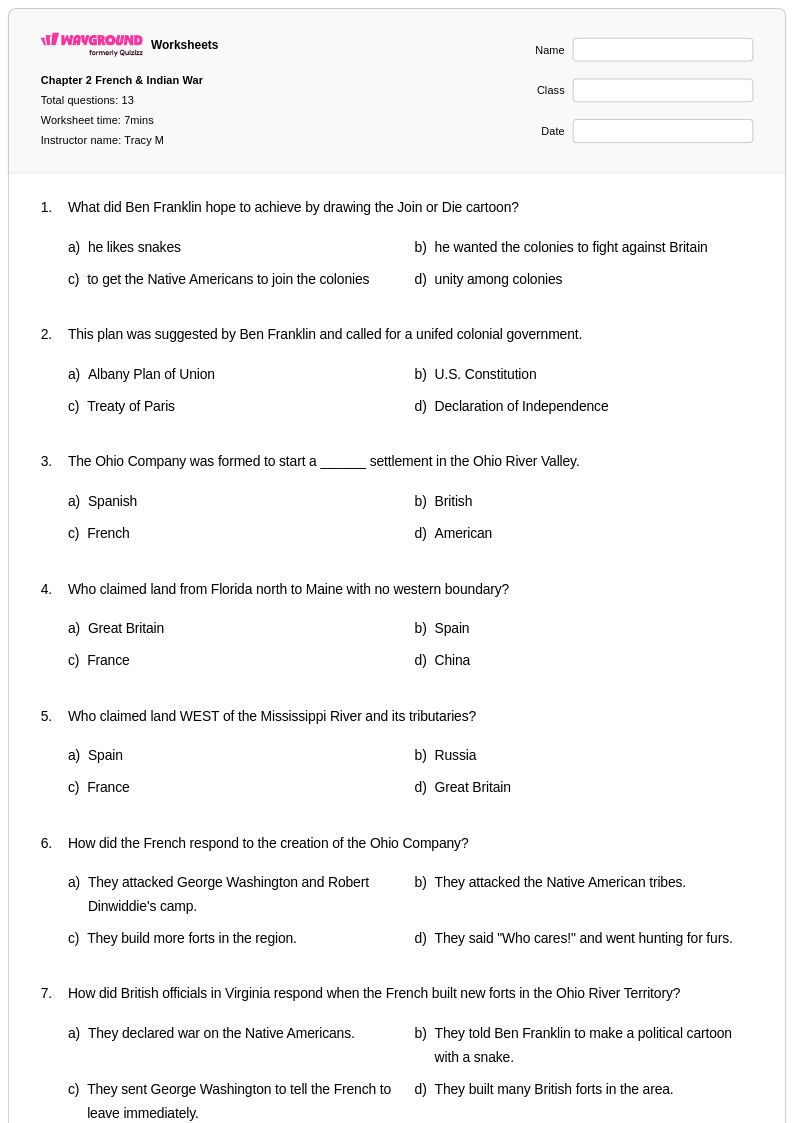
Year 4 cooperation worksheets and free printables help students develop essential teamwork and collaborative social skills through engaging practice problems with comprehensive answer keys.
Explore printable Cooperation worksheets for Year 4
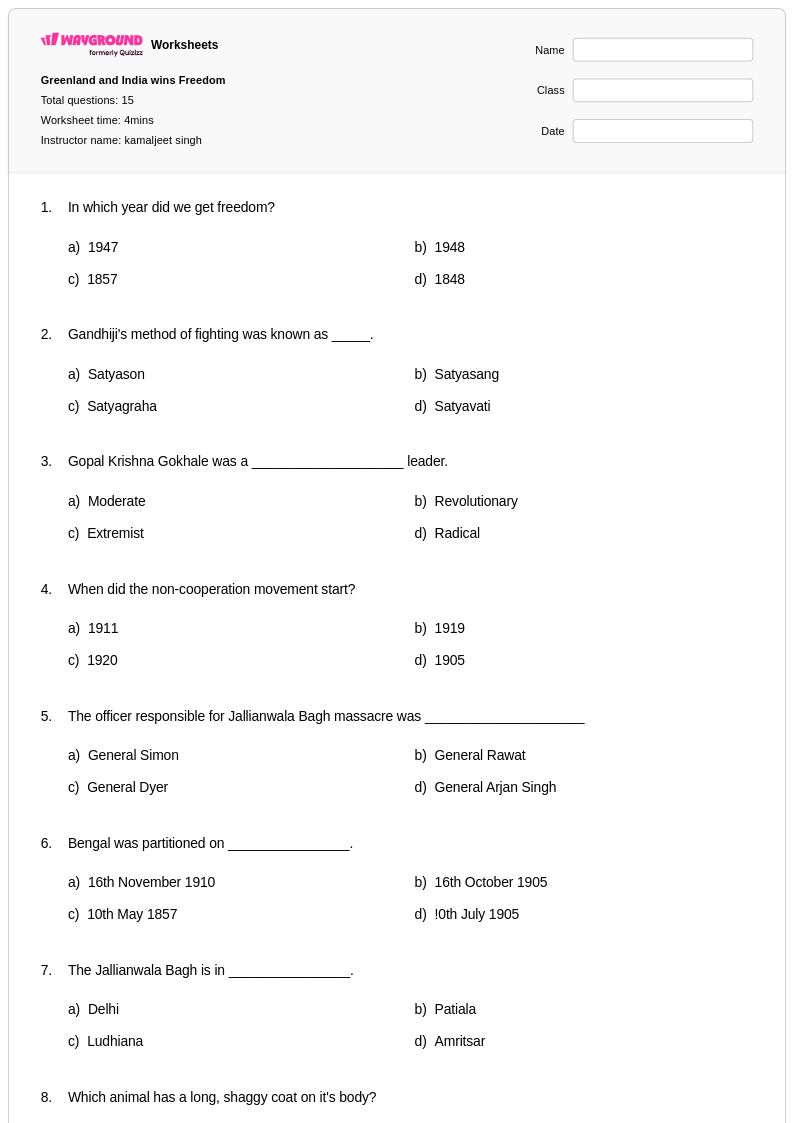
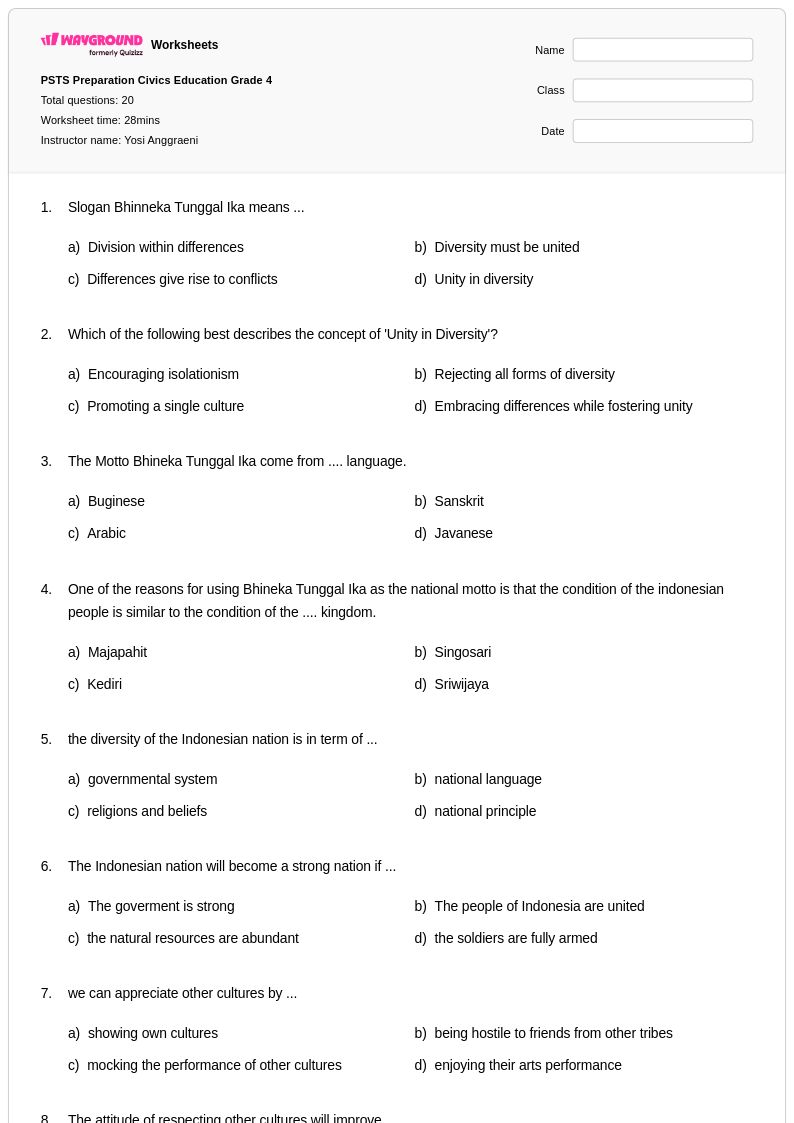
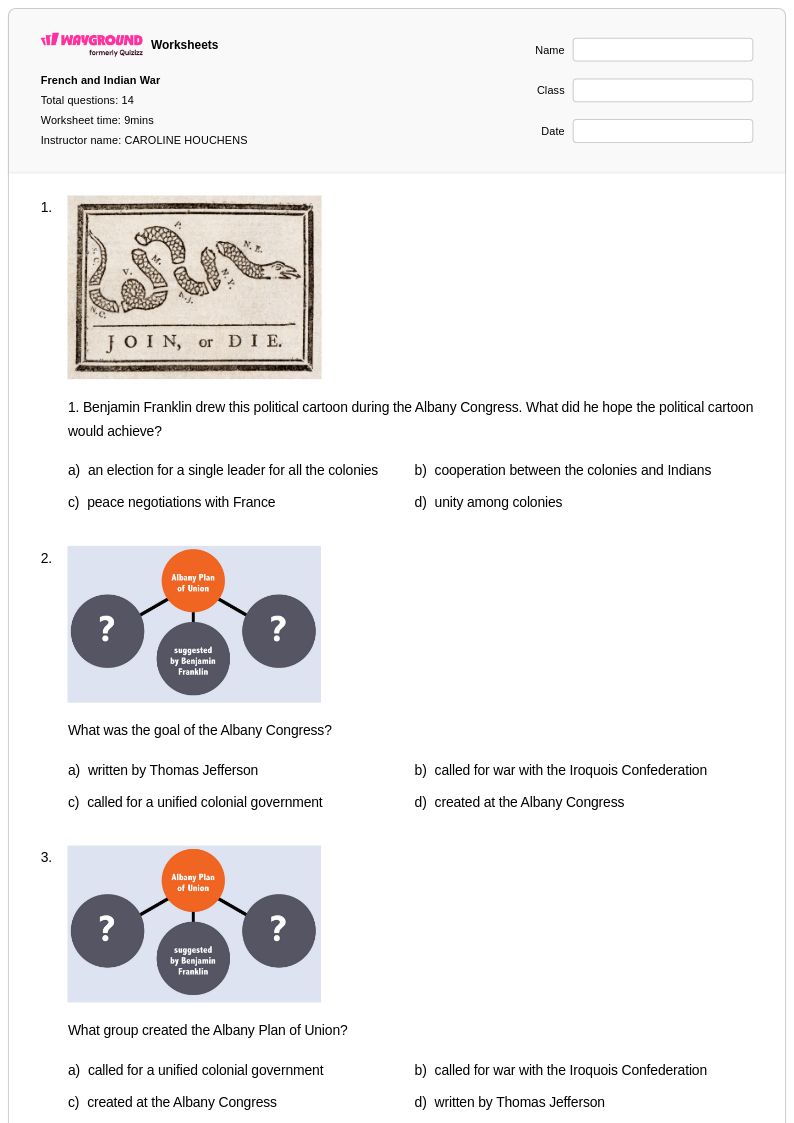
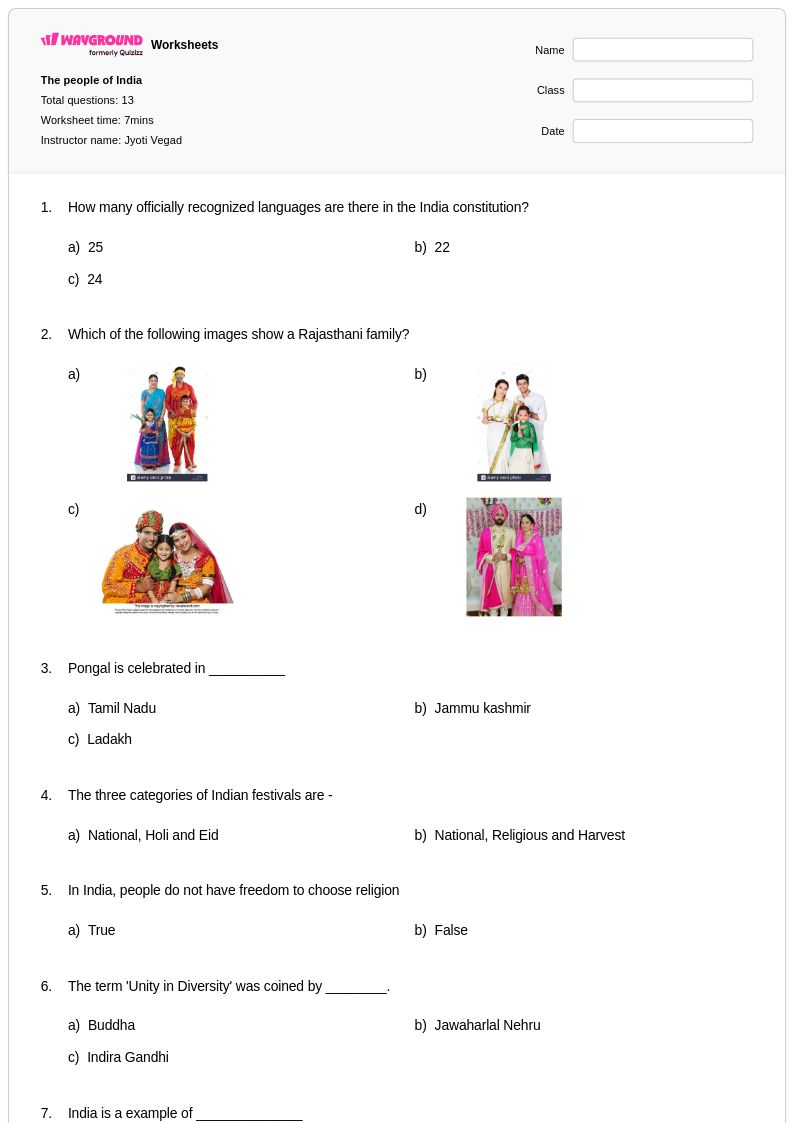
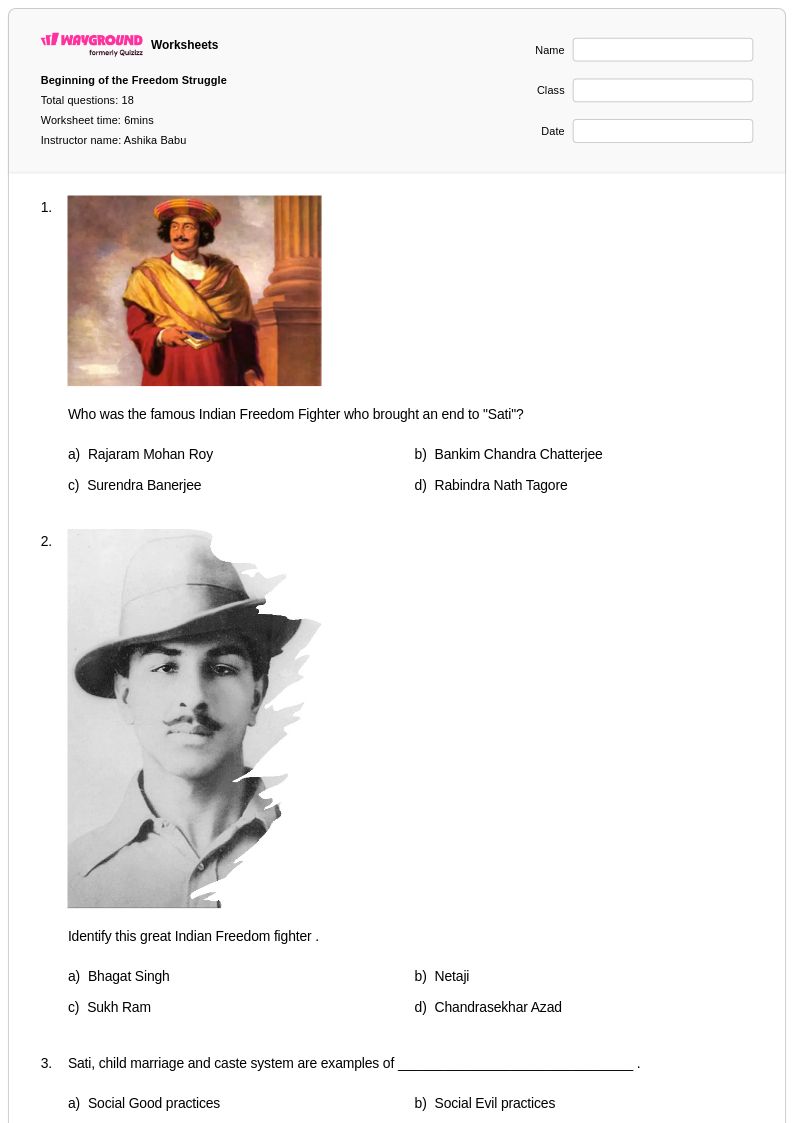
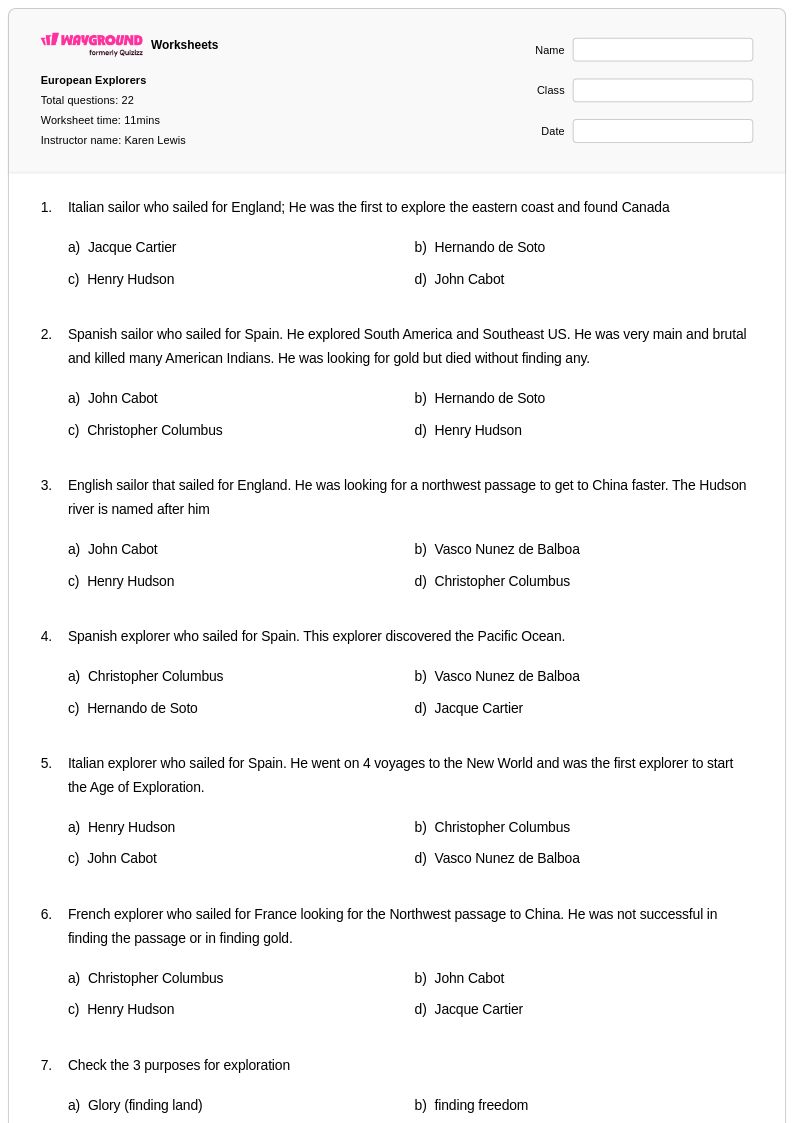
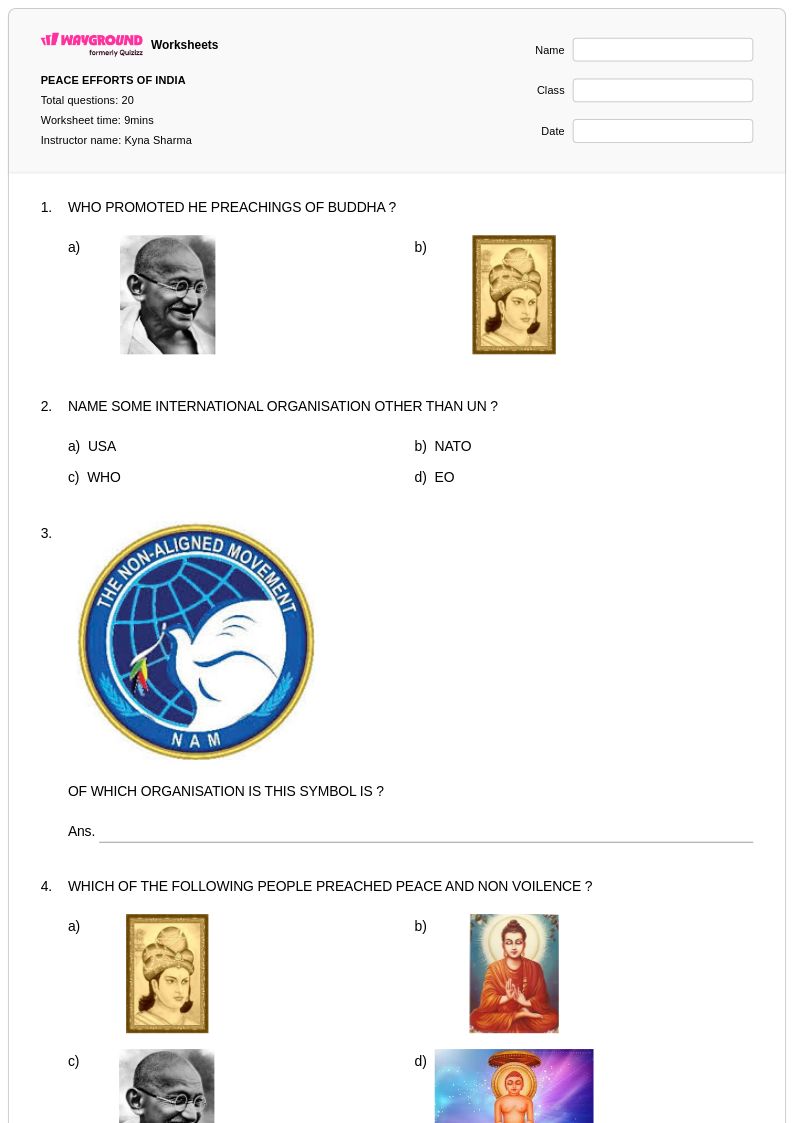
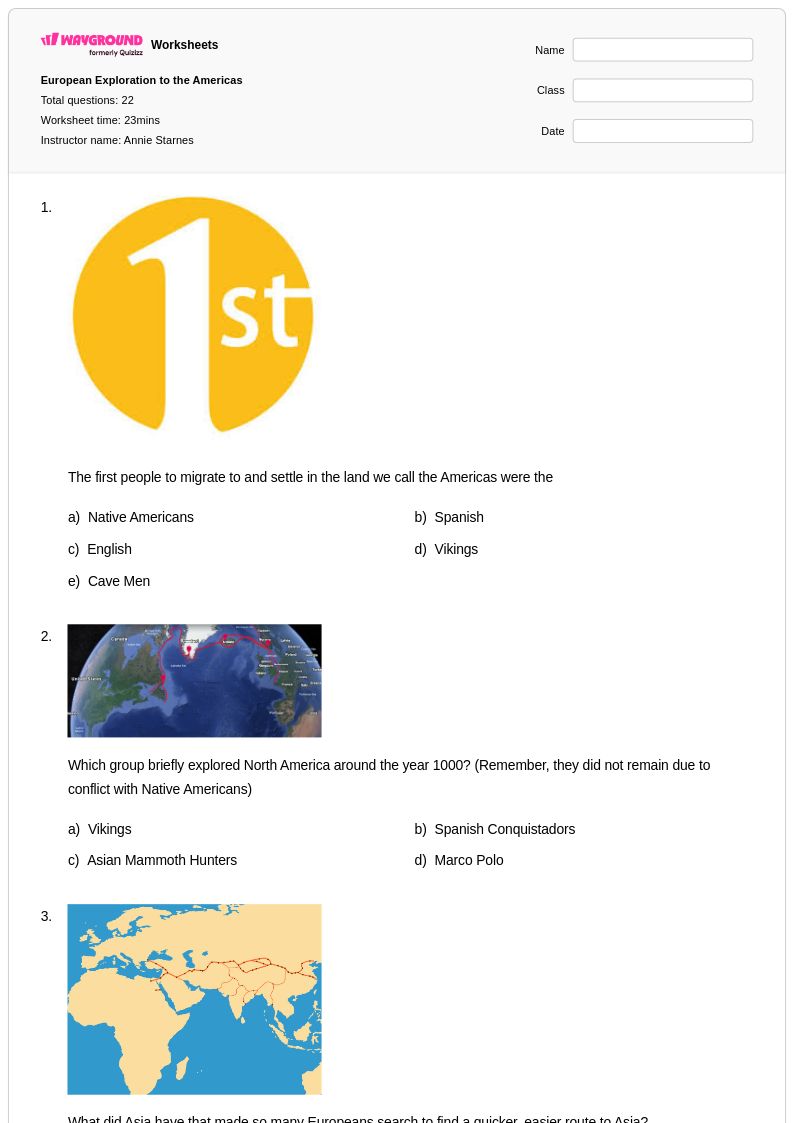
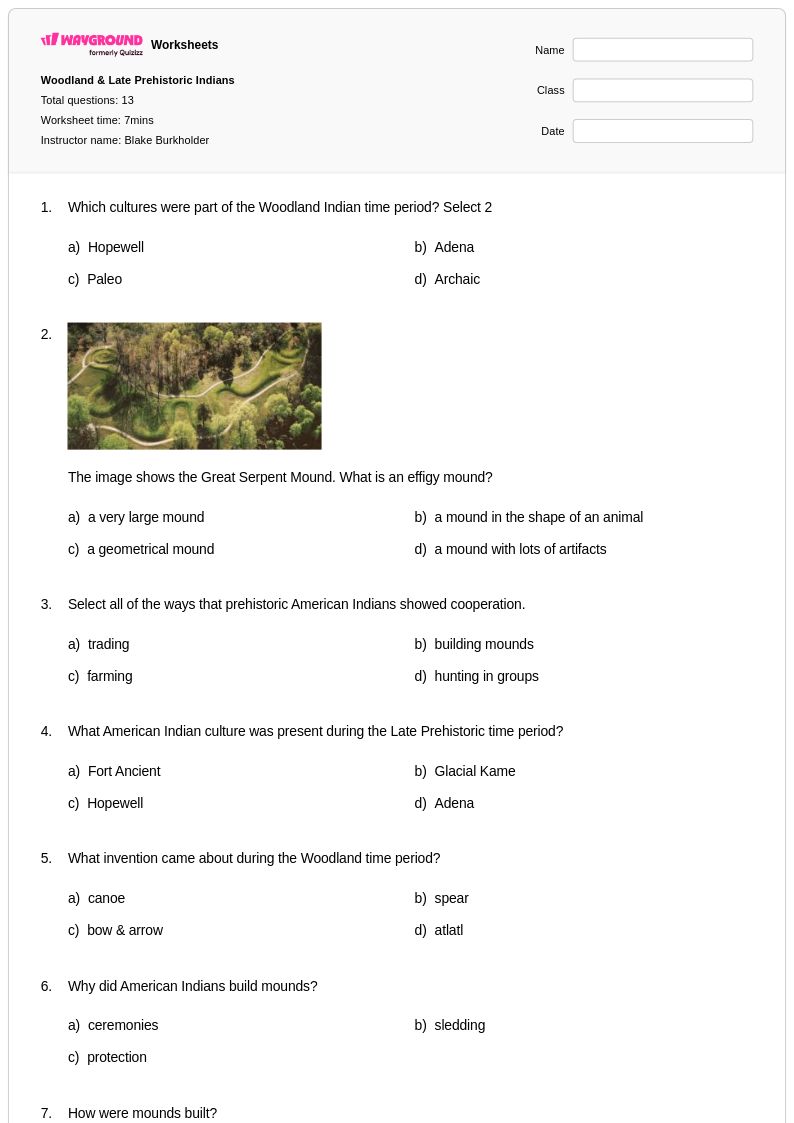
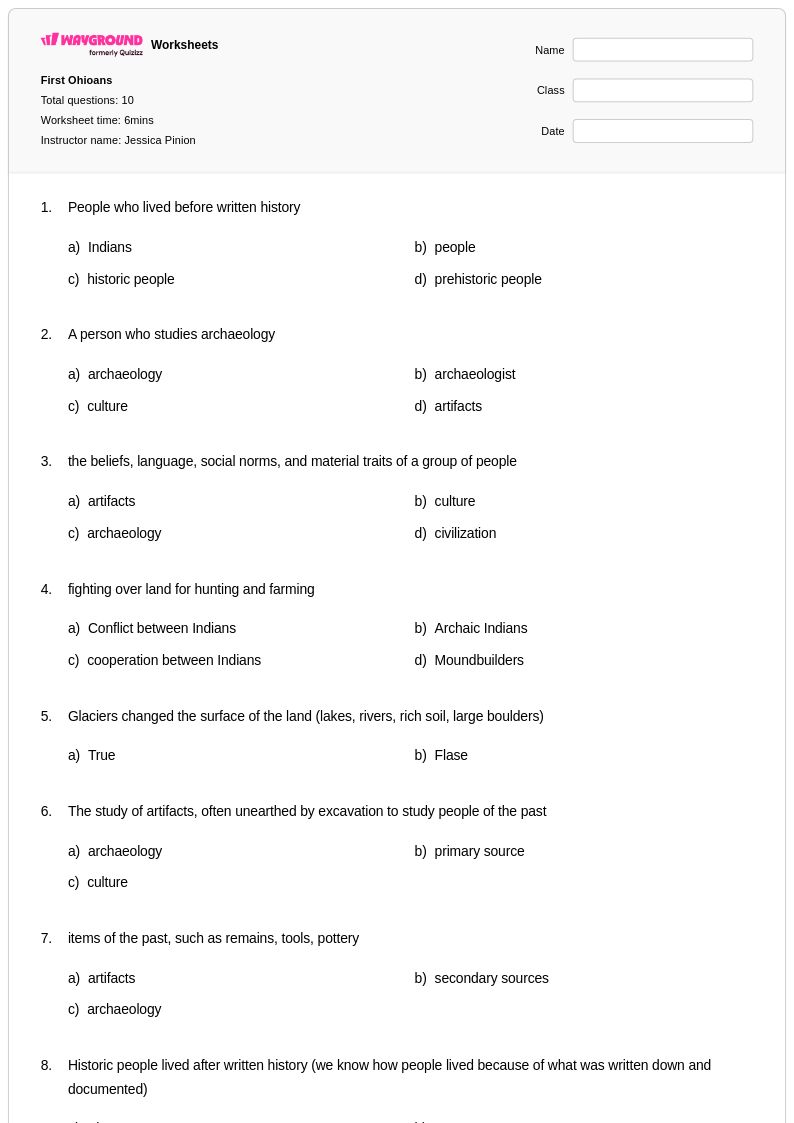
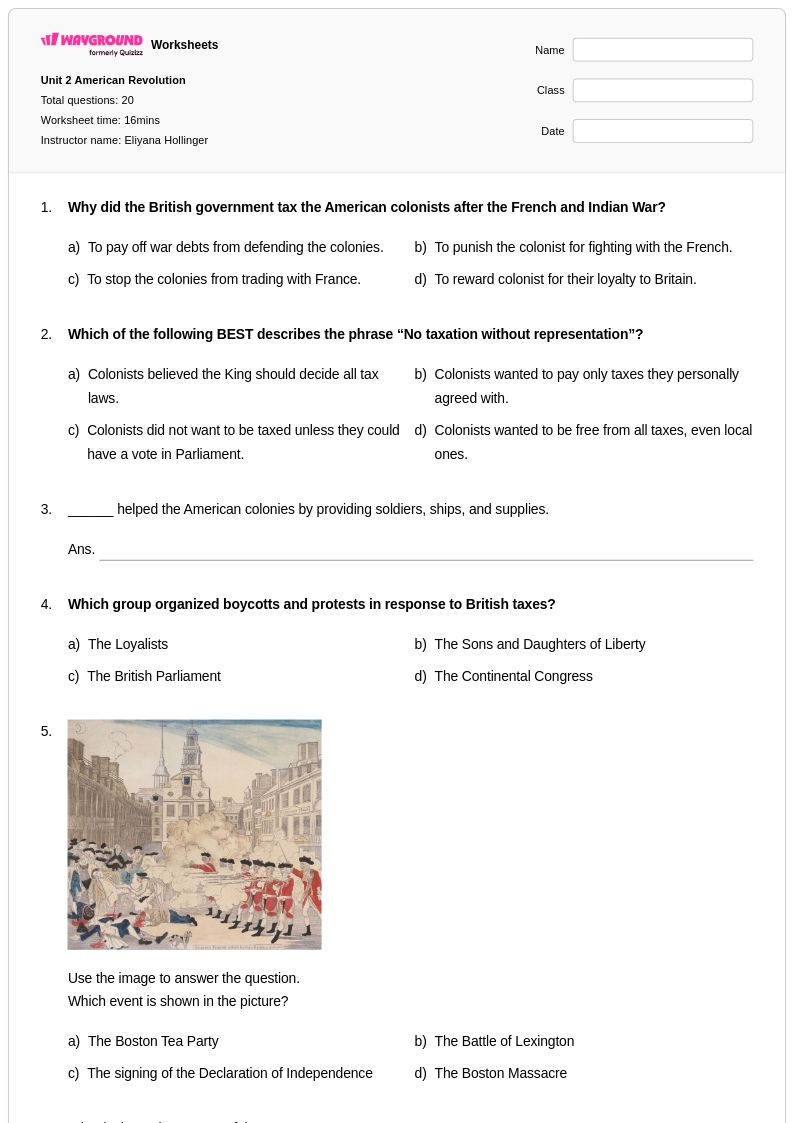
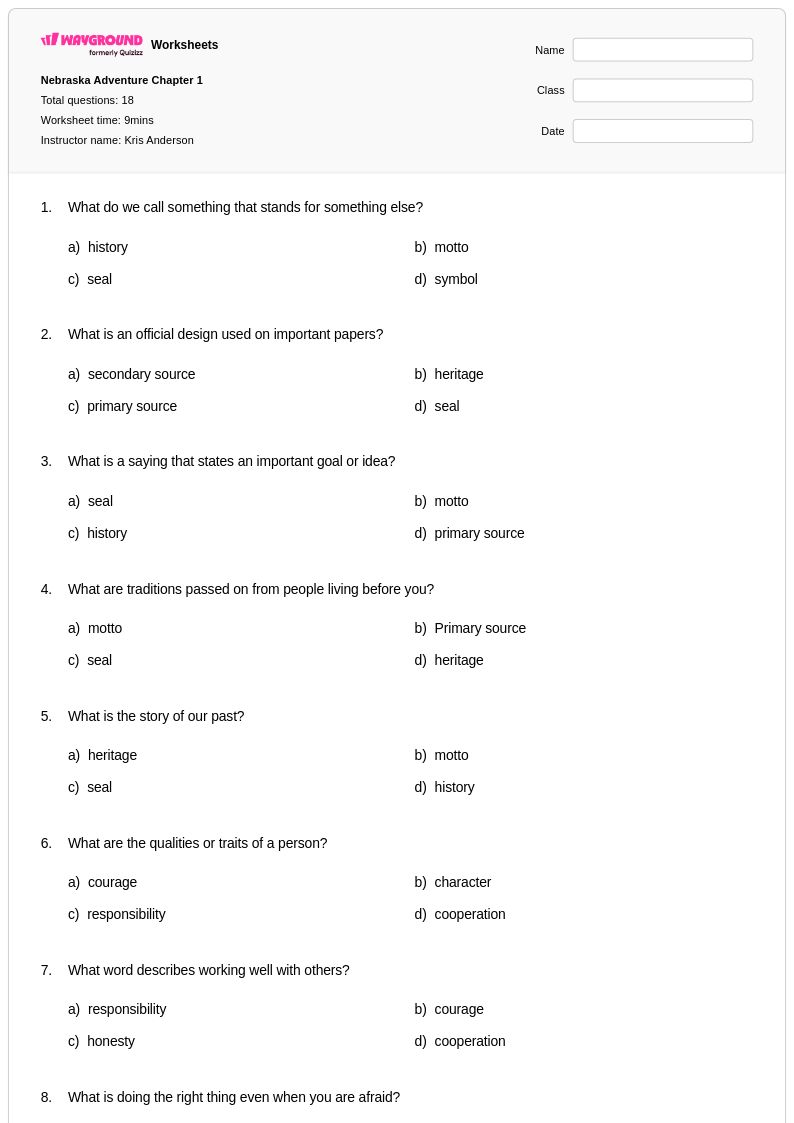
Cooperation worksheets for Year 4 students available through Wayground (formerly Quizizz) provide essential practice in developing collaborative social skills that form the foundation of successful group interactions. These comprehensive resources help fourth-grade learners understand the importance of working together, sharing responsibilities, and supporting teammates through engaging scenarios and real-world applications. Students strengthen critical interpersonal abilities including active listening, compromise, shared decision-making, and conflict resolution while completing practice problems that mirror classroom and playground situations. Each worksheet collection includes detailed answer keys and is available as free printables in convenient pdf format, making it simple for educators to incorporate structured cooperation skill-building into their social studies curriculum.
Wayground (formerly Quizizz) empowers teachers with access to millions of educator-created resources specifically designed to support Year 4 cooperation skill development across diverse learning environments. The platform's robust search and filtering capabilities allow instructors to quickly locate worksheets that align with social studies standards and match their students' specific developmental needs. Teachers can easily differentiate instruction by selecting from various difficulty levels and customizing content to address individual learning gaps or provide enrichment opportunities. These versatile resources are available in both printable and digital formats, including downloadable pdfs, giving educators the flexibility to seamlessly integrate cooperation-focused activities into lesson planning, targeted remediation sessions, or independent skill practice time while building students' essential collaborative competencies.
FAQs
How do I teach cooperation skills to students?
Teaching cooperation begins with explicitly naming and modeling the behaviors that make collaboration work: sharing responsibilities, listening actively, compromising, and respecting different viewpoints. Structured activities like group problem-solving tasks and role-play scenarios help students practice these skills in low-stakes contexts before applying them in real group work. Pairing direct instruction with reflection prompts — asking students to evaluate how well their group worked together — builds the metacognitive awareness that makes cooperation skills stick.
What exercises help students practice cooperation and teamwork?
Effective practice exercises for cooperation include scenario-based worksheets where students analyze group situations and identify cooperative versus uncooperative behaviors, as well as activities that require students to plan a group project by assigning and negotiating roles. Conflict resolution practice is especially valuable — presenting students with realistic disagreement scenarios and asking them to propose compromises reinforces the decision-making skills at the core of genuine teamwork.
What are common misconceptions students have about cooperation?
A frequent misconception is that cooperation simply means agreeing with the group, when in fact it requires respectful disagreement and constructive compromise. Students also tend to equate cooperation with equal division of tasks, missing the idea that effective collaboration means matching responsibilities to individual strengths. Worksheets that present nuanced group scenarios help students distinguish between passive compliance and active, intentional cooperation.
How does cooperation connect to social-emotional learning?
Cooperation is a core social-emotional learning competency because it draws on self-management, empathy, and responsible decision-making simultaneously. When students practice cooperative behaviors, they are also developing the emotional regulation needed to handle frustration and the social awareness needed to consider others' perspectives. This is why cooperation practice is most effective when it is integrated into SEL instruction rather than treated as a standalone classroom management topic.
How can I use Wayground's cooperation worksheets in my classroom?
Wayground's cooperation worksheets are available as printable PDFs for traditional classroom use and in digital formats for technology-integrated environments, giving teachers flexibility regardless of instructional setting. Teachers can also host the worksheets as a quiz directly on Wayground to collect student responses digitally and monitor progress. For students who need additional support, Wayground's accommodation tools — such as Read Aloud and reduced answer choices — can be applied individually so differentiated access is built into the same activity.