Free Printable Self Regulation Worksheets for Year 4
Year 4 self regulation printables and free worksheets help students develop emotional control and behavioral management skills through engaging practice problems with comprehensive answer keys and downloadable PDFs from Wayground.
Explore printable Self Regulation worksheets for Year 4
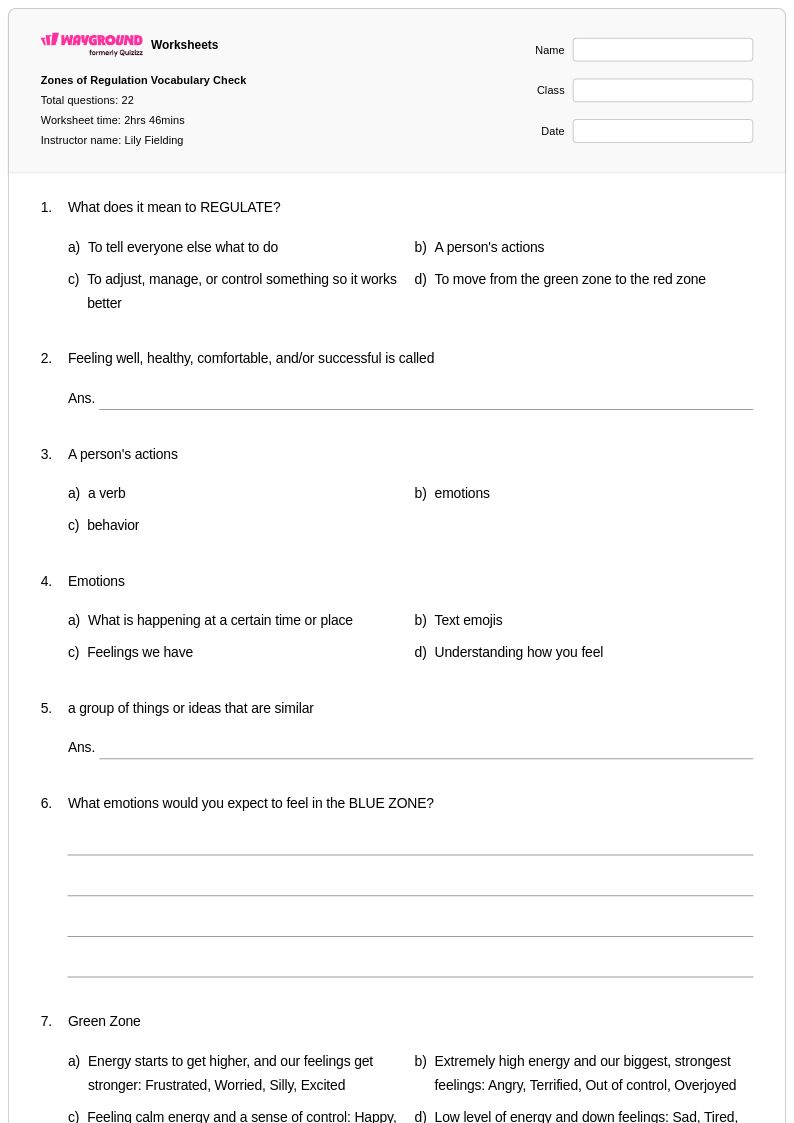
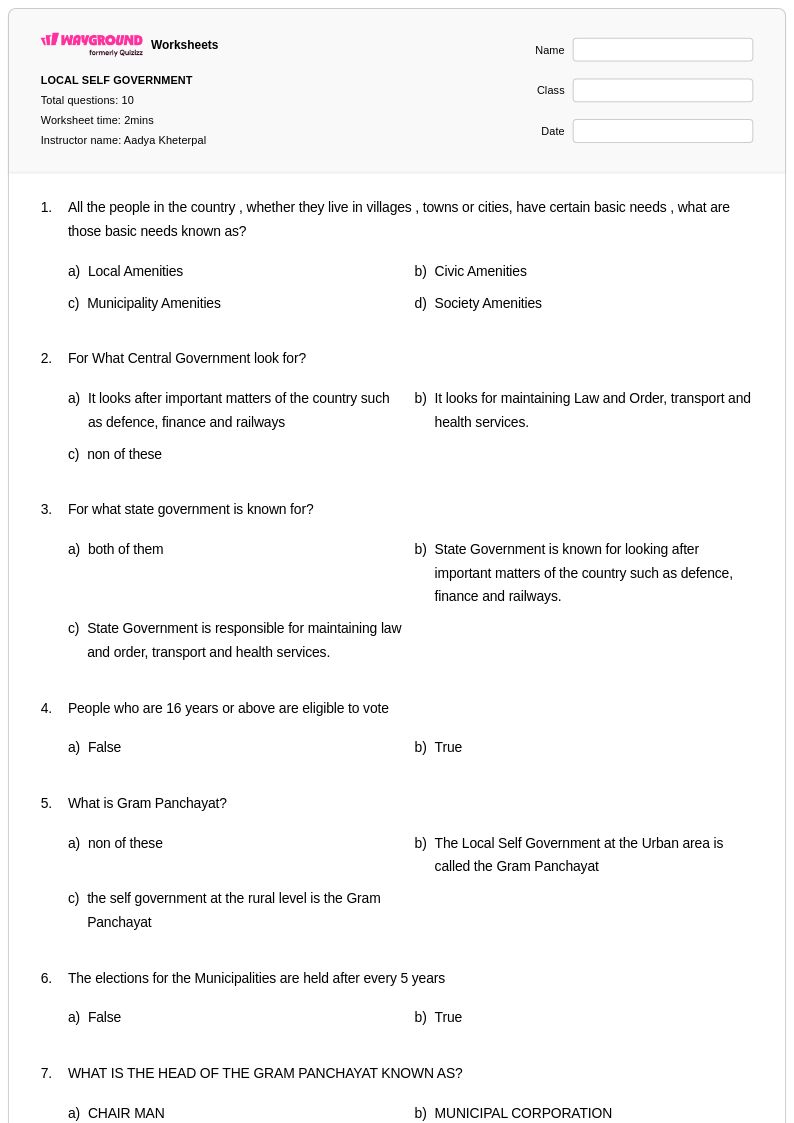
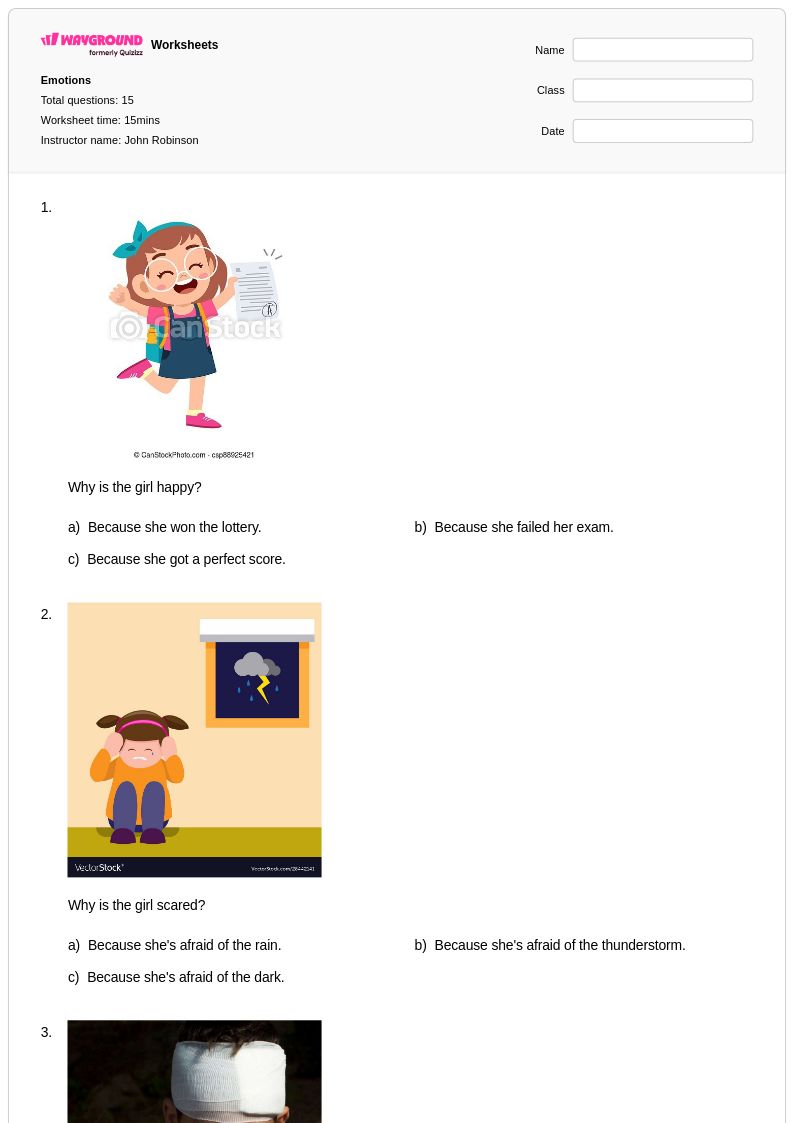
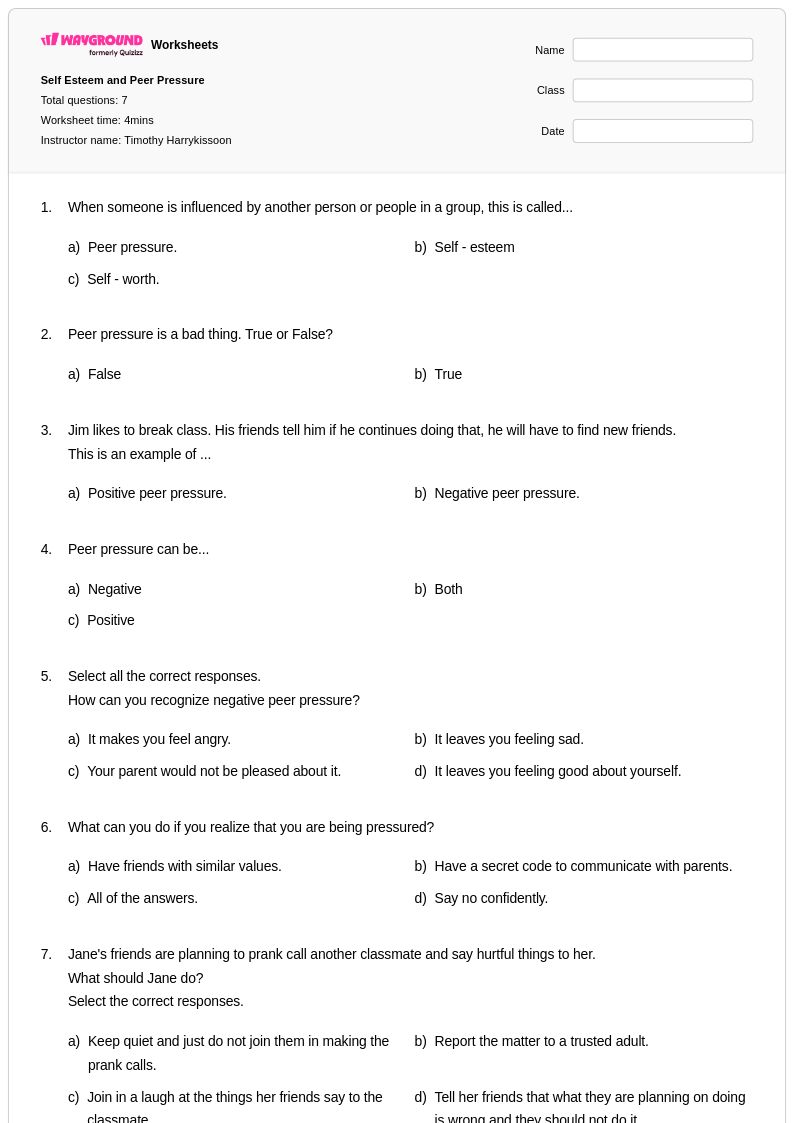
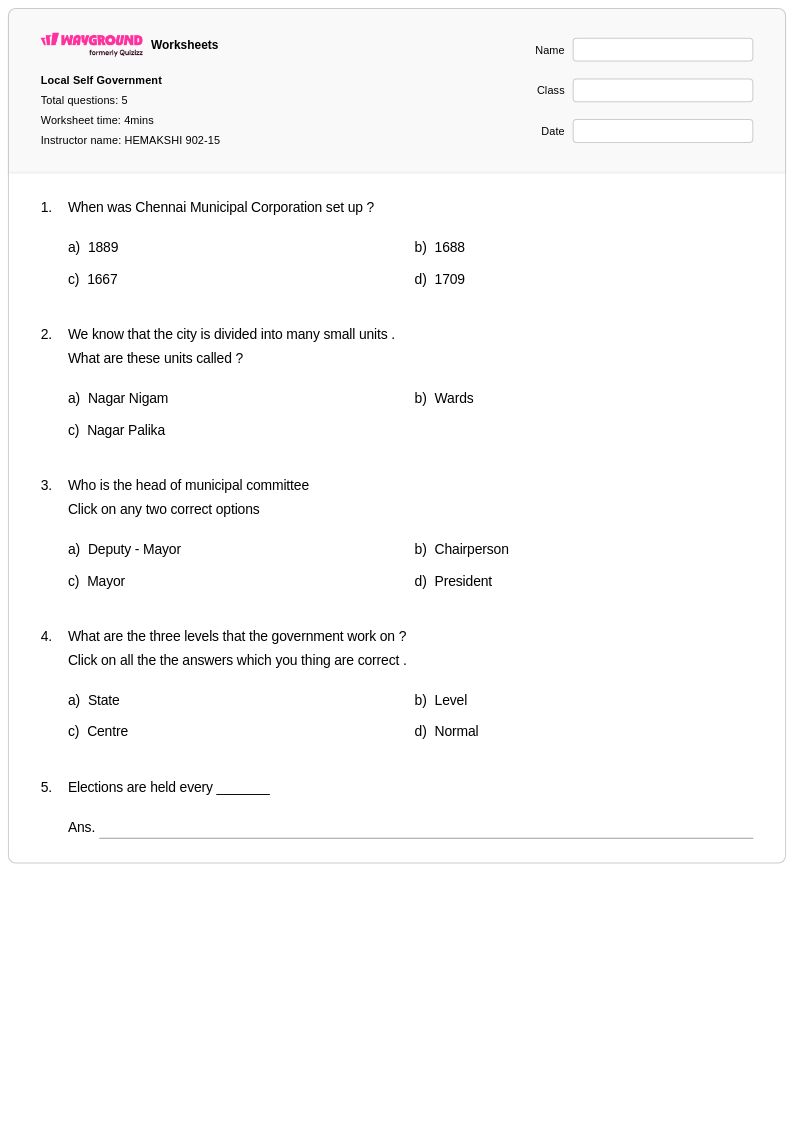
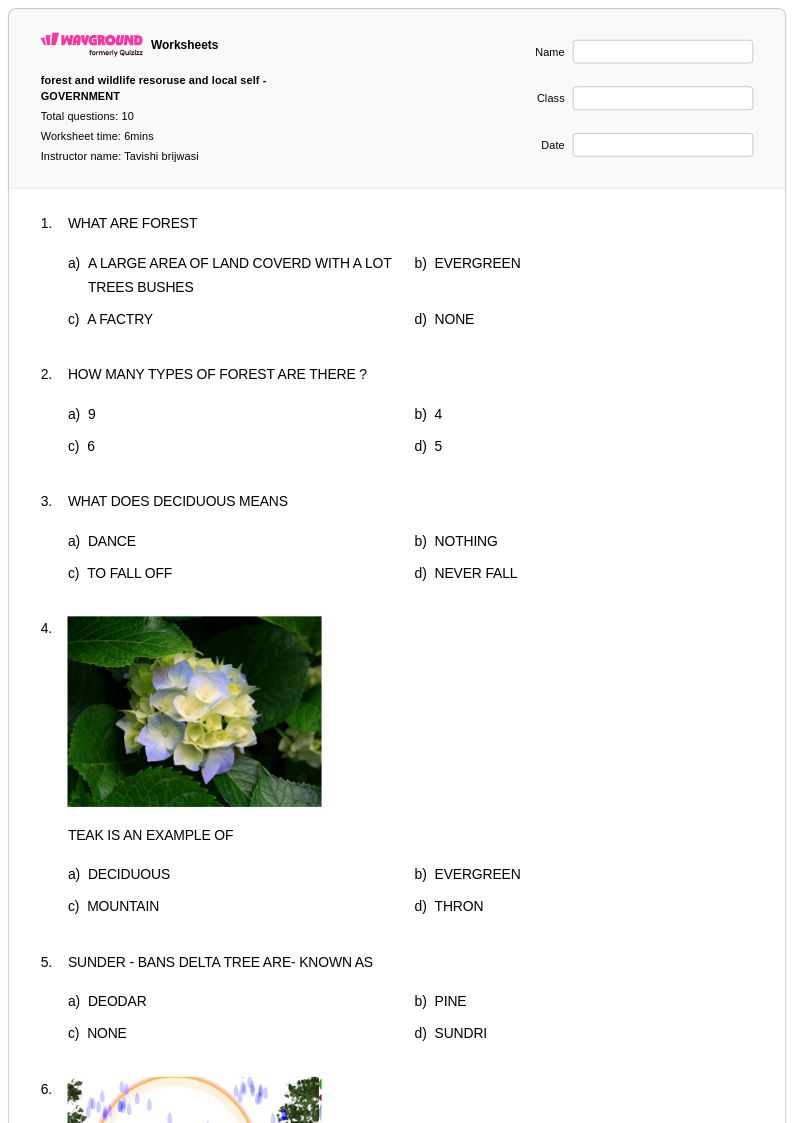
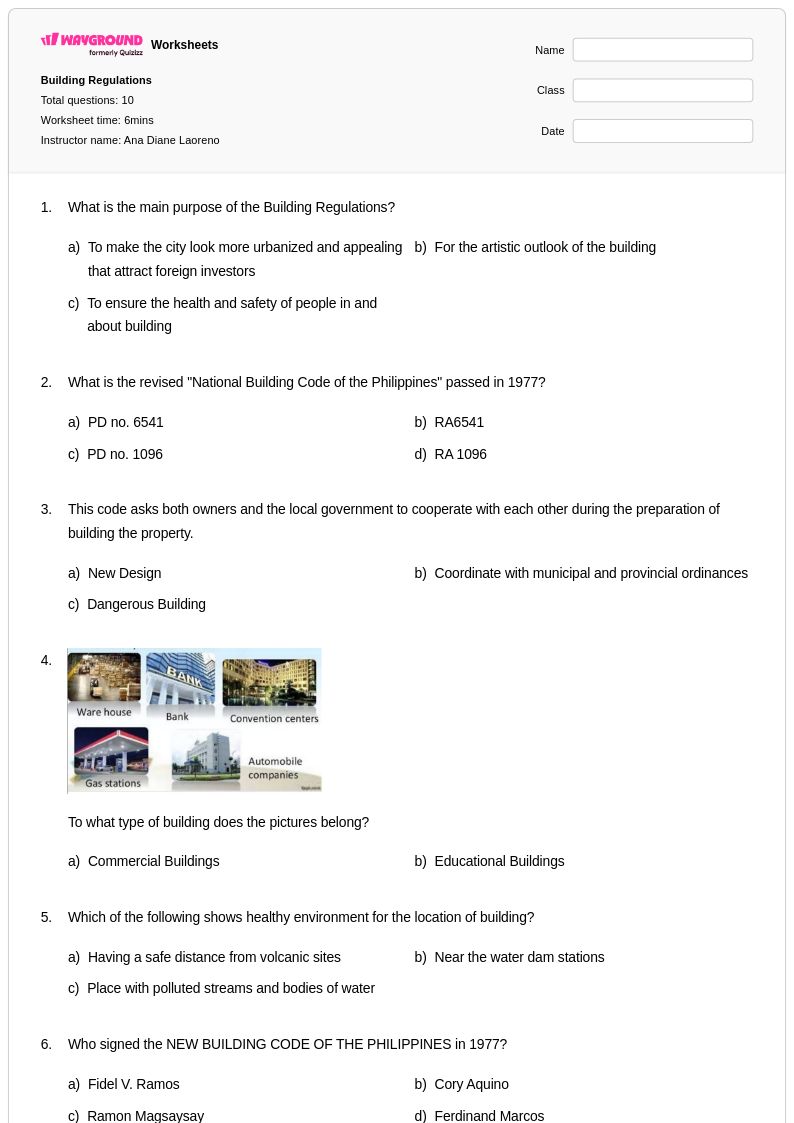
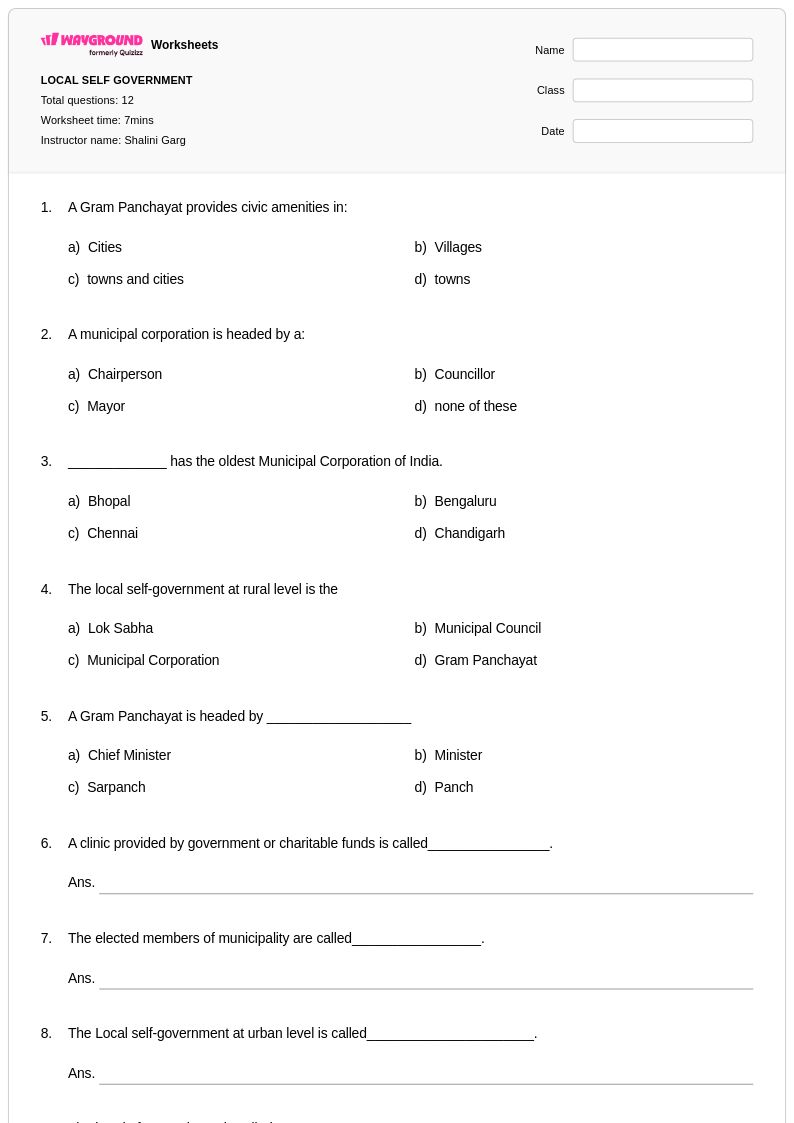
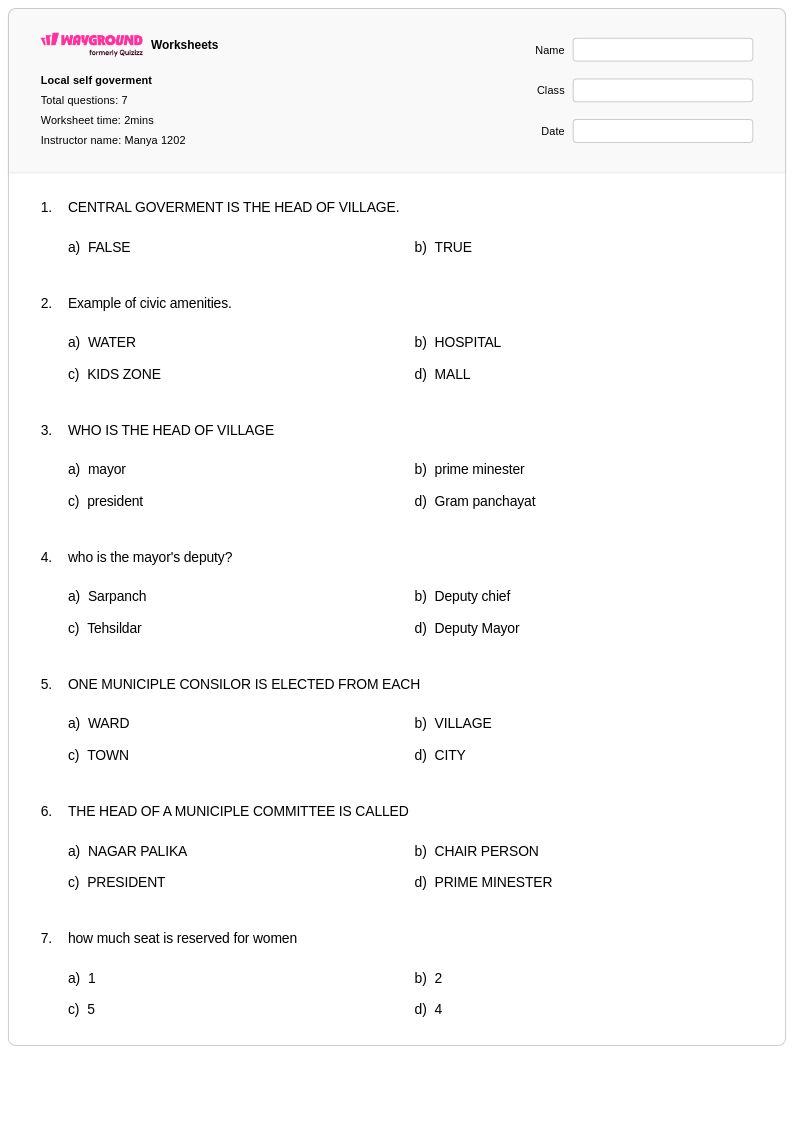
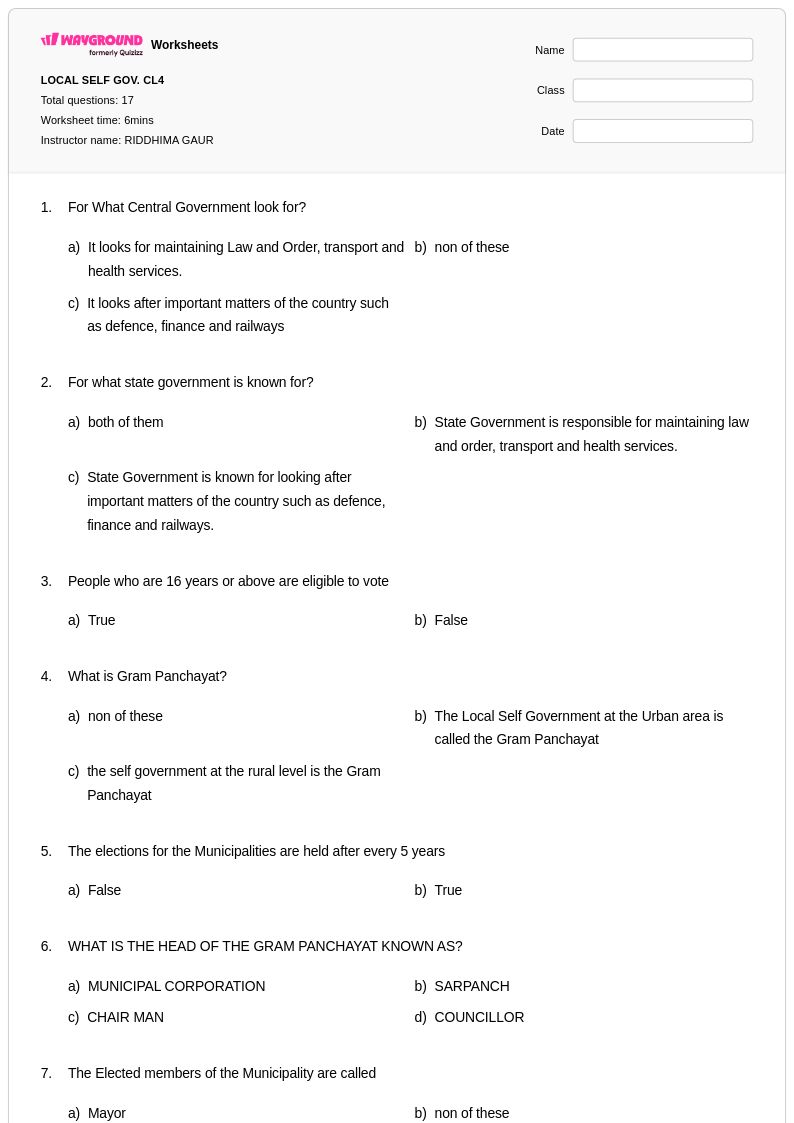
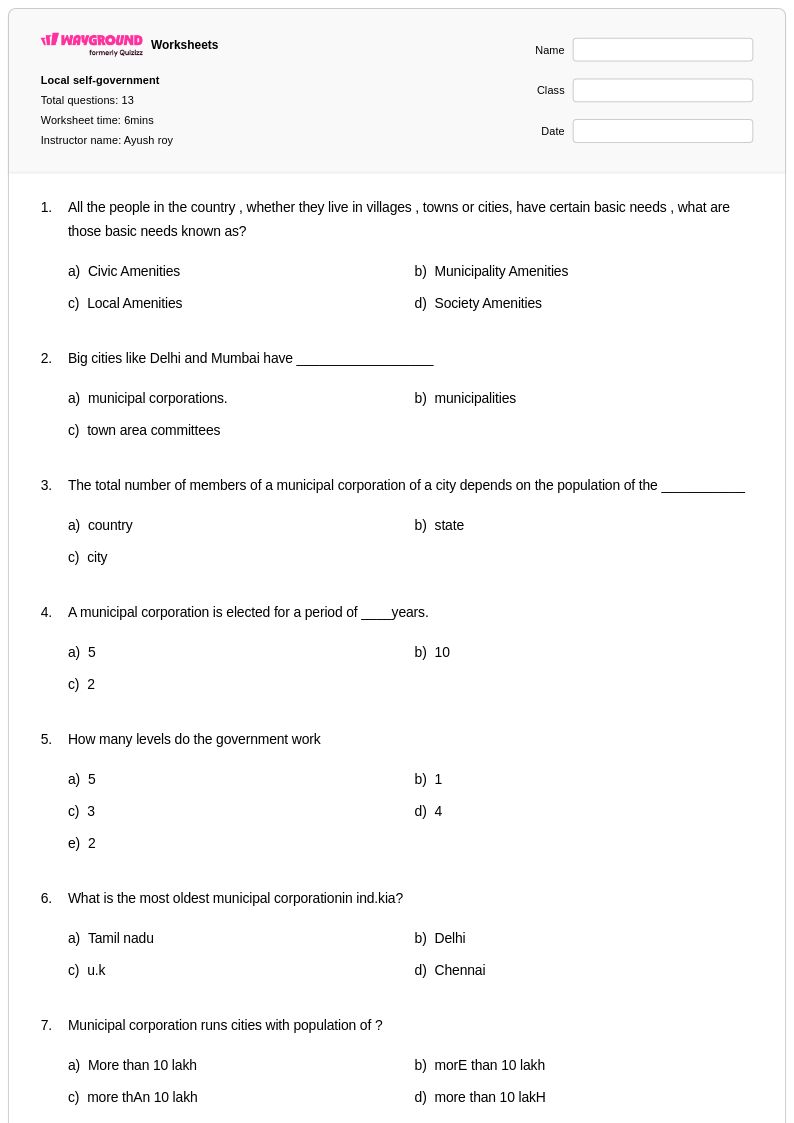
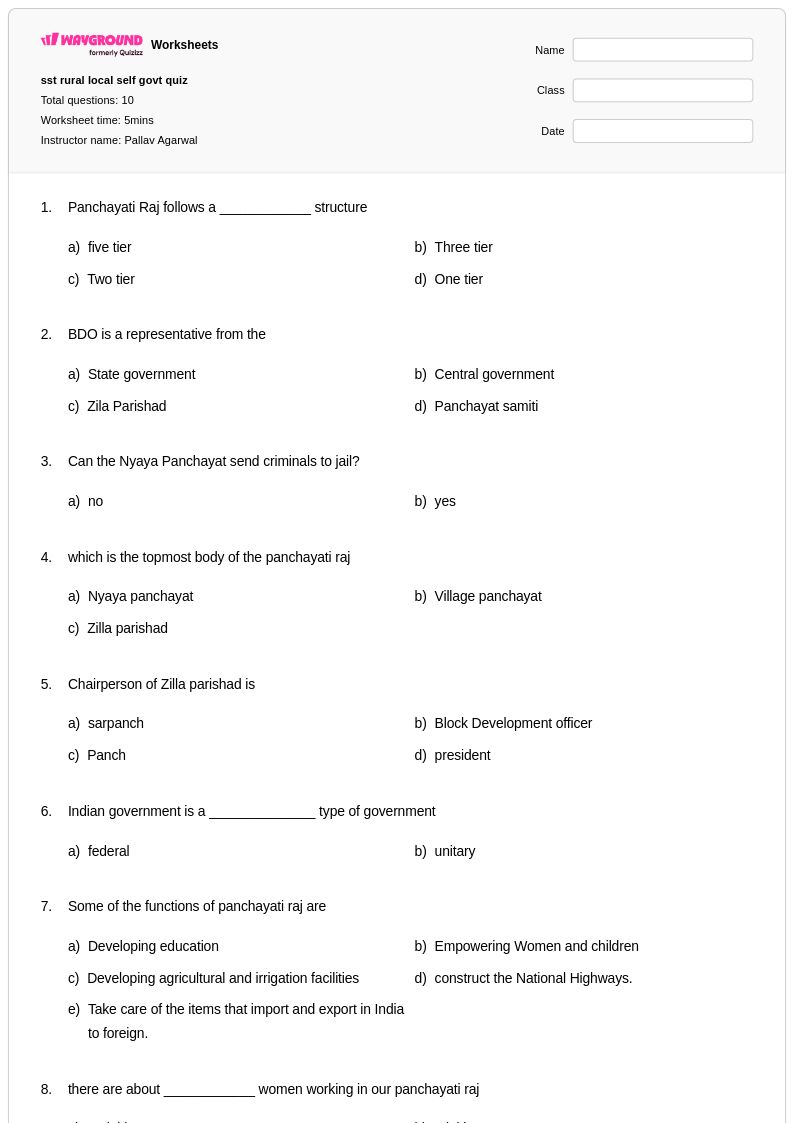
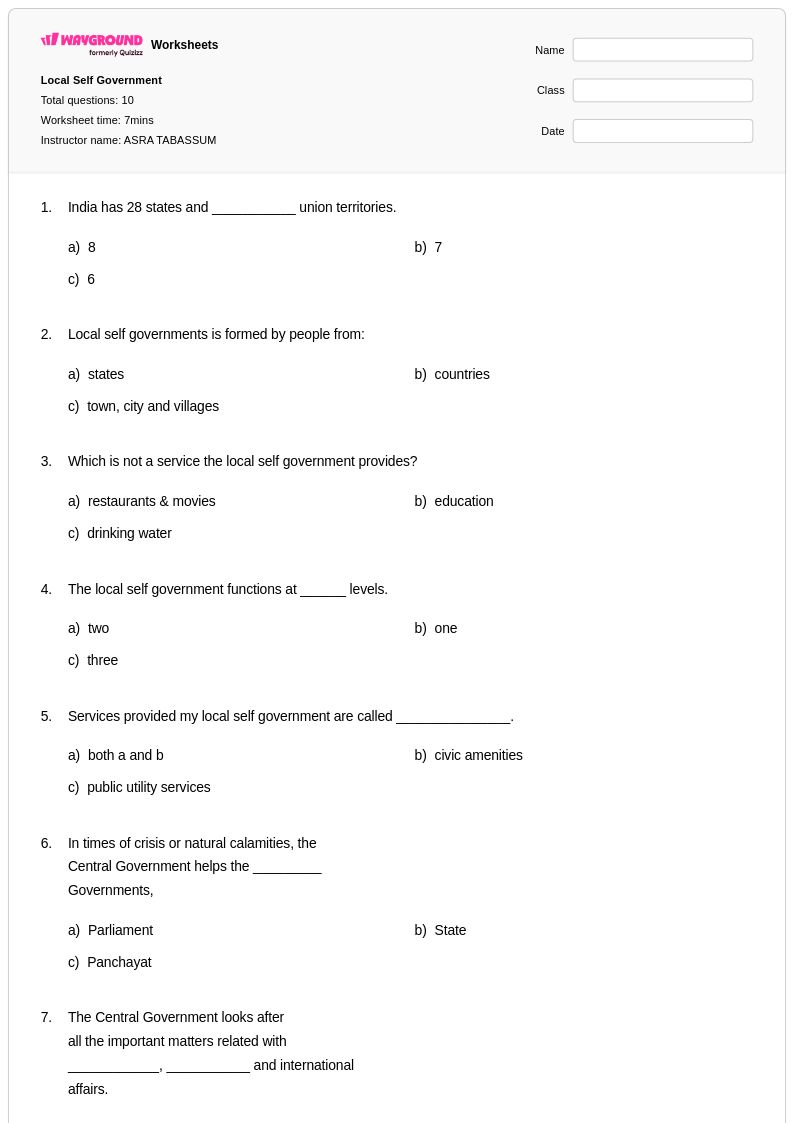
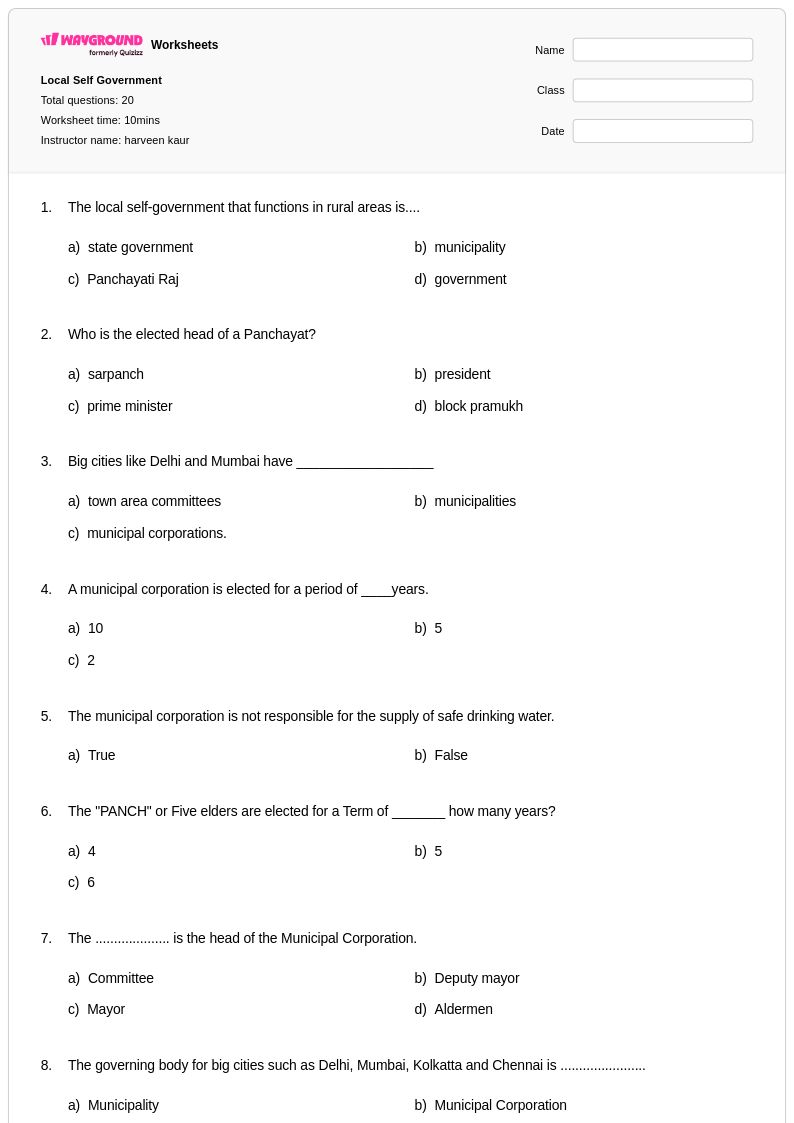
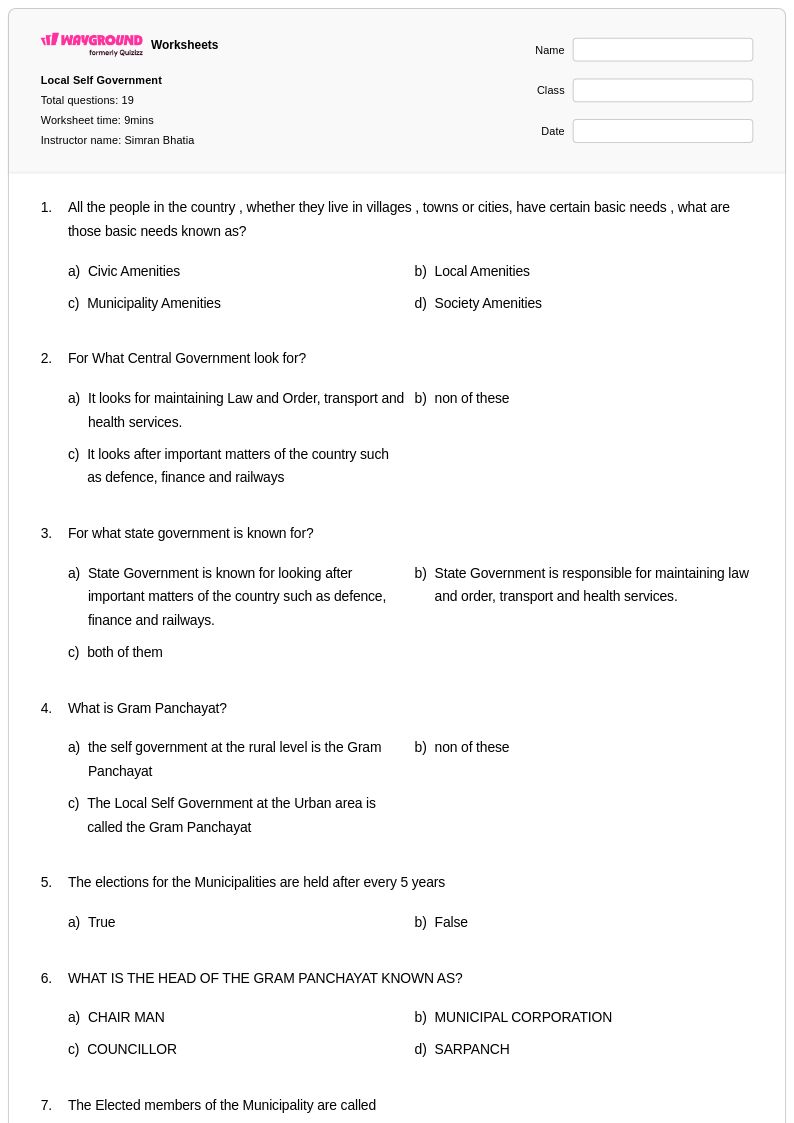
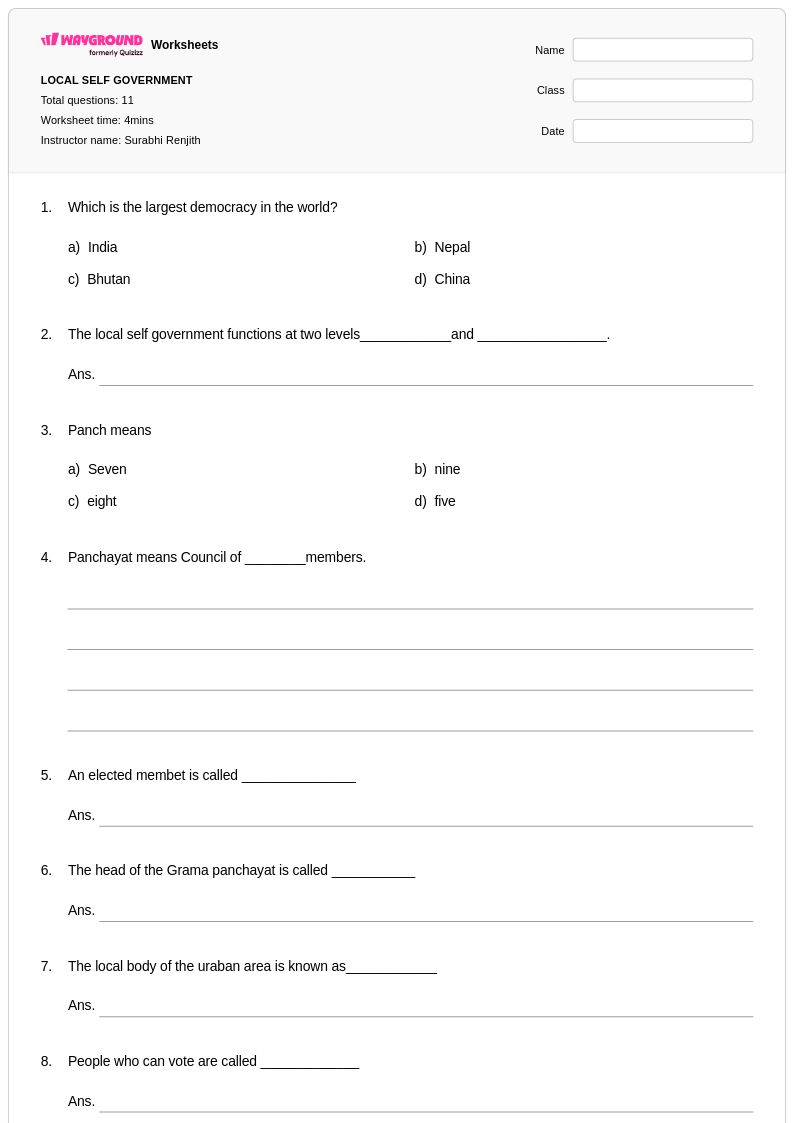
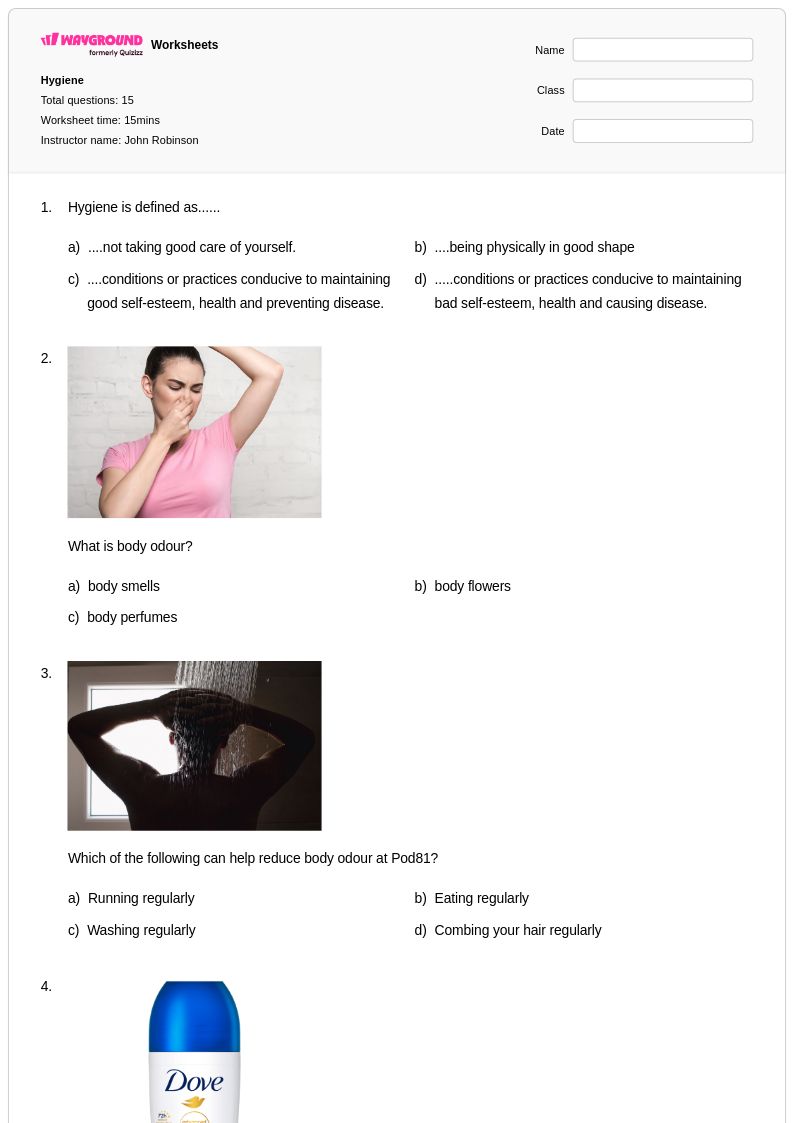
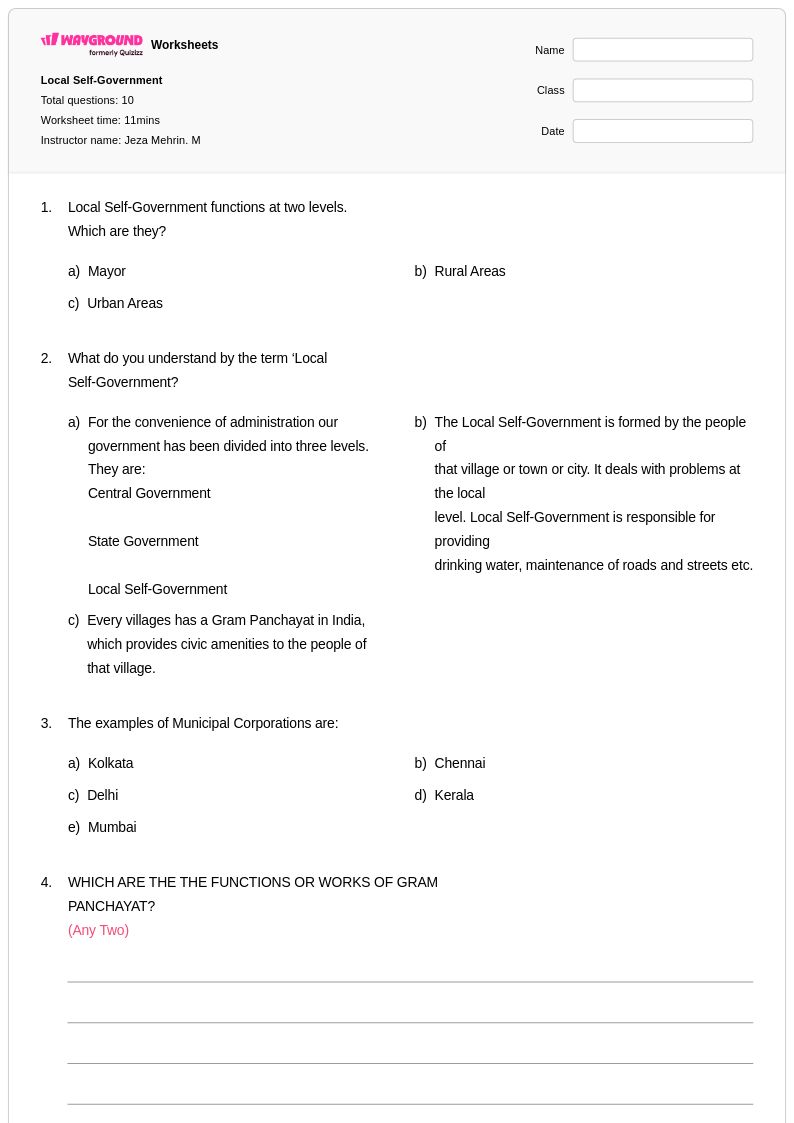
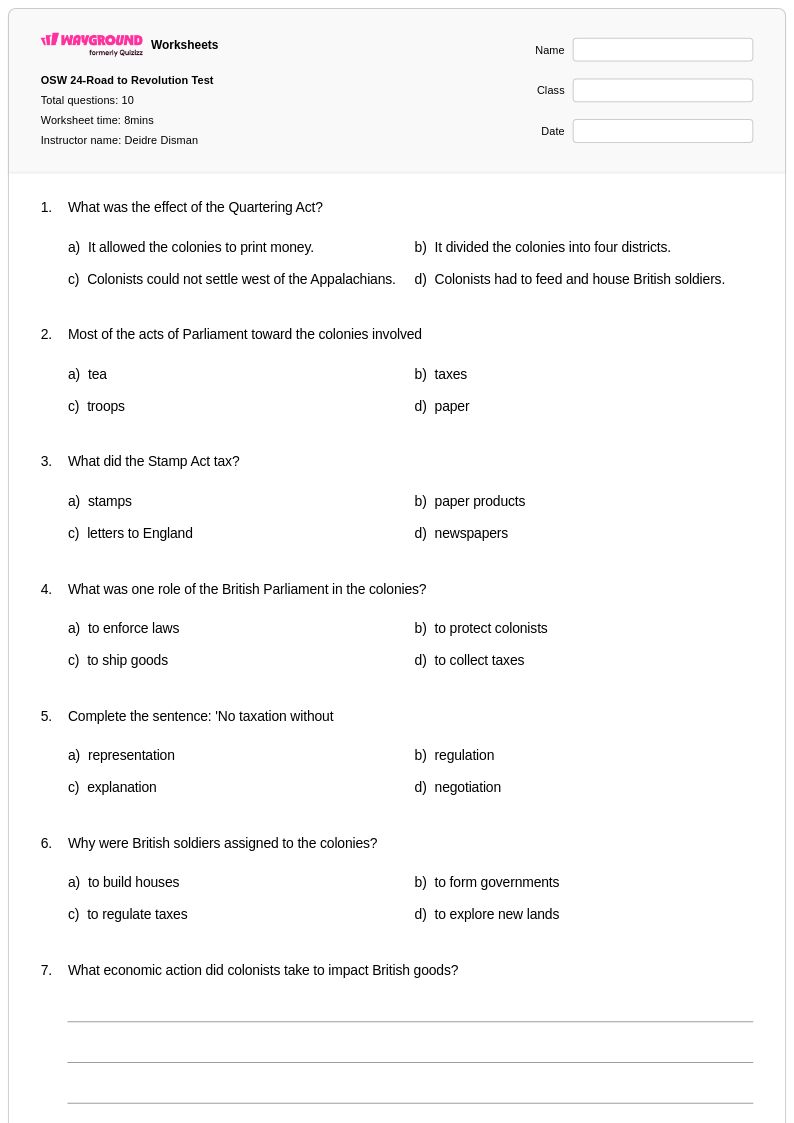
Self regulation worksheets for Year 4 students through Wayground (formerly Quizizz) provide essential practice for developing emotional awareness, impulse control, and behavioral management skills that are fundamental to social studies education and personal development. These comprehensive printables focus on helping fourth-grade students recognize their emotions, understand triggers for different feelings, and learn practical strategies for managing their responses in various social situations. The worksheet collections include scenarios about classroom interactions, playground conflicts, and family dynamics, with practice problems that guide students through identifying feelings, evaluating consequences, and selecting appropriate responses. Each worksheet comes with a detailed answer key that explains the reasoning behind effective self-regulation choices, making these free resources valuable for both independent practice and guided instruction in developing crucial life skills.
Wayground's extensive library contains millions of teacher-created self regulation resources specifically designed for Year 4 social studies curricula, offering educators powerful search and filtering capabilities to locate materials that align with specific learning standards and classroom needs. Teachers can easily differentiate instruction by selecting from worksheets that range from basic emotion identification to more complex scenarios requiring multi-step problem-solving and reflection. The platform's flexible customization tools allow educators to modify existing materials or combine multiple worksheets to create comprehensive practice sets, while the availability of both printable pdf formats and digital versions ensures seamless integration into any classroom environment. These features support teachers in planning targeted lessons for skill development, providing remediation for students who struggle with emotional regulation, offering enrichment opportunities for advanced learners, and delivering consistent practice that reinforces self-regulation strategies across various social contexts.
FAQs
How do I teach self-regulation skills to students in the classroom?
Teaching self-regulation begins with helping students identify their emotions and recognize personal triggers before introducing coping strategies. Structured activities like reflective journaling, scenario-based discussions, and guided breathing exercises build the foundational skills of impulse control and emotional awareness. Consistently embedding these practices into daily routines, rather than treating them as isolated lessons, helps students internalize behavioral management skills over time.
What types of activities help students practice self-regulation?
Effective self-regulation practice involves scenario-based exercises where students identify emotional triggers and choose appropriate responses, as well as reflective prompts that build self-awareness around frustration, patience, and decision-making in social situations. Structured worksheets that walk students through step-by-step coping strategies give them a repeatable framework they can apply independently. Regular, low-stakes practice builds the habit of pausing and evaluating their emotional state before reacting.
What mistakes do students commonly make when learning self-regulation?
A common misconception is that self-regulation means suppressing emotions entirely, rather than recognizing and managing them constructively. Students often struggle to identify the specific trigger behind an emotional reaction, which makes it hard to apply an appropriate coping strategy in the moment. Teachers should emphasize that emotional responses are normal and that the goal is developing awareness and thoughtful decision-making, not emotional avoidance.
How can I differentiate self-regulation worksheets for students with different needs?
Differentiation for self-regulation worksheets can include simplifying scenario language for students who need additional reading support or providing fewer response choices to reduce cognitive load for students who become overwhelmed. On Wayground, teachers can apply individual accommodations such as Read Aloud, reduced answer choices, and extended time to specific students without alerting the rest of the class. These settings are reusable across sessions, making it easy to consistently support students with IEPs or other documented needs.
How do I use Wayground's self-regulation worksheets in my classroom?
Wayground's self-regulation worksheets are available as printable PDFs for traditional classroom use and in digital formats for technology-integrated learning environments, giving teachers flexibility in how they assign and deliver the material. Teachers can also host worksheets directly as a quiz on Wayground, enabling real-time tracking of student responses. Each worksheet includes answer keys, making them practical for independent practice, small group work, or whole-class instruction.
At what age or grade level should students start learning self-regulation?
Self-regulation instruction is developmentally appropriate across all grade levels, but the foundations of emotional awareness and impulse control are most effectively introduced in early elementary when students are forming behavioral habits. As students progress through middle and high school, instruction can shift toward more complex scenarios involving frustration tolerance, social decision-making, and managing stress. The depth and language of worksheets should be calibrated to students' developmental stage and prior exposure to social-emotional learning.