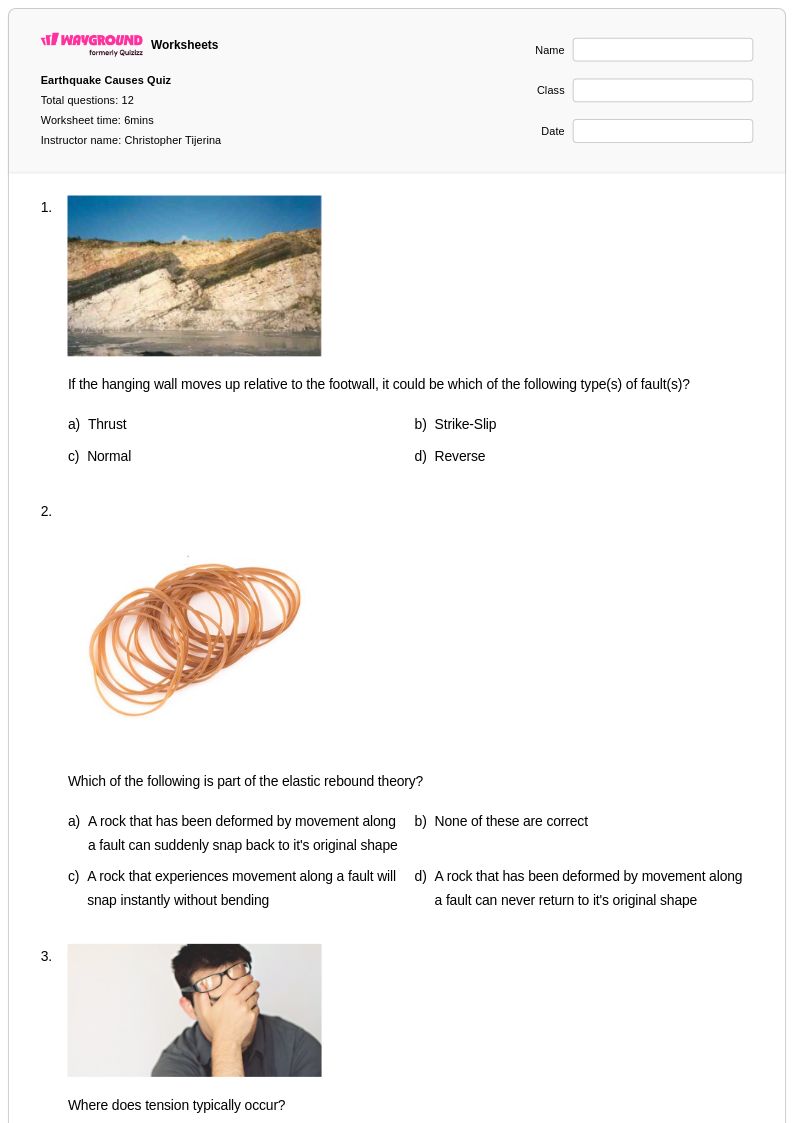
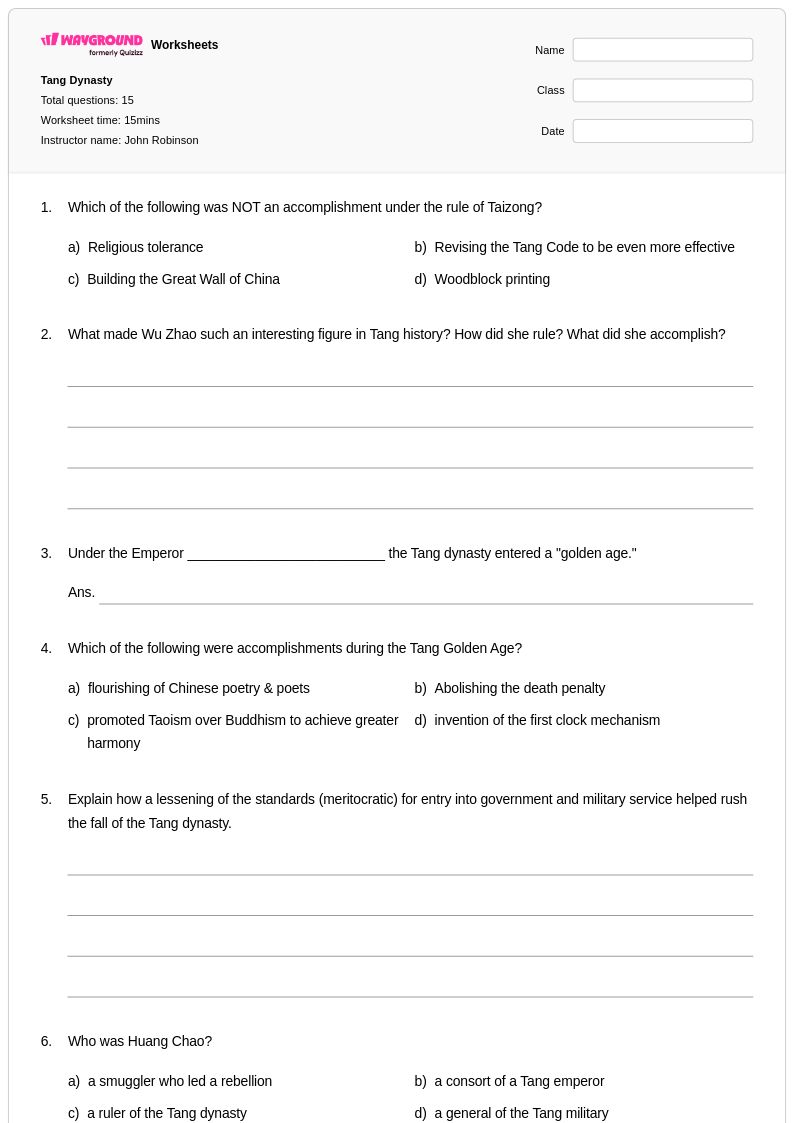
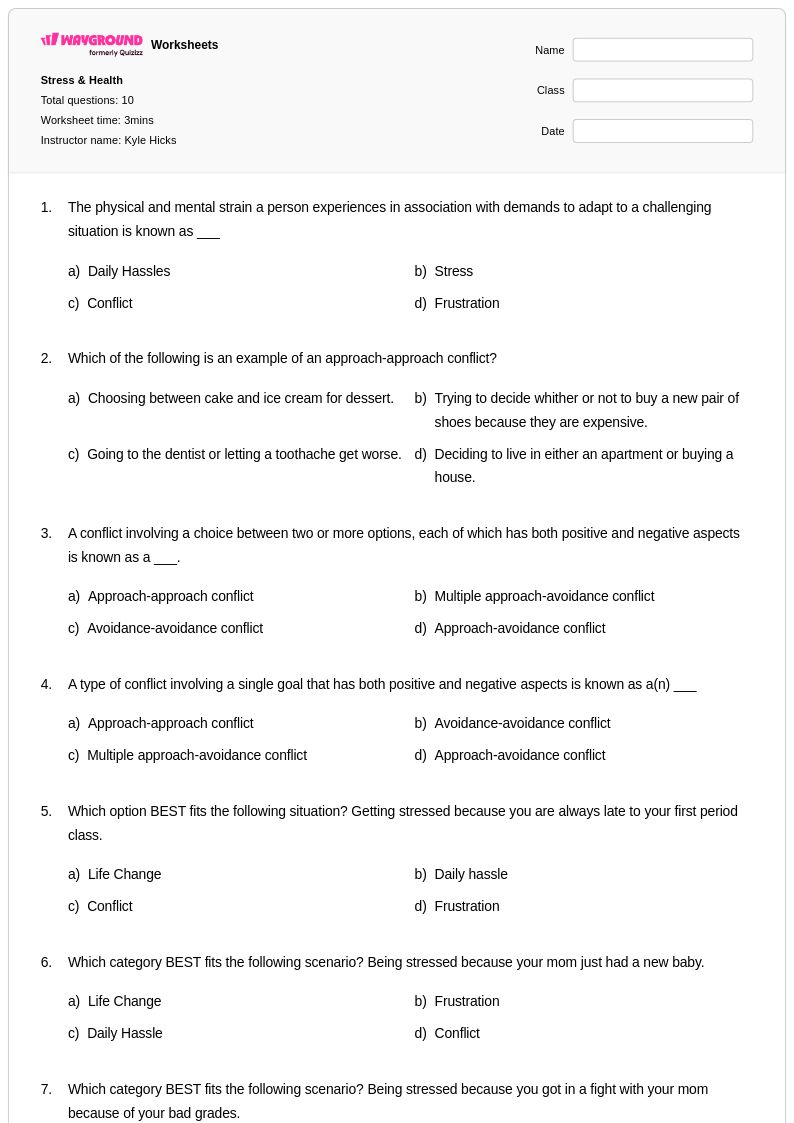
Free Printable Coping Mechanisms Worksheets for Year 9
Year 9 coping mechanisms worksheets from Wayground help students develop essential stress management and emotional regulation skills through engaging printables, practice problems, and comprehensive answer keys for effective social studies learning.
Explore printable Coping Mechanisms worksheets for Year 9
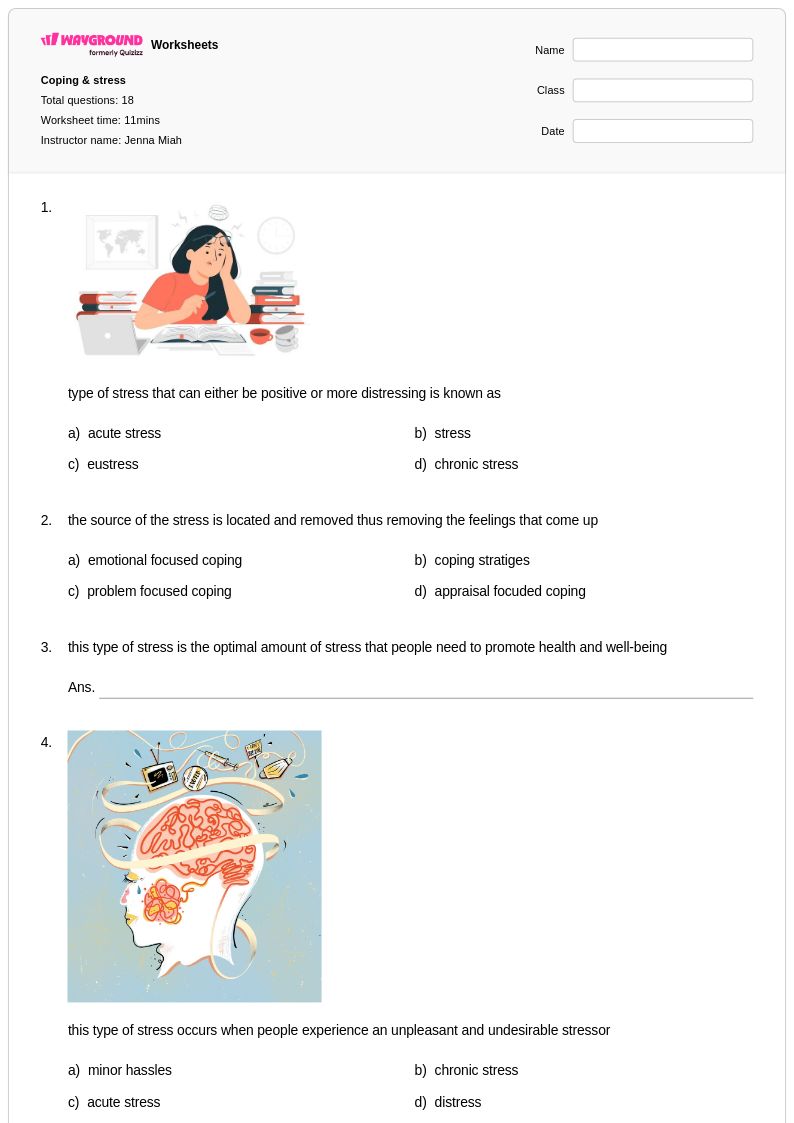
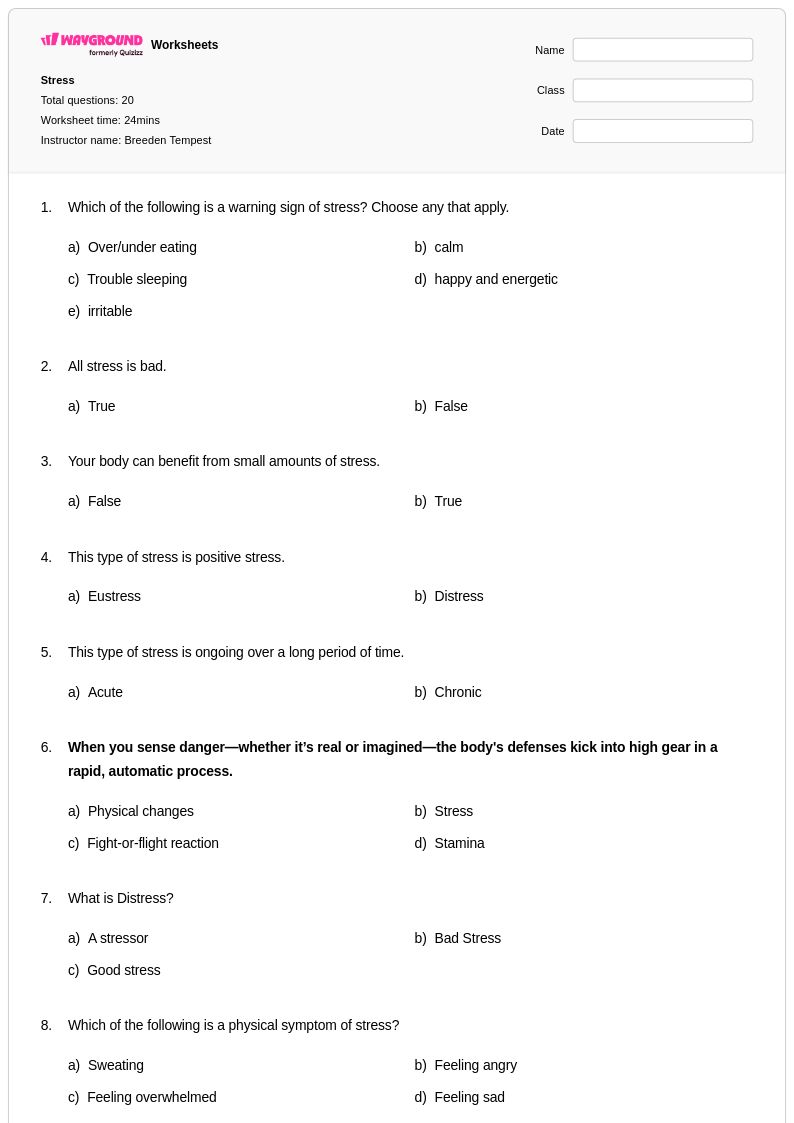
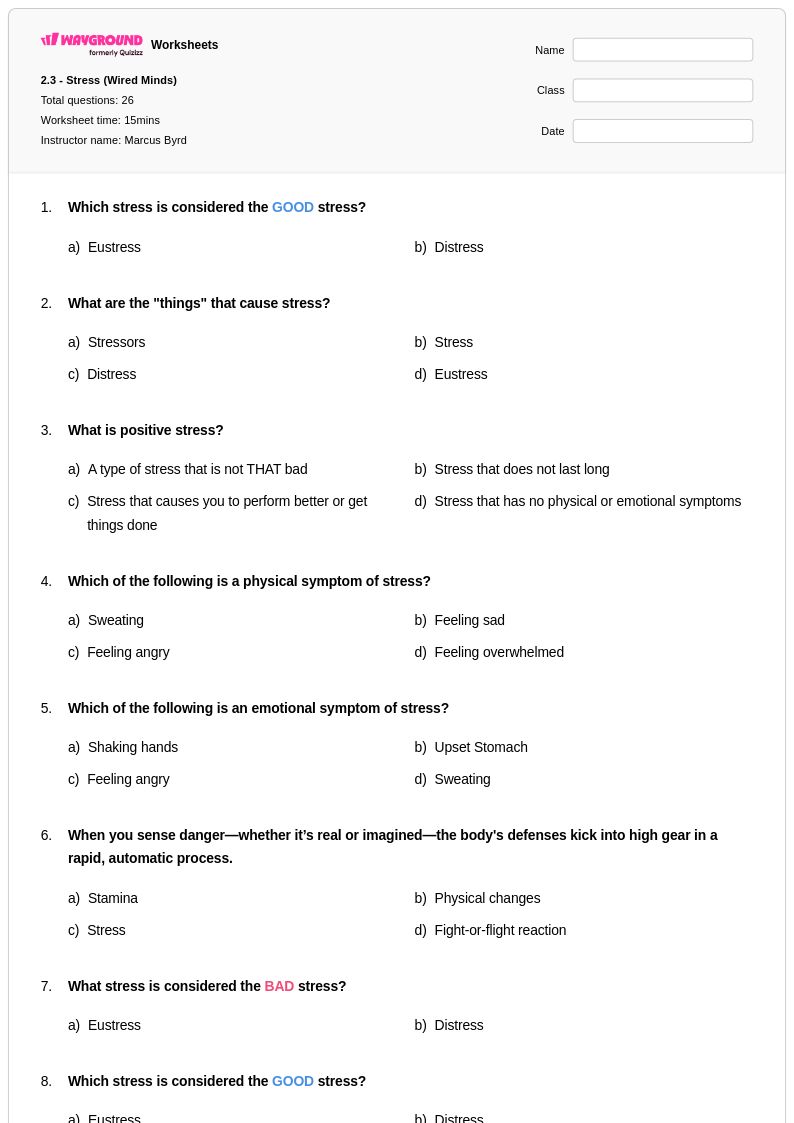
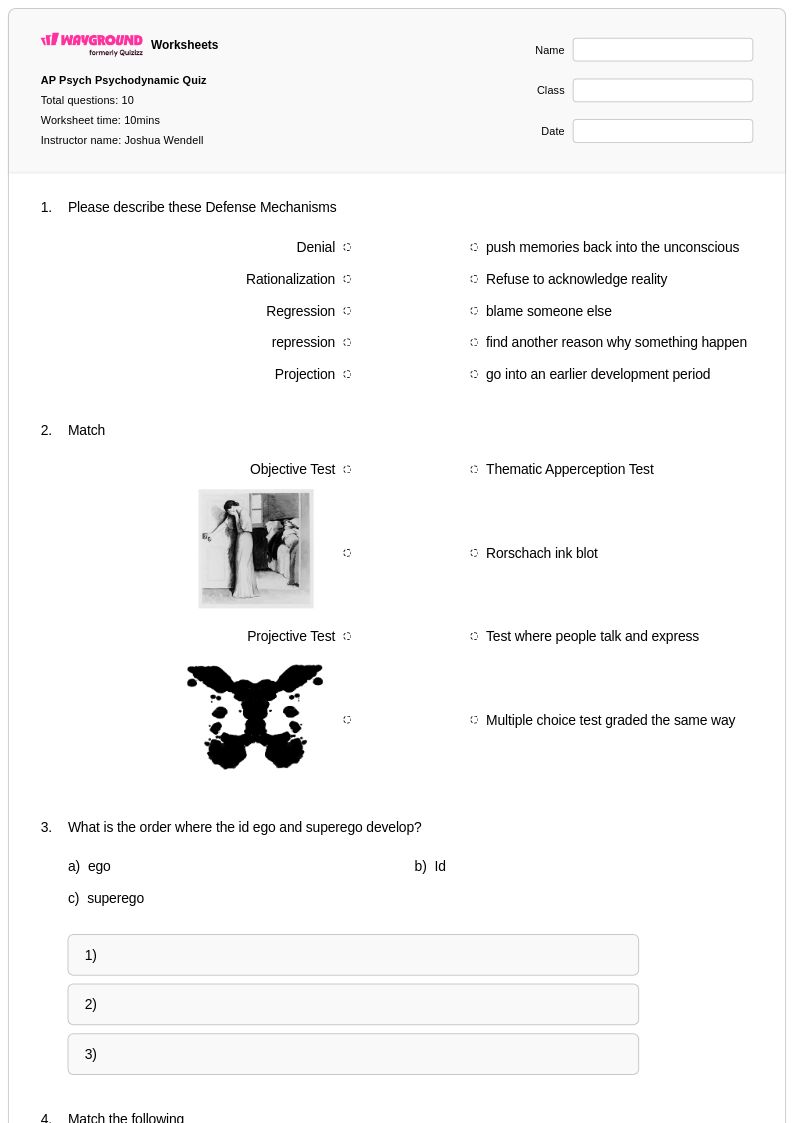
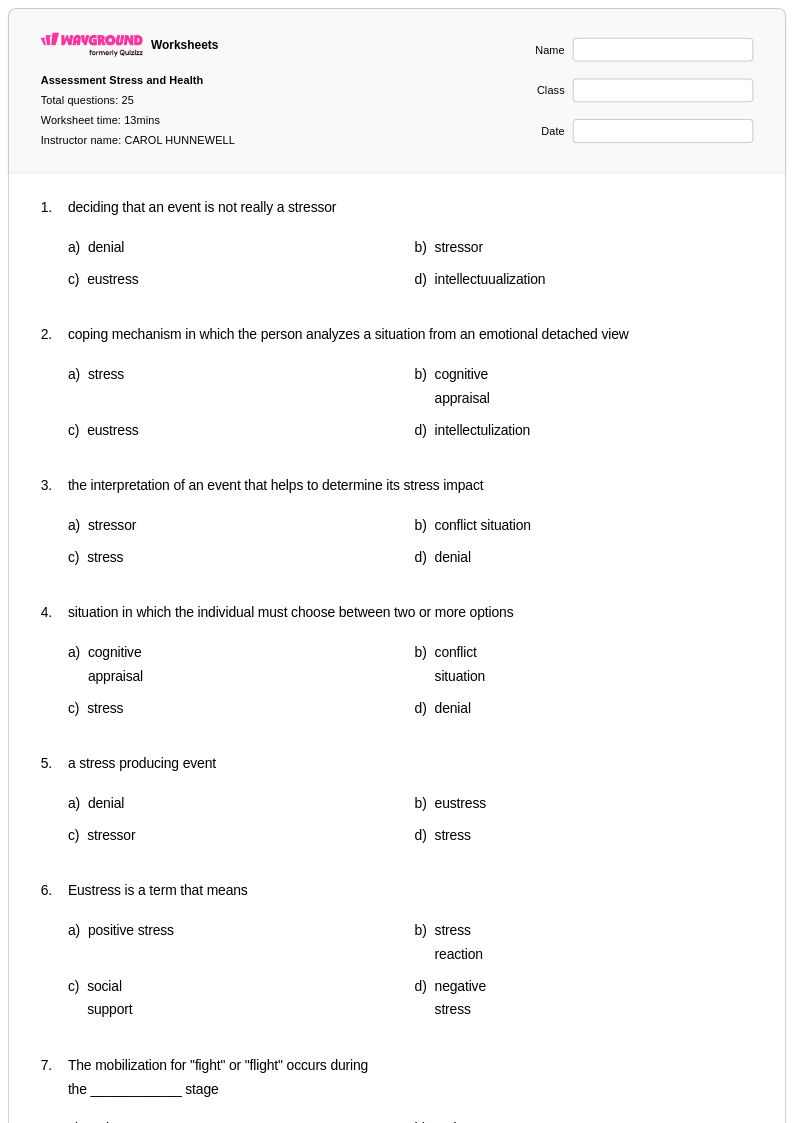
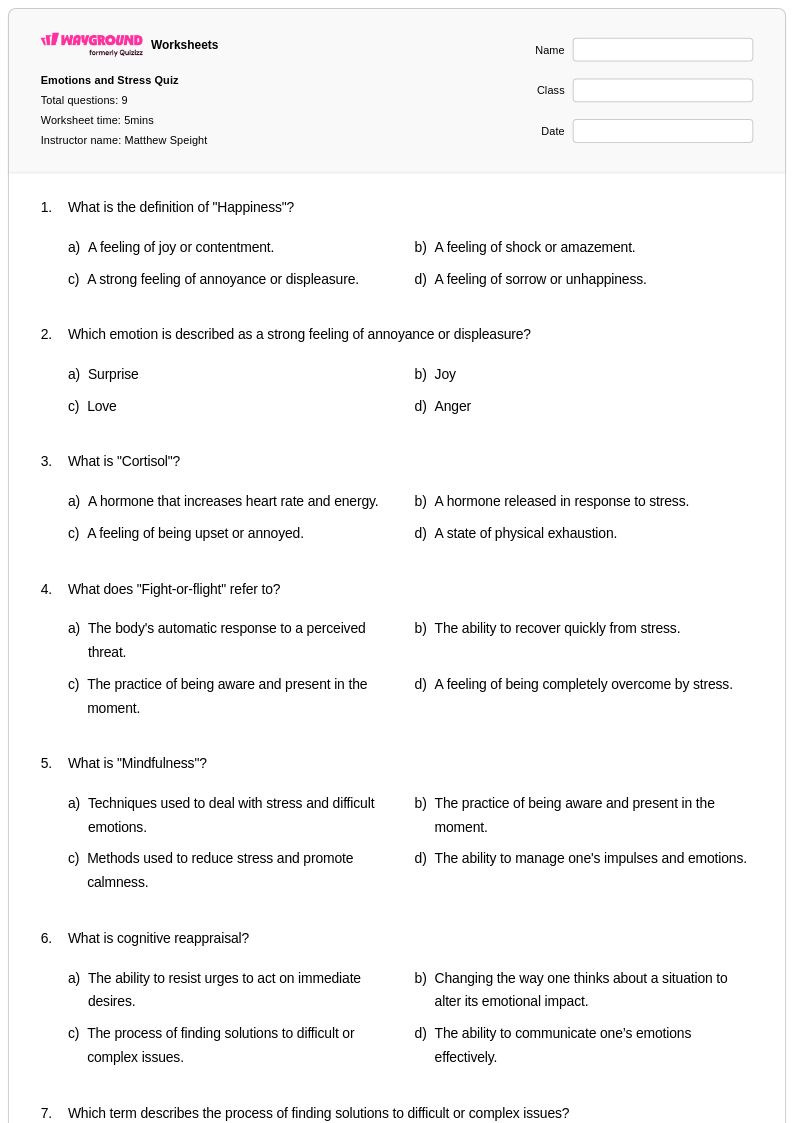
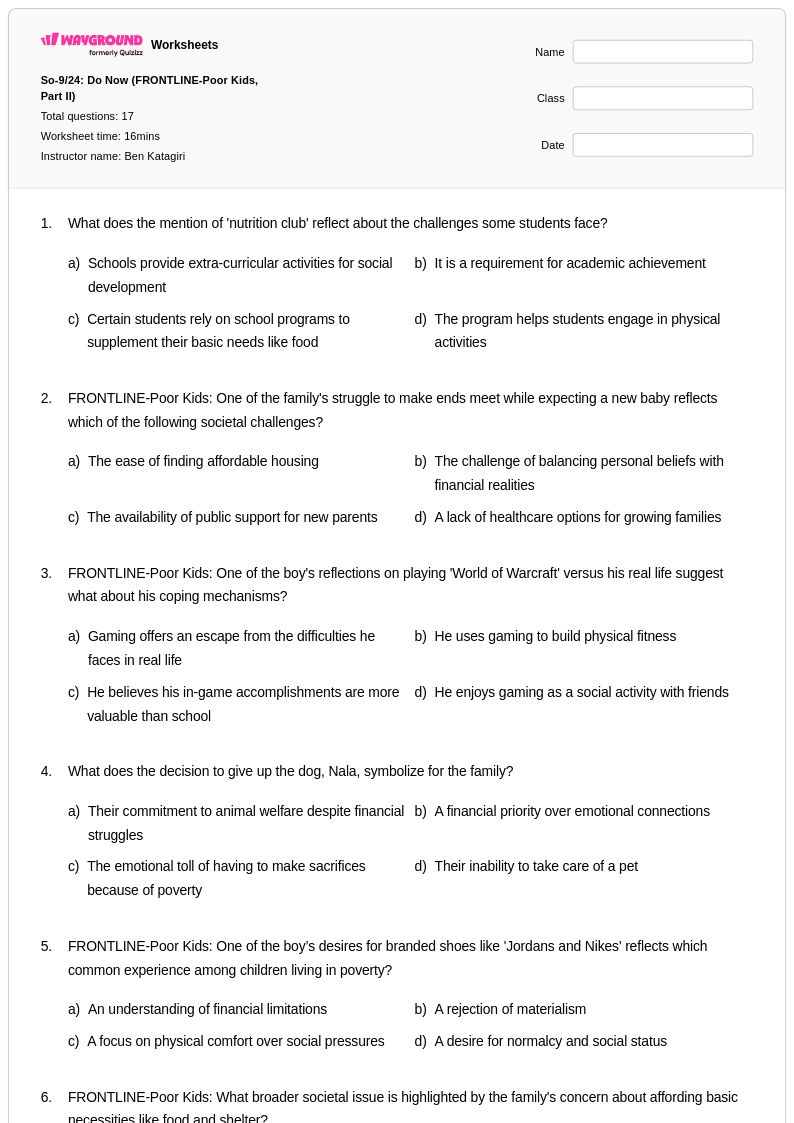
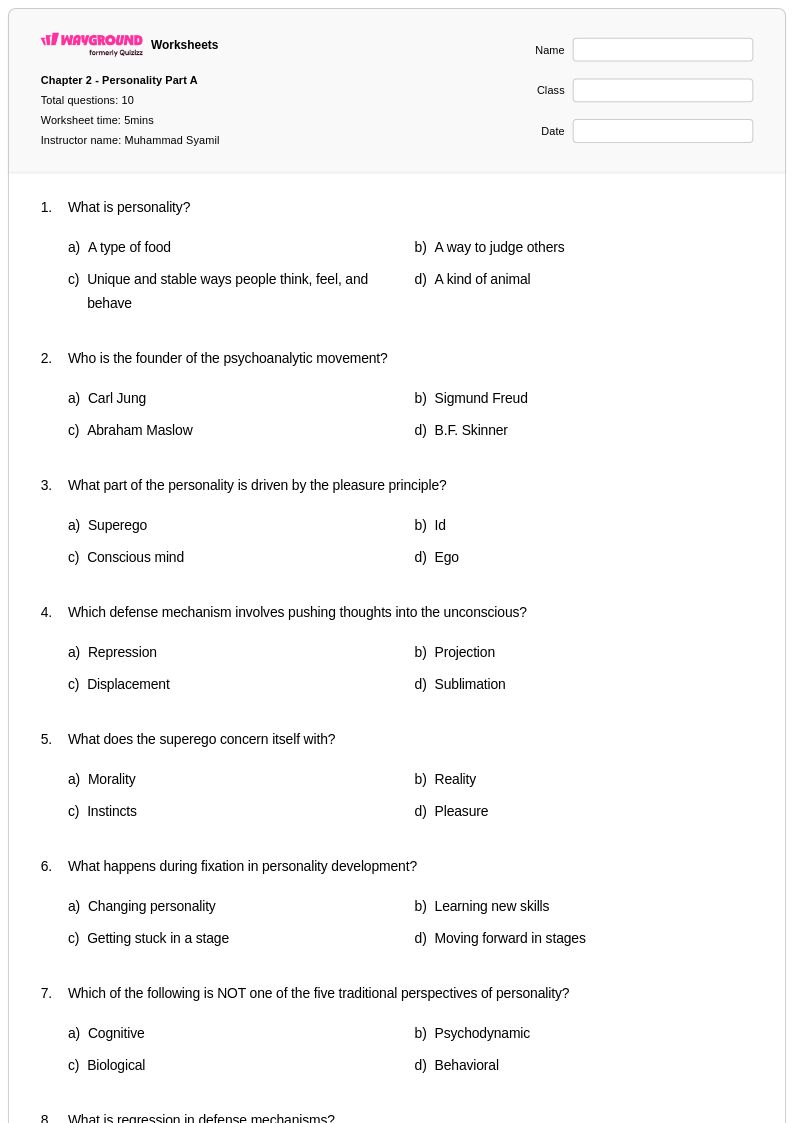
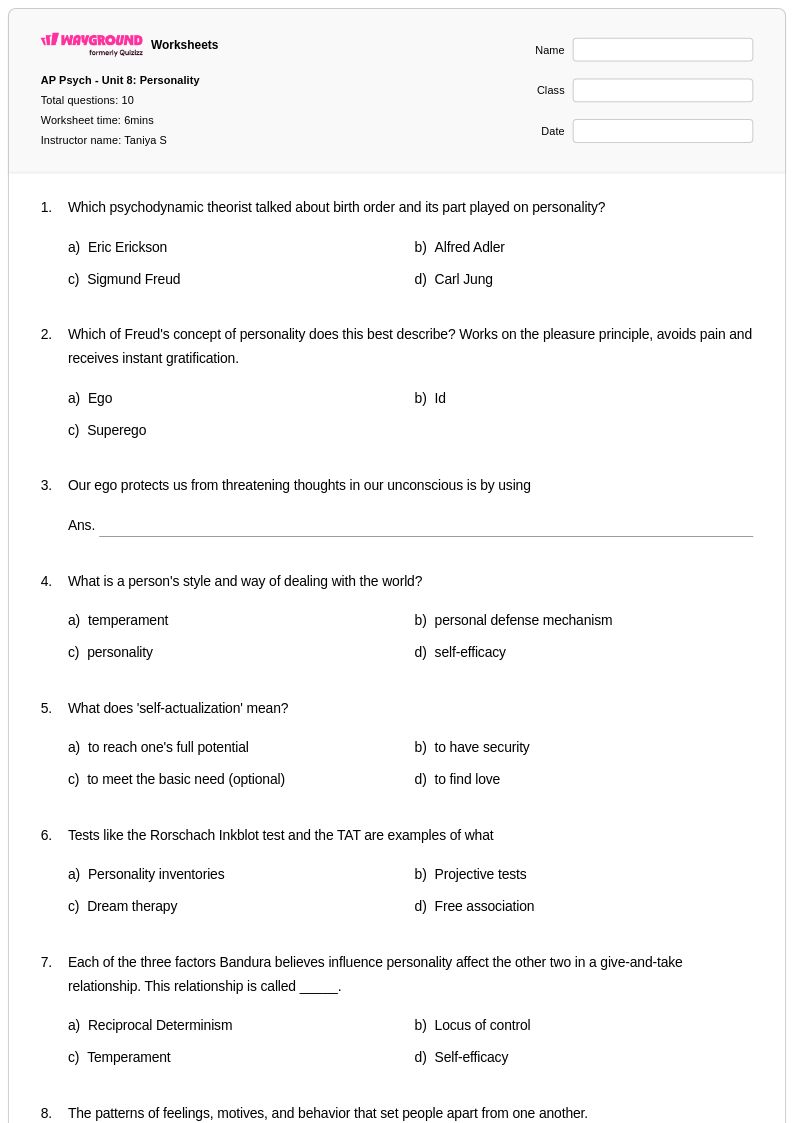
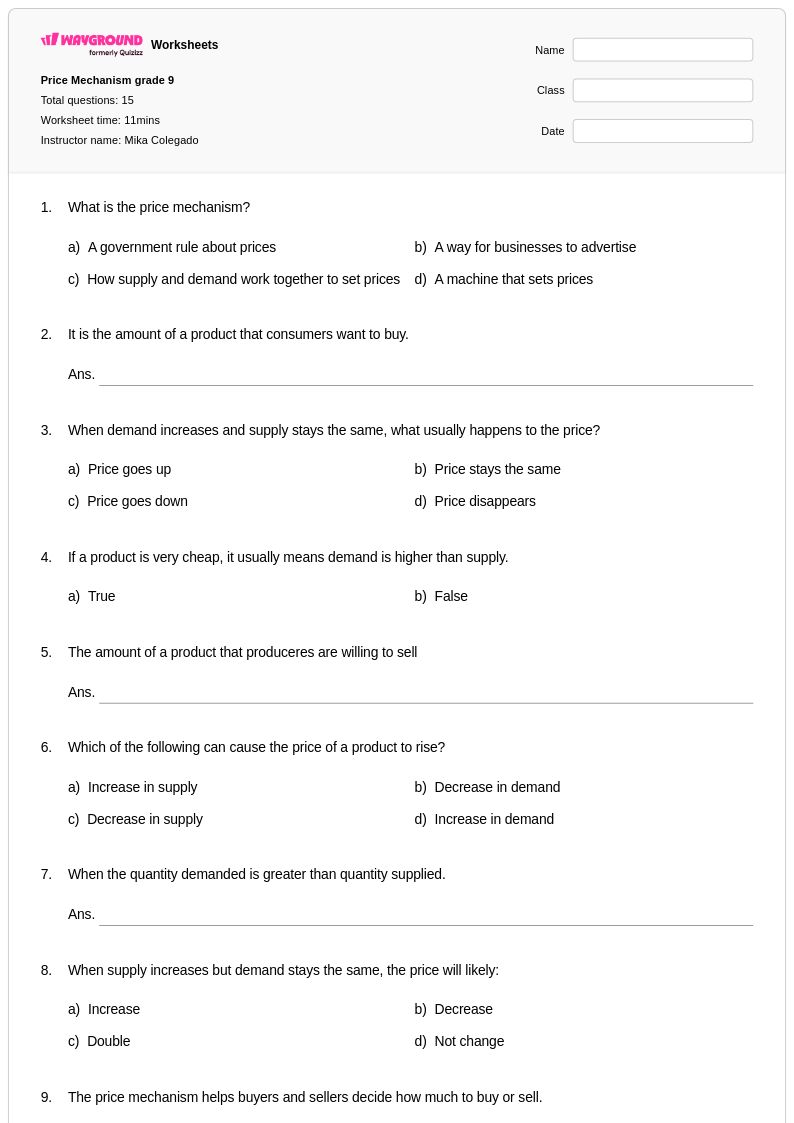
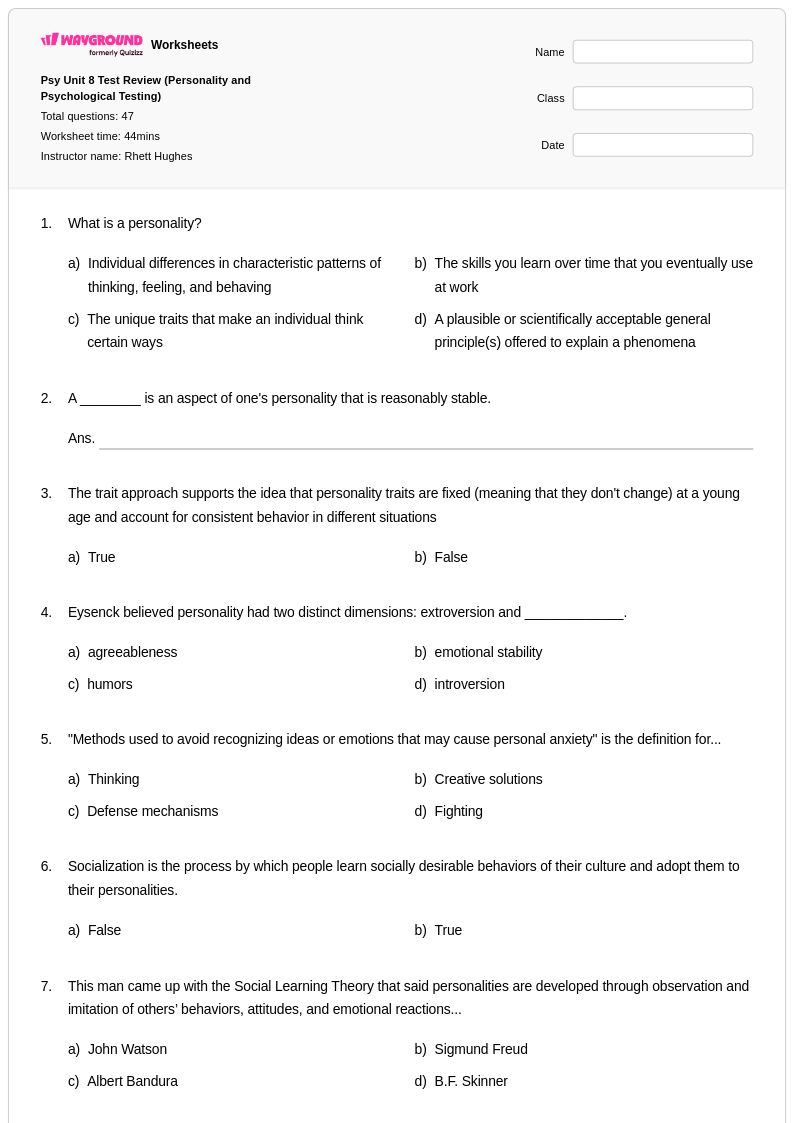
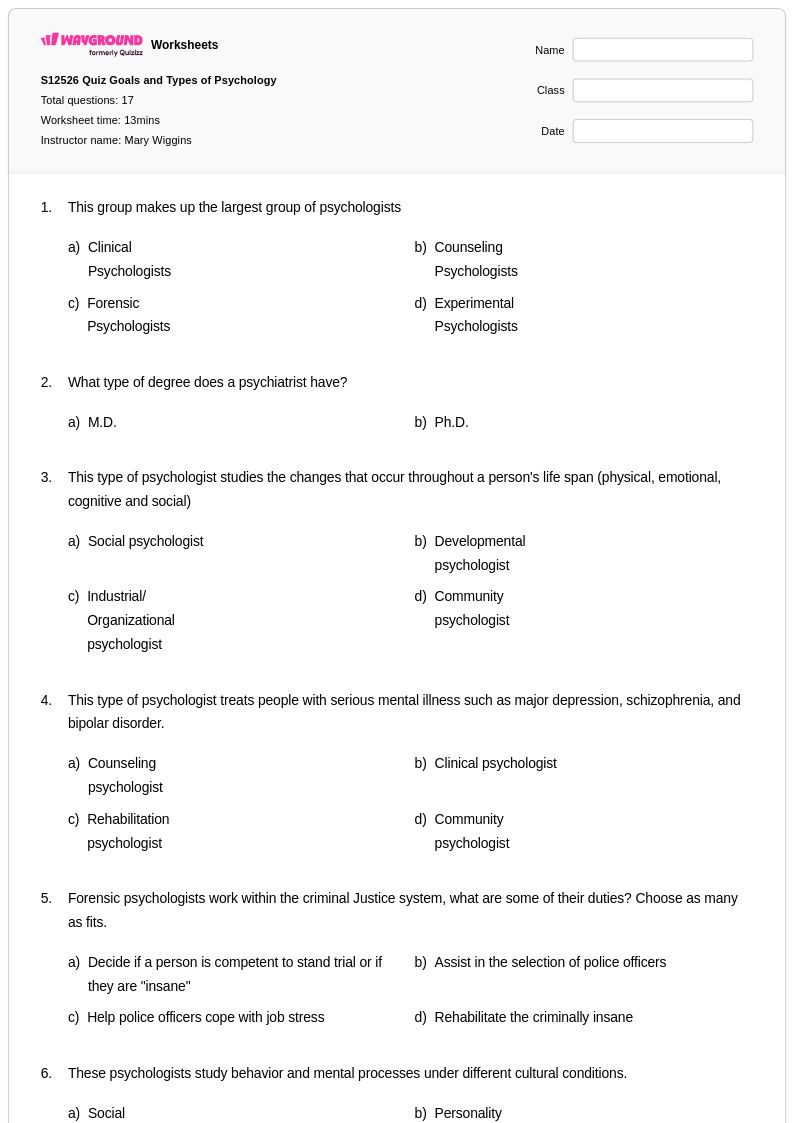
Coping mechanisms worksheets for Year 9 students available through Wayground (formerly Quizizz) provide comprehensive resources for developing essential emotional regulation and stress management skills within the social studies curriculum. These educational materials focus on teaching teenagers how to identify, evaluate, and implement healthy strategies for managing academic pressure, peer relationships, and personal challenges they encounter during this critical developmental stage. The worksheets strengthen students' ability to recognize emotional triggers, practice problem-solving techniques, and build resilience through structured practice problems that simulate real-world scenarios. Each printable resource includes detailed answer keys that help educators assess student understanding while providing free access to evidence-based coping strategies that align with social-emotional learning objectives.
Wayground (formerly Quizizz) supports educators with millions of teacher-created coping mechanisms resources that can be easily searched, filtered, and customized to meet diverse classroom needs. The platform's robust collection allows teachers to select materials that align with curriculum standards while offering differentiation tools to accommodate various learning styles and ability levels within Year 9 social studies courses. These flexible resources are available in both digital and printable pdf formats, enabling seamless integration into lesson planning whether for in-person instruction, remote learning, or hybrid environments. Teachers can utilize these comprehensive worksheet collections for targeted skill practice, remediation support for students struggling with emotional regulation, or enrichment activities that deepen understanding of healthy coping strategies essential for academic and personal success.
FAQs
How do I teach coping mechanisms to students?
Effective coping mechanisms instruction begins with helping students identify their personal stress triggers and emotional responses before introducing specific strategies. Teachers typically use modeling, role-play scenarios, and reflective journaling to make abstract concepts like positive self-talk or deep breathing feel concrete and applicable. Building in regular low-stakes practice moments throughout the week reinforces these skills far more effectively than a single lesson.
What types of activities help students practice coping strategies?
Structured worksheets that walk students through identifying a stressor, naming their emotional response, and selecting an appropriate coping strategy are among the most effective practice formats. Activities focused on deep breathing techniques, positive self-talk scripts, and conflict resolution scenarios give students repeated exposure to healthy responses in a safe, guided context. Practice problems that ask students to apply strategies to realistic situations help bridge the gap between knowing a coping skill and actually using it.
What common mistakes do students make when learning about coping mechanisms?
One of the most frequent misconceptions is that students confuse avoidance behaviors with healthy coping, treating distraction or withdrawal as equivalent to adaptive strategies like problem-solving or self-regulation. Students also tend to apply coping strategies inconsistently, relying on them only during structured activities rather than transferring them to real stressors. Worksheets that explicitly ask students to evaluate whether a strategy is helpful or harmful in a given scenario can directly address both of these patterns.
How do I differentiate coping mechanisms worksheets for students with different needs?
Differentiation for coping mechanisms instruction can include reducing the complexity of scenario prompts, offering sentence starters for reflective responses, or limiting answer choices for students who experience cognitive overload. On Wayground, teachers can apply individual accommodations such as reduced answer choices, read aloud support, and extended time to specific students without alerting the rest of the class, making it straightforward to support diverse learners within the same activity. These settings are saved and reusable across future sessions, reducing setup time for recurring lessons.
How can I use coping mechanisms worksheets in my classroom?
Coping mechanisms worksheets on Wayground are available as printable PDFs for traditional classroom use and in digital formats for technology-integrated environments, accommodating a range of teaching setups and student preferences. Teachers can also host worksheets as a quiz directly on Wayground, enabling real-time response tracking and immediate feedback. This flexibility makes them suitable for whole-class instruction, small-group intervention, or independent practice during advisory or social-emotional learning blocks.
How do coping mechanisms connect to social-emotional learning standards?
Coping mechanisms are a core component of social-emotional learning frameworks, directly supporting competencies related to self-awareness, self-management, and responsible decision-making. Worksheets that address trigger identification, emotional regulation, and adaptive thinking patterns map directly onto SEL benchmarks most districts require teachers to address. Using structured practice materials ensures these skills receive consistent, measurable instructional attention rather than being treated as informal conversation topics.