Free Printable Coping Strategies Worksheets for Year 1
Explore Wayground's free Year 1 coping strategies worksheets and printables that help young students develop essential emotional regulation skills through engaging practice problems, interactive activities, and comprehensive answer keys.
Explore printable Coping Strategies worksheets for Year 1
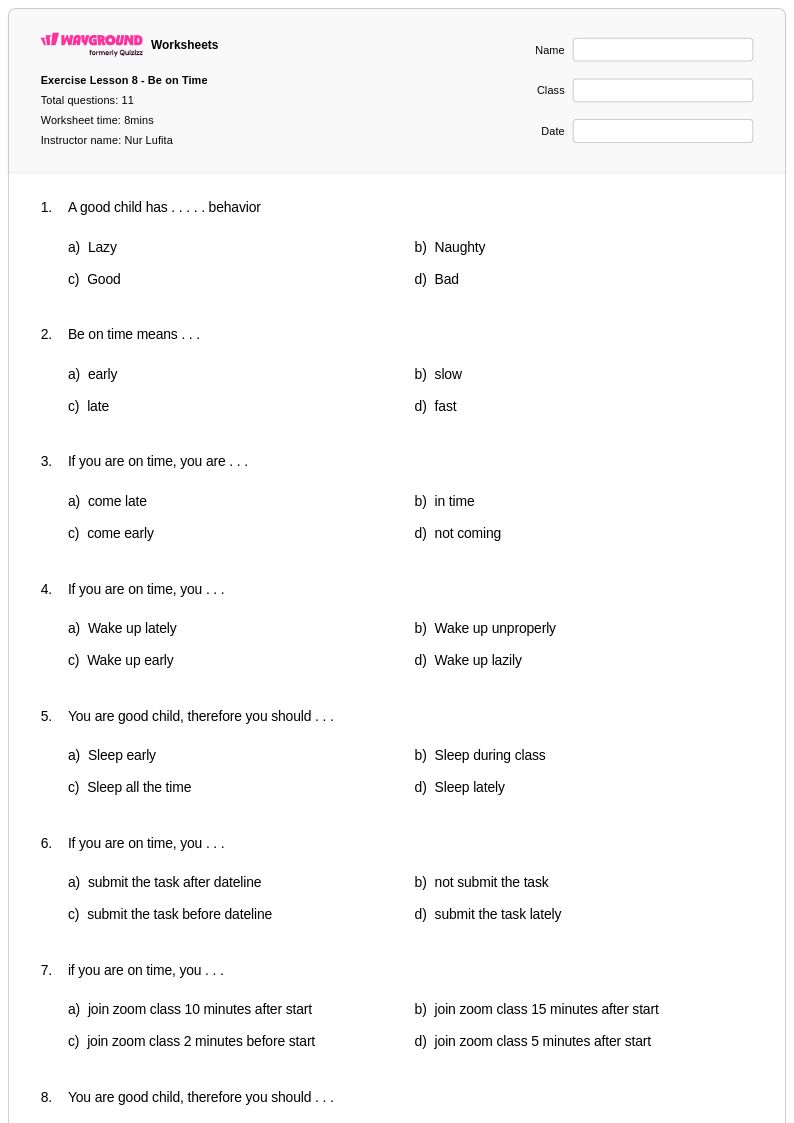
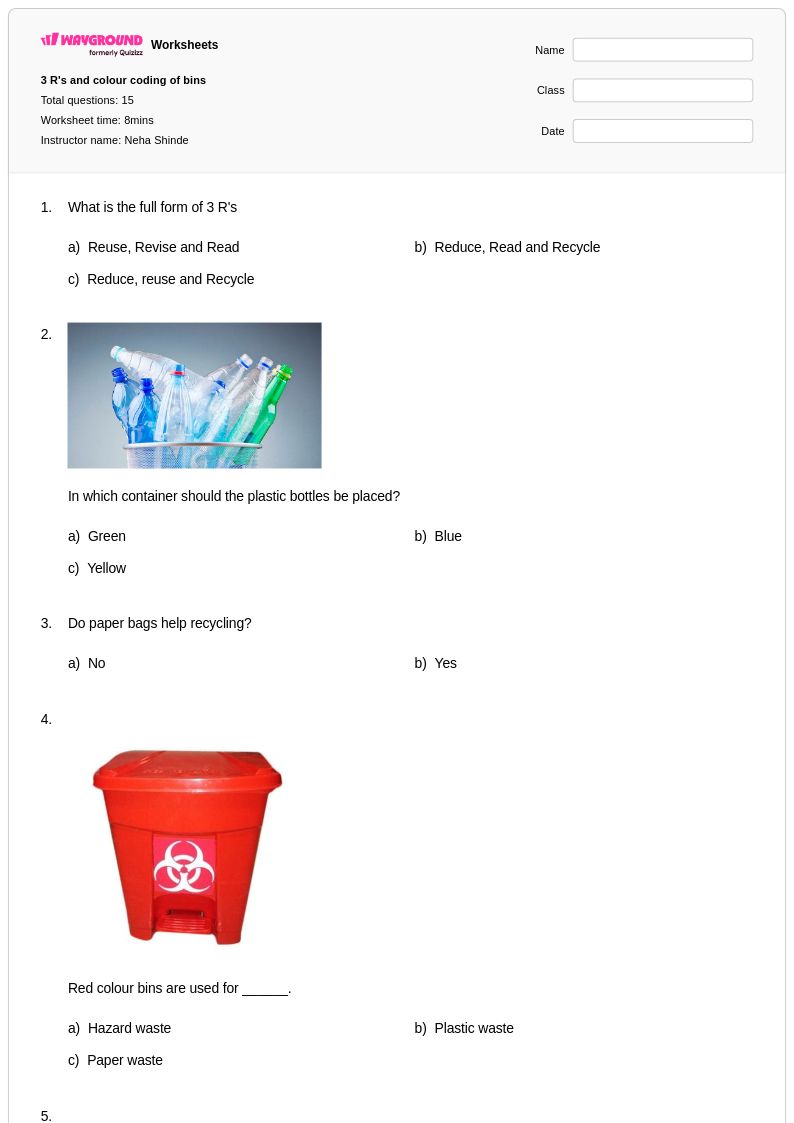
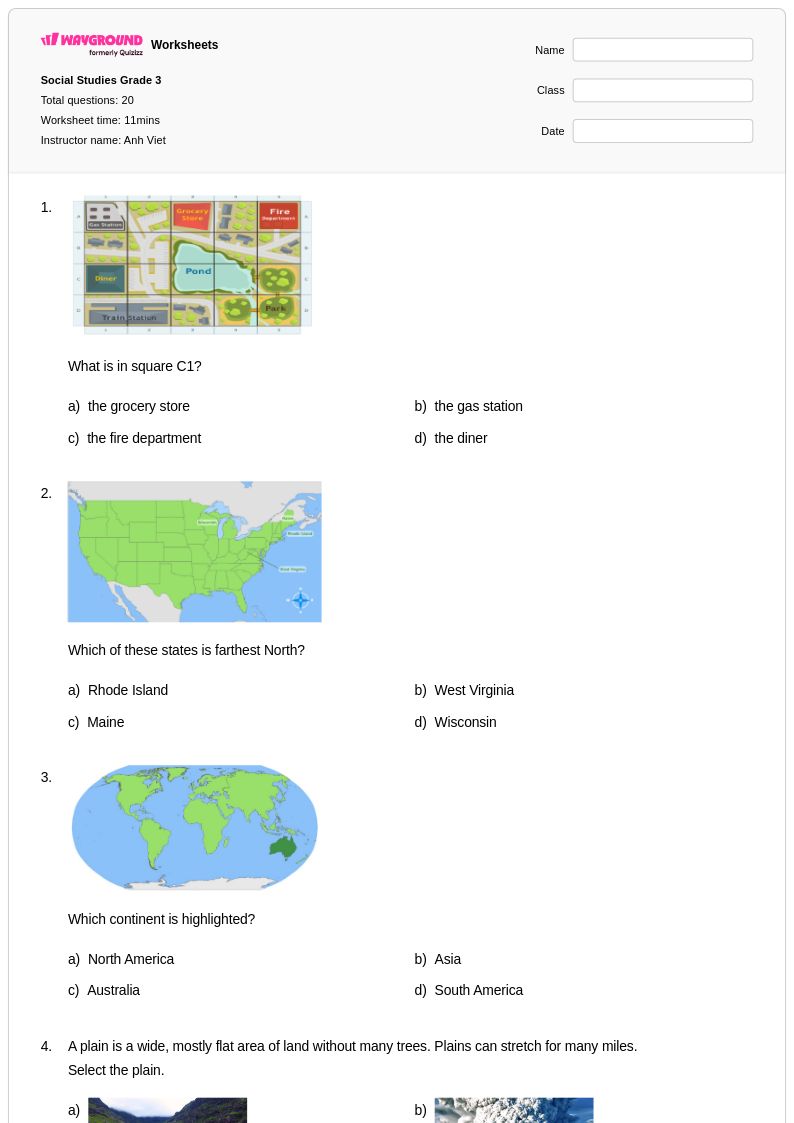
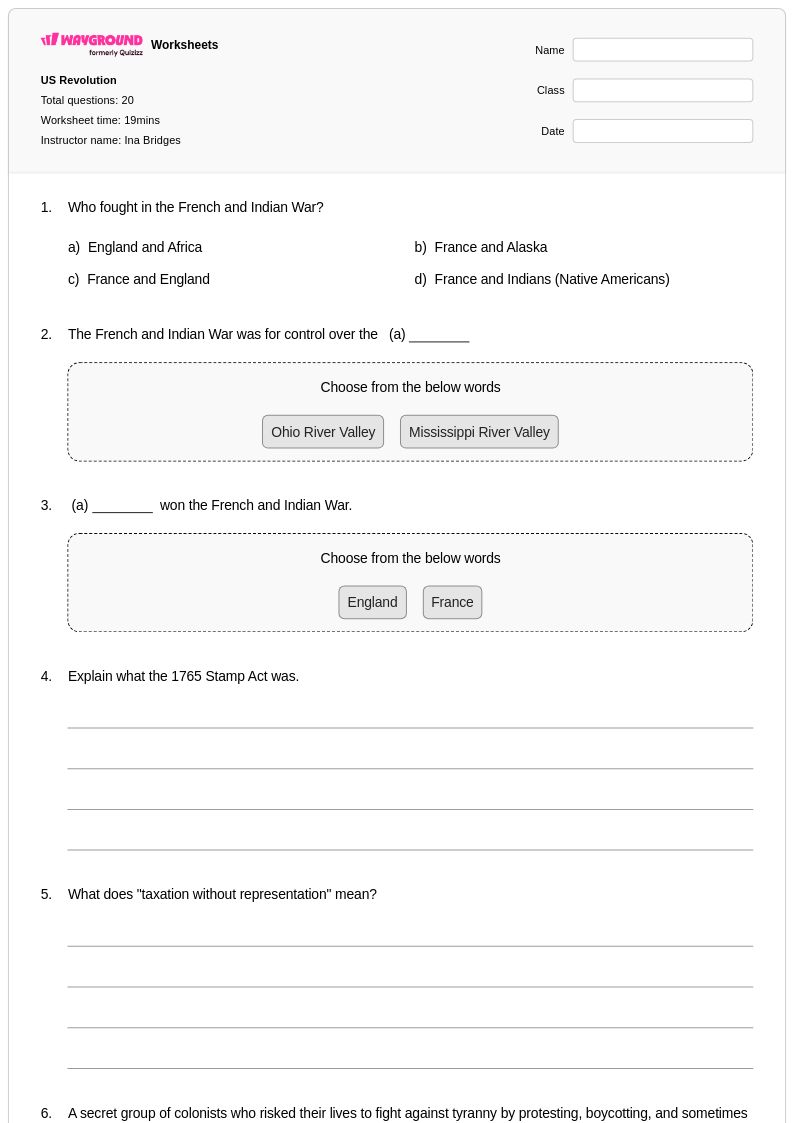
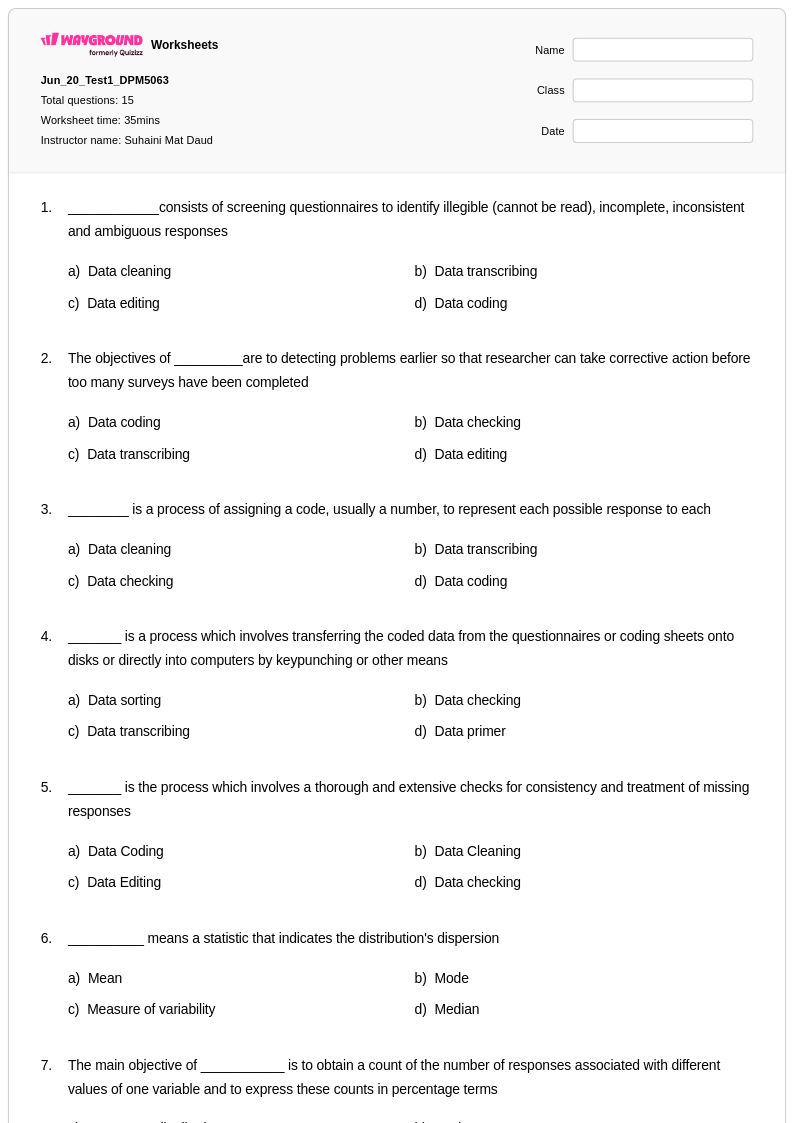
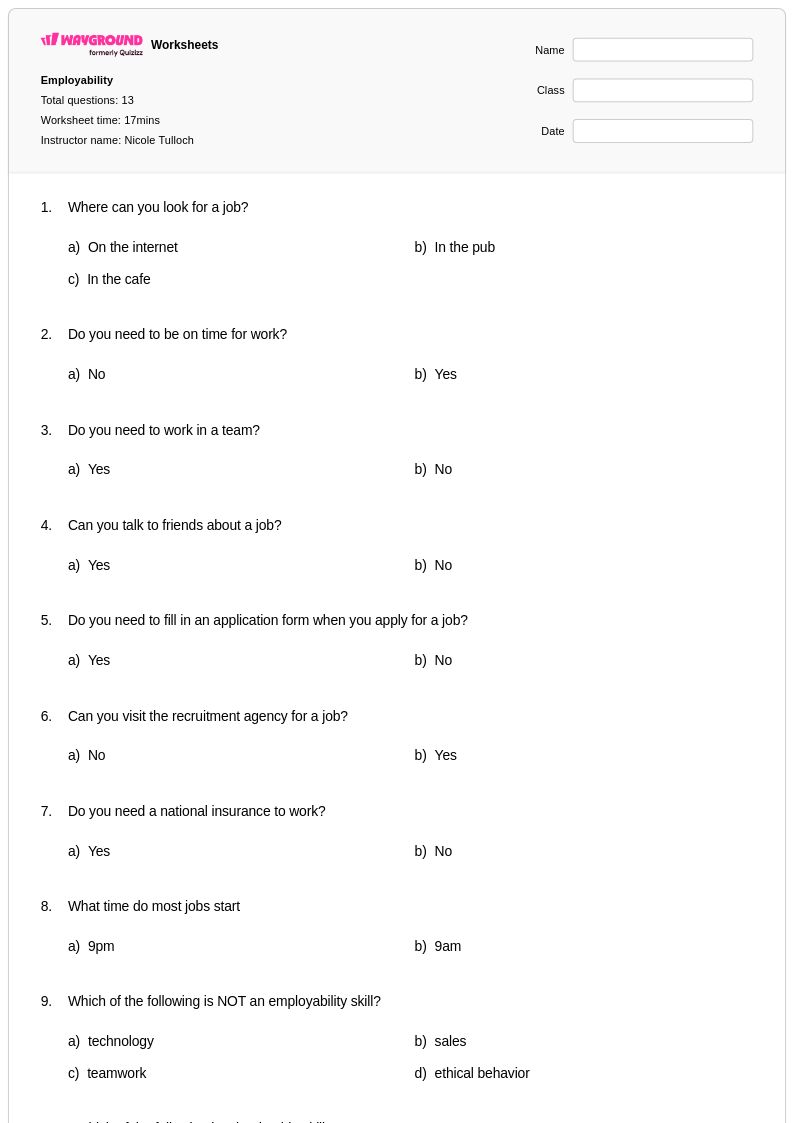
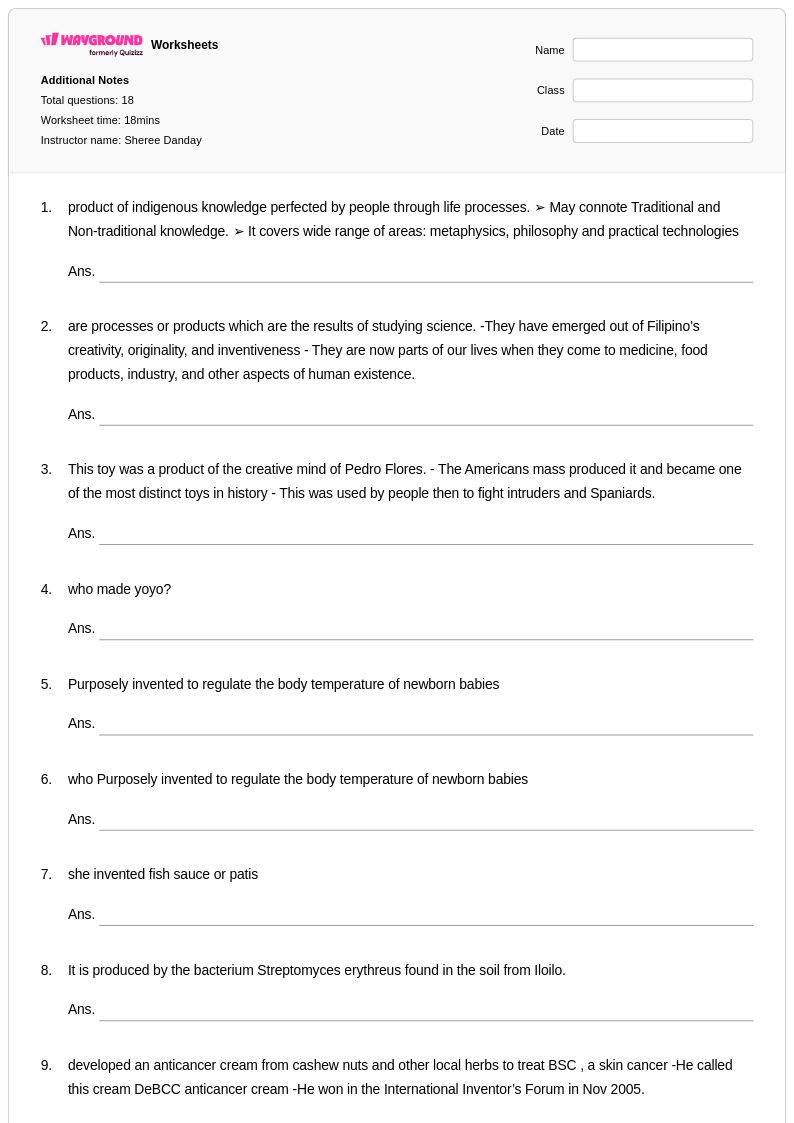
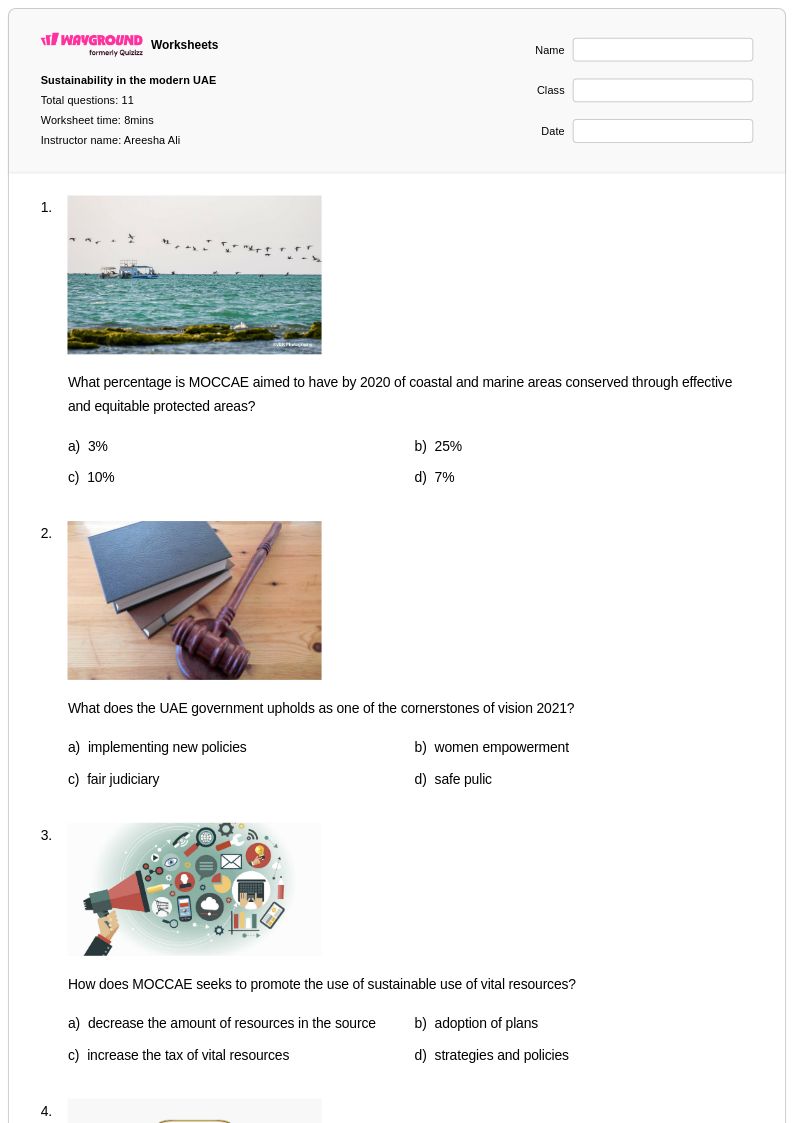
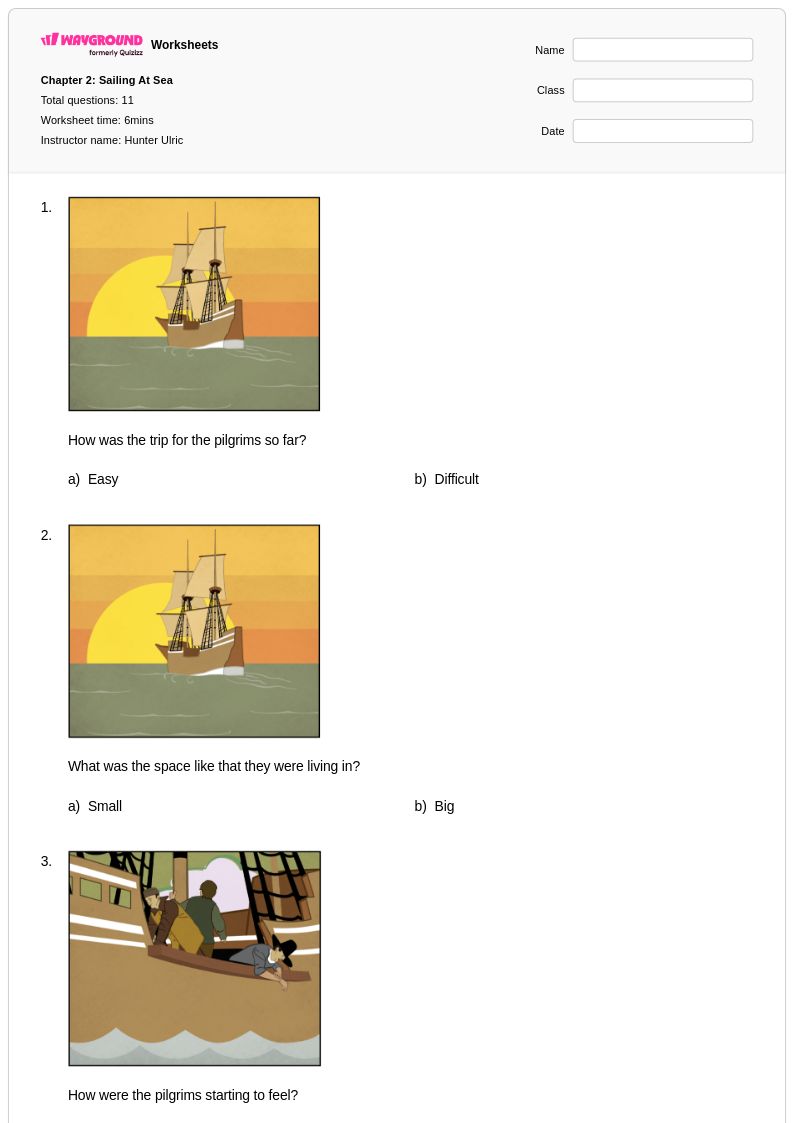
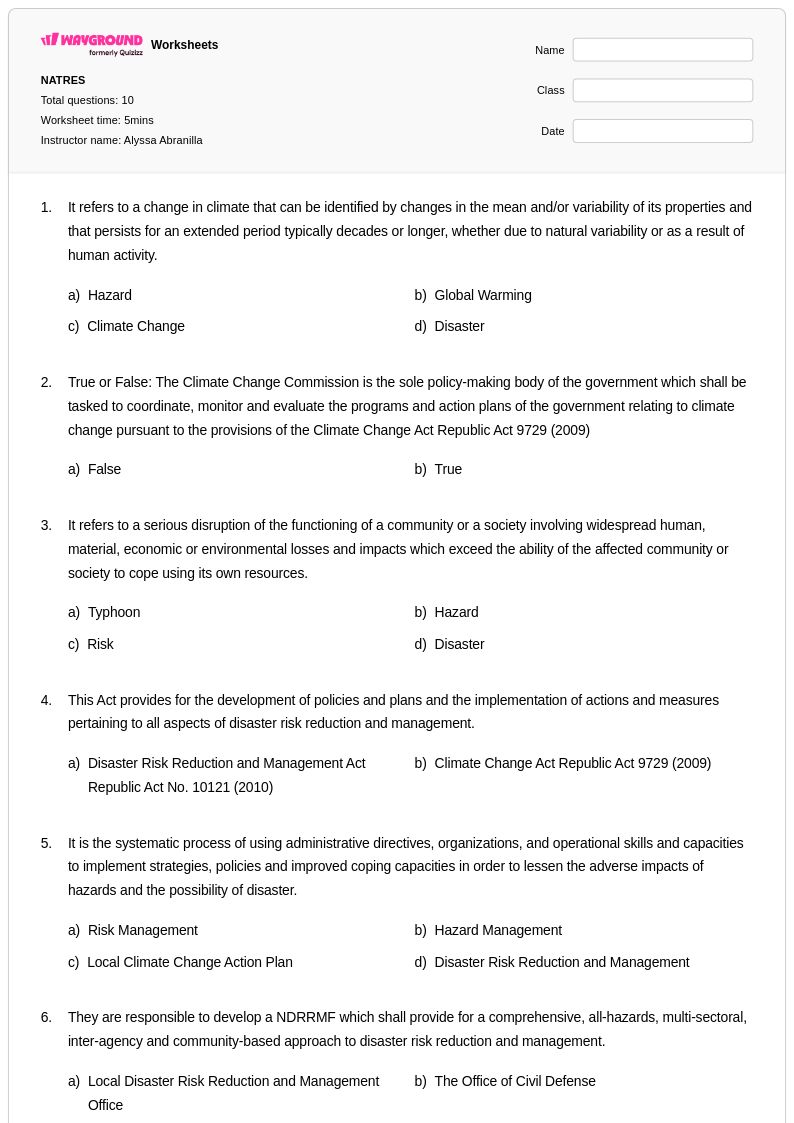
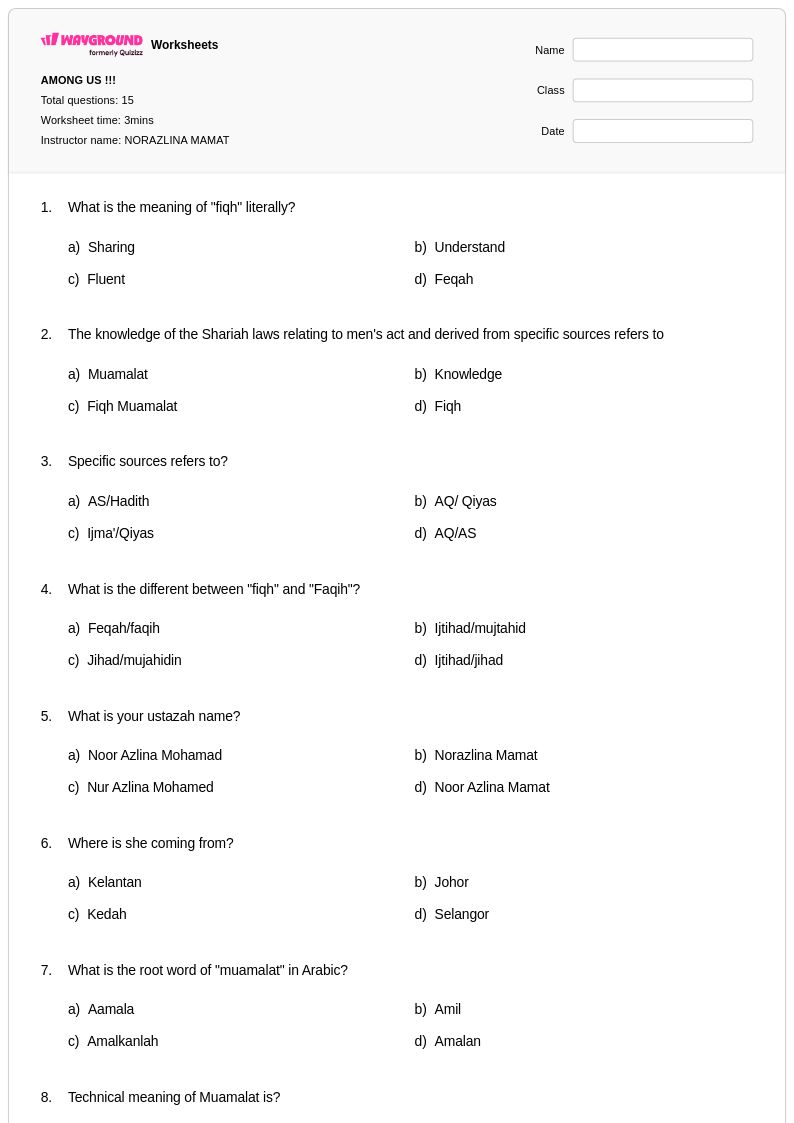
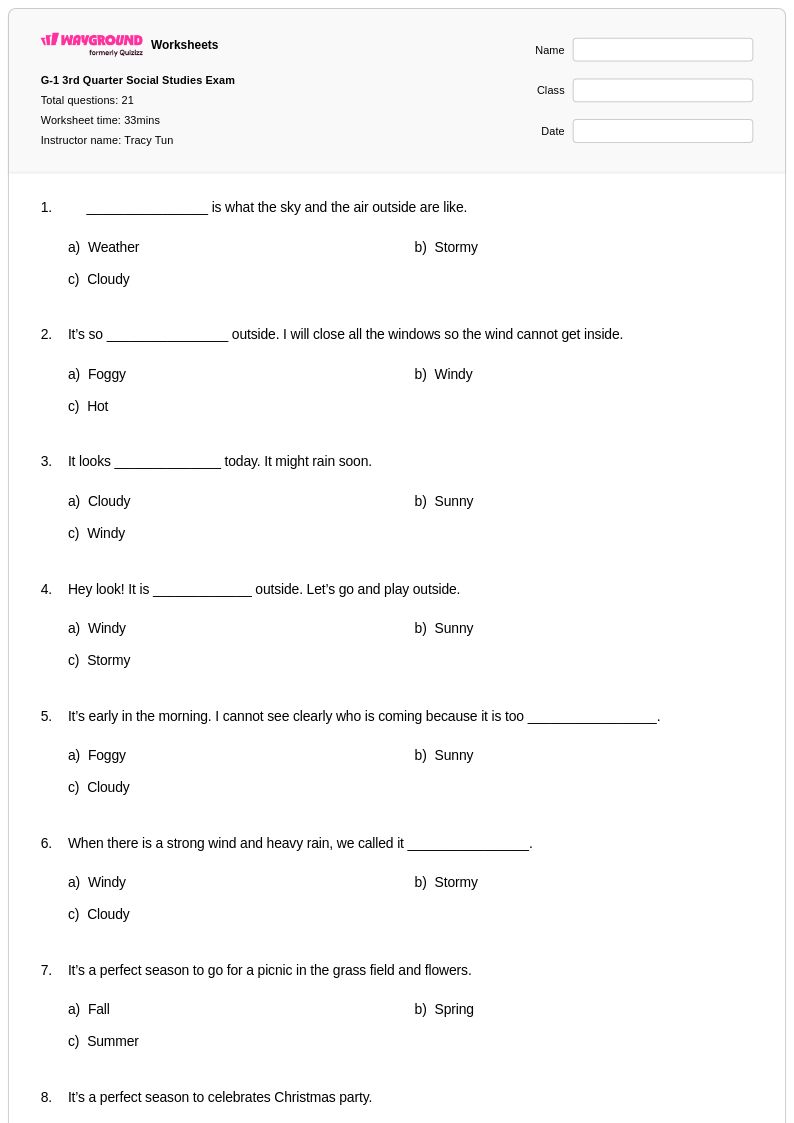
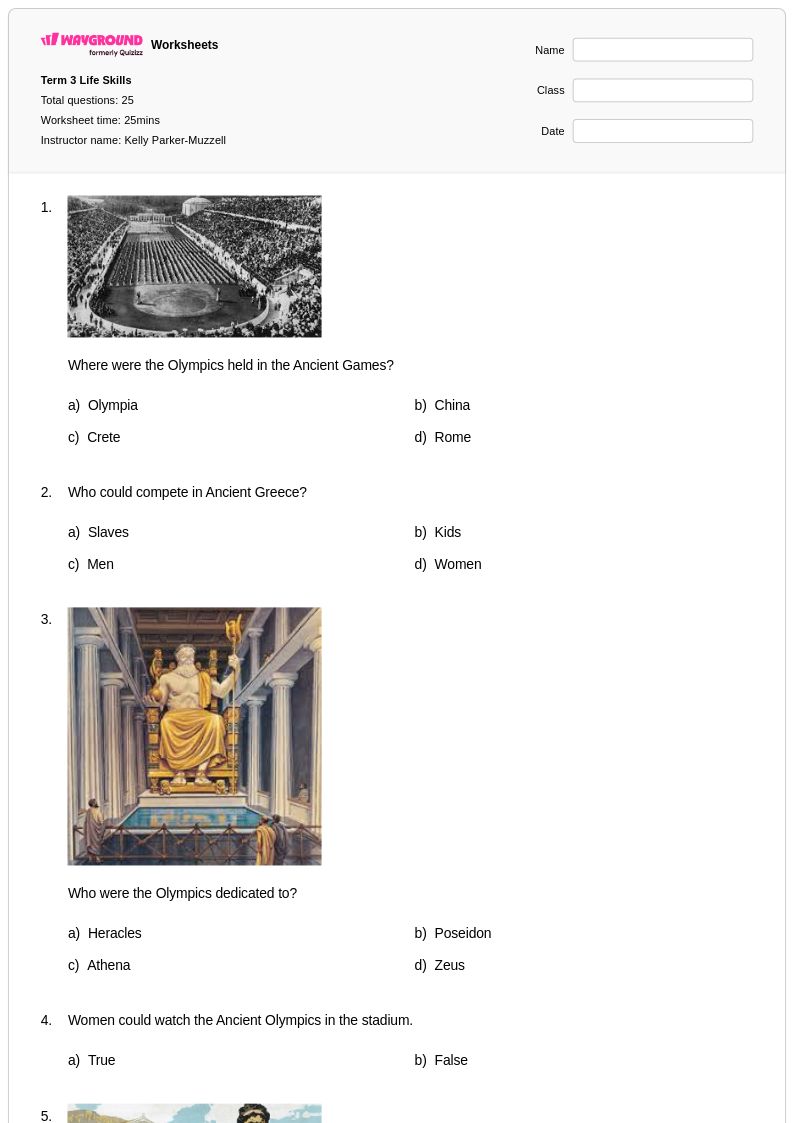
Coping strategies worksheets for Year 1 students available through Wayground (formerly Quizizz) provide young learners with essential tools to navigate emotional challenges and develop healthy responses to stress and disappointment. These carefully crafted educational materials focus on teaching first graders age-appropriate techniques such as deep breathing, counting to ten, asking for help, and identifying safe spaces when feeling overwhelmed. The worksheets strengthen critical social-emotional learning skills including emotional recognition, self-regulation, and problem-solving through engaging practice problems that present realistic scenarios children encounter daily. Each worksheet collection includes comprehensive answer keys to support guided instruction, and the free printables are available in convenient PDF format, making them accessible for both classroom use and home practice.
Wayground (formerly Quizizz) empowers educators with an extensive library of millions of teacher-created coping strategies resources specifically designed to meet the developmental needs of Year 1 students. The platform's robust search and filtering capabilities allow teachers to quickly locate worksheets aligned with social-emotional learning standards, while differentiation tools enable customization based on individual student readiness levels and learning styles. These flexible resources are available in both printable and digital formats, including downloadable PDFs, supporting diverse classroom environments and instructional approaches. Teachers can seamlessly integrate these materials into lesson planning for direct instruction, remediation sessions for students who need additional support, enrichment activities for advanced learners, and regular skill practice to reinforce healthy coping mechanisms throughout the school year.
FAQs
How do I teach coping strategies to students in a classroom setting?
Teaching coping strategies works best when students can connect techniques to real situations they've encountered. Start by helping students identify their personal stressors, then introduce a range of responses such as deep breathing, positive self-talk, and problem-solving steps. Structured activities that walk students through realistic scenarios are especially effective because they give students low-stakes practice before applying skills in high-pressure moments. Consistency across lessons reinforces the behaviors over time.
What exercises help students practice coping strategies?
Scenario-based worksheets are among the most effective practice tools because they ask students to identify a trigger, evaluate their emotional response, and select an appropriate coping technique. Activities that prompt students to build a personalized coping plan or journal their stress responses also build self-awareness alongside skill fluency. Regular practice with structured prompts helps students internalize these strategies so they become automatic rather than effortful.
What mistakes do students commonly make when learning coping strategies?
A common error is confusing avoidance with coping — students may believe that ignoring a stressor is a healthy response when it typically prolongs distress. Students also frequently struggle to distinguish between emotion-focused and problem-focused coping, applying one type when the other is more appropriate for the situation. Worksheets that ask students to evaluate whether a strategy addresses the source of stress or just the feeling can help correct this misconception directly.
How can I support students who struggle with emotional regulation during coping strategy lessons?
Students who find emotional regulation difficult may need reduced cognitive load during activities, such as fewer answer choices or shorter scenario prompts to start. On Wayground, teachers can enable accommodations like Read Aloud so students who are dysregulated or have reading challenges can still access the content, and Reduced Answer Choices to lower decision fatigue for students who feel overwhelmed. These settings can be applied to individual students without flagging the difference to the rest of the class, keeping the environment supportive and non-stigmatizing.
How do I use coping strategies worksheets on Wayground in my classroom?
Coping strategies worksheets on Wayground are available as printable PDFs for traditional classroom use and in digital formats for technology-integrated environments, giving teachers flexibility depending on their setup. Teachers can also host the worksheets as a quiz directly on Wayground, which enables real-time tracking of student responses and progress. Each worksheet includes a complete answer key, making it straightforward to assess student understanding and provide targeted feedback on which skills need further reinforcement.
How do coping strategies fit into the social-emotional learning curriculum?
Coping strategies are a core component of social-emotional learning because they directly support emotional regulation, resilience, and self-advocacy — skills that research consistently links to academic performance and long-term well-being. Within the SEL framework, coping strategy instruction typically sits alongside lessons on self-awareness and responsible decision-making. Worksheets that address identifying stressors, evaluating response options, and practicing healthy behaviors give students the structured repetition needed to internalize these skills.