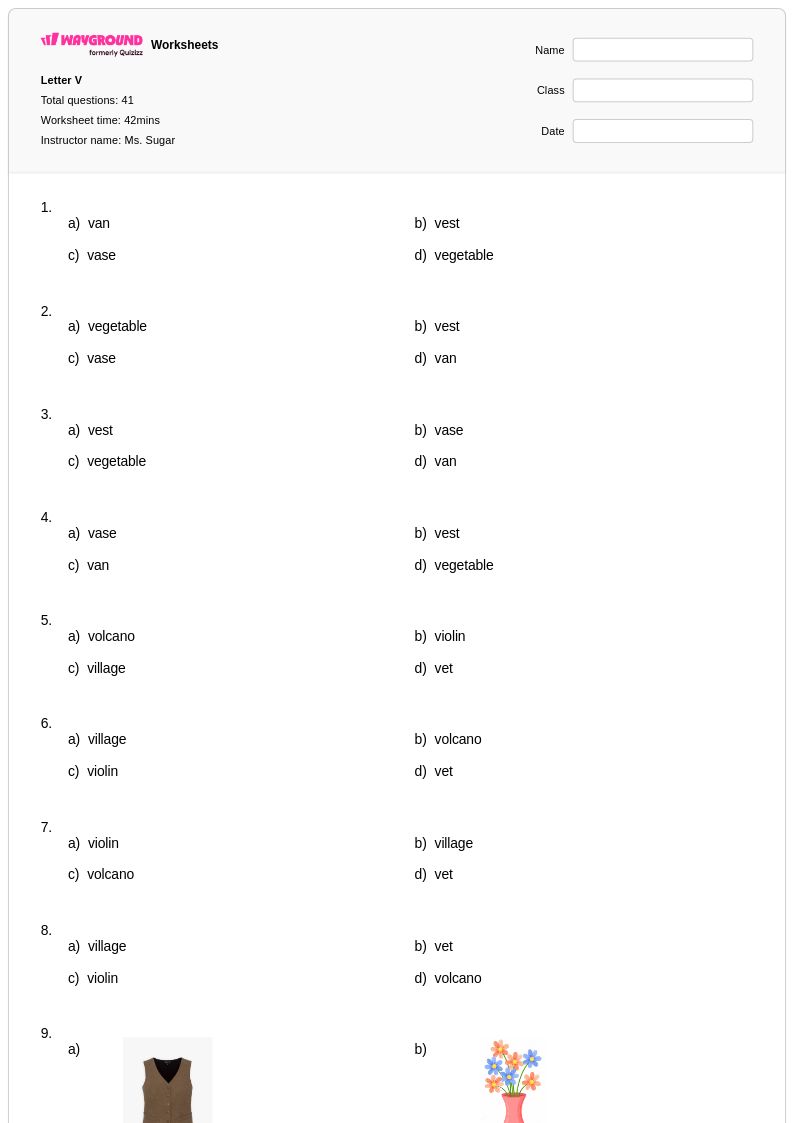
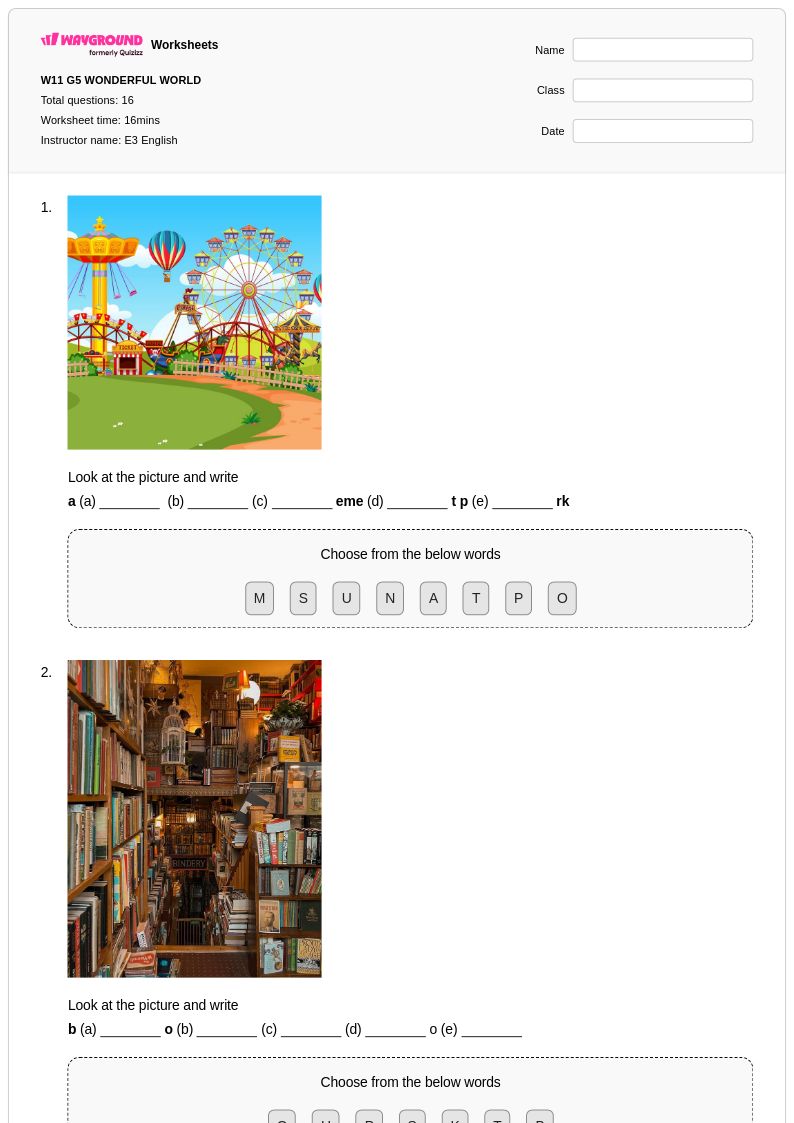
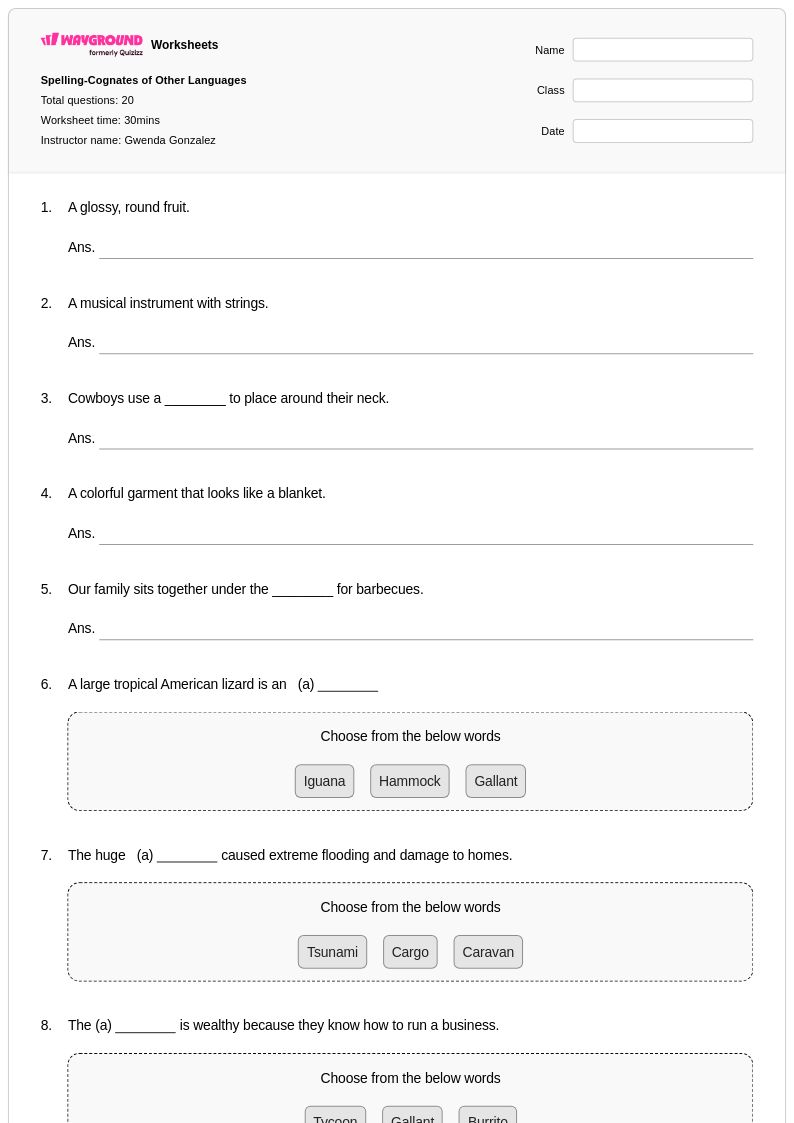
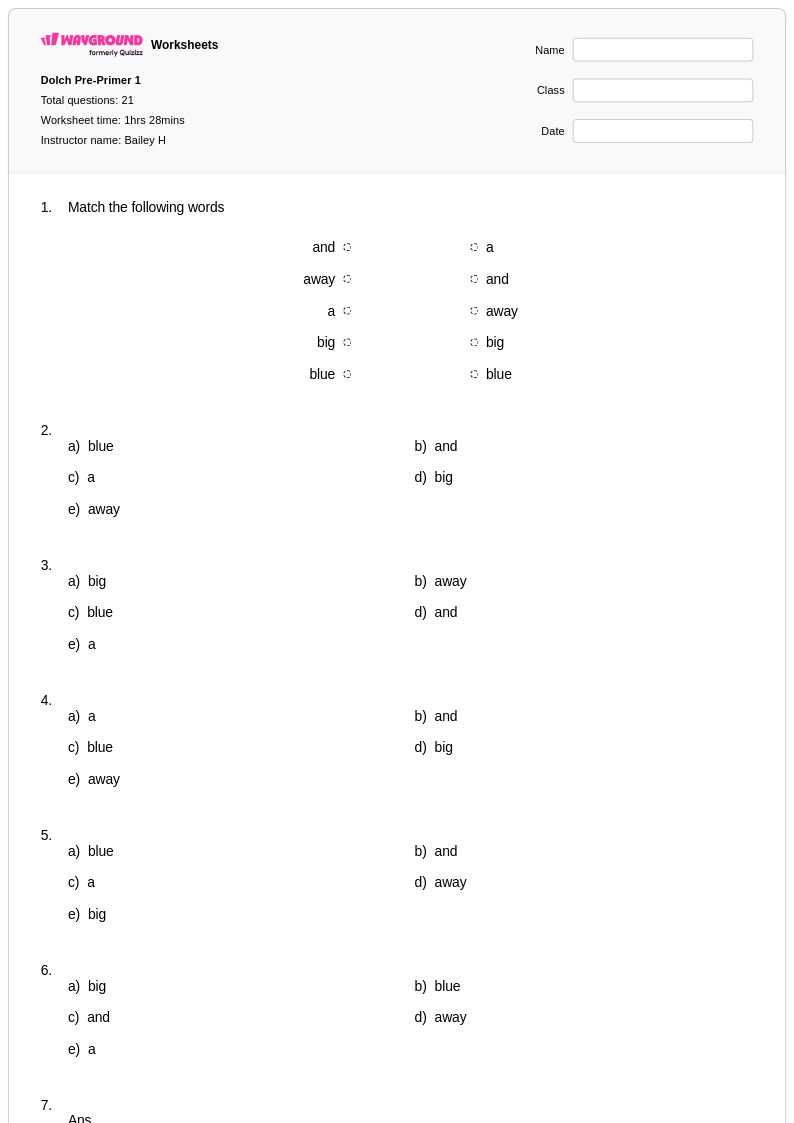
Free Printable Cryptogram Word Puzzles Worksheets for Year 5
Enhance Year 5 students' language skills with our free cryptogram word puzzle worksheets, featuring engaging printable activities and comprehensive answer keys to develop vocabulary and critical thinking through fun decoding practice problems.
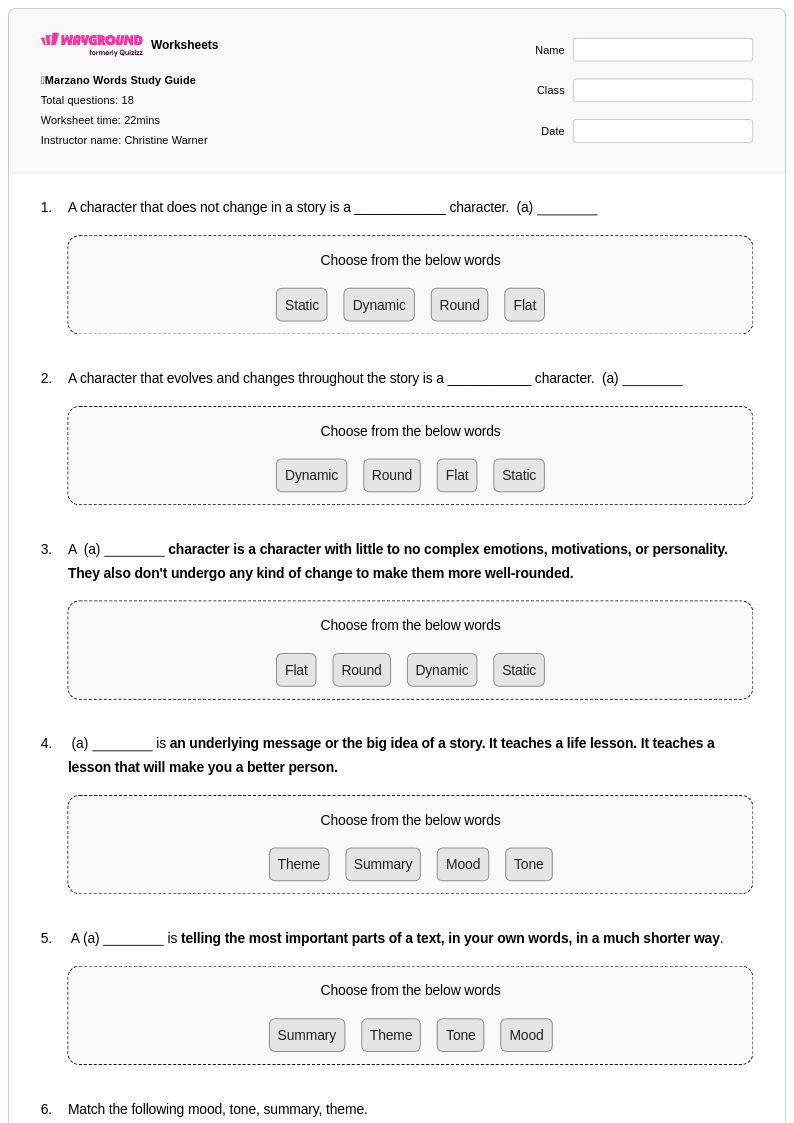
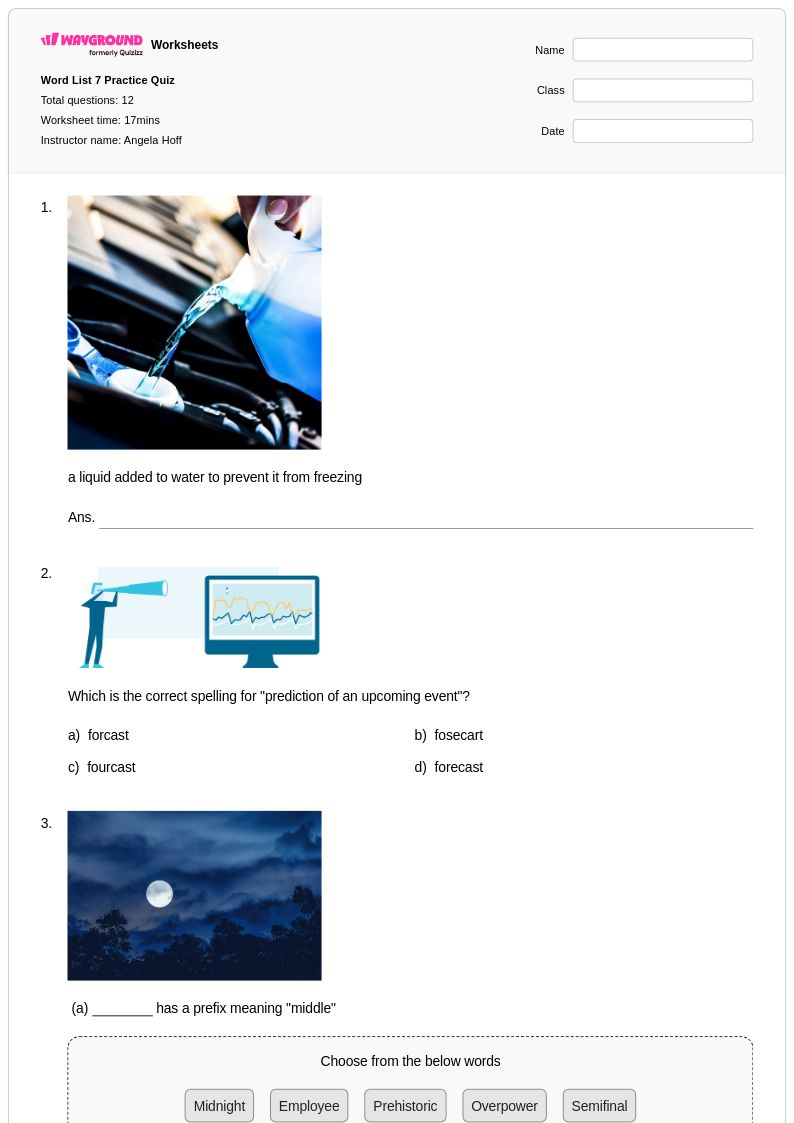
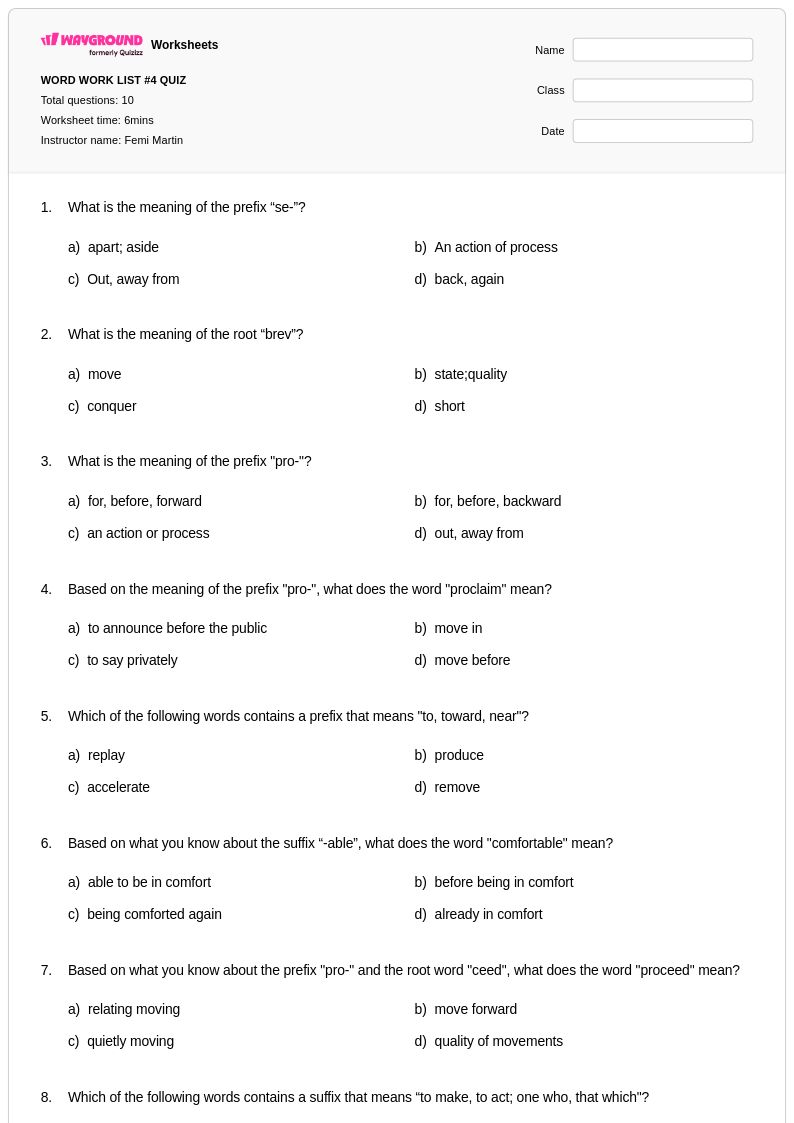
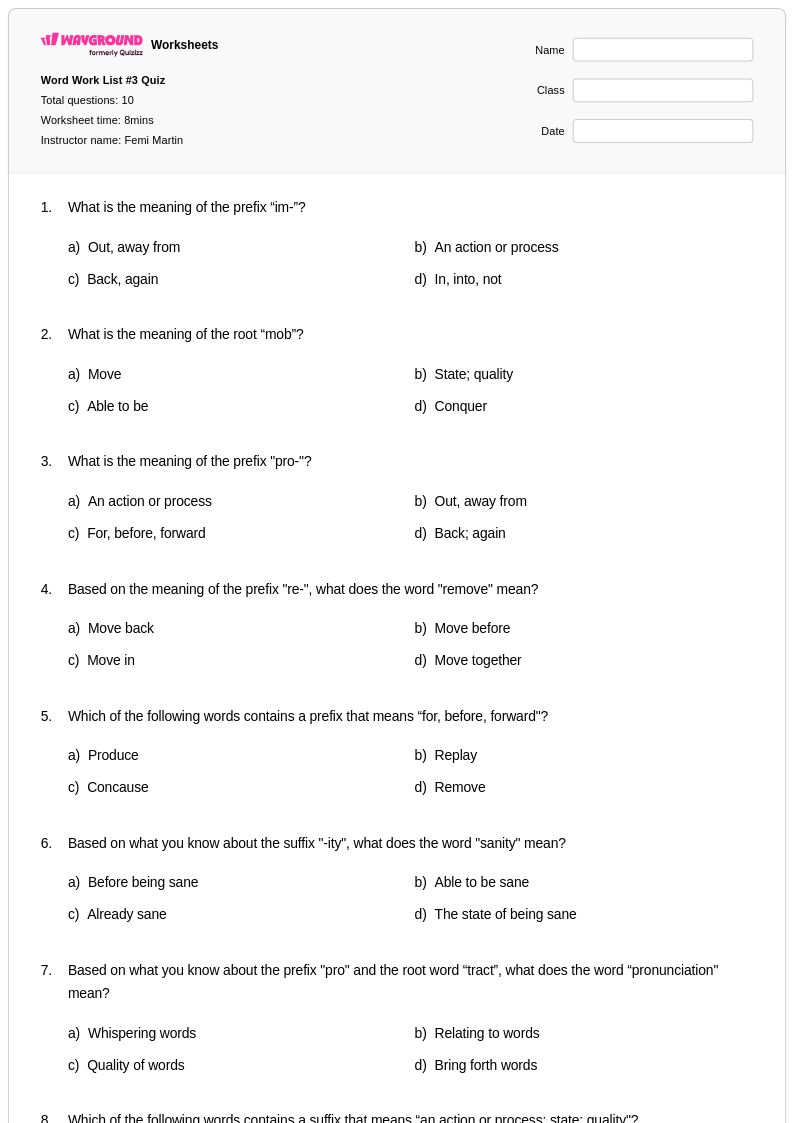
Explore printable Cryptogram Word Puzzles worksheets for Year 5
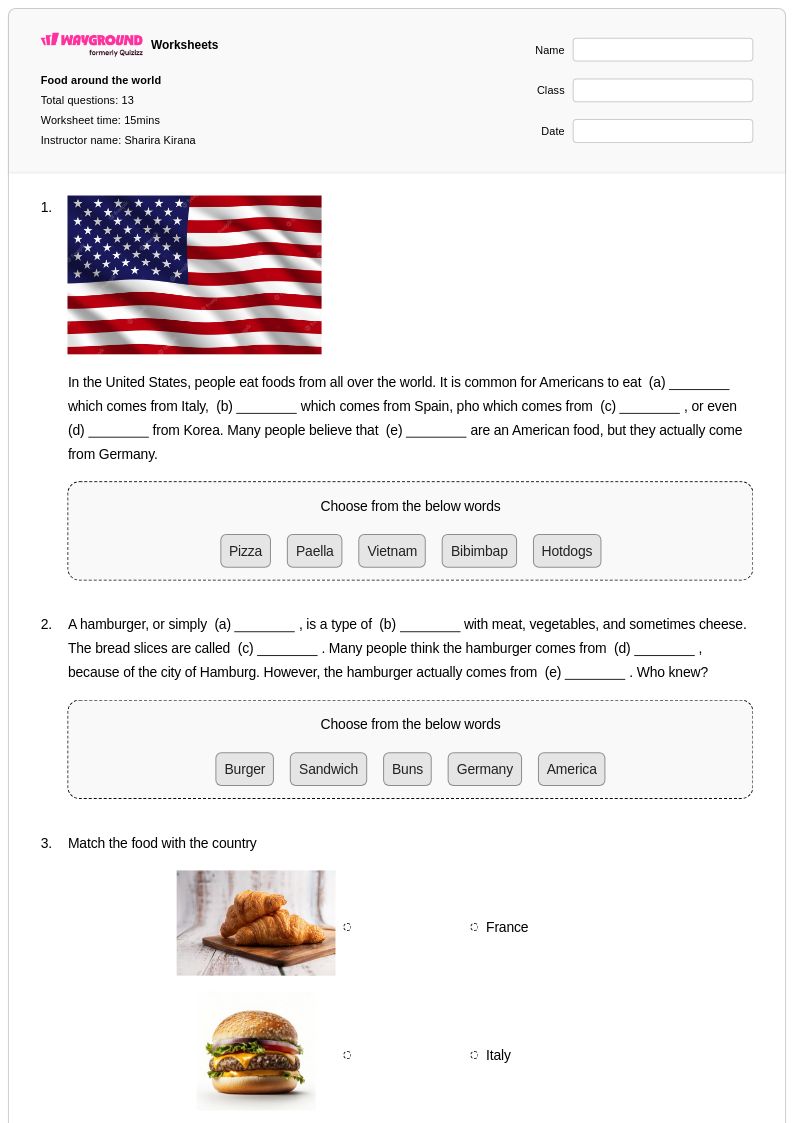
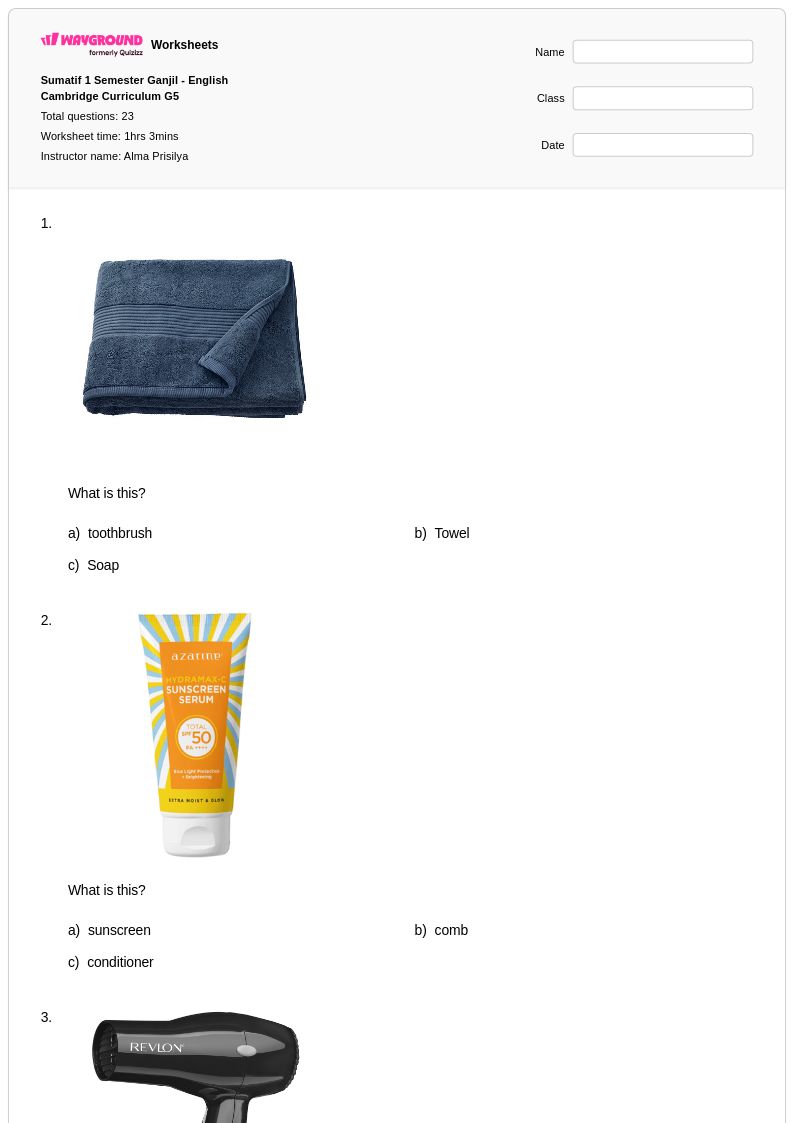
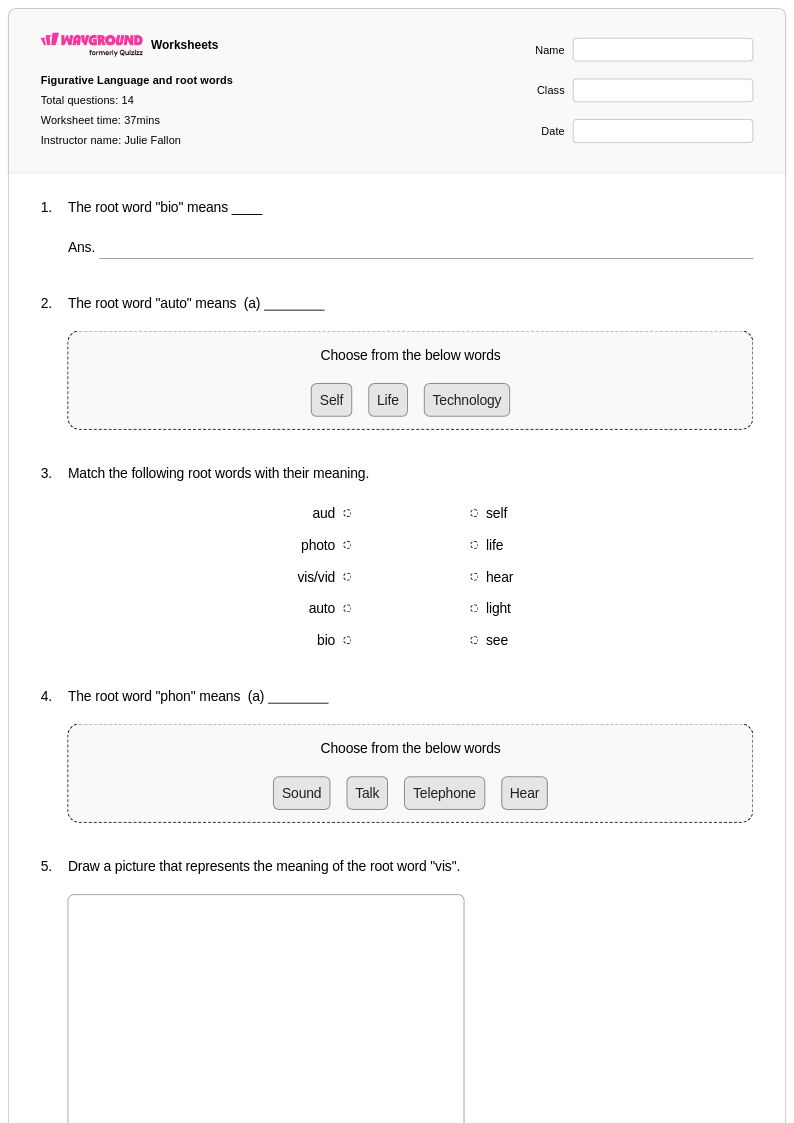
Cryptogram word puzzles for Year 5 students offer an engaging approach to strengthening vocabulary, spelling, and critical thinking skills through coded message challenges. These educational worksheets feature carefully designed cipher puzzles where students decode encrypted messages by substituting letters or symbols to reveal hidden words and phrases appropriate for their reading level. Each cryptogram worksheet serves the academic purpose of reinforcing phonetic patterns, improving letter recognition, and developing logical reasoning abilities while students work through systematic problem-solving strategies. Teachers can access comprehensive collections that include detailed answer keys for efficient grading, with materials available as free printable pdf resources that provide structured practice problems ranging from simple substitution codes to more complex cipher patterns that challenge fifth-grade learners.
Wayground, formerly Quizizz, supports educators with extensive cryptogram word puzzle collections developed by millions of teachers who understand the specific learning needs of Year 5 students. The platform's robust search and filtering capabilities allow teachers to locate worksheets that align with curriculum standards while offering differentiation tools to accommodate various skill levels within the classroom. These customizable resources are available in both printable pdf formats for traditional paper-based activities and digital formats for interactive learning experiences, enabling flexible implementation across different teaching environments. The comprehensive worksheet collections streamline lesson planning while providing targeted materials for remediation support, enrichment opportunities, and regular skill practice that helps students master vocabulary development and analytical thinking through engaging puzzle-solving activities.
FAQs
How do I teach students to solve cryptogram puzzles for the first time?
Start by introducing the concept of letter substitution using a simple example where numbers replace letters, then walk students through frequency analysis as a decoding strategy. Teach them that the most common letters in English are E, T, A, O, and I, and that single-letter words are almost always 'a' or 'I.' Once students understand these anchor strategies, encourage them to look for short common words like 'the,' 'and,' and 'is' to unlock additional letters. Beginning with shorter, simpler encoded phrases builds confidence before progressing to more complex cryptograms.
What skills do cryptogram puzzles help students practice?
Cryptogram puzzles simultaneously reinforce vocabulary knowledge, spelling pattern recognition, and logical reasoning. As students decode messages, they encounter and process words in context, which strengthens both word recall and reading comprehension. The puzzle format also builds perseverance and systematic thinking, since students must test hypotheses, revise guesses, and apply letter frequency rules rather than simply recalling information. This makes cryptograms particularly effective for vocabulary review and enrichment without the feel of a traditional drill.
What mistakes do students commonly make when solving cryptogram word puzzles?
One of the most frequent errors is making an early incorrect letter assignment and then failing to revise it as contradictions emerge elsewhere in the puzzle. Students also tend to ignore word length and position as clues, overlooking that a three-letter word ending in a repeated symbol is unlikely to be anything other than a small set of common words. Another common mistake is skipping apostrophe patterns, which reliably signal contractions like 'don't' or possessives, offering quick decoding shortcuts. Teaching students to treat each decoded letter as a testable hypothesis rather than a confirmed answer significantly reduces these errors.
How can I differentiate cryptogram worksheets for students at different skill levels?
For struggling learners, provide a partial key that reveals three to five high-frequency letters before they begin, which lowers the entry barrier while preserving the problem-solving experience. Advanced students benefit from cryptograms with longer phrases, fewer repeated letters, and no spacing clues. On Wayground, teachers can also apply accommodations such as Read Aloud support for students who need questions read to them, or reduced answer choices to lower cognitive load for selected students, while the rest of the class receives standard settings without any notification.
How do I use Wayground's cryptogram word puzzle worksheets in my classroom?
Wayground's cryptogram word puzzle worksheets are available as printable PDFs for traditional classroom use and in digital formats for technology-integrated or online learning environments, giving teachers flexibility regardless of their setup. Teachers can also host worksheets as a quiz directly on Wayground, enabling interactive student engagement and streamlined progress tracking. All worksheets include comprehensive answer keys so students can verify their solutions and self-correct, making them well-suited for independent practice, early finisher activities, or homework assignments.
How do I incorporate cryptogram puzzles into a vocabulary unit?
Cryptograms work best as a reinforcement or review activity after vocabulary words have been introduced, not as a first-exposure tool, because students need some word recognition to leverage contextual clues effectively. Embed target vocabulary into the encoded message so that successfully decoding the puzzle requires students to recognize and spell the words they've been studying. You can also use the decoded phrase itself as a writing prompt or discussion starter, extending the activity into a broader language arts lesson.