
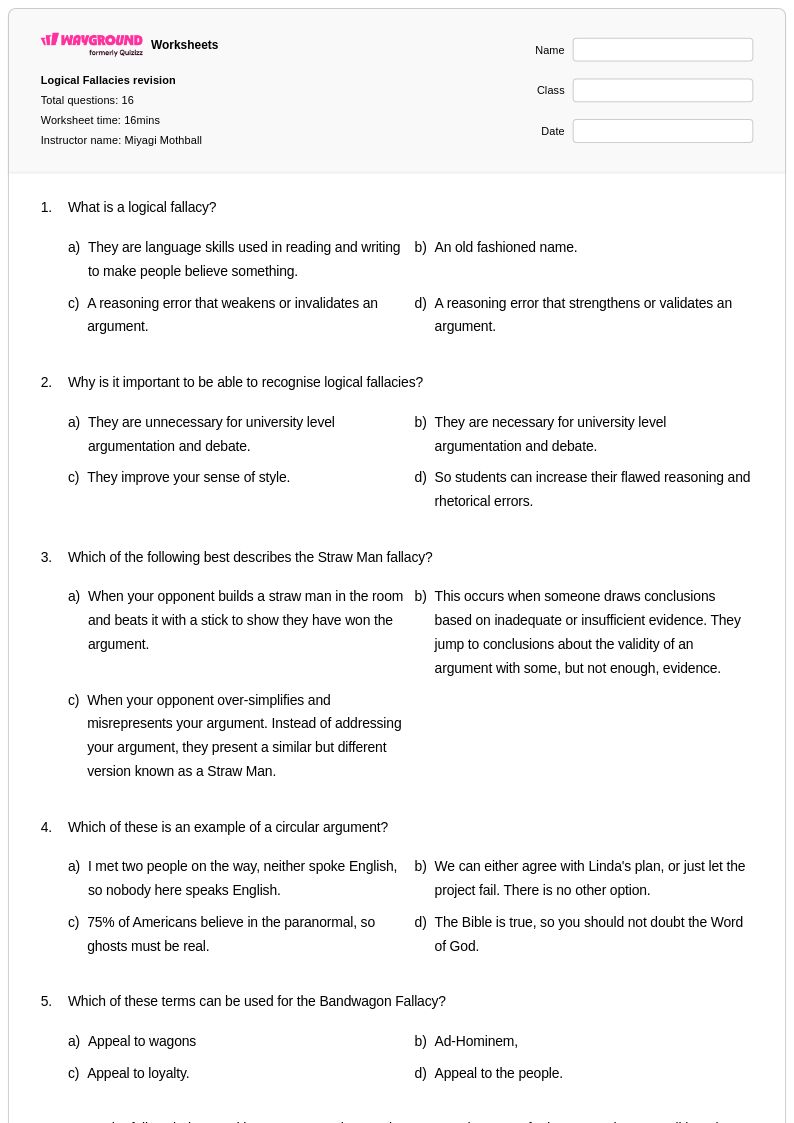
16 Q
11th - 12th
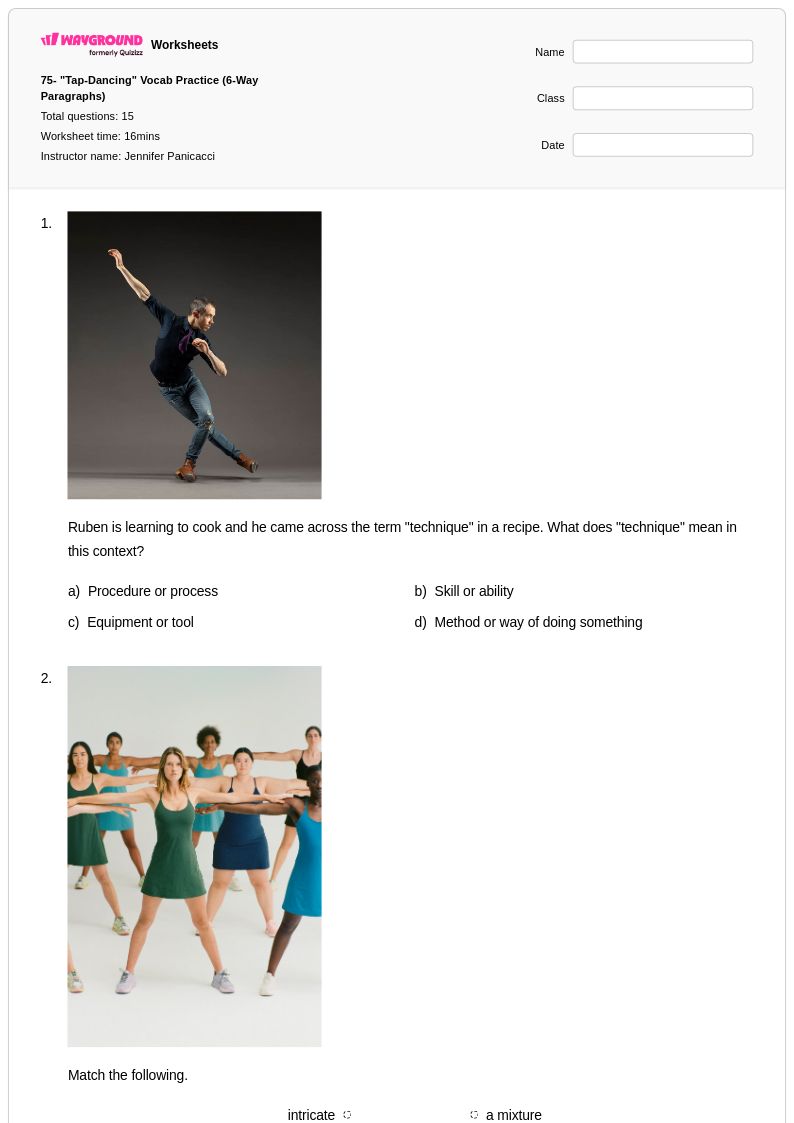
15 Q
9th - 12th
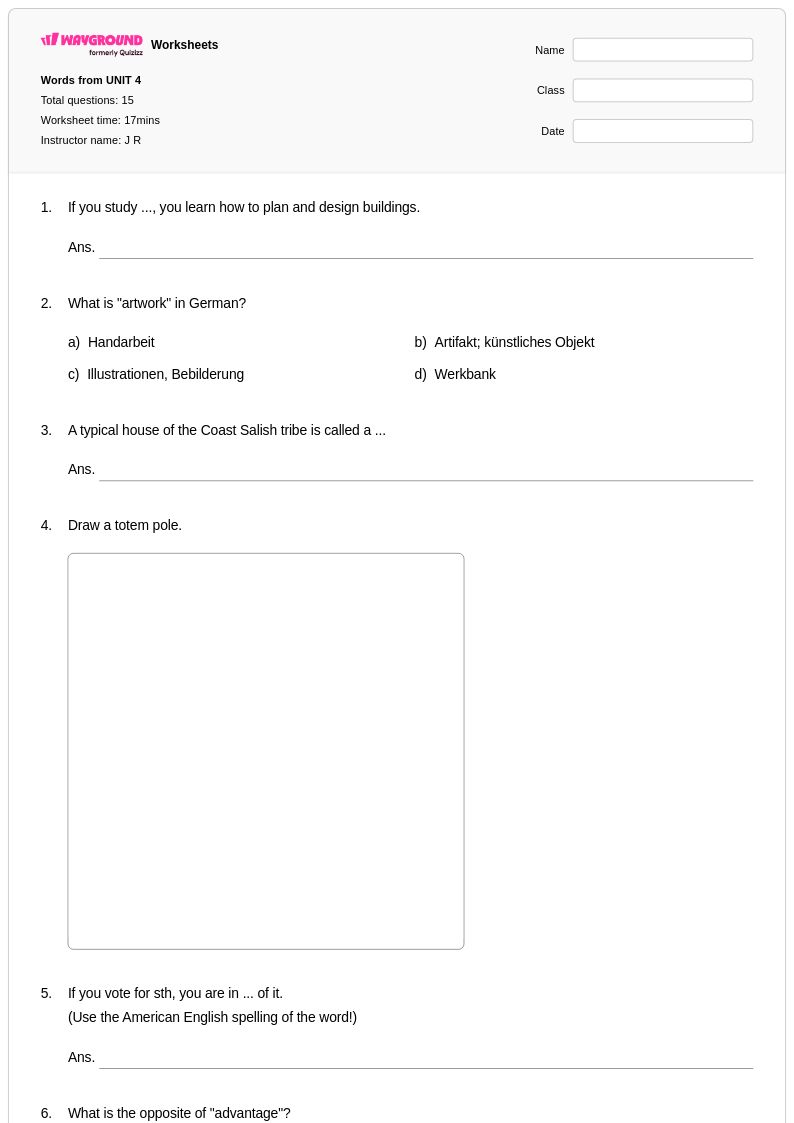
15 Q
9th - 12th
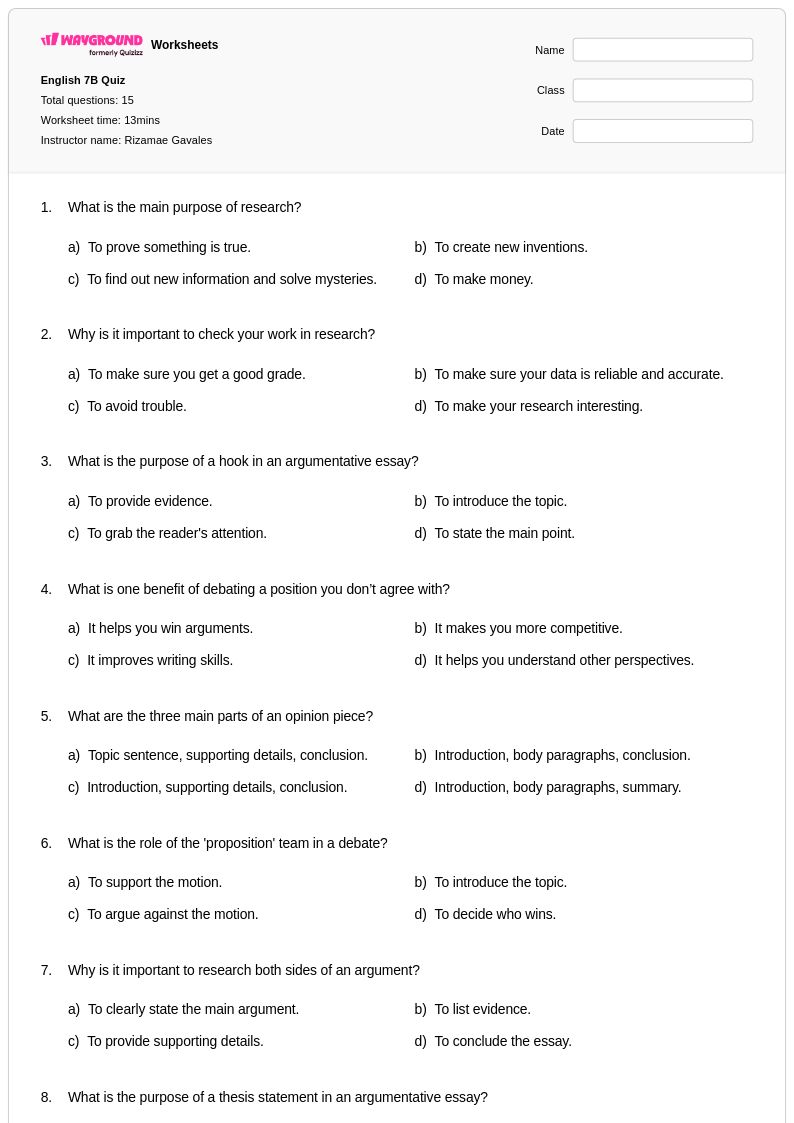
15 Q
7th - Uni
21 Q
9th - 12th
11 Q
9th - 12th
25 Q
12th
14 Q
12th
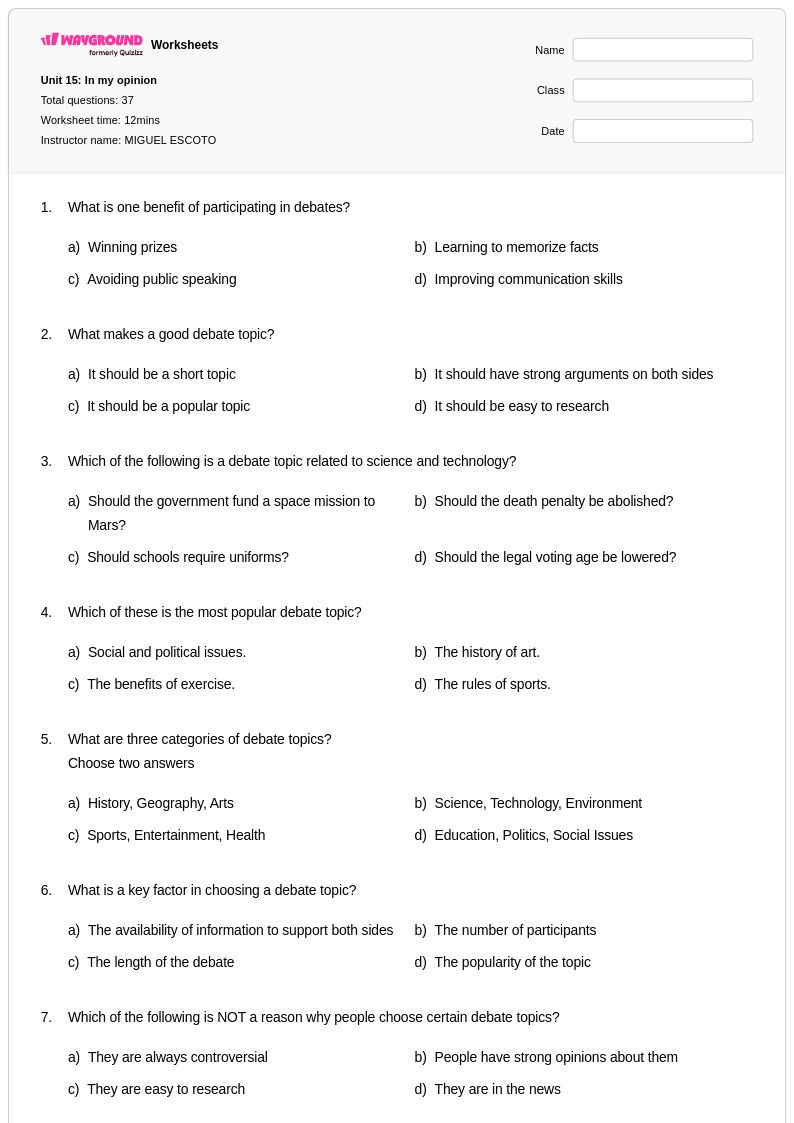
37 Q
12th
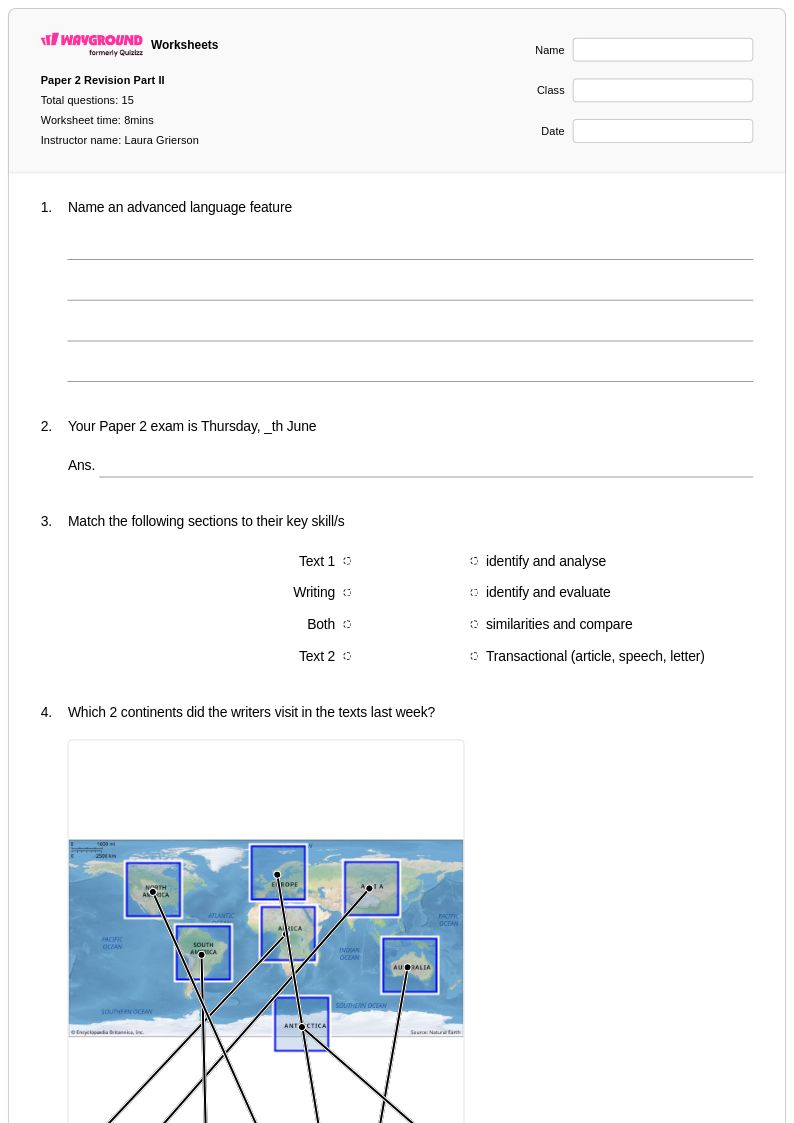
15 Q
12th
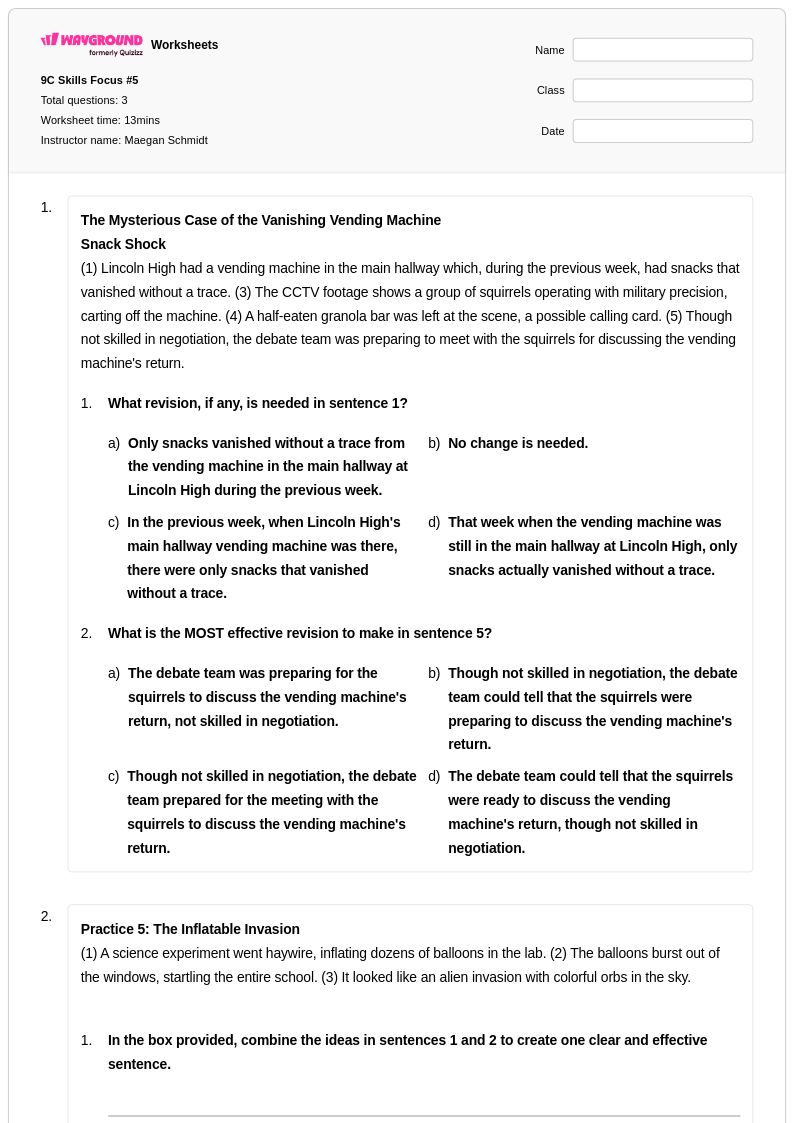
7 Q
9th - 12th
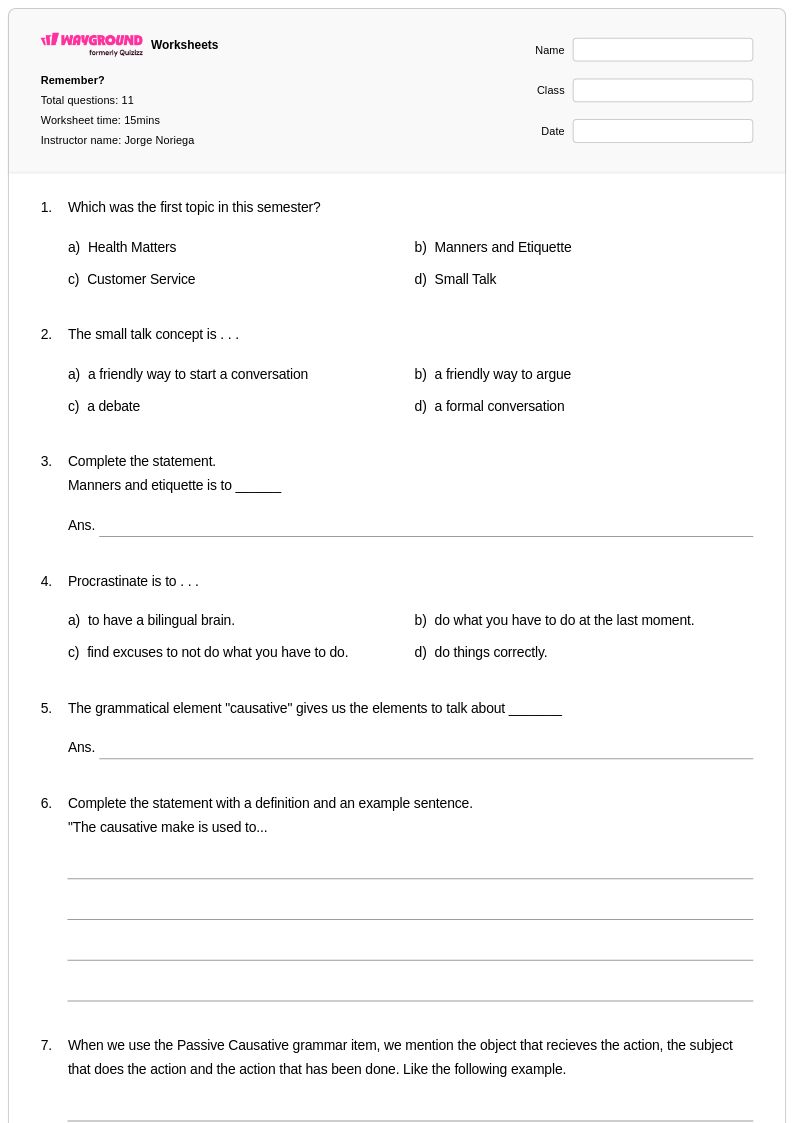
11 Q
12th
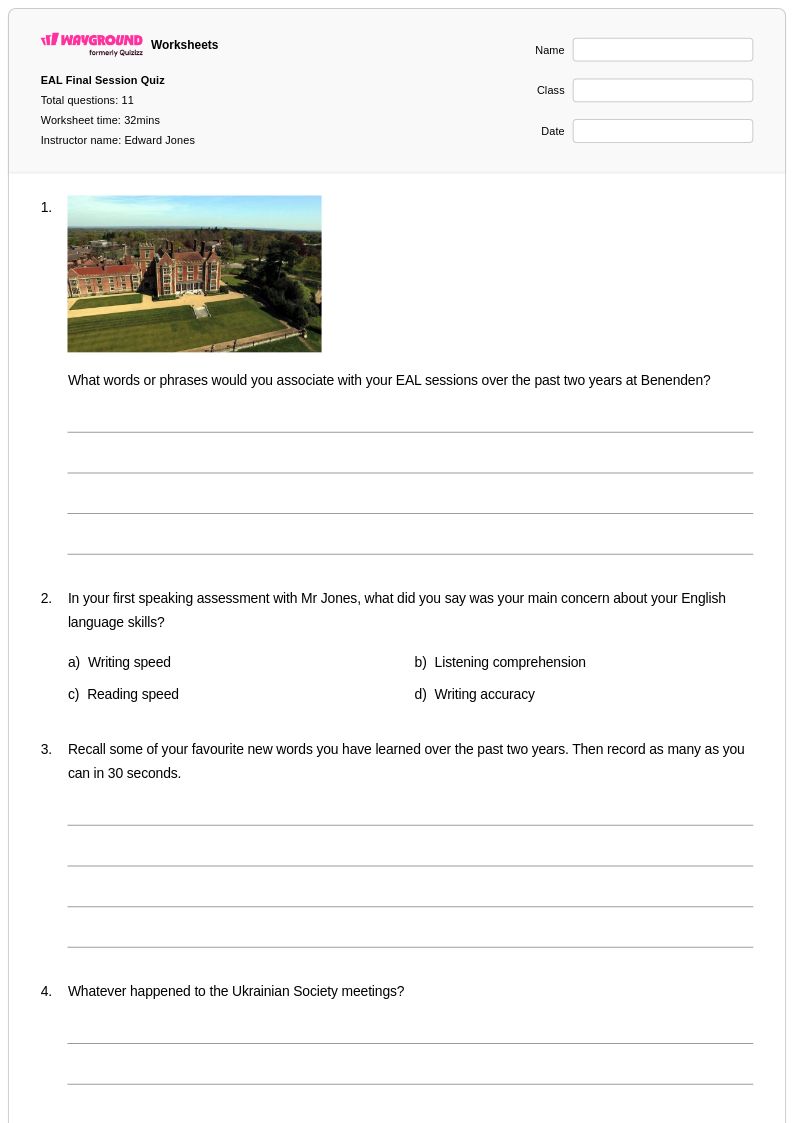
11 Q
12th
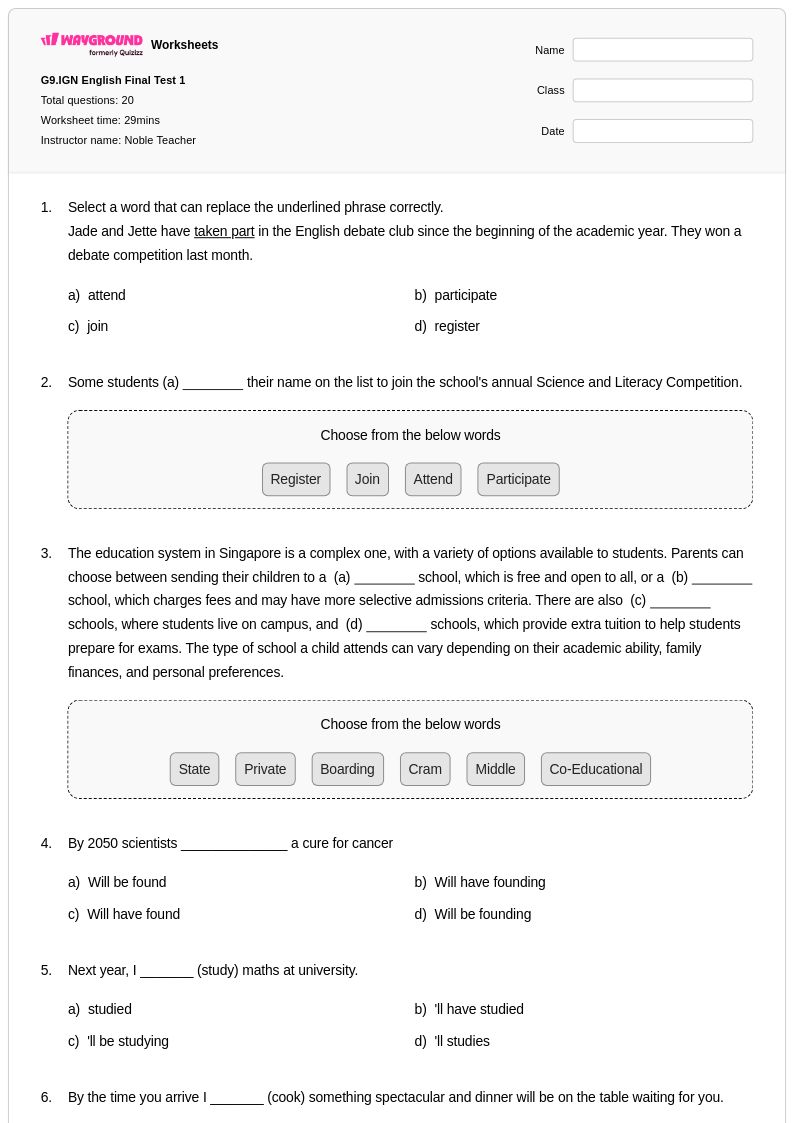
20 Q
9th - 12th
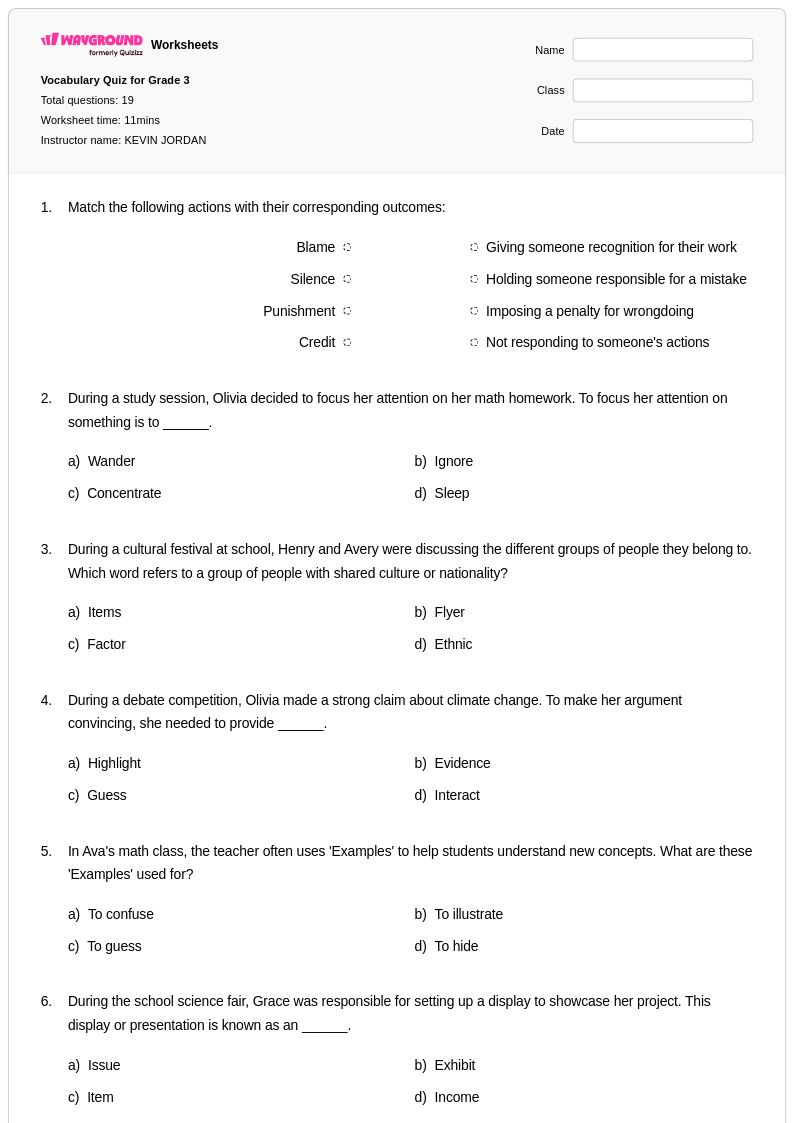
19 Q
3rd - Uni
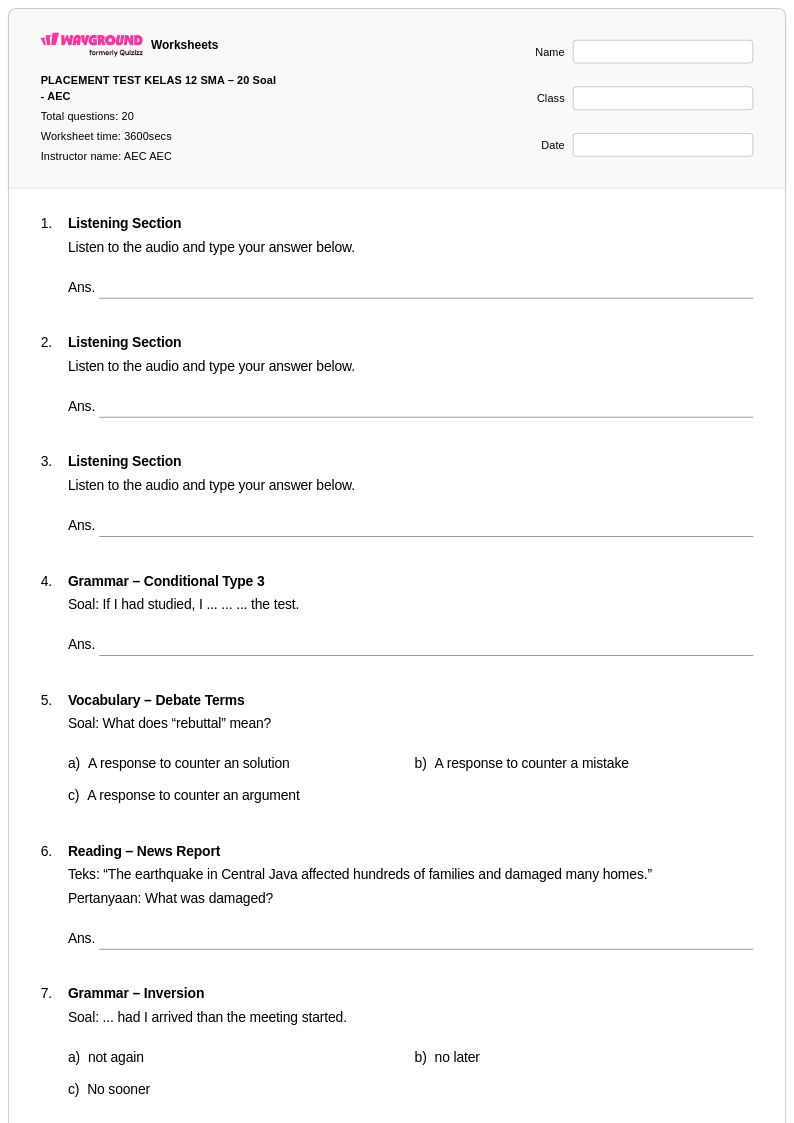
20 Q
12th
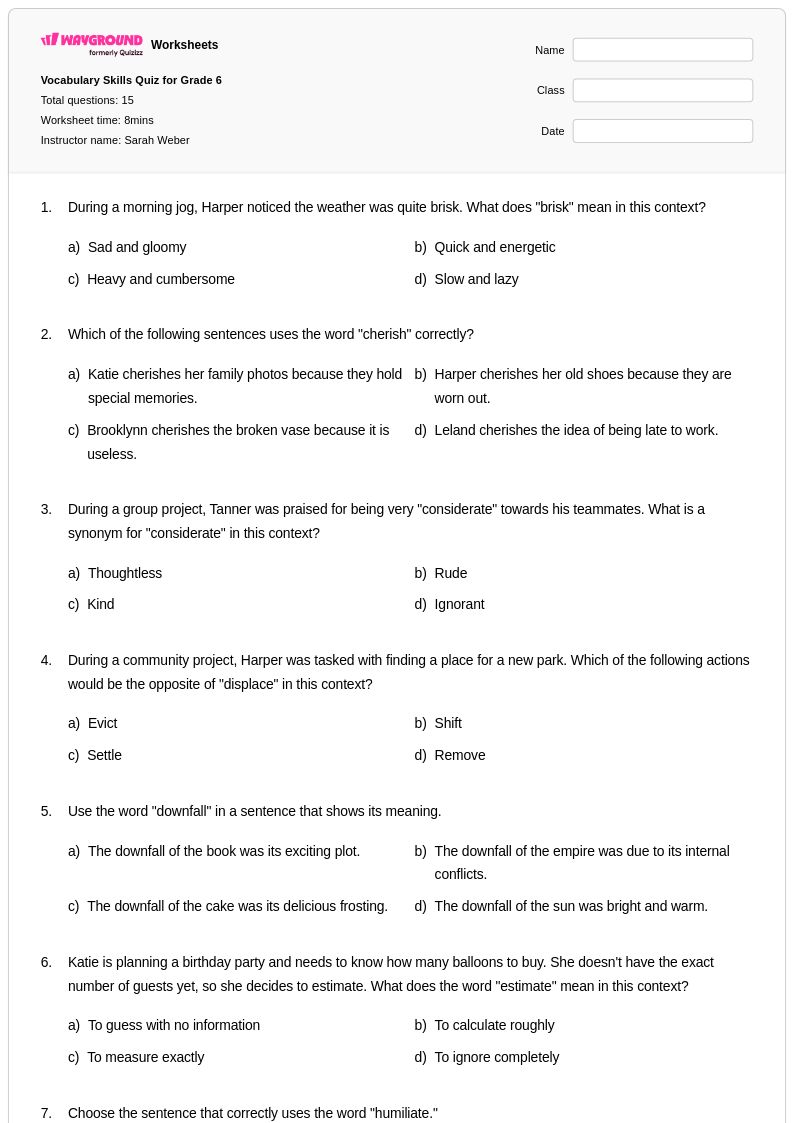
15 Q
6th - Uni
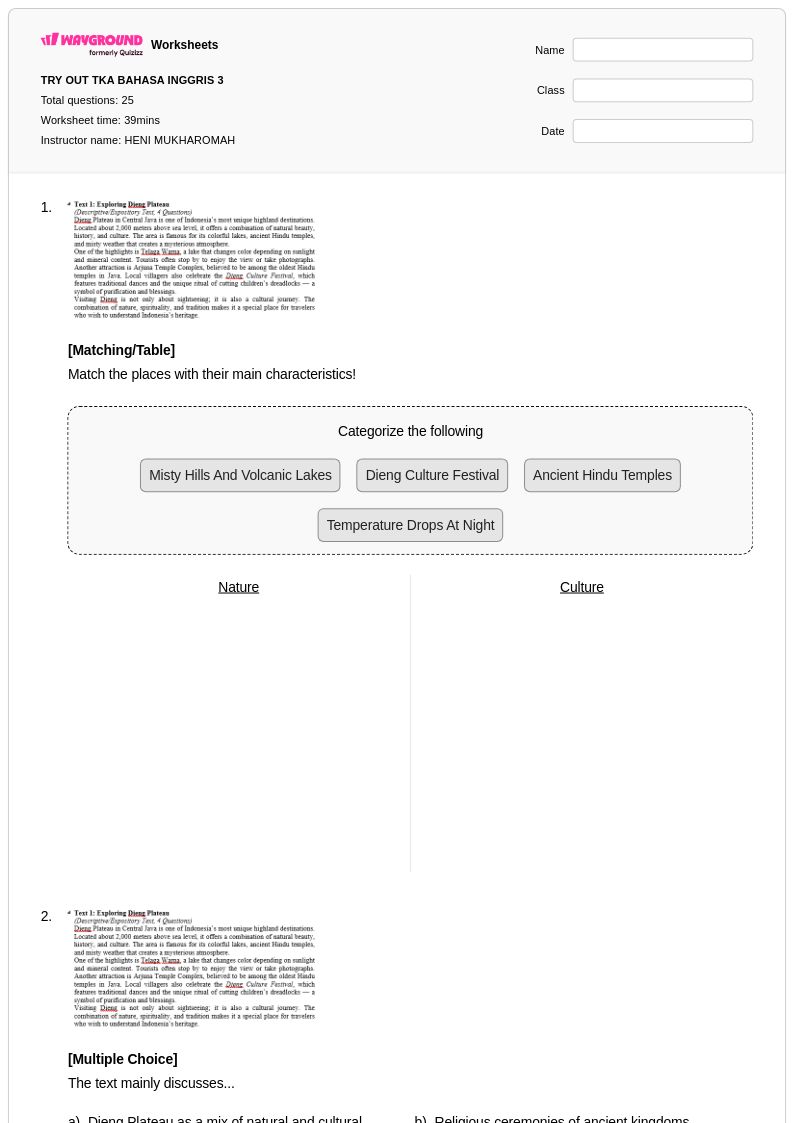
25 Q
12th
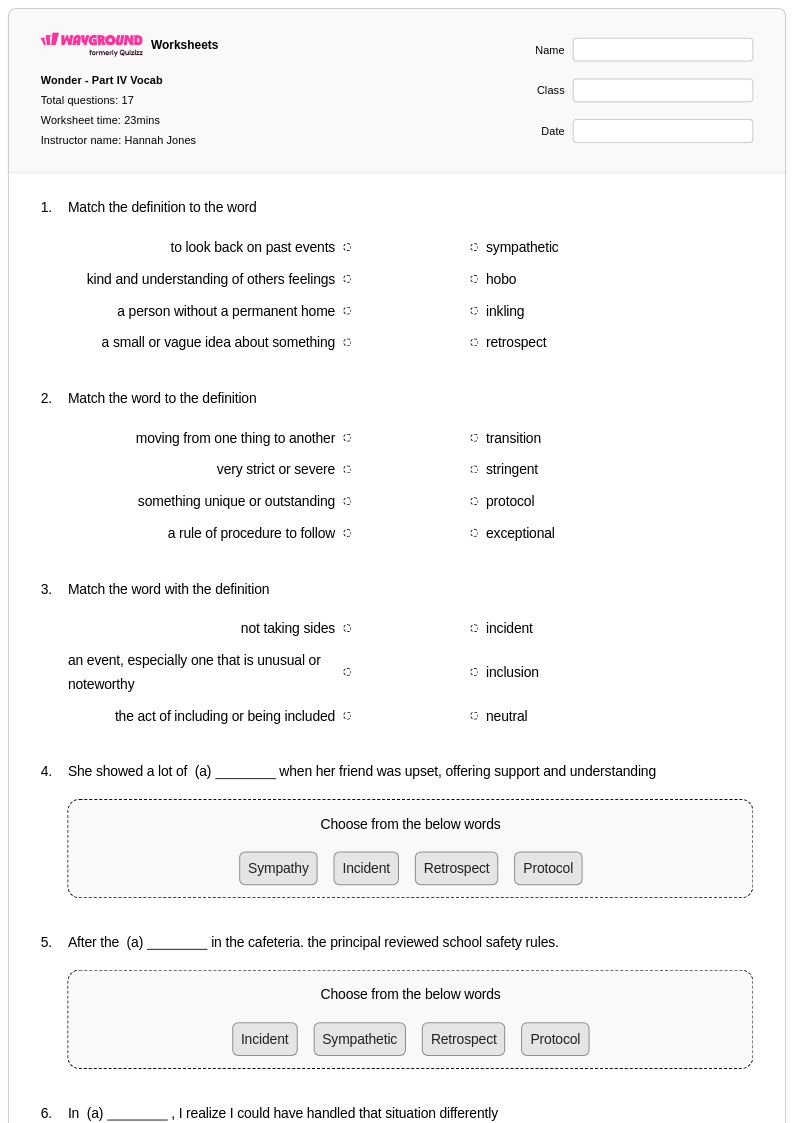
17 Q
9th - 12th
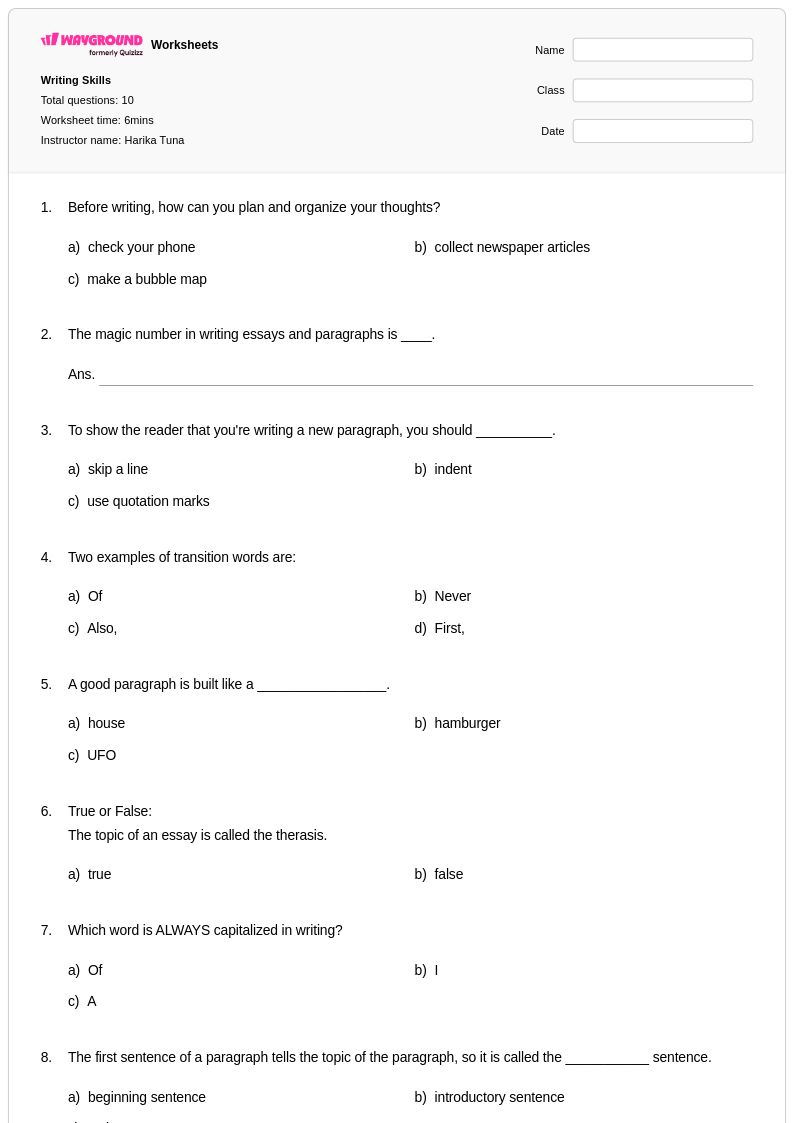
10 Q
12th
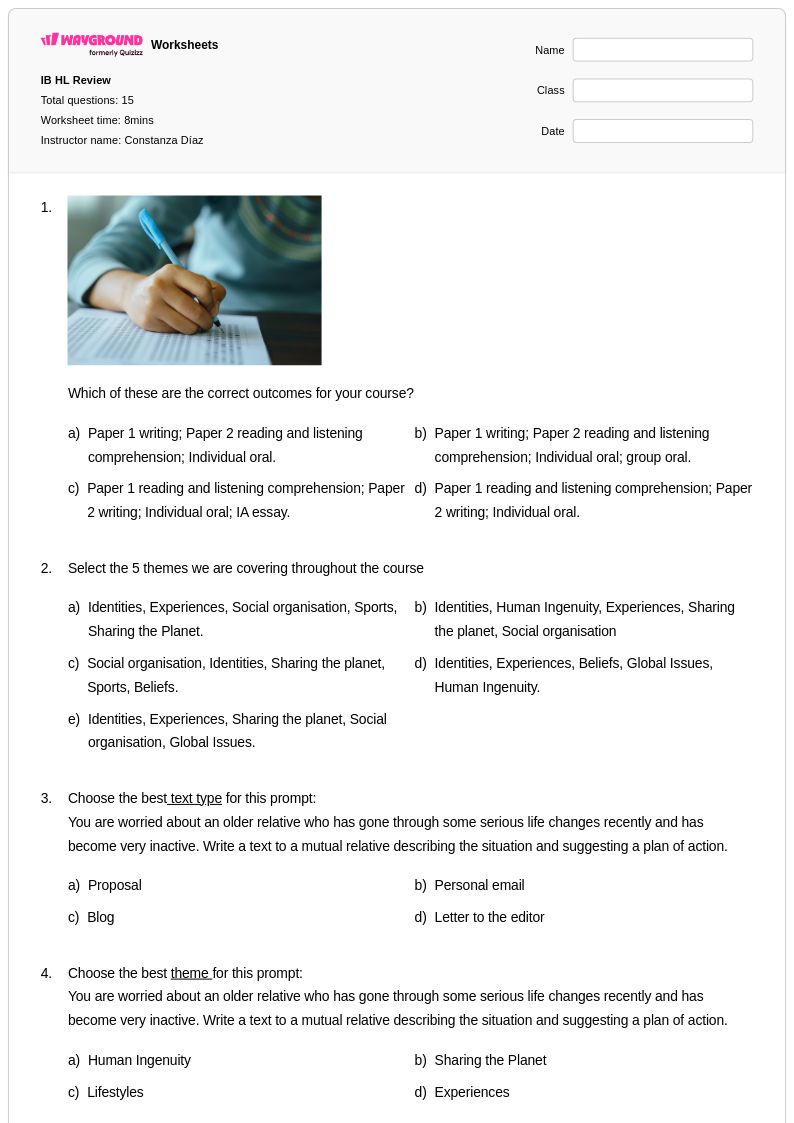
15 Q
9th - 12th
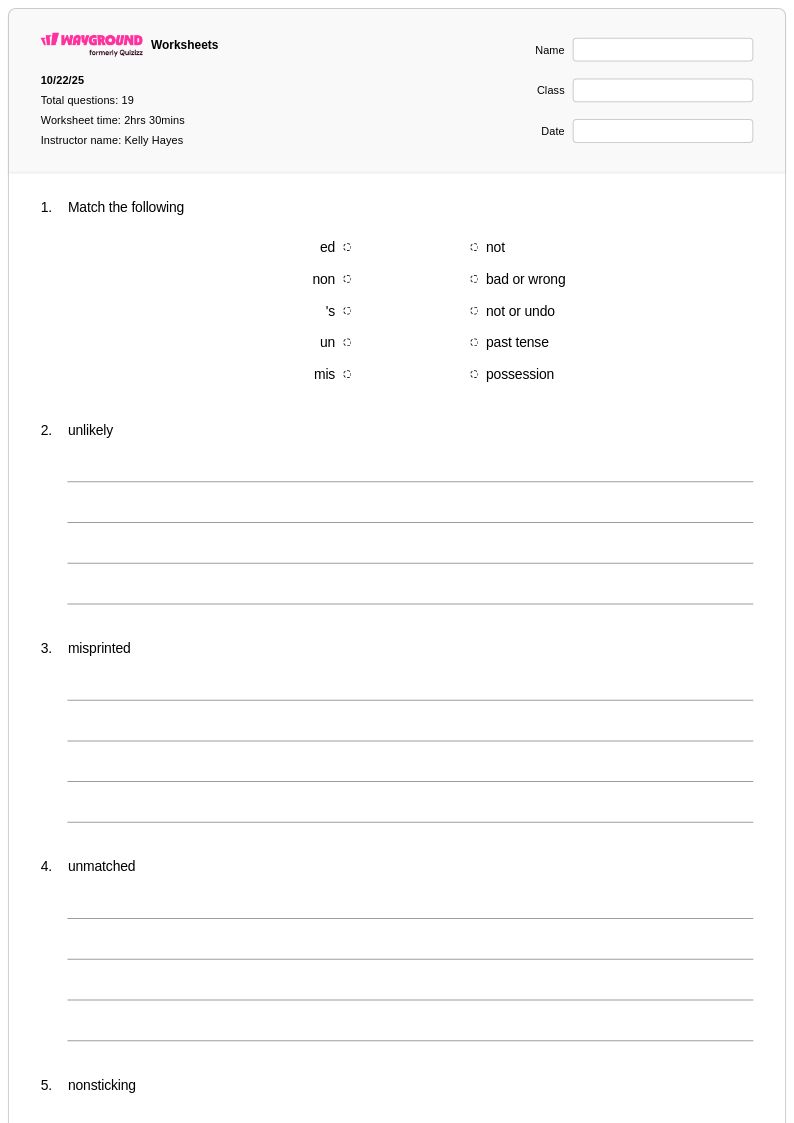
24 Q
9th - 12th
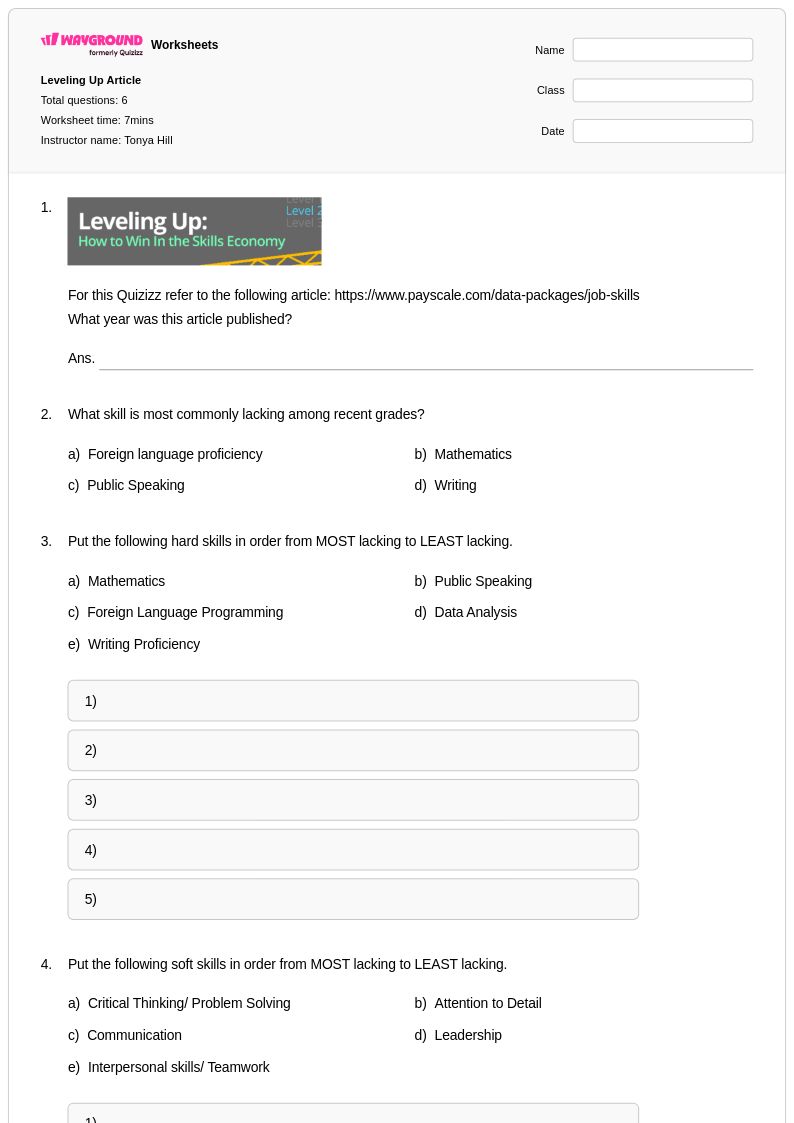
6 Q
9th - 12th
Explore Other Subject Worksheets for year 12
Explore printable Debate Skills worksheets for Year 12
Year 12 debate skills worksheets available through Wayground (formerly Quizizz) provide comprehensive practice materials designed to refine students' argumentative reasoning, evidence evaluation, and persuasive communication techniques. These carefully structured resources focus on advanced debate fundamentals including logical fallacy identification, counterargument construction, rebuttal strategies, and effective cross-examination methods. Students engage with practice problems that simulate real debate scenarios, requiring them to analyze complex issues, construct compelling arguments, and respond to opposing viewpoints with clarity and precision. Each worksheet includes detailed answer keys that help students understand the reasoning behind effective debate techniques, while the free printable format ensures accessibility for both classroom instruction and independent study. These materials strengthen critical thinking skills essential for academic success and civic participation by challenging students to examine multiple perspectives, synthesize information from various sources, and articulate positions with logical coherence and rhetorical sophistication.
Wayground (formerly Quizizz) supports educators with an extensive collection of millions of teacher-created debate skills resources that can be easily accessed through robust search and filtering capabilities. Teachers can quickly locate materials aligned with specific curriculum standards and customize worksheets to match their students' skill levels and learning objectives, making differentiation seamless for diverse classroom needs. The platform's flexible format options include both digital assignments and printable PDF versions, allowing instructors to adapt materials for various instructional settings and student preferences. These comprehensive resources facilitate targeted skill practice, enabling teachers to address individual learning gaps through remediation activities while providing enrichment opportunities for advanced students ready to tackle sophisticated argumentative challenges. The extensive database ensures that educators have access to current, relevant debate topics and scenarios that prepare students for academic competitions, college-level discourse, and professional communication demands.
FAQs
How do I teach debate skills to students who have never debated before?
What exercises help students practice building strong arguments?
What mistakes do students commonly make when learning to debate?
How can I differentiate debate skills practice for students at different levels?
How do I use Wayground's debate skills worksheets in my classroom?
How do I assess whether students are actually improving their debate skills?