Free Printable Decision Making Worksheets for Kindergarten
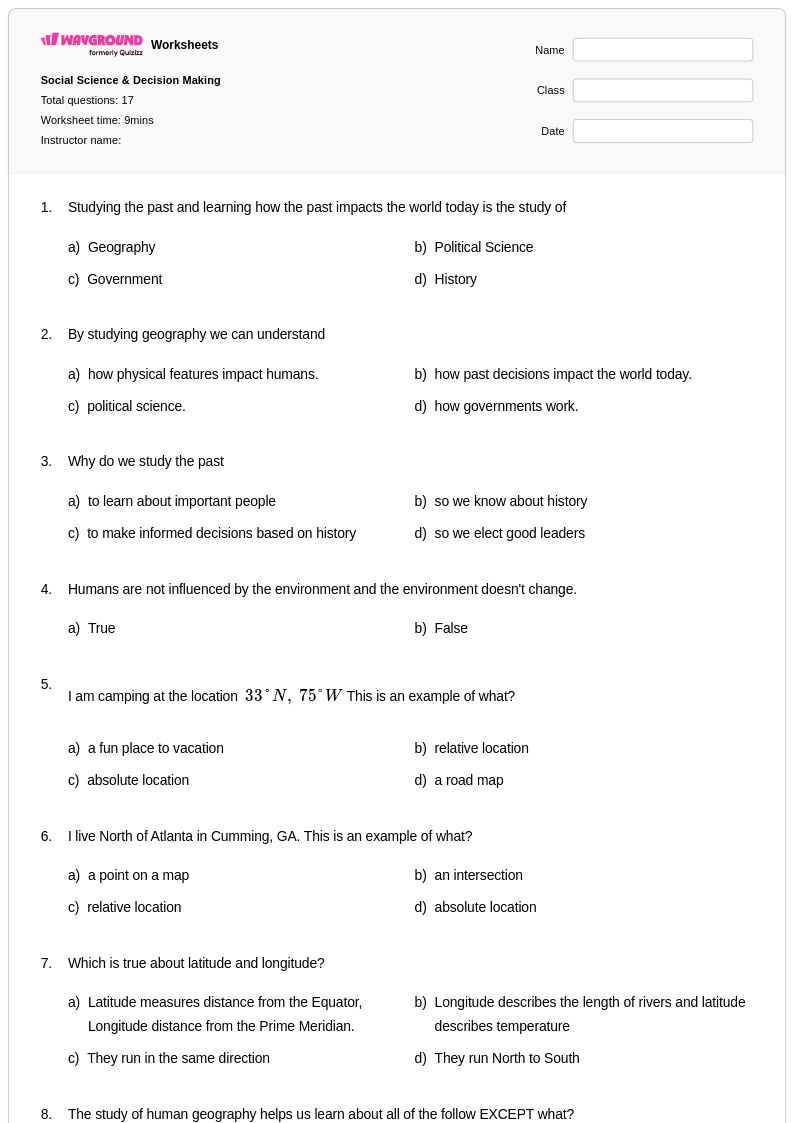
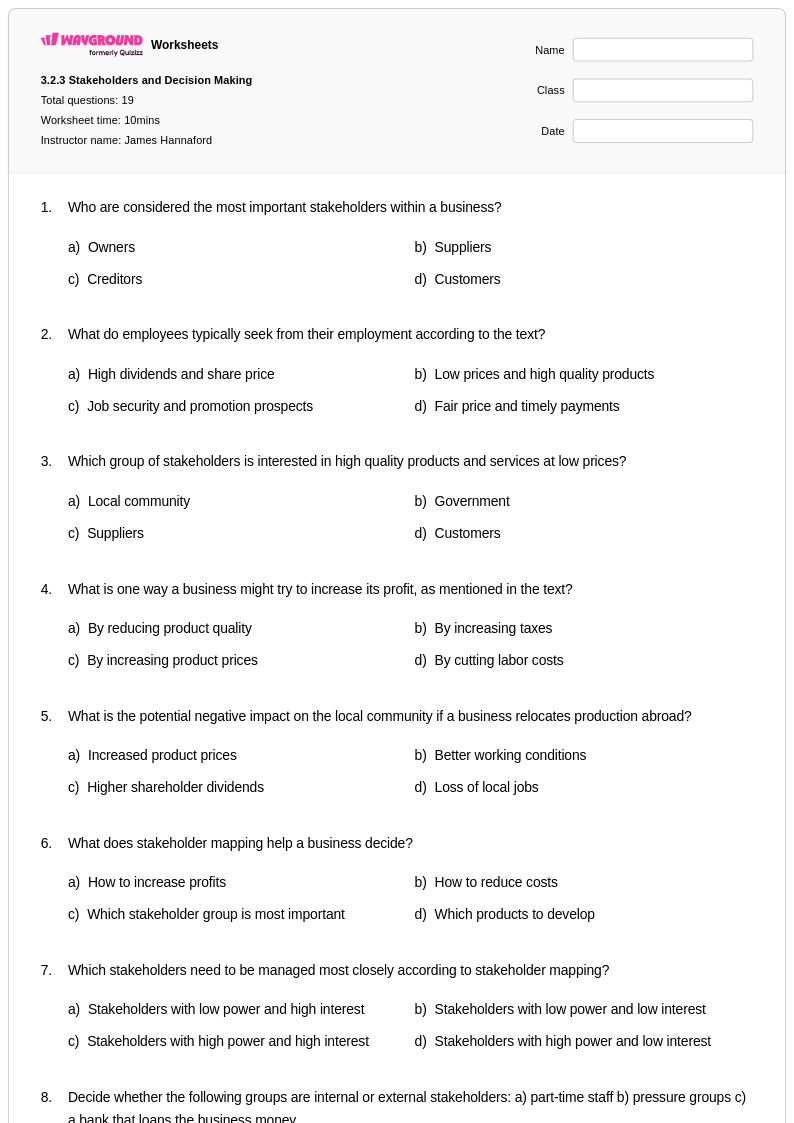
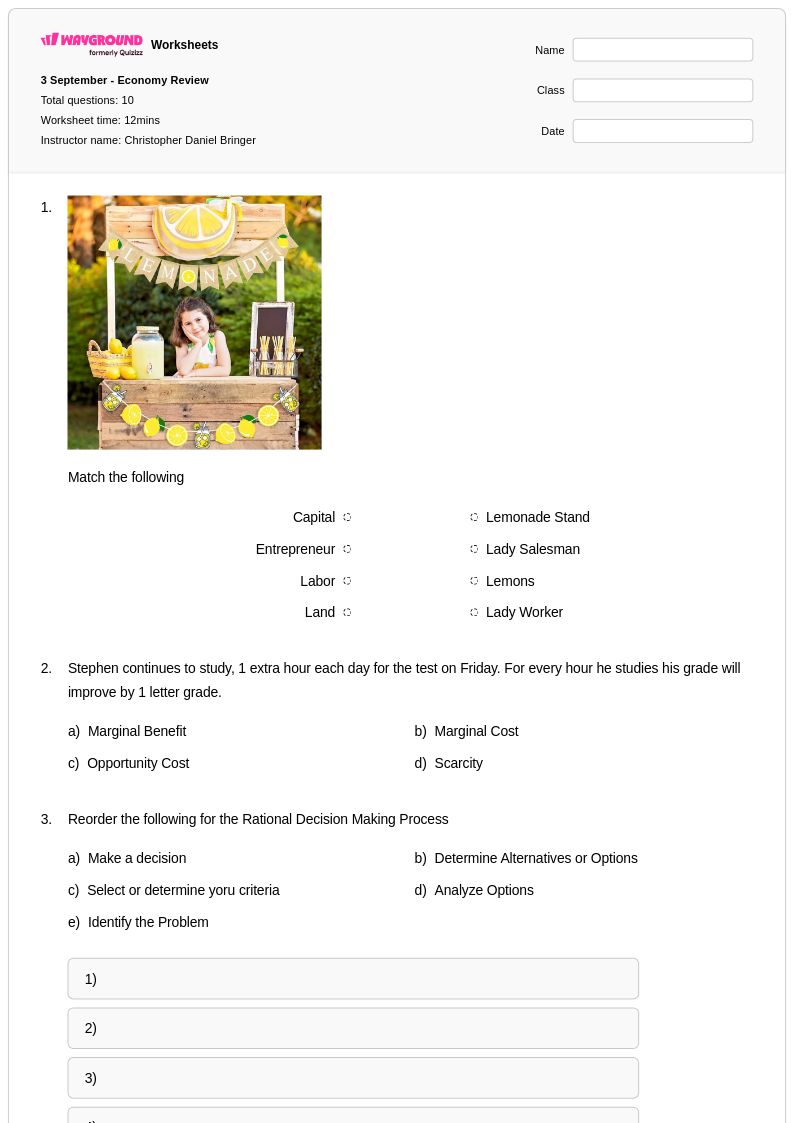
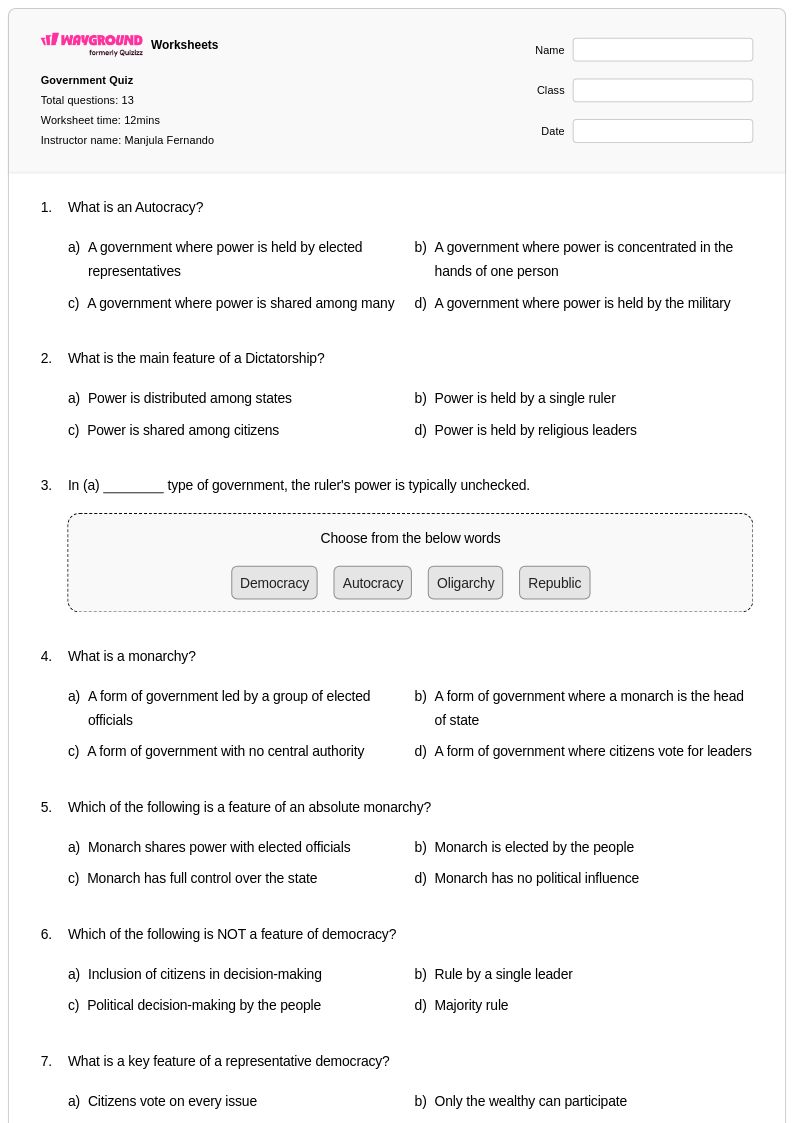
Free kindergarten decision making worksheets and printables help young learners practice important social skills through engaging activities, complete with answer keys for easy classroom or home use.
Explore printable Decision Making worksheets for Kindergarten
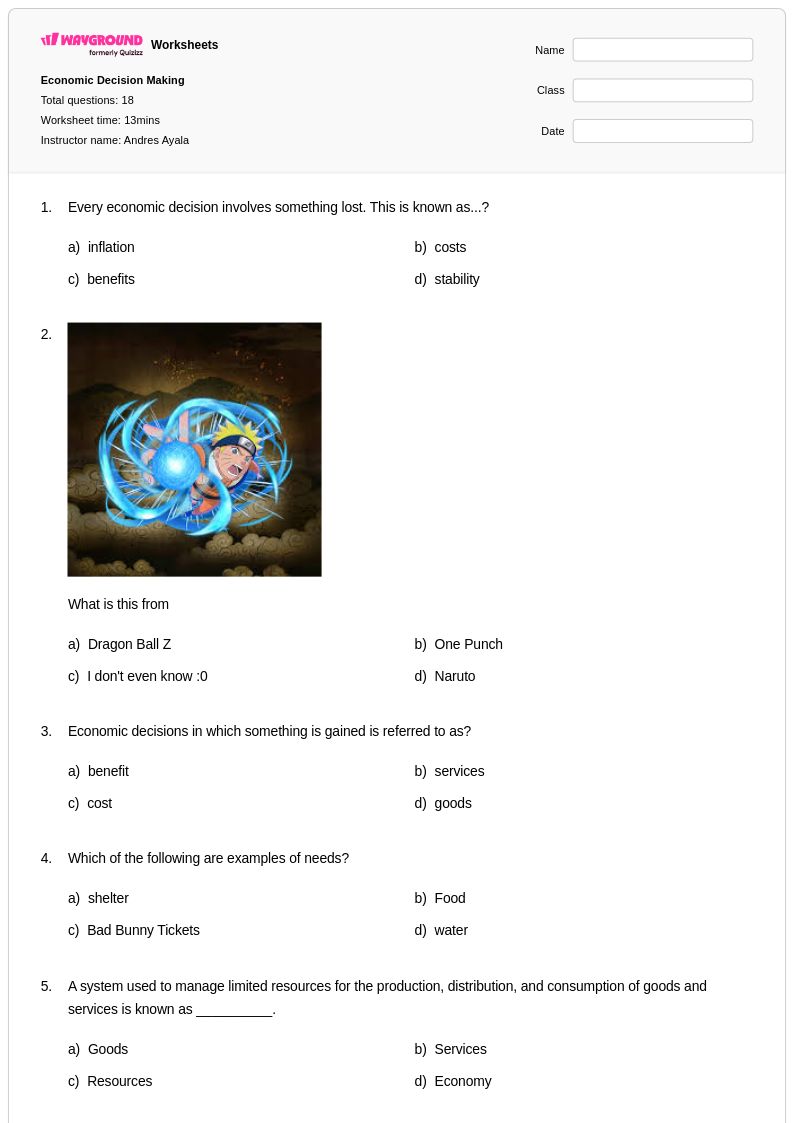
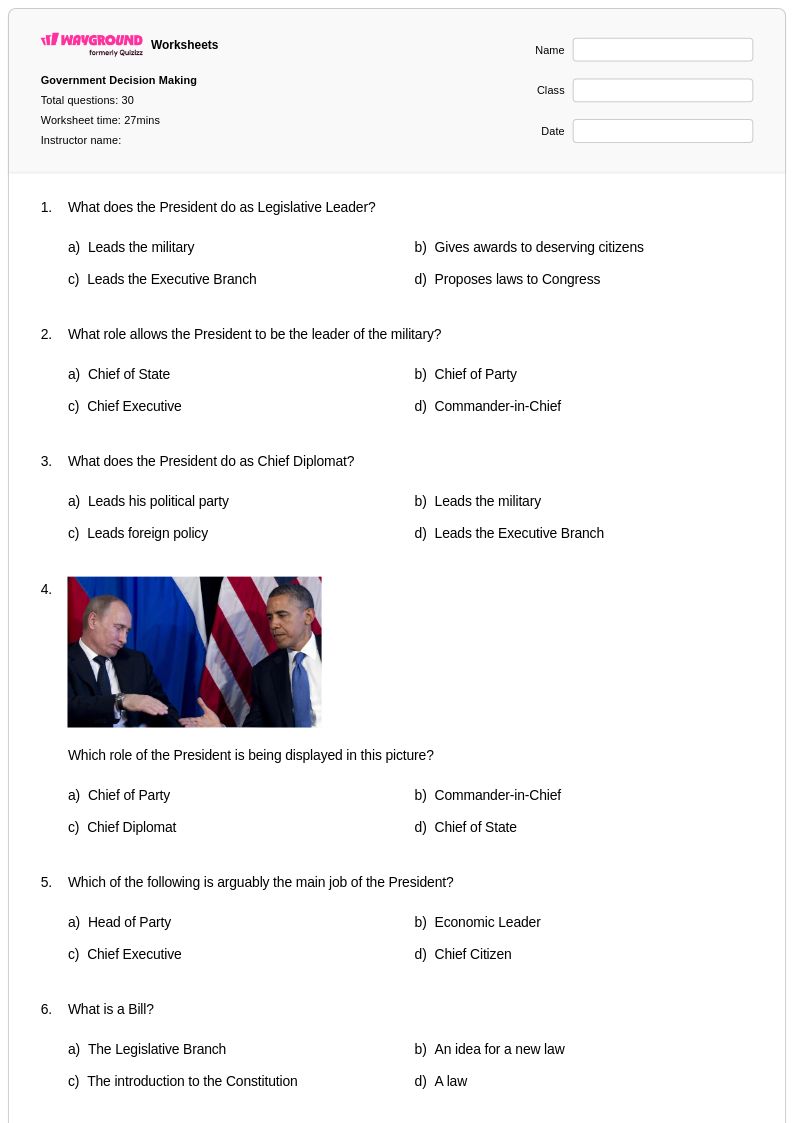
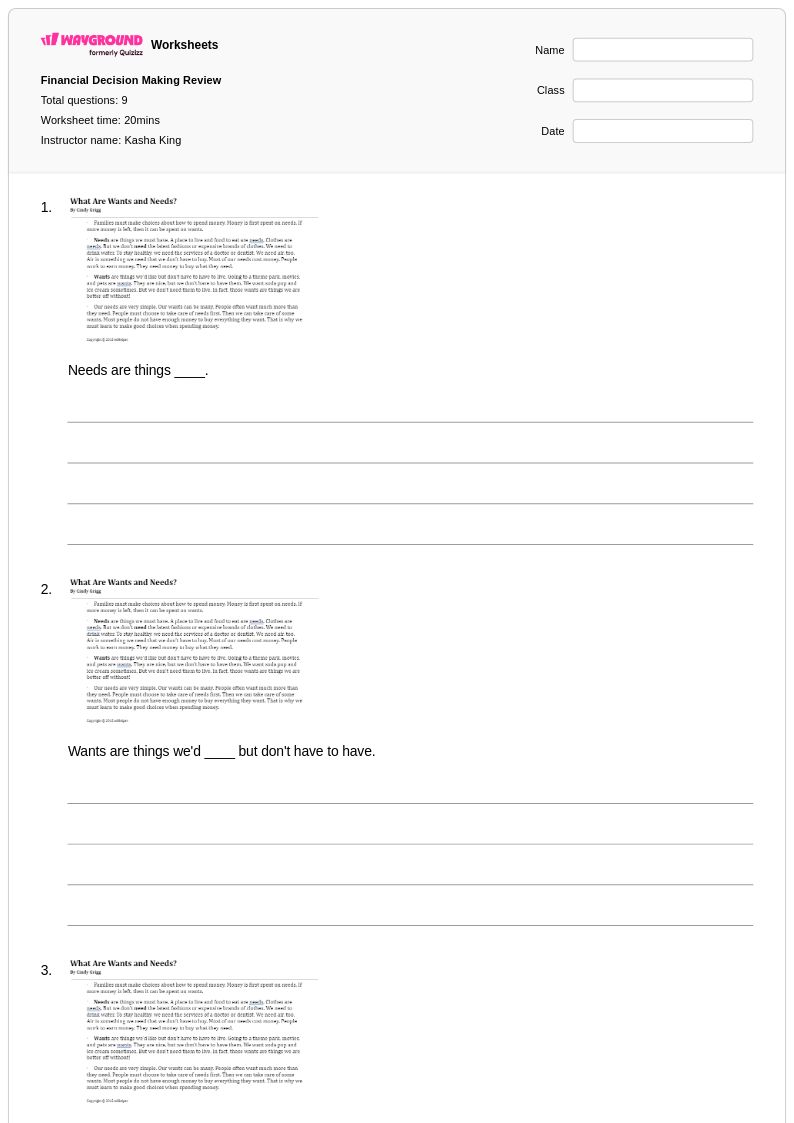
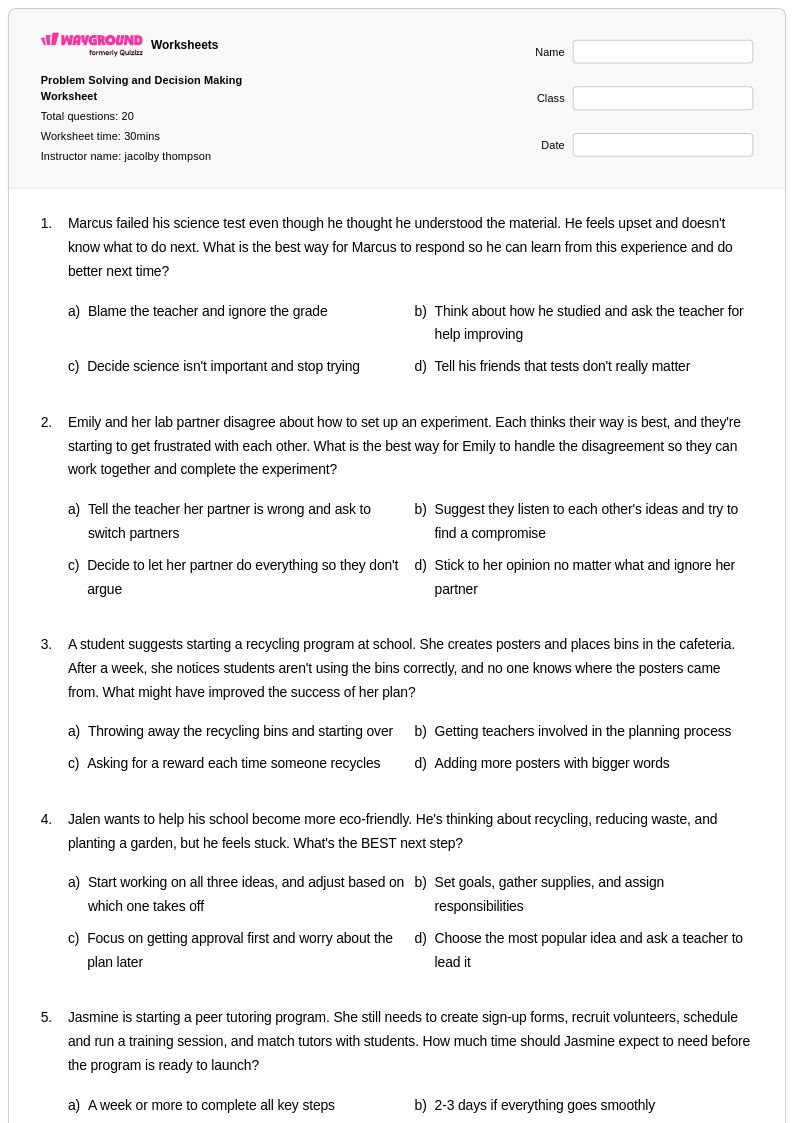
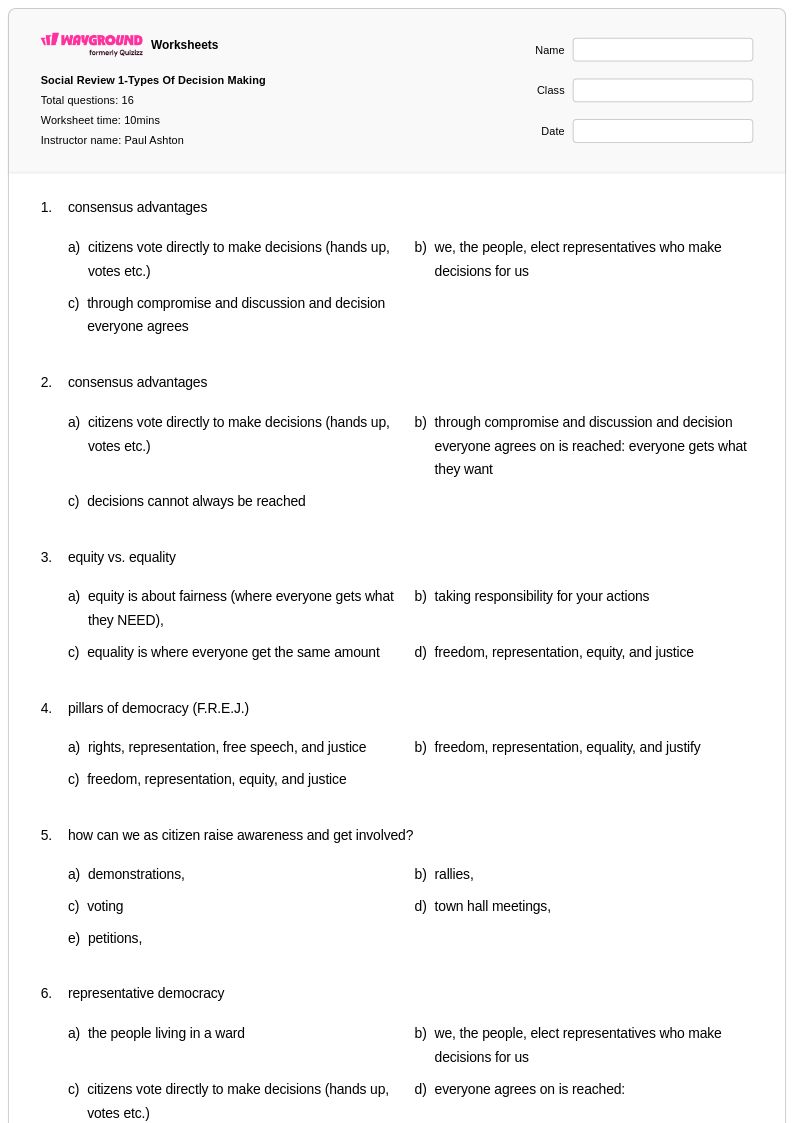
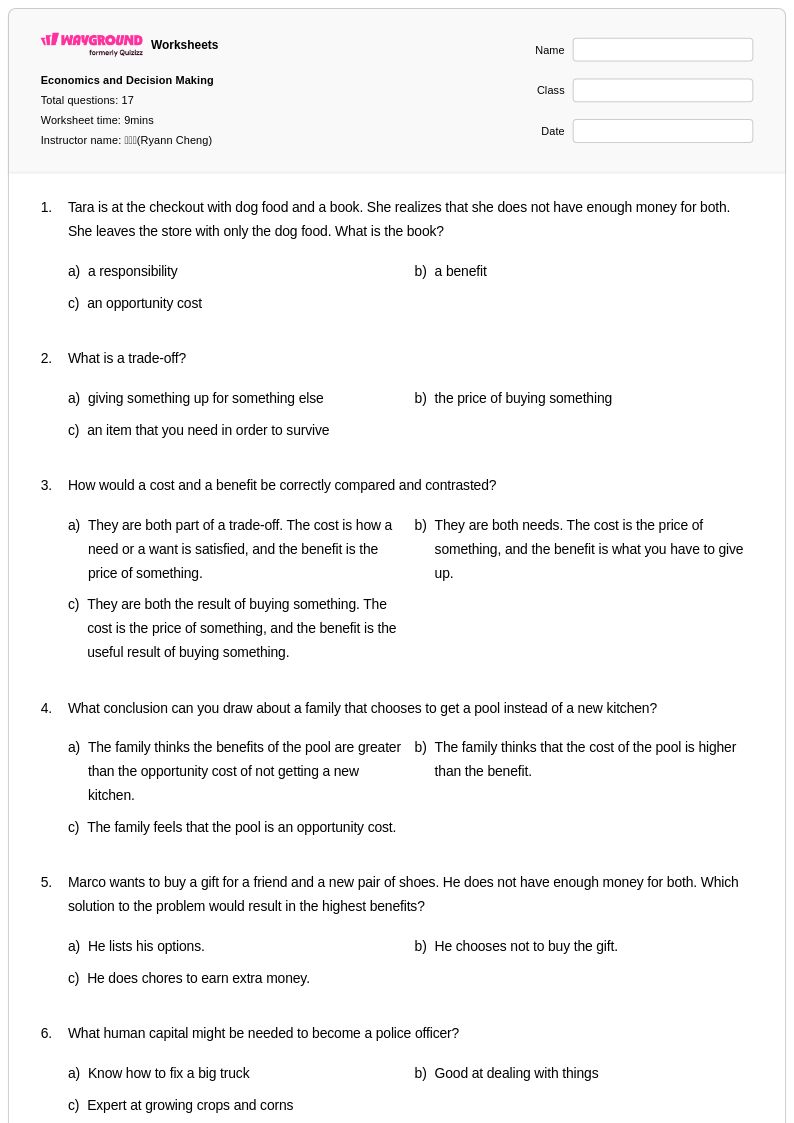
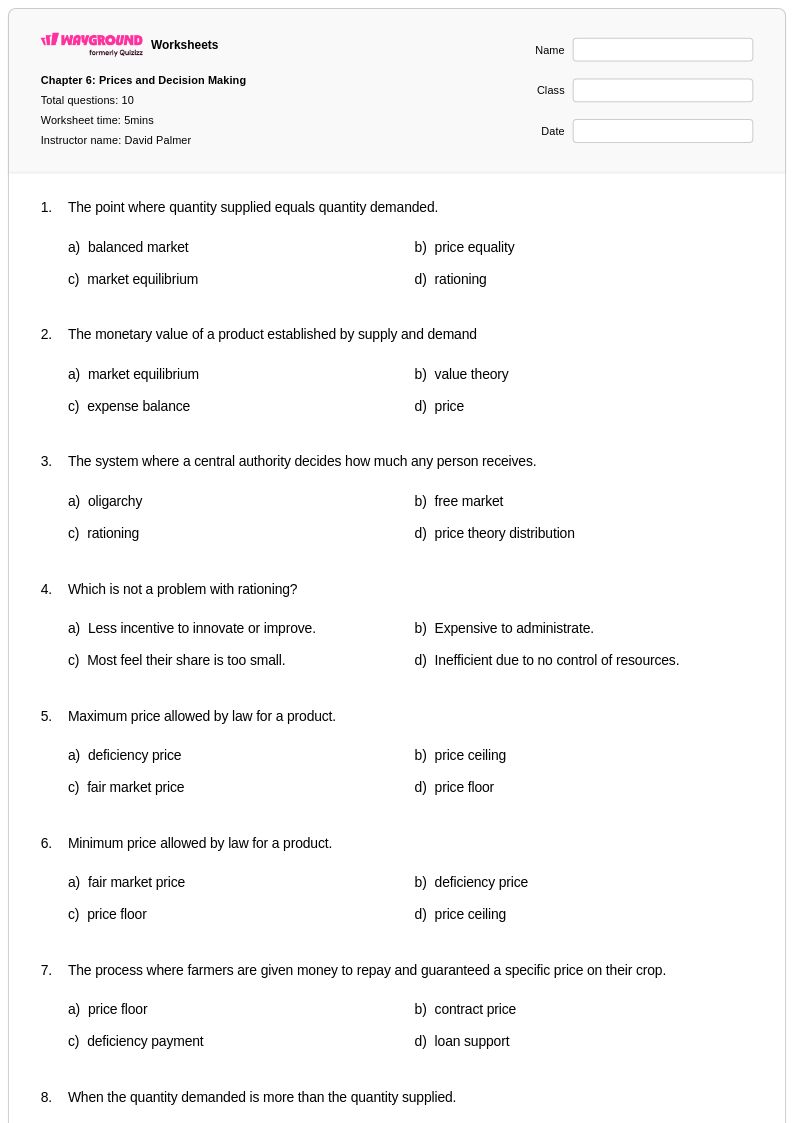
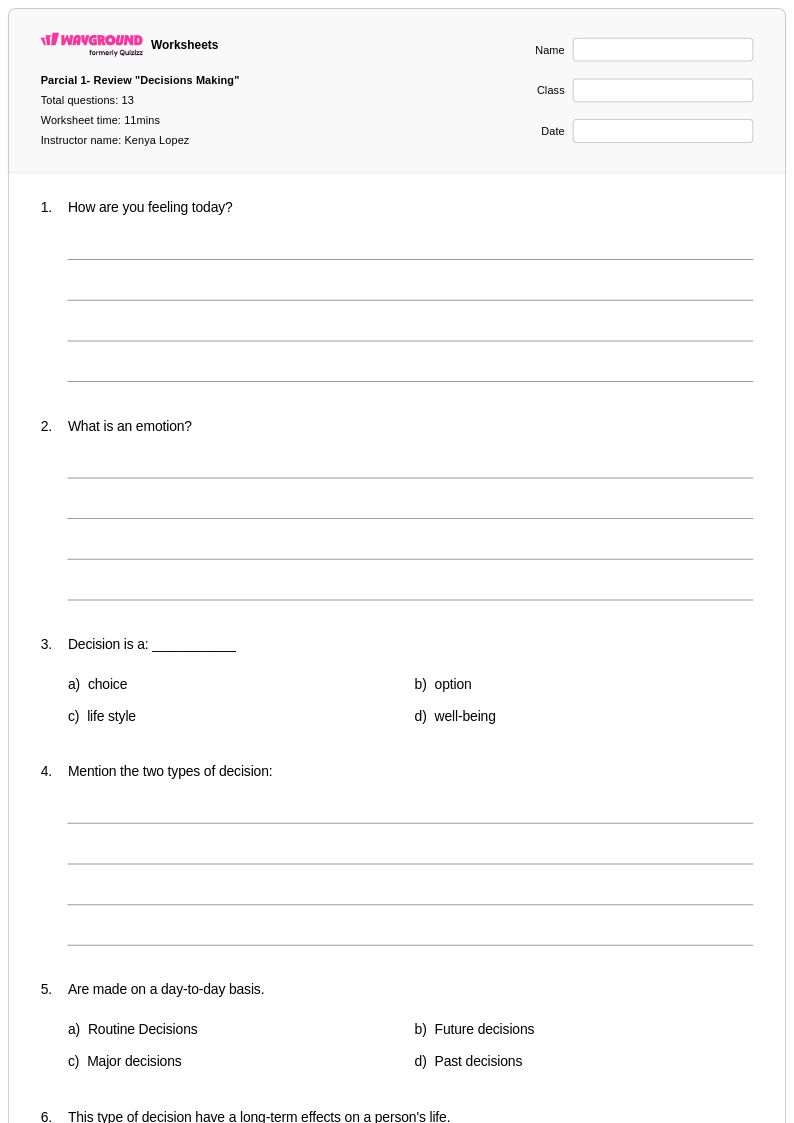
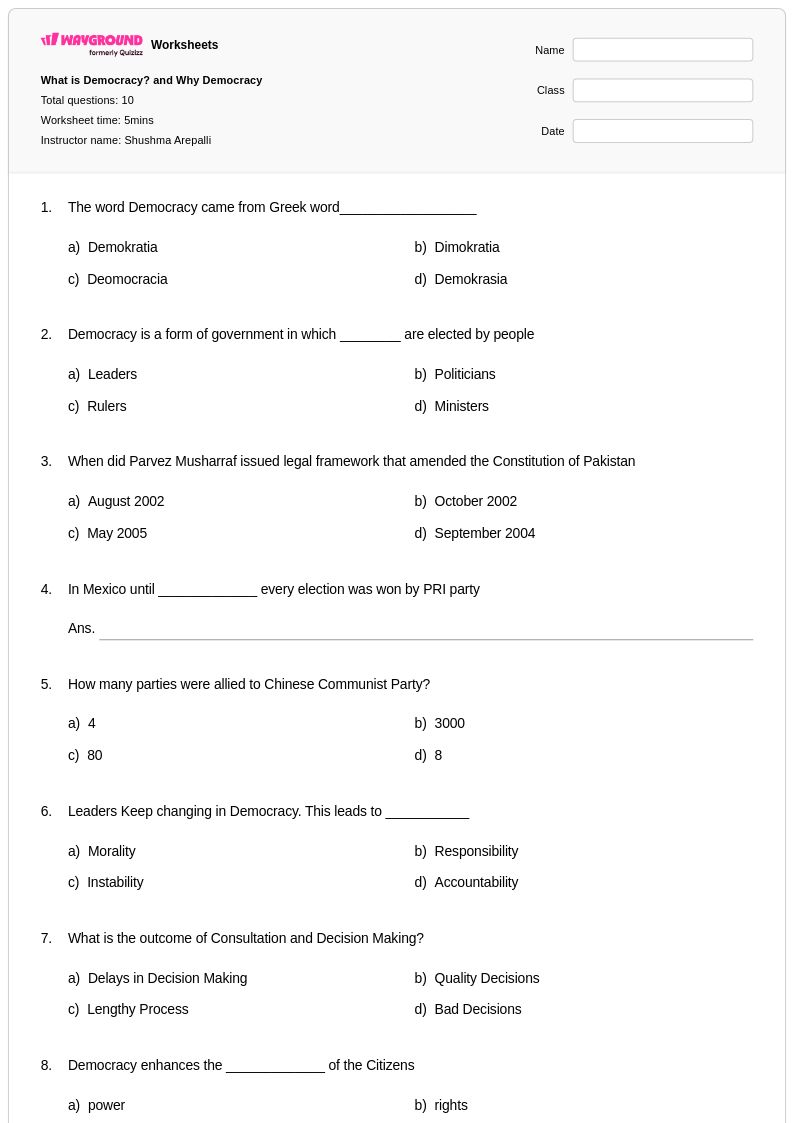
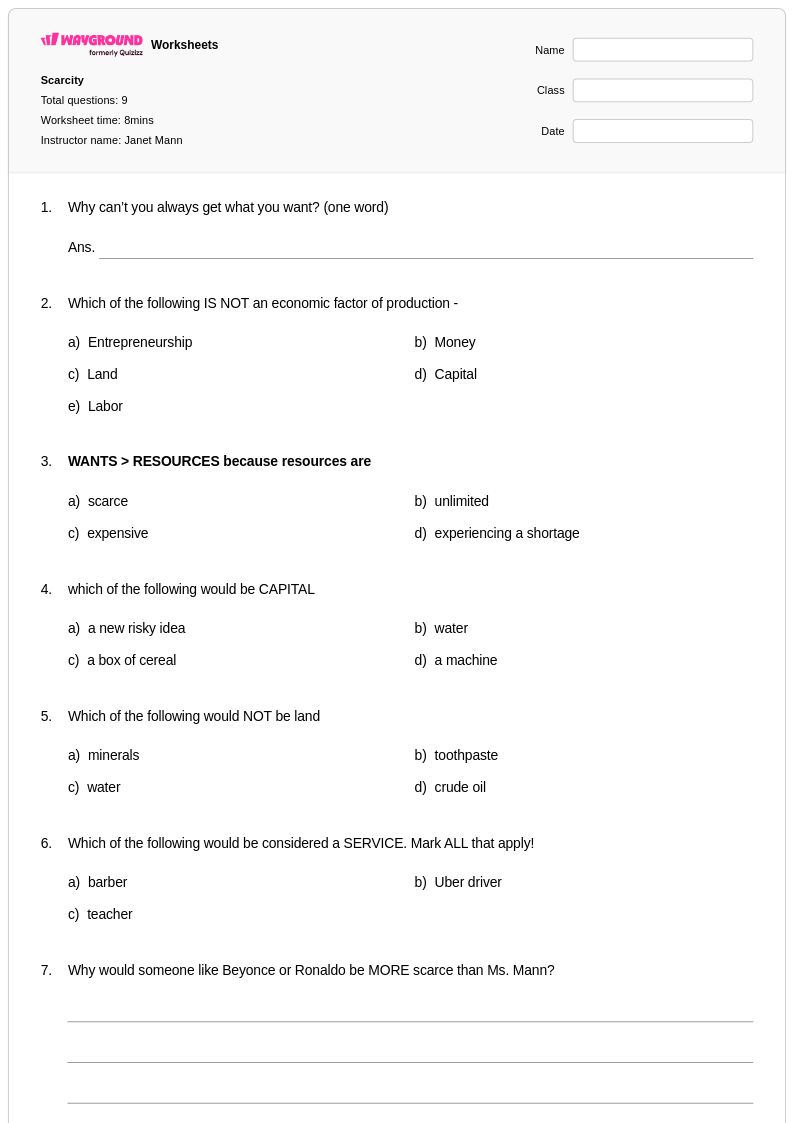
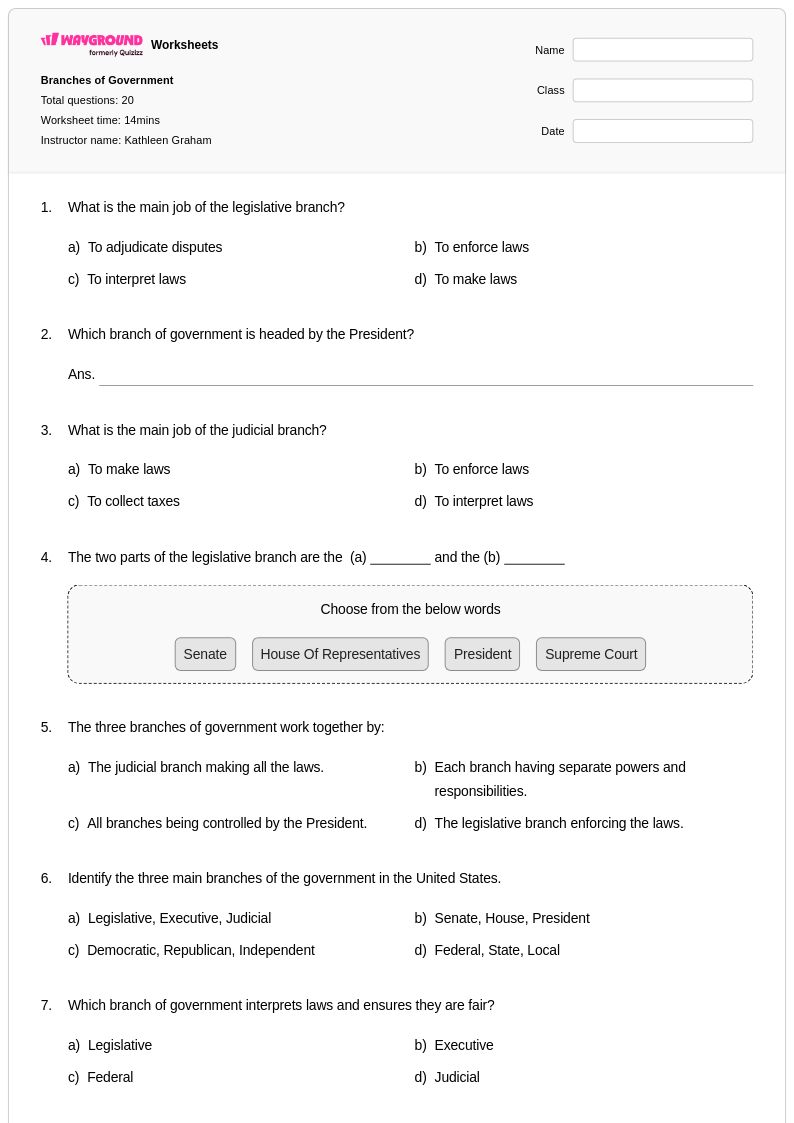
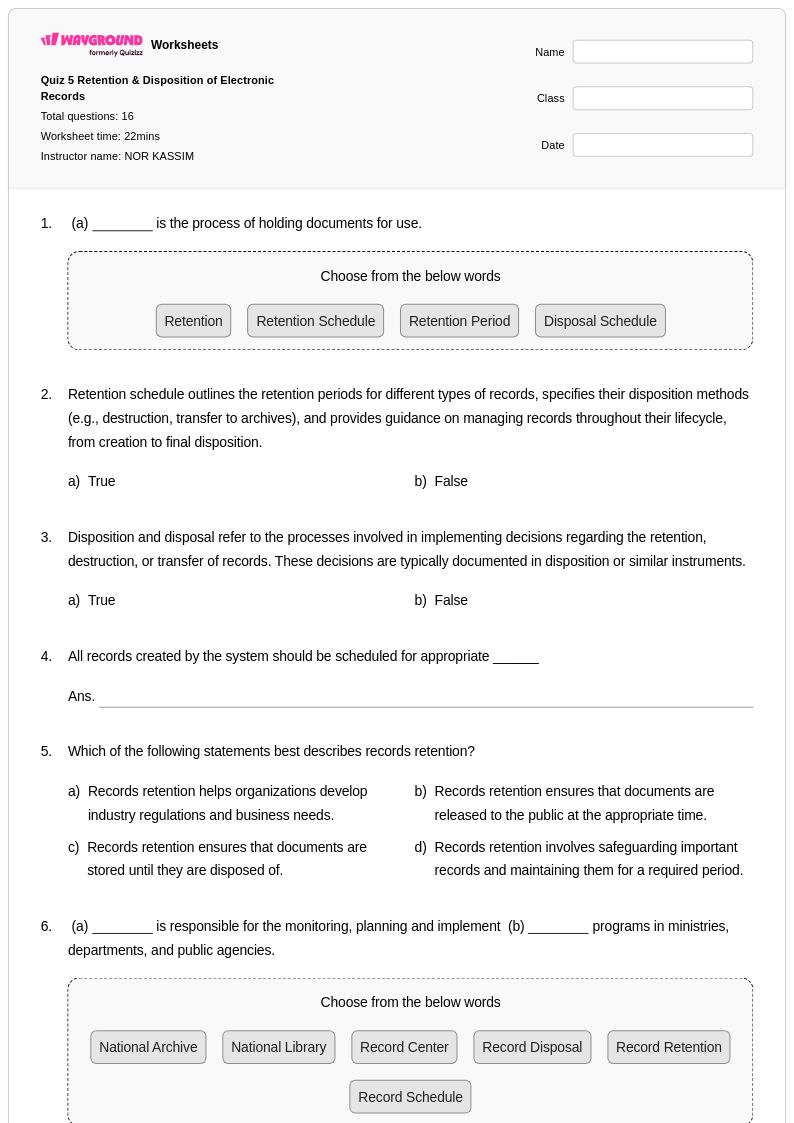
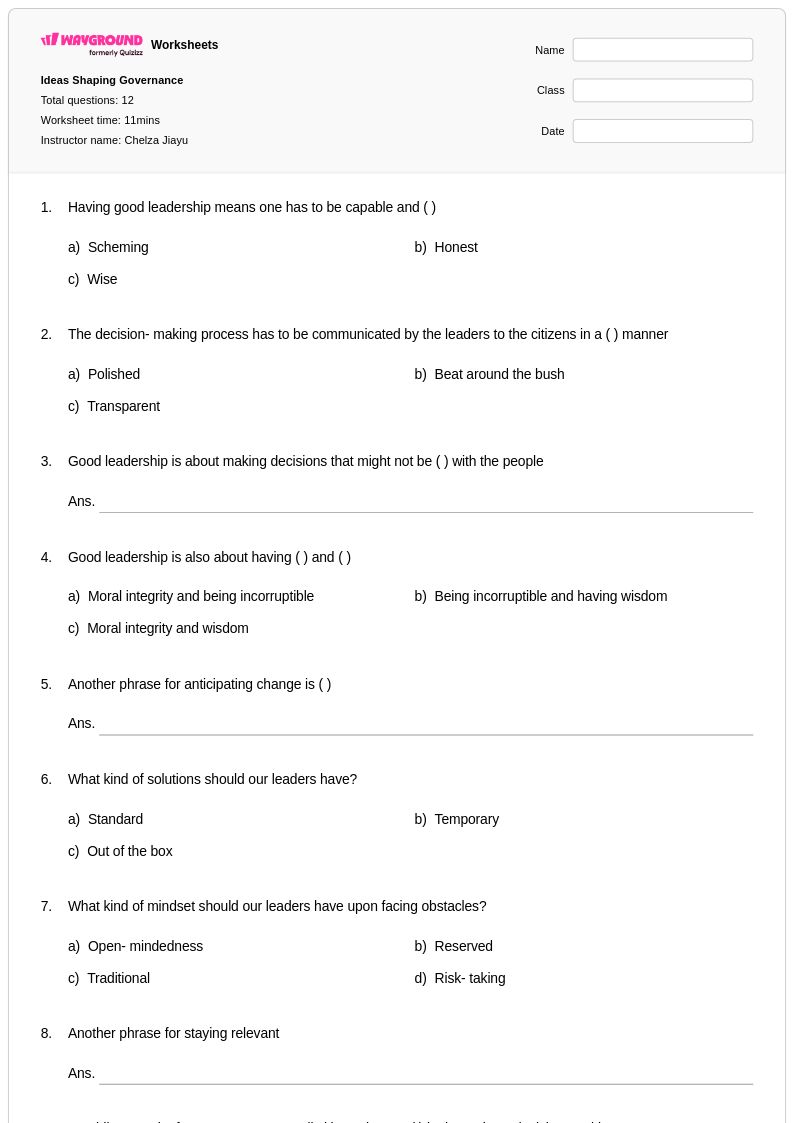
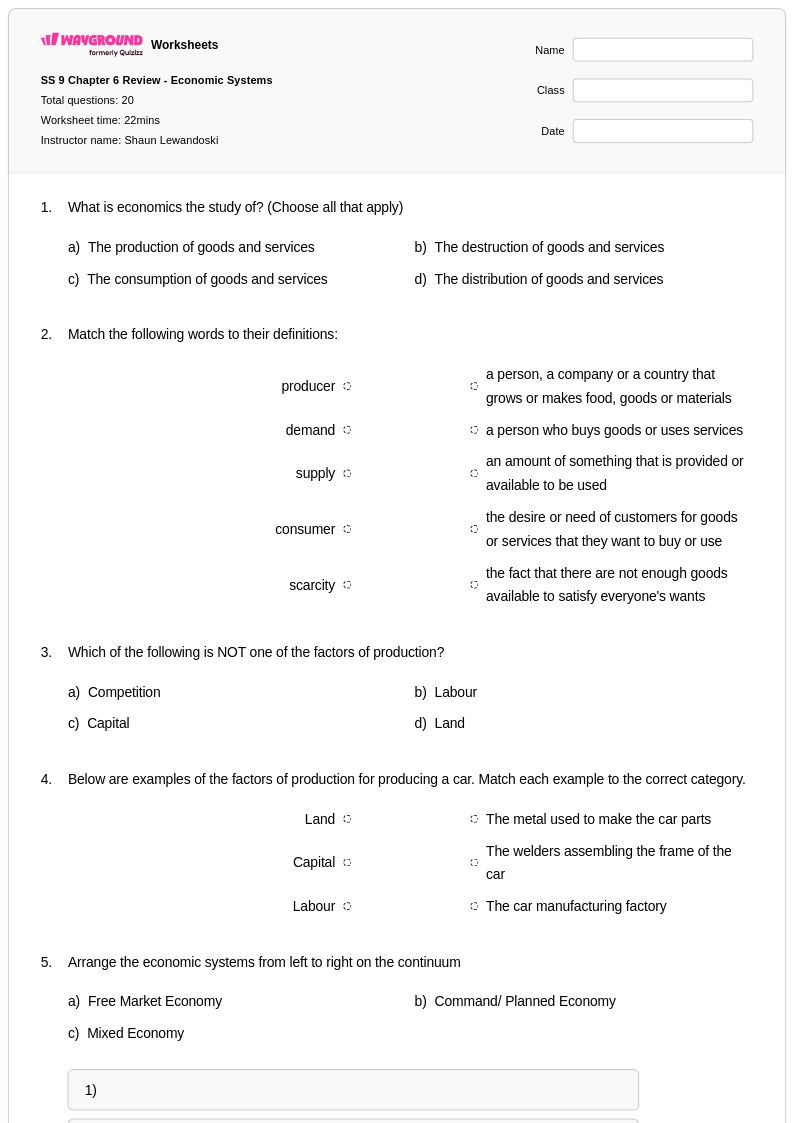
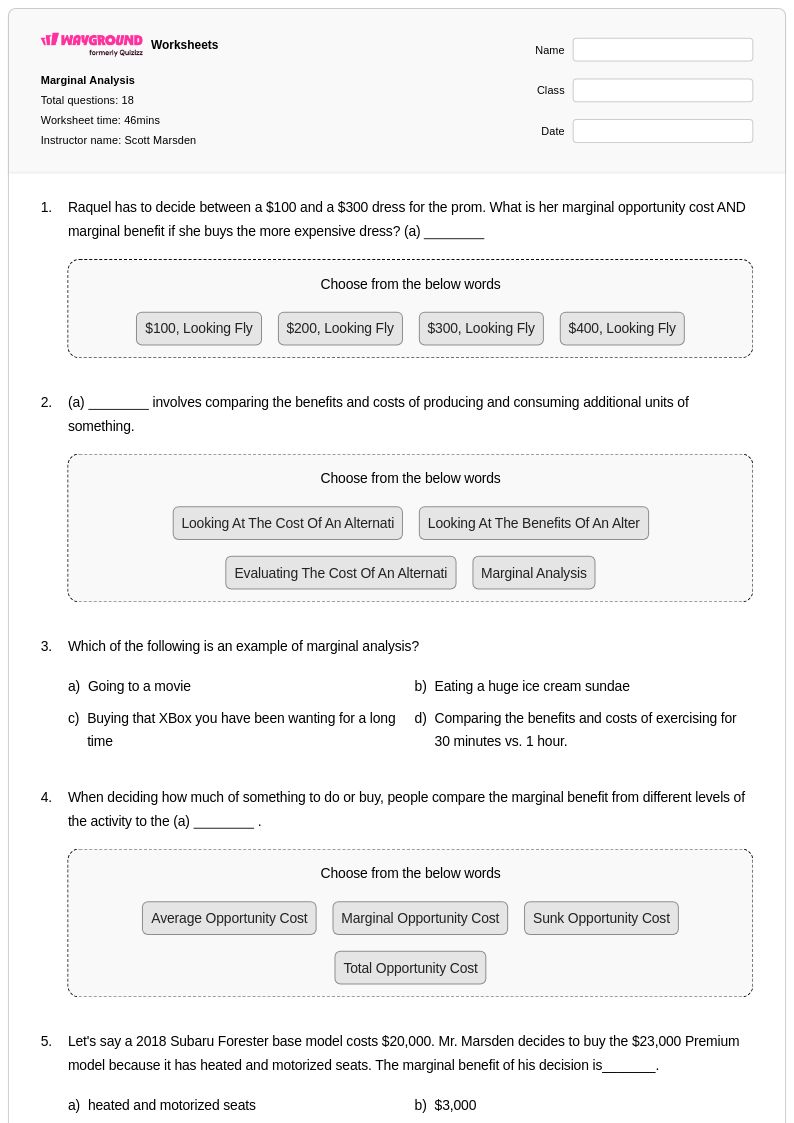
Decision making worksheets for kindergarten students through Wayground (formerly Quizizz) provide essential foundation-building activities that help young learners develop critical thinking and problem-solving abilities within social studies contexts. These carefully designed printables focus on age-appropriate scenarios where children practice identifying choices, considering consequences, and selecting appropriate responses in various social situations. The worksheets strengthen key skills including cause-and-effect reasoning, understanding personal responsibility, and recognizing how individual decisions impact others in family, classroom, and community settings. Each free resource includes clear visual cues and simple language structures that support emerging readers, with accompanying answer keys that enable teachers to provide immediate feedback and guide meaningful discussions about the decision-making process.
Wayground's extensive collection of kindergarten decision making worksheets draws from millions of teacher-created resources, offering educators powerful search and filtering capabilities to locate materials perfectly suited to their classroom needs. The platform's standards alignment ensures these social studies resources support curriculum objectives while providing differentiation tools that accommodate diverse learning styles and developmental levels. Teachers can easily customize worksheets to match specific lesson goals, whether focusing on basic choice recognition or more complex scenario analysis, with all materials available in both printable pdf format and interactive digital versions. This flexibility supports comprehensive instructional planning, from initial skill introduction through targeted remediation and enrichment activities, enabling educators to provide consistent practice opportunities that build confident decision makers in their kindergarten students.
FAQs
How do I teach decision-making skills to students?
Effective decision-making instruction begins with introducing a structured framework, such as identifying the problem, generating options, evaluating consequences, and reflecting on the outcome. Teachers should anchor lessons in age-appropriate, real-world dilemmas that students can personally relate to, which makes abstract reasoning concrete and discussable. Modeling the process aloud through think-alouds before asking students to apply the framework independently helps build confidence and consistency.
What exercises help students practice decision-making?
Scenario-based worksheets are among the most effective tools for practicing decision-making, as they ask students to evaluate options, weigh consequences, and justify their choices in writing. Practice problems that present ethical or social dilemmas push students to apply reasoning frameworks rather than rely on instinct alone. Repeated exposure to varied, realistic situations builds the analytical habits students need to transfer these skills beyond the classroom.
What mistakes do students commonly make when working through decision-making problems?
One of the most common errors is jumping to a conclusion without systematically evaluating all available options, which reflects impulsive rather than reasoned thinking. Students also frequently overlook long-term consequences, focusing only on the immediate outcome of a choice. Another recurring issue is failing to consider how a decision affects others, which is a critical gap in ethical reasoning that structured reflection prompts can help address.
How can I differentiate decision-making instruction for students at different skill levels?
For struggling learners, reducing the number of scenario choices or providing sentence starters helps lower cognitive load without removing the reasoning challenge. Advanced students benefit from open-ended dilemmas with no clear right answer, where they must construct and defend an original argument. On Wayground, teachers can apply accommodations such as reduced answer choices or read-aloud support to individual students, ensuring differentiation is built into the activity rather than managed separately.
How do I use decision-making worksheets on Wayground in my classroom?
Wayground's decision-making worksheets are available as printable PDFs for traditional classroom use and in digital formats for technology-integrated environments, so they work whether students are at desks or on devices. Teachers can also host worksheets as a quiz directly on Wayground, allowing for real-time progress monitoring. The materials include complete answer keys, which makes them practical for independent work, small group instruction, or homework assignments without additional preparation time.
How does teaching decision-making connect to broader social studies and SEL goals?
Decision-making is a foundational skill in both social-emotional learning frameworks and social studies curricula, where responsible citizenship depends on students' ability to reason through complex choices. Teaching it explicitly helps students understand cause and effect, evaluate competing values, and take accountability for outcomes. When integrated into social studies content, decision-making practice also deepens students' understanding of historical and civic topics by asking them to analyze real choices made by individuals and communities.