Free Printable Drawing Circles Worksheets for Year 2
Year 2 drawing circles worksheets from Wayground help young learners develop fine motor skills and foundational writing techniques through engaging printable activities with comprehensive answer keys.
Explore printable Drawing Circles worksheets for Year 2
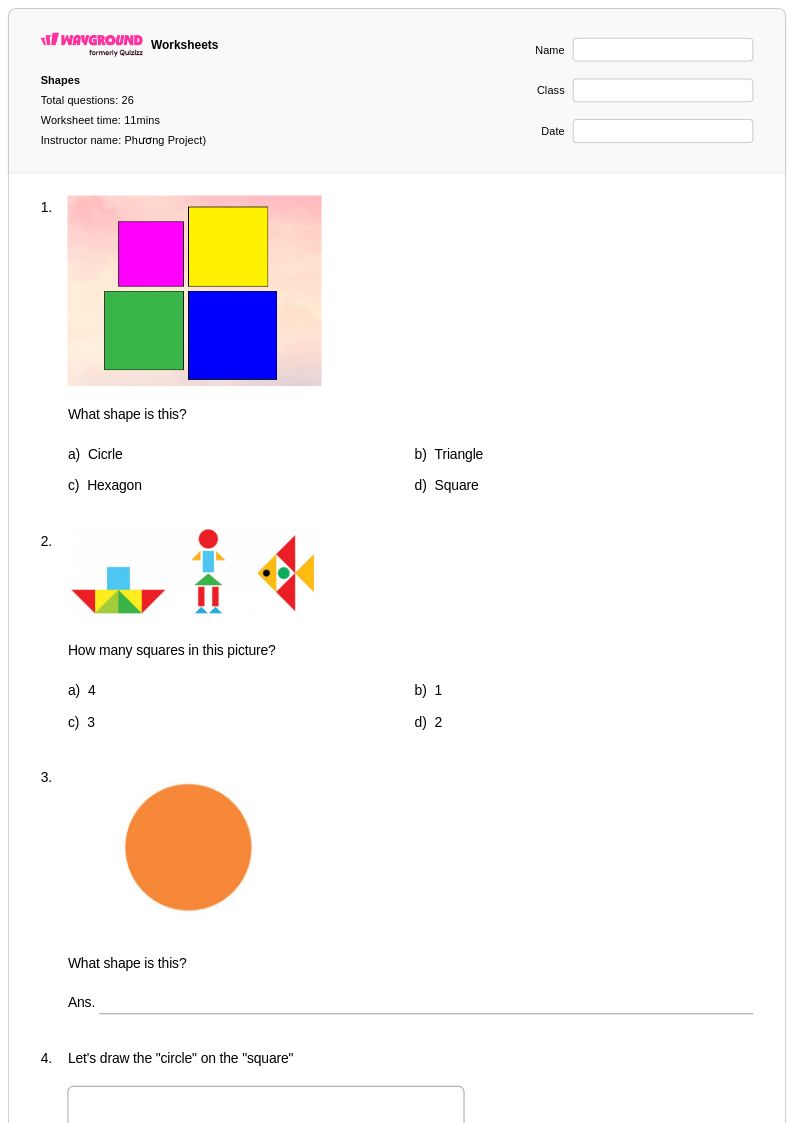
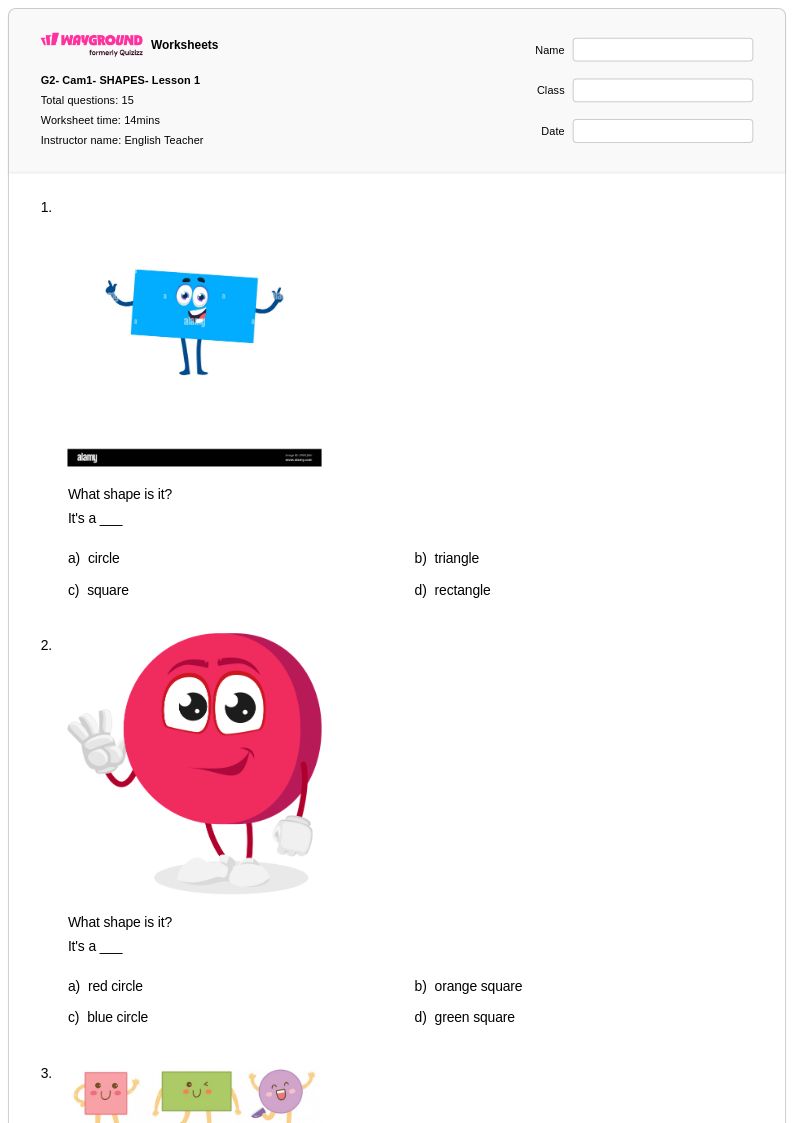
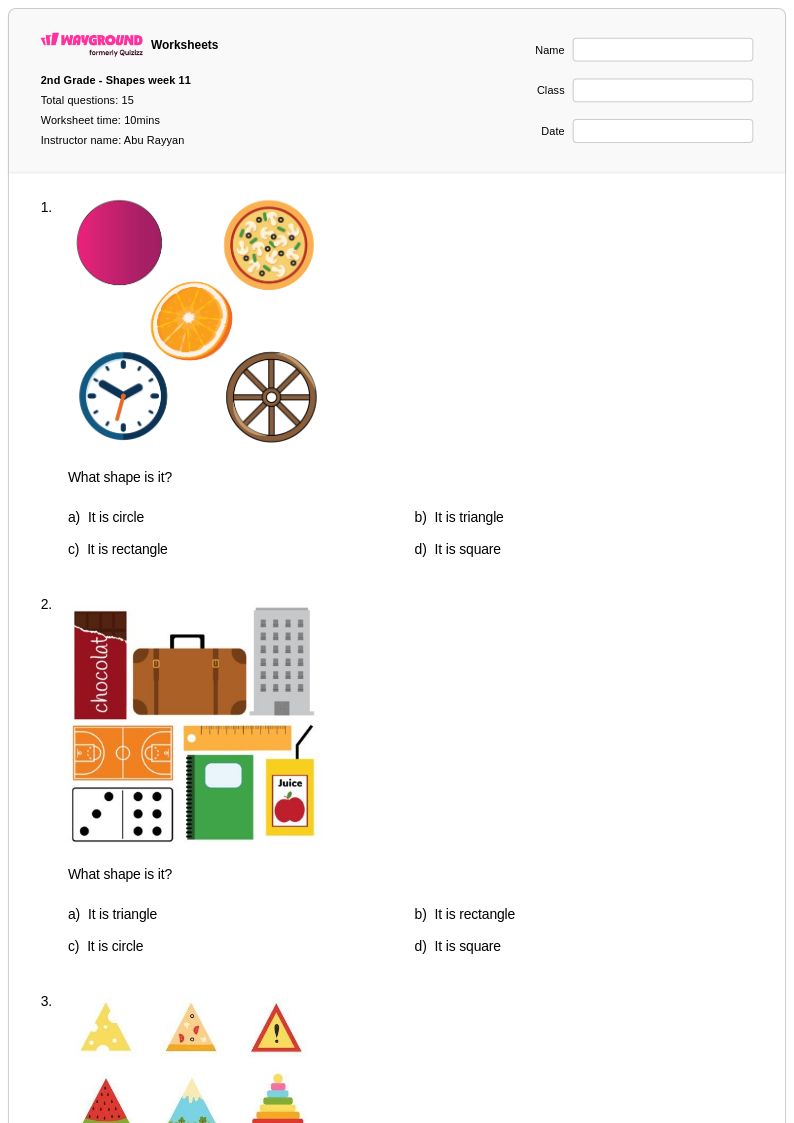
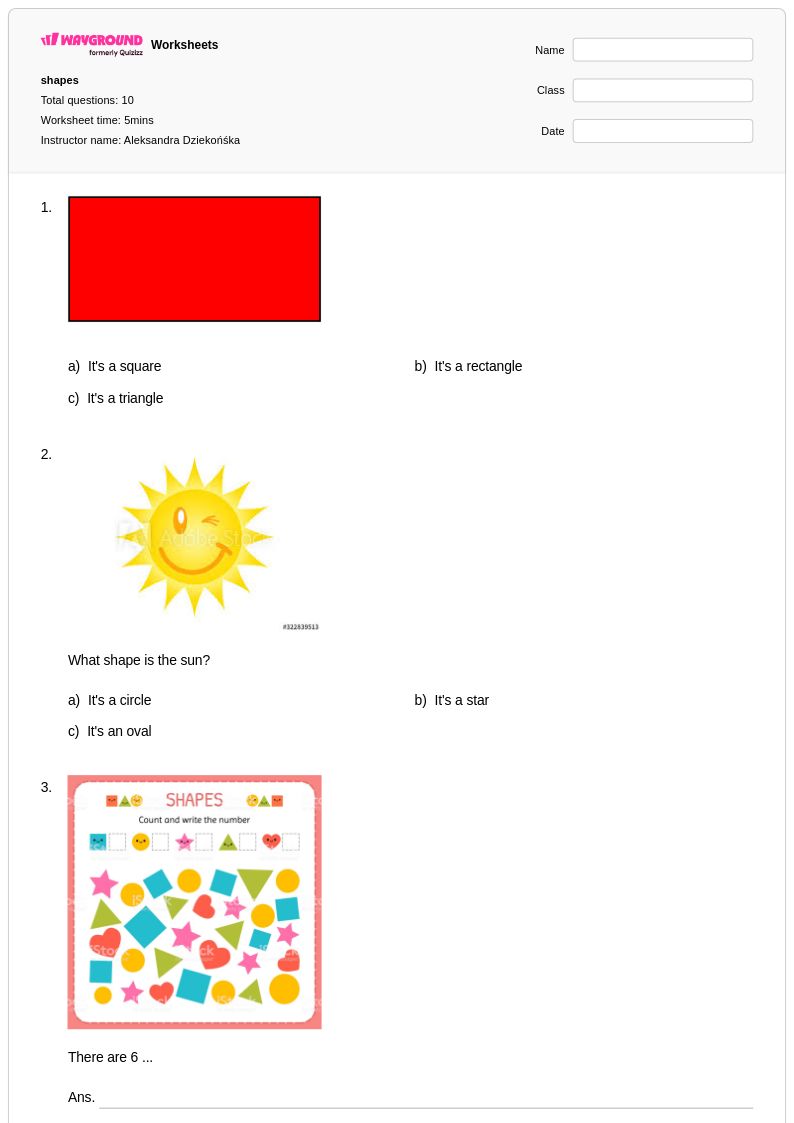
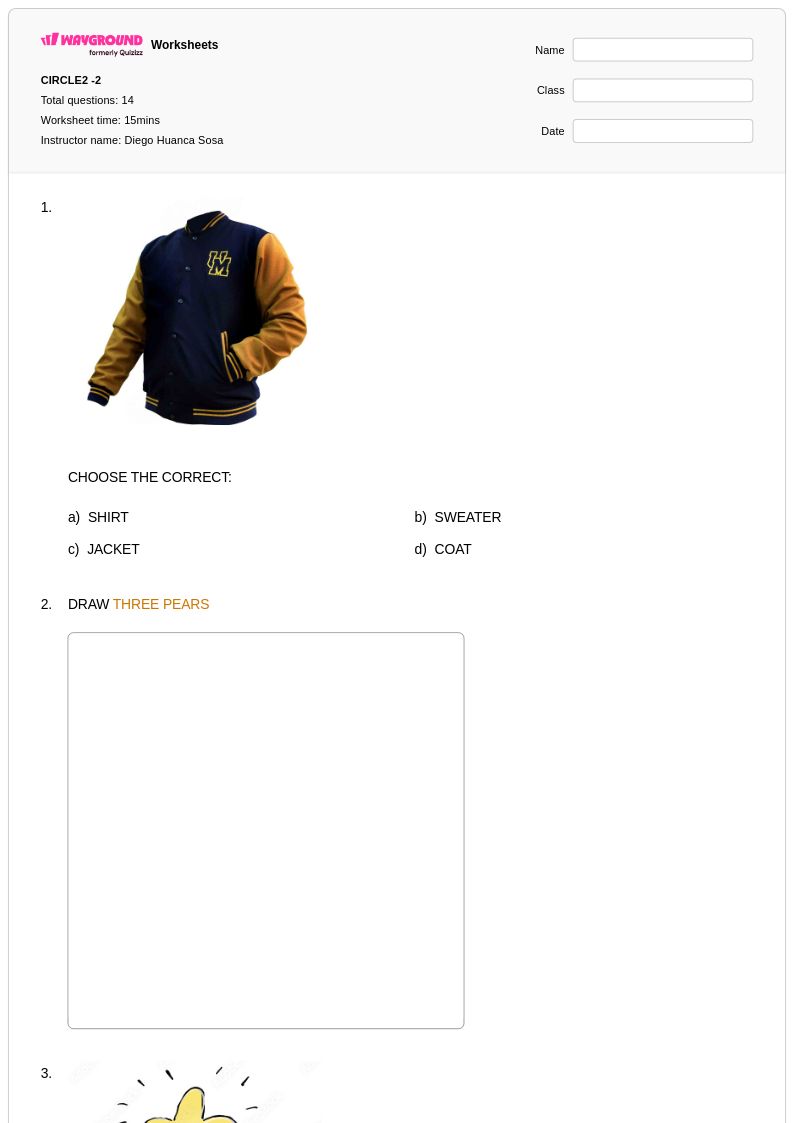
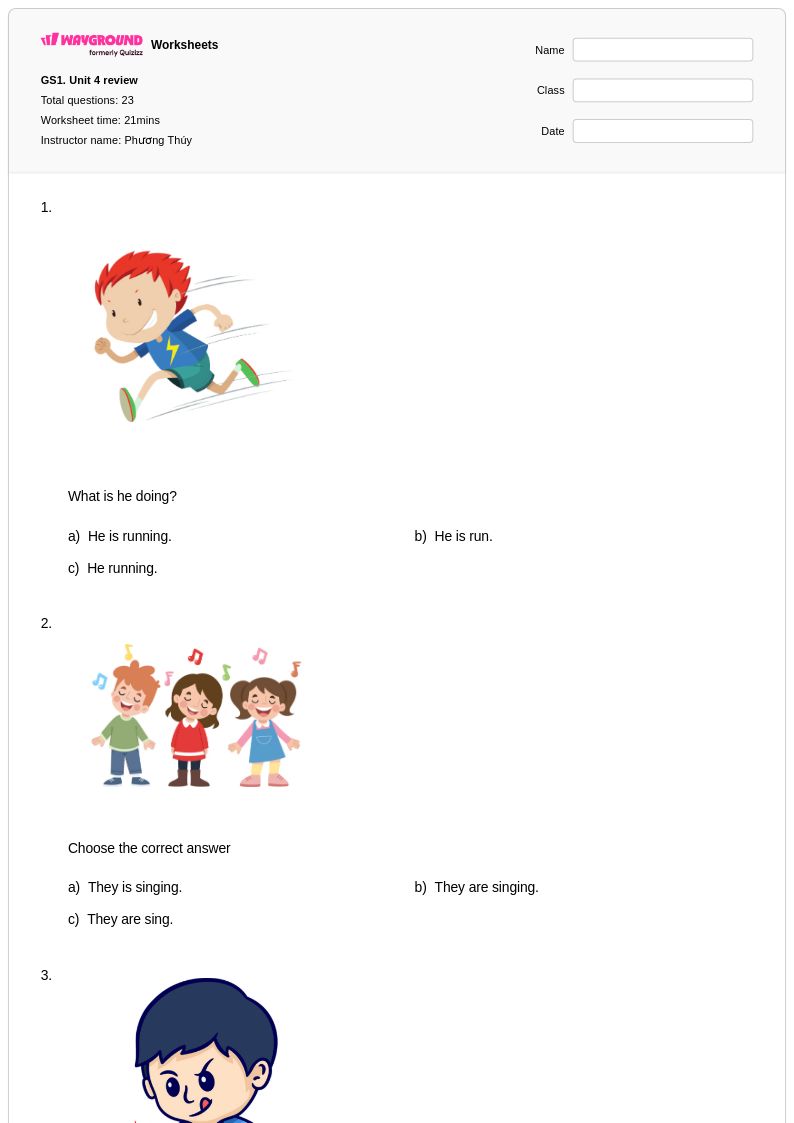
Drawing circles represents a fundamental milestone in Year 2 early writing practice, serving as a crucial foundation for letter formation and fine motor skill development. Wayground's comprehensive collection of drawing circles worksheets provides second-grade students with structured practice opportunities that strengthen hand-eye coordination, pencil control, and spatial awareness essential for developing writing fluency. These carefully designed printables feature progressively challenging circle-drawing exercises, from tracing large circles to creating smaller, more precise circular shapes independently. Each worksheet includes clear visual guides and practice problems that help students master the smooth, continuous motion required for circle formation, while accompanying answer keys enable teachers and parents to provide immediate feedback and track student progress through these free, downloadable pdf resources.
Wayground, formerly Quizizz, empowers educators with millions of teacher-created resources specifically designed to support early writing instruction through systematic skill-building activities. The platform's robust search and filtering capabilities allow teachers to quickly locate drawing circles worksheets that align with Year 2 standards and accommodate diverse learning needs through built-in differentiation tools. Teachers can seamlessly customize these materials to match their classroom requirements, whether implementing whole-group instruction, targeted remediation for students struggling with fine motor control, or enrichment activities for advanced learners ready for more complex pre-writing challenges. Available in both printable and digital formats, these versatile resources support flexible lesson planning while ensuring students receive consistent, engaging practice that builds the foundational circular motions essential for successful letter writing and overall penmanship development.
FAQs
How do I teach young children to draw circles?
Start by modeling the motion in the air with large, sweeping arm movements before introducing pencil and paper. Guide children to begin at the top of the circle and move in one continuous, smooth stroke without lifting the pencil. Using verbal cues like 'round and round' or tracing over dotted circle outlines helps reinforce the correct motion. Consistent repetition across short, focused practice sessions builds the muscle memory needed for confident circle formation.
Why is drawing circles important for early writing development?
Circle drawing is a foundational pre-writing skill because many letters — including o, c, d, g, and q — are built on circular strokes. Mastering the smooth, continuous motion required for circles directly strengthens hand-eye coordination and pencil grip control, both of which are essential for legible handwriting. Children who can draw consistent circles are better prepared to progress to letter formation and early writing tasks.
What exercises help students practice drawing circles?
Structured worksheets with dotted circle outlines for tracing, open practice rows for freehand circle drawing, and gradually decreasing guide support are all effective exercises. Varying circle sizes within a single worksheet challenges students to control their pencil pressure and motion across different scales. Pairing pencil practice with tactile activities — such as tracing circles in sand or using finger paint — reinforces the motor pattern through multiple sensory channels.
What mistakes do children commonly make when drawing circles?
The most common errors include drawing flat or egg-shaped ovals instead of round circles, lifting the pencil mid-stroke and creating open gaps, and moving in a jerky or angular motion rather than a smooth curve. Children often start at the bottom rather than the top of the circle, which disrupts the natural flow of the stroke. Watching for these patterns during practice helps teachers target specific corrections before habits become ingrained.
How can I differentiate circle drawing practice for students at different skill levels?
For students who are still developing fine motor control, worksheets with large, clearly dotted outlines and wide spacing reduce frustration and build confidence. More advanced students can work with smaller circles, freehand rows without guides, or patterns that combine circles with other pre-writing strokes. On Wayground, teachers can apply individual accommodations such as read aloud support or reduced answer choices, and these settings carry over across sessions so differentiation requires no repeated setup.
How do I use Wayground's drawing circles worksheets in my classroom?
Wayground's drawing circles worksheets are available as printable PDFs for traditional pencil-and-paper practice and in digital formats for technology-integrated or remote learning environments. Teachers can also host the activities as a quiz directly on Wayground, making it easy to assign practice and track student progress in one place. The included answer keys allow educators and parents to monitor development without additional preparation time.