Explore Wayground's free Year 2 final sounds phonics worksheets with printable PDFs, practice problems, and answer keys to help students master identifying and writing ending letter sounds in words.
Explore printable Final Sounds worksheets for Year 2
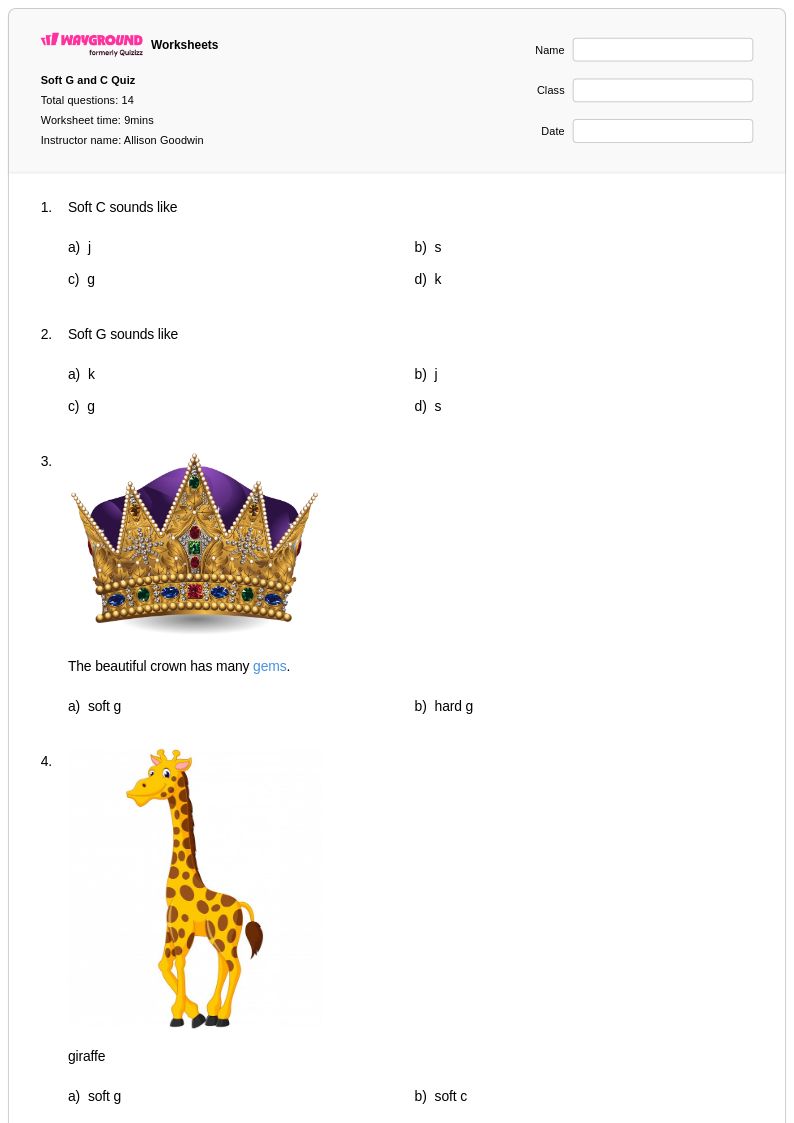
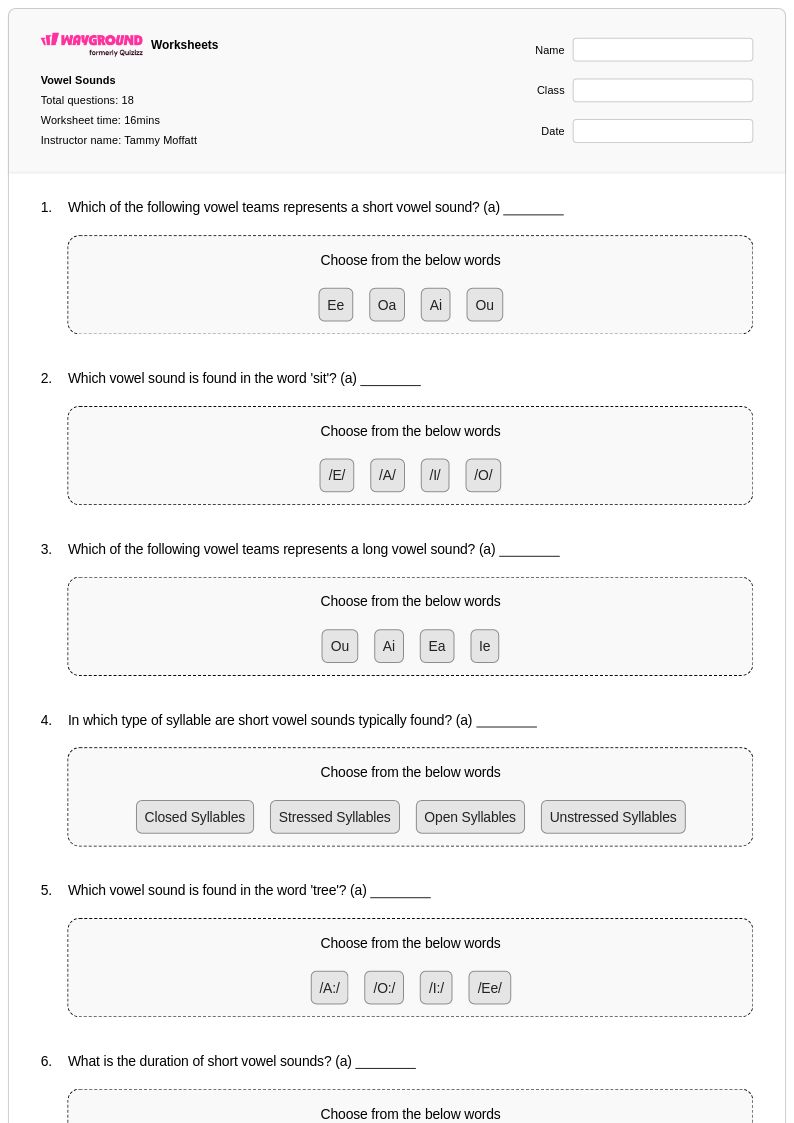
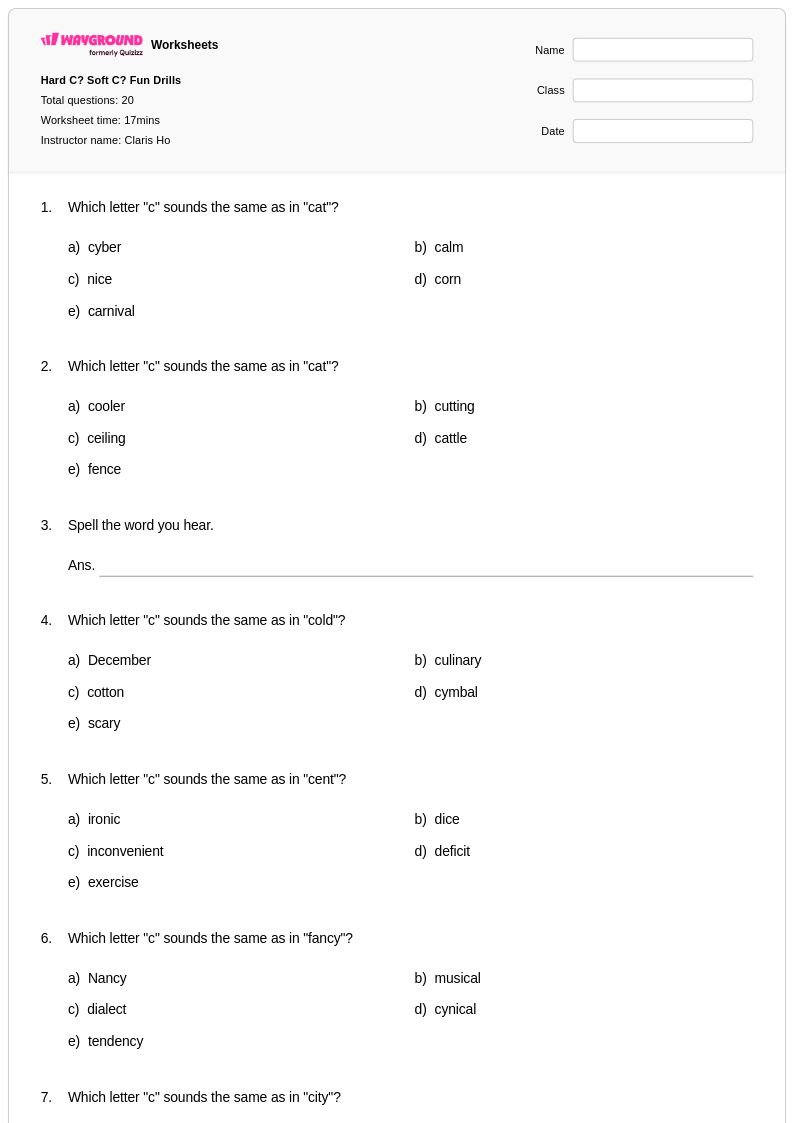
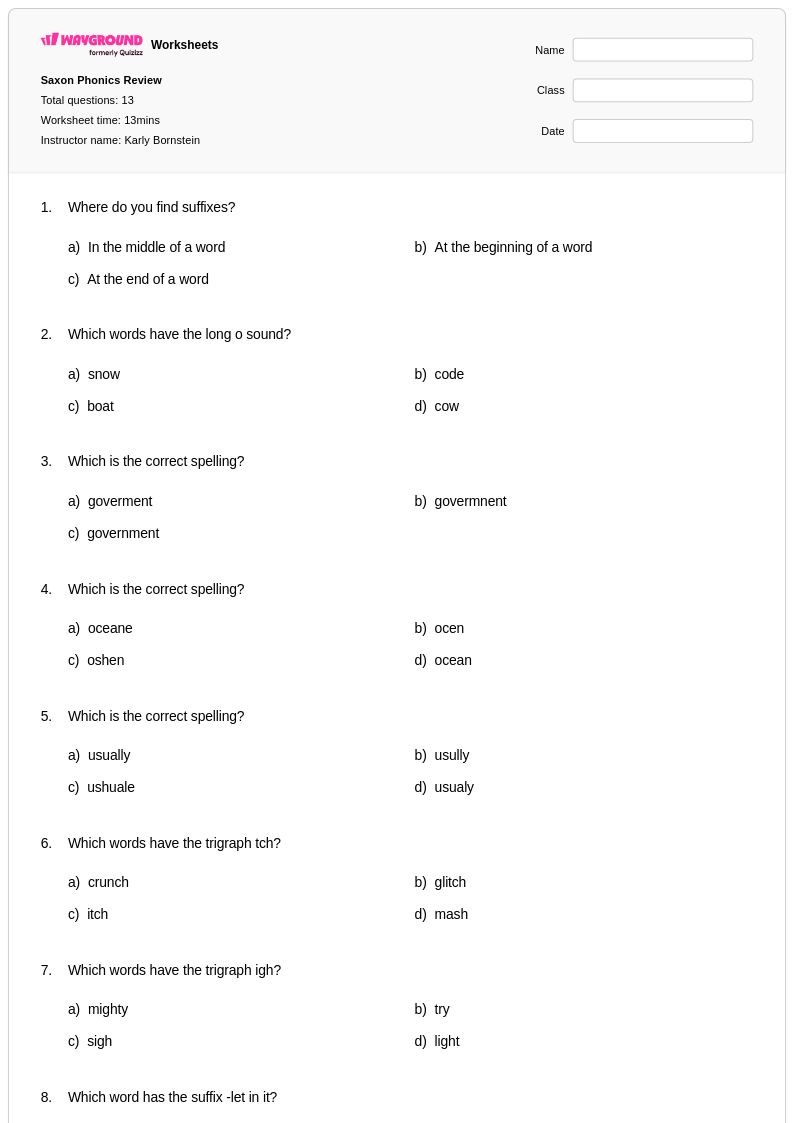
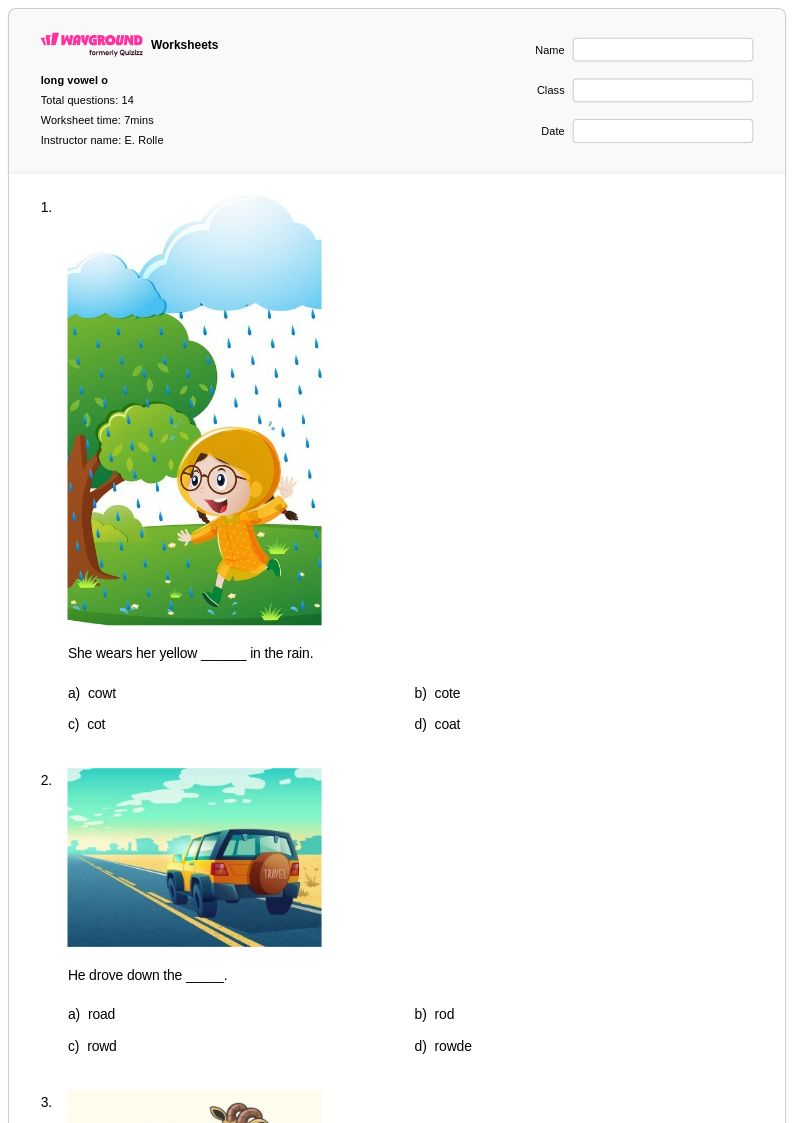
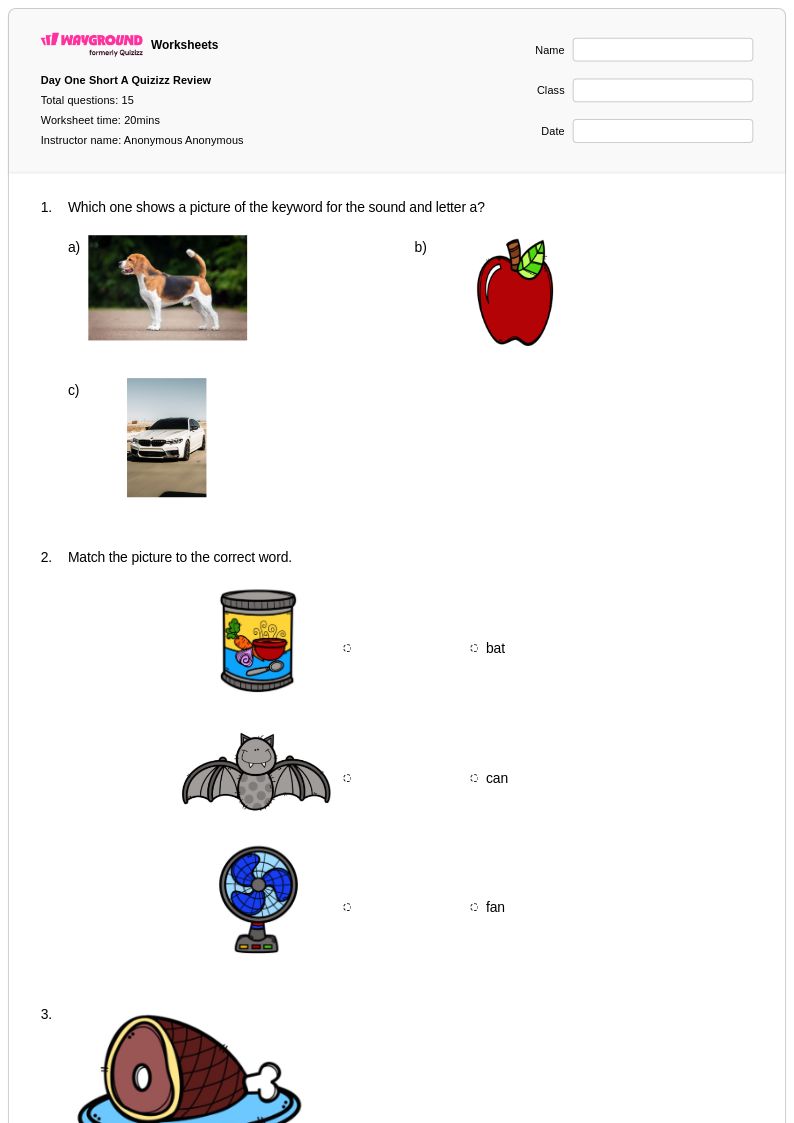
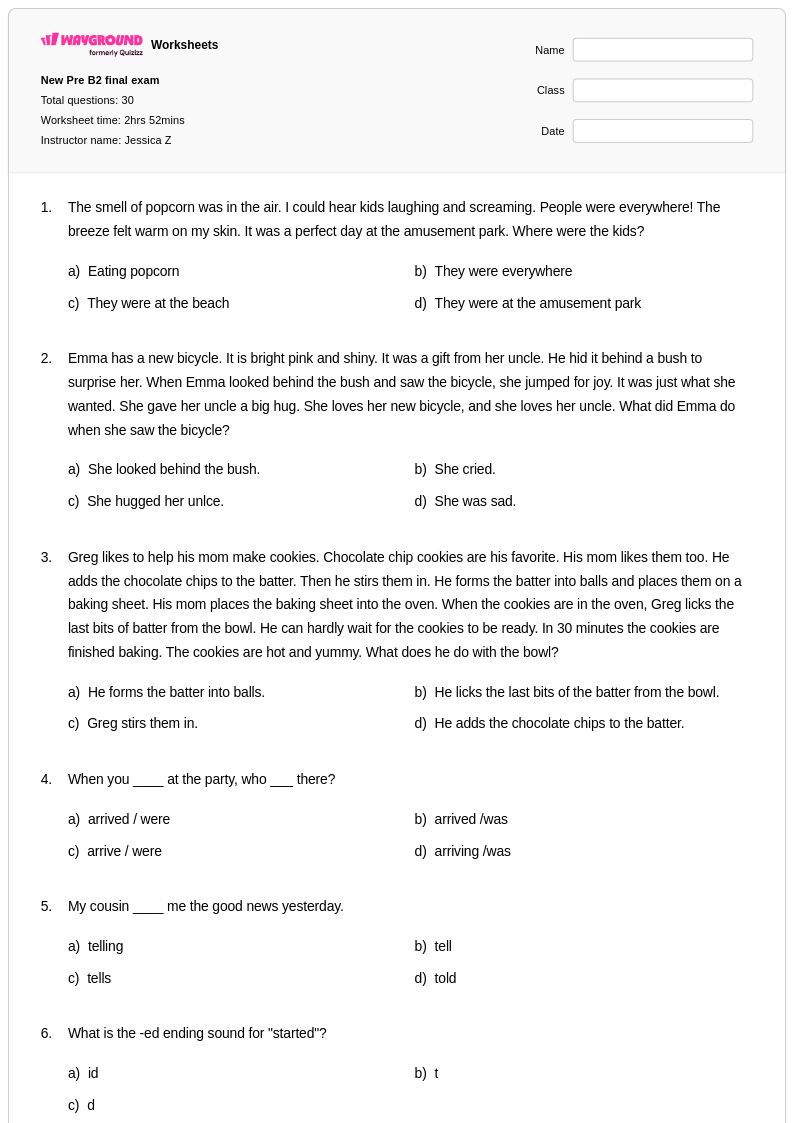
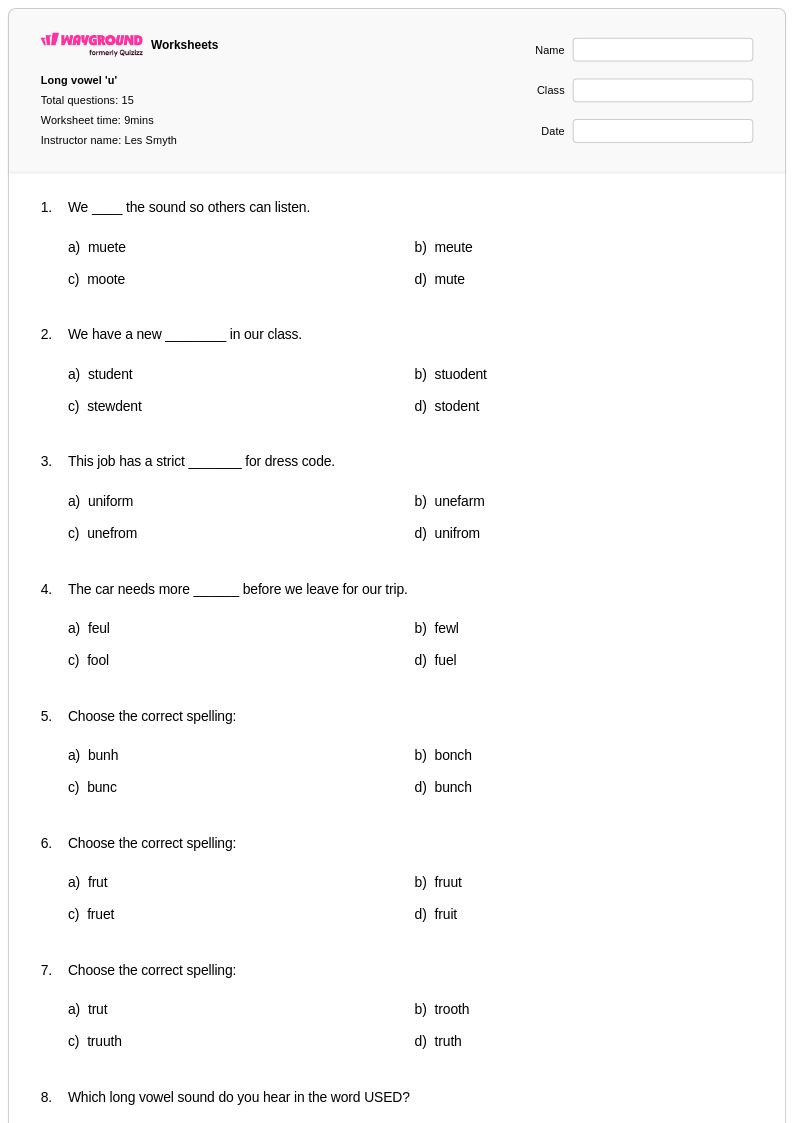
Final sounds worksheets for Year 2 students available through Wayground (formerly Quizizz) provide comprehensive practice in identifying and distinguishing the ending phonemes in words, a critical component of phonics instruction that builds decoding and spelling proficiency. These carefully crafted printables strengthen students' phonemic awareness by focusing on consonant and vowel sounds that conclude single-syllable and simple multi-syllable words, helping young learners recognize patterns such as silent letters, consonant blends, and digraphs in final positions. Each worksheet includes systematic practice problems that progress from basic single-consonant endings to more complex final sound combinations, with complete answer keys provided to support both independent practice and guided instruction. The free pdf resources emphasize auditory discrimination skills while simultaneously reinforcing visual recognition of letter-sound relationships that appear at word endings.
Wayground's extensive collection of teacher-created final sounds resources offers educators access to millions of phonics materials specifically designed to support Year 2 learning objectives and standards alignment. The platform's robust search and filtering capabilities enable teachers to quickly locate worksheets that match specific final sound patterns, student ability levels, and curricular requirements, while built-in differentiation tools allow for seamless customization to meet diverse learning needs within the classroom. These versatile materials are available in both printable pdf format and interactive digital versions, providing flexibility for whole-group instruction, small-group remediation, independent skill practice, and enrichment activities. Teachers can efficiently plan phonics lessons that systematically build upon students' existing knowledge while addressing individual gaps in final sound recognition and application.
FAQs
How do I teach final sounds in phonics?
Teaching final sounds works best through explicit, systematic instruction that isolates the ending sound in a word before connecting it to its written form. Start with simple consonant-vowel-consonant (CVC) words where the final consonant is distinct, such as 'cat' or 'map', and use auditory activities like say-it-and-tap-it routines to draw students' attention to word endings. Once students can isolate final consonants reliably, progress to ending digraphs (e.g., -sh, -ch, -th) and consonant blends (e.g., -nd, -st, -lk) to build phonological awareness systematically.
What exercises help students practice identifying ending sounds in words?
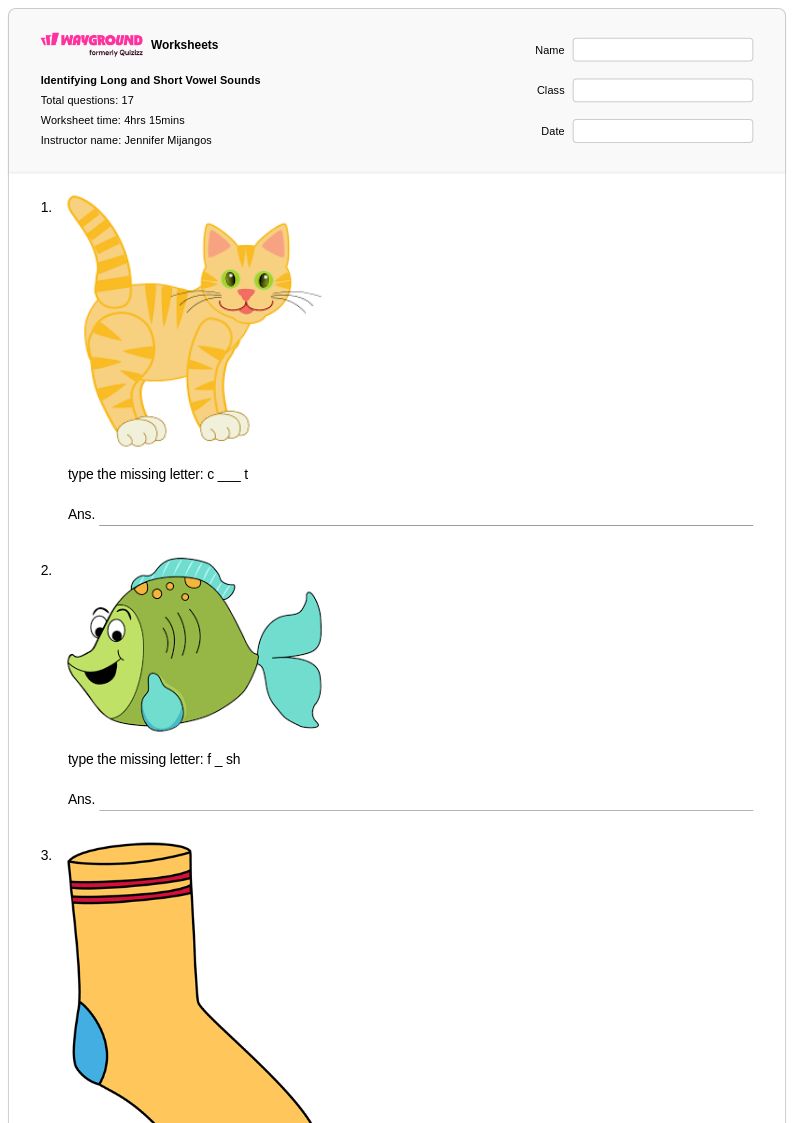
Effective practice exercises for final sounds include picture-to-sound matching tasks, word sorting by ending sound, fill-in-the-blank activities where students complete a word by writing its final letter or blend, and minimal pair comparisons that highlight how changing the final sound changes meaning (e.g., 'bat' vs. 'bad'). Structured worksheet practice that targets specific final sound patterns, such as ending digraphs or consonant clusters, reinforces both recognition and spelling accuracy. Repeated, varied exposure across reading and writing tasks is key to securing these patterns in long-term memory.
What mistakes do students commonly make when learning final sounds?
A common error is students omitting the final consonant entirely, especially in words that end in stop sounds like /t/, /p/, or /k/, because those sounds are not elongated and can be hard to hear in natural speech. Students also frequently confuse ending digraphs with their individual component letters, writing 'c' instead of 'ck' or 't' instead of 'ch'. Another persistent misconception is treating consonant blends at the end of words as a single sound rather than two distinct phonemes, which leads to incomplete spelling such as writing 'mas' for 'mast'.
How can I differentiate final sounds practice for students at different skill levels?
For students who are still developing phonemic awareness, simplify tasks to single final consonants in CVC words before introducing digraphs or blends. More advanced students can work with multisyllabic words and less common final sound patterns. On Wayground, teachers can modify worksheet difficulty levels and select specific final sound patterns to match each learner's needs. The platform also supports individual accommodations such as Read Aloud, which can audio-read questions for students who need additional support, and reduced answer choices to lower cognitive load for students who need a more scaffolded experience.
How do I use Wayground's final sounds worksheets in my classroom?
Wayground's final sounds worksheets are available as printable PDFs, making them easy to distribute for independent work, centers, or take-home practice, as well as in digital formats for use on devices in technology-integrated classrooms. Teachers can also host them as a quiz directly on Wayground to collect student responses and track performance. The included answer keys allow for efficient grading, and the ability to filter by specific final sound patterns means teachers can quickly find materials that match the exact skill they are targeting in a given lesson.
At what reading stage should students be working on final sounds?
Final sounds instruction is typically introduced in the early stages of phonics and phonological awareness development, often in kindergarten and first grade as part of foundational literacy instruction. Students generally begin with isolating final consonants in simple CVC words before progressing to ending digraphs and blends as their decoding and encoding skills develop. Students who continue to struggle with final sounds in second grade or beyond may need targeted phonics intervention to close gaps before more complex spelling patterns are introduced.