
13 Q
1st - 5th
12 Q
2nd - 4th
18 Q
2nd
10 Q
2nd - 7th
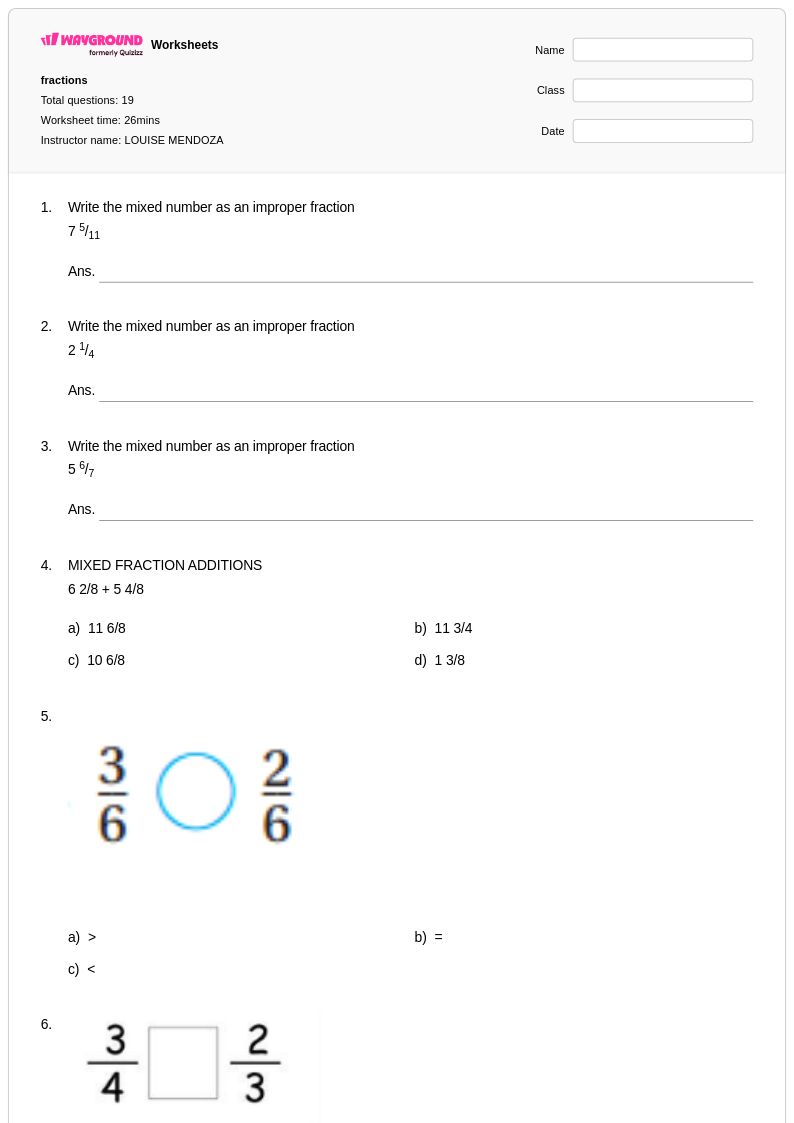
19 Q
1st - 5th
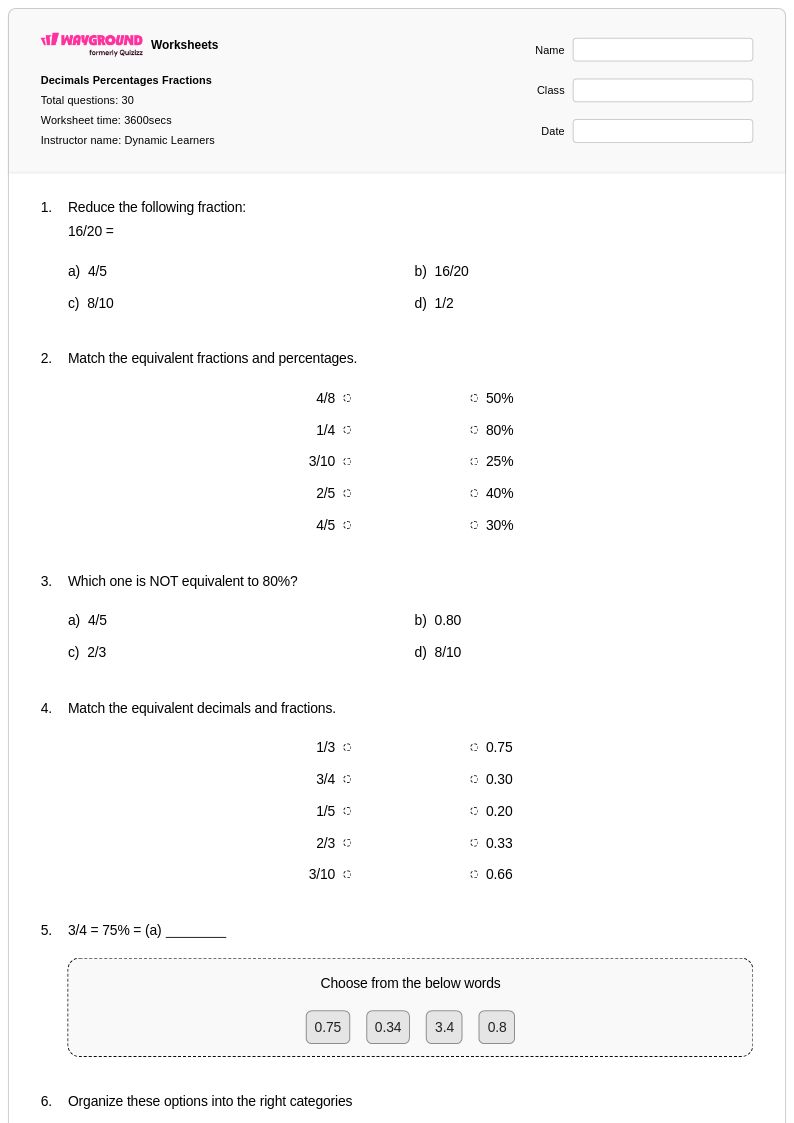
30 Q
1st - 5th
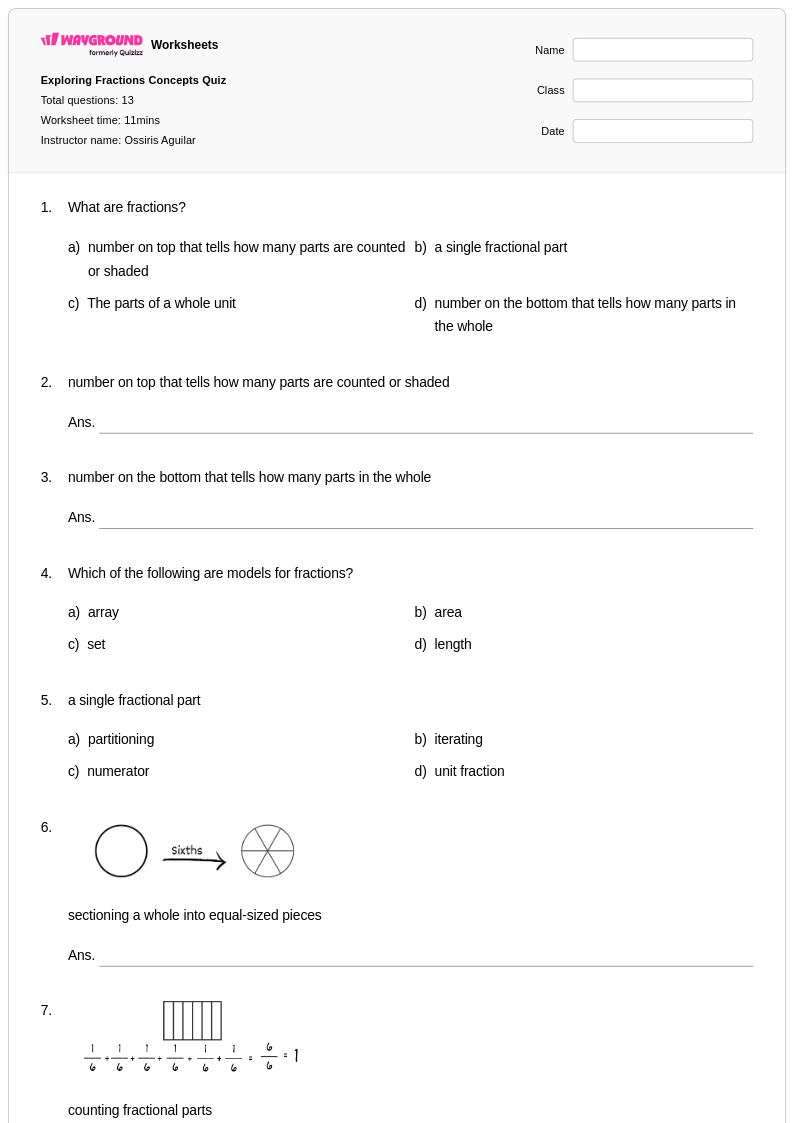
13 Q
1st - 5th
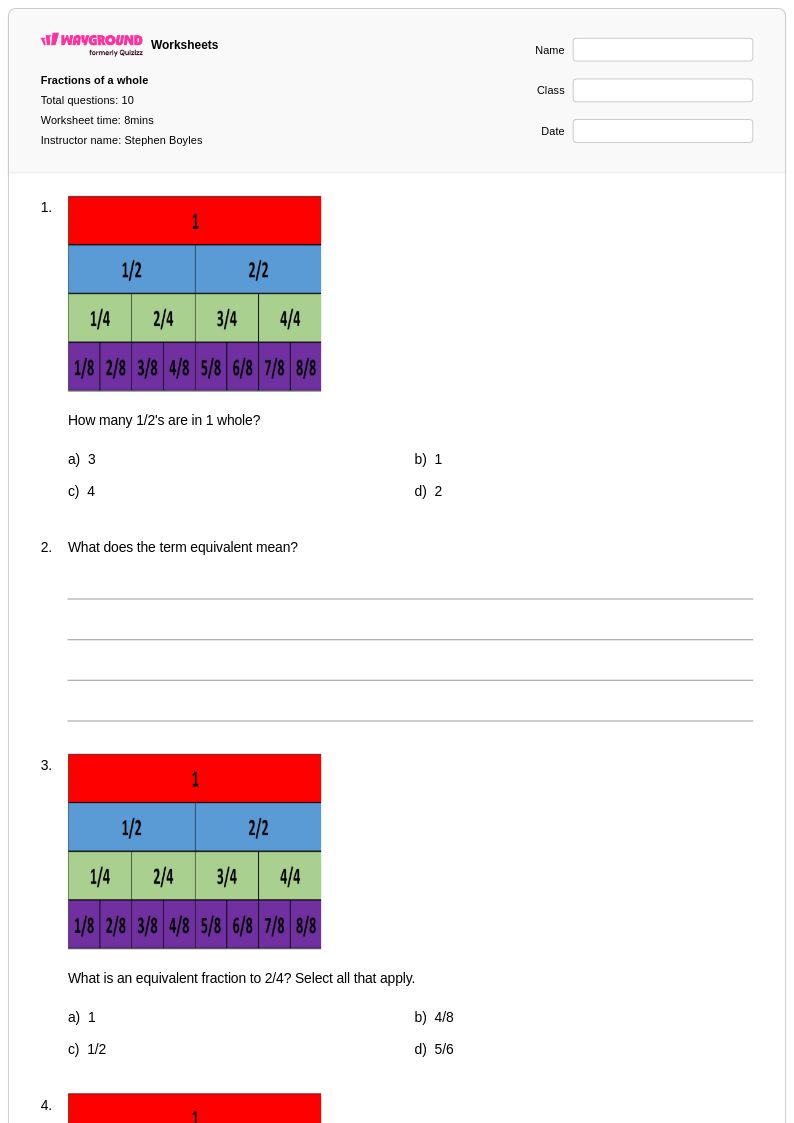
10 Q
2nd - 5th
22 Q
1st - 5th
11 Q
2nd
11 Q
2nd
10 Q
1st - 2nd
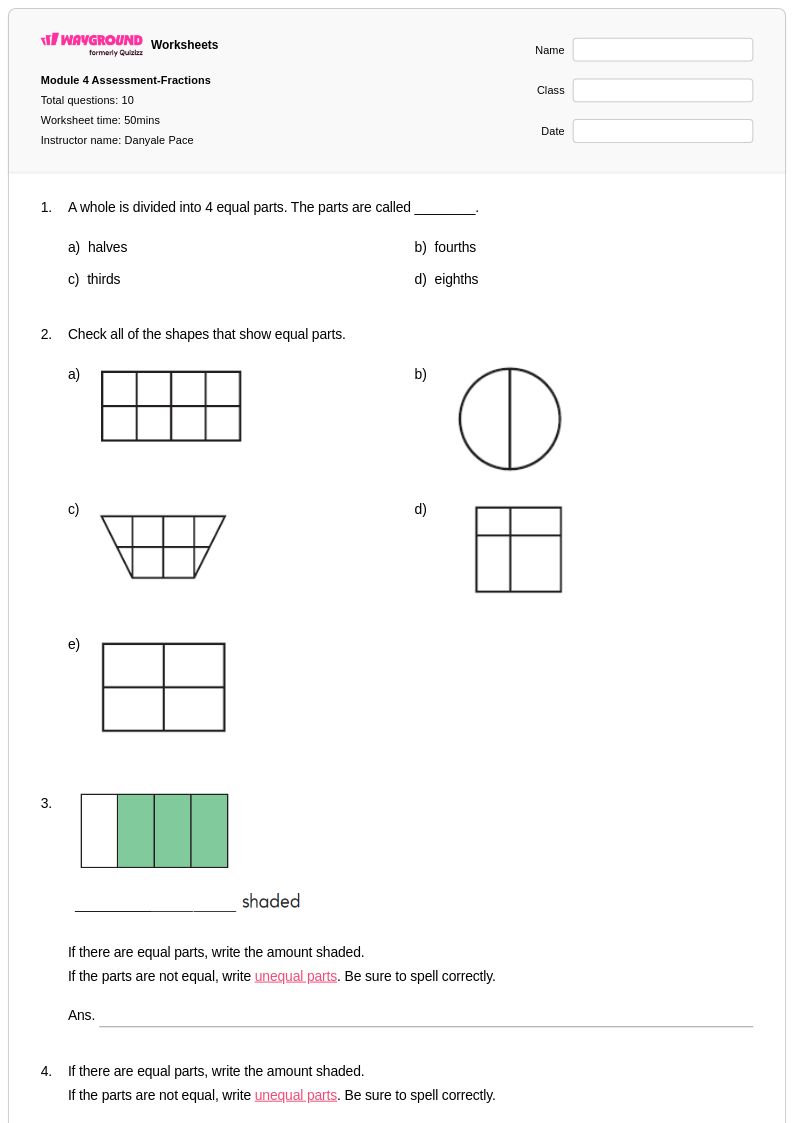
10 Q
2nd
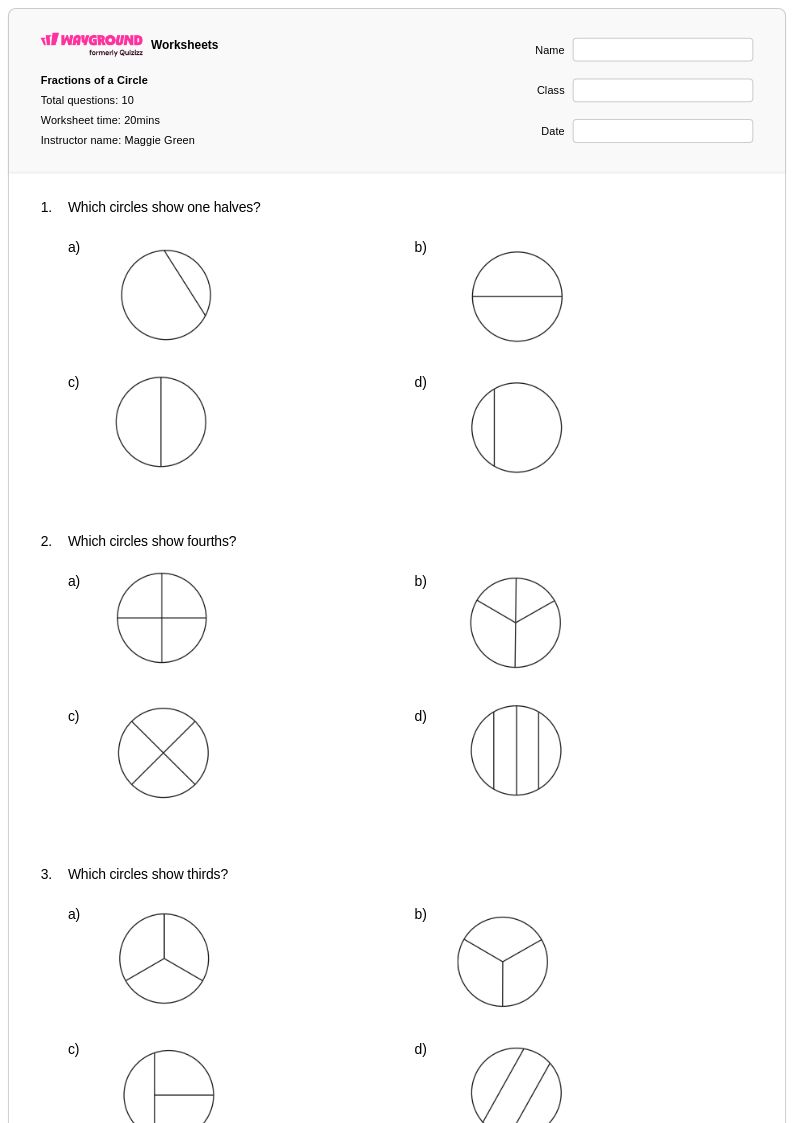
10 Q
1st - 5th
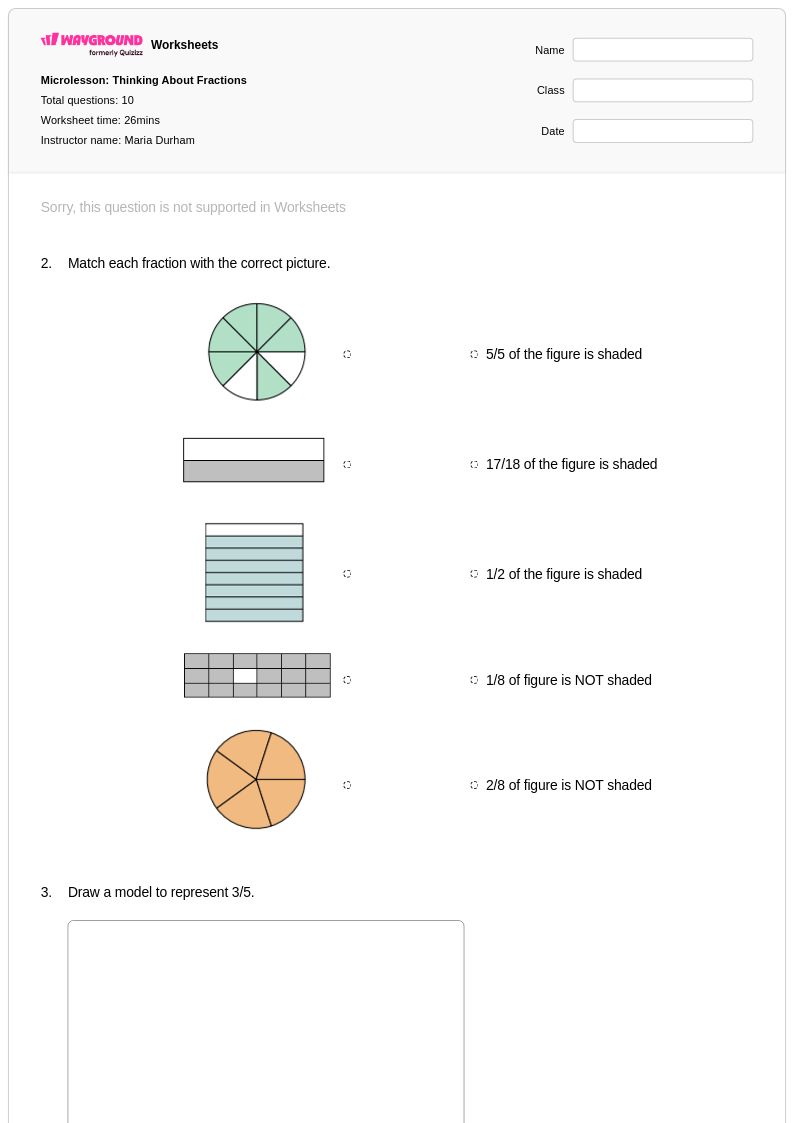
15 Q
1st - 5th
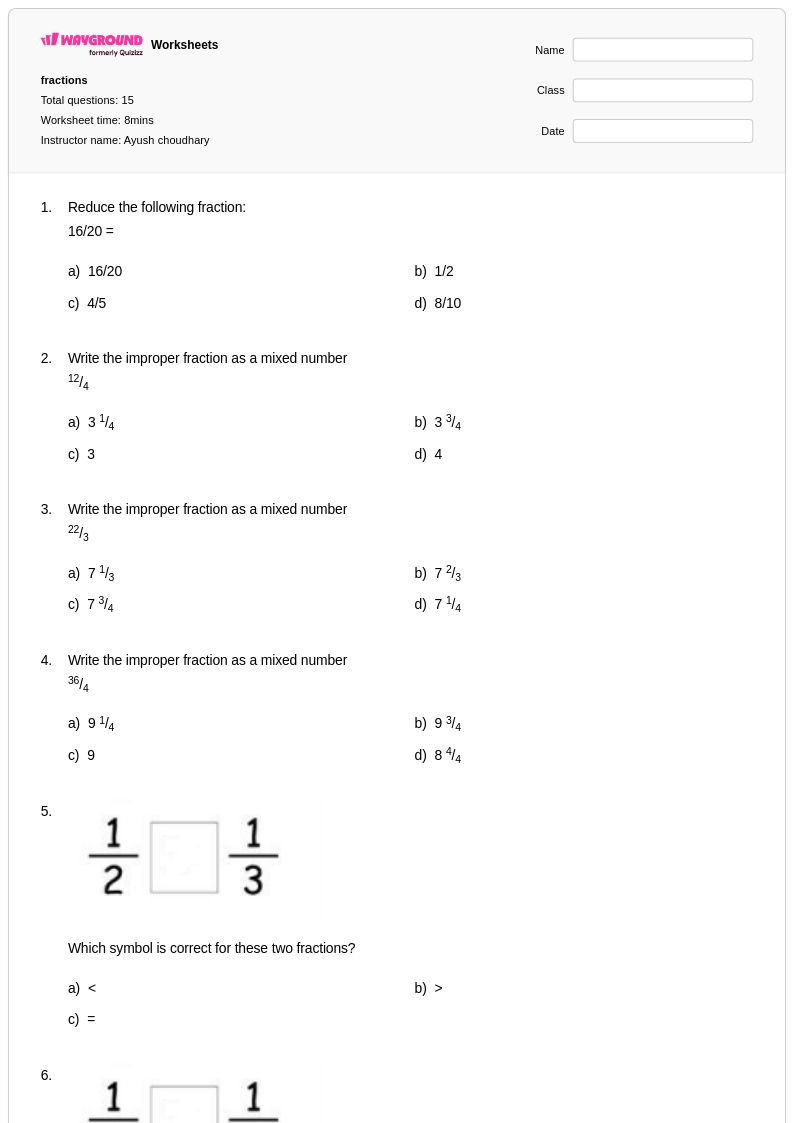
15 Q
2nd - 12th
17 Q
2nd
10 Q
1st - 5th
16 Q
2nd
10 Q
2nd - 3rd
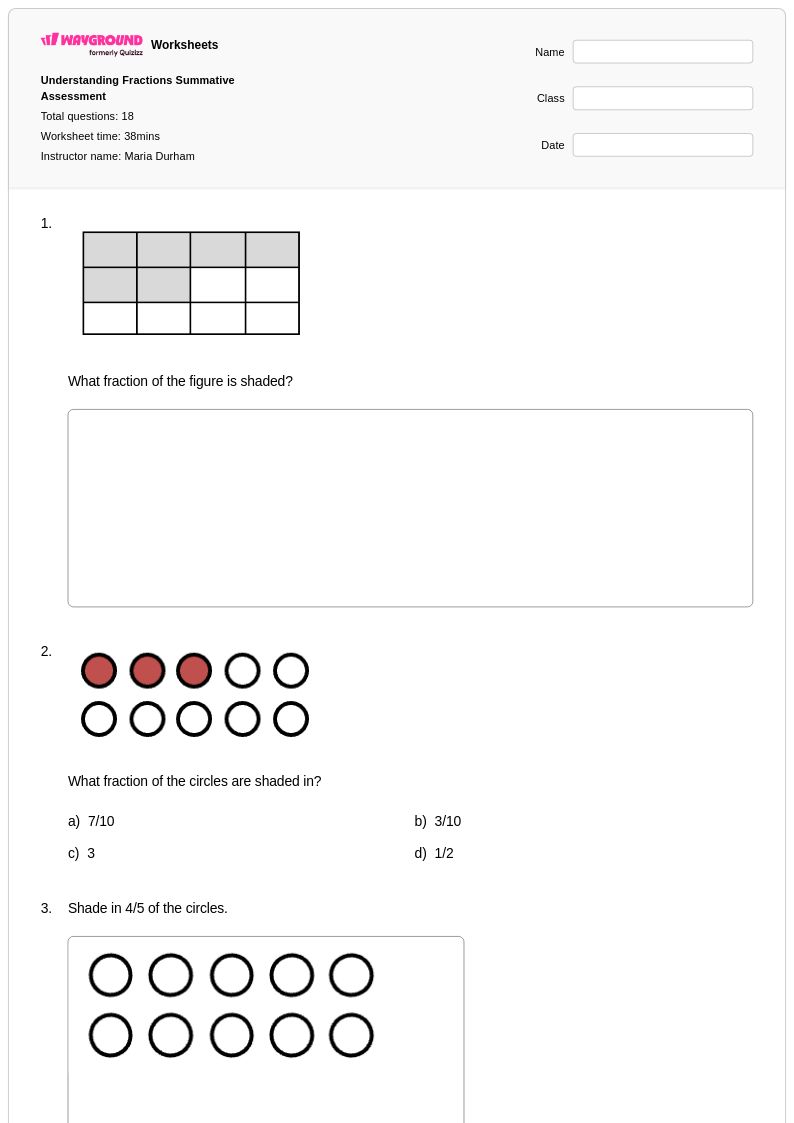
18 Q
1st - 5th
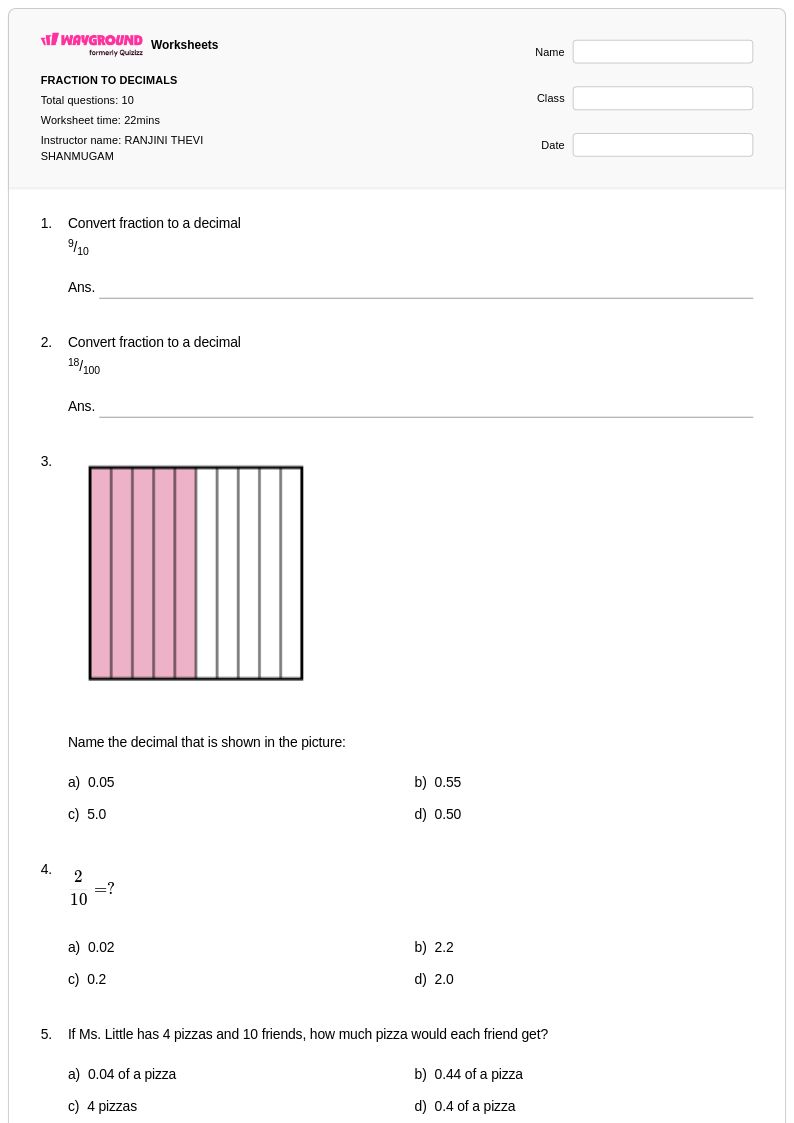
10 Q
2nd
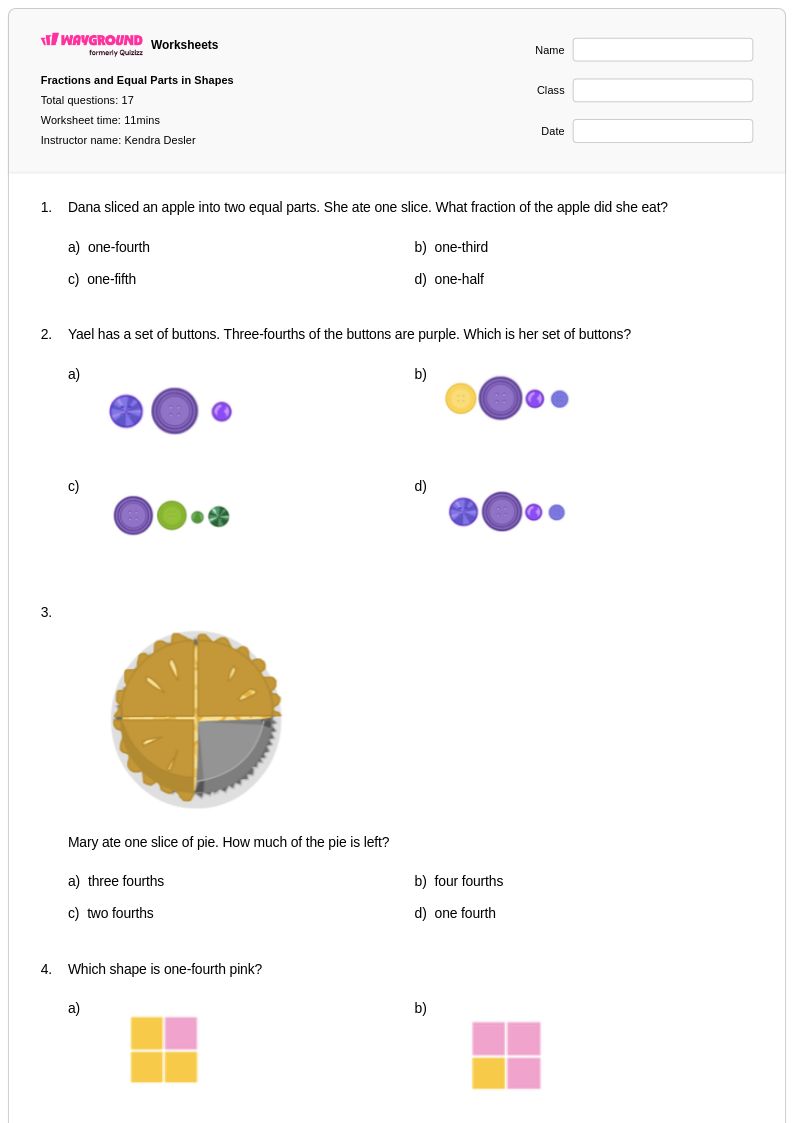
17 Q
2nd
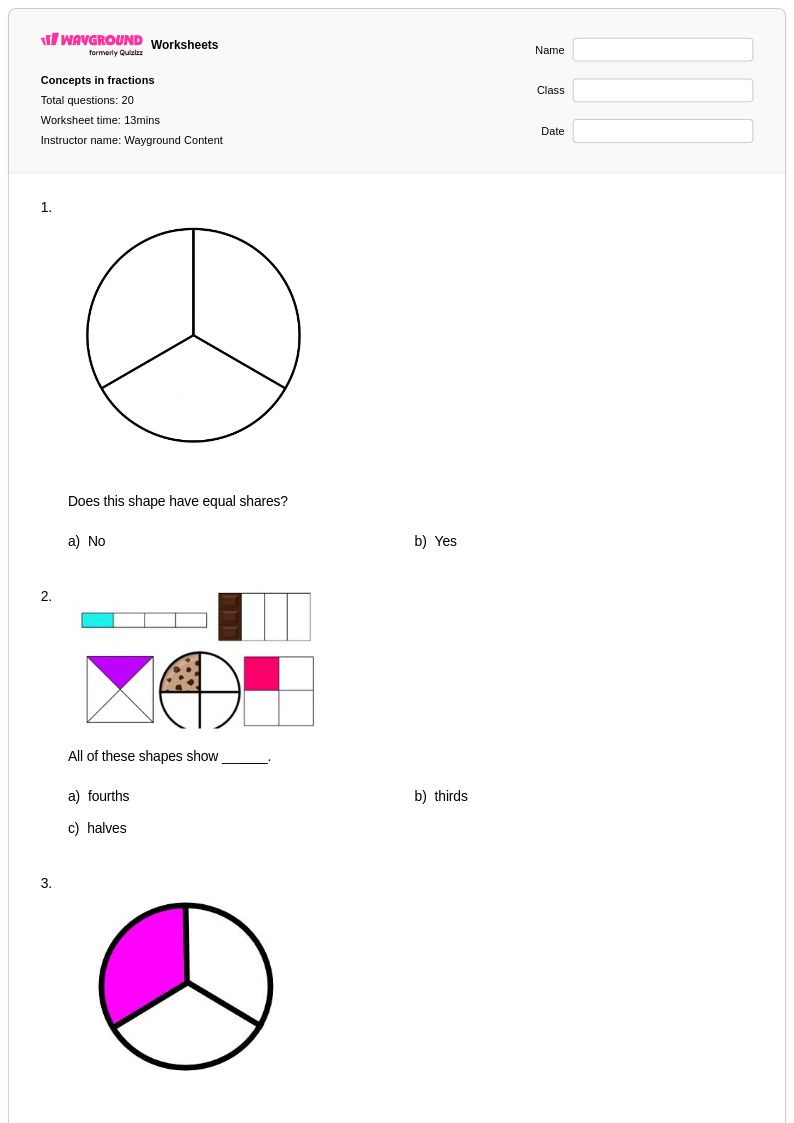
20 Q
2nd
Explore Fractions As Parts of a Set Worksheets by Grades
Explore Other Subject Worksheets for year 2
Explore printable Fractions As Parts of a Set worksheets for Year 2
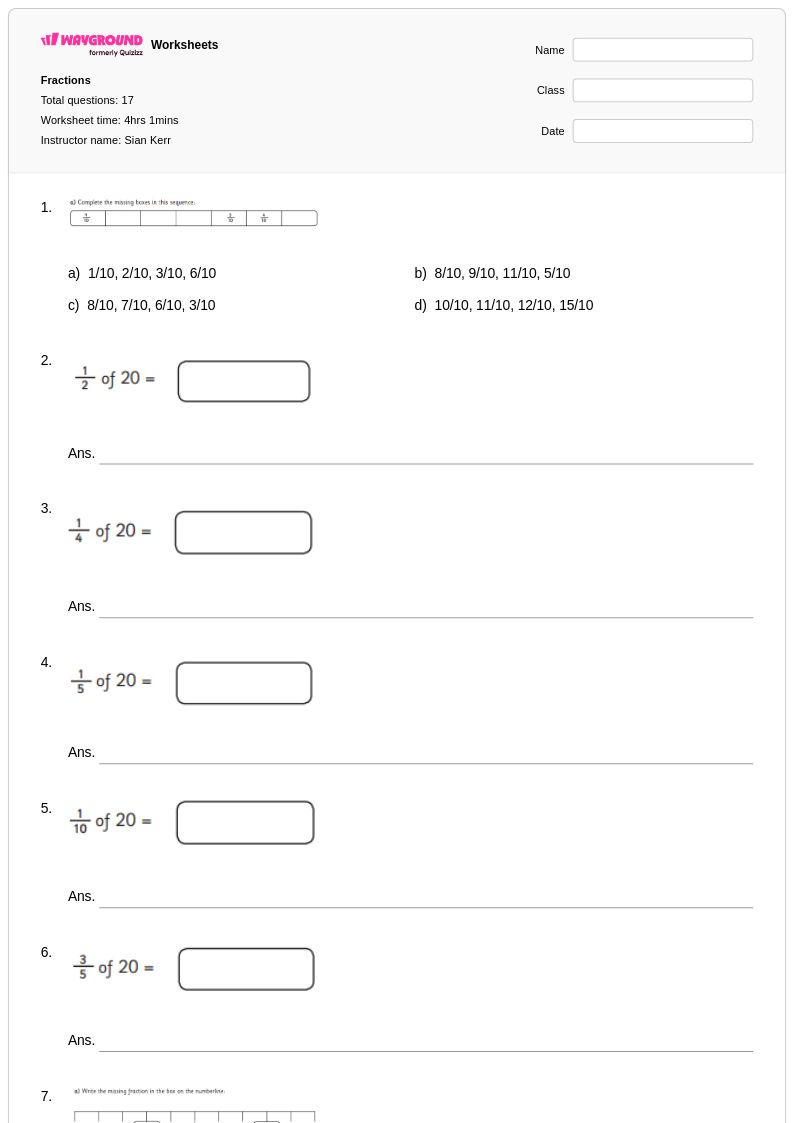
Fractions as parts of a set worksheets for Year 2 students available through Wayground (formerly Quizizz) provide essential foundational practice in understanding how fractions represent portions of collections or groups of objects. These carefully designed printable resources help young learners visualize fractional concepts by working with concrete sets of items such as toys, shapes, animals, or everyday objects, making abstract mathematical ideas more accessible and meaningful. The practice problems guide students through identifying and creating fractional parts within groups, strengthening their ability to recognize that fractions can describe not only parts of whole objects but also parts of entire collections. Each worksheet includes comprehensive answer keys and is available as free pdf downloads, allowing teachers to seamlessly integrate fraction practice into their mathematics instruction while building students' conceptual understanding through hands-on learning experiences.
Wayground's extensive collection of teacher-created fraction worksheets offers millions of resources specifically designed to support Year 2 mathematics instruction, with robust search and filtering capabilities that help educators quickly locate materials aligned with their specific curriculum standards and learning objectives. The platform's differentiation tools enable teachers to customize worksheets for diverse learning needs, providing options for both remediation and enrichment activities that can be delivered in printable pdf format or through digital assignments. Teachers benefit from the flexibility to modify practice problems, adjust difficulty levels, and create targeted skill-building exercises that address individual student needs, making lesson planning more efficient and effective. The comprehensive nature of these resources supports ongoing assessment and skill practice, allowing educators to track student progress in understanding fractions as parts of sets while providing multiple opportunities for reinforcement and mastery.
FAQs
What is the focus for fractions as parts of a set in Grade 2?
How can I help second graders move from identifying to creating fractional parts of a set?
What types of problems are on this Grade 2 worksheet?
What common errors should I look for in Grade 2?
How can I assign and grade this worksheet?