
Recommended Topics for you
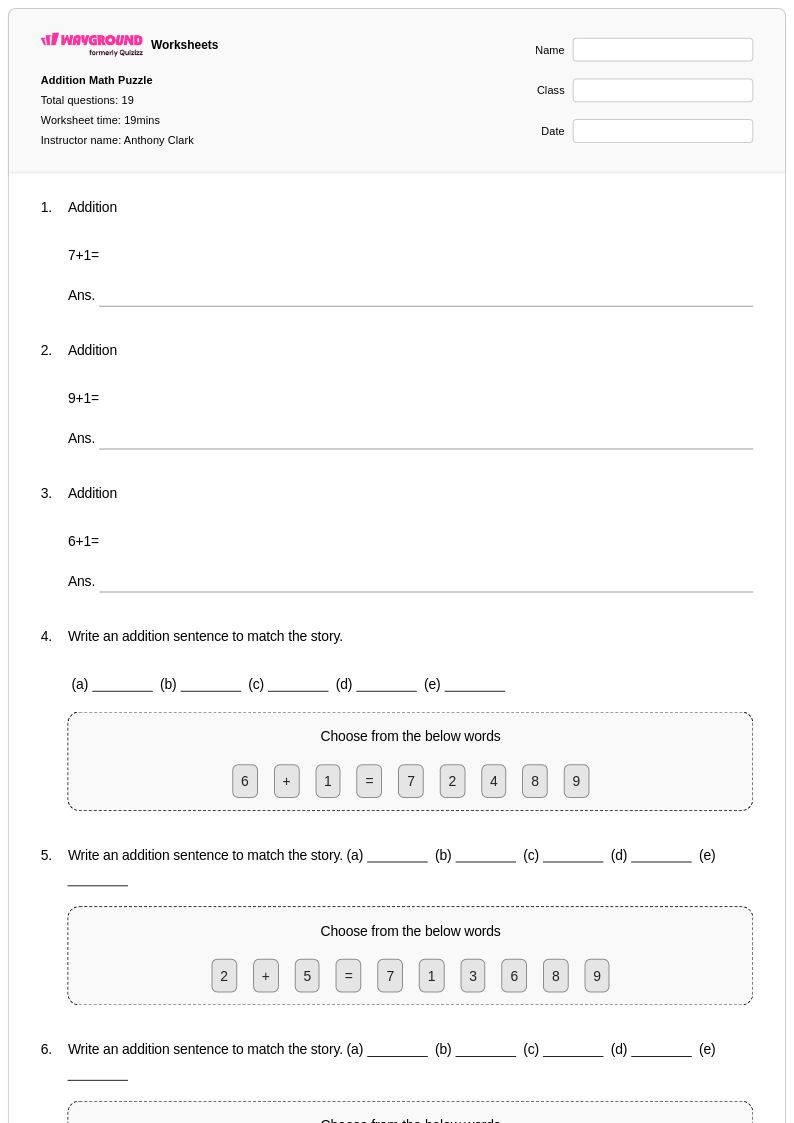
19 Q
2nd - Uni
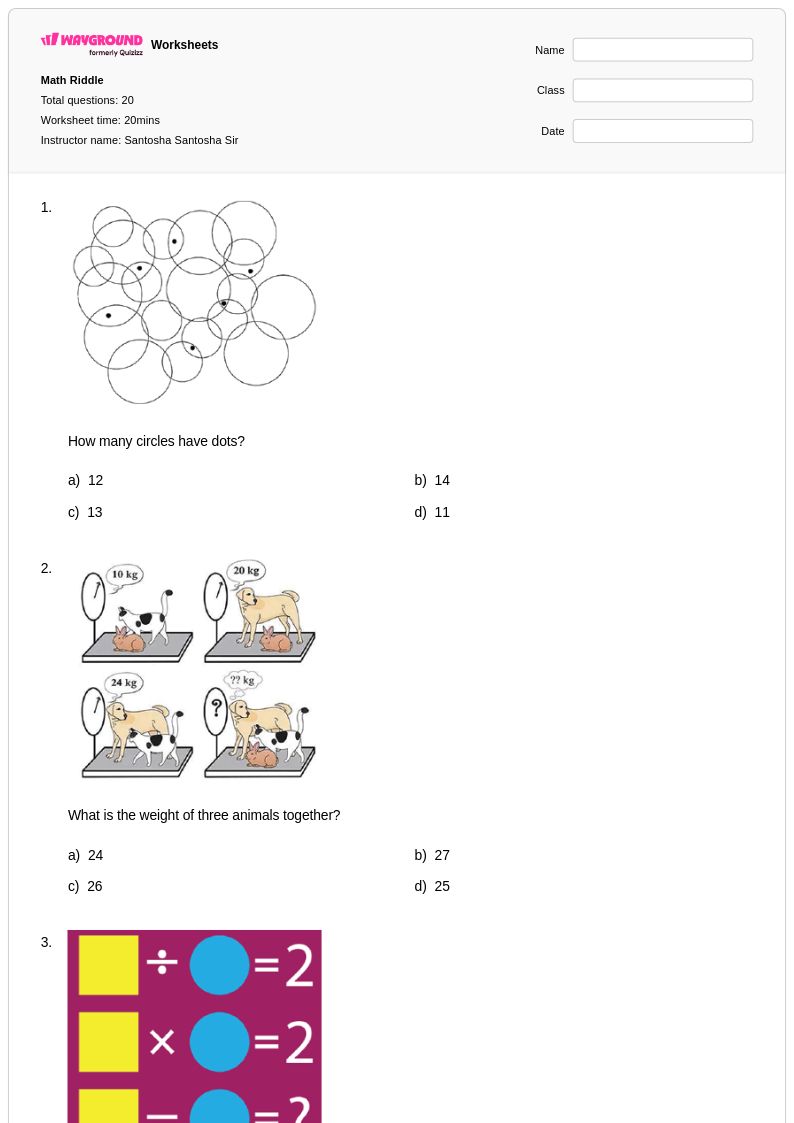
20 Q
1st - PD
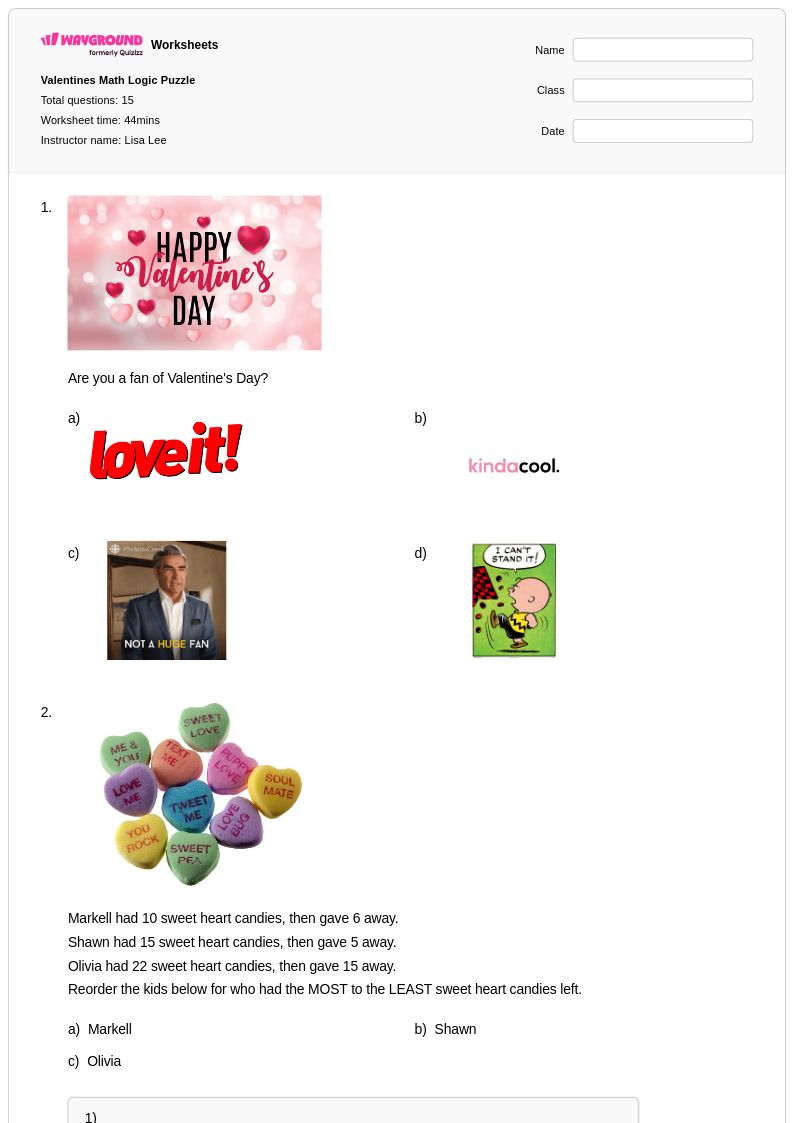
15 Q
2nd

15 Q
2nd
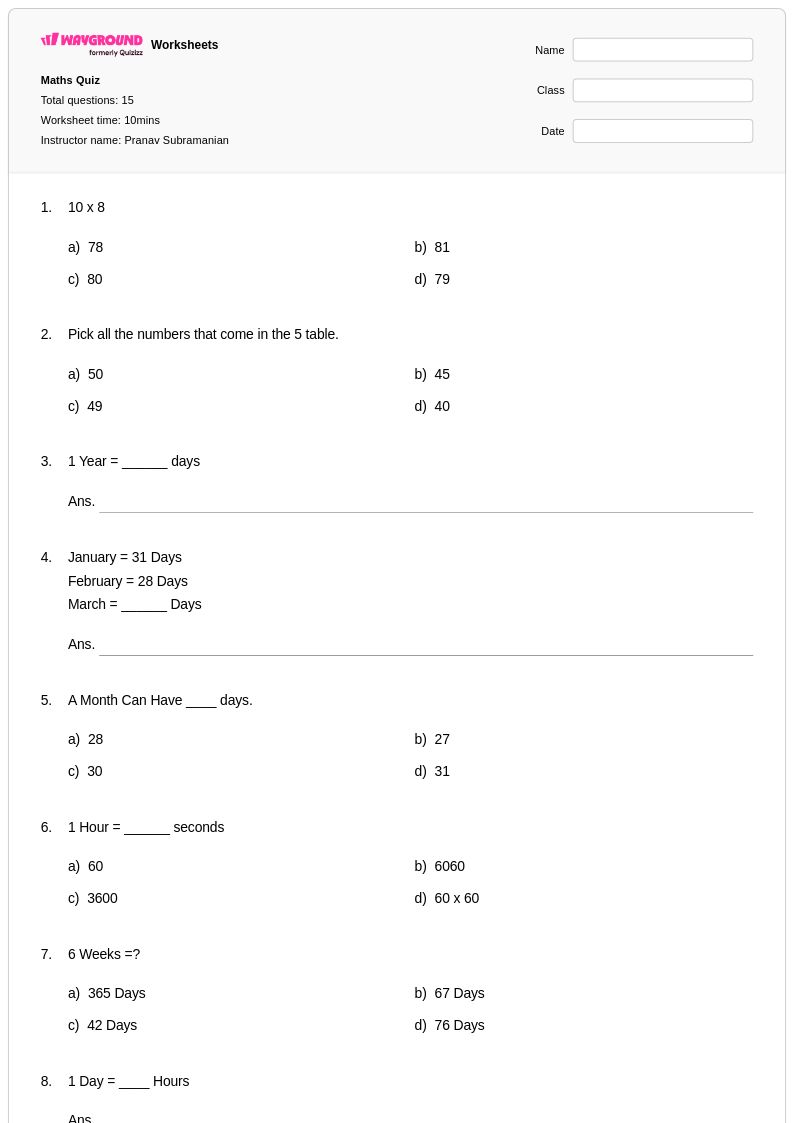
15 Q
2nd - 5th
10 Q
2nd
18 Q
2nd
10 Q
2nd
10 Q
2nd
9 Q
1st - 3rd
10 Q
2nd
10 Q
2nd
28 Q
2nd
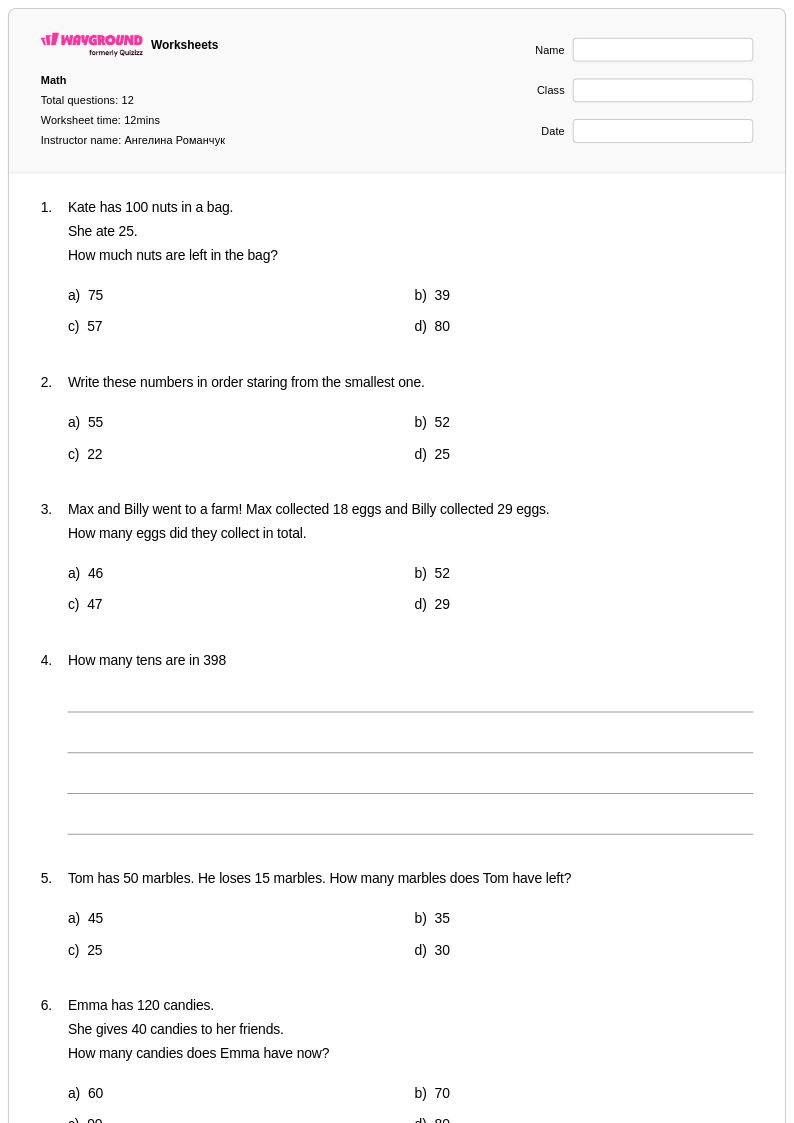
12 Q
2nd
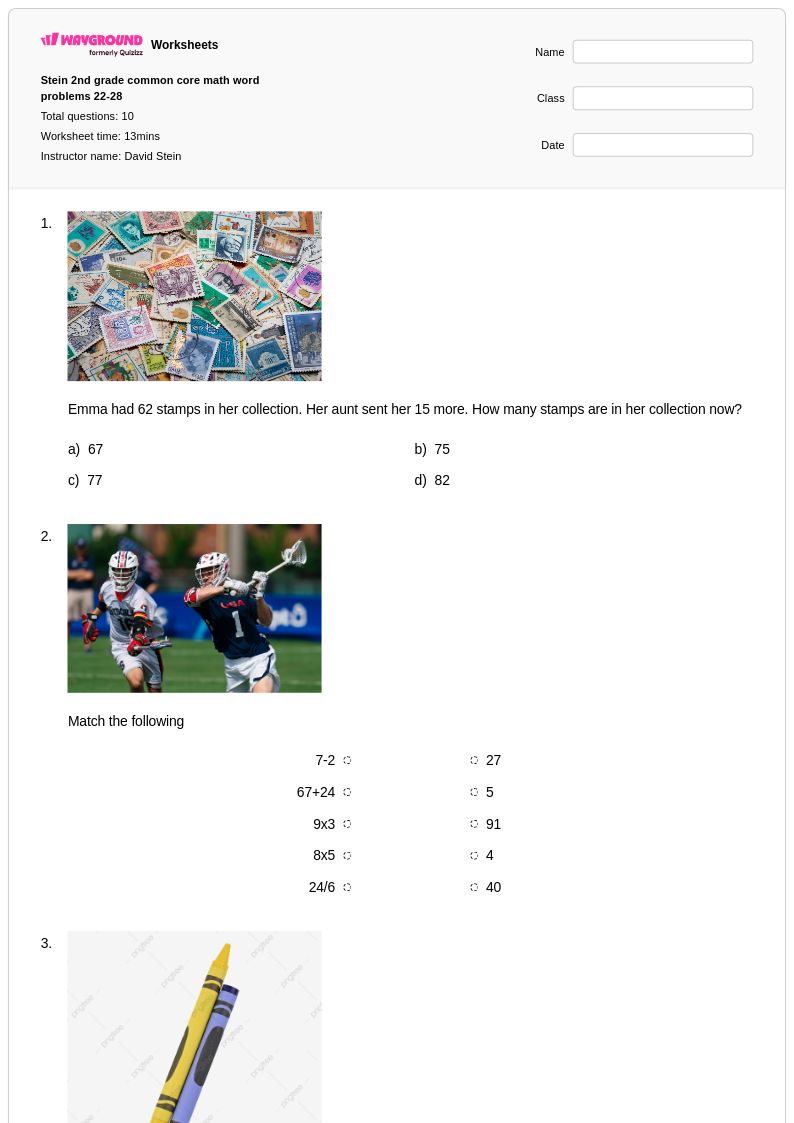
10 Q
2nd
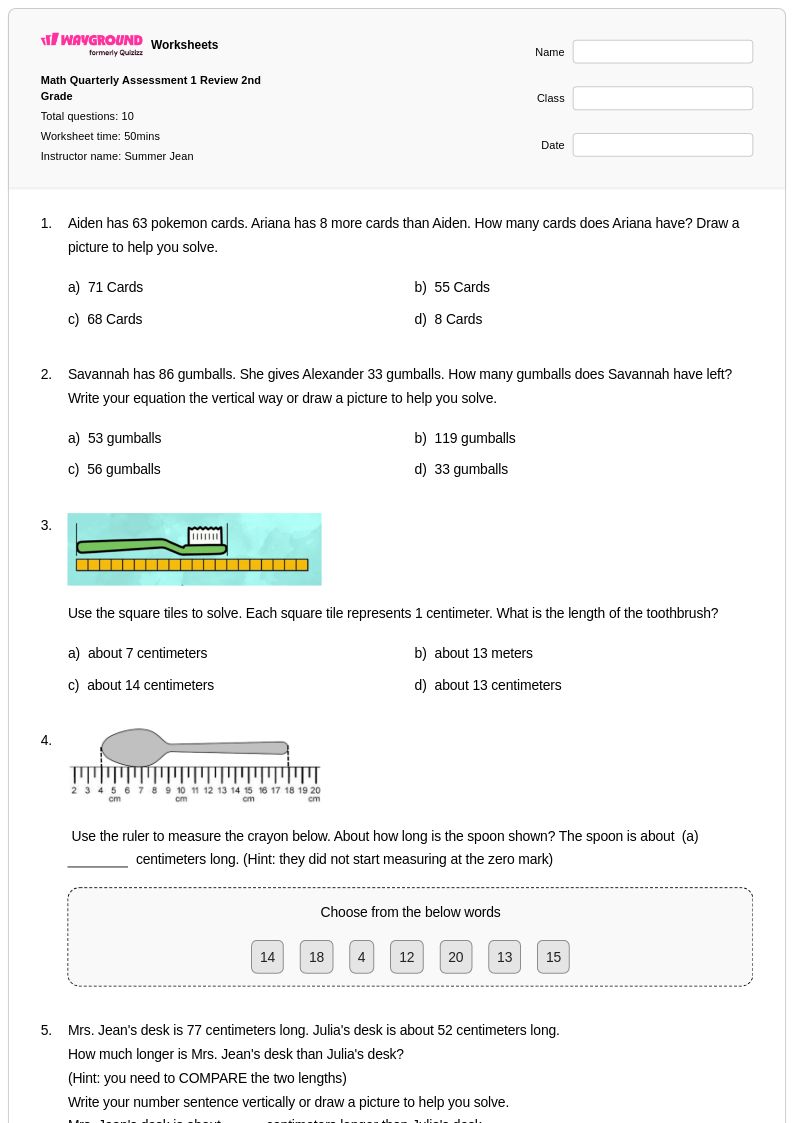
10 Q
2nd
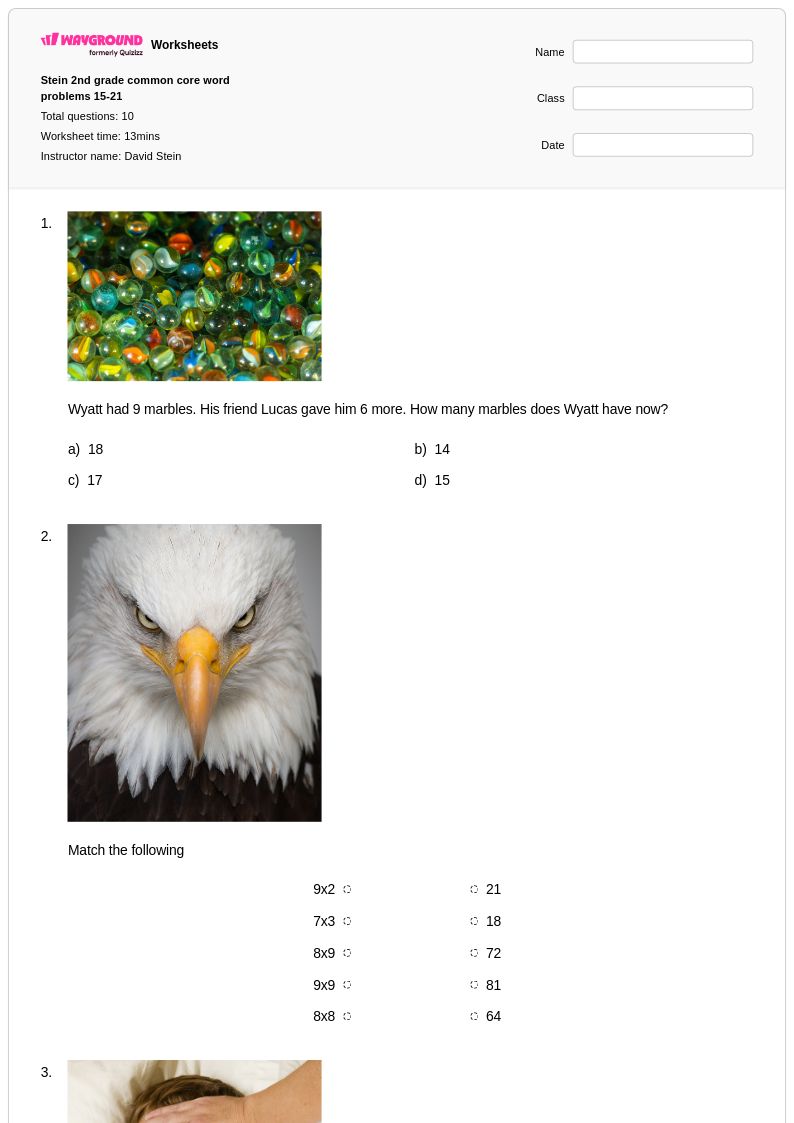
10 Q
2nd
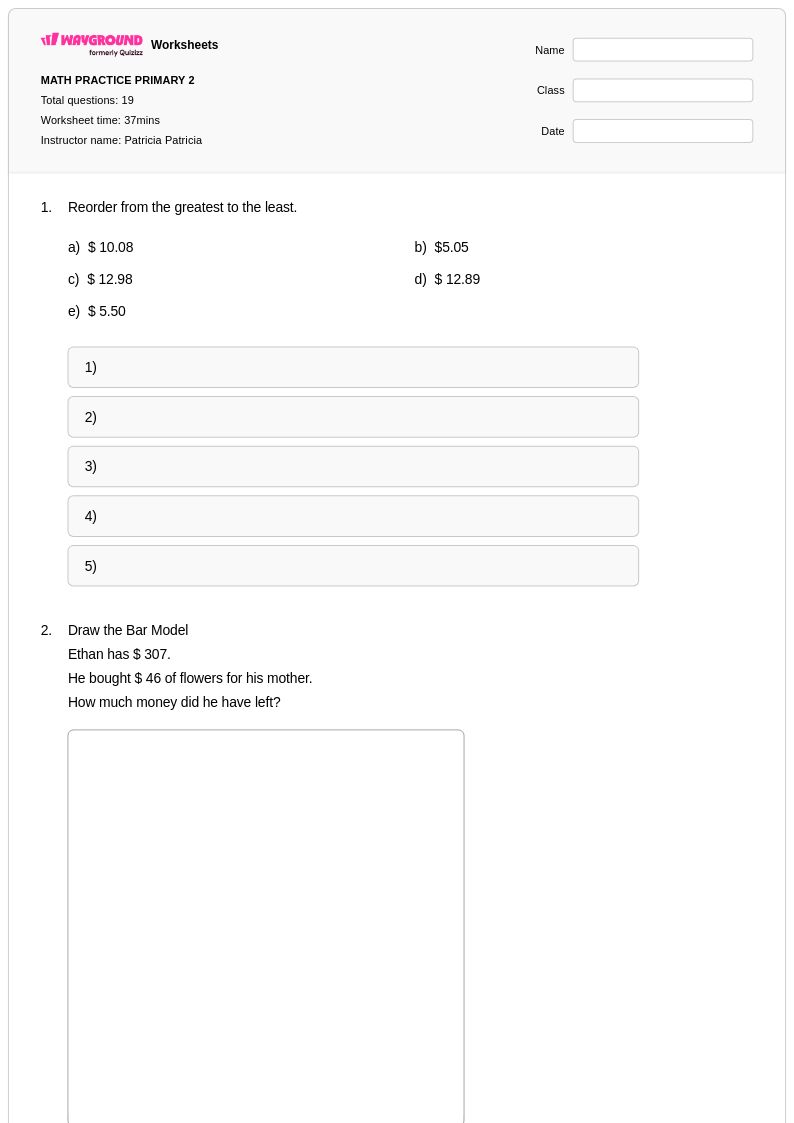
19 Q
2nd
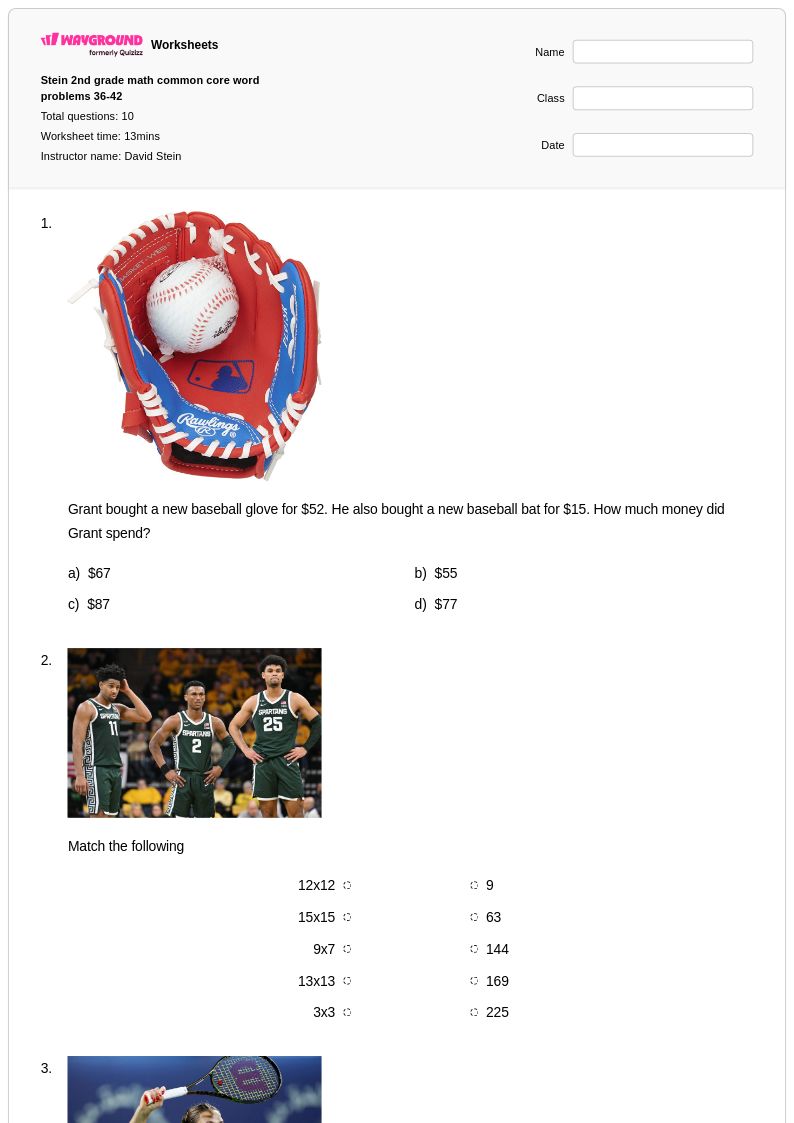
10 Q
2nd
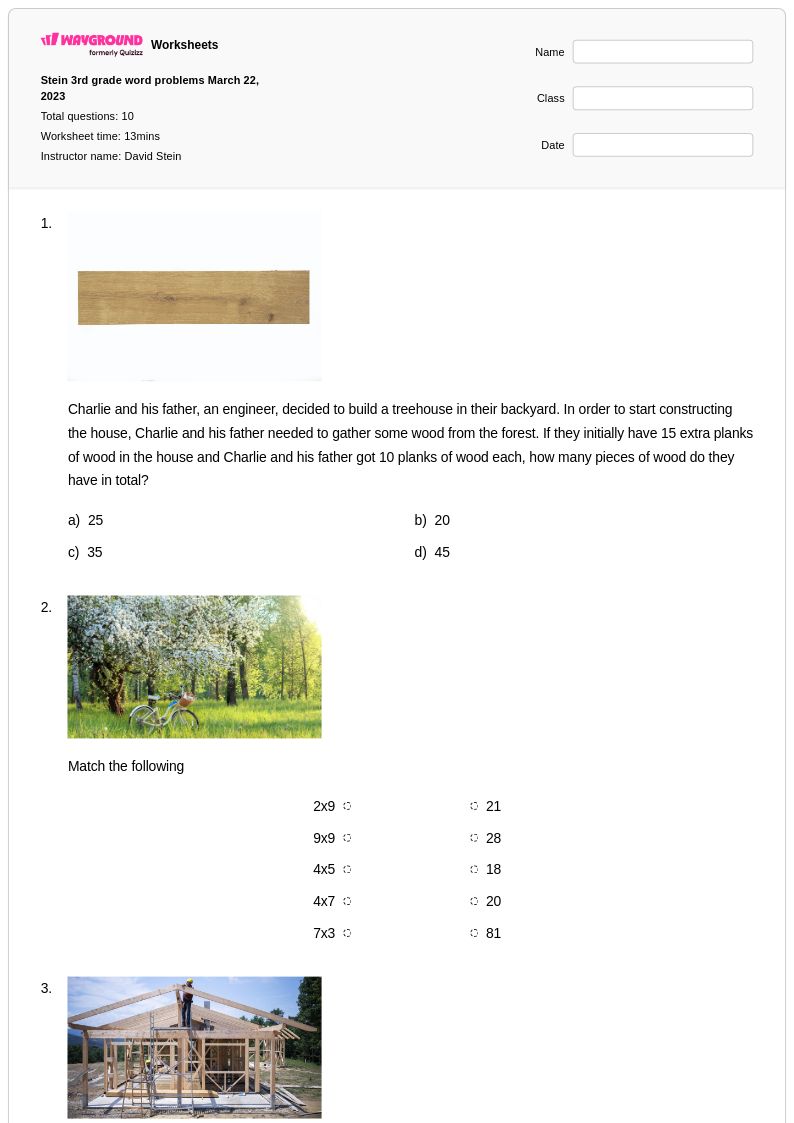
10 Q
2nd
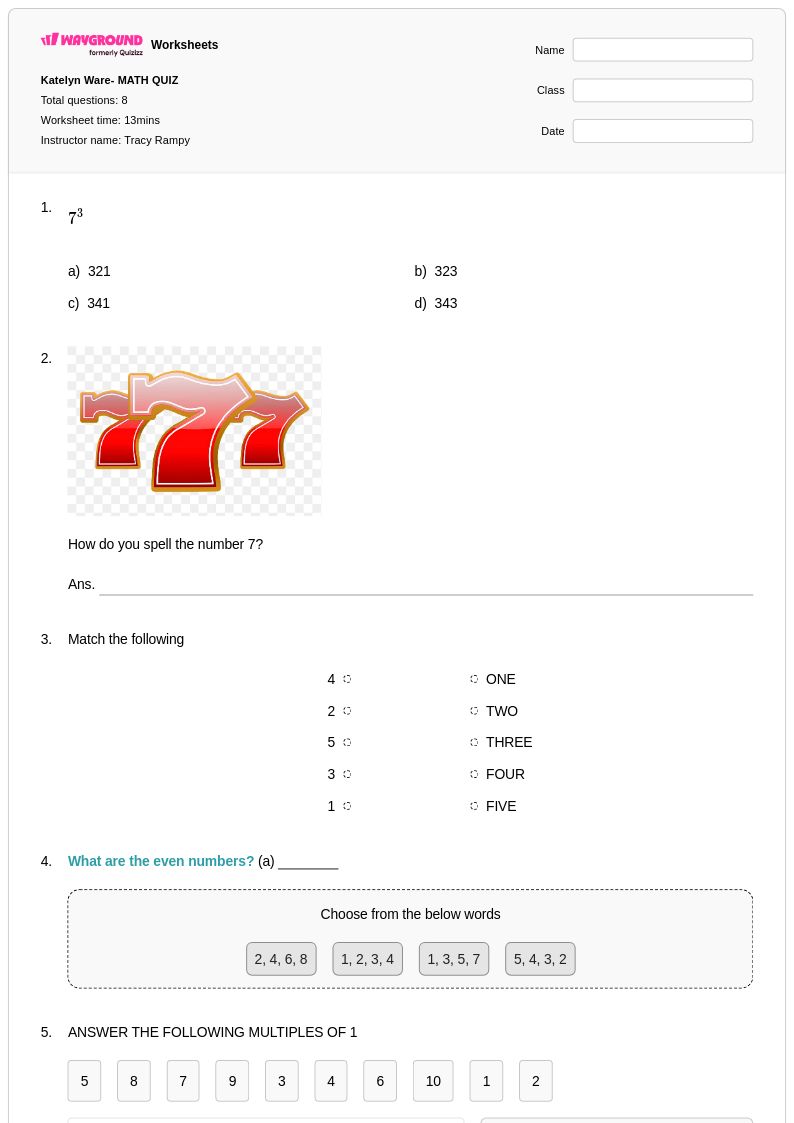
8 Q
2nd
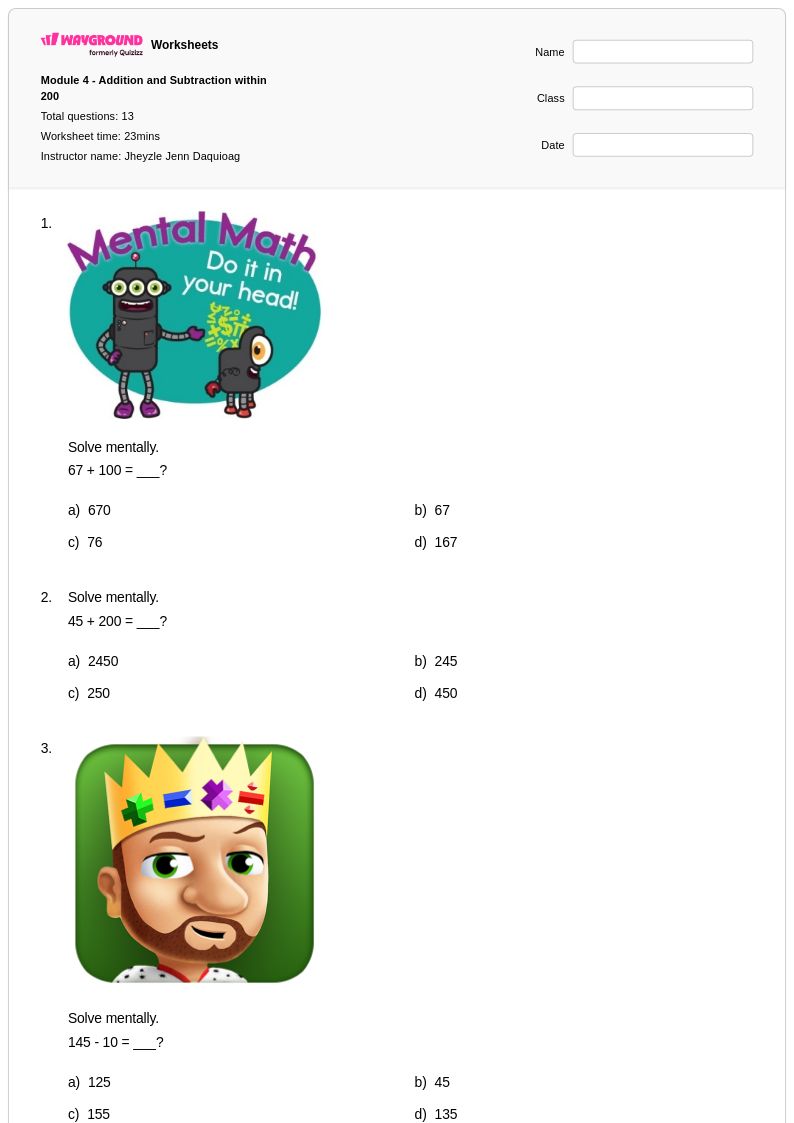
13 Q
2nd
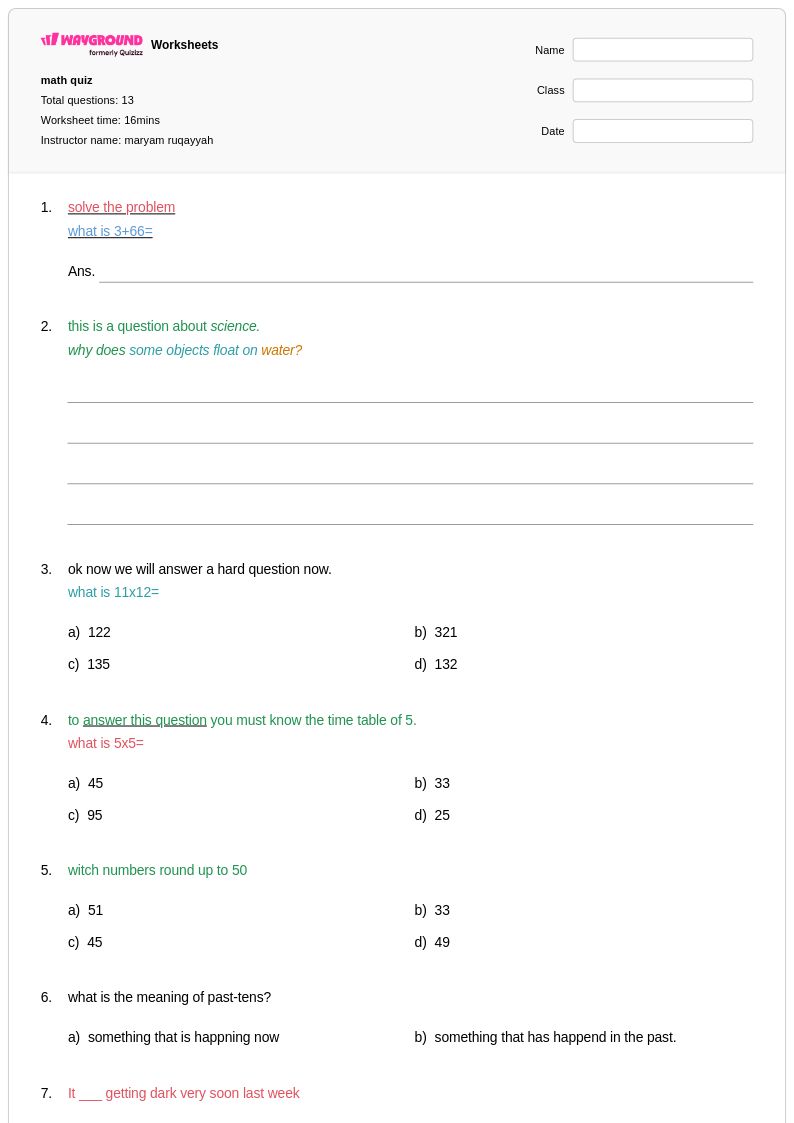
13 Q
2nd
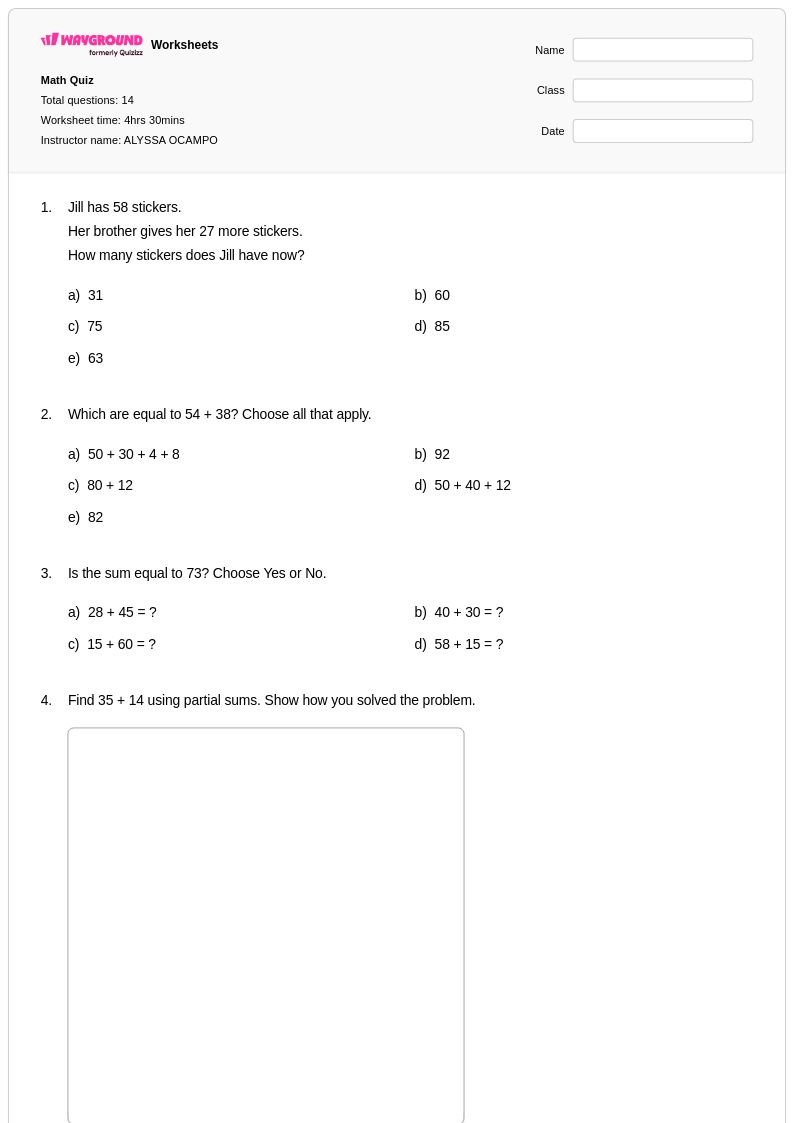
14 Q
2nd
Explore Math Puzzles Worksheets by Grades
Explore Math Puzzles Worksheets for year 2 by Topic
Explore Other Subject Worksheets for year 2
Explore printable Math Puzzles worksheets for Year 2
Math puzzles for Year 2 students available through Wayground (formerly Quizizz) provide engaging problem-solving experiences that strengthen critical thinking and mathematical reasoning skills. These carefully designed worksheets challenge young learners to apply their understanding of basic arithmetic, patterns, shapes, and logical sequences through interactive brain teasers and visual challenges. Each worksheet serves the academic purpose of developing analytical thinking while reinforcing foundational math concepts, helping second graders build confidence in their problem-solving abilities. The collection includes comprehensive practice problems with detailed answer keys, making these free printables valuable resources for both classroom instruction and independent study, with pdf formats ensuring easy accessibility and distribution.
Wayground (formerly Quizizz) empowers educators with an extensive library of millions of teacher-created math puzzle worksheets specifically designed for Year 2 learners. The platform's robust search and filtering capabilities allow teachers to quickly locate age-appropriate puzzles that align with curriculum standards and match their students' skill levels. Advanced differentiation tools enable educators to customize content for diverse learning needs, while the availability of both printable and digital formats, including downloadable pdfs, provides maximum flexibility for lesson planning and delivery. These comprehensive features streamline the process of incorporating engaging math puzzles into instruction, whether for whole-class activities, targeted remediation, enrichment opportunities, or regular skill practice sessions that keep young mathematicians motivated and challenged.
FAQs
What grade are these math puzzles for?
What specific Grade 2 math skills do these puzzles practice?
How can math puzzles support students who struggle with word problems?
How do these puzzles align with Grade 2 math standards?
How can I use these Grade 2 math puzzle worksheets?
How can I support diverse learners with these puzzles?