
10 Q
3rd - 6th
8 Q
2nd - 5th
16 Q
KG - 5th
15 Q
KG - PD
8 Q
3rd
8 Q
3rd - 12th
6 Q
KG - PD
14 Q
KG - 5th
10 Q
3rd - 6th
8 Q
1st - 12th
10 Q
3rd - 6th
16 Q
1st - PD
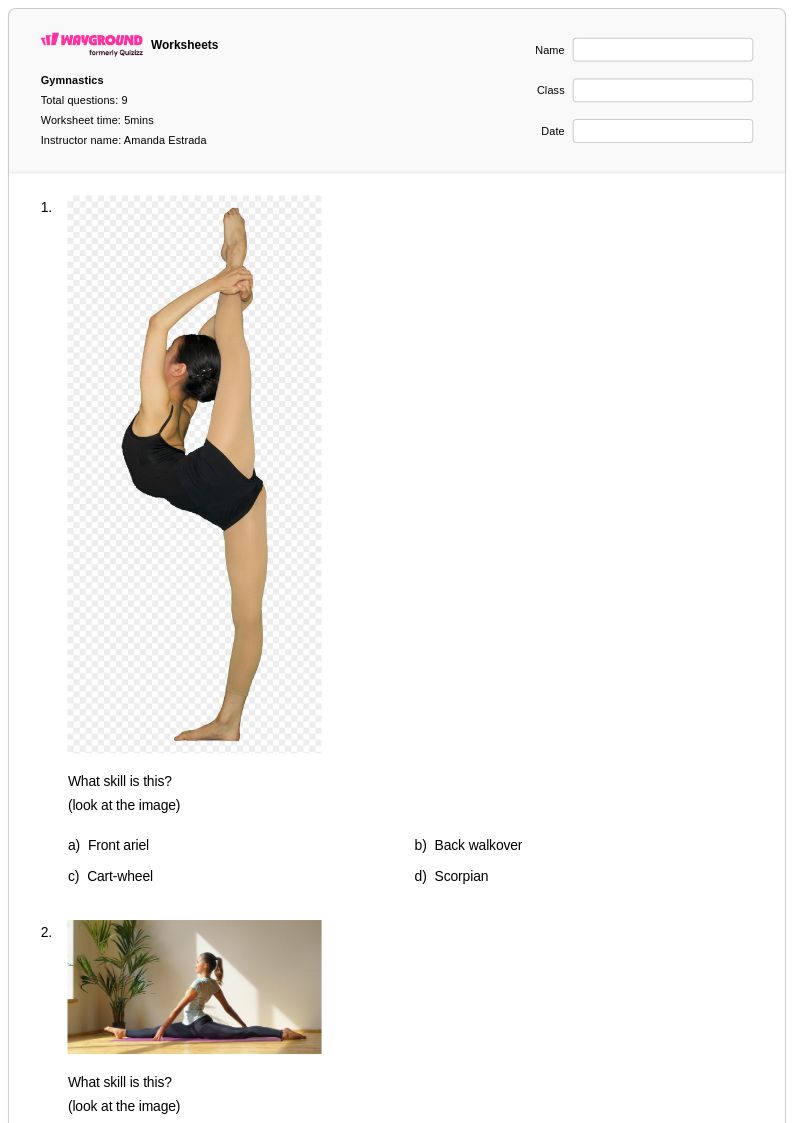
9 Q
KG - 8th
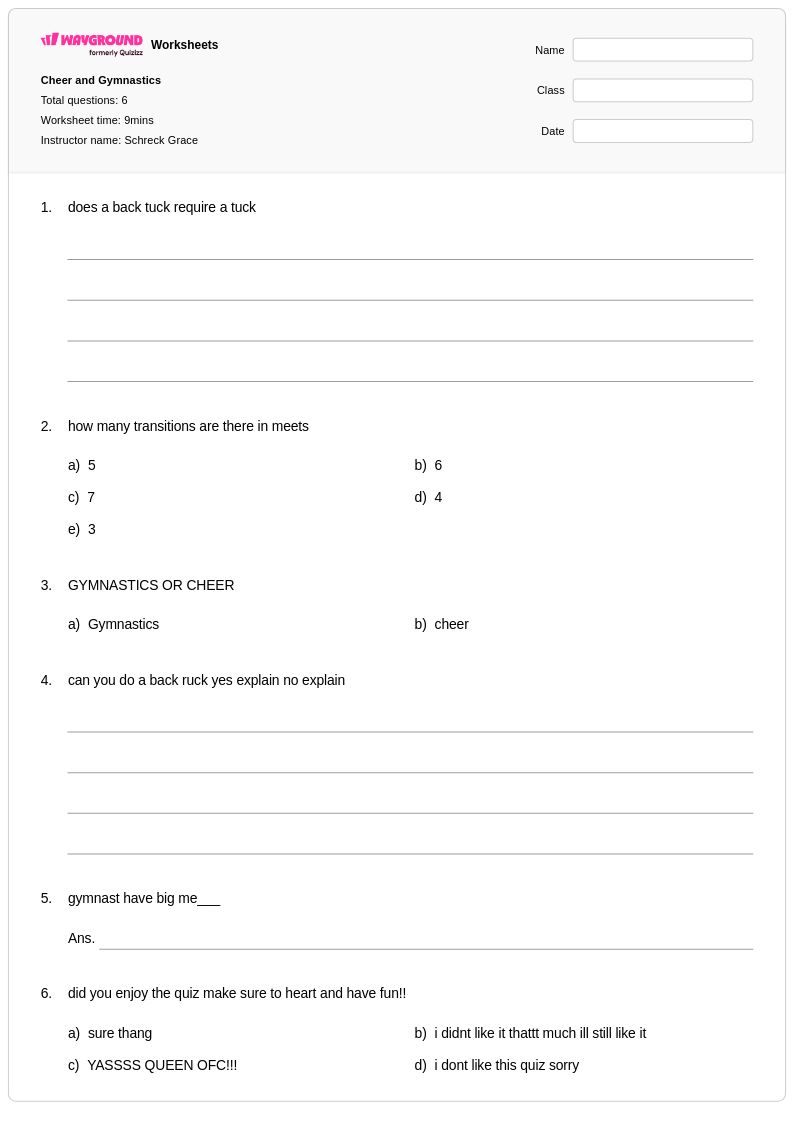
6 Q
1st - 12th
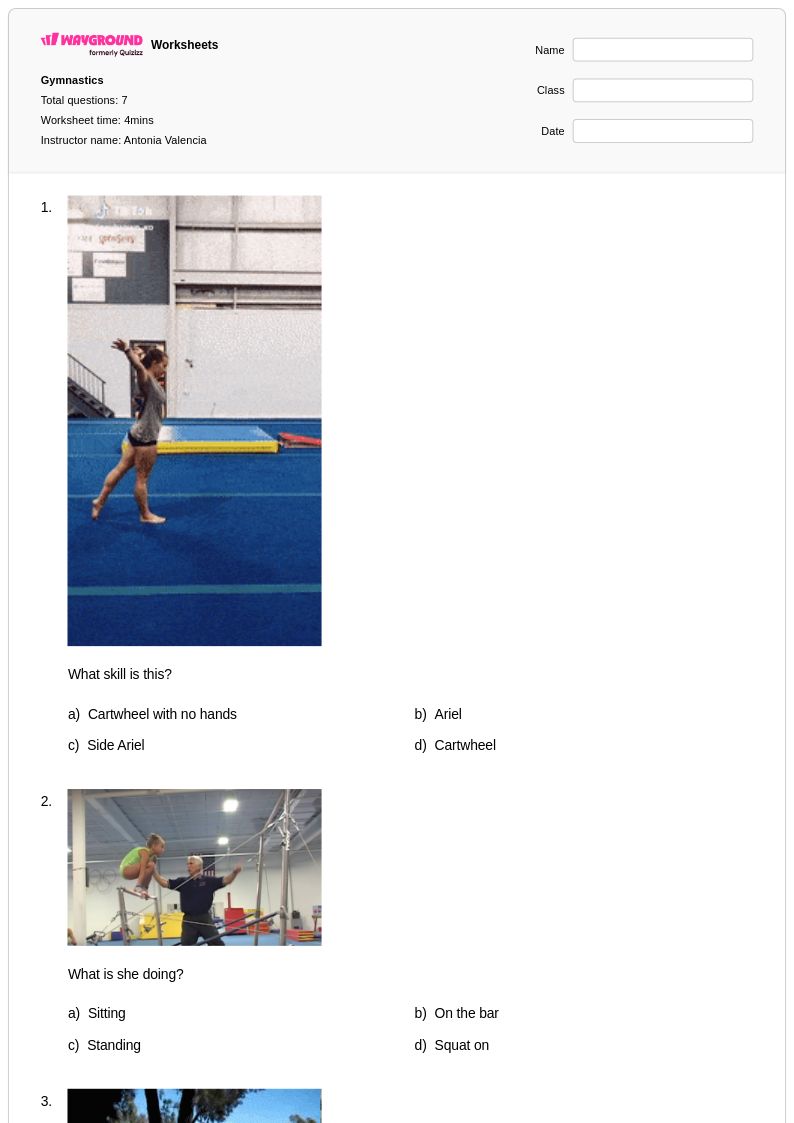
7 Q
KG - PD
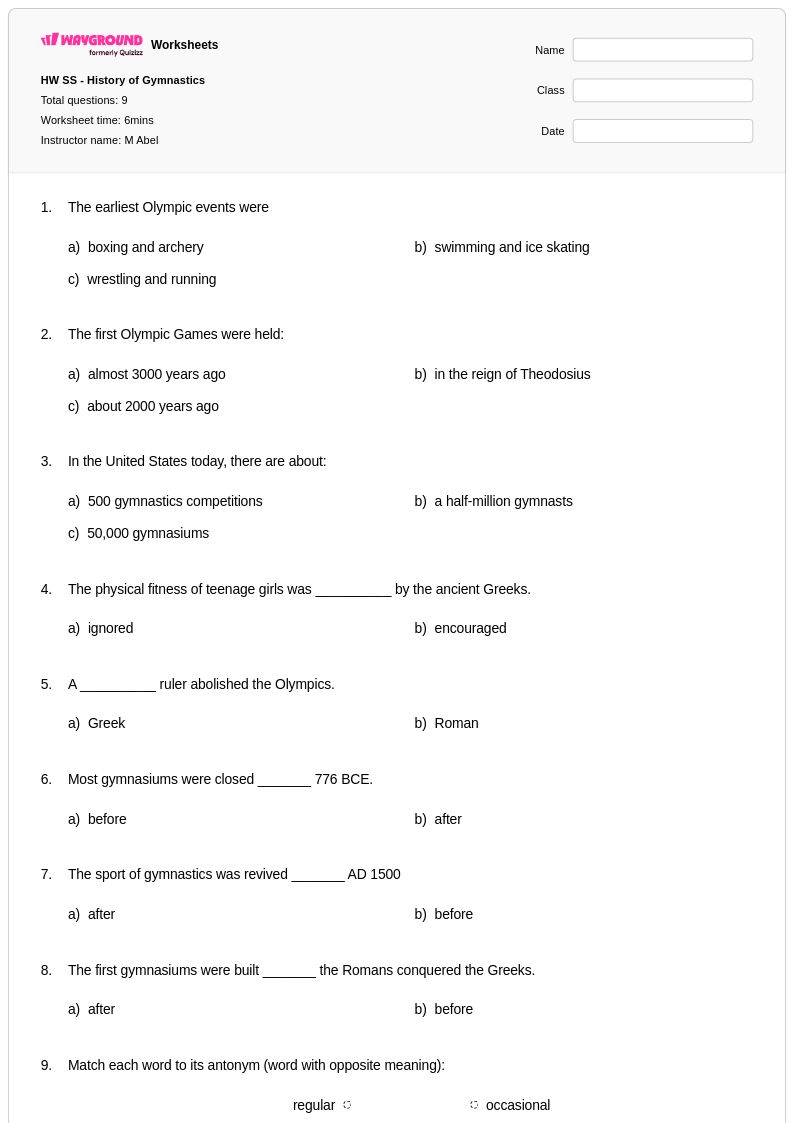
9 Q
3rd
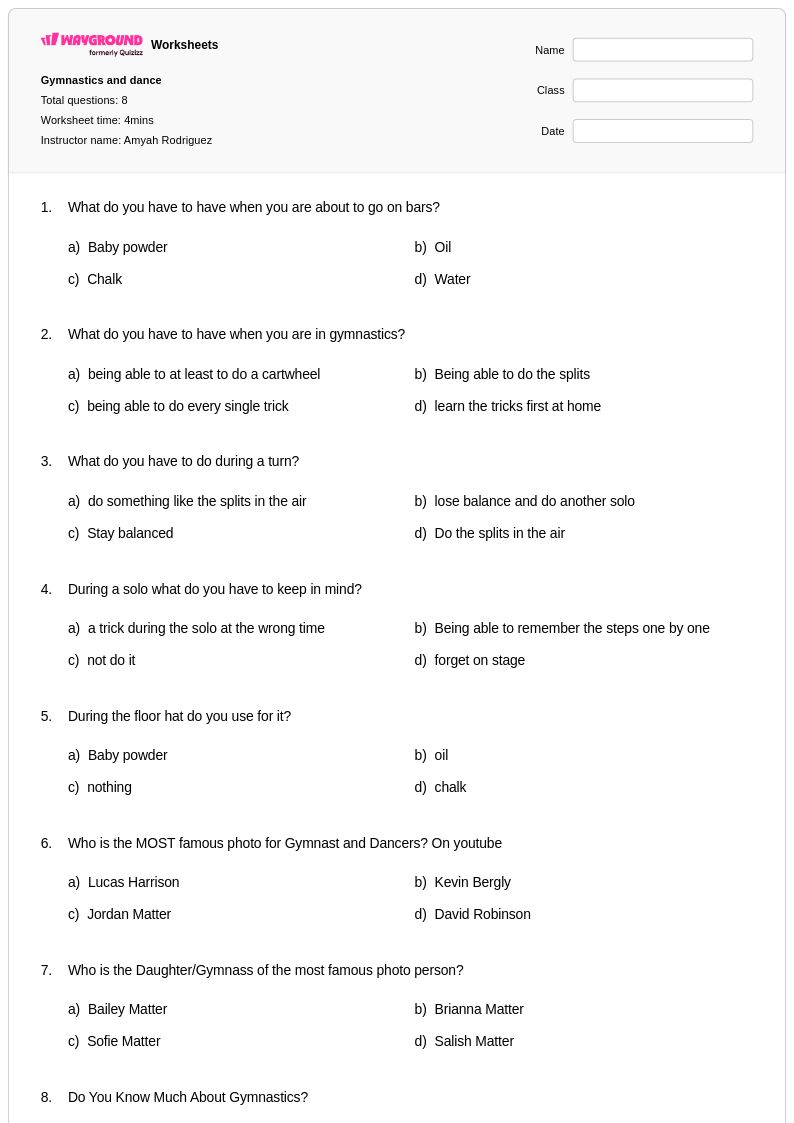
8 Q
3rd
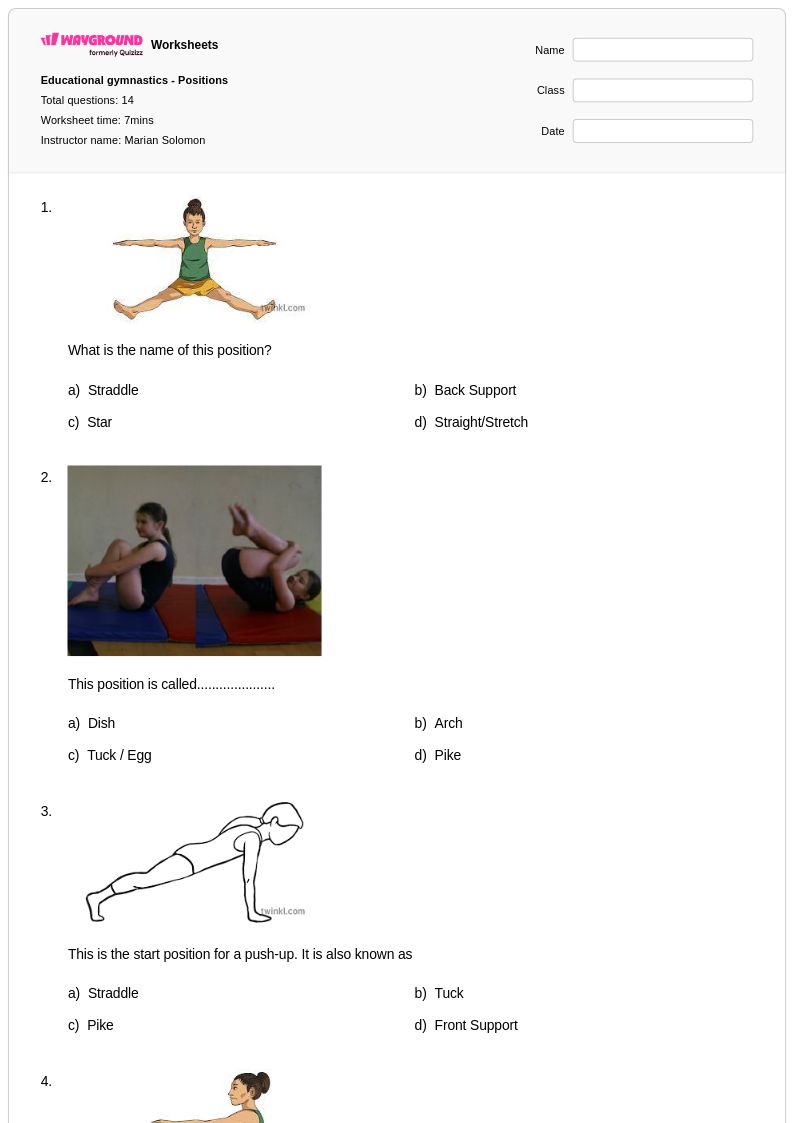
14 Q
2nd - 7th
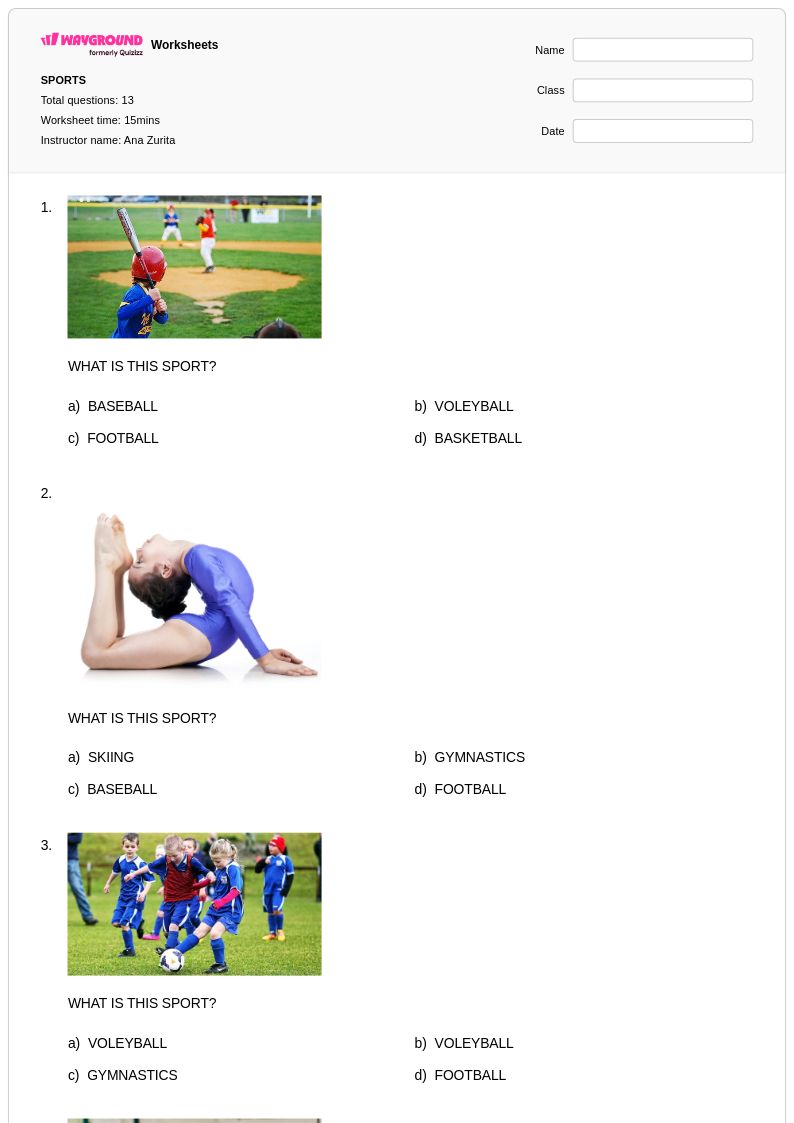
13 Q
3rd
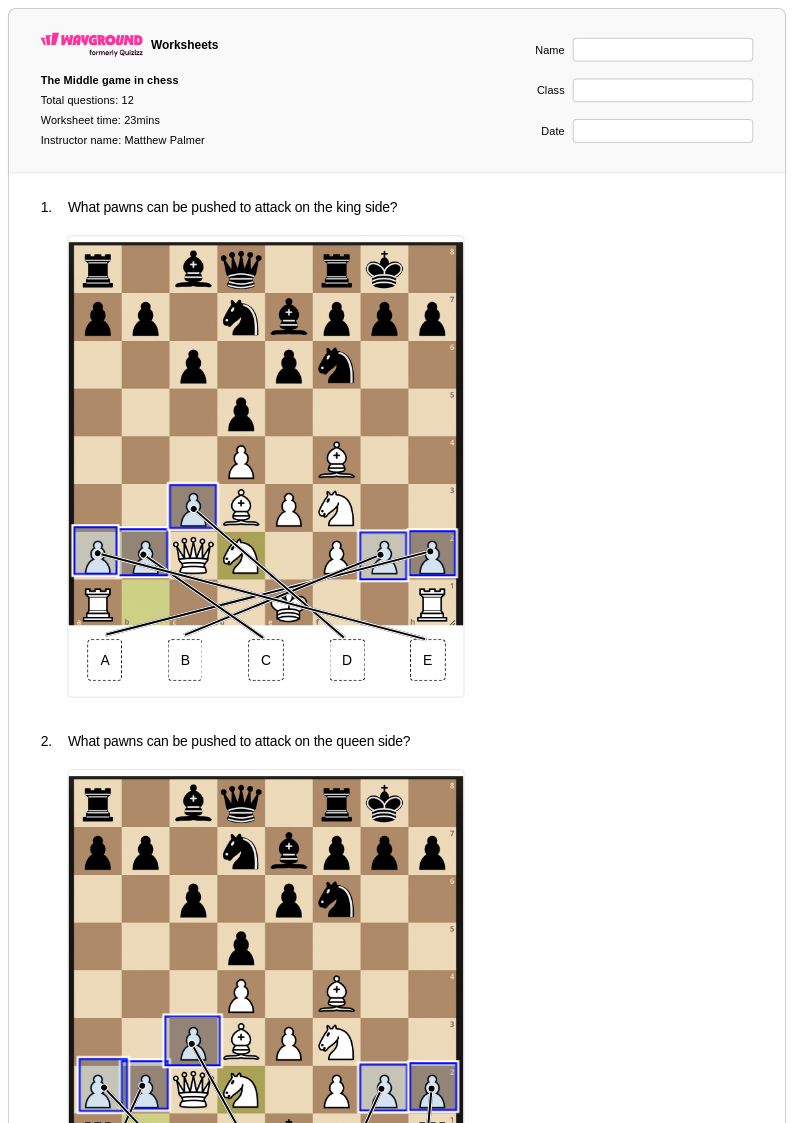
12 Q
3rd
20 Q
3rd
13 Q
3rd
20 Q
3rd - 6th
10 Q
3rd
Explore Gymnastics Worksheets by Grades
Explore Other Subject Worksheets for year 3
Explore printable Gymnastics worksheets for Year 3
Gymnastics worksheets for Year 3 students available through Wayground (formerly Quizizz) provide comprehensive educational resources that introduce young learners to the fundamental concepts, terminology, and safety principles of gymnastics. These carefully designed practice problems help third-grade students develop understanding of basic gymnastics positions, equipment identification, movement patterns, and essential safety rules through engaging activities and visual exercises. The printable worksheets strengthen students' ability to recognize proper form, understand sequencing in gymnastics routines, and apply safety knowledge in physical activity settings. Each free resource includes detailed answer keys that support both independent learning and guided instruction, making these pdf materials valuable tools for reinforcing classroom lessons and building foundational knowledge in gymnastics education.
Wayground (formerly Quizizz) empowers physical education teachers with access to millions of teacher-created resources specifically designed for gymnastics instruction at the elementary level. The platform's robust search and filtering capabilities allow educators to quickly locate worksheets that align with curriculum standards and match their students' developmental needs. Teachers can customize these digital and printable materials to support differentiated instruction, whether providing remediation for students who need additional practice with basic concepts or offering enrichment activities for advanced learners. The flexible pdf format ensures seamless integration into lesson planning, enabling educators to deliver targeted skill practice that reinforces proper gymnastics terminology, safety protocols, and movement fundamentals while accommodating diverse learning styles and classroom environments.
FAQs
How do I teach gymnastics concepts in a classroom or PE setting?
What topics do gymnastics worksheets typically cover?
What exercises help students practice gymnastics skills and terminology on paper?
What mistakes do students commonly make when learning gymnastics concepts?
How can I differentiate gymnastics worksheets for students with different skill levels or learning needs?
How do I use Wayground's gymnastics worksheets in my class?