
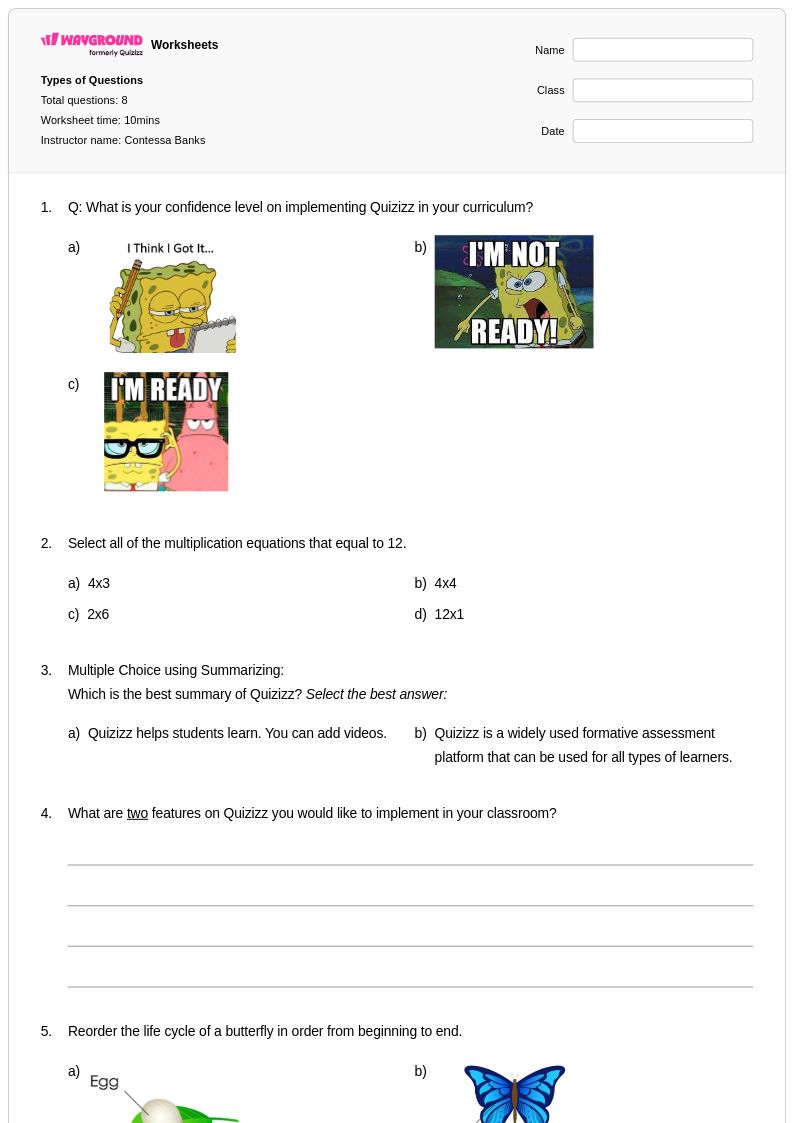
8 Q
1st - 5th
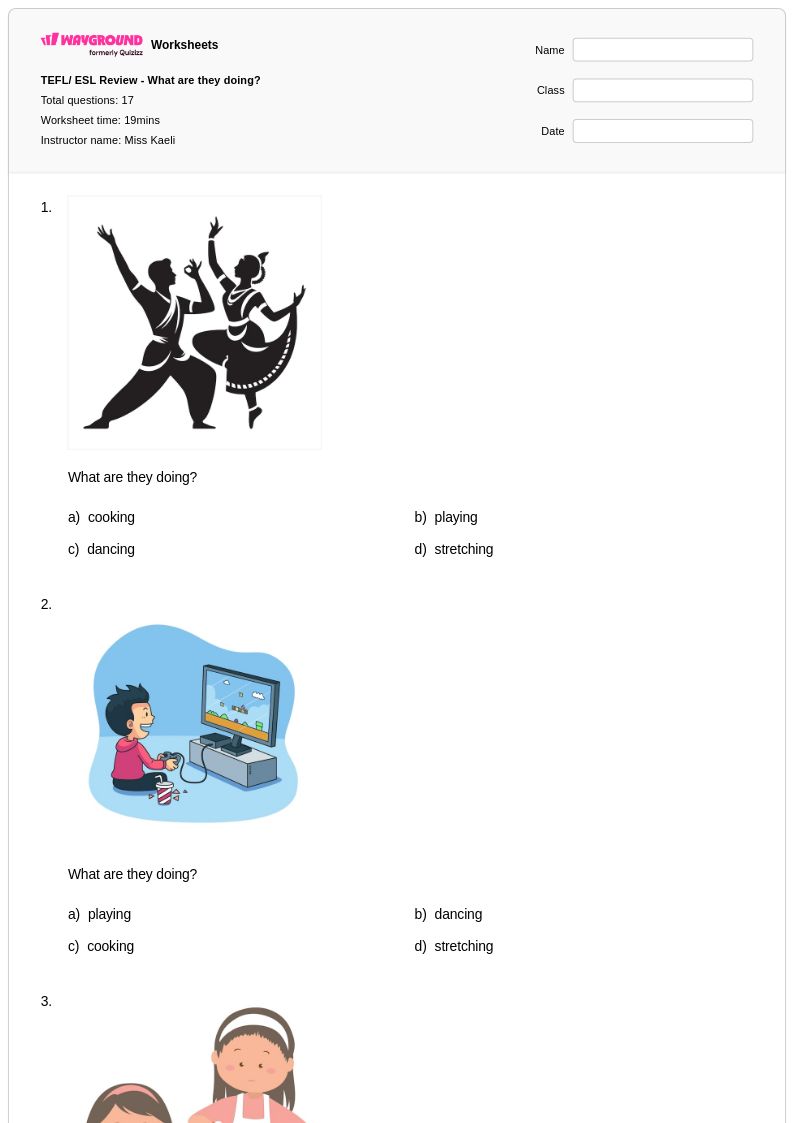
17 Q
1st - 5th
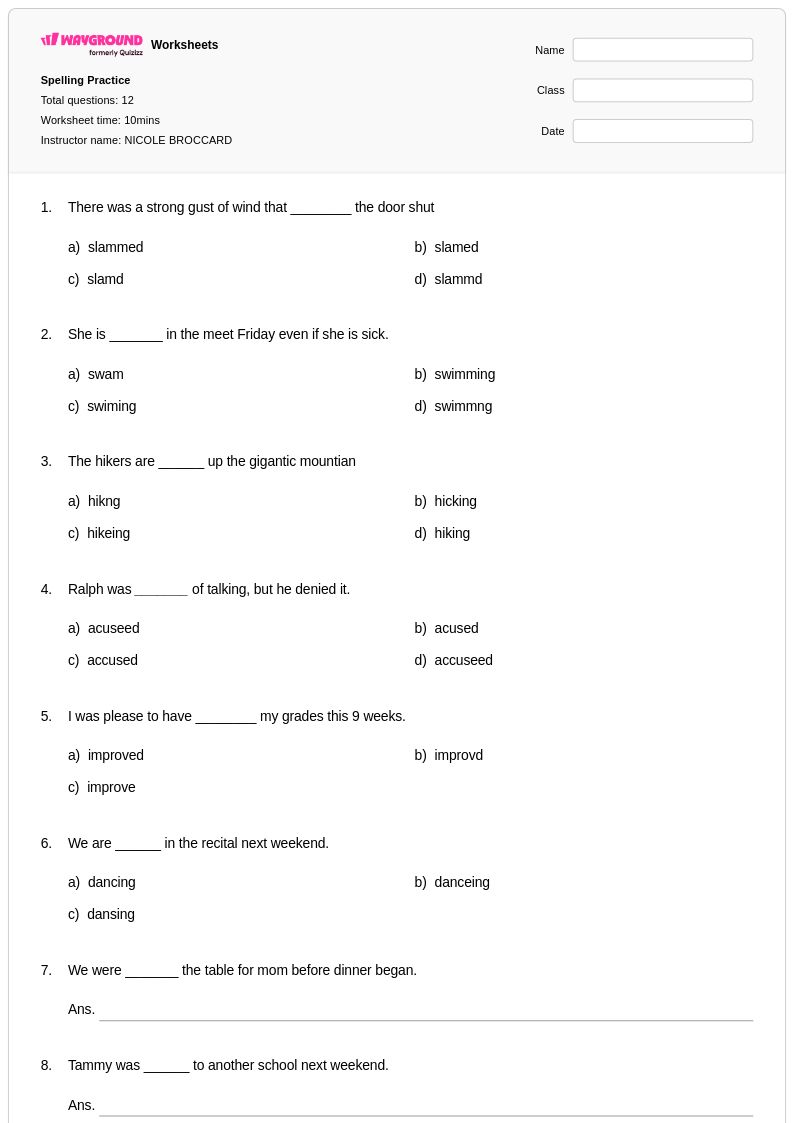
12 Q
3rd
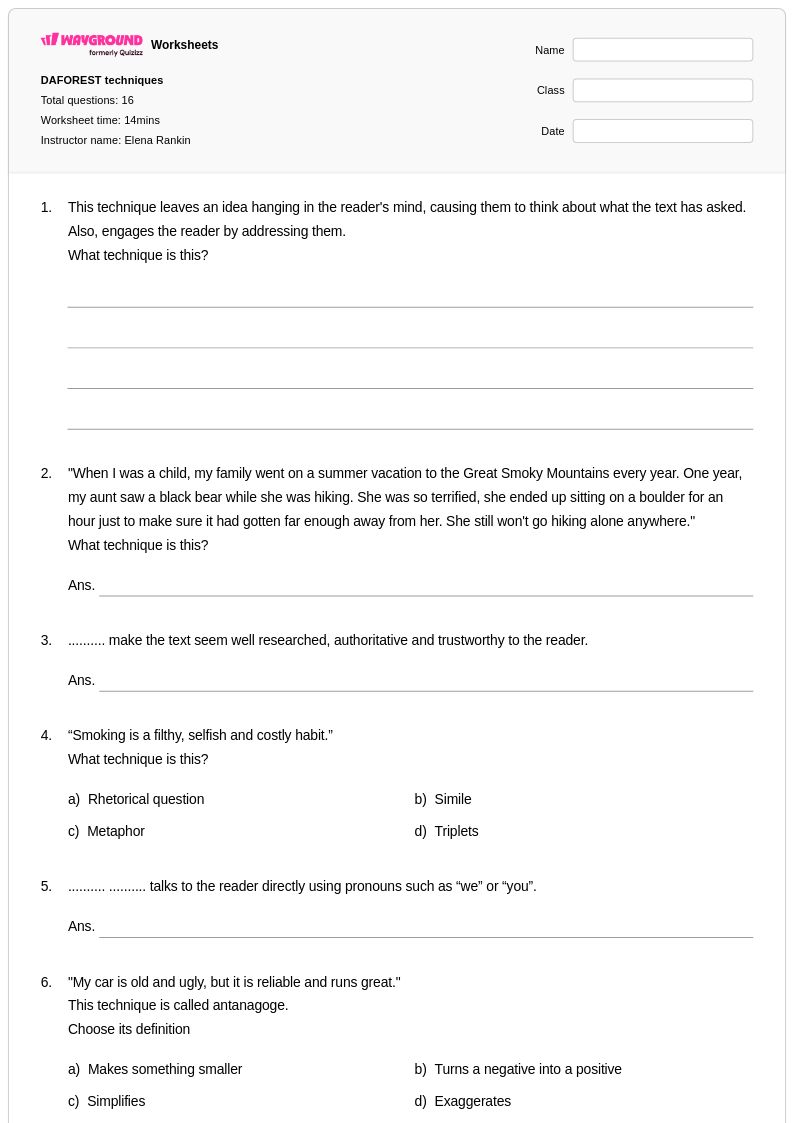
16 Q
3rd
20 Q
1st - 5th
10 Q
3rd
8 Q
3rd
10 Q
3rd
15 Q
3rd
22 Q
3rd

20 Q
1st - 5th
12 Q
2nd - Uni
13 Q
1st - 4th
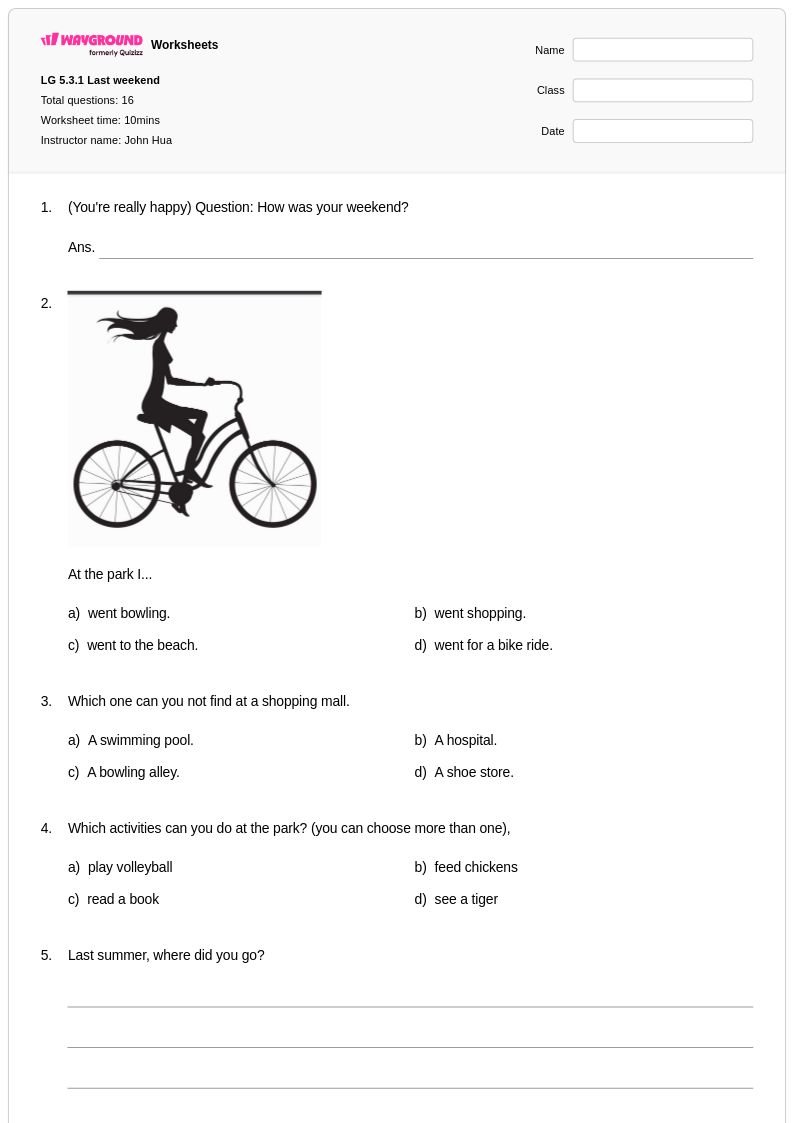
16 Q
3rd - 4th
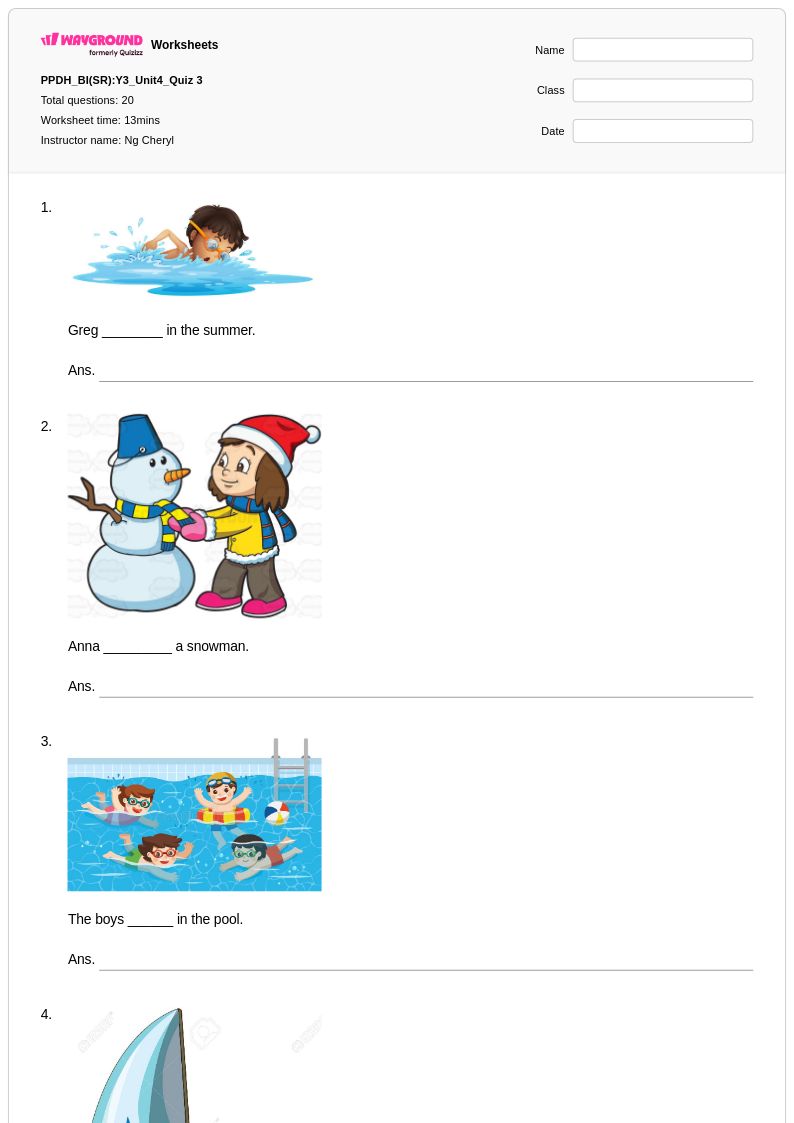
20 Q
3rd
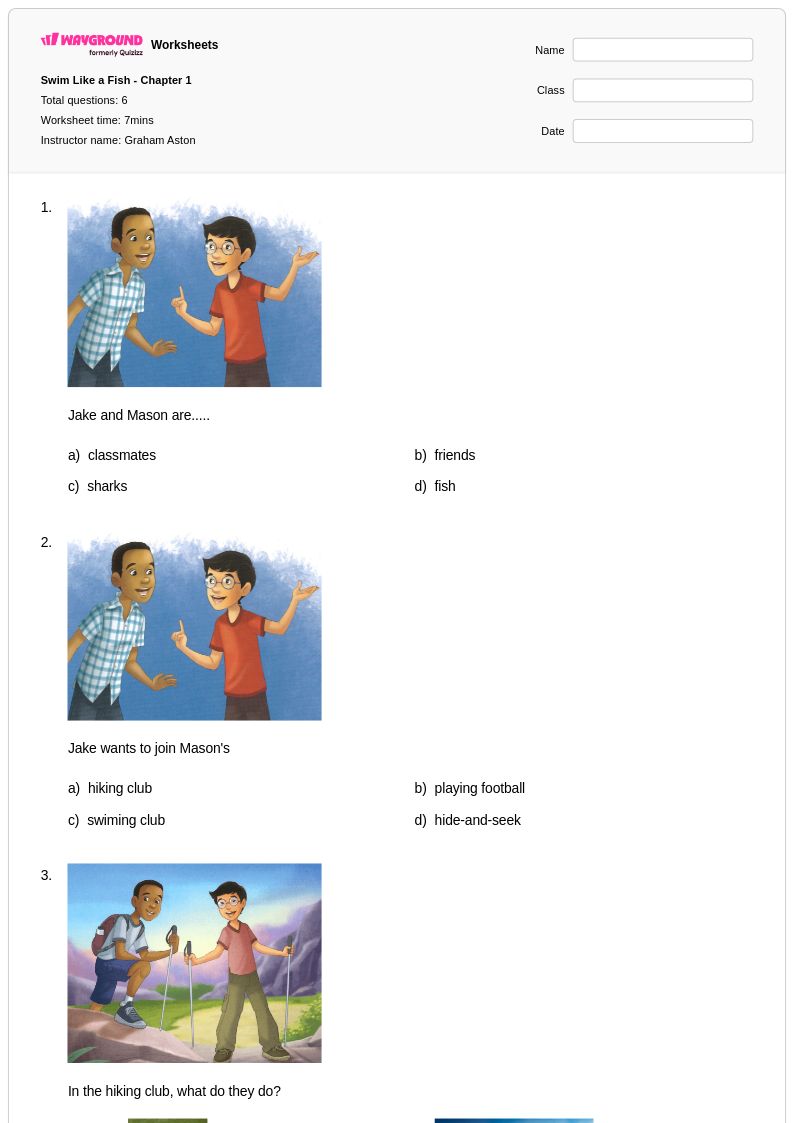
6 Q
3rd - 8th
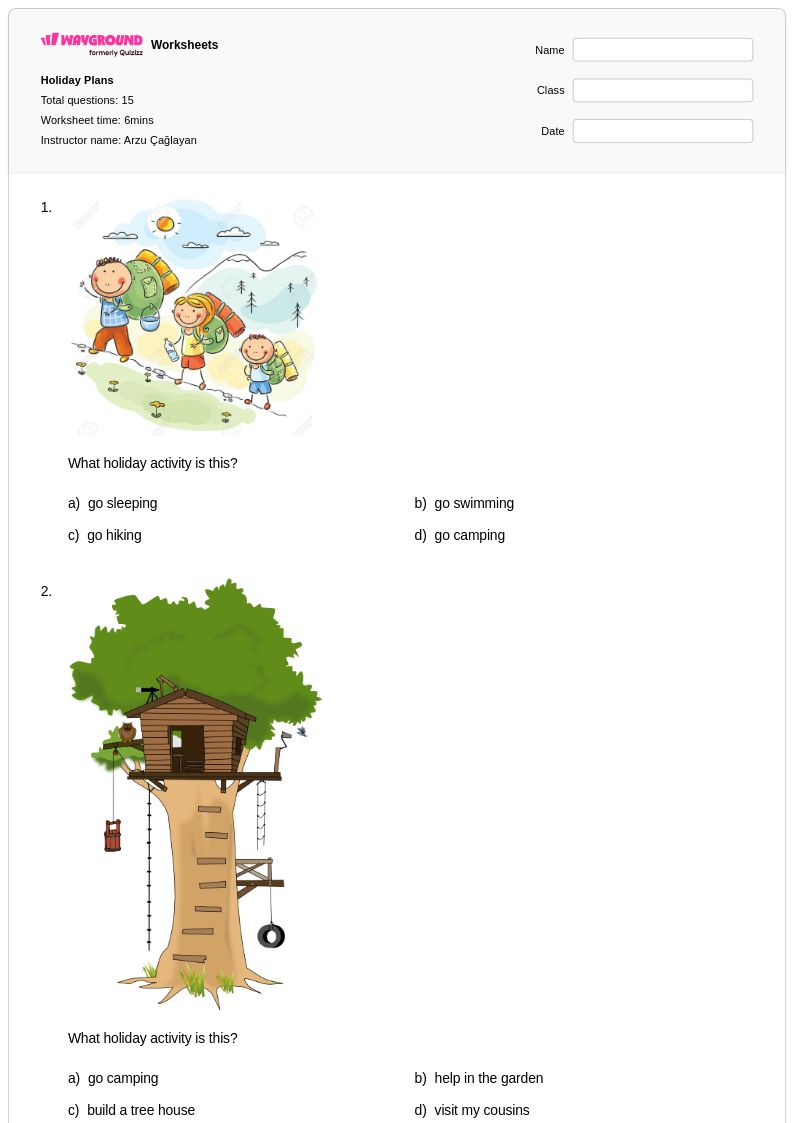
15 Q
1st - 3rd
13 Q
1st - 6th
17 Q
3rd - 4th
10 Q
1st - 4th
11 Q
3rd

17 Q
3rd
20 Q
3rd
12 Q
1st - 3rd
Explore Other Subject Worksheets for year 3
Explore printable Hiking worksheets for Year 3
Hiking worksheets for Year 3 students available through Wayground (formerly Quizizz) provide comprehensive educational resources that transform outdoor adventure learning into structured classroom activities. These carefully designed materials help young learners develop essential skills including trail safety awareness, nature observation techniques, basic navigation concepts, and environmental stewardship principles. The collection features engaging practice problems that challenge students to identify hiking equipment, understand Leave No Trace principles, and recognize potential outdoor hazards while building vocabulary related to wilderness exploration. Teachers can access complete answer keys alongside each worksheet, ensuring efficient grading and immediate feedback opportunities. These free printables seamlessly blend physical education concepts with science and geography learning, creating interdisciplinary connections that enhance student understanding of outdoor adventure activities through age-appropriate exercises and visual learning aids available in convenient pdf format.
Wayground (formerly Quizizz) empowers educators with millions of teacher-created hiking and outdoor adventure resources specifically curated for Year 3 physical education instruction. The platform's robust search and filtering capabilities allow teachers to quickly locate worksheets aligned with state and national physical education standards, while differentiation tools enable customization for diverse learning needs and skill levels. Whether delivered as printable pdf materials for hands-on classroom work or utilized through digital formats for interactive learning experiences, these resources support comprehensive lesson planning from initial skill introduction through advanced practice and assessment. Teachers can leverage the extensive collection for targeted remediation with struggling students, enrichment activities for advanced learners, and regular skill practice that reinforces hiking safety protocols and outdoor responsibility concepts. The flexible customization options ensure that each worksheet can be adapted to specific curriculum requirements while maintaining educational rigor and age-appropriate challenge levels.
FAQs
How do I teach hiking safety and trail skills in the classroom?
What topics should a hiking worksheet cover?
What exercises help students practice hiking and outdoor navigation skills?
What mistakes do students commonly make when learning trail navigation and hiking safety?
How can I differentiate hiking worksheets for students with different skill levels or learning needs?
How do I use Wayground's hiking worksheets in my classroom?