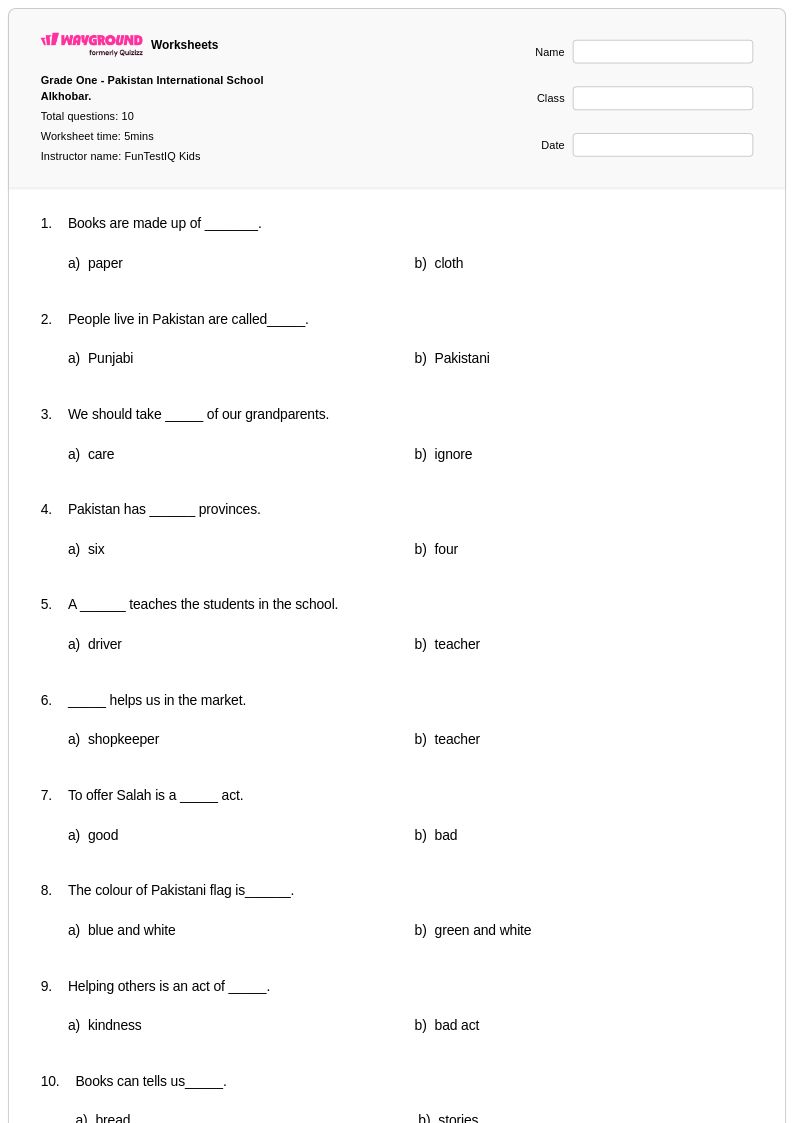
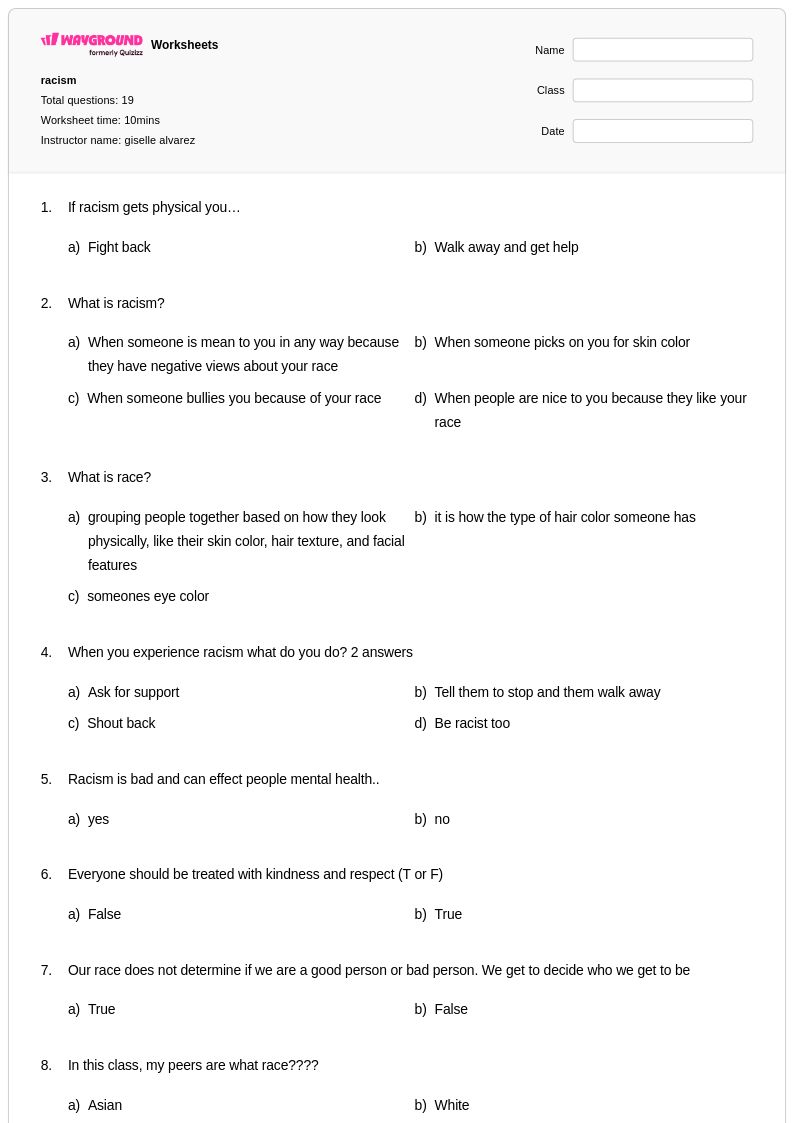
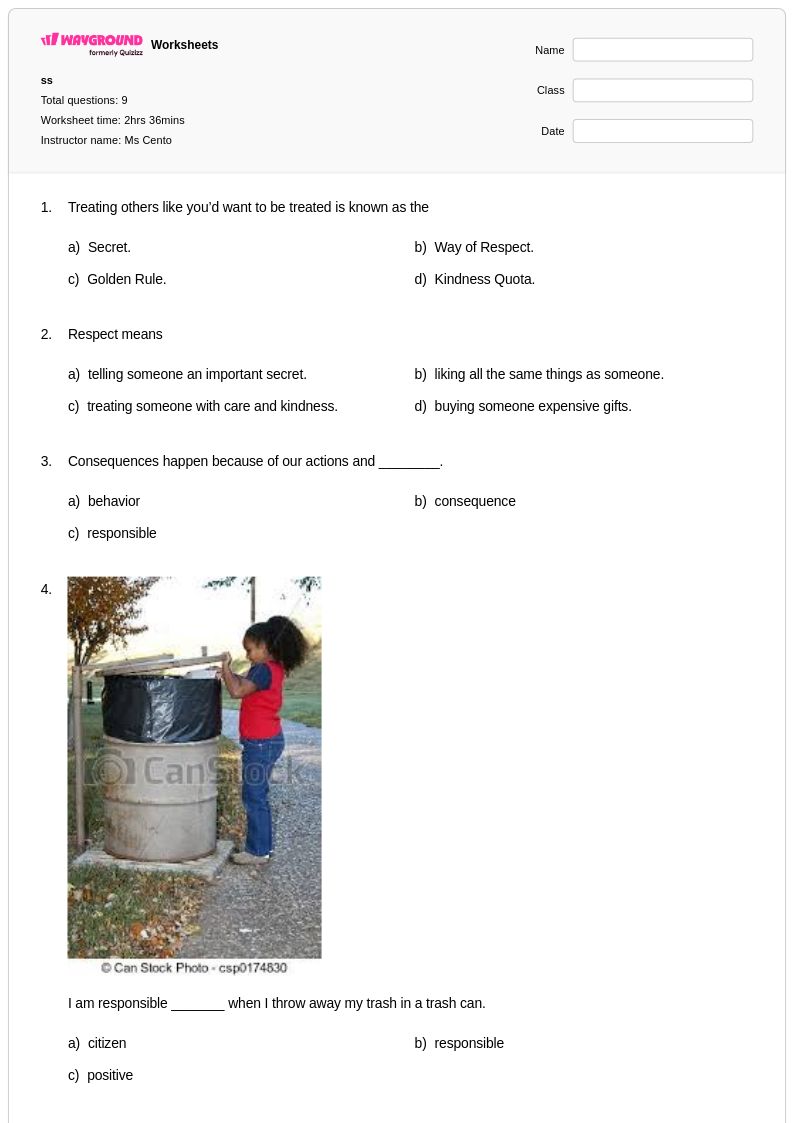
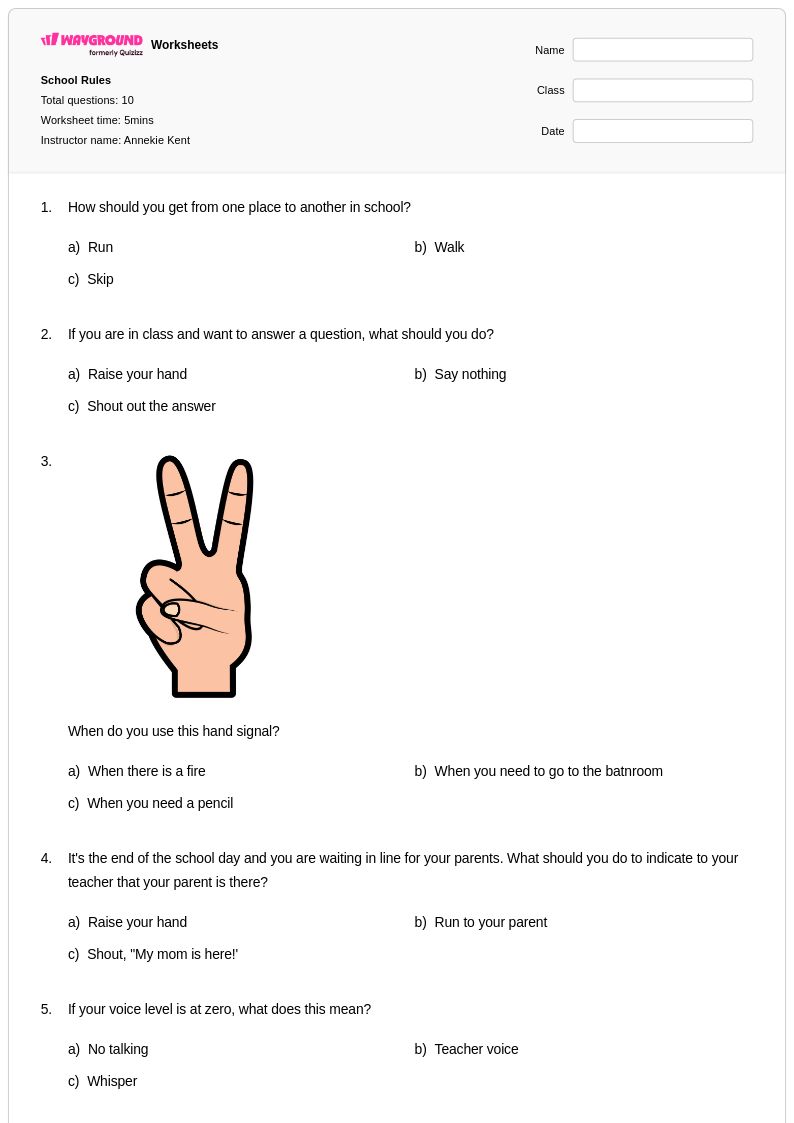
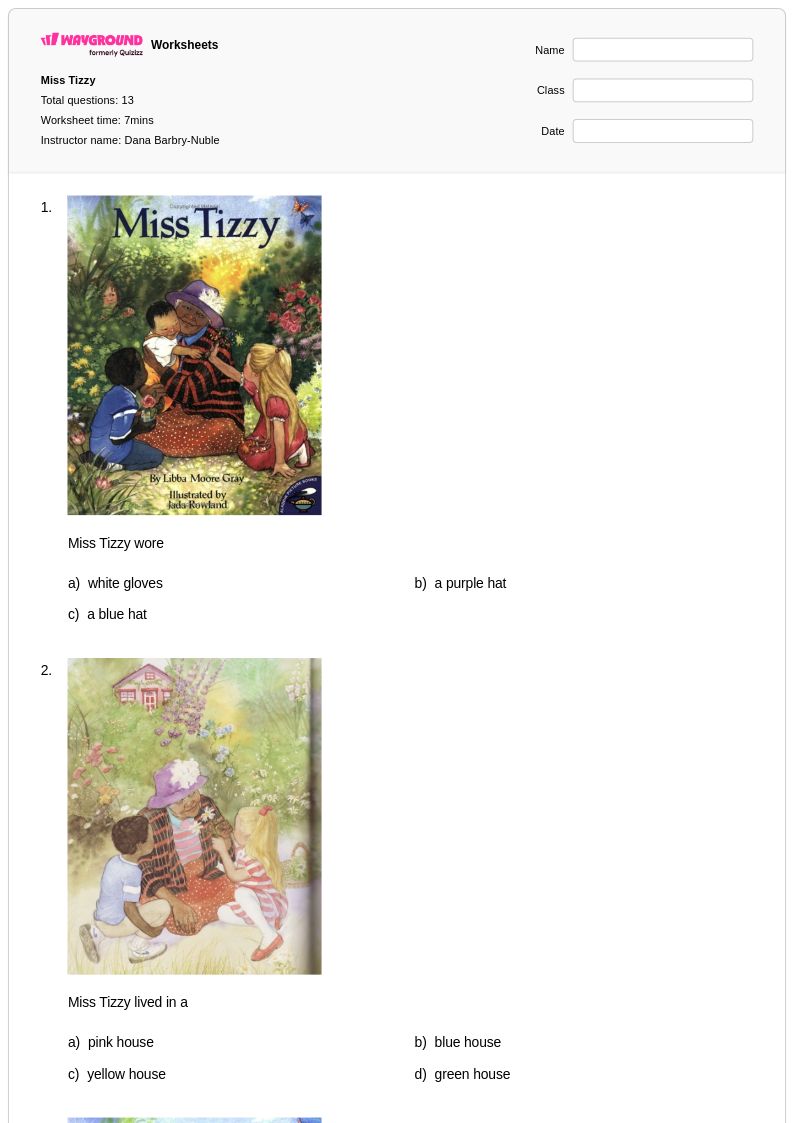
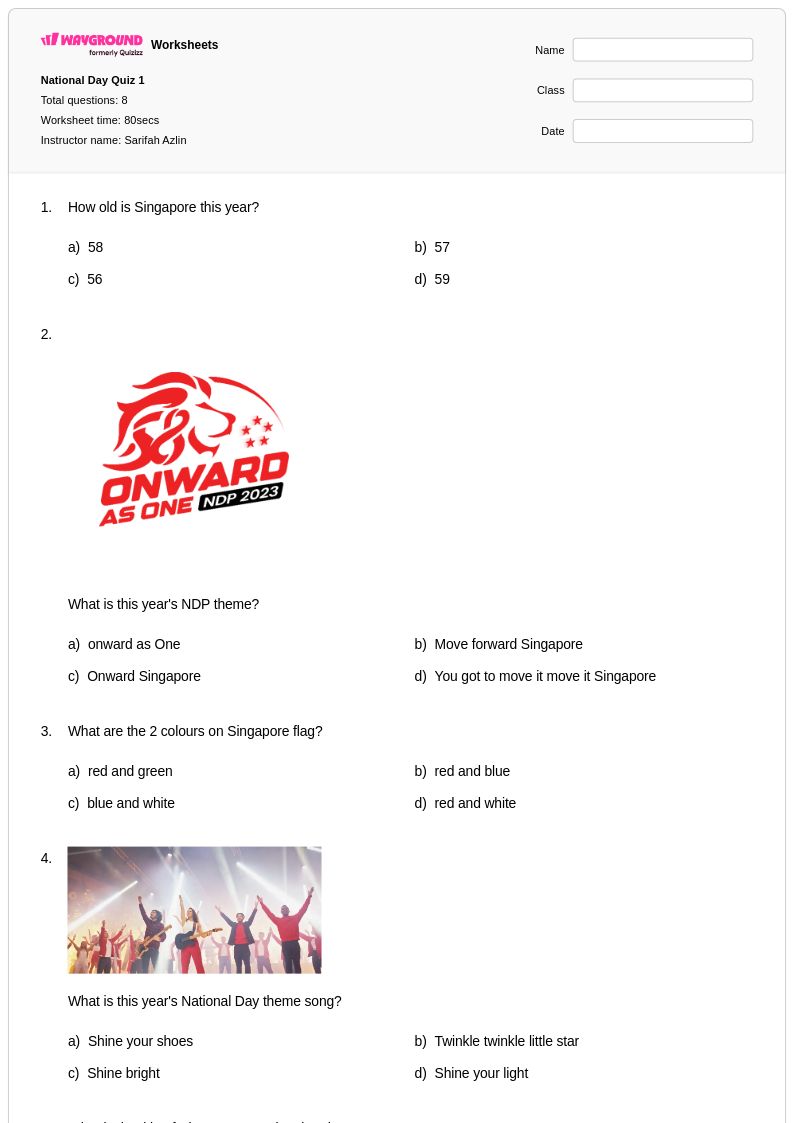
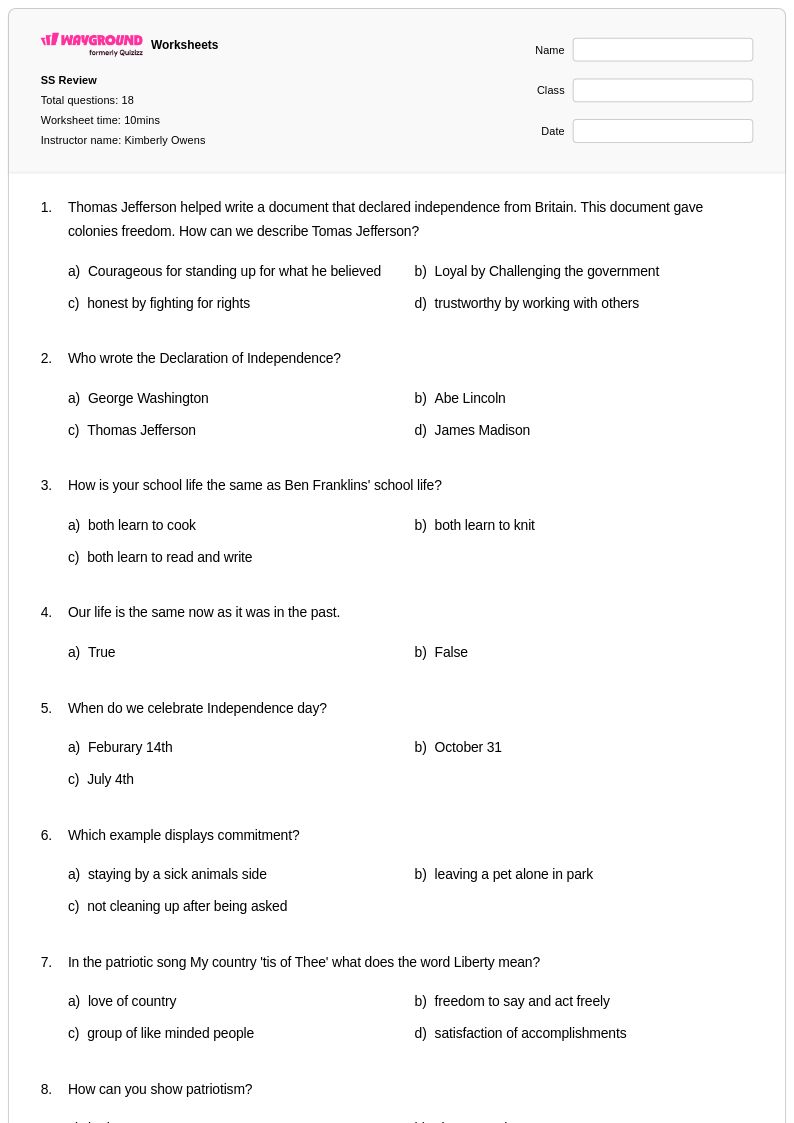
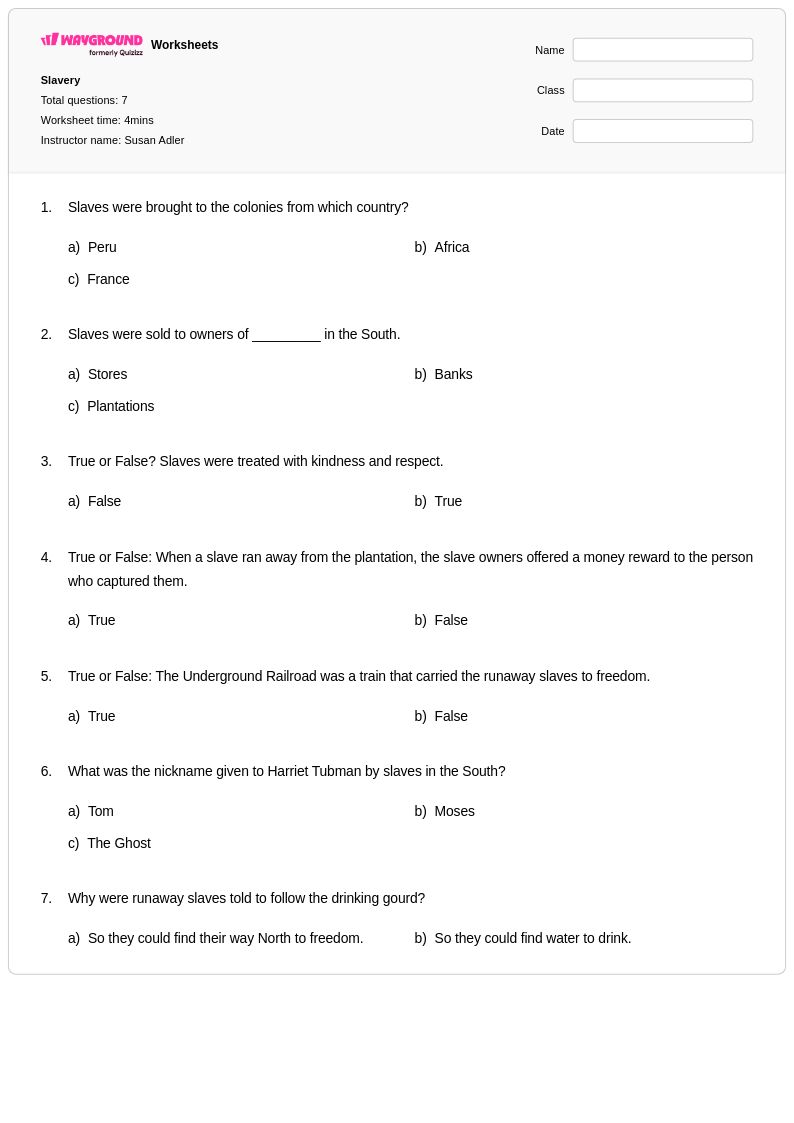
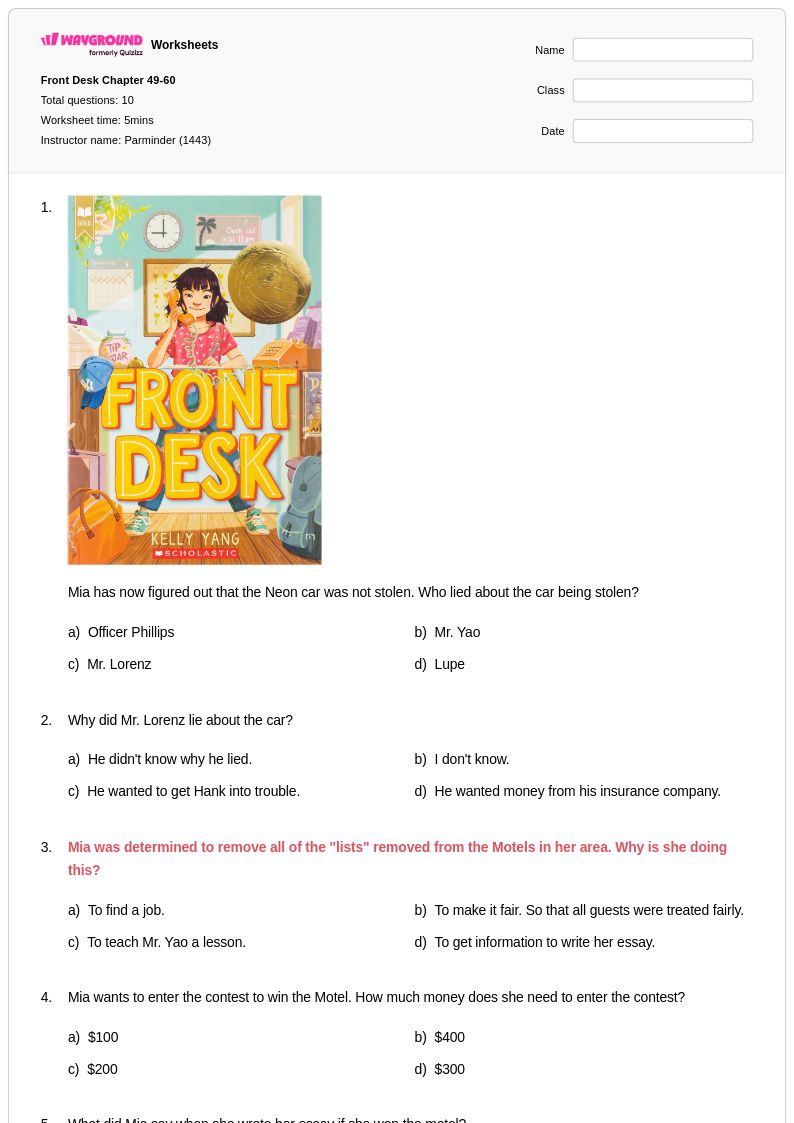
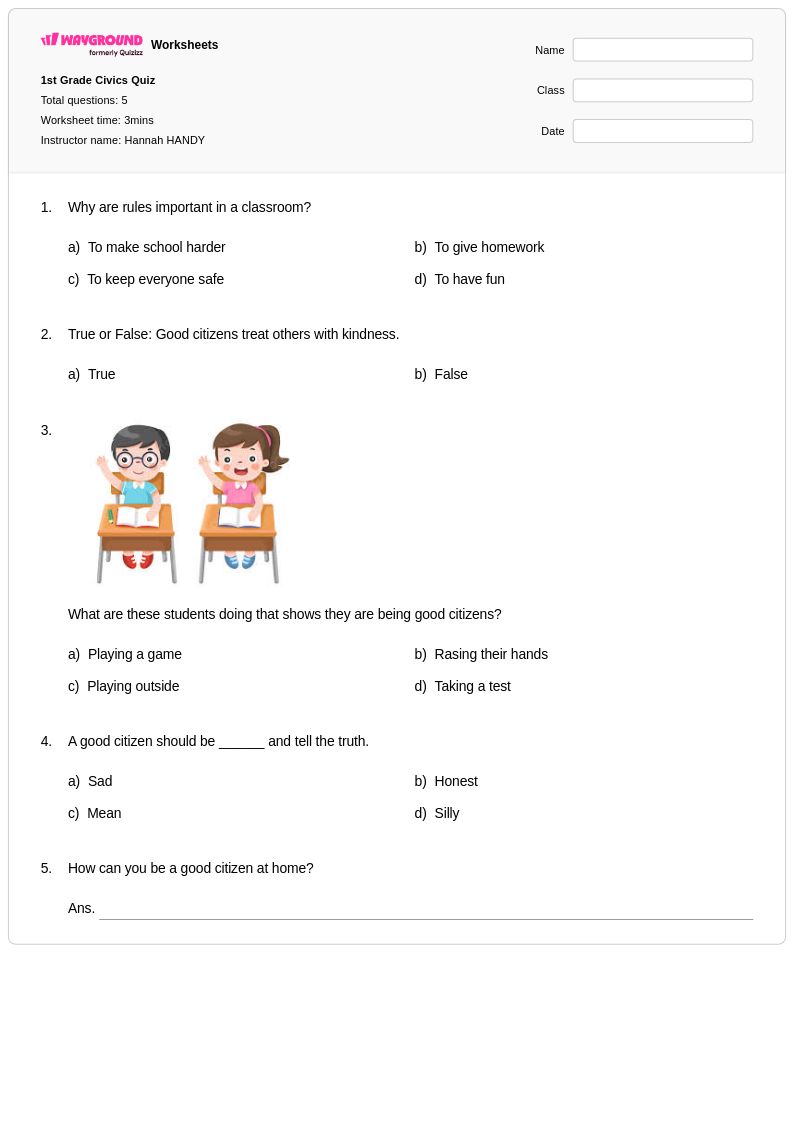
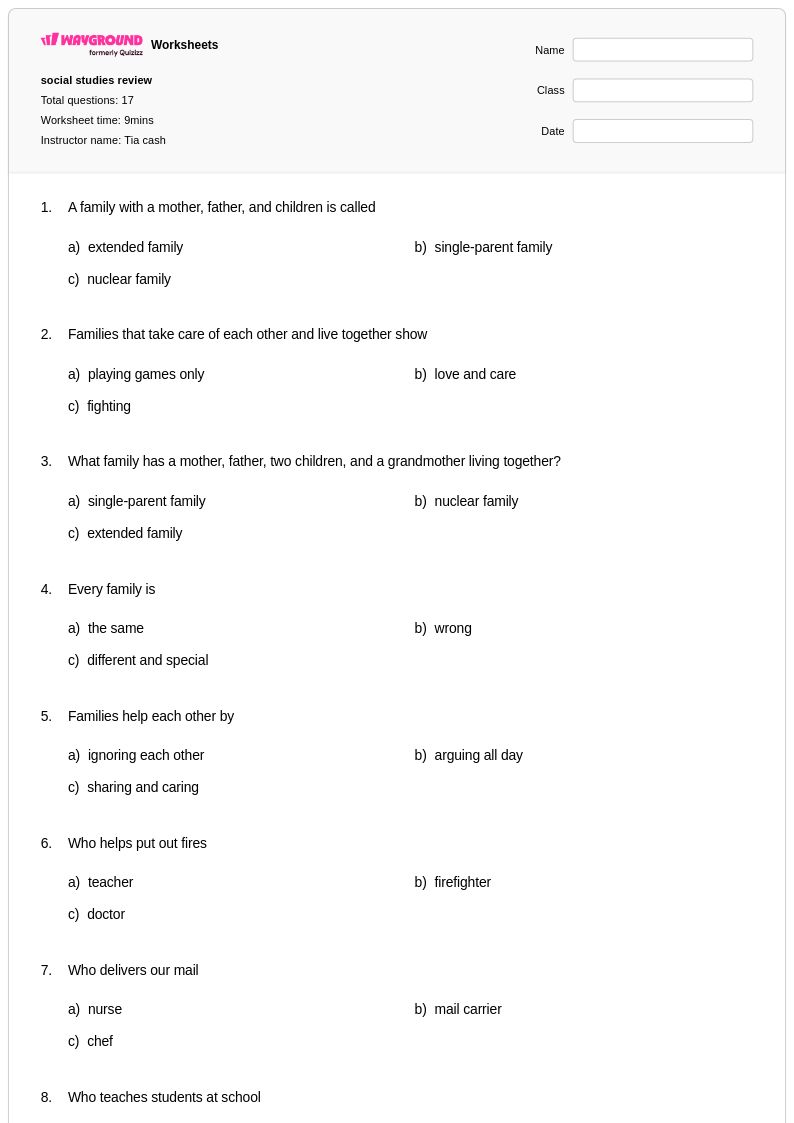
Enhance Year 1 students' understanding of kindness through our comprehensive collection of free social studies worksheets, featuring engaging printables, practice problems, and complete answer keys in PDF format.
Kindness worksheets for Year 1 students available through Wayground (formerly Quizizz) provide essential foundation-building activities that help young learners develop crucial social and emotional skills. These carefully designed printables focus on teaching children how to recognize kind behaviors, practice empathy, and understand the positive impact of considerate actions on their classmates and community. The worksheets incorporate age-appropriate scenarios, visual cues, and interactive exercises that strengthen students' ability to identify kind versus unkind behaviors, express gratitude, and demonstrate caring actions toward others. Each resource includes comprehensive practice problems that encourage critical thinking about social situations, while accompanying answer keys enable teachers and parents to provide immediate feedback and support student learning effectively. These free educational materials serve as valuable tools for building character development and social awareness in early elementary classrooms.
Wayground (formerly Quizizz) empowers educators with access to millions of teacher-created kindness resources specifically curated for Year 1 social studies instruction. The platform's robust search and filtering capabilities allow teachers to quickly locate worksheets that align with social-emotional learning standards and match their students' developmental needs. Advanced differentiation tools enable instructors to customize activities for varying skill levels, ensuring that all learners can engage meaningfully with kindness concepts regardless of their academic starting point. These versatile resources are available in both printable pdf formats for traditional classroom use and digital versions for interactive learning experiences. Teachers can seamlessly integrate these materials into lesson planning, use them for targeted skill practice, provide remediation for students who need additional support, or offer enrichment opportunities for advanced learners, creating a comprehensive approach to character education that builds lasting social skills.
FAQs
How do I teach kindness as a concept in the classroom?
Teaching kindness effectively starts with grounding students in concrete, observable behaviors rather than abstract ideals. Use real-world scenarios where students identify kind versus unkind responses, then discuss why certain actions affect others positively or negatively. Character analysis exercises and community-building discussions help students connect kindness to their own daily interactions. Reflection prompts that ask students to write about a time they showed or received kindness are particularly effective for building genuine empathy.
What activities help students practice kindness skills?
Structured practice for kindness includes scenario-based exercises where students choose and justify thoughtful responses, reflection journals that prompt daily or weekly kindness commitments, and character analysis tasks that examine how fictional or real figures demonstrate empathy and compassion. Role-play activities tied to worksheet prompts give students low-stakes opportunities to rehearse kind behavior before applying it in real social situations.
What misconceptions do students commonly have about kindness?
A common misconception is that kindness means always agreeing with others or avoiding conflict, which can lead students to confuse kindness with passivity. Teachers should explicitly address that kind behavior can include honest, respectful disagreement and setting boundaries. Students also sometimes struggle to distinguish between kindness that is genuine versus performative, making it important to discuss the internal motivation behind actions, not just the actions themselves.
How do I use kindness worksheets to support social-emotional learning objectives?
Kindness worksheets on Wayground are available as printable PDFs for traditional classroom use and in digital formats for technology-integrated environments, including the option to host them as a quiz on Wayground. Each worksheet includes a complete answer key, making them practical for both instruction and assessment. Teachers can use them as standalone SEL lessons, warm-up activities, or targeted remediation for students who need additional support with empathy and interpersonal skills.
How can I differentiate kindness instruction for students at different levels?
For students who need additional support, reduce the complexity of scenario prompts and provide sentence starters for reflection responses. Advanced learners benefit from deeper analysis tasks that ask them to examine the community-level impact of kind or unkind behavior over time. On Wayground, teachers can apply individual accommodations such as read-aloud support or reduced answer choices to meet the needs of specific students without disrupting the experience for the rest of the class.
How do kindness worksheets connect to broader social studies or character education standards?
Kindness worksheets directly support character education frameworks and social-emotional learning standards by addressing empathy, responsible decision-making, and relationship skills. In social studies contexts, they connect to community and civic responsibility topics by helping students understand how individual behavior shapes group dynamics and community well-being. Many kindness activities can also be integrated into language arts through persuasive writing, narrative reflection, or literature response tasks.