
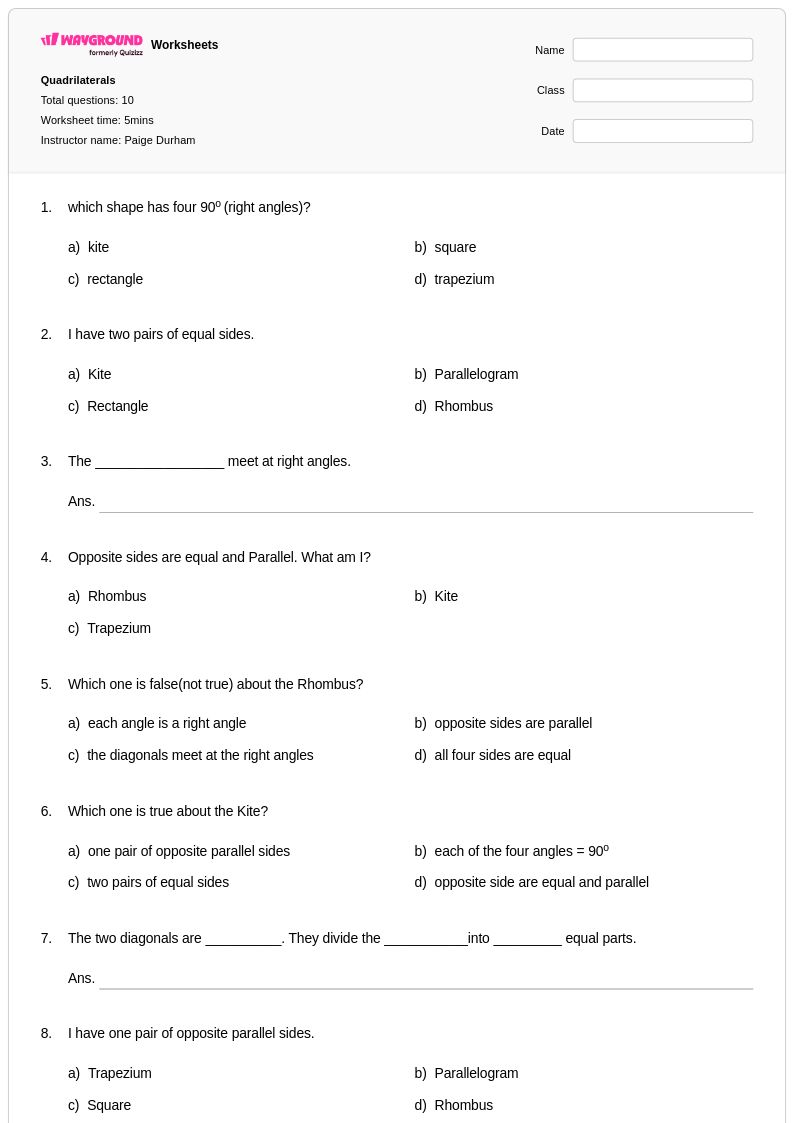
10 Q
1st - 3rd
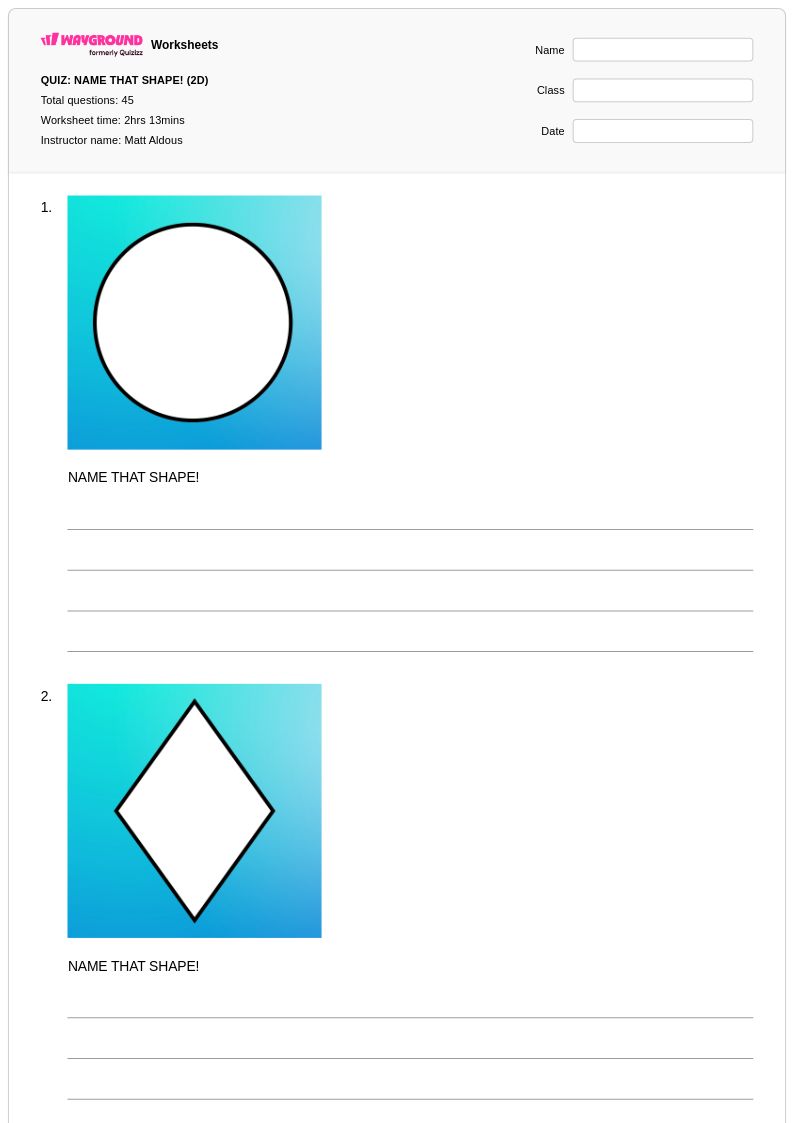
45 Q
1st - 5th
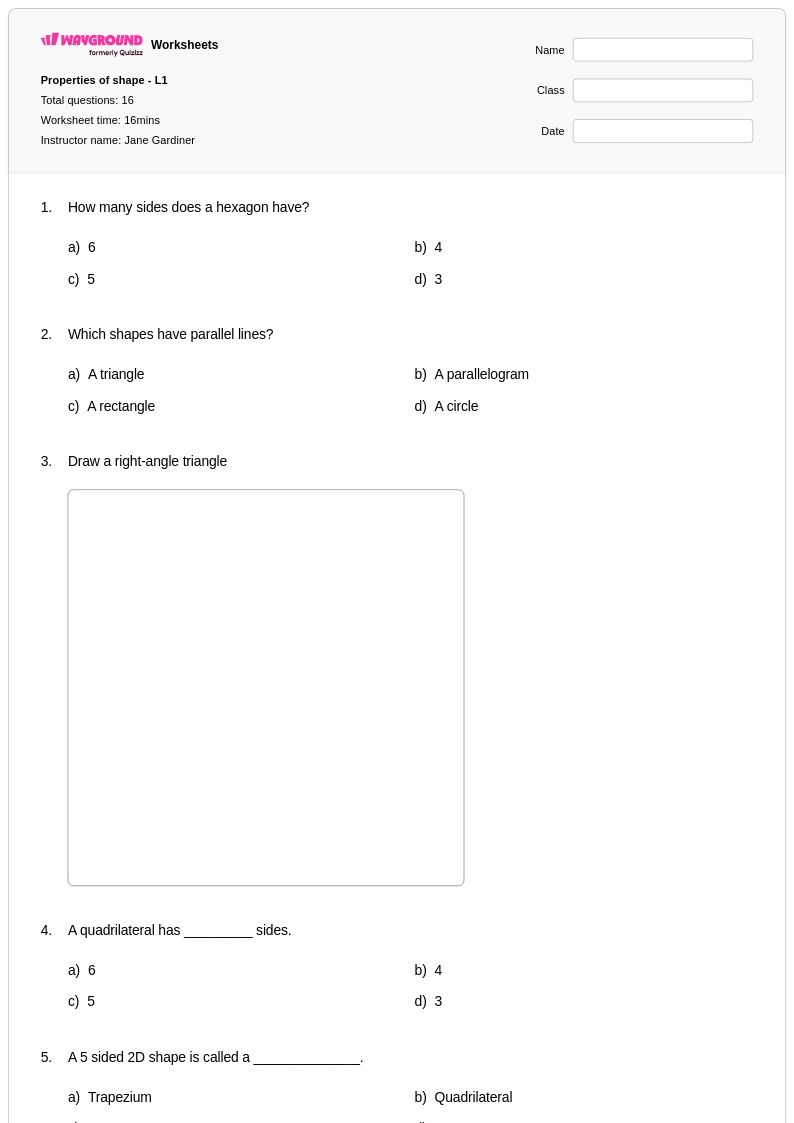
16 Q
1st - 2nd
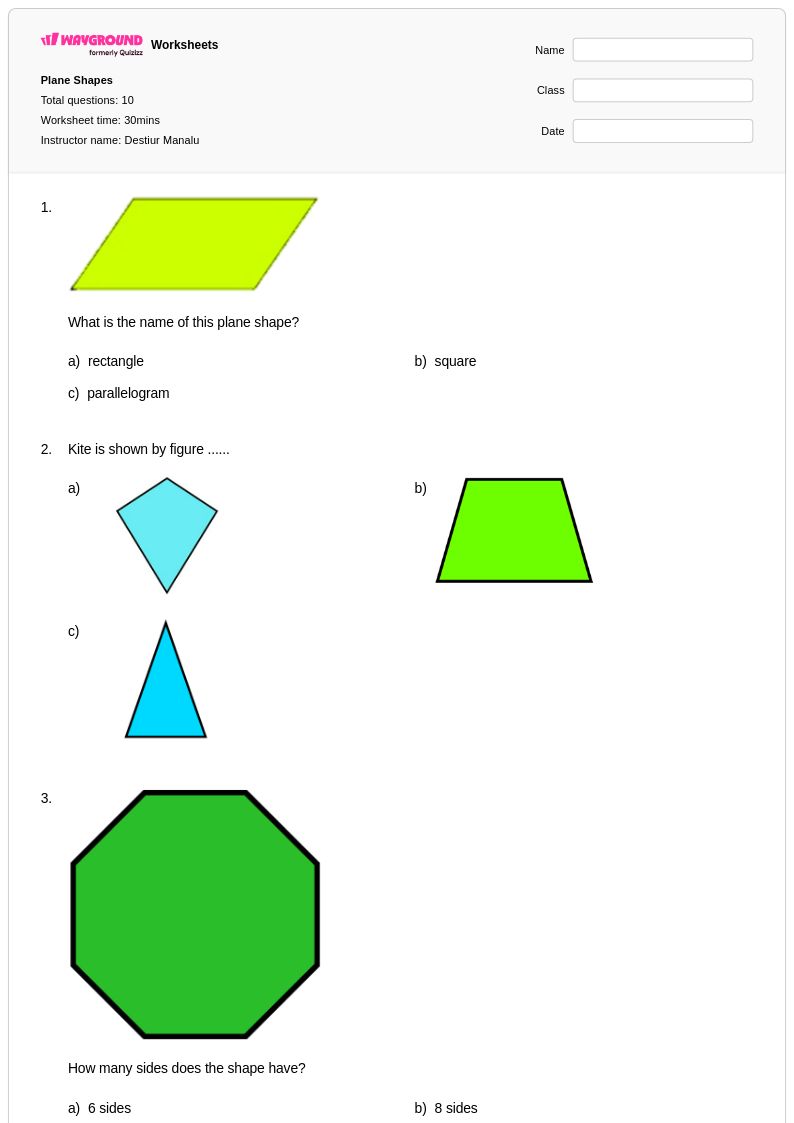
10 Q
1st
25 Q
1st
10 Q
1st - 5th
7 Q
1st - 5th
20 Q
1st
22 Q
1st - 5th
30 Q
1st - 8th
11 Q
1st
31 Q
1st - 5th
6 Q
1st - 5th
10 Q
1st - Uni
20 Q
1st - Uni
16 Q
1st
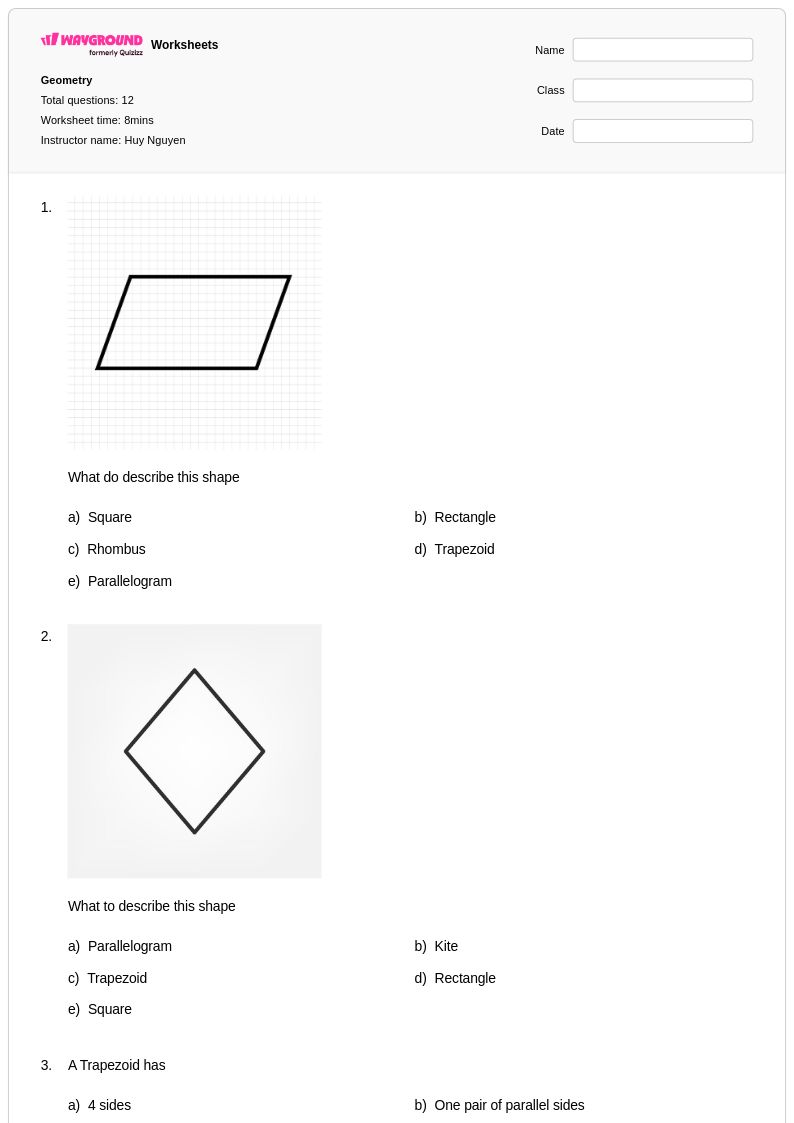
17 Q
1st - 5th
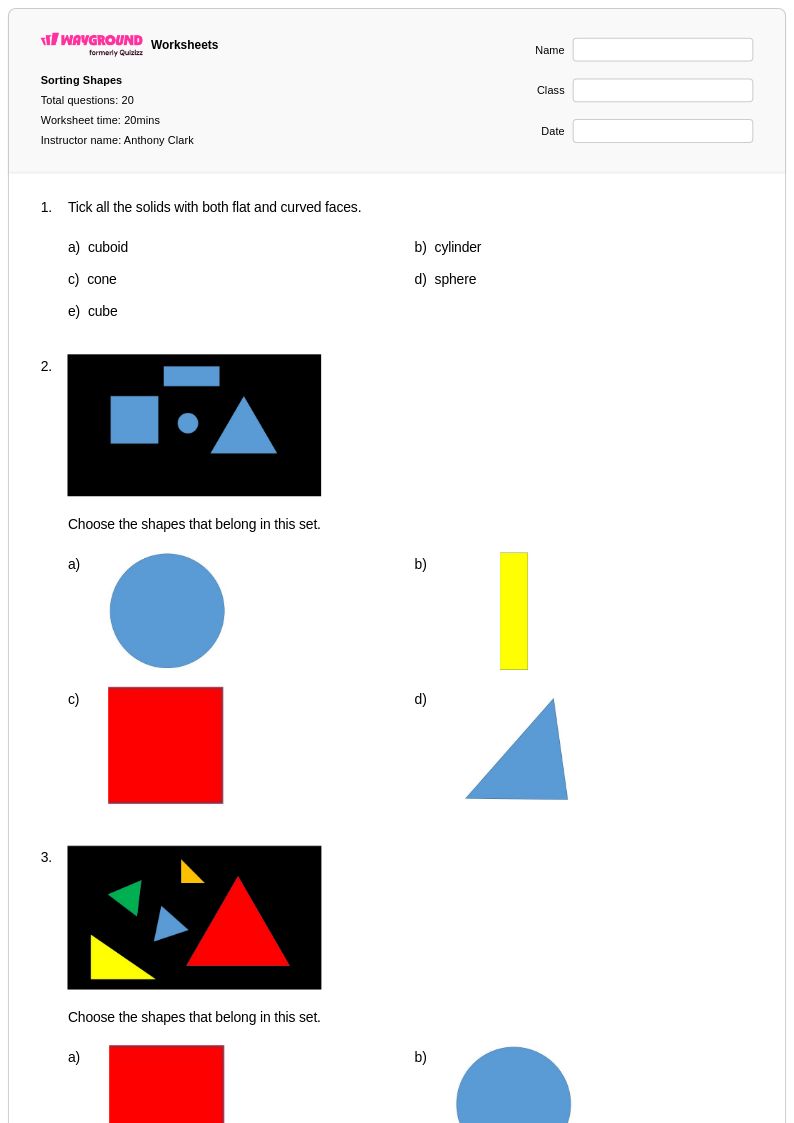
20 Q
1st - Uni
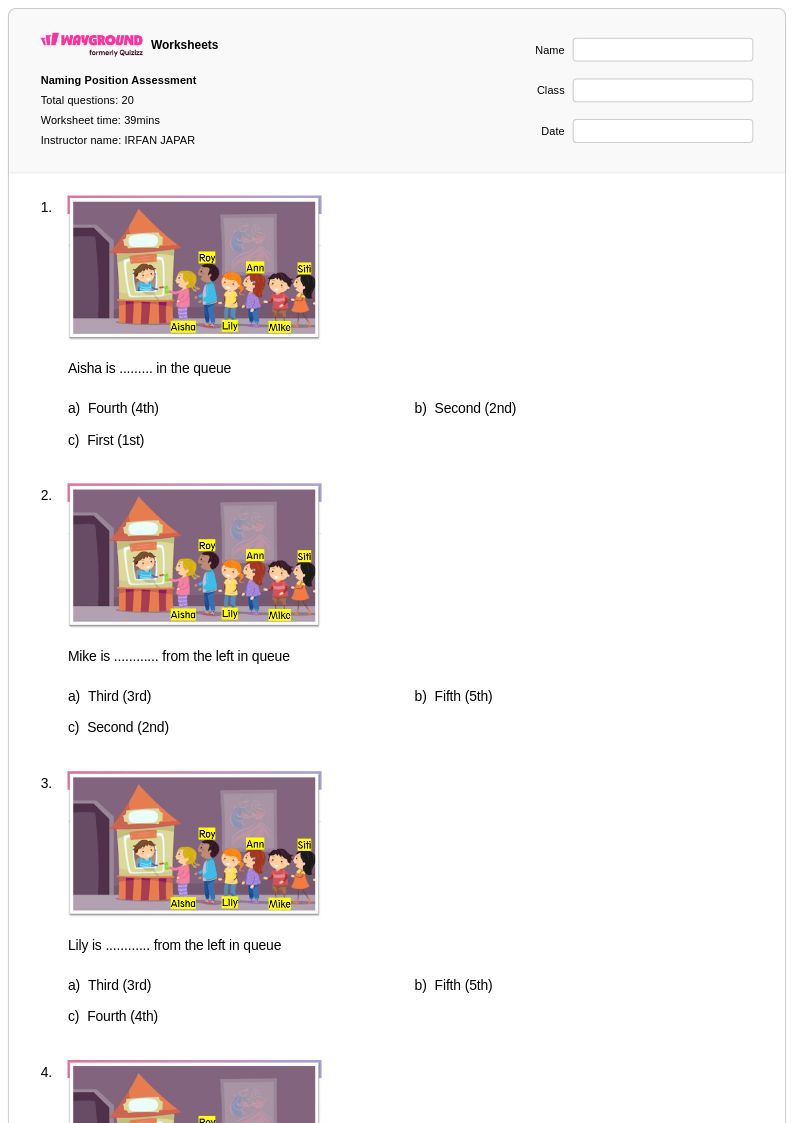
20 Q
1st

16 Q
1st
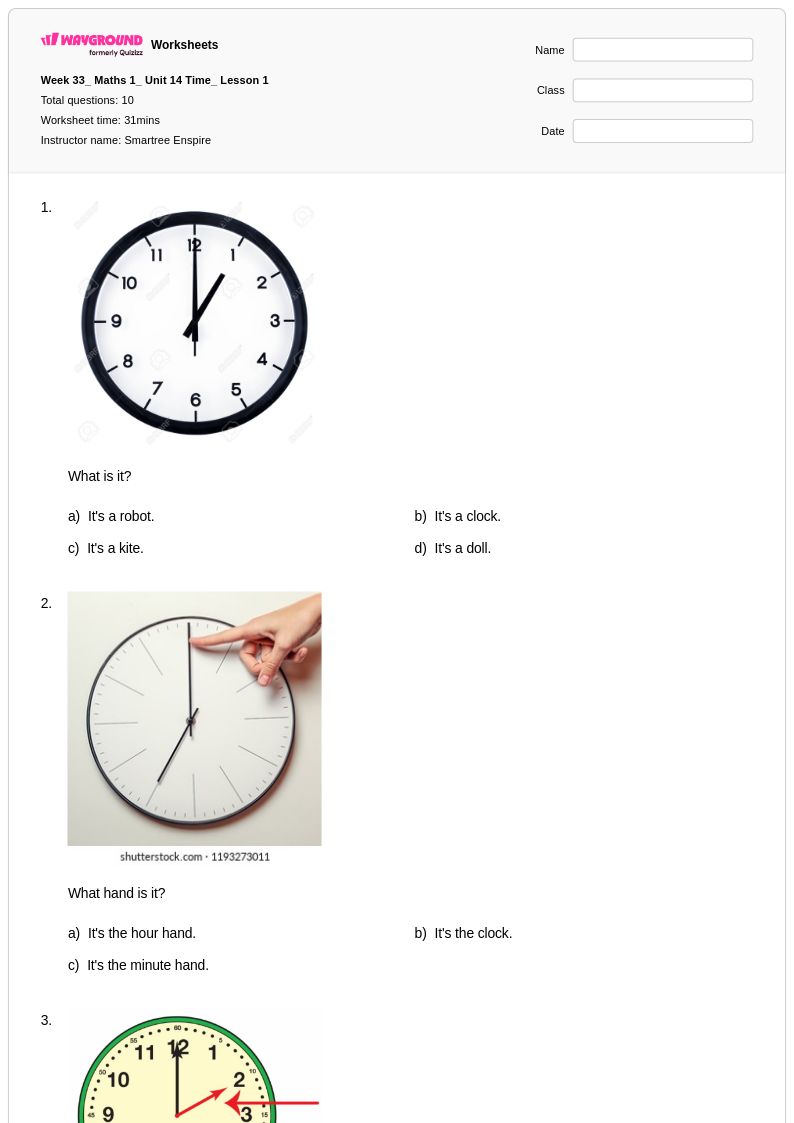
10 Q
1st
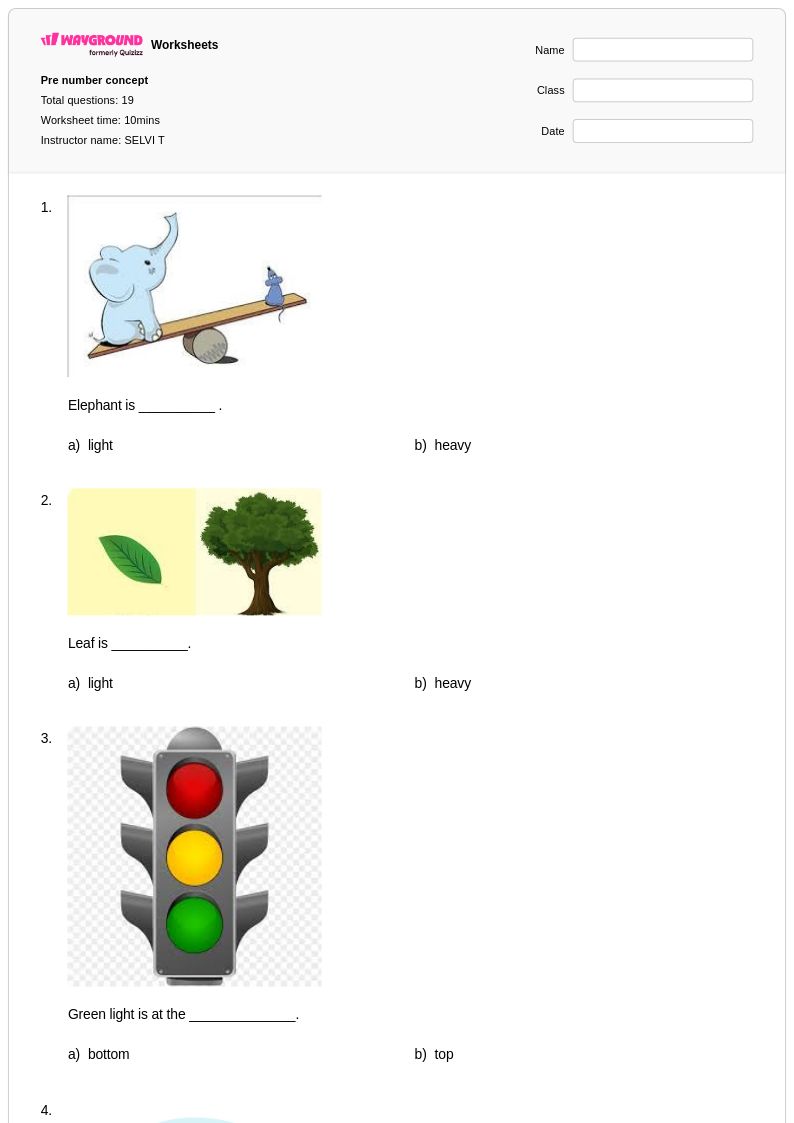
19 Q
KG - 2nd
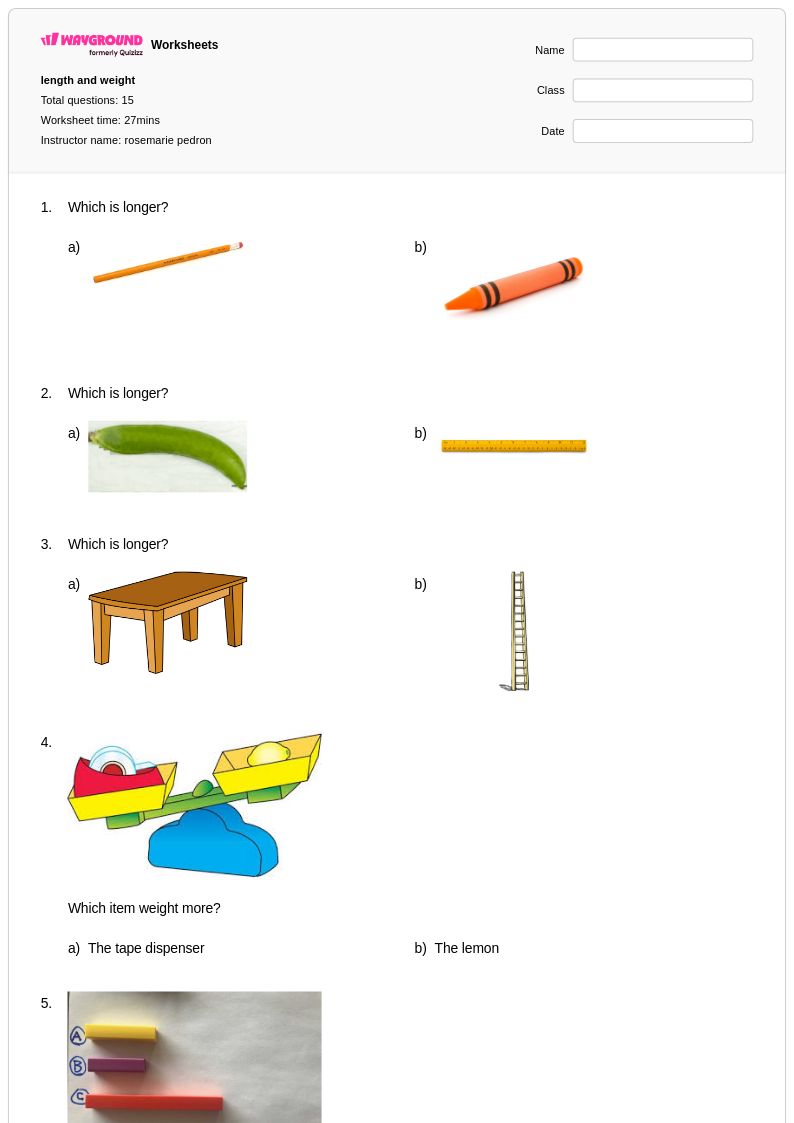
15 Q
KG - 1st
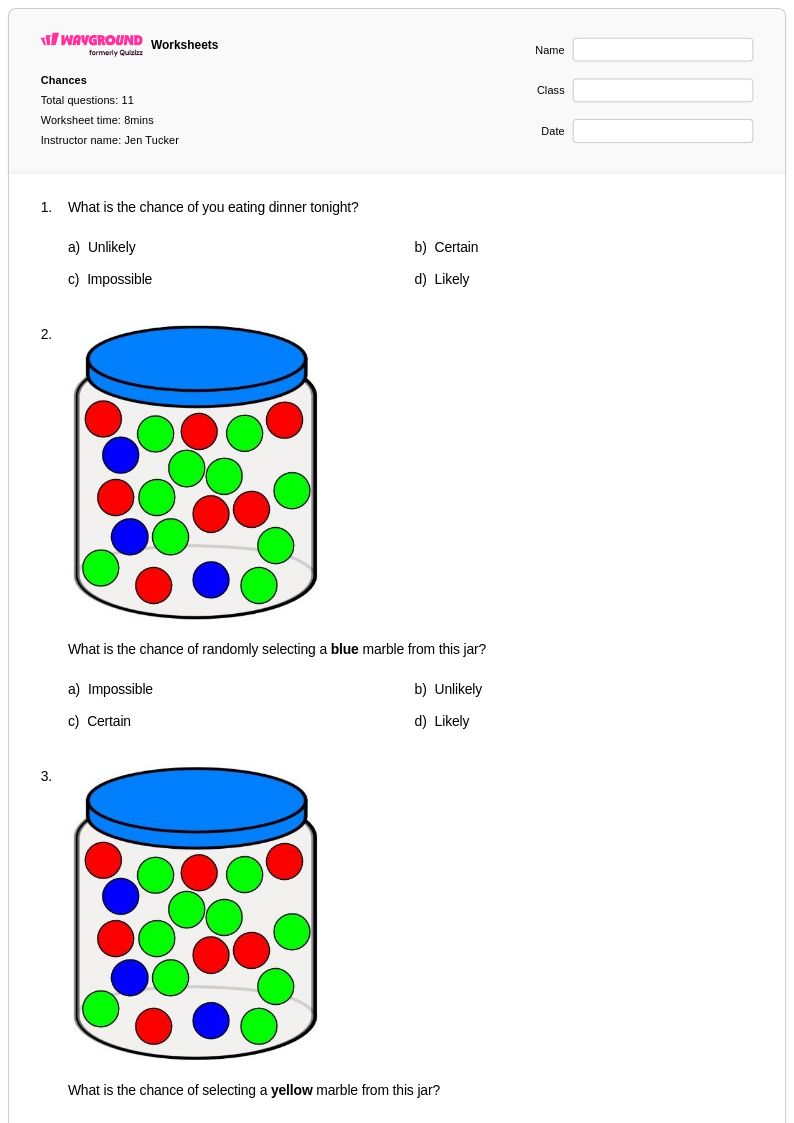
11 Q
1st - 6th
Explore Other Subject Worksheets for year 1
Explore printable Kite worksheets for Year 1
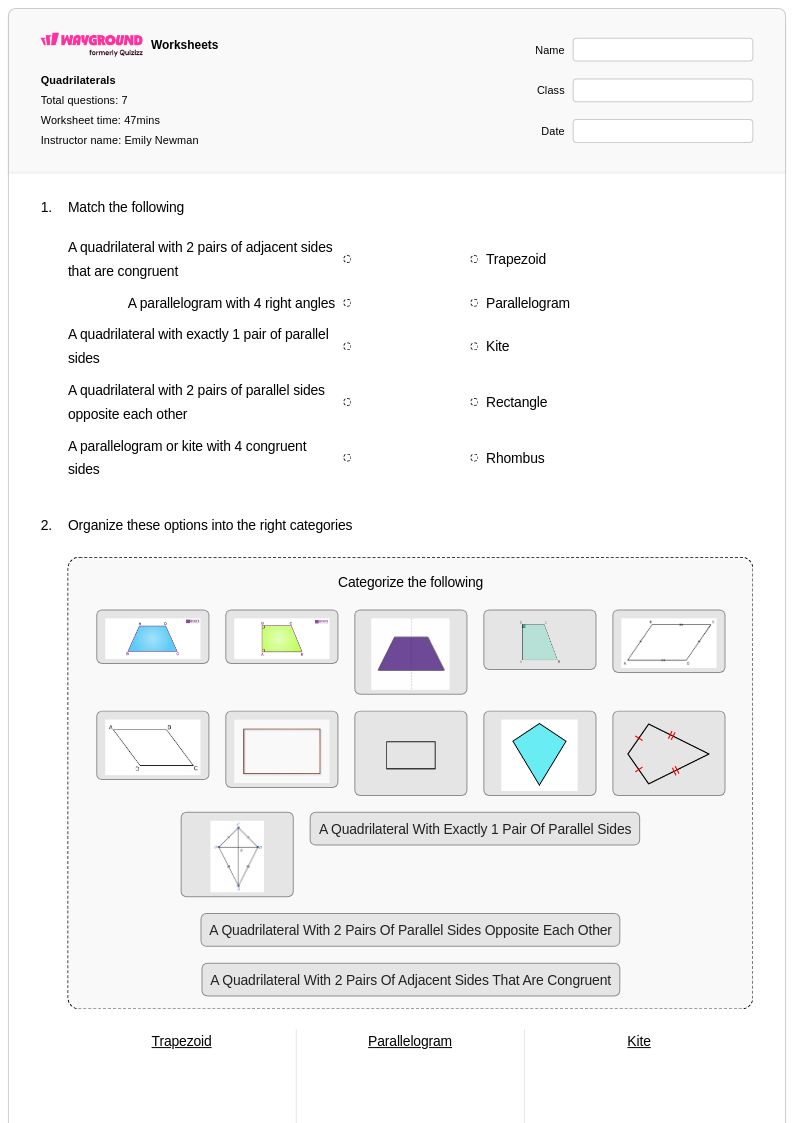
Kite worksheets for Year 1 students available through Wayground (formerly Quizizz) introduce young learners to this distinctive four-sided shape through engaging, developmentally appropriate activities. These educational resources focus on helping first-grade students identify kites among various geometric shapes, understand their basic properties such as having two pairs of adjacent equal sides, and recognize kites in real-world contexts like toys and decorations. The worksheets strengthen fundamental shape recognition skills, spatial reasoning abilities, and early geometric vocabulary through carefully designed practice problems that progress from simple identification tasks to more complex sorting and comparison activities. Teachers can access comprehensive collections that include answer keys for efficient grading, free printables for classroom use, and pdf formats that ensure consistent formatting across different devices and printing systems.
Wayground (formerly Quizizz) empowers educators with an extensive library of millions of teacher-created kite and geometry resources specifically designed for Year 1 mathematics instruction. The platform's robust search and filtering capabilities allow teachers to quickly locate worksheets that align with specific curriculum standards and match their students' current skill levels, while differentiation tools enable customization for learners with varying abilities and learning styles. These comprehensive worksheet collections are available in both printable and digital formats, including downloadable pdf versions, giving teachers the flexibility to seamlessly integrate kite geometry practice into traditional classroom settings, remote learning environments, or hybrid instructional models. The platform's diverse range of activities supports effective lesson planning by providing targeted resources for initial skill introduction, ongoing practice, remediation for struggling learners, and enrichment opportunities for advanced students ready to explore more complex geometric concepts.
FAQs
What do first graders learn about kites?
How should I teach kites in first grade?
What kind of practice is best for first graders learning about kites?
How can I assess if my first graders understand the properties of a kite?
How does learning about kites in first grade align with the curriculum?
How do I assign this Grade 1 kite worksheet?