
16 Q
4th - 8th
9 Q
1st - 5th
23 Q
5th
12 Q
5th
20 Q
1st - Uni
10 Q
5th
20 Q
5th
18 Q
5th
20 Q
5th - Uni
10 Q
5th
27 Q
5th
22 Q
5th
20 Q
5th
20 Q
5th
17 Q
5th
17 Q
5th - Uni
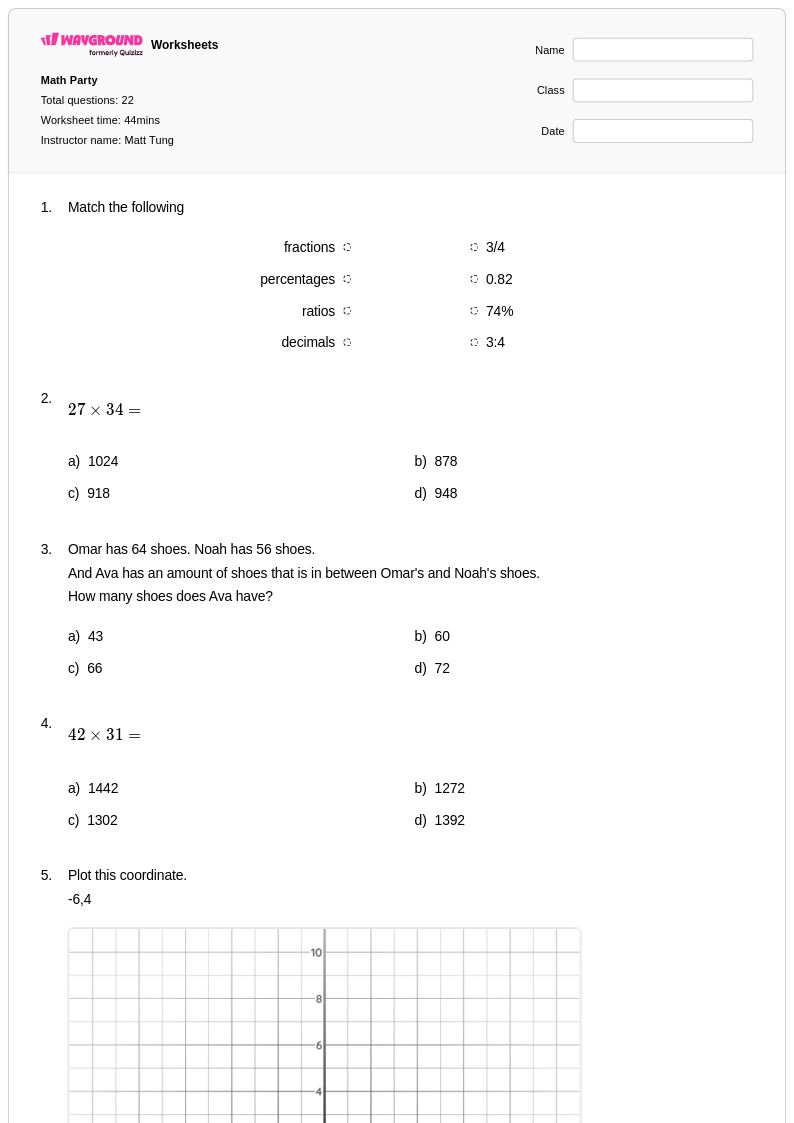
22 Q
5th
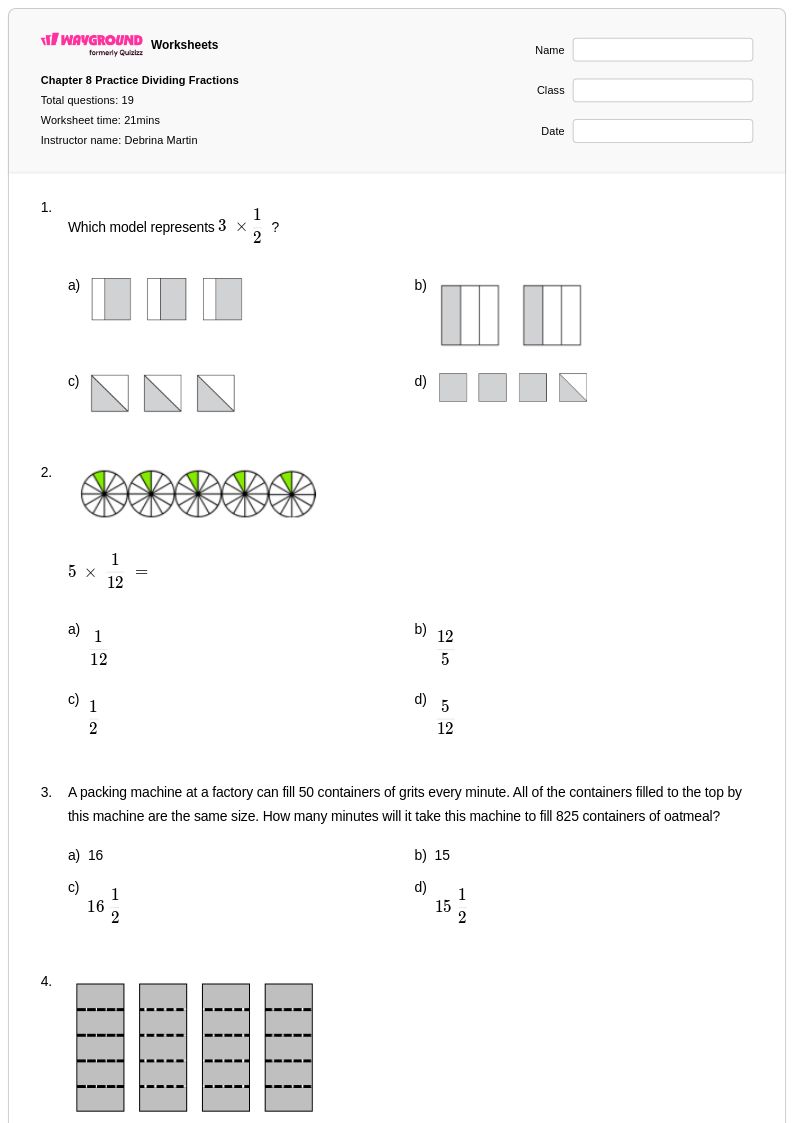
19 Q
5th
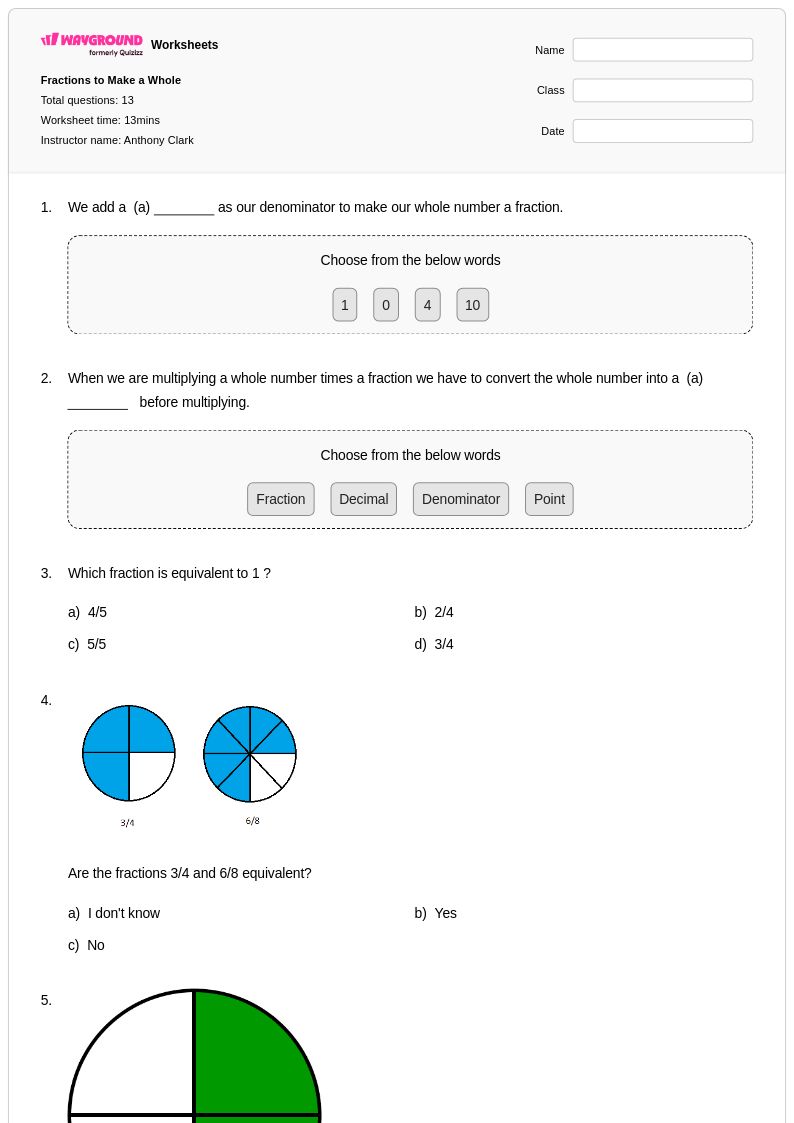
13 Q
5th - Uni
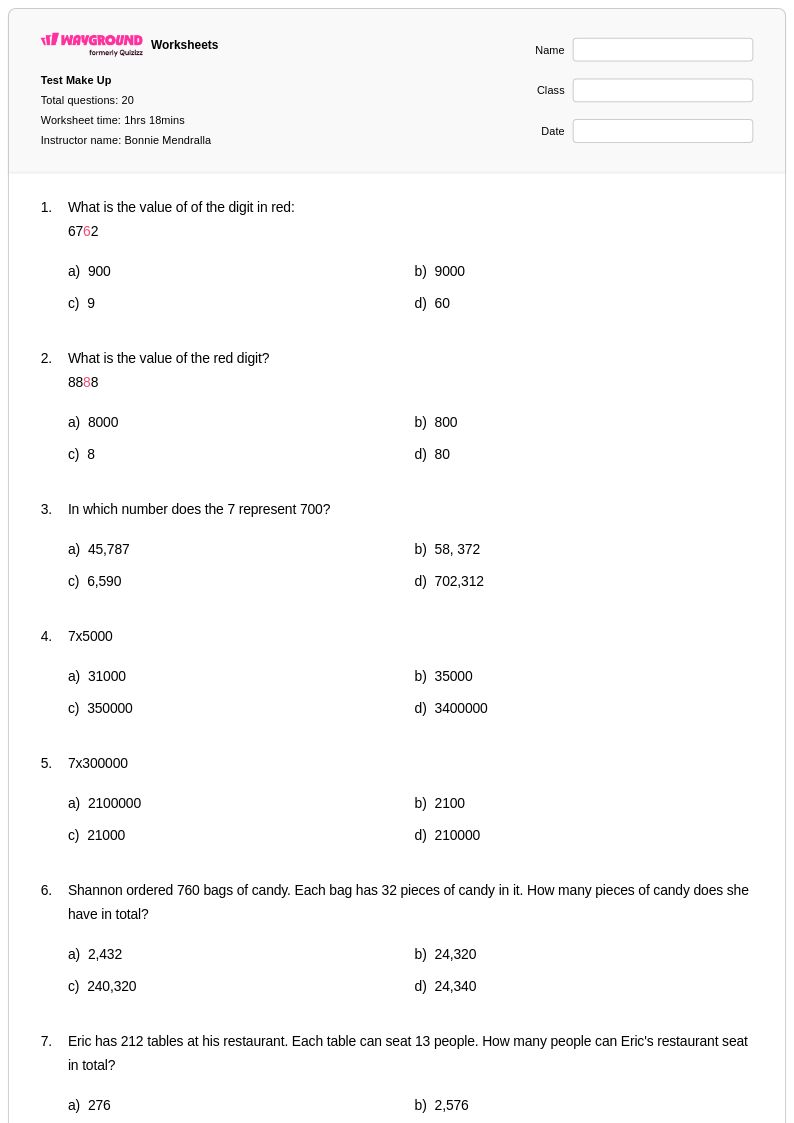
20 Q
5th
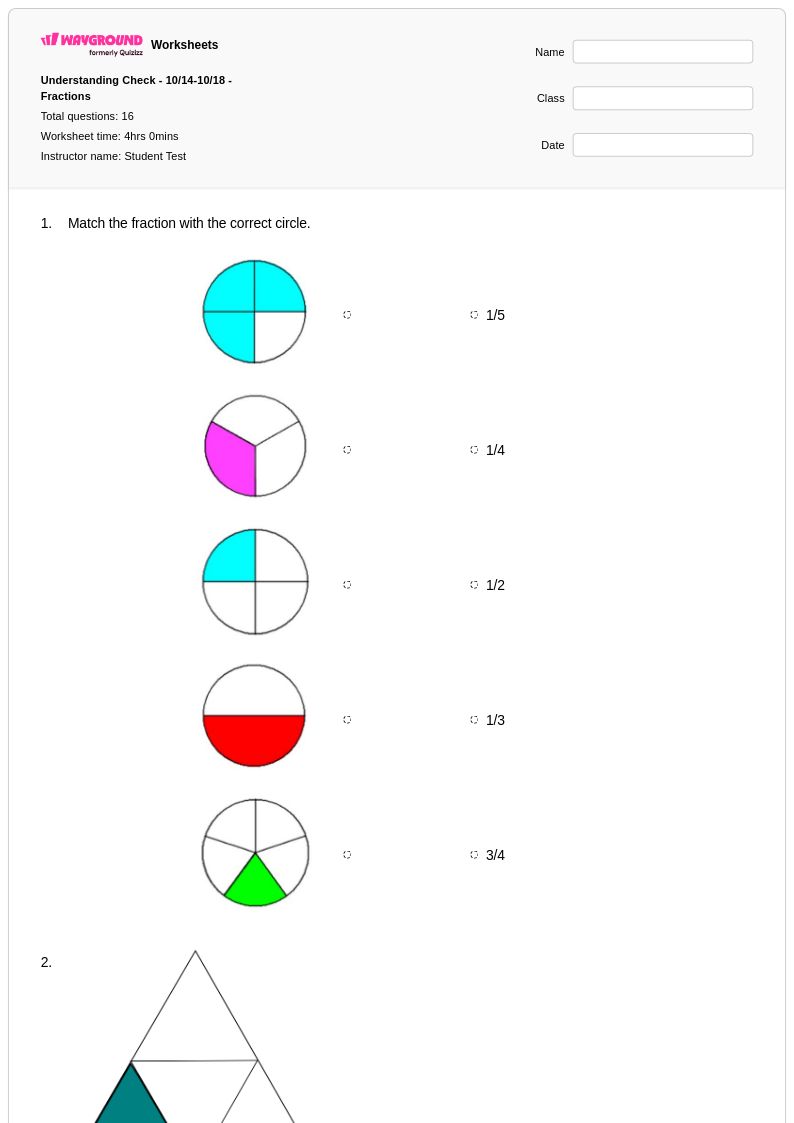
16 Q
5th
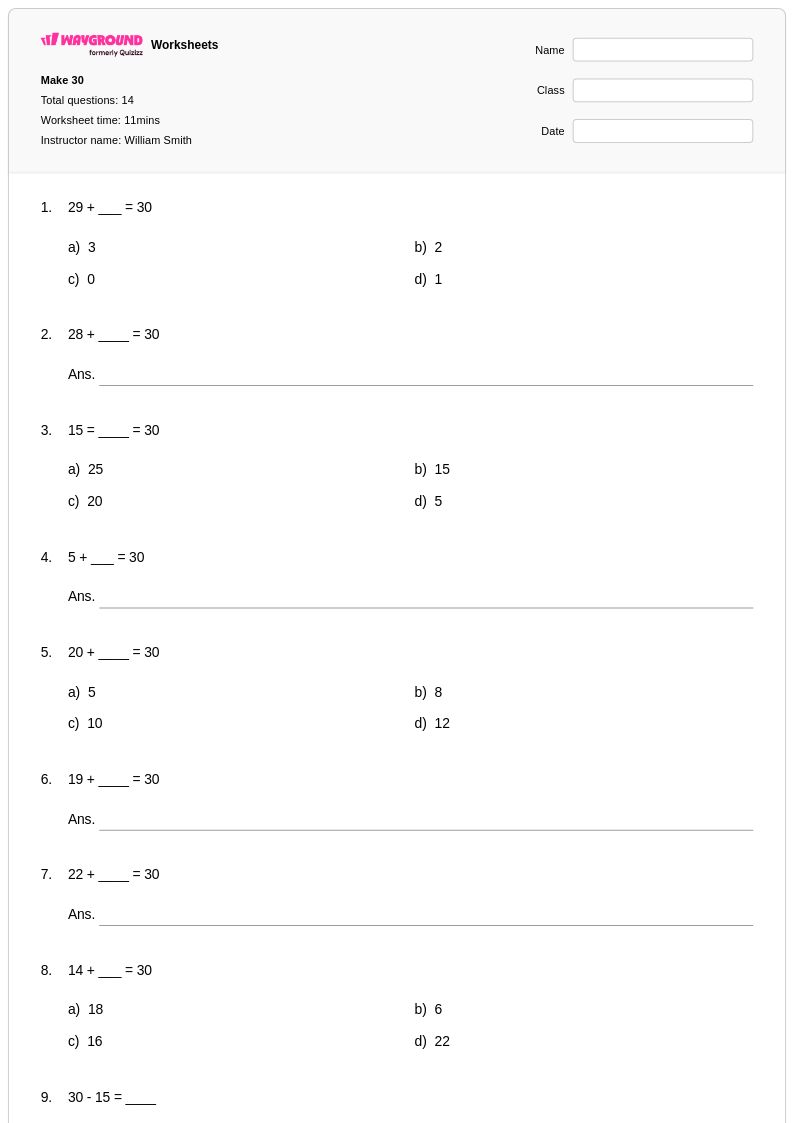
14 Q
3rd - 7th
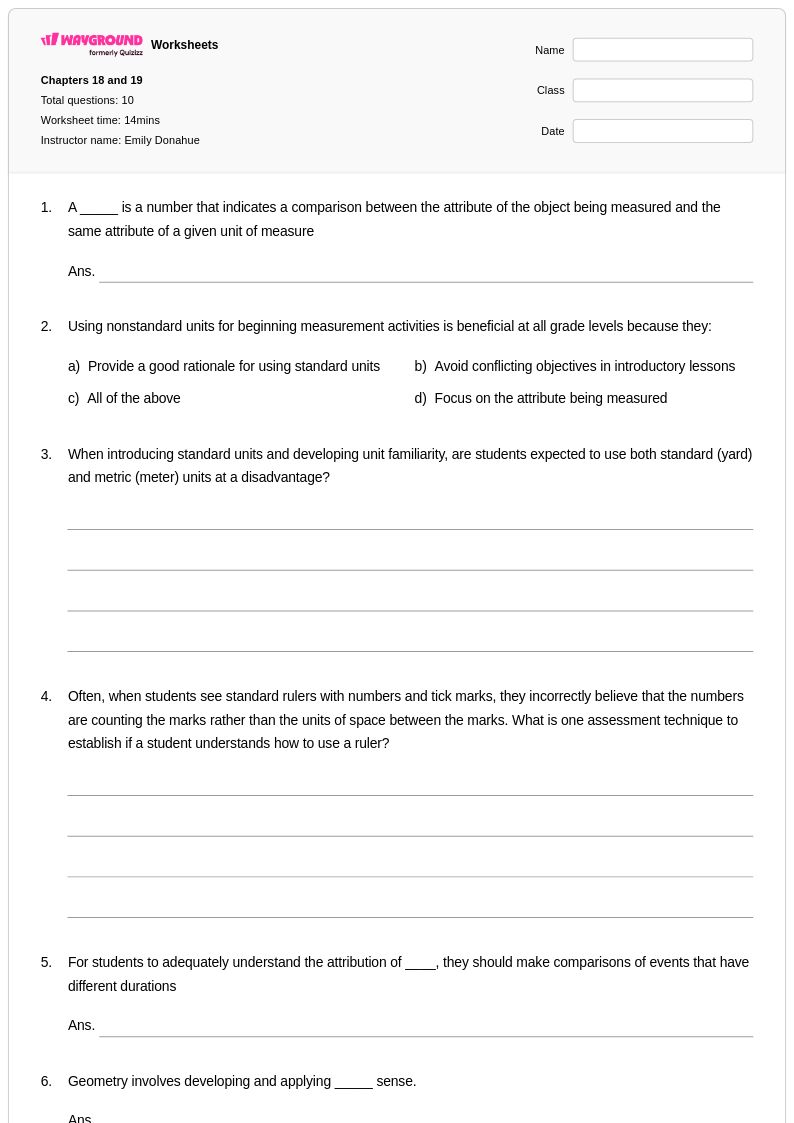
10 Q
1st - 6th
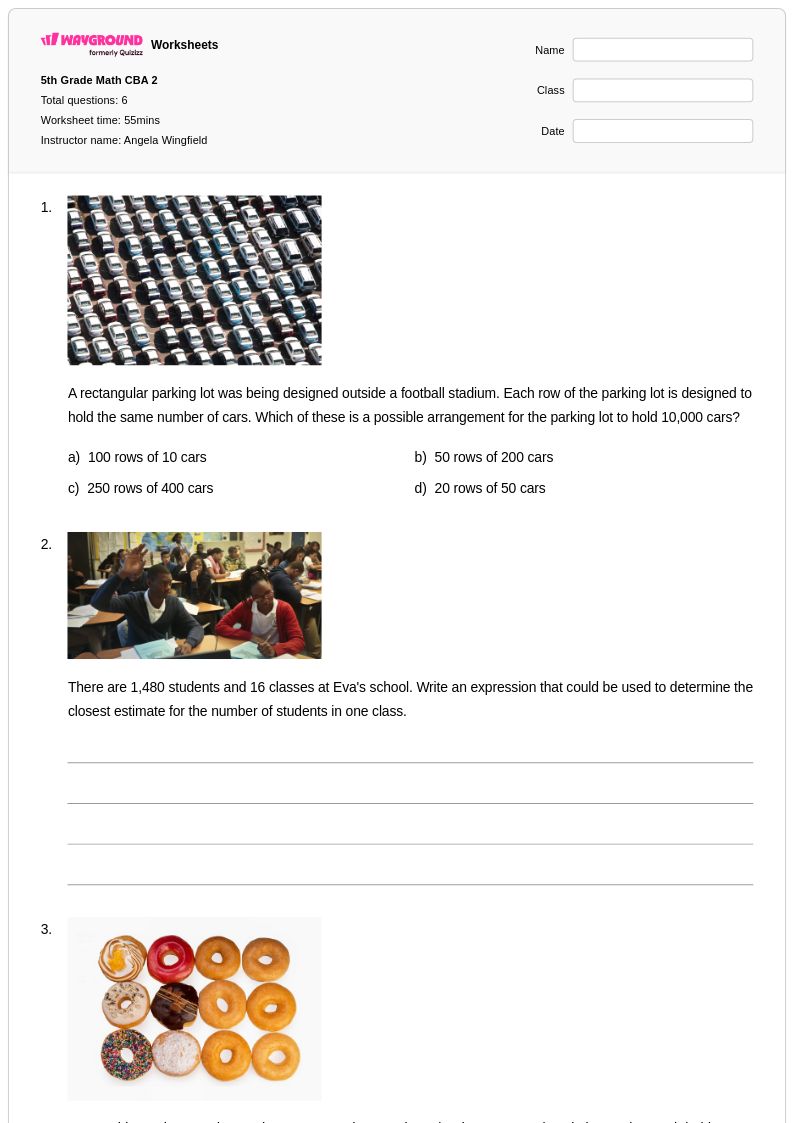
6 Q
5th
Explore Other Subject Worksheets for year 5
Explore printable Maze Activities worksheets for Year 5
Year 5 geometry maze activities available through Wayground (formerly Quizizz) transform traditional geometric learning into engaging, problem-solving adventures that captivate young mathematicians. These carefully designed worksheets combine spatial reasoning challenges with interactive pathfinding exercises, helping fifth-grade students strengthen their understanding of geometric shapes, angles, coordinate planes, and measurement concepts while developing critical thinking skills. Each maze activity serves as both an assessment tool and practice opportunity, requiring students to apply geometric principles to navigate through increasingly complex puzzles that reinforce key mathematical concepts. Teachers can access comprehensive collections that include detailed answer keys, making grading efficient while providing immediate feedback opportunities, and all materials are available as free printables in convenient pdf format for seamless classroom integration.
Wayground's extensive library empowers educators with millions of teacher-created geometry maze resources specifically aligned with Year 5 mathematics standards, offering unprecedented flexibility in lesson planning and skill differentiation. The platform's robust search and filtering capabilities allow teachers to quickly locate maze activities that target specific geometric concepts, skill levels, or learning objectives, while customization tools enable educators to modify existing worksheets or create personalized versions that address individual student needs. Whether implemented for initial skill introduction, targeted remediation, or enrichment challenges, these geometry maze collections support diverse learning styles through both printable pdf formats for traditional classroom use and digital formats for interactive learning environments. This comprehensive approach ensures that teachers can effectively scaffold geometric learning, providing appropriate challenge levels that build confidence while advancing mathematical proficiency in spatial reasoning and geometric problem-solving.
FAQs
How do I teach Grade 5 geometry with maze activities?
What can fifth graders practice with geometry maze worksheets?
What errors should I watch for in Grade 5 geometry mazes?
How should I use a Grade 5 maze activity worksheet?
How do Grade 5 geometry mazes fit the Common Core progression?
How can I differentiate a Grade 5 geometry maze activity?
What grade are these geometry maze worksheets for?