
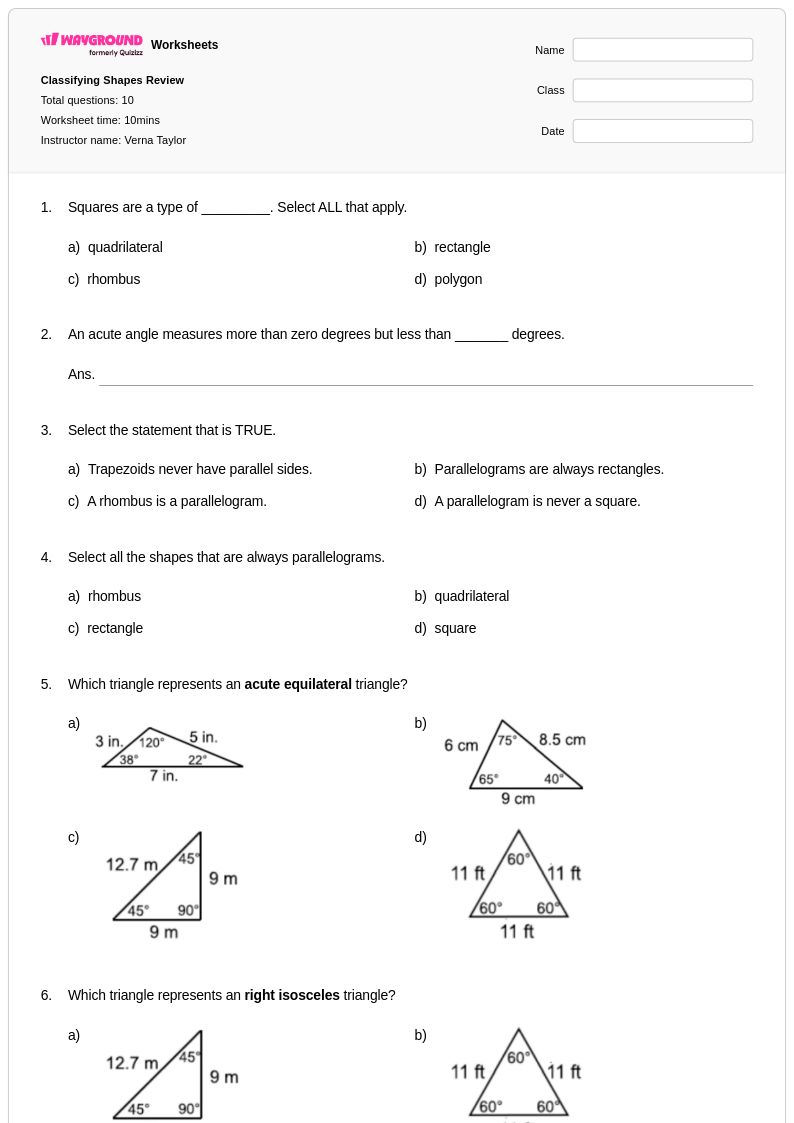
10 Q
5th
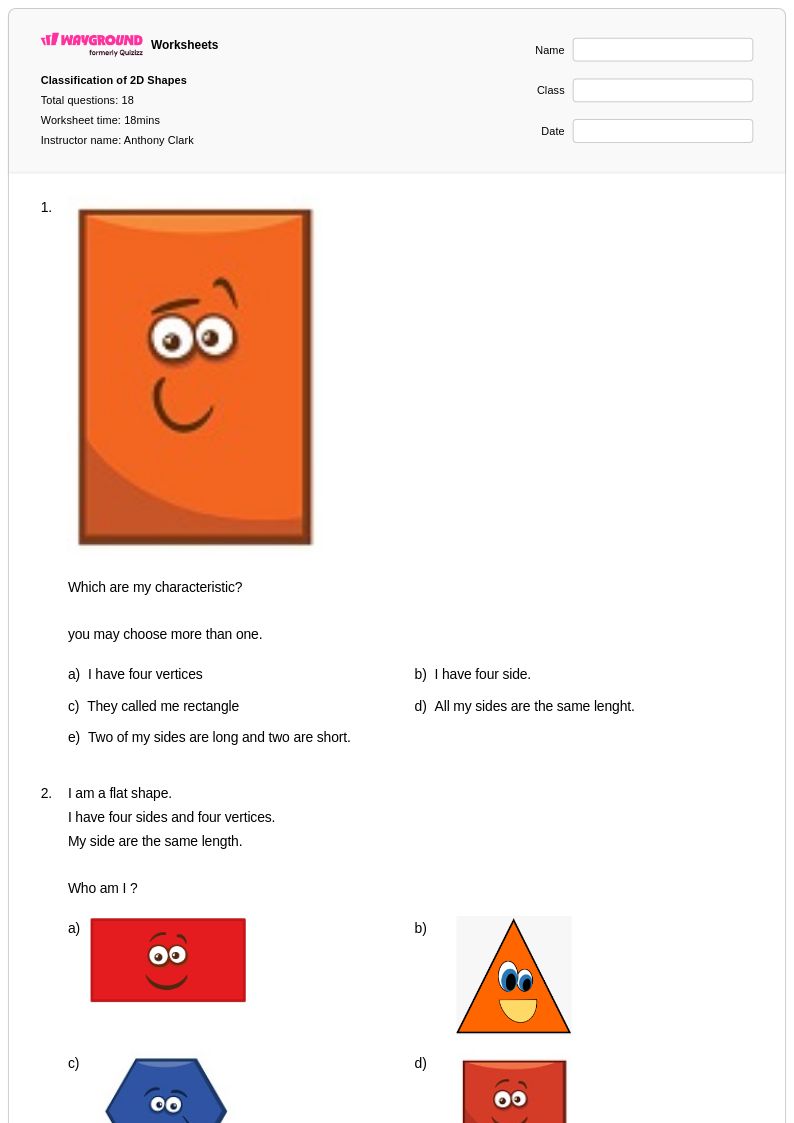
18 Q
1st - Uni
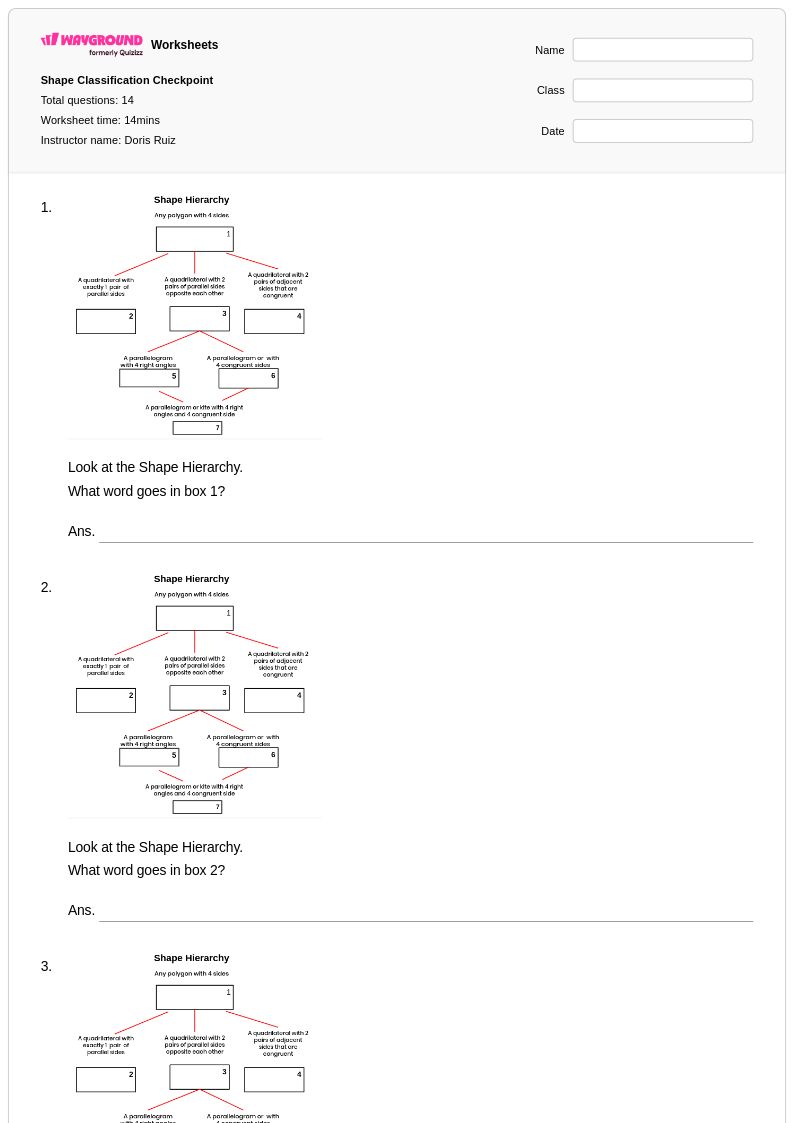
14 Q
5th
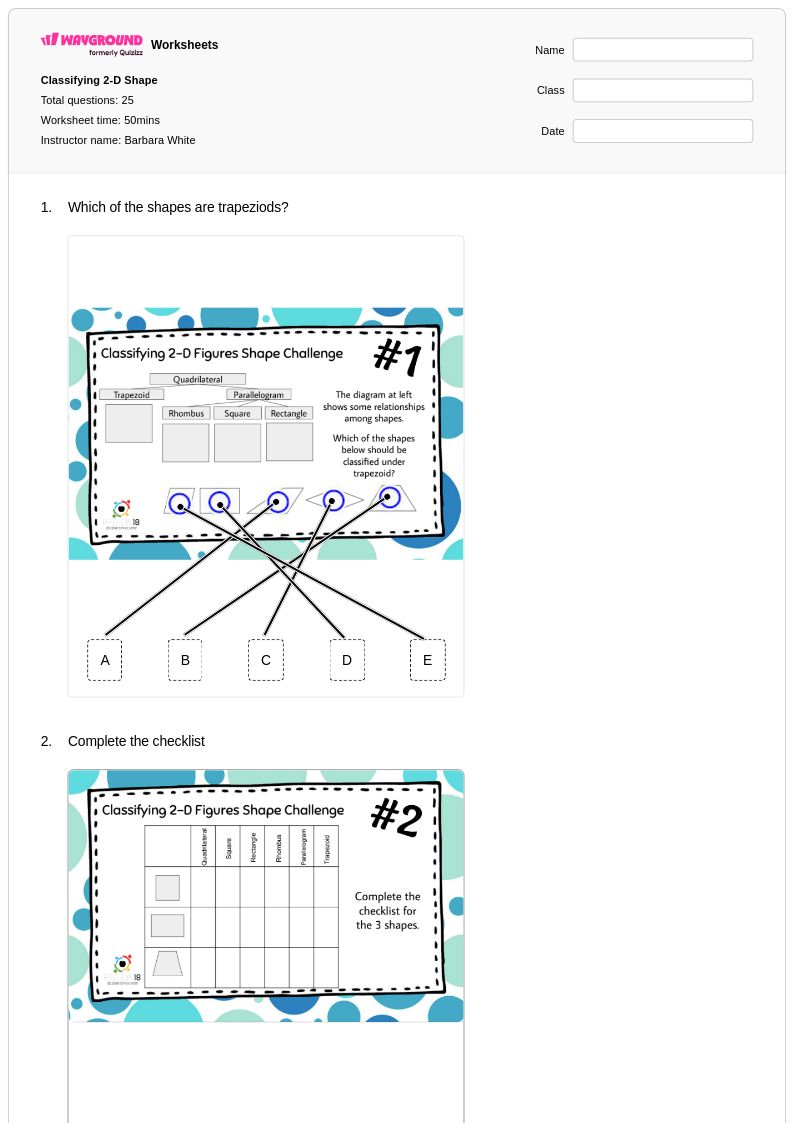
25 Q
5th
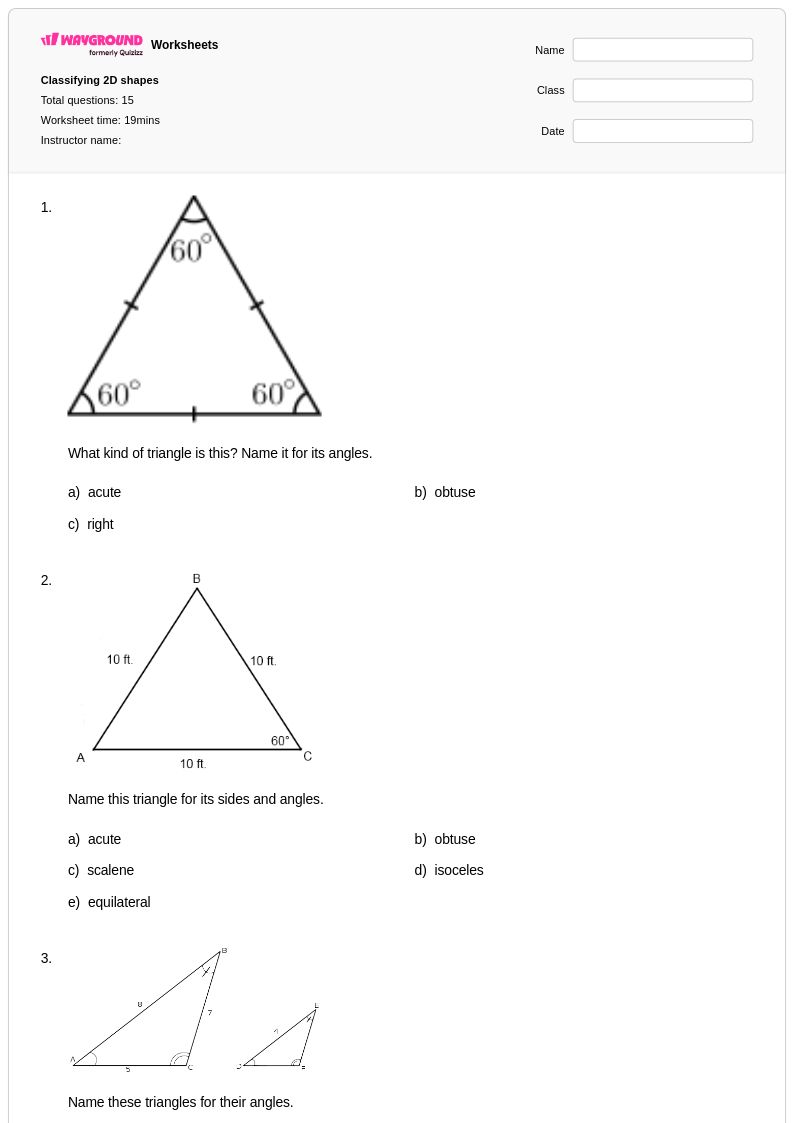
15 Q
5th
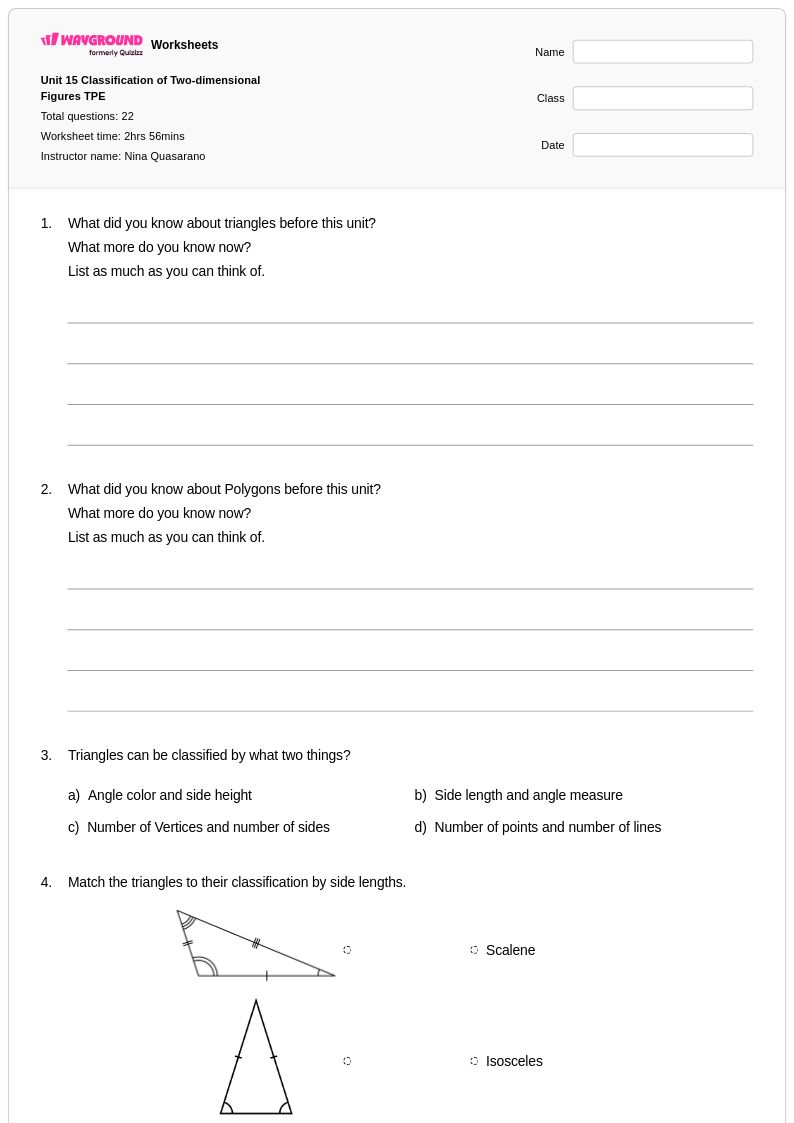
22 Q
5th
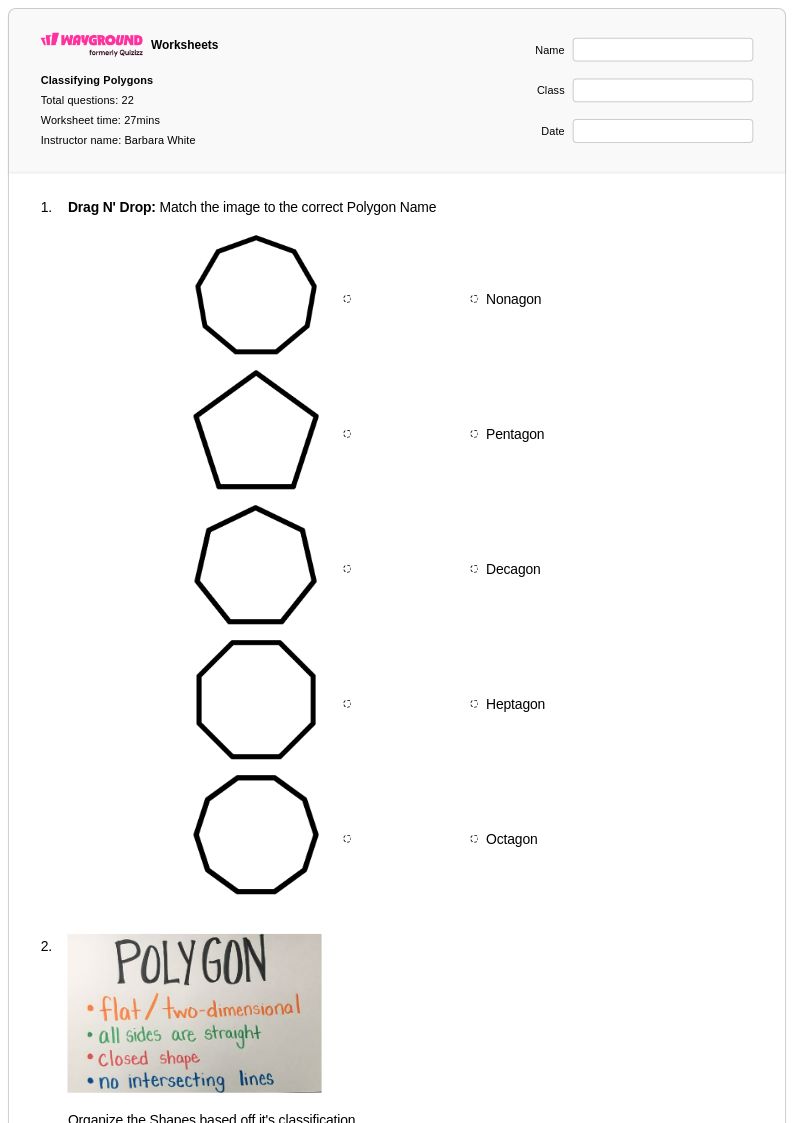
22 Q
5th
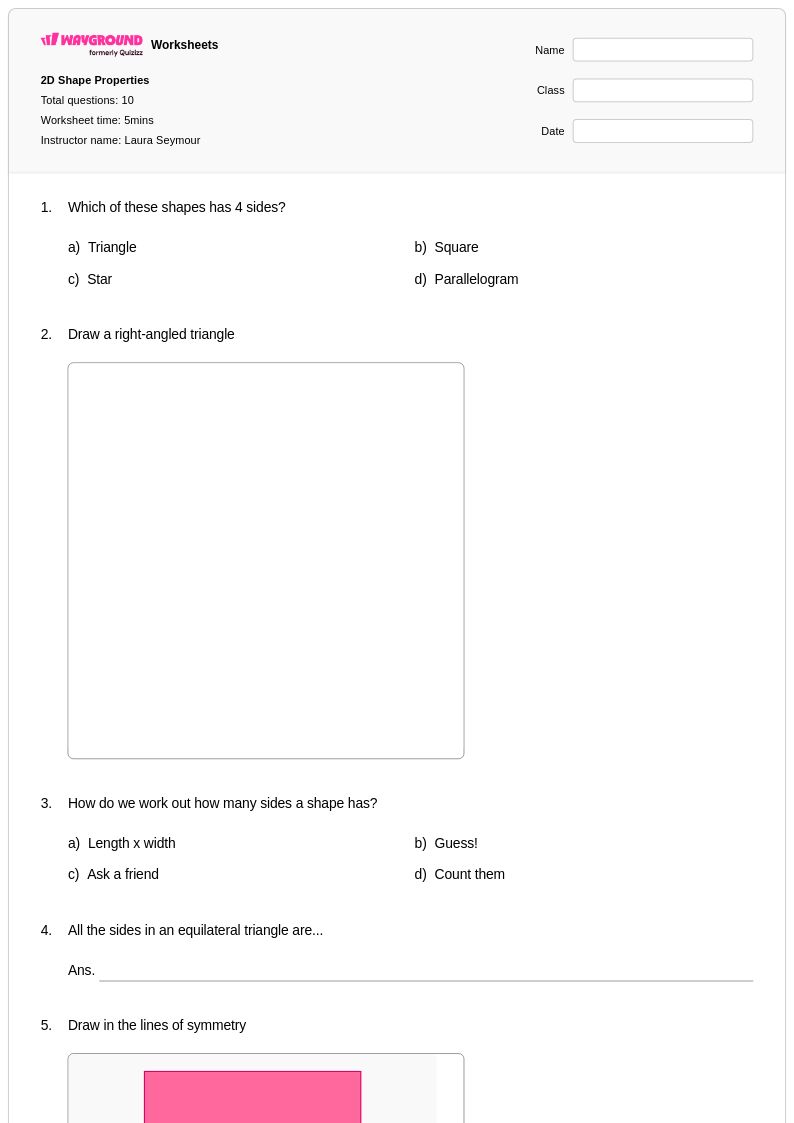
10 Q
5th
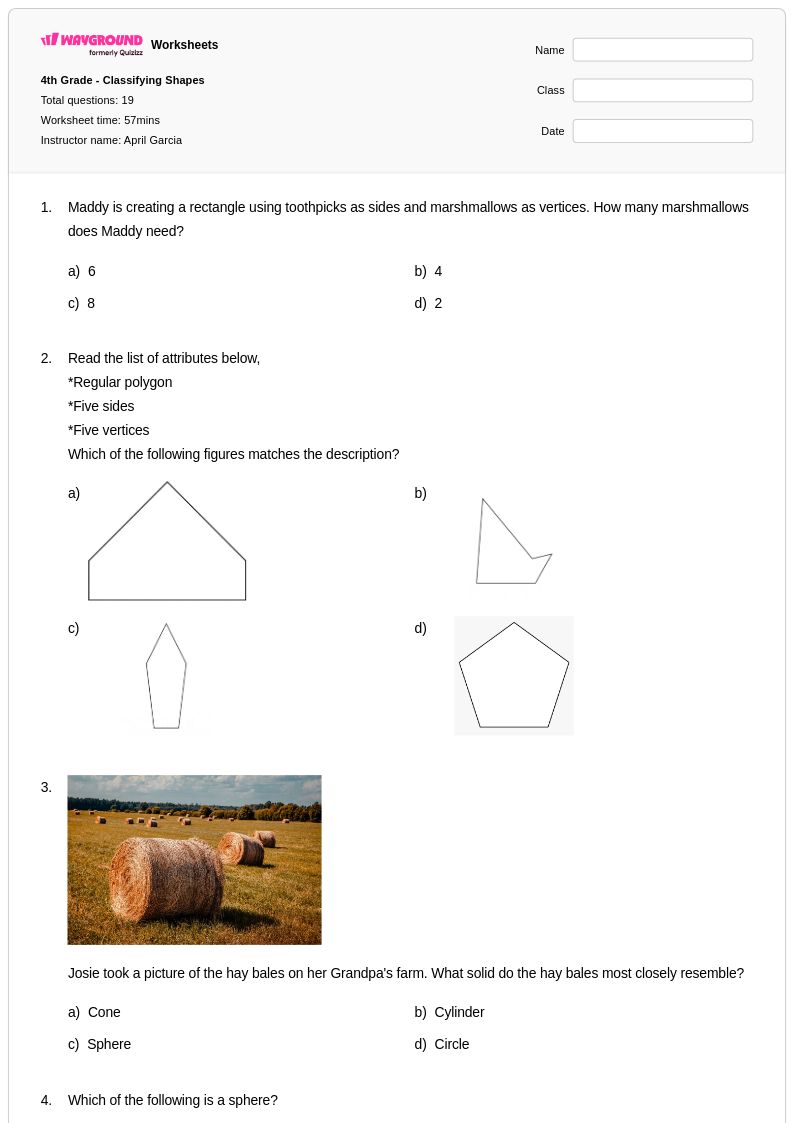
19 Q
3rd - 5th
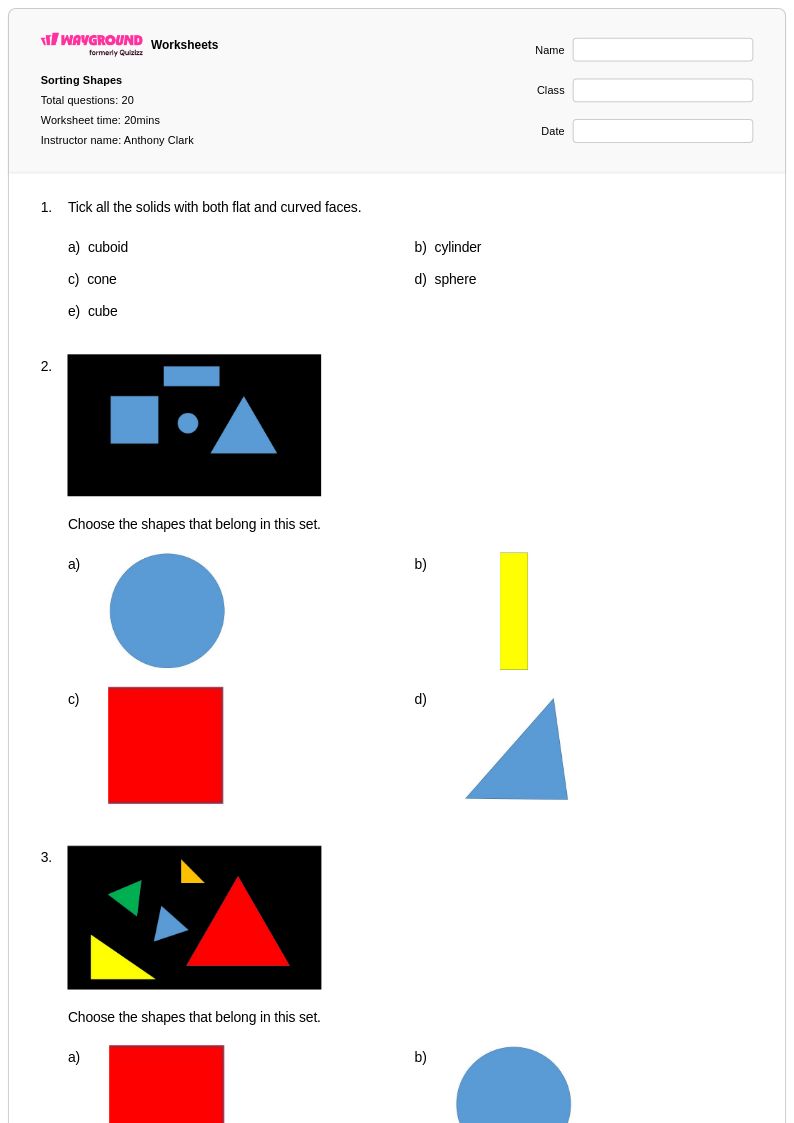
20 Q
1st - Uni
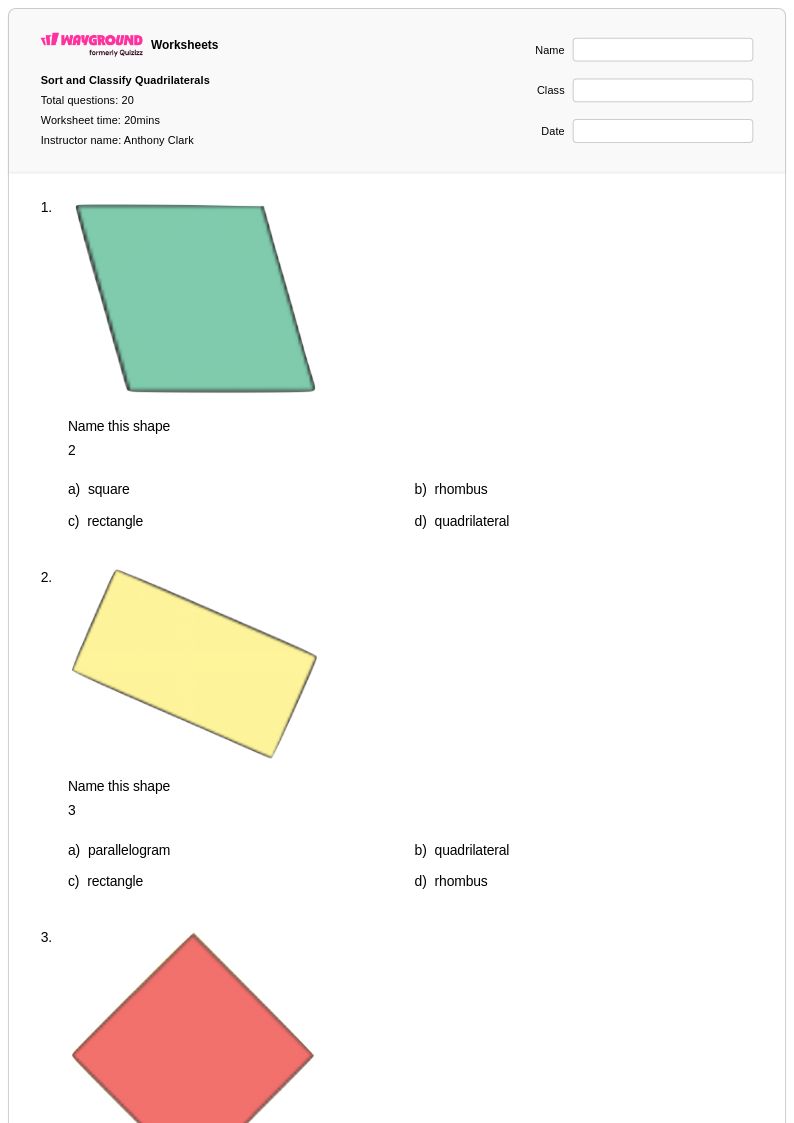
20 Q
5th - Uni
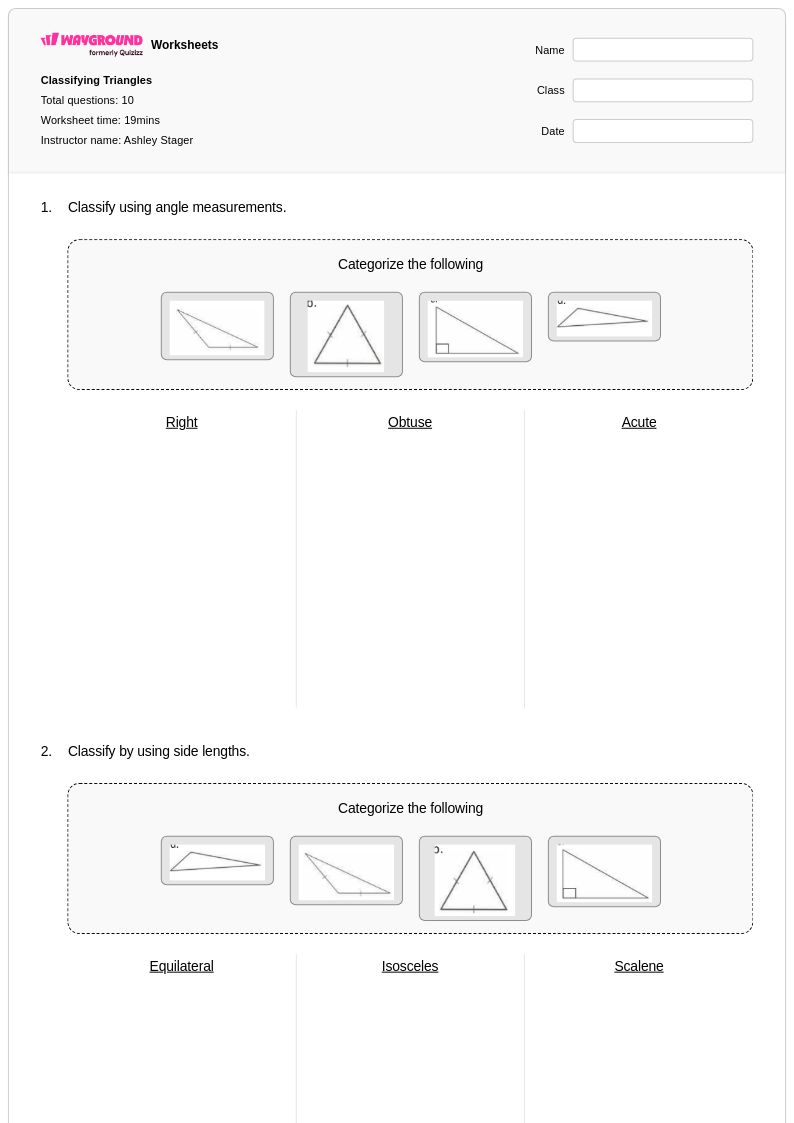
10 Q
5th
25 Q
5th
20 Q
5th - Uni
20 Q
4th - Uni
22 Q
5th - Uni
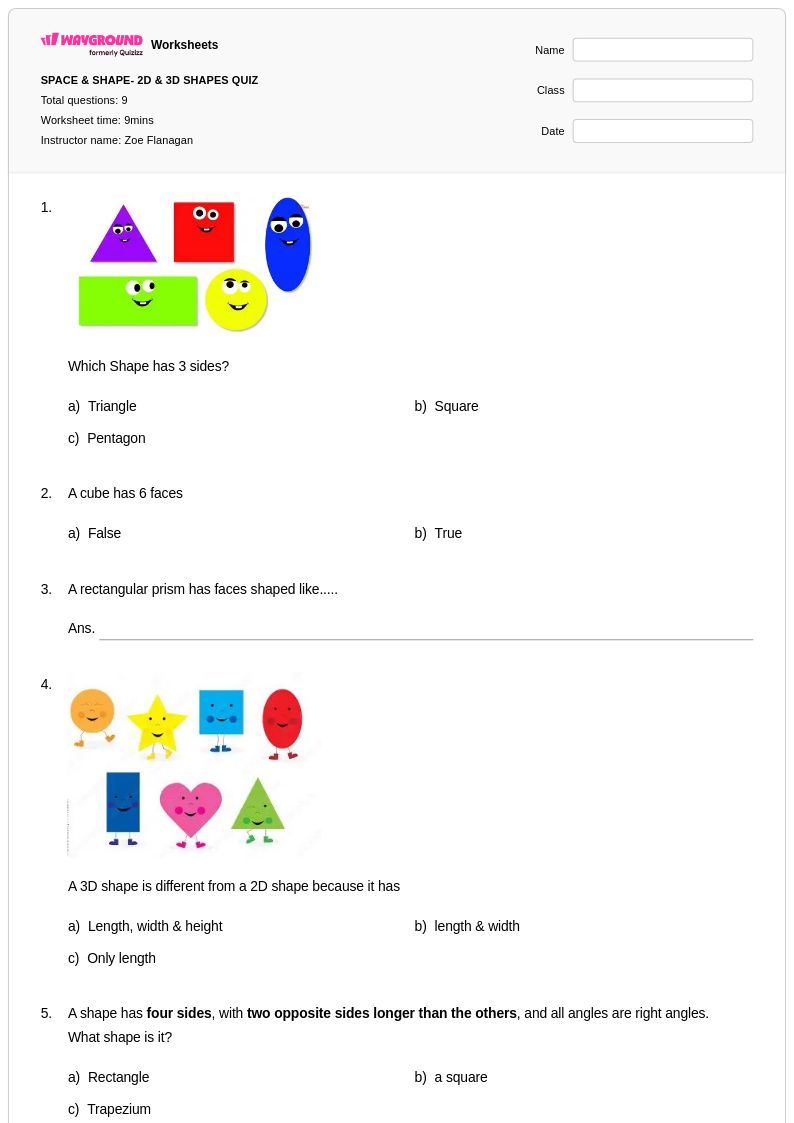
9 Q
5th
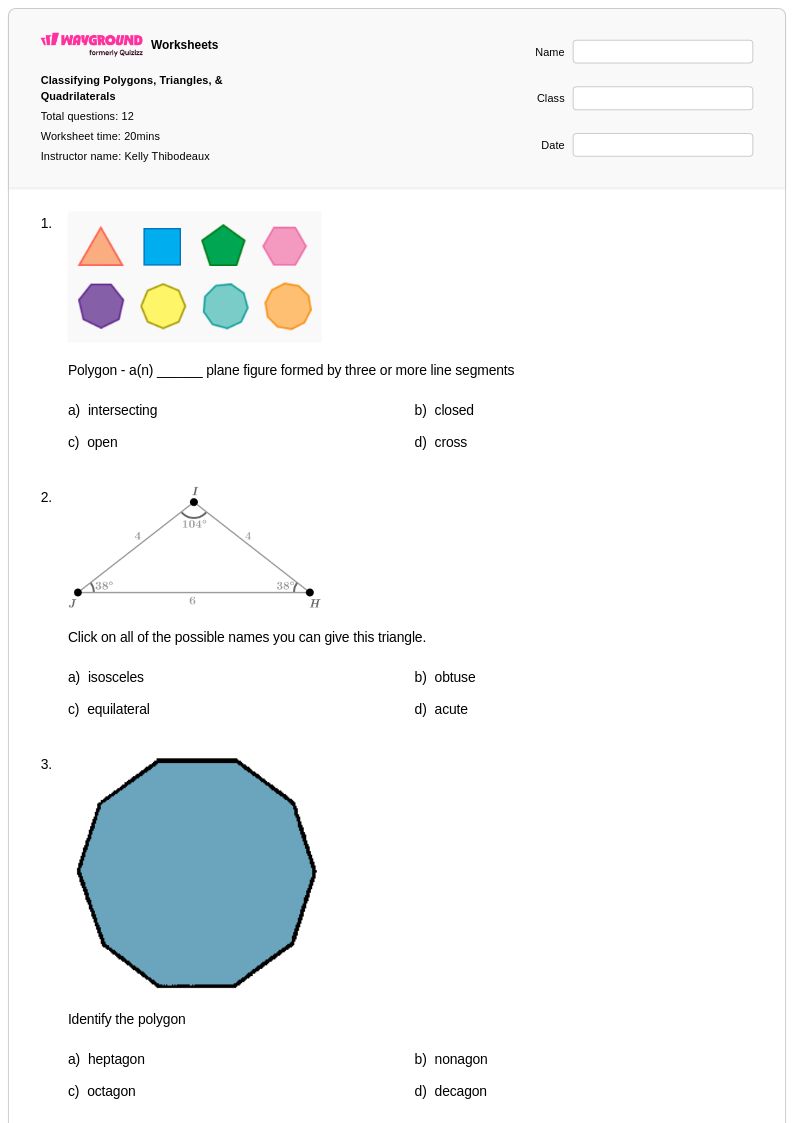
12 Q
5th
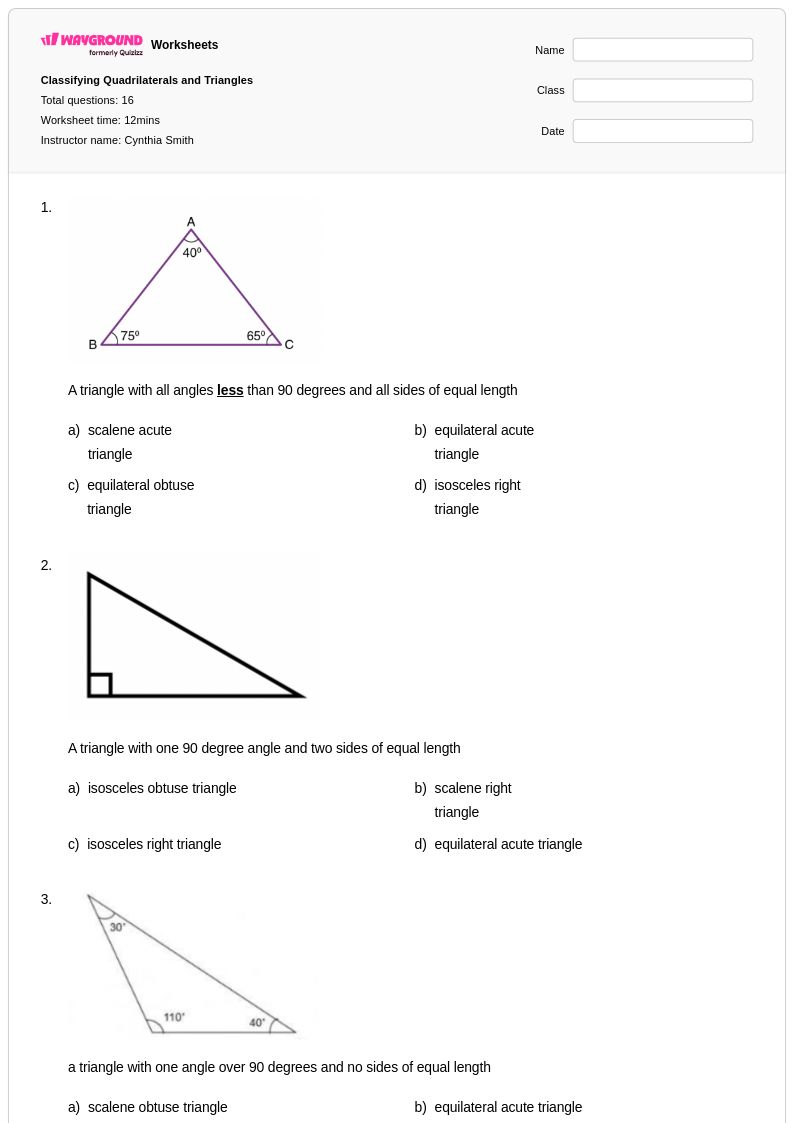
16 Q
5th
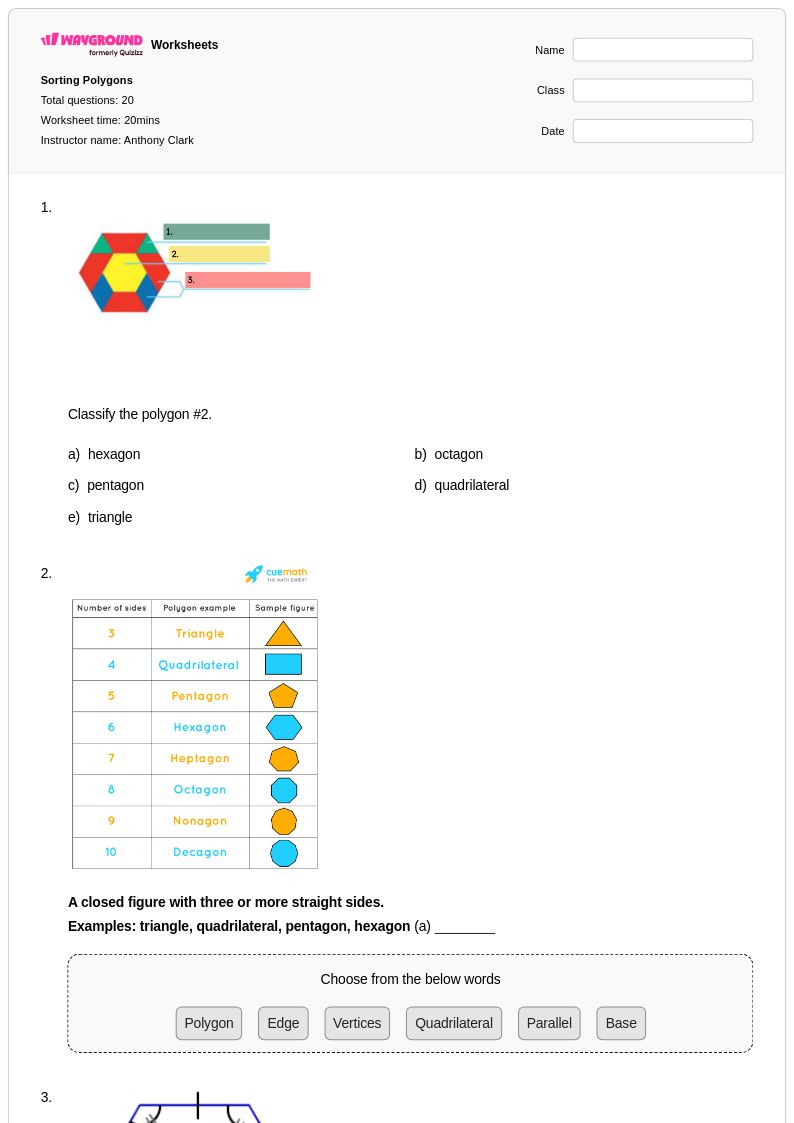
20 Q
4th - Uni
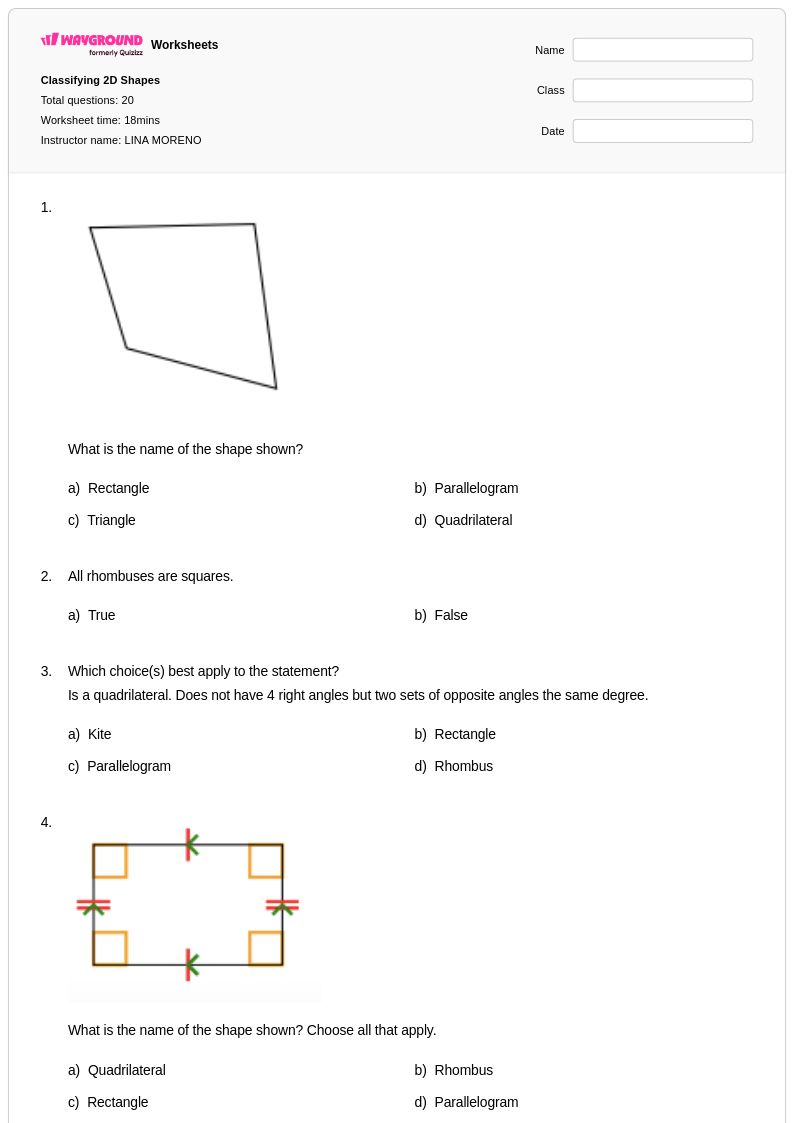
20 Q
5th - 6th
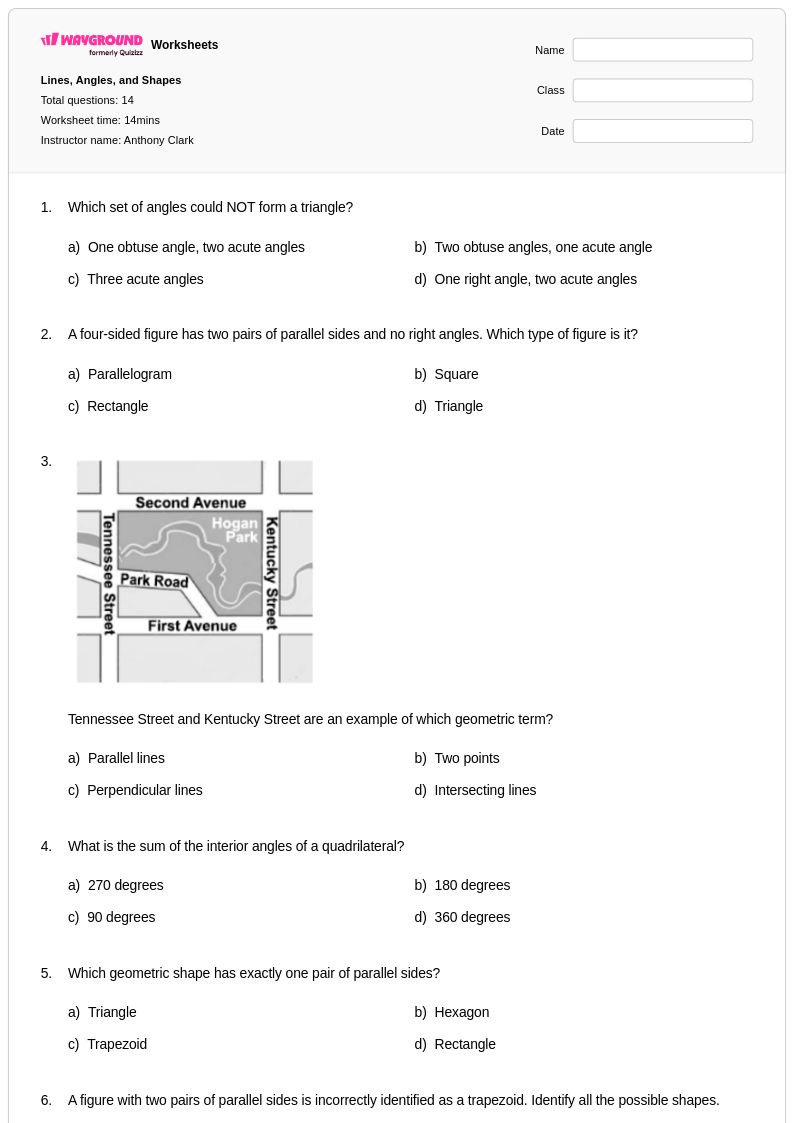
14 Q
4th - Uni
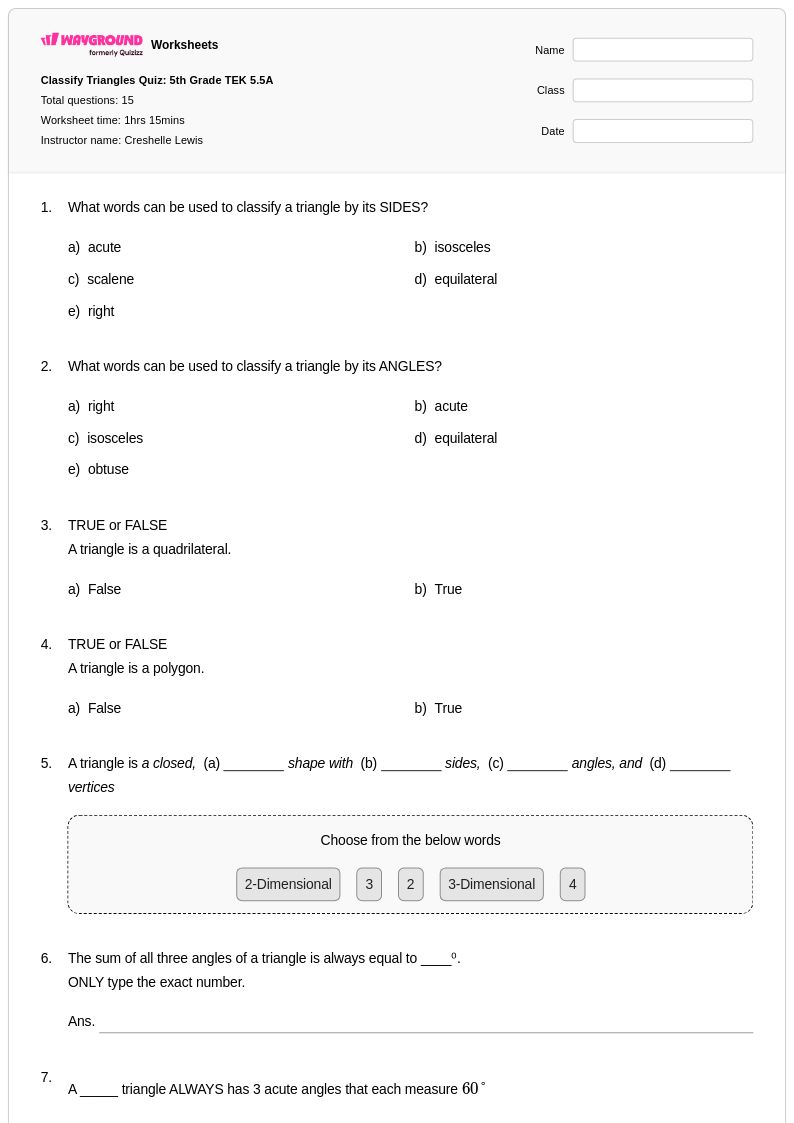
15 Q
5th
Explore Shape Sorting and Classification Worksheets by Grades
Explore Other Subject Worksheets for year 5
Explore printable Shape Sorting and Classification worksheets for Year 5
Shape sorting and classification worksheets for Year 5 students provide essential practice in identifying, categorizing, and analyzing geometric figures based on their distinct properties and characteristics. These comprehensive worksheets available through Wayground (formerly Quizizz) strengthen students' ability to recognize patterns among two-dimensional and three-dimensional shapes, classify polygons by their number of sides and angles, and distinguish between regular and irregular figures. Students engage with practice problems that challenge them to sort shapes using multiple criteria simultaneously, such as parallel sides, right angles, and symmetry properties. Each worksheet includes a detailed answer key to support accurate assessment and self-checking, and these free printables are designed to reinforce the mathematical reasoning skills essential for advanced geometric concepts.
Wayground (formerly Quizizz) empowers educators with millions of teacher-created resources specifically designed for shape sorting and classification instruction, offering robust search and filtering capabilities that allow teachers to quickly locate worksheets aligned with state mathematics standards and curriculum objectives. The platform's differentiation tools enable instructors to customize worksheet difficulty levels and modify practice problems to meet diverse learning needs, supporting both remediation for struggling students and enrichment opportunities for advanced learners. Teachers can access these resources in flexible formats, including downloadable PDF files for traditional classroom use and interactive digital versions for technology-integrated lessons, making lesson planning more efficient while ensuring consistent skill practice across various instructional settings.