Free Printable Medial Sounds Worksheets for Year 2
Year 2 medial sounds worksheets from Wayground help students practice identifying middle sounds in words through engaging printables, free PDF activities, and comprehensive answer keys for phonics mastery.
Explore printable Medial Sounds worksheets for Year 2
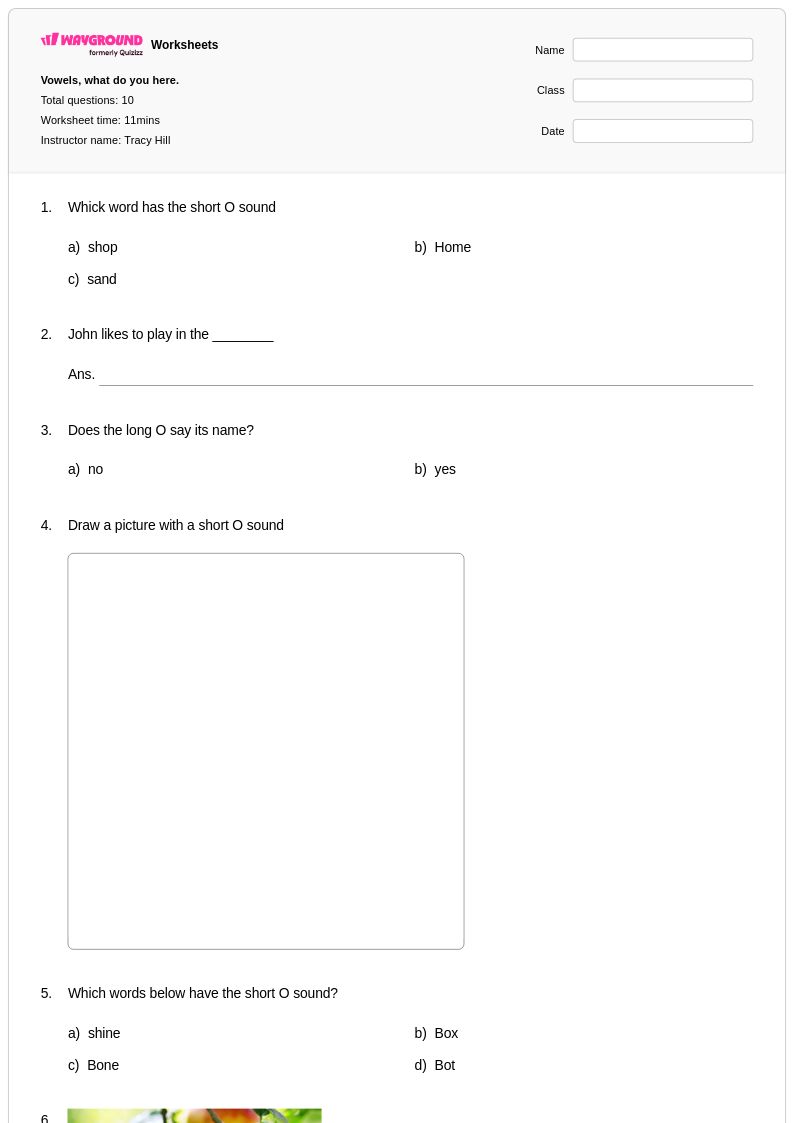
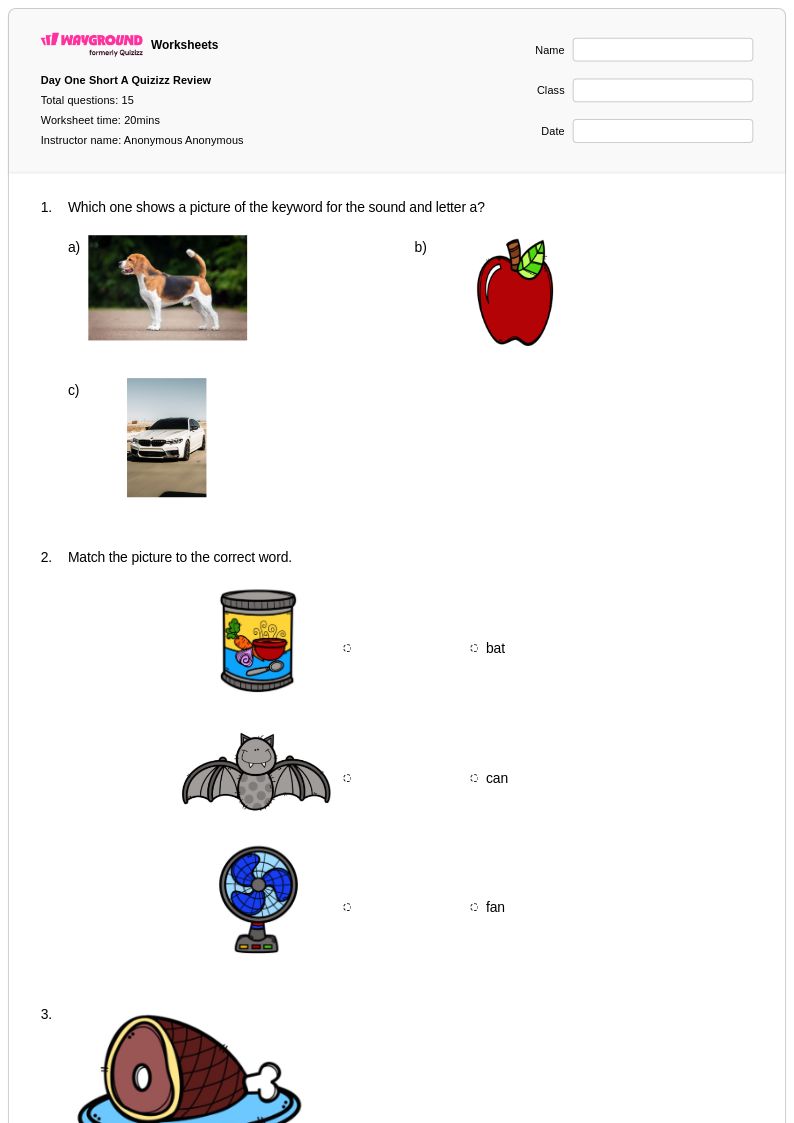
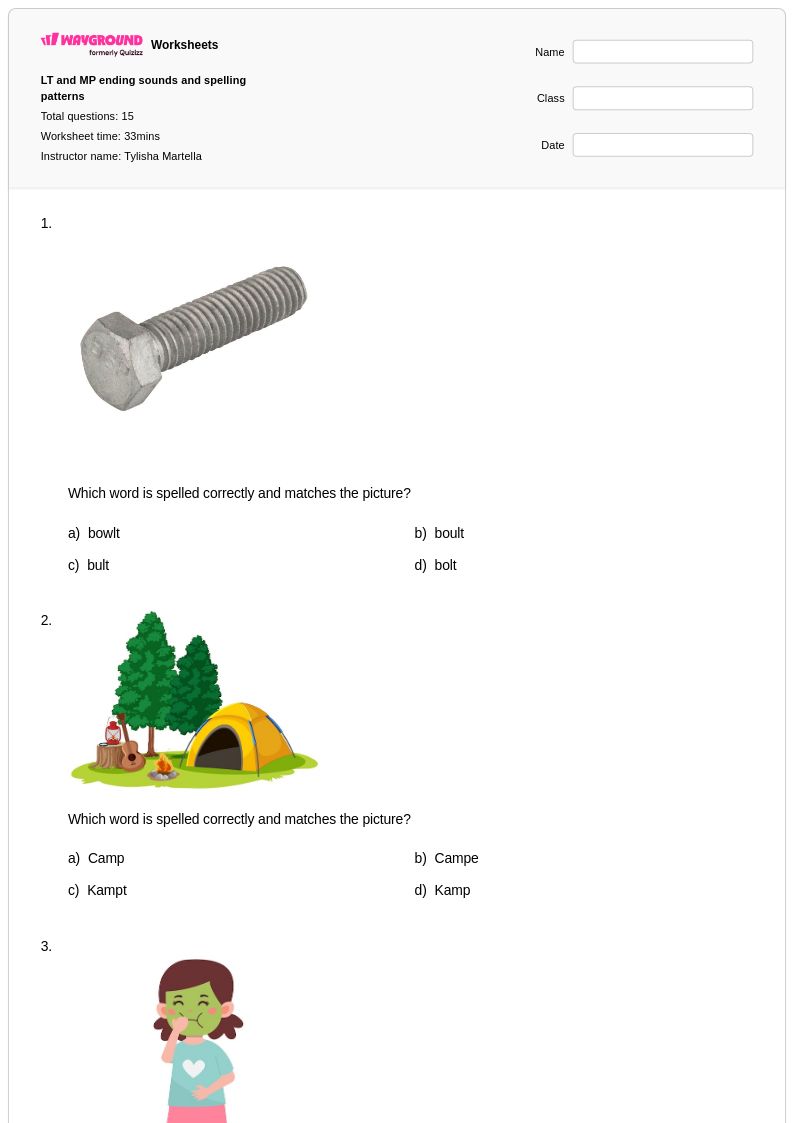
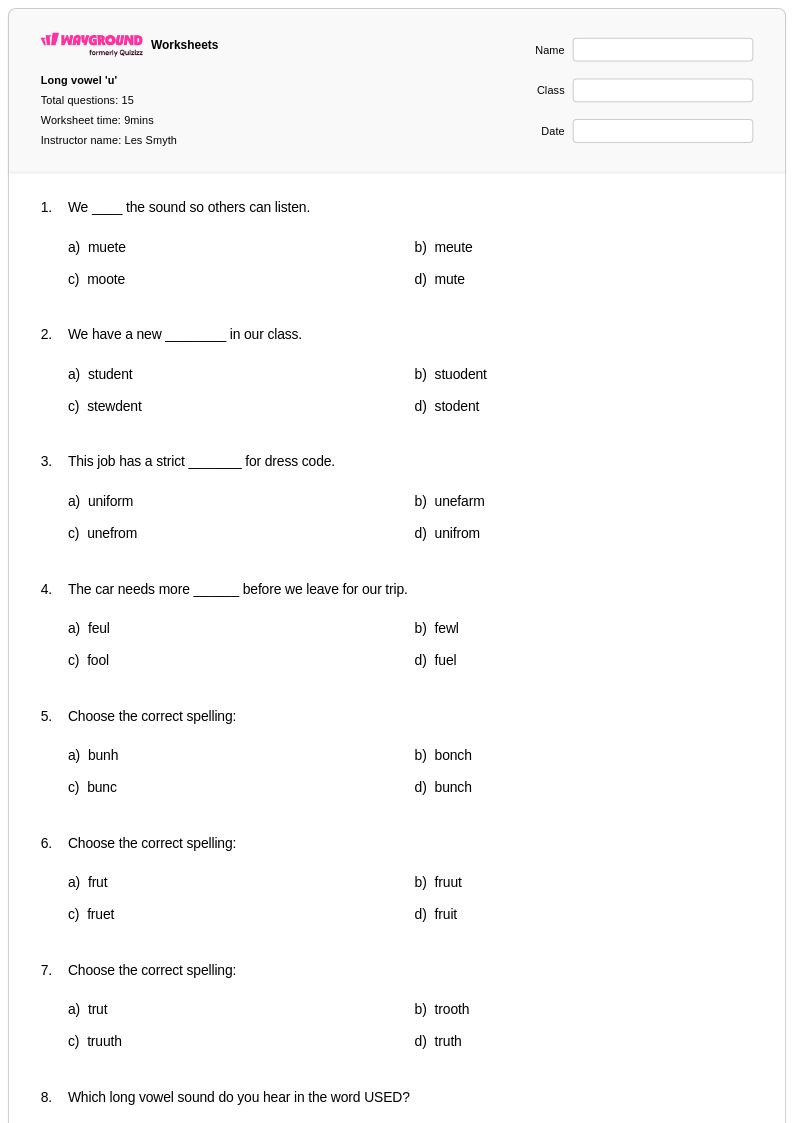
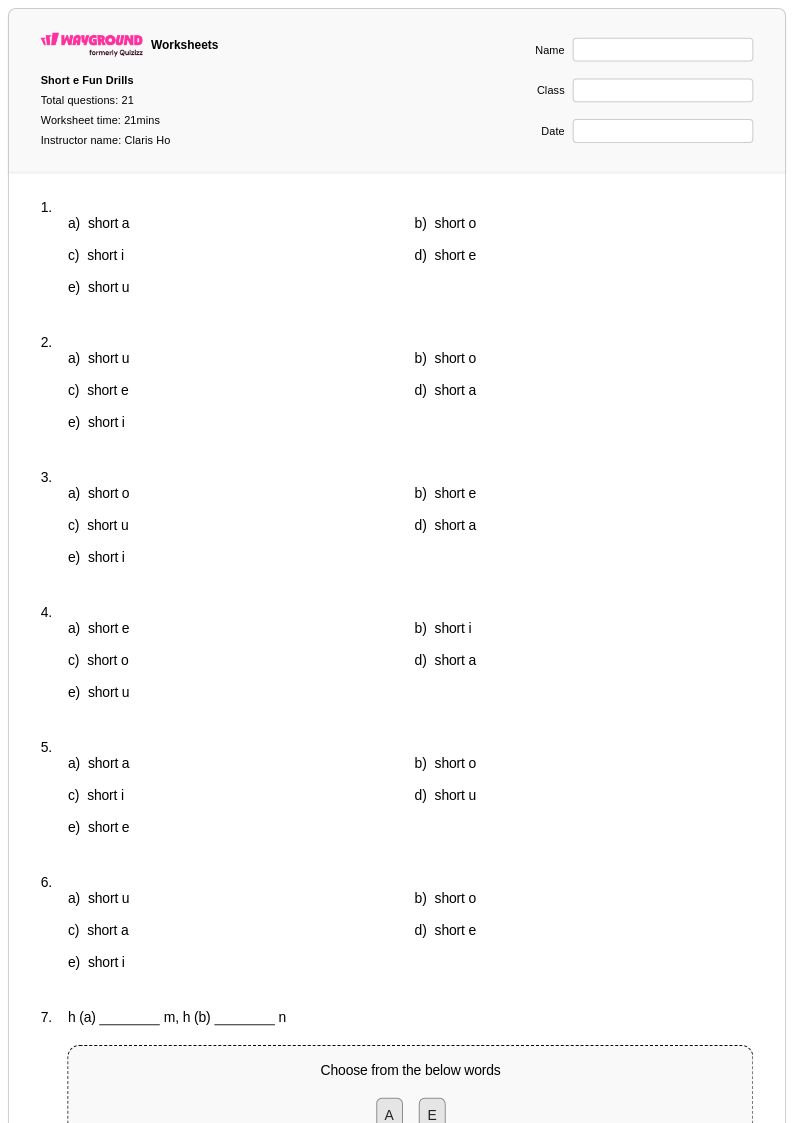
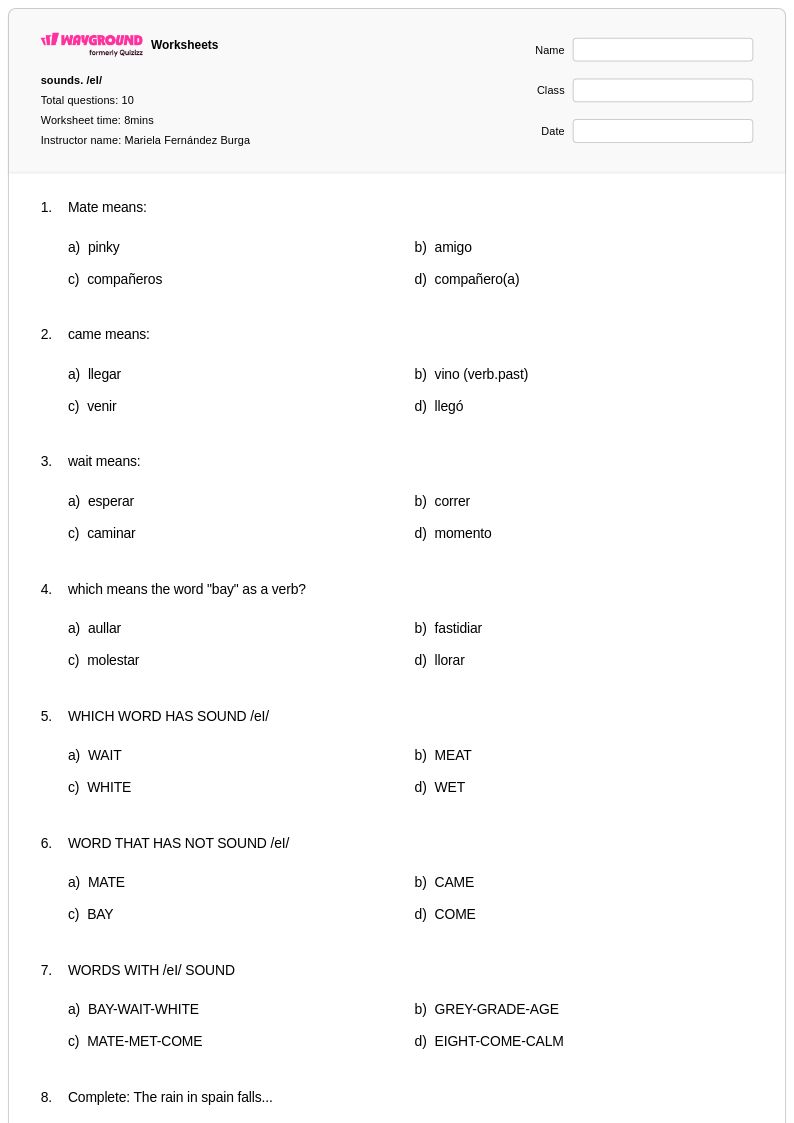
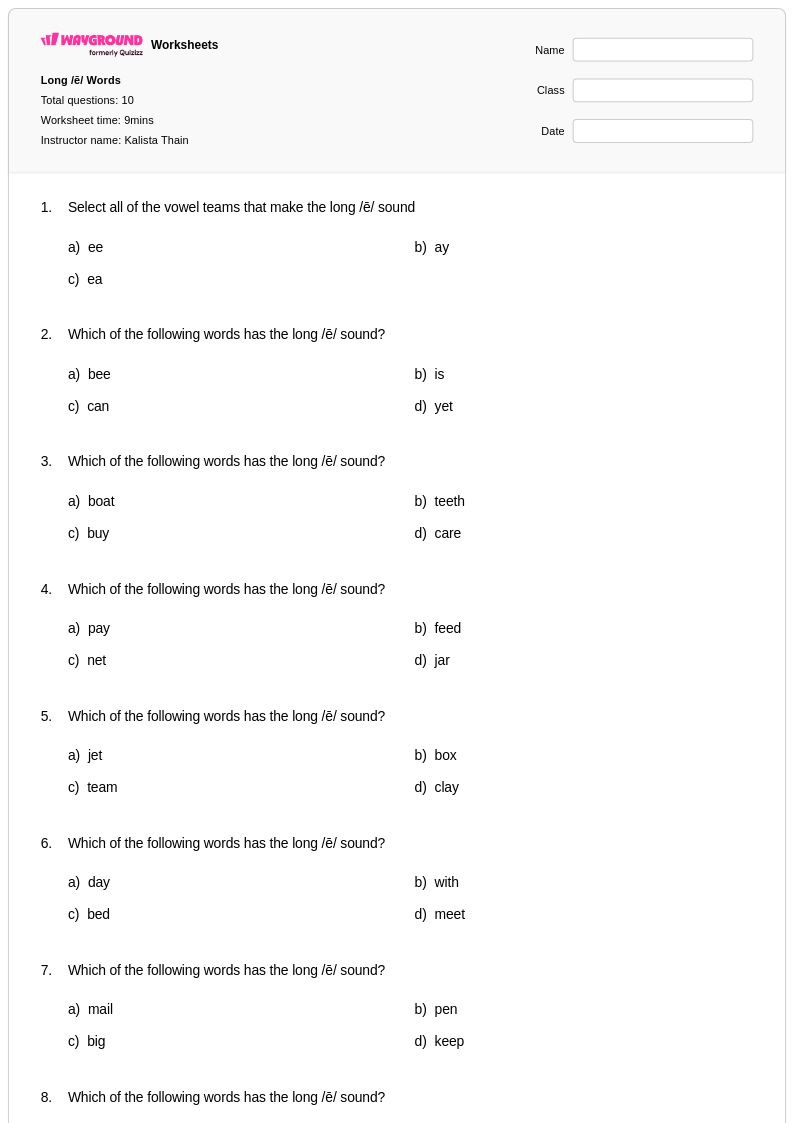
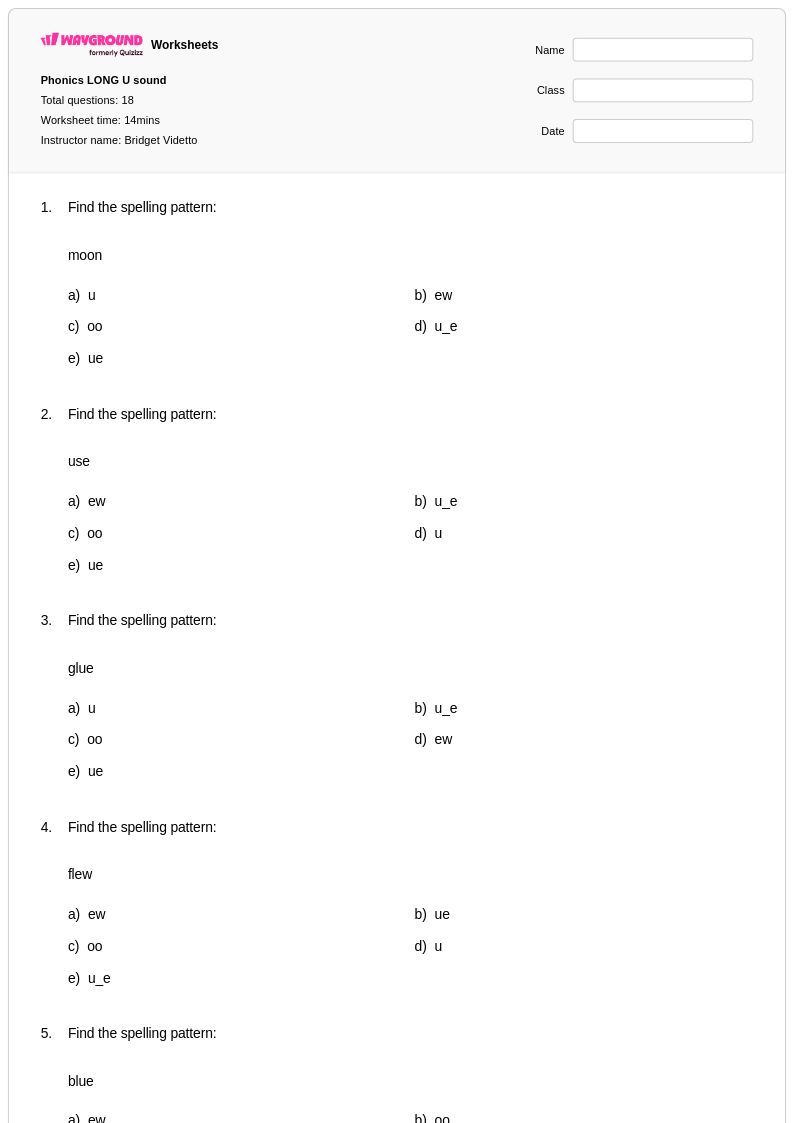
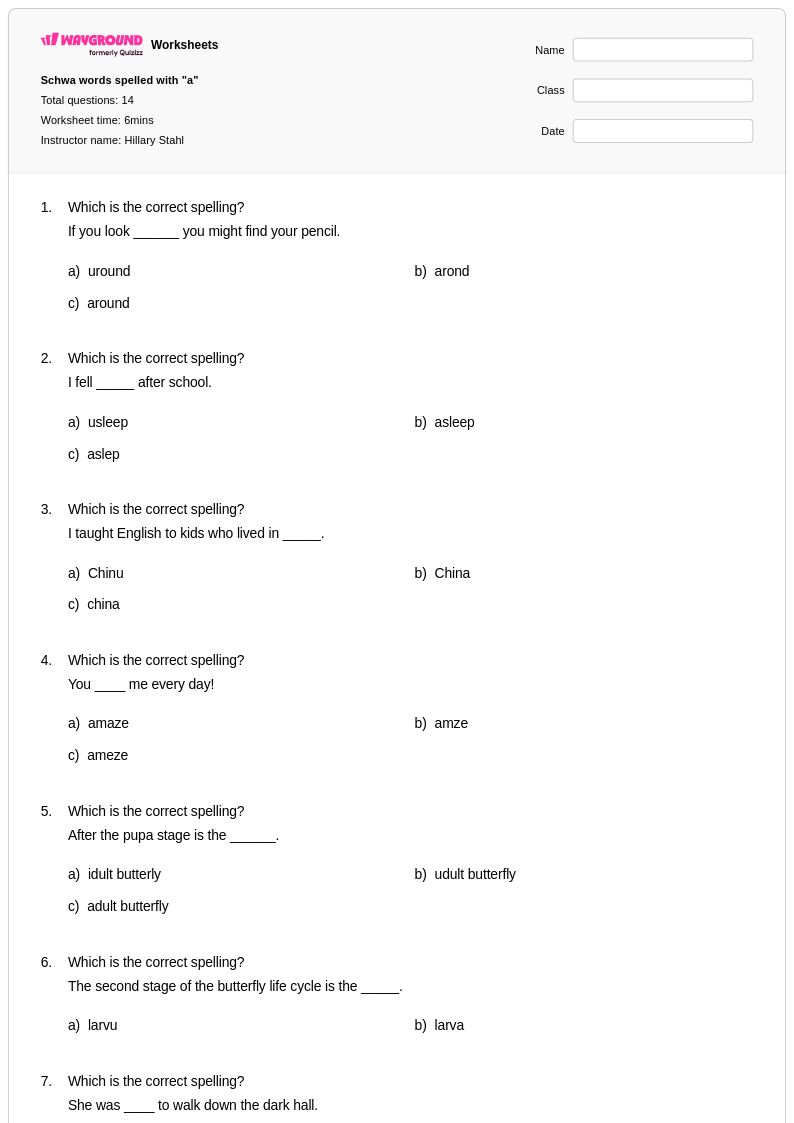
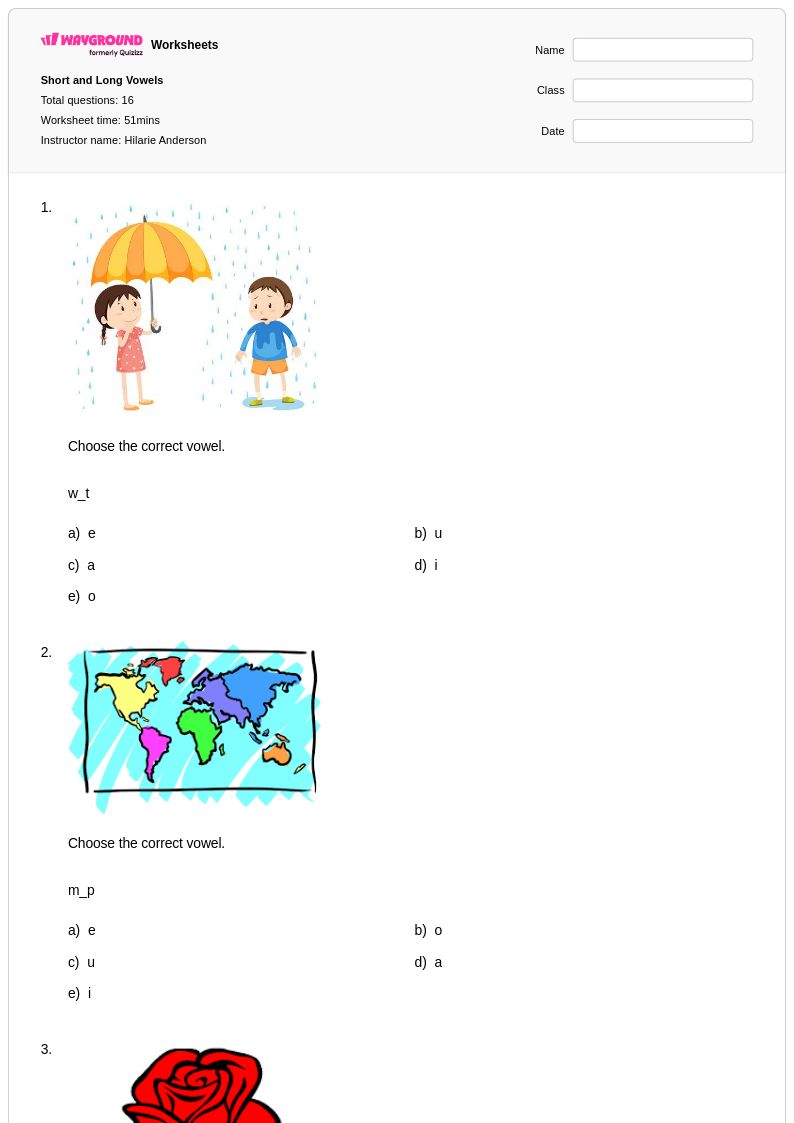
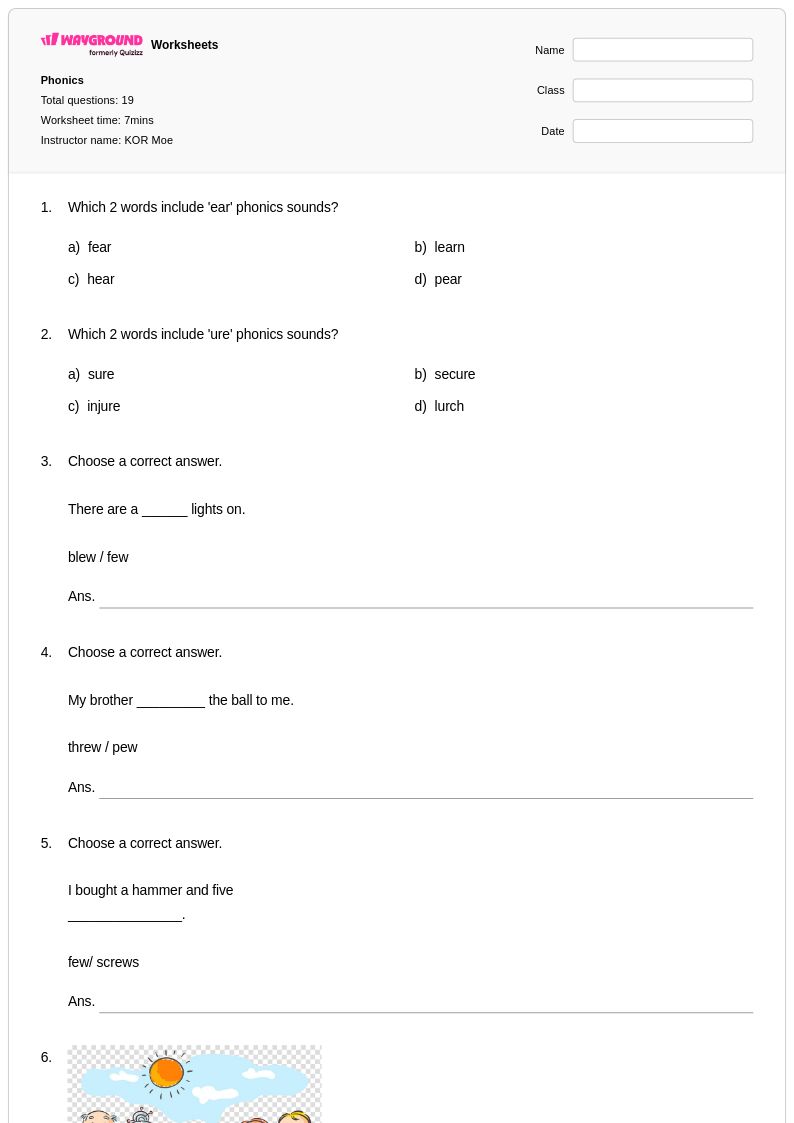
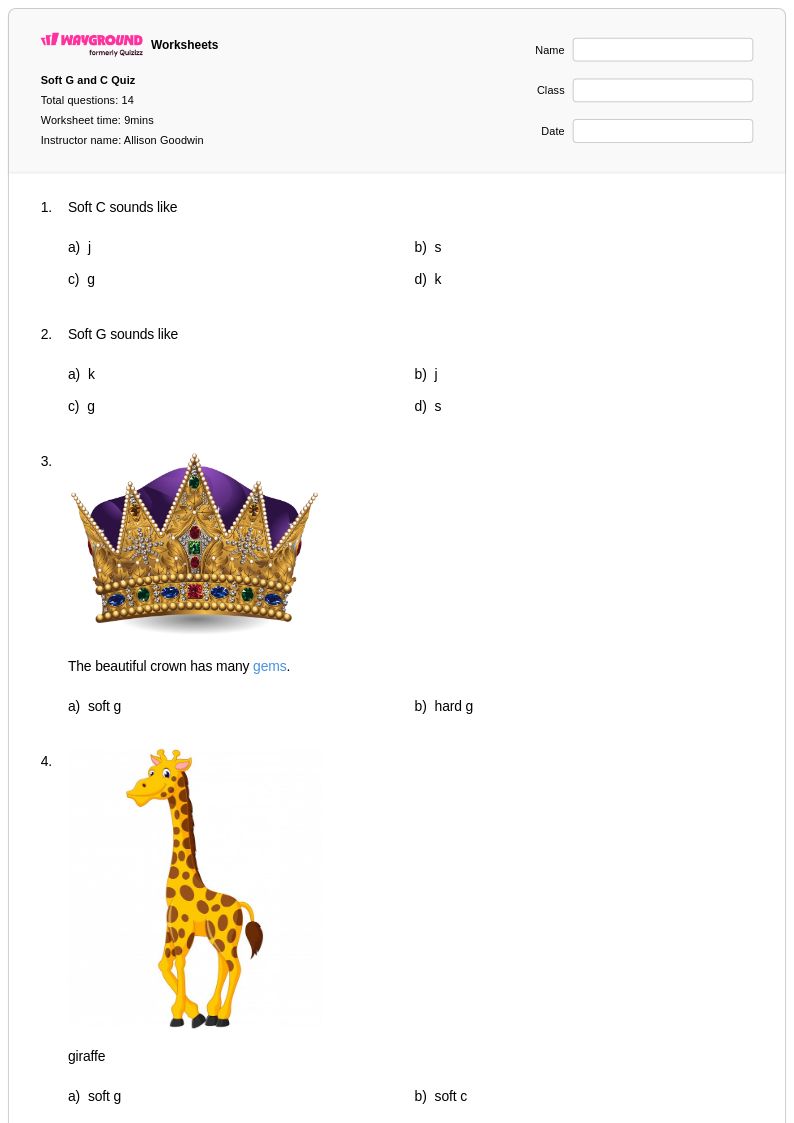
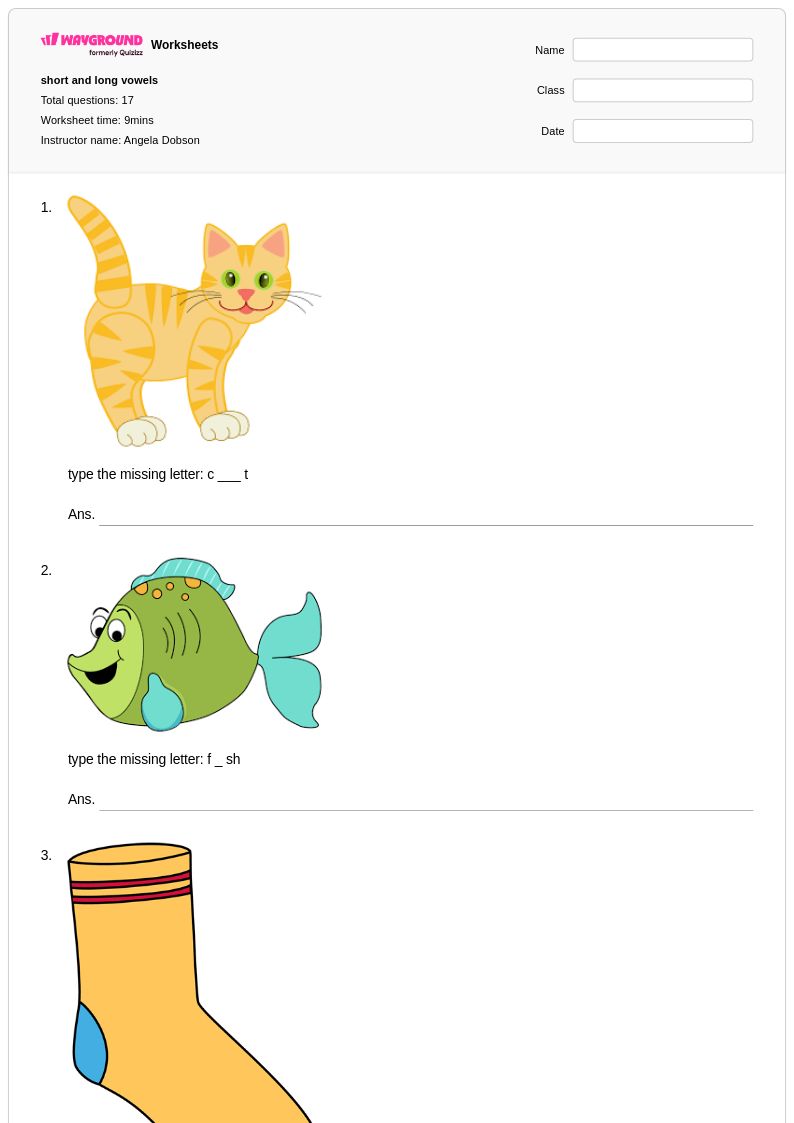
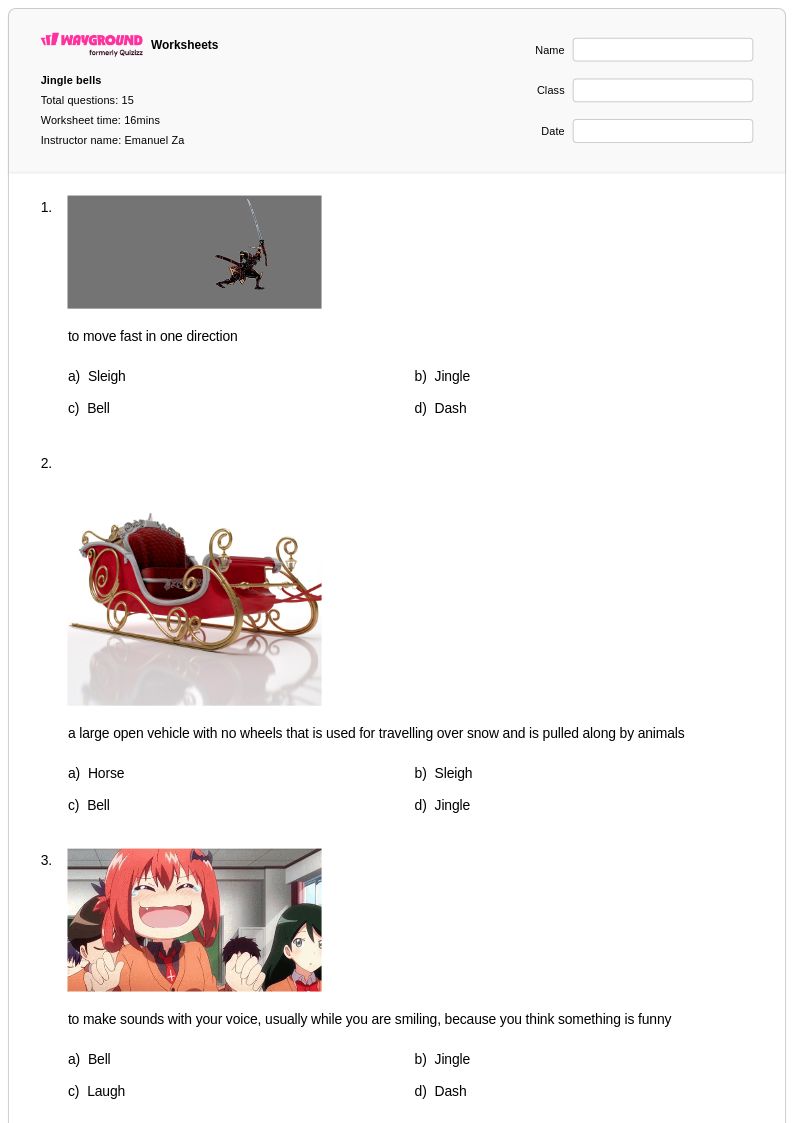
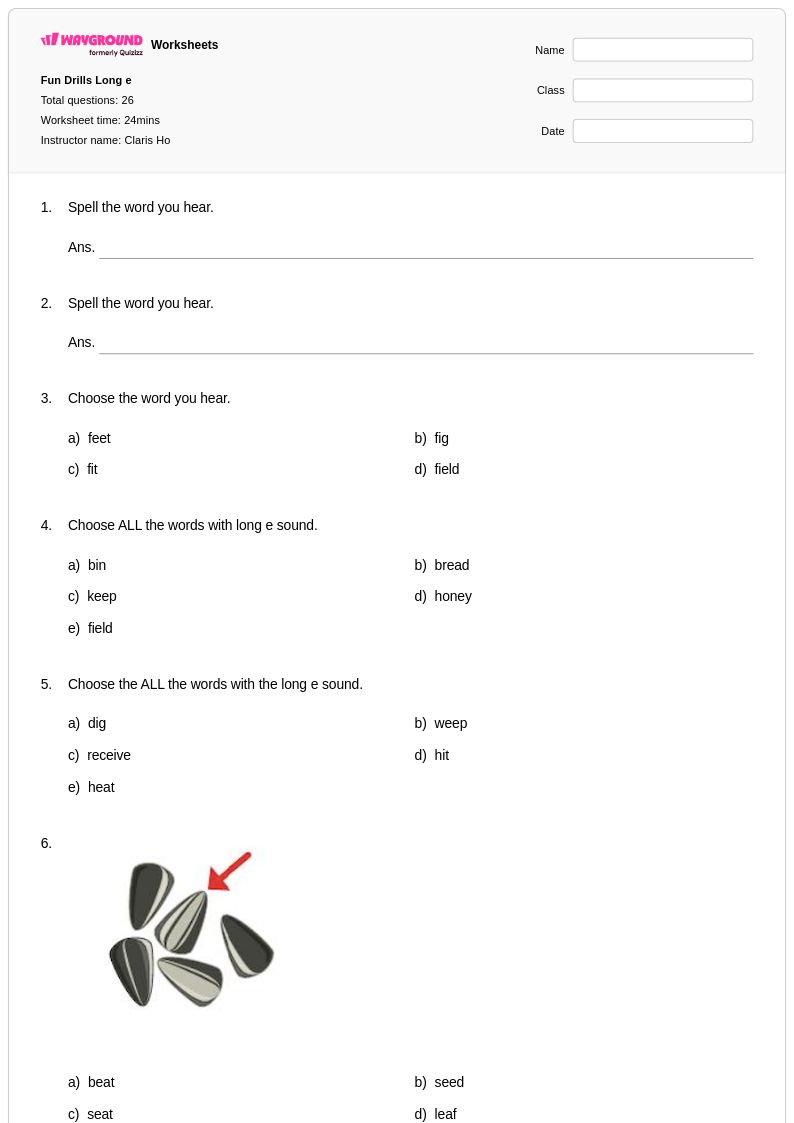
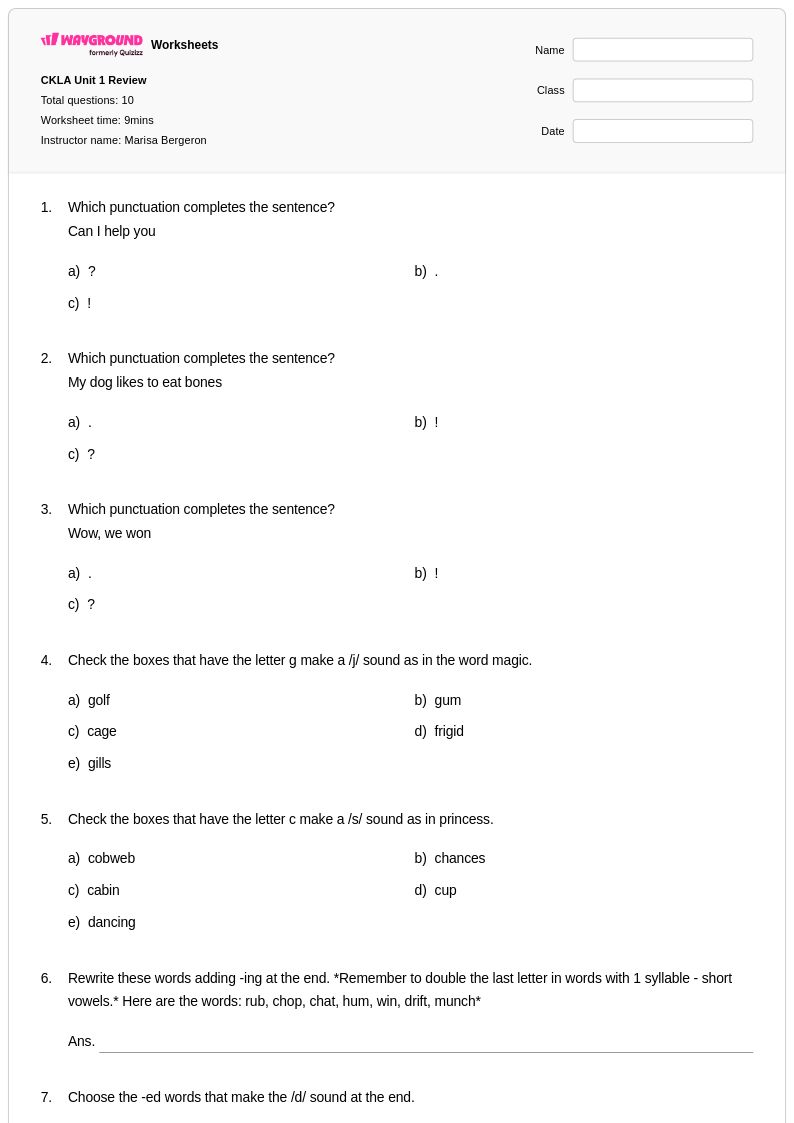
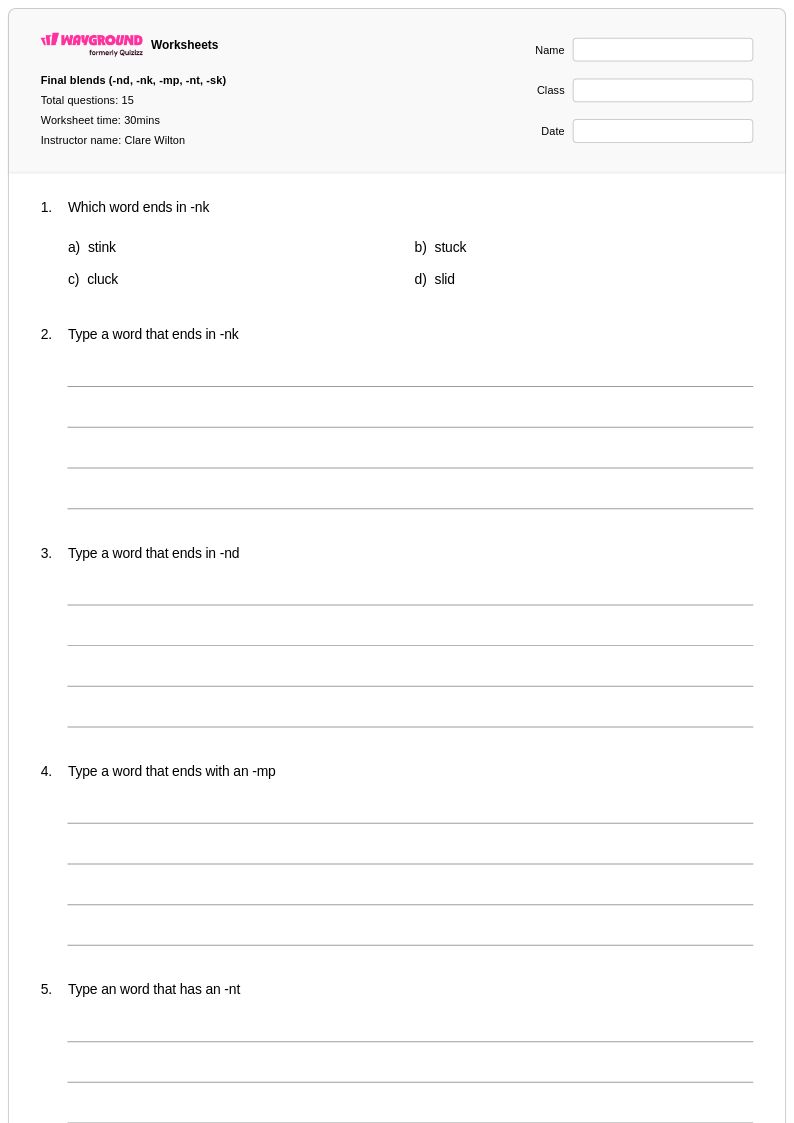
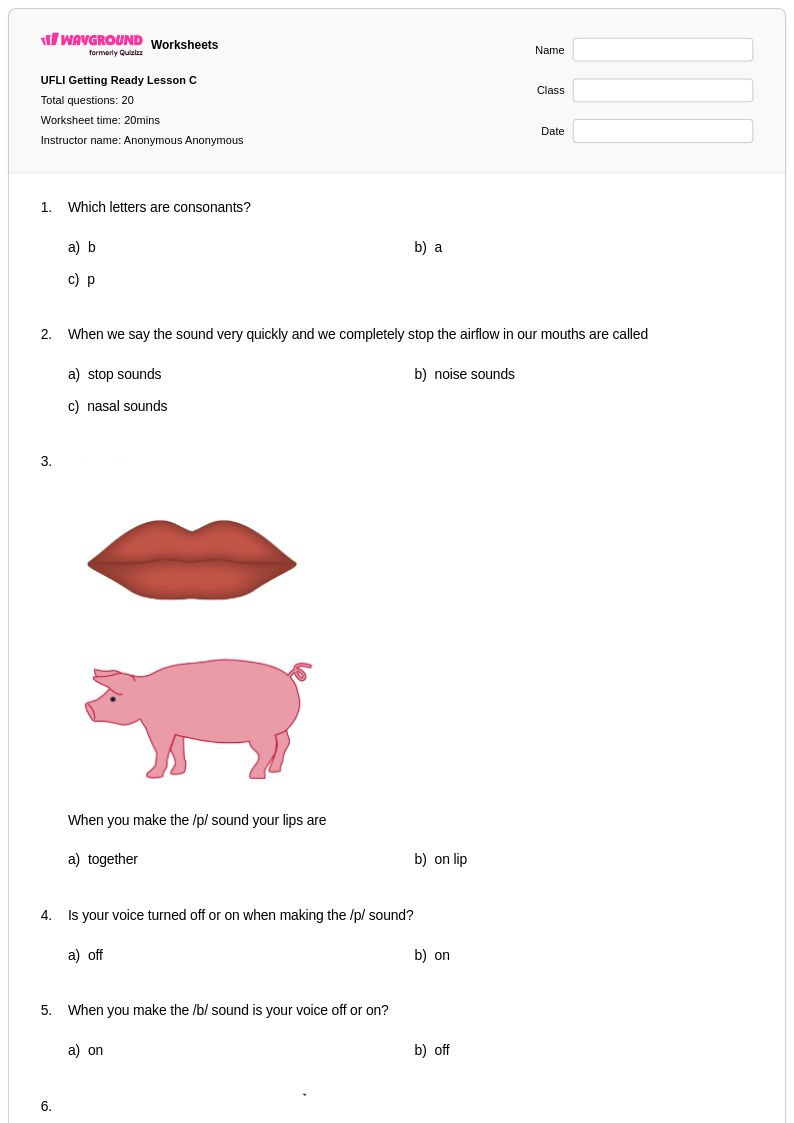
Medial sounds worksheets for Year 2 students available through Wayground (formerly Quizizz) provide comprehensive practice in identifying and manipulating the middle sounds within words, a critical phonics skill that bridges beginning and advanced reading abilities. These carefully designed printables target the specific challenge of recognizing vowel and consonant sounds that occur in the medial position of words, helping young learners develop stronger phonemic awareness and spelling patterns. Each worksheet includes systematic practice problems that progress from simple three-letter words to more complex phonetic structures, with answer keys provided to support both independent practice and guided instruction. The free pdf resources emphasize hands-on activities such as sound sorting, word completion exercises, and picture-to-sound matching that reinforce auditory discrimination skills essential for reading fluency and spelling accuracy.
Wayground (formerly Quizizz) supports educators with an extensive collection of millions of teacher-created medial sounds resources that can be easily accessed through robust search and filtering capabilities designed specifically for Year 2 phonics instruction. The platform's standards-aligned materials offer flexible customization options that allow teachers to differentiate instruction based on individual student needs, whether for remediation of struggling readers or enrichment of advanced learners. Available in both printable and digital formats including downloadable pdfs, these worksheet collections streamline lesson planning while providing targeted skill practice that addresses diverse learning styles and classroom management preferences. Teachers can efficiently identify appropriate materials for whole-group instruction, small-group intervention, or independent practice sessions, ensuring that medial sound recognition becomes a solid foundation for continued phonics development and reading success.
FAQs
How do I teach medial sounds to early readers?
Teaching medial sounds works best when students have already developed some comfort with initial and final sounds, since the middle position is harder to isolate. Use continuous blending routines where you stretch out a CVC word (like 'sit') and ask students to identify what they hear in the middle. Connecting medial sounds explicitly to vowel patterns helps students build the phonemic awareness needed for decoding and spelling.
What activities help students practice identifying middle sounds in words?
Effective practice activities for medial sounds include word sorting by vowel sound, listening tasks where students swap the middle sound to make a new word, and written exercises where students fill in the missing middle letter. Sound boxes (Elkonin boxes) are particularly effective because they give students a visual scaffold for isolating the medial phoneme. Repeated, varied practice across listening, speaking, and writing modes builds the skill more reliably than any single activity type.
What mistakes do students commonly make when identifying medial sounds?
The most common error is confusing similar short vowel sounds, particularly /e/ and /i/ or /o/ and /u/, since these pairs are acoustically close and easy to mishear. Students also frequently skip the medial sound entirely and blend the initial and final consonants, especially in words with consonant blends or digraphs in the middle position. Targeted practice that isolates vowel distinctions and uses minimal pairs (e.g., 'bit' vs. 'bet') is the most direct way to address these errors.
How can I use medial sounds worksheets to differentiate instruction?
Differentiation for medial sounds practice can focus on the complexity of the sound being targeted: begin with simple short vowels in CVC words for students who are still developing phonemic awareness, then progress to consonant blends and digraphs in the medial position for more advanced learners. On Wayground, teachers can apply individual accommodations such as Read Aloud support for students who need audio delivery of questions, or reduced answer choices to lower cognitive load for learners who are still building confidence with vowel discrimination.
How do I use Wayground's medial sounds worksheets in my classroom?
Wayground's medial sounds worksheets are available as printable PDFs for traditional paper-based phonics instruction and in digital formats for technology-integrated classrooms. Teachers can also host the content as a quiz directly on Wayground, which enables real-time assessment and immediate feedback. Each worksheet includes a complete answer key, making them practical for independent practice, small-group work, or homework with minimal teacher prep.
At what grade level should students master medial sounds?
Medial sound identification is typically a kindergarten and first-grade skill, aligned with early phonemic awareness and phonics instruction. Most standards expect students to isolate and manipulate medial phonemes in single-syllable words by the end of kindergarten, with extension into more complex medial patterns such as digraphs and blends in first grade. Students who have not yet mastered this skill by second grade may benefit from targeted remediation before moving into more advanced decoding work.