Free Printable Orton-gillingham Approach Worksheets for Year 12
Enhance Year 12 students' reading skills with Wayground's comprehensive Orton-Gillingham approach worksheets, featuring structured printables, practice problems, and answer keys designed to support systematic phonics-based learning strategies.
Explore printable Orton-gillingham Approach worksheets for Year 12
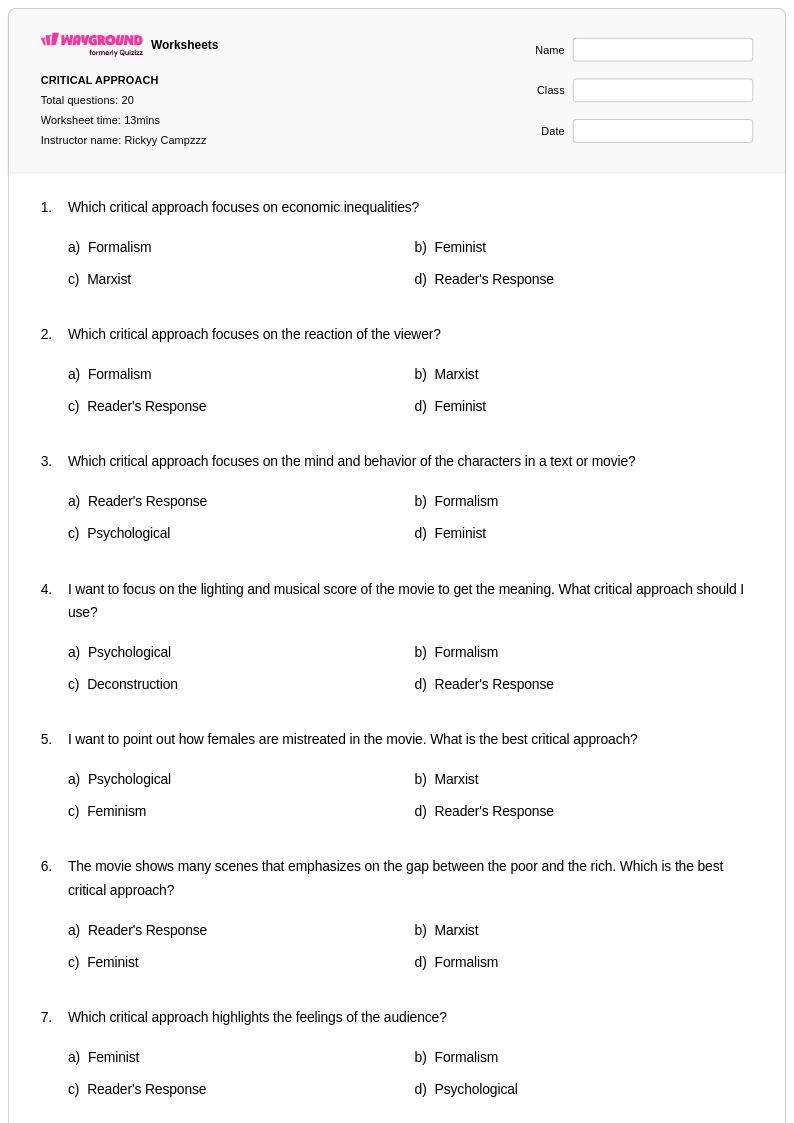
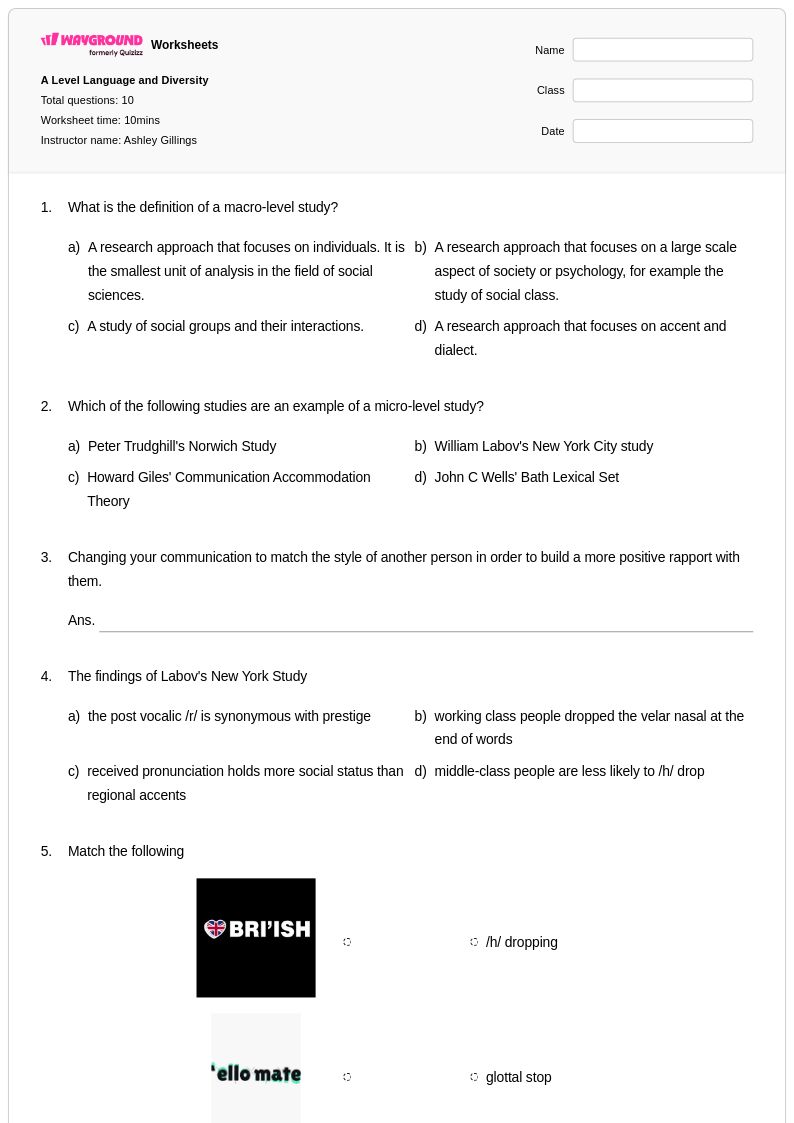
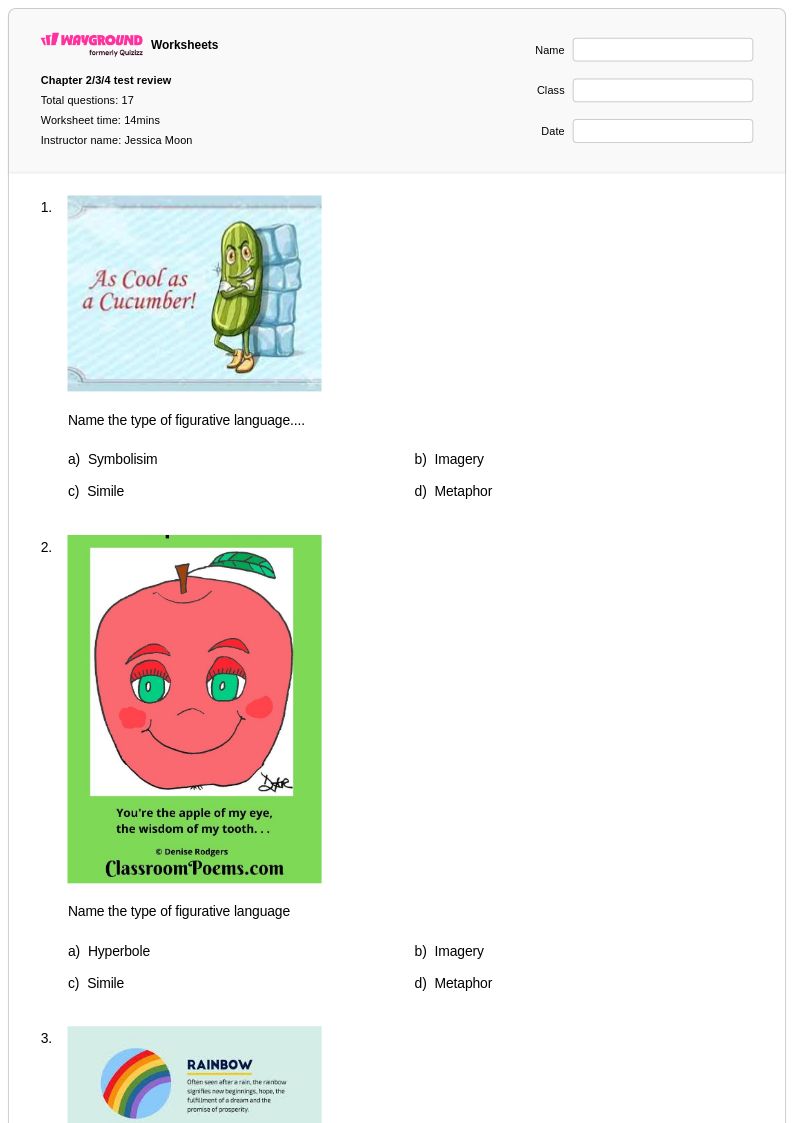
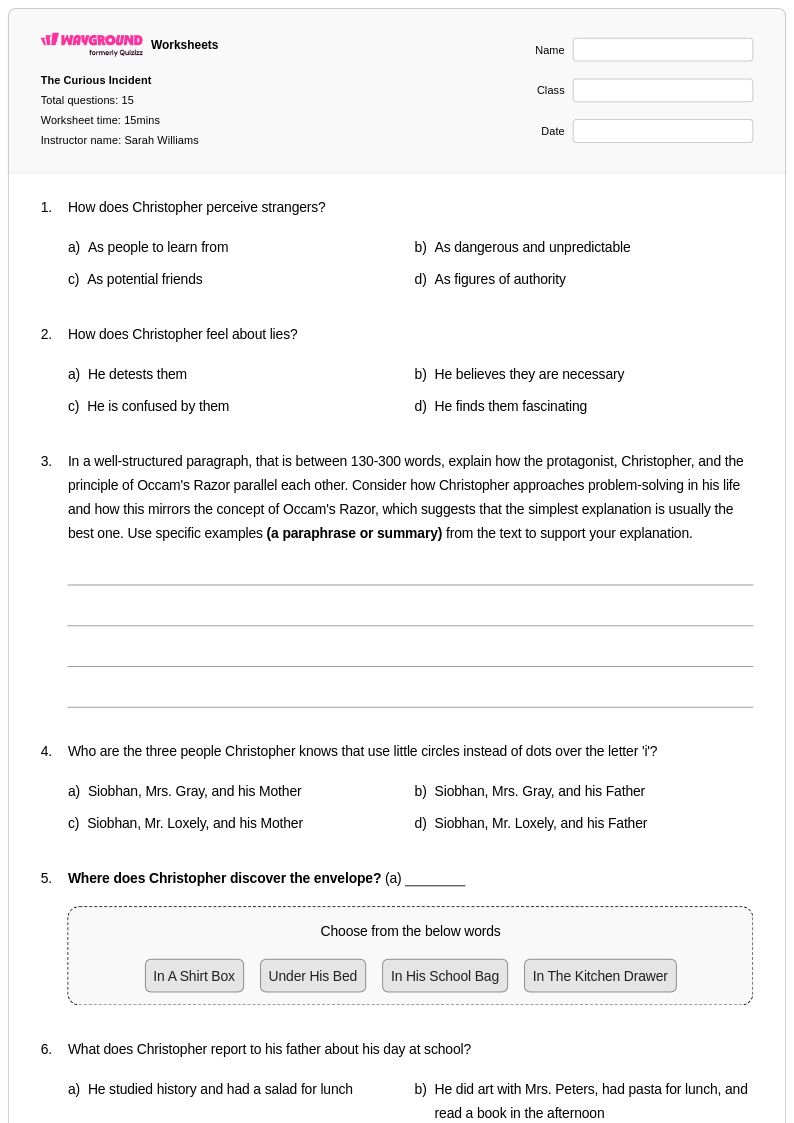
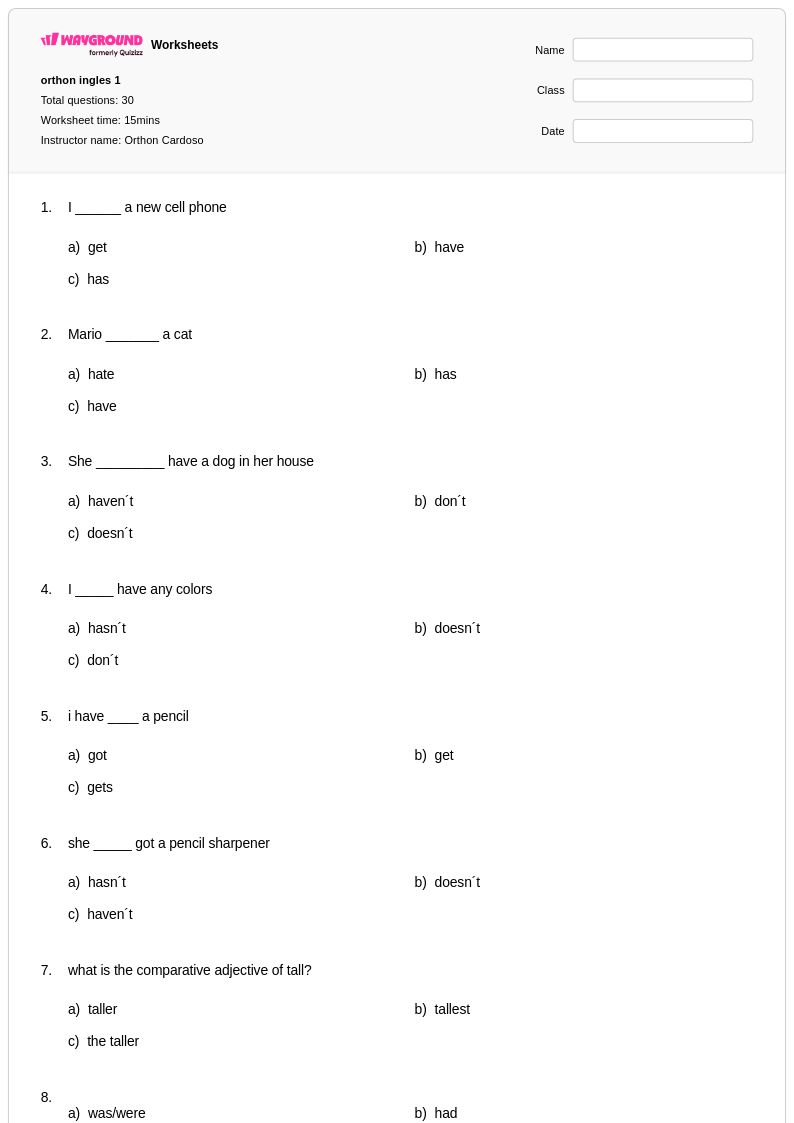
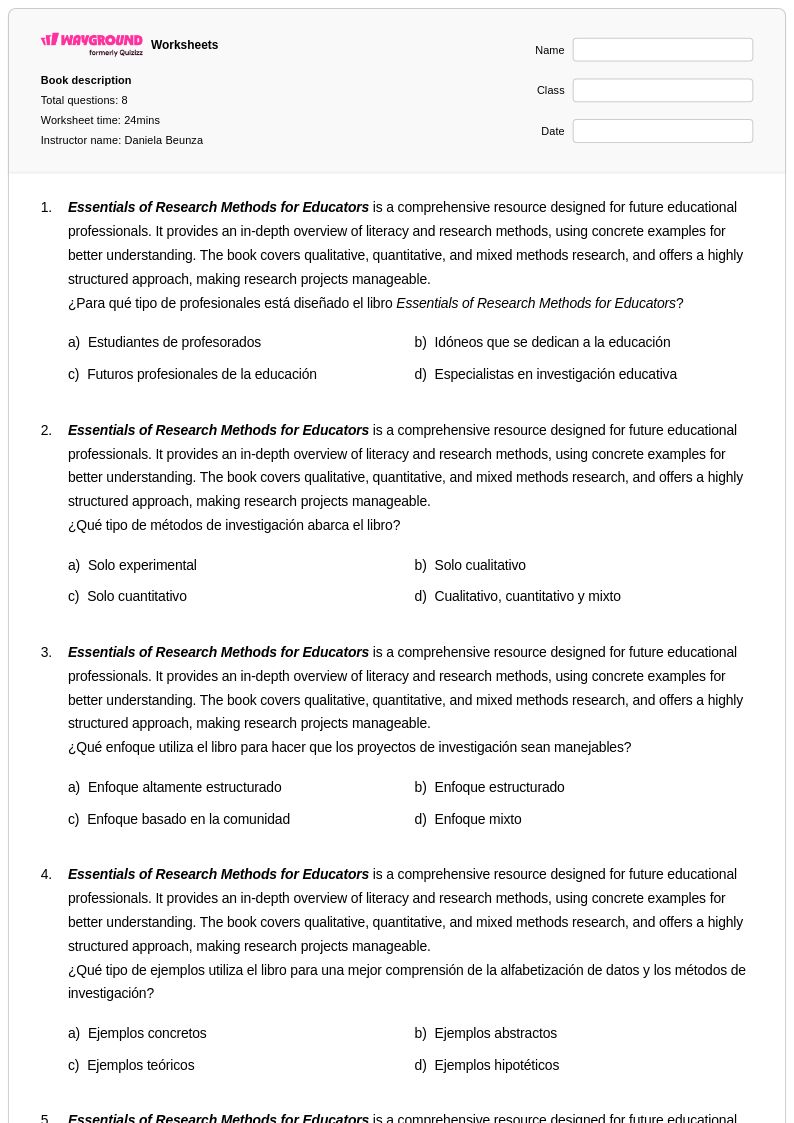
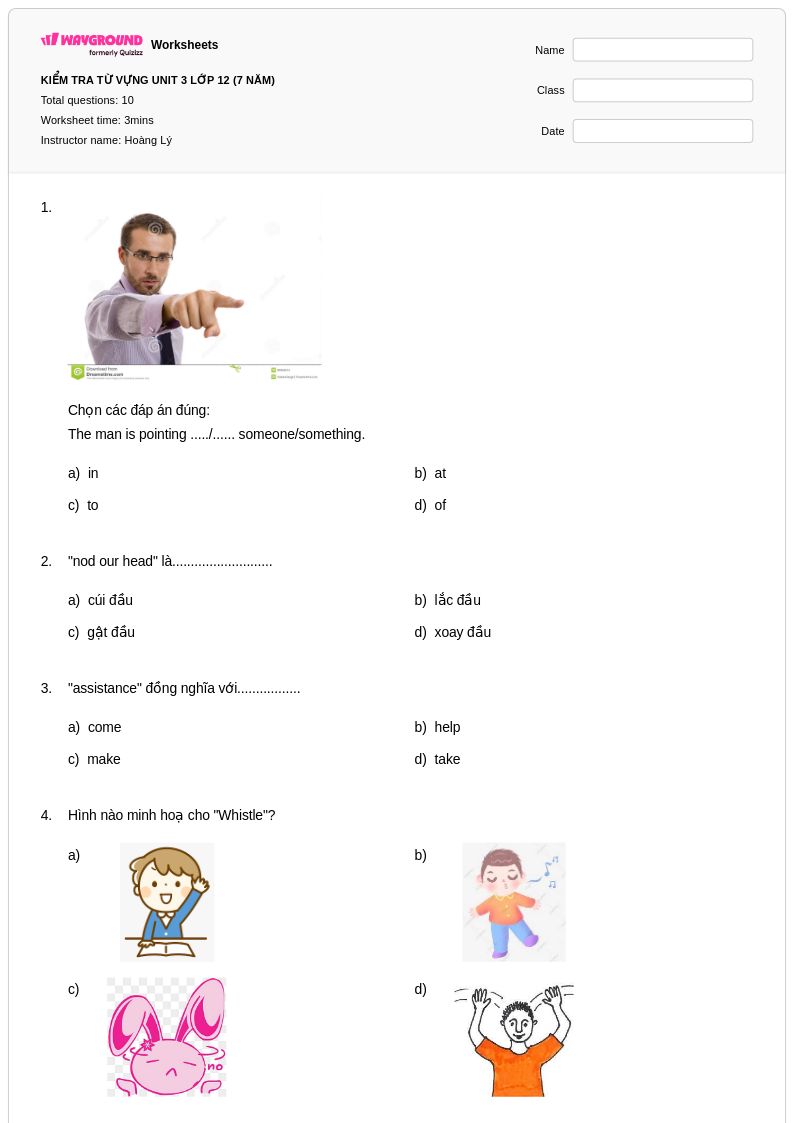
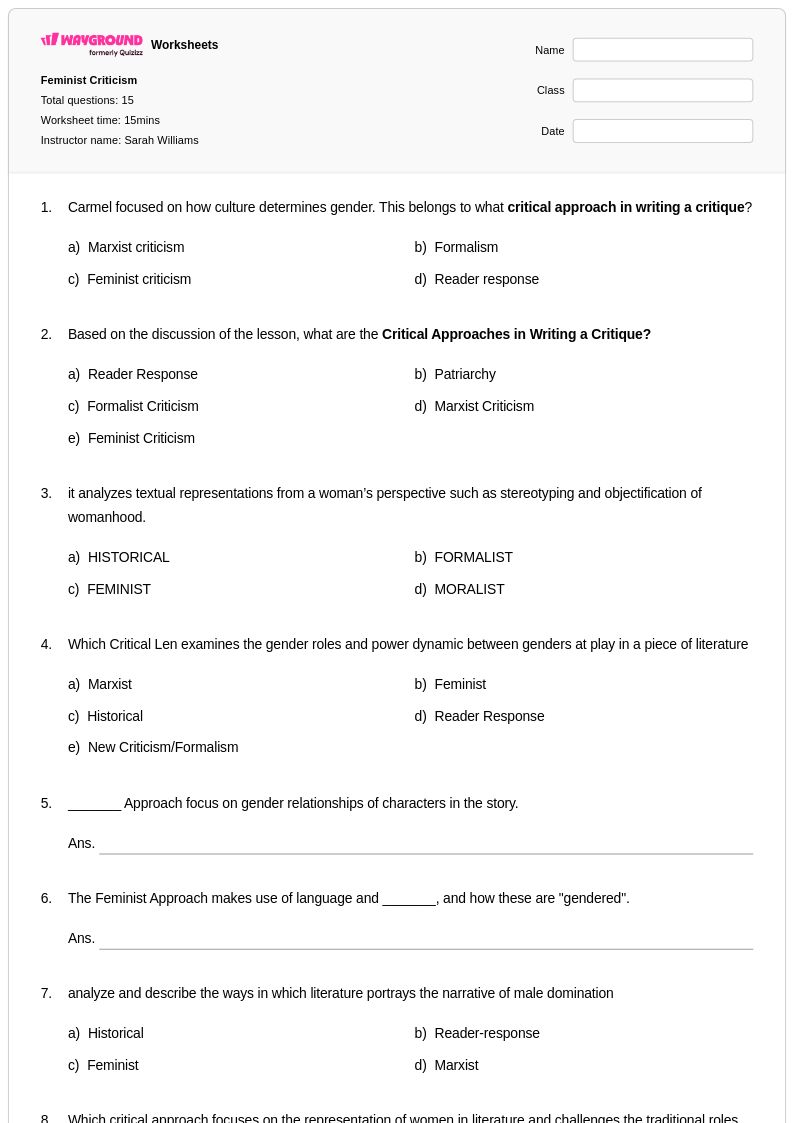
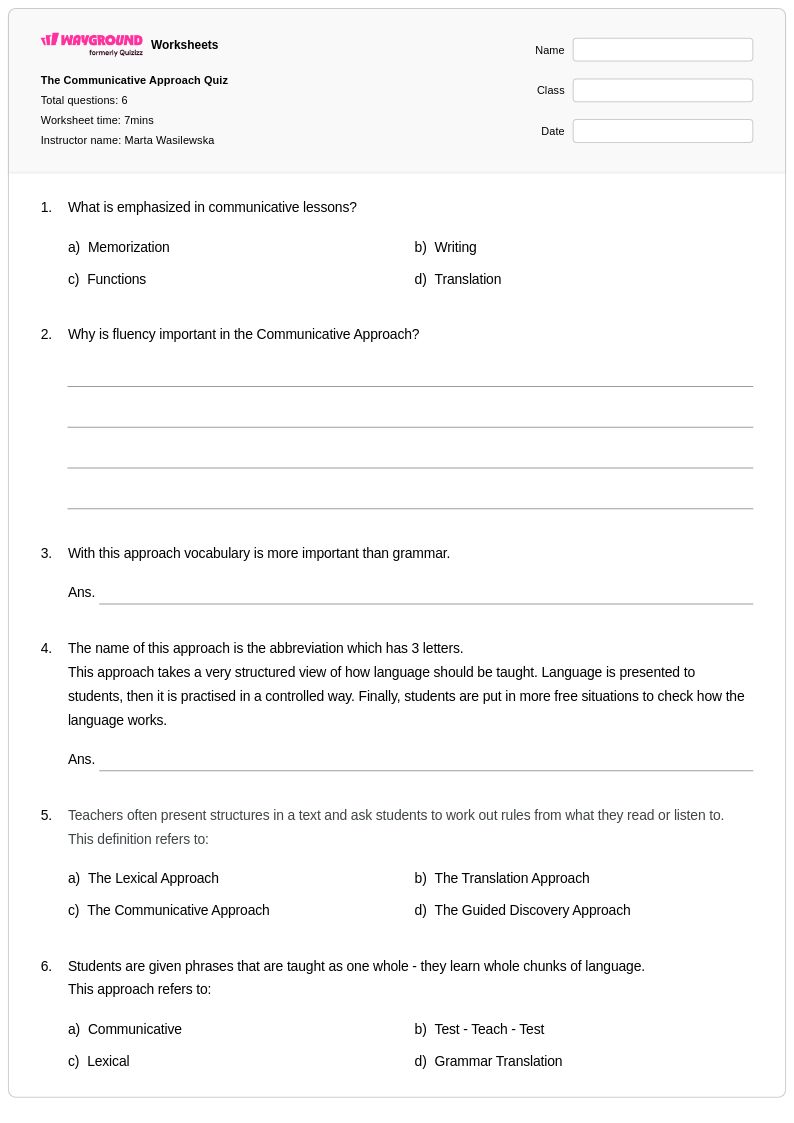
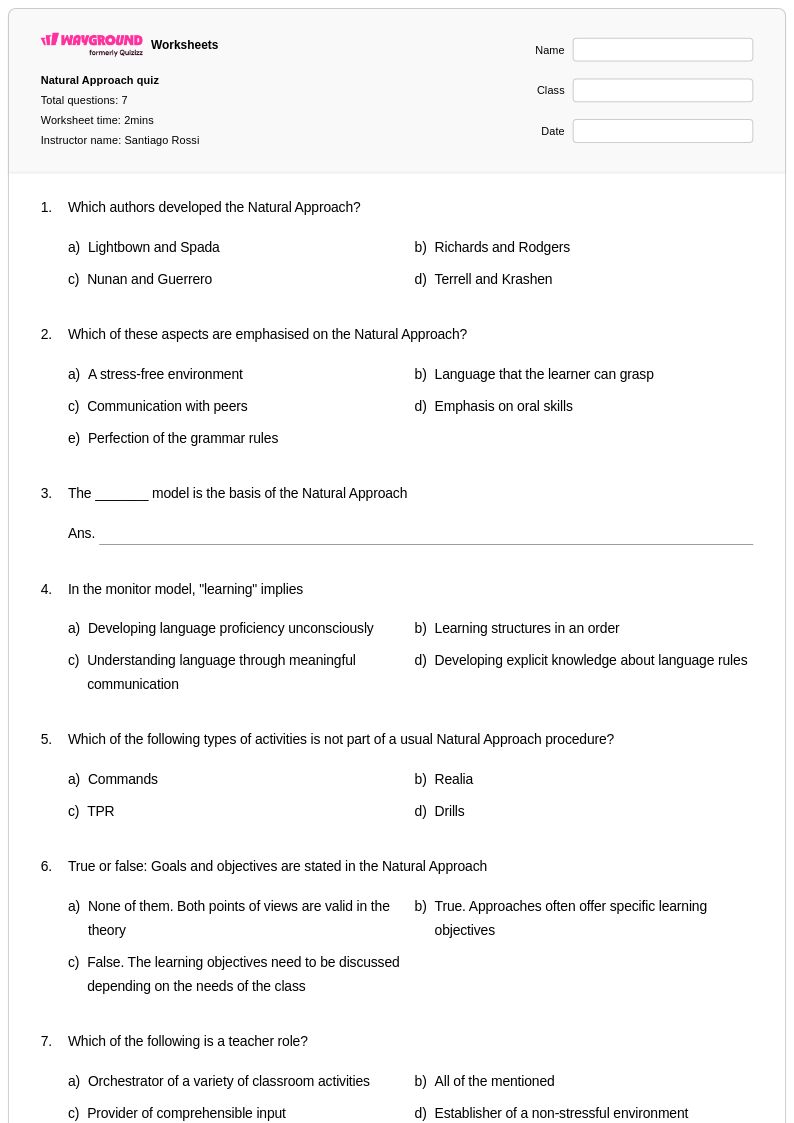
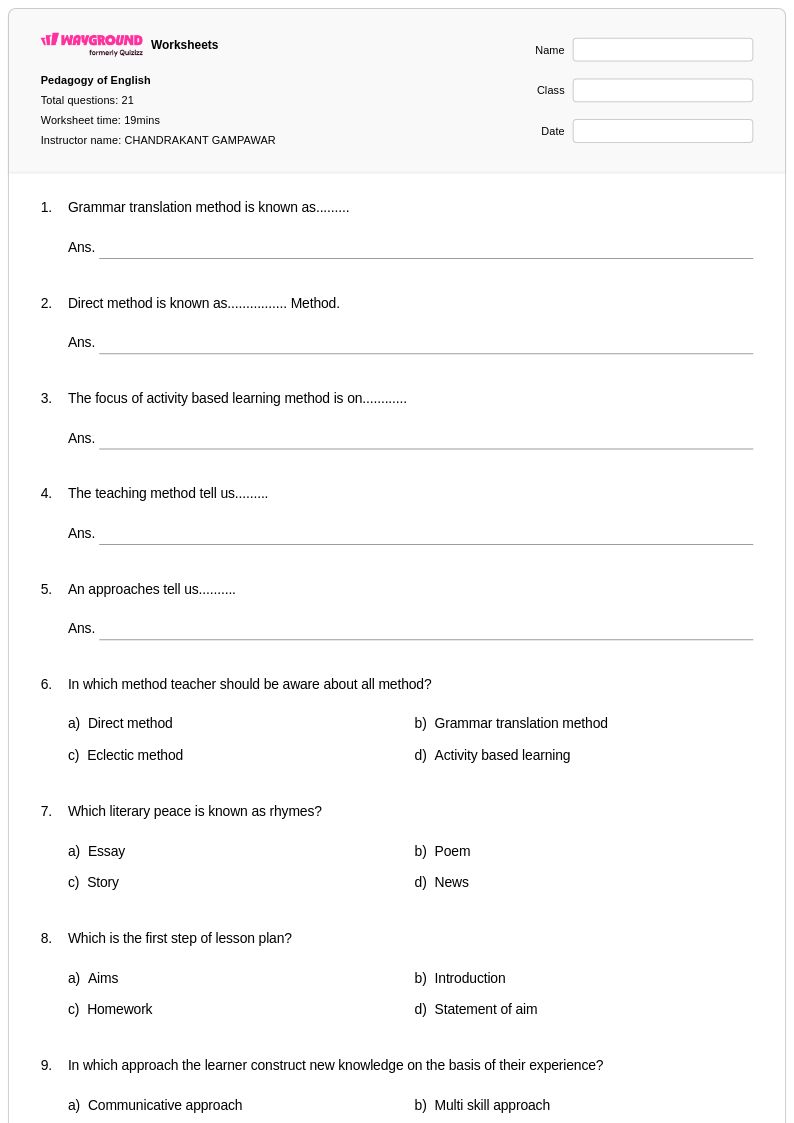
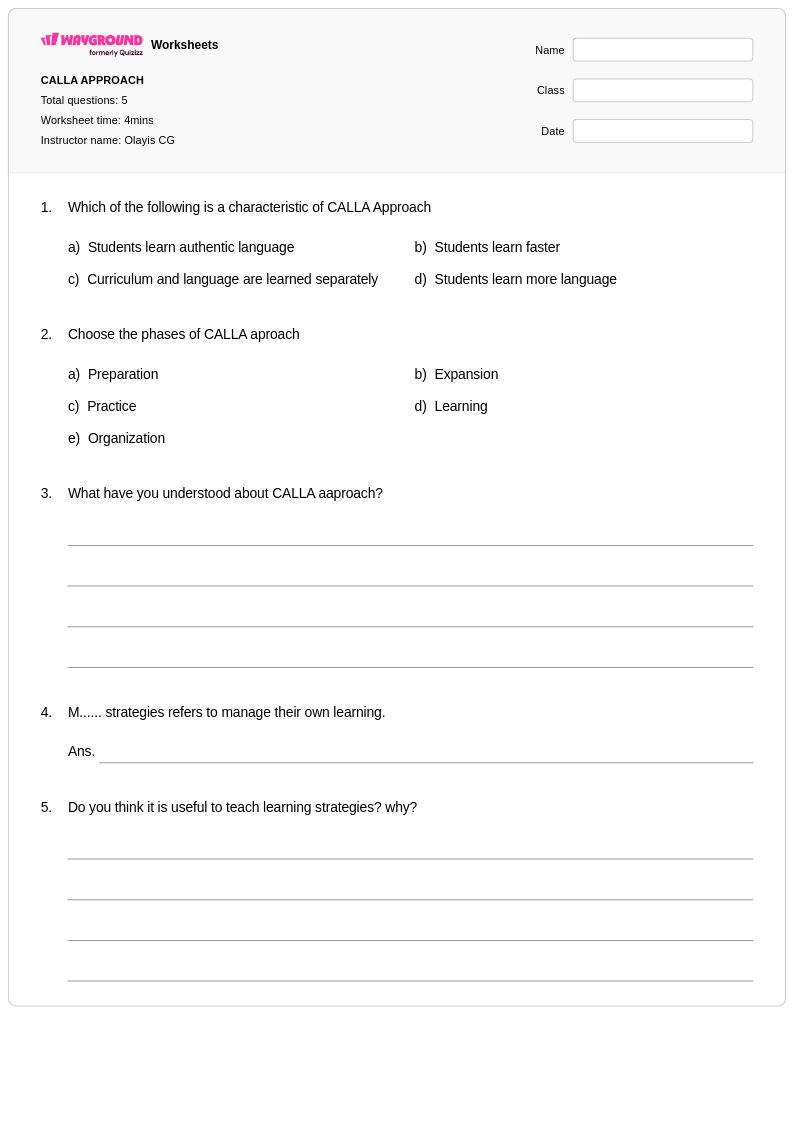
Orton-Gillingham approach worksheets for Year 12 students available through Wayground (formerly Quizizz) provide specialized reading comprehension resources designed to support advanced learners who benefit from structured, multisensory literacy instruction. These comprehensive worksheets focus on reinforcing phonemic awareness, decoding skills, and reading fluency while addressing the complex texts and analytical demands of twelfth-grade English coursework. The materials strengthen essential skills including morphological analysis, syllable division patterns, and advanced vocabulary development through systematic practice problems that build upon the sequential, cumulative nature of Orton-Gillingham methodology. Each worksheet collection includes detailed answer keys and is available in convenient pdf format, offering free printables that allow teachers to deliver targeted intervention and support for students with dyslexia and other reading differences at the secondary level.
Wayground (formerly Quizizz) empowers educators with an extensive library of millions of teacher-created Orton-Gillingham resources specifically curated for Year 12 reading comprehension instruction. The platform's robust search and filtering capabilities enable teachers to quickly locate worksheets that align with specific learning standards and individual student needs, while built-in differentiation tools allow for seamless customization of difficulty levels and instructional focus areas. These flexible resources are available in both printable and digital formats, including downloadable pdfs, making them ideal for classroom instruction, homework assignments, remediation sessions, and enrichment activities. Teachers can efficiently plan comprehensive reading intervention programs, track student progress through systematic skill practice, and provide targeted support that addresses the unique learning profiles of students requiring Orton-Gillingham instruction at the advanced secondary level.
FAQs
How do I teach reading using the Orton-Gillingham approach?
The Orton-Gillingham approach teaches reading through explicit, sequential, and multisensory instruction that engages visual, auditory, and kinesthetic pathways simultaneously. Lessons begin with phonemic awareness and letter-sound correspondences before progressing to syllable patterns, morphology, and reading comprehension. Each new concept builds directly on mastered skills, making the approach especially effective for students with dyslexia or other language-based learning differences. Teachers deliver instruction in a one-on-one or small-group format, using structured routines that include review, introduction of new material, and immediate corrective feedback.
What exercises help students practice Orton-Gillingham skills?
Effective practice exercises for Orton-Gillingham instruction include sound-symbol correspondence drills, blending and segmenting tasks, syllable division practice, and decodable word reading. Students also benefit from spelling dictation using previously taught phoneme patterns and reading connected text composed of controlled vocabulary. Kinesthetic activities such as tapping out phonemes, tracing letters, or using sand trays reinforce letter-sound automaticity through the body as well as the eye and ear. Structured worksheets that progress from isolated skills to sentence- and passage-level reading align directly with the cumulative nature of the Orton-Gillingham sequence.
What common mistakes do students make when learning with the Orton-Gillingham method?
A frequent error is letter and sound reversals, particularly with b/d and p/q, which reflects incomplete automaticity in visual-phonological mapping rather than carelessness. Students also commonly confuse vowel sounds in closed syllables, especially short e and short i, and may over-rely on context guessing rather than decoding through the full word. Skipping syllable division steps when approaching multisyllabic words is another typical breakdown point. These errors signal that earlier concepts need additional review and overlearning before new material is introduced, consistent with the diagnostic-prescriptive nature of the Orton-Gillingham approach.
How can I differentiate Orton-Gillingham worksheets for students with different learning needs?
Differentiation within the Orton-Gillingham framework means calibrating the entry point and pace to each student's current mastery level rather than grade level. For students who need support, reducing the number of answer choices or providing additional scaffolding on phoneme-grapheme correspondence tasks lowers cognitive load while maintaining rigor. On Wayground, teachers can apply individual accommodations including extended time per question, read-aloud support, reduced answer choices, and adjustable font sizes and reading themes, all configurable per student and reusable across future sessions. Advanced learners can be moved more quickly through foundational patterns toward complex morphological structures and multisyllabic decoding.
How do I use Orton-Gillingham worksheets on Wayground in my classroom?
Orton-Gillingham worksheets on Wayground are available as printable PDFs for traditional classroom and intervention use, as well as in digital formats suited to technology-integrated or remote learning environments. Teachers can also host worksheets as a quiz directly on Wayground, allowing students to complete activities online with immediate feedback. The platform's search and filtering tools help teachers locate materials aligned to specific phoneme patterns, syllable types, or standards, making it straightforward to sequence resources in line with a student's current point in the Orton-Gillingham scope and sequence.

![[ADVANCED] Class #003 - Intermittent Fasting Explained | March 7 - Printable Orton-gillingham-approach Worksheets Year 12 - Wayground](https://quizizz-static.s3.amazonaws.com/_media/worksheets-new/65e159f7e98018468e2ff4a7-advanced-class-003-intermittent-fasting-explained-march-7)