Free Printable Polar Animals Worksheets for Year 1
Explore Year 1 polar animals worksheets and free printables that help young scientists learn about Arctic and Antarctic wildlife through engaging practice problems and activities with answer keys.
Explore printable Polar Animals worksheets for Year 1
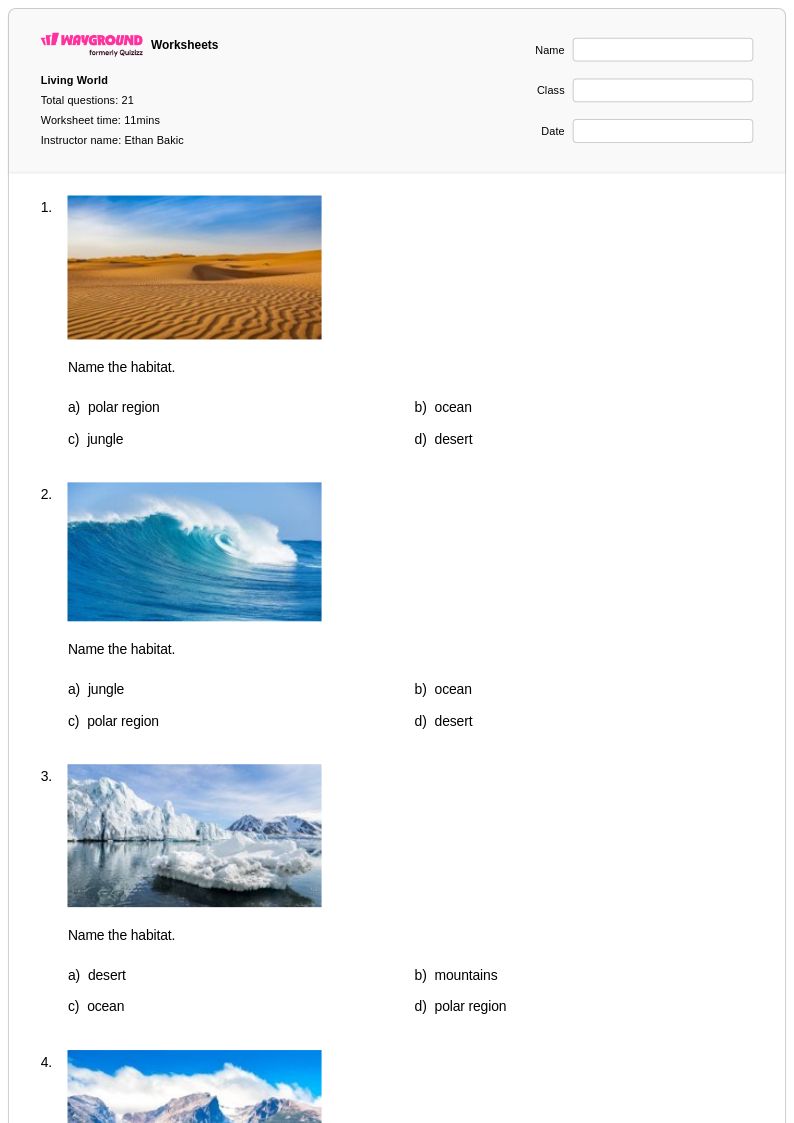
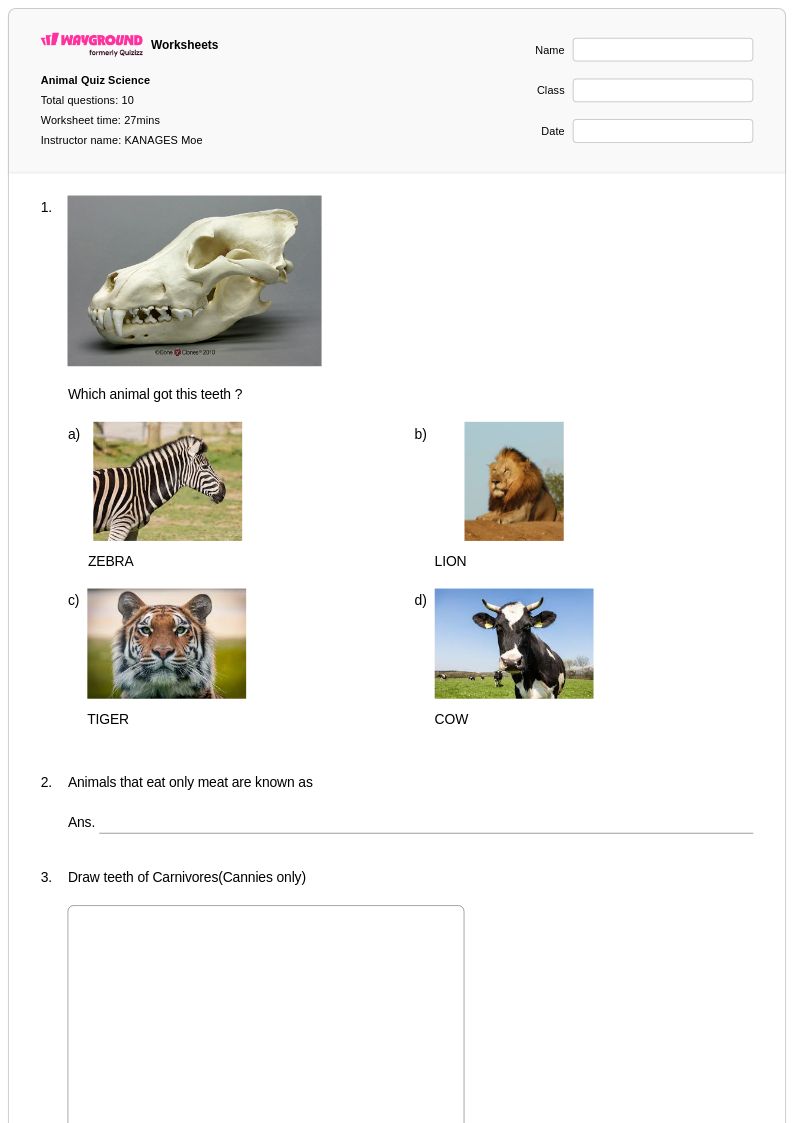
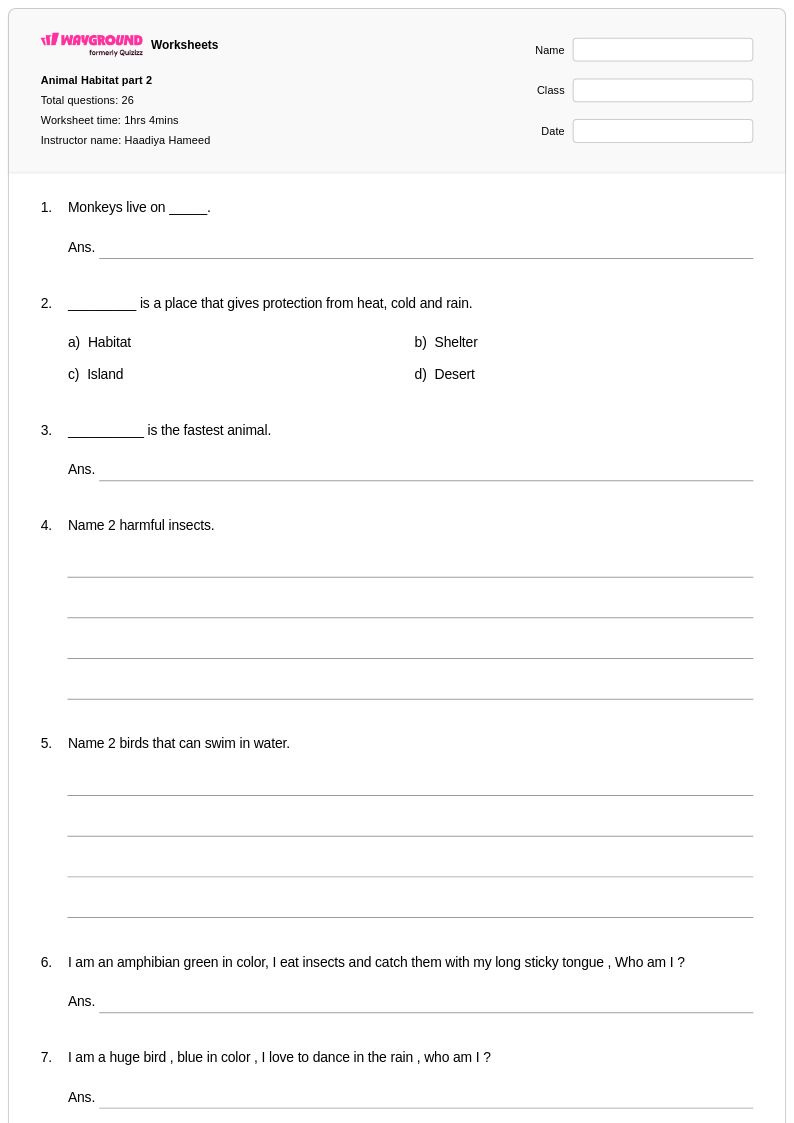
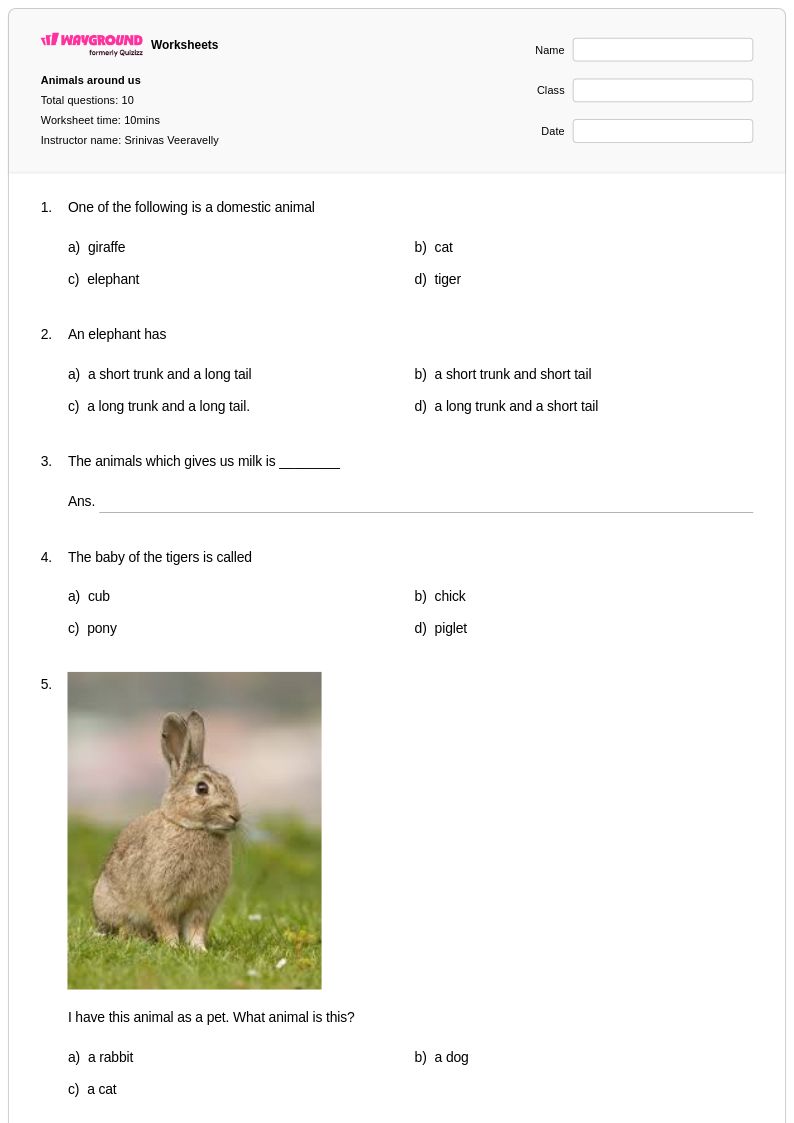
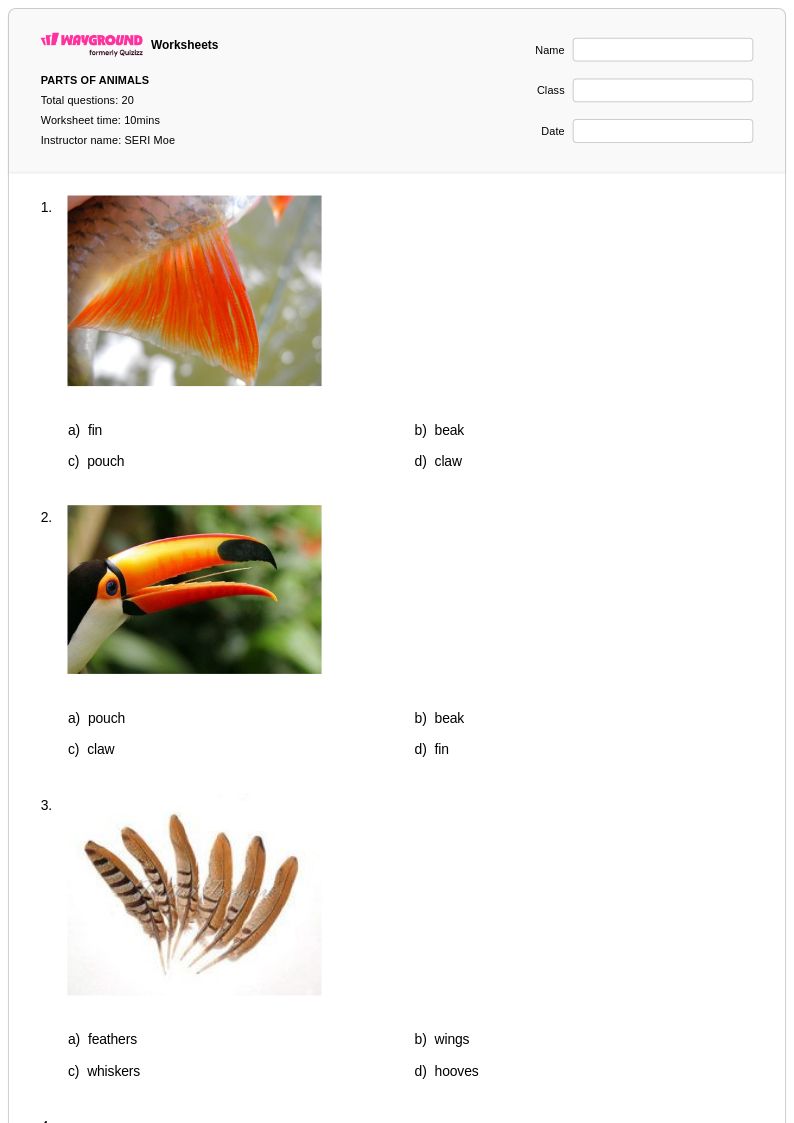
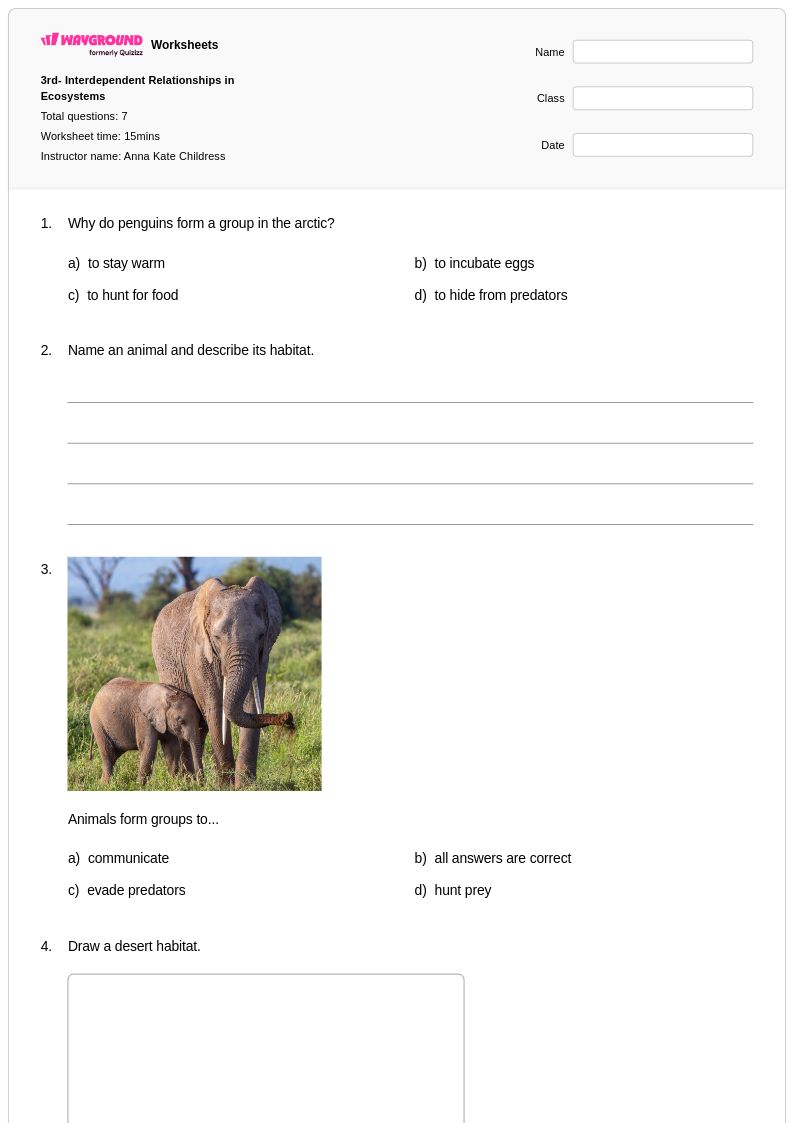
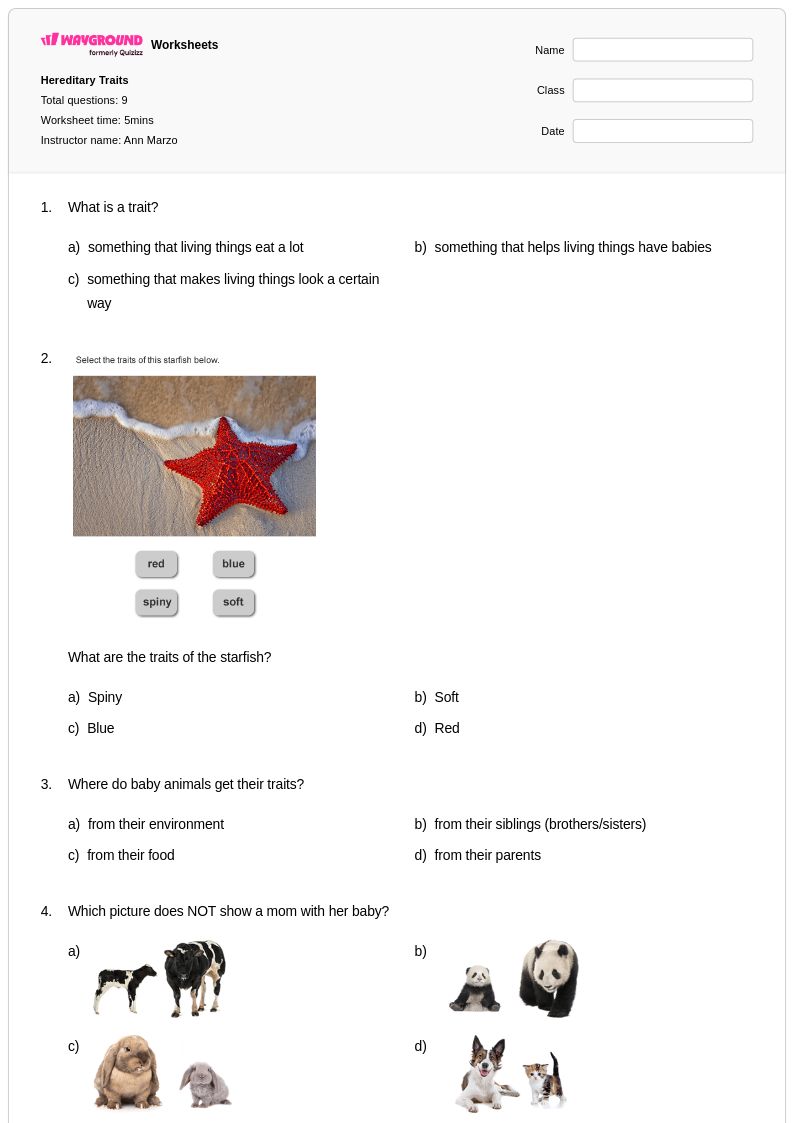
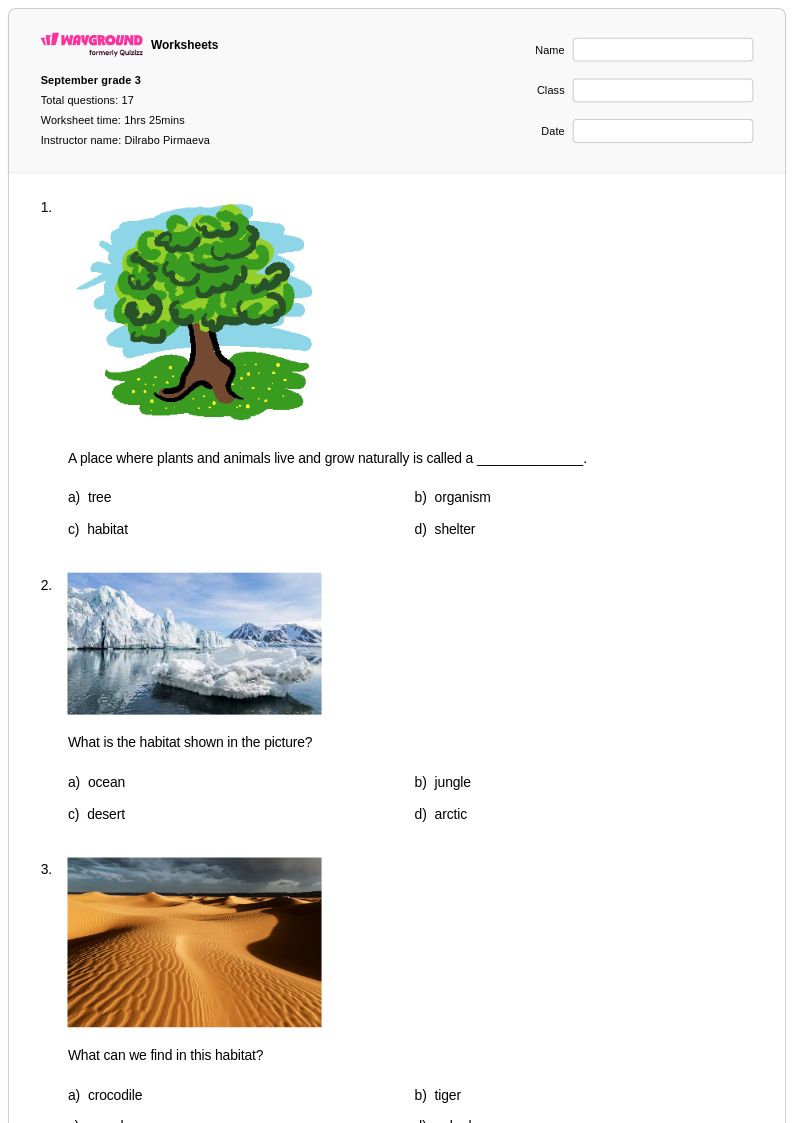
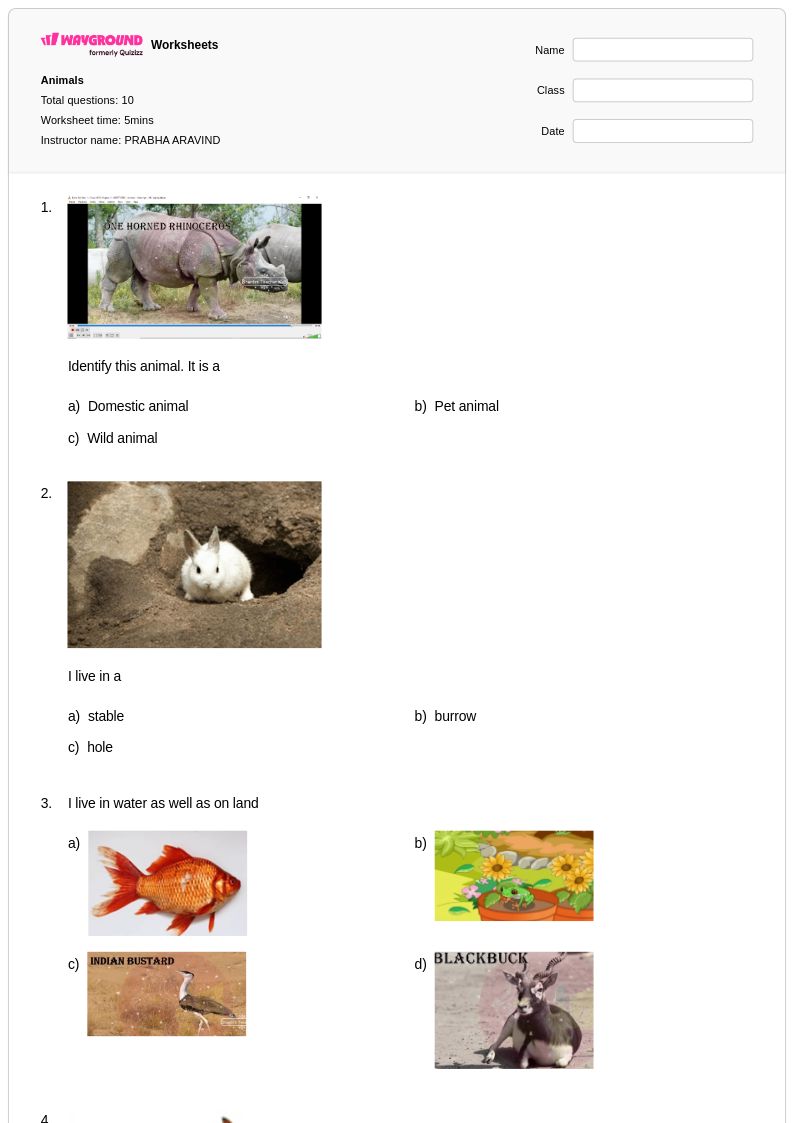
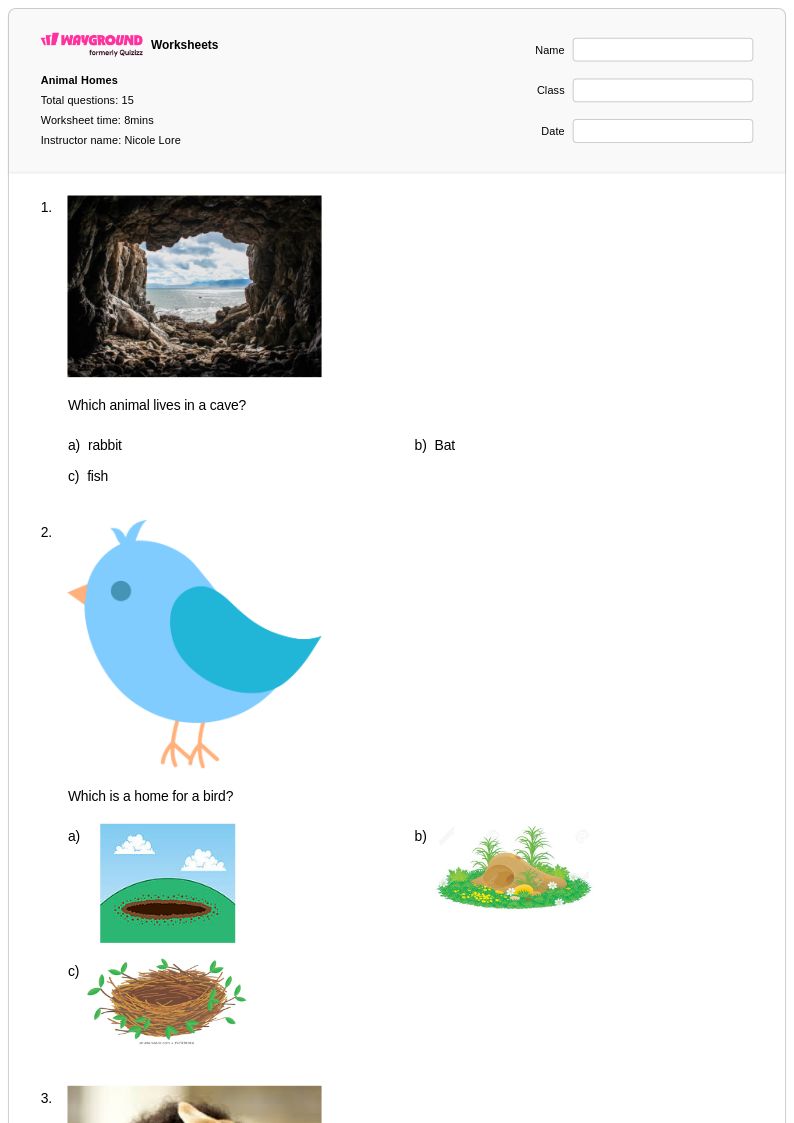
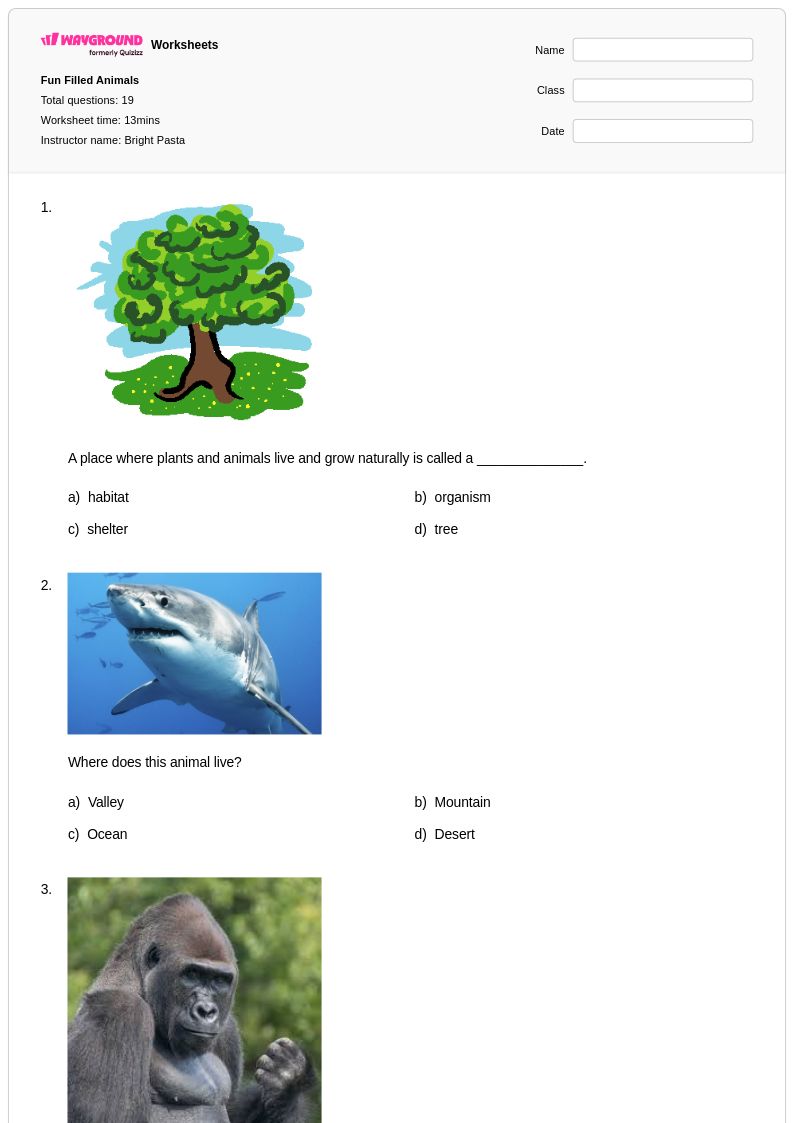
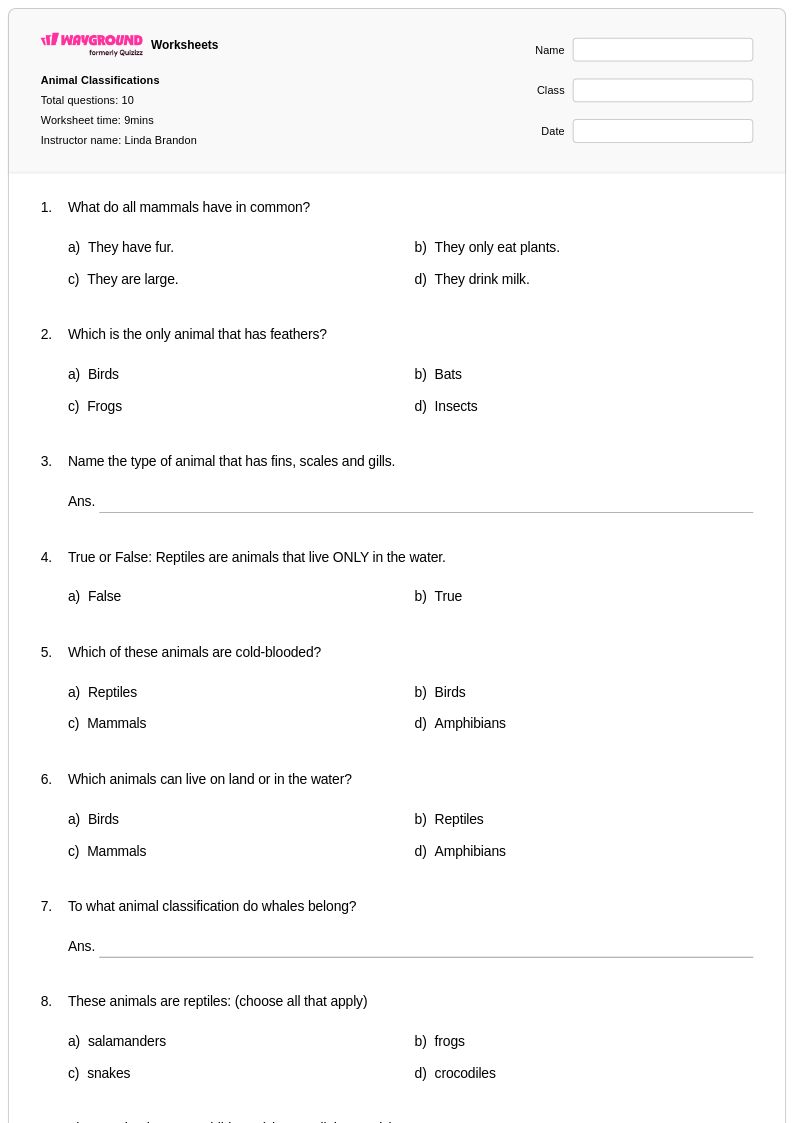
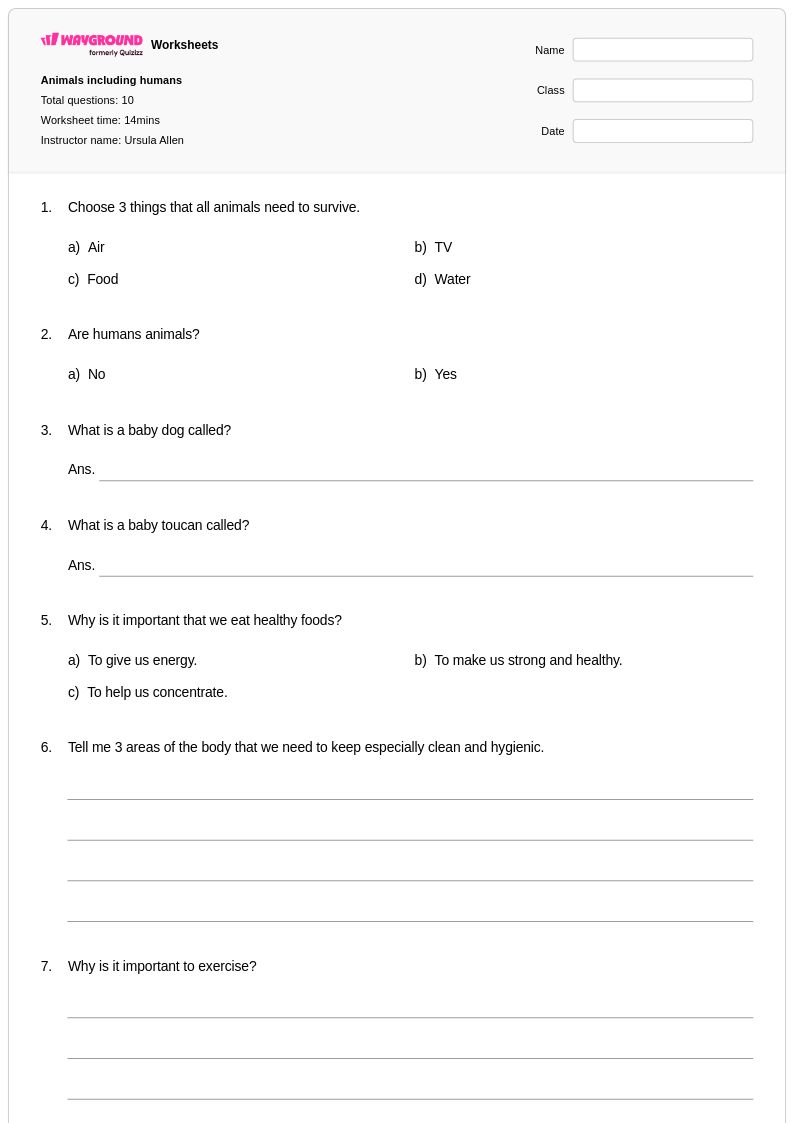
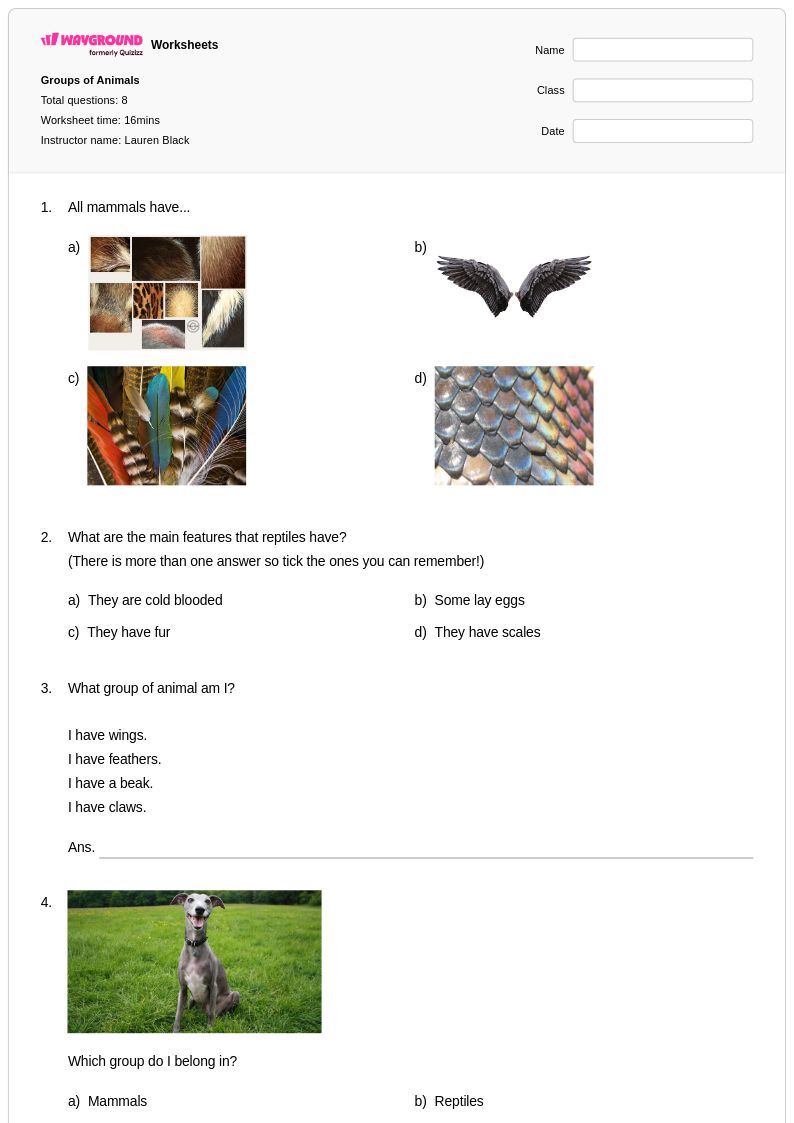
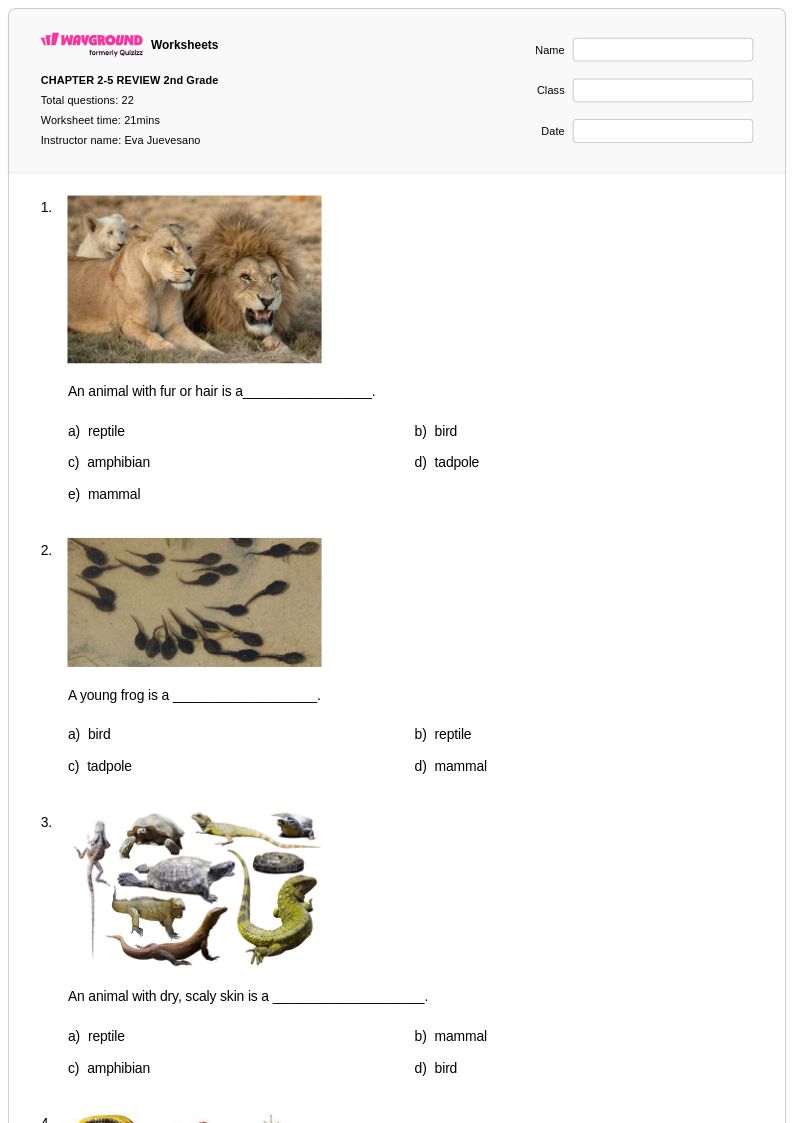
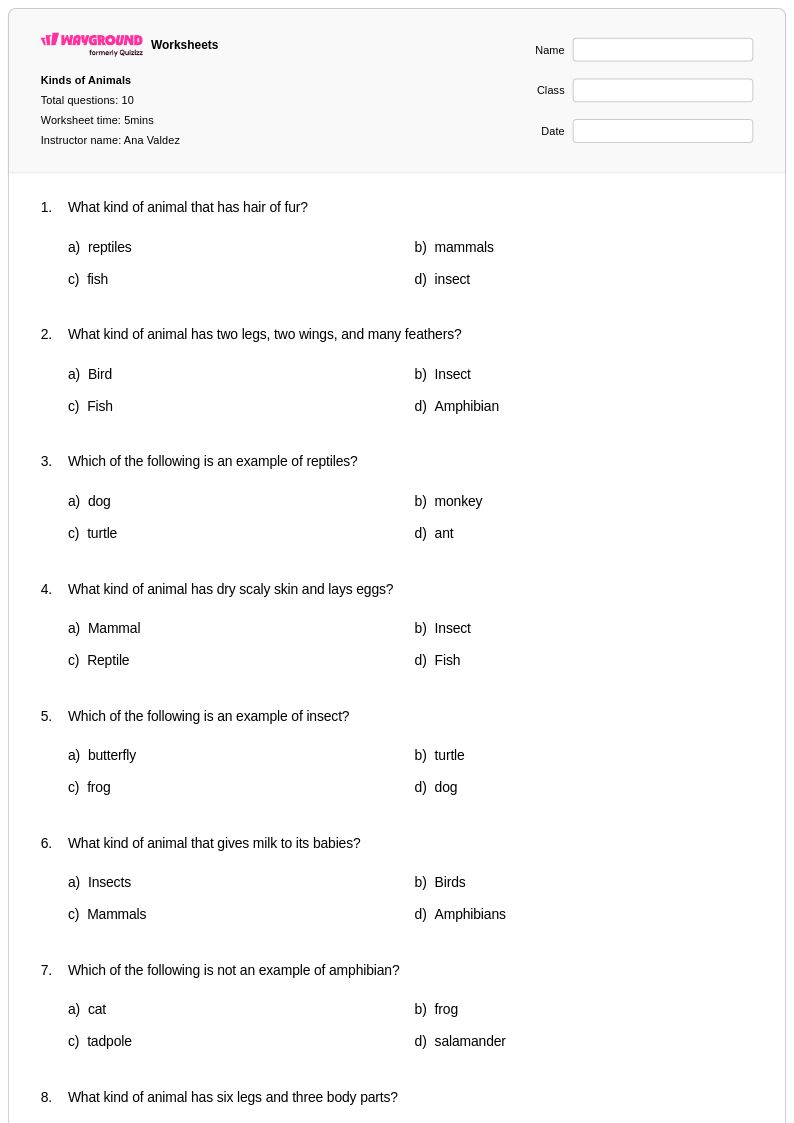
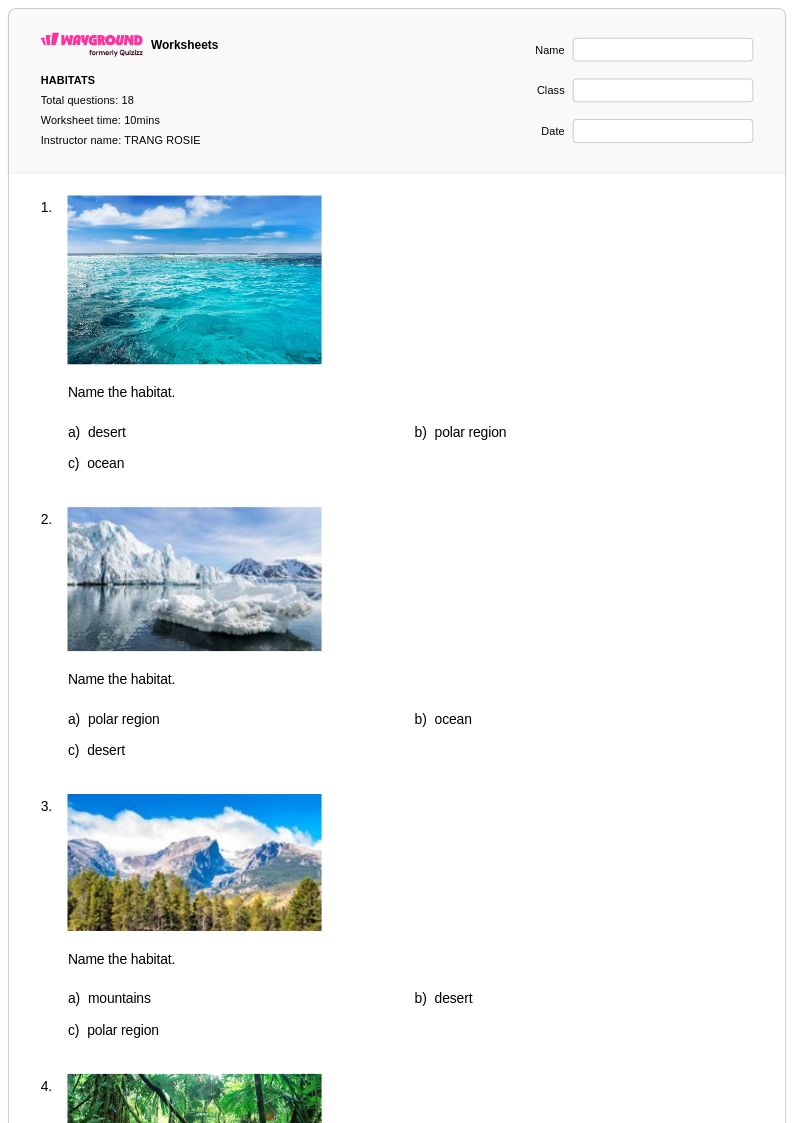
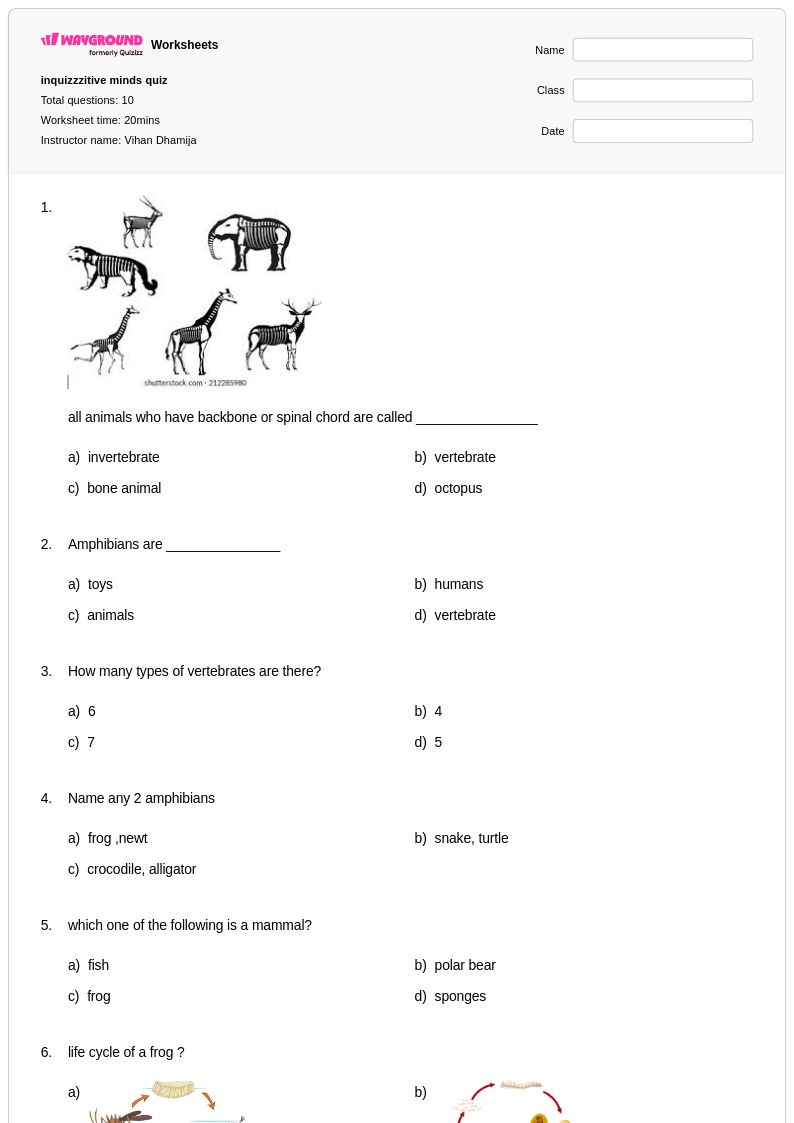
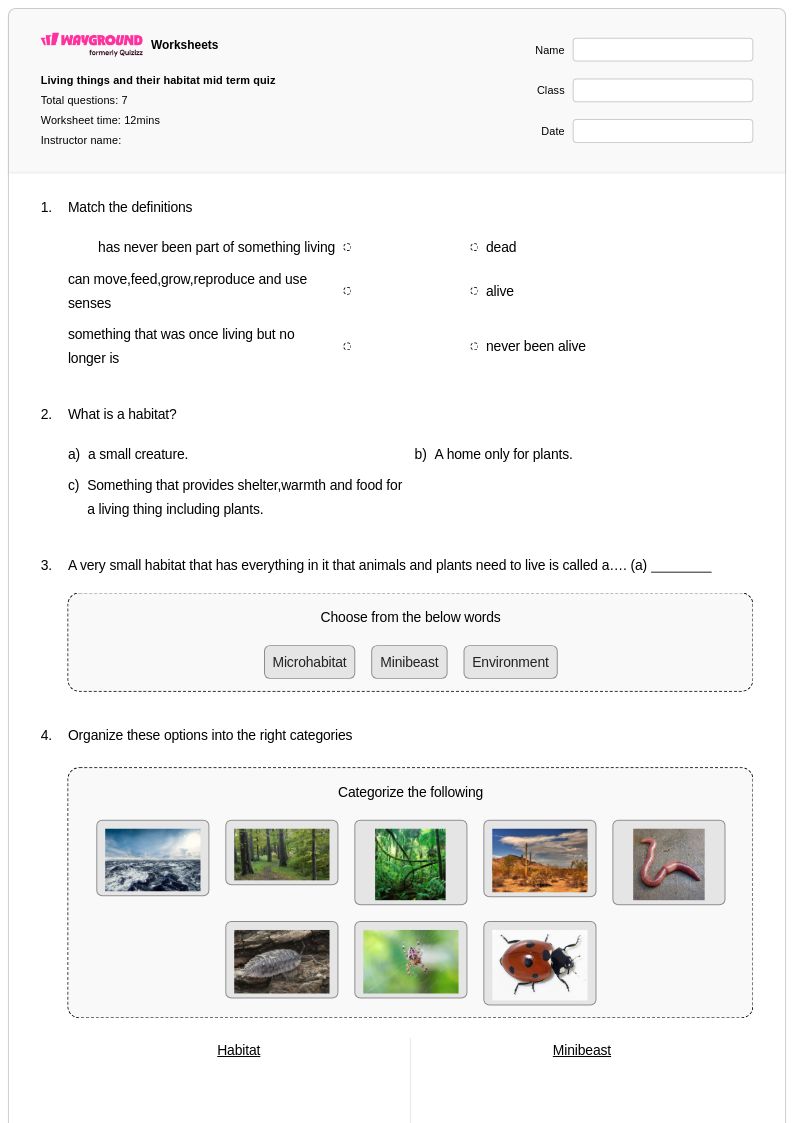
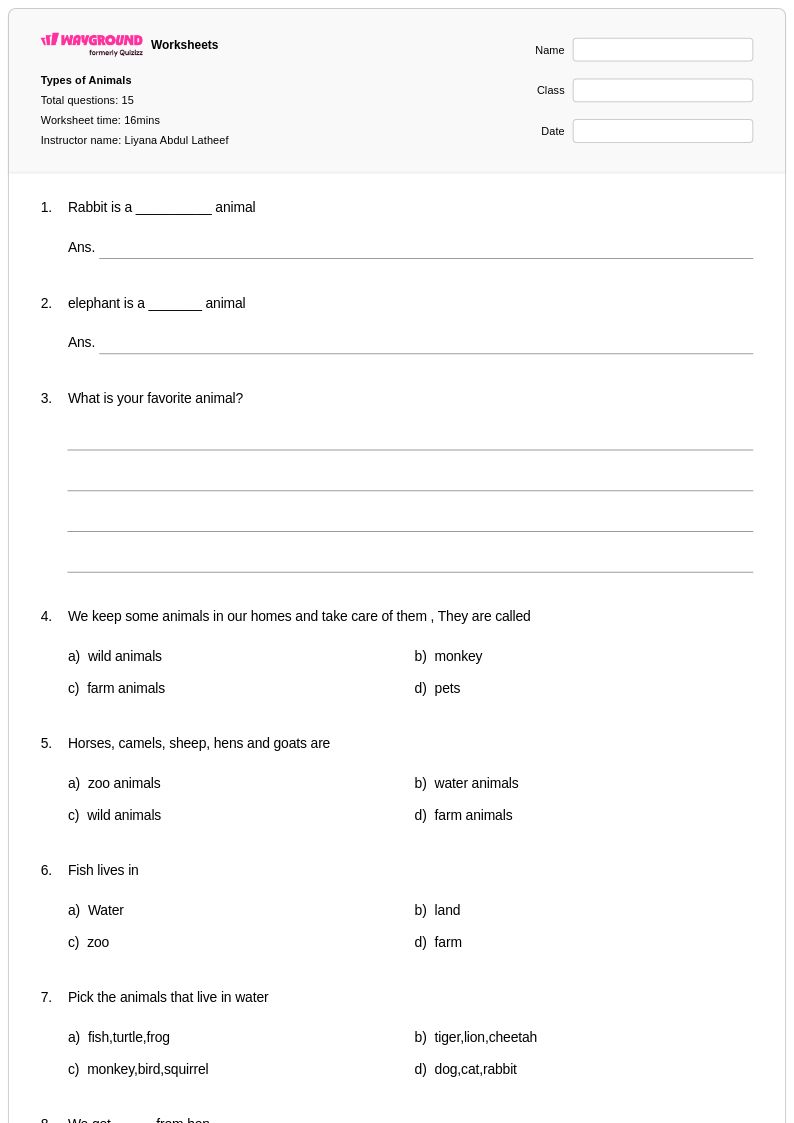
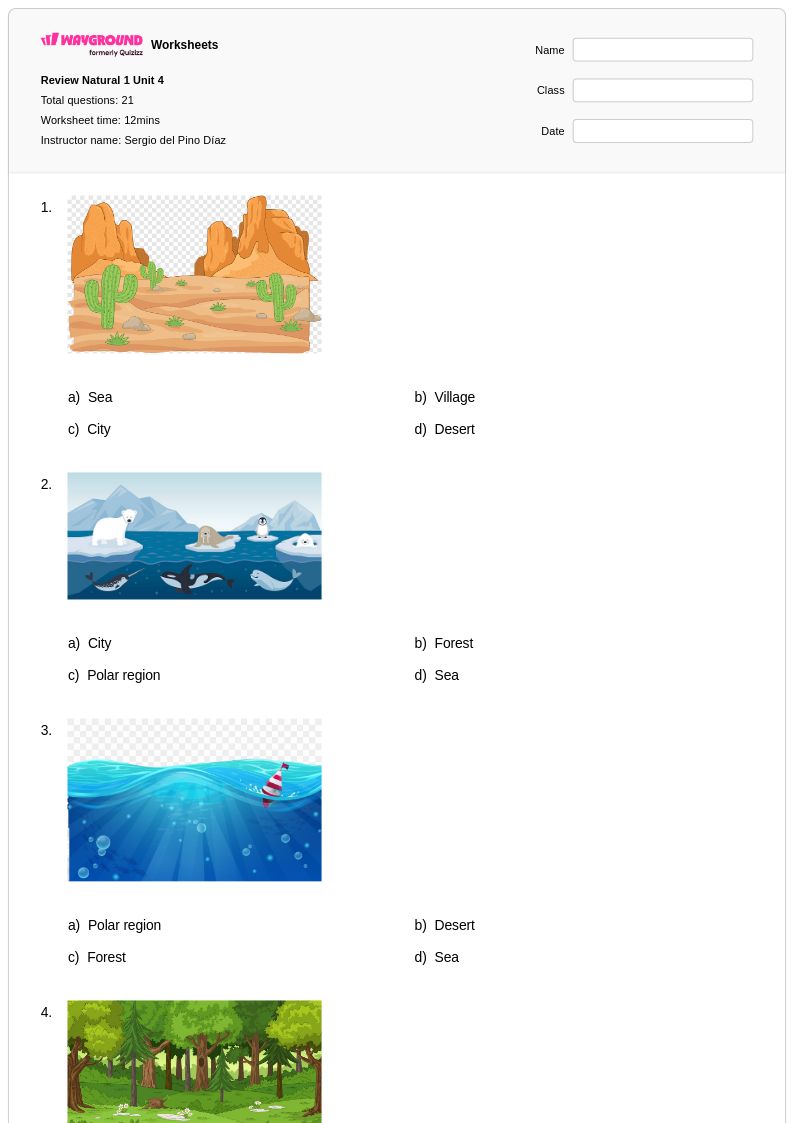
Polar animals worksheets for Year 1 students available through Wayground (formerly Quizizz) introduce young learners to the fascinating creatures that thrive in Earth's coldest regions. These carefully designed educational resources help first-grade students develop foundational life science knowledge while strengthening essential skills including observation, classification, and scientific vocabulary acquisition. The worksheet collection covers key polar species such as penguins, polar bears, seals, and arctic foxes, enabling students to explore animal adaptations, habitats, and survival strategies through age-appropriate activities. Each printable resource includes structured practice problems that guide students through identifying physical characteristics, understanding how animals stay warm in cold climates, and recognizing the differences between Arctic and Antarctic environments, with comprehensive answer keys provided to support both independent learning and teacher-guided instruction.
Wayground (formerly Quizizz) empowers educators with an extensive library of millions of teacher-created polar animals worksheets specifically designed for Year 1 life science instruction. The platform's robust search and filtering capabilities allow teachers to quickly locate resources that align with curriculum standards and match their students' specific learning needs. Advanced differentiation tools enable educators to customize worksheet difficulty levels, ensuring appropriate challenges for diverse learners while maintaining focus on core polar animal concepts. These versatile resources are available in both printable pdf formats for traditional classroom use and digital formats for interactive learning experiences, providing teachers with flexible options for lesson planning, targeted skill practice, remediation support, and enrichment activities that deepen students' understanding of how animals adapt to survive in polar environments.
FAQs
How do I teach polar animal adaptations to elementary students?
Start by grounding students in the concept that animals develop physical and behavioral traits that help them survive in their specific environment. For polar animals, focus on concrete, observable adaptations like blubber for insulation, countershading in penguins, and the seasonal migration of Arctic species. Anchor each adaptation to a specific survival challenge — cold temperatures, food scarcity, or predation — so students build cause-and-effect reasoning rather than just memorizing traits.
What exercises help students practice identifying polar animal adaptations?
Matching and labeling activities are highly effective for building vocabulary around physical adaptations like fur density, blubber layers, and flipper structure. Food web diagrams challenge students to place polar animals within their ecosystem context, reinforcing both species knowledge and ecological relationships. Compare-and-contrast exercises between Arctic and Antarctic species also sharpen analytical thinking by requiring students to distinguish between similar but distinct environments.
What mistakes do students commonly make when learning about polar animals?
A frequent misconception is that polar bears and penguins share a habitat — polar bears live in the Arctic while penguins are native to the Antarctic, and mixing these up signals a gap in geographic understanding. Students also tend to conflate physical adaptations with behavioral ones, for example listing hibernation as a body feature rather than a survival behavior. Another common error is treating cold climate as the only survival challenge, overlooking factors like food web disruption and seasonal light cycles.
How does climate change affect polar animals, and how do I address it in class?
Melting sea ice directly disrupts the hunting grounds and breeding platforms of species like polar bears and walruses, while shifting ocean temperatures affect the krill populations that support the entire Antarctic food web. When addressing this in class, frame climate change as an observable change in habitat conditions rather than an abstract concept, and use specific species as case studies. This makes the ecological impact concrete and encourages students to apply their knowledge of adaptations to predict how species may or may not survive changing conditions.
How can I use polar animals worksheets to support students at different ability levels?
For struggling learners, simplified labeling tasks and word banks reduce cognitive load while still engaging students with core content around species and adaptations. Advanced students benefit from open-ended analysis questions that ask them to evaluate trade-offs in adaptation strategies or predict outcomes for species under climate pressure. On Wayground, teachers can also apply accommodations such as read aloud support, reduced answer choices, and extended time to individual students without disrupting the rest of the class.
How do I use Wayground's polar animals worksheets in my classroom?
Wayground's polar animals worksheets are available as printable PDFs for traditional classroom use and in digital formats for technology-integrated environments, making them practical for both in-person and remote learning contexts. Teachers can also host worksheets directly as a quiz on Wayground, enabling real-time student responses and immediate feedback. Each worksheet includes a complete answer key, reducing preparation time and supporting consistent grading.