
13 Q
5th

45 Q
4th - 5th
10 Q
5th
16 Q
4th - Uni
20 Q
3rd - Uni
14 Q
1st - 10th
12 Q
4th - 7th
15 Q
5th - 7th
22 Q
5th
16 Q
3rd - 5th
10 Q
3rd - PD
12 Q
5th
26 Q
5th - 6th
15 Q
5th - Uni
12 Q
5th
12 Q
5th
18 Q
5th
10 Q
5th
16 Q
5th - 6th
20 Q
5th
15 Q
5th - Uni
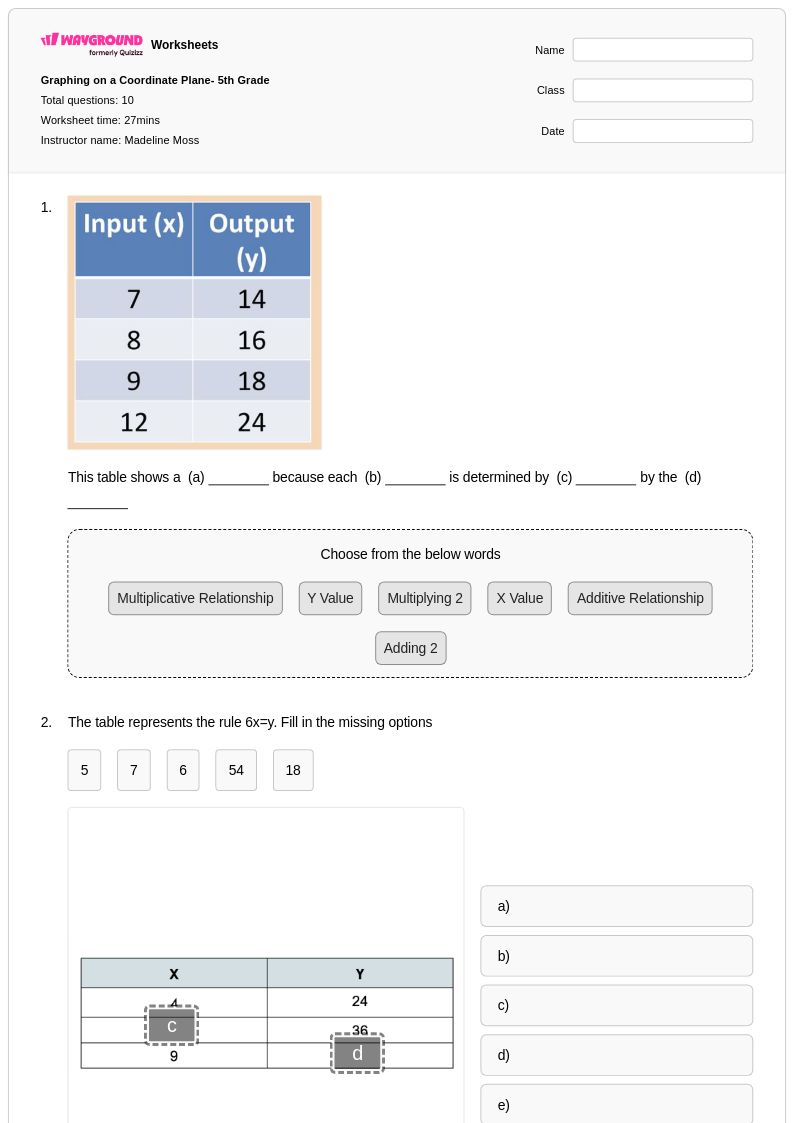
10 Q
5th
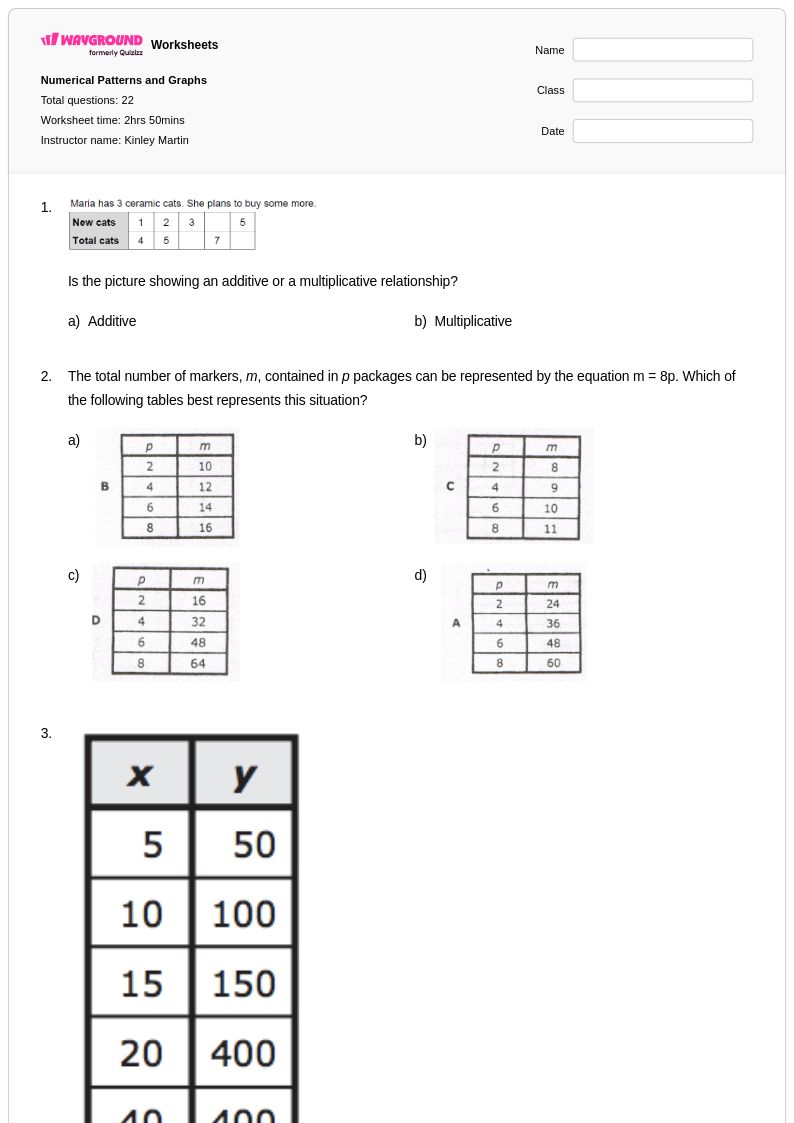
22 Q
5th
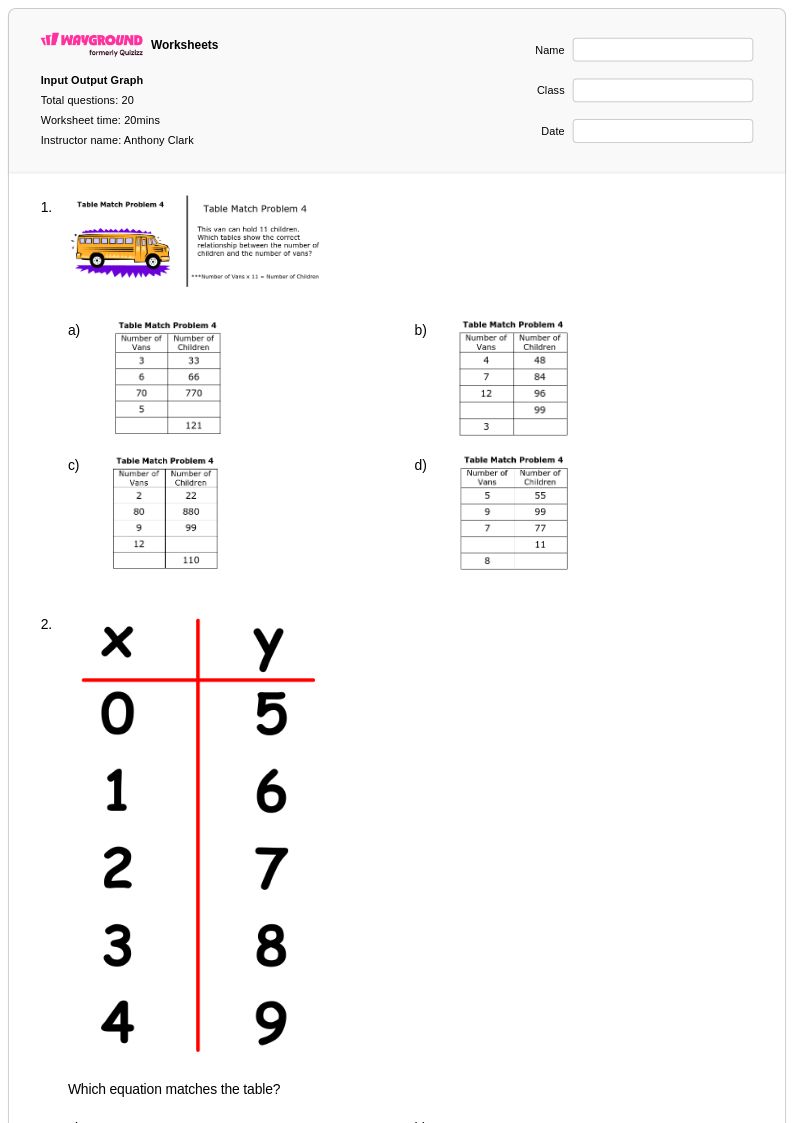
20 Q
5th - Uni
Explore Other Subject Worksheets for year 5
Explore printable Qualitative Graphs worksheets for Year 5
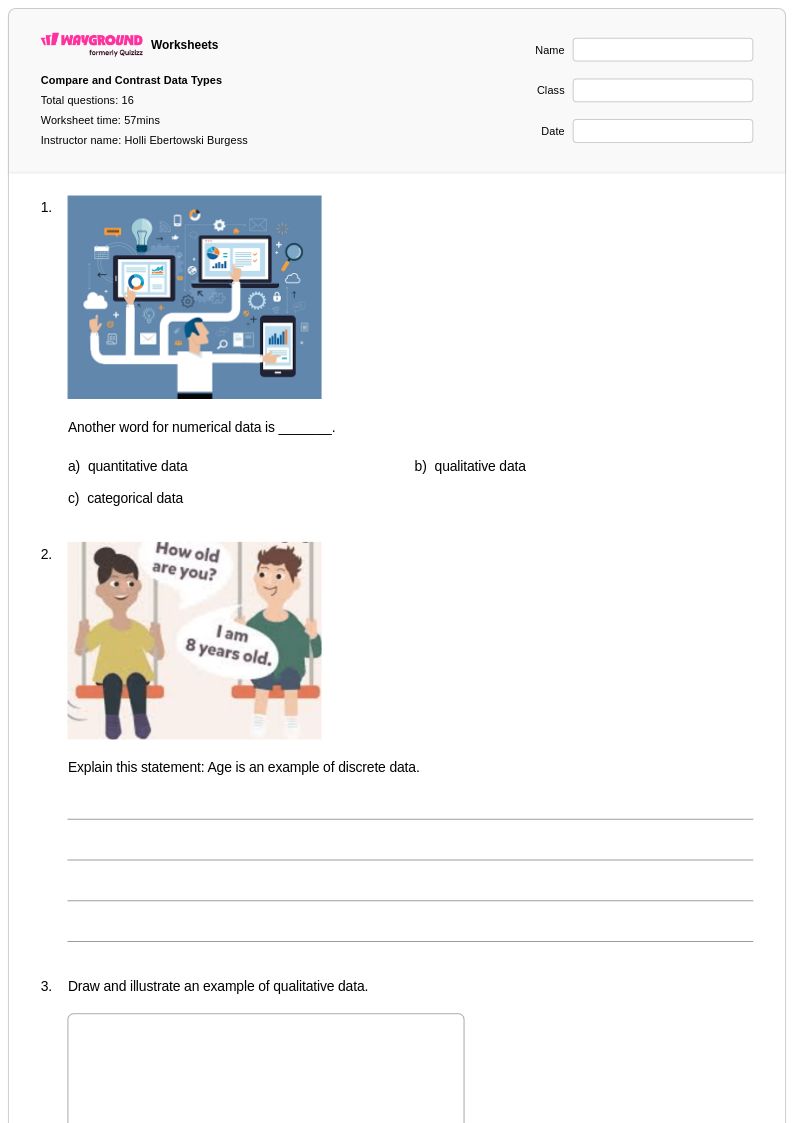
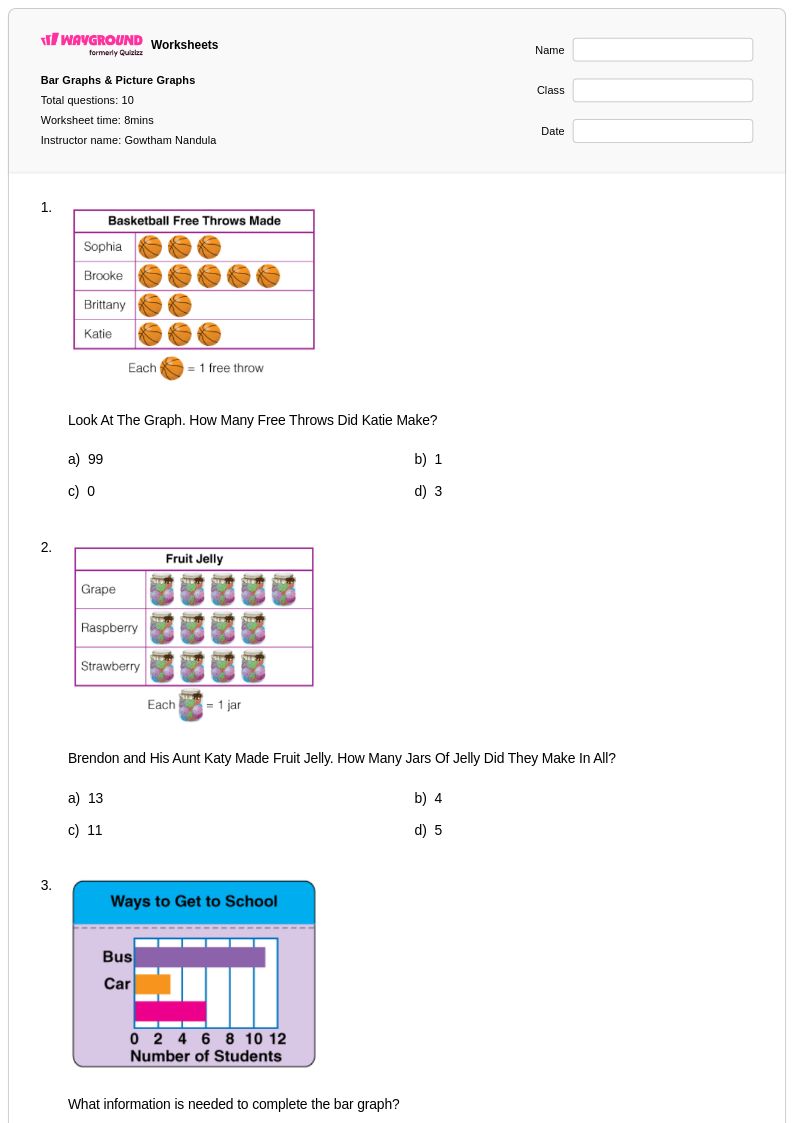
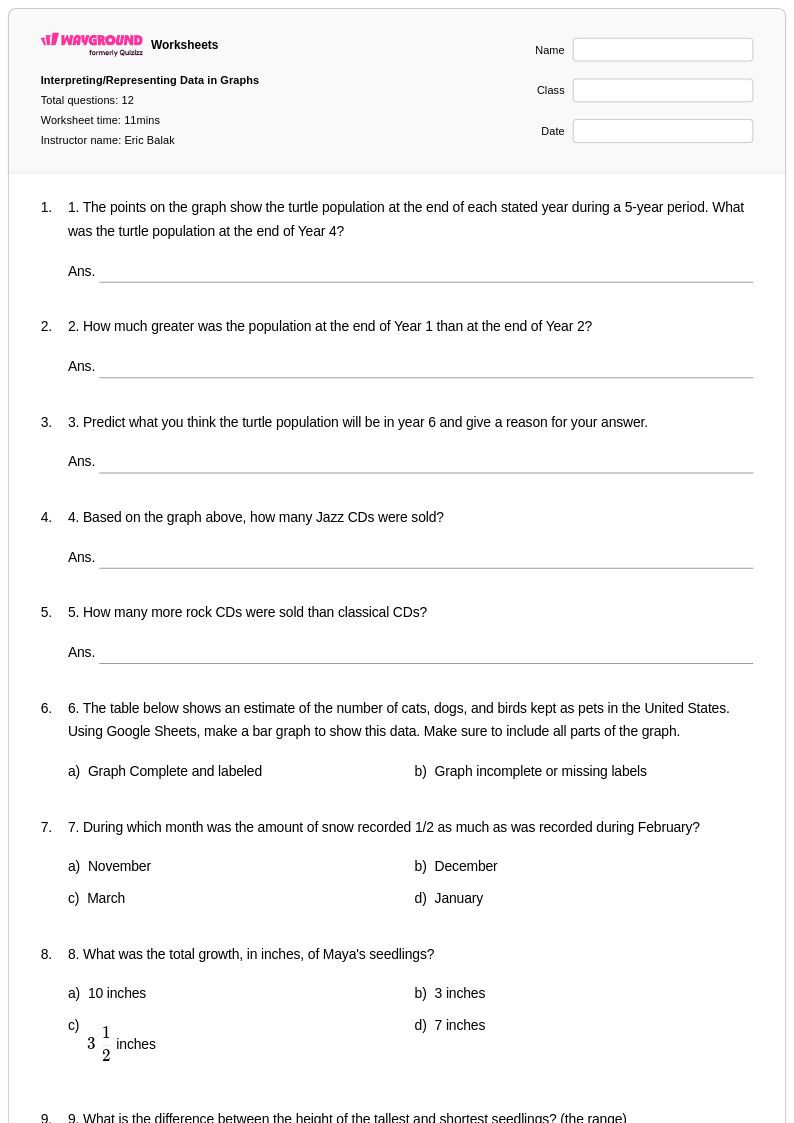
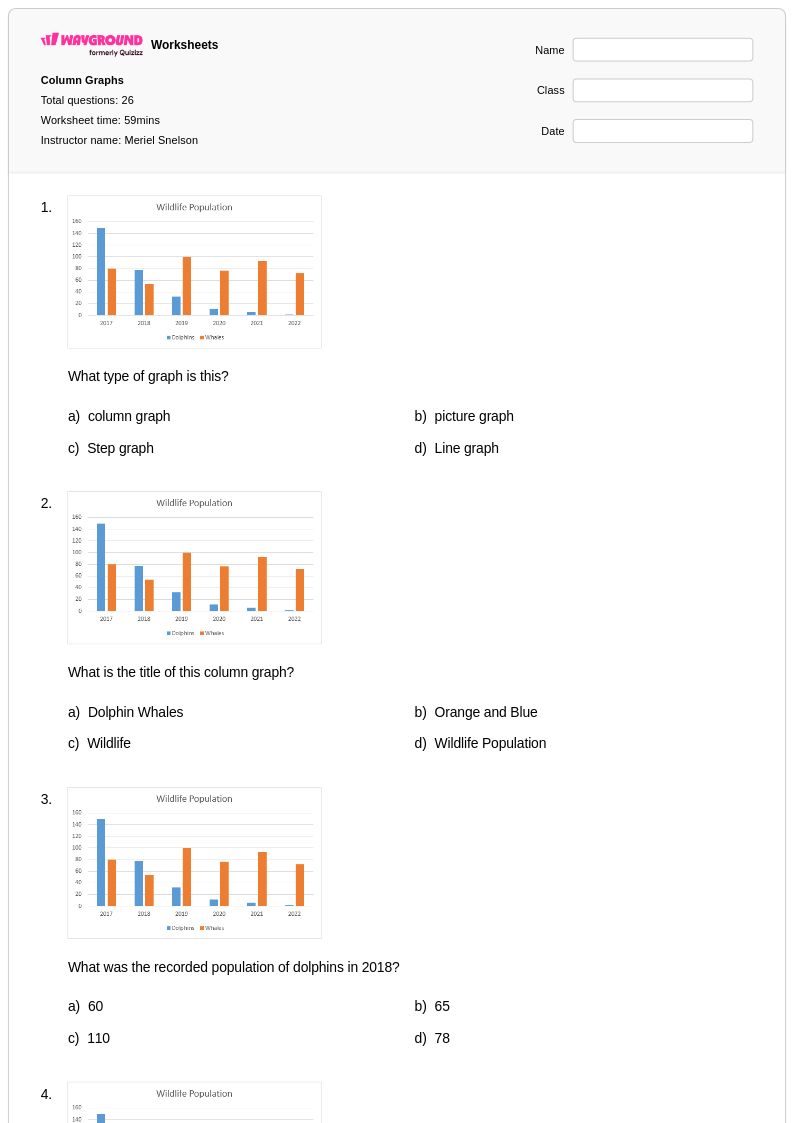
Qualitative graphs for Year 5 students represent a fundamental component of data analysis education, teaching young learners to interpret and create visual representations that show relationships, trends, and patterns without specific numerical values. Wayground's comprehensive collection of qualitative graphing worksheets provides Year 5 educators with expertly designed practice problems that strengthen students' abilities to read bar graphs, line graphs, pictographs, and other visual data displays while focusing on qualitative interpretations rather than precise calculations. These free printable resources include detailed answer keys and cover essential skills such as identifying trends, comparing data sets, making predictions based on graph patterns, and understanding how different graph types communicate information effectively. The pdf worksheets systematically build students' graph literacy through engaging scenarios that connect mathematical concepts to real-world applications, ensuring learners develop both analytical thinking skills and confidence in data interpretation.
Wayground's extensive library draws from millions of teacher-created resources specifically curated for Year 5 qualitative graphing instruction, offering educators powerful search and filtering capabilities to locate materials that align with curriculum standards and individual classroom needs. The platform's robust differentiation tools enable teachers to customize worksheets for various skill levels within their classrooms, supporting both remediation for struggling learners and enrichment opportunities for advanced students. Available in both printable and digital formats, these qualitative graphing resources facilitate flexible lesson planning whether teachers need immediate pdf downloads for homework assignments or interactive materials for classroom instruction. The comprehensive collection supports systematic skill practice through carefully sequenced problems that progress from basic graph reading to complex data analysis, empowering educators to provide targeted instruction that builds mathematical reasoning and prepares students for more advanced statistical concepts in higher grades.
FAQs
What new graphing concepts do 5th graders learn?
How can I help 5th graders move from creating graphs to analyzing them?
What kinds of questions push 5th graders to interpret graphs more deeply?
What are common misconceptions for 5th graders when analyzing line graphs?
How does 5th-grade graphing prepare students for middle school math?
How can I use this 5th-grade graphing worksheet for practice or assessment?