
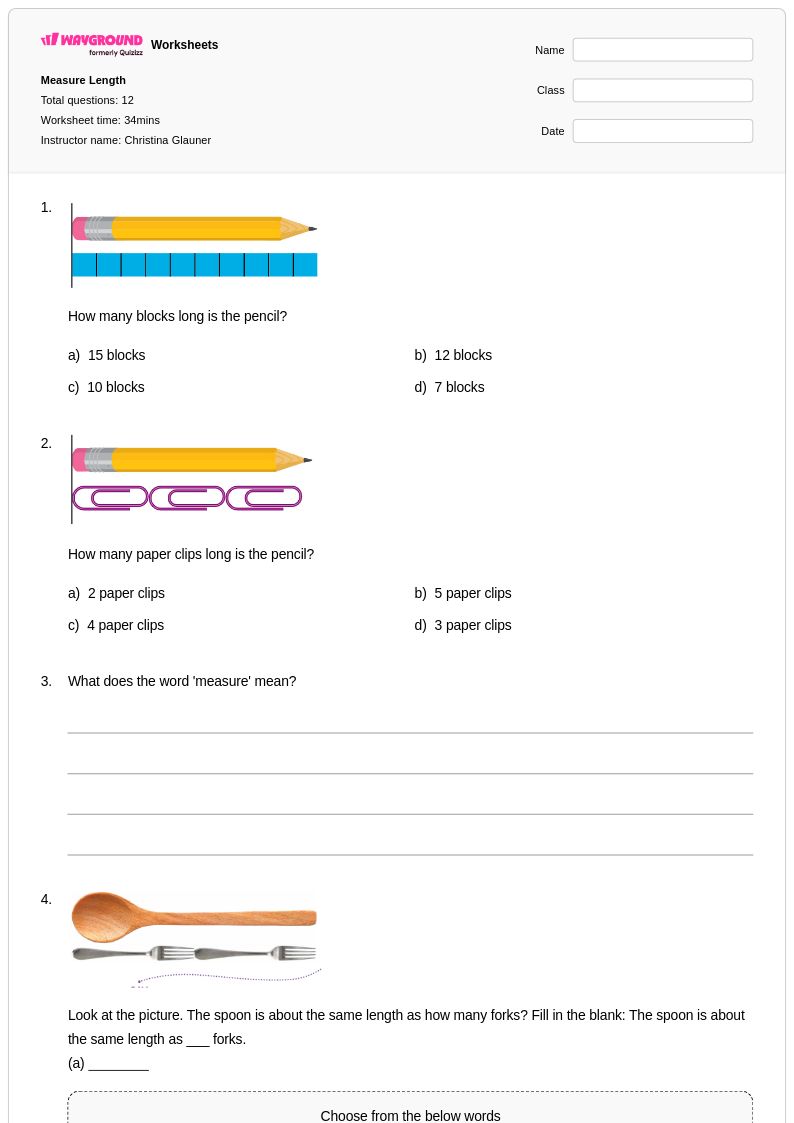
12 Q
1st
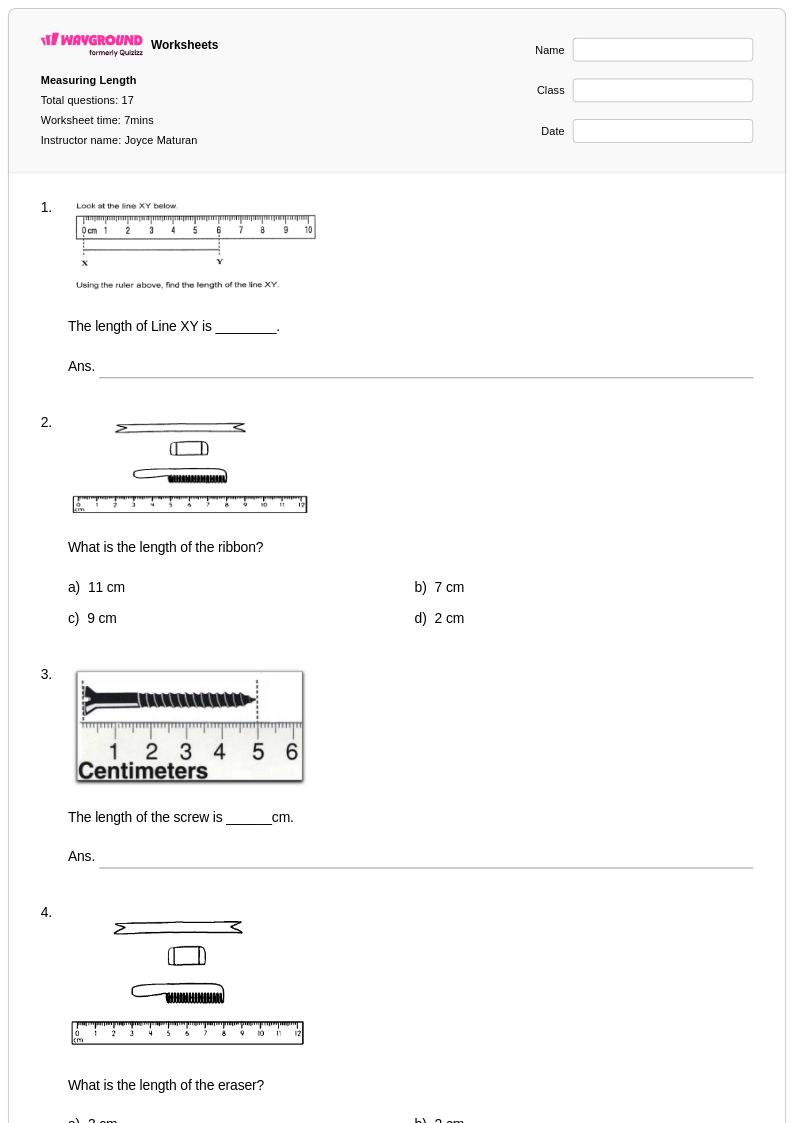
17 Q
1st
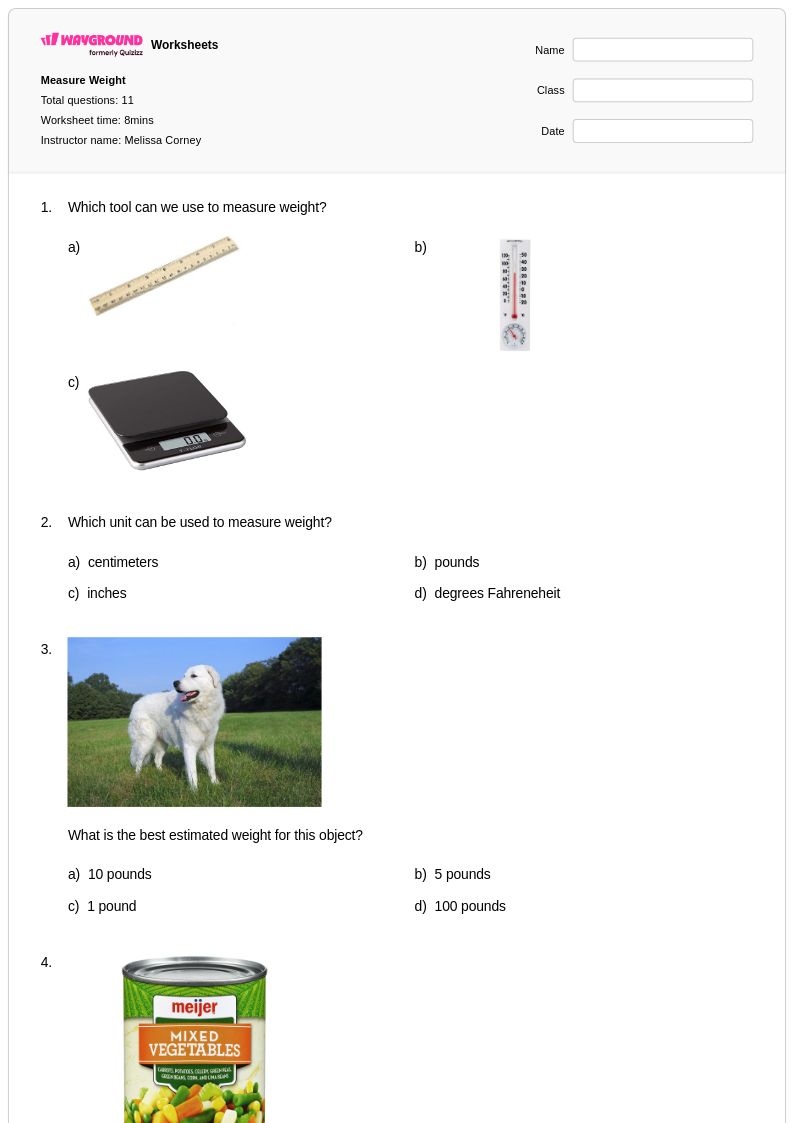
11 Q
1st - 3rd
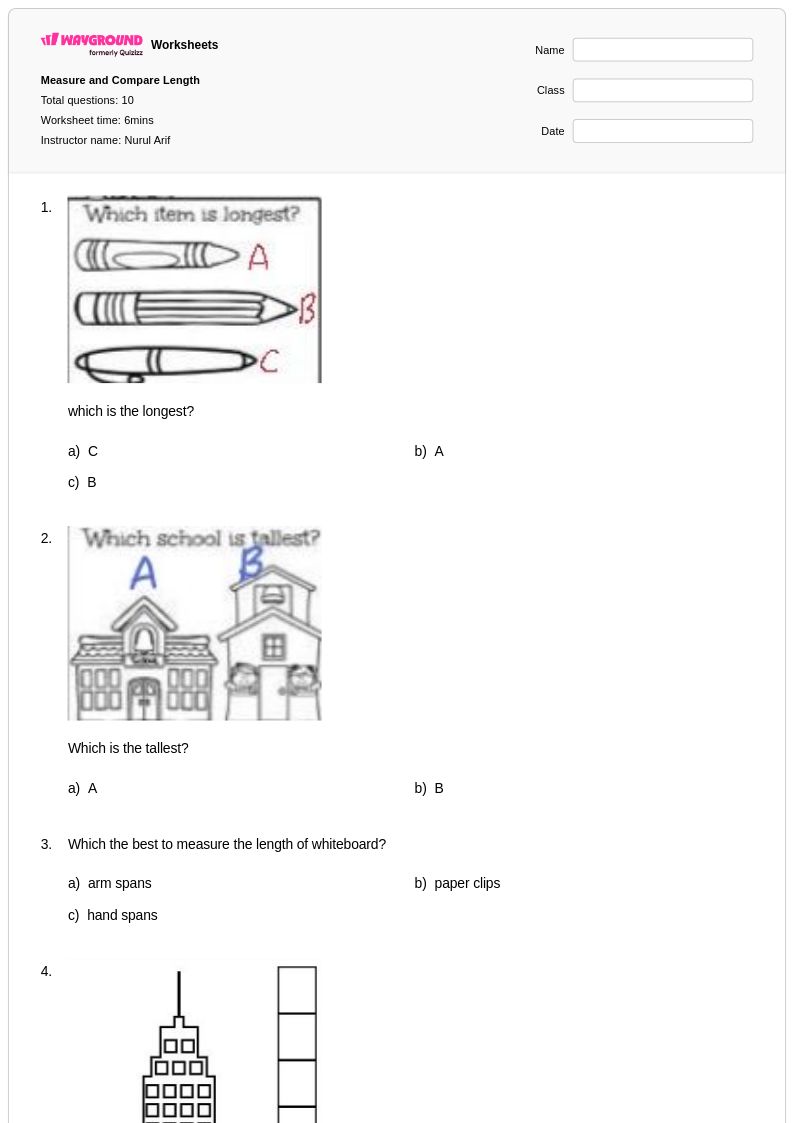
10 Q
1st
11 Q
1st - 5th
31 Q
1st - 2nd
15 Q
1st - Uni
10 Q
1st - 3rd
15 Q
1st
11 Q
1st
17 Q
1st
14 Q
1st - 10th
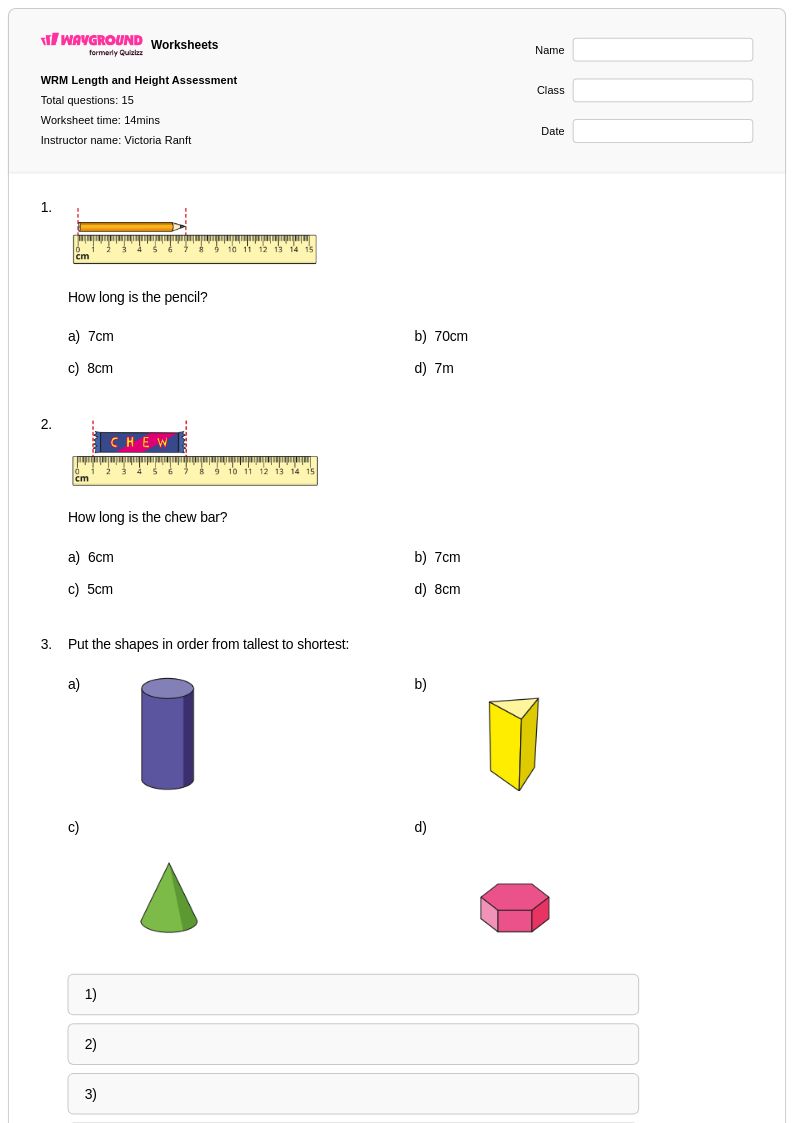
15 Q
1st
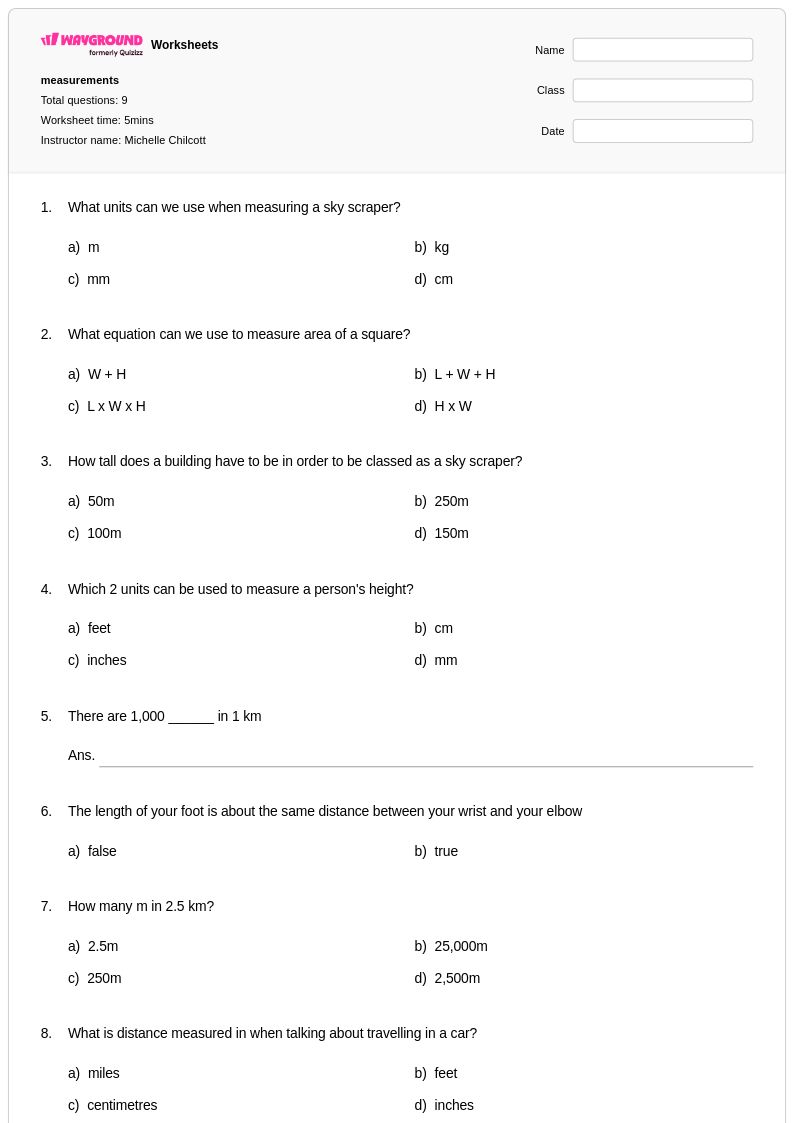
9 Q
1st - 5th
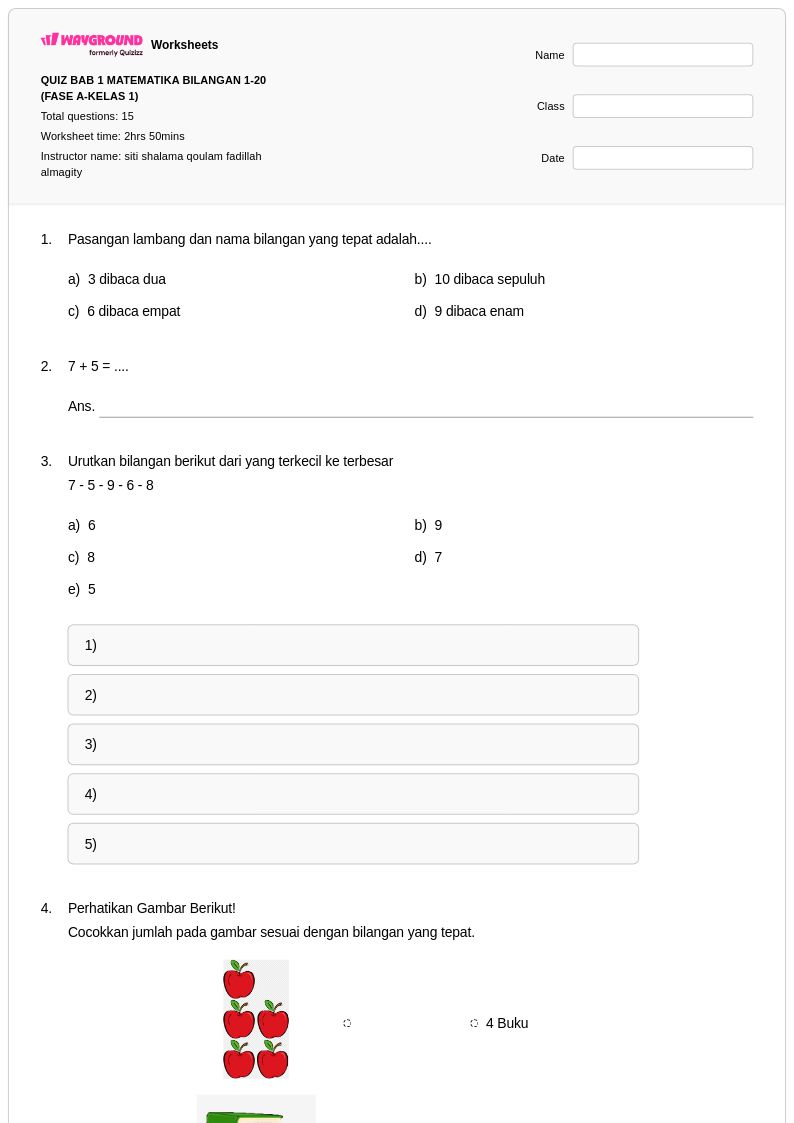
16 Q
1st
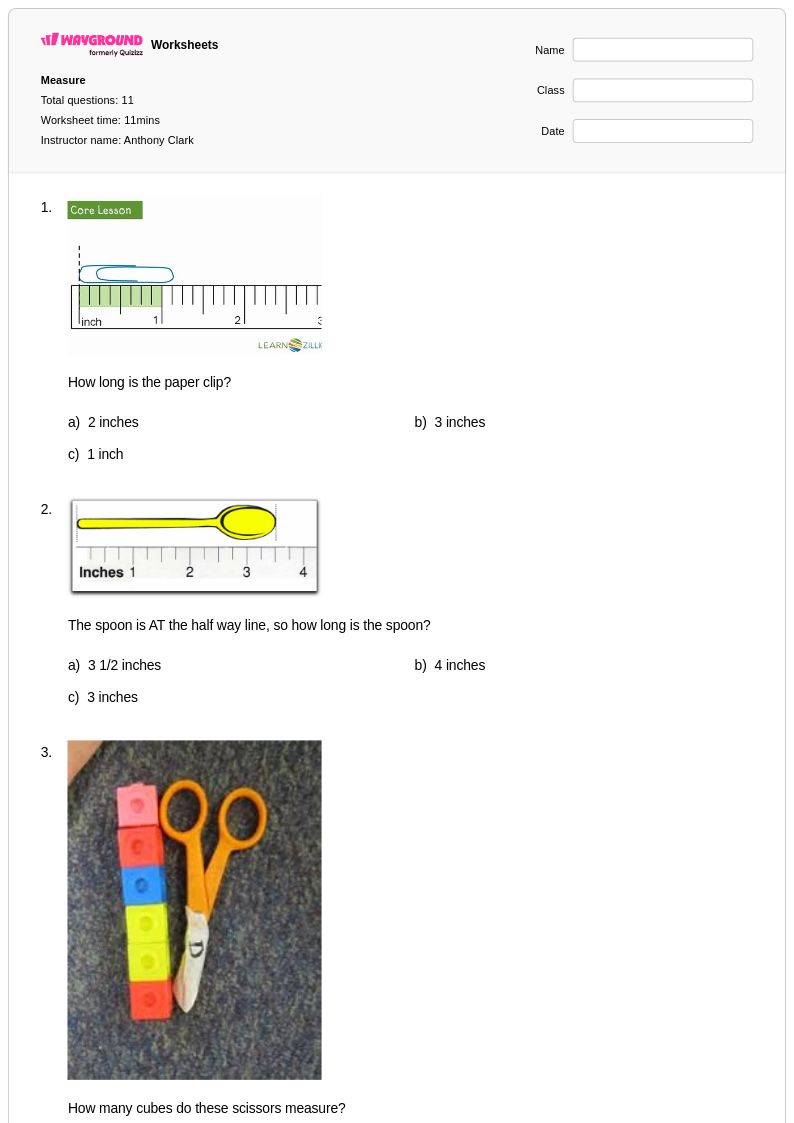
11 Q
1st - Uni
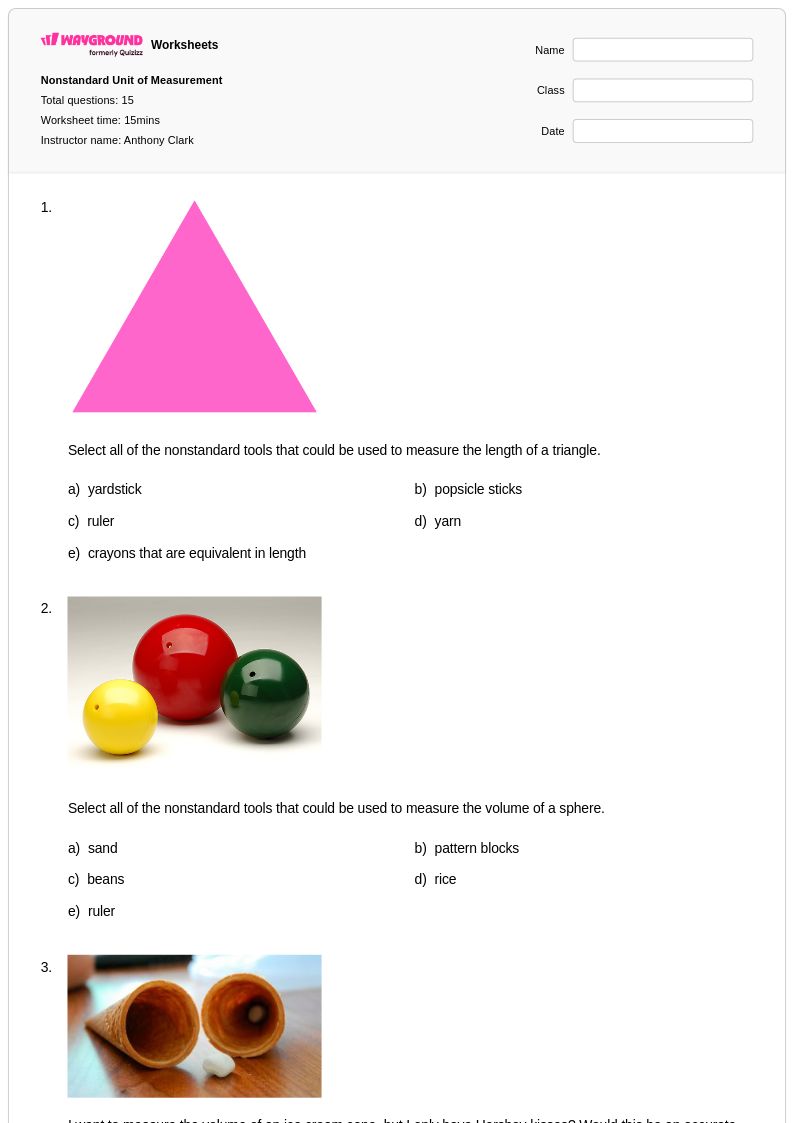
15 Q
1st - Uni
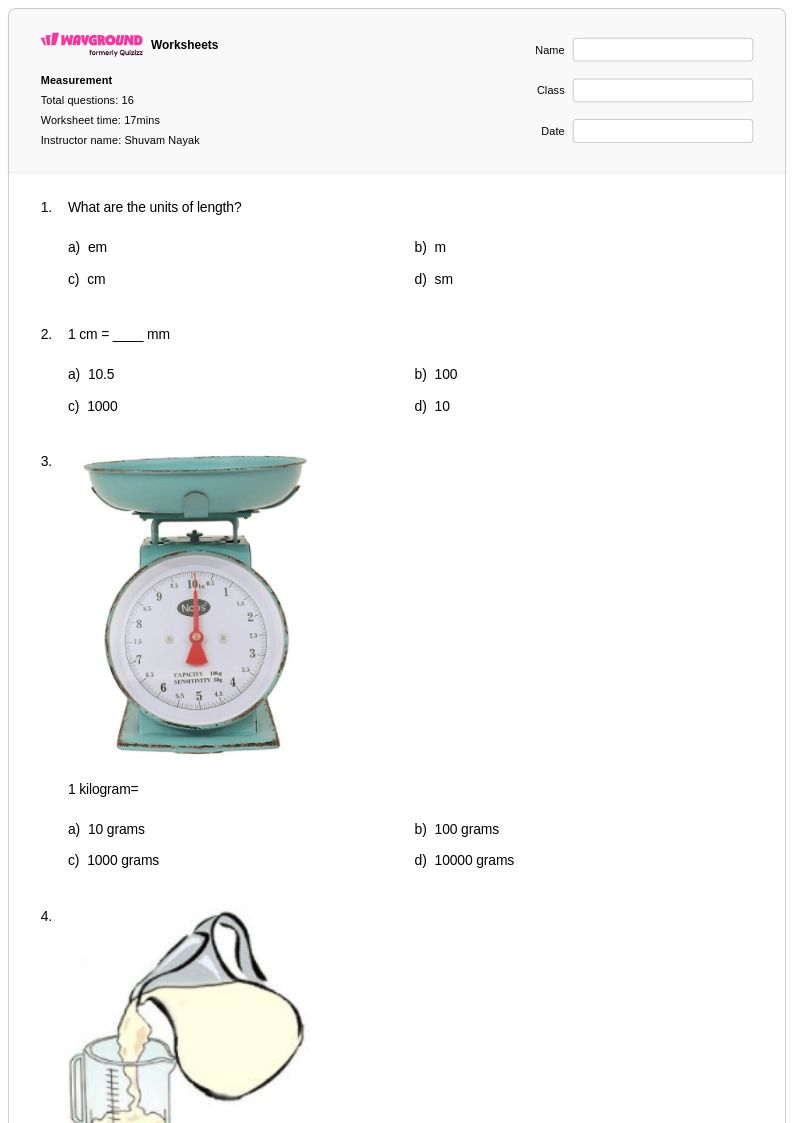
16 Q
1st - 4th
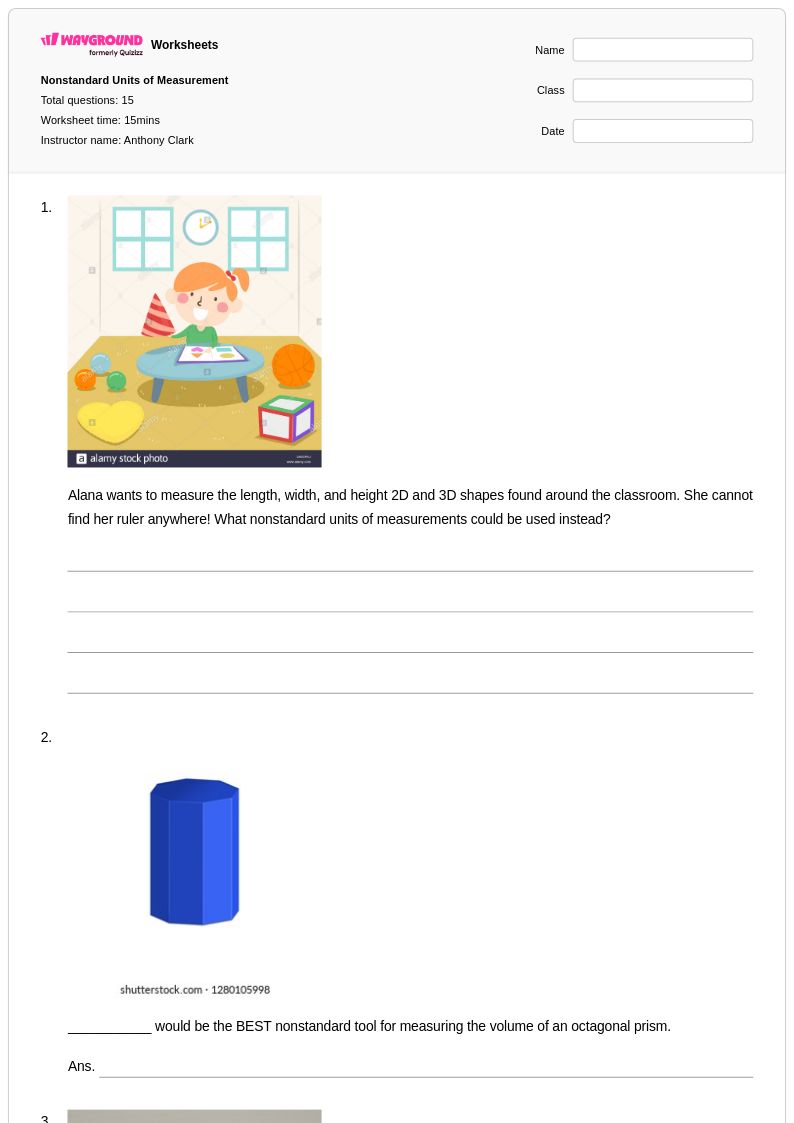
15 Q
1st - Uni
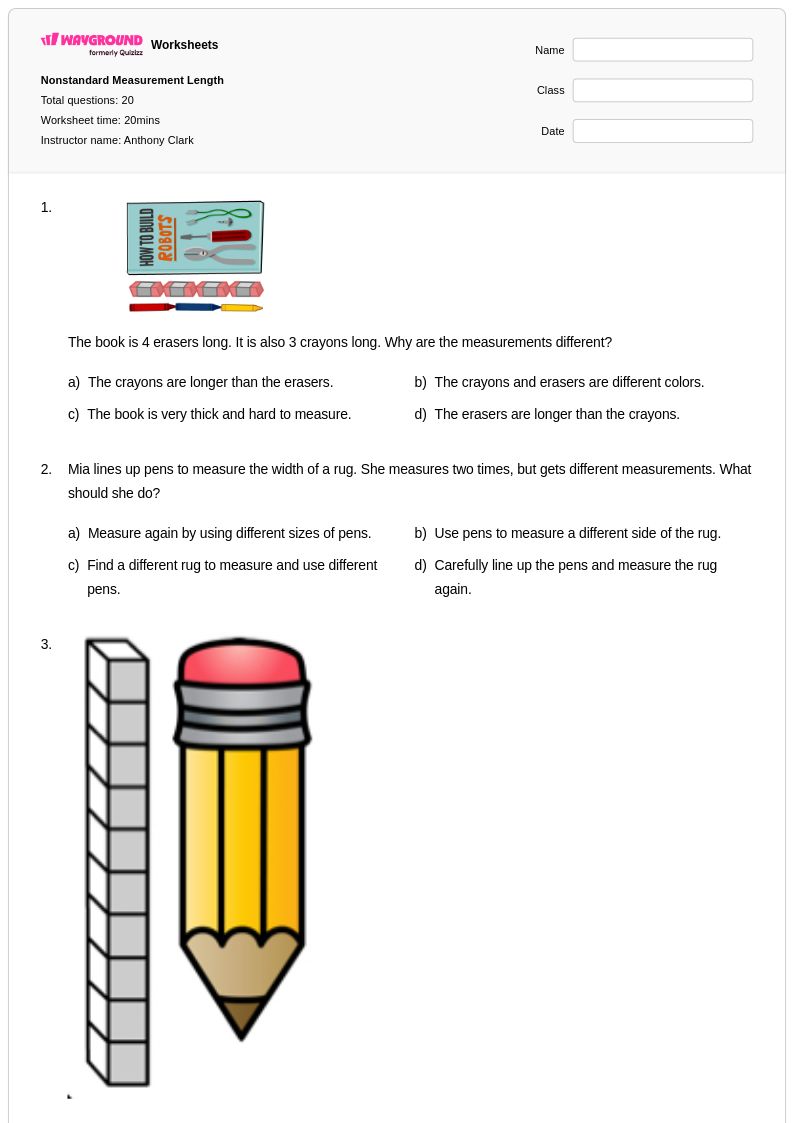
20 Q
1st - Uni
10 Q
1st - 5th
6 Q
1st
15 Q
1st - 4th
20 Q
1st
Explore Other Subject Worksheets for year 1
Explore printable Reading a Tape Measure worksheets for Year 1
Reading a tape measure represents a fundamental Year 1 measurement skill that bridges abstract mathematical concepts with practical, real-world applications. Wayground's comprehensive collection of reading a tape measure worksheets provides young learners with structured practice opportunities to develop essential measurement literacy through engaging, age-appropriate activities. These carefully designed printables focus on helping first-grade students recognize number sequences on measuring tools, understand basic units of measurement, and build confidence in using standard measurement instruments. Each worksheet includes clear visual representations and progressive skill-building exercises, with accompanying answer keys that enable both independent practice and guided instruction. The free pdf resources emphasize hands-on learning experiences that make abstract measurement concepts concrete and accessible for developing minds.
Wayground's extensive library of teacher-created resources supports educators with millions of high-quality materials specifically designed for Year 1 measurement instruction, including comprehensive tape measure reading activities that align with mathematical standards and learning objectives. The platform's robust search and filtering capabilities allow teachers to quickly locate worksheets that match their students' specific skill levels and learning needs, while built-in differentiation tools enable seamless customization for diverse classroom requirements. These versatile resources are available in both printable and digital formats, providing flexibility for traditional classroom instruction, homework assignments, remediation support, and enrichment activities. Teachers can efficiently integrate these materials into their lesson planning workflow, using the comprehensive collection to reinforce measurement concepts, assess student progress, and provide targeted skill practice that builds foundational mathematical understanding.
FAQs
What is the main measurement concept for 1st graders to learn?
How does this topic connect to 1st grade math standards?
What kind of practice is best for 1st graders learning to measure?
What are common mistakes 1st graders make when learning to measure?
How can I use these 1st grade worksheets with my students?
How can I support diverse learners with these measurement worksheets?