
9 Q
1st
10 Q
KG - 1st
11 Q
1st - 3rd
11 Q
1st - 2nd
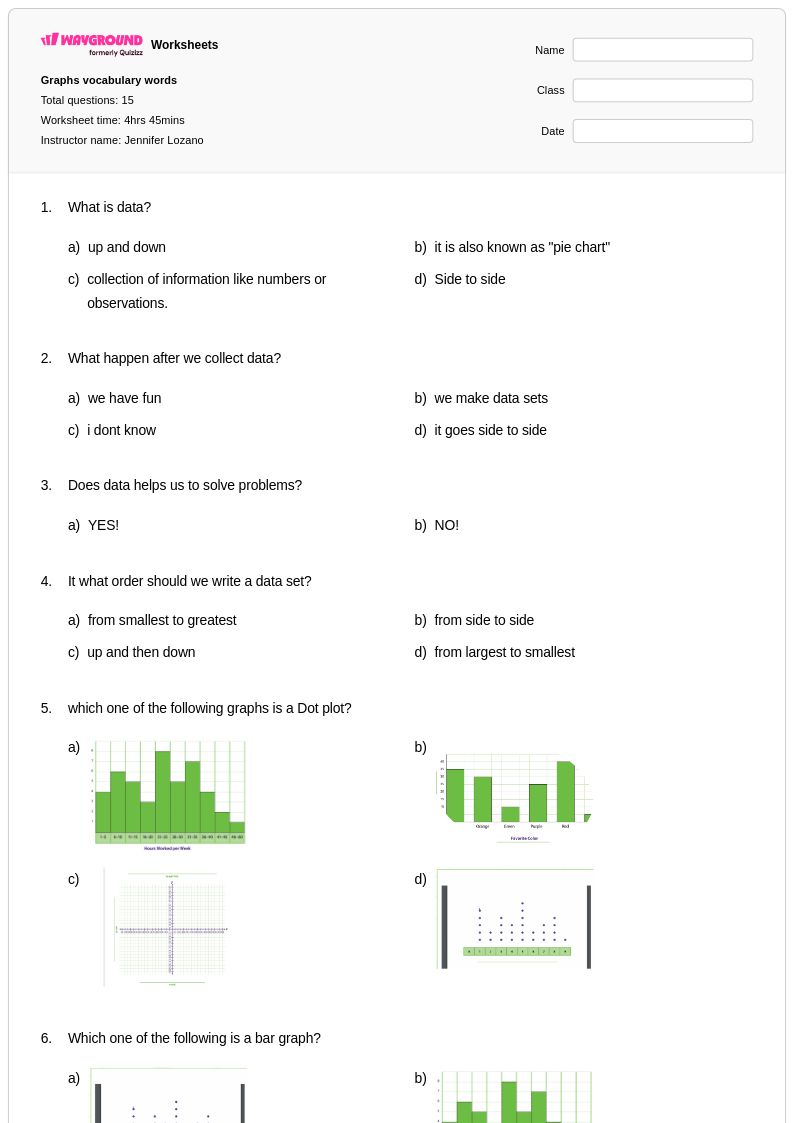
15 Q
KG - 2nd
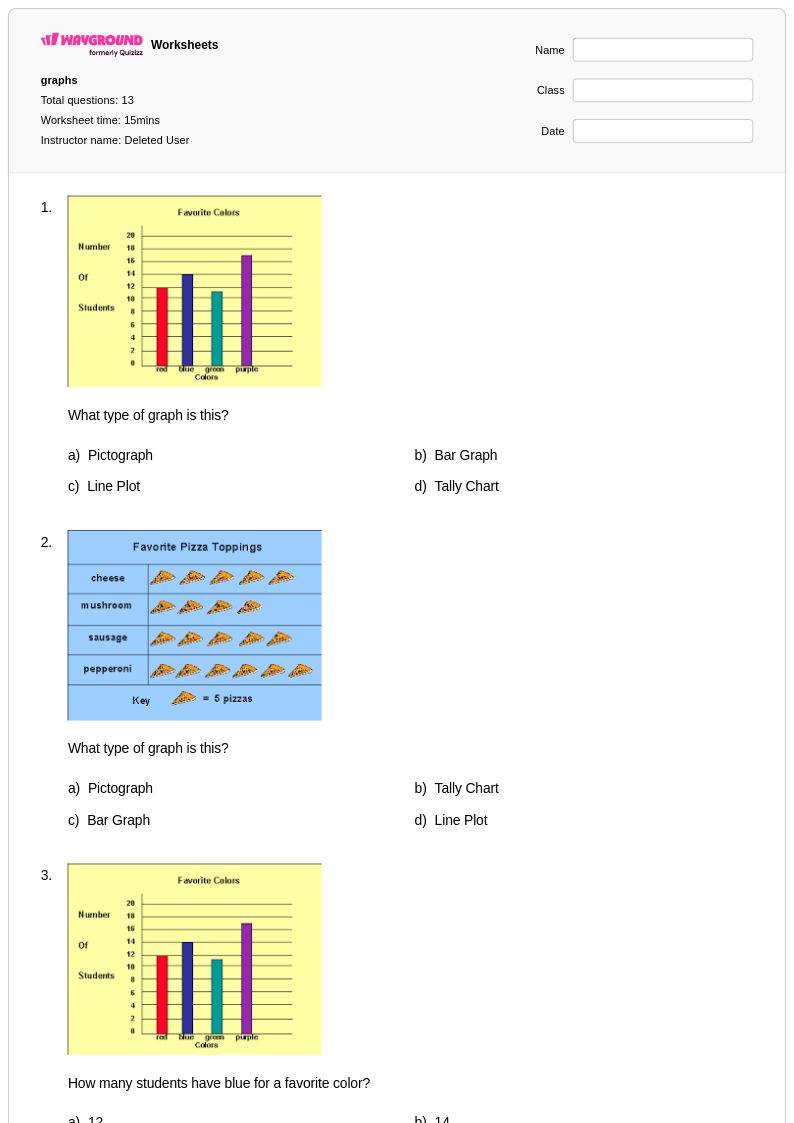
13 Q
KG - 2nd
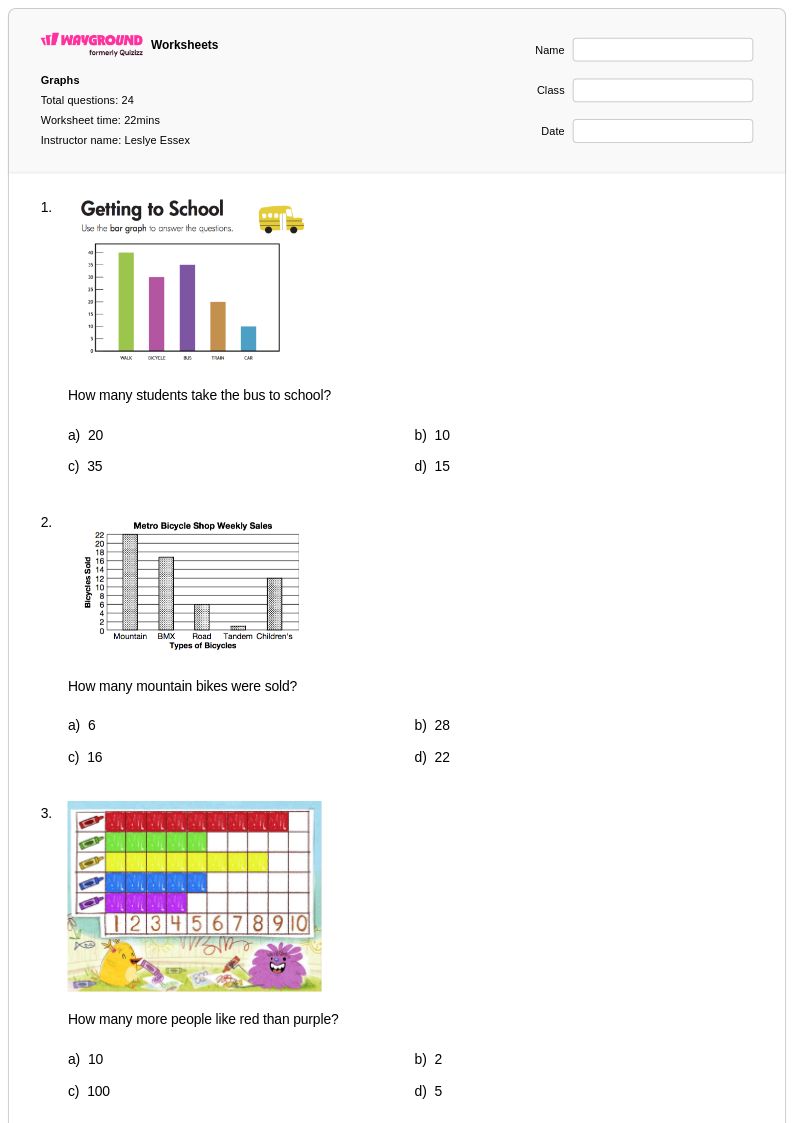
24 Q
1st
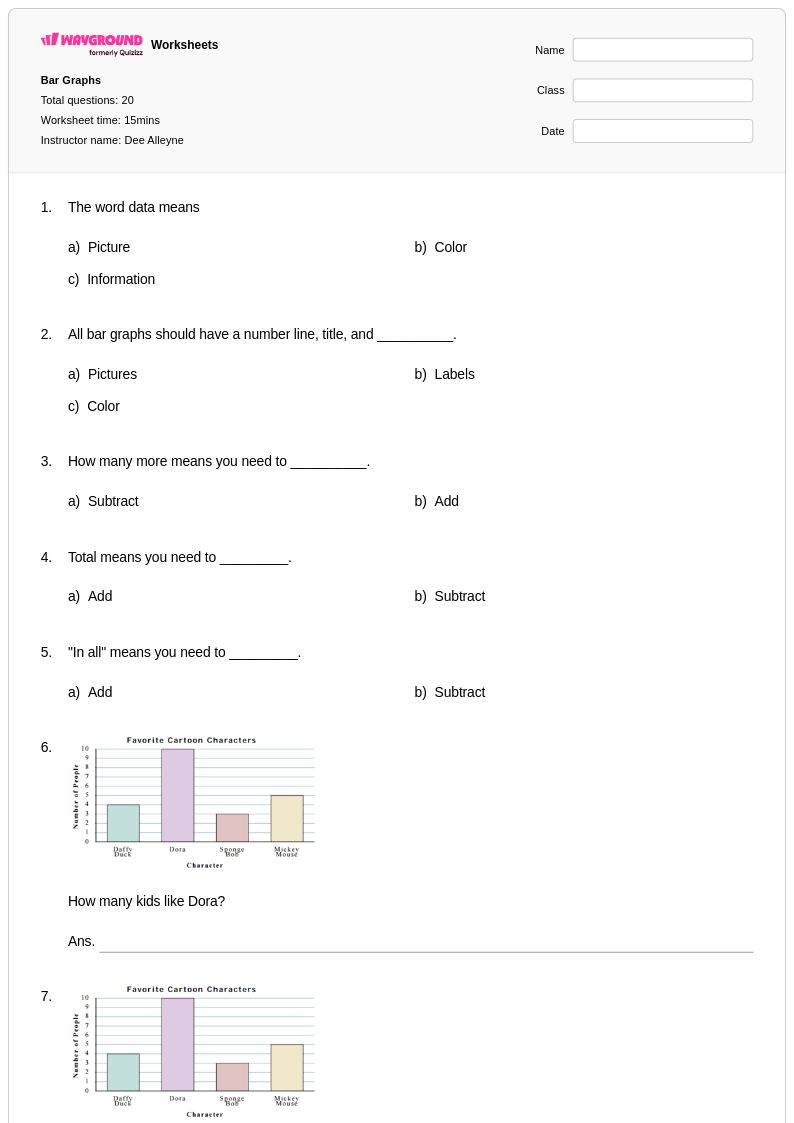
20 Q
KG - 2nd
20 Q
1st - 5th
10 Q
1st
12 Q
1st
20 Q
1st - 2nd
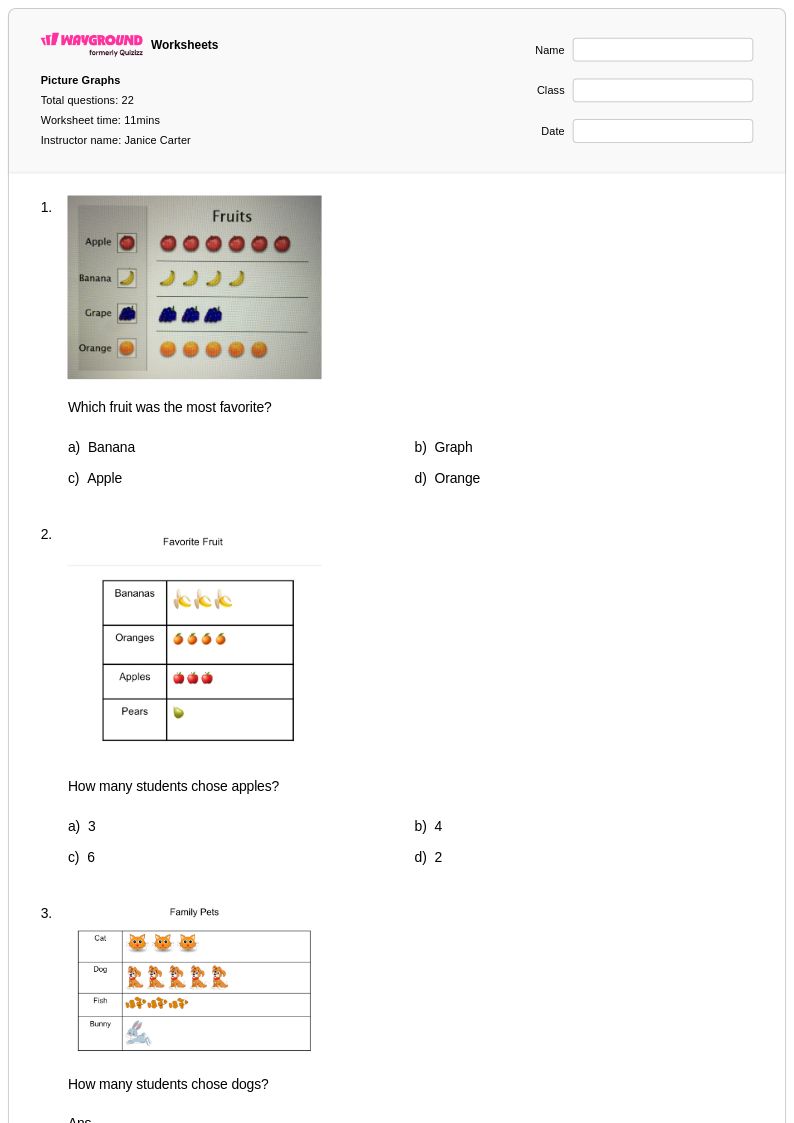
22 Q
1st
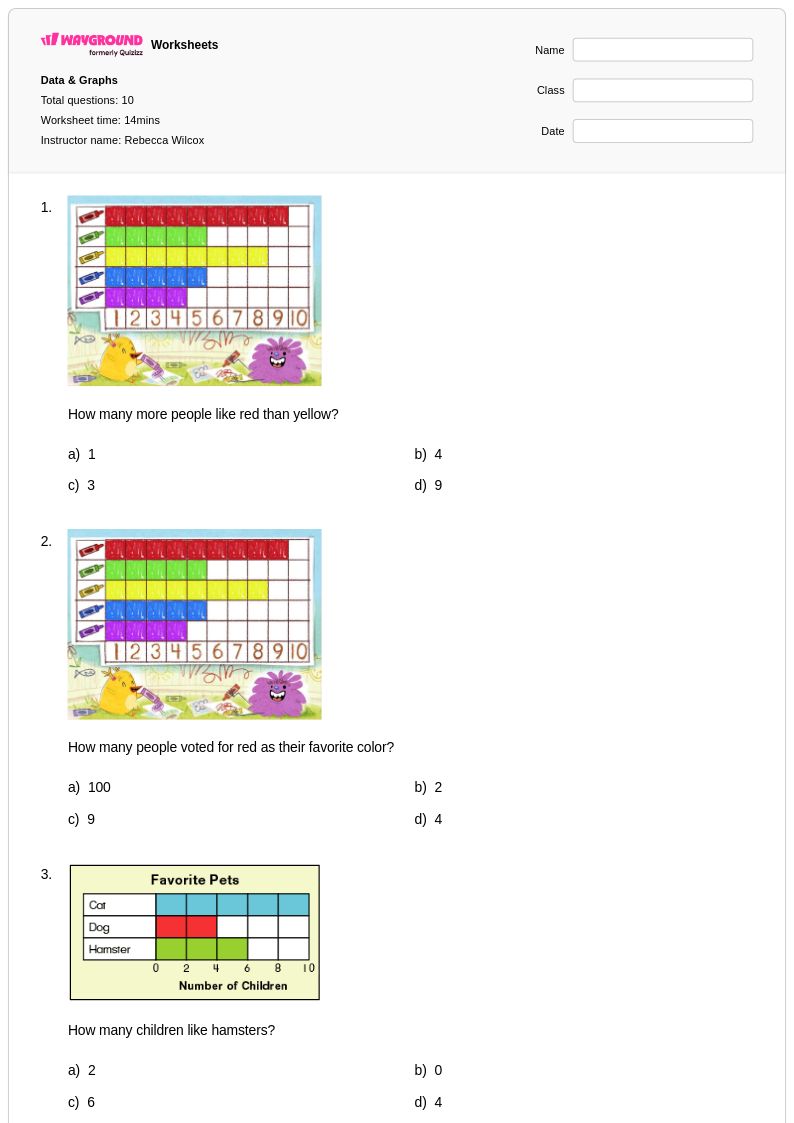
10 Q
1st
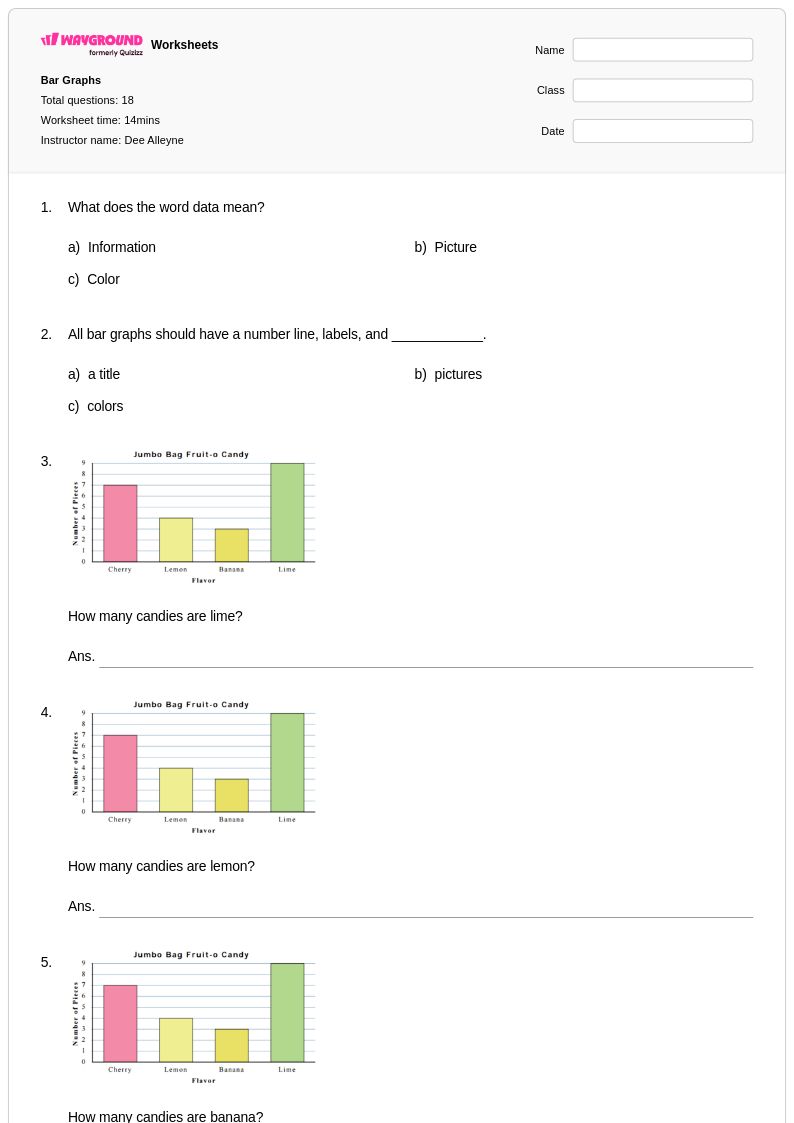
18 Q
KG - 2nd
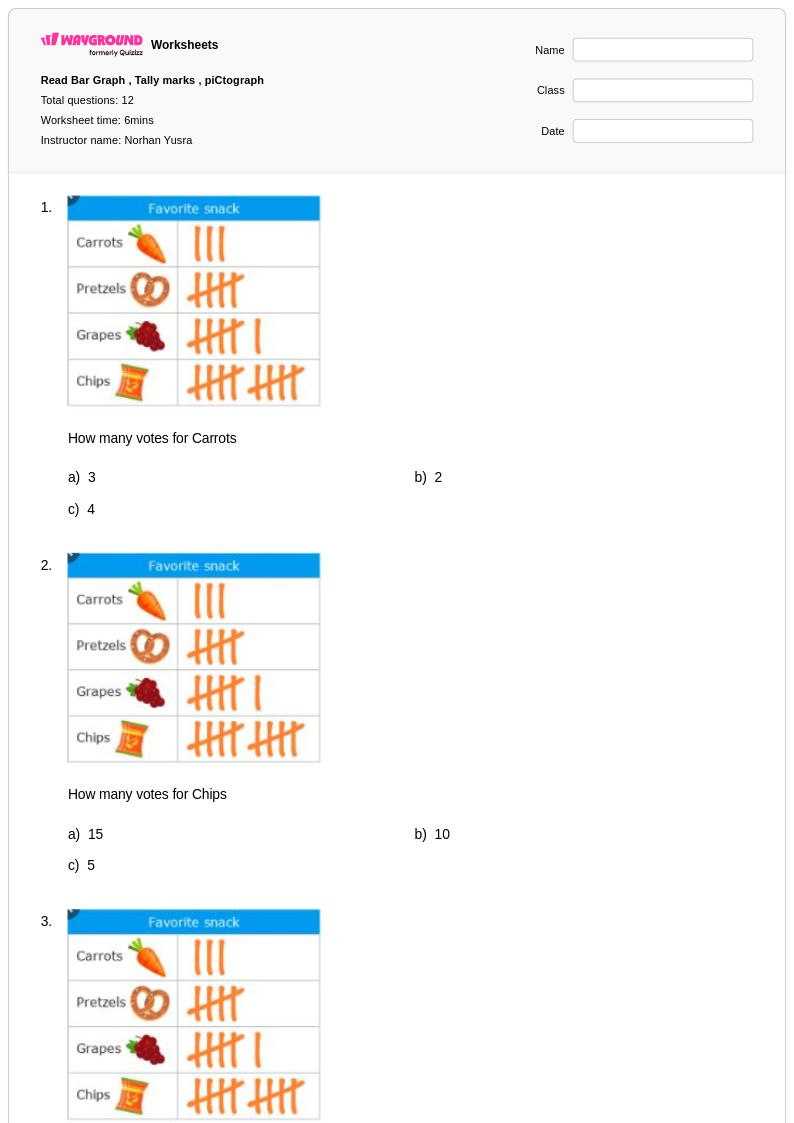
12 Q
1st - 2nd
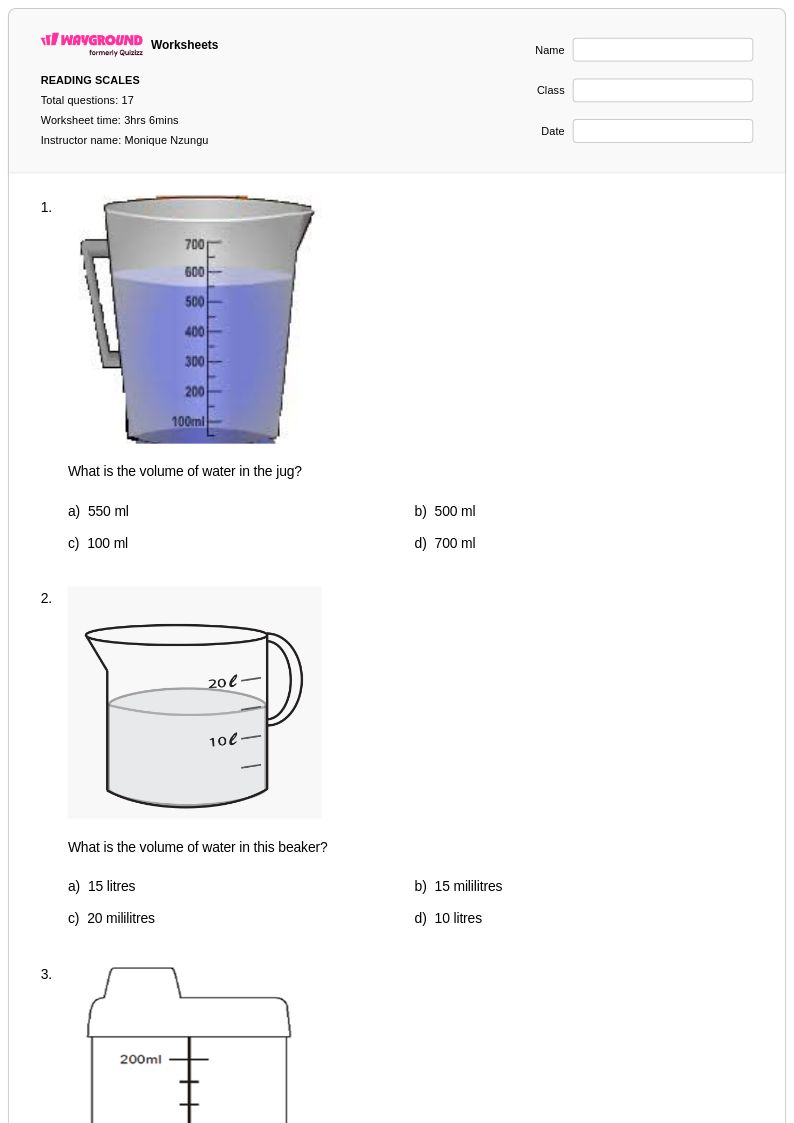
17 Q
1st
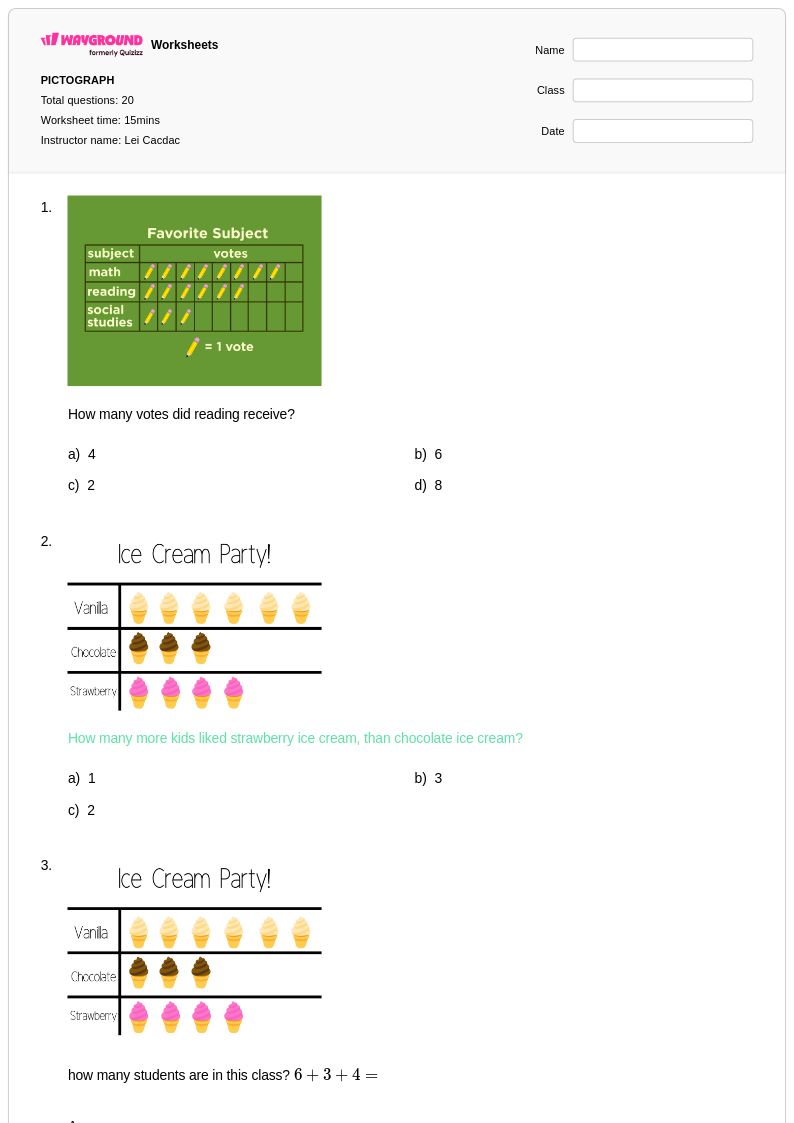
20 Q
1st
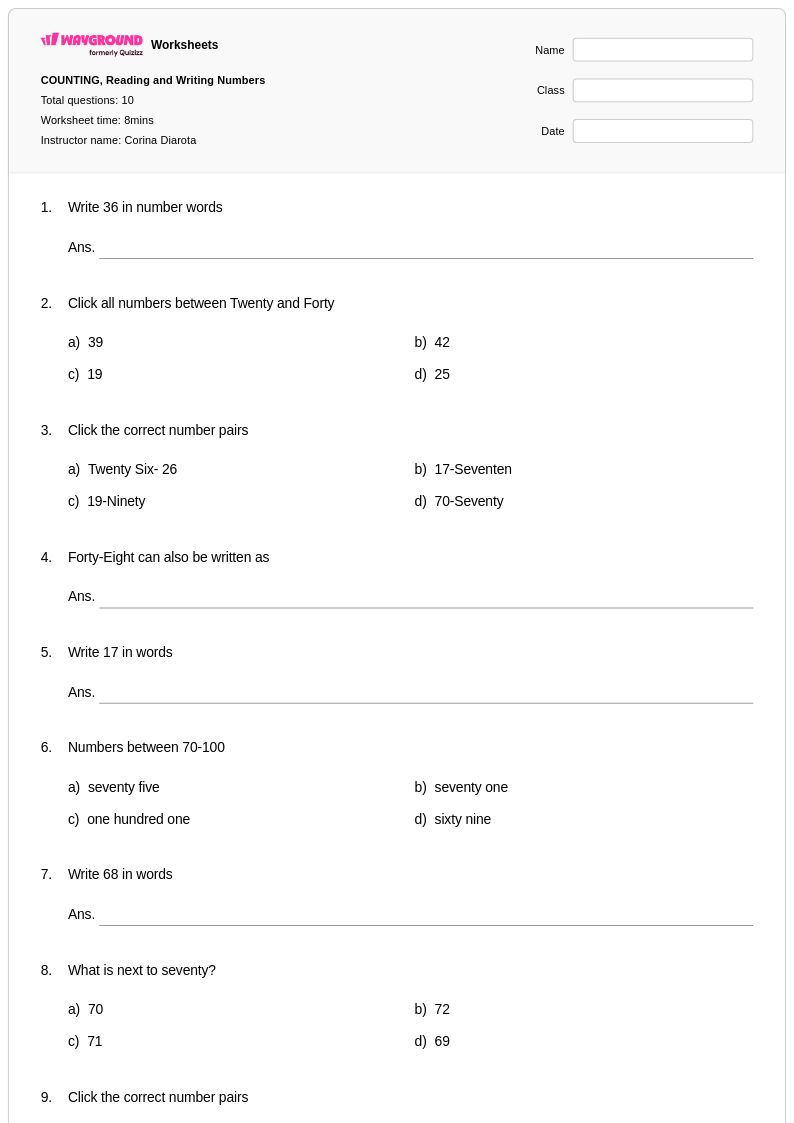
10 Q
1st
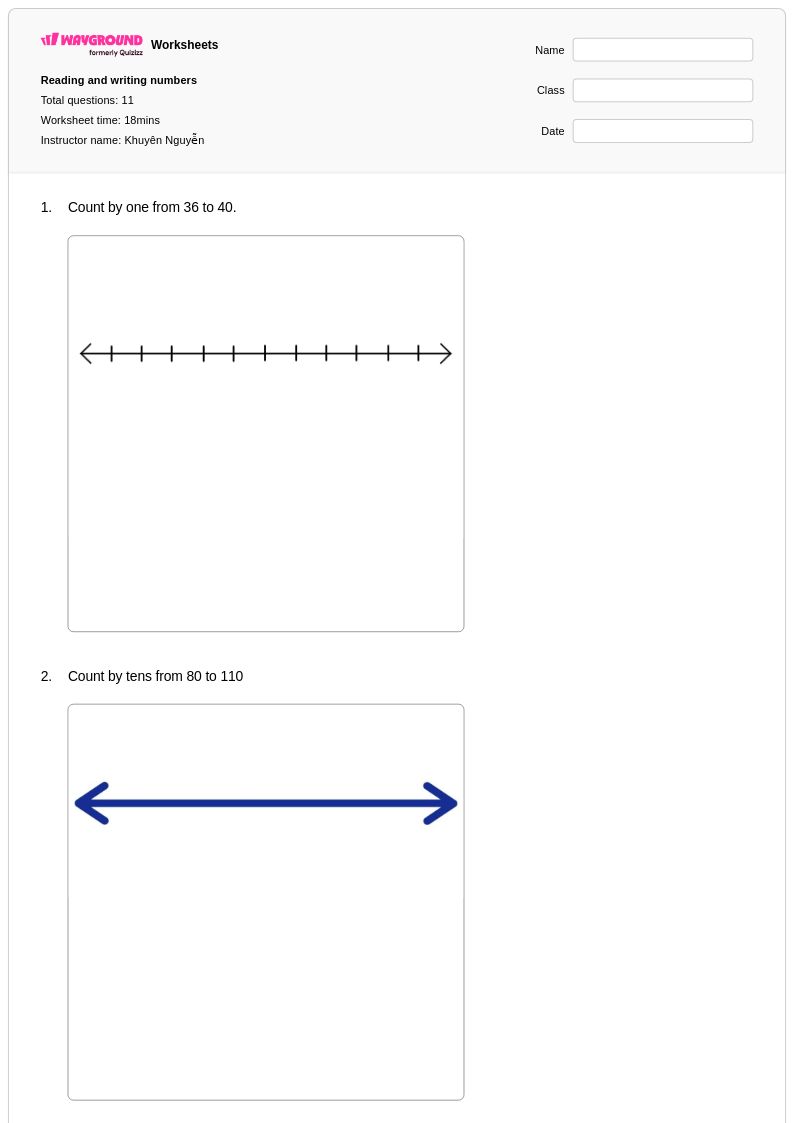
11 Q
1st
20 Q
1st
10 Q
KG - 2nd
6 Q
1st
14 Q
1st
Explore Reading Graphs Worksheets by Grades
Explore Other Subject Worksheets for year 1
Explore printable Reading Graphs worksheets for Year 1
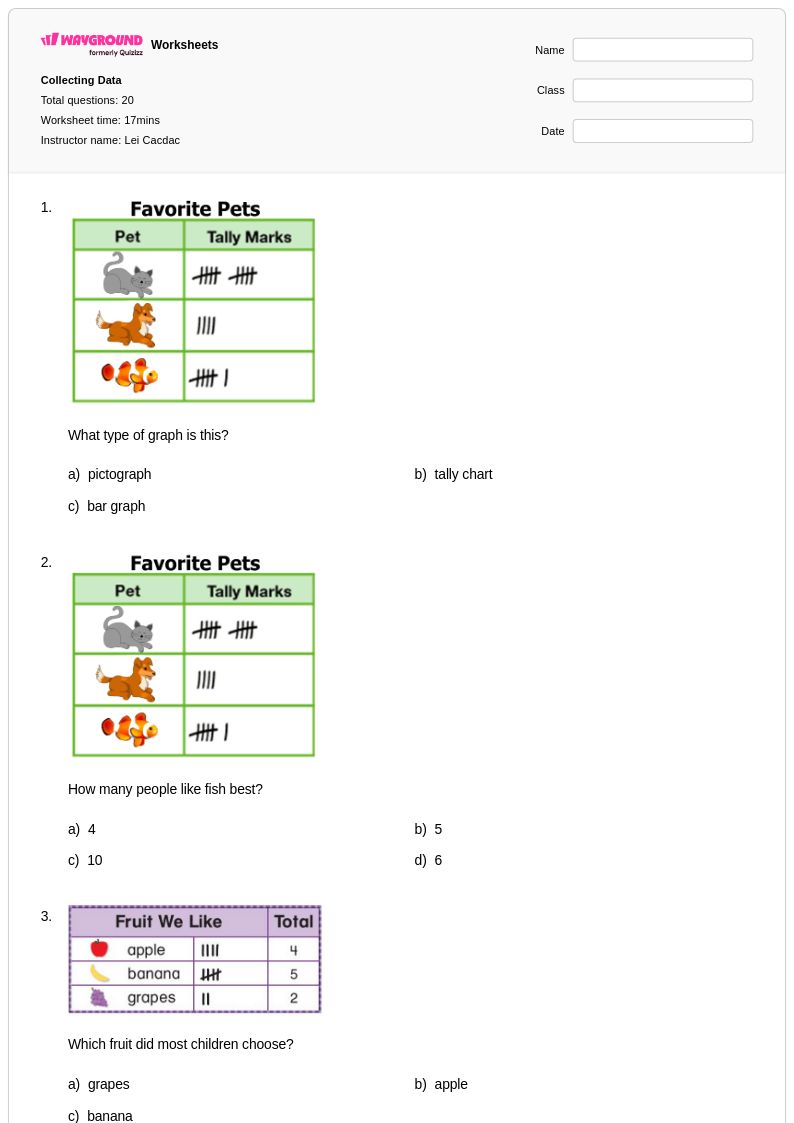
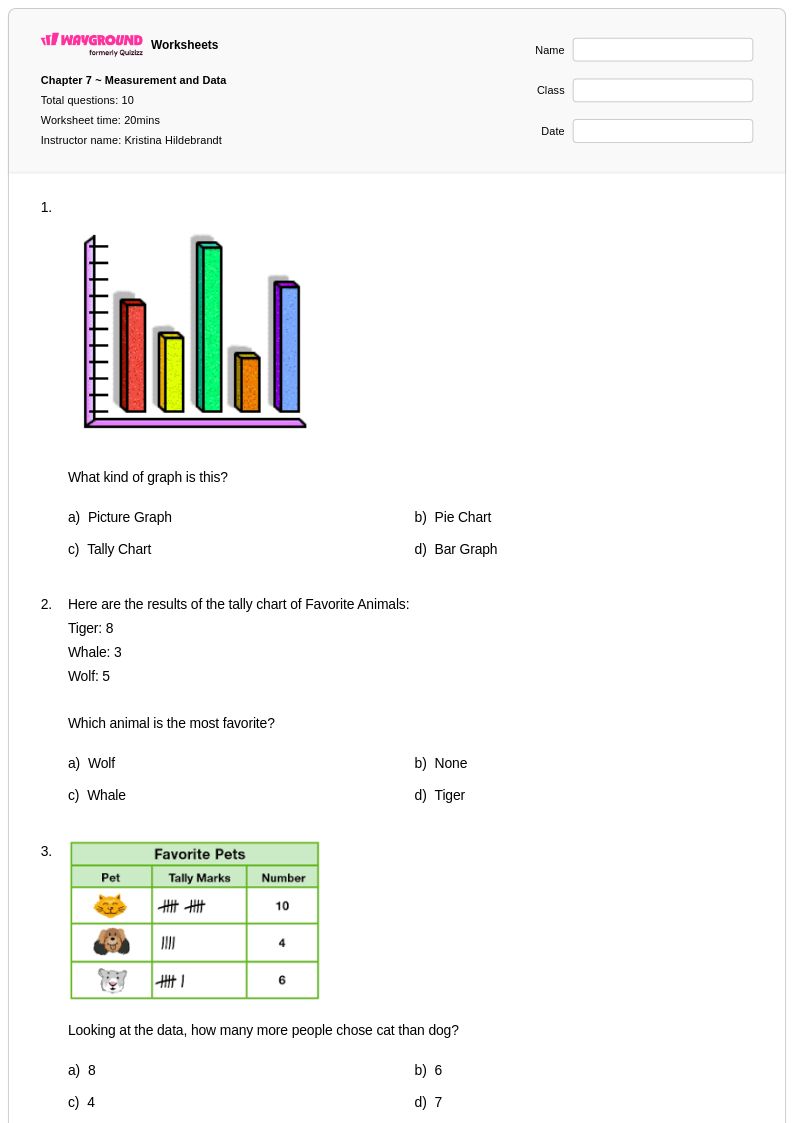
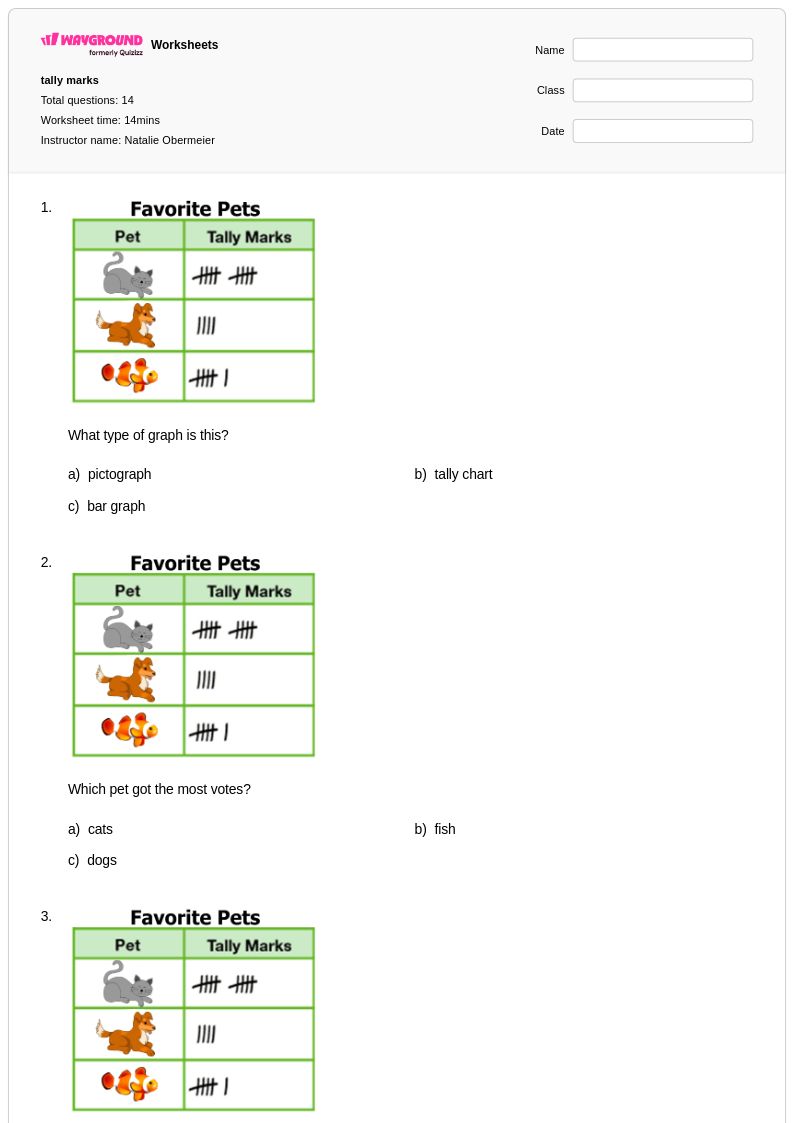
Reading graphs worksheets for Year 1 students available through Wayground (formerly Quizizz) introduce young learners to the fundamental skill of interpreting visual data representations. These carefully crafted educational resources help first-grade students develop essential mathematical literacy by teaching them how to extract information from simple bar graphs, pictographs, and basic charts. The worksheets strengthen critical thinking abilities as students learn to read titles, labels, and data points while answering questions about what the visual information tells them. Each printable resource includes structured practice problems that guide students through the process of graph interpretation, with accompanying answer keys that enable both independent learning and teacher-directed instruction. These free educational materials provide systematic practice in data comprehension, helping young mathematicians build confidence in analyzing visual information presented in mathematical contexts.
Wayground (formerly Quizizz) empowers educators with access to millions of teacher-created reading graphs resources specifically designed for Year 1 mathematics instruction. The platform's comprehensive search and filtering capabilities allow teachers to locate materials that align perfectly with curriculum standards and individual student needs, whether for initial skill introduction, targeted remediation, or advanced enrichment activities. Teachers can easily customize these graph reading worksheets to match their classroom requirements, adapting difficulty levels and content focus to support differentiated instruction across diverse learning abilities. Available in both digital and printable PDF formats, these resources offer maximum flexibility for lesson planning, homework assignments, and assessment preparation. The extensive collection ensures that educators have access to varied graph types and question formats, enabling them to provide students with comprehensive practice in this foundational data interpretation skill that serves as a building block for more advanced mathematical concepts.
FAQs
What graph skills are taught in 1st grade?
How can I teach graph reading in 1st grade?
What's a common misconception for 1st graders with graphs?
What do these 1st-grade graph worksheets cover?
How do I assign this 1st-grade worksheet?
How does this fit with 1st-grade math standards?