
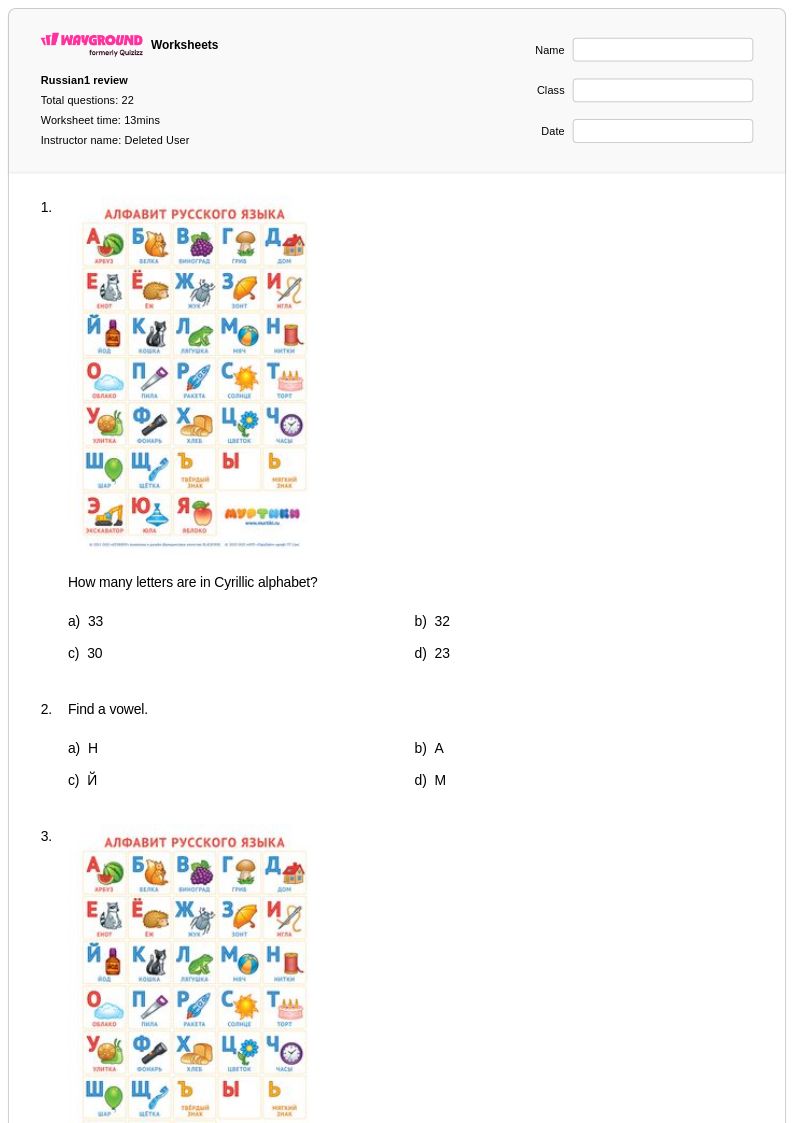
22 Q
9th - 12th
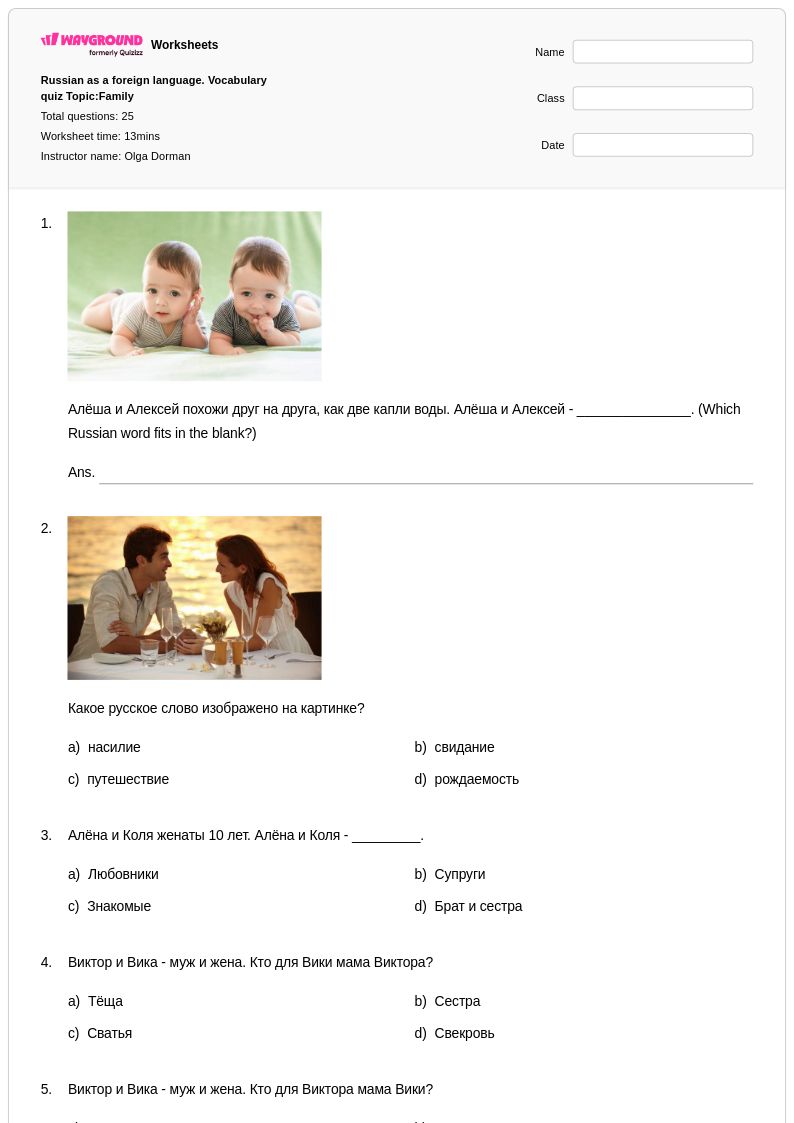
25 Q
10th - Uni
21 Q
5th - 12th
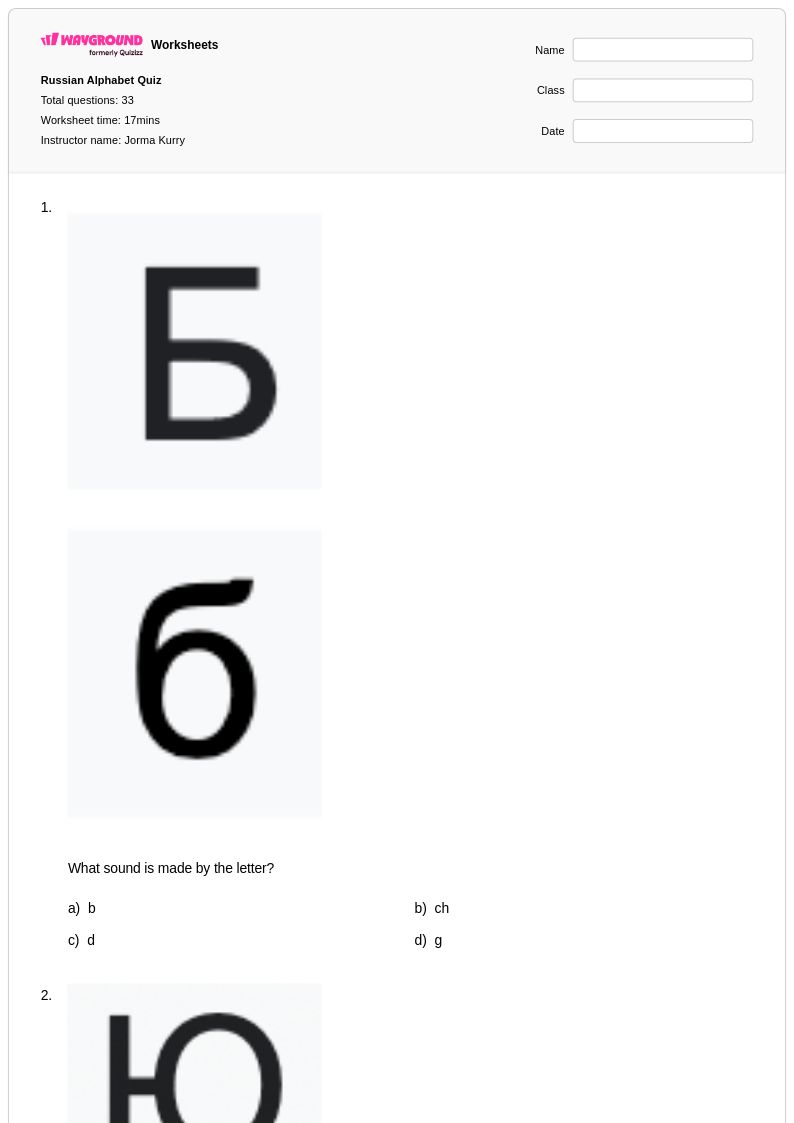
33 Q
9th - 12th
15 Q
9th - Uni
10 Q
9th - 12th
10 Q
3rd - Uni
6 Q
5th - Uni
6 Q
5th - Uni
6 Q
5th - Uni
6 Q
5th - Uni
19 Q
12th
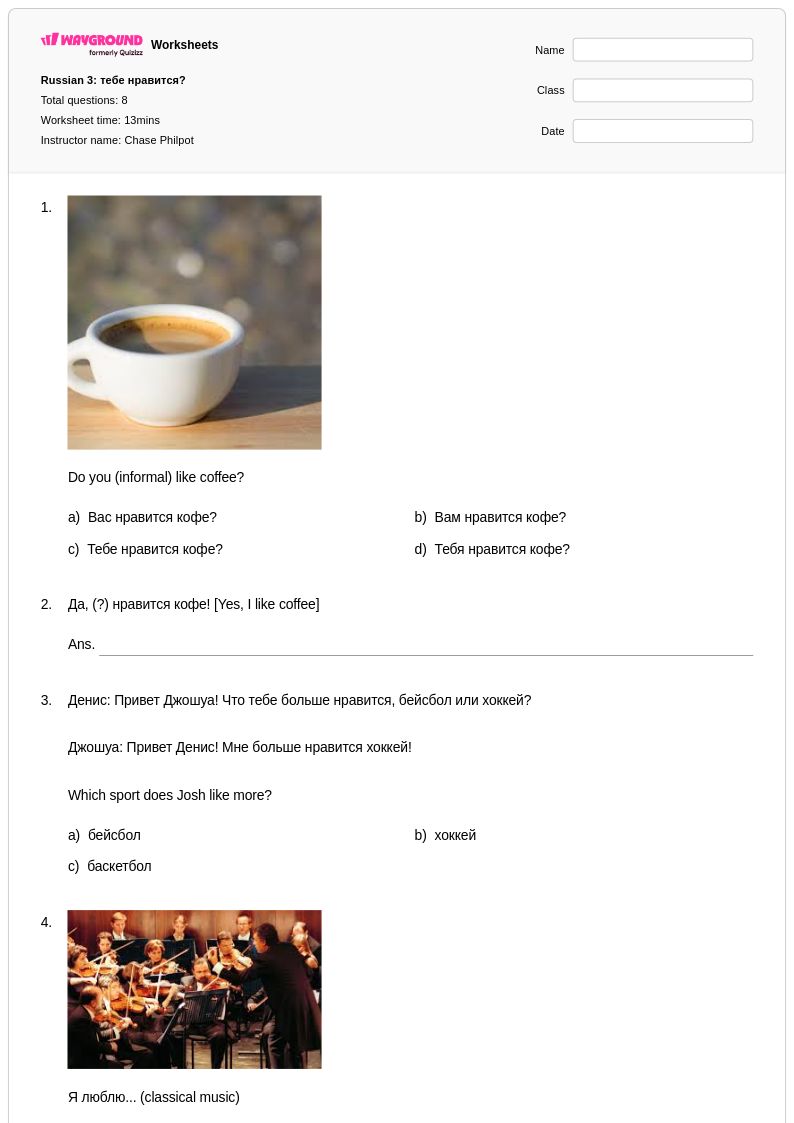
8 Q
9th - 12th
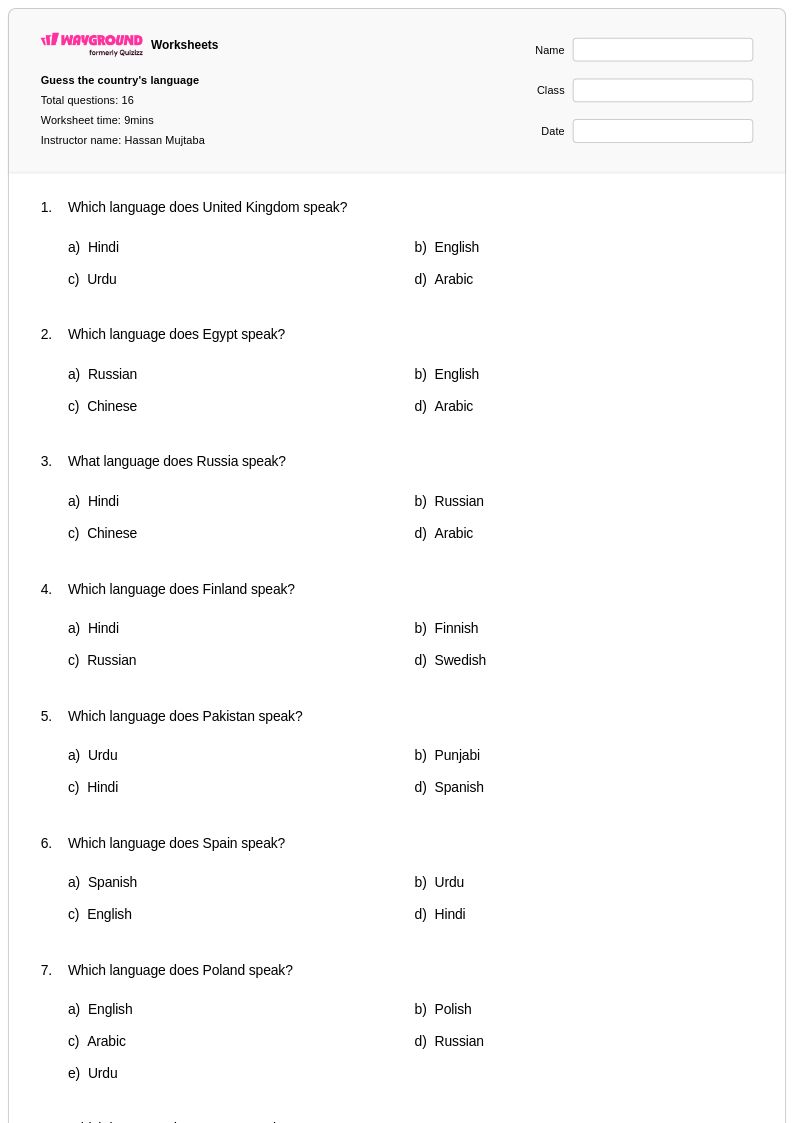
16 Q
2nd - 12th
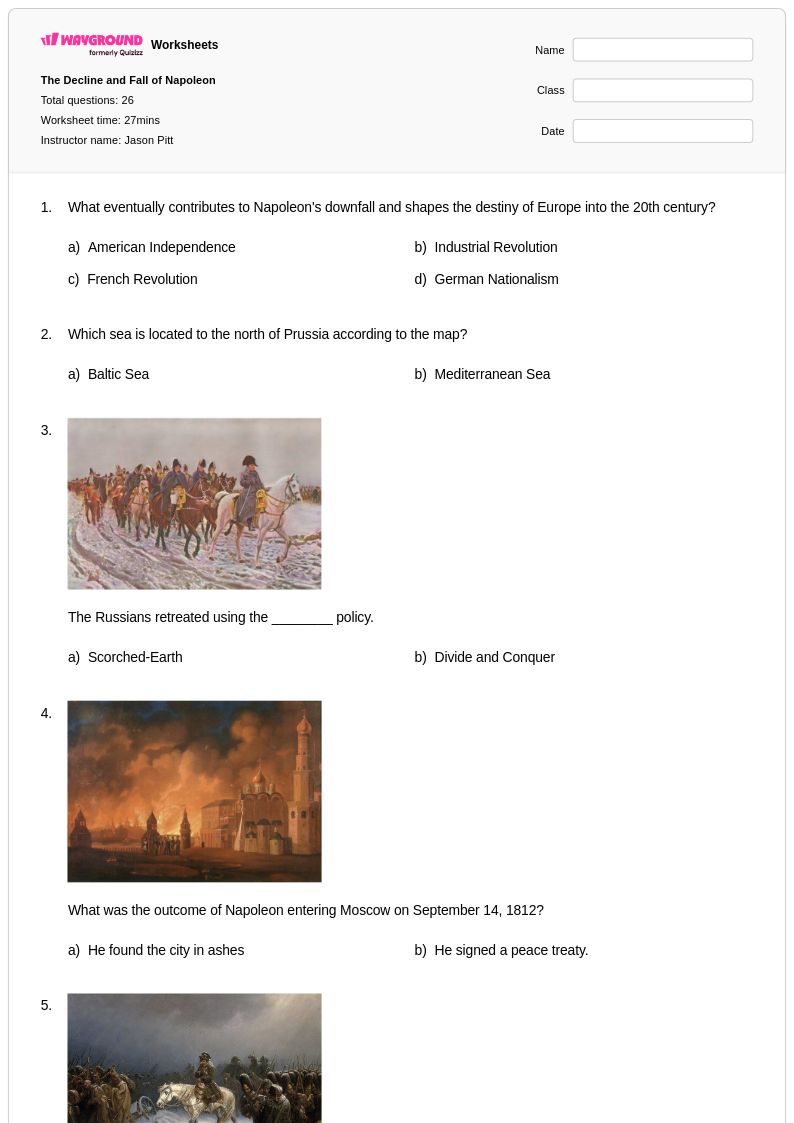
26 Q
12th
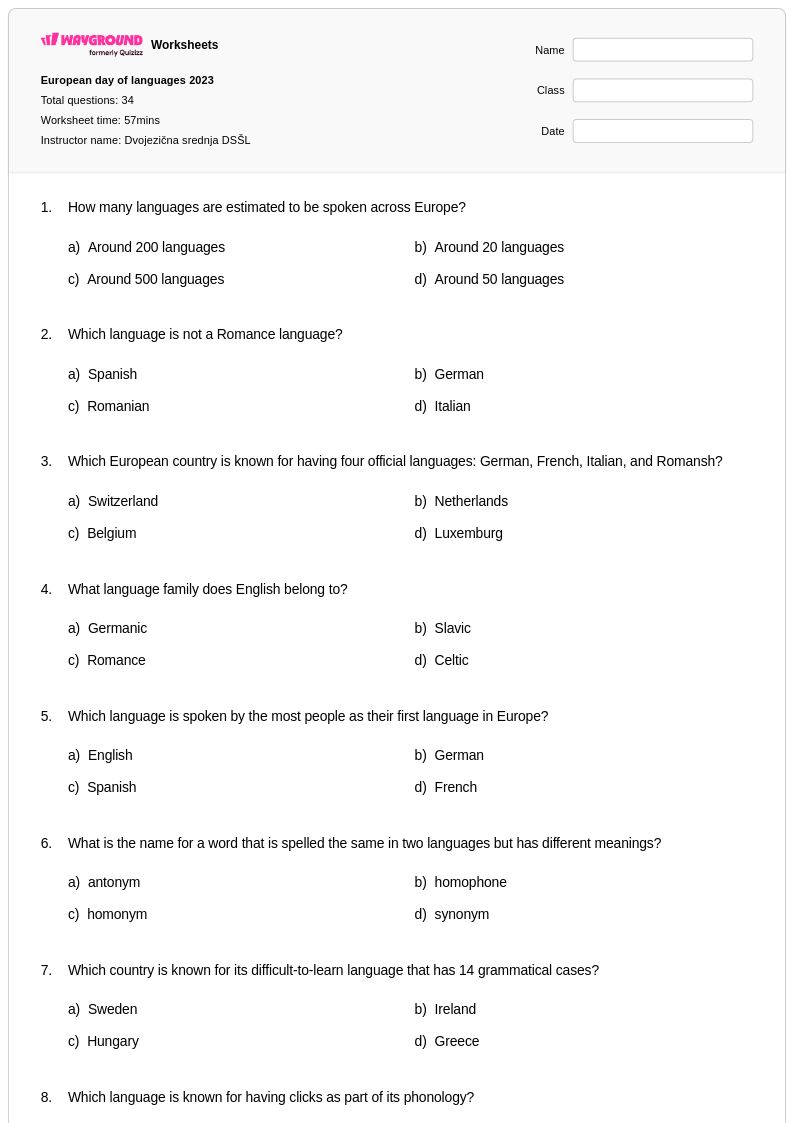
34 Q
9th - 12th
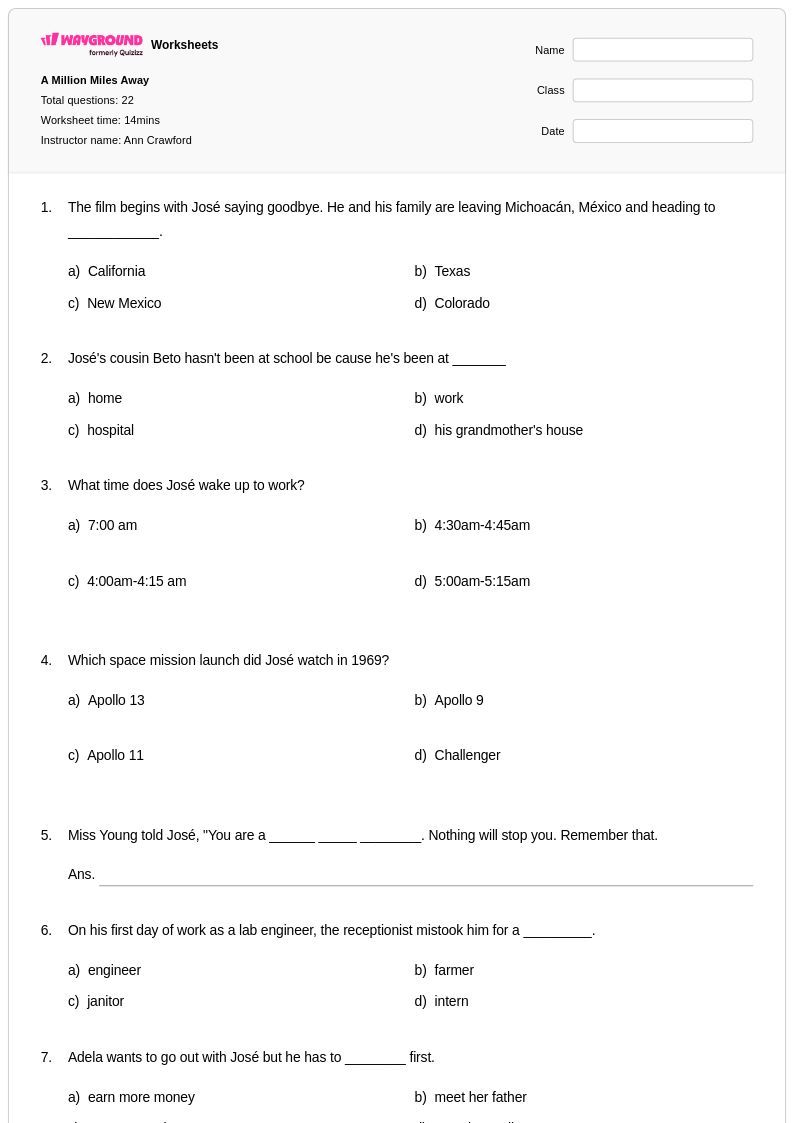
22 Q
12th
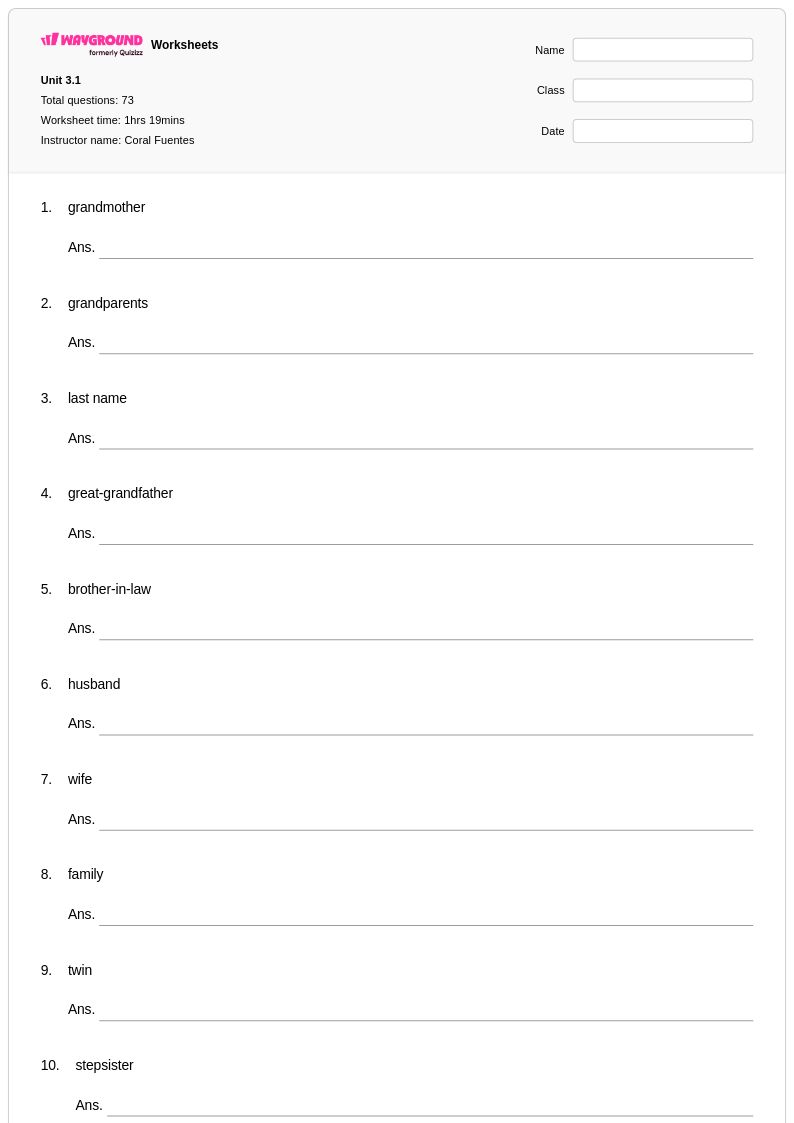
73 Q
6th - Uni
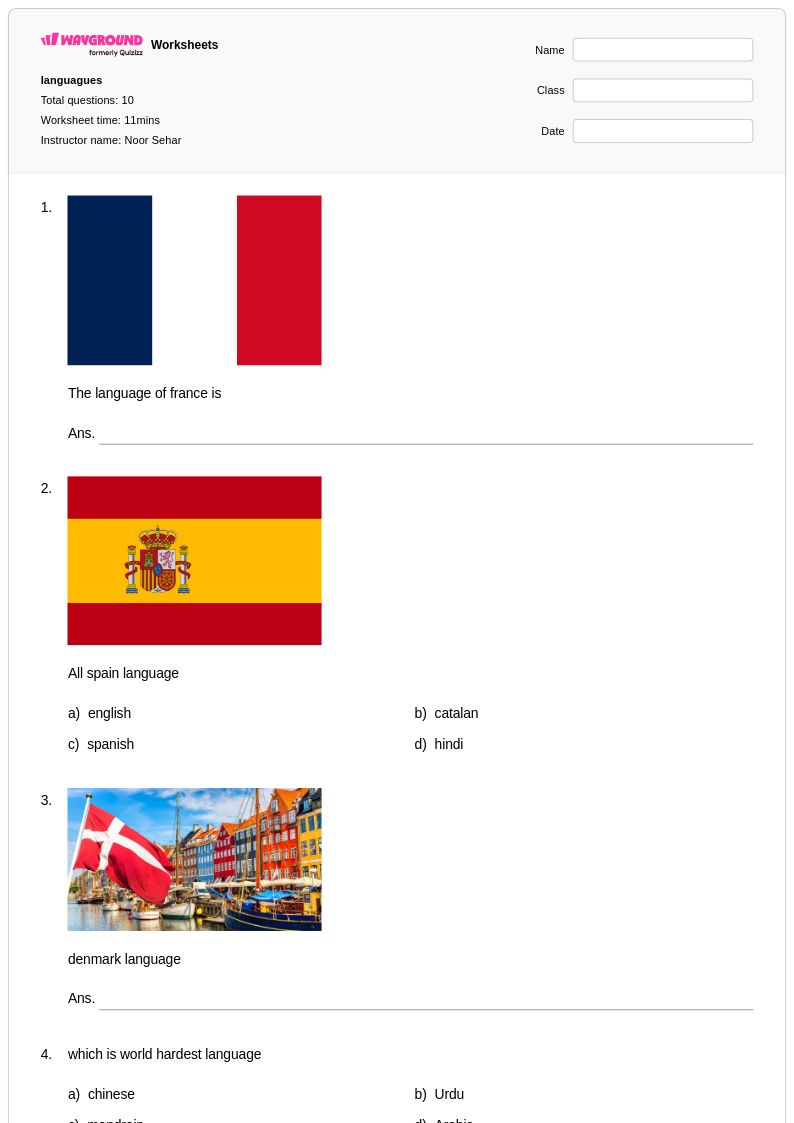
10 Q
3rd - Uni
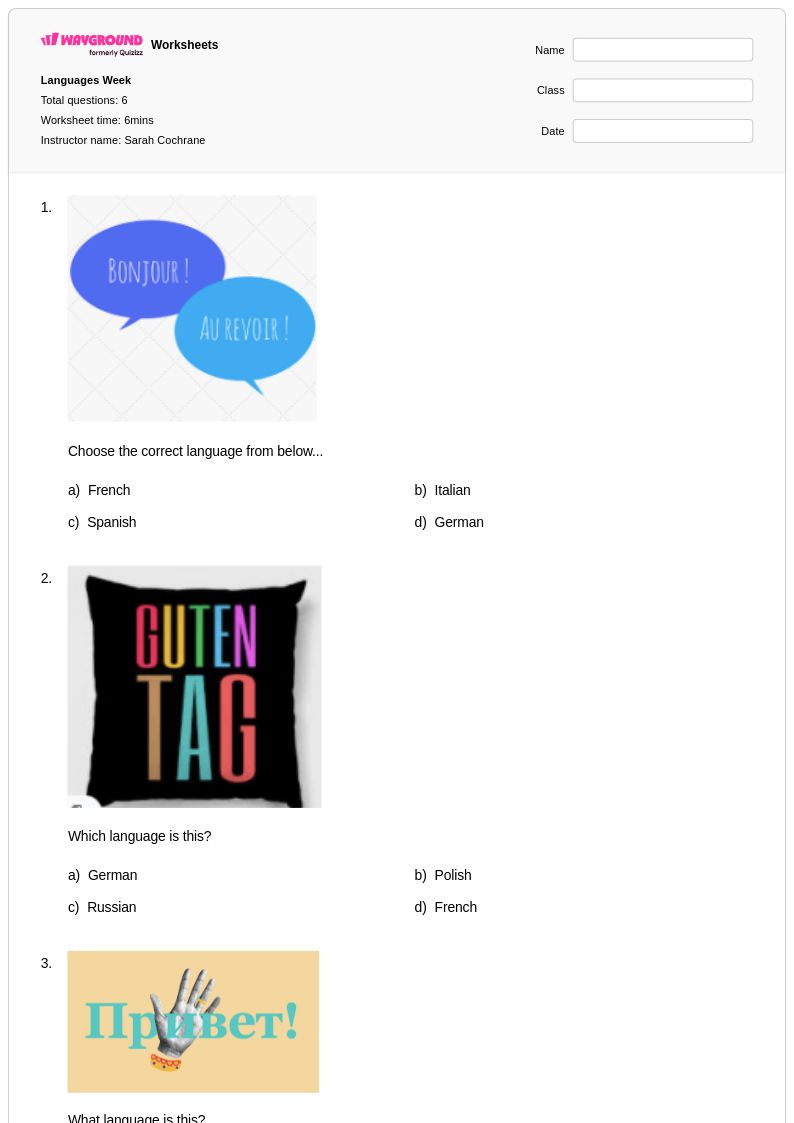
6 Q
10th - 12th
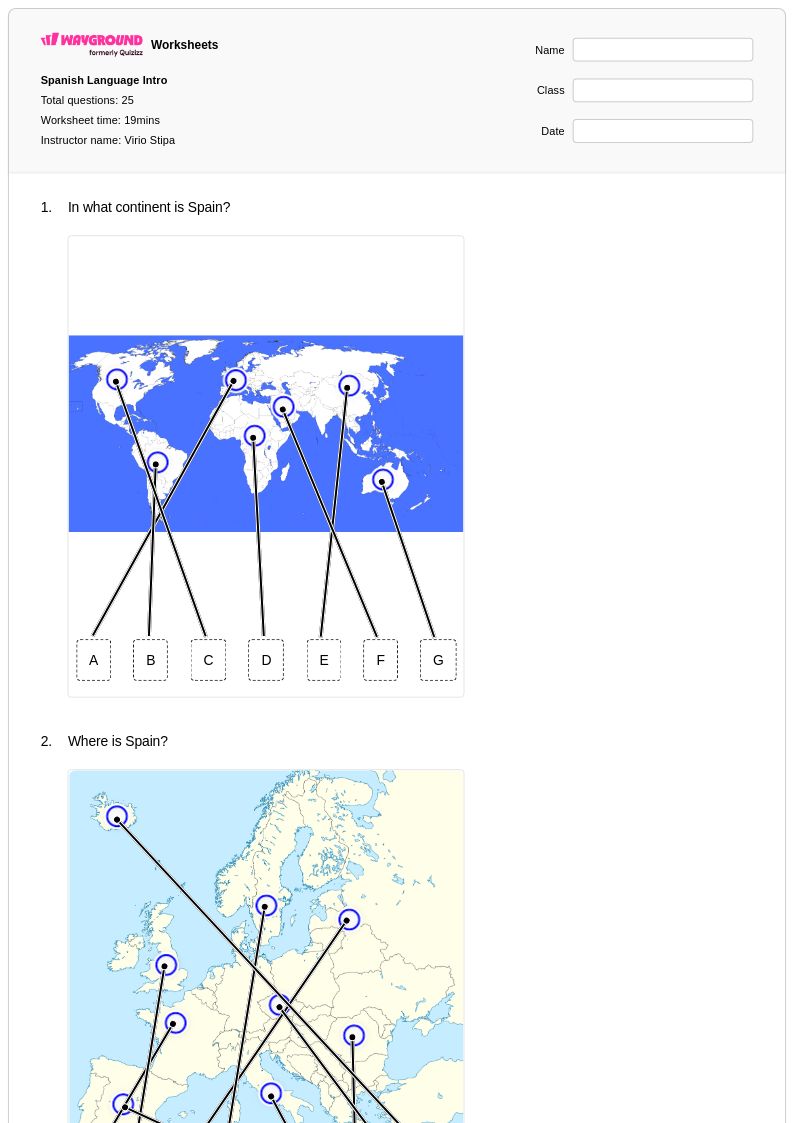
25 Q
9th - 12th
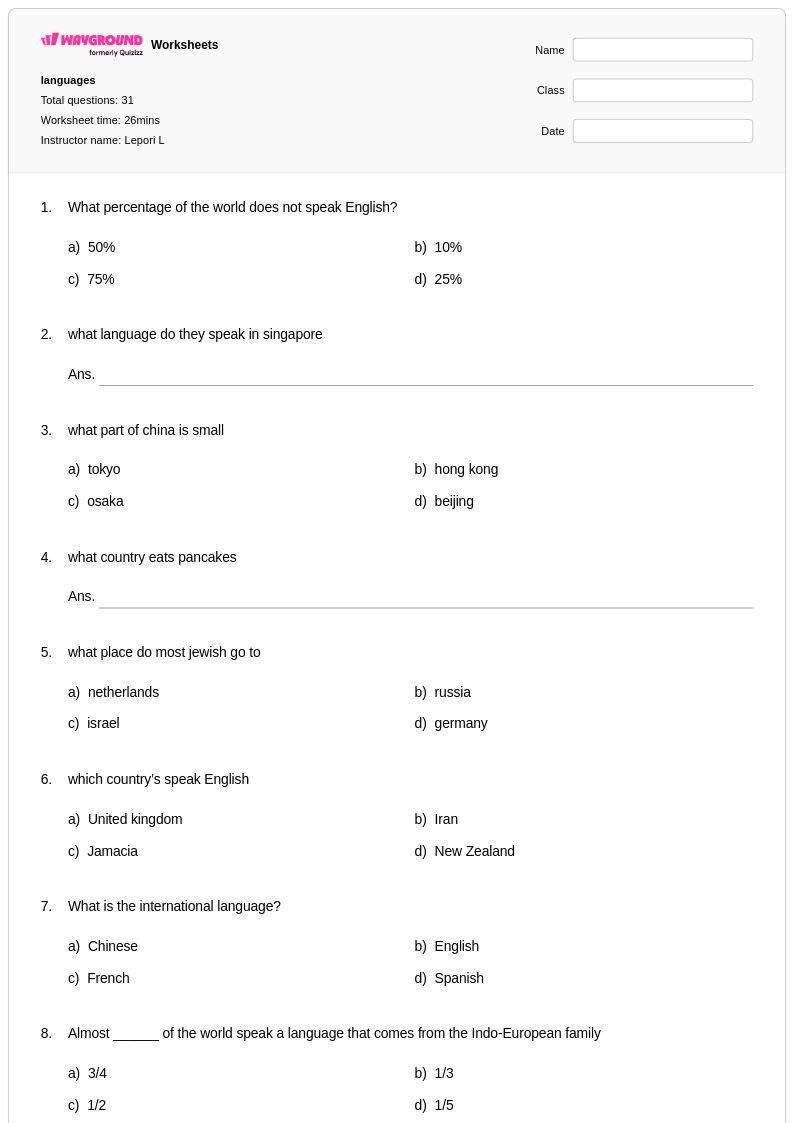
31 Q
4th - 12th
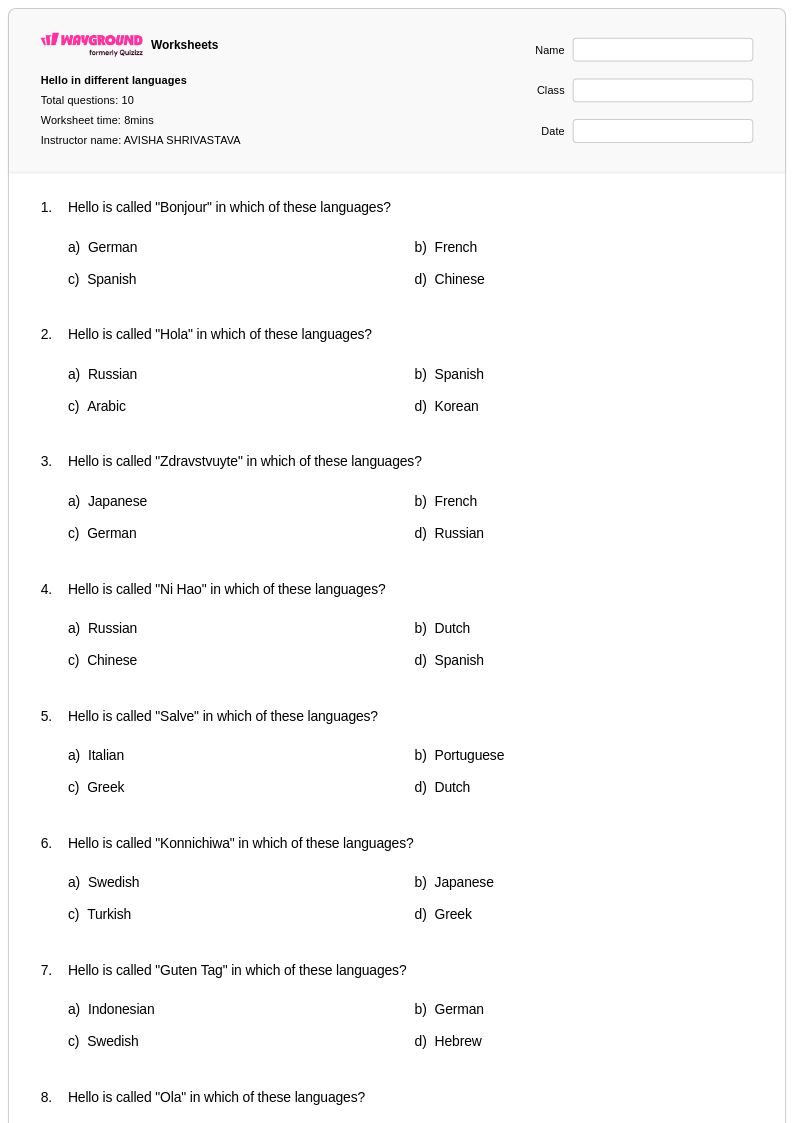
10 Q
3rd - PD
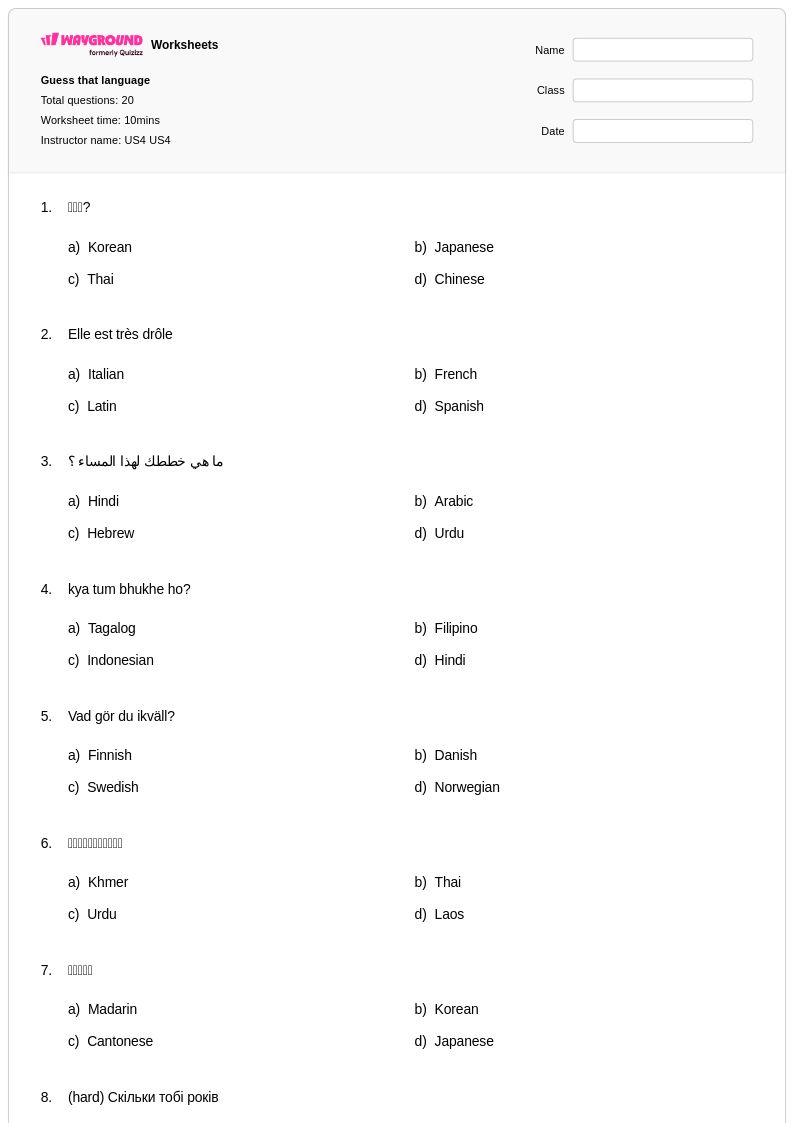
20 Q
8th - 12th
Explore Russian Worksheets by Grades
Explore Other Subject Worksheets for year 12
Explore printable Russian worksheets for Year 12
Year 12 Russian worksheets available through Wayground (formerly Quizizz) provide advanced language learners with comprehensive practice materials designed to master complex grammatical structures, sophisticated vocabulary, and nuanced cultural concepts essential for achieving fluency. These expertly crafted resources strengthen critical skills including advanced case declensions, perfective and imperfective verb aspects, conditional and subjunctive moods, and complex sentence construction while building proficiency in formal and literary registers of the language. Students engage with authentic texts, advanced reading comprehension exercises, and challenging translation practice problems that prepare them for university-level Russian studies or professional language use. Each worksheet collection includes detailed answer keys and explanations, with materials available as free printables and downloadable pdf formats to support both classroom instruction and independent study.
Wayground's extensive collection of Year 12 Russian worksheets draws from millions of teacher-created resources, offering educators powerful search and filtering capabilities to locate materials perfectly aligned with curriculum standards and specific learning objectives. The platform's differentiation tools enable teachers to customize worksheets for varying proficiency levels within advanced classes, while flexible formatting options provide seamless integration into both traditional and digital classroom environments. These comprehensive resources support strategic lesson planning by offering targeted practice for challenging concepts like participial constructions and stylistic registers, while also serving as valuable tools for remediation and enrichment activities. Teachers benefit from the platform's robust organizational features and the ability to access materials in both interactive digital formats and traditional printable versions, ensuring maximum flexibility in delivering high-quality Russian language instruction that meets the sophisticated demands of Year 12 curriculum requirements.
FAQs
How do I teach the Cyrillic alphabet to beginners?
What exercises help students practice Russian verb conjugations?
What mistakes do students commonly make when learning Russian grammar?
How can I differentiate Russian language instruction for students at different proficiency levels?
How do I use Russian worksheets from Wayground in my classroom?
How do I help students build Russian vocabulary effectively?