
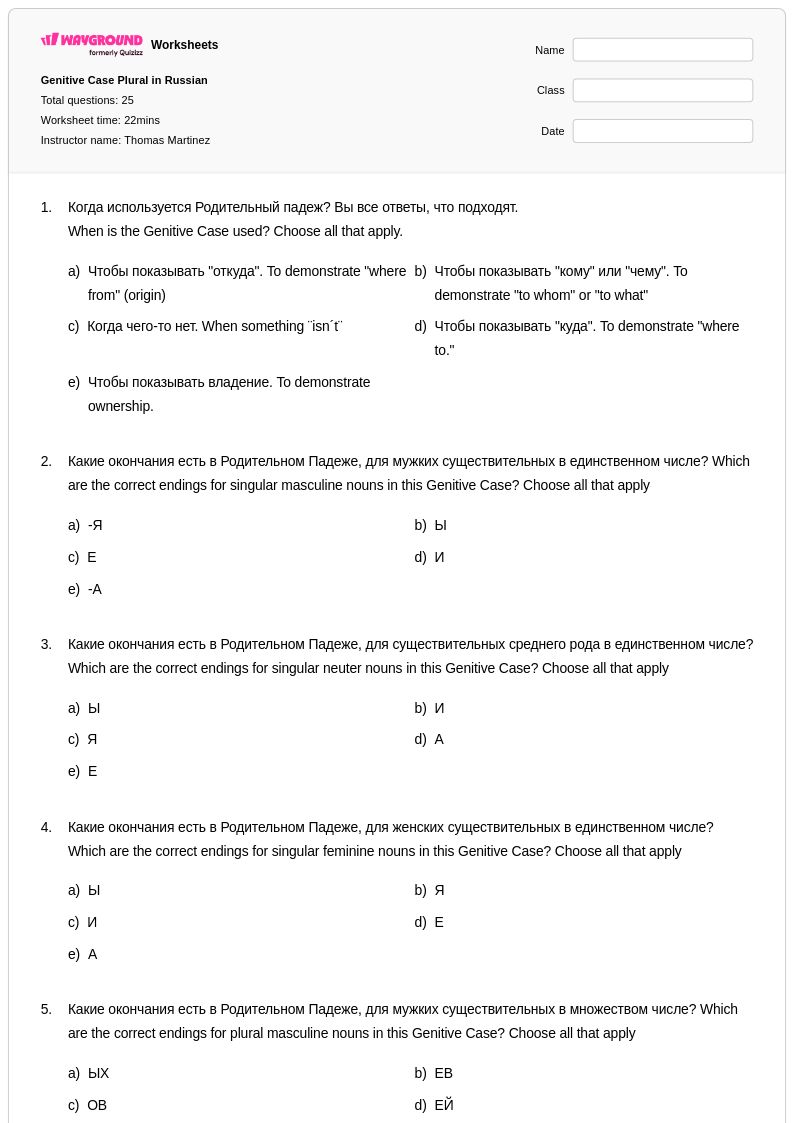
25 Q
3rd - 12th
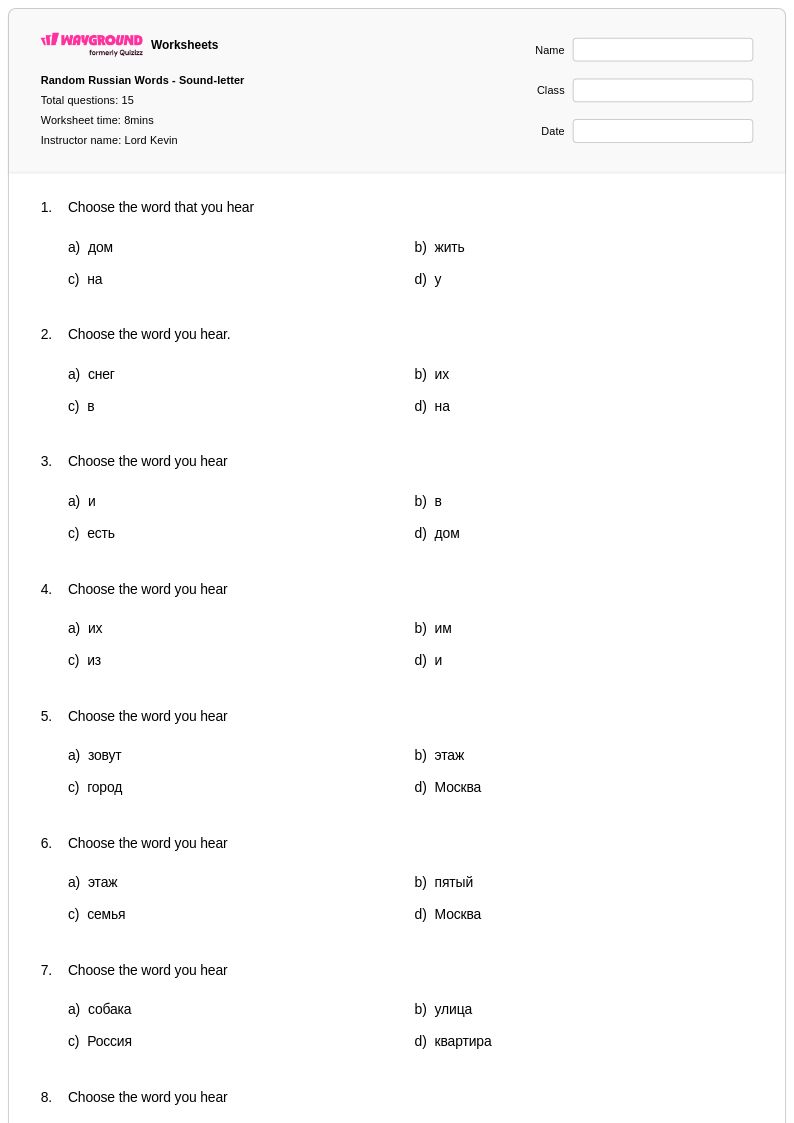
15 Q
3rd - 12th
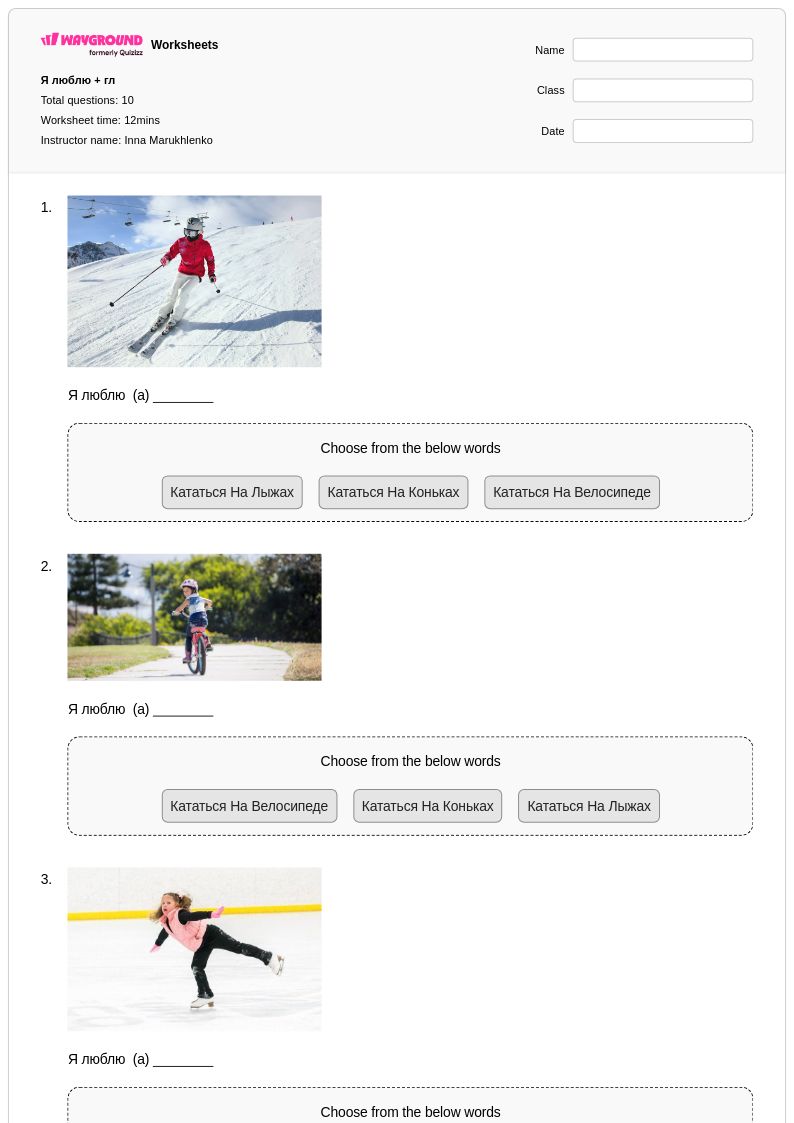
10 Q
3rd - Uni
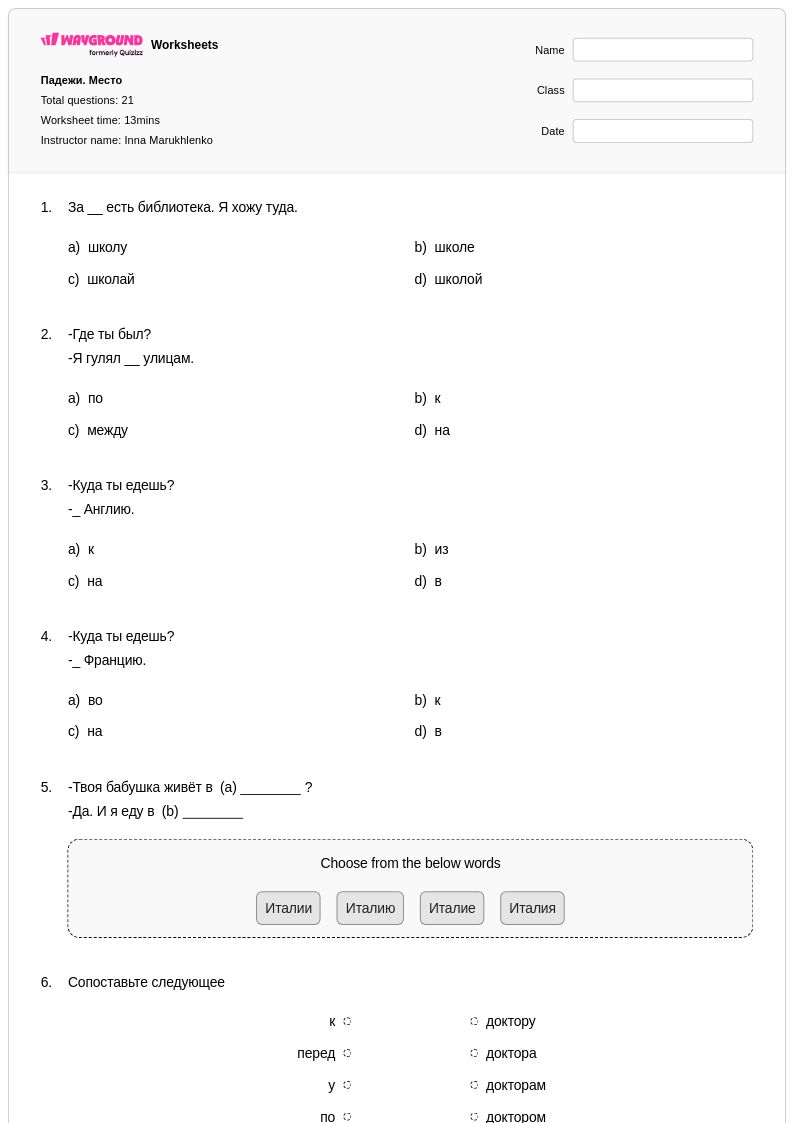
21 Q
5th
6 Q
5th - Uni
6 Q
5th - Uni
6 Q
5th - Uni
6 Q
5th - Uni
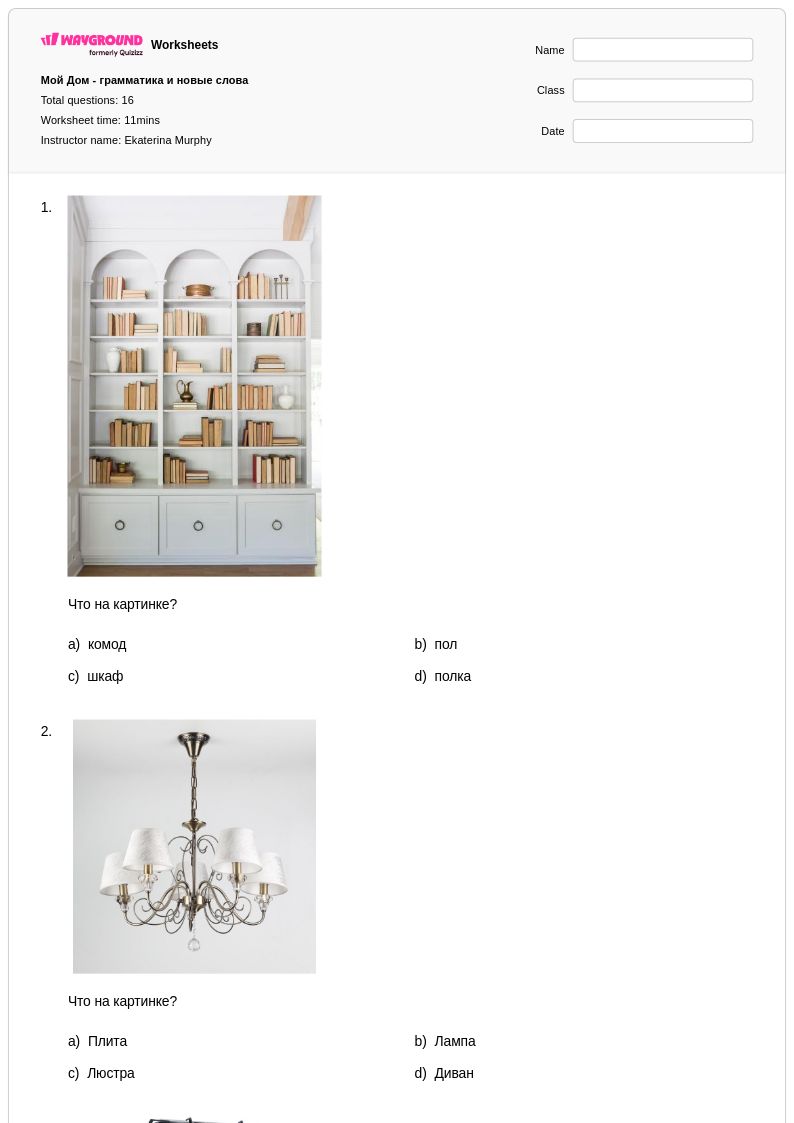
16 Q
5th - 8th
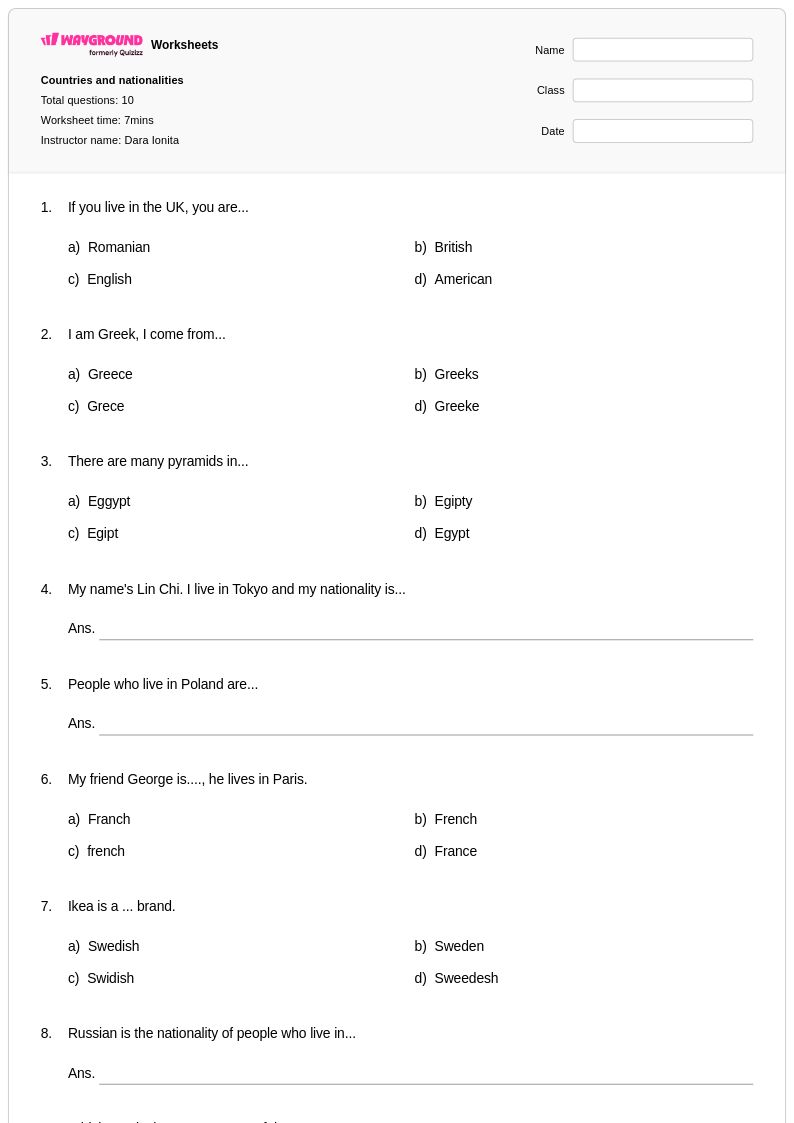
10 Q
4th - 5th
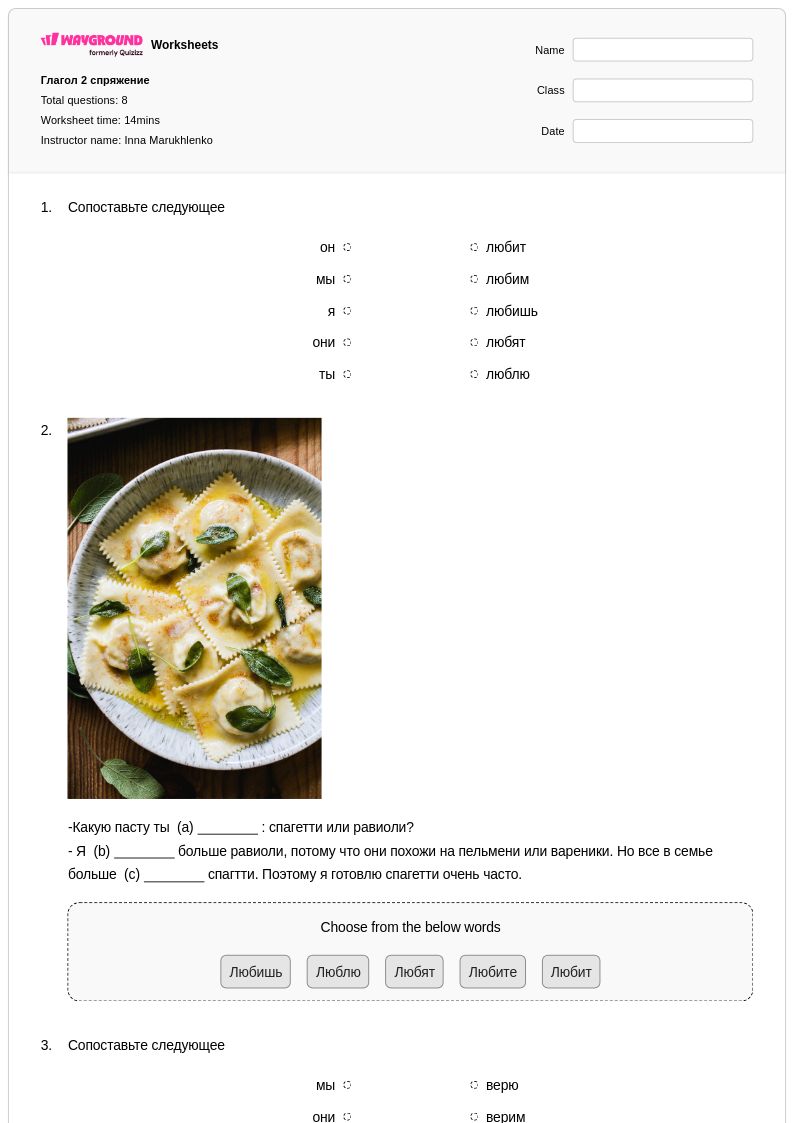
8 Q
5th
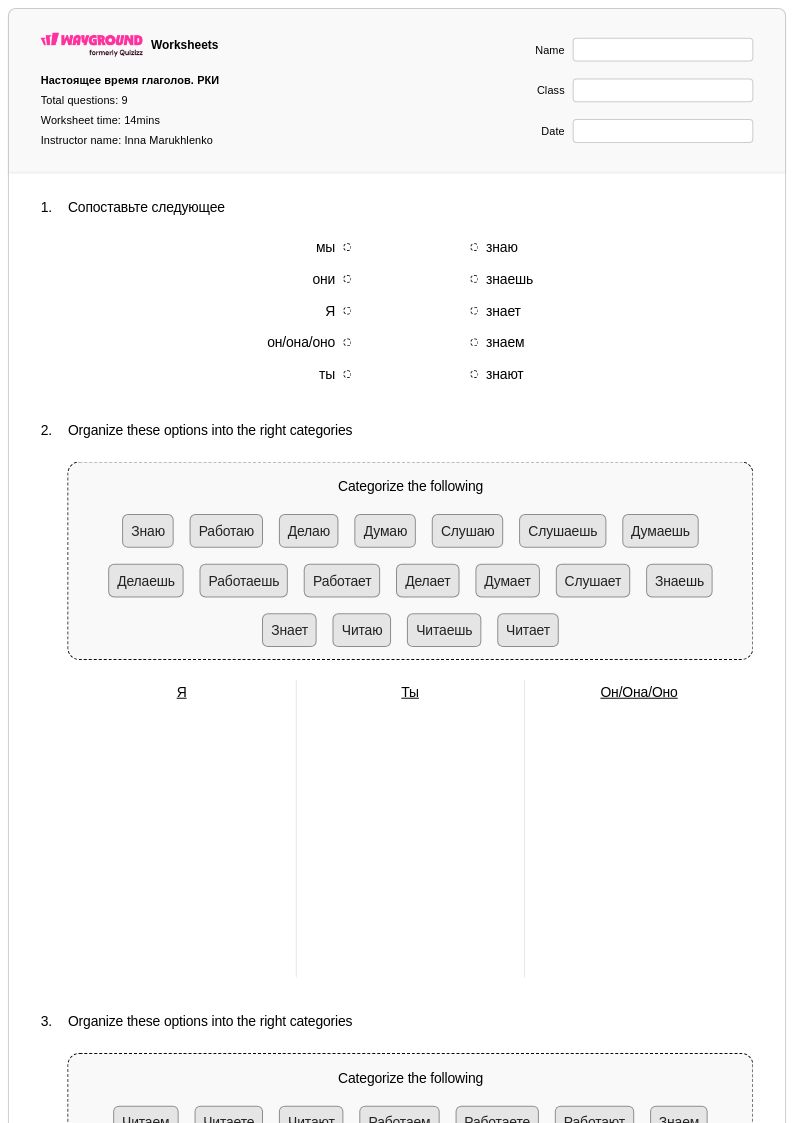
9 Q
5th
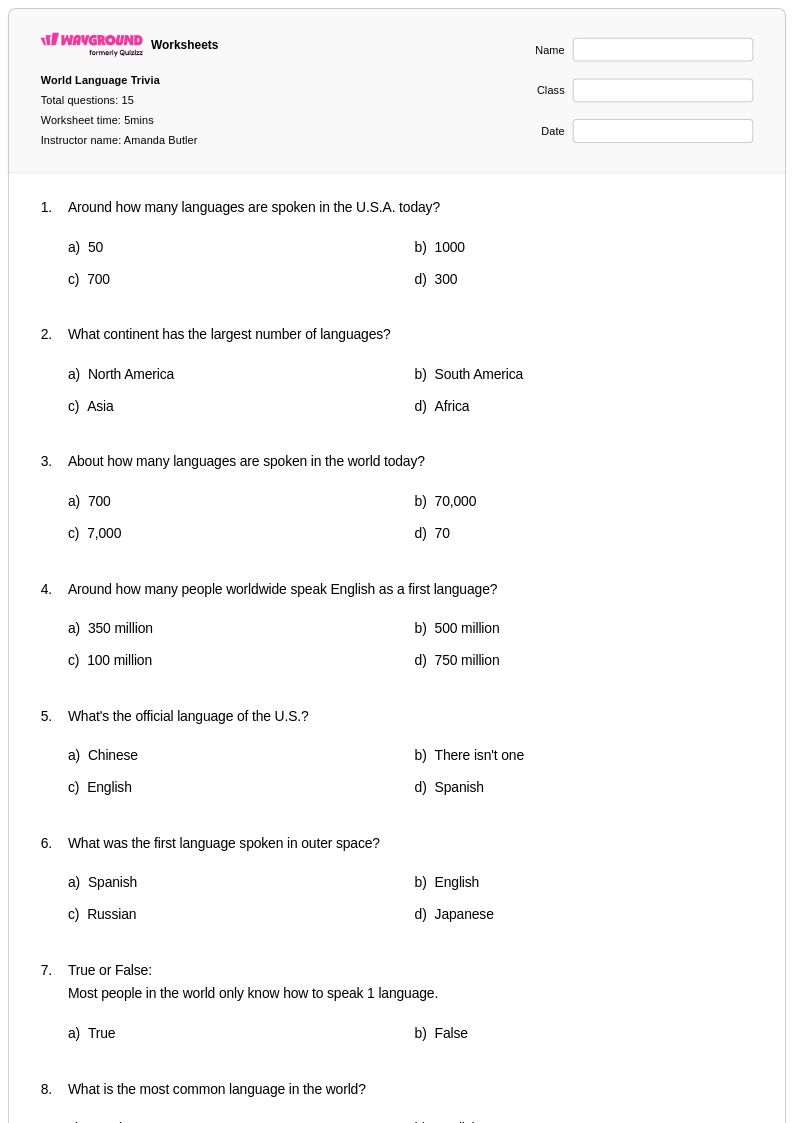
15 Q
3rd - 5th
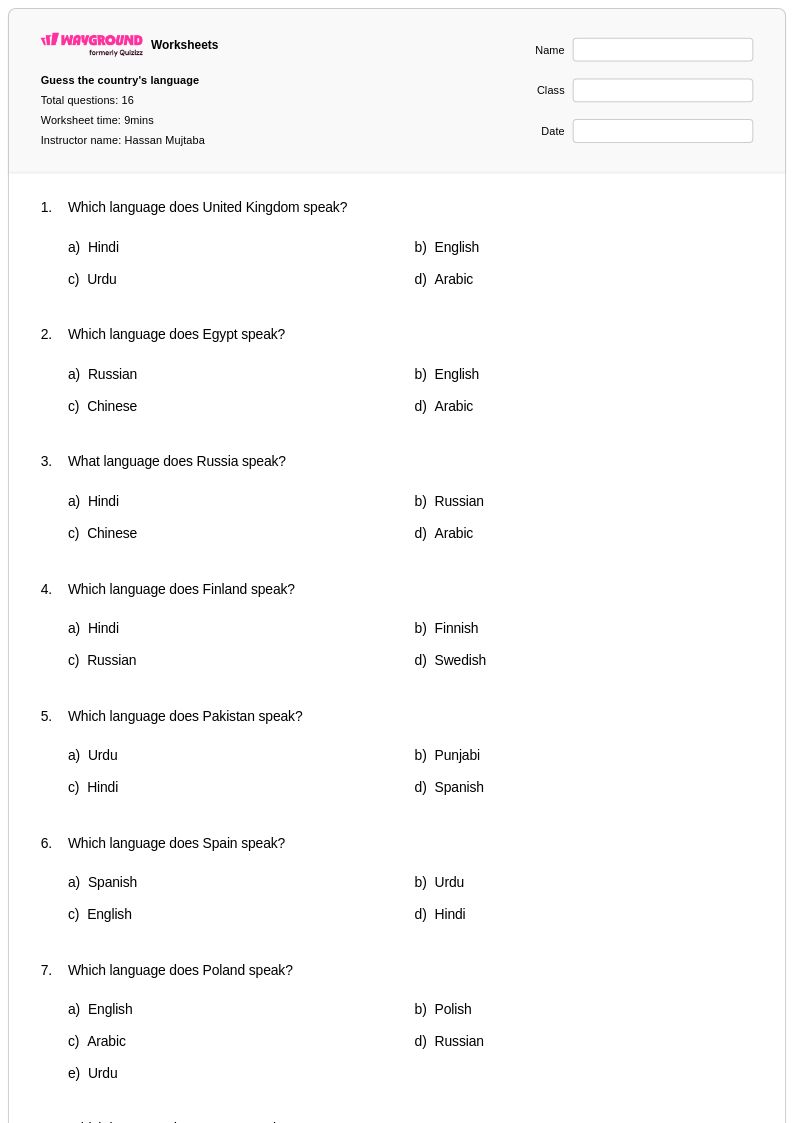
16 Q
2nd - 12th
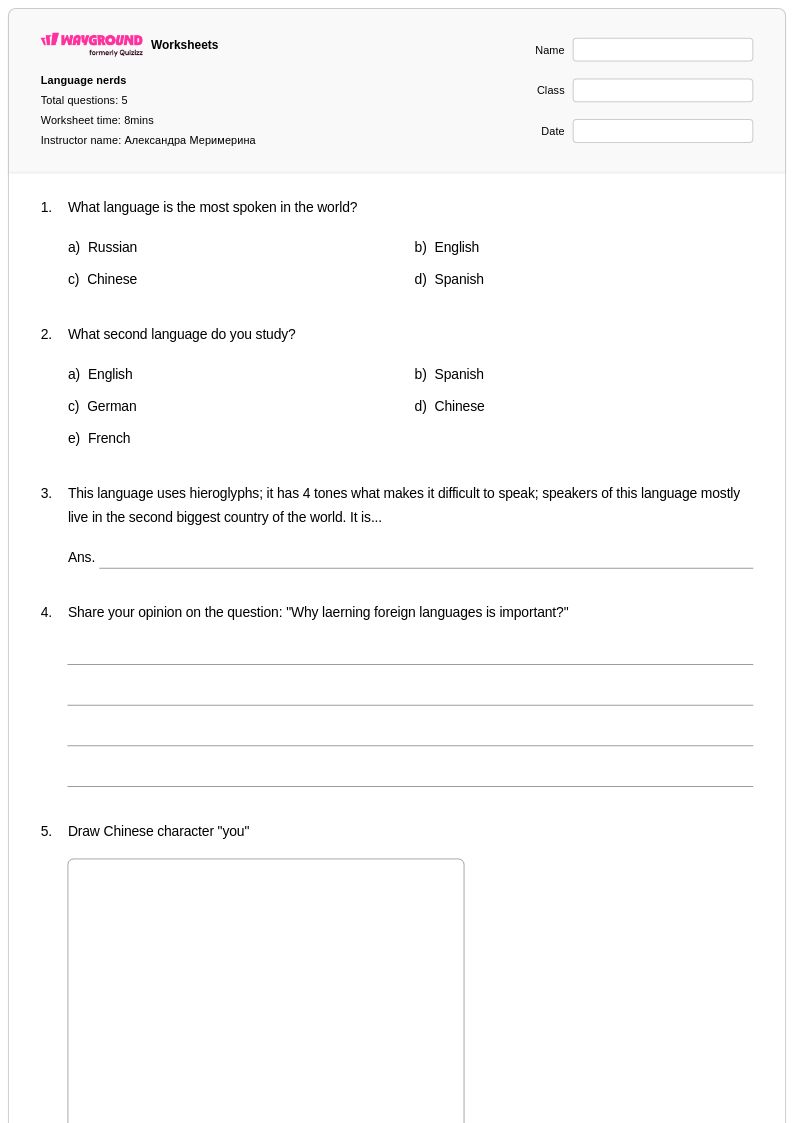
5 Q
5th - Uni
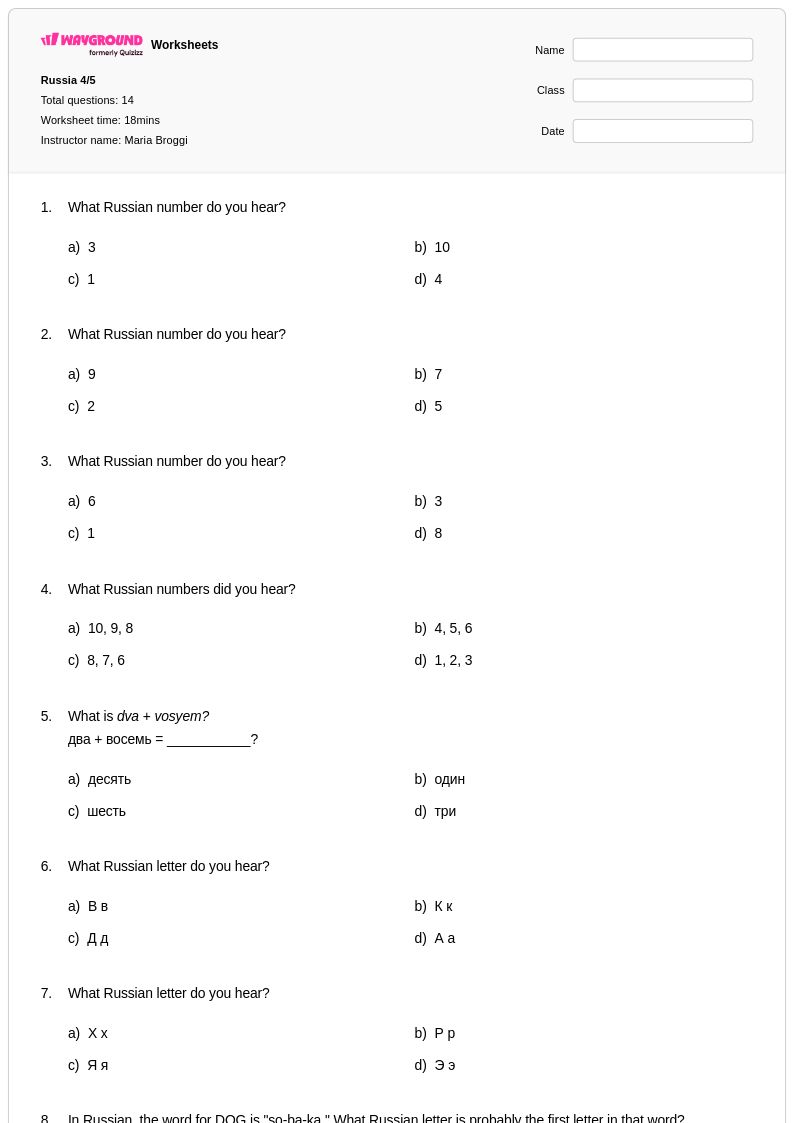
14 Q
KG - 5th
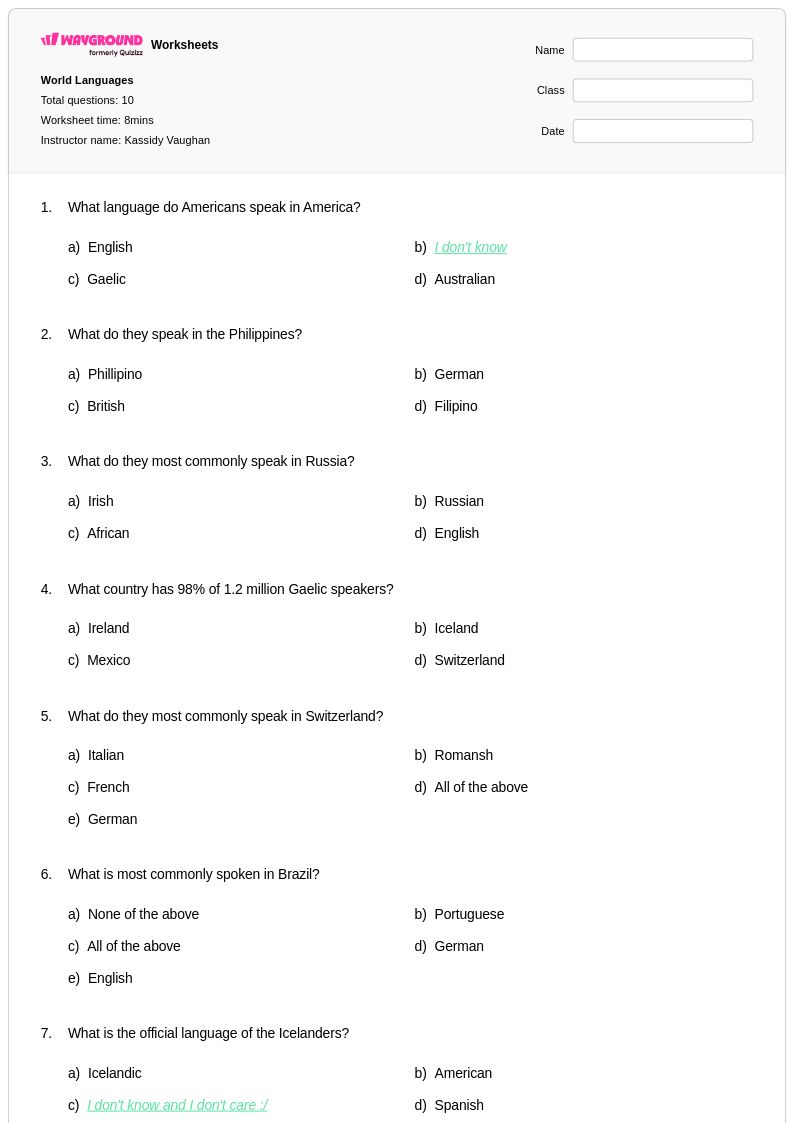
10 Q
5th - 7th
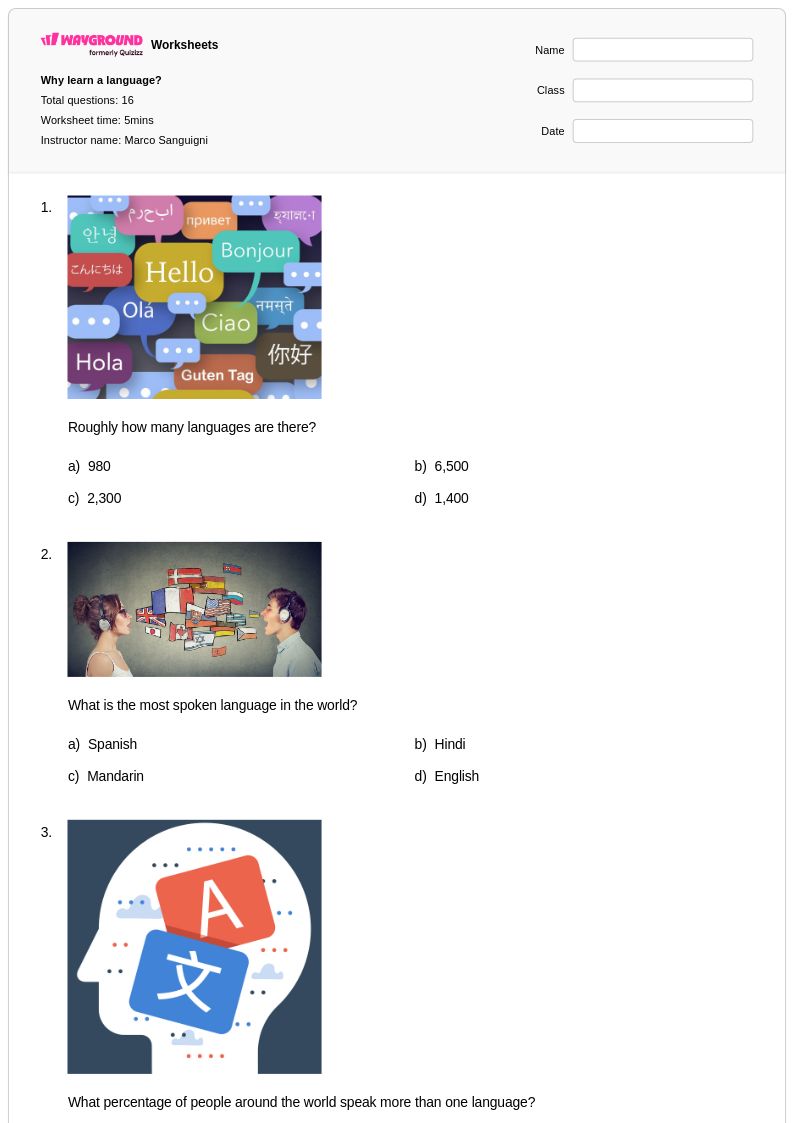
16 Q
5th
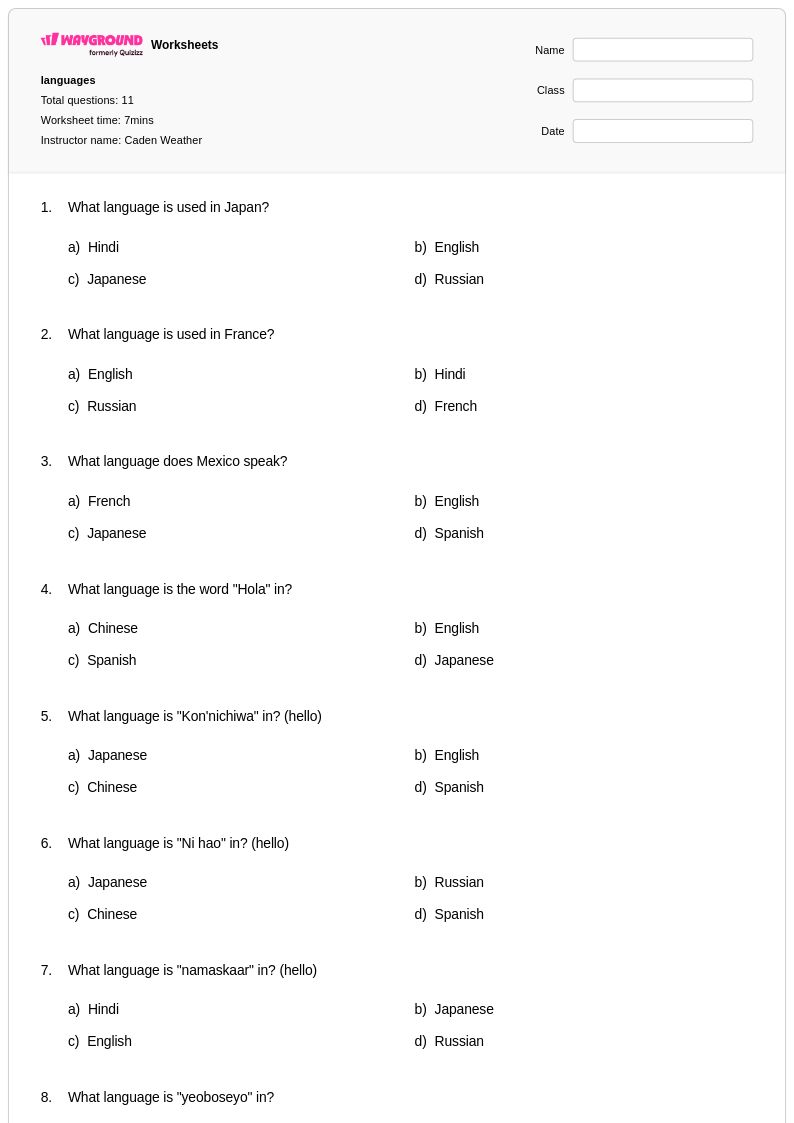
11 Q
5th - 8th
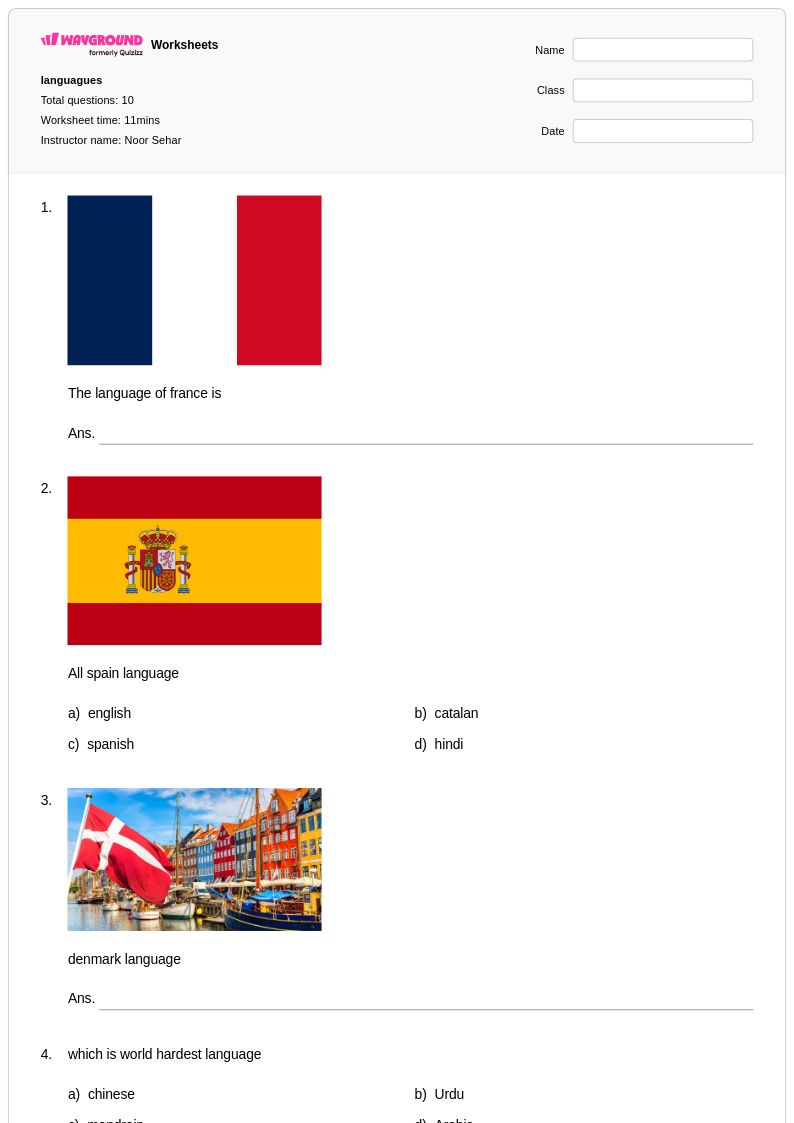
10 Q
3rd - Uni
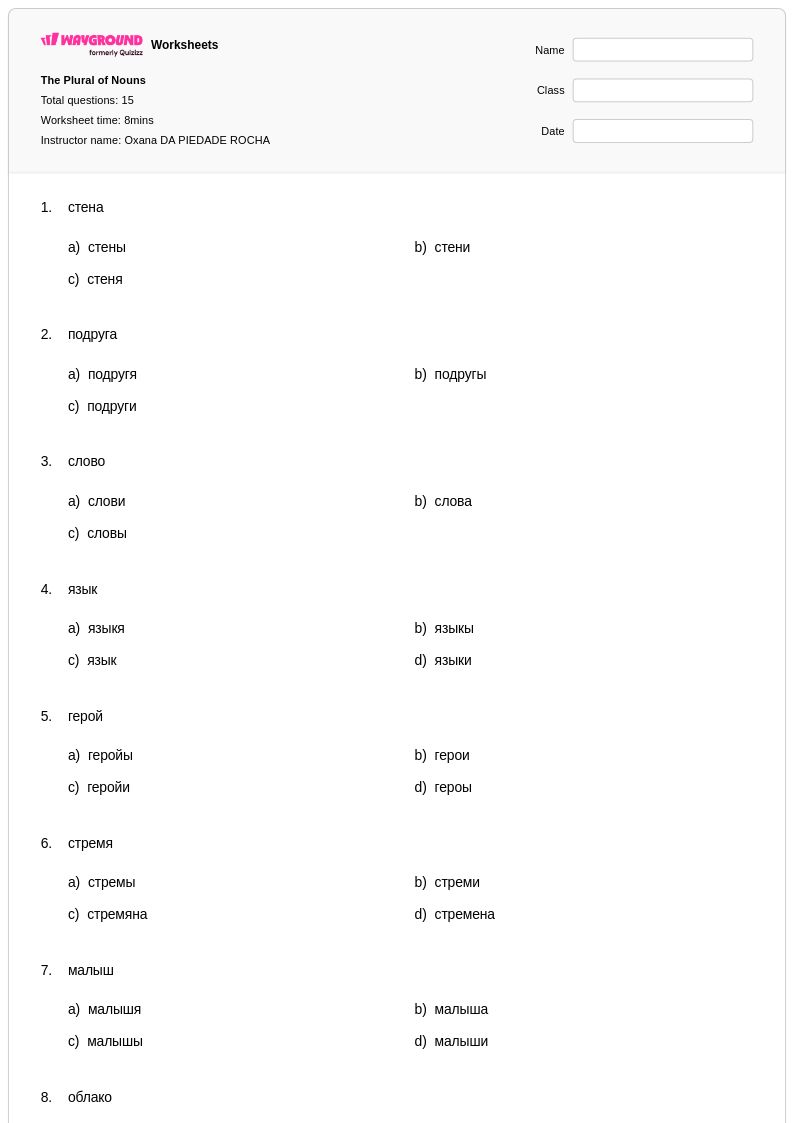
15 Q
5th
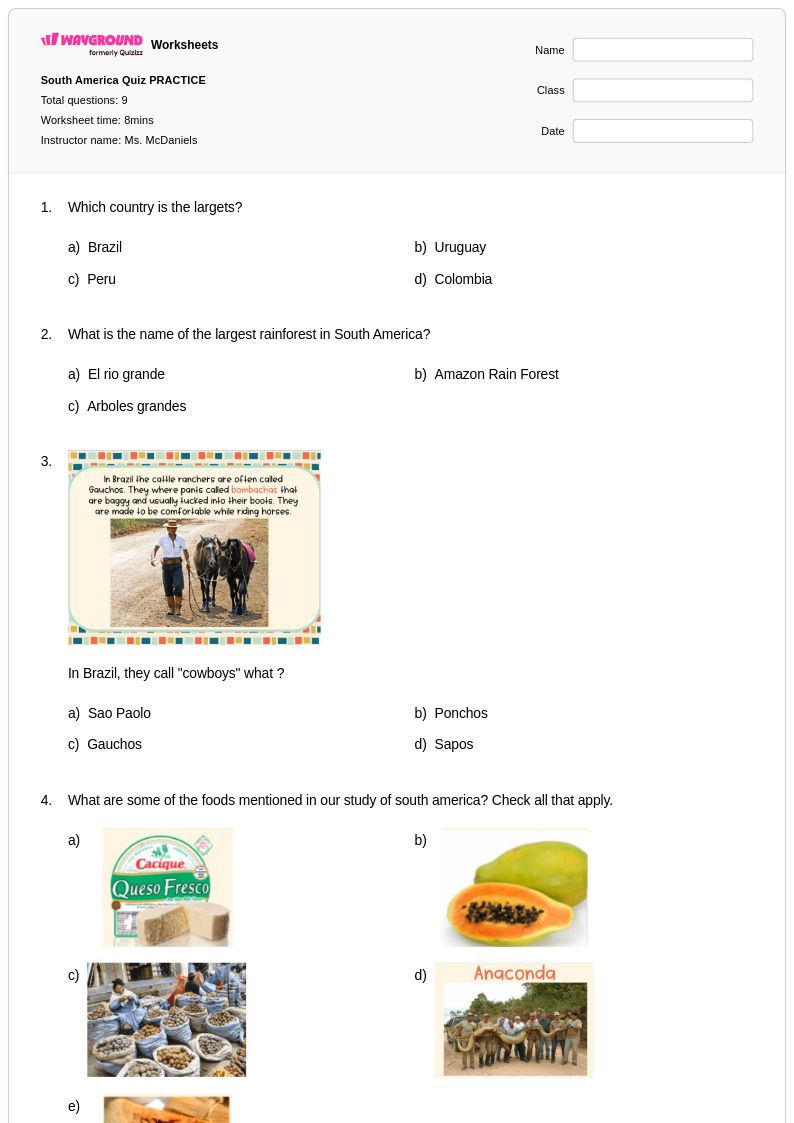
9 Q
5th - 11th
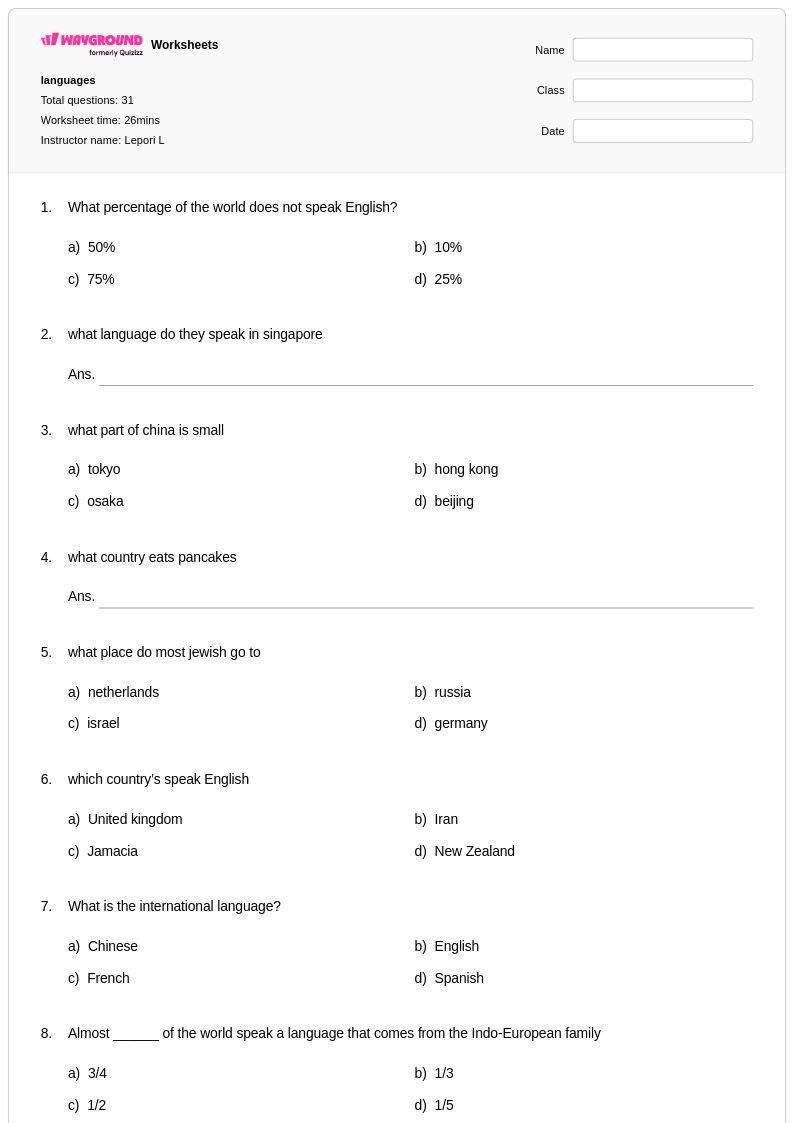
31 Q
4th - 12th
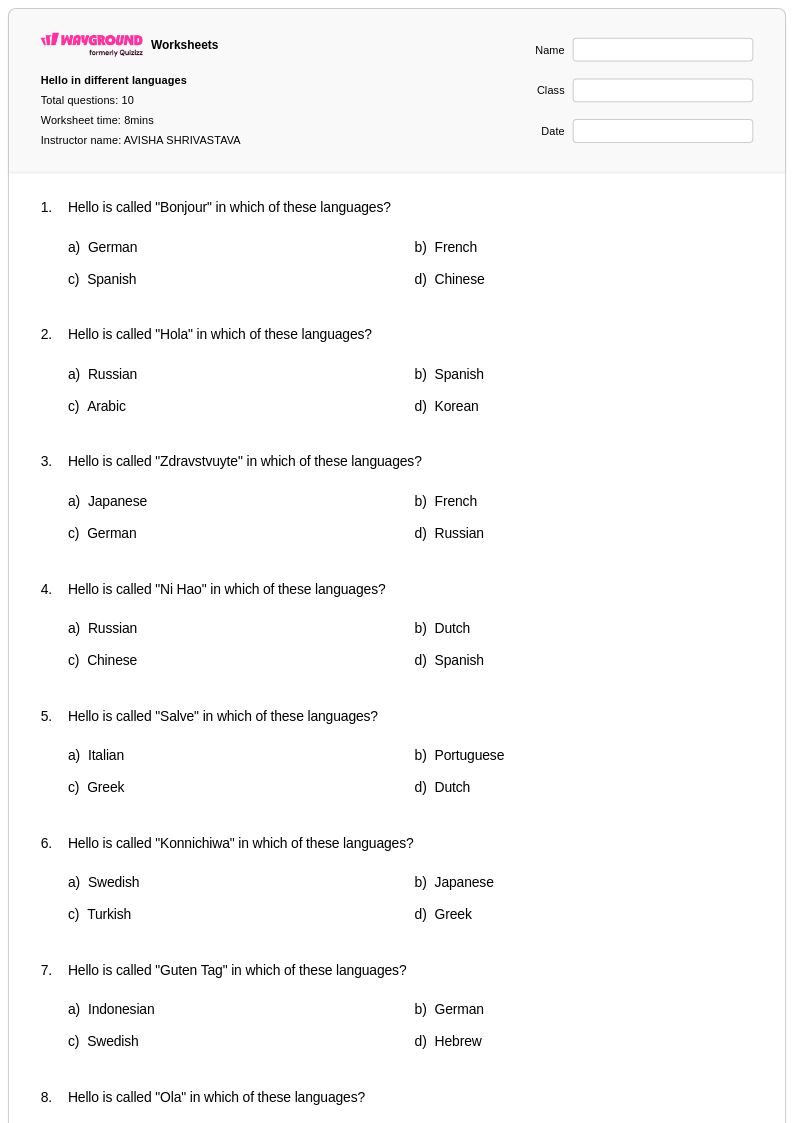
10 Q
3rd - PD
Explore Russian Worksheets by Grades
Explore Other Subject Worksheets for year 5
Explore printable Russian worksheets for Year 5
Russian language worksheets for Year 5 students through Wayground (formerly Quizizz) provide comprehensive introduction to one of the world's most widely spoken Slavic languages. These carefully crafted educational resources focus on fundamental Russian language skills including Cyrillic alphabet recognition, basic vocabulary acquisition, simple sentence structure, and essential pronunciation patterns appropriate for elementary learners. Each worksheet collection strengthens core competencies such as letter formation, phonetic awareness, and beginning conversational phrases while building cultural awareness of Russian-speaking countries. Teachers can access complete answer keys alongside each printable resource, ensuring accurate assessment and immediate feedback for students. The free practice problems progress systematically from basic character recognition to simple word construction, creating a solid foundation for continued Russian language study. These pdf worksheets incorporate engaging visual elements and age-appropriate content that maintains student interest while developing essential foreign language learning skills.
Wayground (formerly Quizizz) empowers educators with access to millions of teacher-created Russian language resources specifically designed for Year 5 instruction. The platform's robust search and filtering capabilities allow teachers to quickly locate worksheets that align with their curriculum standards and meet diverse classroom needs. Differentiation tools enable instructors to modify content complexity, adjust vocabulary levels, and customize practice exercises to accommodate varying student abilities and learning styles. The flexible format options include both printable pdf versions for traditional classroom use and digital formats for technology-integrated lessons, supporting seamless transitions between in-person and remote learning environments. These comprehensive worksheet collections facilitate effective lesson planning while providing targeted resources for remediation, enrichment, and regular skill practice, ensuring that every Year 5 student receives appropriate support in their Russian language learning journey.
FAQs
How do I teach the Cyrillic alphabet to beginners?
What exercises help students practice Russian verb conjugations?
What mistakes do students commonly make when learning Russian grammar?
How can I differentiate Russian language instruction for students at different proficiency levels?
How do I use Russian worksheets from Wayground in my classroom?
How do I help students build Russian vocabulary effectively?