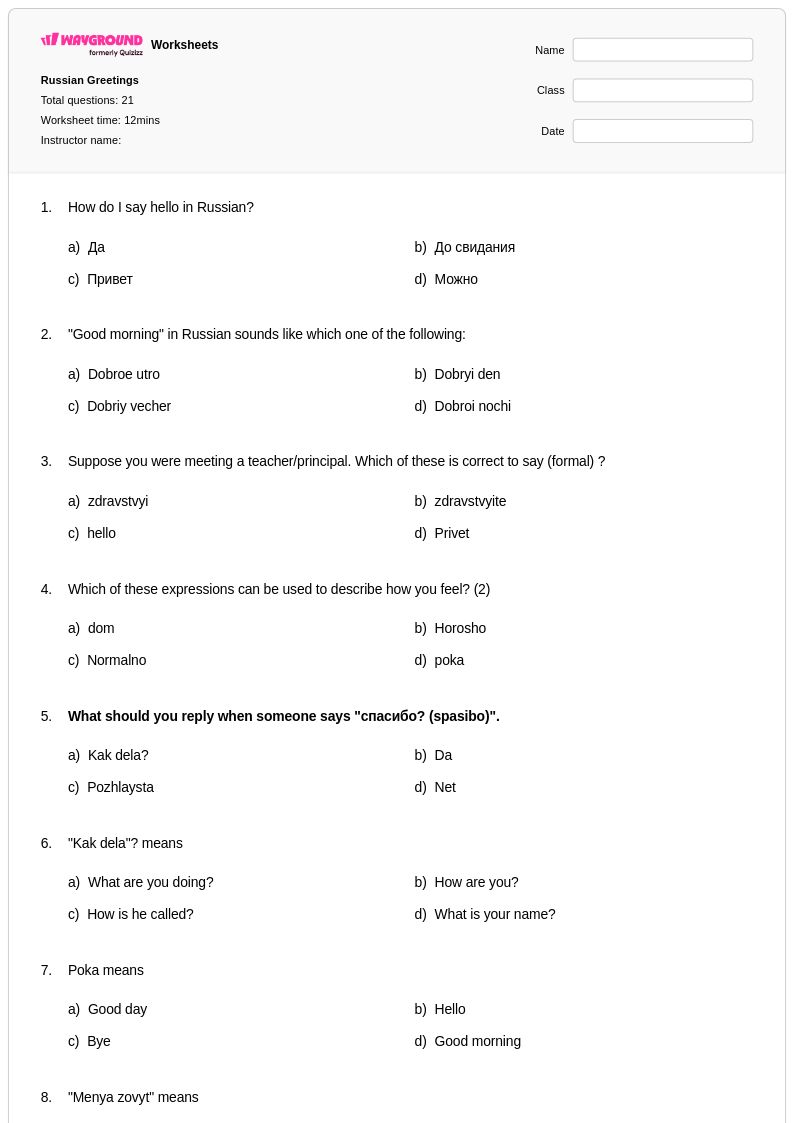
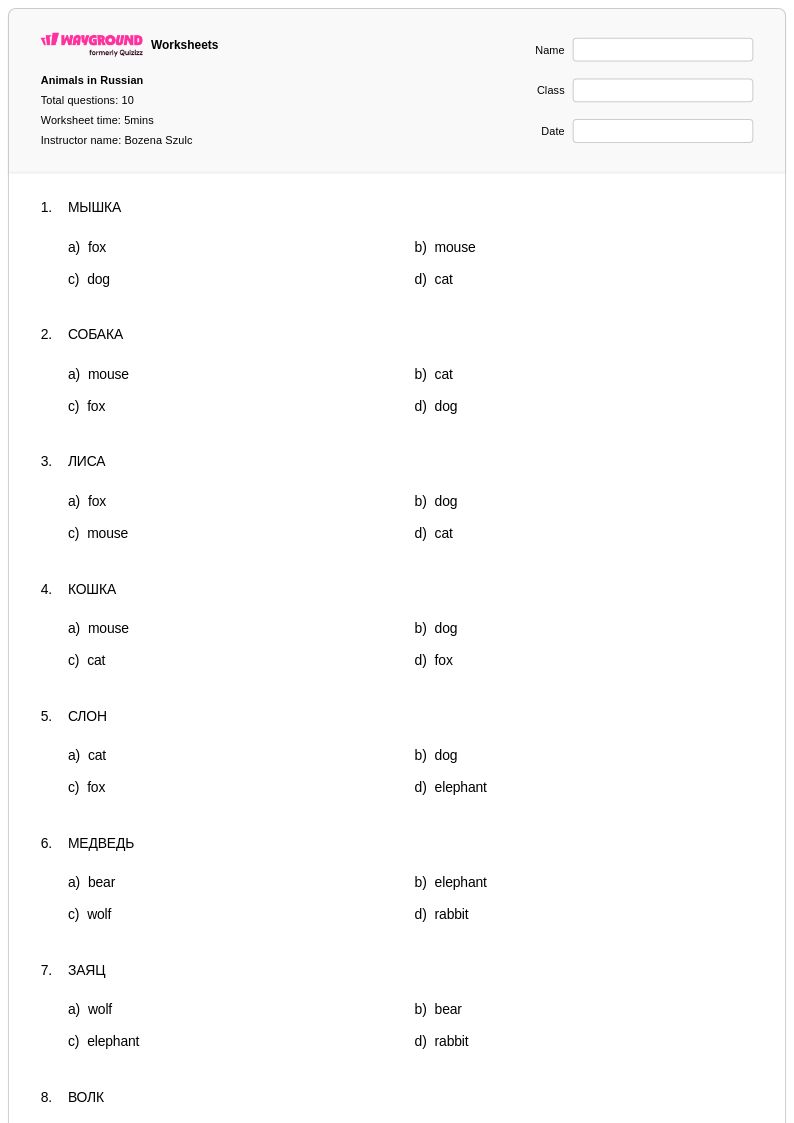
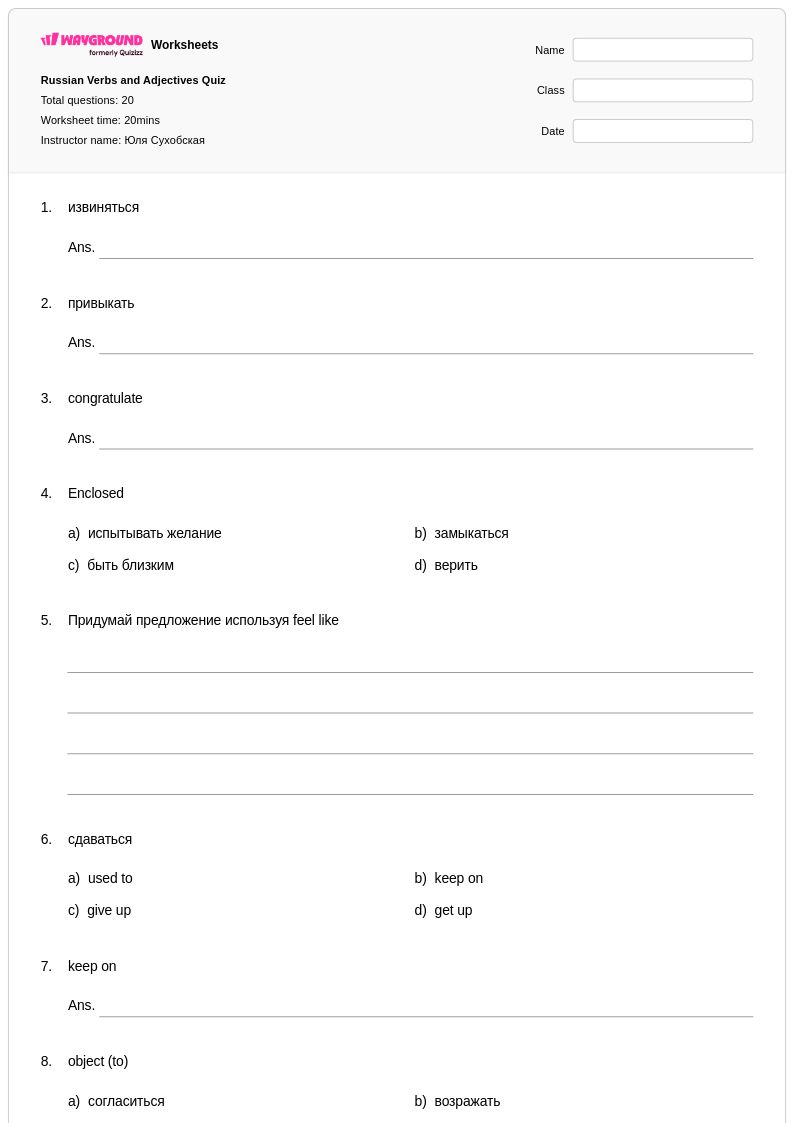
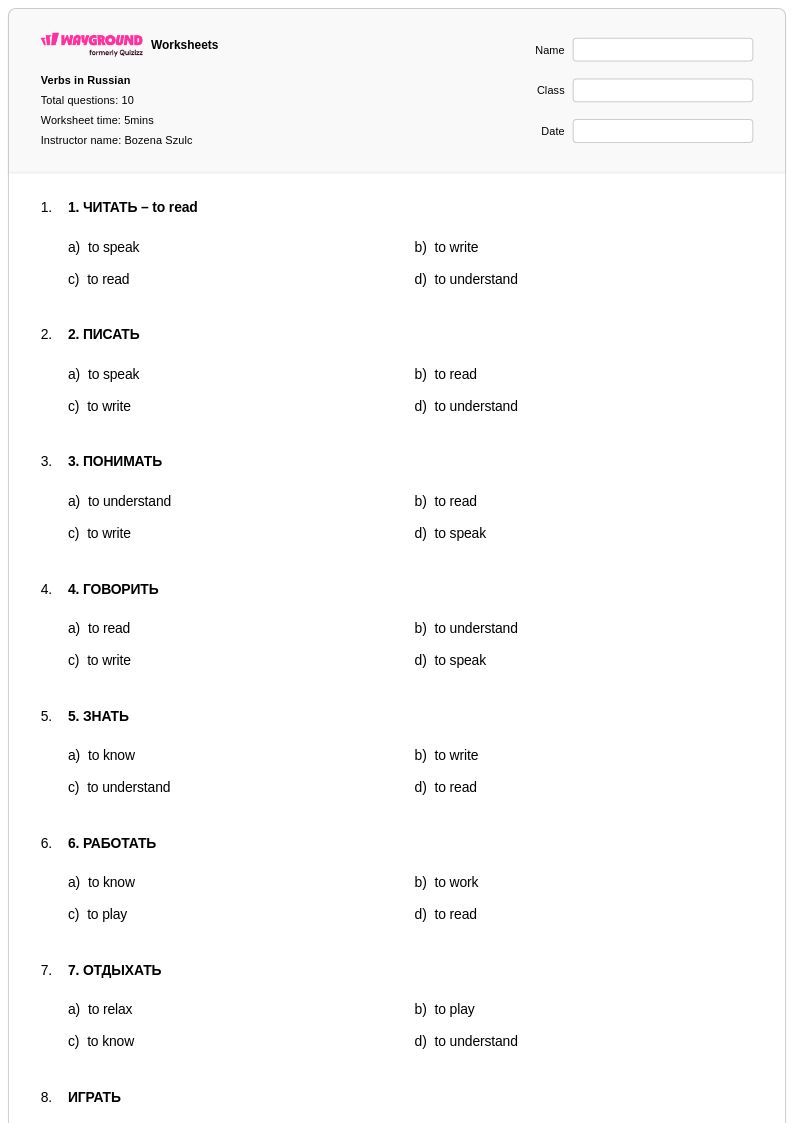
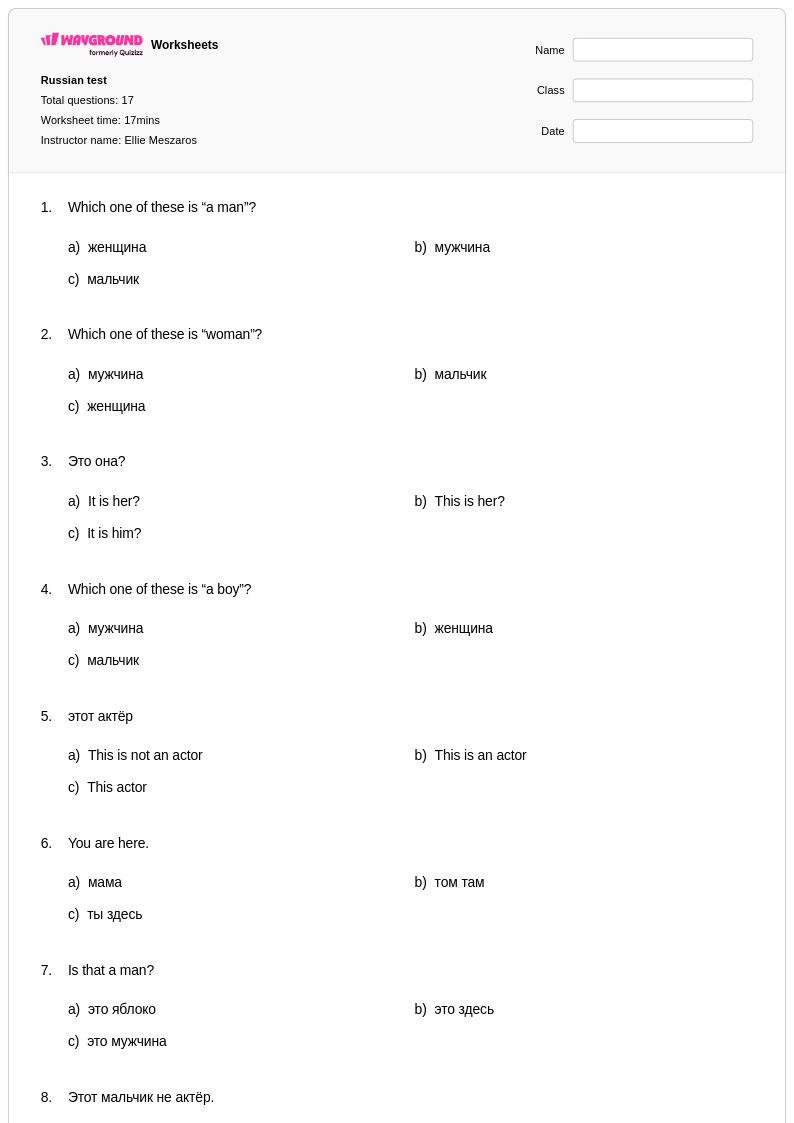
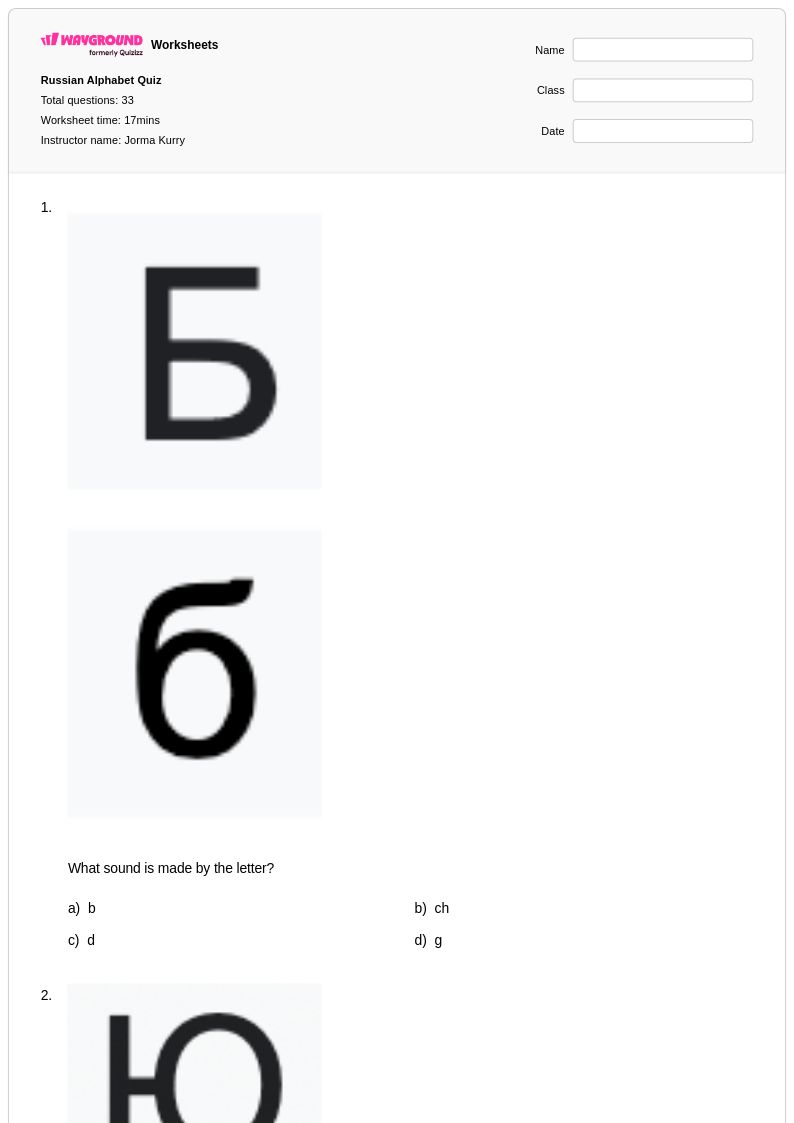
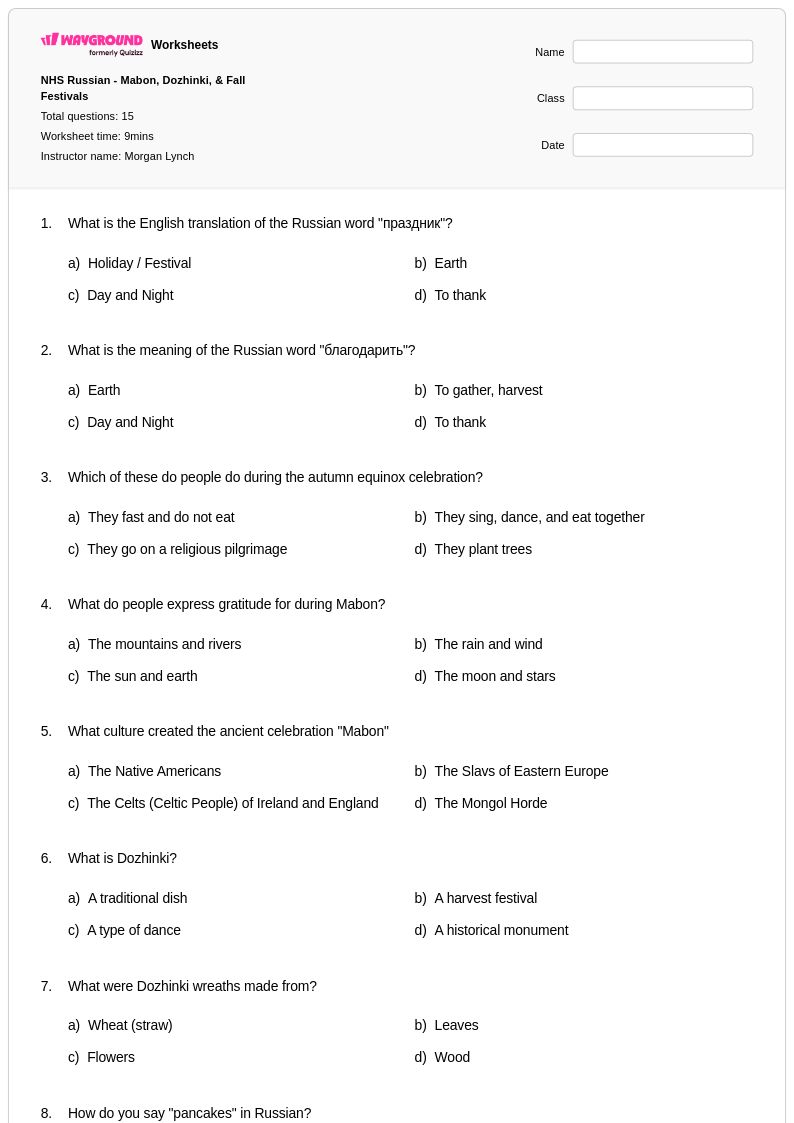
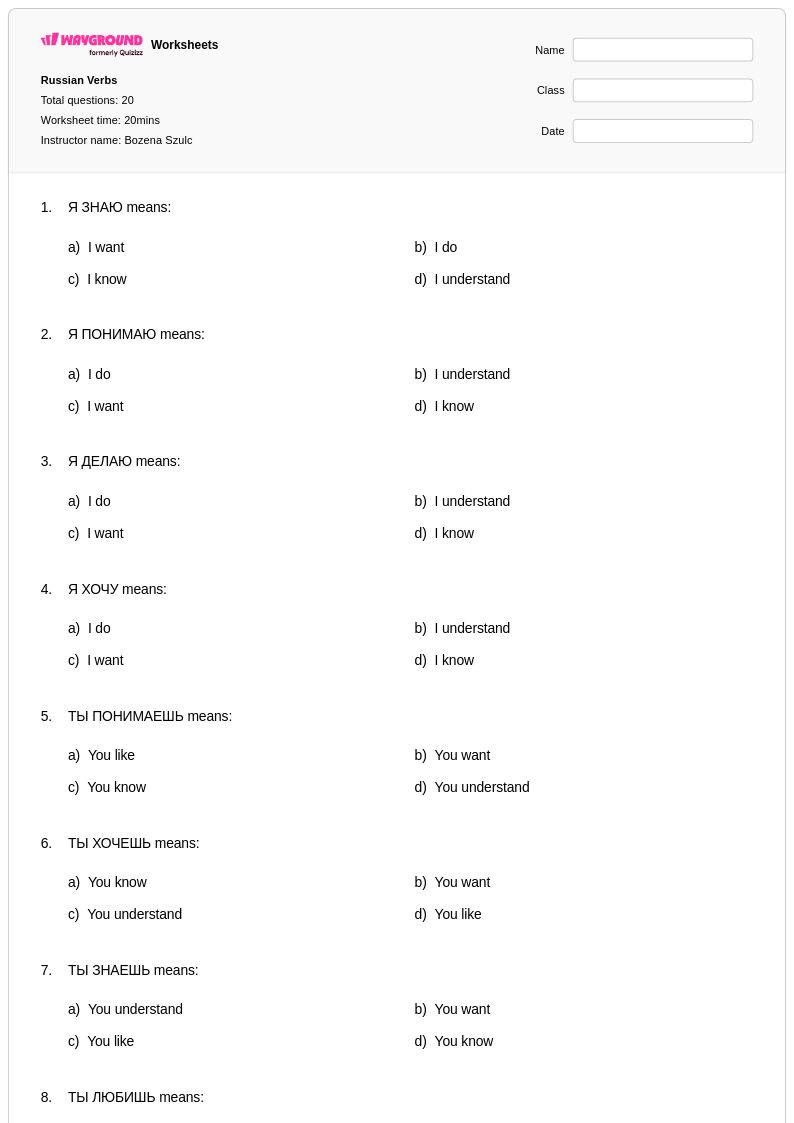
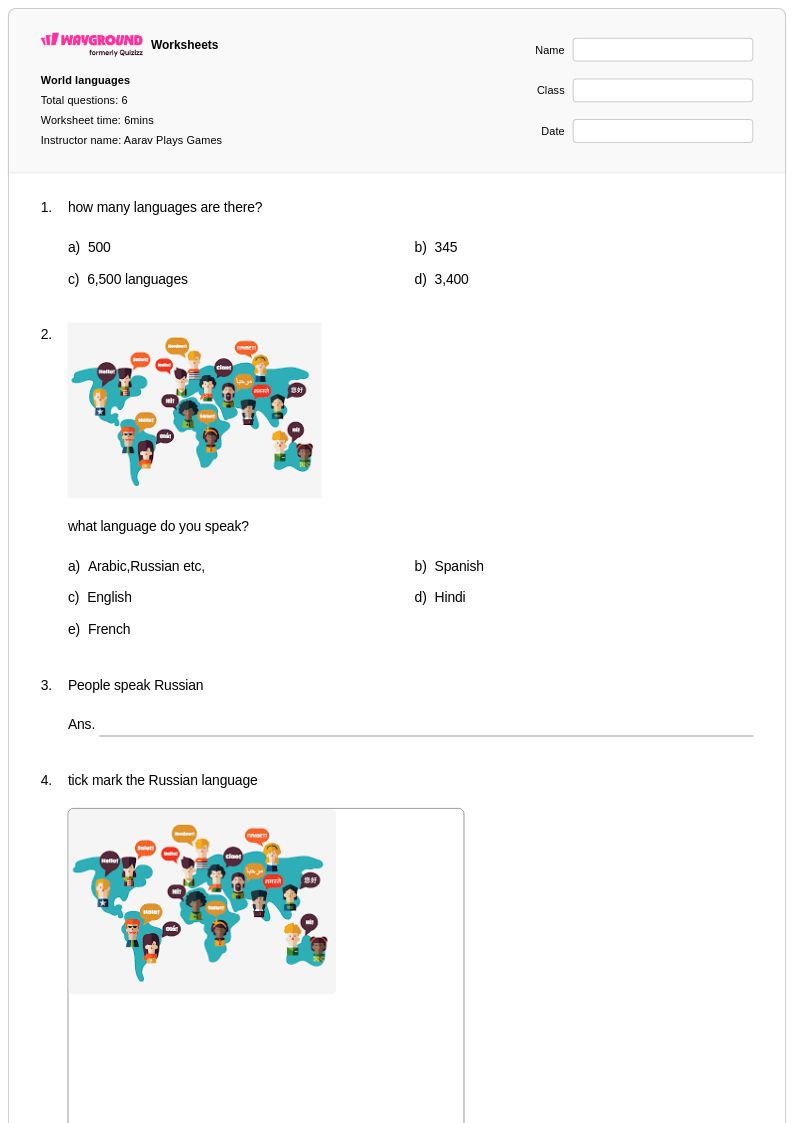
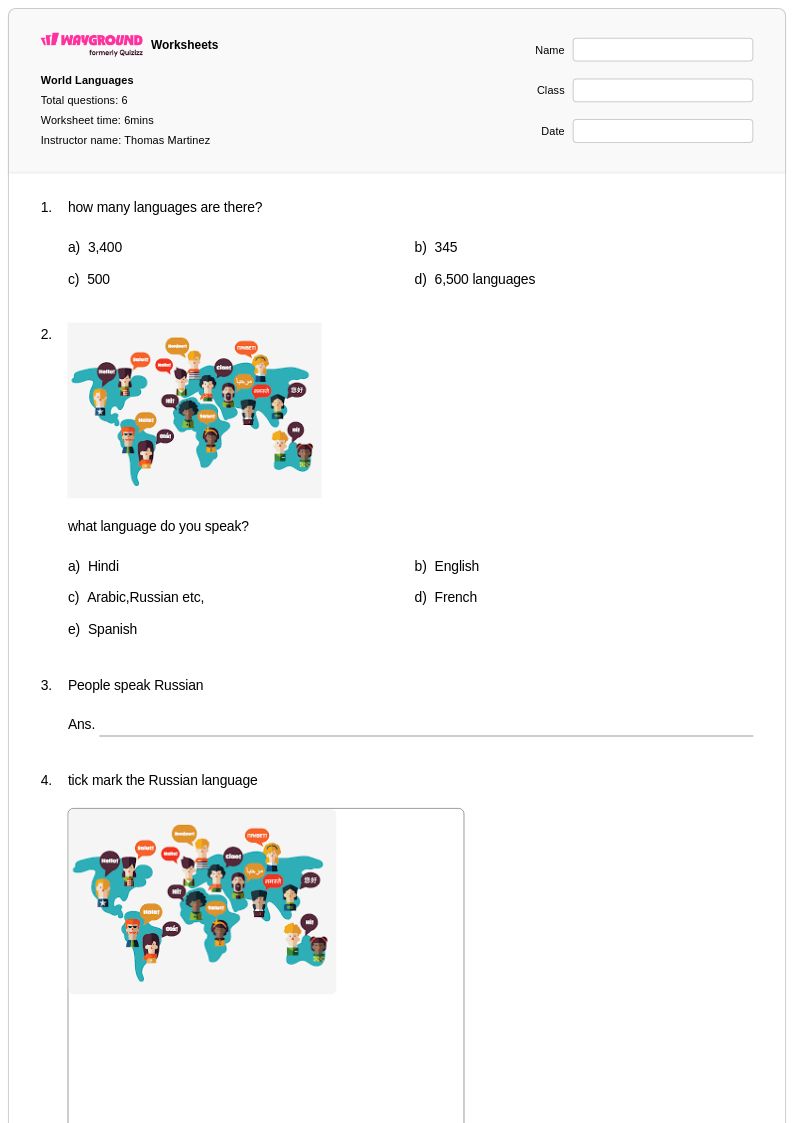
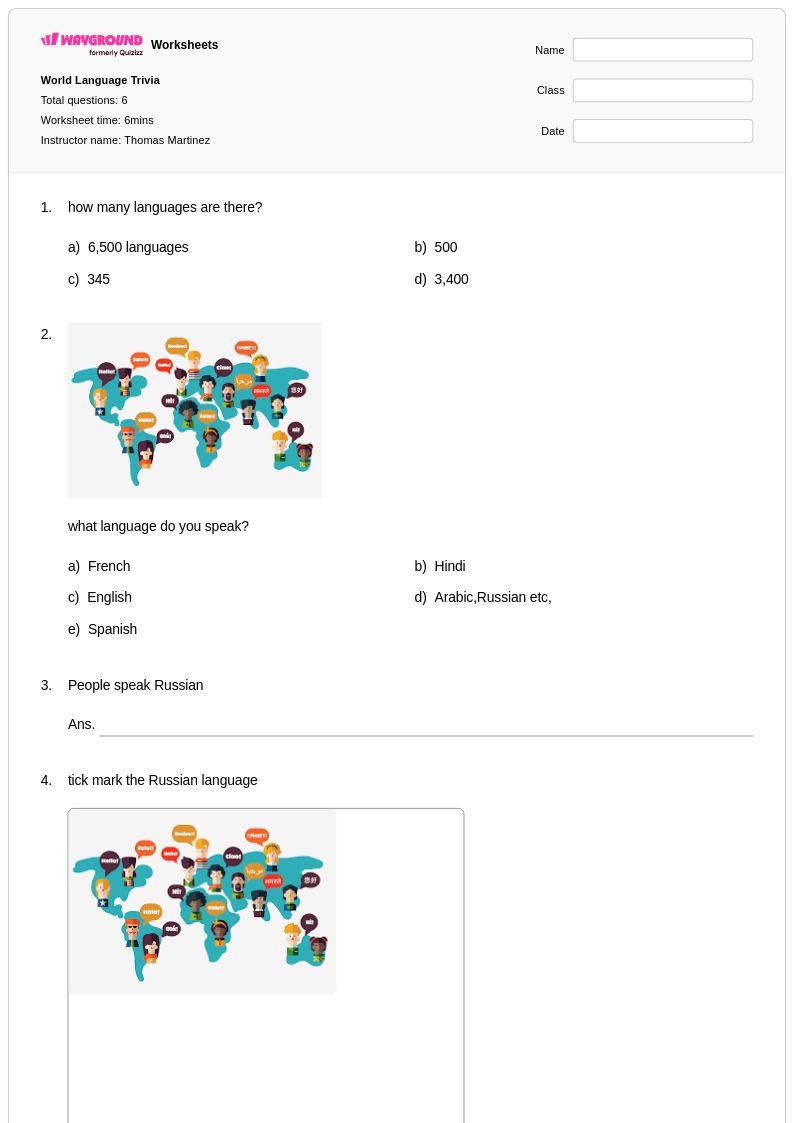
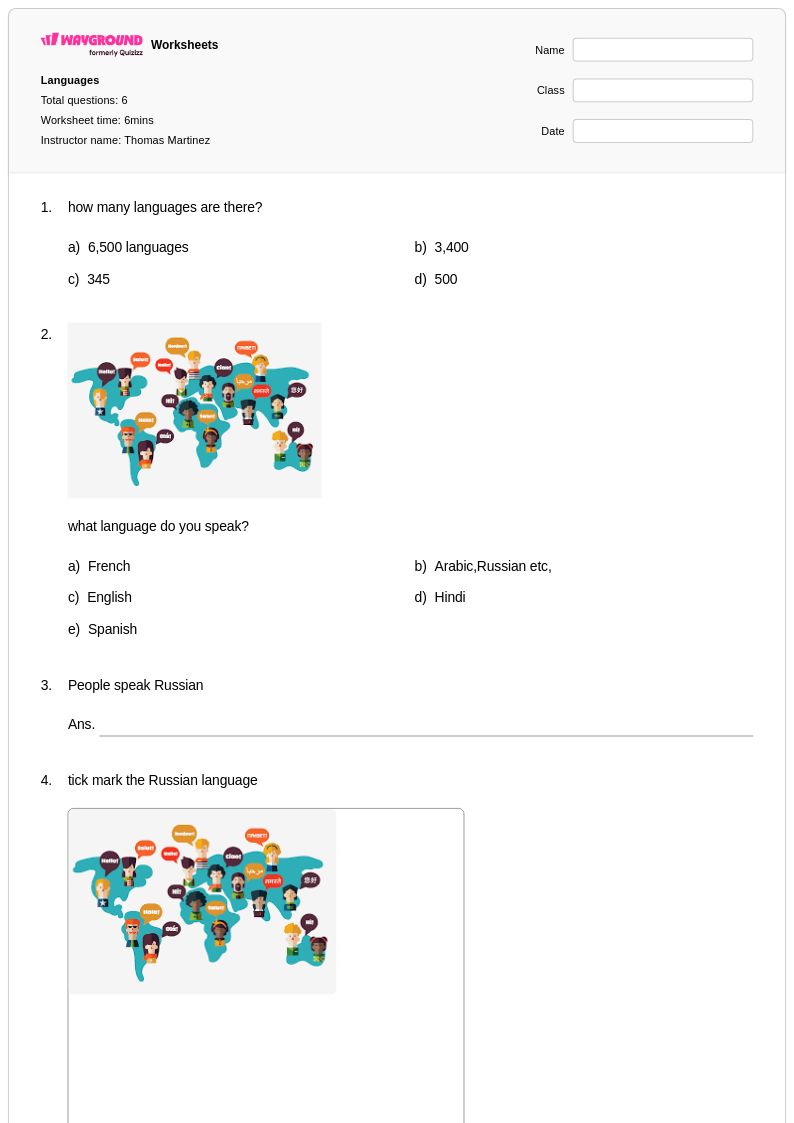
Free Year 9 Russian worksheets and printables help students master Cyrillic alphabet, vocabulary, grammar basics, and conversational phrases through engaging practice problems with comprehensive answer keys available as downloadable PDFs.
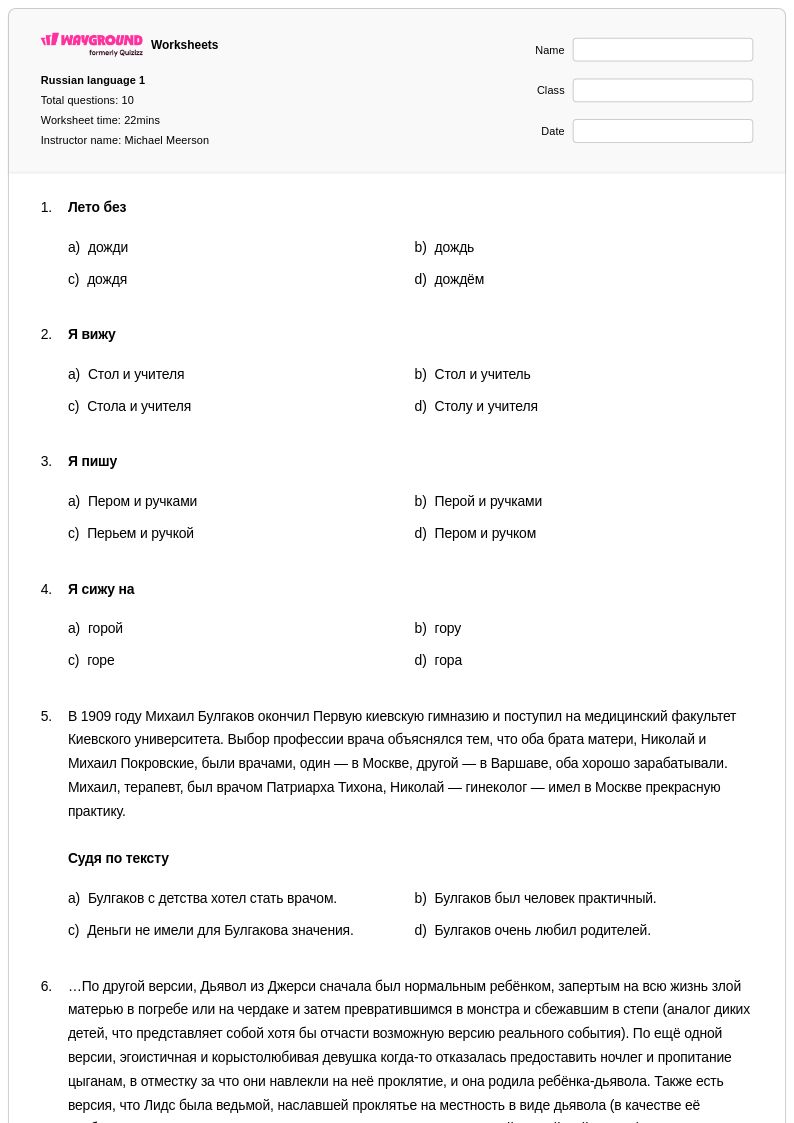
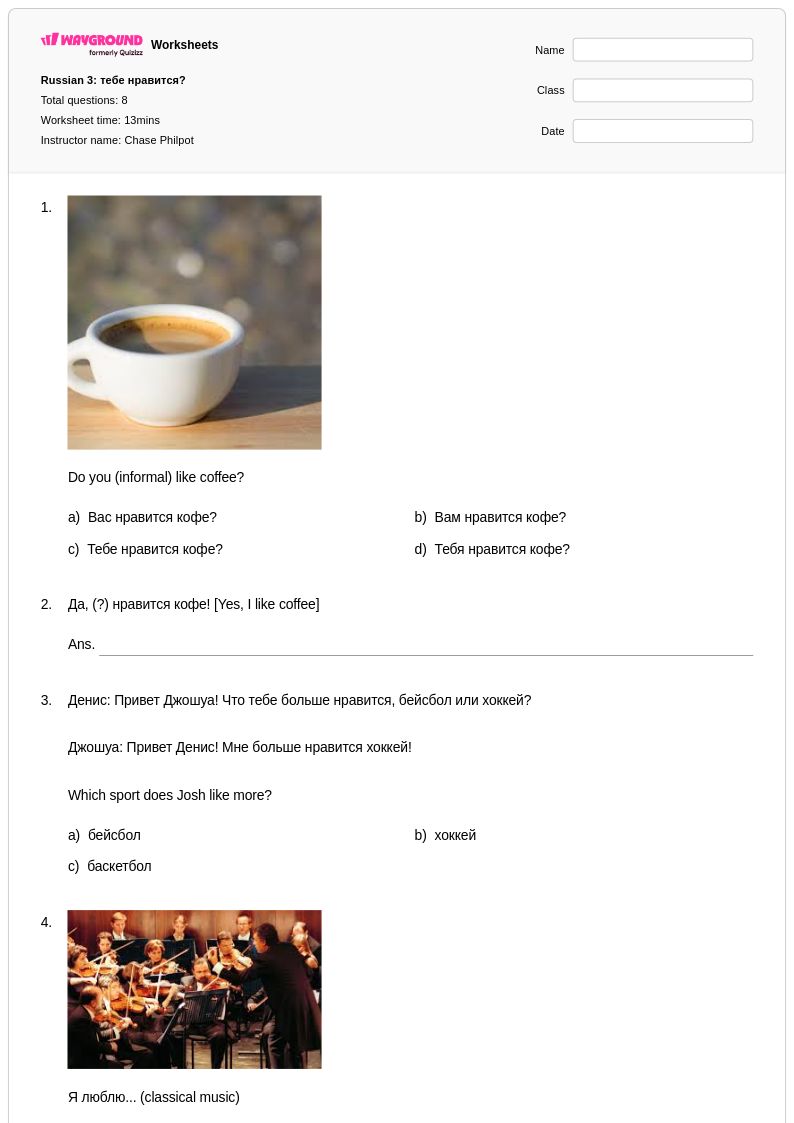
Russian language worksheets for Year 9 students available through Wayground (formerly Quizizz) provide comprehensive practice materials that build essential skills in Cyrillic alphabet mastery, vocabulary expansion, grammar fundamentals, and basic conversational patterns. These expertly designed resources strengthen students' ability to recognize and write Russian characters, understand sentence structure, conjugate verbs in present and past tenses, and apply case systems that are fundamental to Russian grammar. Each worksheet collection includes detailed answer keys and practice problems that guide students through progressive skill development, from basic phonetic recognition to more complex grammatical constructions. The free printable resources offer structured exercises in reading comprehension, translation practice, and cultural context activities that help Year 9 learners develop authentic understanding of Russian language patterns and usage.
Wayground (formerly Quizizz) supports educators with millions of teacher-created Russian language resources that feature robust search and filtering capabilities, allowing instructors to quickly locate materials aligned with specific learning objectives and curriculum standards. The platform's differentiation tools enable teachers to customize worksheet difficulty levels and content focus areas, ensuring that both struggling learners and advanced students receive appropriate challenge levels in their Russian language studies. These comprehensive collections are available in both printable pdf formats and interactive digital versions, providing flexibility for classroom instruction, homework assignments, and independent study sessions. Teachers can efficiently plan lesson sequences, design targeted remediation activities for students struggling with Cyrillic script or grammatical concepts, and create enrichment opportunities that deepen cultural understanding while reinforcing core language competencies essential for Year 9 Russian language mastery.
FAQs
How do I teach the Cyrillic alphabet to beginners?
Start by introducing the Cyrillic letters that closely resemble their Latin equivalents, such as А, Е, О, and М, before moving to unfamiliar characters. Use tracing and matching exercises to build letter recognition, then progress to simple word reading once students have internalized the full alphabet. Pairing visual flashcards with audio pronunciation helps students connect written forms to sounds early in the learning process.
What exercises help students practice Russian verb conjugations?
Fill-in-the-blank sentences, conjugation tables, and sentence transformation drills are effective for reinforcing Russian verb endings across present, past, and future tenses. Students benefit most when practice moves from isolated conjugation tables to contextualized sentences, where they must select the correct form based on subject and tense. Regular, short practice sessions focused on one verb group at a time build accuracy more reliably than infrequent, broad review.
What mistakes do students commonly make when learning Russian grammar?
The Russian case system is the most common source of errors, particularly for English-speaking learners who are unfamiliar with noun declension. Students frequently apply nominative endings in contexts that require genitive or accusative forms, especially after prepositions and with direct objects. Verb aspect confusion, specifically when to use imperfective versus perfective forms, is another persistent error that requires targeted, contextualized practice to correct.
How can I differentiate Russian language instruction for students at different proficiency levels?
Group students by proficiency and assign tasks that target their current gap, such as Cyrillic recognition drills for true beginners and case-usage exercises for intermediate learners. On Wayground, teachers can apply accommodations at the individual student level, including read-aloud support for students who need audio reinforcement and reduced answer choices for those who need reduced cognitive load. These settings are saved per student and apply automatically across future sessions without disrupting other students' experience.
How do I use Russian worksheets from Wayground in my classroom?
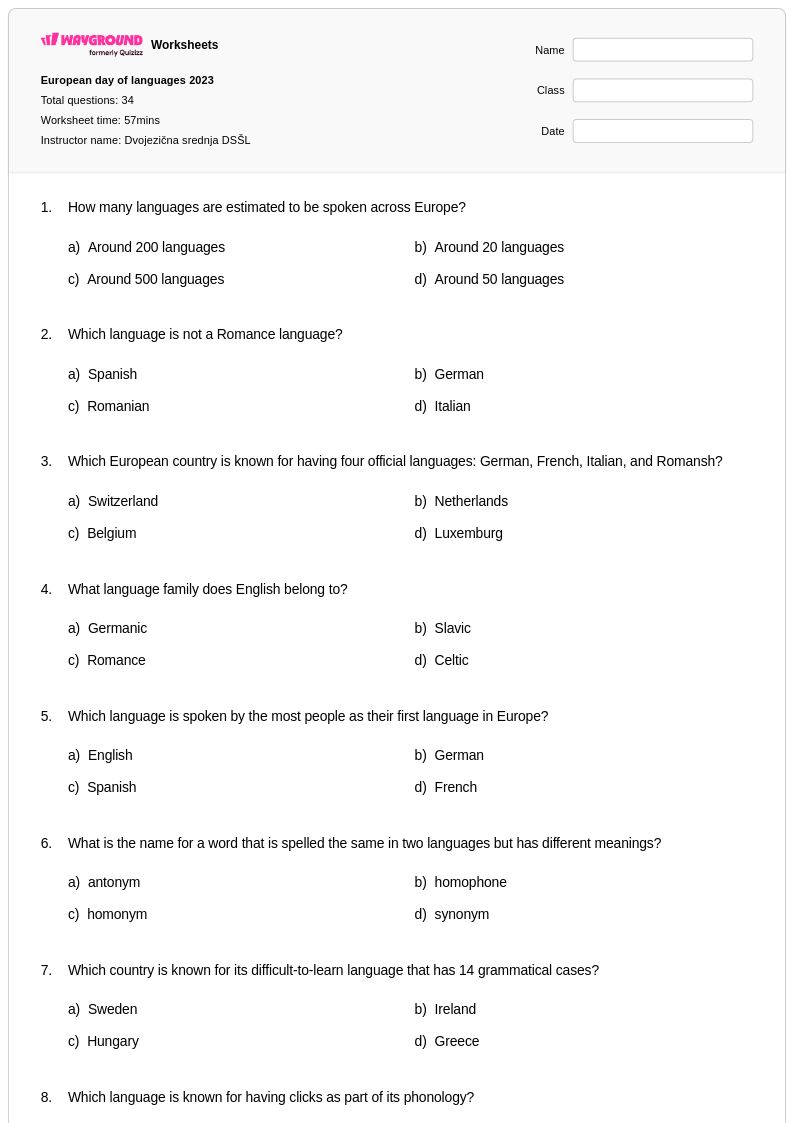
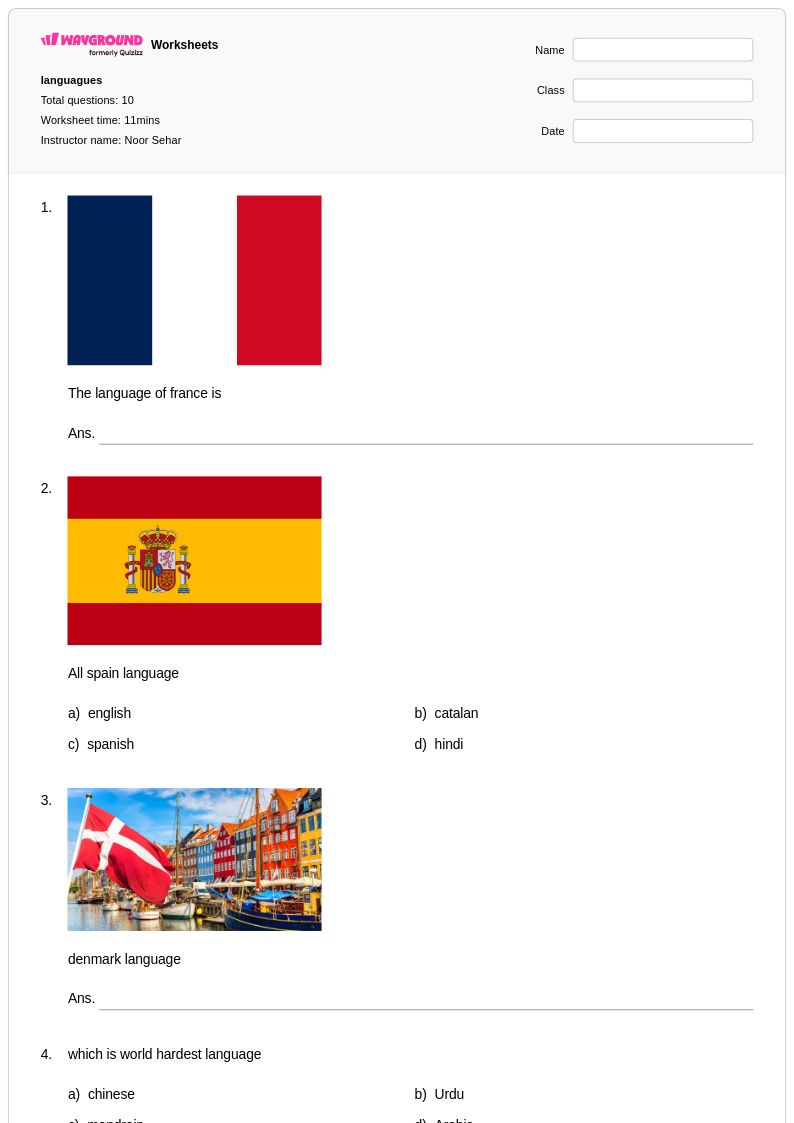
Wayground's Russian worksheets are available as printable PDFs for traditional classroom use and in digital formats for technology-integrated environments, making them adaptable to in-person, hybrid, and remote settings. Teachers can also host worksheets as a live quiz on Wayground, enabling real-time student responses and immediate feedback. Each worksheet includes a complete answer key, so teachers can use them for guided practice, independent work, or self-assessed homework assignments.
How do I help students build Russian vocabulary effectively?
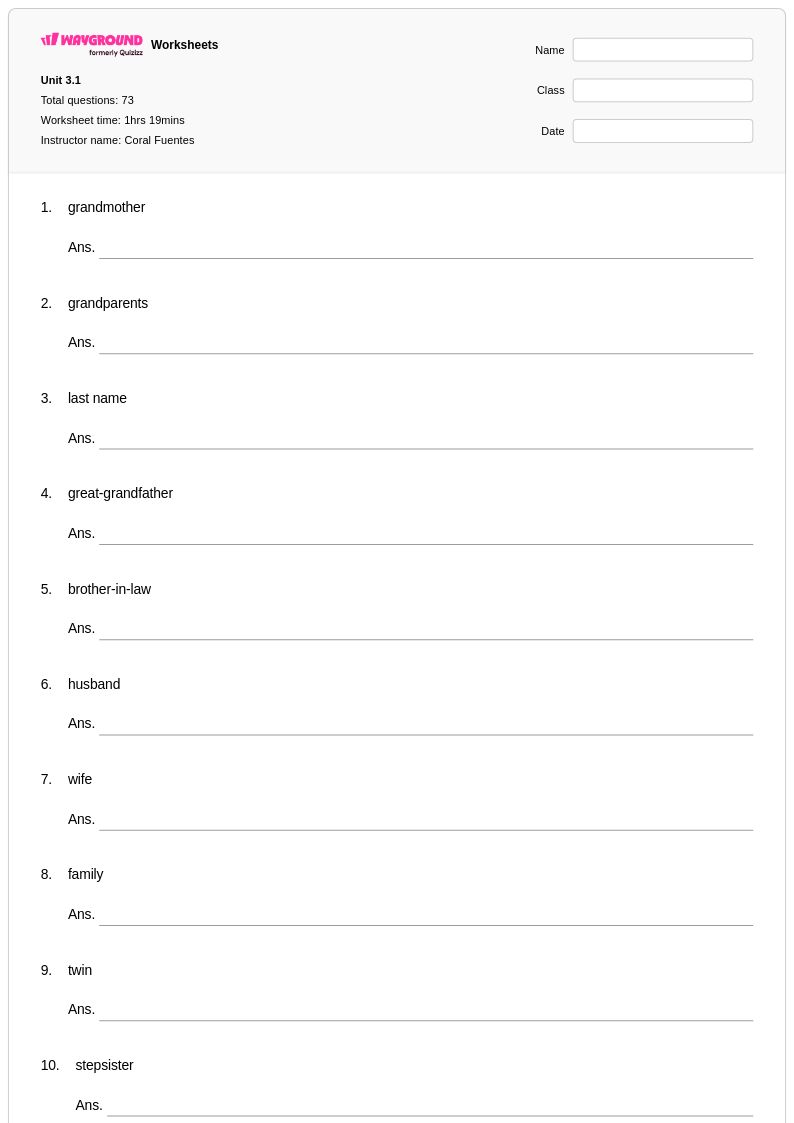
Introduce vocabulary in thematic clusters, such as family, food, or daily routines, rather than as random word lists, because semantic grouping aids retention and contextual recall. Matching exercises, translation drills, and sentence-writing tasks that require students to use new words in context are more effective than rote memorization alone. Repeated low-stakes practice across multiple sessions, rather than a single intensive session, produces more durable vocabulary retention.