Free Printable Social-emotional Learning: Relationships Worksheets for Year 6
Explore Year 6 social-emotional learning relationship worksheets and printables that help students develop healthy interpersonal skills, communication strategies, and emotional intelligence through engaging practice problems with comprehensive answer keys.
Explore printable Social-emotional Learning: Relationships worksheets for Year 6
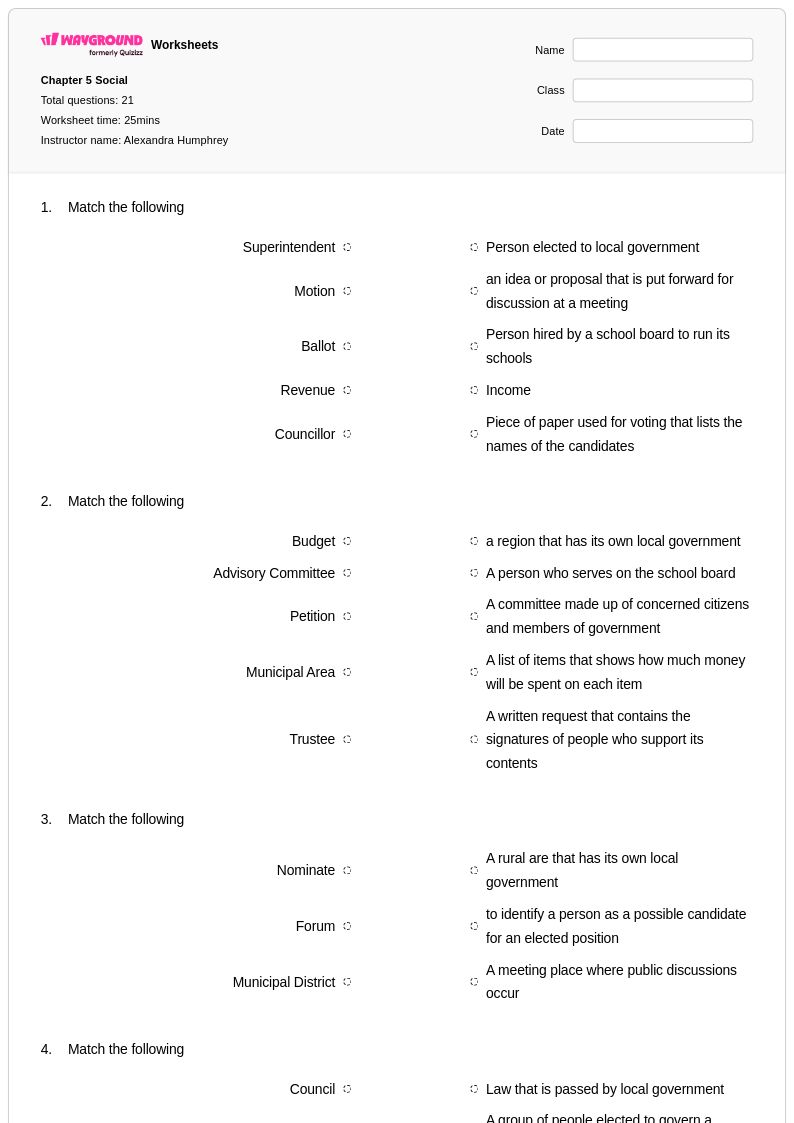
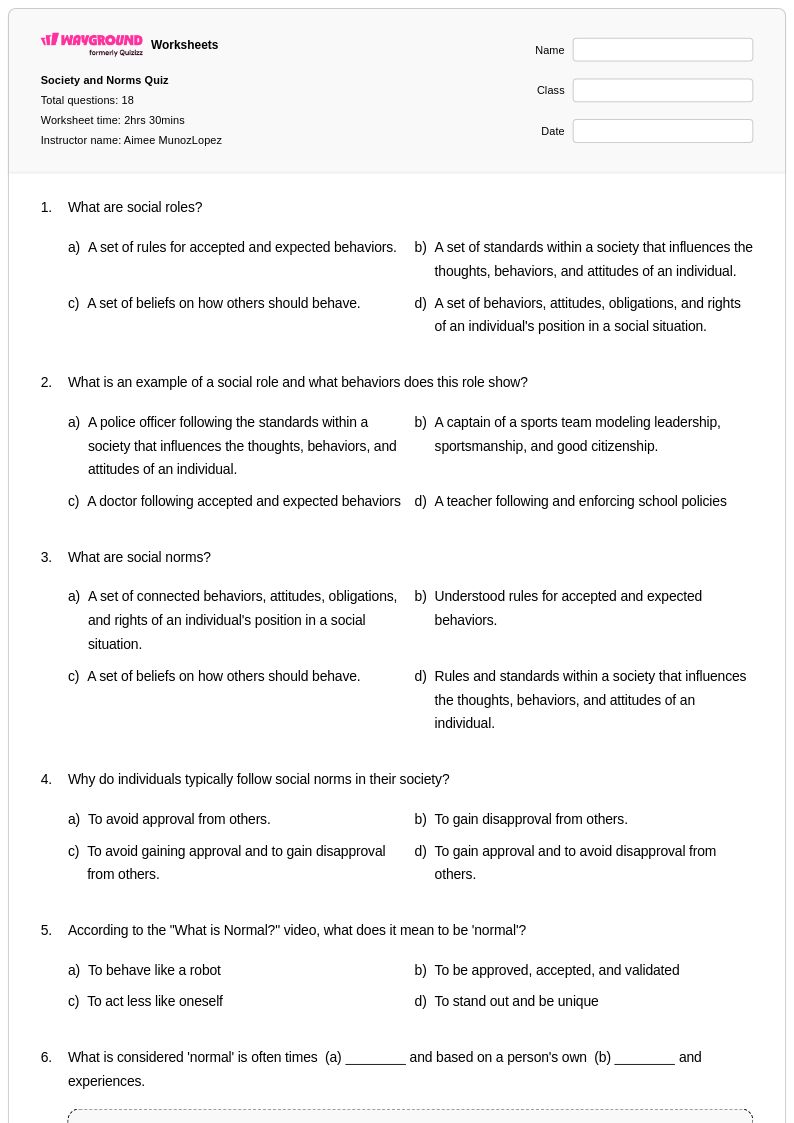
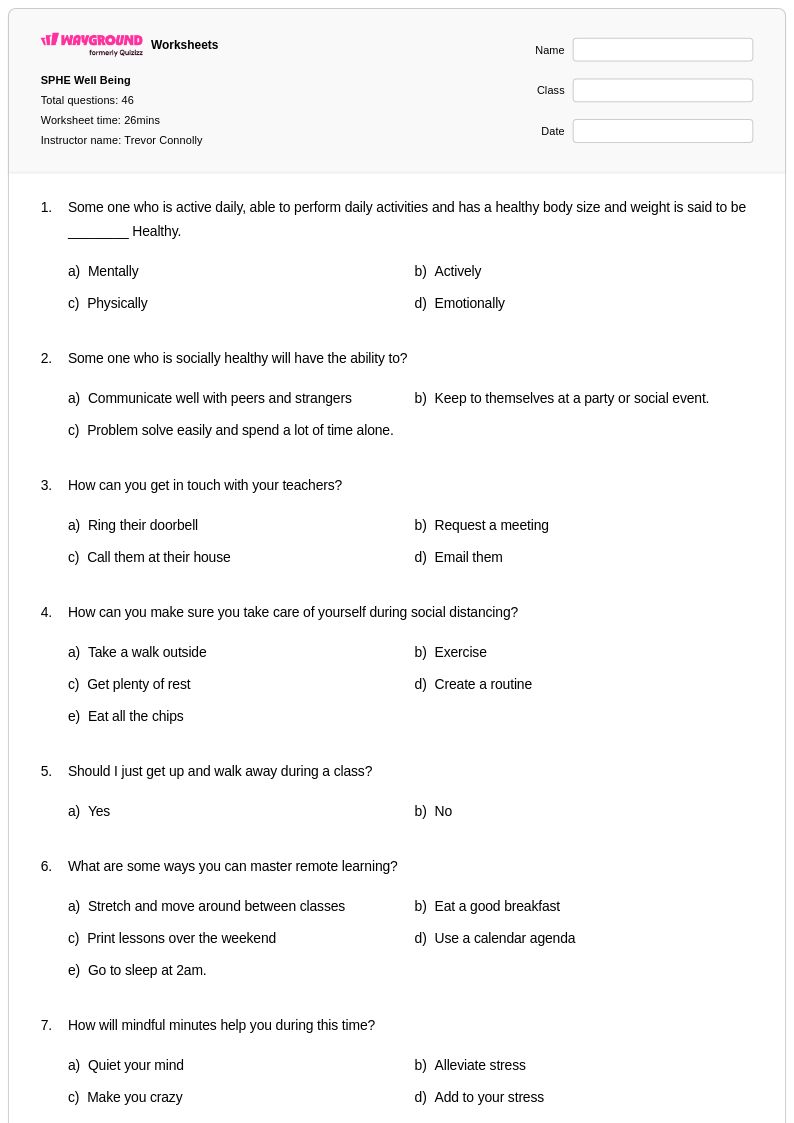
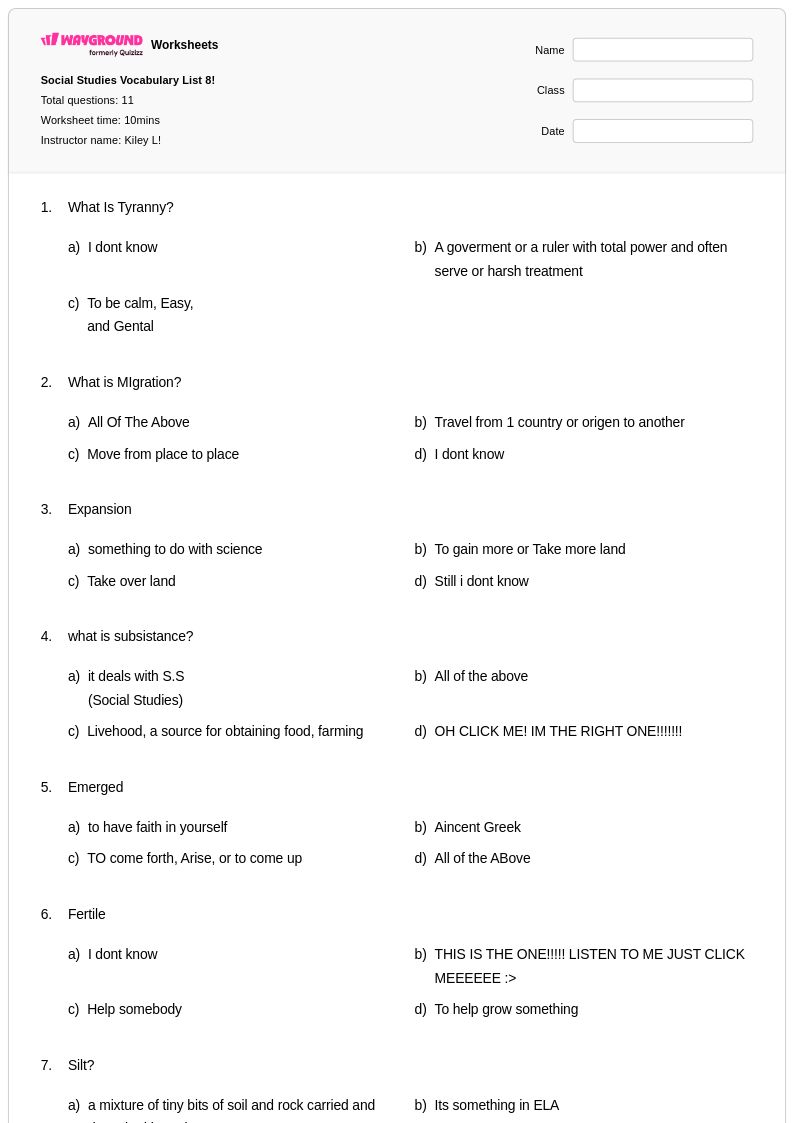
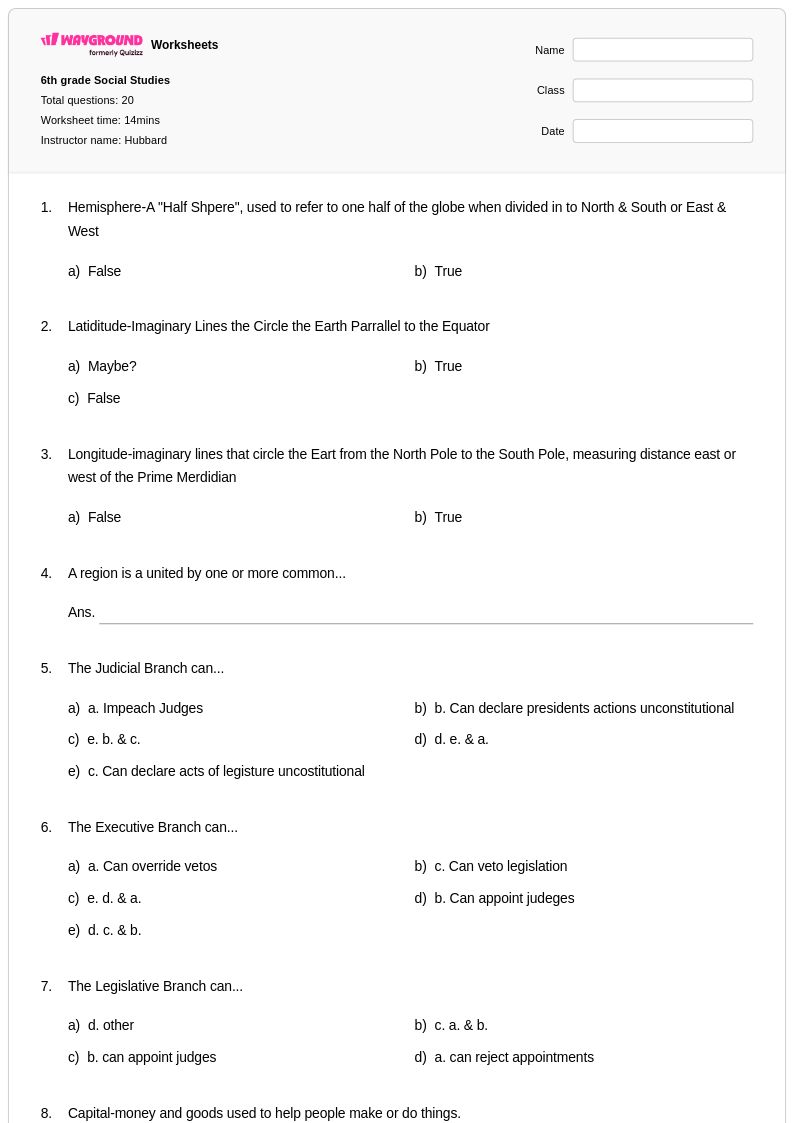
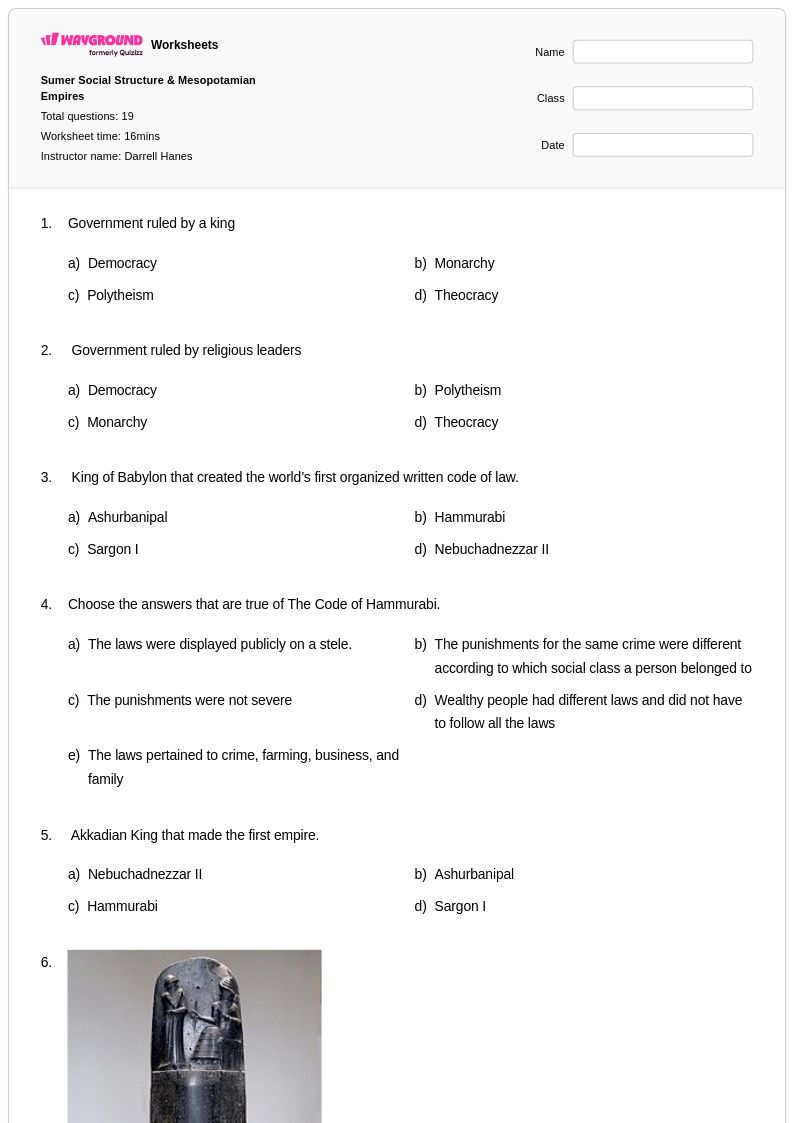
Social-emotional learning focused on relationships forms a critical foundation for Year 6 students as they navigate increasingly complex social dynamics and peer interactions. Wayground's comprehensive collection of worksheets addresses essential relationship skills including effective communication, conflict resolution, empathy development, and healthy boundary setting. These carefully crafted resources help students identify different types of relationships, understand the characteristics of healthy versus unhealthy connections, and develop strategies for building meaningful friendships while managing social challenges. Each worksheet includes detailed answer keys and is available as free printable PDFs, allowing educators to seamlessly integrate relationship-building practice problems into their social studies curriculum while providing students with concrete tools for improving their interpersonal skills.
Wayground's extensive library of millions of teacher-created resources empowers educators to find precisely the right relationship-focused materials for their Year 6 social studies classrooms through robust search and filtering capabilities. The platform's alignment with social-emotional learning standards ensures that worksheet collections meet curriculum requirements while offering differentiation tools that allow teachers to customize content for diverse learning needs and ability levels. Whether delivered in printable PDF format for traditional classroom use or accessed digitally for interactive learning, these relationship worksheets support comprehensive lesson planning and provide flexible options for skill practice, remediation for students struggling with social concepts, and enrichment opportunities for advanced learners ready to explore more nuanced aspects of human relationships and social dynamics.
FAQs
How do I teach healthy relationship skills to students?
Teaching healthy relationship skills works best through explicit instruction combined with real-world scenarios that give students a chance to practice. Introduce concepts like empathy, active listening, boundary setting, and conflict resolution as distinct skills, then use role-play and guided discussion to reinforce them. Connecting these skills to students' actual experiences with peers and family members makes the learning concrete and transferable.
What exercises help students practice conflict resolution and communication?
Worksheets that present realistic interpersonal scenarios are particularly effective for practicing conflict resolution and communication, because they prompt students to analyze situations, identify emotions, and evaluate possible responses before acting. Activities focused on active listening cues, perspective-taking, and boundary-setting language give students a structured vocabulary they can apply in real interactions. Regular low-stakes practice through written reflection or scenario analysis helps these skills become habitual rather than theoretical.
What misconceptions do students commonly have about healthy relationships?
A common misconception is that conflict automatically signals a broken or unhealthy relationship, which leads students to avoid disagreement rather than develop constructive resolution strategies. Students also frequently conflate compliance with respect, misunderstanding that maintaining personal boundaries is a sign of healthy relationships rather than rudeness. Worksheets that explicitly contrast healthy and unhealthy relationship patterns help correct these misconceptions before they become ingrained.
How do I differentiate SEL relationship worksheets for students with varying social skill levels?
For students who struggle with social interactions, start with worksheets that break down discrete skills like identifying emotions or recognizing nonverbal cues before moving to more complex scenarios involving conflict or group dynamics. Students who are ready for enrichment benefit from activities that explore nuanced relationship dynamics, such as navigating peer pressure or understanding community relationships. On Wayground, teachers can apply accommodations such as read-aloud support and reduced answer choices for individual students, making the same core materials accessible across a range of learners without singling anyone out.
How do I use Wayground's SEL relationship worksheets in my classroom?
Wayground's social-emotional learning relationship worksheets are available as printable PDFs for traditional classroom use and in digital formats for technology-integrated or blended learning environments. Teachers can also host them as a live quiz on Wayground, which works well for whole-class discussion or formative check-ins. Each worksheet includes a complete answer key, supporting both teacher-led debriefs and independent student self-reflection.
How do I assess whether students are developing healthy relationship skills?
Because relationship skills are behavioral and situational, assessment works best when it captures reasoning, not just correct answers. Look for whether students can articulate why a response is appropriate, not just identify it, which is why scenario-based worksheets with reflective prompts are more diagnostic than simple matching or labeling tasks. Tracking written responses over time also reveals whether students are internalizing concepts like empathy and conflict resolution or only applying them in structured practice.