Free Printable Song Analysis Worksheets for Year 2
Enhance Year 2 students' song analysis skills with Wayground's free printable worksheets and practice problems, complete with answer keys to help young learners identify musical elements and storytelling techniques in songs.
Explore printable Song Analysis worksheets for Year 2
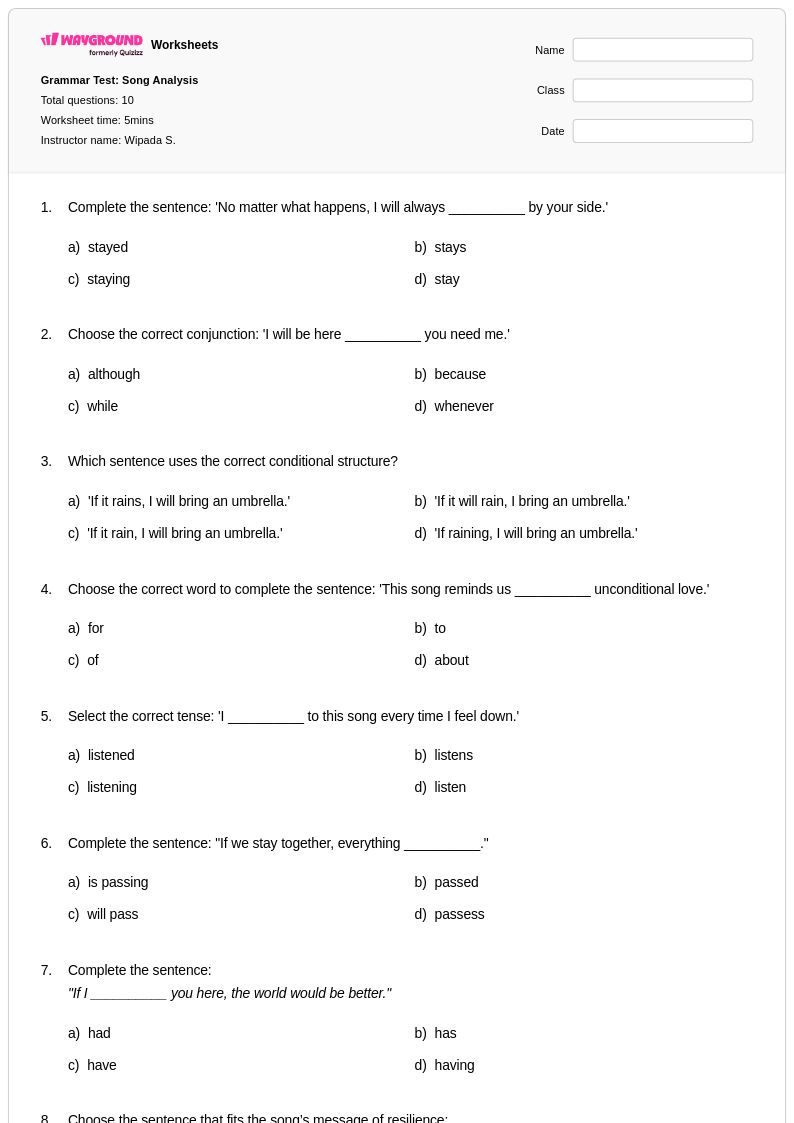
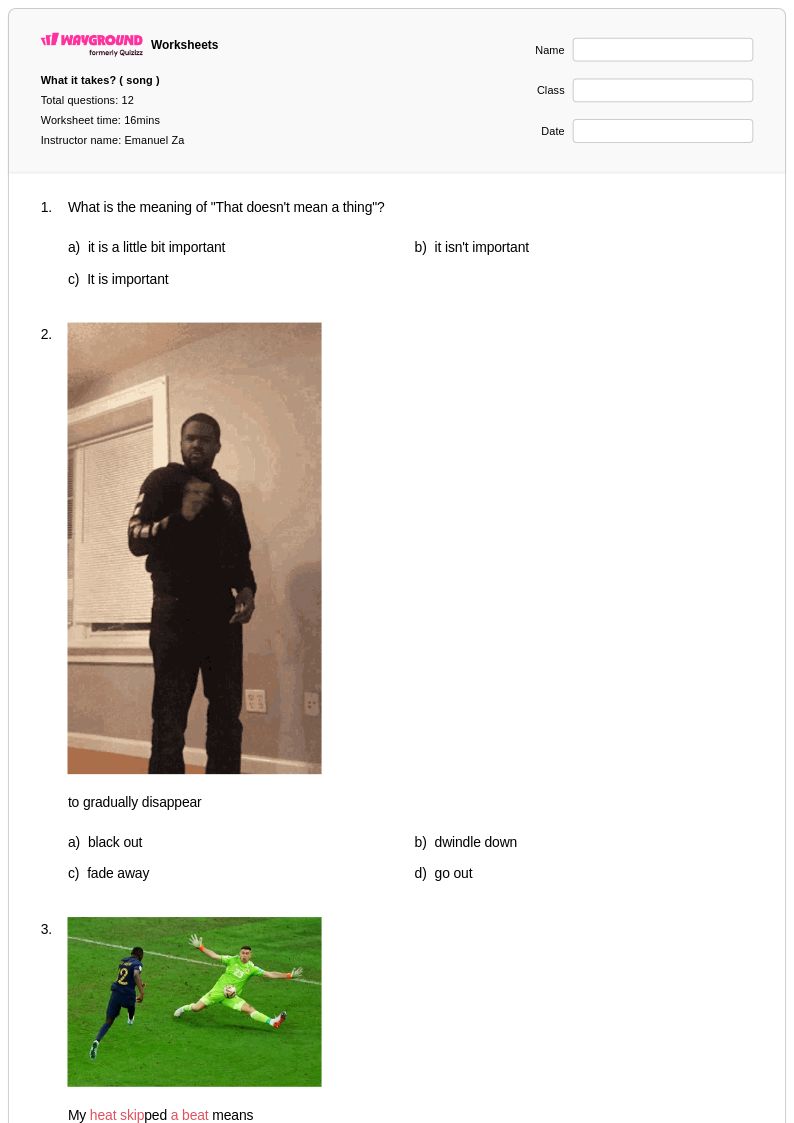
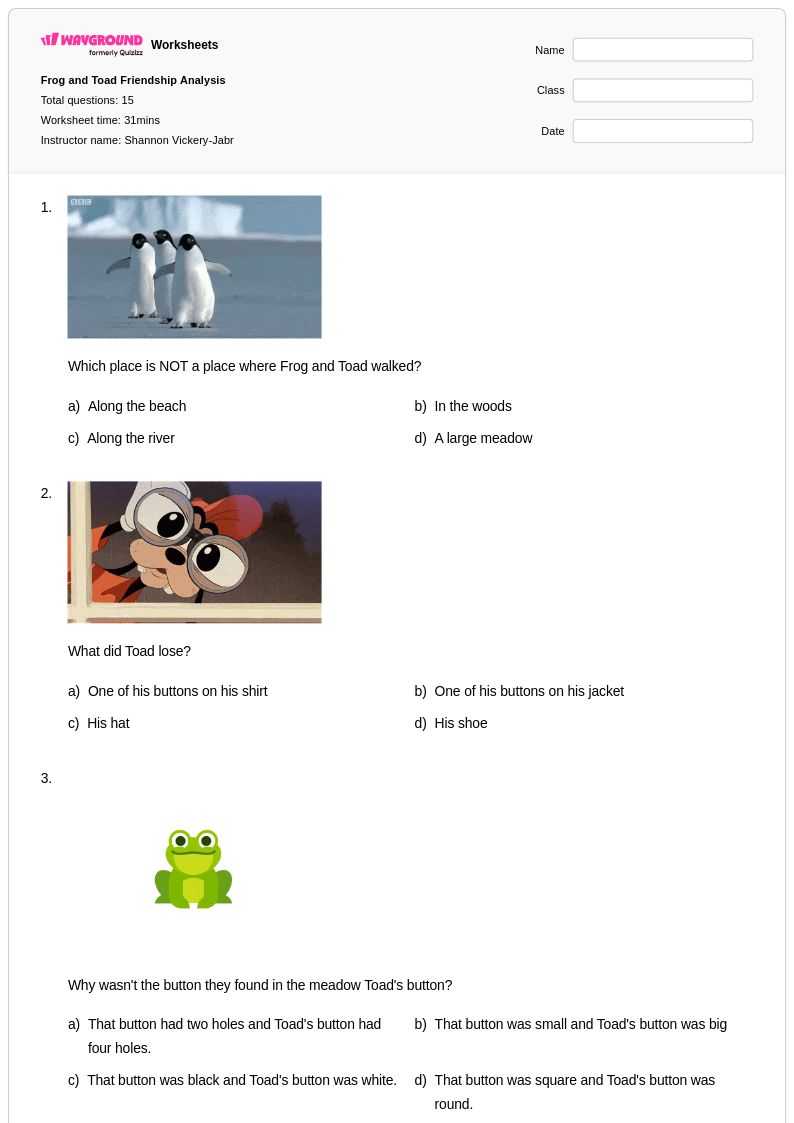
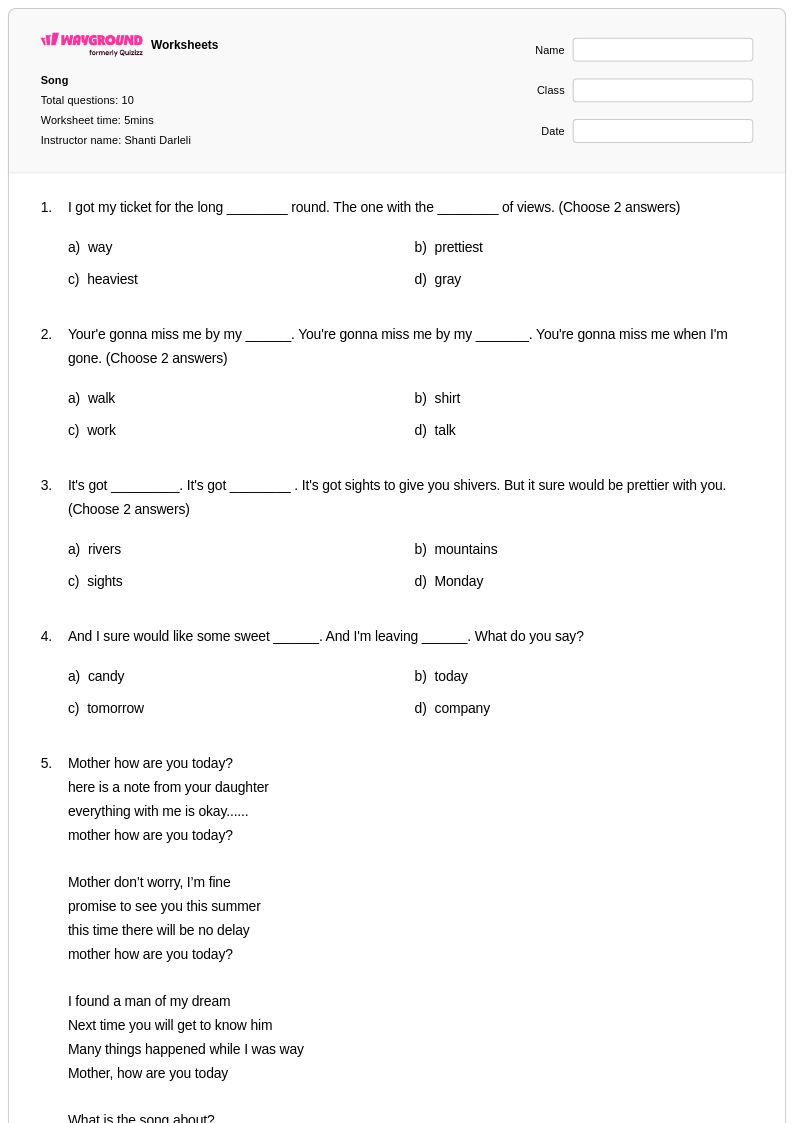
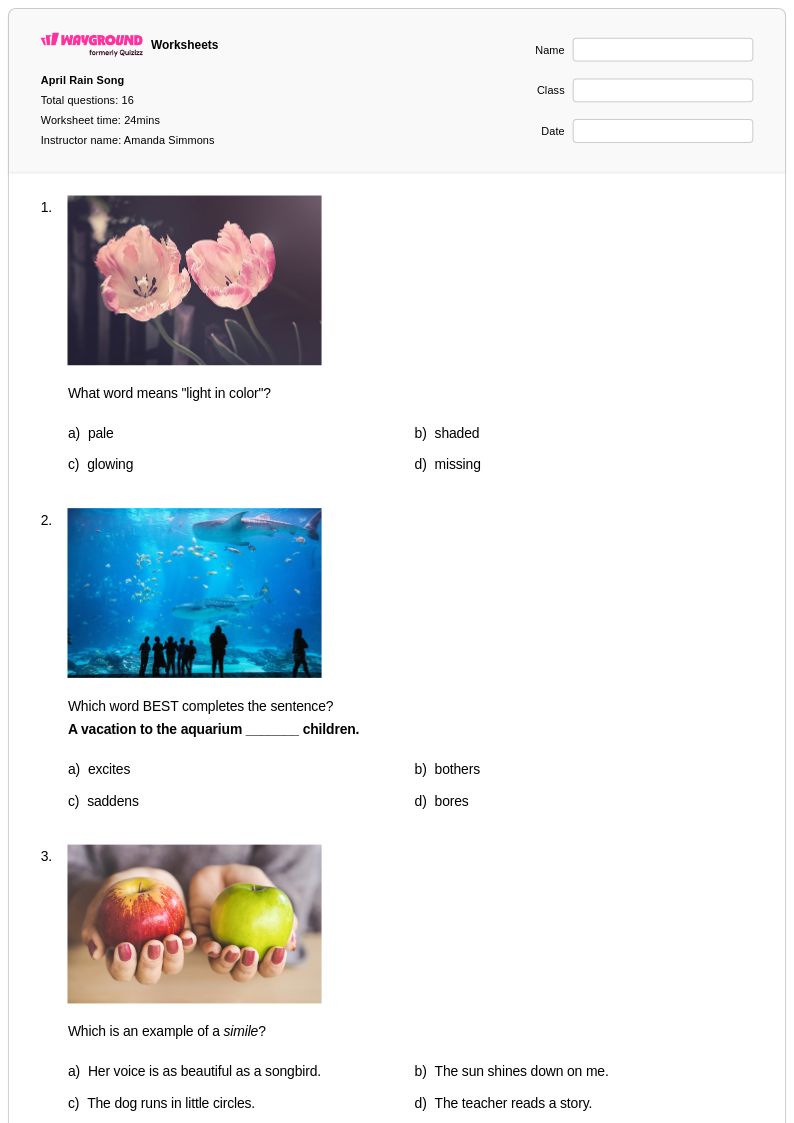
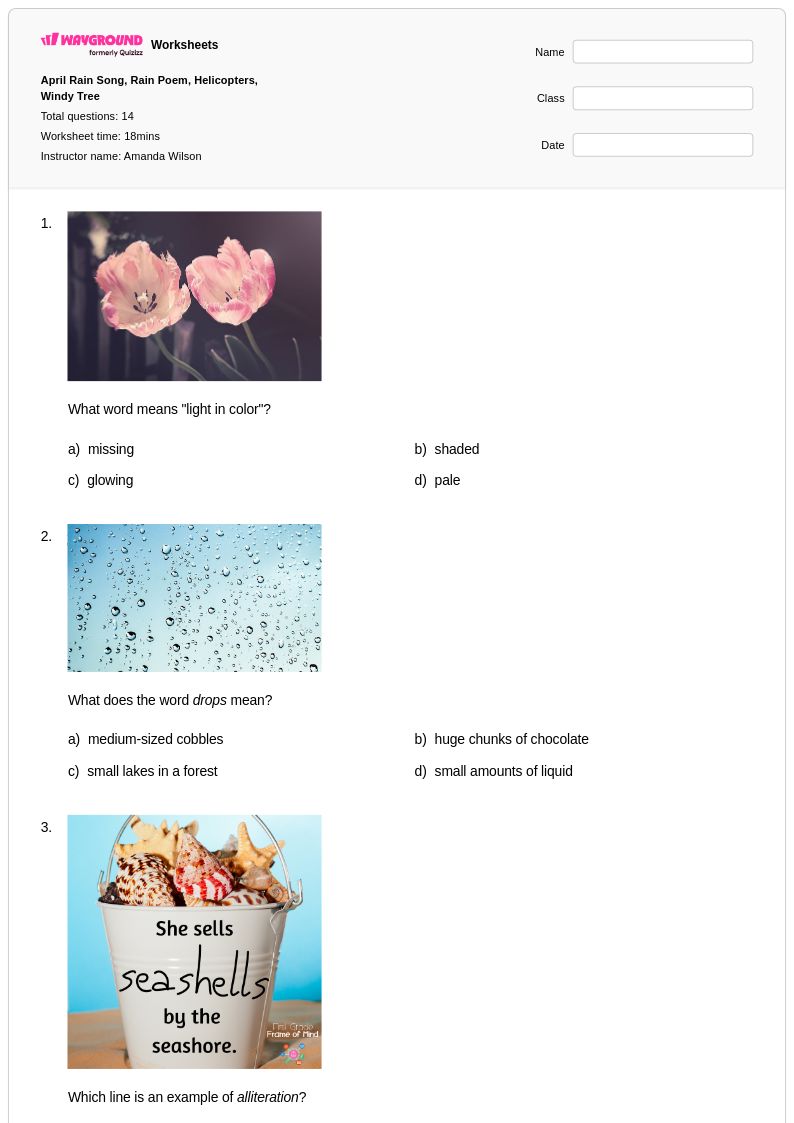
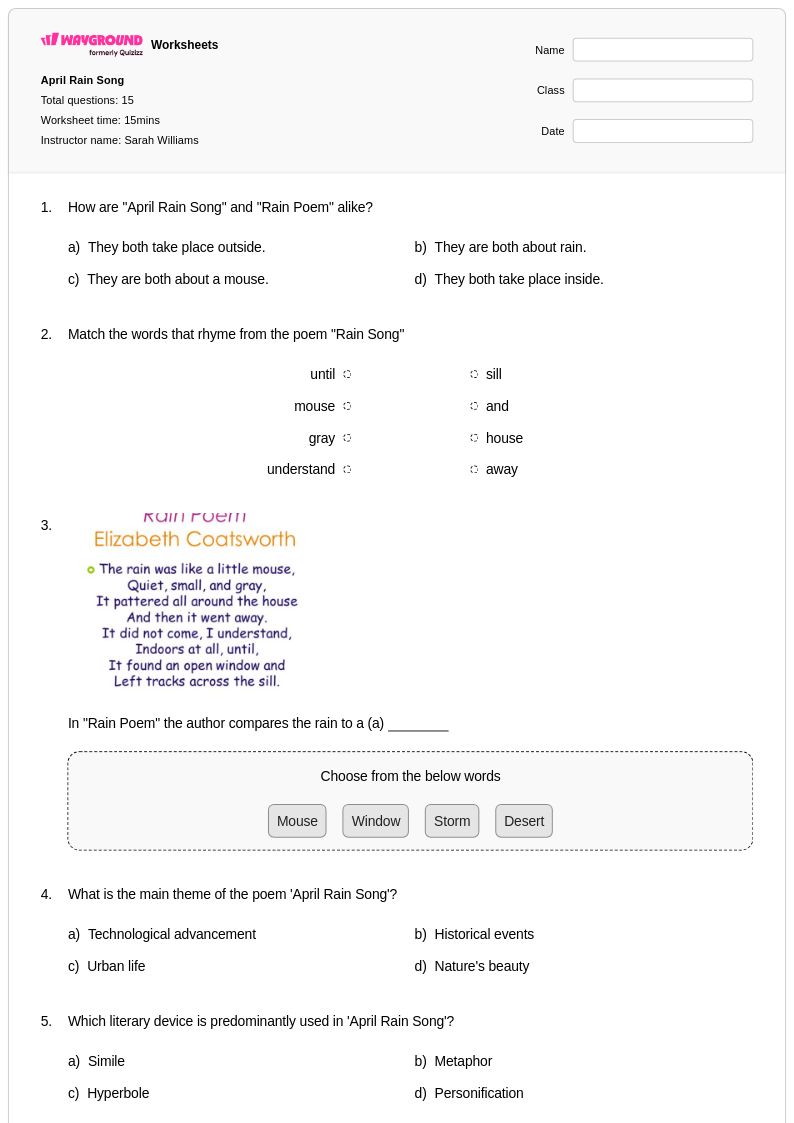
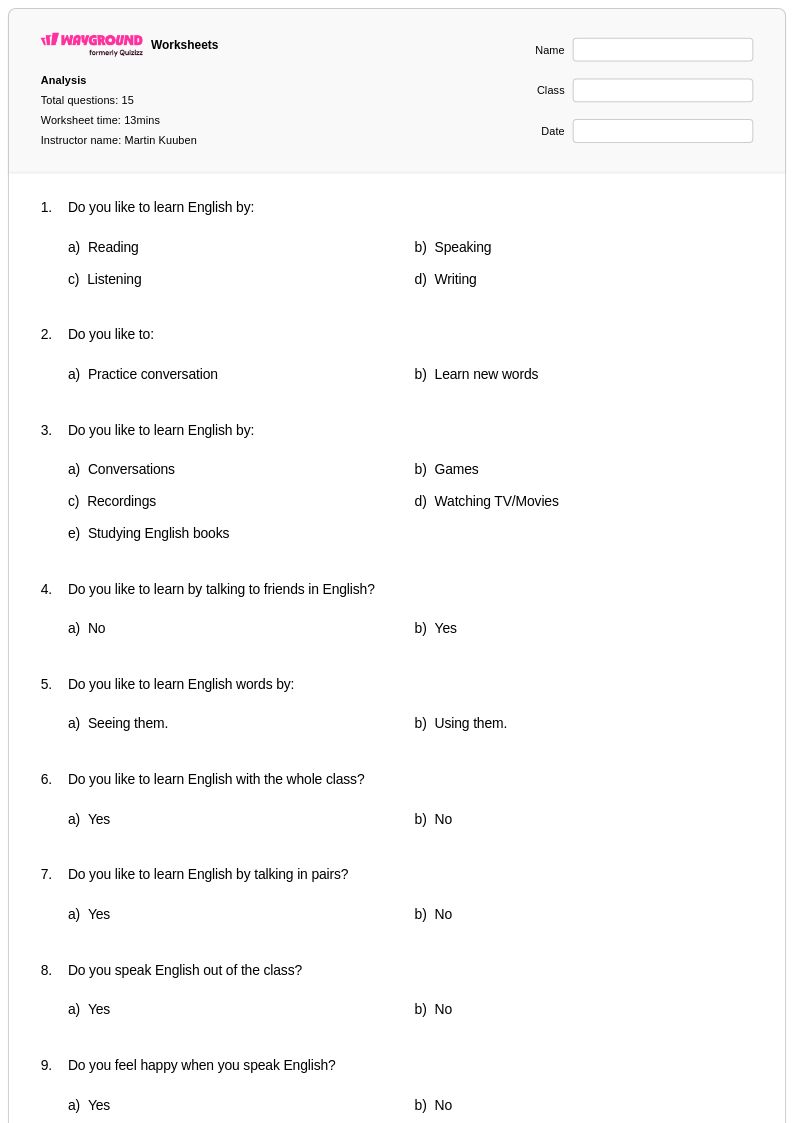
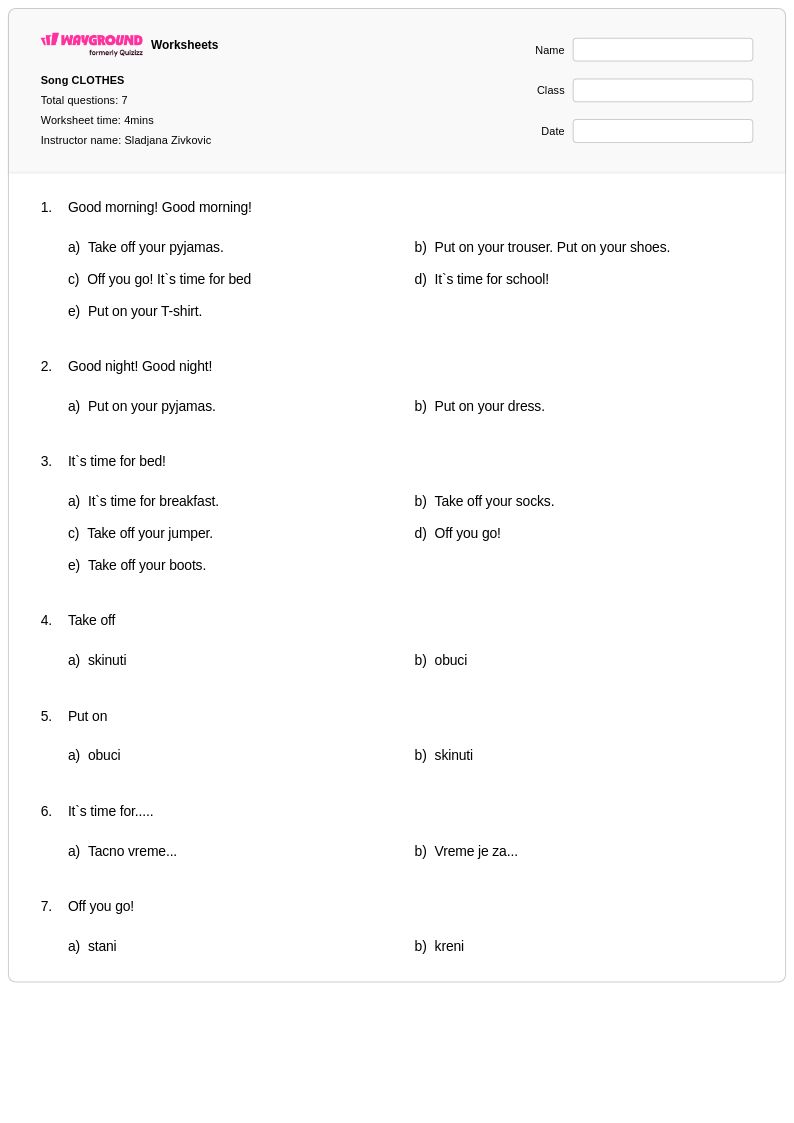
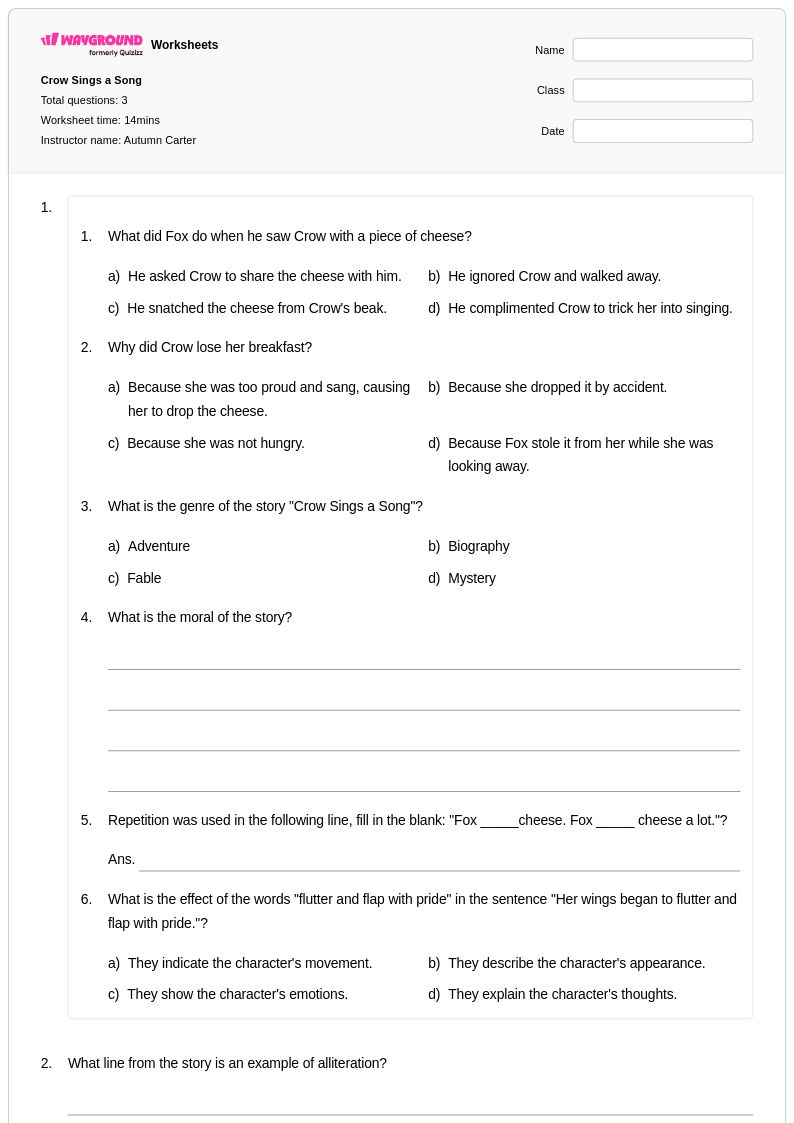
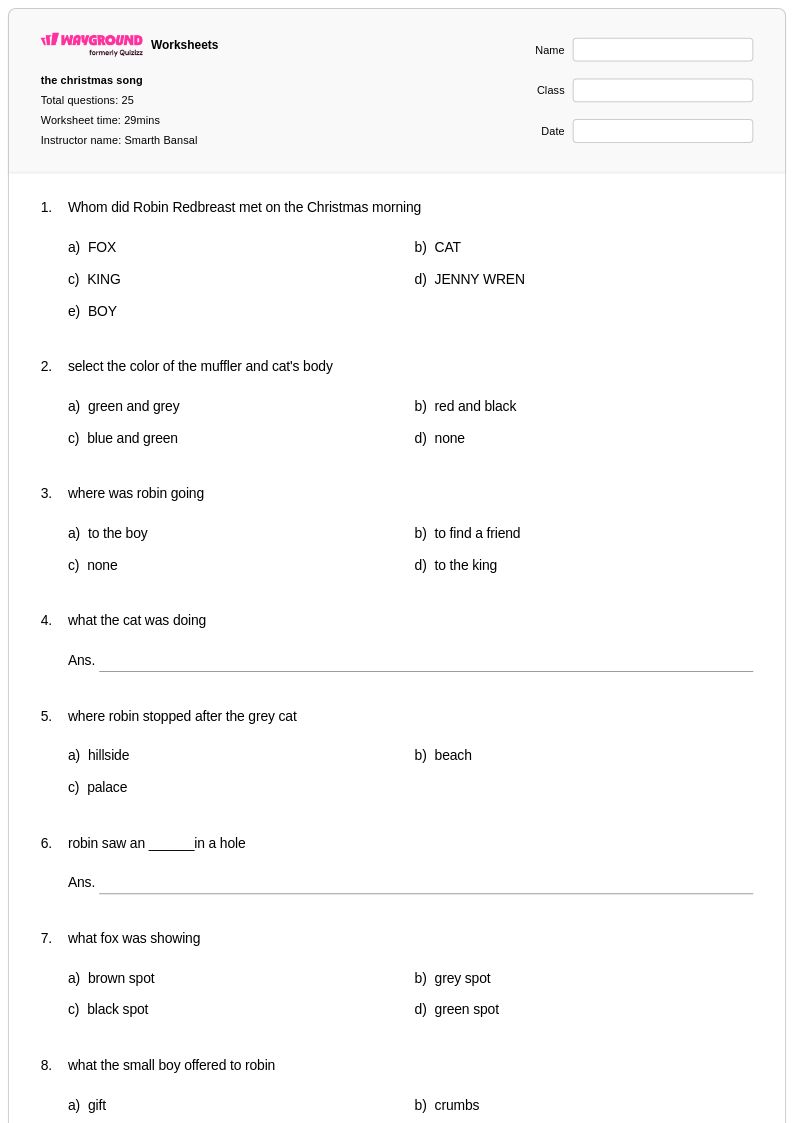
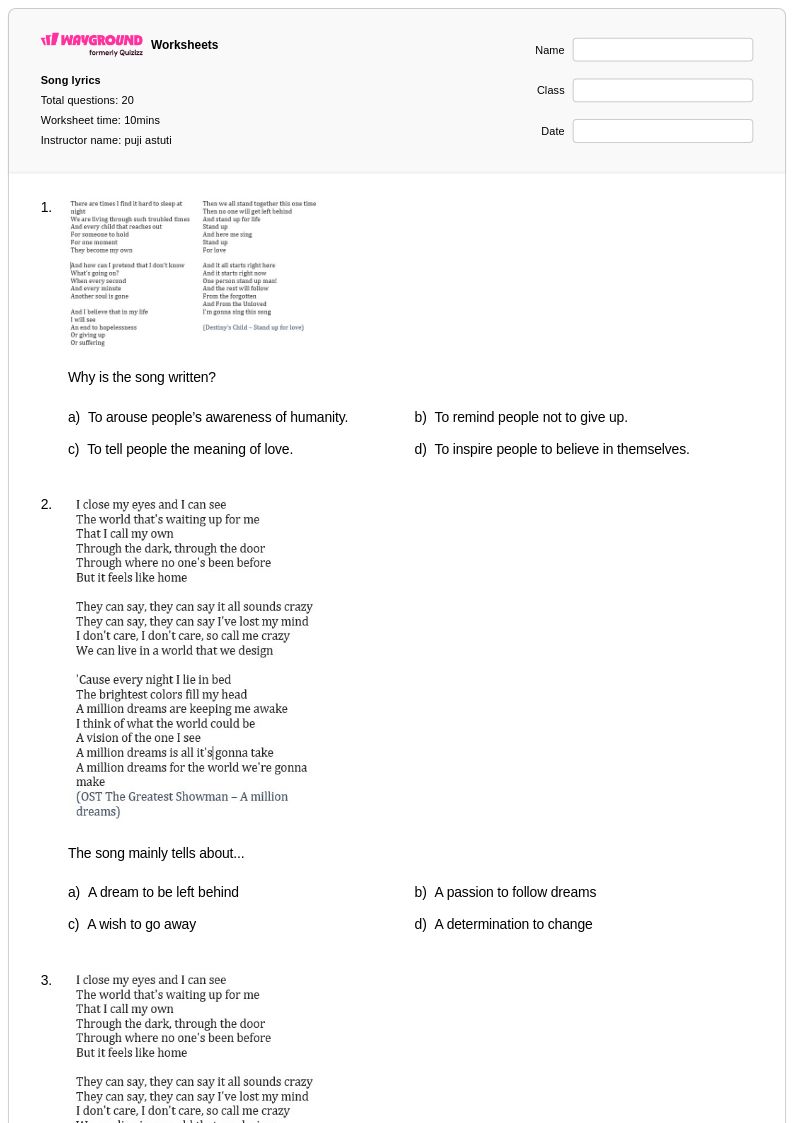
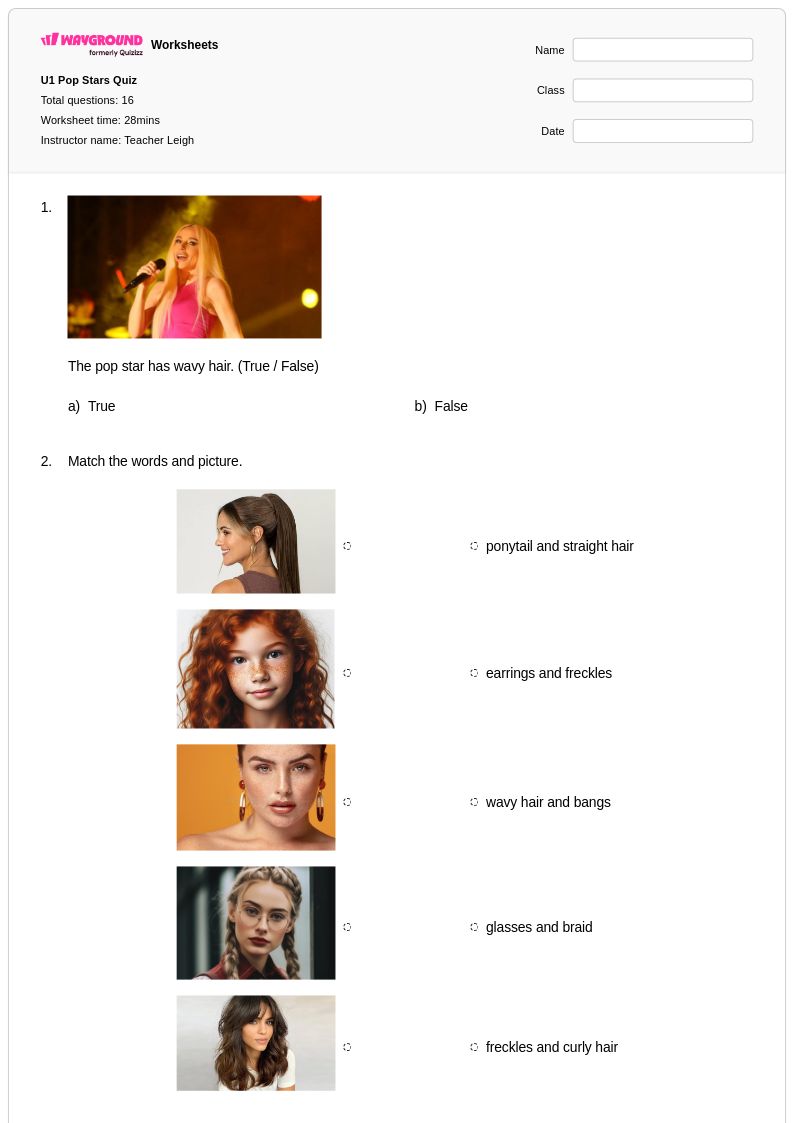
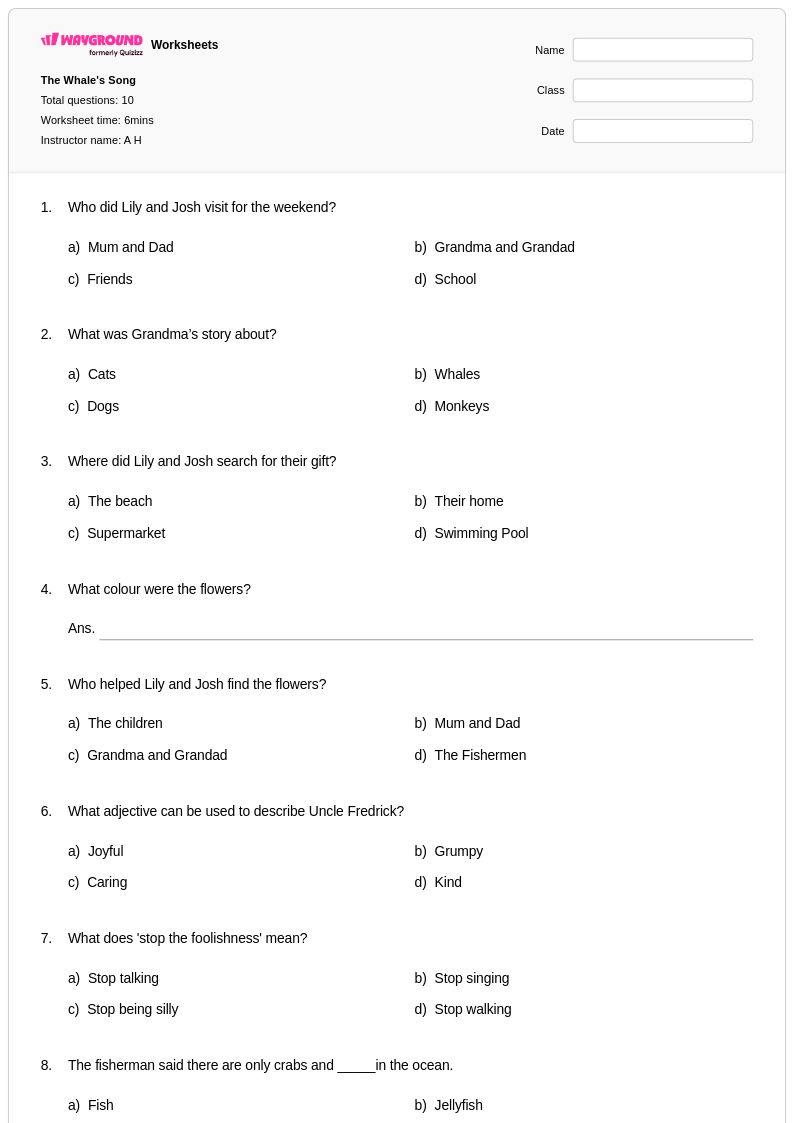
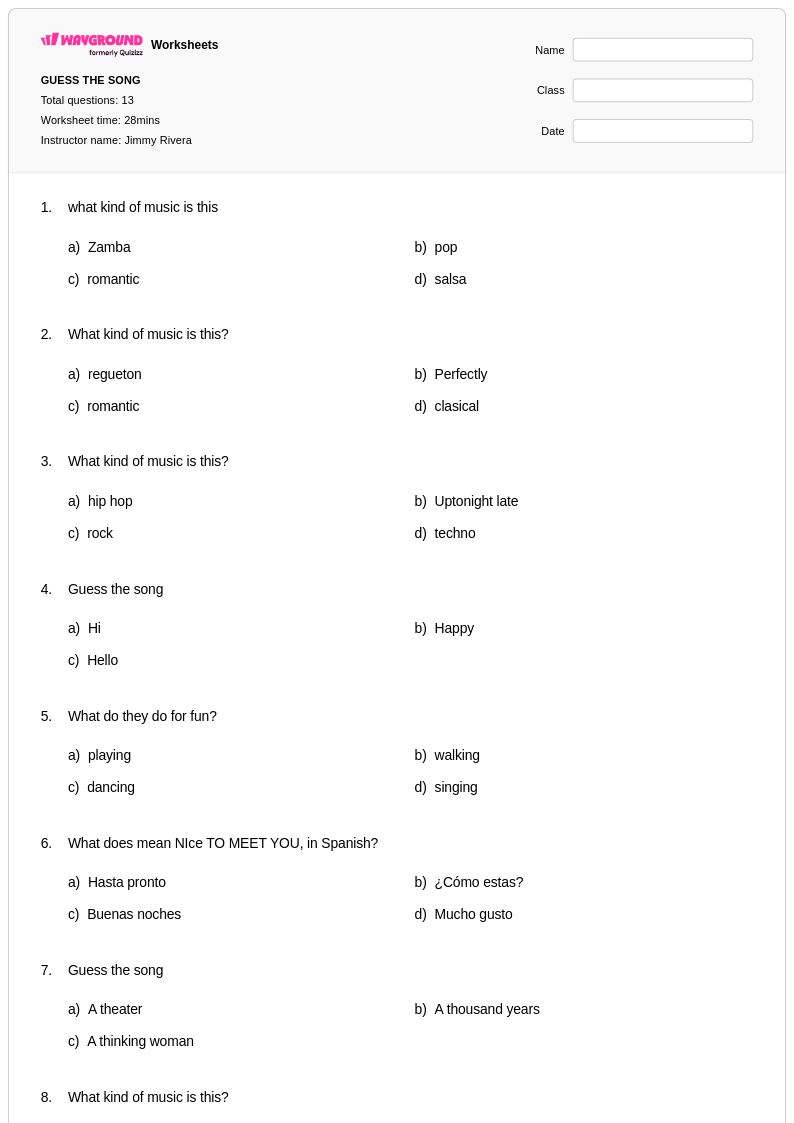
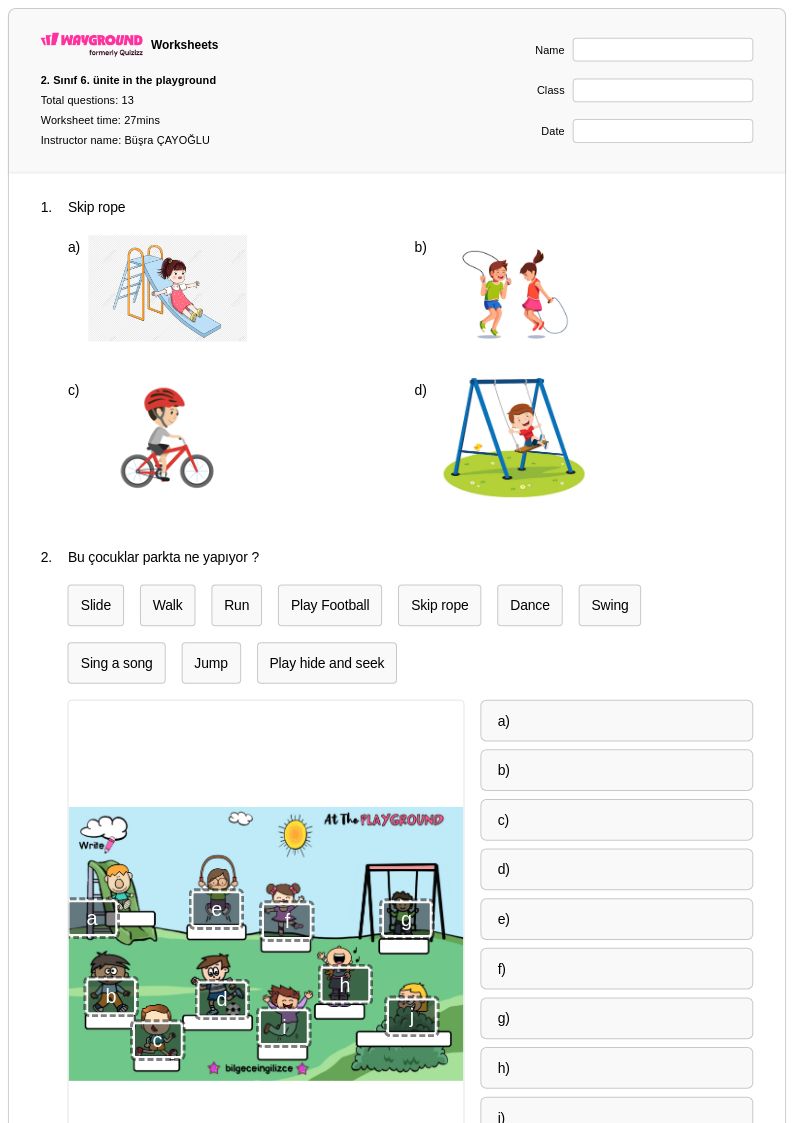
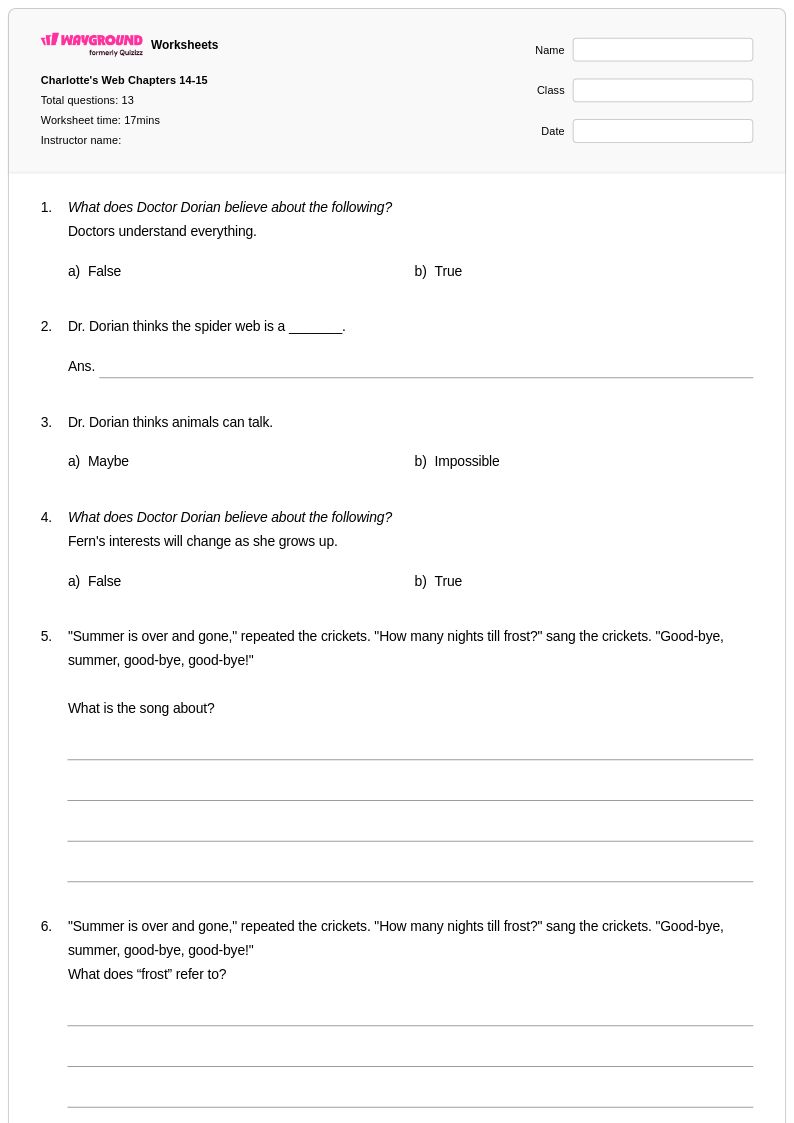
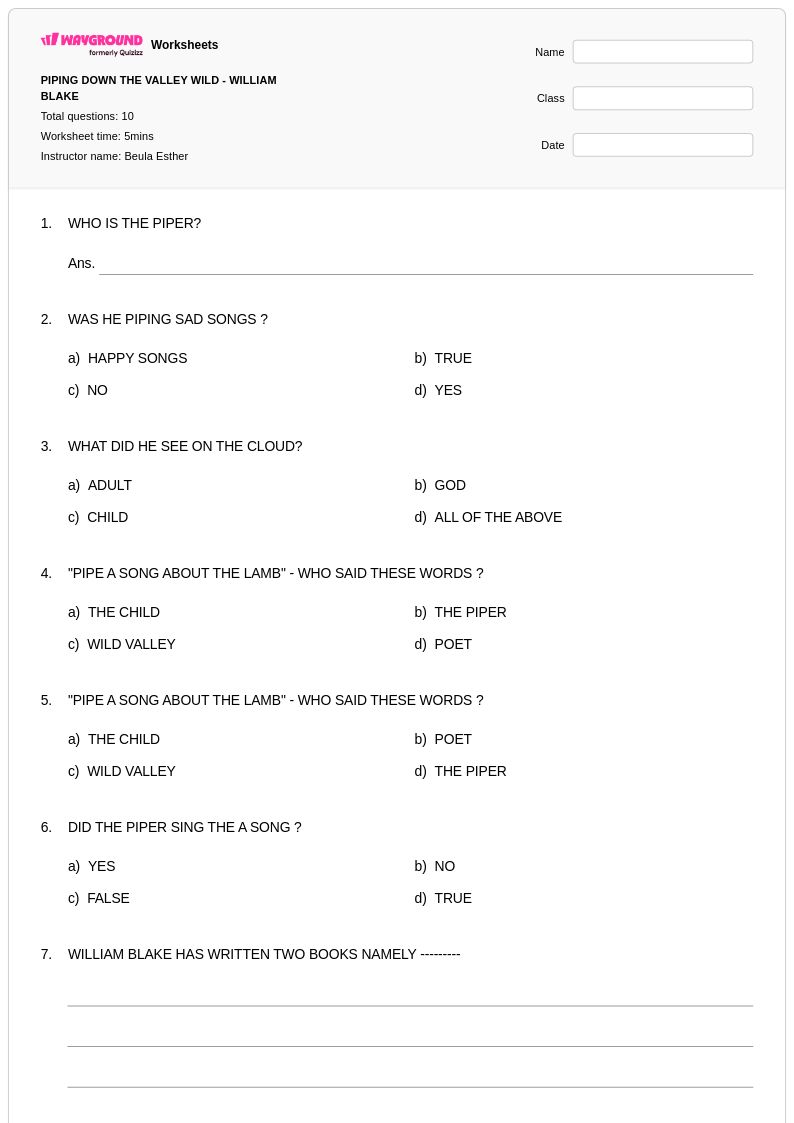
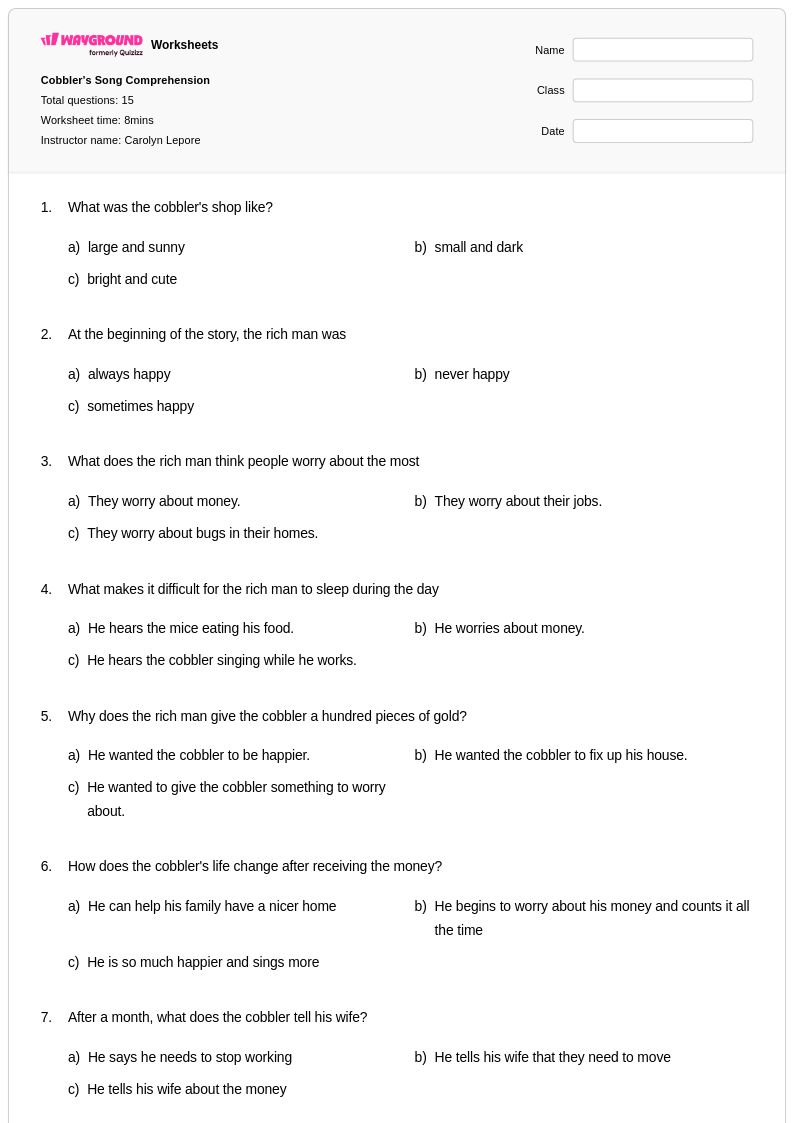
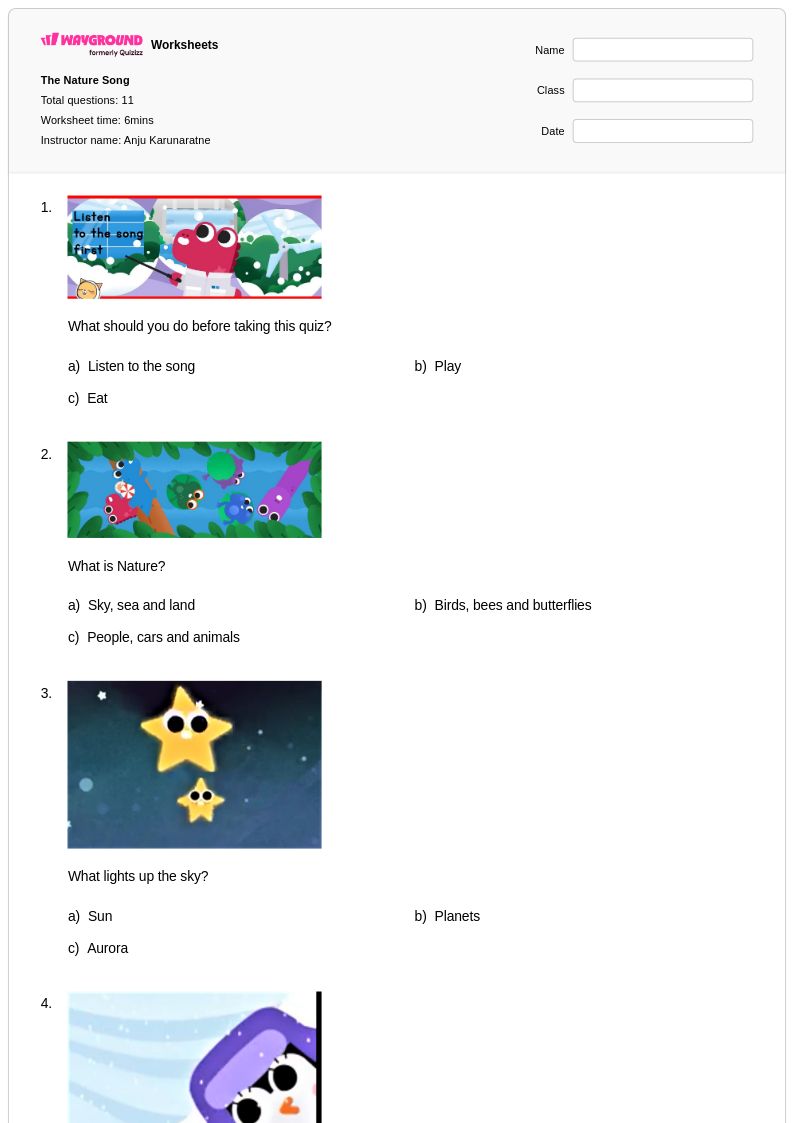
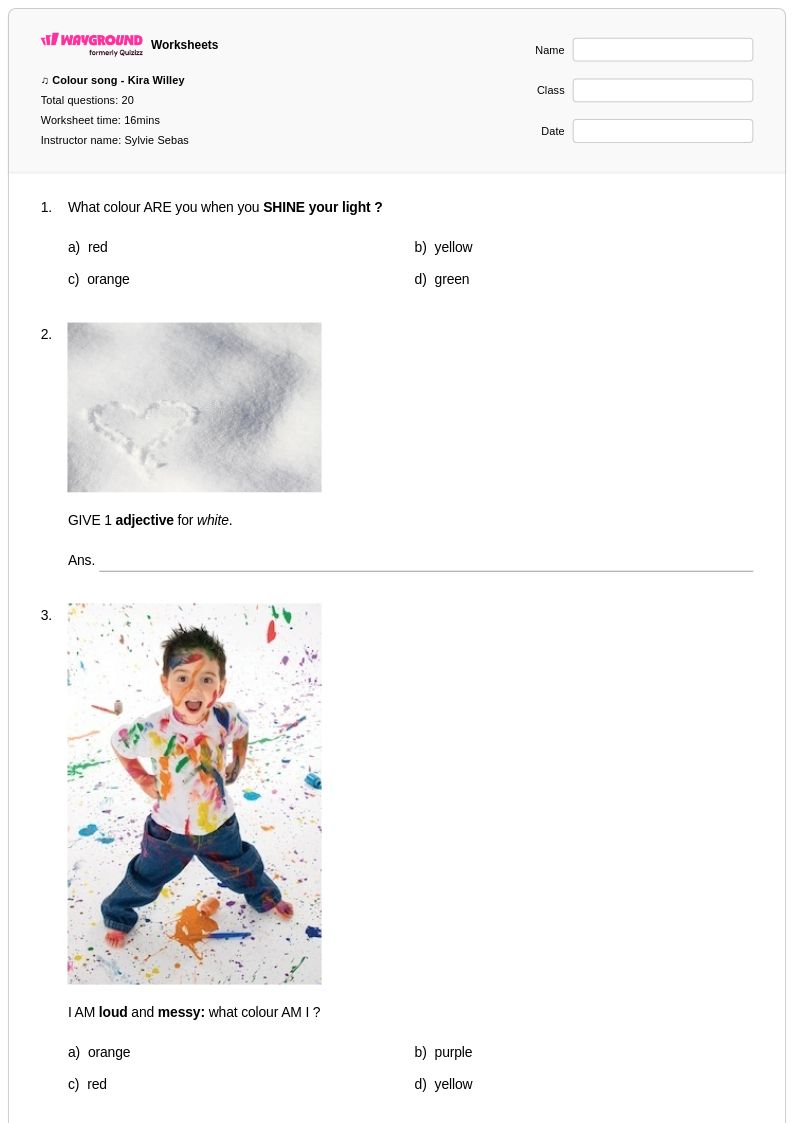
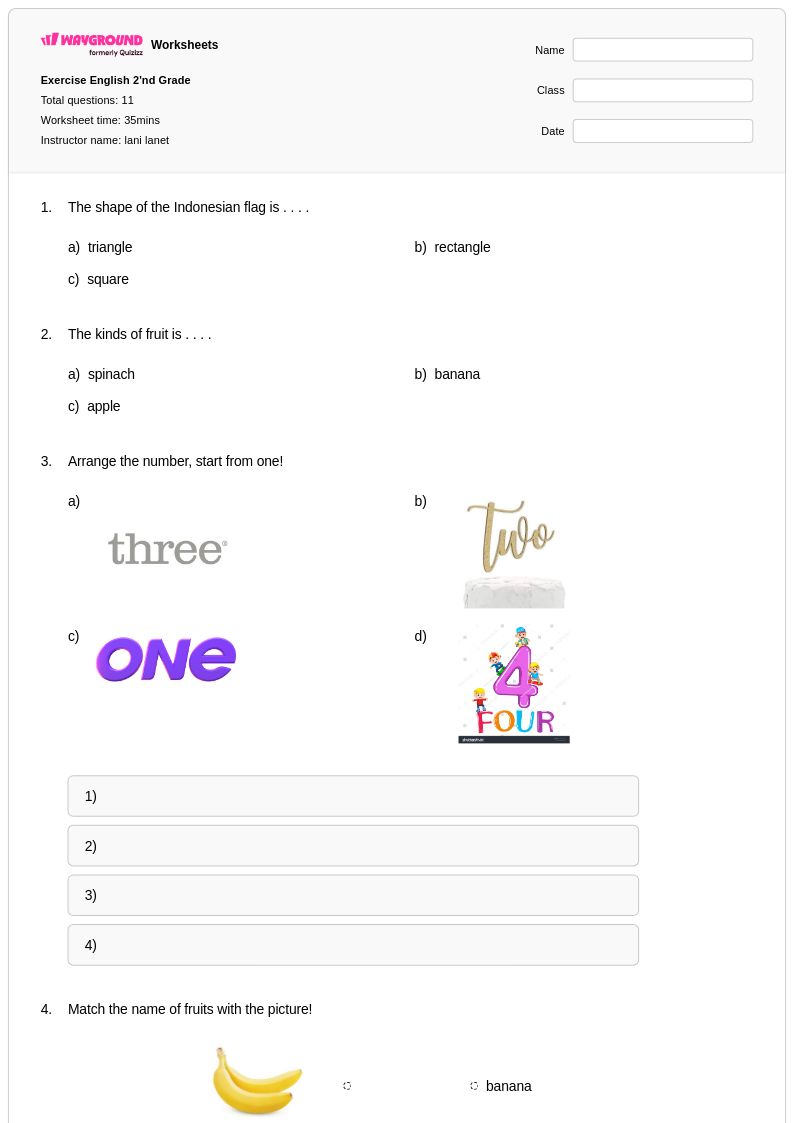
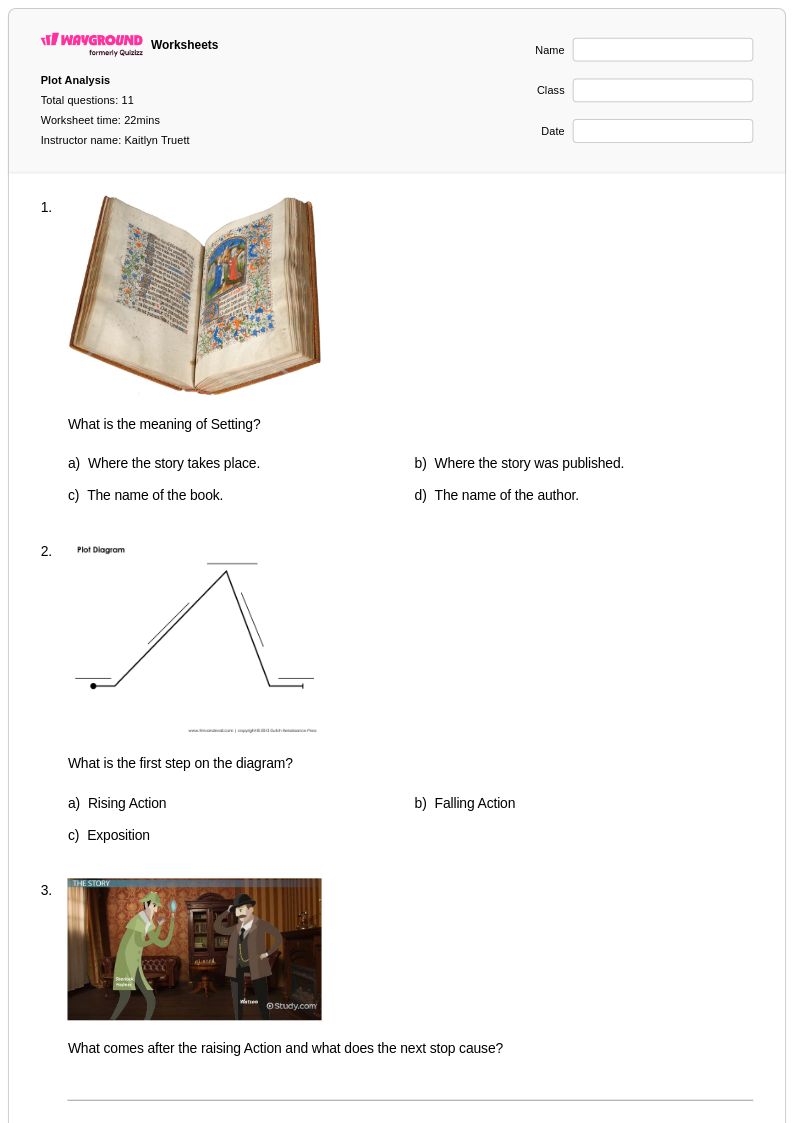
Song analysis worksheets for Year 2 students available through Wayground (formerly Quizizz) provide young learners with engaging opportunities to explore musical texts as a distinct reading genre. These carefully designed printables guide second graders through the fundamental elements that make songs unique literary forms, including rhythm patterns, rhyme schemes, repetitive verses, and emotional expression through lyrics. Students develop critical thinking skills as they identify story elements within songs, analyze how musicians use repetition and melody to convey meaning, and compare song lyrics to other text types like poems and stories. Each worksheet includes structured practice problems that help children recognize the characteristics of songs as literature, while comprehensive answer keys support both independent learning and guided instruction in pdf format.
Wayground's extensive collection of song analysis resources empowers teachers with millions of educator-created materials specifically tailored for Year 2 reading instruction. The platform's advanced search and filtering capabilities allow instructors to quickly locate worksheets that align with specific learning standards and curriculum objectives, while built-in differentiation tools enable seamless adaptation of content for diverse learning needs. Teachers can customize these free printables to match their classroom requirements, choosing between digital formats for interactive lessons or traditional pdf versions for hands-on practice. This flexibility proves invaluable for lesson planning, targeted remediation with struggling readers, enrichment activities for advanced students, and consistent skill practice that reinforces students' understanding of how songs function as a unique and culturally significant reading genre.
FAQs
How do I teach song analysis in my classroom?
Teaching song analysis works best when students first understand that lyrics function as literary texts, not just entertainment. Start by introducing literary devices like metaphor, imagery, and symbolism using familiar songs, then guide students to examine how the relationship between melody and message reinforces meaning. Scaffolding the process with structured worksheets helps students move from surface-level reading to deeper interpretation of theme and narrative structure.
What exercises help students practice analyzing song lyrics?
Effective song analysis practice involves identifying literary devices, tracing a song's narrative arc, and connecting lyrical content to broader themes or cultural context. Structured worksheets that prompt students to annotate metaphors, examine word choice, and interpret the relationship between musical elements and textual meaning build the critical thinking skills needed for literary analysis more broadly. Repeated practice with varied songs helps students internalize an analytical framework they can apply independently.
What mistakes do students commonly make when analyzing songs?
The most common error is treating lyrics as straightforward statements rather than crafted literary language, which causes students to miss figurative meaning and thematic depth. Students also frequently separate the music from the words, failing to consider how tone, rhythm, and melody shape interpretation. Another common misconception is assuming that a song's meaning is fixed, when in fact analytical reading requires supporting an interpretation with specific textual evidence.
How can I use song analysis to teach literary devices?
Songs are highly effective entry points for teaching literary devices because students are already emotionally invested in the material, which lowers the barrier to close reading. Use lyrics to introduce metaphor, personification, alliteration, and imagery before applying those same skills to poetry or prose. Song analysis worksheets that isolate specific devices and ask students to explain their effect give learners concrete practice that transfers directly to broader literary analysis tasks.
How can I use Wayground's song analysis worksheets in my classroom?
Wayground's song analysis worksheets are available as printable PDFs for traditional classroom use and in digital formats for technology-integrated environments, making them adaptable to any instructional setting. Teachers can also host them as a quiz directly on Wayground, enabling real-time student interaction and instant data on comprehension. Each worksheet includes a detailed answer key, so educators can efficiently assess student understanding and provide targeted feedback without additional preparation.
How do I differentiate song analysis instruction for diverse learners?
Differentiation in song analysis can involve selecting songs at varying levels of lyrical complexity and adjusting the analytical demands of the task. On Wayground, teachers can apply student-level accommodations such as Read Aloud to support struggling readers, reduced answer choices to lower cognitive load, and extended time for students who need it. These settings can be applied individually without alerting other students, allowing the whole class to work on the same material while each learner receives appropriate support.