Free Printable Spelling Tools Worksheets for Year 3
Enhance Year 3 students' spelling abilities with our comprehensive collection of spelling tools worksheets, featuring engaging printables and practice problems with answer keys to build vocabulary and writing confidence.
Explore printable Spelling Tools worksheets for Year 3
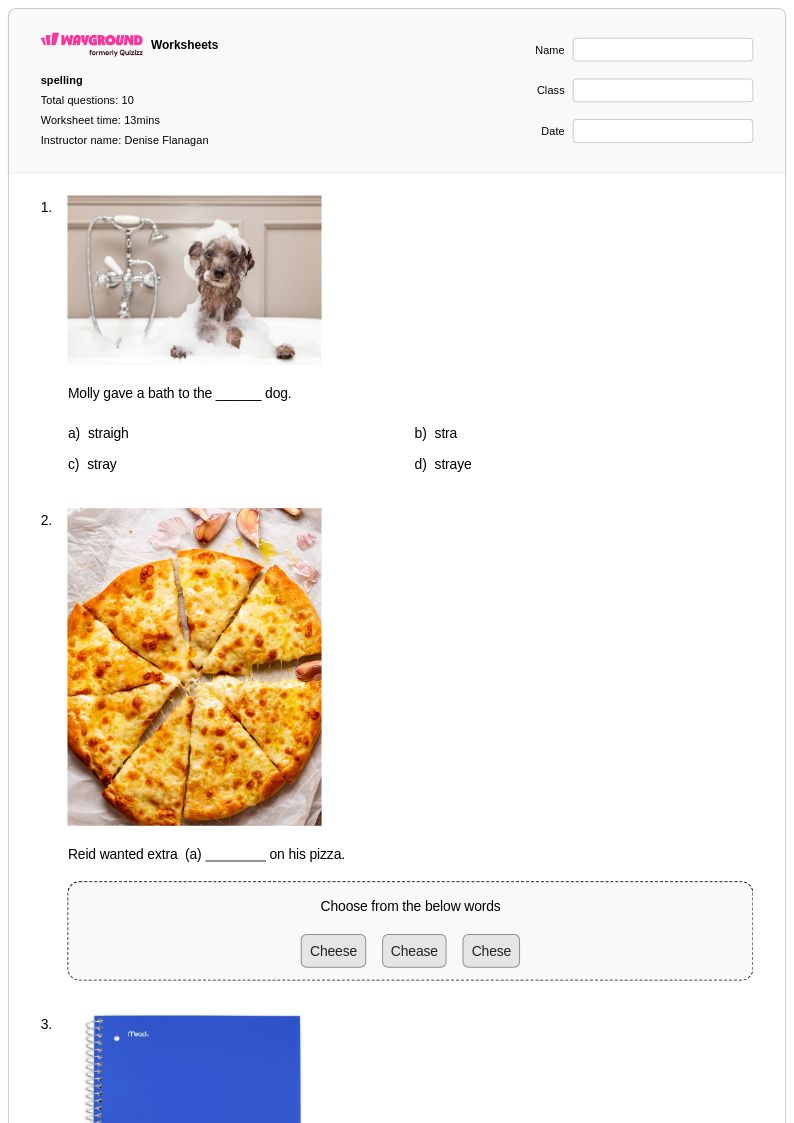
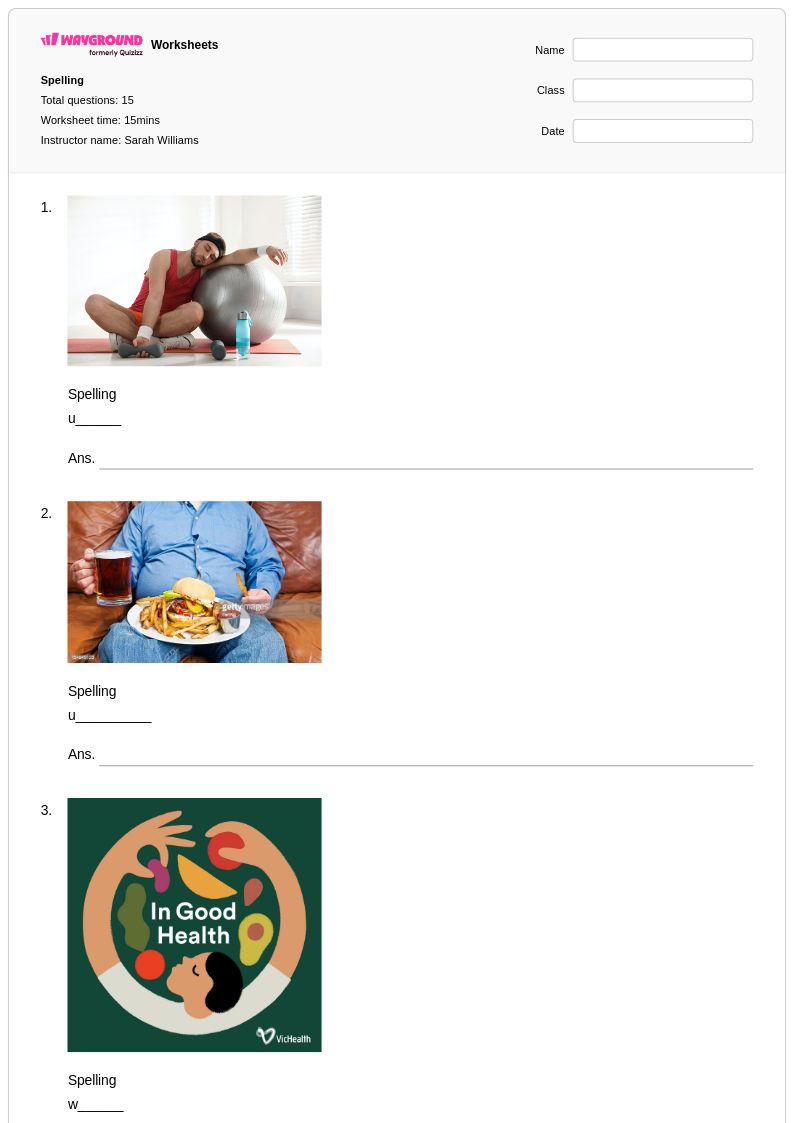
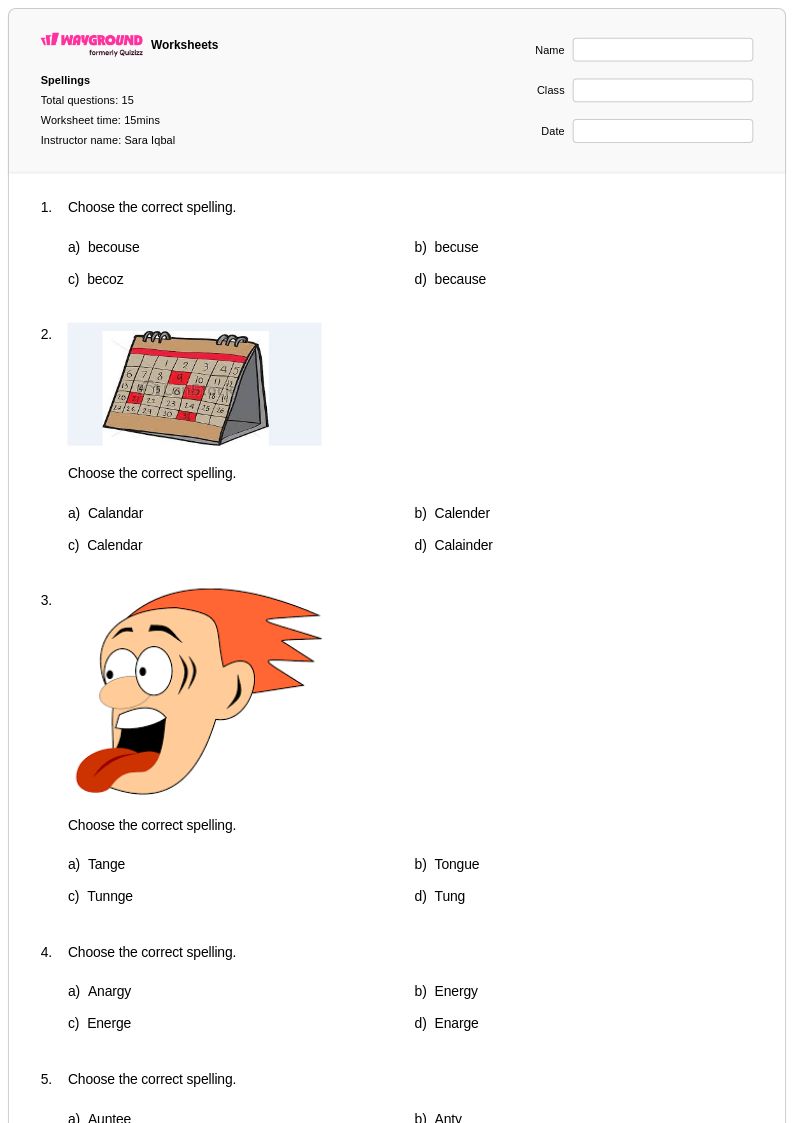
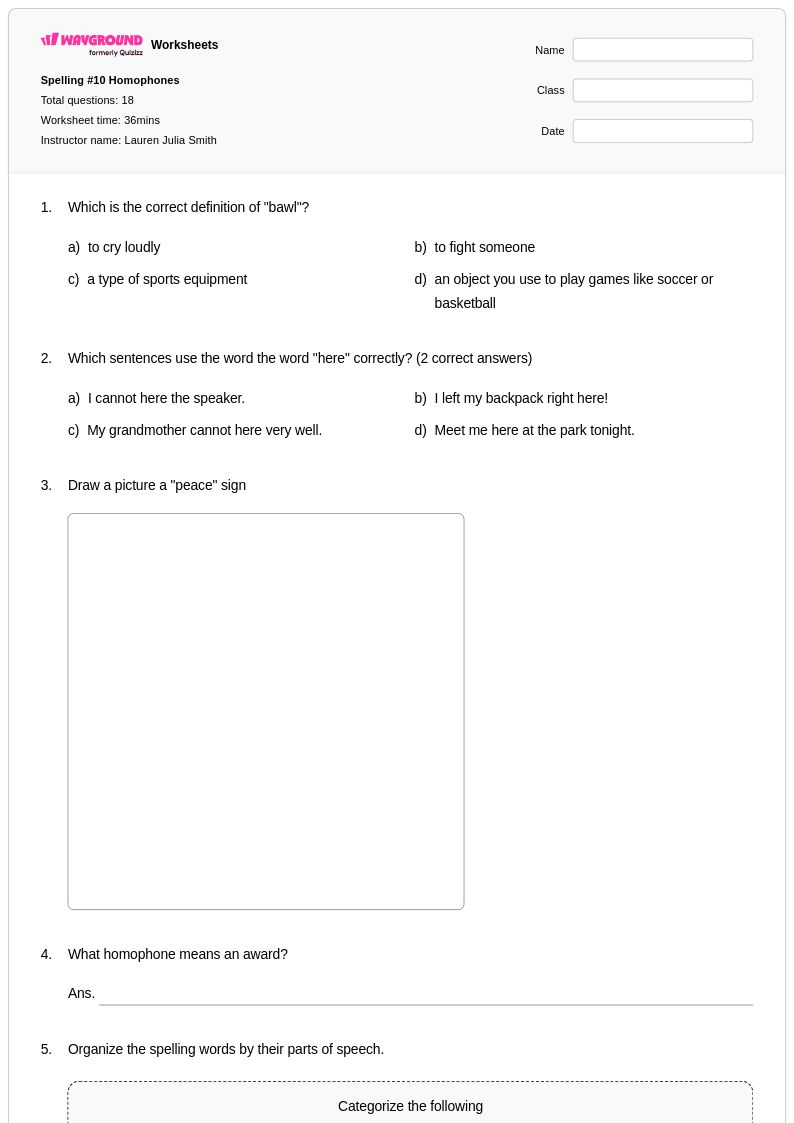
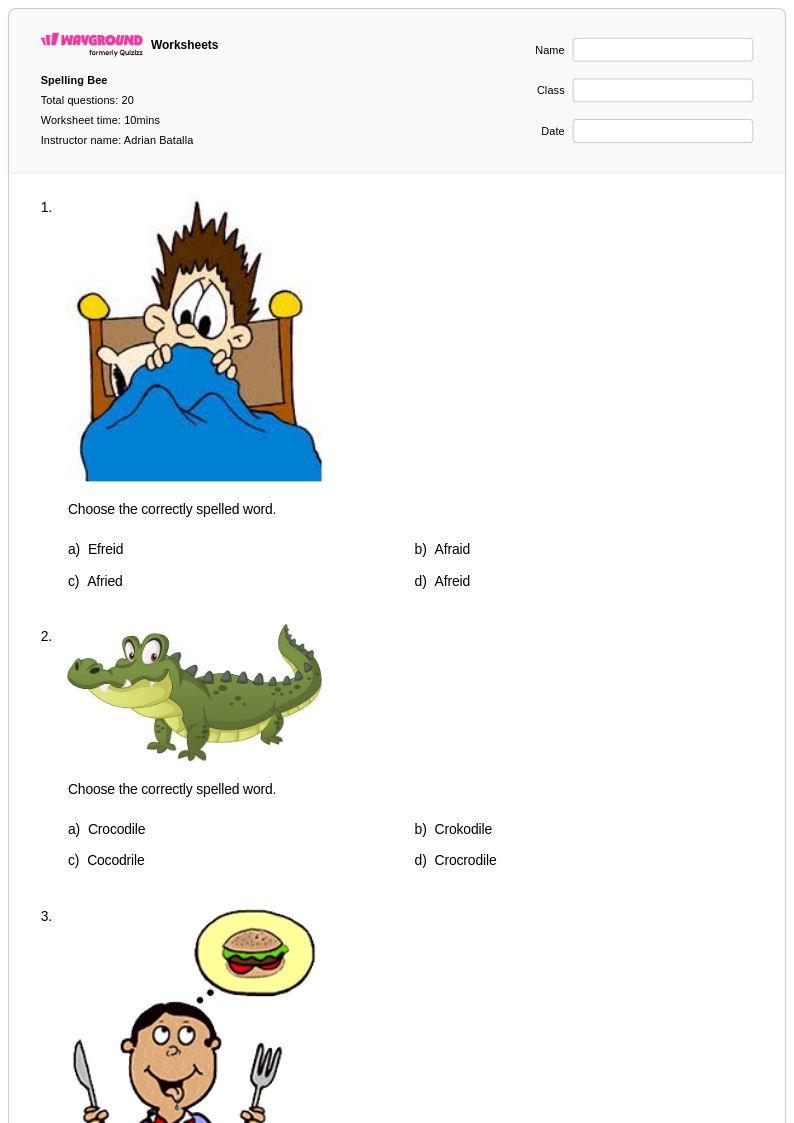
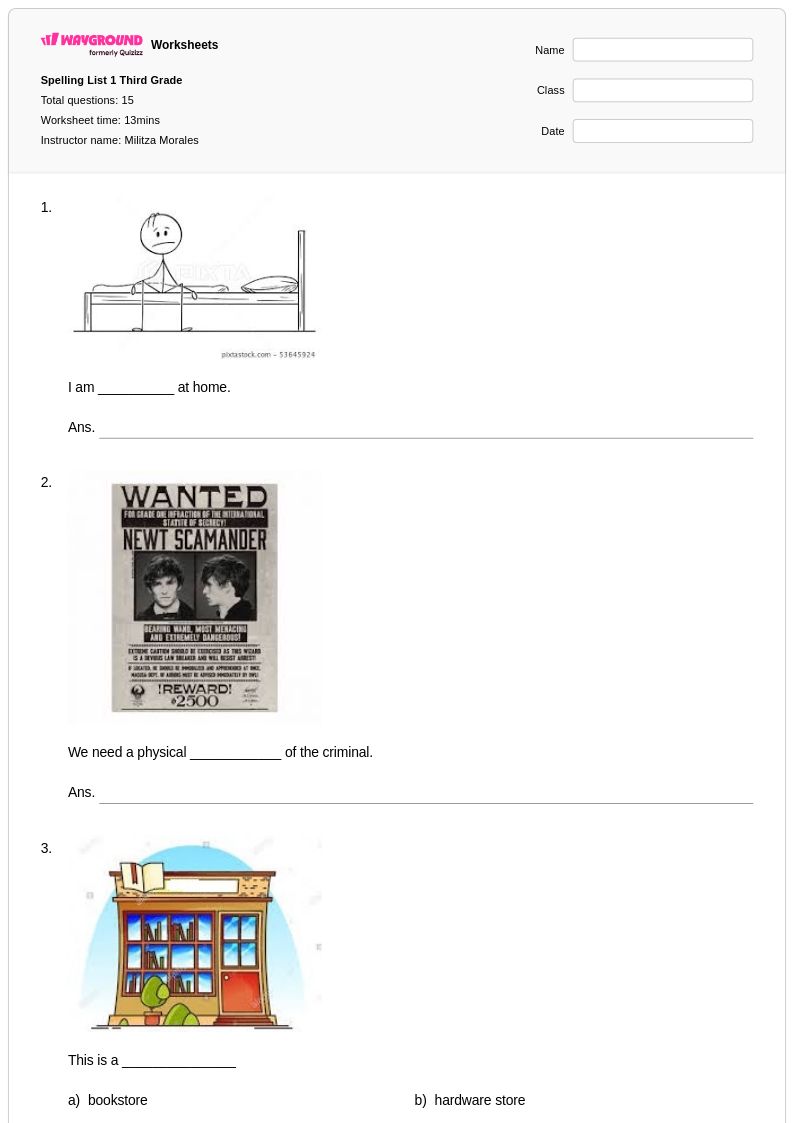
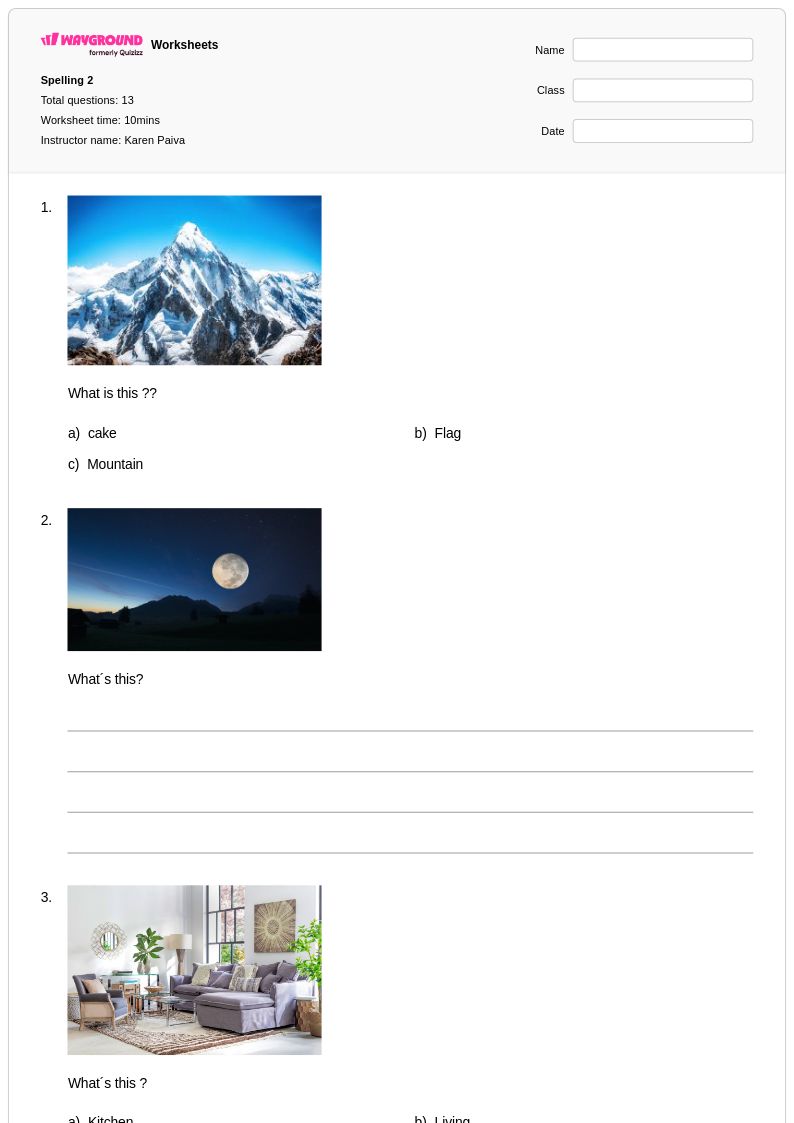
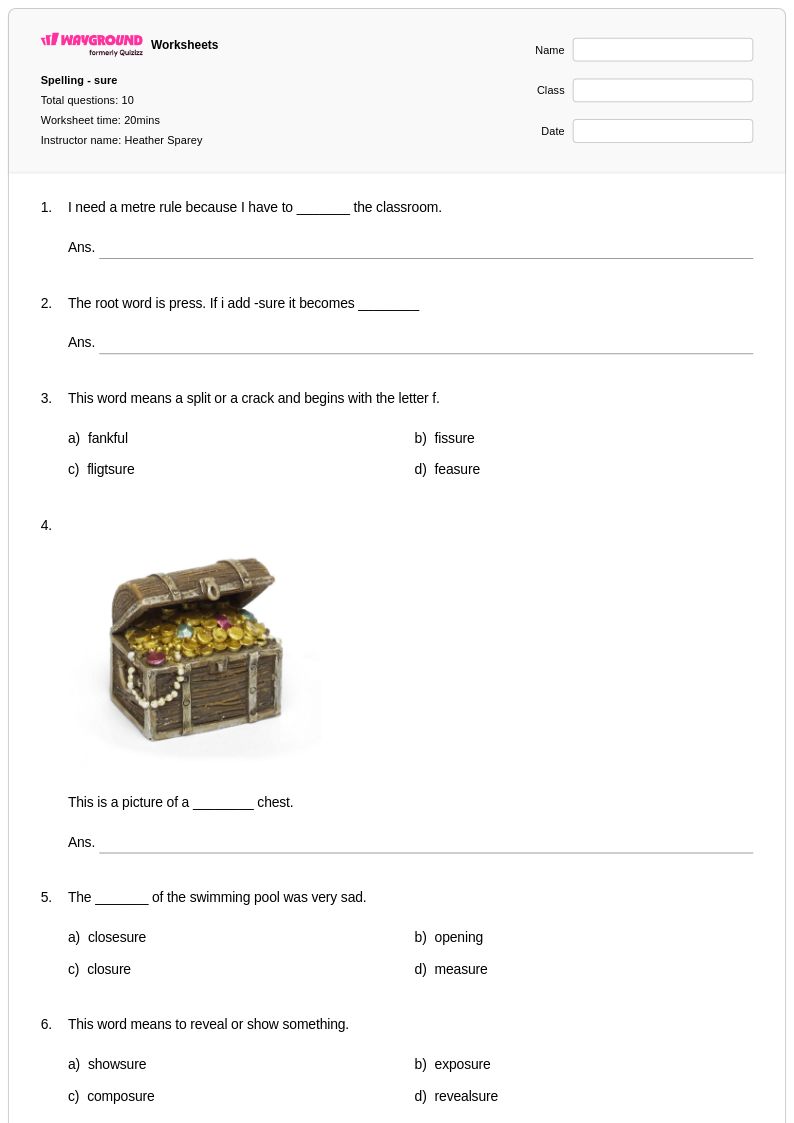
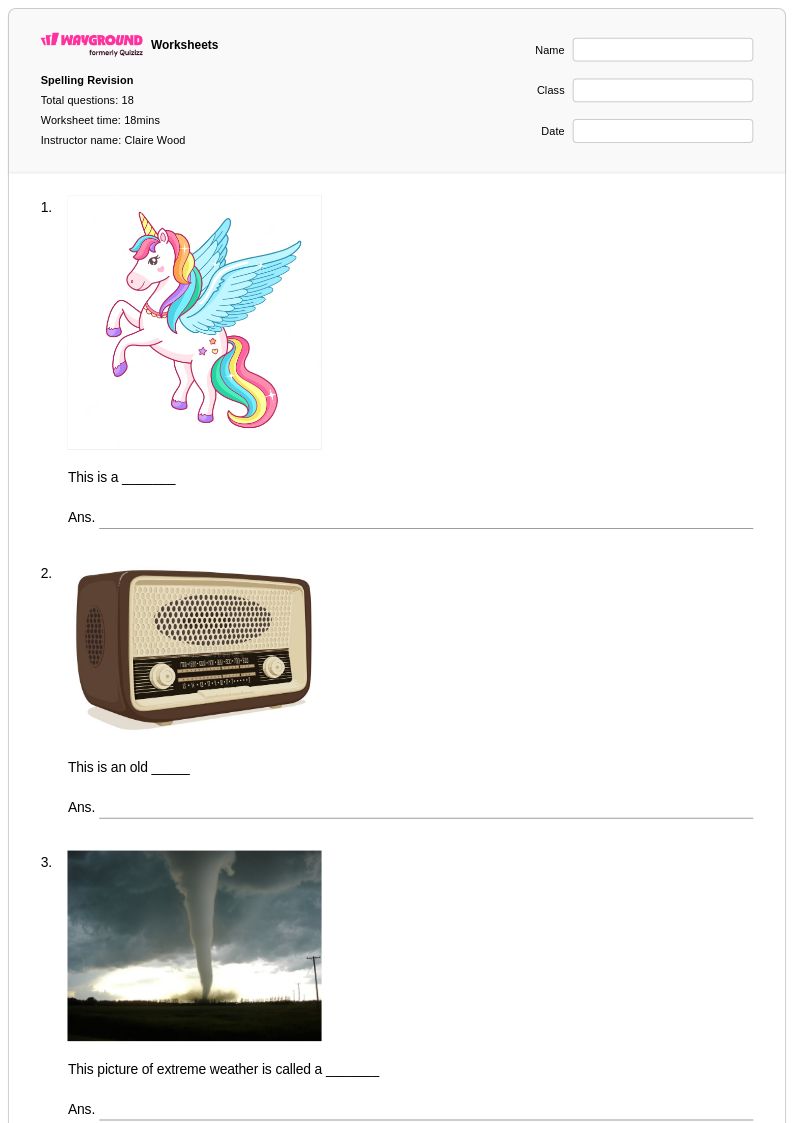
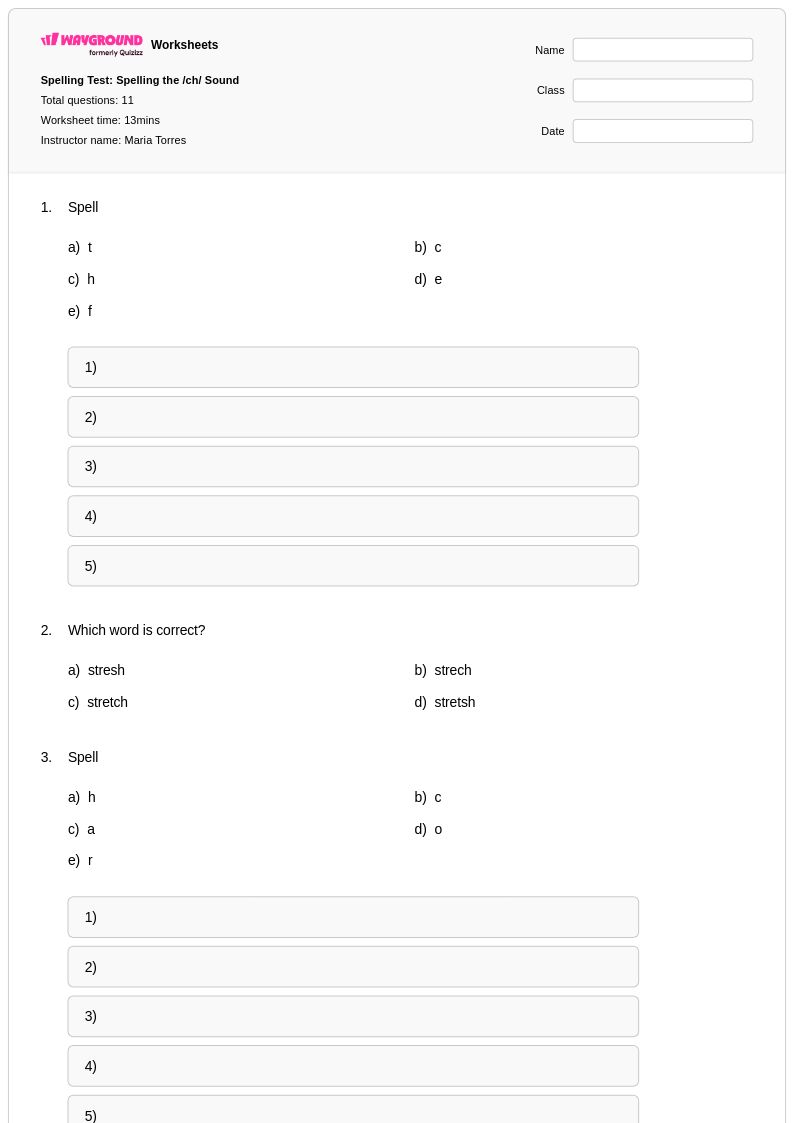
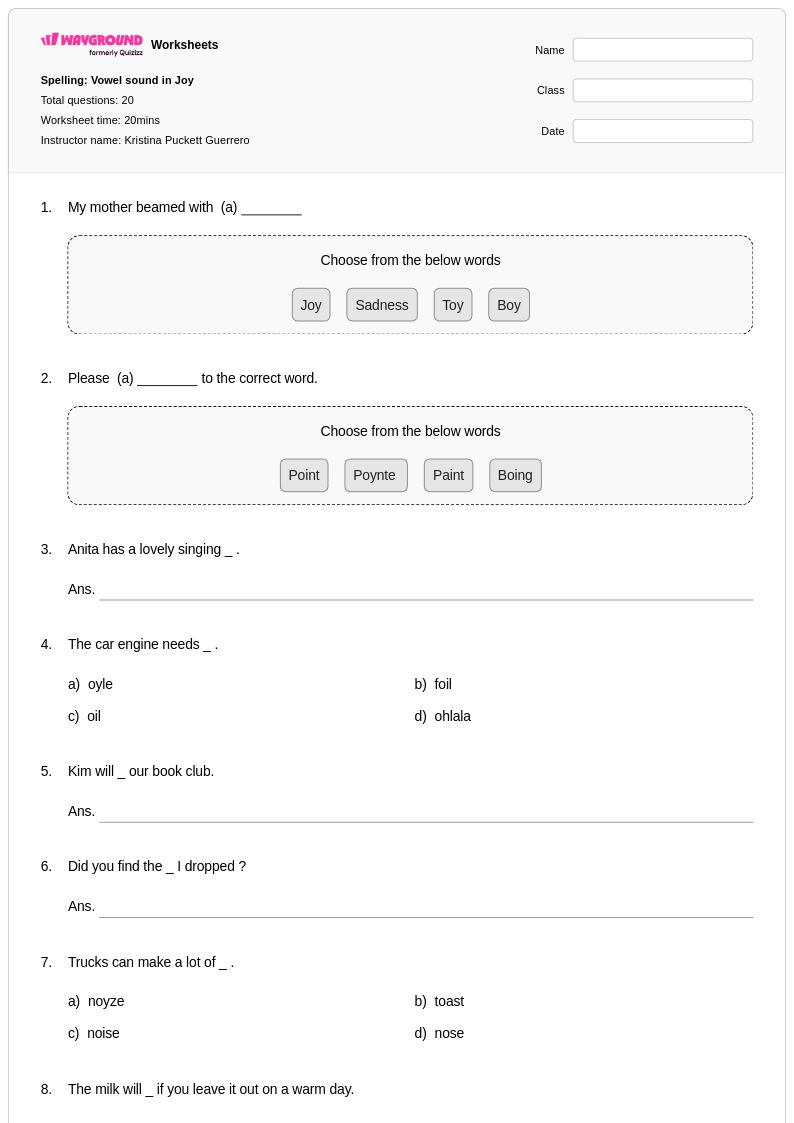
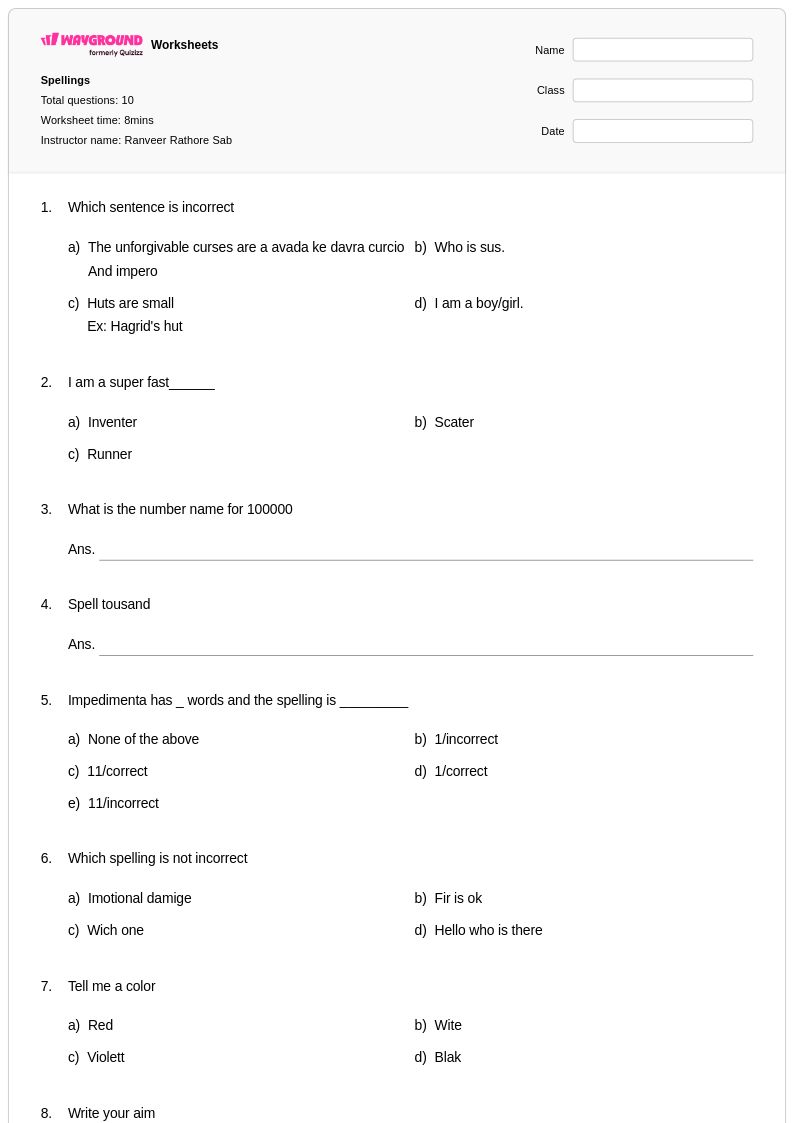
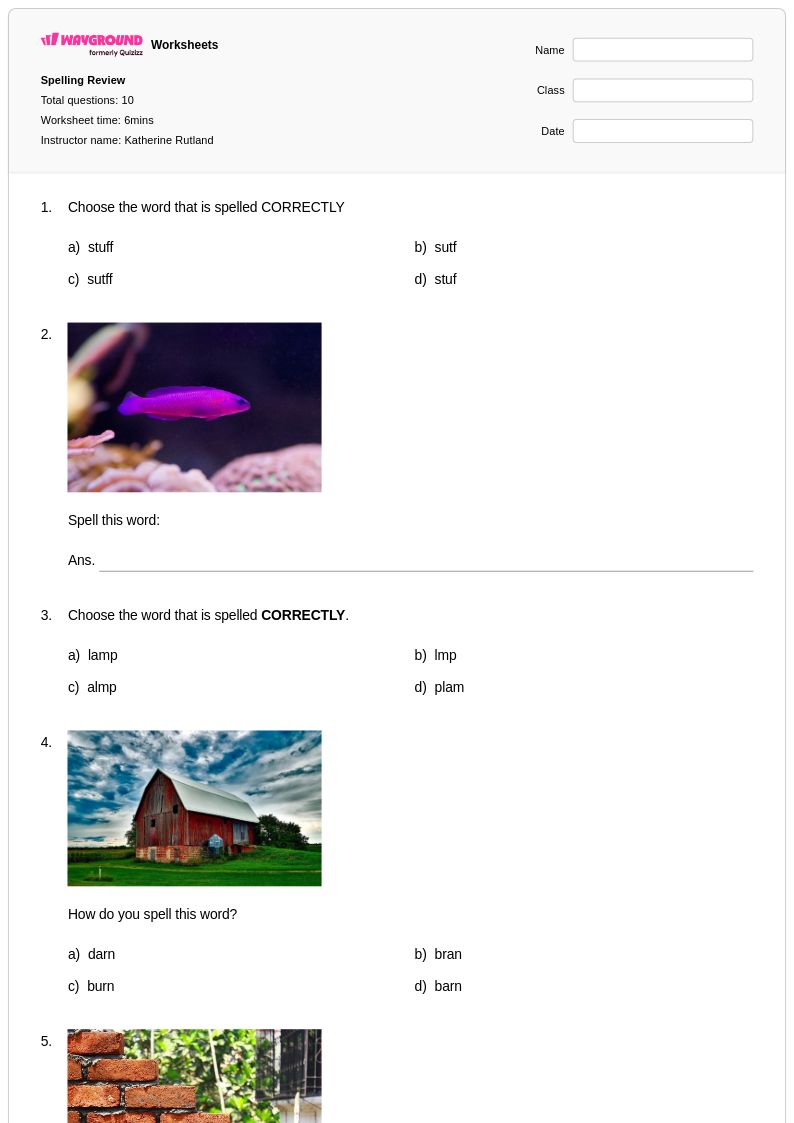
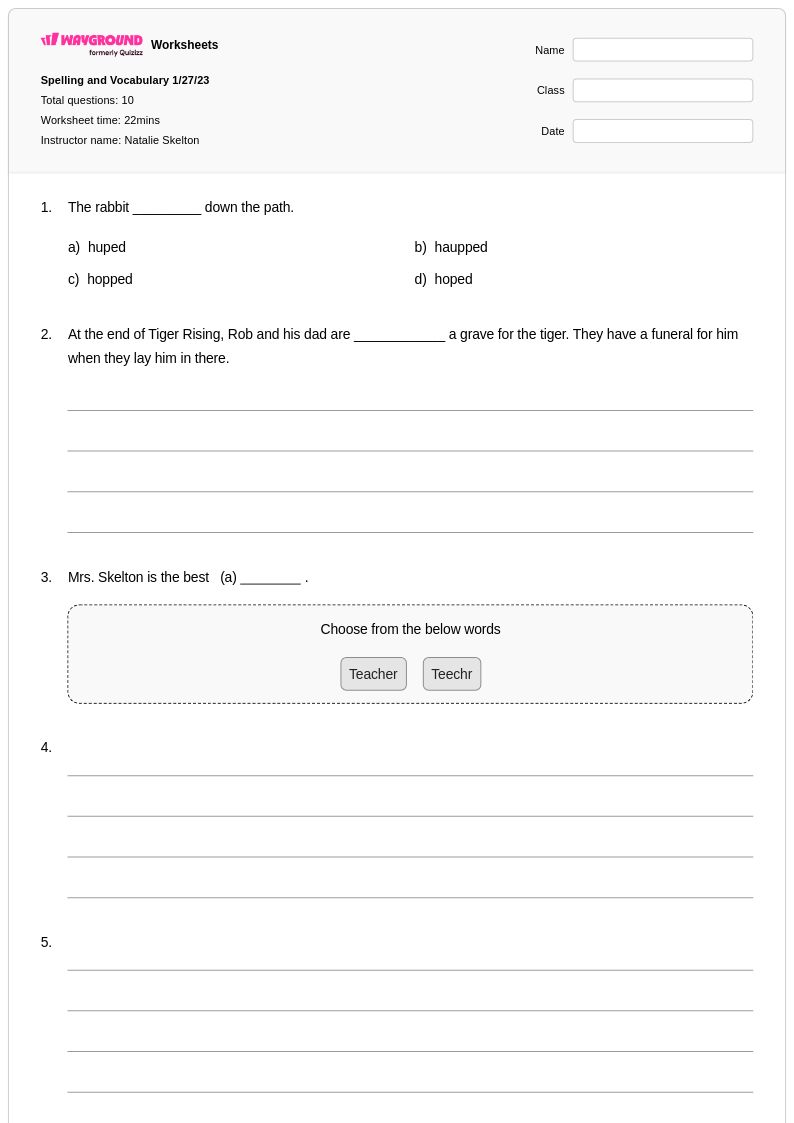
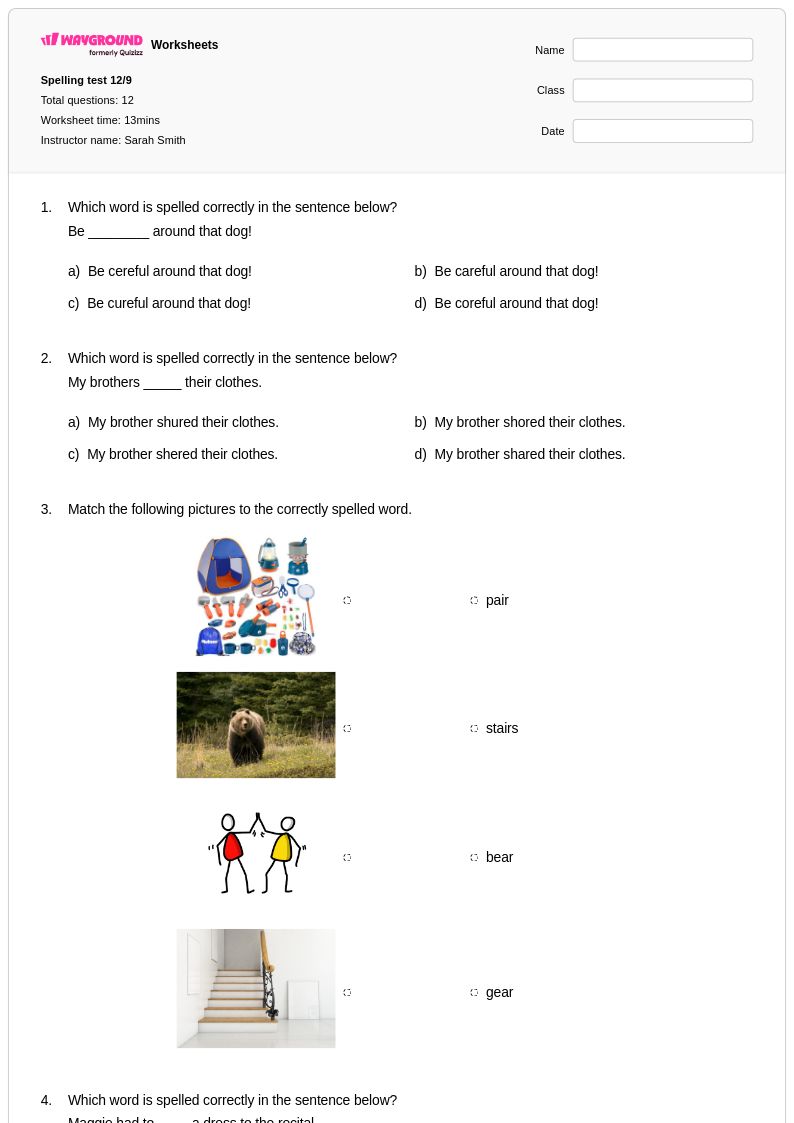
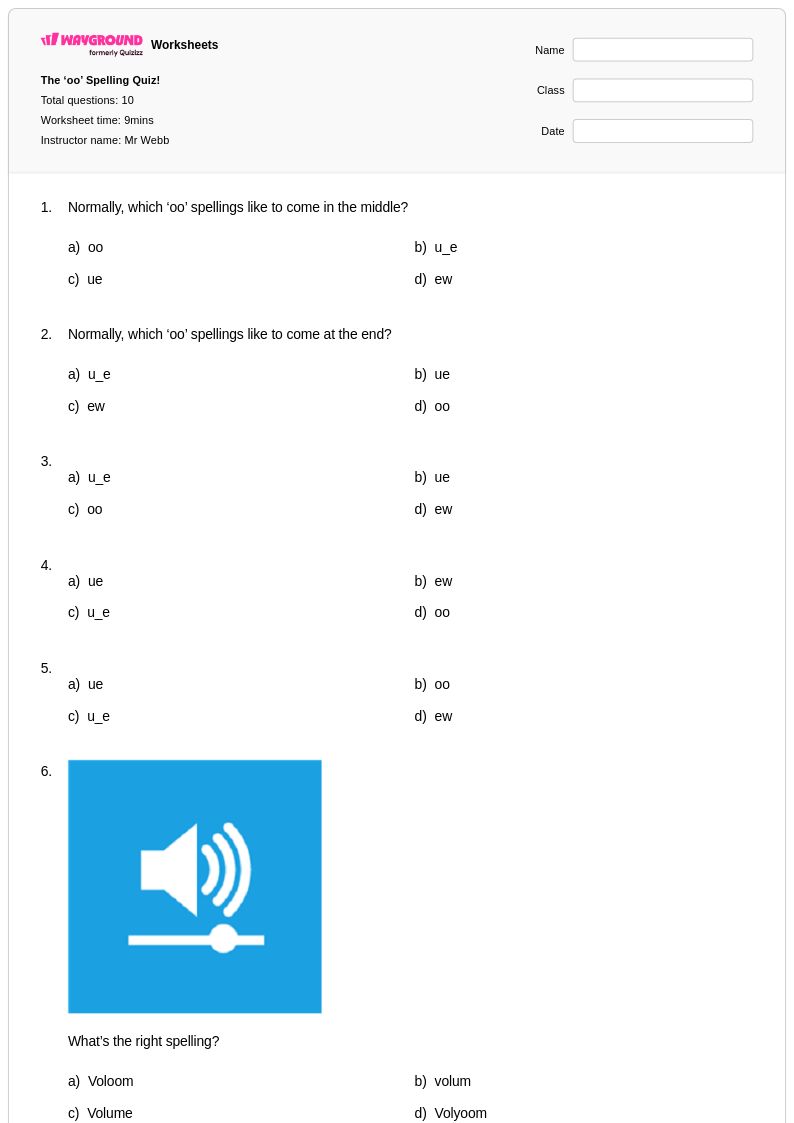
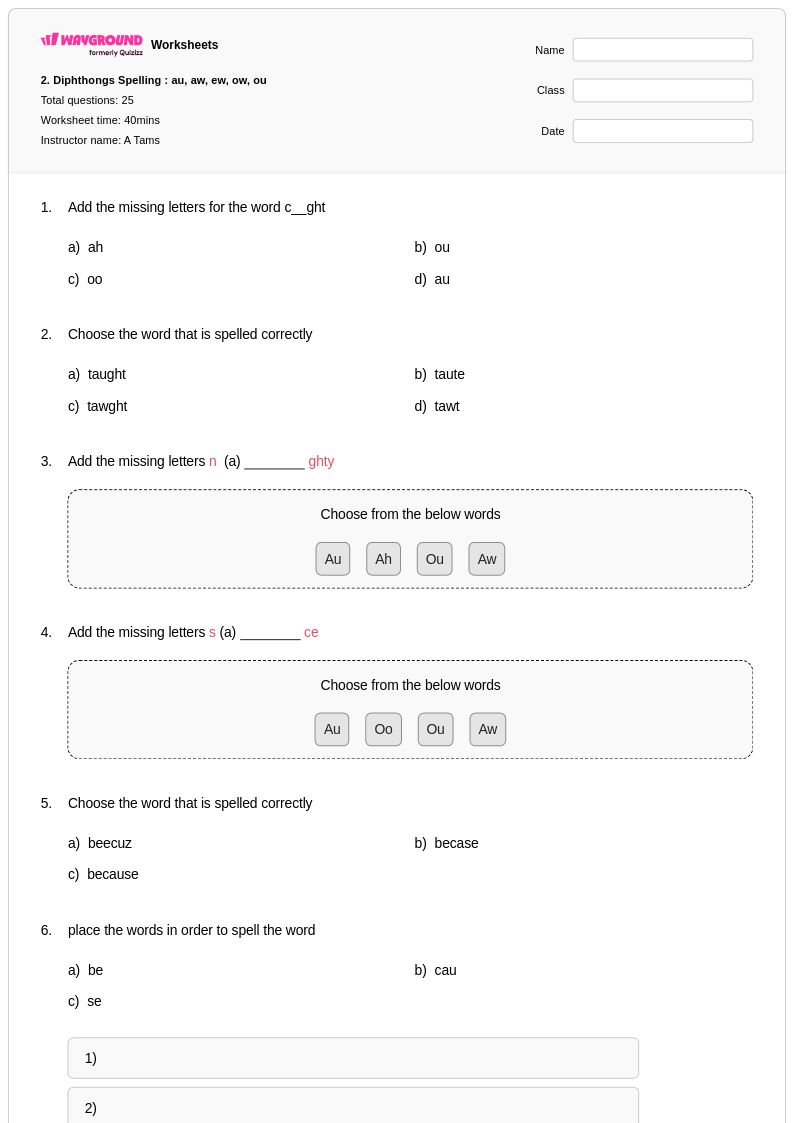
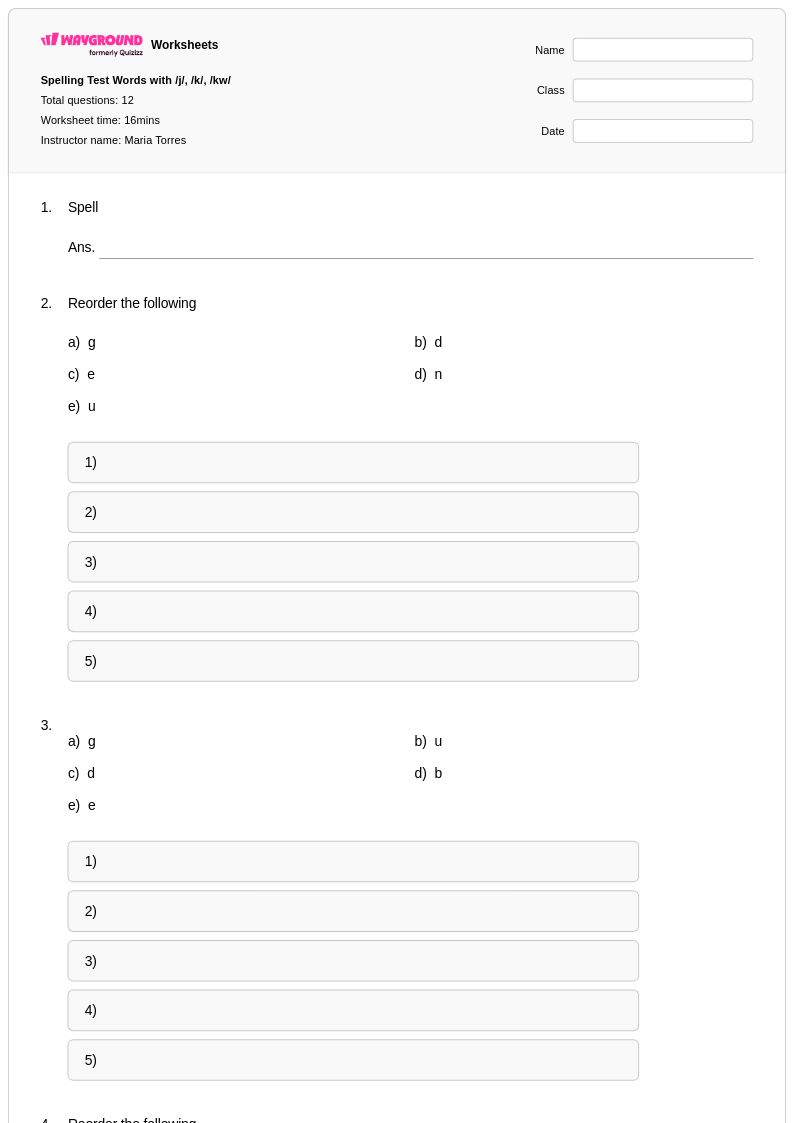
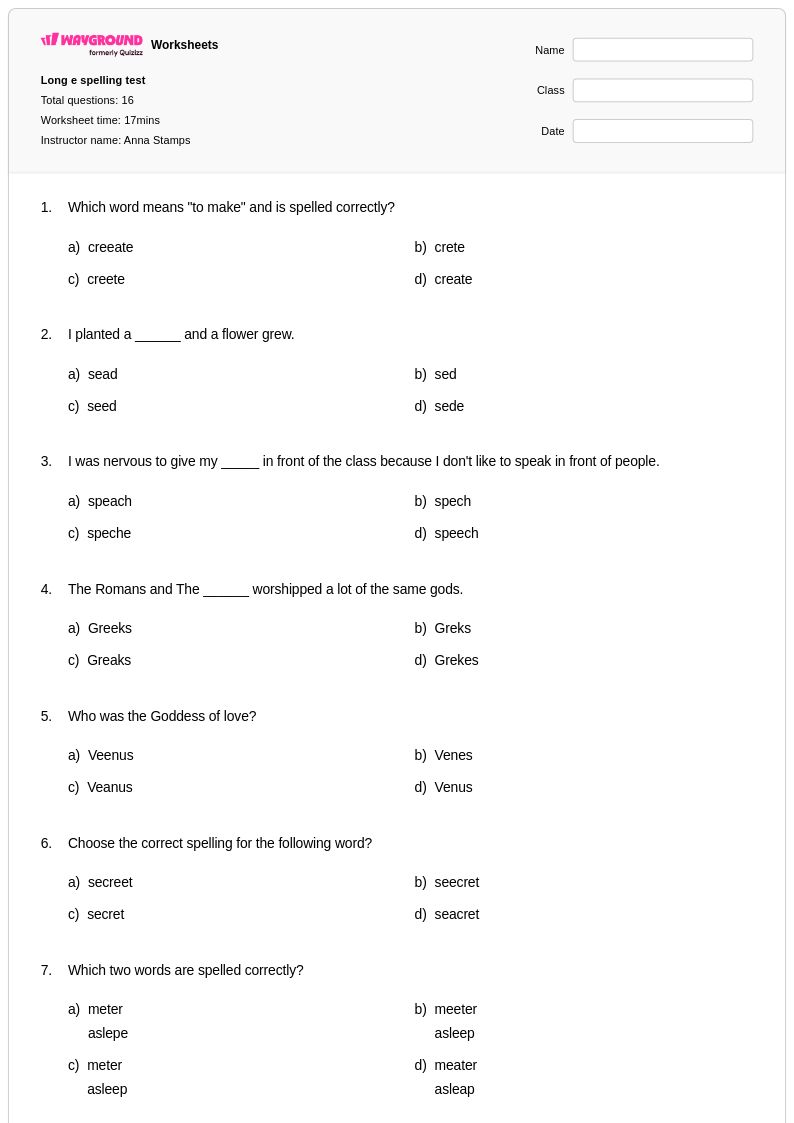
Spelling tools worksheets for Year 3 students available through Wayground (formerly Quizizz) provide comprehensive practice with essential reference resources that young learners need to become independent spellers. These expertly designed worksheets introduce students to dictionaries, glossaries, spell-check features, and alphabetical order systems while building their confidence in locating correct spellings autonomously. Each printable worksheet includes an answer key and focuses on developing critical skills such as using guide words, understanding phonetic symbols, and navigating digital spelling aids effectively. The free practice problems progress systematically from basic dictionary skills to more advanced spelling tool applications, ensuring third-grade students master both traditional and modern spelling resources through engaging pdf activities that reinforce proper usage techniques.
Wayground (formerly Quizizz) empowers educators with millions of teacher-created spelling tools worksheets specifically aligned to Year 3 learning standards and curriculum expectations. The platform's robust search and filtering capabilities allow teachers to quickly locate worksheets targeting specific spelling tool skills, from basic alphabetization to complex dictionary navigation exercises. These differentiation tools enable seamless customization for diverse learning needs, supporting both remediation for struggling spellers and enrichment opportunities for advanced students. Available in both printable and digital formats including downloadable pdf versions, these comprehensive worksheet collections streamline lesson planning while providing flexible options for independent practice, guided instruction, and skill reinforcement that adapts to any classroom environment or learning situation.
FAQs
What spelling tools should I teach students to help them spell unfamiliar words?
The most effective spelling tools include phonetic patterns, word roots, prefixes and suffixes, syllable division strategies, and mnemonic devices. Teaching students to apply these tools systematically gives them strategies for both decoding unfamiliar words when reading and encoding them correctly when writing. Rather than memorizing isolated word lists, students who internalize these tools can generalize their spelling knowledge across new vocabulary.
How do I teach prefixes and suffixes as a spelling strategy?
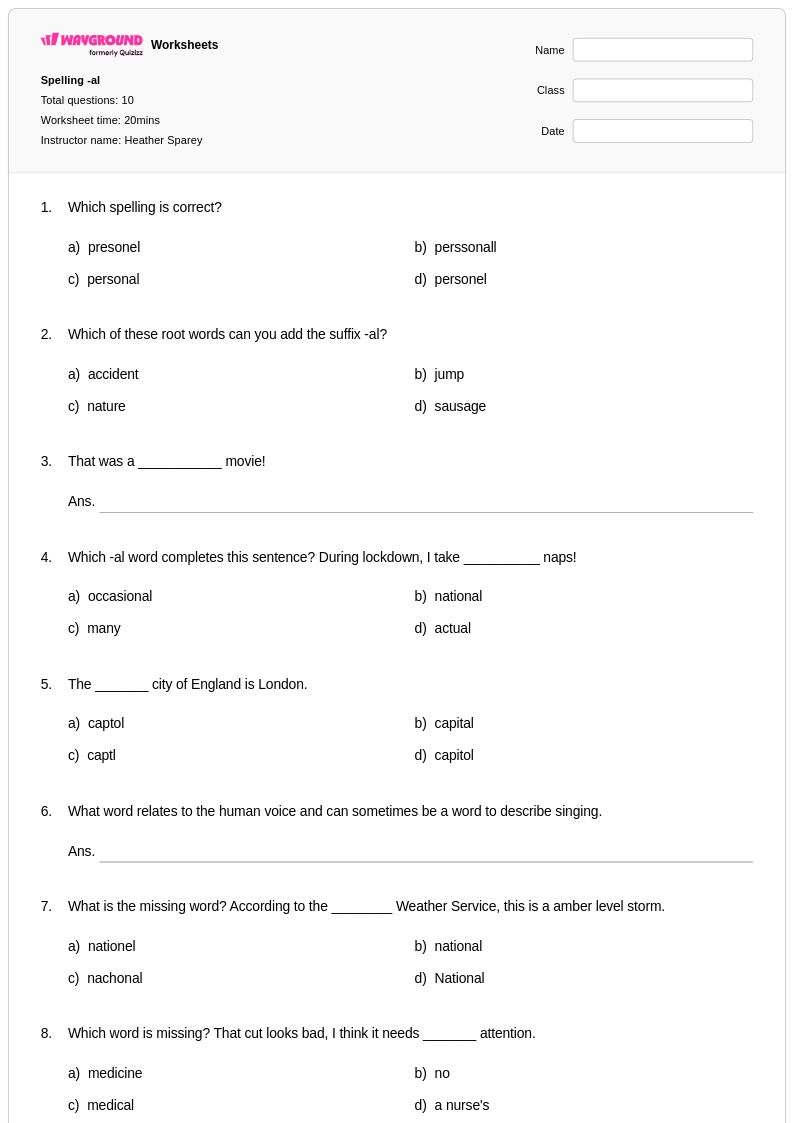
Start by helping students recognize that many English words are built from a base word plus a prefix or suffix, and that each part carries predictable meaning and spelling. Practice breaking words into their components before spelling them whole, which reduces the cognitive load of encoding long or complex words. Once students can reliably identify root words and affixes, they can apply that knowledge to spell hundreds of related words they have never seen before.
What exercises help students practice spelling tools like syllable division and phonetic patterns?
Effective practice exercises include syllable-sorting tasks, word-building activities using roots and affixes, pattern-matching exercises that group words by shared phonetic rules, and guided encoding practice where students apply a specific spelling rule to a new set of words. Worksheets that isolate one tool at a time before combining them give students structured repetition without overwhelming them. Regular low-stakes practice with immediate feedback through answer keys helps reinforce sound-symbol relationships and visual memory.
What mistakes do students commonly make when applying spelling tools?
A frequent error is over-applying a spelling rule without accounting for exceptions, such as assuming all words follow the 'i before e' pattern. Students also commonly misidentify syllable boundaries, which leads to dropped or doubled letters in multisyllabic words. Another common mistake is confusing homophones or similar-sounding prefixes, like 'pre-' and 'per-', because they rely on phonetic memory alone without grounding spelling in meaning or word origin.
How can I use spelling tools worksheets to support struggling spellers?
For struggling spellers, start with single-tool worksheets that target one pattern at a time, such as CVC phonetic patterns or simple prefixes, before layering in additional strategies. Mnemonic devices are especially useful for students who have difficulty retaining letter sequences, as they attach meaning or imagery to abstract spelling rules. On Wayground, teachers can also enable Read Aloud support so that questions and words are read to students who need auditory reinforcement alongside print-based practice.
How do I use Wayground's spelling tools worksheets in my classroom?
Wayground's spelling tools worksheets are available as printable PDFs for traditional paper-based instruction and in digital formats for technology-integrated classrooms, giving teachers flexibility in how they deliver practice. Teachers can host worksheets as a quiz directly on Wayground, making it easy to assign interactive practice and review results. All worksheets include complete answer keys, supporting both teacher-led correction and independent student self-checking.