
14 Q
3rd - Uni
12 Q
3rd - 5th
20 Q
5th
20 Q
2nd - Uni
16 Q
2nd - 5th
10 Q
5th
16 Q
4th - Uni
10 Q
5th
11 Q
5th
10 Q
4th - 6th
15 Q
3rd - Uni
15 Q
5th - Uni
10 Q
5th
10 Q
5th
26 Q
5th - 6th
12 Q
5th

18 Q
3rd - 5th
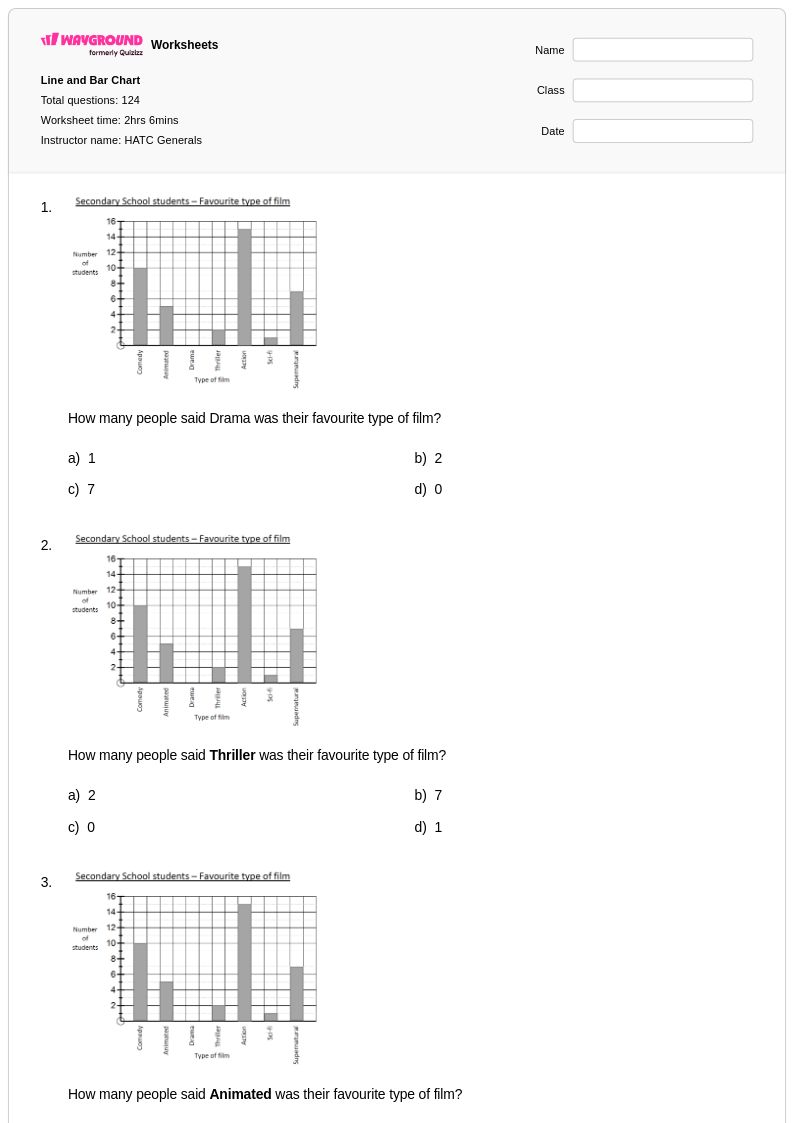
124 Q
5th
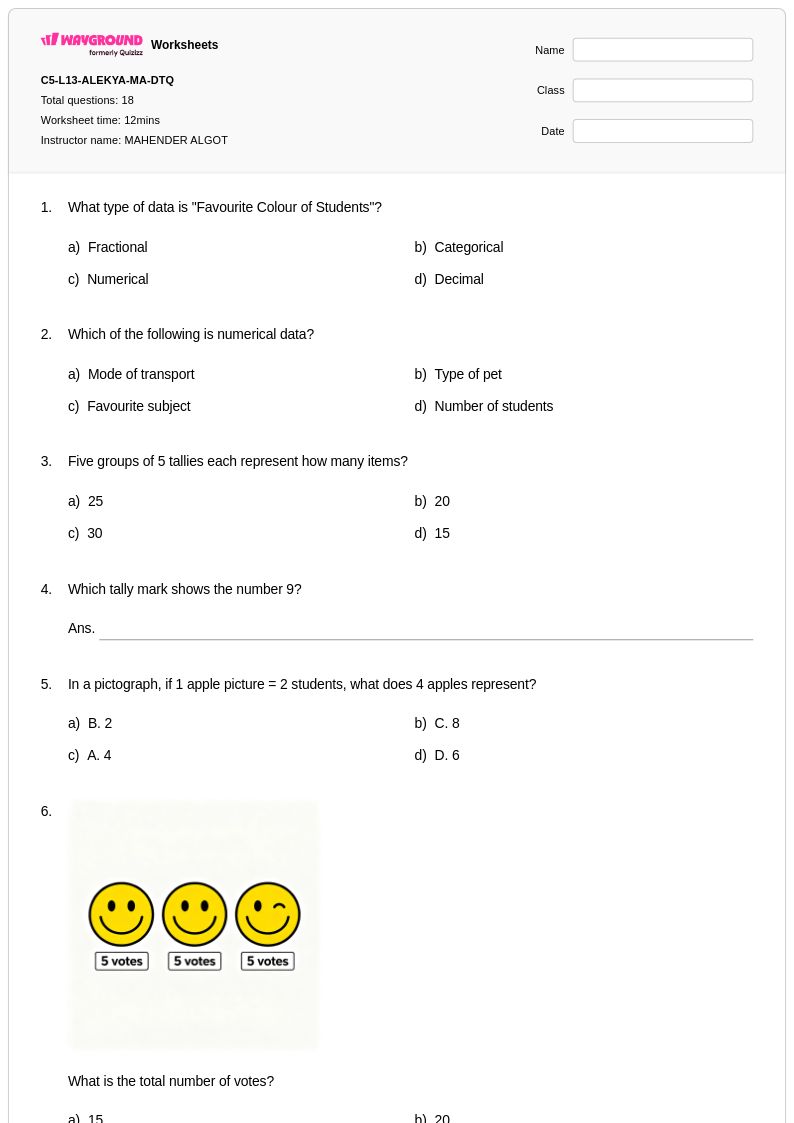
18 Q
5th
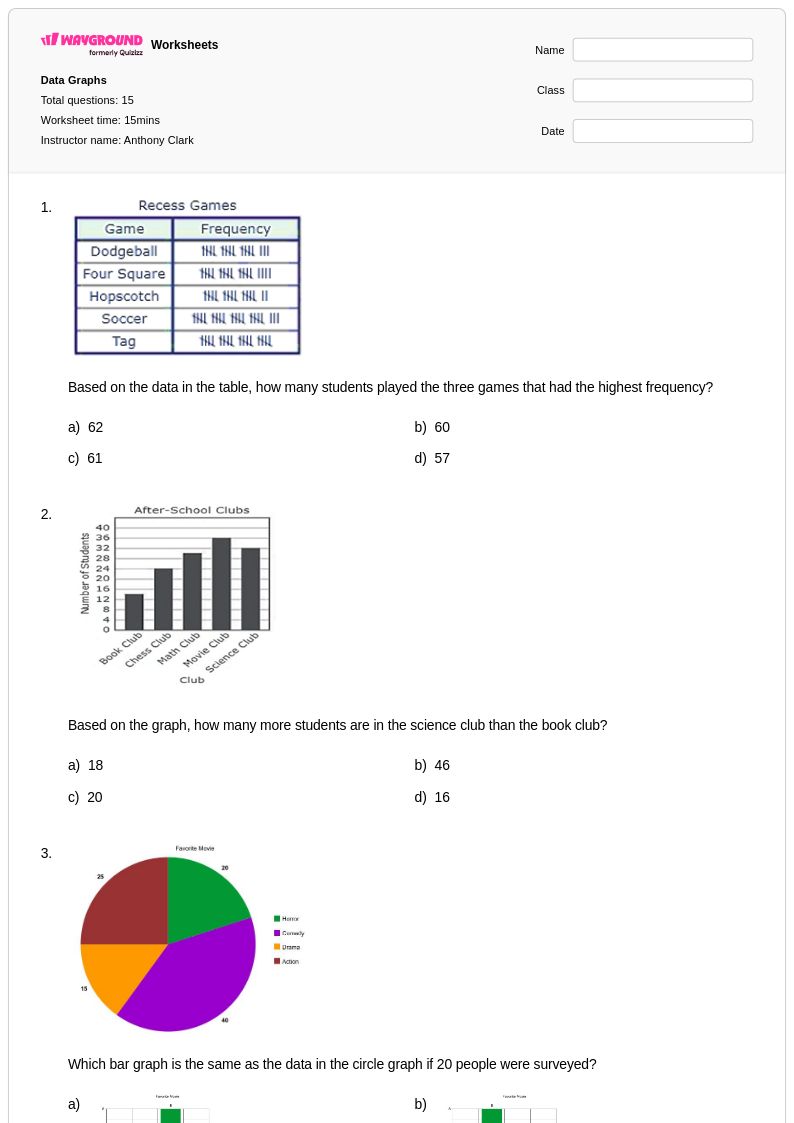
15 Q
5th - Uni
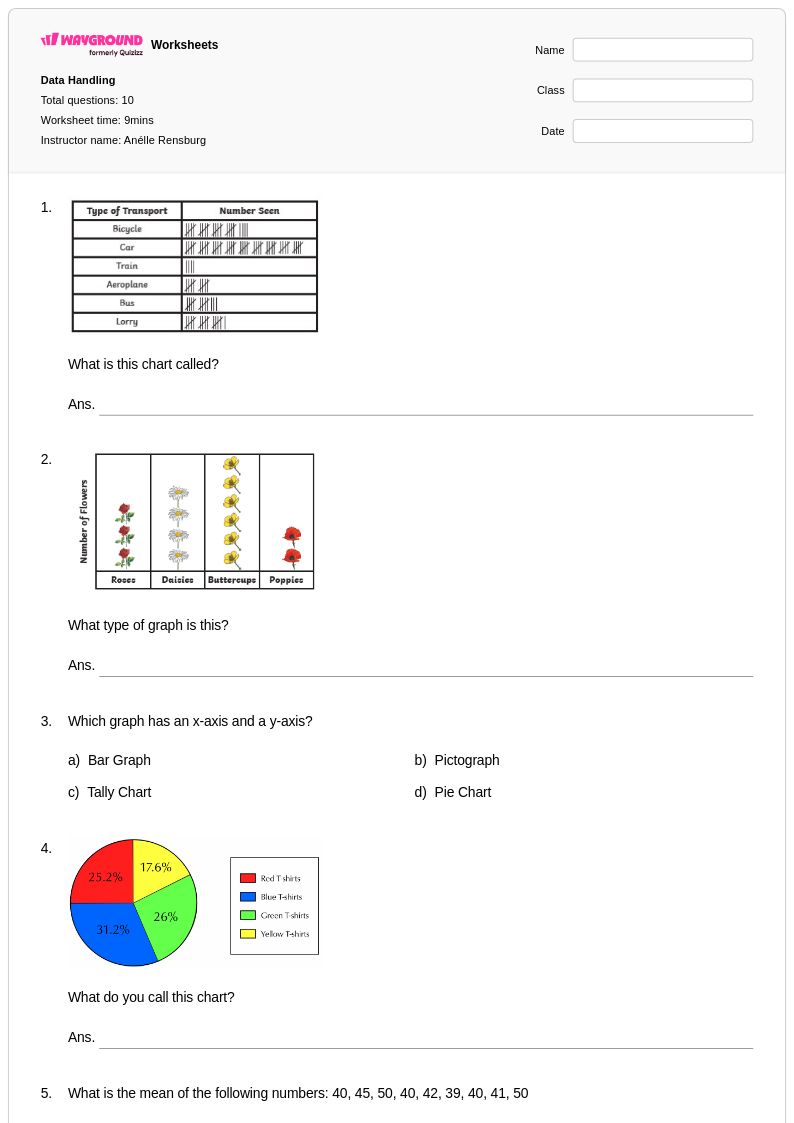
10 Q
5th - 6th
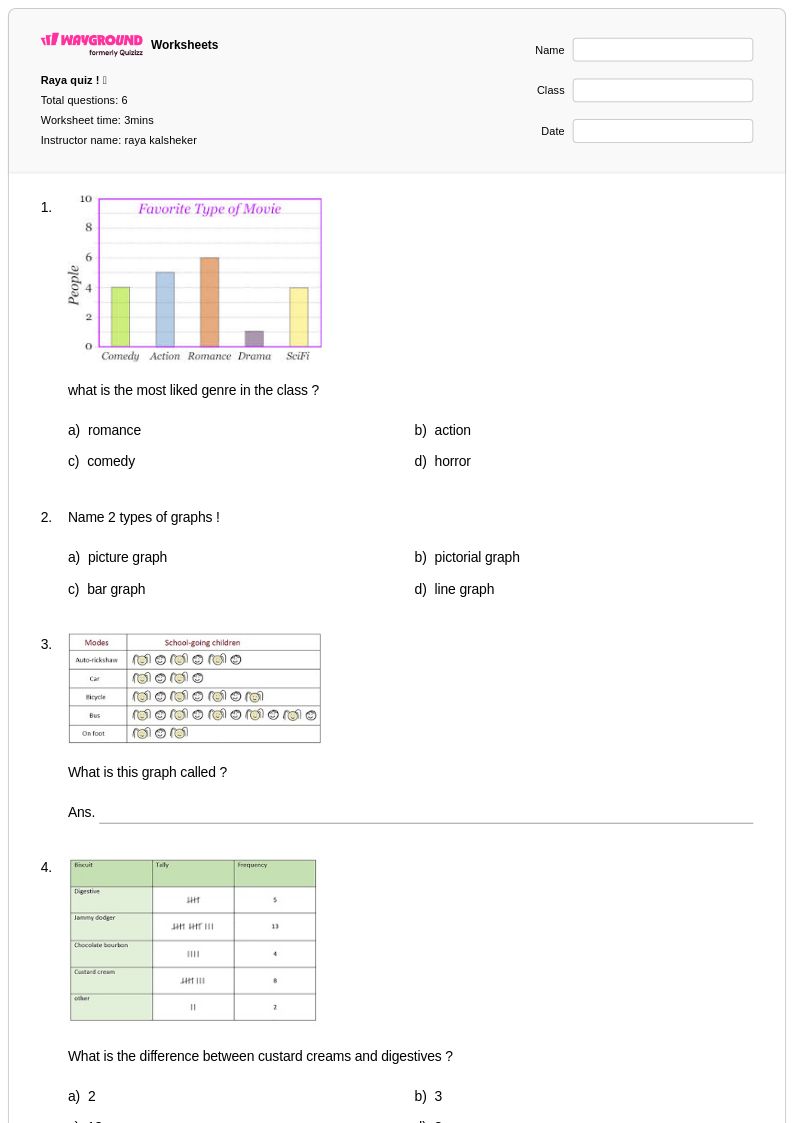
6 Q
2nd - 8th
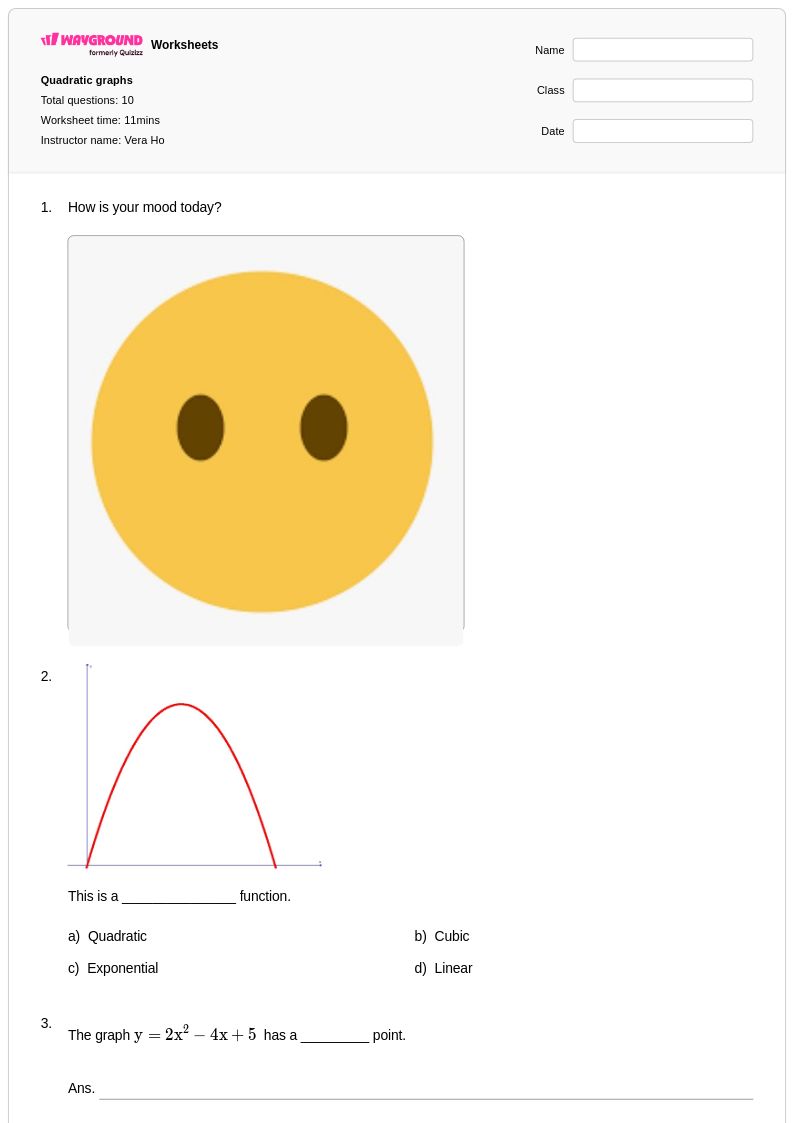
10 Q
5th
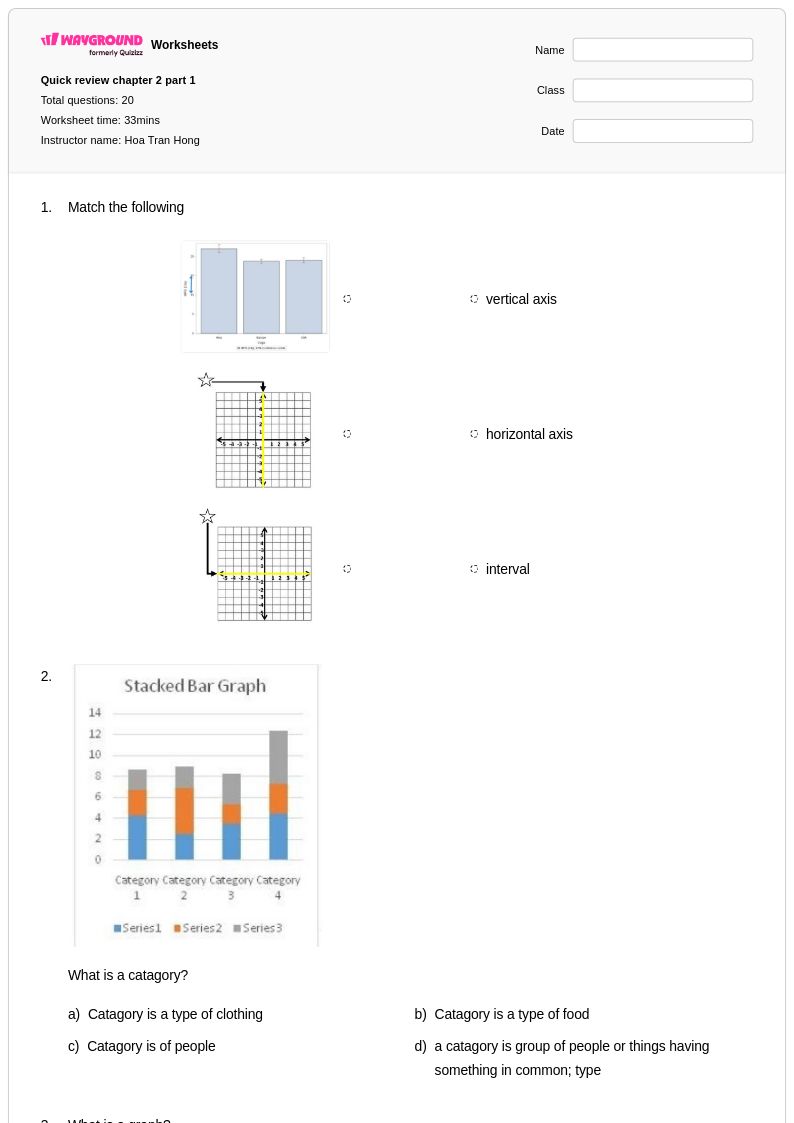
20 Q
5th
Explore Other Subject Worksheets for year 5
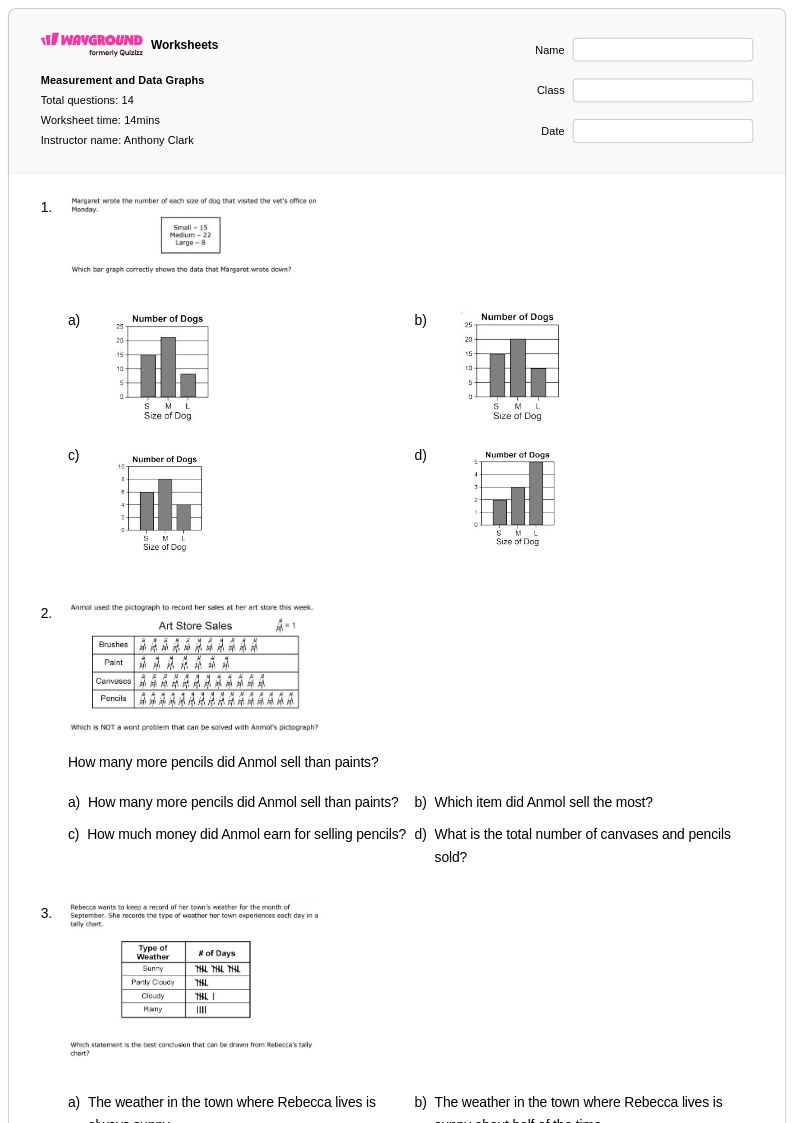
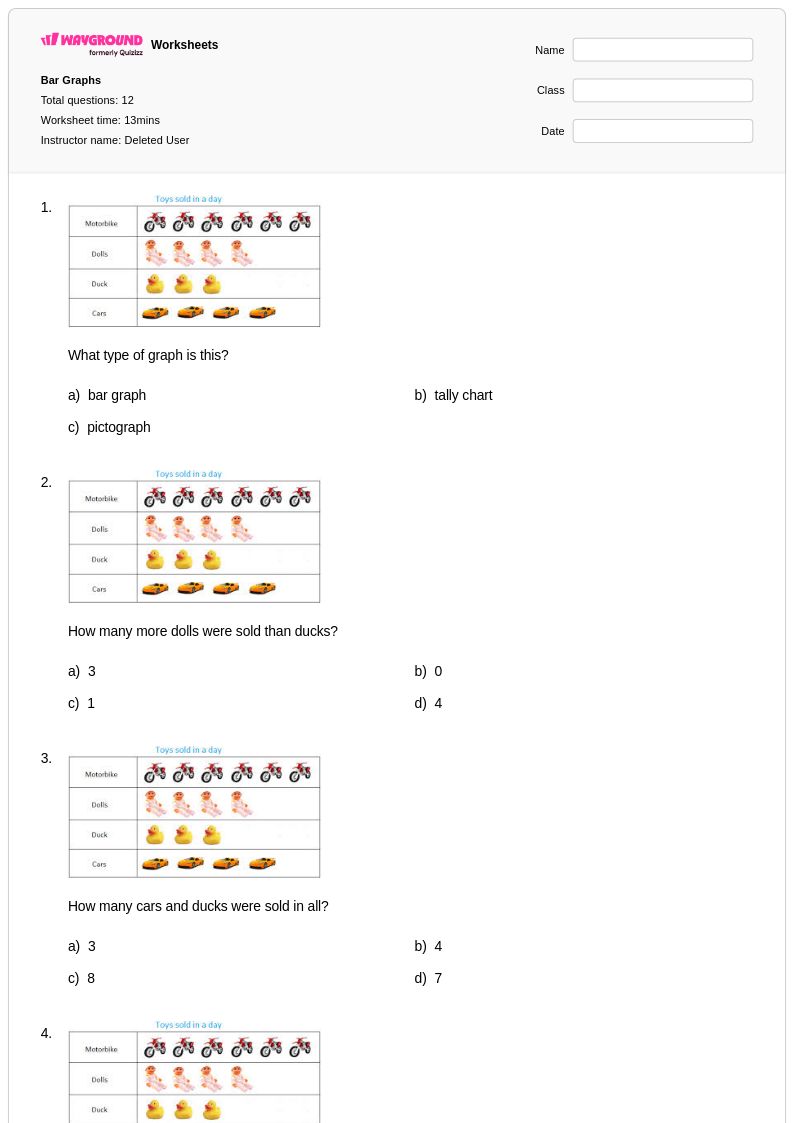
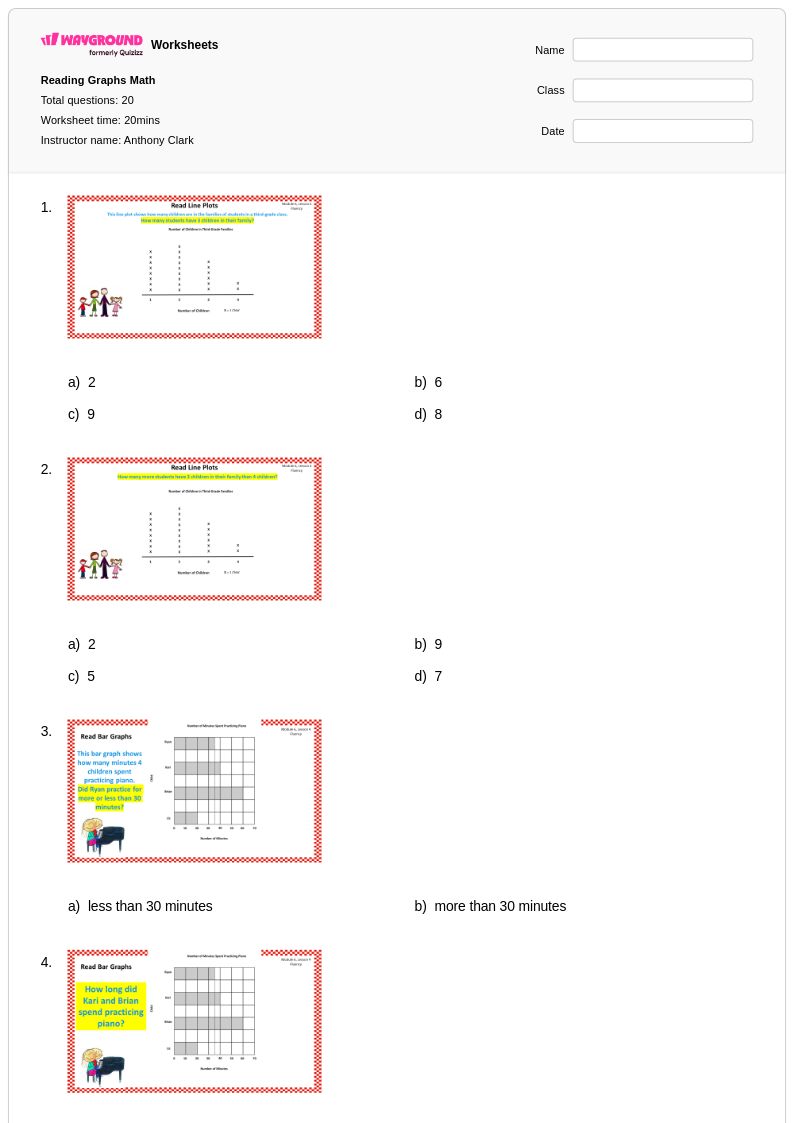
Explore printable Tally Graphs worksheets for Year 5
Tally graphs serve as a fundamental data collection and visualization tool for Year 5 students, helping them develop essential mathematical skills in organizing, recording, and interpreting information. Wayground's comprehensive collection of tally graph worksheets provides students with structured practice opportunities to master this critical concept through engaging activities that involve collecting data, creating tally marks, and translating tallies into meaningful visual representations. These carefully designed practice problems strengthen students' ability to count by fives, understand frequency, and make connections between raw data and graphical displays. Each worksheet includes a complete answer key and is available as a free printable pdf, making it easy for educators to incorporate systematic tally graph instruction into their mathematics curriculum while ensuring students build confidence with this foundational data analysis skill.
Wayground's extensive library of teacher-created tally graph resources offers educators unparalleled support for delivering effective Year 5 mathematics instruction. With millions of high-quality worksheets available through robust search and filtering capabilities, teachers can quickly locate materials that align with specific learning standards and match their students' varied ability levels. The platform's differentiation tools enable seamless customization of tally graph activities for remediation, enrichment, or targeted skill practice, while flexible formatting options provide both printable pdf versions for traditional classroom use and digital formats for technology-integrated learning environments. This comprehensive approach empowers teachers to create dynamic lesson plans that address diverse learning needs, reinforce key mathematical concepts, and help students develop strong foundational skills in data collection and graphical representation that will serve them throughout their academic journey.