
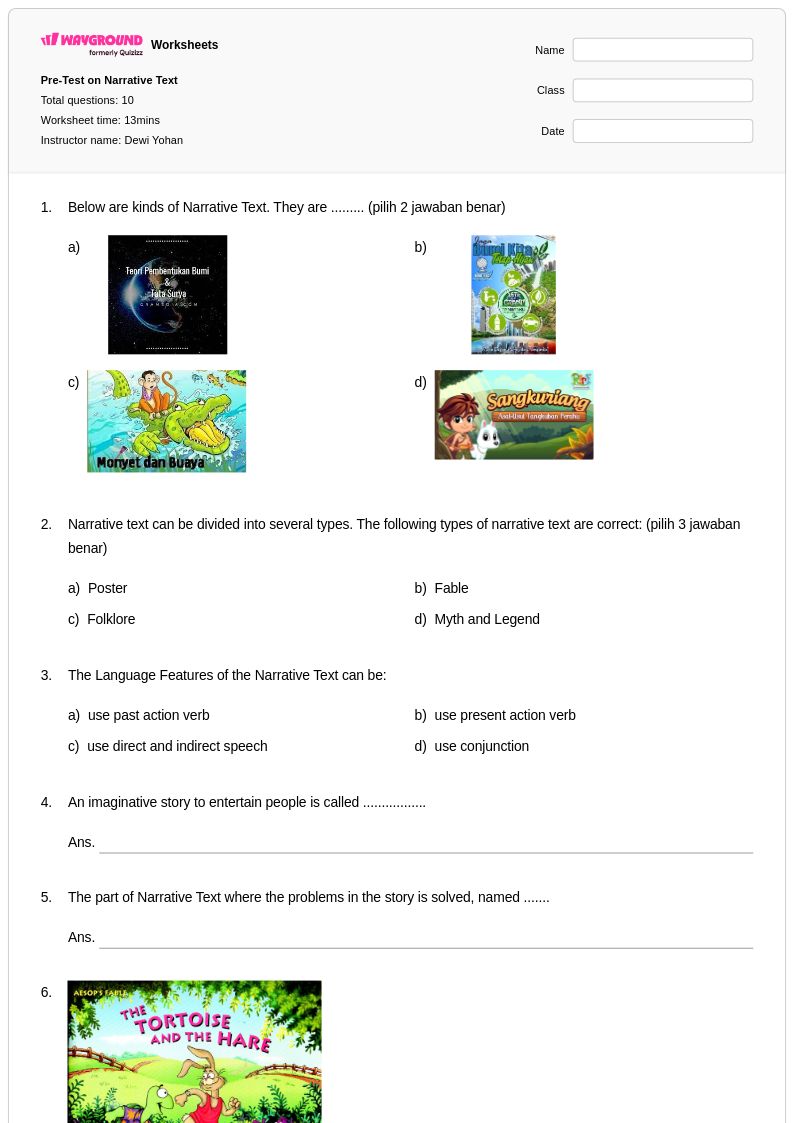
10 Q
10th
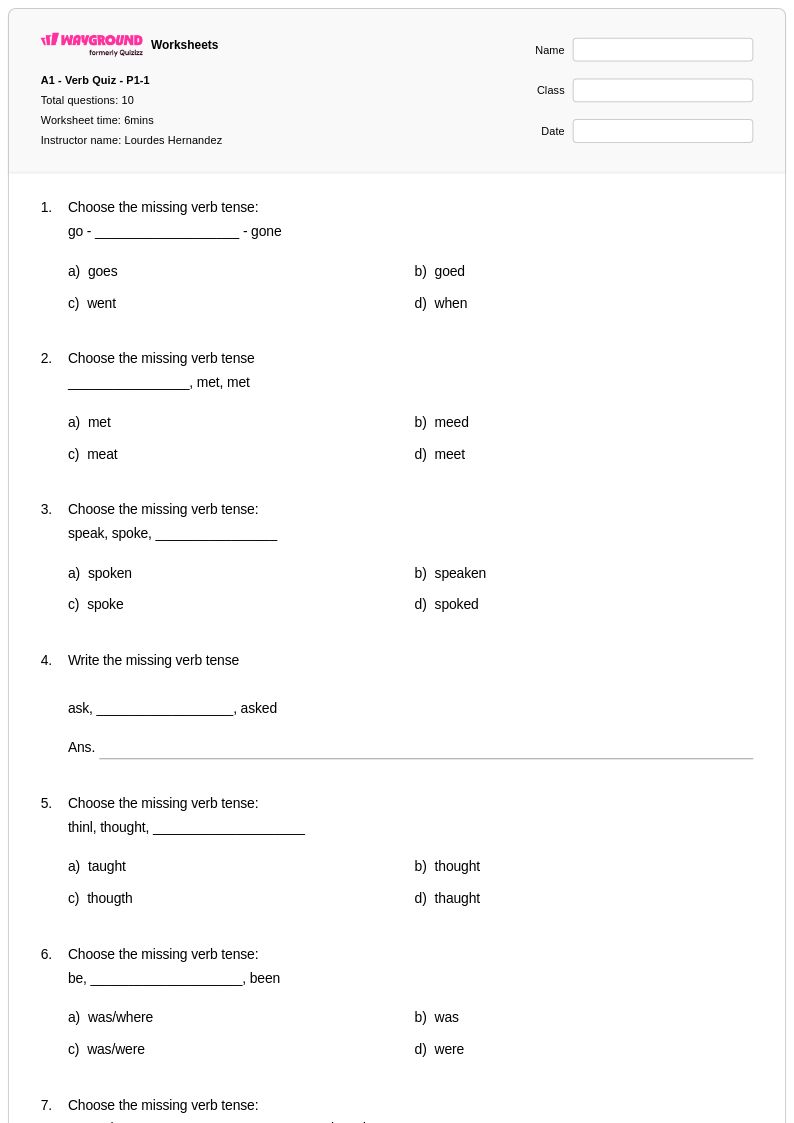
10 Q
4th - Uni
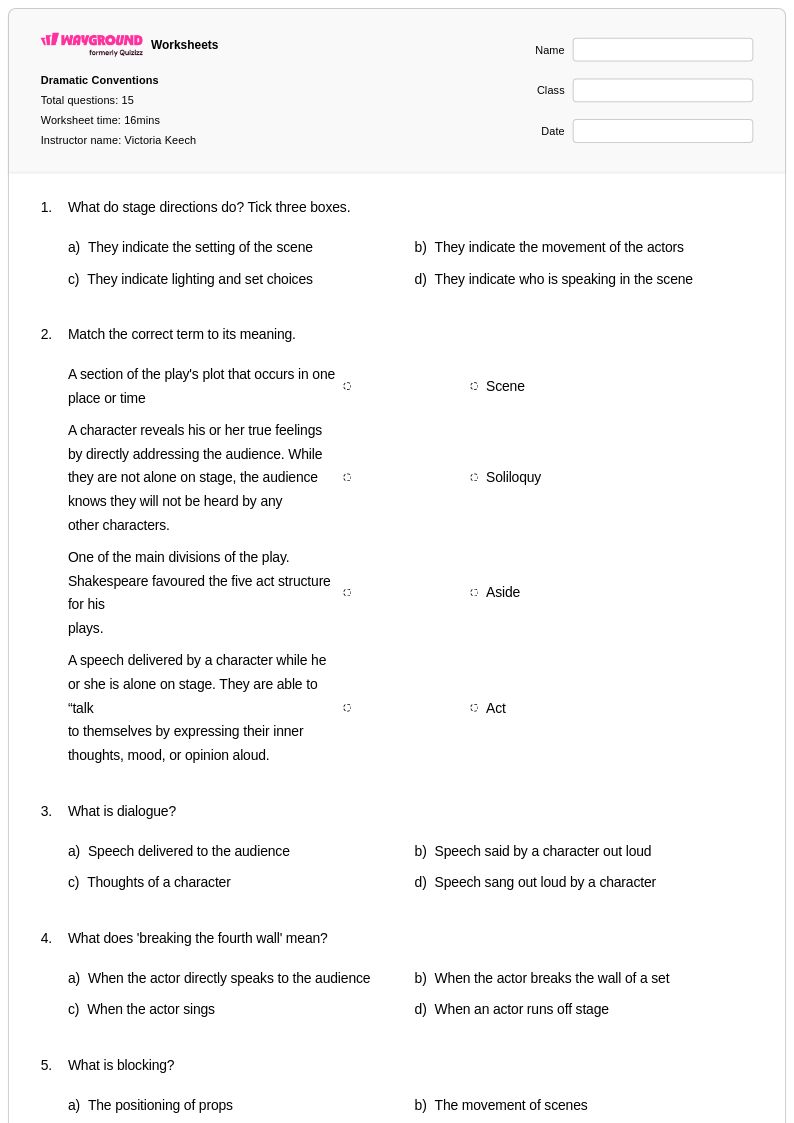
15 Q
10th
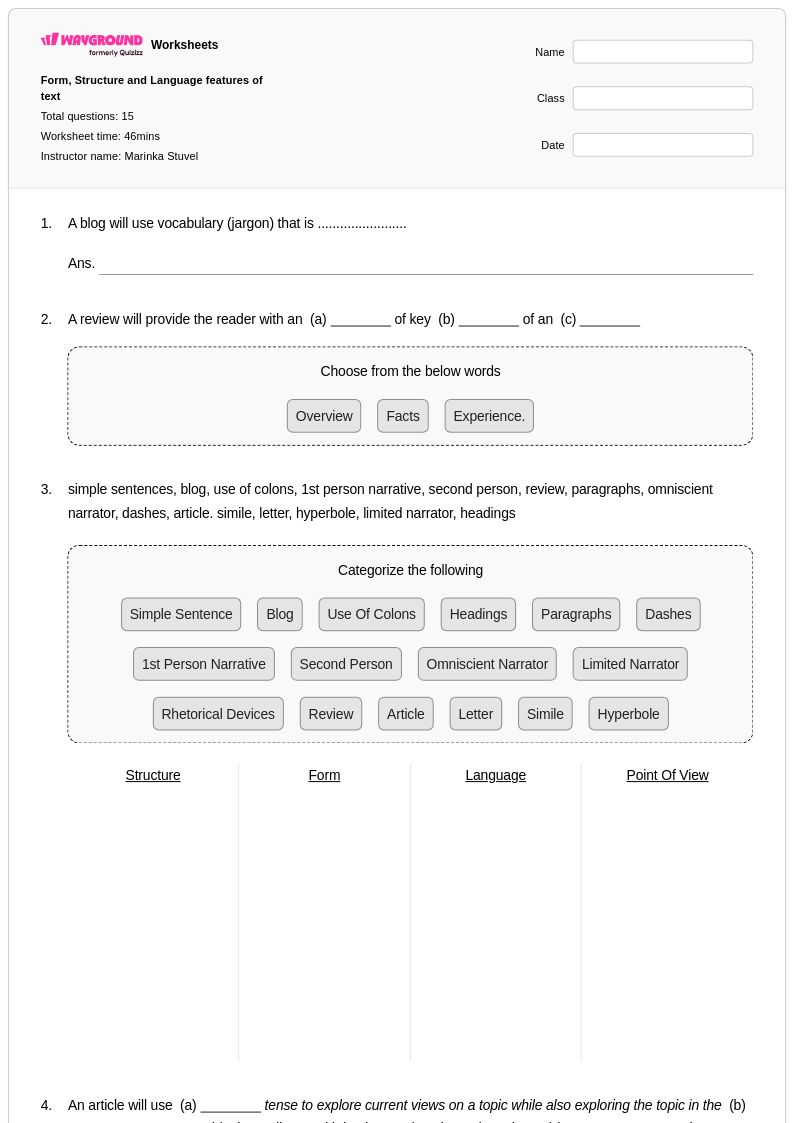
16 Q
10th
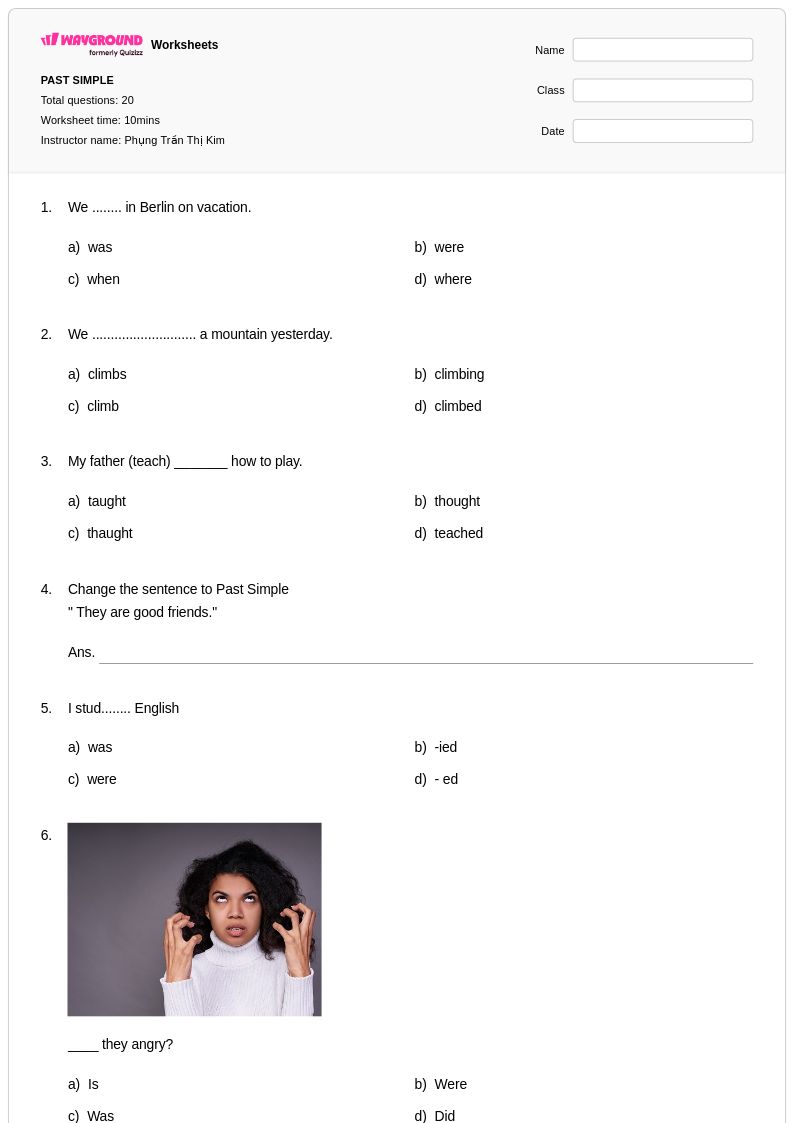
20 Q
10th
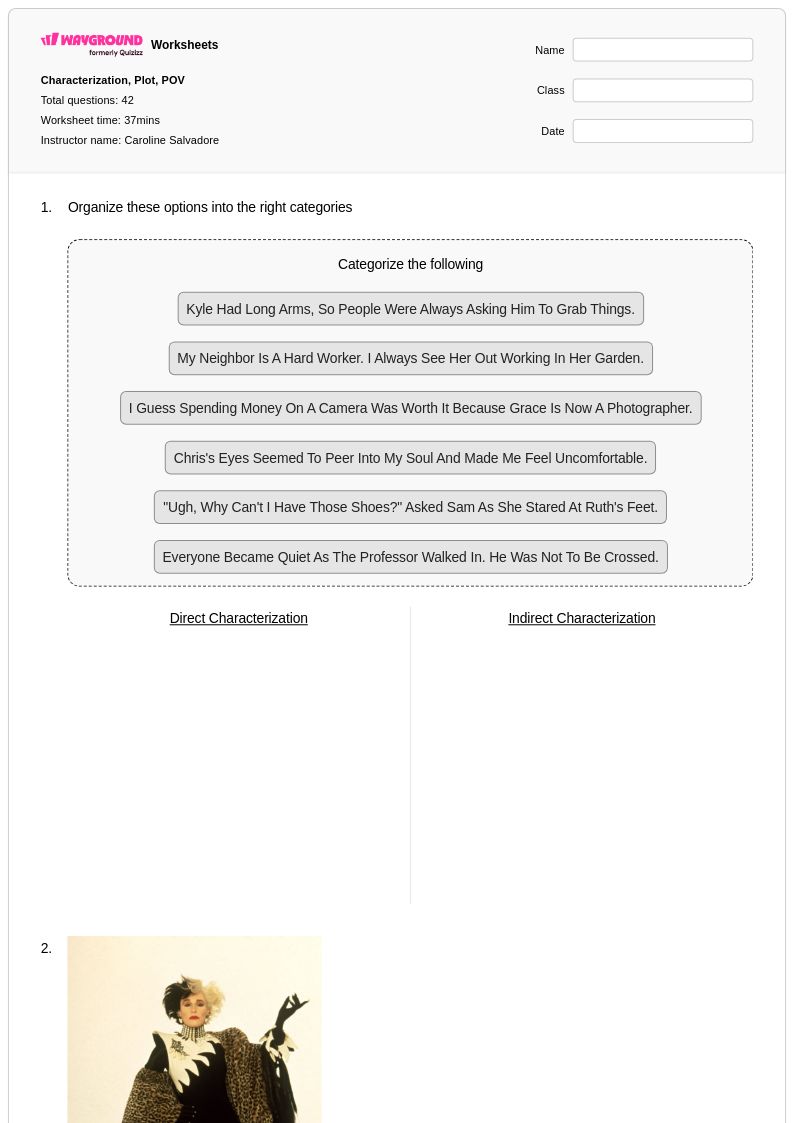
42 Q
9th - 12th
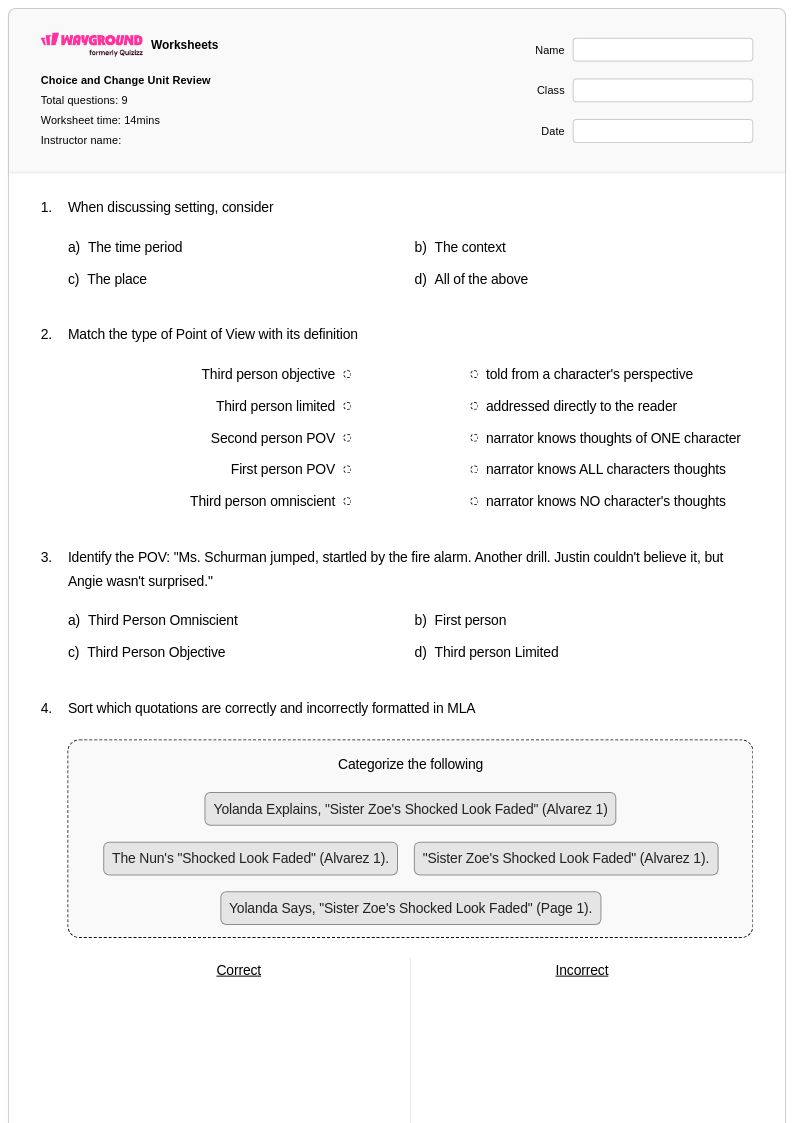
9 Q
9th - 12th
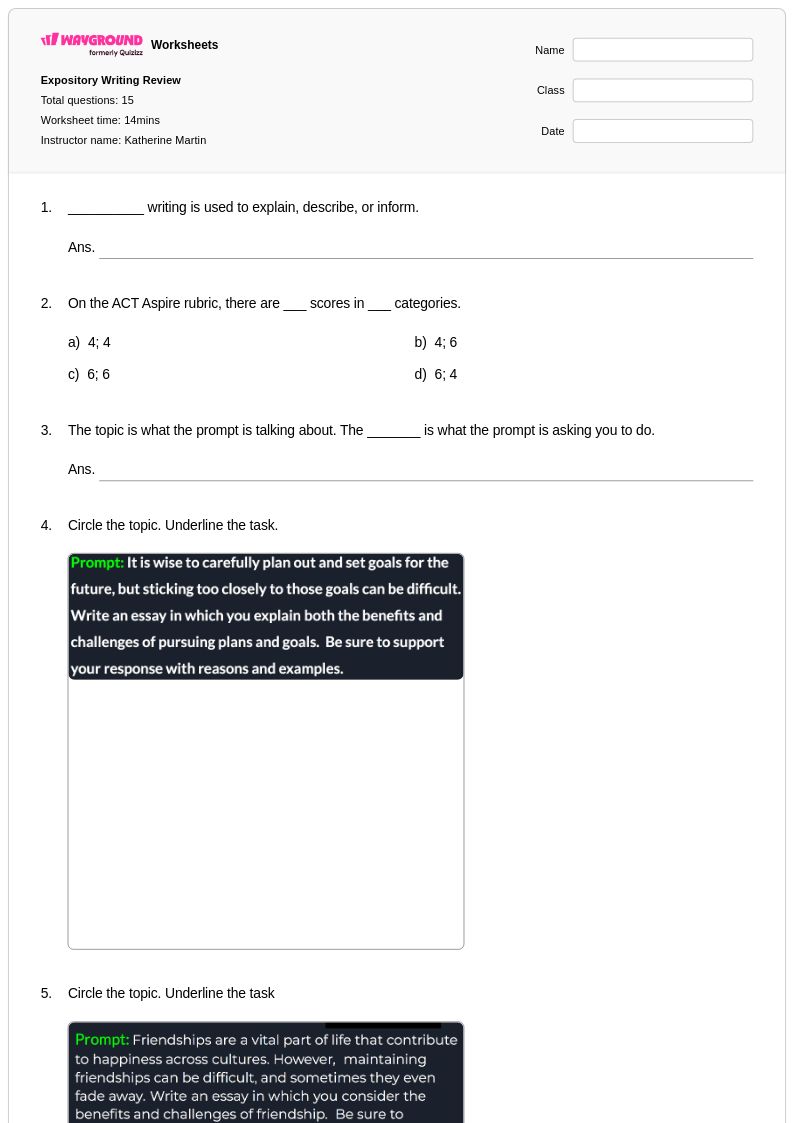
15 Q
9th - 10th
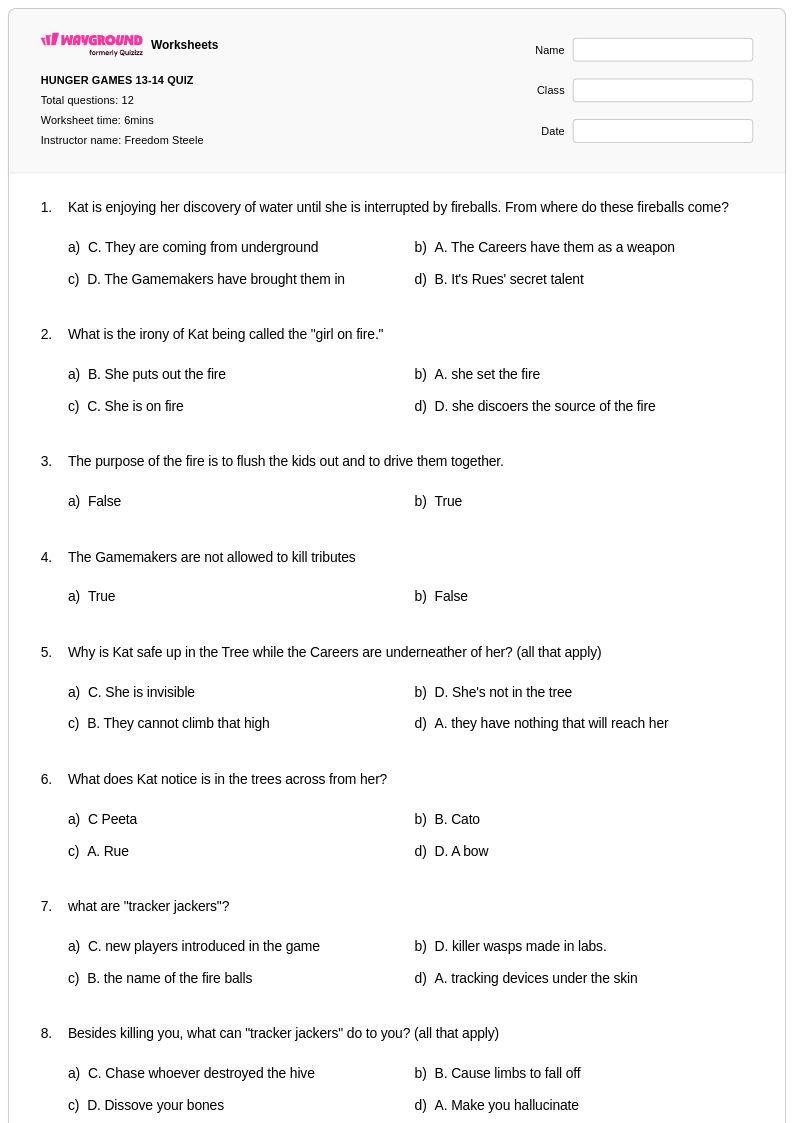
12 Q
9th - 12th

11 Q
6th - 10th
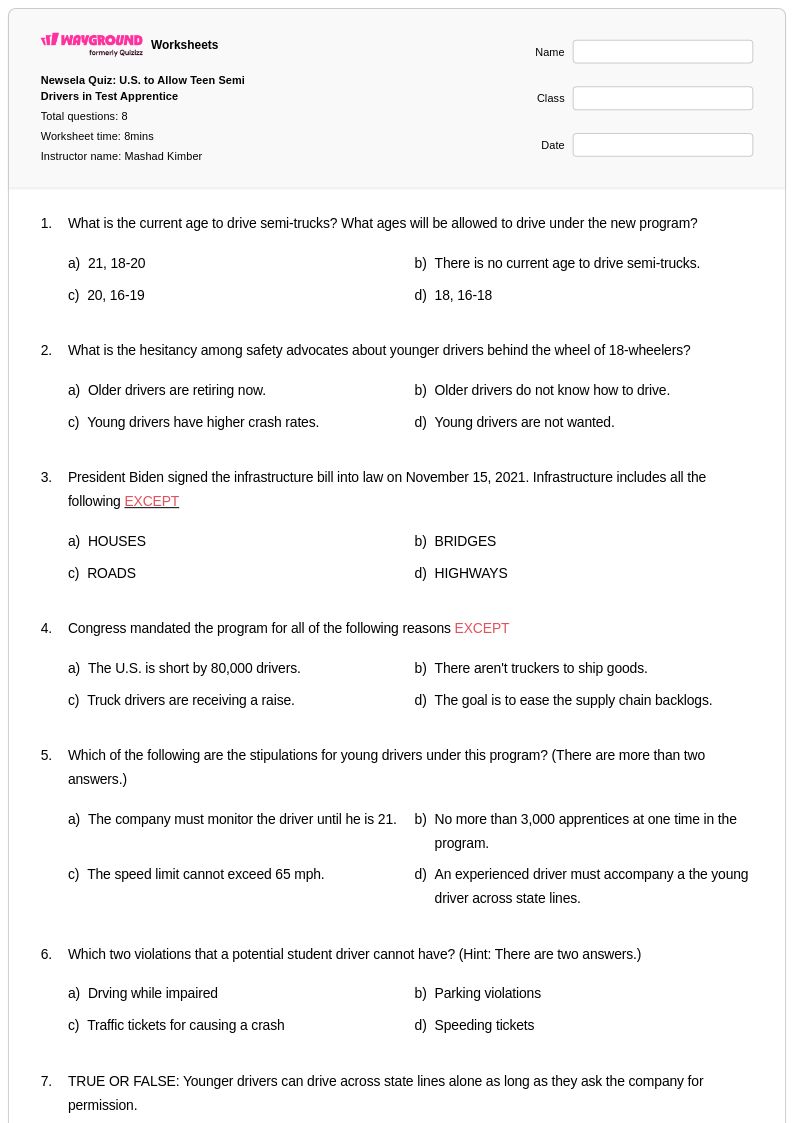
8 Q
10th
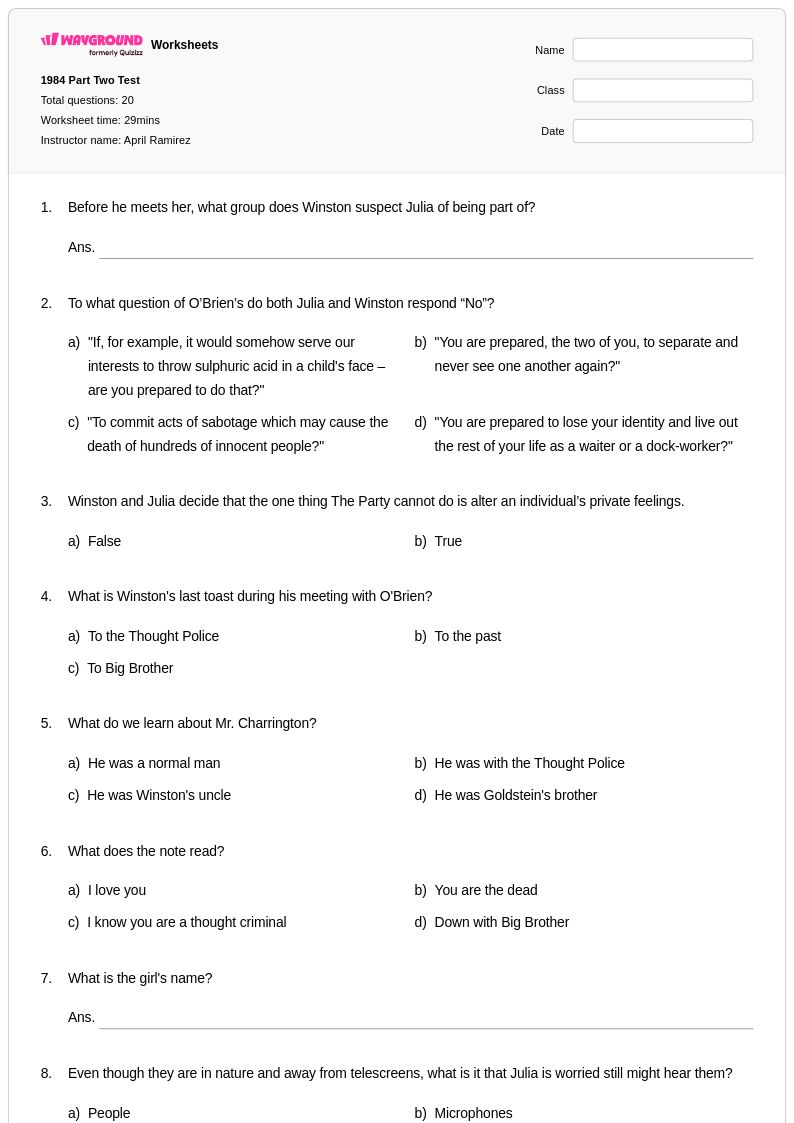
20 Q
10th
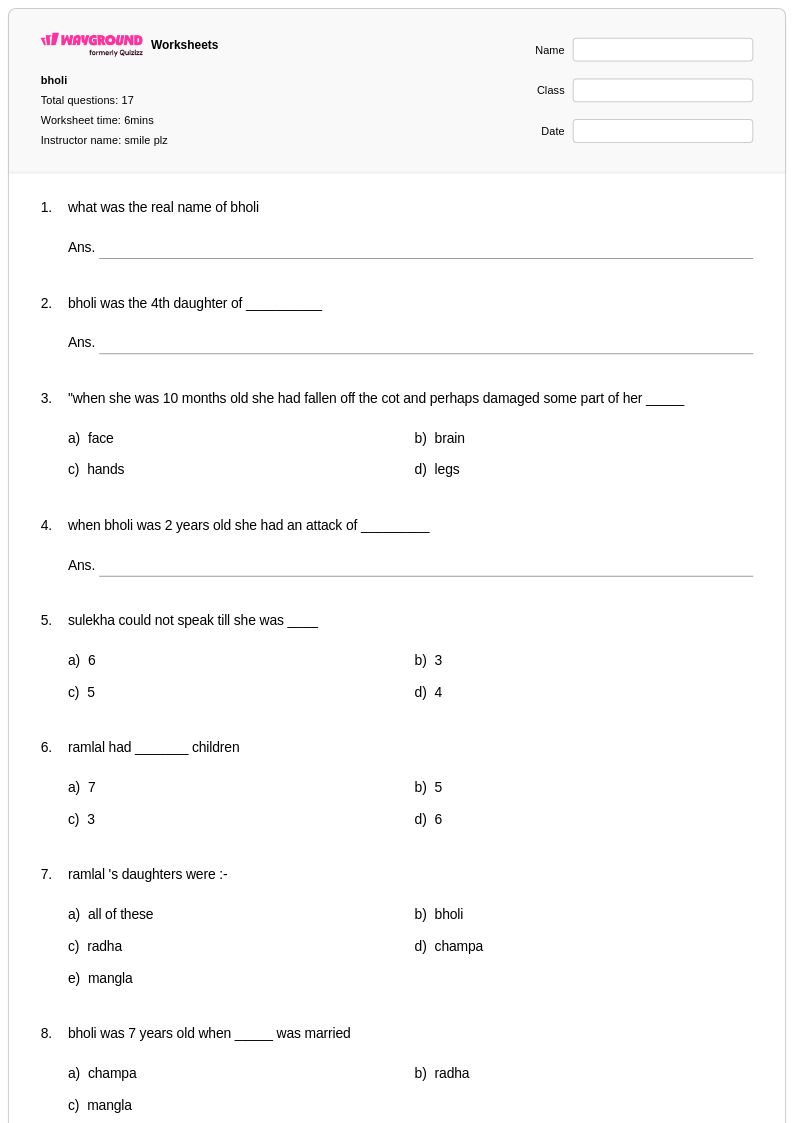
17 Q
10th
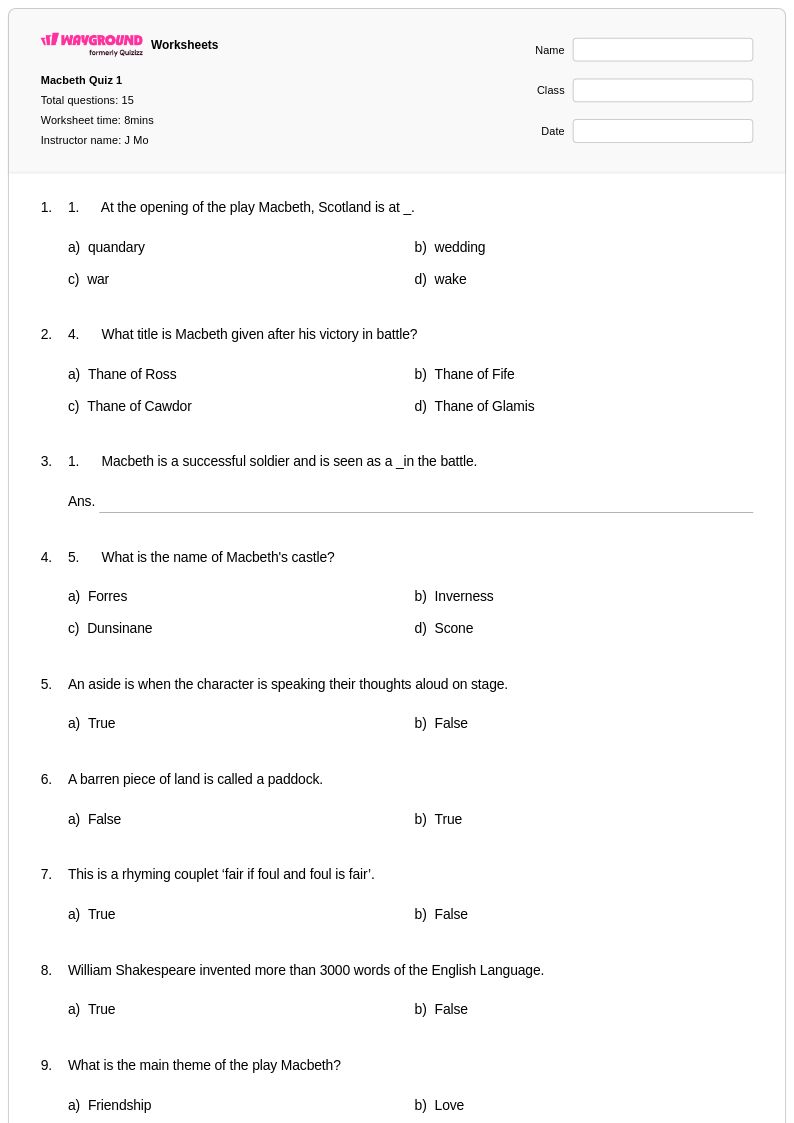
15 Q
9th - 10th
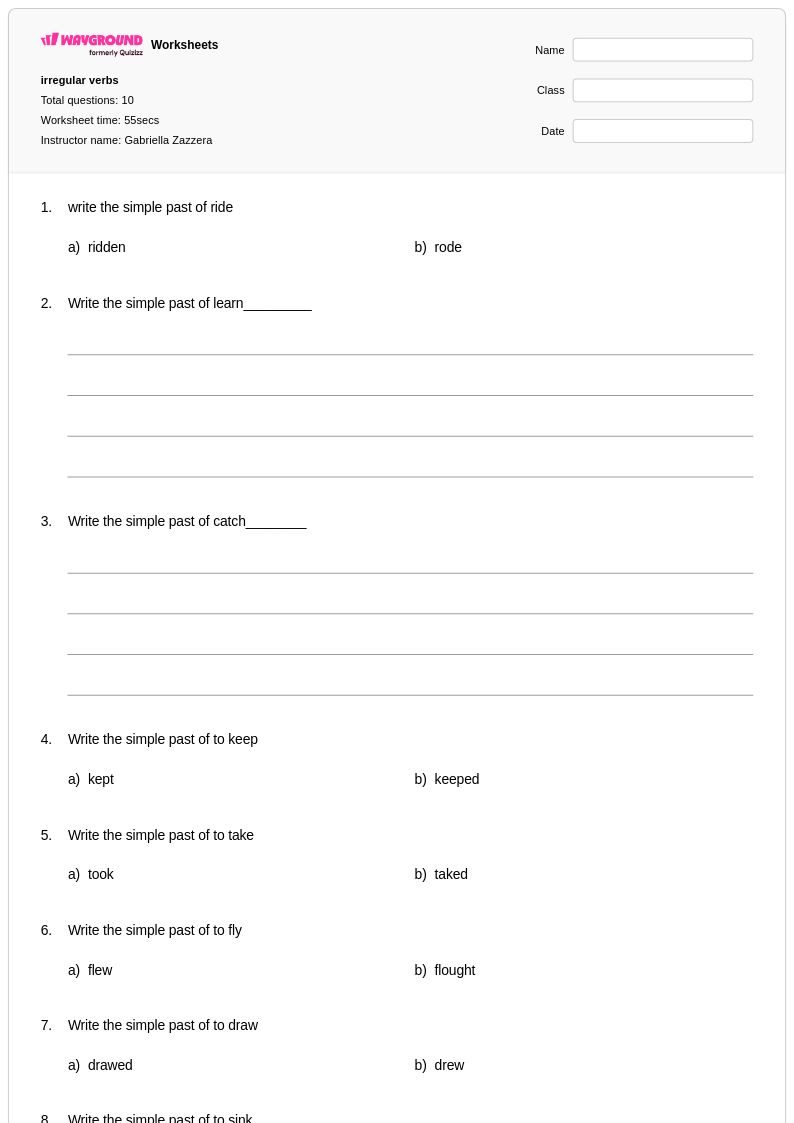
10 Q
10th
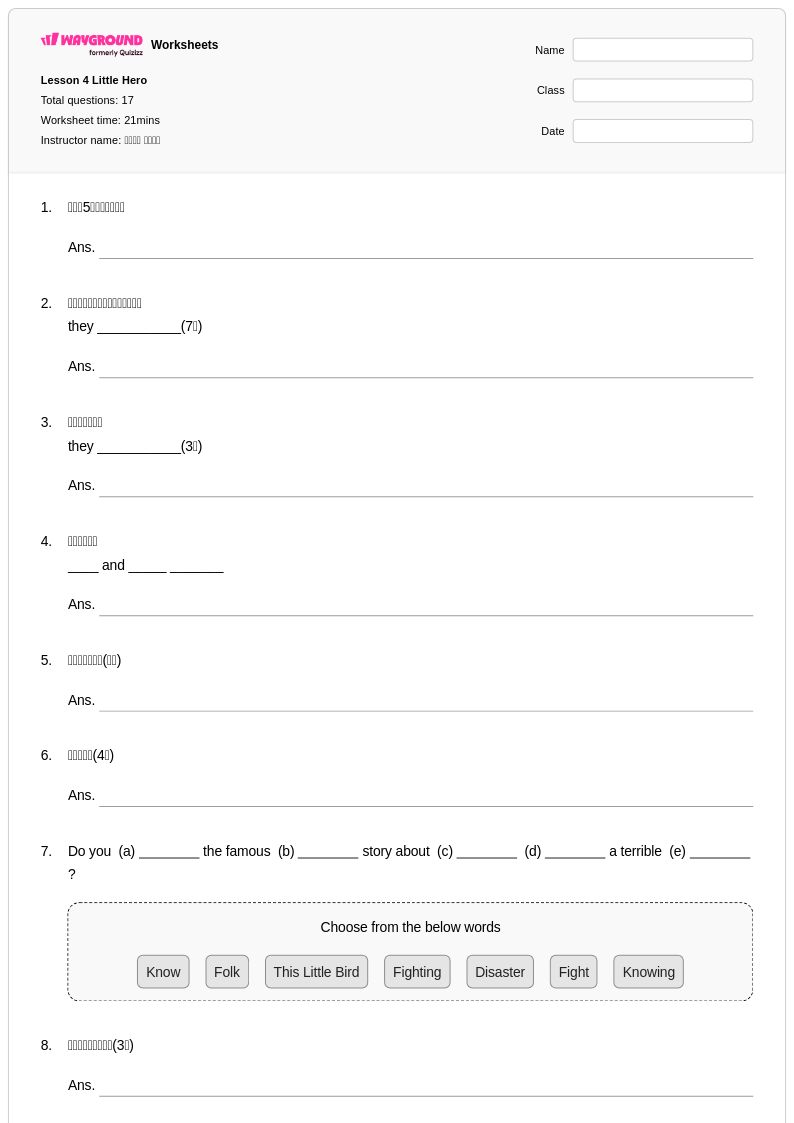
17 Q
9th - 12th
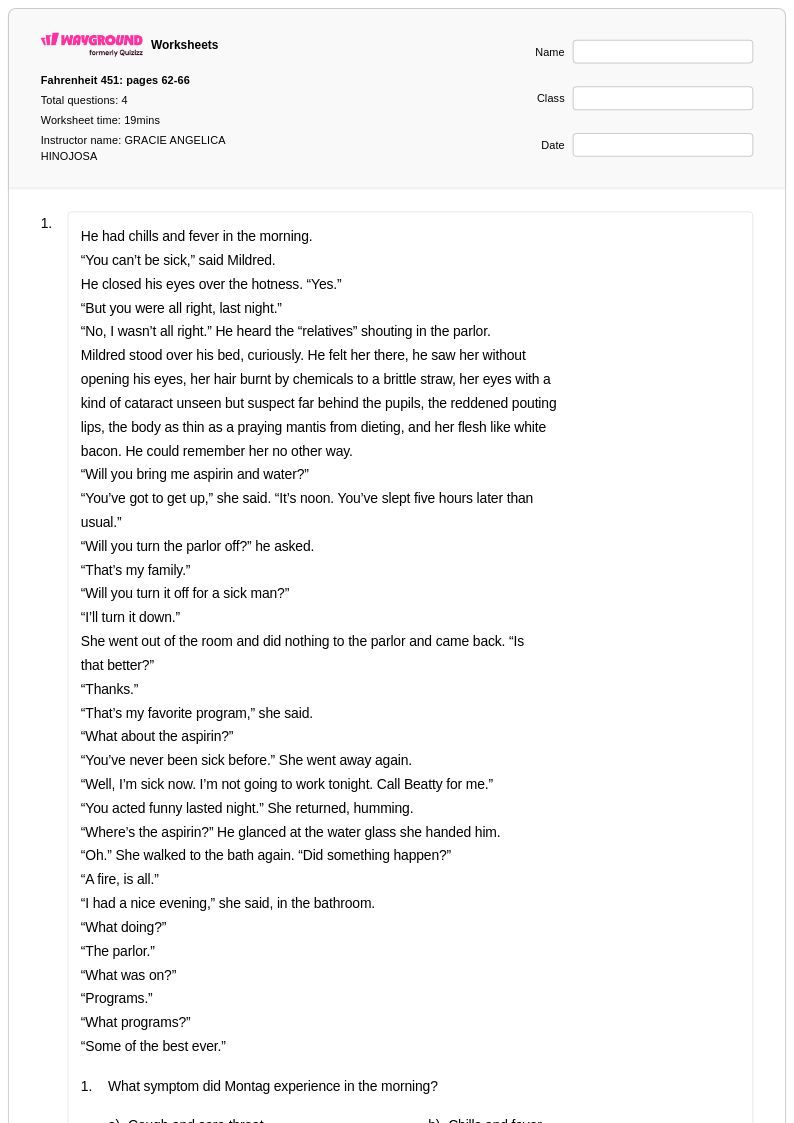
20 Q
9th - 12th
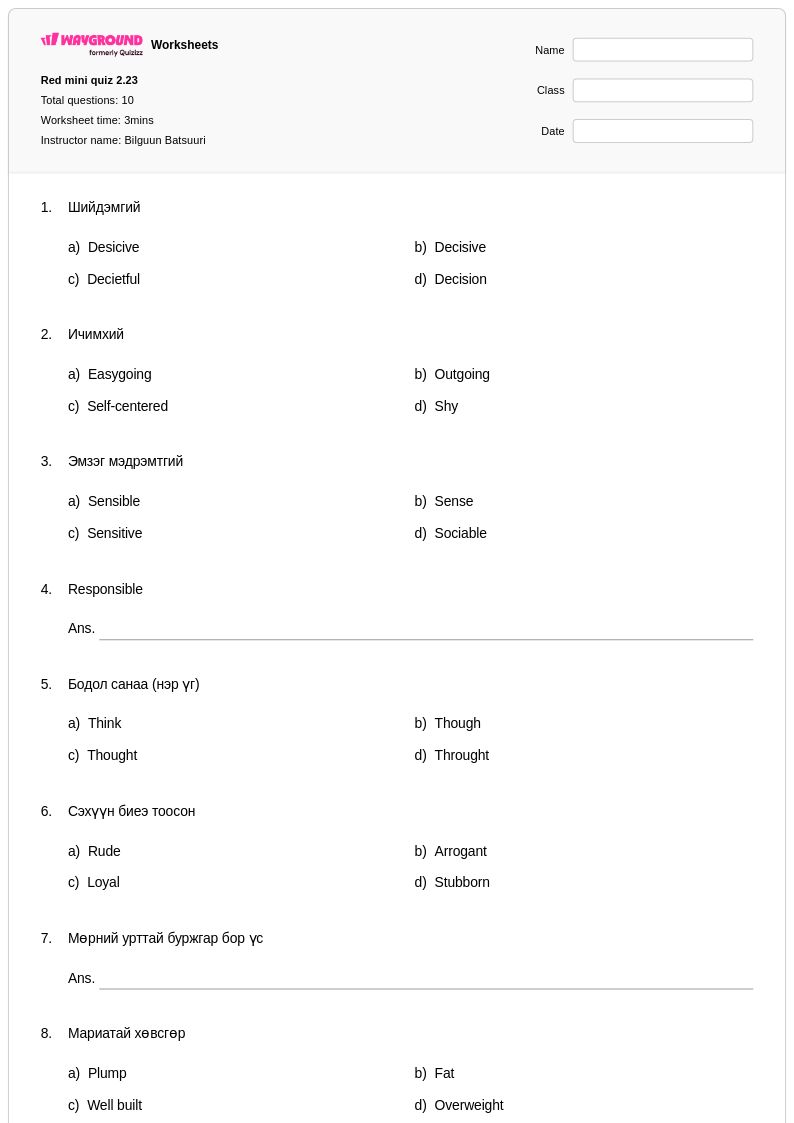
10 Q
10th
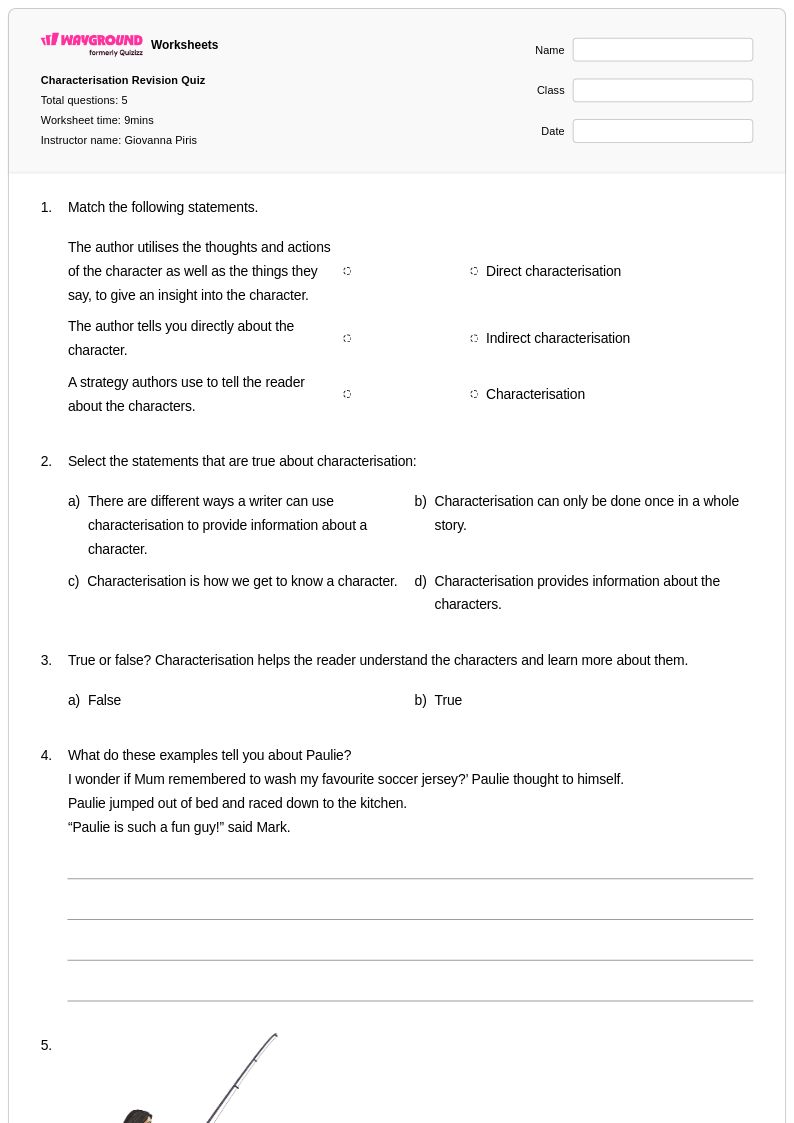
5 Q
10th
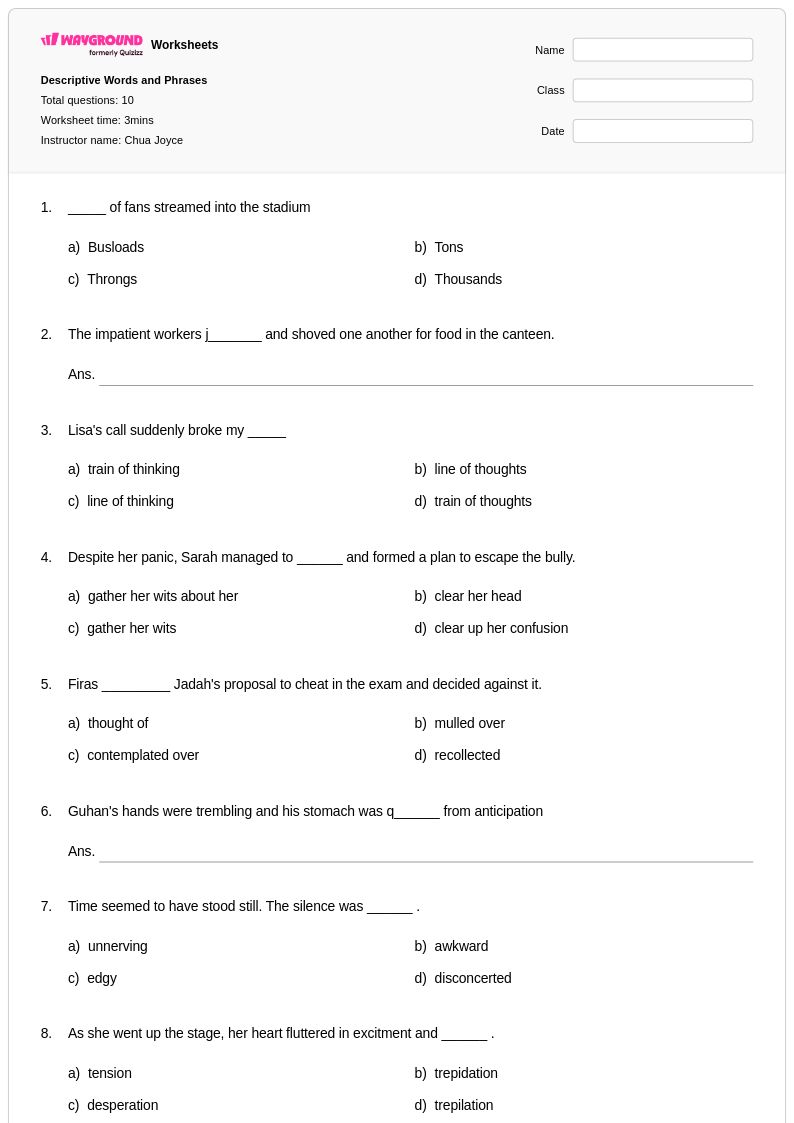
10 Q
10th
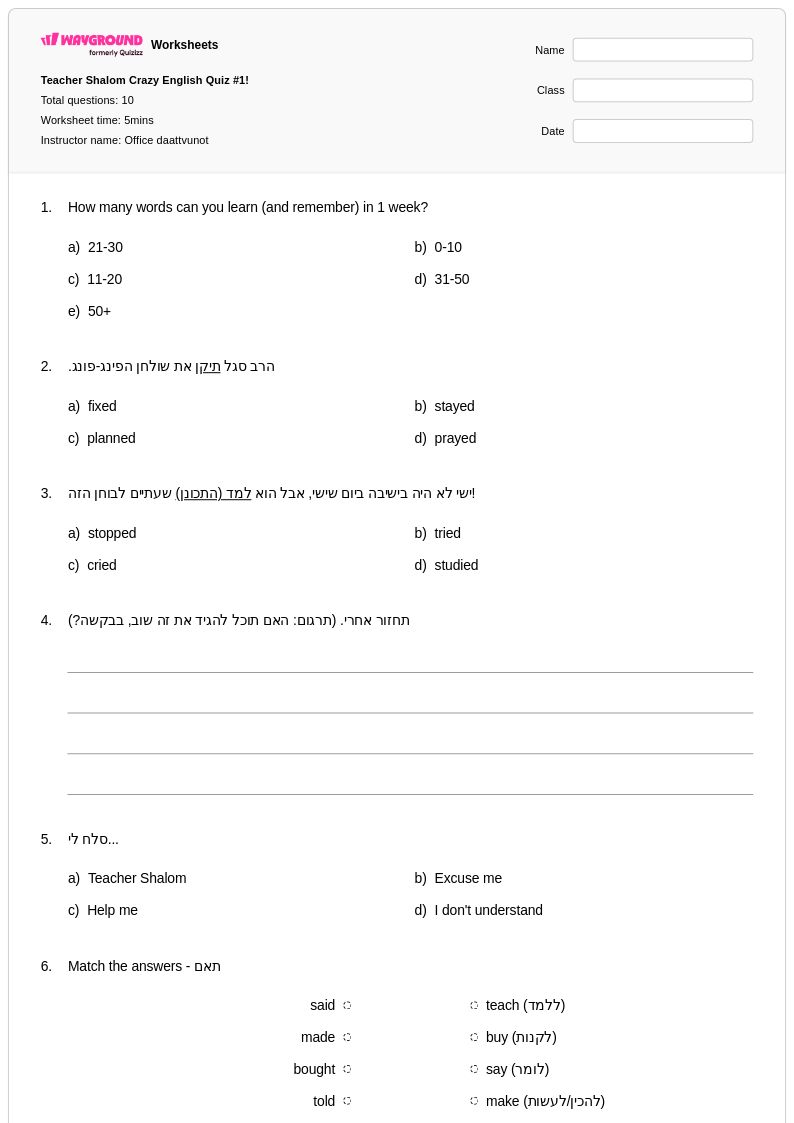
10 Q
10th
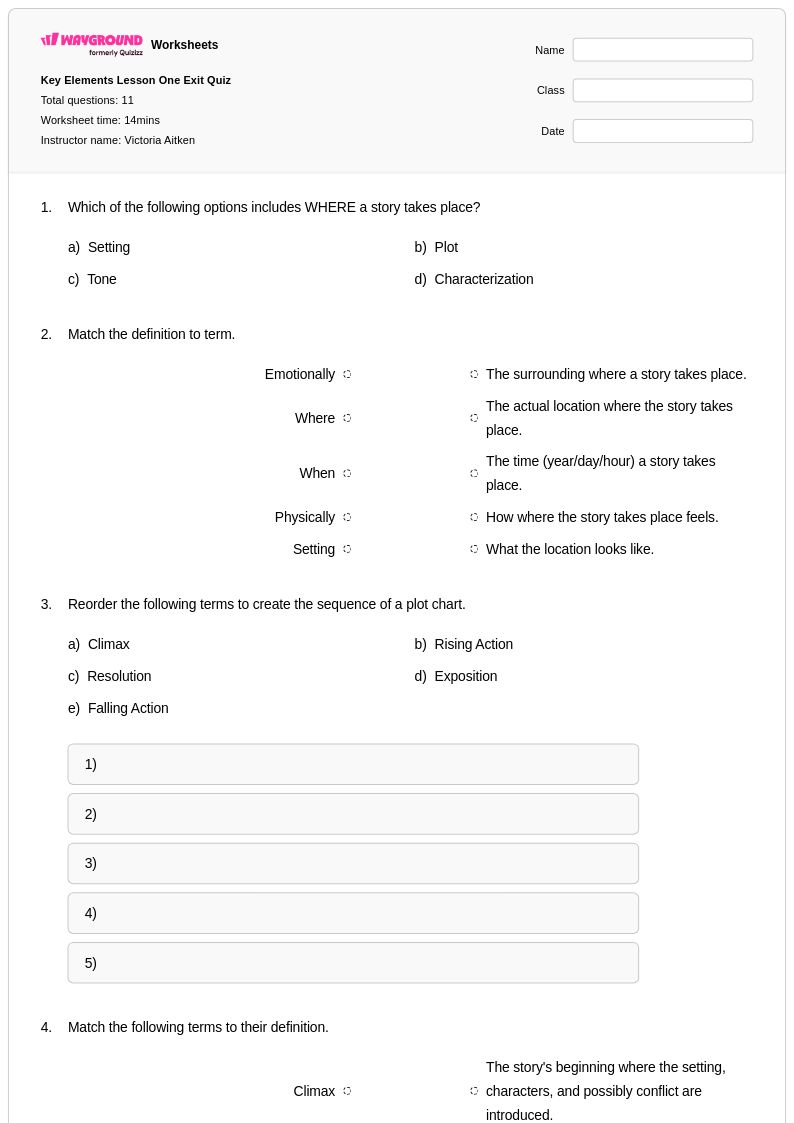
11 Q
10th
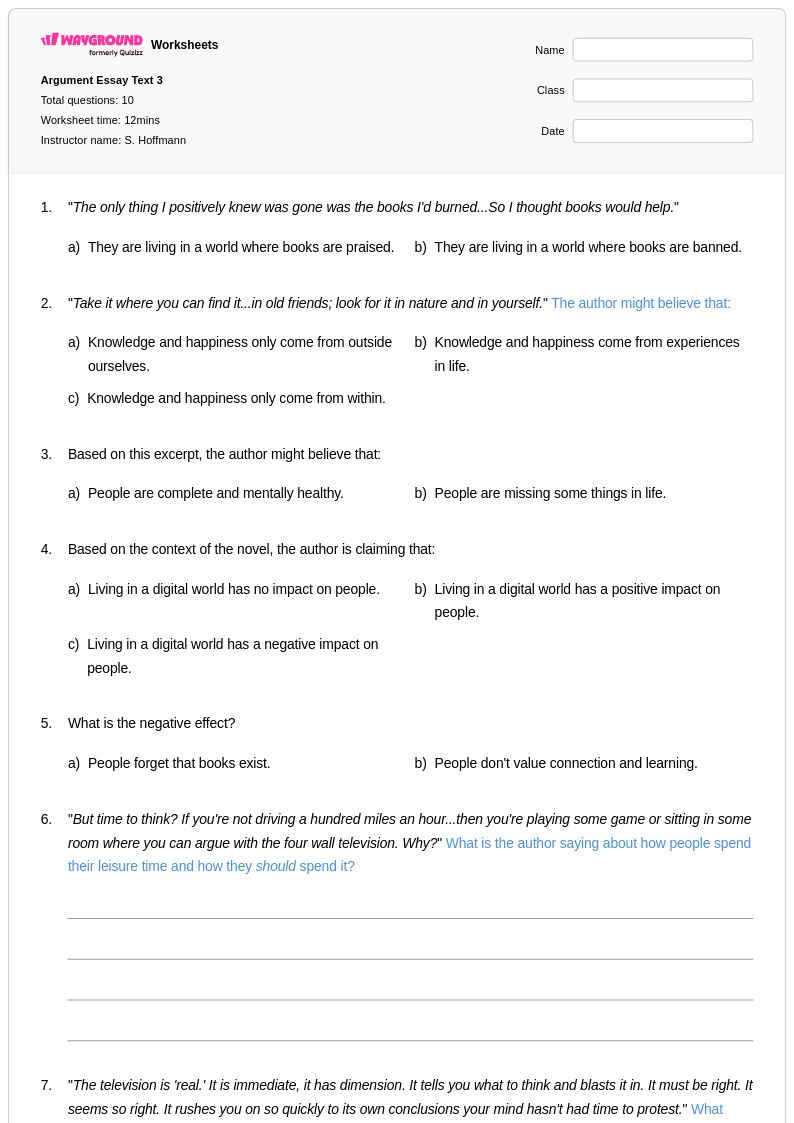
10 Q
10th
Explore Other Subject Worksheets for year 10
Explore printable Thought Tracking worksheets for Year 10
Thought tracking worksheets for Year 10 students available through Wayground (formerly Quizizz) provide essential scaffolding for developing sophisticated metacognitive writing skills. These comprehensive resources guide tenth-grade writers through the complex process of monitoring and documenting their thinking as they navigate various stages of composition, from initial brainstorming through final revision. Students engage with practice problems that require them to identify their cognitive processes, track decision-making patterns, and analyze their problem-solving strategies during writing tasks. The worksheets strengthen critical thinking abilities by making visible the often invisible mental work that underlies effective writing, helping students recognize their thought patterns, identify areas where their thinking may become unclear or unproductive, and develop greater self-awareness as writers. Complete answer keys accompany these free printables, enabling students to self-assess their metacognitive development and understand the reasoning behind effective thought tracking techniques.
Wayground's extensive collection draws from millions of teacher-created resources specifically designed to support educators in implementing thought tracking instruction within their Year 10 English curriculum. The platform's robust search and filtering capabilities allow teachers to locate worksheets that align with specific standards and match their students' developmental needs, while differentiation tools enable customization for varied learning levels within the same classroom. These resources are available in both printable pdf formats for traditional classroom use and digital formats for technology-integrated instruction, providing flexibility for diverse teaching environments. Teachers utilize these worksheets for targeted skill practice, remediation for students struggling with self-monitoring during writing, and enrichment opportunities for advanced learners ready to explore sophisticated metacognitive strategies. The comprehensive nature of the collection supports systematic instruction in thought tracking techniques, helping educators build students' capacity for reflective writing practices that will serve them throughout their academic and professional careers.
FAQs
How do I teach thought tracking to students who struggle with metacognition?
What exercises help students practice thought tracking during the writing process?
What mistakes do students commonly make when learning to track their thinking?
How can thought tracking worksheets support writers across different academic subjects?
How do I use Wayground's thought tracking worksheets in my classroom?
How do I differentiate thought tracking instruction for students at different ability levels?