Free Printable Units of Length Worksheets for Year 2
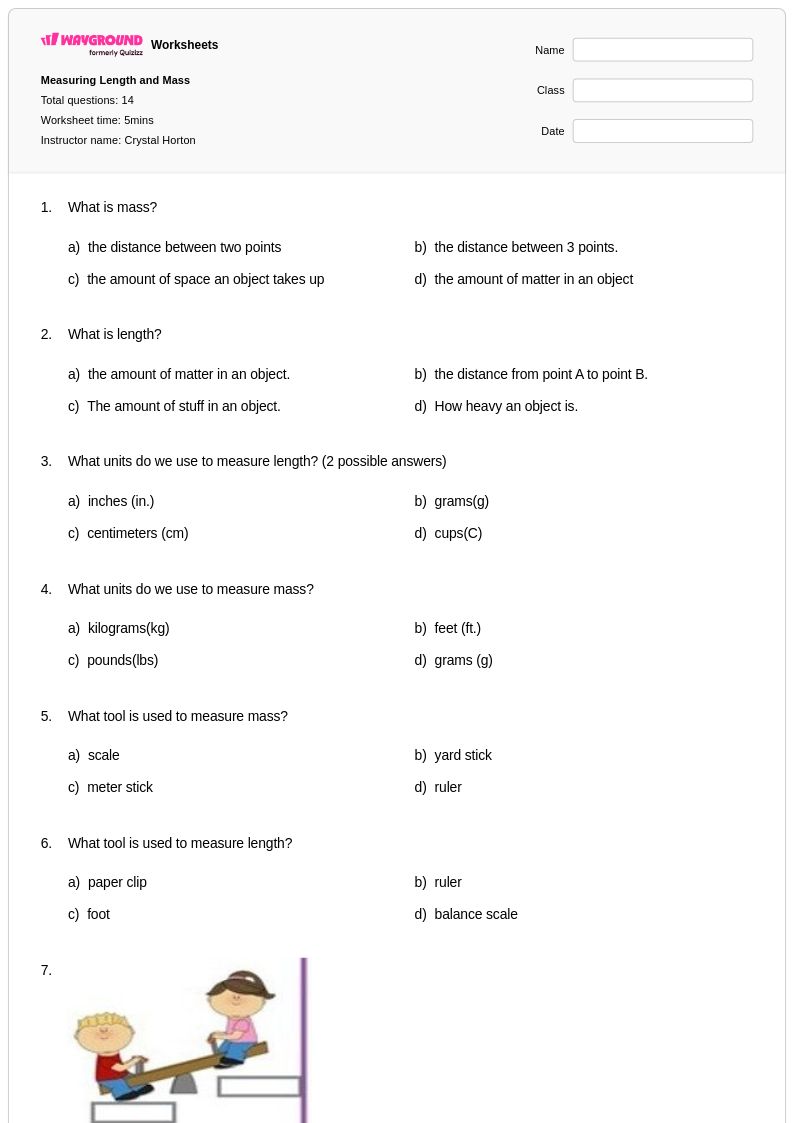
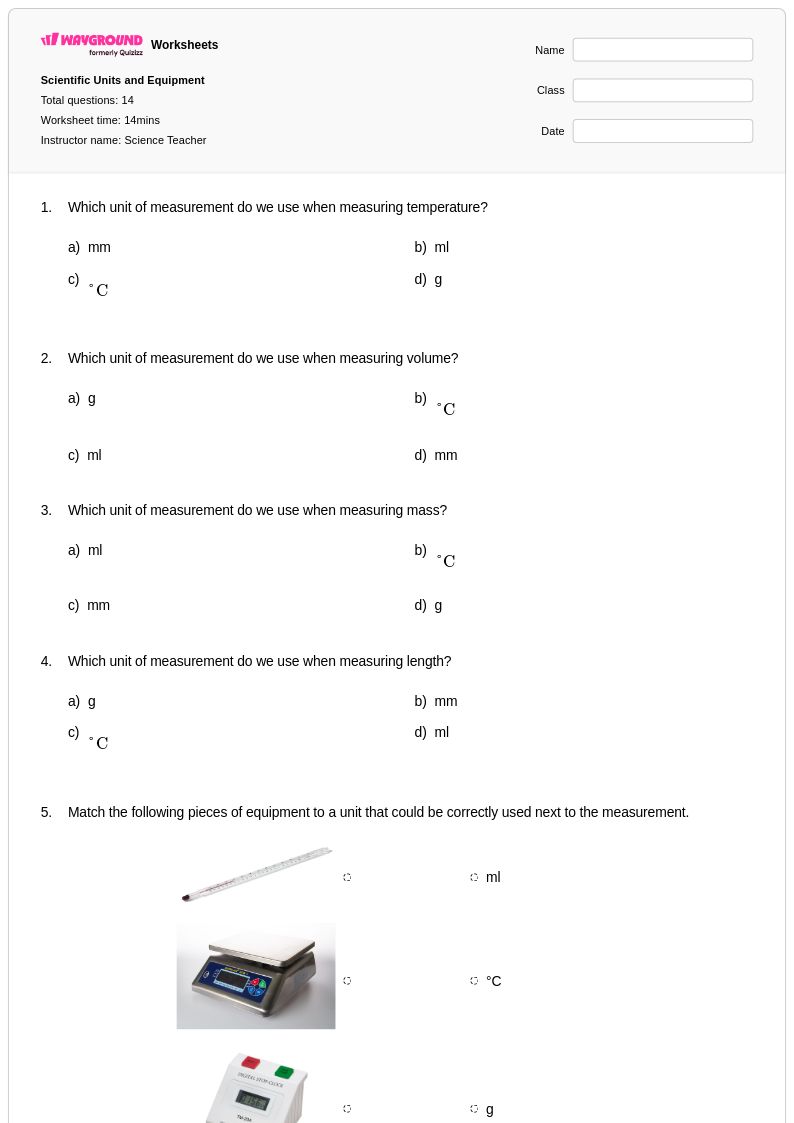
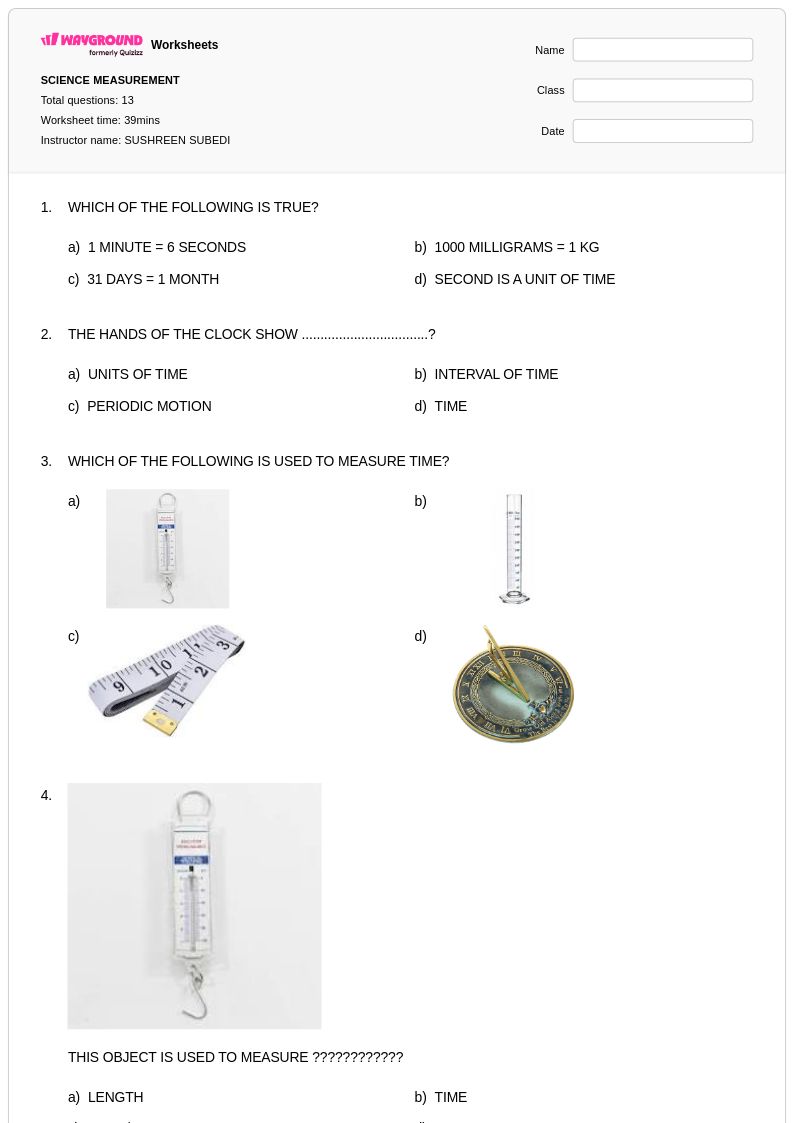
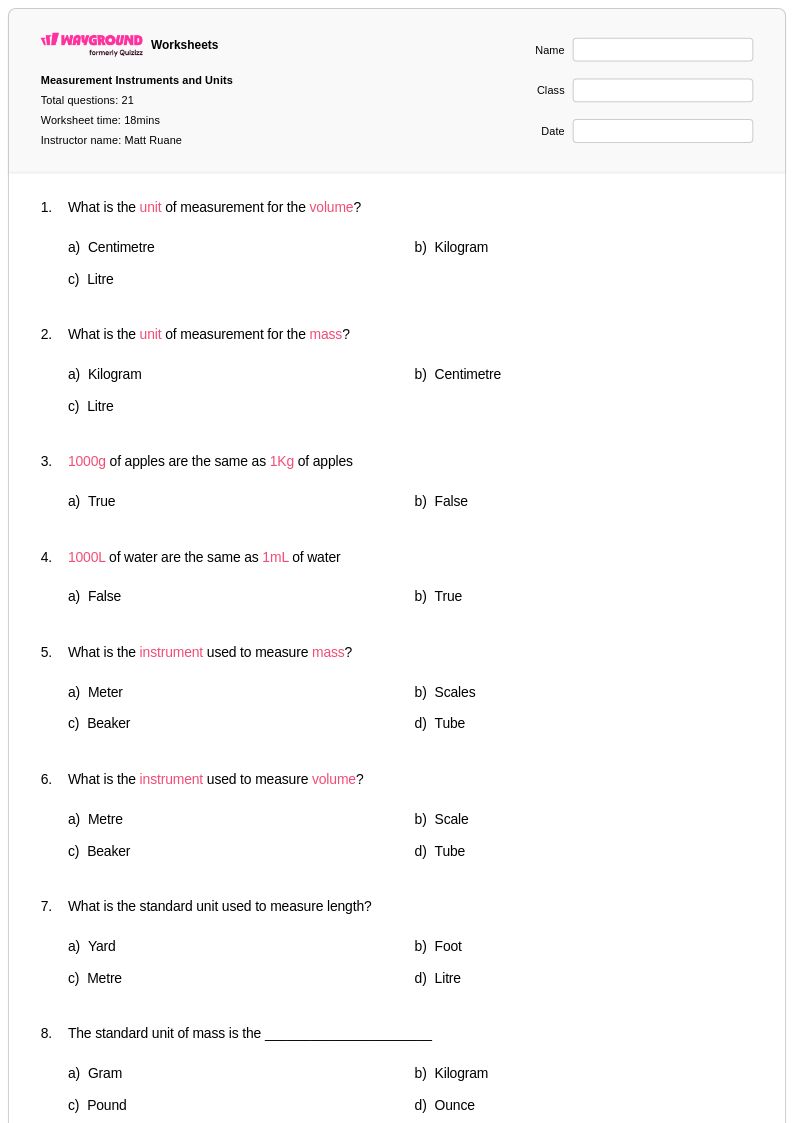
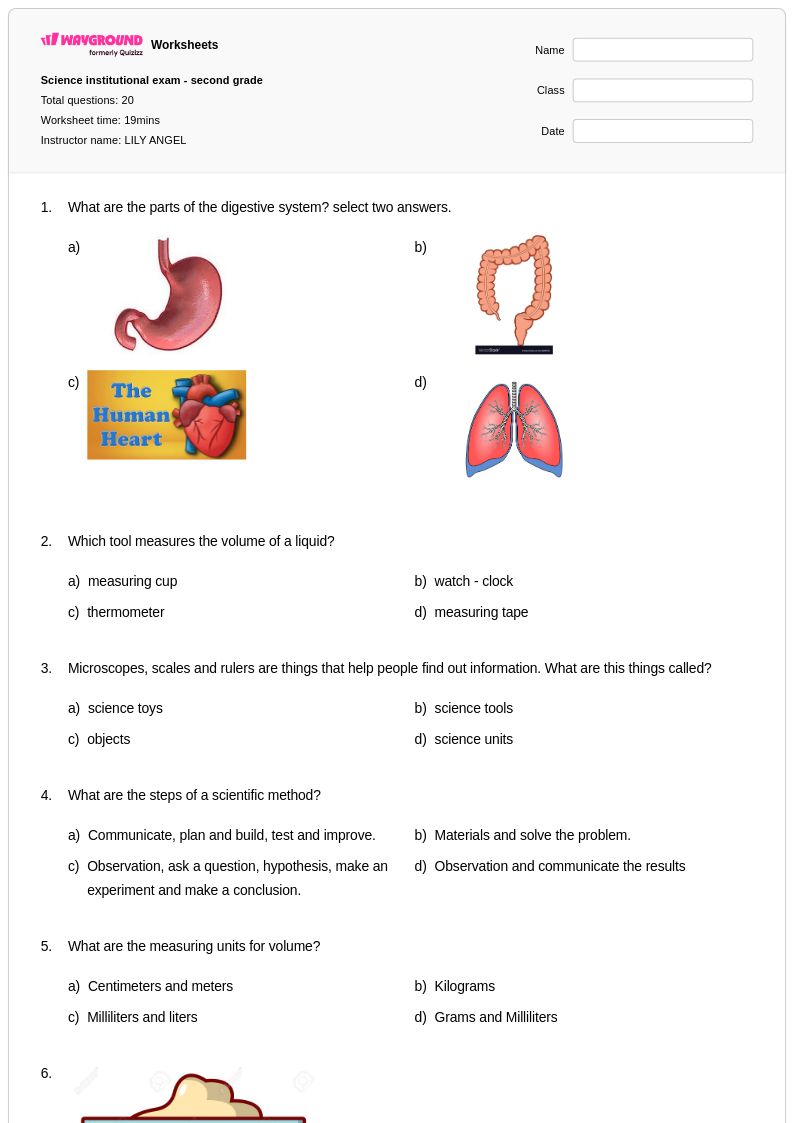
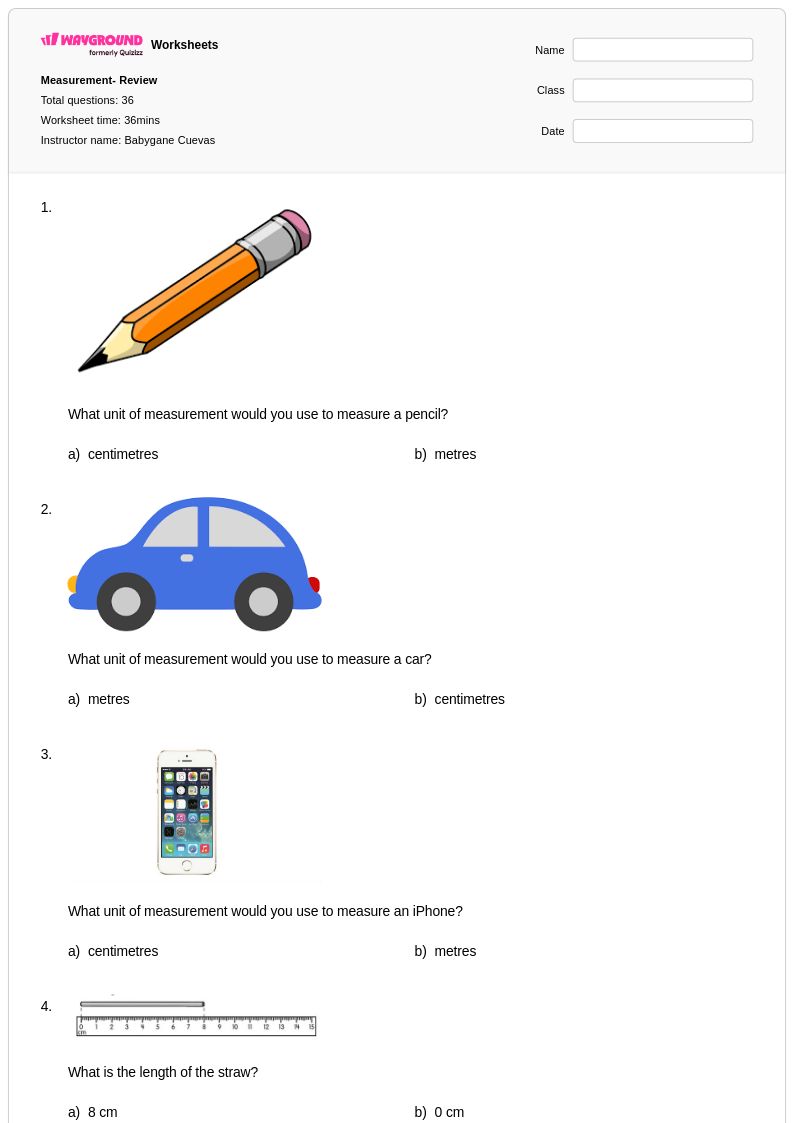
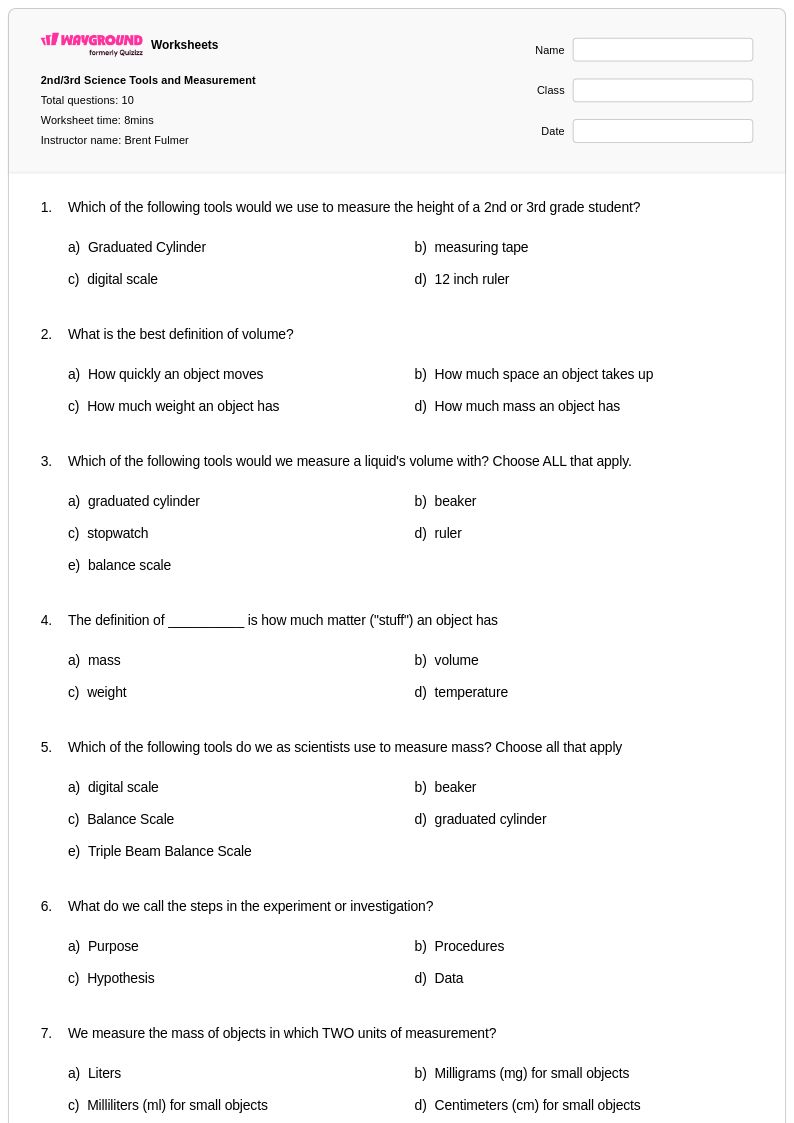
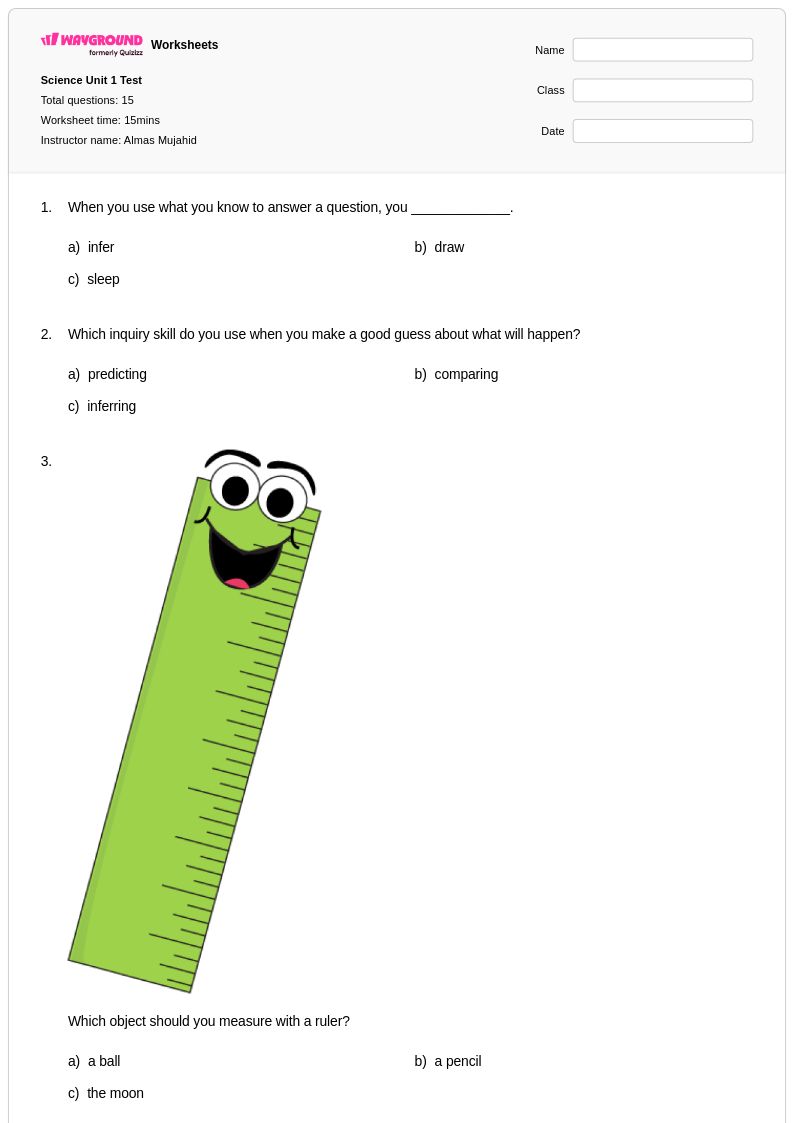
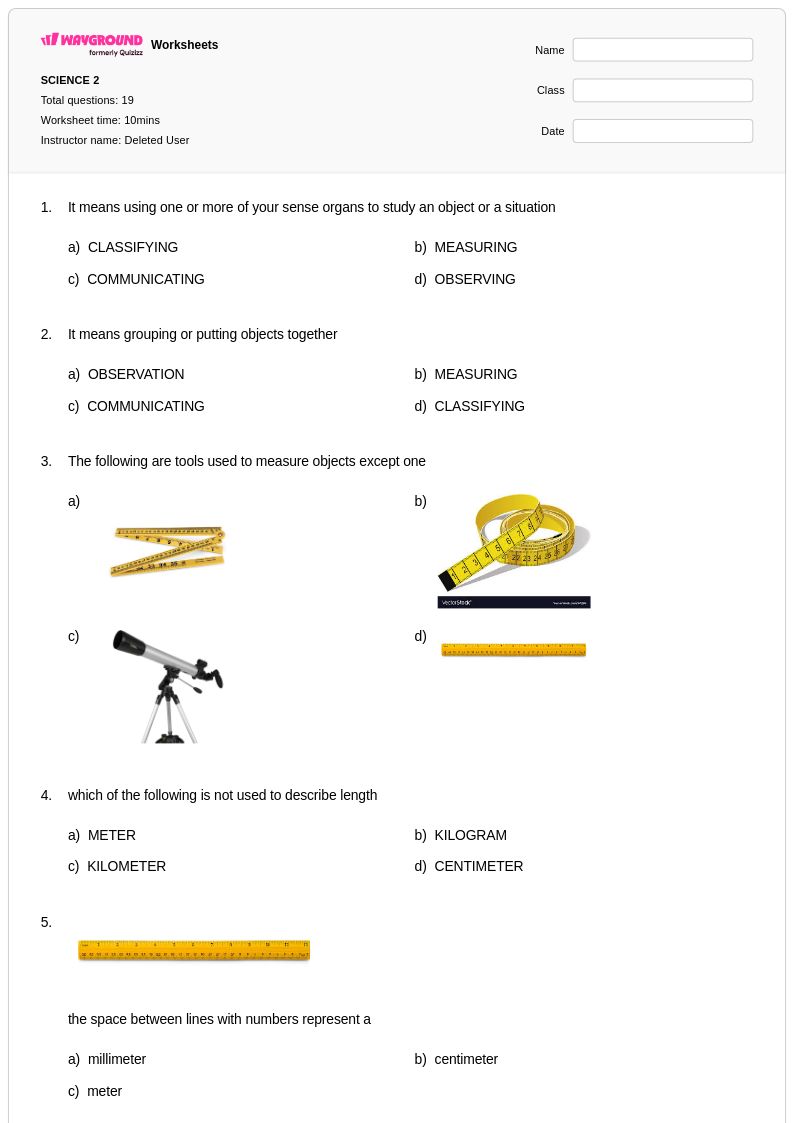
Year 2 units of length worksheets provide free printables and practice problems to help young students master measuring with inches, feet, and centimeters through engaging exercises with complete answer keys.
Explore printable Units of Length worksheets for Year 2
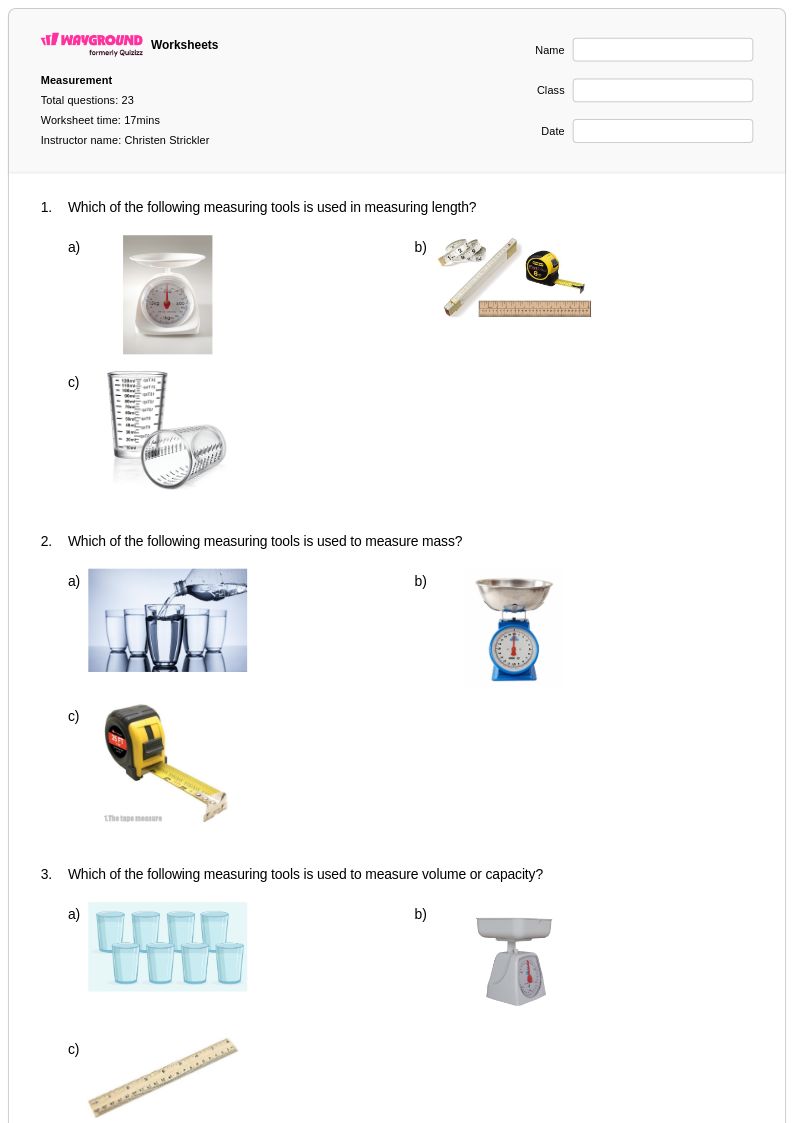
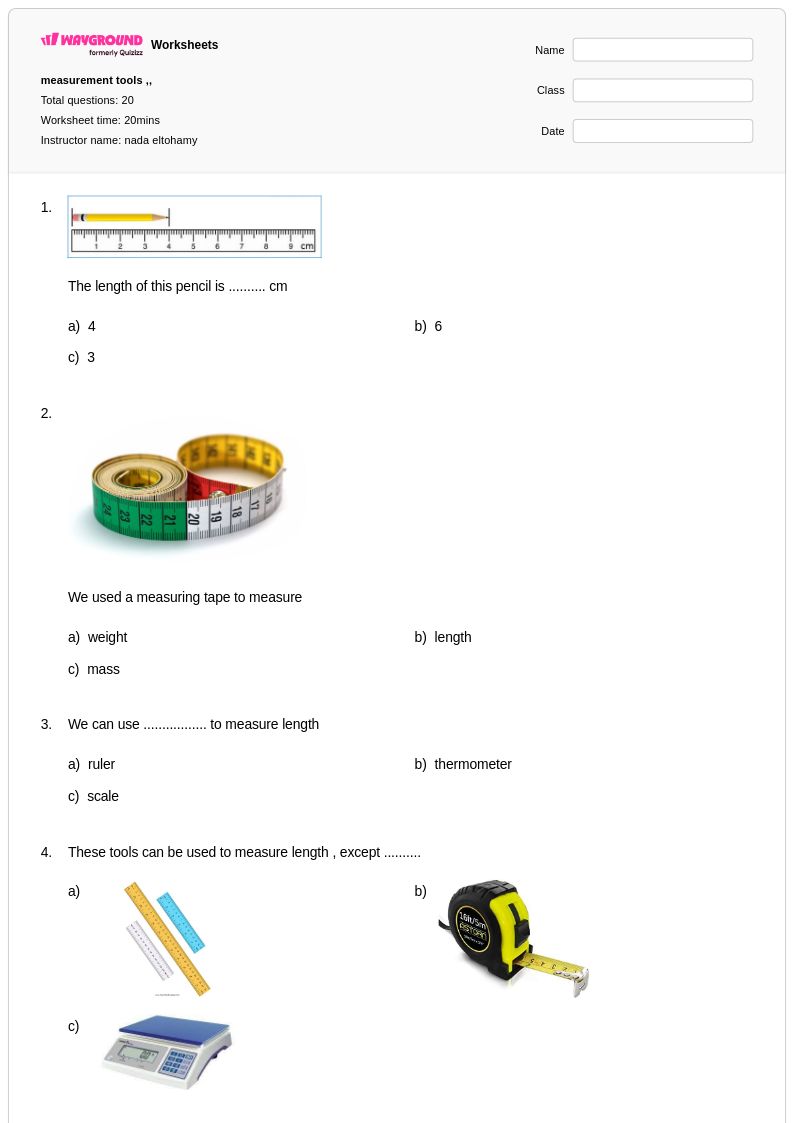
Units of Length worksheets for Year 2 provide essential foundational practice in measurement concepts that young learners need to master. These comprehensive worksheets available through Wayground (formerly Quizizz) focus on helping second-grade students understand and compare different units of length, including inches, feet, centimeters, and meters. The carefully designed practice problems guide students through measuring everyday objects, estimating lengths, and making comparisons between standard and metric units. Each worksheet collection includes detailed answer keys and is available as free printable resources in PDF format, making it easy for educators to provide consistent measurement practice that builds critical mathematical reasoning skills.
Wayground (formerly Quizizz) empowers teachers with access to millions of educator-created Units of Length resources specifically designed for Year 2 instruction. The platform's advanced search and filtering capabilities allow teachers to quickly locate worksheets that align with state mathematics standards and match their students' specific learning needs. Teachers can easily differentiate instruction by selecting from various difficulty levels and customize worksheets to address individual student requirements, whether for remediation of basic measurement concepts or enrichment activities for advanced learners. Available in both printable PDF formats and interactive digital versions, these resources streamline lesson planning while providing flexible options for in-class practice, homework assignments, and assessment preparation that strengthen students' fundamental understanding of length measurement.
FAQs
How do I teach units of length to students who struggle with measurement conversions?
Start by anchoring instruction in a single reference unit — typically the meter in metric or the foot in customary — and build outward using visual benchmarks students can physically handle. Introduce conversion factors one at a time before combining them in multi-step problems. Connecting units to real-world contexts, such as measuring classroom objects or estimating distances, helps students internalize relationships rather than memorize isolated facts.
What exercises help students practice converting between metric and customary units of length?
Effective practice includes unit conversion tables where students fill in missing values, comparison problems that ask them to order measurements across systems, and real-world word problems involving distance, height, or perimeter. Multi-step conversion problems — such as converting kilometers to inches — push students to apply procedural fluency under more demanding conditions and reveal gaps in their understanding of how the two systems relate.
What mistakes do students commonly make when converting units of length?
The most frequent error is multiplying when students should divide, or vice versa — particularly when converting from smaller units to larger ones. Students also commonly confuse metric prefixes, treating centimeters and millimeters as interchangeable, or lose track of which system a unit belongs to entirely. A structured reference chart kept visible during early practice can significantly reduce these errors while students build fluency.
How do I differentiate units of length instruction for students at different skill levels?
For students who need support, begin with single-step conversions within one system using a provided conversion chart, and consider reducing answer choices on practice problems to lower cognitive load. Advanced learners benefit from multi-step problems that require converting across both metric and customary systems, or tasks that embed measurement into geometry and real-world problem solving. On Wayground, teachers can apply individual accommodations — such as read aloud, extended time, or reduced answer choices — to specific students so that each learner receives appropriately leveled practice without singling anyone out.
How can I use units of length worksheets in my classroom?
Units of length worksheets on Wayground are available as printable PDFs for traditional classroom use and in digital formats for technology-integrated environments, giving teachers flexibility depending on their setup. Digital versions can also be hosted as a quiz directly on Wayground, making them useful for formative assessment or independent practice with immediate feedback. Answer keys are included with every worksheet, supporting self-assessment and reducing grading time for teachers.
How do I assess whether students have mastered units of length?
Look beyond conversion accuracy and assess whether students can select an appropriate unit for a given context — recognizing, for example, that kilometers are suitable for road distances while centimeters suit pencil length. Strong mastery indicators include the ability to estimate measurements, explain the reasoning behind a conversion, and solve multi-step problems that require selecting and applying the correct unit without prompting. Formative checks using targeted word problems or matching tasks can efficiently surface these gaps.