Free Printable Visual Literacy Worksheets for Year 10
Year 10 visual literacy worksheets help students develop critical reading comprehension skills through engaging printables that analyze images, charts, and multimedia texts with comprehensive answer keys.
Explore printable Visual Literacy worksheets for Year 10
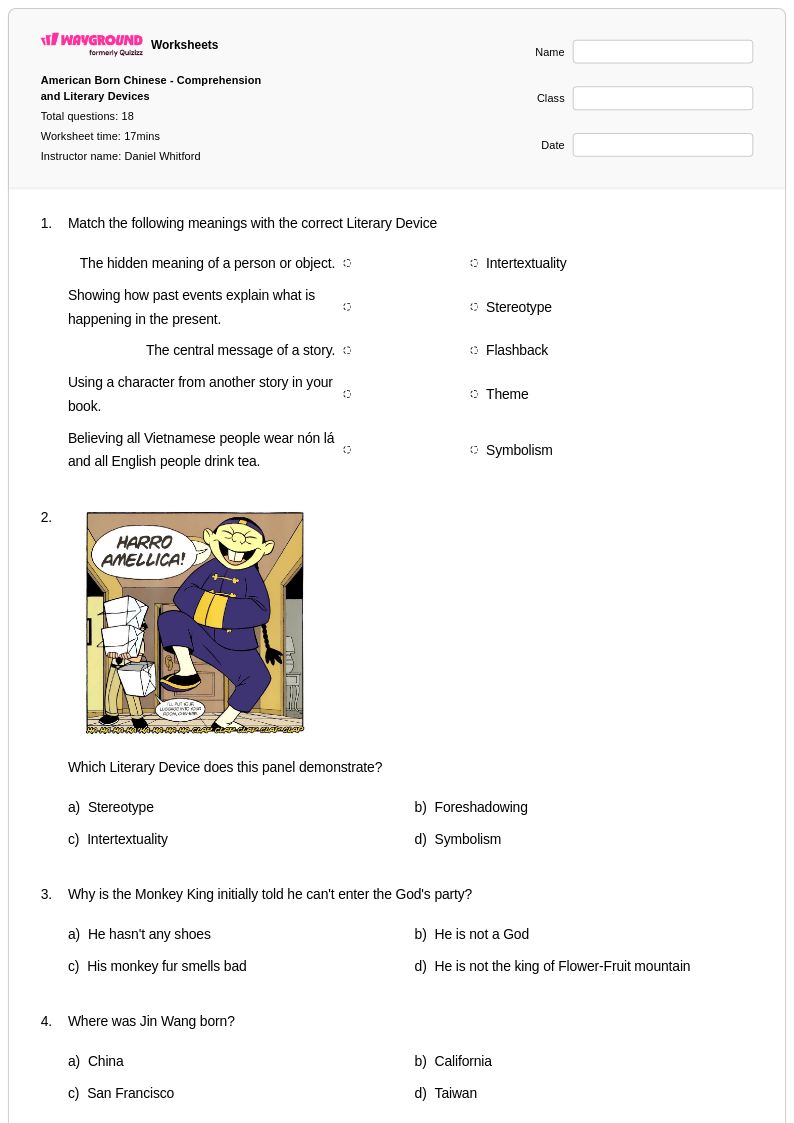
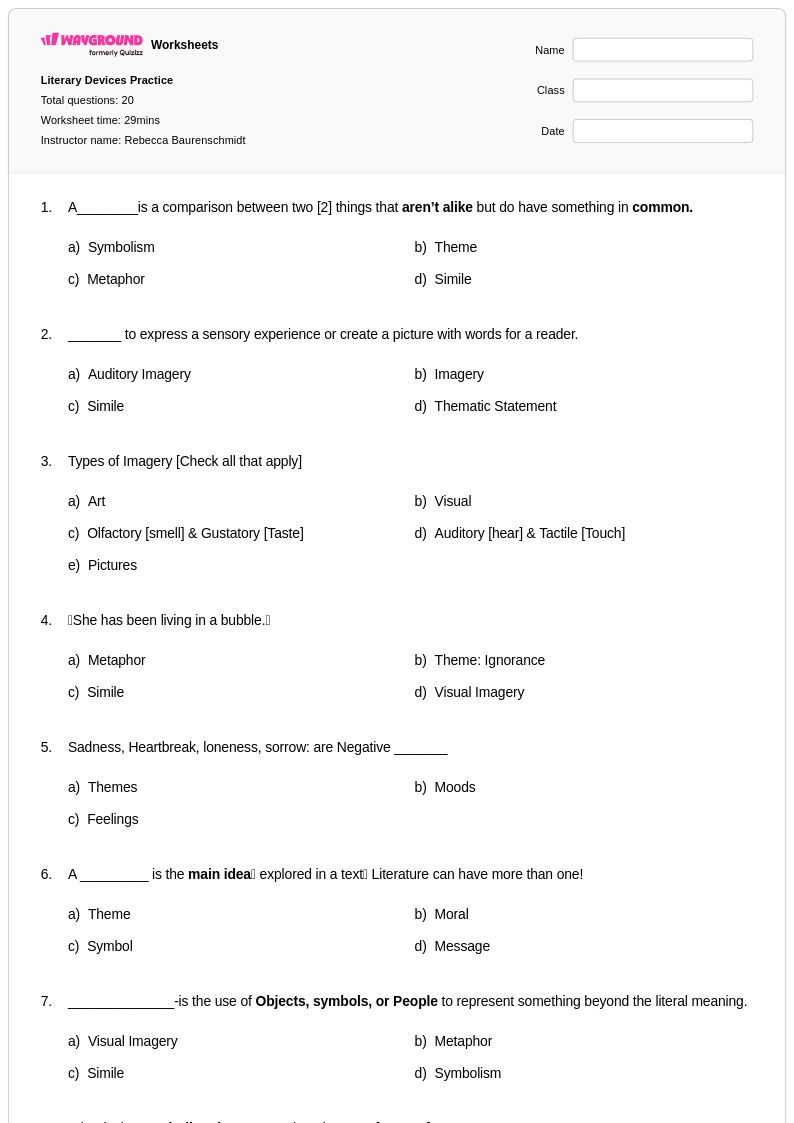
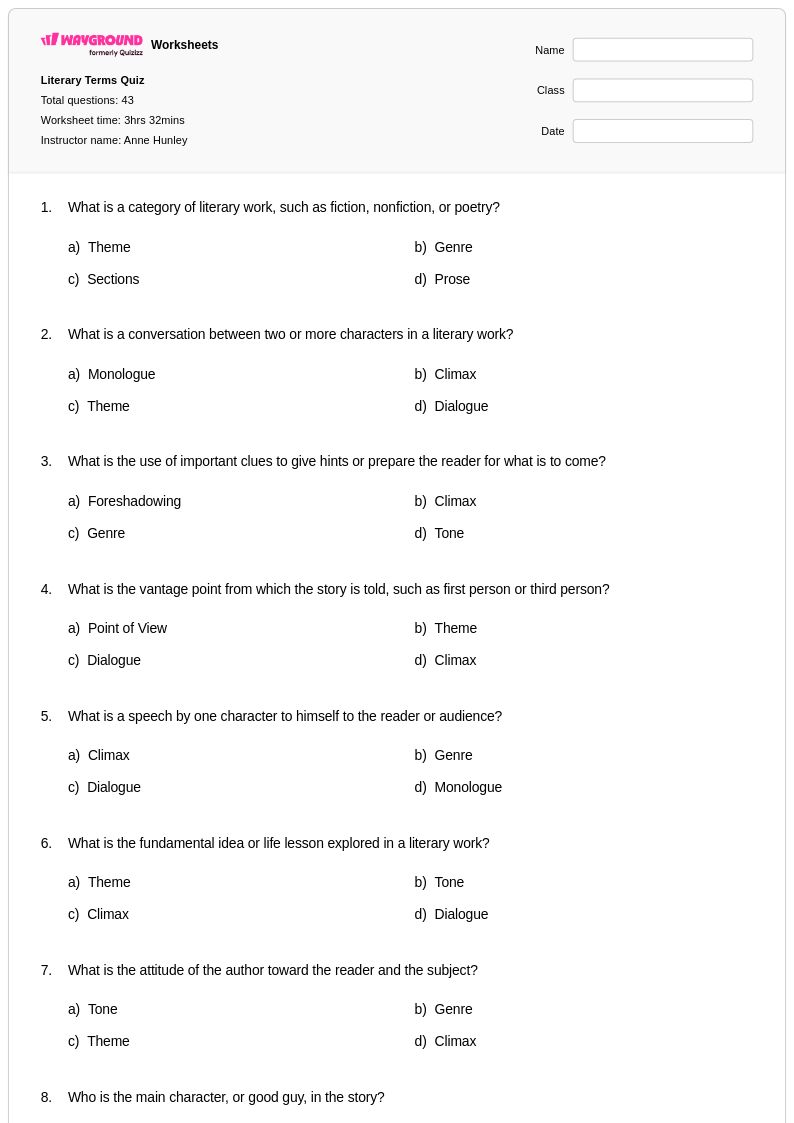
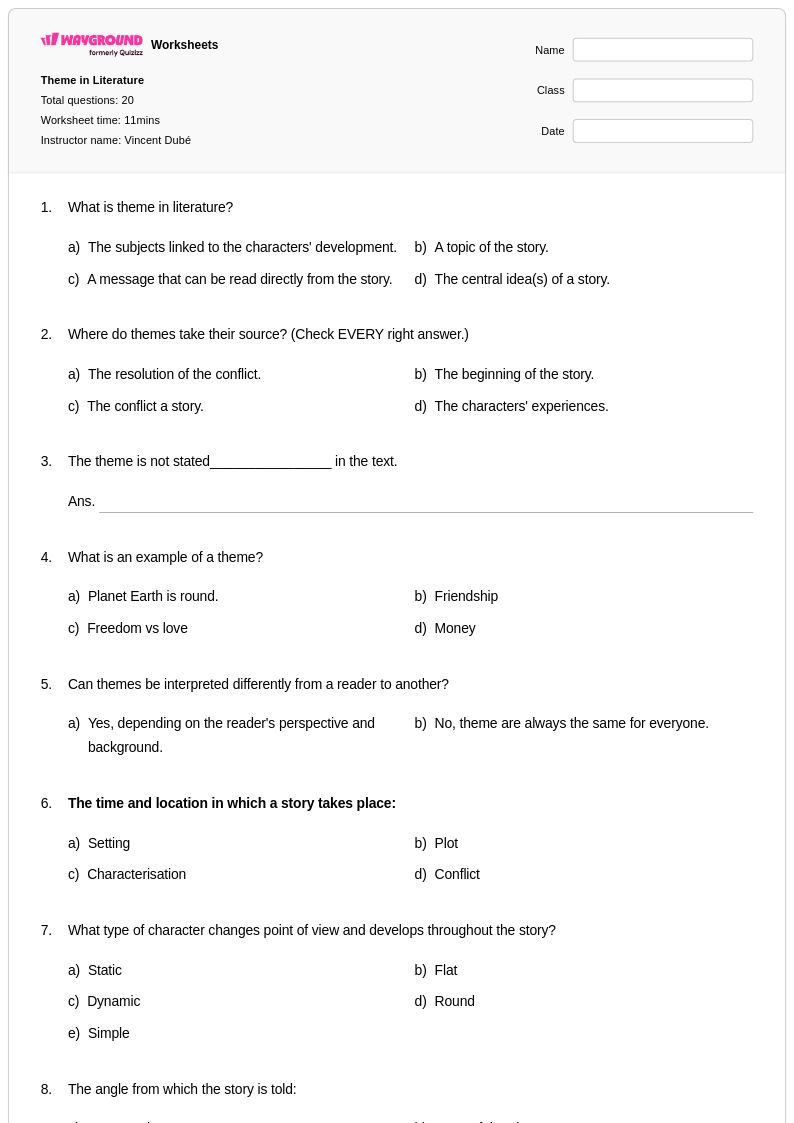
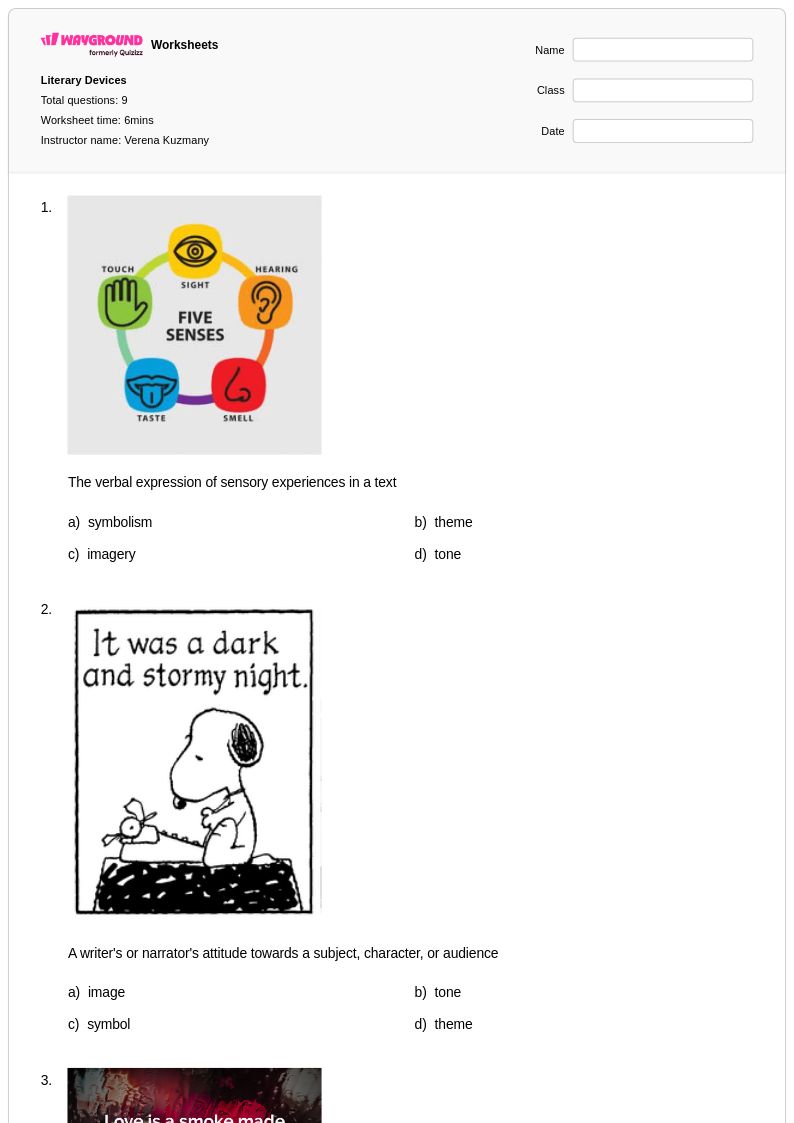
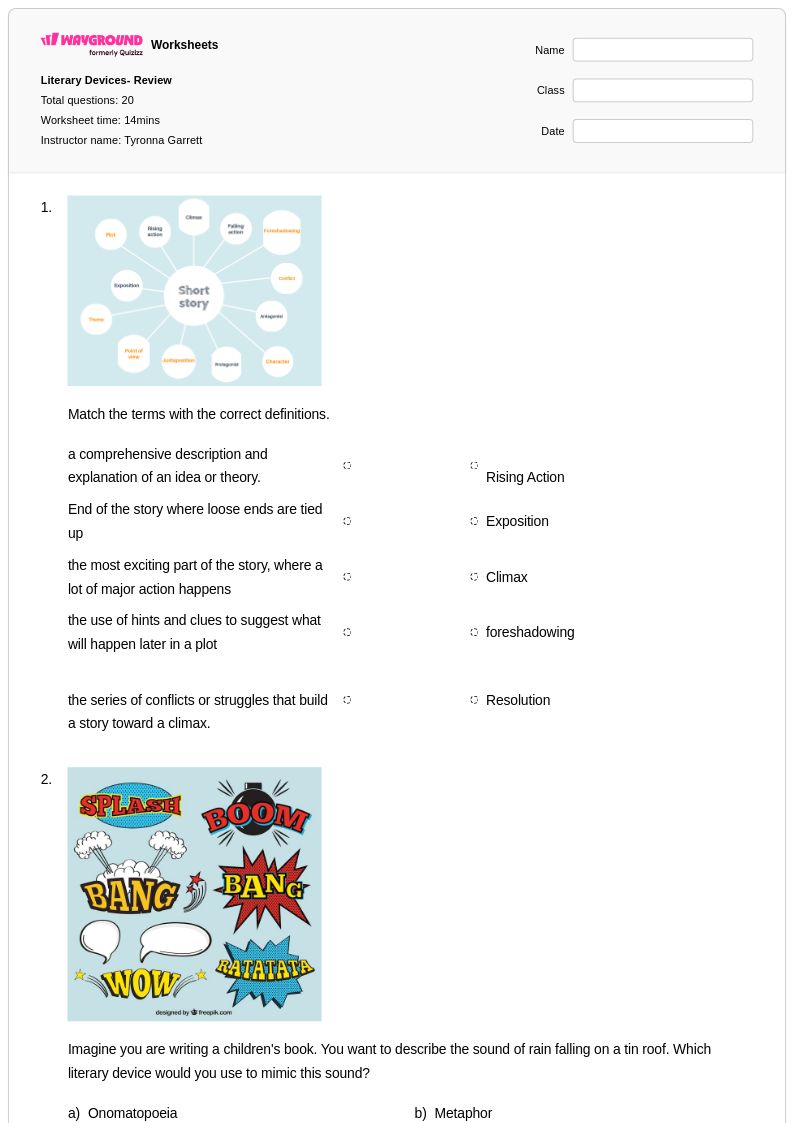
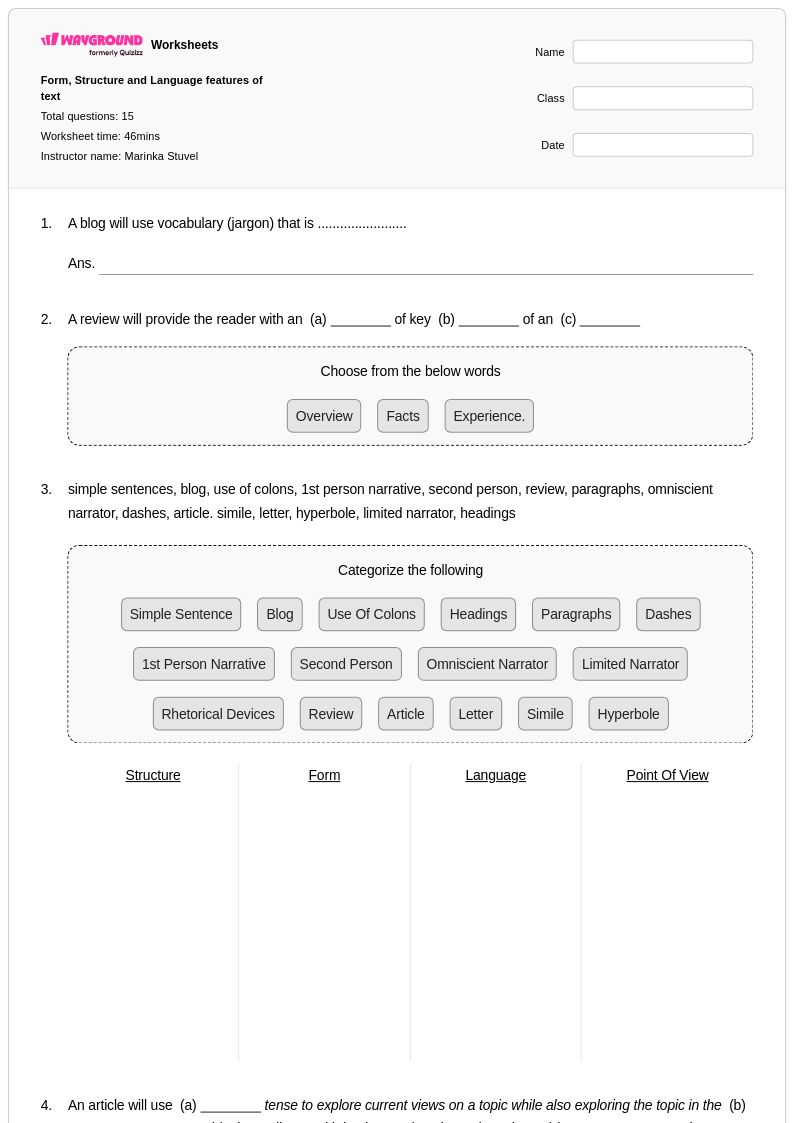
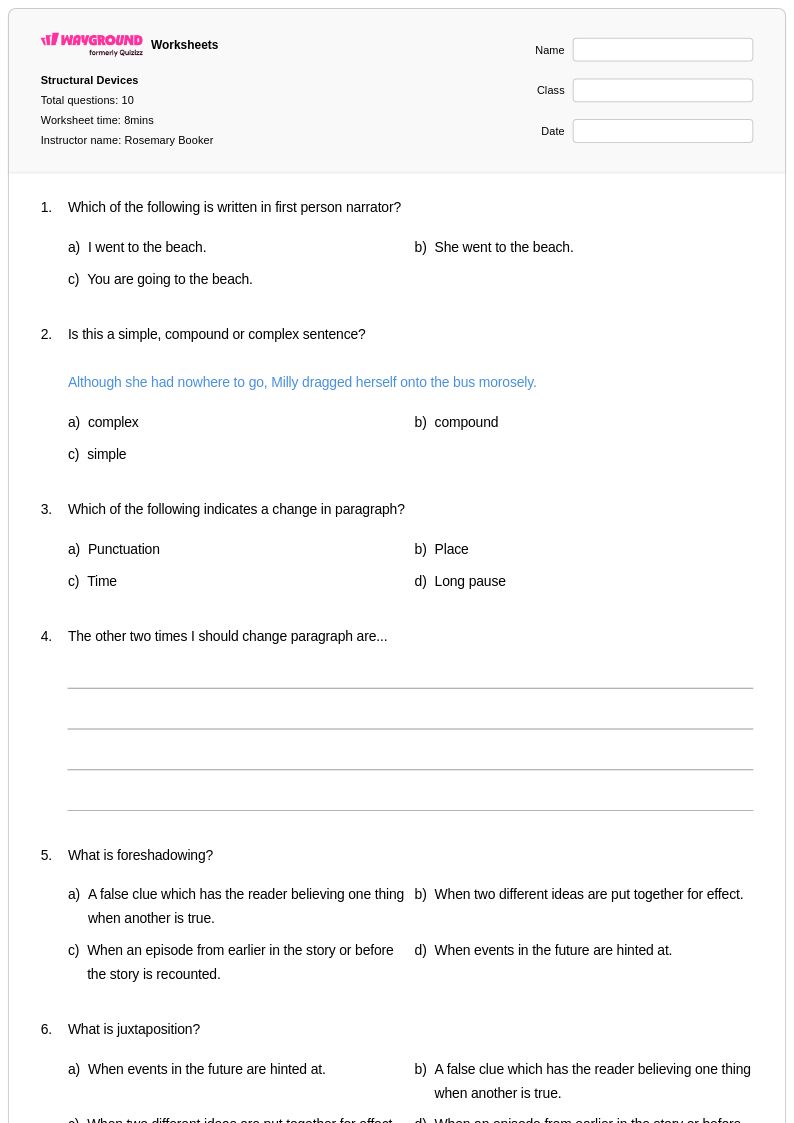
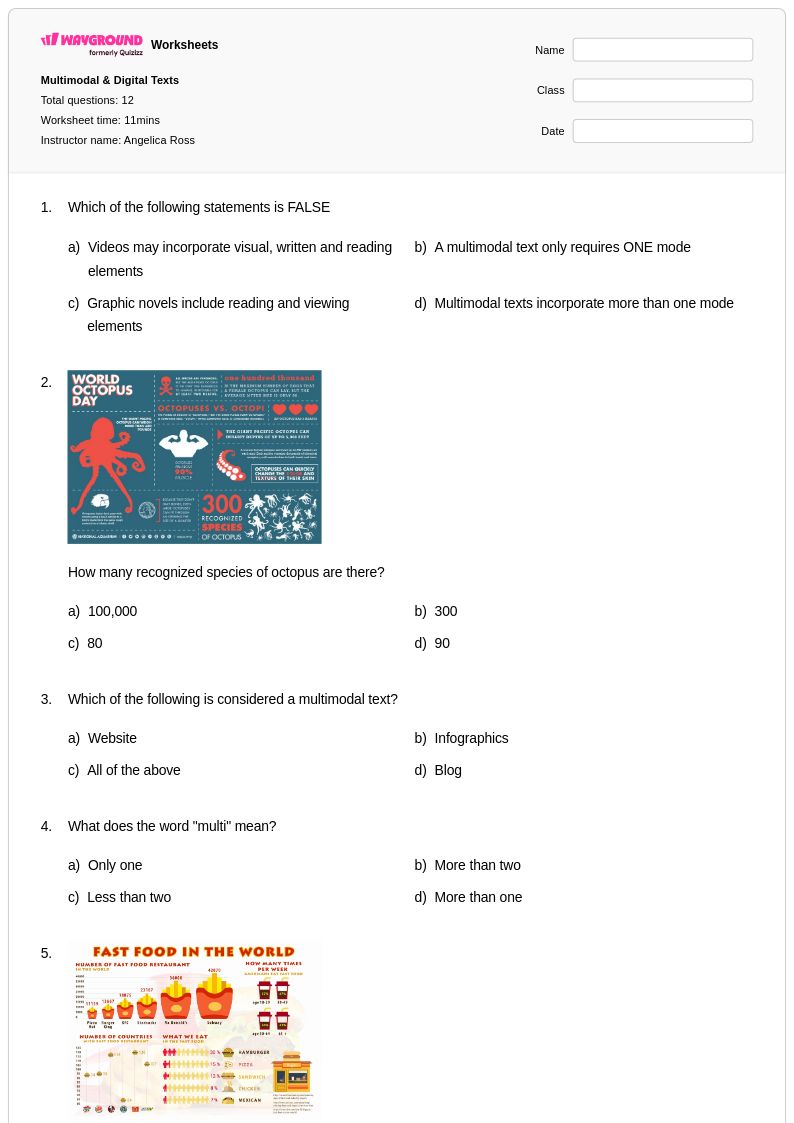
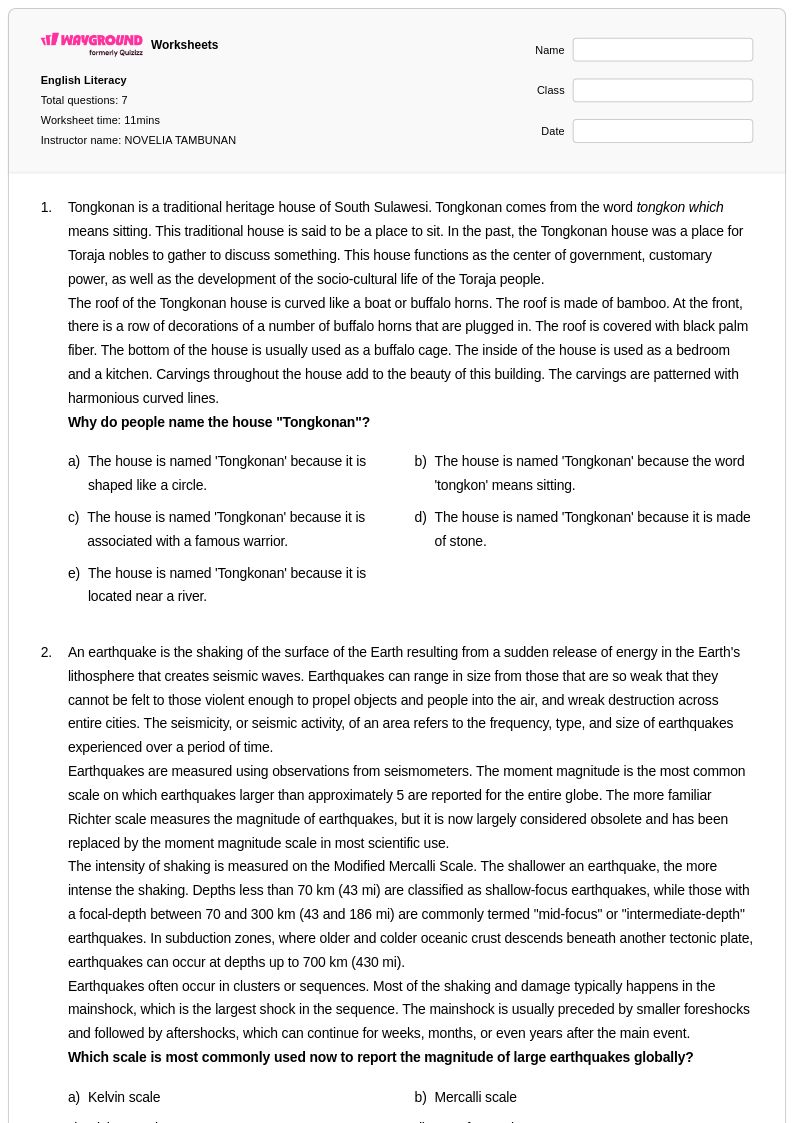
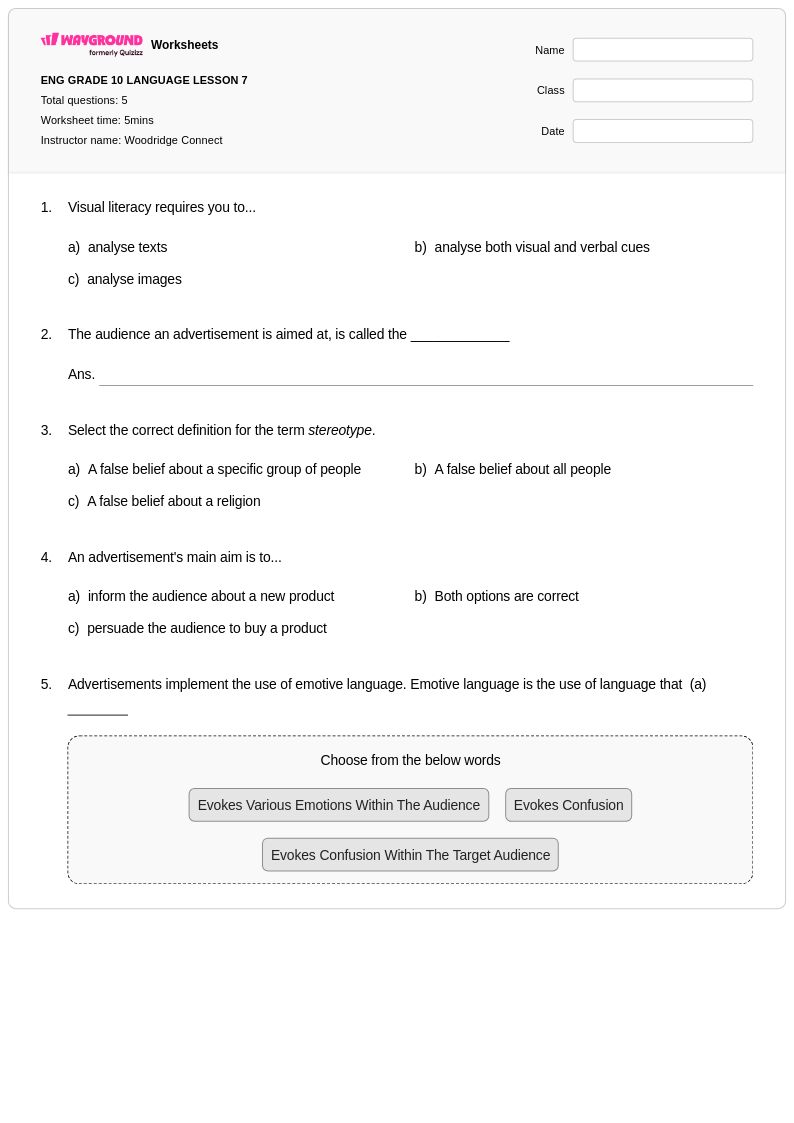
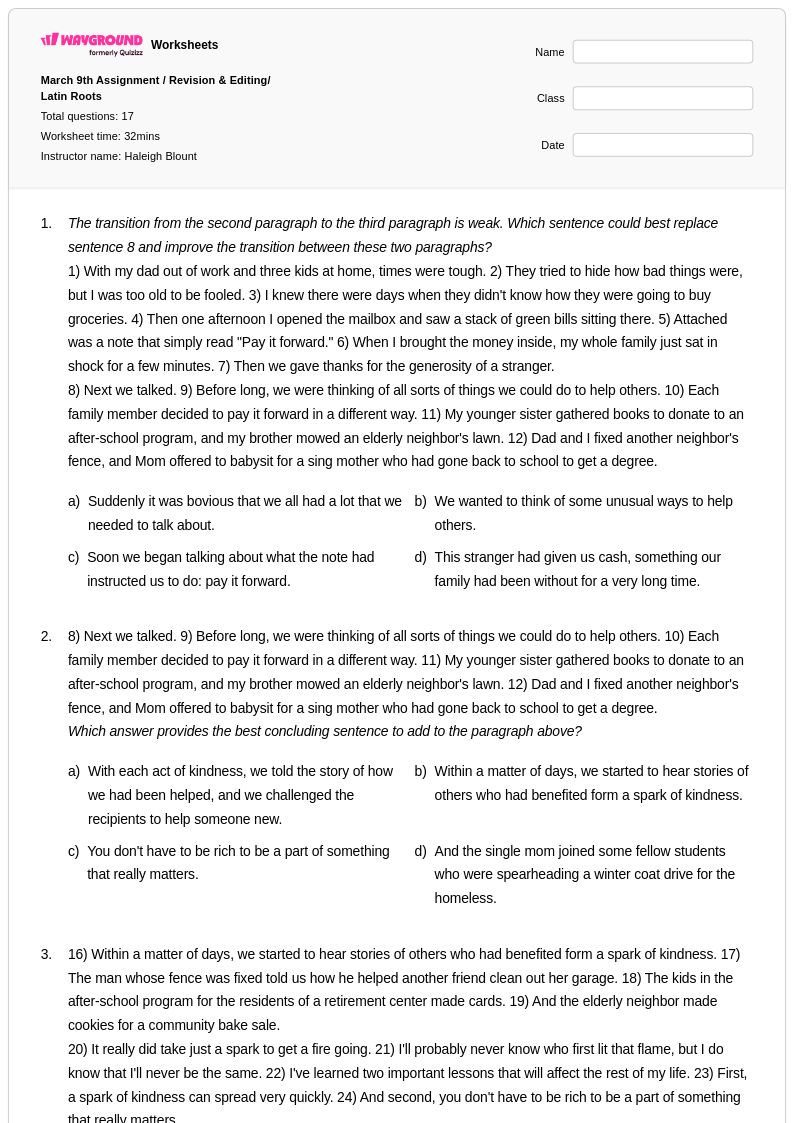
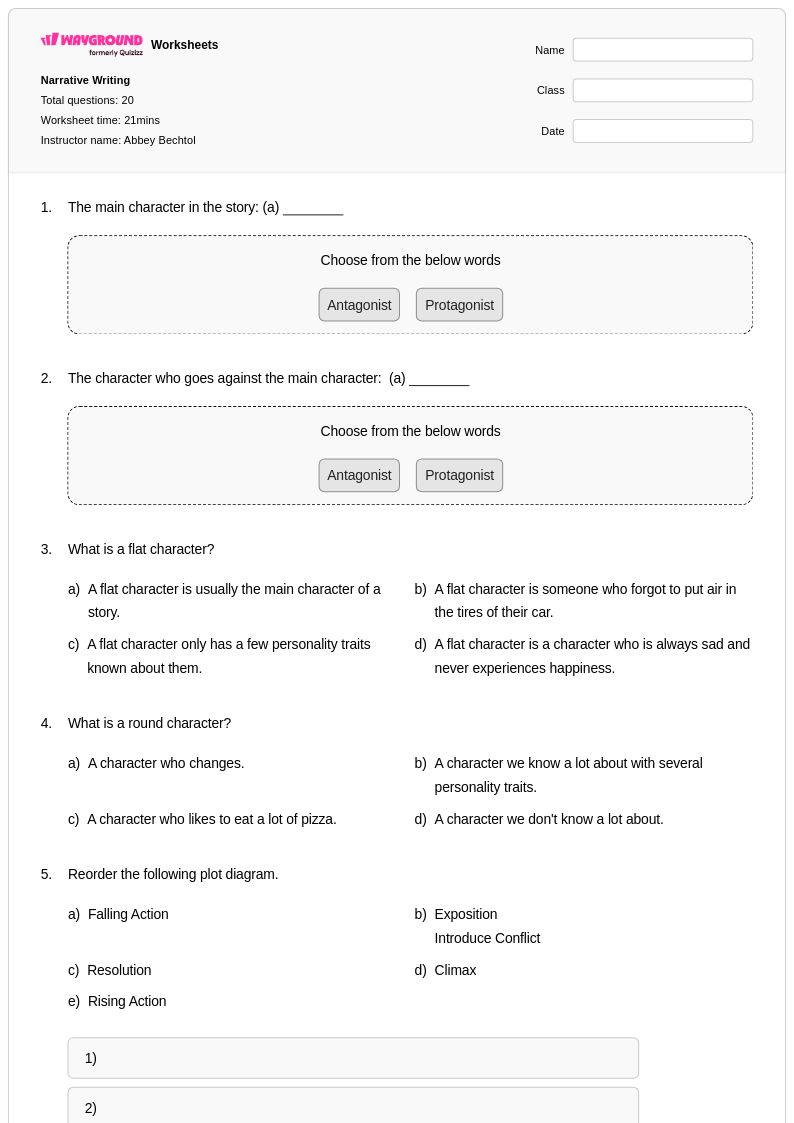
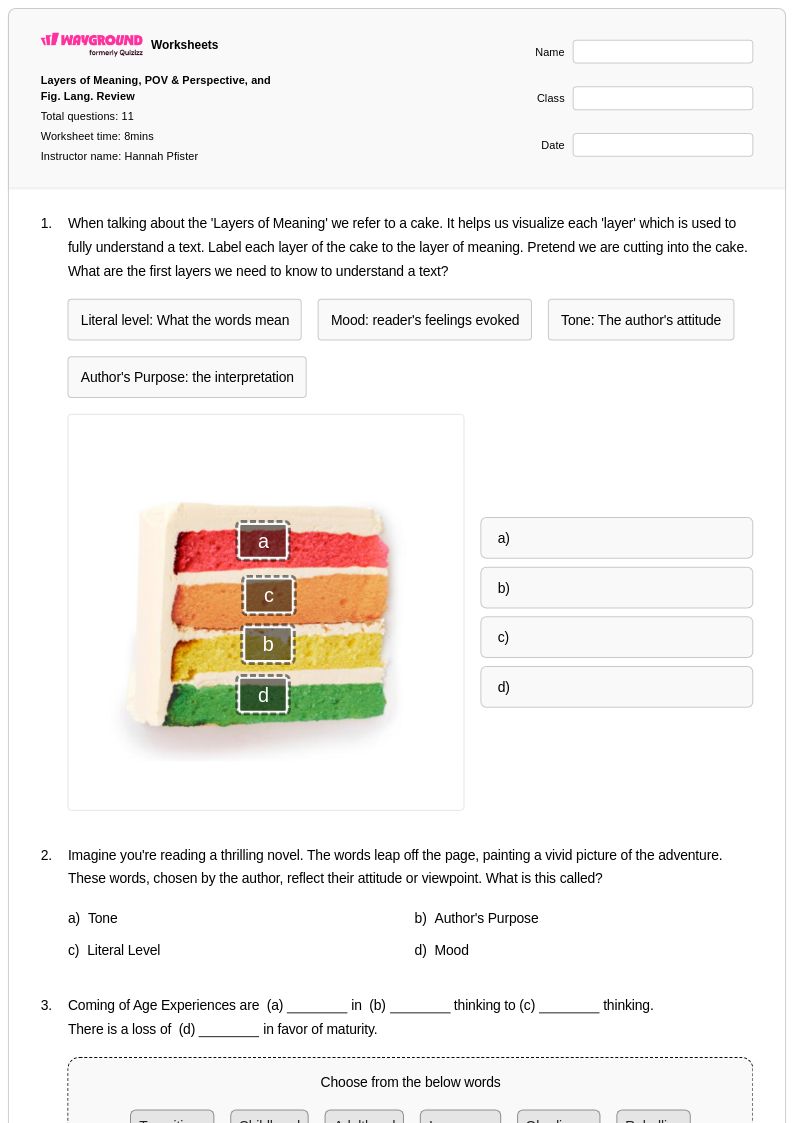
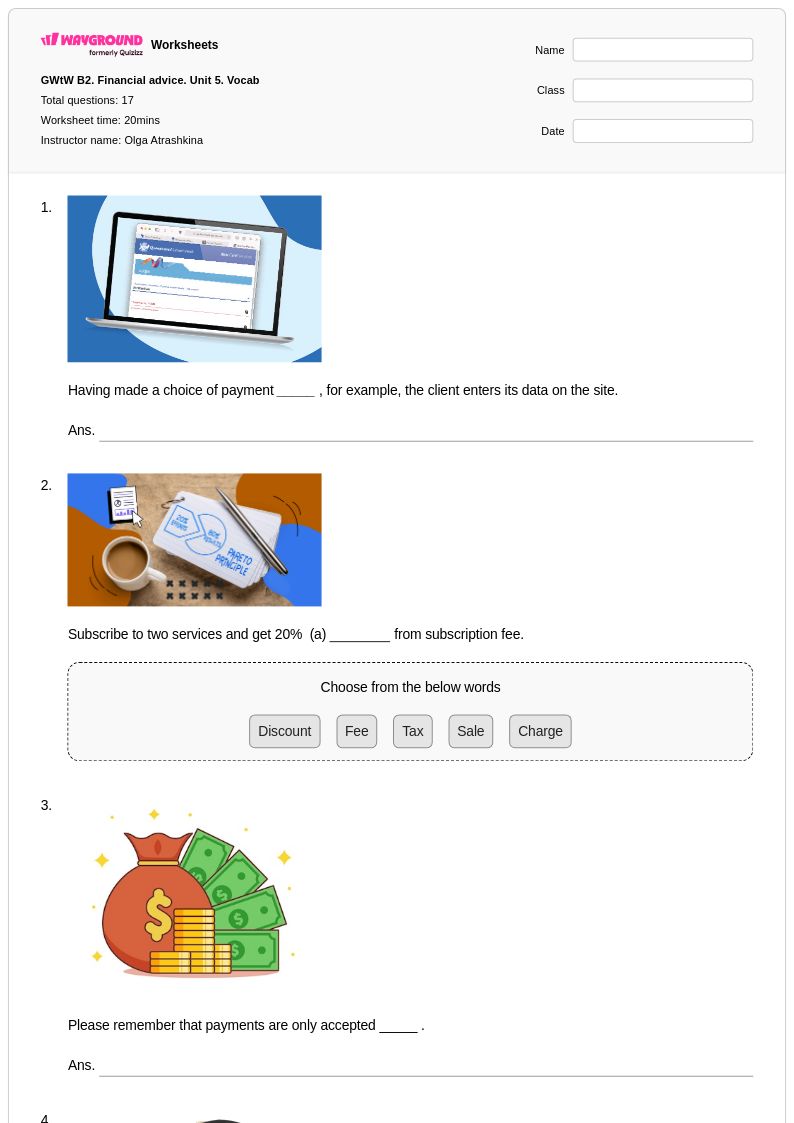
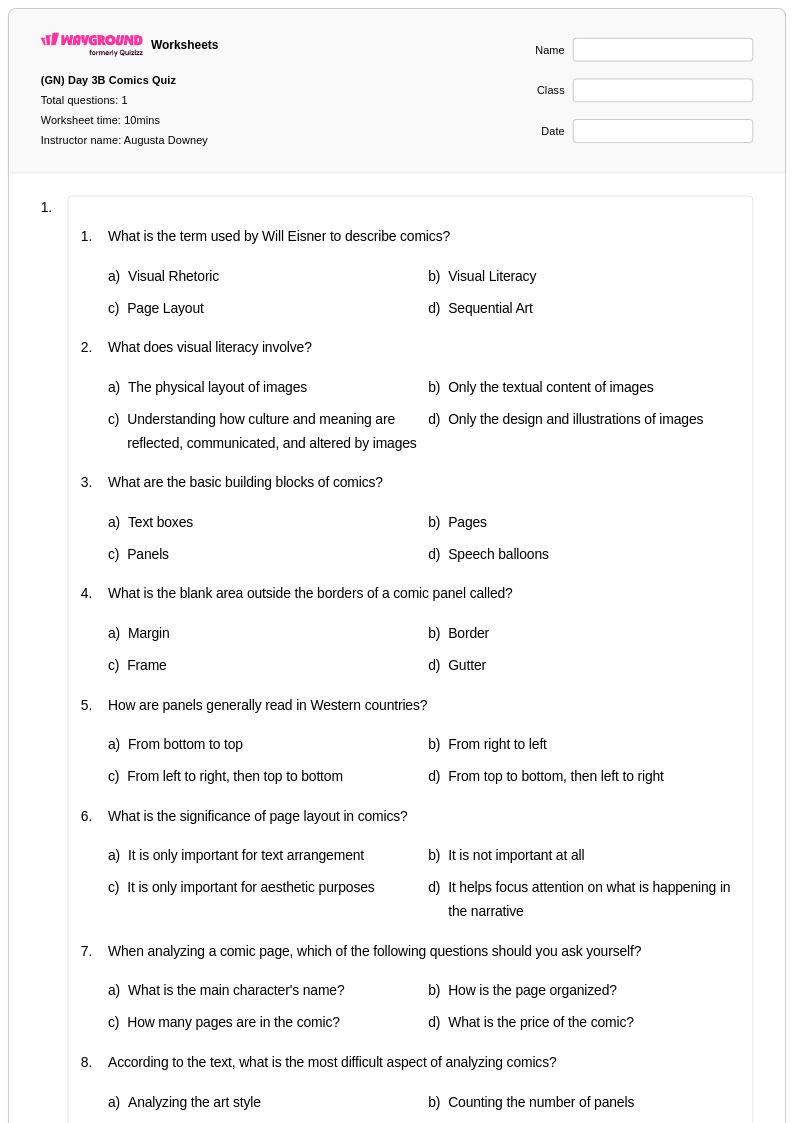
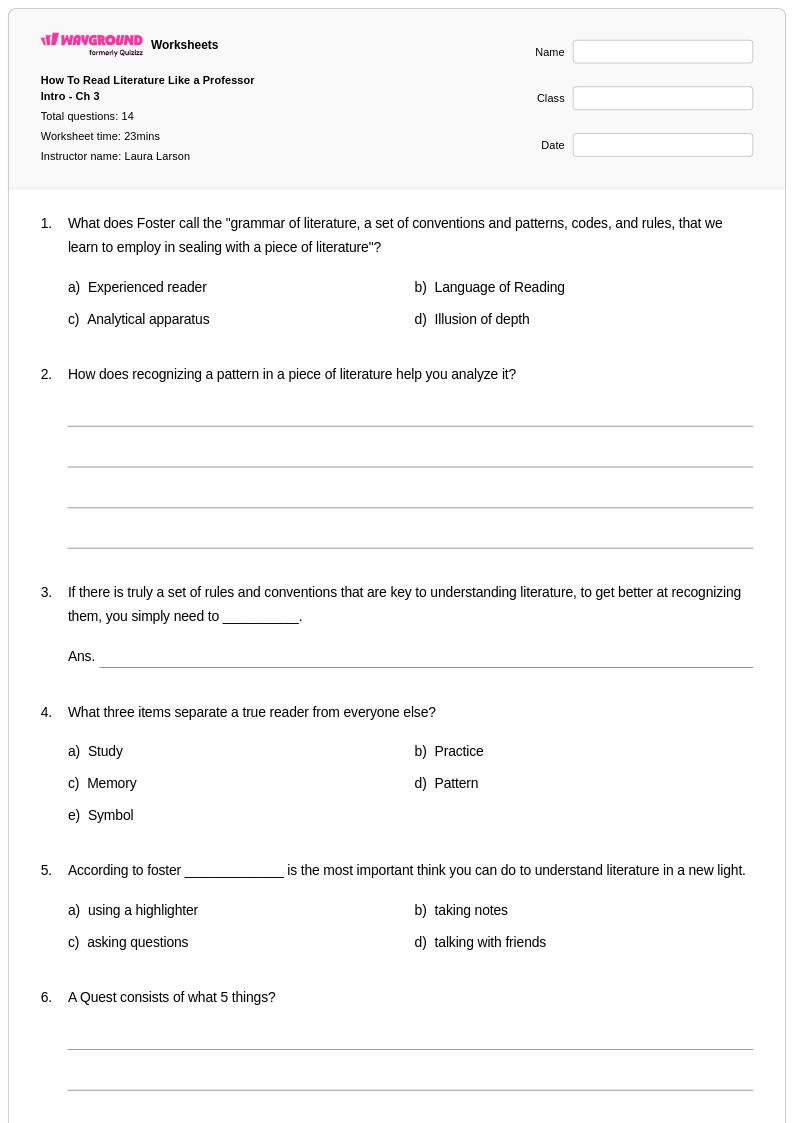
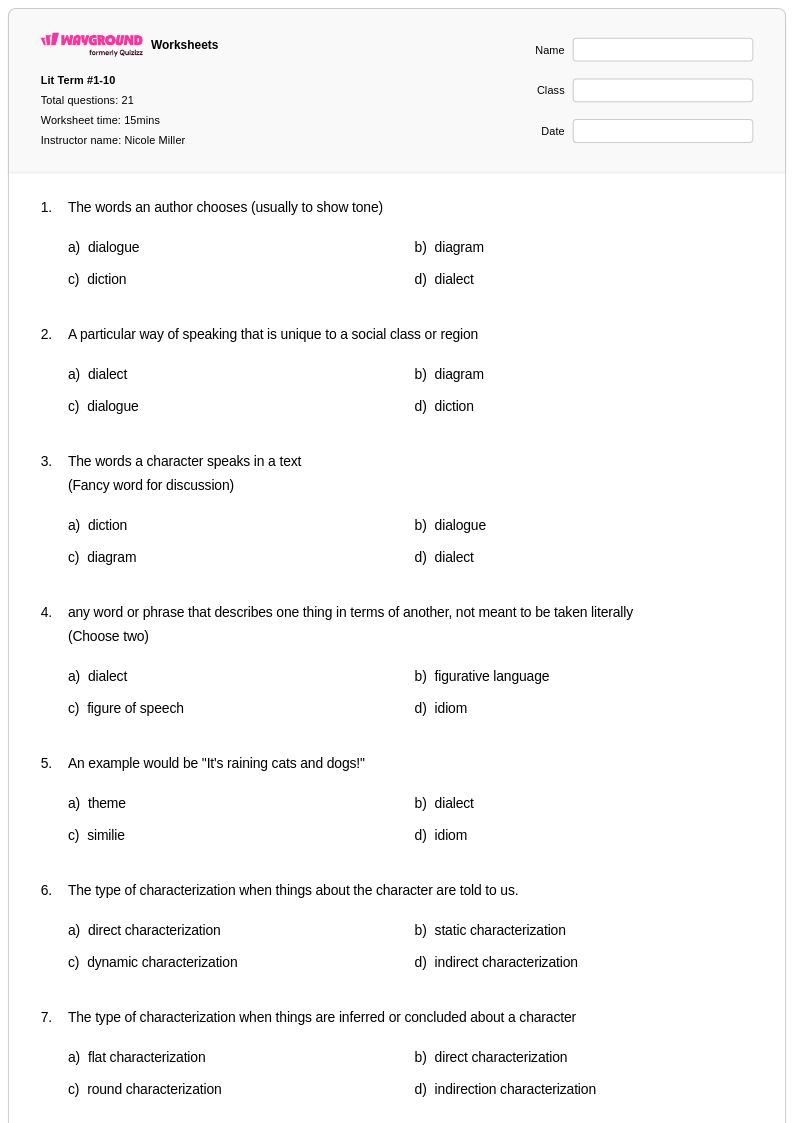
Visual literacy worksheets for Year 10 students available through Wayground (formerly Quizizz) provide comprehensive practice in interpreting, analyzing, and evaluating visual texts and media. These carefully designed resources help students develop critical skills in reading graphs, charts, infographics, photographs, advertisements, and multimedia presentations while strengthening their ability to understand how visual elements convey meaning and influence audience perception. Students engage with practice problems that challenge them to decode symbolic representations, analyze composition techniques, and evaluate the effectiveness of visual communication strategies. Each worksheet includes detailed answer keys that support both independent learning and classroom instruction, with free printable pdf formats making these resources easily accessible for homework assignments, group activities, and assessment preparation.
Wayground's extensive collection of teacher-created visual literacy resources offers educators millions of professionally developed materials with robust search and filtering capabilities that align with curriculum standards and learning objectives. Teachers can quickly locate grade-appropriate worksheets that target specific visual literacy competencies, from basic chart interpretation to sophisticated analysis of propaganda techniques and media bias. The platform's differentiation tools enable educators to customize content complexity and provide multiple formats including both digital and printable pdf options, facilitating seamless integration into diverse instructional settings. These flexible resources prove invaluable for lesson planning, targeted remediation for struggling readers, enrichment activities for advanced learners, and ongoing skill practice that builds students' confidence in navigating our increasingly visual world.
FAQs
How do I teach visual literacy skills in the classroom?
Teaching visual literacy involves guiding students to actively analyze images, diagrams, charts, and multimedia rather than passively viewing them. Start by modeling how to identify the purpose, audience, and key elements of a visual, then gradually release responsibility to students through guided and independent practice. Pairing visual analysis with written or verbal responses strengthens the connection between visual interpretation and critical thinking.
What exercises help students practice interpreting visual information?
Effective practice exercises include analyzing photographs or illustrations for symbolism and composition, reading charts and diagrams to extract and synthesize data, and comparing visual and textual sources to evaluate consistency. Students also benefit from tasks that ask them to decode visual symbols, identify spatial relationships, and assess the credibility or bias of visual media. These activities build transferable skills across subject areas including science, social studies, and language arts.
What mistakes do students commonly make when analyzing images or visual media?
A common error is surface-level observation, where students describe what they see literally without interpreting meaning, purpose, or context. Students also frequently overlook the role of design choices such as color, layout, and perspective in shaping a message. Another frequent misconception is assuming all visuals are neutral, when in reality they often reflect a point of view or are designed to persuade a specific audience.
How can I differentiate visual literacy instruction for students at different skill levels?
For students who struggle with visual interpretation, scaffolding with guiding questions and graphic organizers helps them move from observation to analysis in structured steps. Advanced learners can be challenged with complex multimedia texts that require synthesizing multiple visual and textual sources simultaneously. On Wayground, teachers can modify existing worksheets to target specific visual literacy competencies, and student-level accommodations such as Read Aloud and reduced answer choices can be applied individually without affecting the rest of the class.
How do I use Wayground's visual literacy worksheets in my class?
Wayground's visual literacy worksheets are available as printable PDFs for traditional classroom use and in digital formats for technology-integrated environments, making them flexible for in-person, hybrid, or remote settings. Teachers can also host worksheets as a live quiz directly on Wayground, turning practice into an interactive assessment experience. Each worksheet includes a complete answer key, supporting both independent student work and teacher-led review.
How do visual literacy skills connect to other subject areas?
Visual literacy is a cross-curricular skill that supports learning in nearly every subject. In science, students must read and interpret graphs, diagrams, and models. In social studies, they analyze maps, political cartoons, and historical photographs. In English language arts, visual literacy underpins media literacy, close reading of illustrated texts, and multimodal composition. Building these skills explicitly helps students engage more critically with content across the curriculum.