
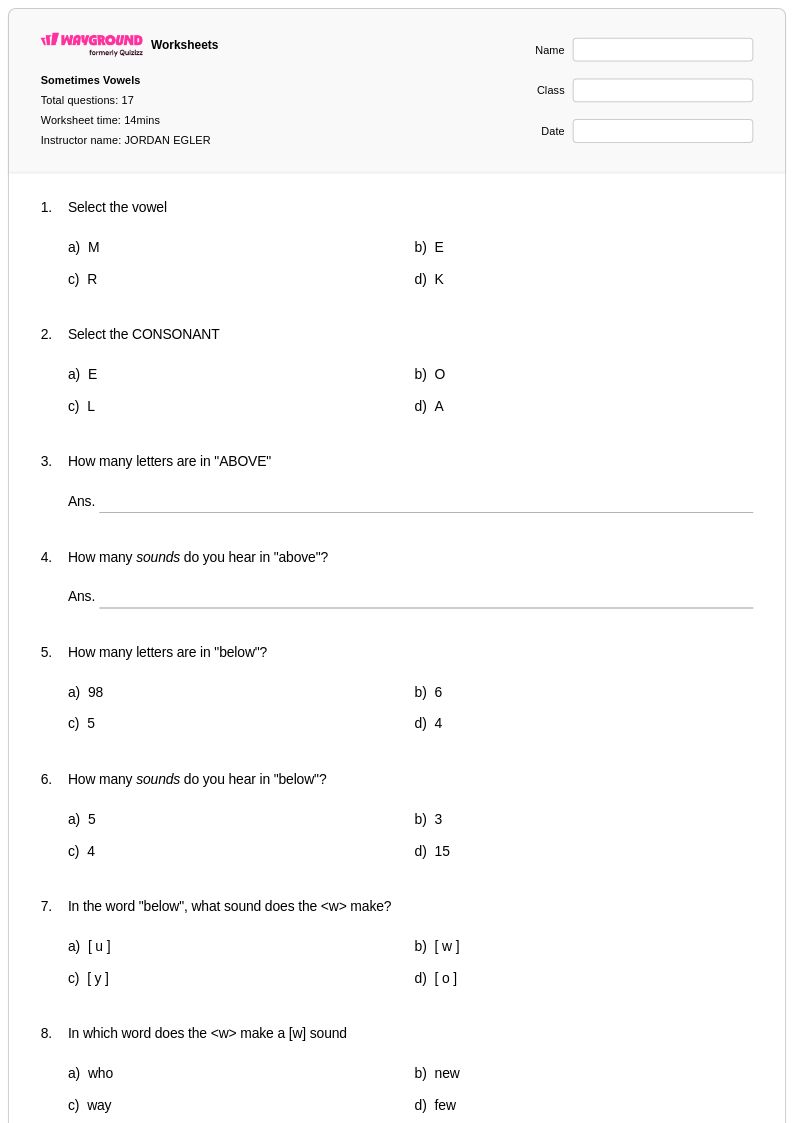
17 Q
2nd - 6th
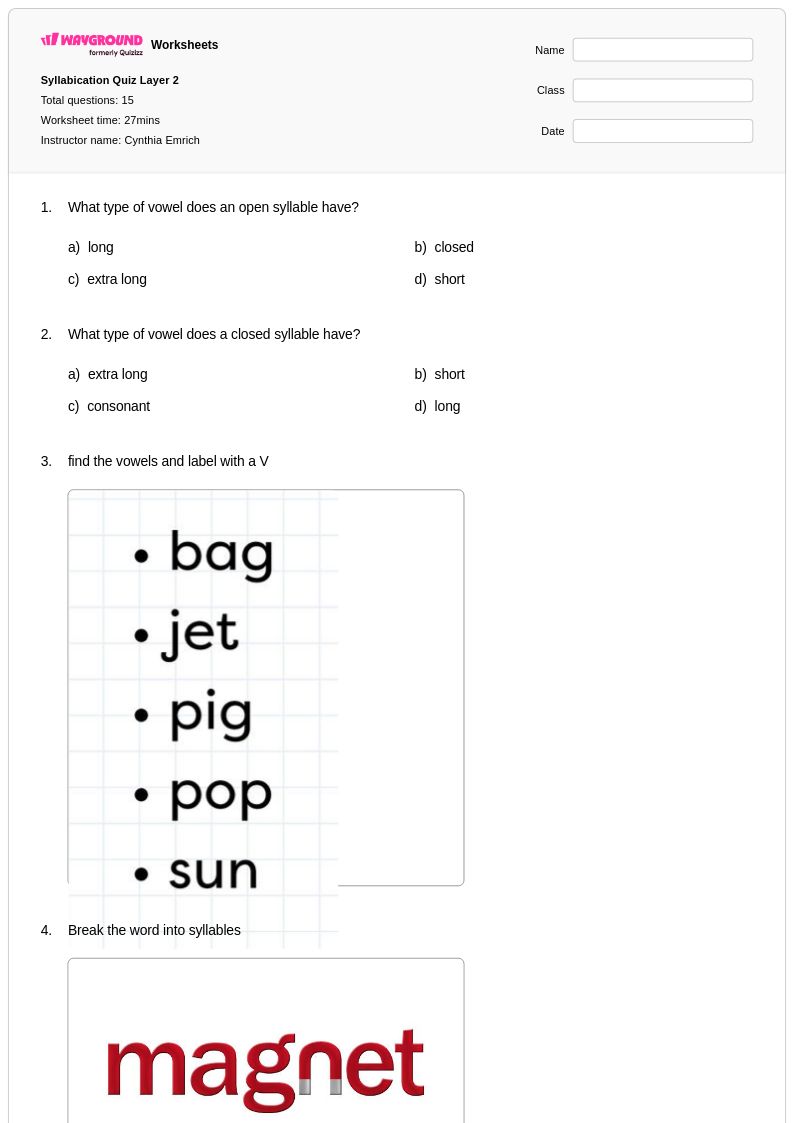
15 Q
1st - 5th
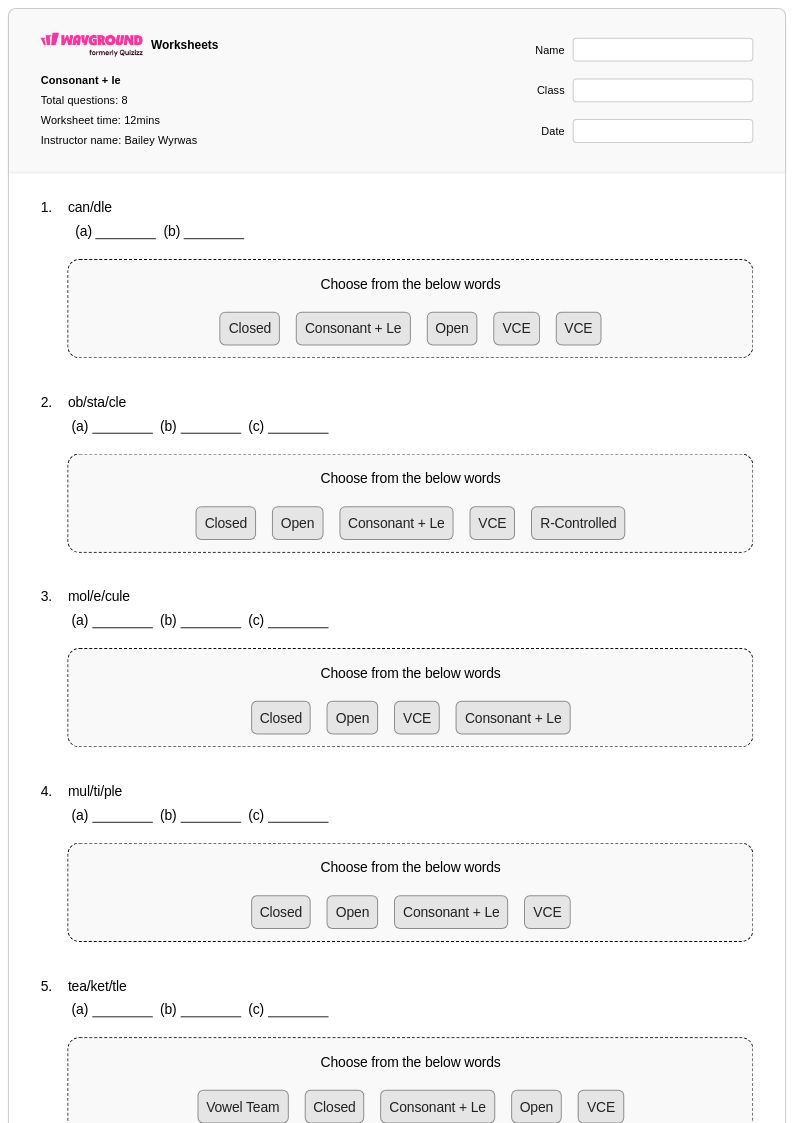
8 Q
2nd
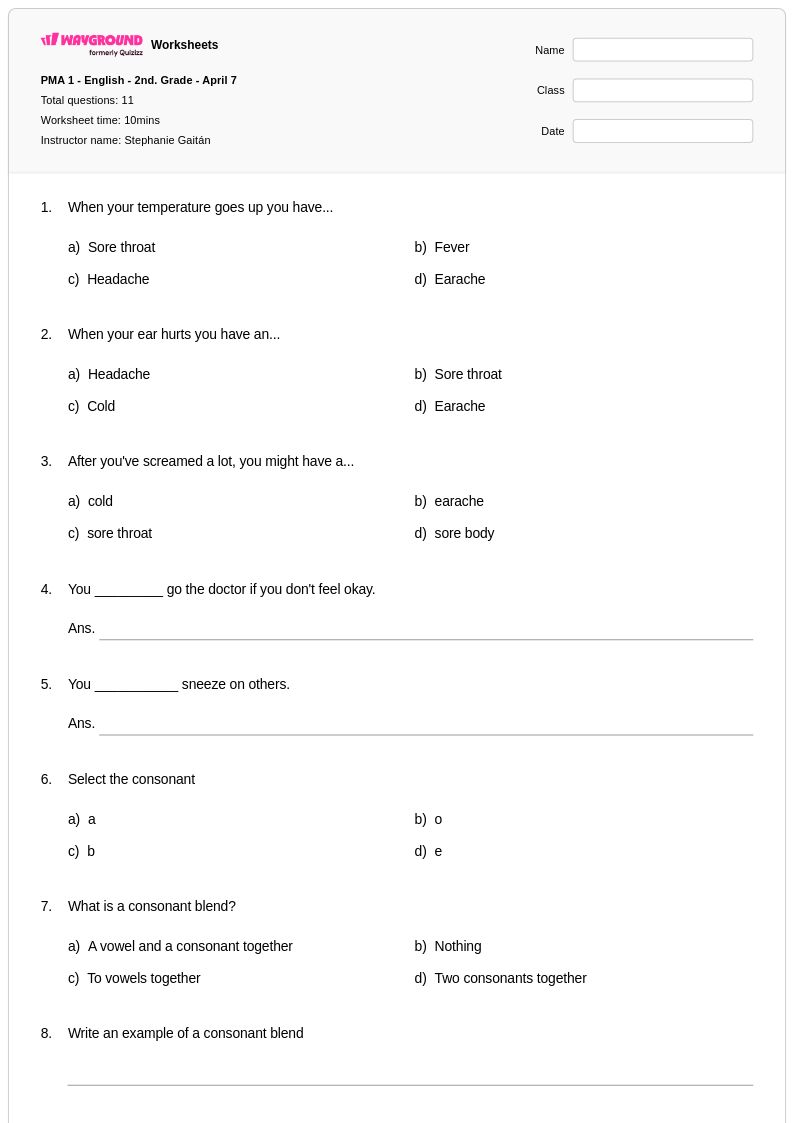
11 Q
2nd
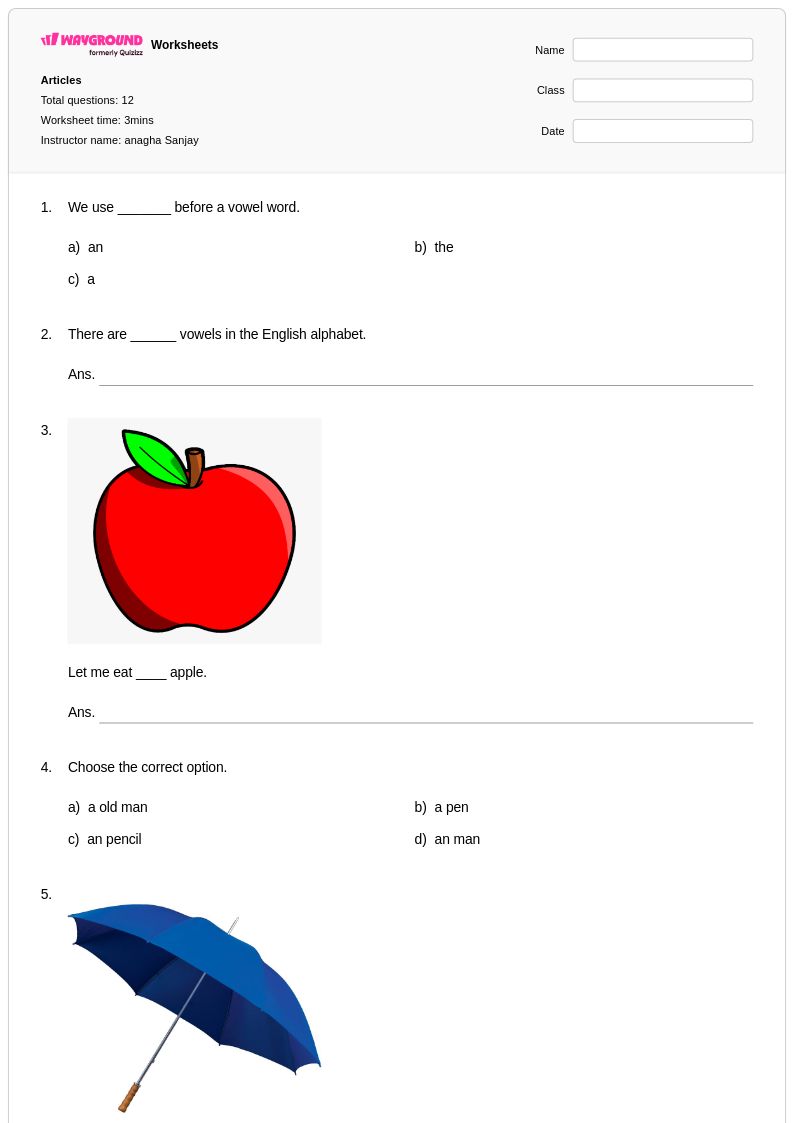
12 Q
1st - 2nd
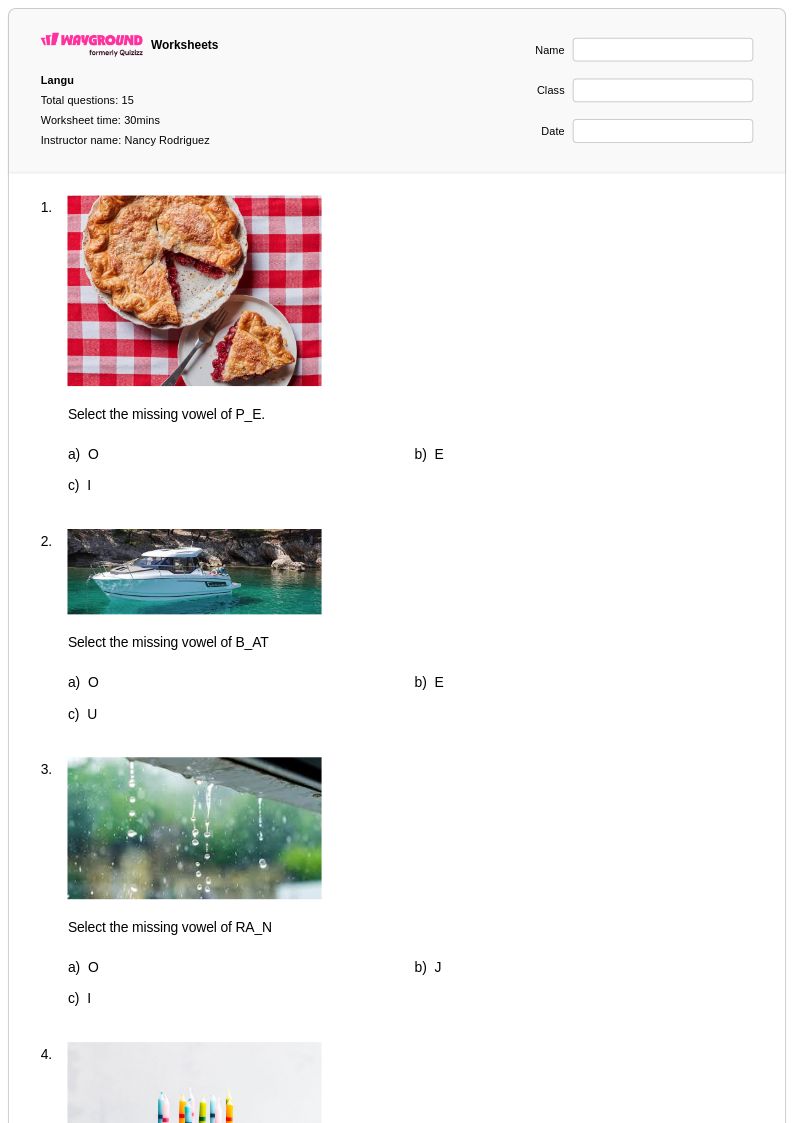
15 Q
2nd
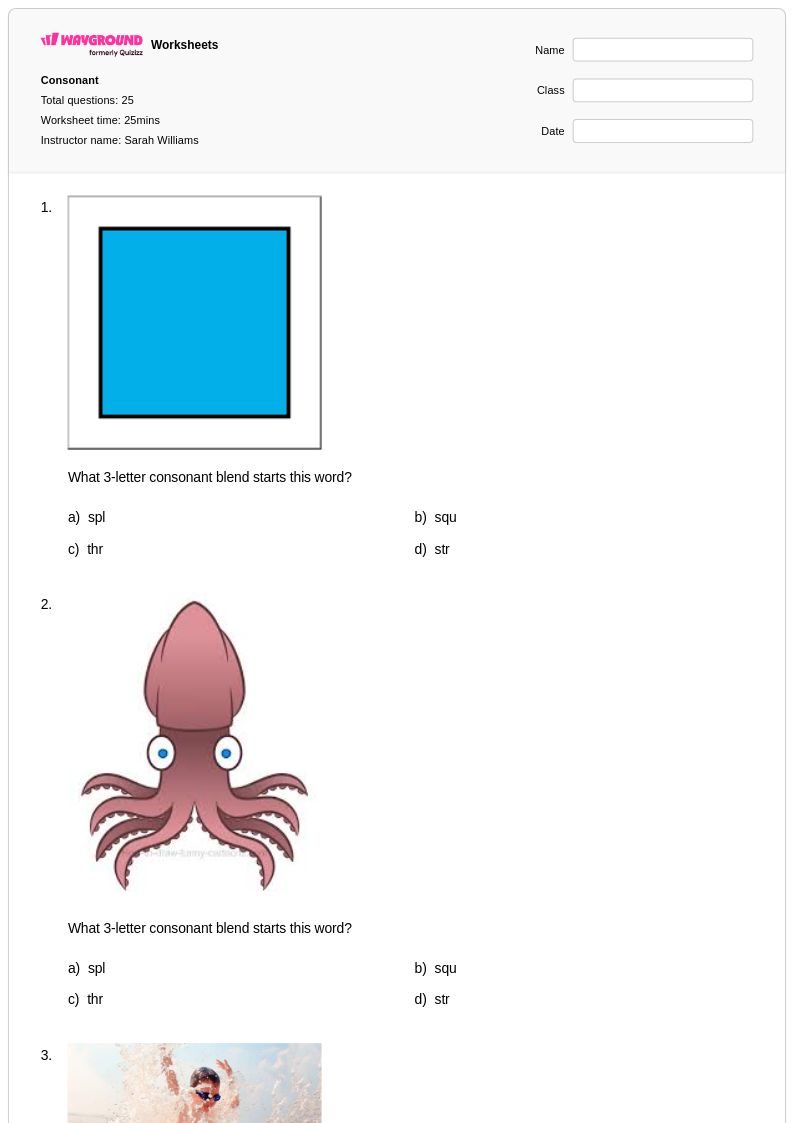
25 Q
2nd - Uni
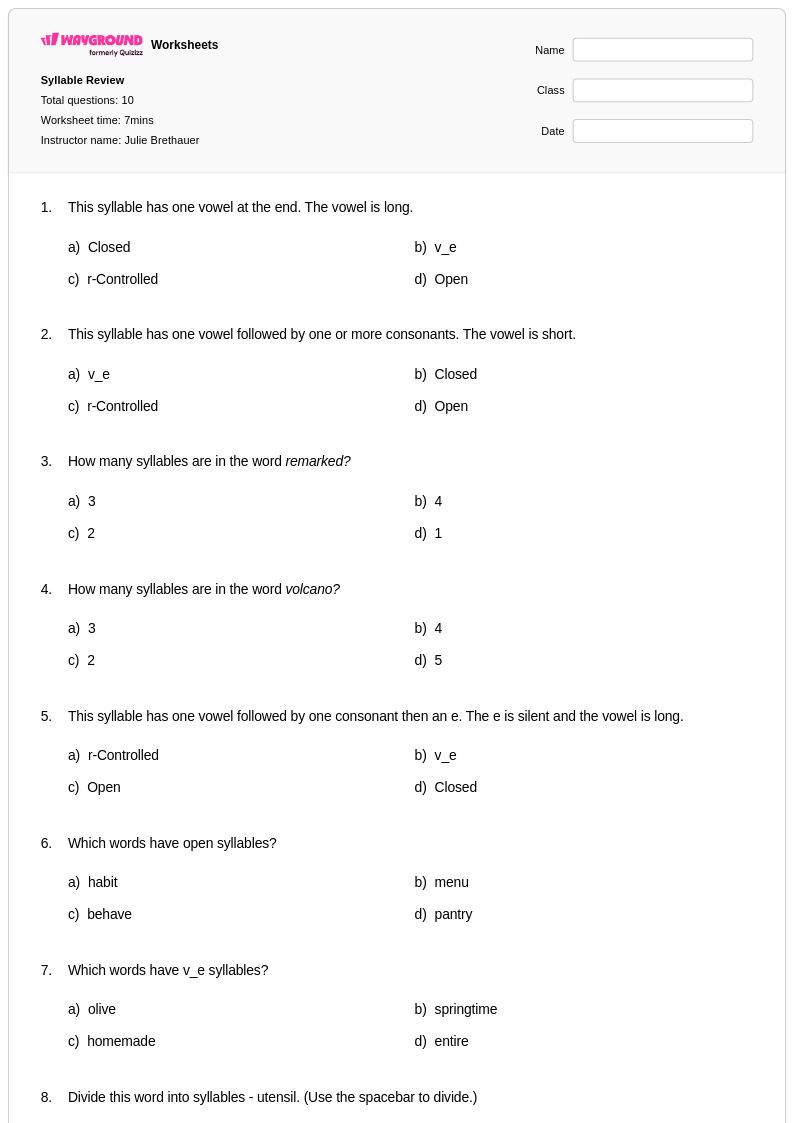
10 Q
2nd - 4th
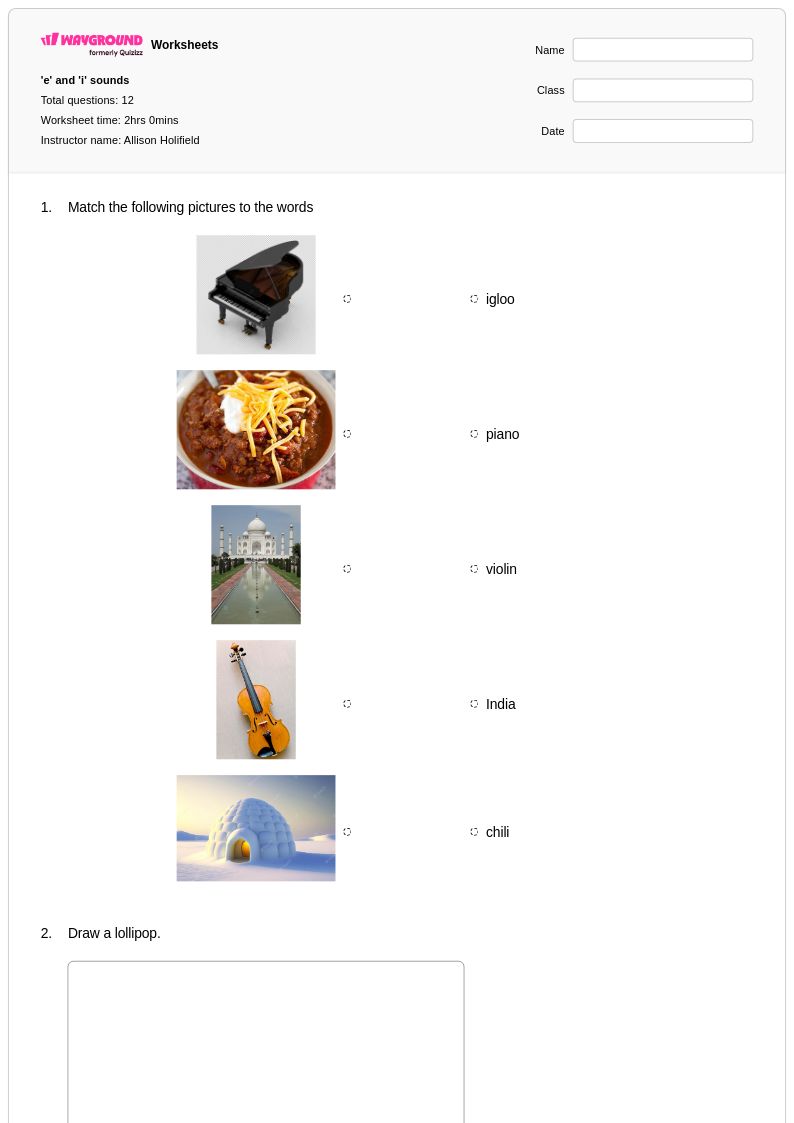
12 Q
2nd
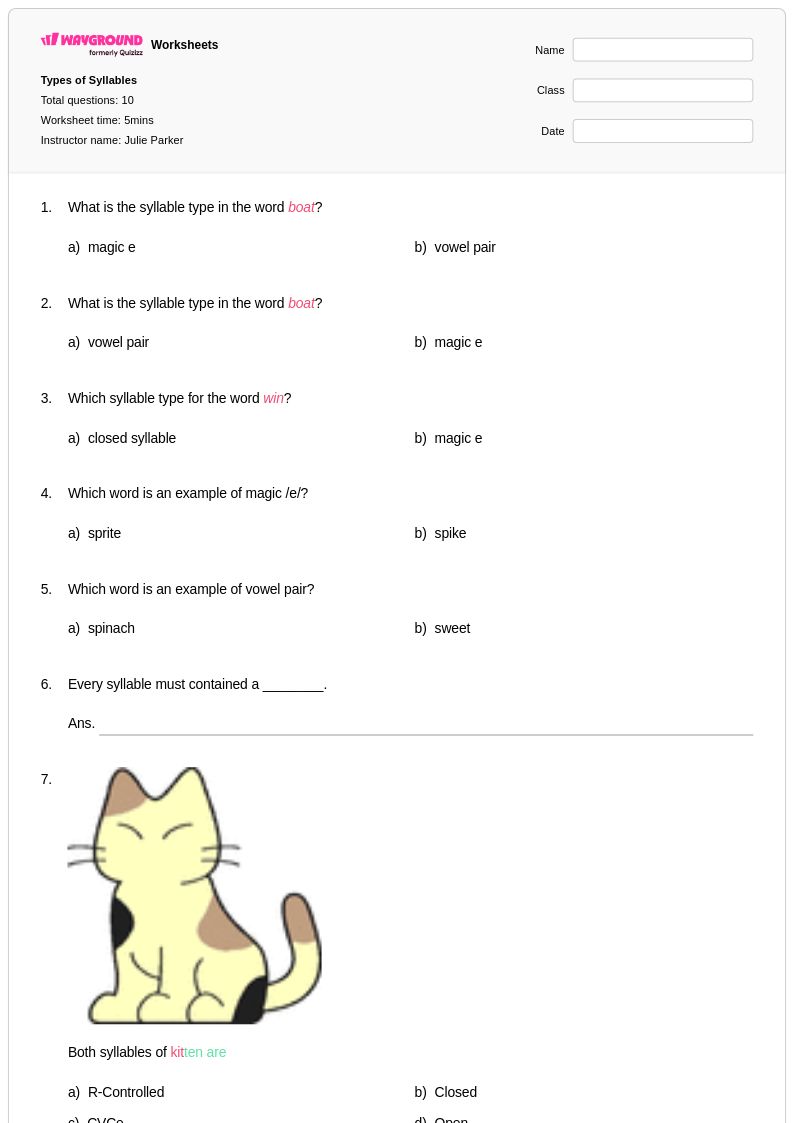
10 Q
2nd
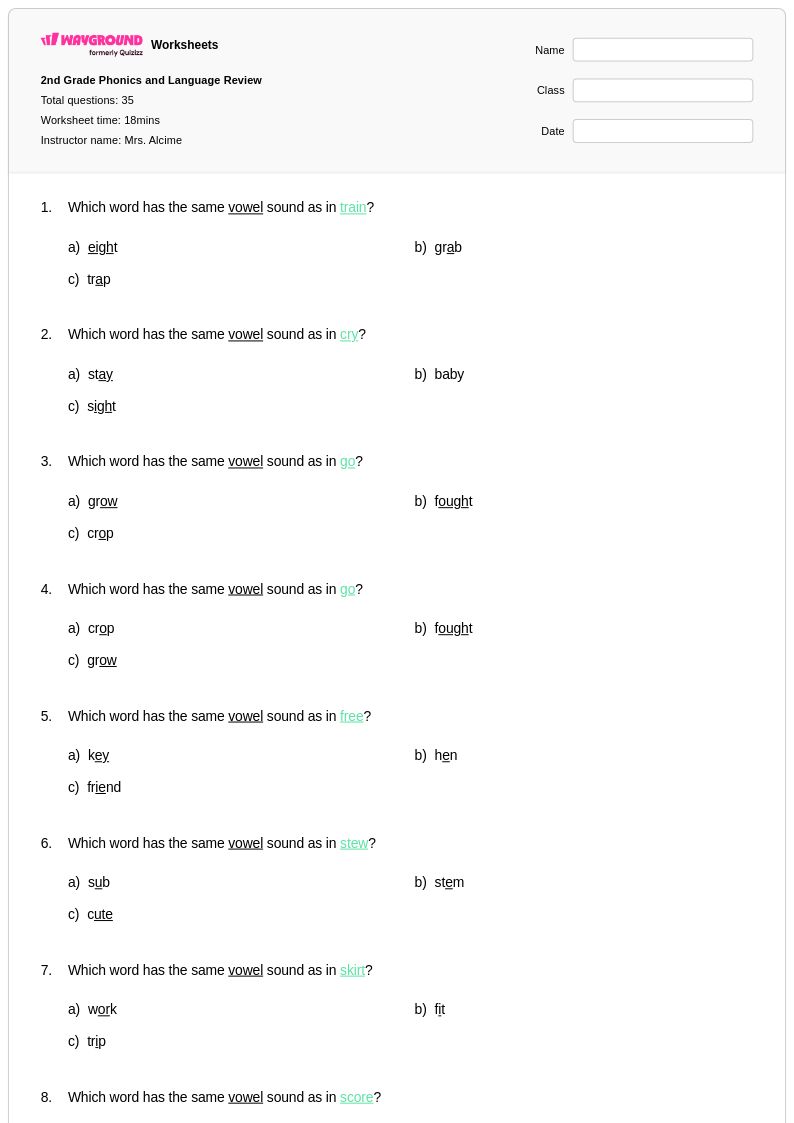
35 Q
2nd
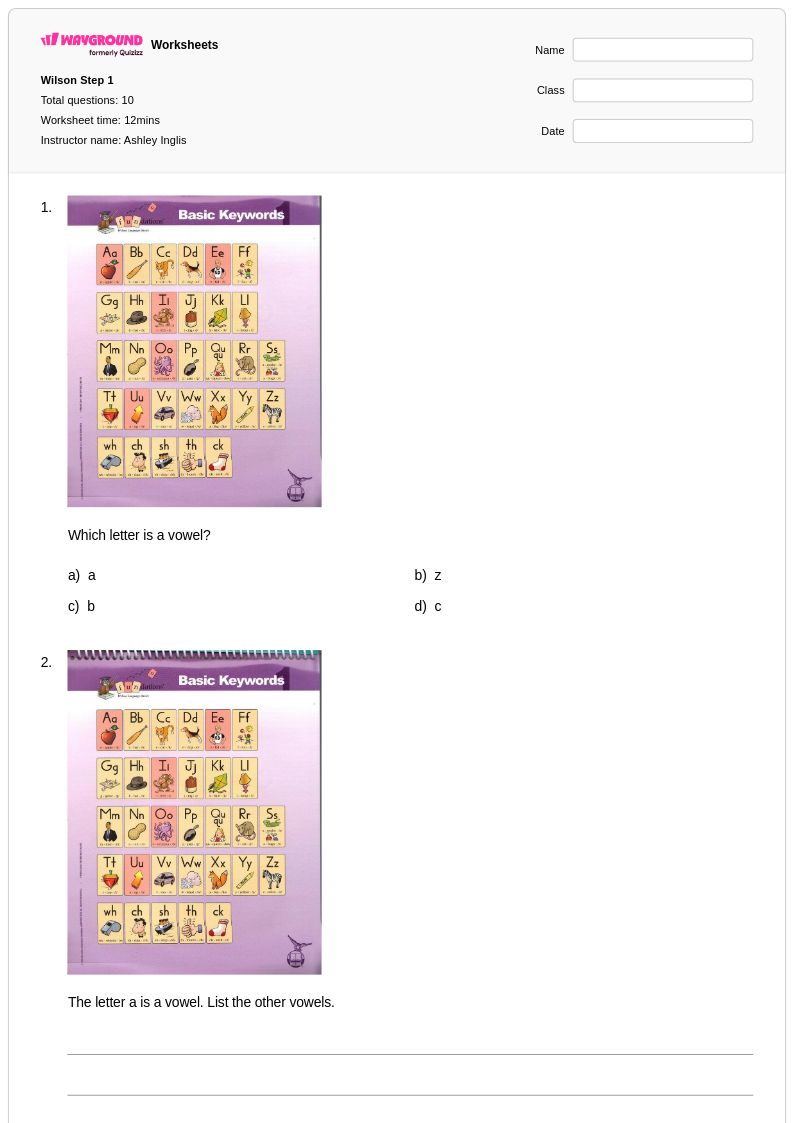
10 Q
1st - 5th
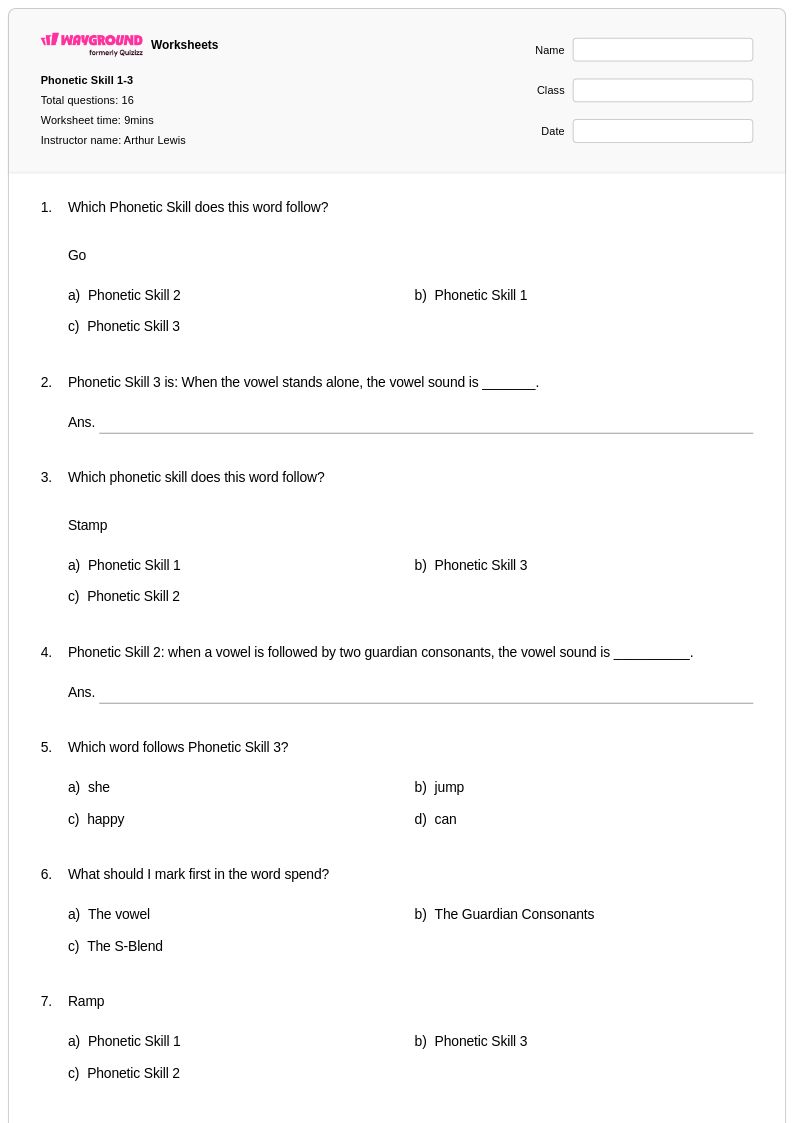
16 Q
1st - 3rd
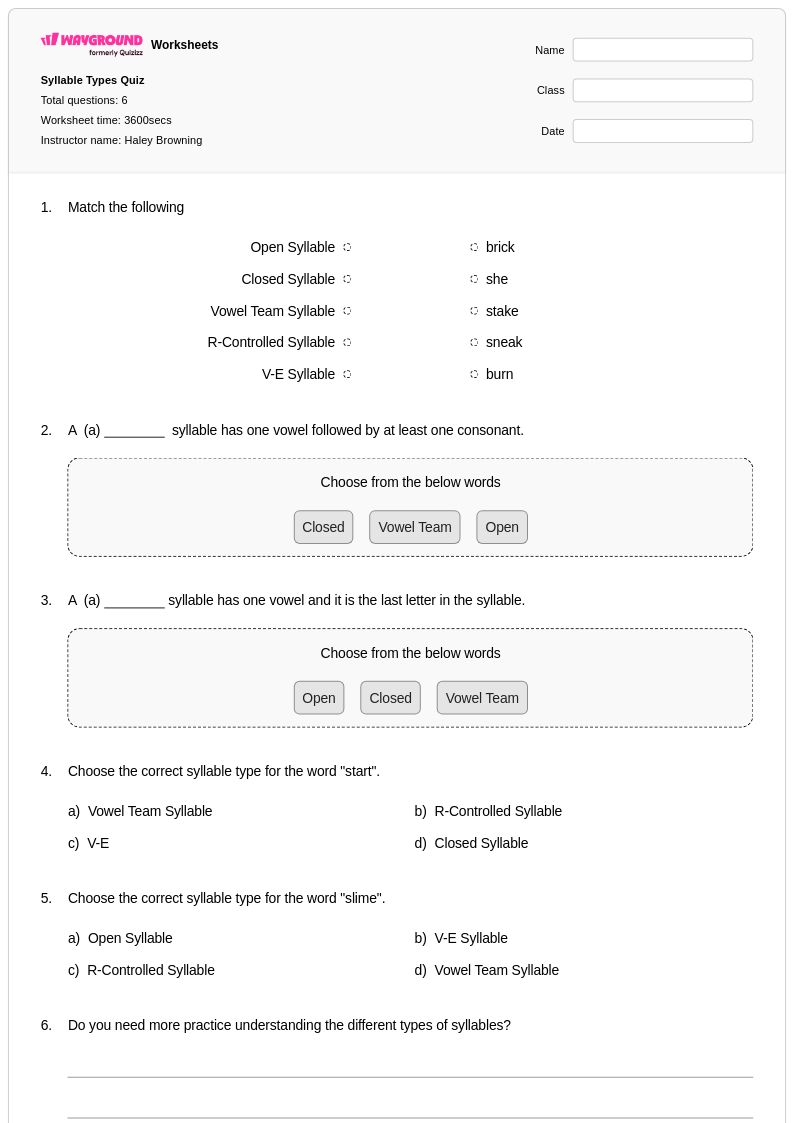
6 Q
1st - 5th
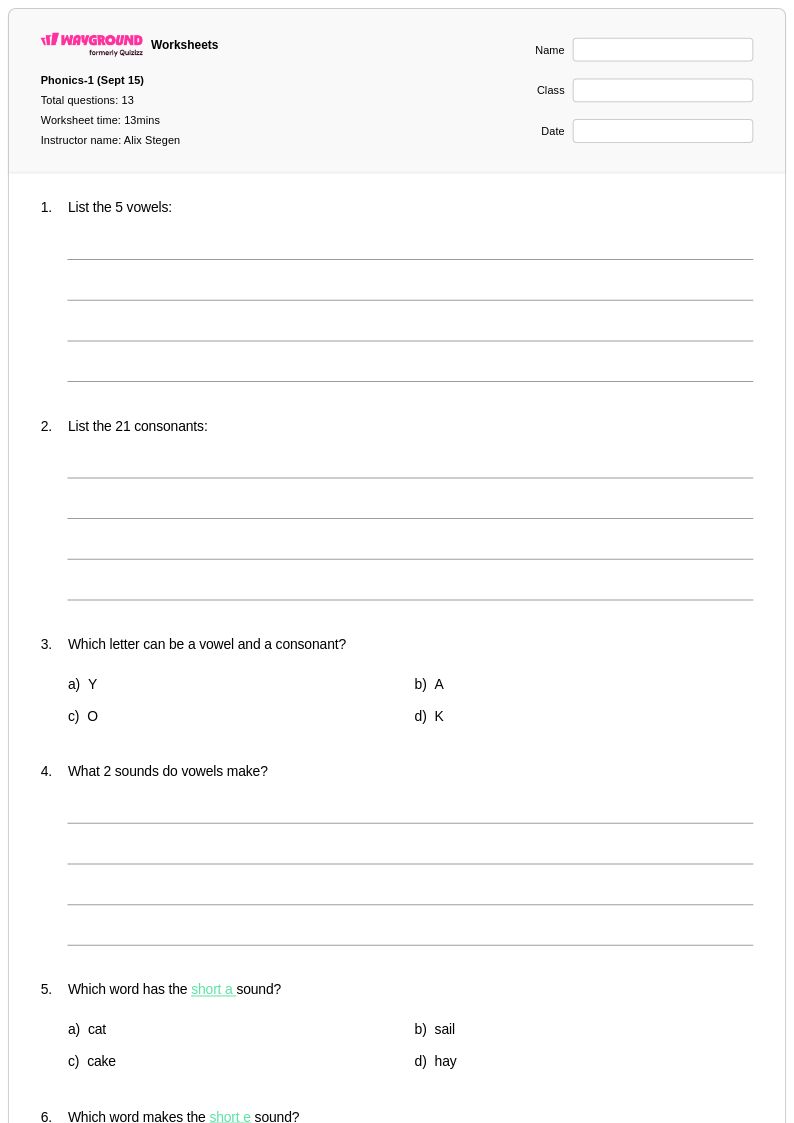
13 Q
1st - 4th
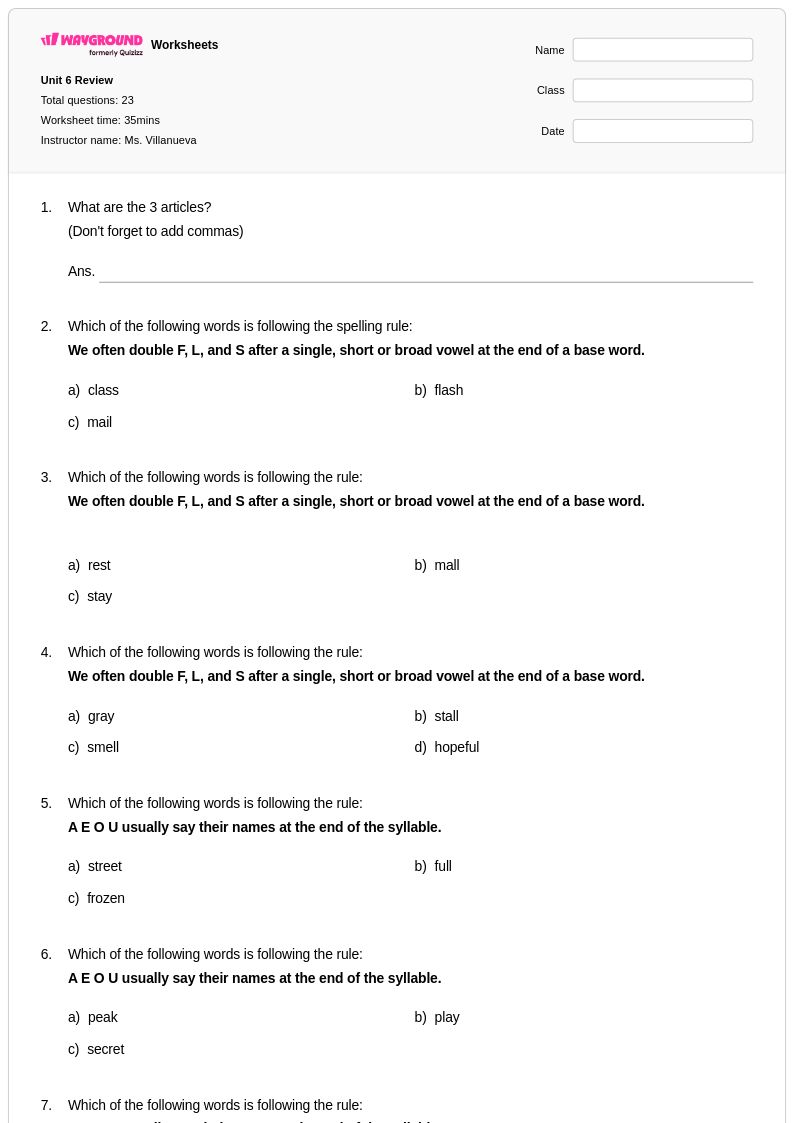
23 Q
2nd
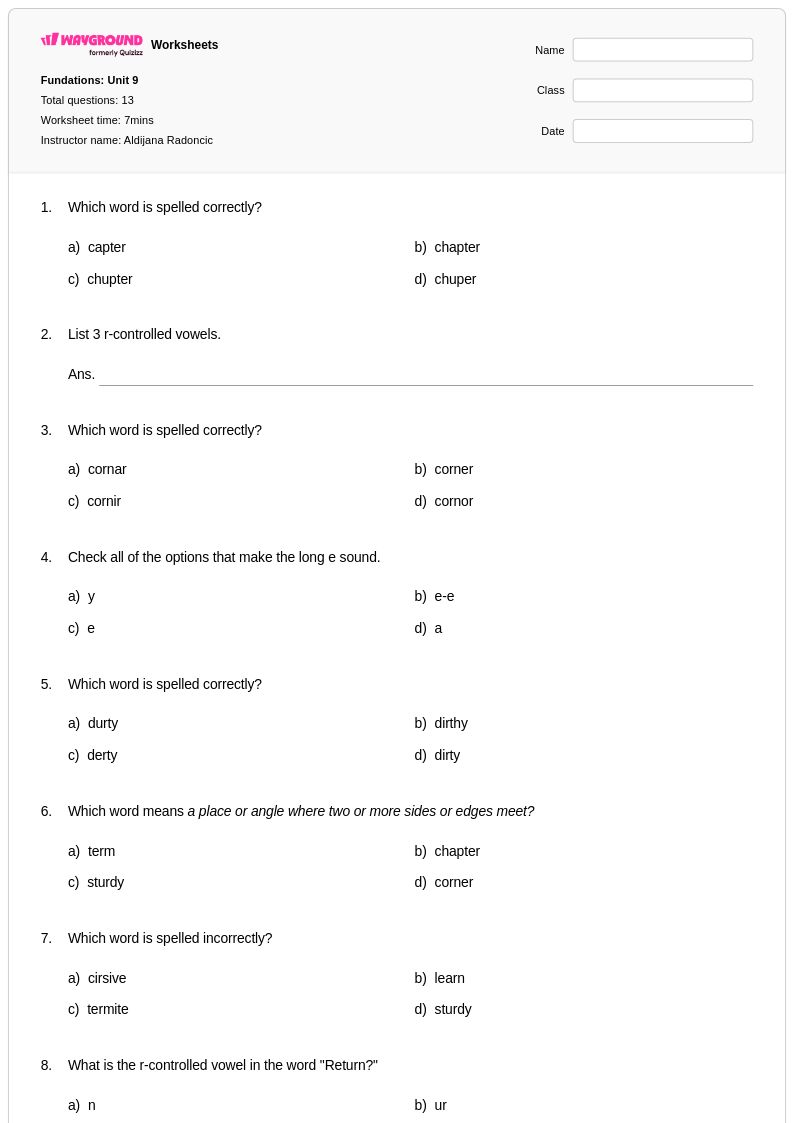
13 Q
1st - 2nd
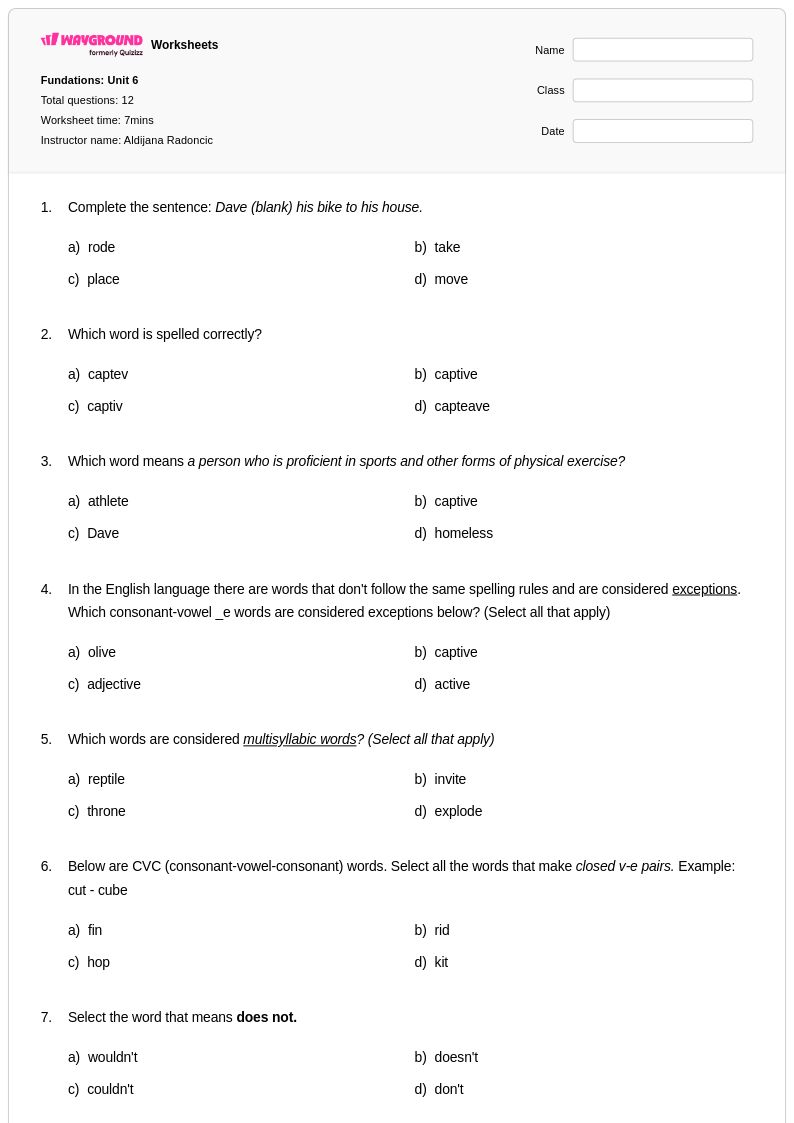
12 Q
2nd
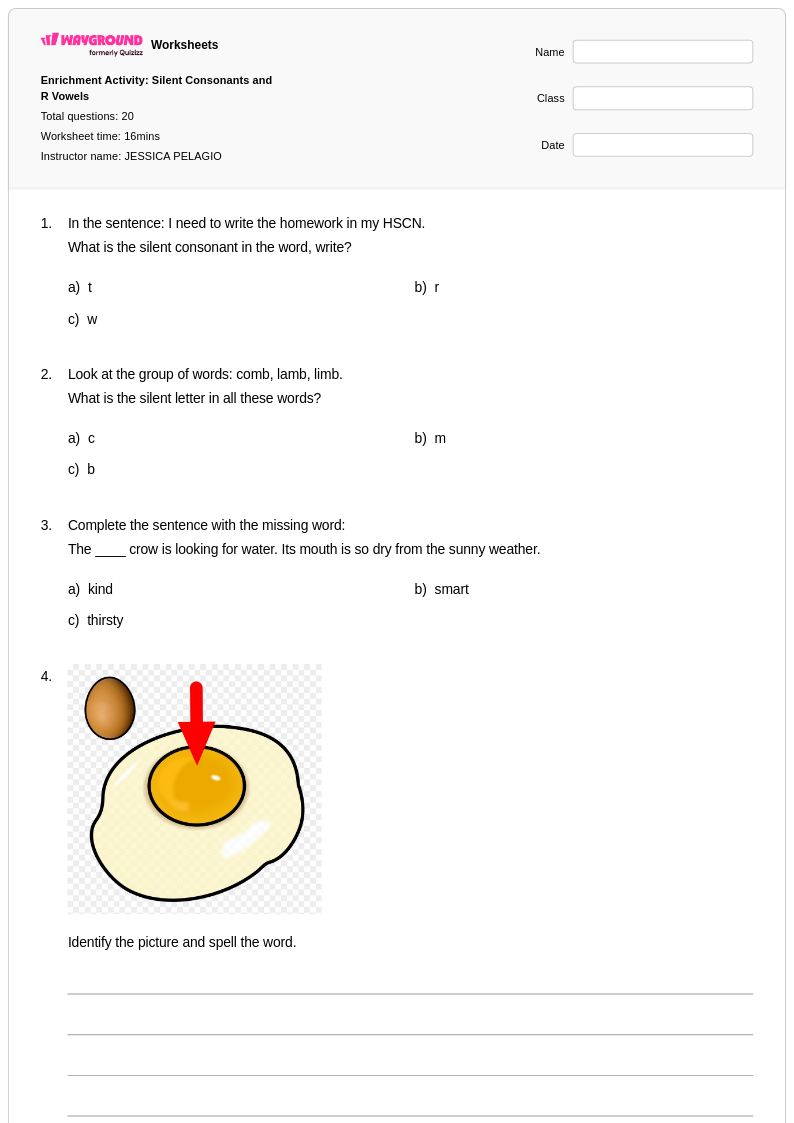
20 Q
2nd
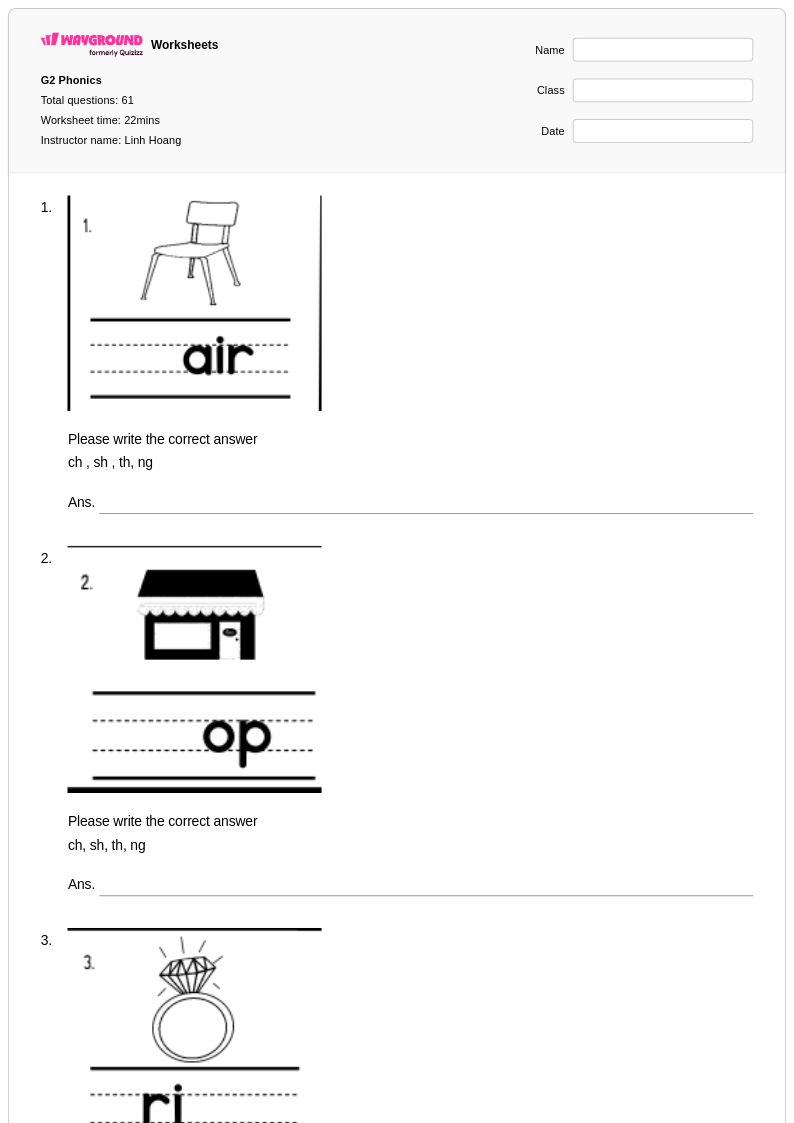
61 Q
2nd
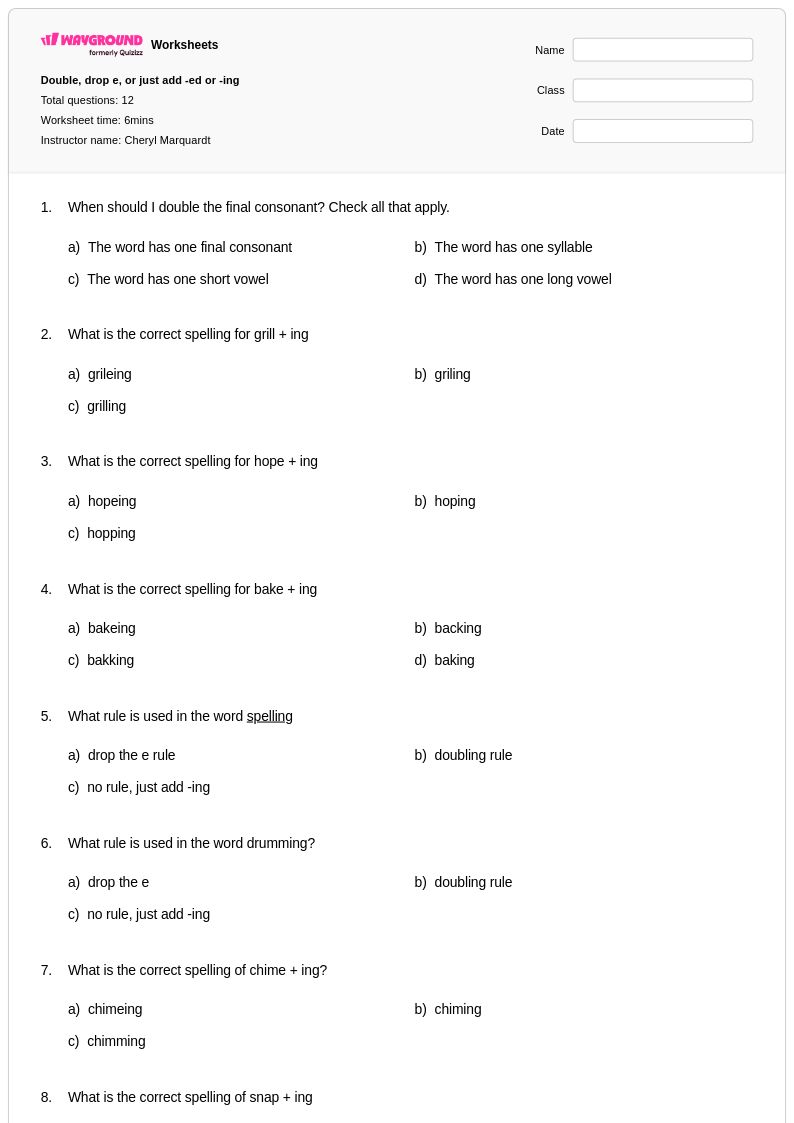
12 Q
2nd - 3rd
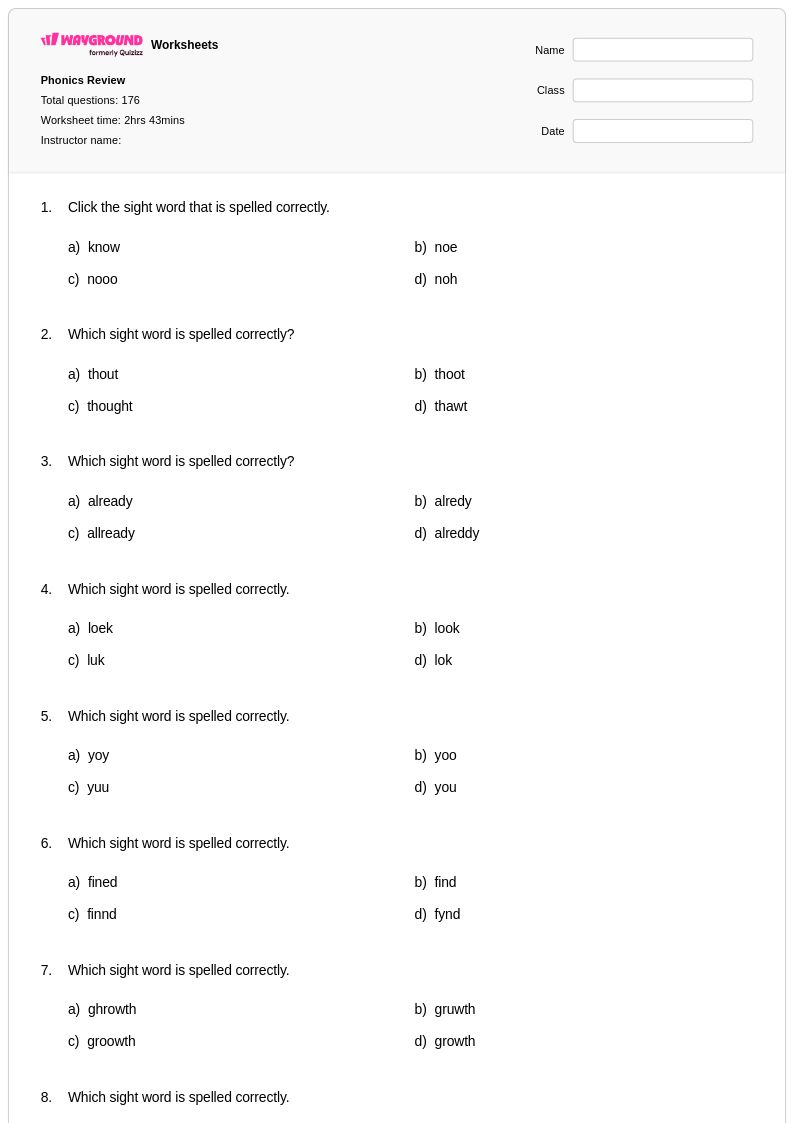
176 Q
2nd
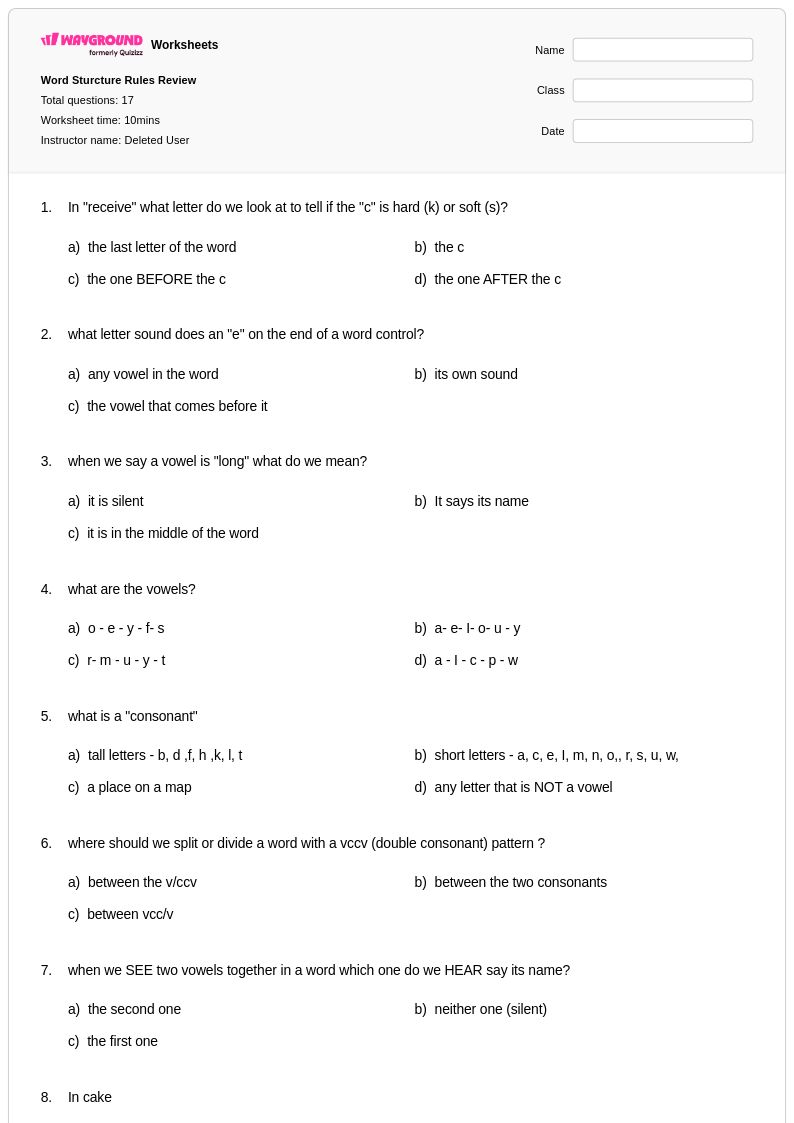
17 Q
2nd - 4th
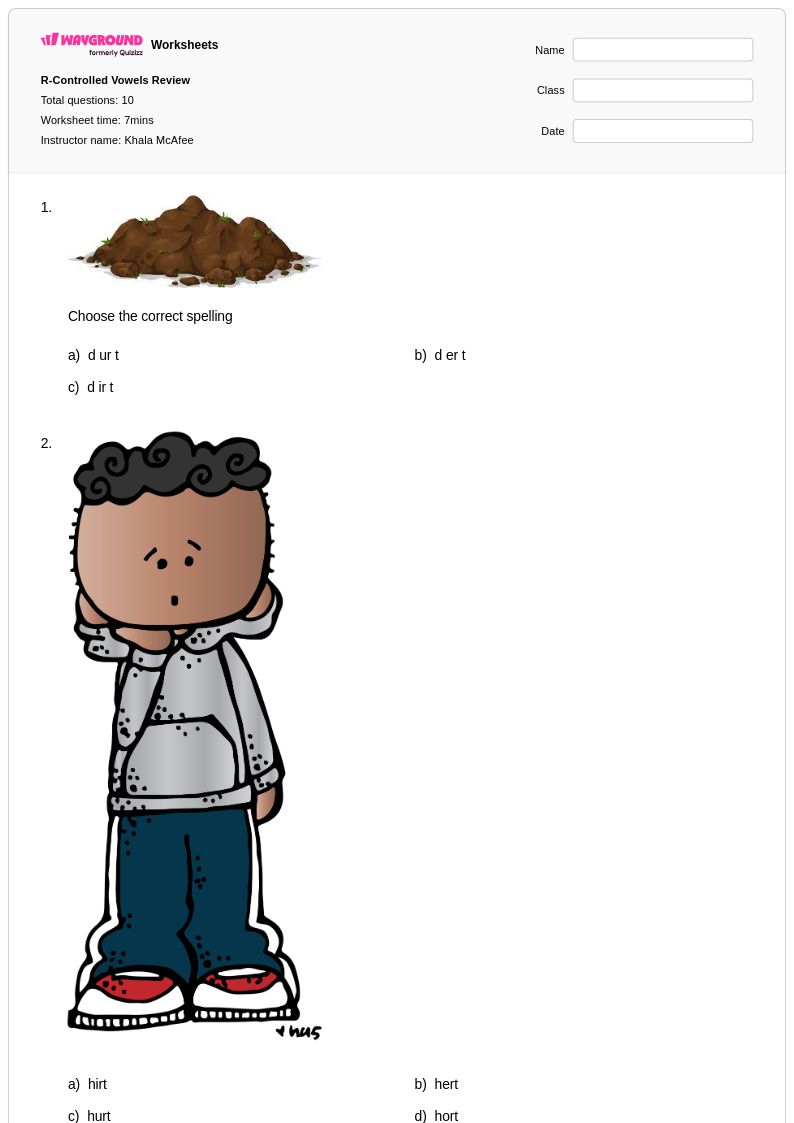
10 Q
2nd
Explore Vowel-consonant-e Worksheets by Grades
Explore Other Subject Worksheets for year 2
Explore printable Vowel-consonant-e worksheets for Year 2
Vowel-consonant-e worksheets for Year 2 students available through Wayground provide essential practice with one of the most fundamental phonics patterns in English reading instruction. These comprehensive printables focus on helping young learners understand how a silent 'e' at the end of a word changes the preceding vowel from short to long, transforming words like "cap" to "cape" and "bit" to "bite." The worksheets strengthen critical decoding skills through systematic practice problems that include word sorting activities, fill-in-the-blank exercises, picture-word matching, and reading comprehension tasks specifically designed for second-grade reading levels. Each free pdf resource includes detailed answer keys and structured activities that build students' confidence in recognizing and applying this essential spelling pattern across various word families.
Wayground (formerly Quizizz) supports educators with an extensive collection of teacher-created vowel-consonant-e resources that streamline lesson planning and differentiated instruction for Year 2 phonics education. The platform's robust search and filtering capabilities allow teachers to quickly locate worksheets aligned with specific reading standards and learning objectives, while built-in differentiation tools enable customization based on individual student needs and reading abilities. These flexible resources are available in both printable and digital pdf formats, making them ideal for classroom instruction, homework assignments, reading intervention programs, and enrichment activities. Teachers can efficiently identify students requiring additional phonics remediation or those ready for advanced word pattern challenges, ensuring that every second-grade learner receives appropriate skill practice to master this crucial reading foundation.
FAQs
How do I teach the vowel-consonant-e pattern to early readers?
What exercises help students practice the magic-e rule?
What mistakes do students commonly make with the vowel-consonant-e pattern?
How can I differentiate vowel-consonant-e instruction for struggling readers?
How do I use Wayground's vowel-consonant-e worksheets in my classroom?