
Recommended Topics for you
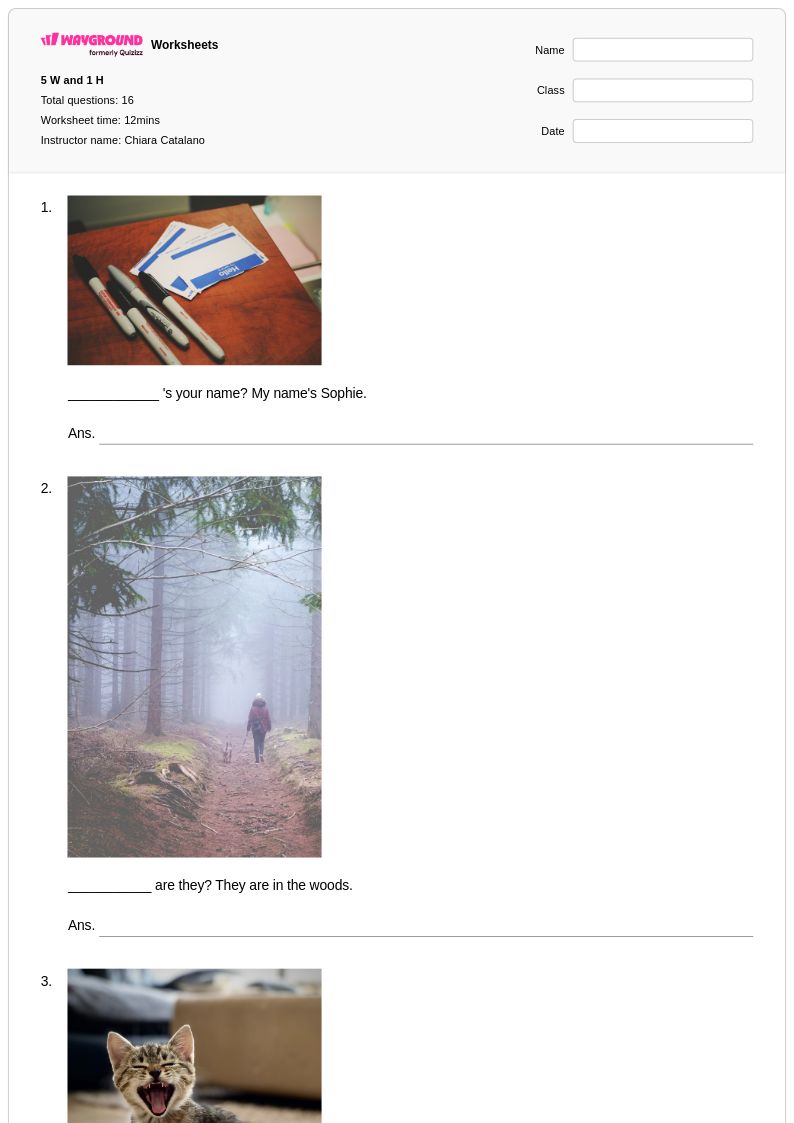
16 Q
5th
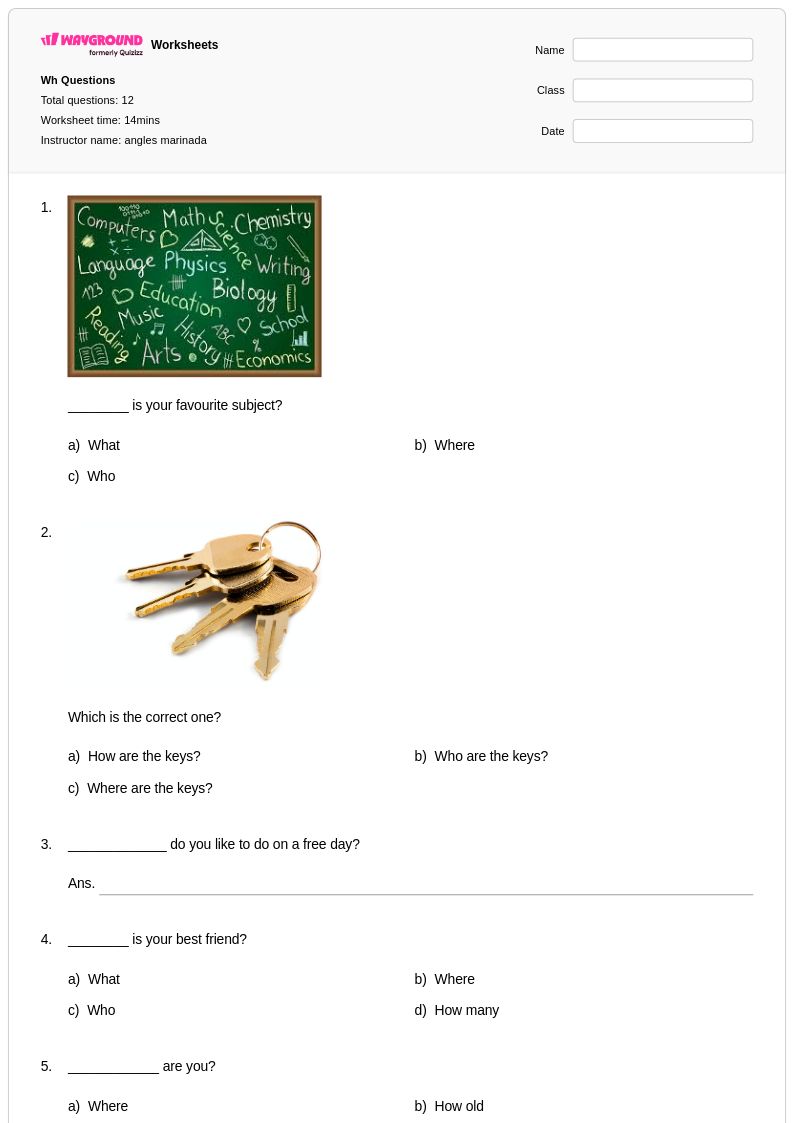
12 Q
5th
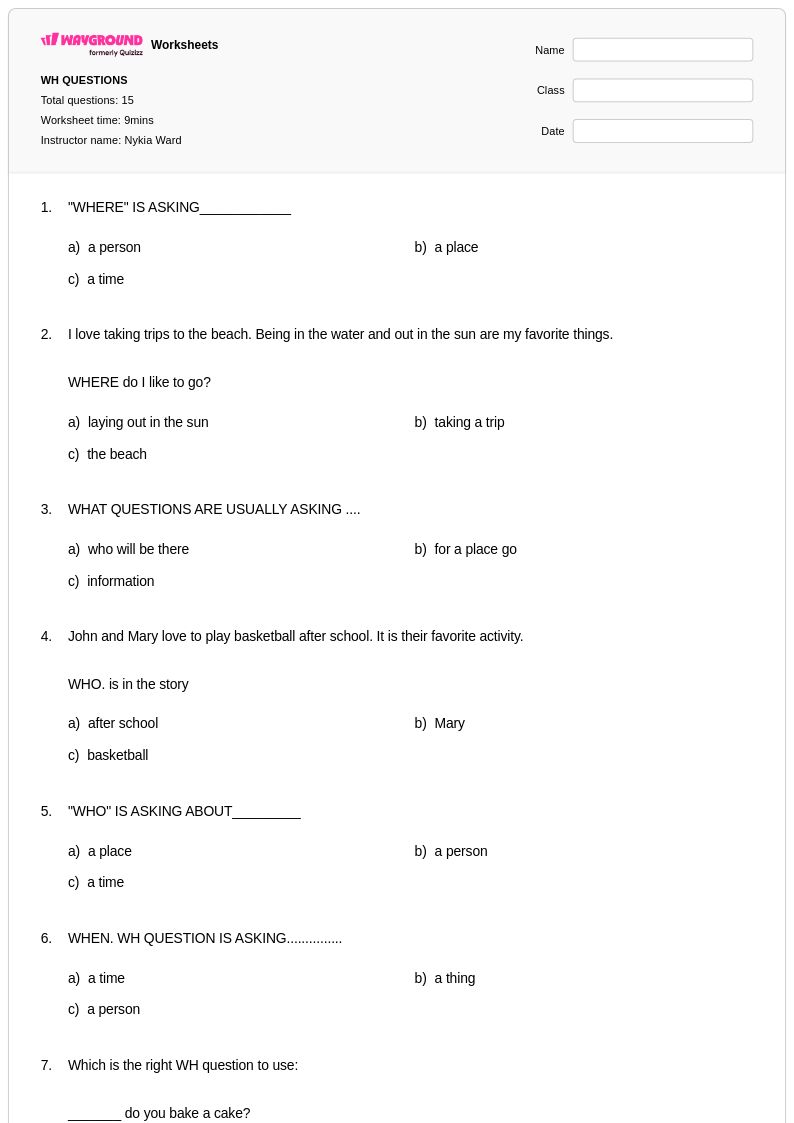
15 Q
3rd - 7th
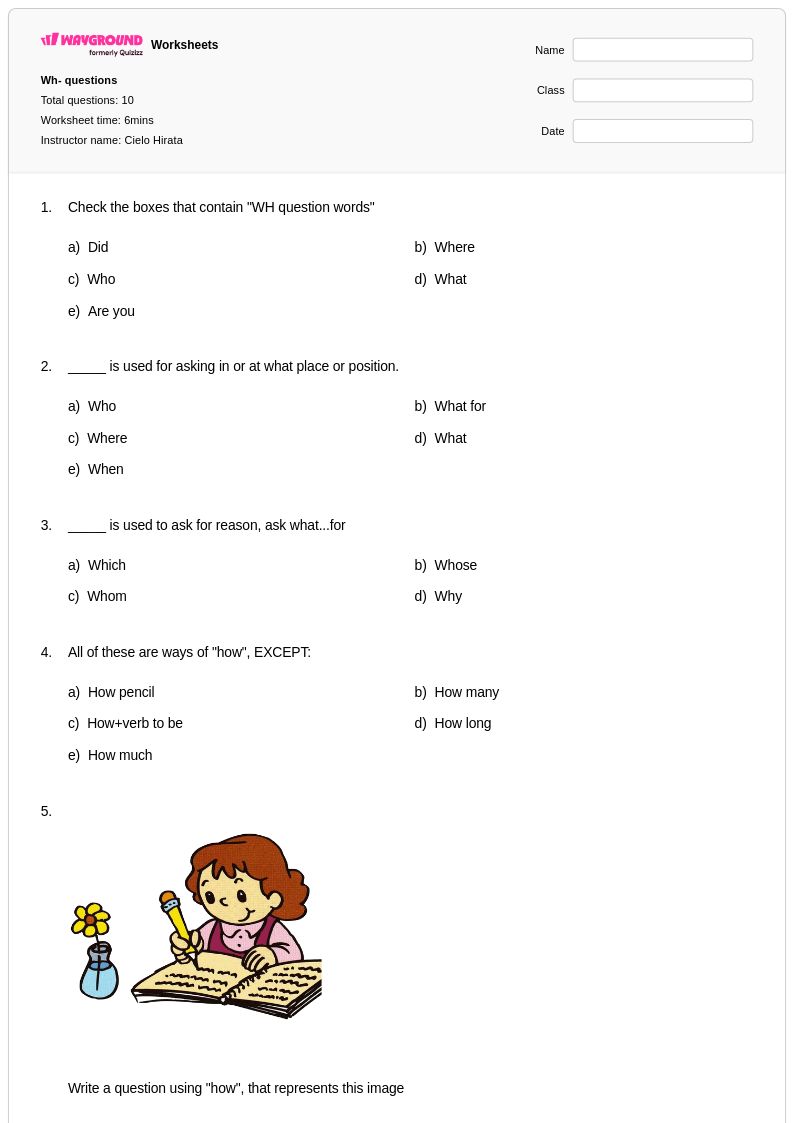
10 Q
1st - 5th
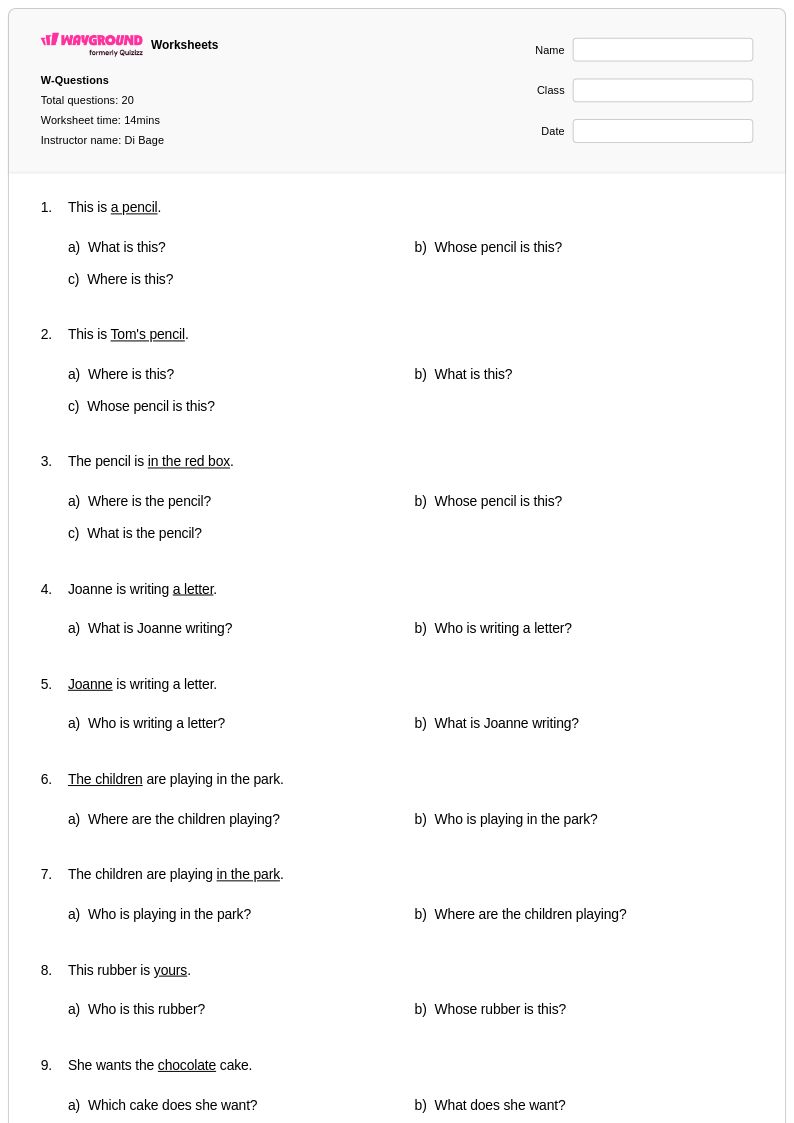
20 Q
4th - 6th
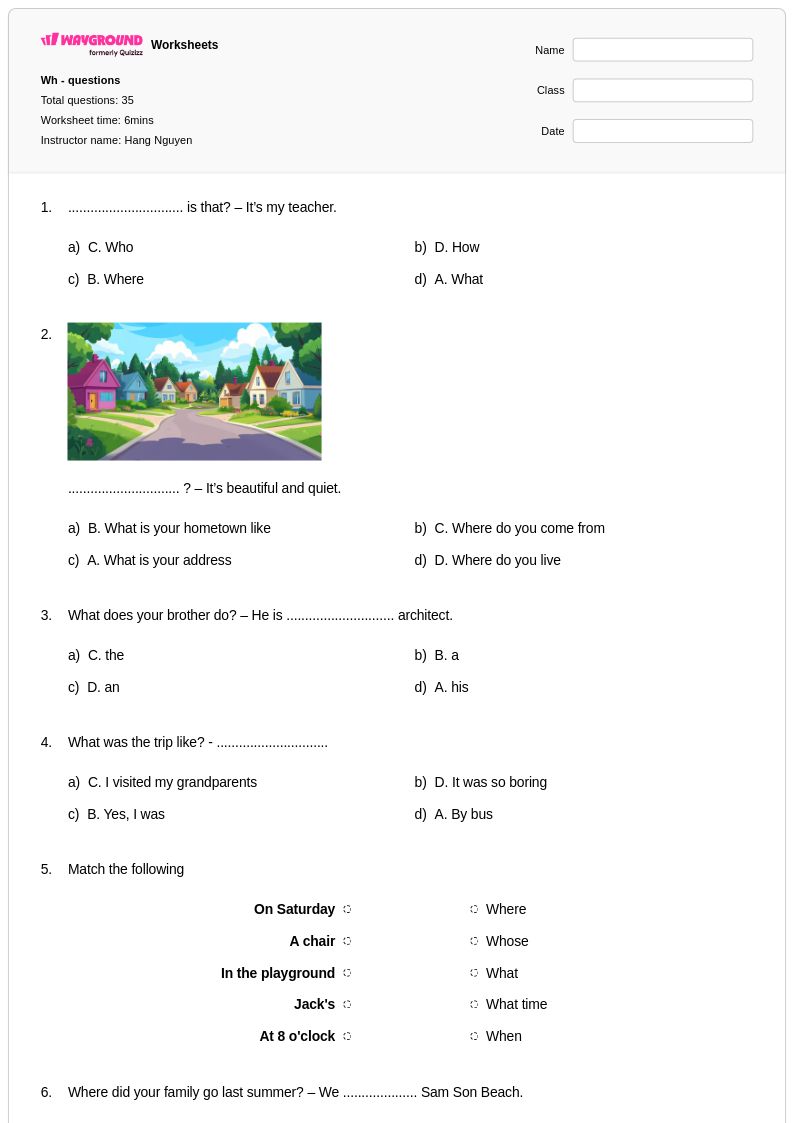
35 Q
1st - 5th
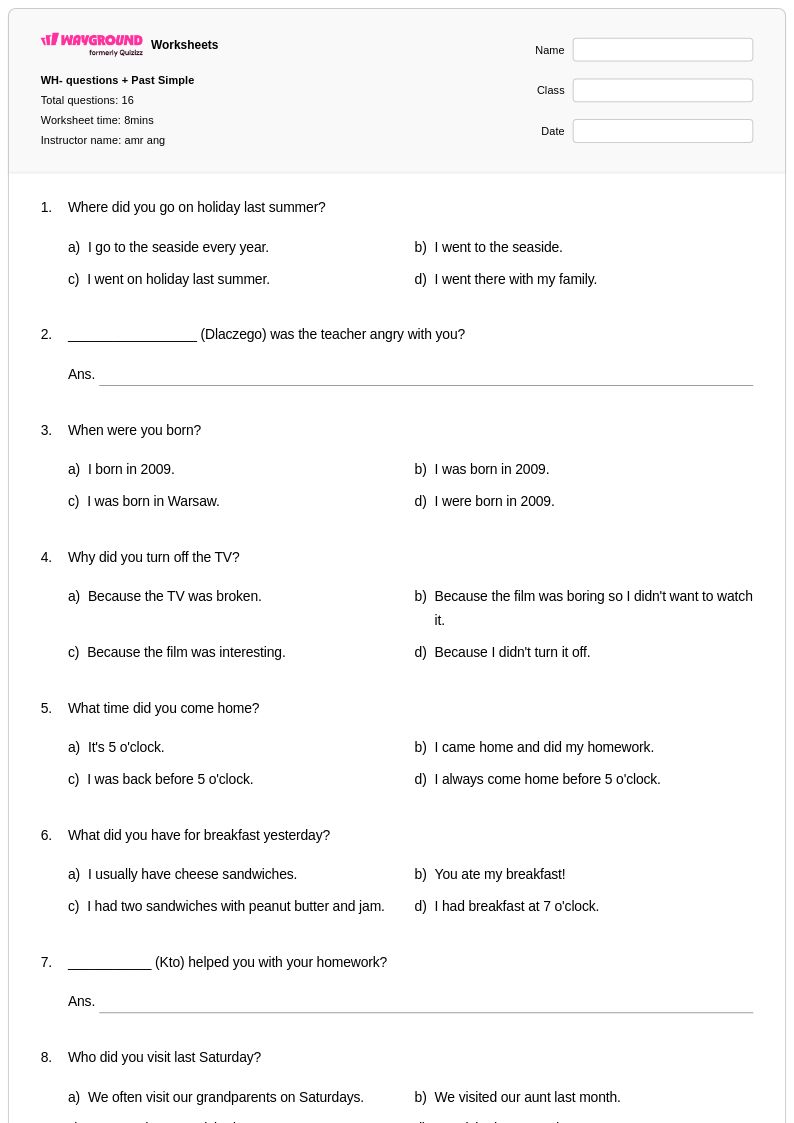
16 Q
5th
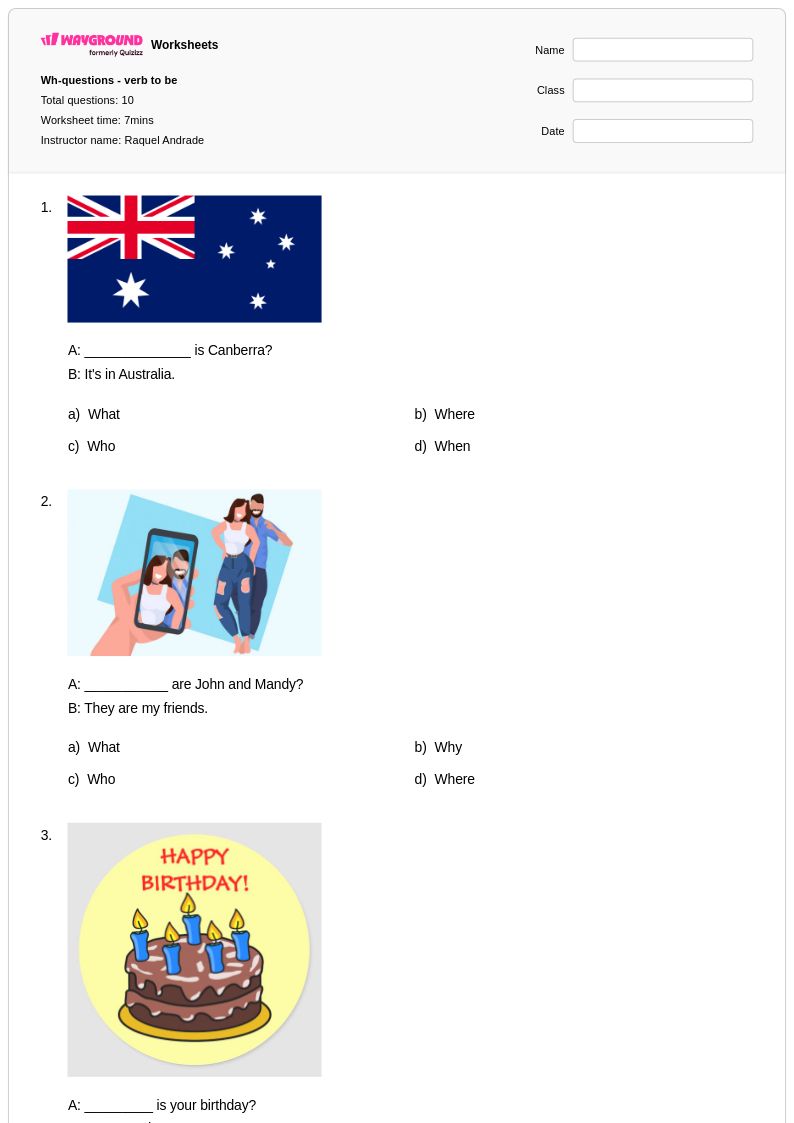
10 Q
1st - 5th
15 Q
1st - 5th
10 Q
5th
8 Q
5th
10 Q
4th - 8th
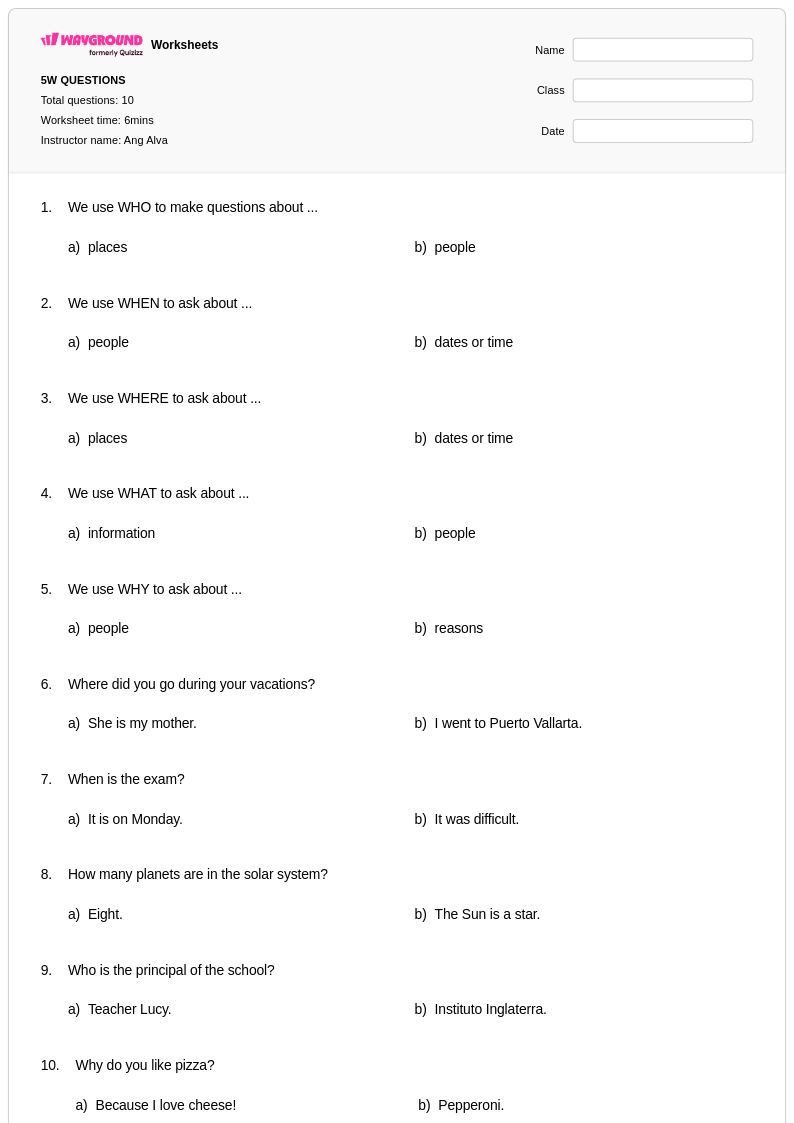
10 Q
2nd - 5th
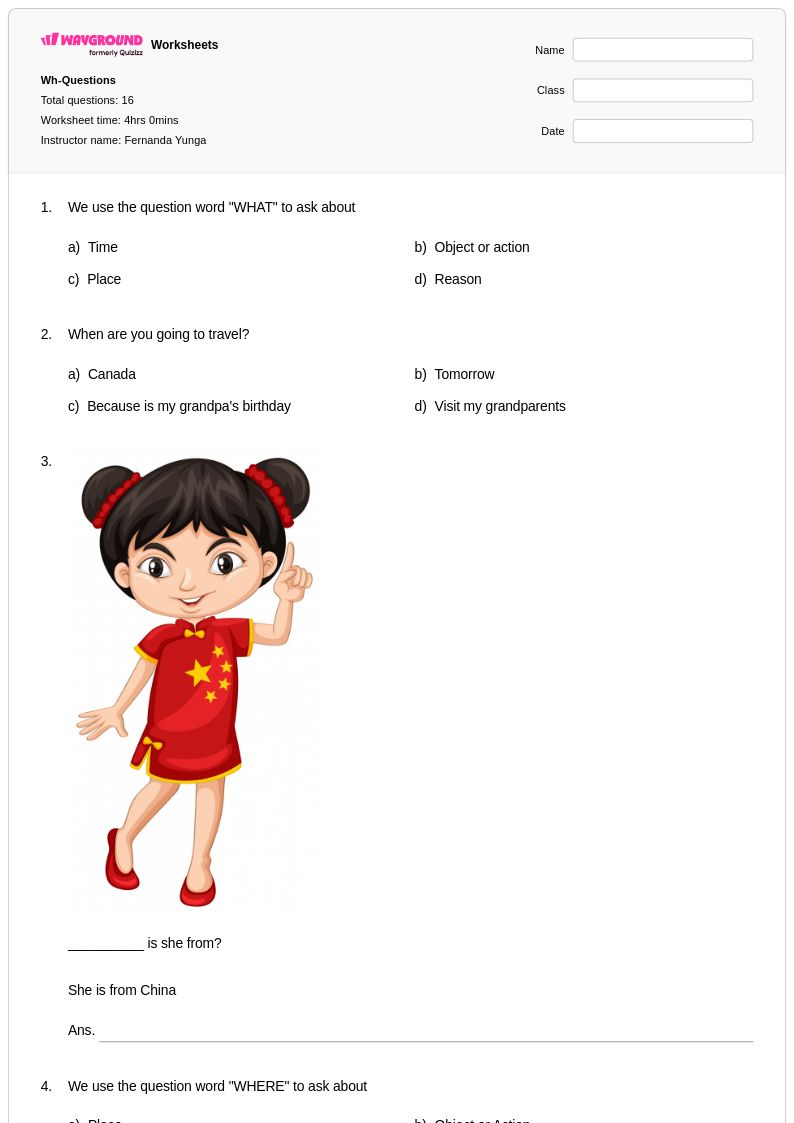
16 Q
1st - 10th
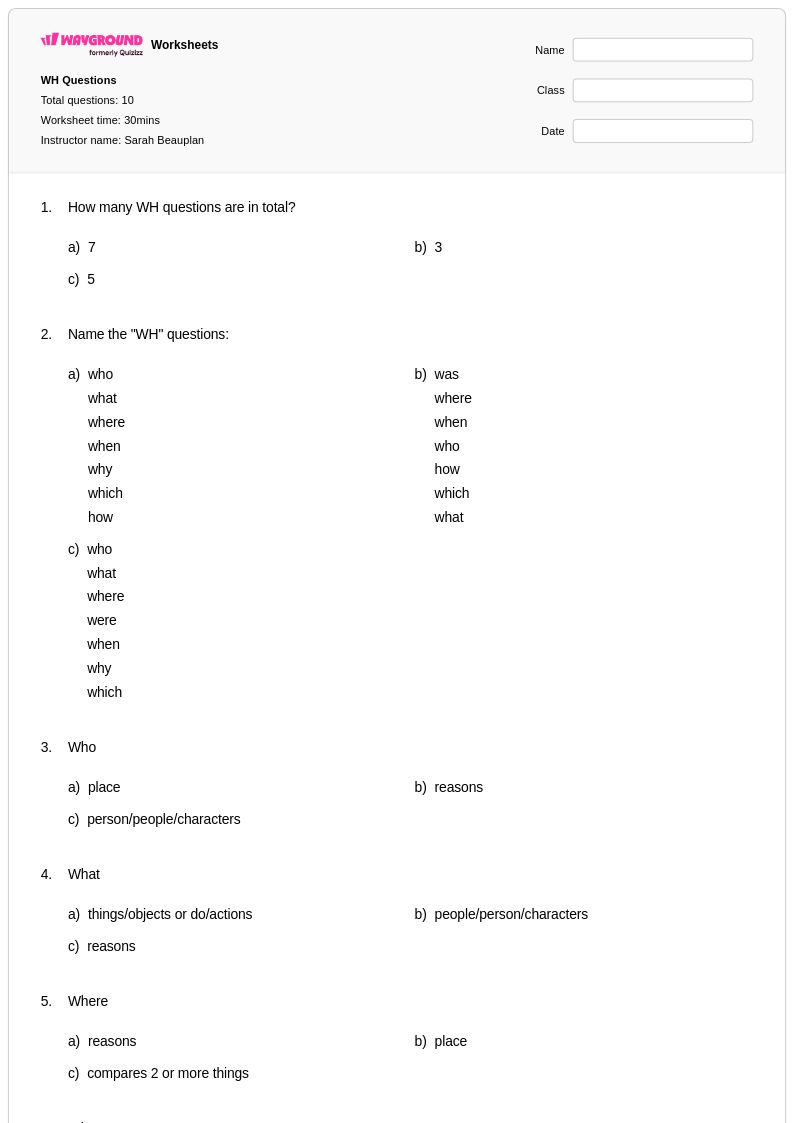
10 Q
3rd - 8th
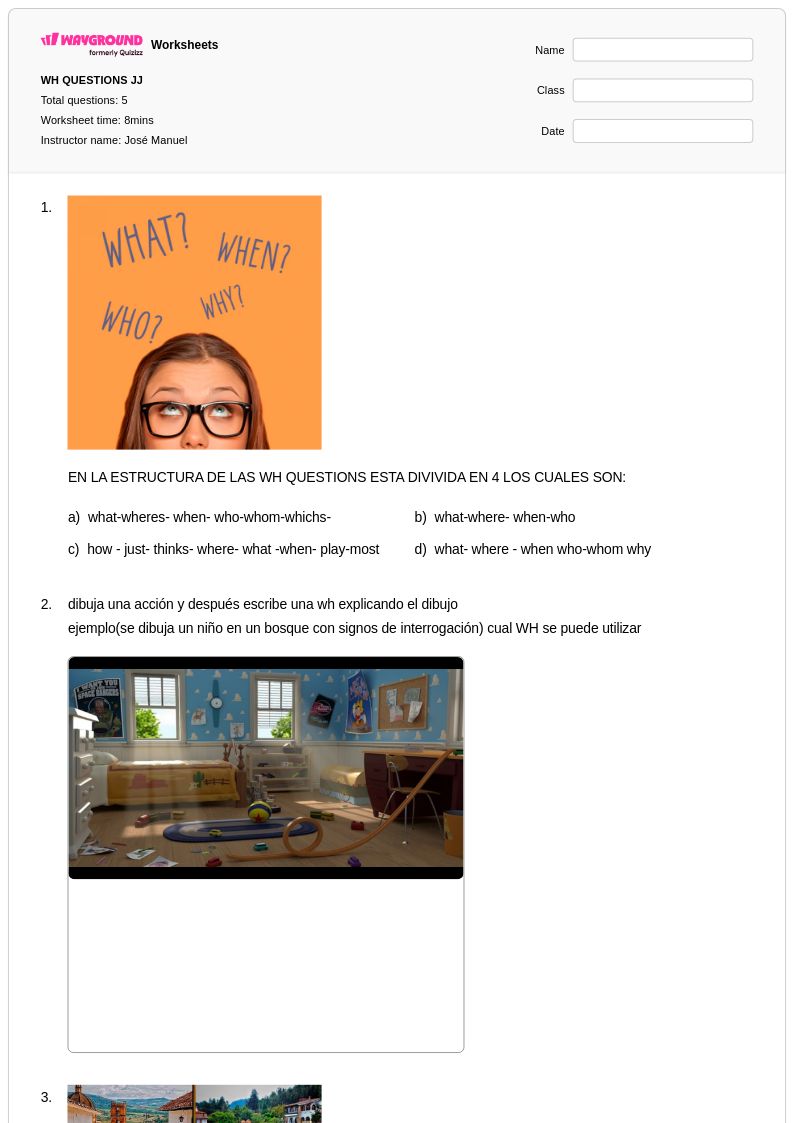
5 Q
5th
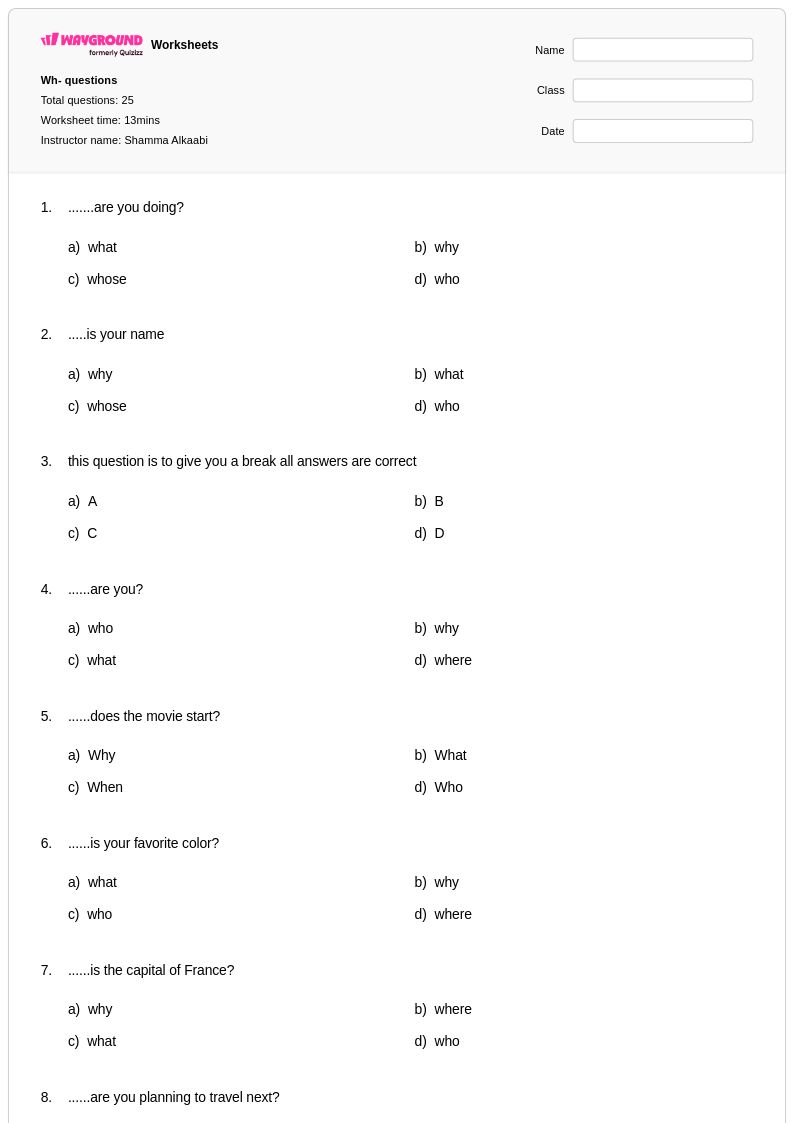
25 Q
5th
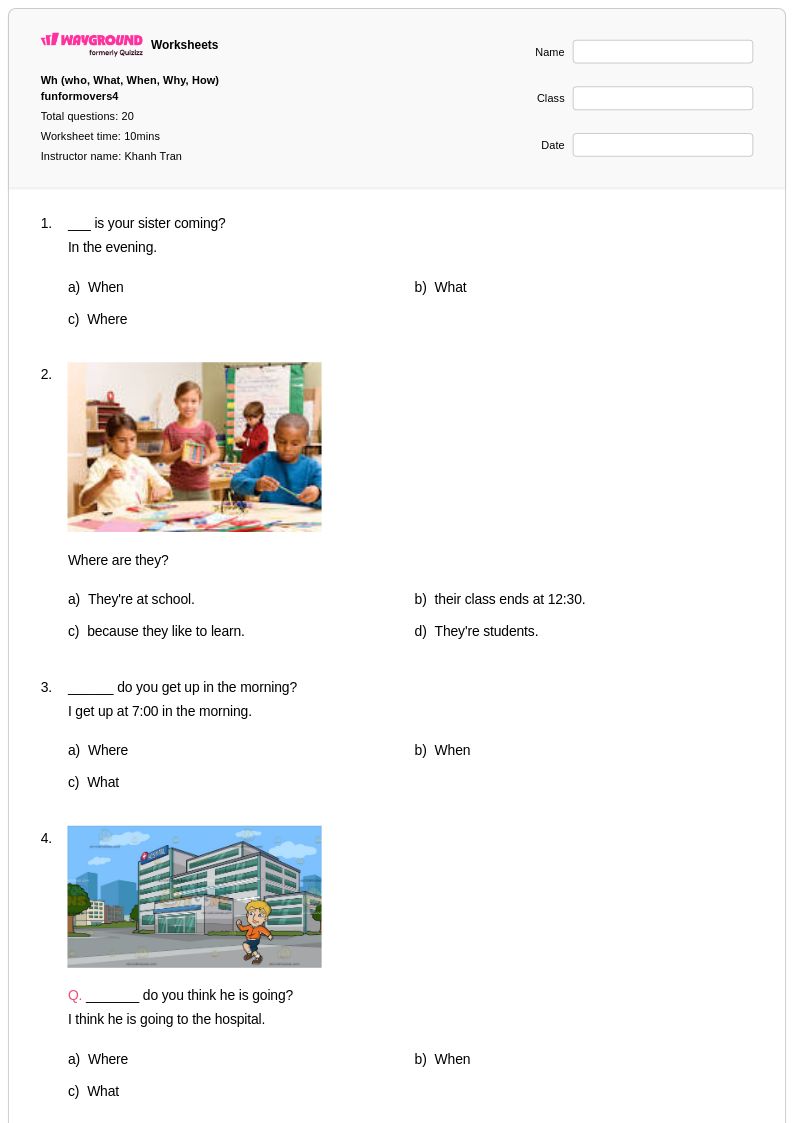
20 Q
4th - 5th
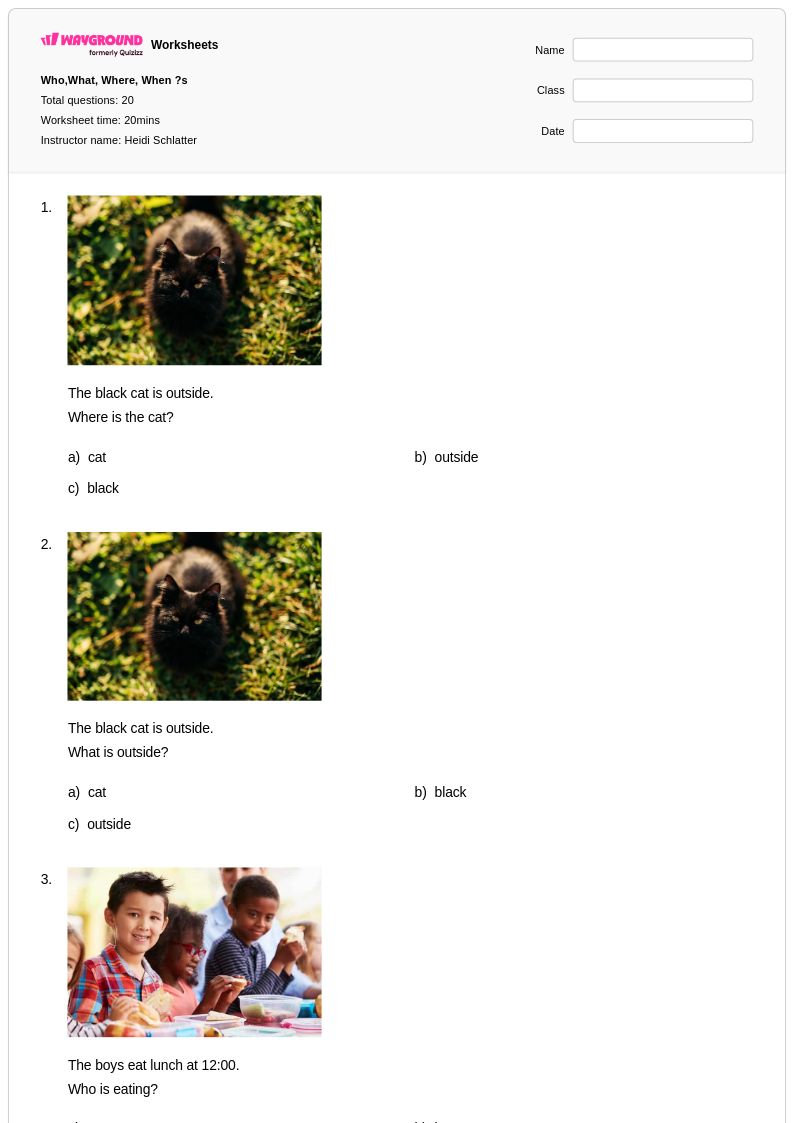
20 Q
5th
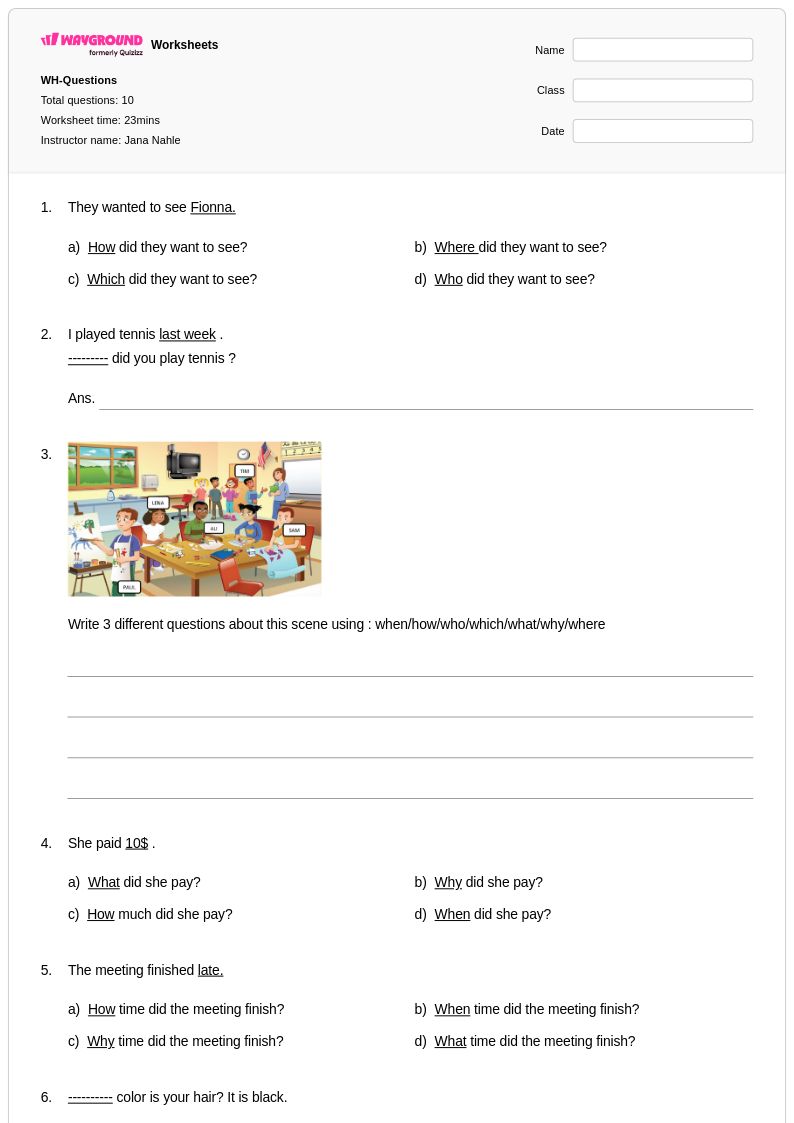
10 Q
5th - 7th
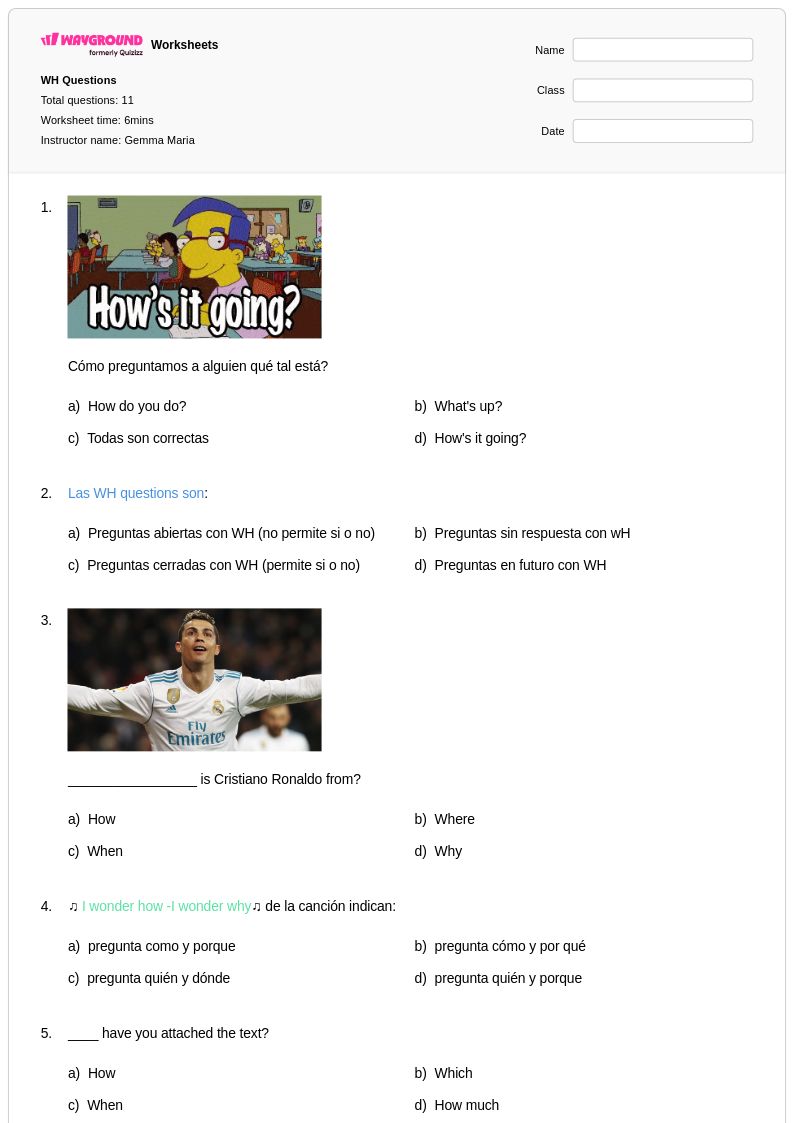
11 Q
3rd - 8th
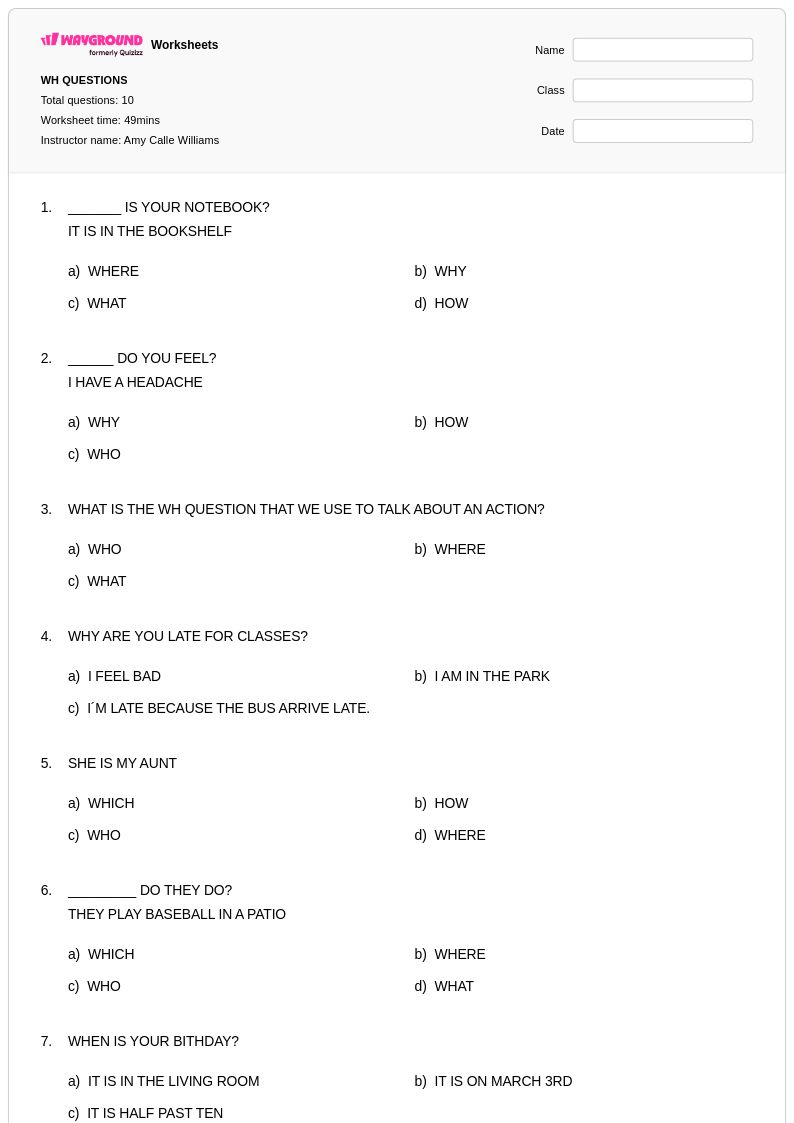
10 Q
5th
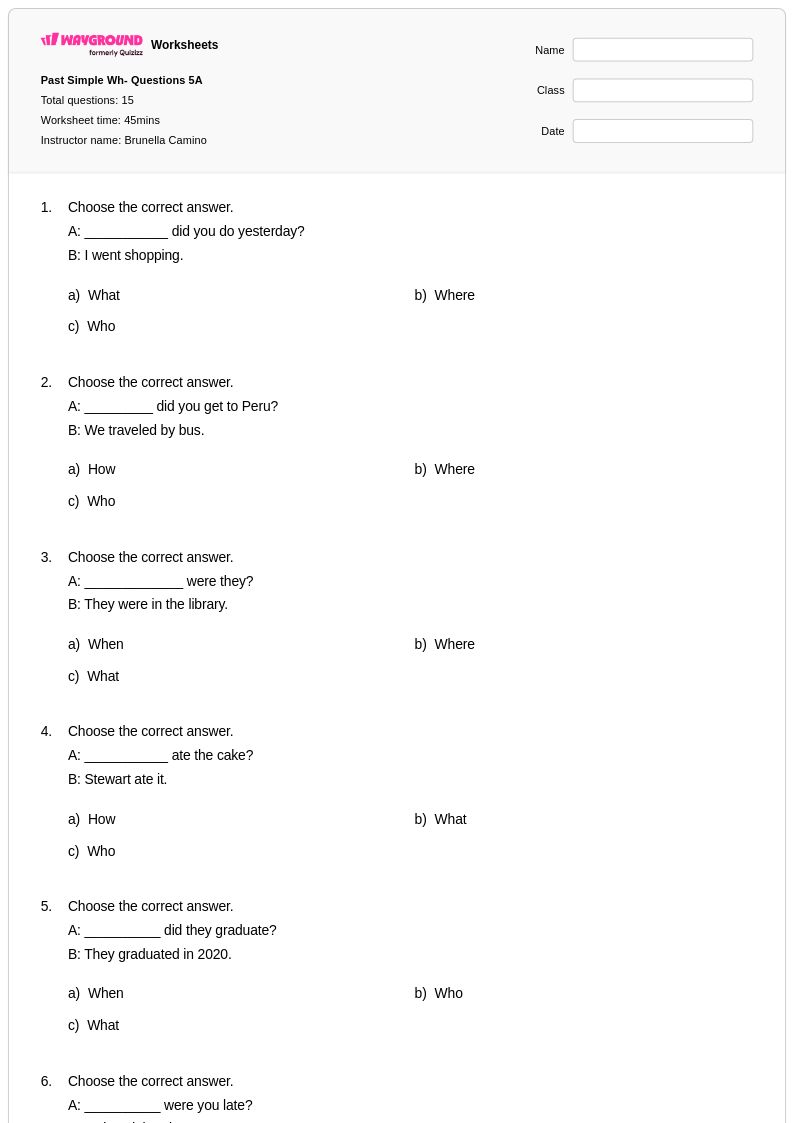
15 Q
5th
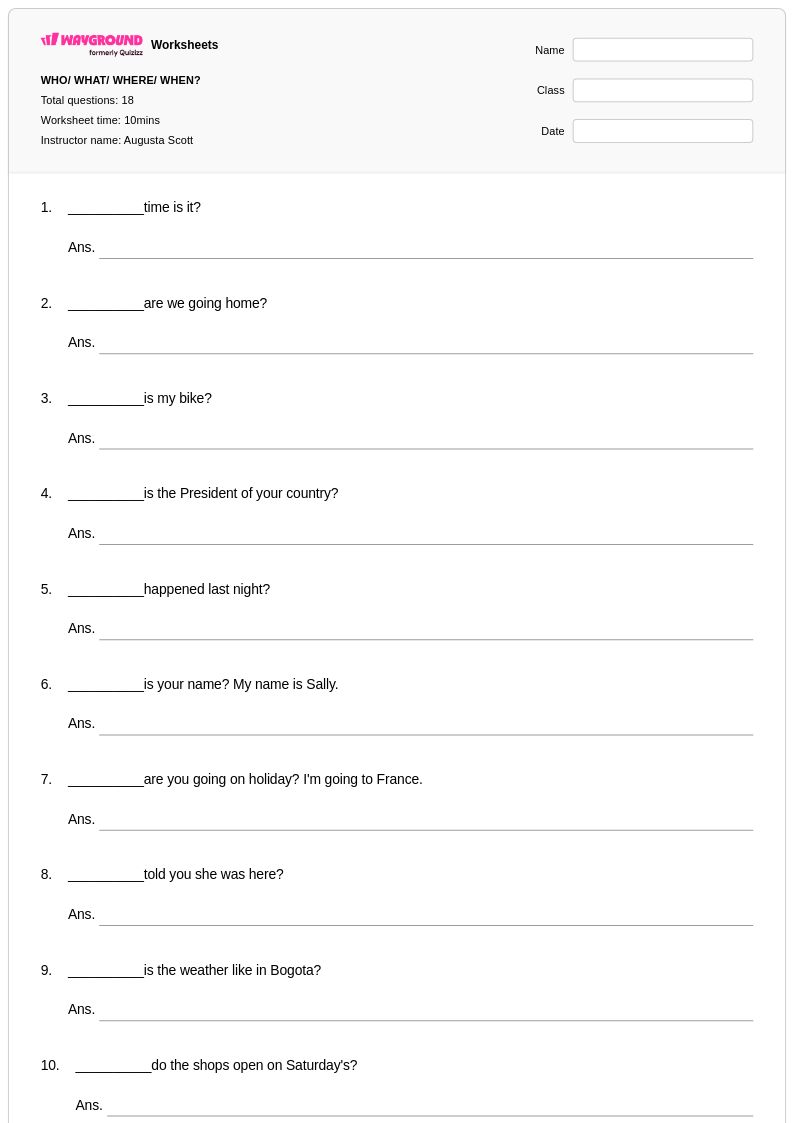
18 Q
1st - 5th
Explore Who What When Where Why Questions Worksheets by Grades
Explore Who What When Where Why Questions Worksheets for year 5 by Topic
Explore Other Subject Worksheets for year 5
Explore printable Who What When Where Why Questions worksheets for Year 5
Who What When Where Why questions form the foundation of reading comprehension for Year 5 students, and Wayground's comprehensive worksheet collection helps students master these essential interrogative skills. These carefully designed worksheets guide fifth graders through systematic questioning strategies that unlock deeper text understanding, teaching them to identify key story elements, analyze character motivations, and extract critical information from both fiction and nonfiction passages. Each worksheet includes structured practice problems that progressively build students' ability to formulate and answer the five fundamental questions, while accompanying answer keys provide immediate feedback for independent learning. Available as free printables in convenient PDF format, these resources strengthen analytical thinking skills that are crucial for academic success across all subject areas.
Wayground's extensive library of millions of teacher-created resources makes it simple for educators to find targeted Who What When Where Why question worksheets that align perfectly with Year 5 reading standards and individual classroom needs. The platform's robust search and filtering capabilities allow teachers to quickly locate materials by difficulty level, text type, or specific comprehension focus, while built-in differentiation tools enable seamless customization for diverse learners. Whether delivered as printable PDF worksheets for traditional classroom use or interactive digital activities, these flexible resources support effective lesson planning, targeted remediation for struggling readers, and enrichment opportunities for advanced students. Teachers can confidently integrate these professionally developed materials into their reading instruction, knowing that each worksheet systematically develops the critical questioning skills that transform passive readers into active, engaged comprehenders.
FAQs
How do I teach the Five W's to students who struggle with reading comprehension?
What exercises help students practice Who What When Where Why questions?
What mistakes do students commonly make when answering Five W's questions?
How can I use Who What When Where Why worksheets to support different reading levels in the same class?
How do I use Who What When Where Why worksheets on Wayground?
How do Who What When Where Why questions build critical thinking skills?