Free Printable Word Blending Worksheets for Year 2
Wayground's free Year 2 word blending worksheets help students master phonics skills through engaging printables, practice problems, and comprehensive answer keys for effective reading development.
Explore printable Word Blending worksheets for Year 2
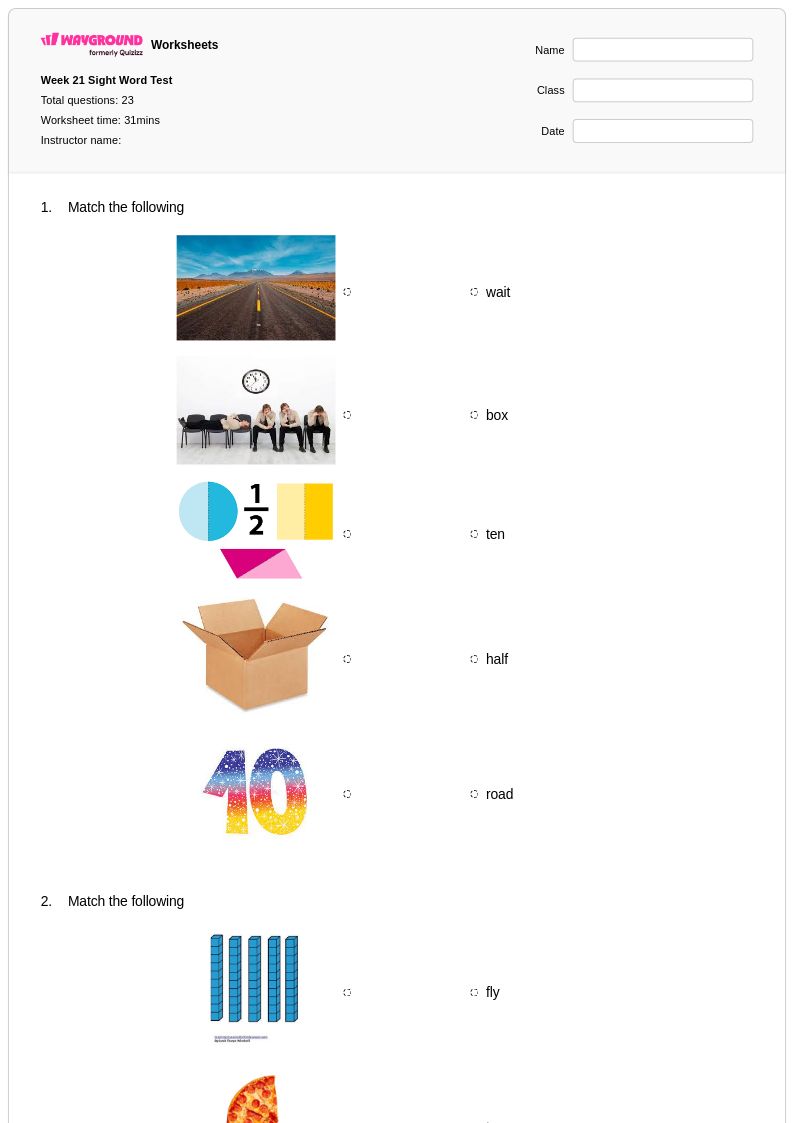
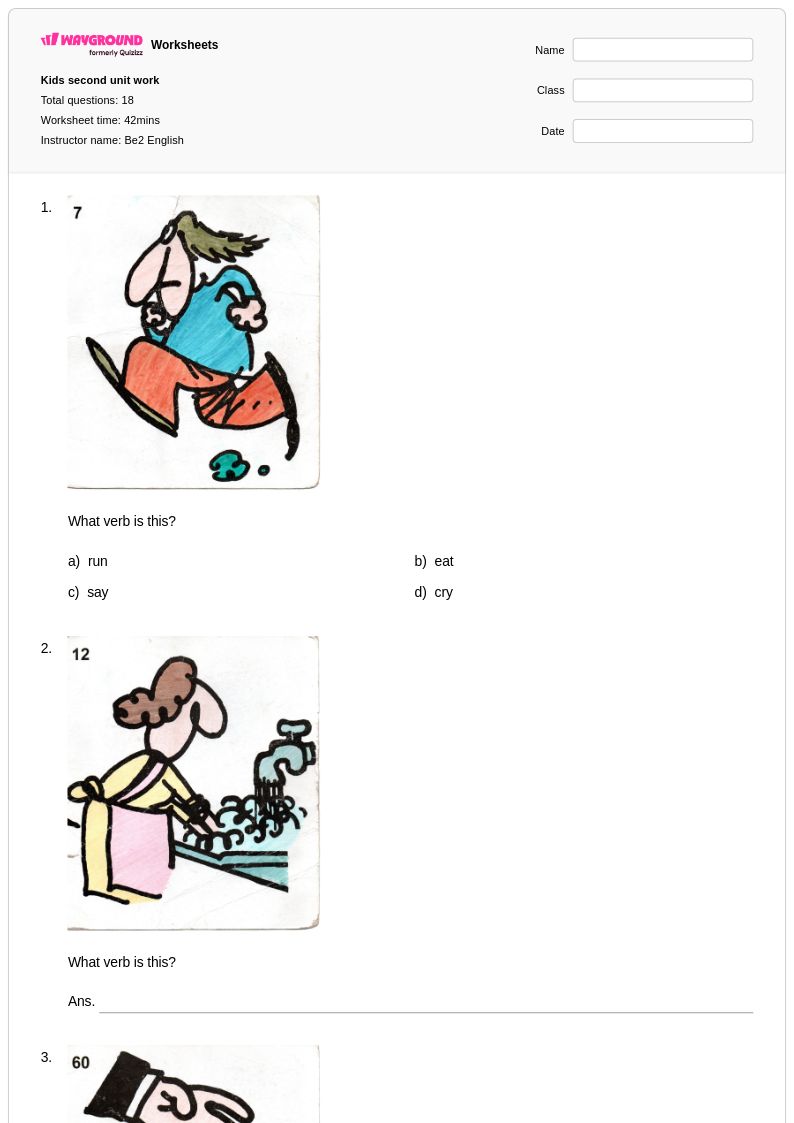
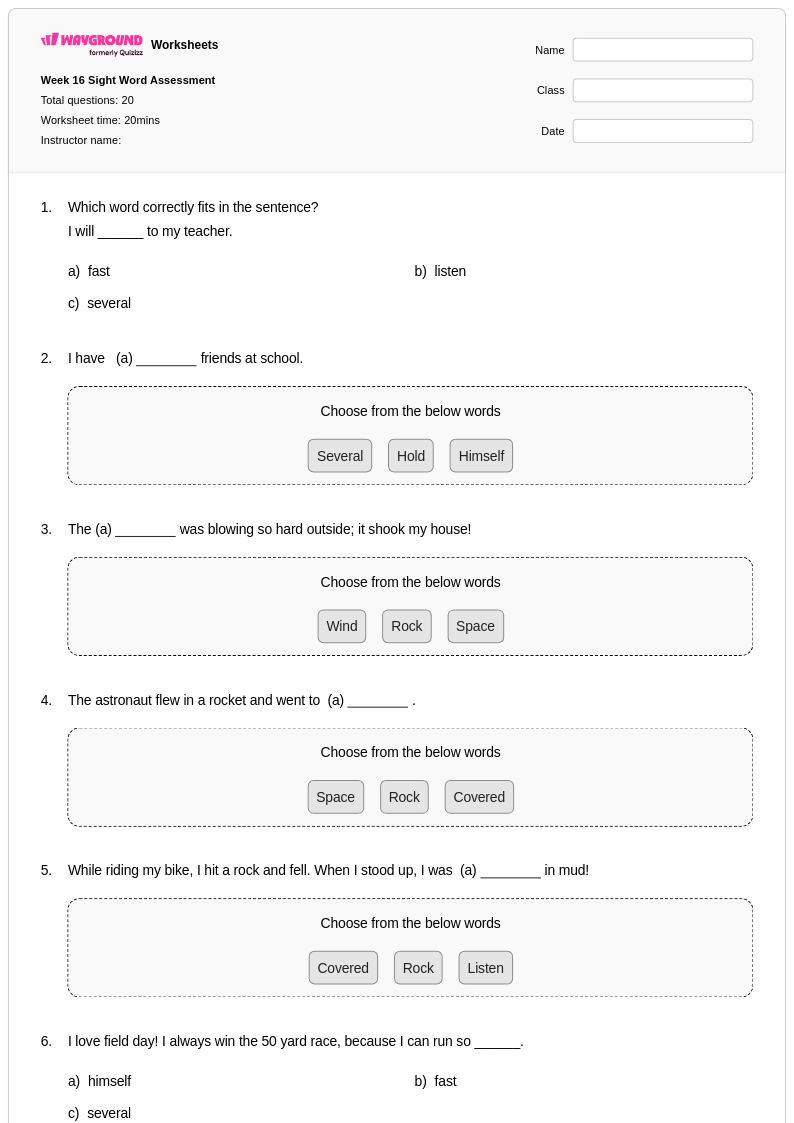
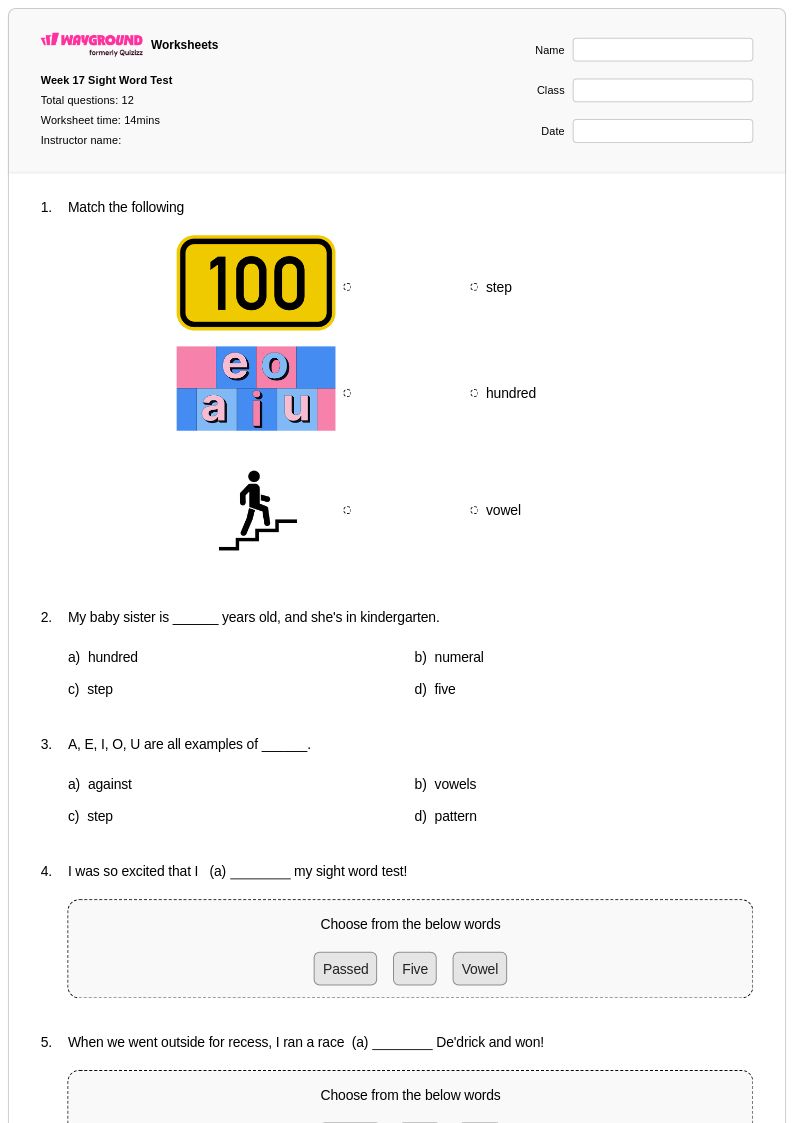
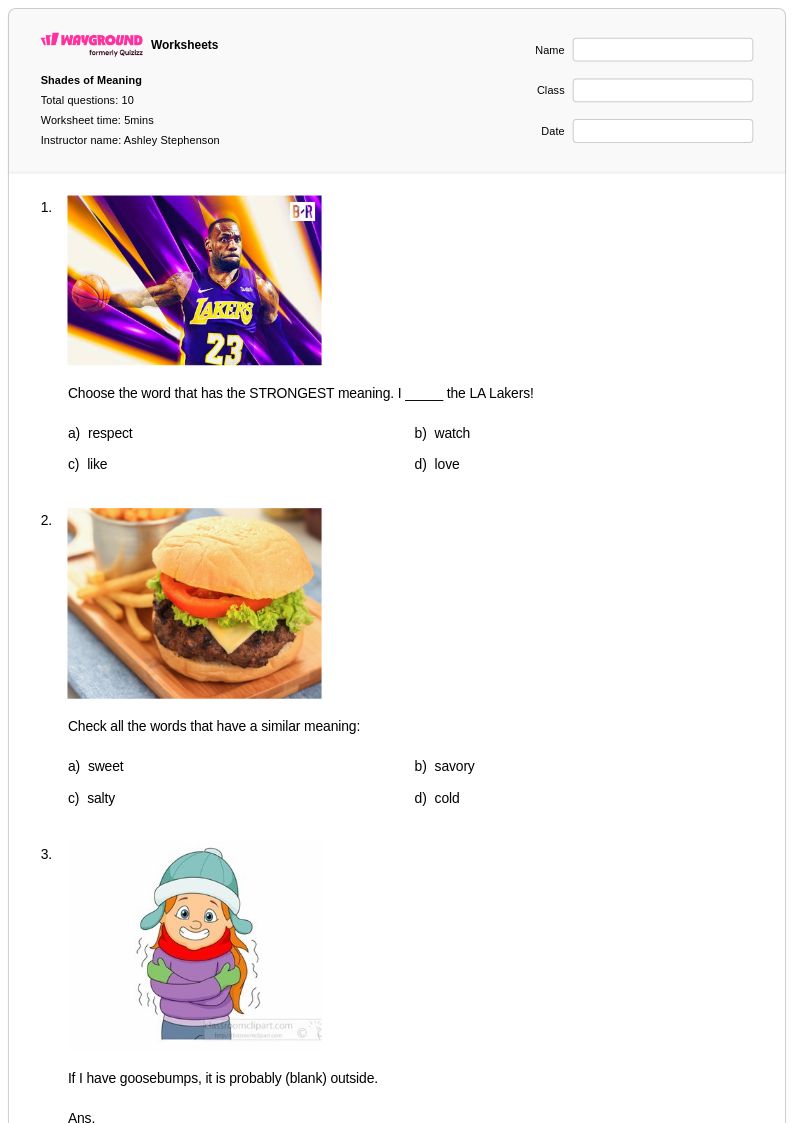
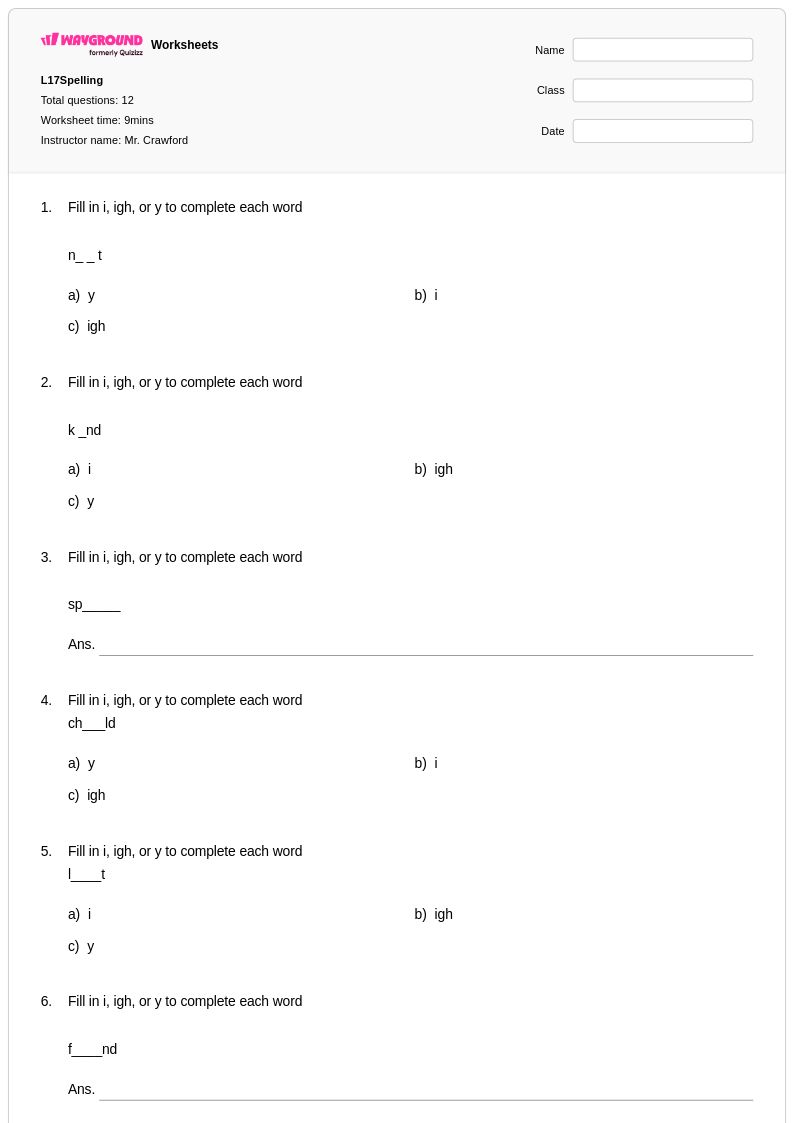
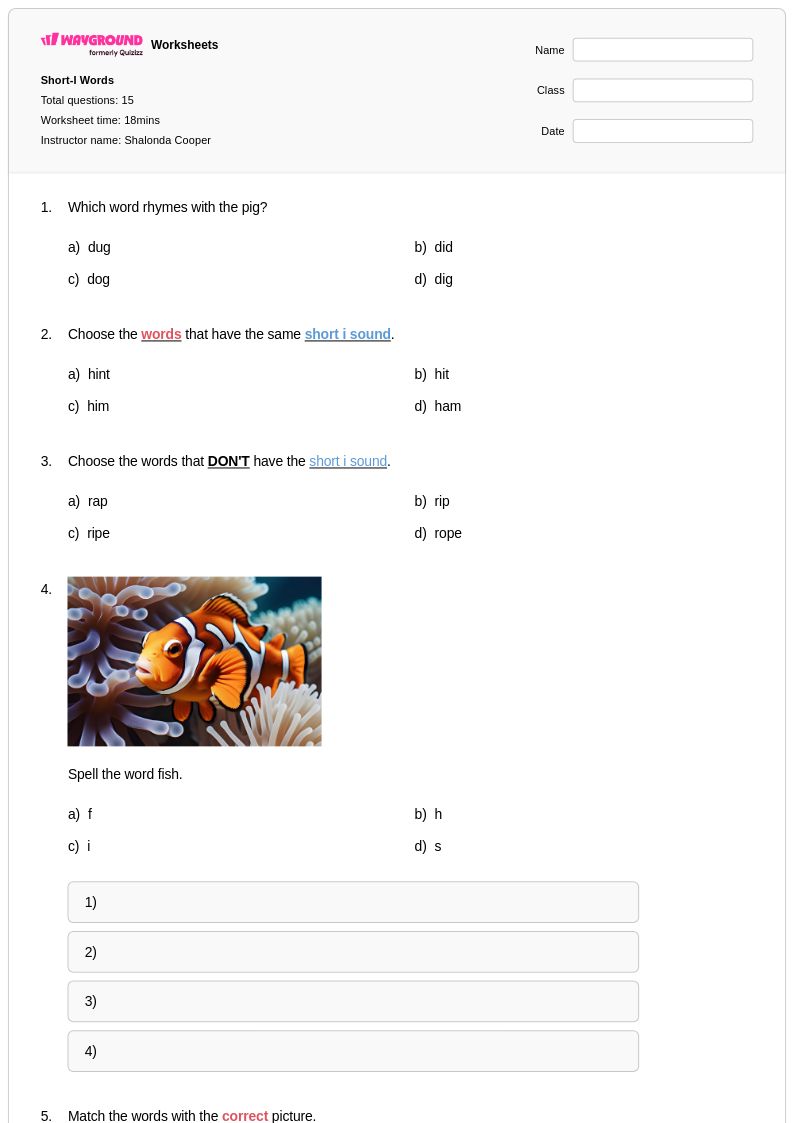
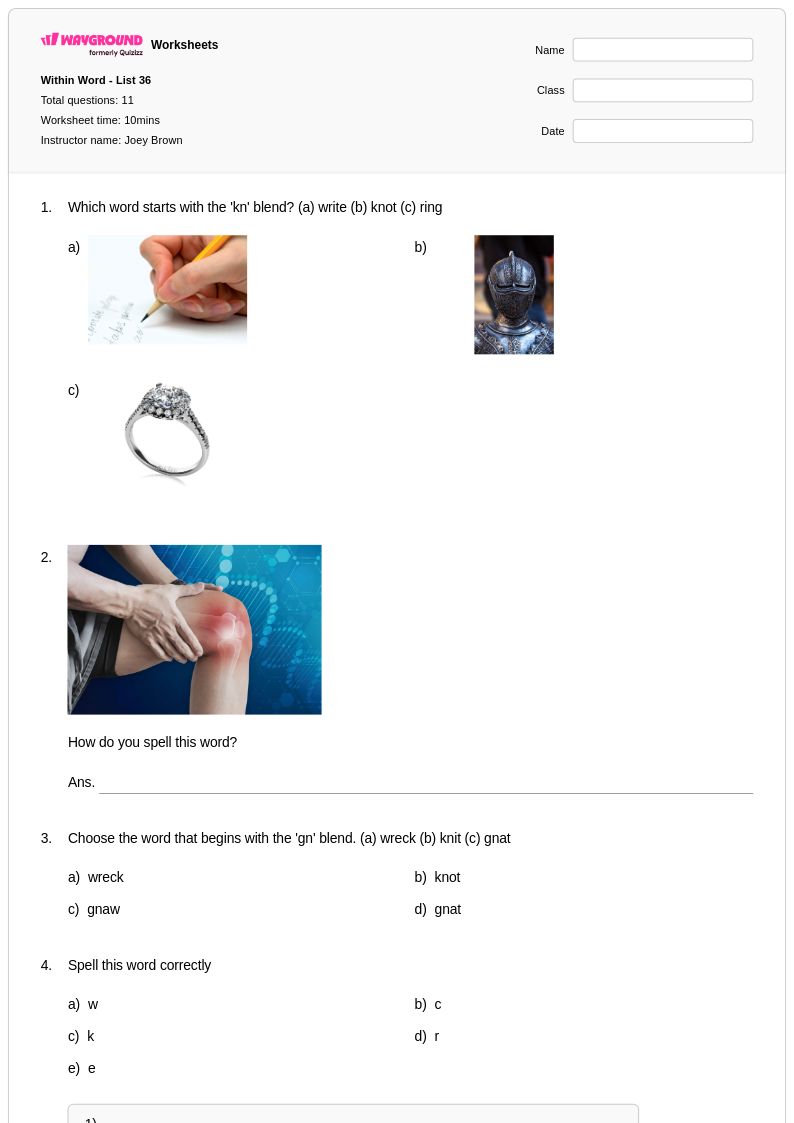
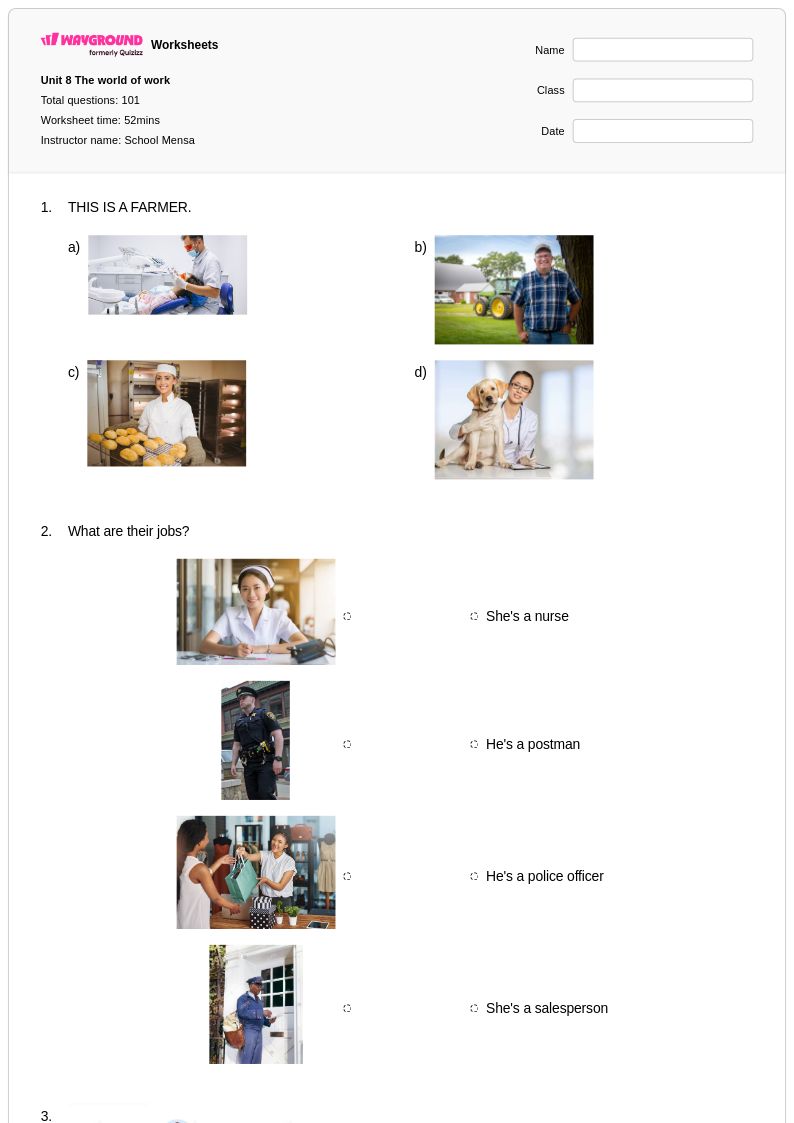
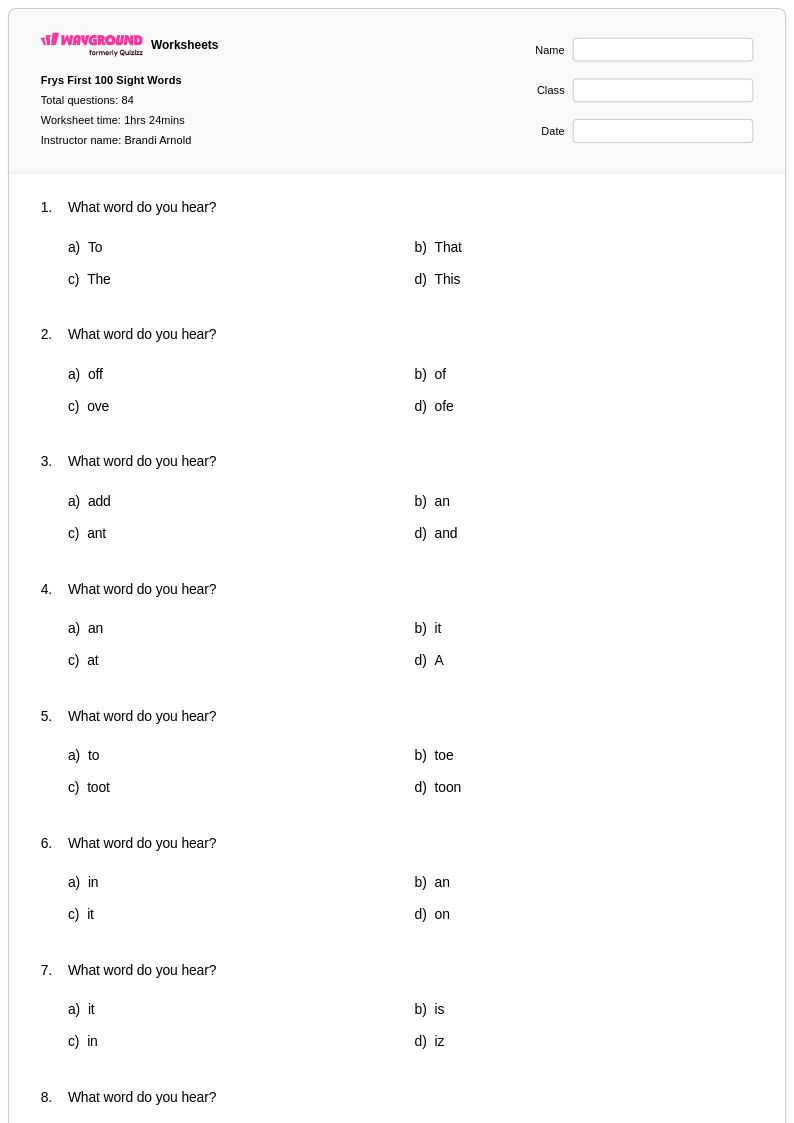
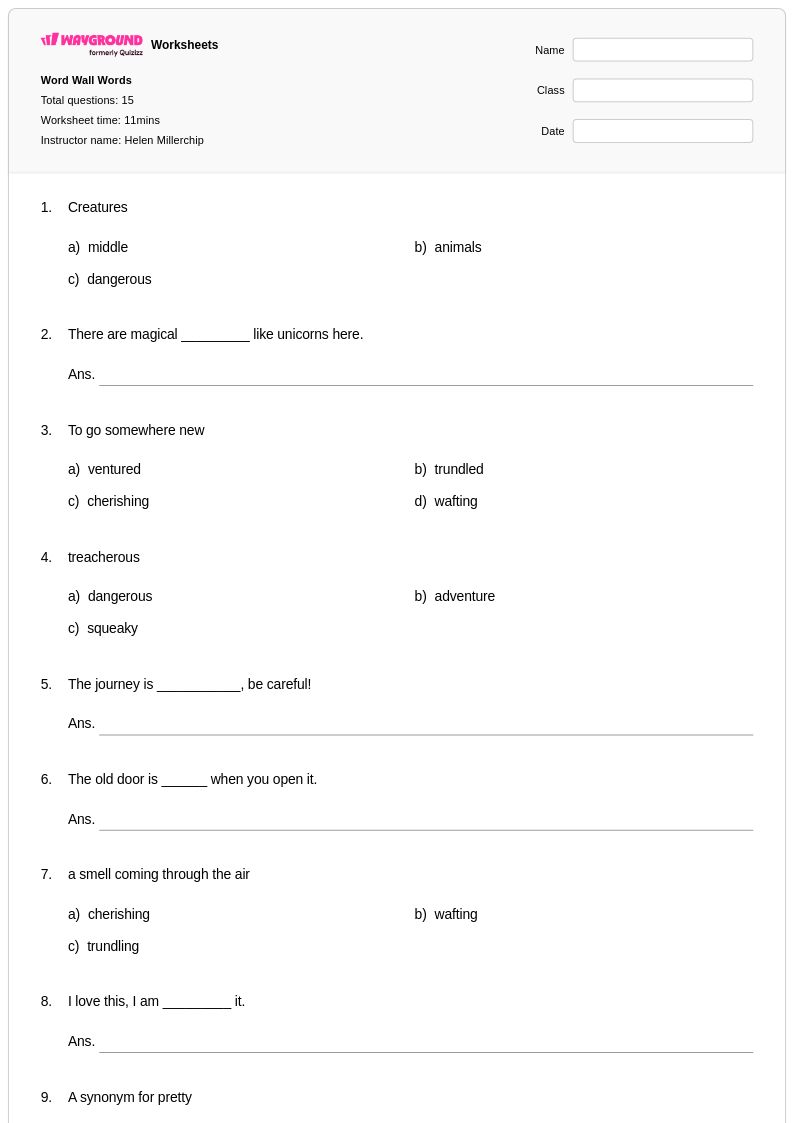
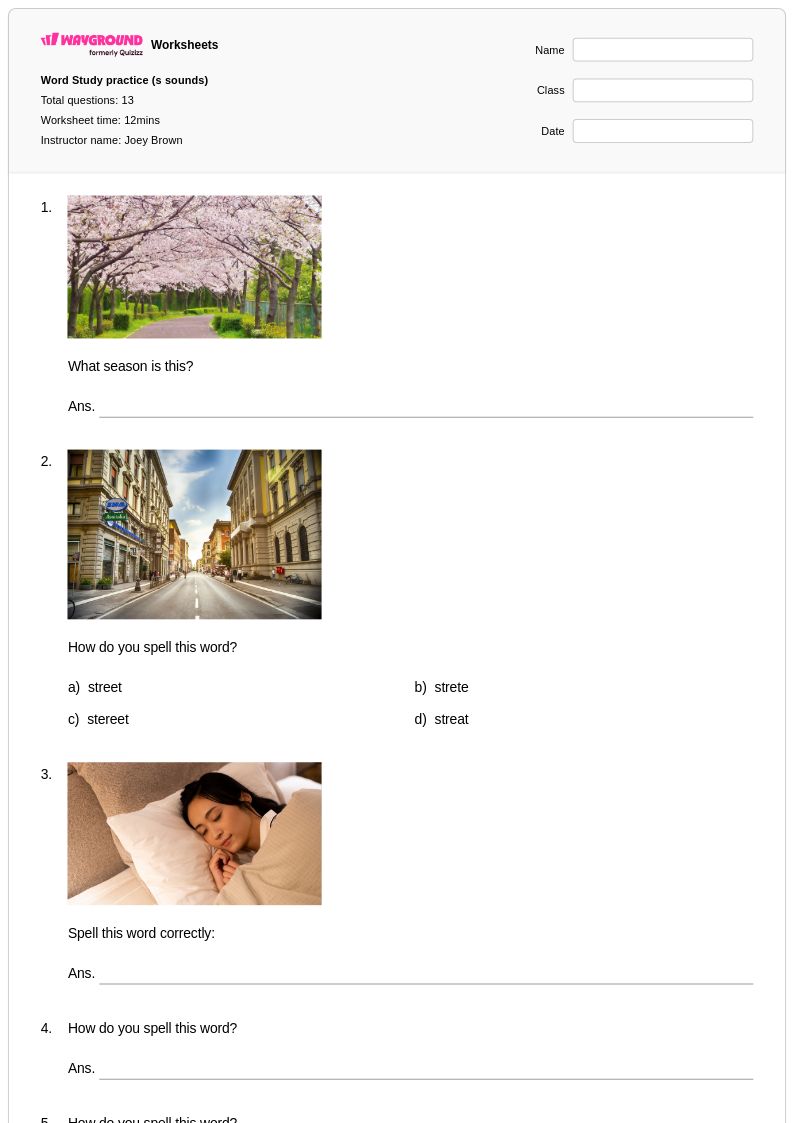
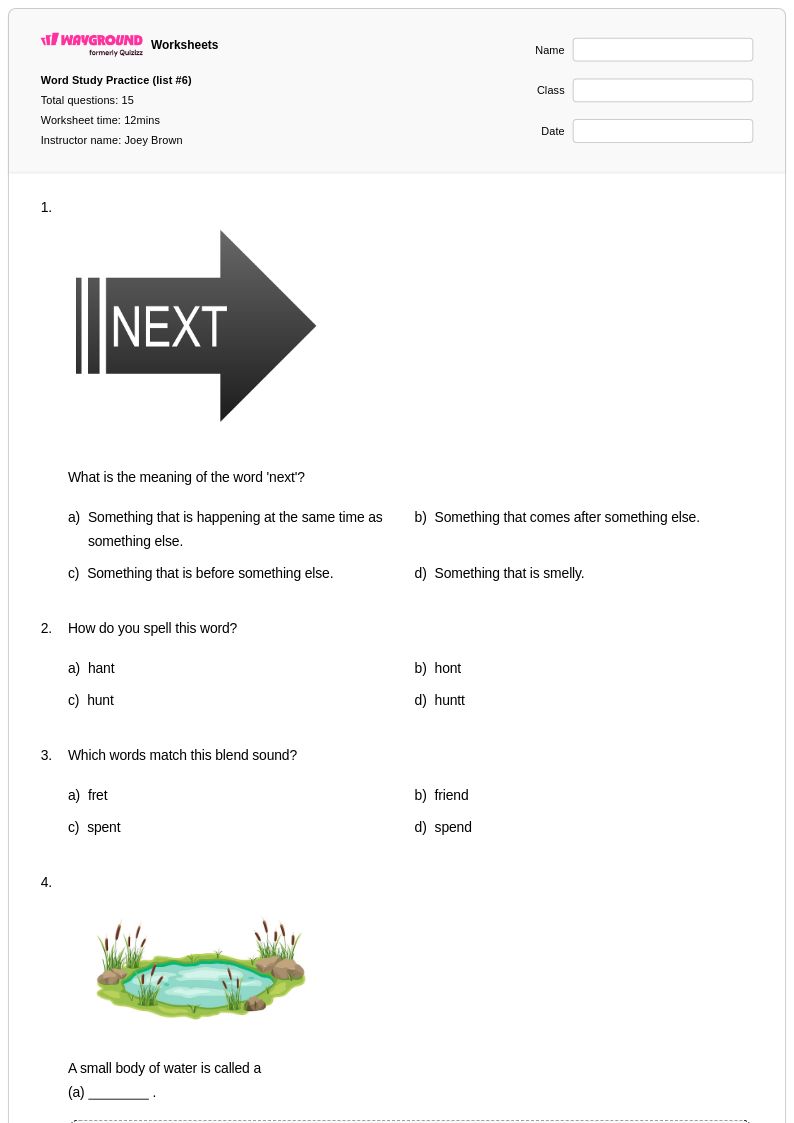
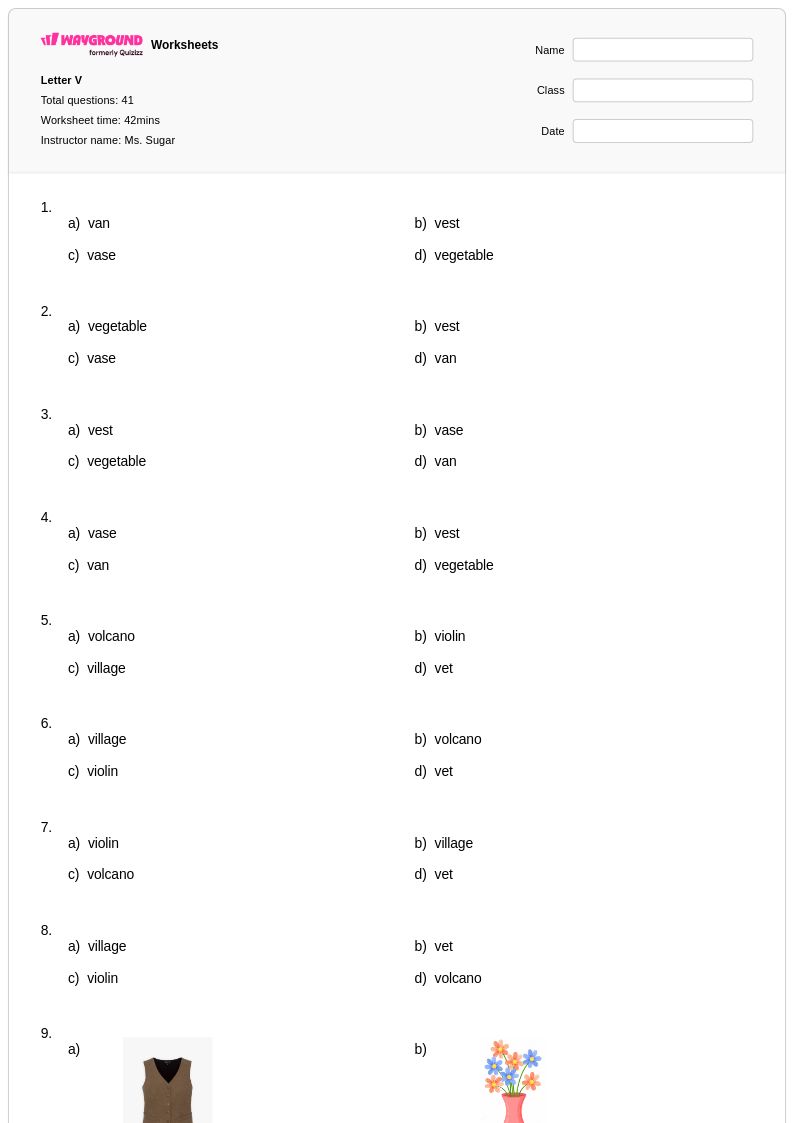
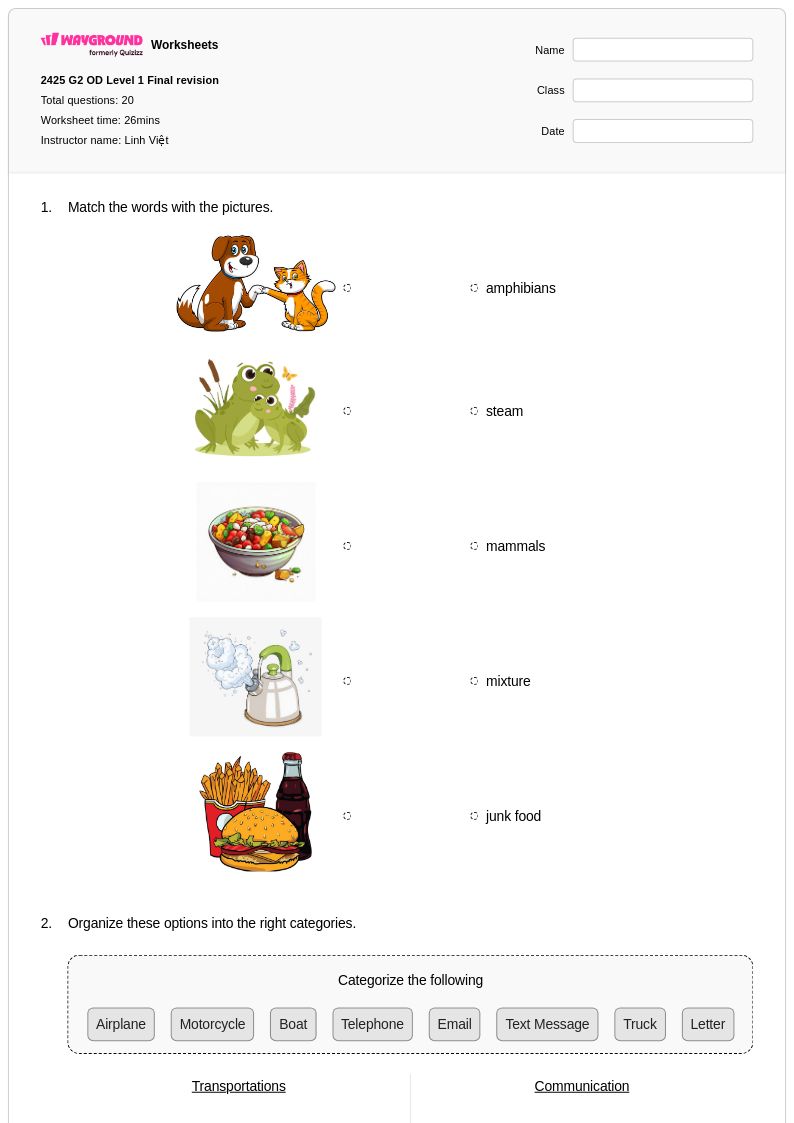
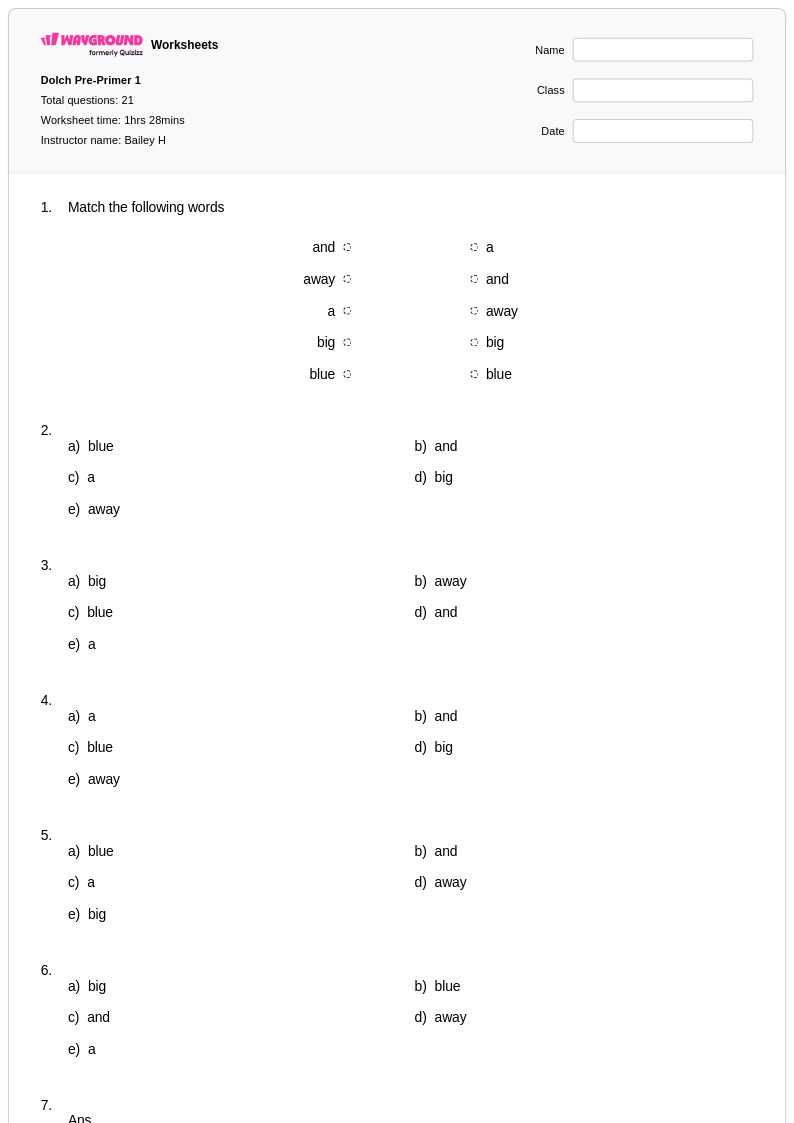
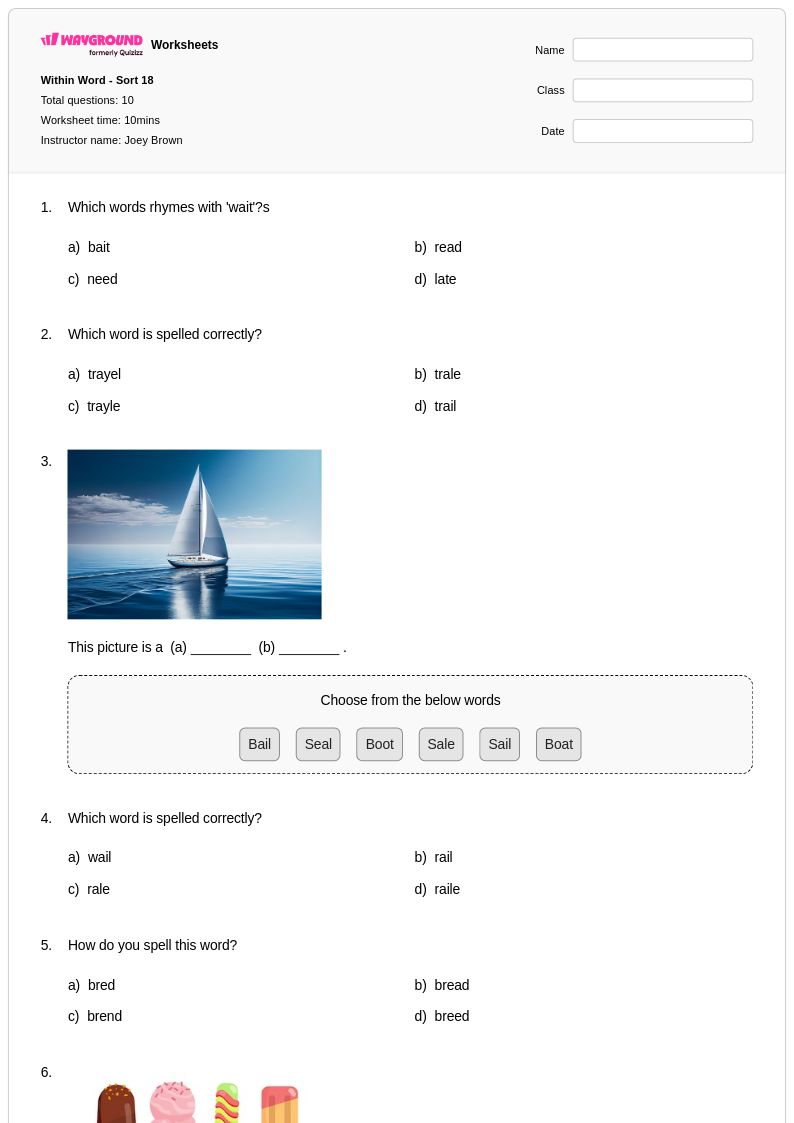
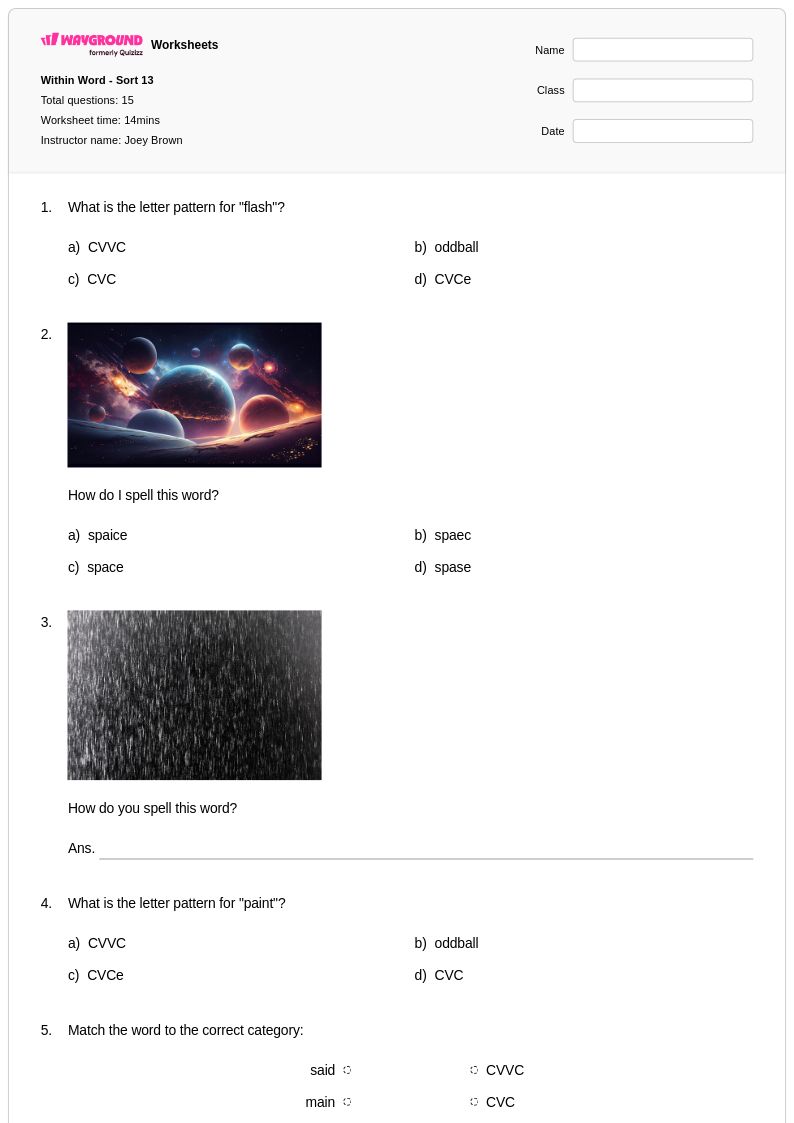
Word blending worksheets for Year 2 students available through Wayground (formerly Quizizz) provide essential practice in combining individual phonemes to form complete words, a critical skill in early reading development. These comprehensive printables focus on helping second-grade learners master the ability to smoothly connect sounds together, moving from segmented phonemes like /c/-/a/-/t/ to the fluent pronunciation of "cat." Each worksheet includes carefully structured practice problems that progress from simple consonant-vowel-consonant patterns to more complex blends and digraphs, with answer keys provided to support both independent practice and guided instruction. The free pdf resources target specific blending challenges commonly encountered at this grade level, including initial consonant blends, final blends, and vowel team combinations that strengthen phonemic awareness and decoding fluency.
Wayground (formerly Quizizz) empowers educators with millions of teacher-created word blending resources specifically designed for Year 2 phonics instruction, featuring robust search and filtering capabilities that allow teachers to locate materials aligned with specific learning standards and student needs. The platform's differentiation tools enable educators to customize worksheets for varying ability levels within their classrooms, while the availability of both printable and digital pdf formats provides flexibility for in-person and remote learning environments. These comprehensive collections support strategic lesson planning by offering sequenced skill practice that builds from basic sound blending to advanced phonetic patterns, making it simple for teachers to implement targeted remediation for struggling readers or provide enrichment activities for students ready to tackle more sophisticated word structures.
FAQs
How do I teach word blending to early readers?
Teach word blending by starting with continuous sounds like /m/, /s/, and /f/, which are easier to stretch and merge than stop sounds like /b/ or /d/. Model the process aloud by slowly saying each phoneme, then gradually speeding up until the word snaps together. Use visual supports like sound boxes or colored tiles to help students track each phoneme before blending. Progress from simple CVC words to consonant blends and then to multi-syllabic words as students build fluency.
What exercises help students practice word blending?
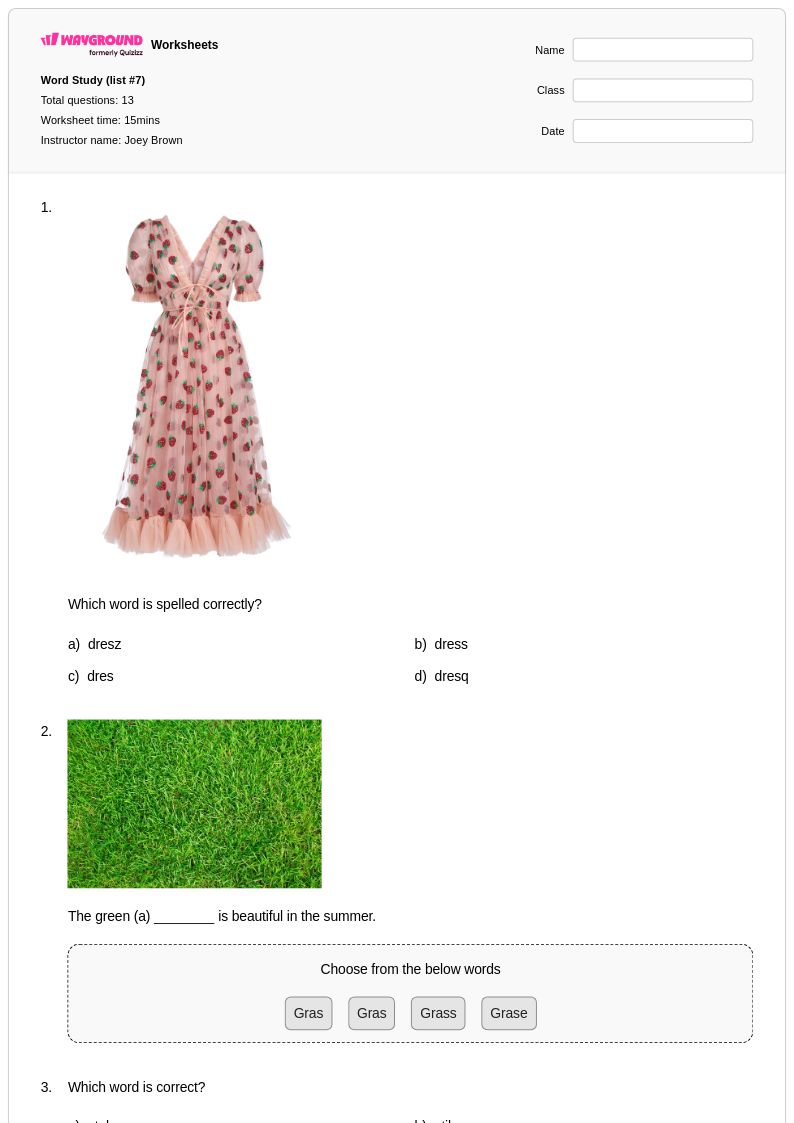
Effective word blending practice includes segmenting and blending drills where students break a word into phonemes and then reassemble it, as well as picture-to-word matching activities that reinforce decoding. Structured worksheets that progress from simple consonant-vowel combinations to more complex multi-syllabic words give students systematic, scaffolded practice. Repeated exposure to consistent spelling patterns through written exercises helps students internalize phonetic rules so blending becomes automatic.
What mistakes do students commonly make when blending sounds into words?
A frequent error is adding a schwa sound after stop consonants, turning /b/ into 'buh', which distorts the target word when blending. Students also struggle to hold early phonemes in working memory long enough to attach later ones, causing them to lose the beginning of the word by the time they reach the end. Some learners blend the first two sounds correctly but then default to guessing the rest of the word from context rather than decoding it fully. Targeted practice that isolates these patterns helps students self-correct.
How do I support struggling readers who can't blend sounds yet?
For students who cannot yet blend, begin with onset-rime blending, combining a beginning sound with a familiar word chunk like /c/ + 'at', before moving to full phoneme-by-phoneme blending. Repeated oral blending practice without text reduces cognitive load and builds the auditory skill before adding the visual layer. On Wayground, teachers can enable the Read Aloud accommodation so students hear questions read to them, and Reduced Answer Choices can limit options for students who feel overwhelmed, making the task more accessible while the underlying skill develops.
How can I use Wayground's word blending worksheets in my classroom?
Wayground's word blending worksheets are available as printable PDFs for traditional classroom use and in digital formats for technology-integrated or remote learning environments. Teachers can also host the worksheets as an interactive quiz directly on Wayground, giving students immediate feedback as they practice. This flexibility makes the resources suitable for whole-class instruction, small-group intervention, or independent seat work, depending on where each student is in their phonemic awareness development.
How do word blending worksheets support phonemic awareness development?
Word blending is a core component of phonemic awareness because it requires students to mentally segment sounds and then recombine them into a recognizable word, a process that directly underpins decoding and reading fluency. Worksheets that systematically progress from simple CVC patterns to multi-syllabic words give students structured exposure to increasingly complex phonetic combinations. Regular written practice reinforces the mental blending process and helps students recognize recurring spelling patterns, which accelerates both decoding speed and reading confidence.