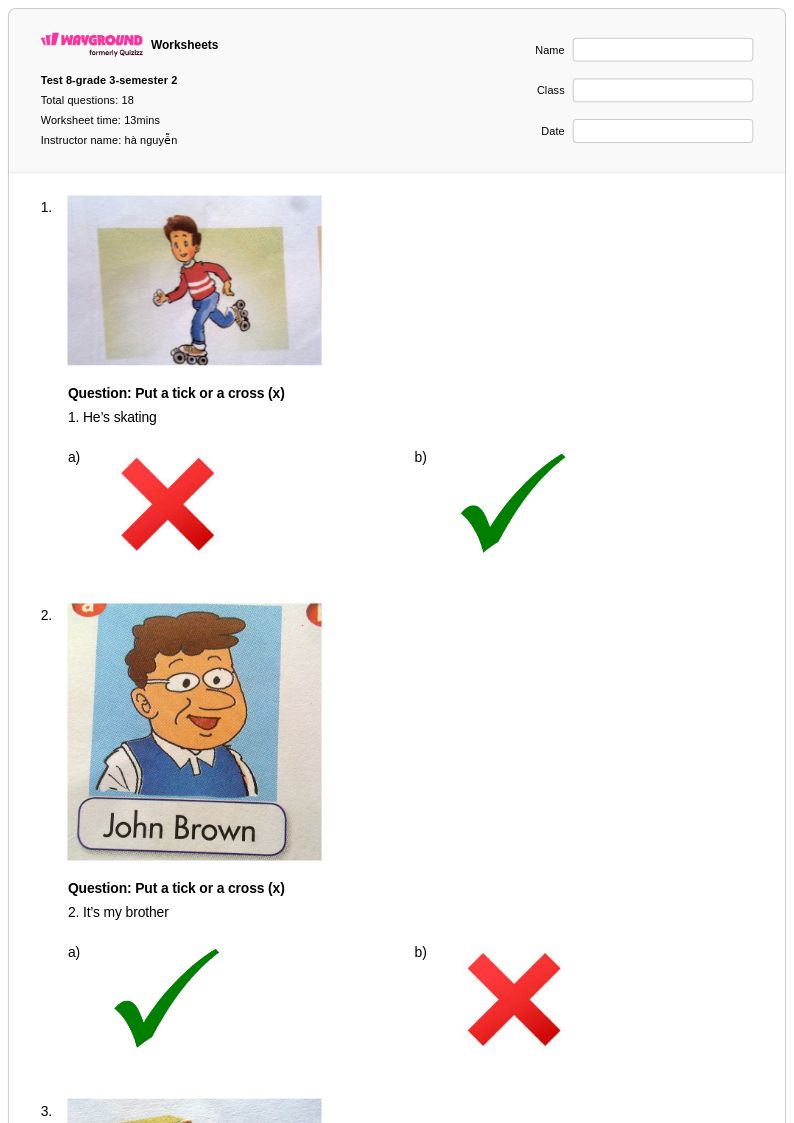
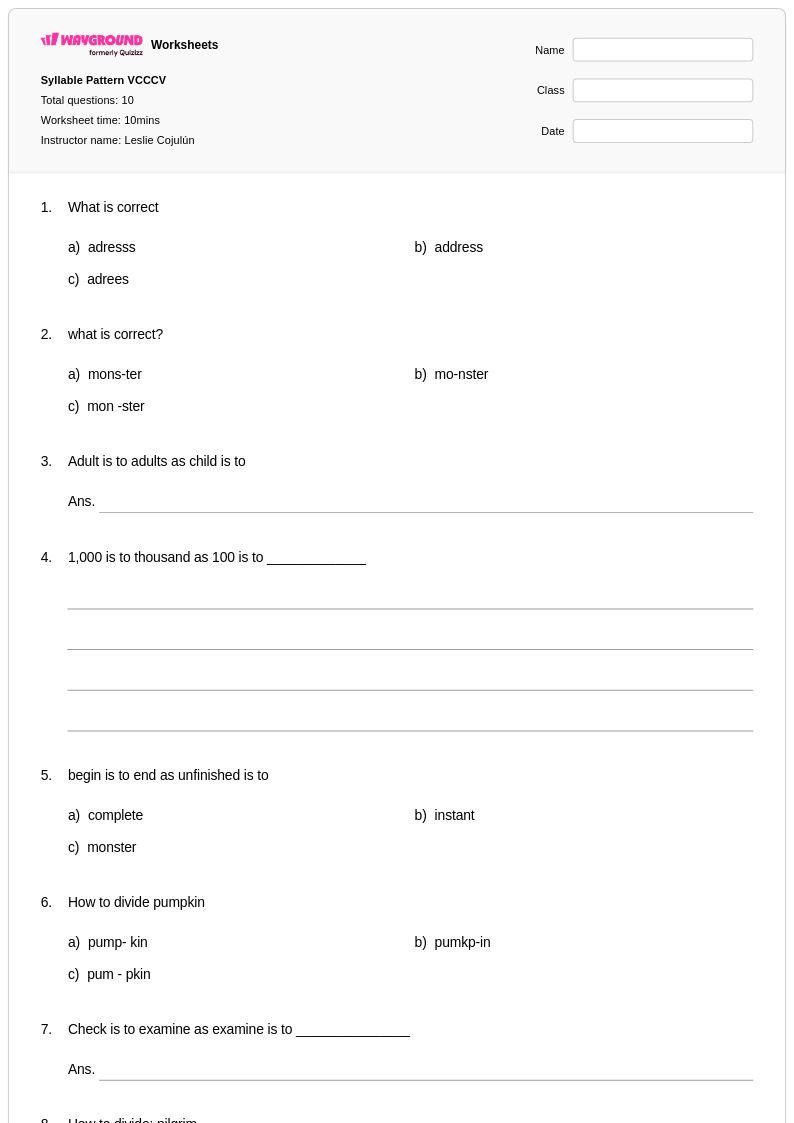
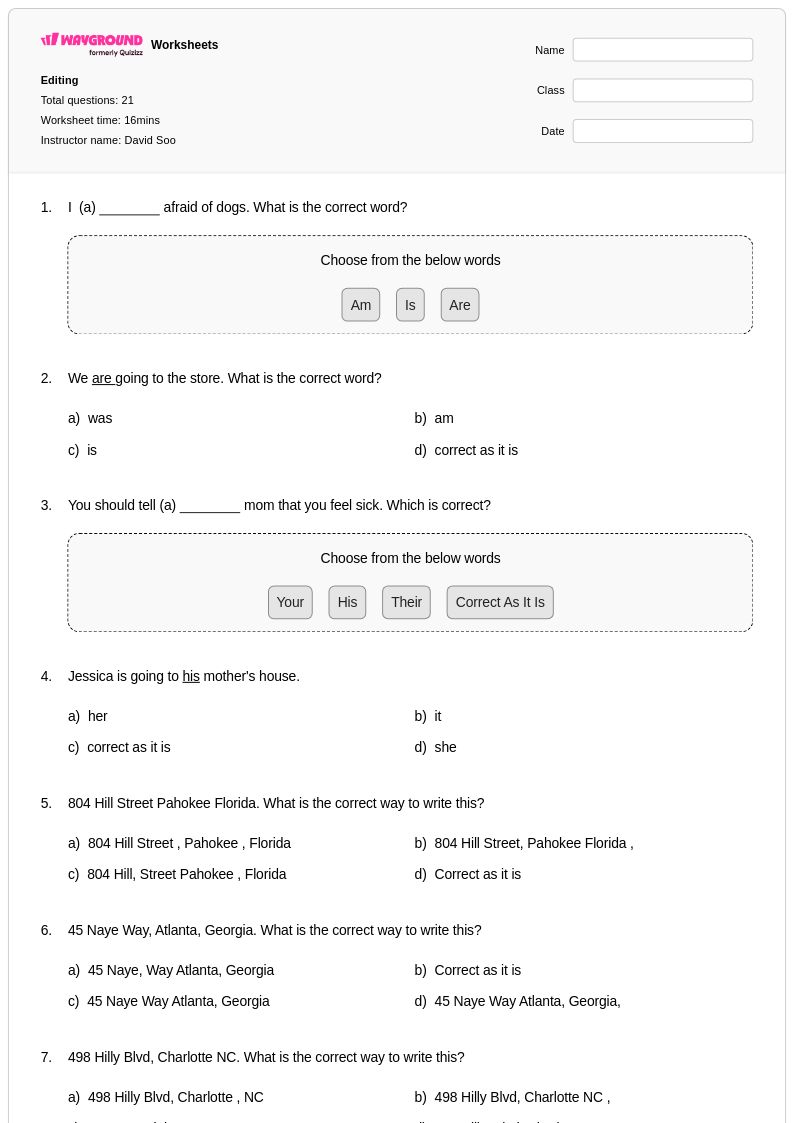
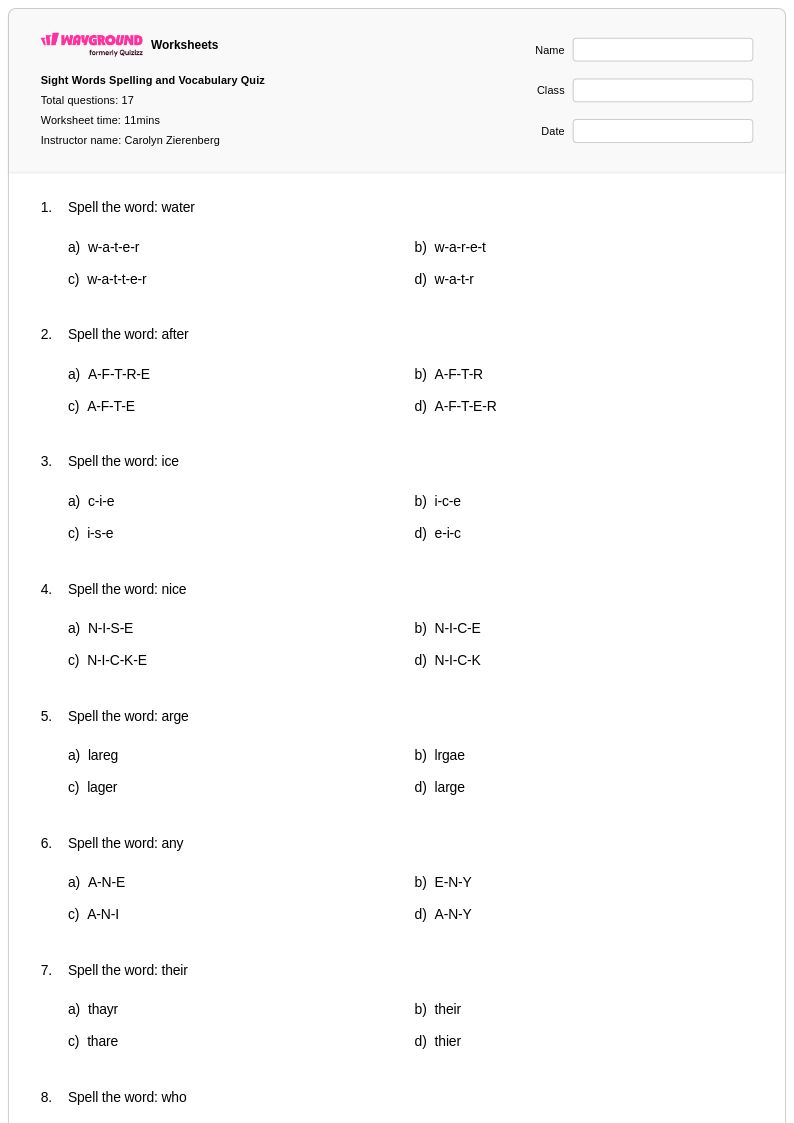
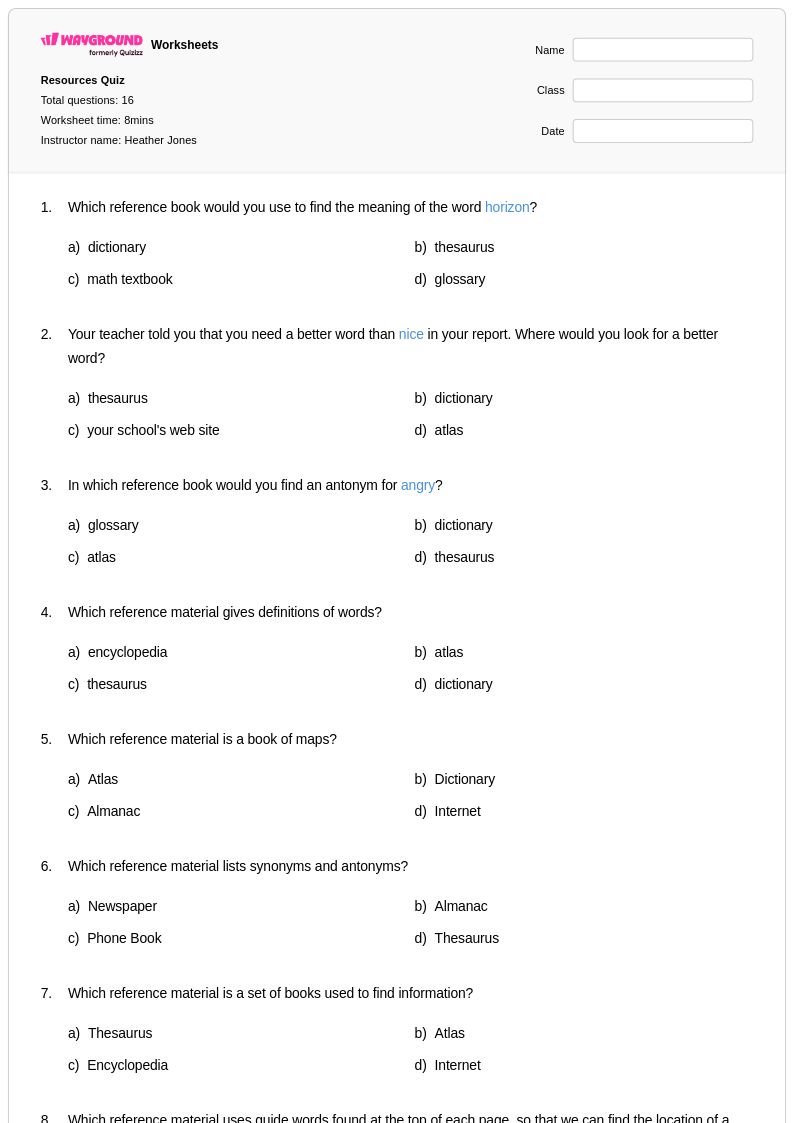
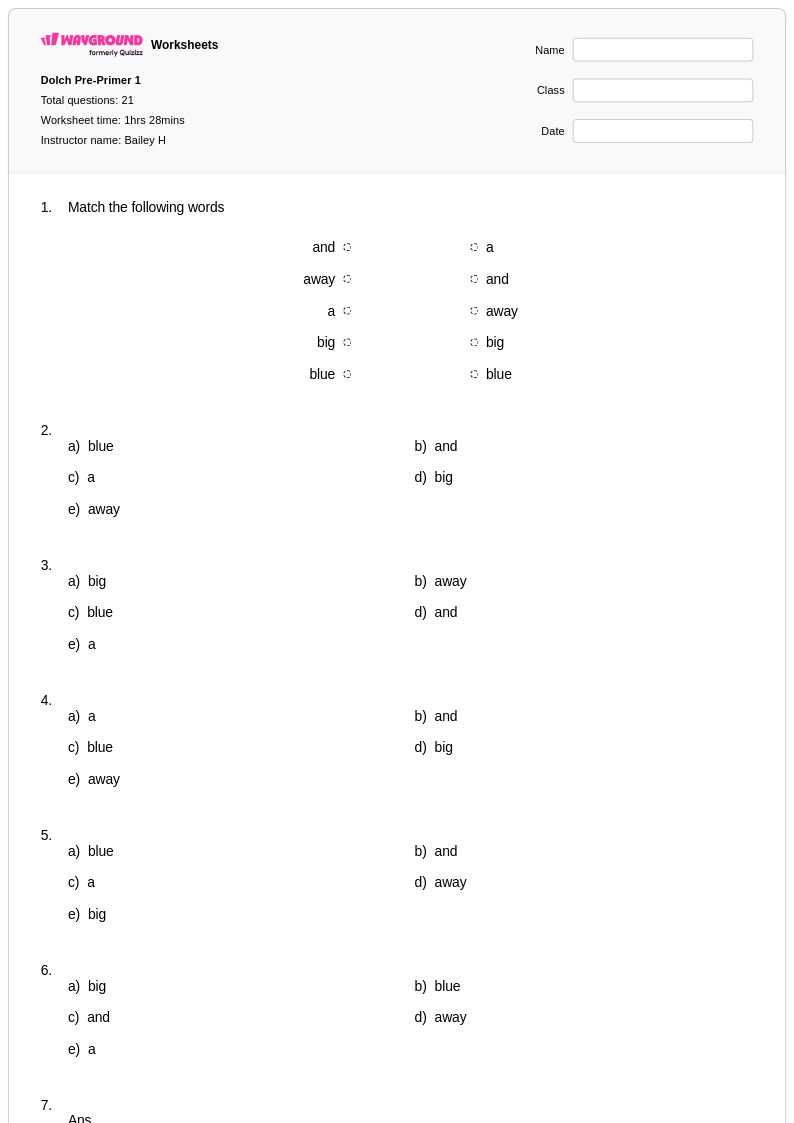
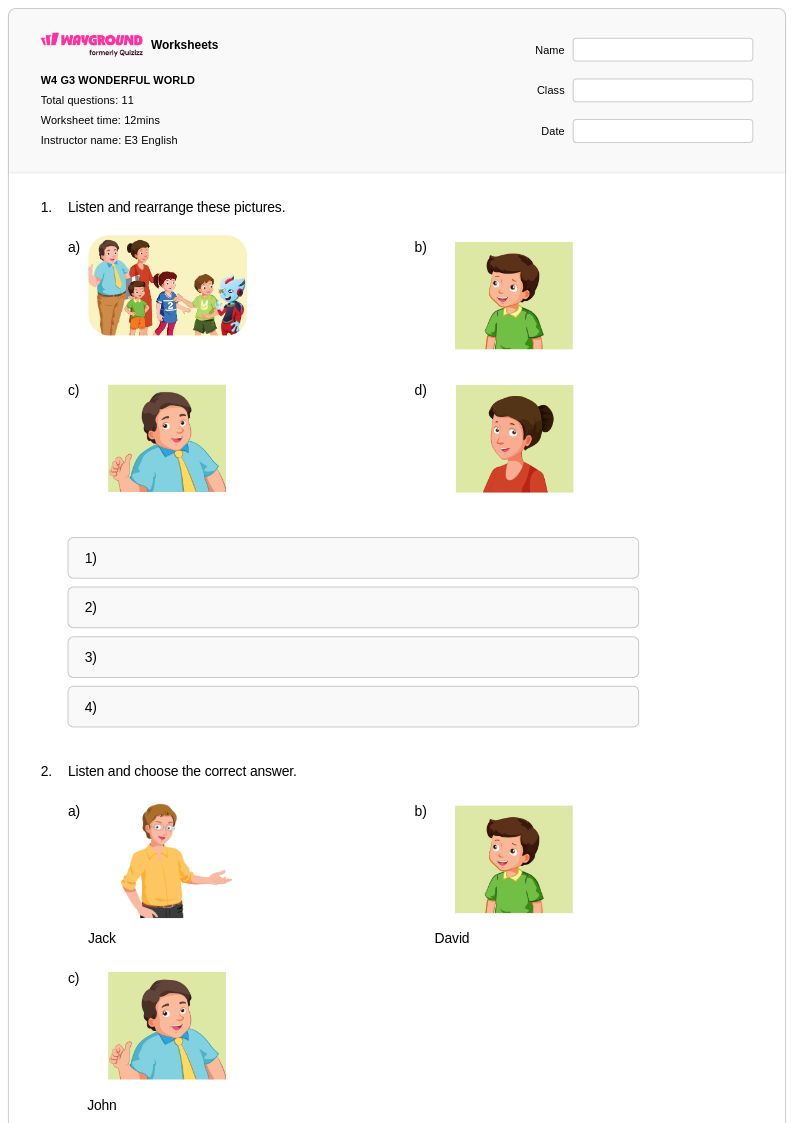
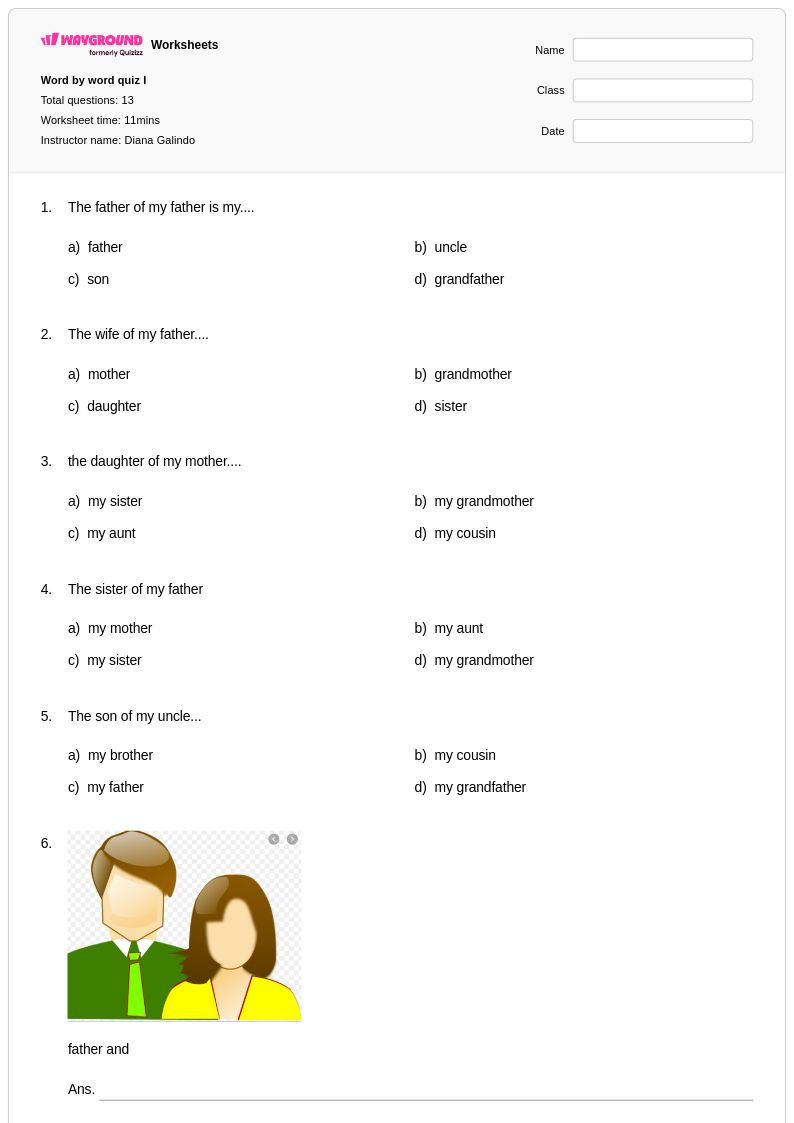
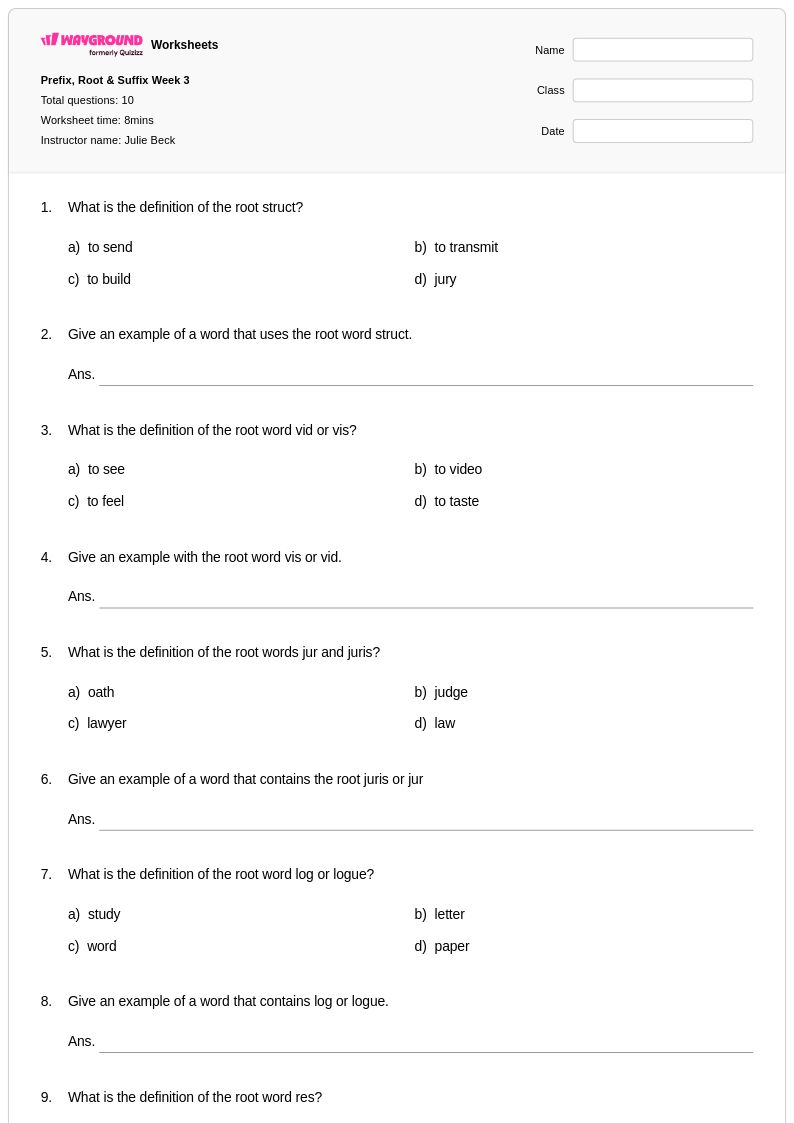
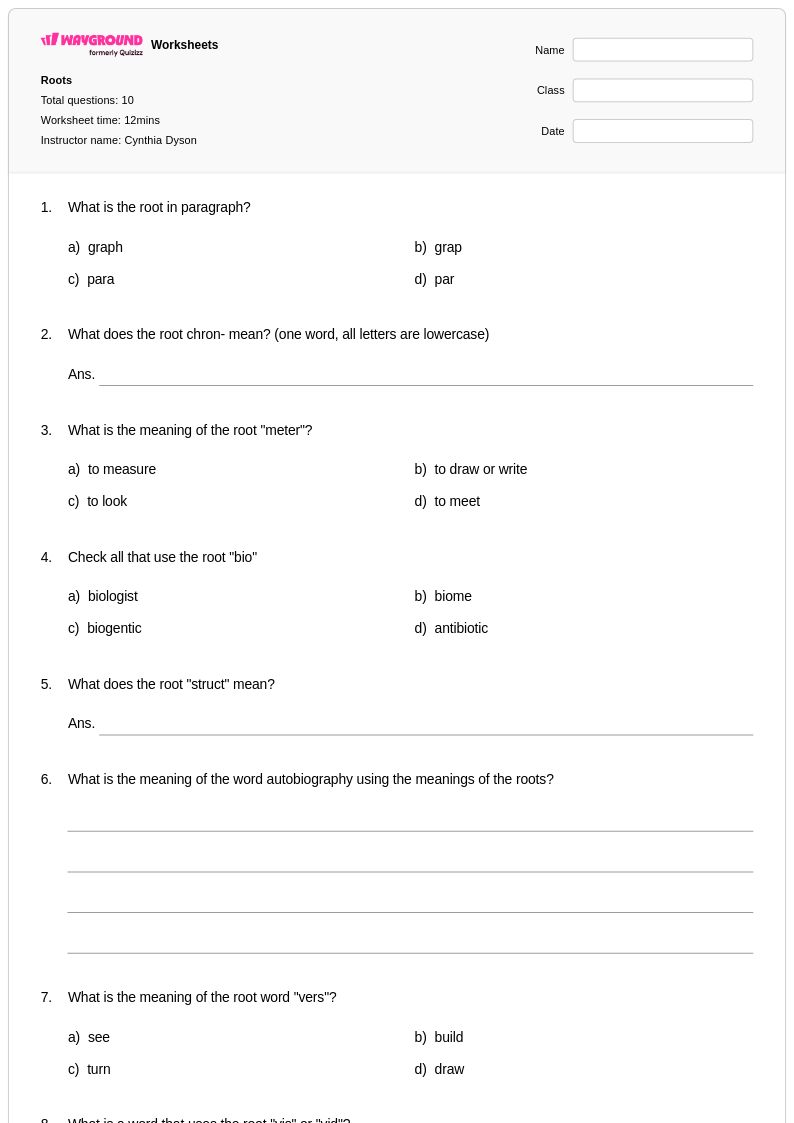
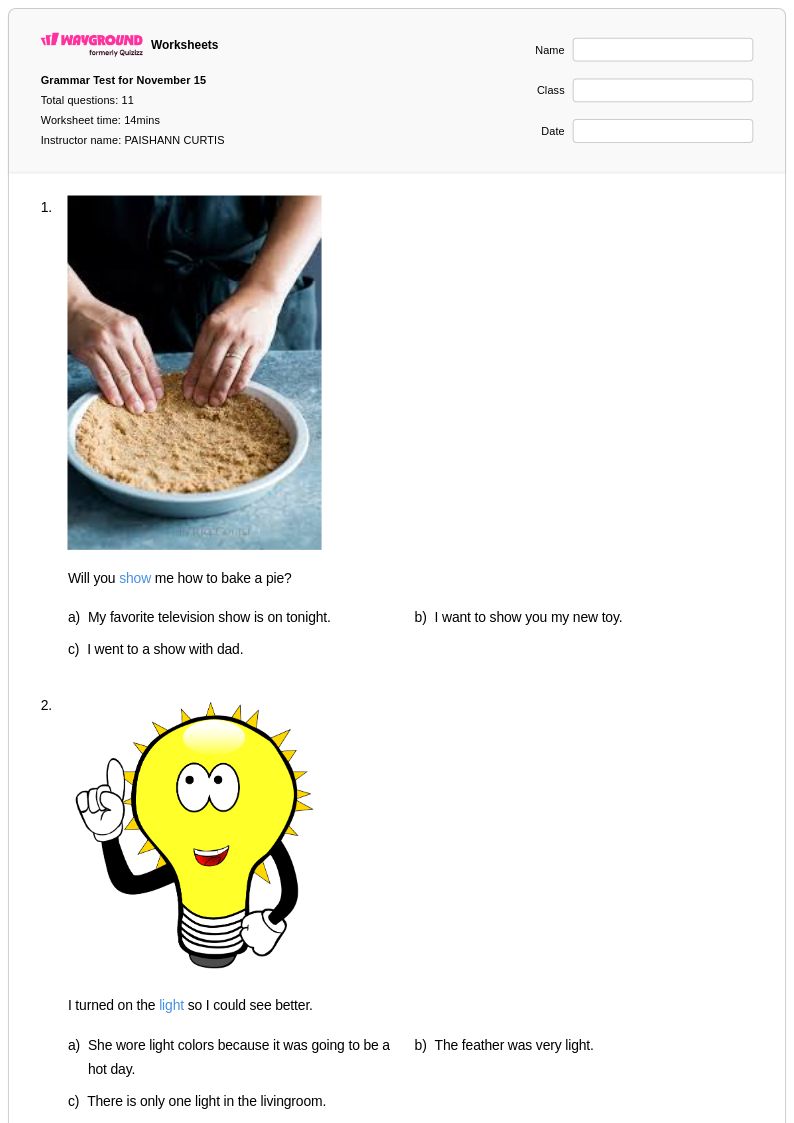
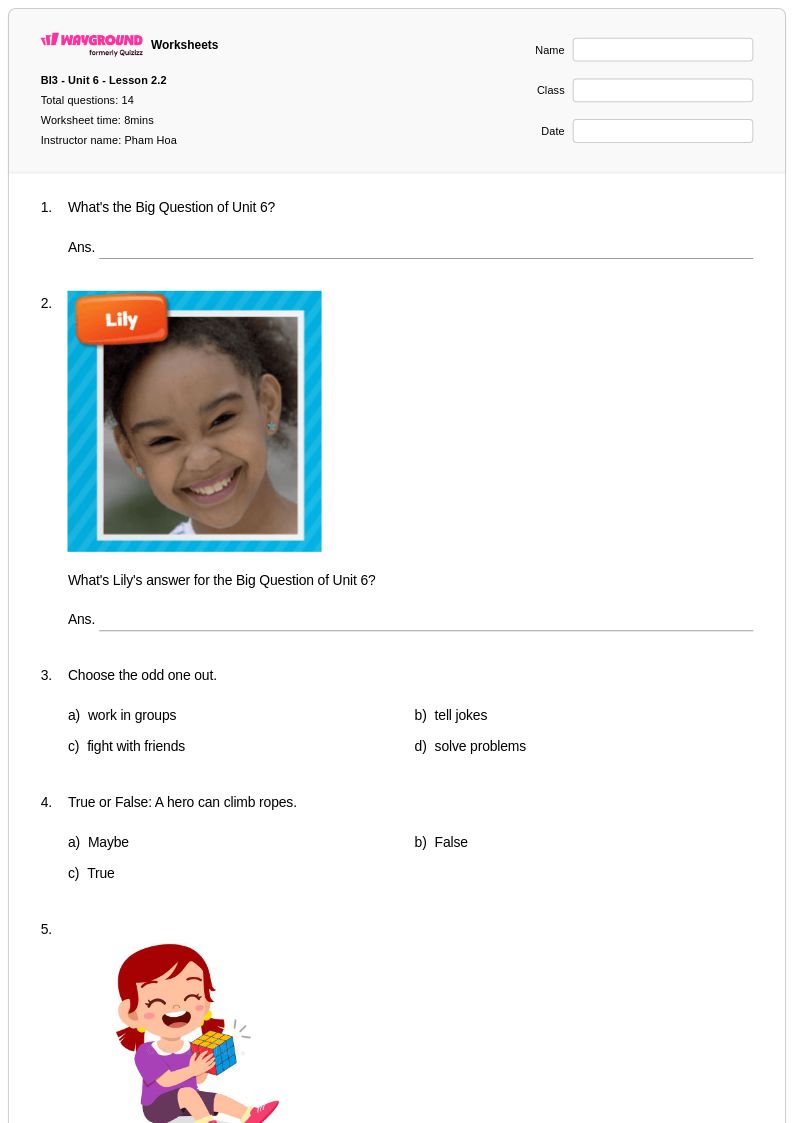
Year 3 word maps worksheets from Wayground help students expand vocabulary through visual organizers, featuring free printables with practice problems and answer keys to strengthen word relationships and meaning connections.
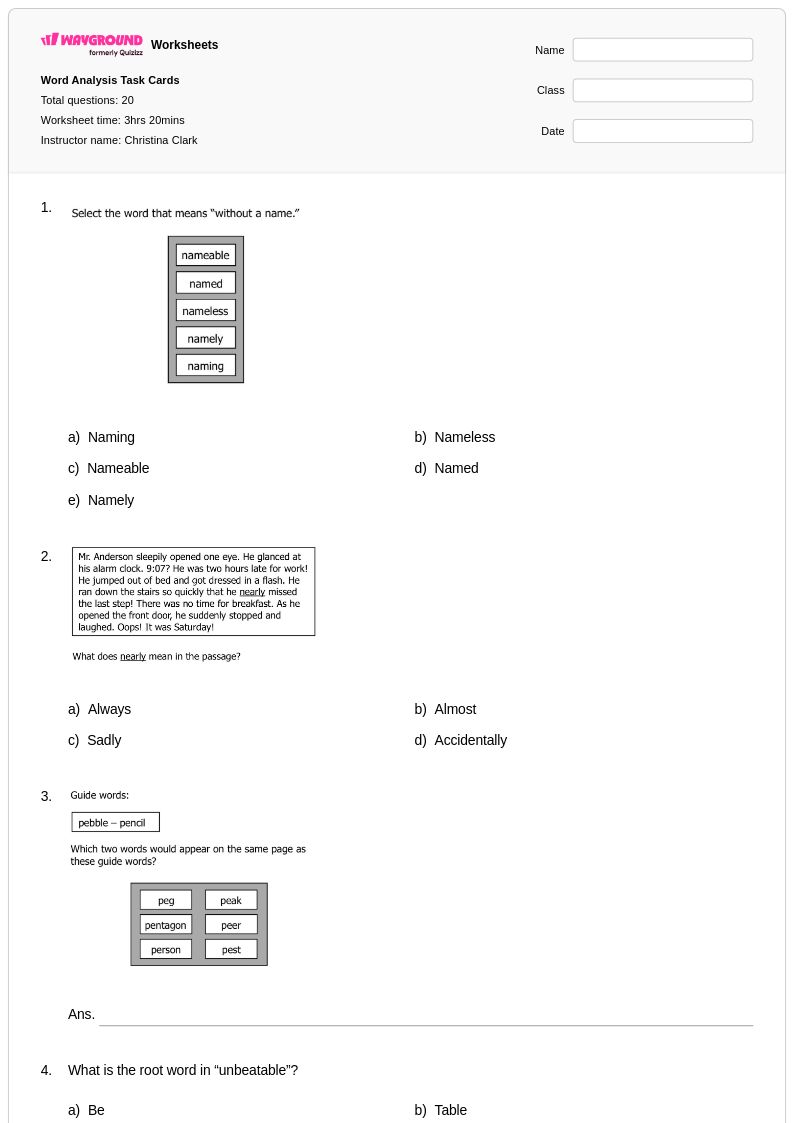
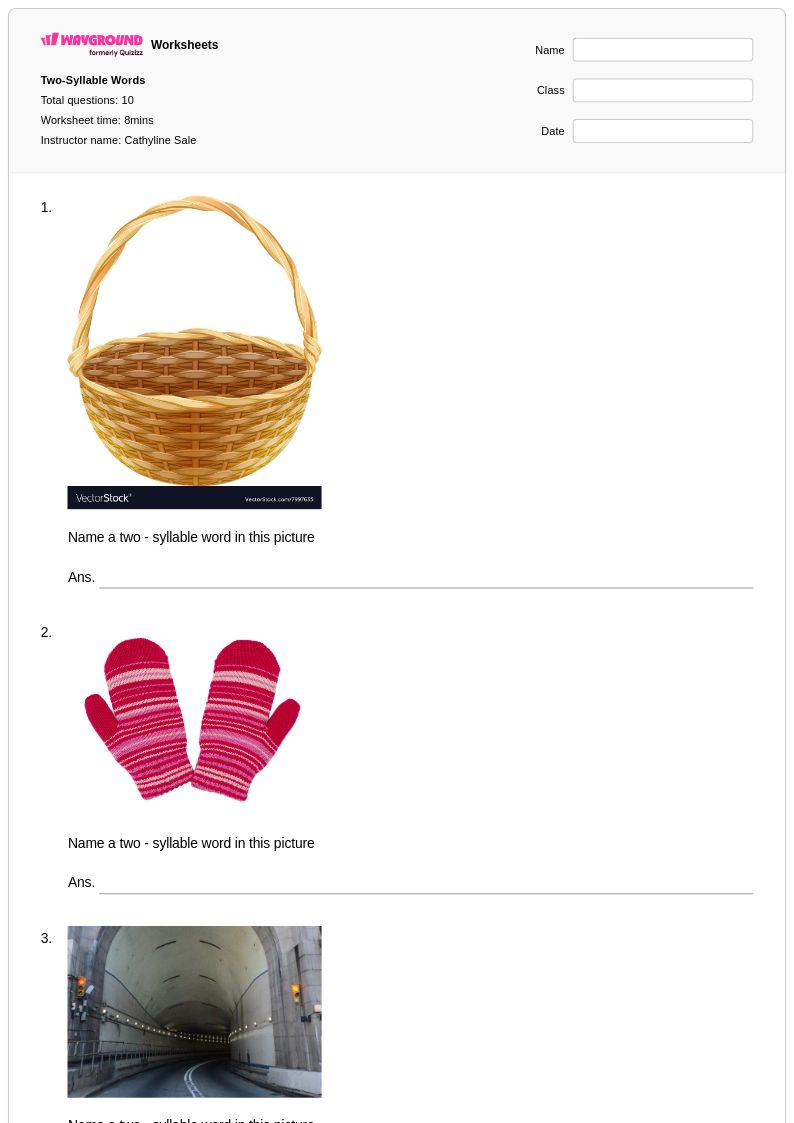
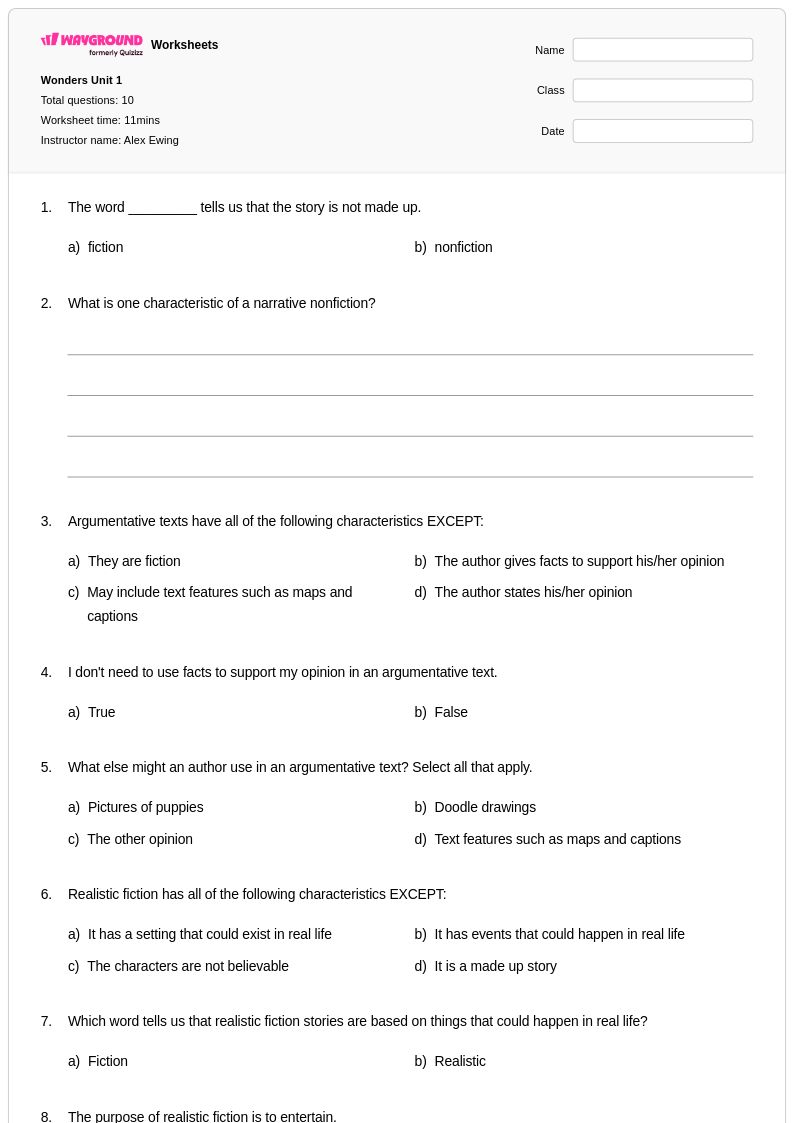
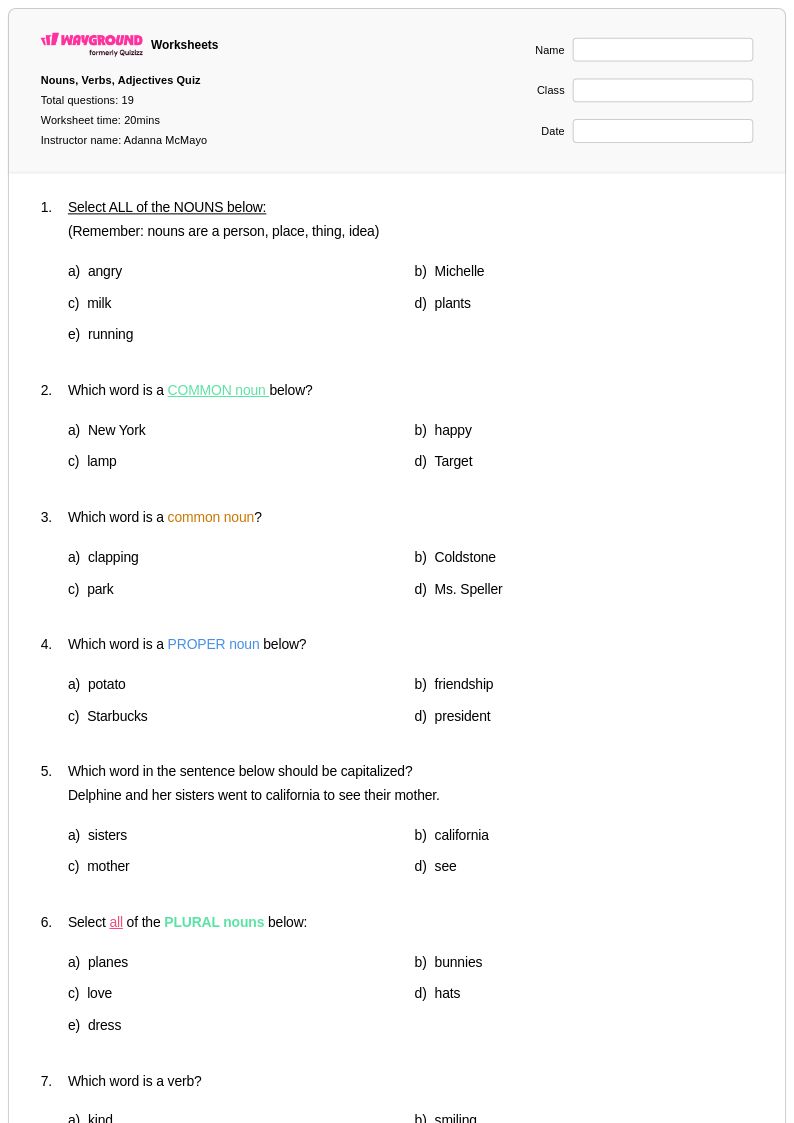
Word maps worksheets available through Wayground (formerly Quizizz) provide Year 3 students with essential vocabulary building exercises that strengthen reading comprehension and language development skills. These comprehensive printables guide young learners through the process of exploring word relationships, meanings, and connections through visual mapping techniques that make abstract vocabulary concepts concrete and memorable. Each worksheet includes structured practice problems that help students organize their thinking around new words, connecting definitions, synonyms, examples, and personal associations in a clear, systematic format. The accompanying answer key allows teachers and parents to provide immediate feedback, while the free pdf format ensures easy access and distribution for both classroom instruction and independent practice at home.
Wayground (formerly Quizizz) supports educators with an extensive collection of teacher-created word map resources, drawing from millions of high-quality worksheets designed specifically for Year 3 vocabulary instruction. The platform's robust search and filtering capabilities enable teachers to quickly locate materials that align with curriculum standards and match their students' specific learning needs. These differentiation tools allow educators to customize worksheets for varying ability levels, ensuring that both struggling learners and advanced students receive appropriate challenges during vocabulary practice. Available in both printable and digital formats including downloadable pdfs, these resources streamline lesson planning while providing flexible options for remediation, enrichment, and daily skill practice that adapts seamlessly to diverse classroom environments and teaching styles.
FAQs
How do I teach word maps to students?
Start by modeling a word map using a familiar, high-frequency word so students understand the structure before working with new vocabulary. Place the target word at the center and guide students to fill surrounding sections with the definition, synonyms, antonyms, and a sentence using context. Once students are comfortable with the format, transition them to completing word maps independently with unfamiliar vocabulary from current reading or content units. The visual structure helps students build semantic networks rather than memorizing isolated definitions.
What exercises help students practice vocabulary with word maps?
Word map worksheets work best when students are asked to go beyond copying a dictionary definition and instead identify synonyms, antonyms, visual representations, and real-world examples for each target word. Pairing word map activities with a shared text gives students the context they need to fill in each section meaningfully rather than guessing. Having students compare completed word maps in small groups also reinforces vocabulary retention by exposing them to multiple associations for the same word.
What mistakes do students commonly make when completing word maps?
The most common error is treating a word map like a simple dictionary entry, writing only a definition and stopping there. Students often struggle to distinguish synonyms from definitions, or they select antonyms that are only loosely opposite rather than precisely contrasting. Another frequent issue is writing decontextualized example sentences that don't demonstrate real understanding of the word's meaning or usage. Prompting students to read their example sentence aloud and ask whether it would make sense to someone unfamiliar with the word is a quick self-correction strategy.
How do I use word map worksheets to support diverse learners in my classroom?
Word map worksheets are well suited for differentiation because the graphic organizer format reduces cognitive load while keeping vocabulary expectations high. On Wayground, teachers can apply individual accommodations such as read aloud, which has audio reading of questions and content delivered to students who need it, and reduced answer choices to lower cognitive demand for selected students. Extended time settings can also be assigned per student, ensuring students who need more processing time are supported without disrupting the rest of the class. These accommodations are saved and reusable across future sessions.
How do I use Wayground's word map worksheets in my class?
Wayground's word map worksheets are available as printable PDFs for traditional classroom use and in digital formats for technology-integrated environments, giving teachers flexibility for in-class activities, homework, or independent practice. You can also host a word map worksheet directly as a quiz on Wayground, allowing you to assign it digitally and track student responses. Answer keys are included with each worksheet, making it straightforward to assess student understanding and identify which vocabulary concepts need additional instruction.